



Abstract
Hate crimes against Jews in America are on the rise, including on college campuses. In this article, the authors share details about their recent study, The Interfaith Diversity Experiences and Attitudes Longitudinal Survey (IDEALS), which surveyed thousands of students at over 120 schools. The findings show that Jewish students are the least likely among their peers to view their campus environments as welcoming to people of diverse faiths.
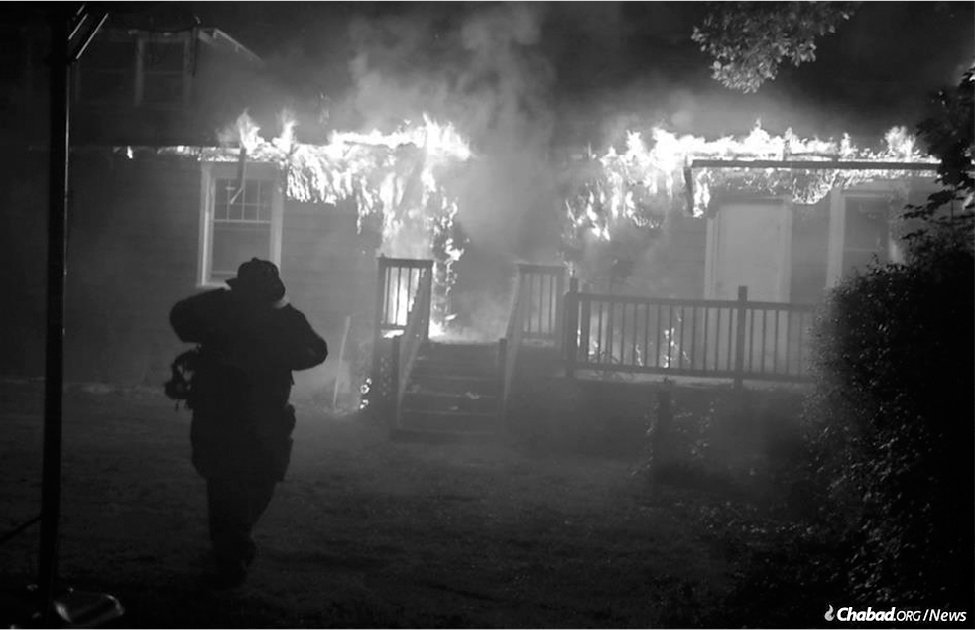
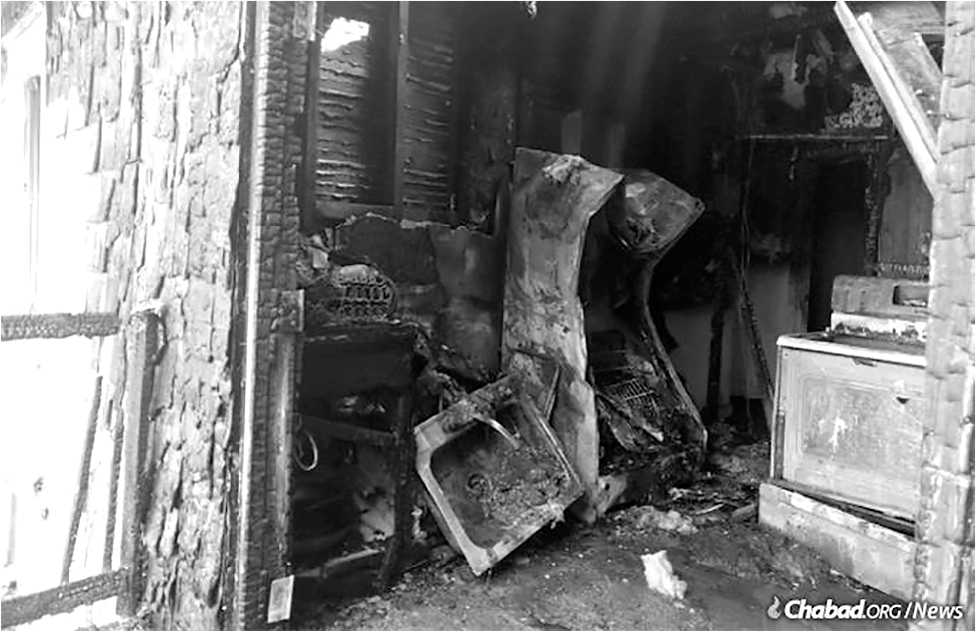
On August 27th, then-candidate Joe Biden retweeted a report that a fire at the University of Delaware’s Chabad Center for Jewish Life was ruled arson by the Delaware State Fire Marshal. Biden wrote, “This news is deeply disturbing—as an alum of @UDelaware and as an American, we need a full and swift investigation into what happened,” adding, “With anti-Semitism on the rise across the country, we all have a moral obligation to speak out and give hate no safe harbor.”
Biden was right. Hate crimes against Jews in America are on the rise, including on college campuses. The Antidefamation League found an 89 percent increase in reports of anti-Semitism on campus from 2016 to 2017, and there are no signs of this upward trend slowing down.
Our study, The Interfaith Diversity Experiences and Attitudes Longitudinal Survey (IDEALS), involved surveying thousands of students at over 120 schools and conducting qualitative interviews with over 250 students at 18 of those schools about their experiences on campus. The study was performed by research teams at Ohio State University, North Carolina State University, and Interfaith Youth Core.
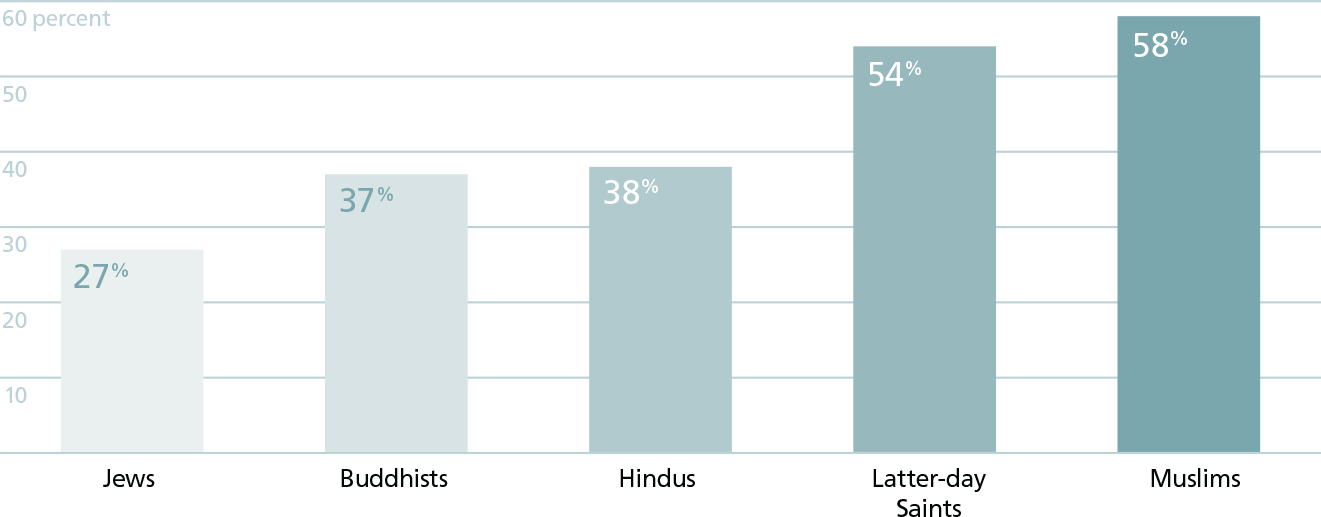
We found that Jewish students are the least likely among their peers to view their campus environments as welcoming to people of diverse faiths. Only 27 percent of Jewish students in their senior year agreed that their college or university is receptive to religious diversity.
Our qualitative case study data, which includes focus group interviews with students, provides additional detail on what Jewish students are experiencing on campus. What we heard was startling.
Kara, a Jewish student on a public university campus in the Southeast U.S., shared that she has “definitely felt physically unsafe multiple times” (names and institutions have been removed per ethics board guidelines). When asked to clarify, she said: “I’ve been followed, I’ve been shouted at for being Jewish, and I’m not the only one. I found swastikas on campus, I’ve had people shout things at me, I’ve had people change their behavior to do specific things to offend me. I’ve had people do things that they would never do otherwise because they know I was present, and they will make jokes and do really antisemitic things just because they know I’m there. I’ve stopped reporting it, because nothing ever came of it.”
Struggling to Receive Religious Exemptions
Several interviewees shared the difficulty they experienced receiving exemptions from attending class to recognize a Jewish holiday.
“I’ve had to justify to professors that a holiday that I had to miss class for was real. I wasn’t making it up and I wasn’t trying to get extra help,” Shannon, a Jewish student at a private liberal arts college in the Northeast U.S., explained. “If I had to ask friends for notes, there is sometimes a little bit of hesitancy with that...they’re like, ‘I’m not helping you do better on a grade just because you’re too lazy to come to class.’” She asked the professor to record the class period for her, but the professor refused, “they’re like, ‘Well, you’re choosing to miss class, so I’m not going to do that.’”
Michelle, a Catholic student at a private research university in the South, took notice when a Jewish student was denied a religious exemption. “I learned there was an orthodox Jewish student who was not able to skip their class because it fell on a religious holiday...the professor said you need to keep your personal life away from your school life. You have to make a decision.” Michelle explained that the student appealed to administrators, and she received the same feedback. “It was really frustrating for me to hear that because that type of shutting down of beliefs and coercion, that we cannot accommodate your religious beliefs, that frustrates me a lot,” Michelle said.
Religious minority students who “somewhat agreed” or “strong agreed” that their campus is welcoming of religious diversity
Source: The Interfaith Diversity Experiences and Attitudes Longitudinal Survey (IDEALS)
The Chabad center at the University of Delaware was destroyed after being set ablaze by an arsonist.
Dave Wilson/Aetna Hose, Hook & Ladder Company, www.chabad.org
Ruins from the fire.
Navigating Christian Privilege
Another common thread that arose among Jewish interviewees was some difficulty navigating Christian privilege on campus. Seifert’s Understanding Christian Privilege: Managing the Tensions of Spiritual Plurality defines Christian privilege as “the conscious and subconscious advantages often afforded the Christian faith in America’s colleges and universities.”
Elian, a secular humanist student at a public university in the Southeast U.S., observed that the campus environment “mirrors a church, where you have the speaker up front and everybody in the seats, staying seated the whole time and listening to the presenter...a very Christian model of learning,” he explained. He added, “I’ve gone to synagogues where things like side comments are common and nobody gets upset at it. I know personally some Jewish students who will be in class and make side comments, because that’s [their] learning upbringing, and then be admonished for that.”
At that same university, Sarah, a Muslim student, struggled to garner the same support for Muslim and Jewish student groups that Christian groups received. “I’ve been trying for two years to kind of get support for it and help, but basically when you look for help from spiritual organizations on campus, other than Christian, it’s always like, yeah, you’re allowed to do that, but it’s never like, oh, we’re going to help you and here’s some resources,” she said.
Mitchel, a Catholic student at a Catholic university in the Western U.S., told us about a time when his university attempted to celebrate the Jewish New Year. “What was interesting for me was that our president came out and he talked about how we can relate this to Catholicism, and how as a Christian he was like, ‘This could mean something to us as well.’ It felt like the experience and the tradition and the ceremony is being watered down through a Christian lens. It was like, “Oh, we can only do this strictly Jewish thing if we preempted with Christian value.”
The Importance of Interfaith Friendship
Jenny had an experience in the university choir at a private university in the Southwest where the choir sang mostly Christian music. However, she also said that the experience “strengthened my understanding of what my Jewish identity looks like,” and “strengthened my desire for more interfaith connection because I think it’s really important that we start working together to achieve things rather than tearing each other down.”
Jenny raises an important point about the importance of interfaith connection. Our research found that when students are given opportunities to develop friendships with peers of different religious and nonreligious perspectives, they are more likely to see their campus as welcoming.
As a case in point, Jane, a Jewish student at a private university in the South, said “I was very pleased by how inclusive a lot of the very religious Christian people on campus that I met were. Two of my closest friends on this campus are of very, very different political and religious views than me. They’re very, very Republican, conservative Christians, and they have shown me that the attitude that I was expecting based on what people in my community from home had told me did not hold up in many cases. It’s been a very cool experience for me and I think my attitude towards Christianity as a Jewish person has been changed forever, honestly.”
Oftentimes, religious and nonre-ligious diversity is left out of plans to promote equity and inclusion on campus. As a result, discriminatory actions taken against people with certain religious beliefs, such as anti-Semitism and Islamophobia, are left unchecked.
Most Jewish college students experience Anti-Semitism. It is a pervasive and growing problem.
Educators and administrators can address the problem by sending the message that people of all faiths and world-views, including Jewish students, are a valued part of the campus community. This includes creating policies that extend religious exemptions, dining options, and access to worship spaces to students of all faith groups, as well as a system for reporting religious hate-crimes and addressing them. For Jewish students, we found that access to Kosher dining options goes a long way. Finally, educators and administrators should work to identify formal and informal mechanisms of Christian privilege on campus that are exclusionary to minoritized religious and nonreligious students. Which religious-based holidays, practices, and traditions are visible and supported on campus, and which ones are not?
In taking time to elevate and assess this lesser-appreciated element of diversity, we can ensure safe, equitable, and inclusive campuses for Jewish students.