




Abstract
Ancestral belonging, identity, and race are inextricably linked to a historical phenomenon in need of further academic investigation: shared kinship between enslaved Africans and enslaved Native Americans. How did Africans and Native Americans meet during slavery?
Keywords
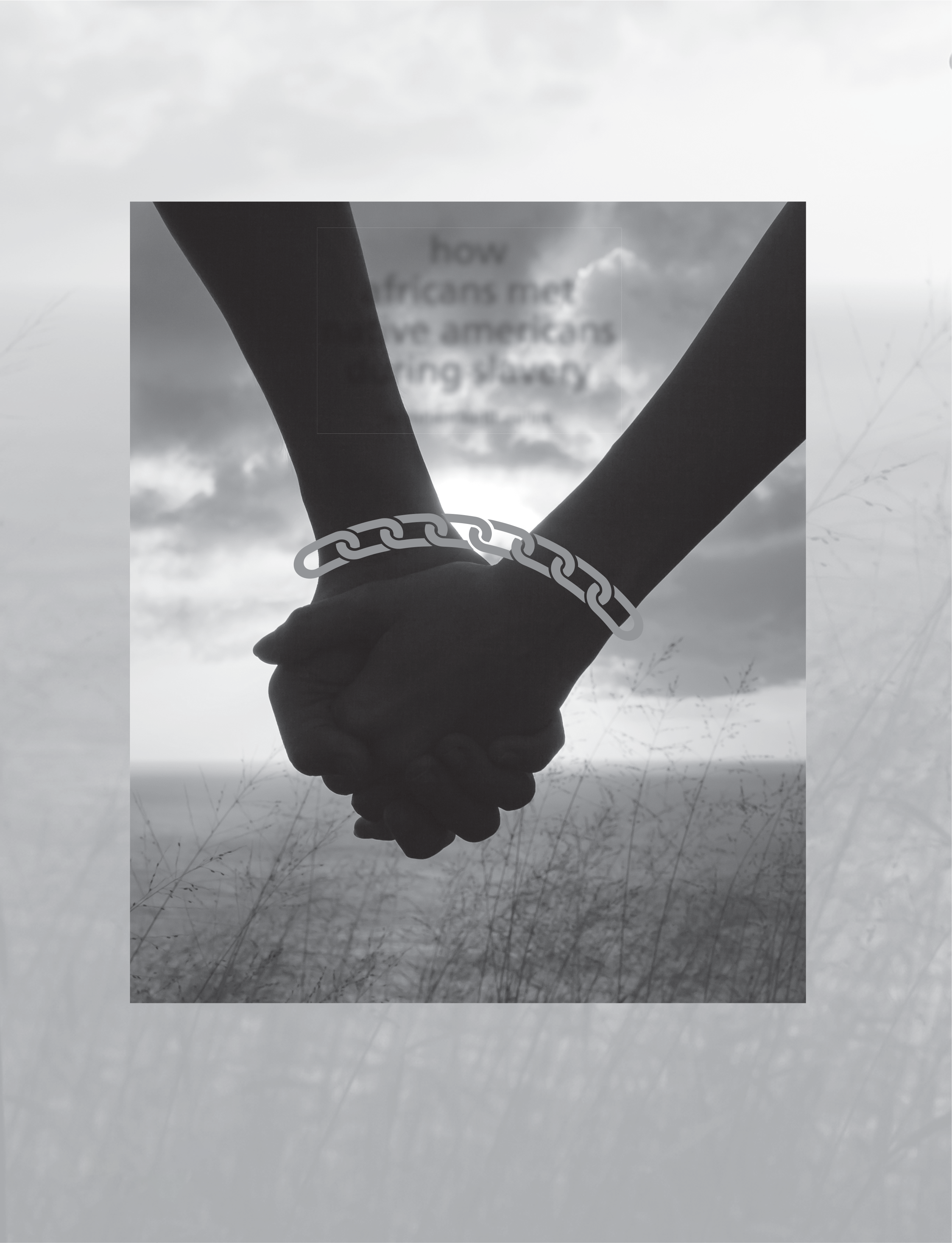
“The way I was raised is you know… you are this. This is your background. You’re Black, you are Euro-American, and you are Native American, but society is going to treat you this way, so be prepared…I am an African American, but I am also Cherokee… At no point in time do I choose, oh I am just Native American. I am just that: A Black Cherokee…My ancestors were enslaved by Euro-Americans. We made it. We survived. They were enslaved by Native Americans. We adapted and we survived. So, I am a survivor.” MR. REED
During the summer of 2008, I interviewed Mr. Reed as part of fieldwork for the traveling Smithsonian banner exhibit, IndiVisible: African-Native American Lives in the Americas. A descendant of Cherokee Freedmen, he moved from California and attended high school in Muskogee, Oklahoma, where it was not uncommon to see people wearing confederate flag clothing. Skin color shaped lived experiences in this community. When asked how skin color prejudice impacted him, he responded, “Well, the skin tone issue is two-fold. Because one, being African American, you kind of catch it from the African American community too. There is this whole light-skinned, dark-skinned thing that, of course, can go all the way back to slavery. This is an issue for the African American community, but for the most part, you’re black, so you are accepted.”
All the Way Back to Slavery?
In the quote above, Mr. Reed reminds us that his understandings of ancestral belonging, identity, and race are inextricably linked to a historical phenomenon in need of further academic investigation: shared kinship between enslaved Africans and enslaved Native Americans. How did Africans and Native Americans meet during slavery? The approach taken here to examine shared kinship in slavery reveals the need for continued attention to slave narratives and the ancestral origins of the 182,494 individuals in the 2010 Census who self-identified as African American and Native American or Alaska Native. Or the 112,207 individuals, like Mr. Reed, that identified as African American, Native American or Alaska Native, and Caucasian.
Library of Congress, Manuscript Division
Patsy Moses, Age 74. Texas, United States, 1936. Born in Slavery: Slave Narratives from the Federal Writers’ Project, 1936 to 1938.
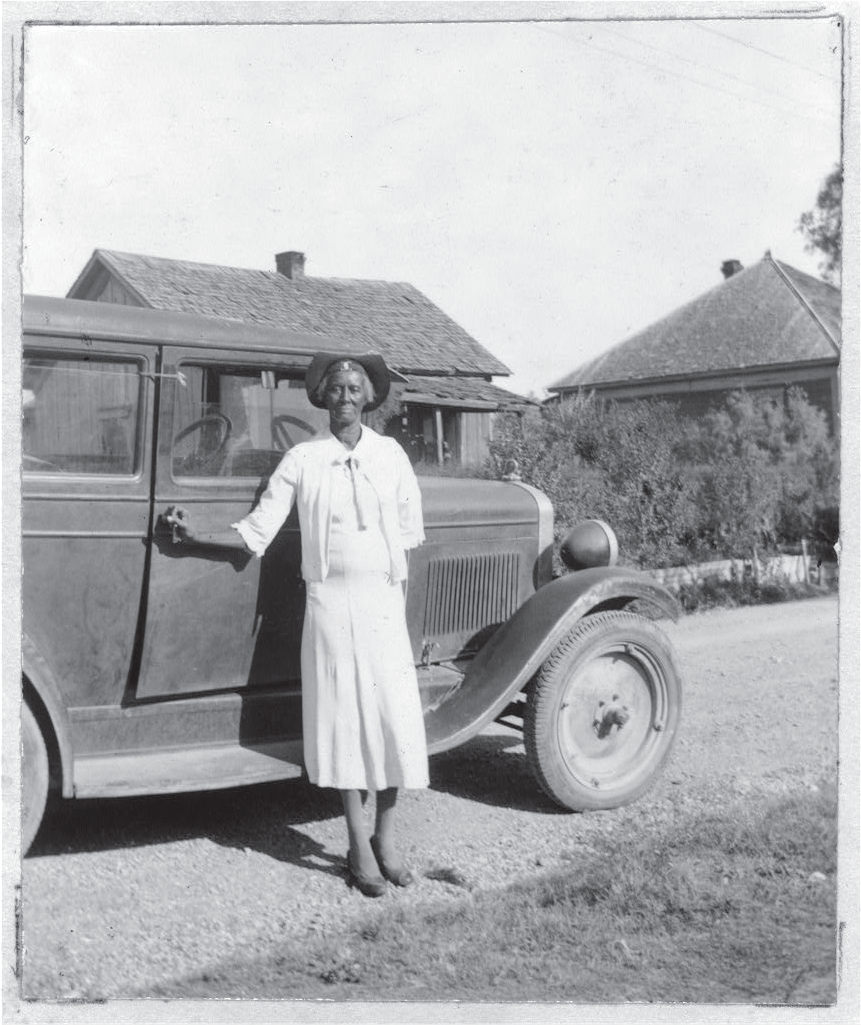
Between 1936 and 1938, Africans formerly enslaved by Native Americans—and the mixed-race children of enslaved Africans and Native Americans—shared with fieldworkers from the Works Progress Administration (W.P.A) what it was like to be both a slave and members of an enslaved, blended, African and Native American family. Some of these narratives, now located in the Library of Congress, describe relationships between enslaved Africans and Native American slaveholders, enslaved Africans and enslaved Native Americans, and experiences of both being abducted into slavery. Others recall experiences that preceded and followed after the removal of their parents to Indian Territory—now the State of Oklahoma—as slaves of the Cherokee, Choctaw, Chickasaw, Creek, and Seminole. During slavery, Africans and their African-Native American children performed domestic duties, acquiring social roles from Native American, mixed-race European, and Native American slave owners. Such roles included child-rearing, cleaning, cooking, hunting, policing (i.e., Light Horseman), weaving, and working as maidservants, etc.
For example, Ms. Eliza Whitmore’s narrative, told to W.P.A. fieldworker Mr. James Carseloway in February 1938, described experiences serving Cherokee Principle Chief Ross and other dignitaries during the meetings that lent to the establishment of the Cherokee capital at Tahlequah. In her interview, she shared, “When we arrived here from Georgia, my parents settled with their master, George Sanders, near Tahlequah, or near the place where Tahlequah now is located, for at that time the capital had not been established…I remember, too, the great Inter-Tribal Council, which was held in Tahlequah in the year 1843, under the leadership of Chief John Ross. My mother assisted with the cooking at the gathering, while my duty was to carry water to those at the meeting, from the nearby springs.”
Between 1936 and 1938, Africans formerly enslaved by Native Americans— and the mixed-race children of enslaved Africans and Native Americans— shared with fieldworkers from the Works Progress Administration (W.P.A) what it was like to be both a slave and members of an enslaved, blended, African and Native American family.
Mr. Paul Garnett Roebuck recalled to W.P.A. fieldworker, Ms. Hazel B. Greene, that, “My father was a Light Horseman then. After that he got to be a United States marshal, and was one for thirty years, until his death—June 23, 1903…I was a deputy sheriff at times in my life, but I have devoted the most of my life to the ministry. Father was interpreter for the Choctaws and Chickasaw Indians at the federal courts at Paris, Texas.”
Library of Congress, Manuscript Division
Mary Kincheon Edwards. Texas, United States, 1936. Born in Slavery: Slave Narratives from the Federal Writers’ Project, 1936 to 1938.
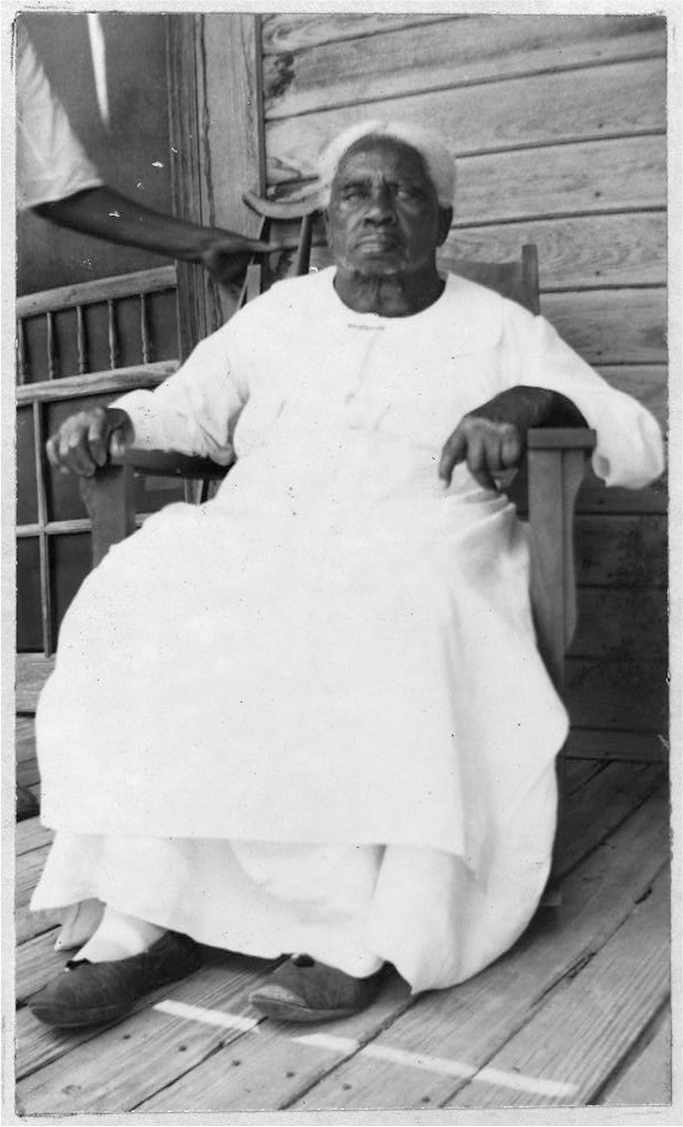
For over a century, scholars have created an empirically sound literature base on this phenomenon that lies at the intersections of sociology and social anthropology. Like the scholars of the 1920s, 30s, and 40s, whose central focus of analysis was on African and Native American contact, investigations between the 1940s and 1970s centered on kinship ties, particularly the need for what Talcott Parsons referred to as the common-sense understandings of kinship ties in the United States that held dubious standing within science.
All the Way Back to Slavery
Understanding how Africans met Native Americans in slavery requires a move away from racially deterministic assumptions about the race of slaves to a renewed interest in the kinship ties they embodied. This move may still be seen as dubious by those who consider oral history to be “tall-tale” or any questioning of the determining criteria of who can be considered Native American as historical revisionism. In 1960, Brewton Berry initially challenged such assumptions in, “The Myth of the Vanishing Indian.” Later in 2007, Gonzalez, Kertesz, and Tayac further challenged this notion by finding eugenics laws and associated racial attitudes, such as those of Walter Ashby Plecker who in the 1920s, negated Black-Native admixture, despite narratives among the African Americans and Native Americans with African ancestry that alluded to the contrary. The basic assumptions challenged the notion that former slaves did not know who they were, as individuals claiming African and Native American ancestry often lied.
This negation of mixed-race kinship ties embodied by former slaves—and their associated cultural practices and identities—characterize the racial attitudes of U.S. society, as well as the desires to suppress the histories of being and family that slave narratives comprise. Anthropologist—later sociologist—Lawrence Foster summarized the underpinnings of this phenomenon best in 1935. He encouraged us to remember that contacts between Africans and Native Americans are indelibly linked to the colonial period of the United States when both Africans and Native Americans could be, and were, made slaves. Although these interactions were varied, for some Africans, this meant forced illegitimate kinship ties, through a White and Native American mixed-blood slave owner engaging in conjugal visits or forced breeding to increase the slave population. For some Native Americans, this meant intermarriage with Africans or African and Native Americans mixed-bloods. This also meant absorption into the larger African descended slave populations of homes and integrated plantations, away from which all might be sold to a new Native American or Caucasian slave owner.
Enslavement of Native Americans preceded the arrival of enslaved Africans. Some of the earliest interactions between African slaves imported from English colonies of the West Indies and Native American survivors of the Pequot and King Philips Wars happened when the two groups were being shipped to the islands. By 1730, the 700 slaves that made up the bondservant population of Connecticut comprised both Africans and Native Americans. In 1747, an African and Native American mixed-blood slave left his Native American wife and ran away from the Carolinas with his son.
In New Jersey, during the same time period, enslaved Africans were characterized as having a distinct phenotype due to extensive intermarriage with Native Americans of the colony. The historical analyses of Jack Forbes, like the earlier works of Kenneth W. Porter, remind us that, as the number of African slaves increased in colonies like New York and New Jersey, so too did the frequency of enslaved Native American absorption into the physical appearance of the larger slave population in the Northeast. By 1903, for example, Narraganset communities were frequently mistaken for African American communities.
Henry Robinson, Ex-slave. Rhode Island, United States, 1938. Born in Slavery: Slave Narratives from the Federal Writers’ Project, 1936 to 1938.
Library of Congress, Manuscript Division
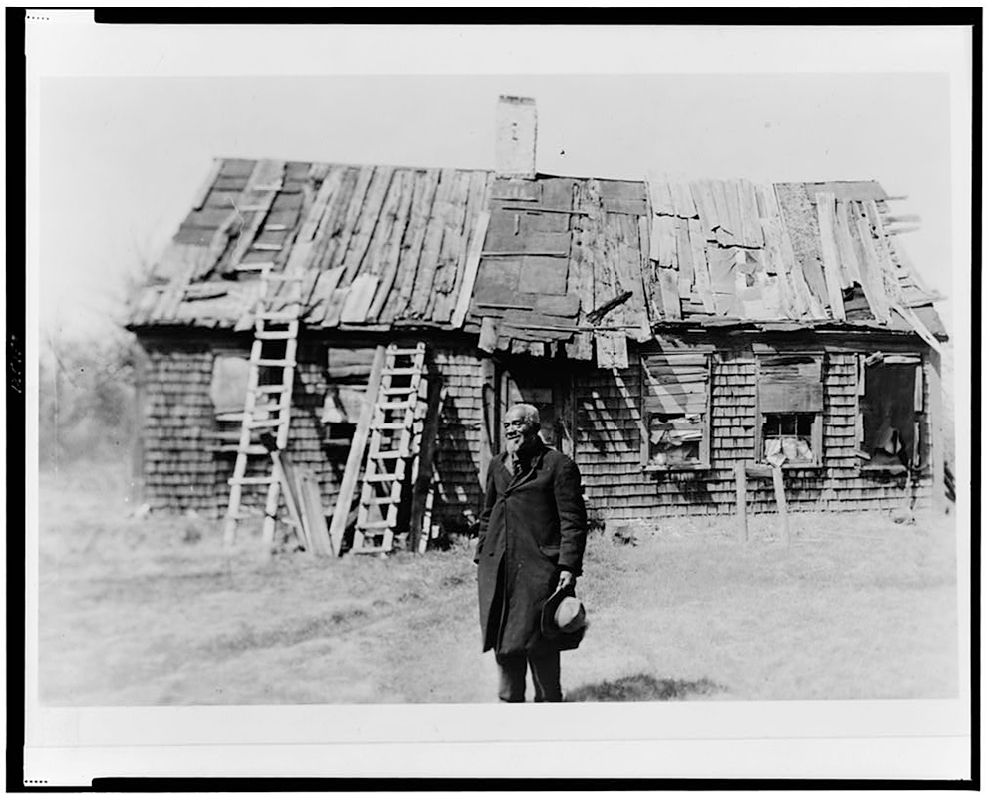
In the southeast, the absorption of enslaved Native Americans into the larger enslaved African population occurred with greater frequency due to the extensive practice of plantation slavery within the southern region of the United States. As early as 1708, the slave population of South Carolina, a colony that benefited from fully conceived practices of slavery in Barbados, had an enslaved population of 2,900 African descended slaves and 1,400 Native American slaves.
This negation of mixed-race kinship ties embodied by former slaves—and their associated cultural practices and identities— characterize the racial attitudes of U.S. society, as well as the desires to suppress the histories of being and family that slave narratives comprise.
In Charleston, South Carolina, slave traders could purchase both African and Native American slaves; however, these experiences were not merely documented in the annals of history, periodicals, and scientific analysis. Like the ancestries of Mr. Reed, they were remembered. For example, Louisa Davis recalled the sale of her family to W.P.A fieldworker W.W. Dixon in Winnsboro, South Carolina. “I was born in de Catawba River section. My grandpappy was a full-blood Indian; my pappy a half-Indian; my mother, coal-black woman. Just who b’long to when a baby? I’ll leave dat for de white folks to tell, but old Marster Jim Lemon buy us all; Pappy, Mammy, and three chillun; Jake, Sophie, and me.” The experiences and memories of enslaved Africans and Native Americans on the auction block were not limited to South Carolina.
In Louisiana, particularly New Orleans and Shreveport, enslaved Native Americans could be found on the auction block alongside enslaved Africans. These experiences were remembered by those who were there. For example, Mr. Spence Johnson, stolen out of the Choctaw Nation with his mother and siblings, recalled being sold in vivid detail to W.P.A. fieldworker Ms. Ada Davis in June 1937. He shared, “Down in Louisiana, us was put on what dey call de block and and sol’ to de highes’ bidder. My mammy and her three chillum brung $3,000 flat. De step chillun was sol’ to somebody else, but us was bought by Marse Riley Surratt.” These narratives, if true reflections of kinship ties and lived experiences, give us insight into the shared experiences of enslaved Africans and enslaved Native Americans that made up the ancestries of some Indian Freedmen.
True Reflections of Lived Experiences
Between 2007 and 2009, during my tenure as co-curator of the IndiVisible exhibit, I studied over 50 different slave narratives from our Library of Congress. Ongoing investigations into the present, in tandem with examinations of the anthropological, historical, and sociological records, continue to shed light on the dynamics of courtship and family life formed between enslaved Africans and Native Americans, and their children. The narratives are corroborated by descriptions of society within these academic records. In these narratives are candid descriptions of the enslaved African and enslaved Native American parents who made up respondent genealogies and extensive discussion of how their enslaved full-blood and mixed-blood African and Native American parents met and interacted during their childhood. Although some respondents’ narratives are largely reflective of lived experiences as slaves within Indian Territory, later The State of Oklahoma, other respondents to W.P.A fieldwork recalled experiences in states throughout the southeast such as Georgia, Mississippi, etc.
Some of the earliest interactions between African slaves imported from English colonies of the West Indies and Native American survivors of the Pequot and King Philips Wars happened when the two groups were being shipped to the islands.
Alonza Fantroy Toombs. Alabama United States, 1936. Born in Slavery: Slave Narratives from the Federal Writers’ Project, 1936 to 1938.
Library of Congress, Manuscript Division
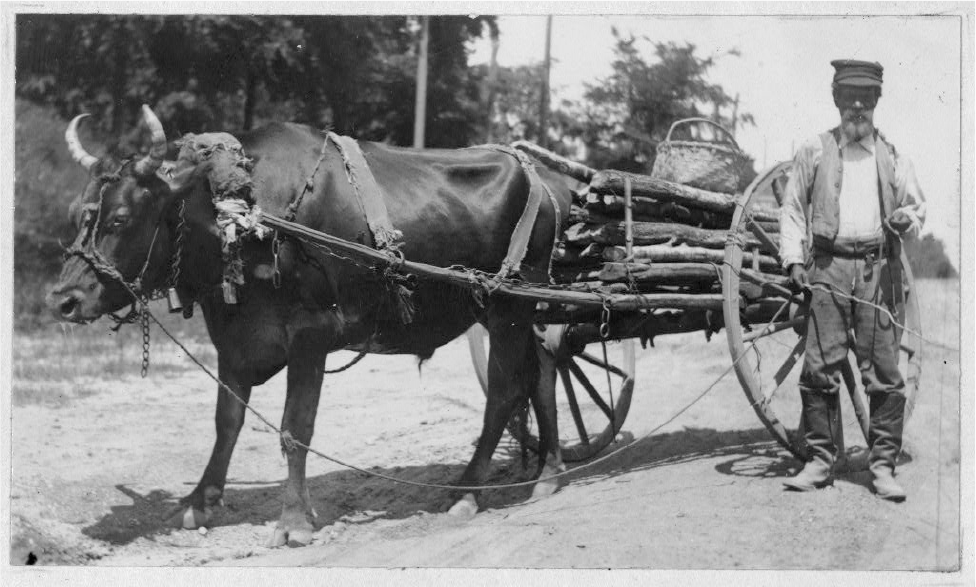
For example, Mr. Chaney Mack, the son of an enslaved African father and enslaved Choctaw mother, offered the following examples of his family life to W.P.A. fieldworker Mrs. Judith Wulph in Mississippi: “Yes, my father was a full-blood African. He was about 18 years old when they brought him over. He came from near Liberia. He said his mother’s name was Chaney, and dats what I gits my name. My mother was a pure-blood Indian. She was born near dat Lookout Mountain, up in Tennessee, on a river, in log hut…Dey belong to de Choctaw tribe… She would get mad at us sometime, and when she did, we would all “step light”… She look at us, and say: “Ye pore sinner, fell from de rock, de day de moon went down in blood. Den she was going to whup somebody… She whupped my daddy, jest the same as de rest of us. He was short—no taller than me, and she was seven foot tall. Dey call her “Big Sarah,” and nobody fooled wid her…” Mr. Mack’s narrative sheds light on the origins of his parents and the strength of his mother. Her death at the suspected age of 112 and his taking care of her, is a testament to the memories of kinship that race can’t erase despite the punishment she occasionally inflicted.
Although most of these narratives reflect integrated homes and plantations, some plantations segregated Africans and Native Americans before and after adulthood, and intermarriage did not occur. For example, during an interview with W.P.A fieldworker Ms. Ada Davis, Ms. Della Bibles gave a description of a segregated plantation where children of all colors grew up together and shared fictive kinship ties; however, they did not live together. “My mammy was a white woman. When she was about fourteen, Marse Snell, he married her to a full-blood Indian that he had on the place, named Ephram Snell… Anyway, my mammy was a sure enough white woman, and my daddy full- blood Indian daddy…Mammy had her little house to herself, and her family didn’t mix with the Negroes no more than the Snell folks did. Of course, with us, like with all families round us, all the children, white and black grew up on the yard together. But they didn’t eat or sleep together. I never have, in my life live with the Negroes.”
The narrative of Ms. Della Bibles serves as a reminder that the segregation following slavery and the slave experiences of Indian Freedmen may have roots in plantation cultures. These cultures sought to ensure that the social etiquette guaranteeing white supremacy, which was reflected at home and shaped the lives of those forced into servitude within the household. Their work and toil, told as narrative, provide a window into what it was like to experience slavery and observe the cultural and social behaviors and practices that enabled its legitimacy.
The movements by many Indian Freedmen descendants today demanding recognition of their Native American citizenship under the 1866 series of treaties with the Five Civilized Tribes, and others, has brought renewed attention and significance to these narratives of illegitimate kinship. Like Freedmen before them, Freedmen descendants continue to deal with the same imposed illegitimate kinship statuses their ancestors were forced to embody. Freedmen descendants must interrogate the race making habits of past census enumerators and vital statistics staff that used the “One-Drop Rule” or notion that anyone of African ancestry is Negro, Black or African American to recognize them and their ancestors. This notion of the “one-drop rule” was originally a custom among European American southern slaveholders, later adopted by Native American slaveholders. The “rule” emerged to use mere knowledge of an African ancestor—metaphorically reduced to one drop of Black blood—as an indicator of slave status. The practice evolved state by state to become a nationally recognized practice.
It is important for Freedmen descendants to interrogate this notion today, for it lends the illusion in the minds of many Americans that slave status was only synonymous with African ancestry, even though a significant body of academic work and W.P.A narratives have illuminated the misplaced nature of this expectation. Consequently, all Indian Freedmen descendants, like African Americans in general, are forced to cope with racist assertions and assumptions that they have no Native American ancestry, despite corroborating evidence in the historical record and census rolls prior to the Dawes Act of 1887 and associated commission.
Renewed Attention and Significance
What implications for research do these narratives hold for understanding how Africans and Native Americans met during slavery? Like Mr. Reed’s narrative, Laurence Foster’s work alluded to the importance of renewed attention to the significance of shared kinship between enslaved Africans and Native Americans. In his book, Negro-Indian Relationships in the Southeast, Foster stated, “The social order is so constructed in the United States that a person classed as white must have no Negro blood; and in cases where the Indian is classed as “white”, he must not have a “drop” of Negro blood. But where it is financially or politically advantageous, one drop of Indian blood does not make a white man an Indian.”
However, this is only part of the story. Further academic exploration of kinship ties between enslaved Africans and Native Americans can reveal what these ties meant to descendants and what they did not. While attention to the kinship ties these narratives represent may upset our racial sentiments about who should and should not belong to particular ethno-racial ancestries, such narratives should encourage us to be self-reflexive about the illegitimate genealogies that make up our own ancestries, and the extent to which our mere existence legitimize them. The goal behind this brief analysis is to examine how enslaved Africans met enslaved Native Americans and the lived experiences, family interactions, and shared lifeways that resulted.
As scholars of mixed race, culture, and community, we have deftly explored the racial and social changes that resulted from African and Native American contacts with Europeans in the United States. Perhaps expanding analyses to include the social interactions between those forced into servitude, will enhance our understanding of the long considered illegitimate ancestries of people with legitimate stories of what it was like to be a slave, still embodied by their descendants.