



Abstract
“Satellite babies” may seem odd in an age of “helicopter parents,” yet Chinese American families’ transnational separations are relatively common.
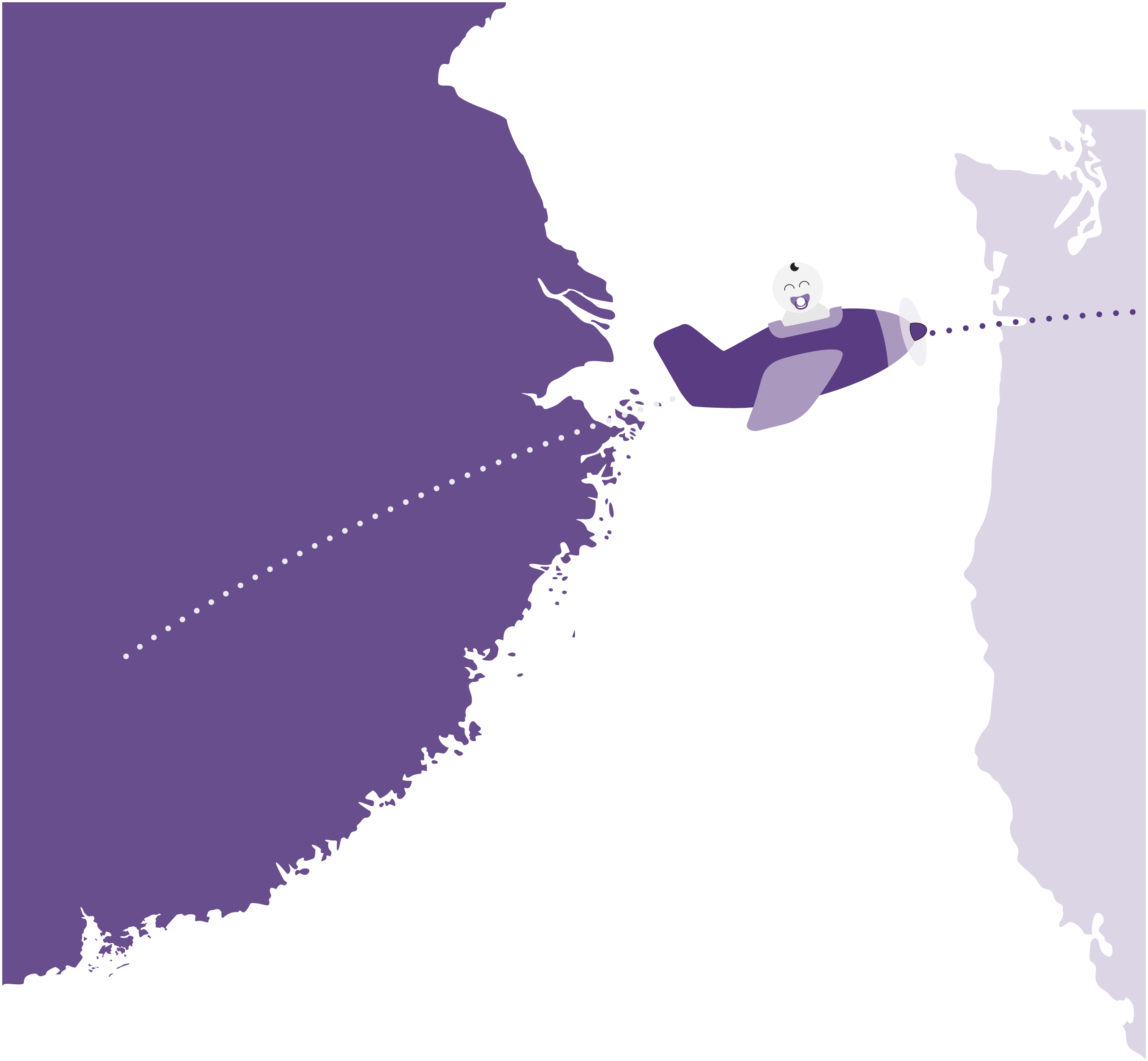
By all measures, 25-year-old Lydia embodied the American dream. The Chinese American Harvard grad was simultaneously pursuing a medical degree and a PhD in biology from a prestigious university in New York. In this, Lydia was following in her parents’ academic footsteps: they had migrated from China to the United States in the early 1980s to pursue PhDs (her mother in economics, her father in physics). They married in Boston prior to having her, their first and only child.
Lydia’s voice sounded calm and composed, even a bit flat, when recalling how she was sent to live with her maternal grandparents in Shanghai from the age of 18 months to 3 years old. During that extended period, she didn’t see either of her parents, who remained behind in the United States to study. “Because they were grad students, they were both really busy,” she explained. “They really didn’t have the time or the money to take care of me, so they decided to send me to live with my grandparents while they finished their degrees and got jobs.” Lydia stayed in China until she contracted a life-threatening illness and was hospitalized for a month, at which point her parents decided to bring her back to live with them.
During the plane flight to Boston, her grandfather announced that she would soon be reuniting with her parents. The young girl, who was deeply attached to her Chinese relatives, didn’t understand what was happening. Lydia recalled her fear: “I didn’t really understand the concept of parents, and I definitely didn’t remember them. I was a little scared to be going home with these strangers.” In the years to come, she would spend more time with babysitters than with her parents, who worked extremely long hours.
Throughout her life, Lydia continued to feel more attached to her grandparents than her parents. She cited their “really close relationship” as the most positive aspect of being sent to China. Despite the strength of these bonds, Lydia was nonetheless conflicted about her early separation. The year-and-a-half she spent apart from her parents had left lingering emotional effects: “I don’t really open up to people. I don’t really trust people very easily, and I think it might have to do with the fact that I was shuttled in between different caretakers,” she stated quietly. “Maybe I didn’t feel that I could really trust anyone to take care of me in the long term.”
Chinese Americans are often considered successful model minorities. Compared to Americans of non-Chinese descent, they have much higher average educational attainment, incomes, and rates of home ownership. Some attribute their accomplishments to stereotypical East Asian family values, pointing to Confucianism, self-sacrifice, and filial piety as factors that may strengthen a sense of collective responsibility between parents and children. Thus, it may come as a surprise that every year many parents send U.S.-born infants—some as young as two months of age—to China for childcare while they remain behind to work and study. These children, who are known as “satellite babies,” typically rejoin the parental household after the family has established financial security and/or when the child is old enough to attend school. But why do parents make this decision? What do these separations—and their emotional consequences for children—reveal about different cultural understandings of family and parenting today?
Intensive Parenting in a Globalized Era
We are living in an age of intensive parenting. American popular culture is filled with depictions of middle-class “helicopter parents”: ever-present guardians who hover anxiously over their offspring in an effort to protect them from any type of harm or disappointment. Some critique this approach for creating a generation of spoiled, non-resilient youth who crumble under pressure. At the same time, in the United States, the notion that parents (especially mothers) should be physically present and emotionally responsive to their child’s every need during the first few years of life is generally unquestioned. According to sociologist Sharon Hays, contemporary parenting is expected to be “child-centered, expert-guided, emotionally absorbing, labor-intensive, and financially expensive.” Parents unable to adhere to these unrealistic standards may be labeled bad or uncaring, causing immense guilt for those who depend on kin or paid childcare services.
Every year, many parents send U.S.-born infants to China for childcare while they remain behind to work and study.
Despite its predominance, the idea of early childhood as the most important period of life only emerged in the 1950s from the field of Western developmental psychology. Not only that, but Americans have always relied on others for childcare. “The ideal of biological mothers raising their own children is widely held but is also widely broken at both ends of the class spectrum,” explain sociologists Pierrette Hondagneu-Sotelo and Ernestine Avila. While affluent people have historically used “nannies, governesses, and boarding schools” to raise their children, poor families have shared parenting with extended family members and “other mothers”—typically other female relatives. The latter practice, Hondagneu-Sotelo and Avila suggest, “signifies a more collectivist, shared approach to mothering in contrast to a more individualistic, Anglo-American approach.”
The pressure on Americans to fulfill the demands of intensive parenting increasingly clashes with the realities of globalization, as immense numbers of jobs and workers have moved across international borders. Nowadays, many millions of families are split across countries and cultures for years at a time as parents migrate in search of economic opportunities that may ensure a better future for the entire family. Transnational separations between parents and their offspring—who are either left behind with relatives in the parental country of origin or sent there soon after birth—are quite common among various immigrant groups in North America, including Chinese, Indian, Caribbean, Filipino, Mexican, and Central and South American populations.
Although many communities have long sent children abroad for care, this practice has only just begun to enter public consciousness. In recent years, major American news outlets have begun to highlight transnational separations among Chinese immigrant families. With titles such as “For Satellite Babies, Separation Can Take Its Toll” and “Born in the U.S., Raised in China: Satellite Babies Have a Hard Time Coming Home,” these articles tend to depict parents as uncaring—and arguably un-American. Their implicitly selfish actions are, in these portrayals, irreparably harmful to their children. Within the context of heated debates about immigration and unfounded rumors of “anchor babies” used to secure U.S. citizenship for undocumented parents, the media has pathologized this practice, intensifying judgment and scrutiny of immigrant families. Ironically, this judgment exists even as the Trump Administration has systematically detained and separated thousands of migrant parents and their young children at the U.S.-Mexico border. Furthermore, the negative fixation on Chinese families in particular may also reflect concerns about China’s growing global influence and the undeniable power of its economy, which is predicted to soon overtake that of the United States.
News media often depict these parents as uncaring and un-American, intensifying judgement and scrutiny of immigrant parents.
Sending Babies Across Borders
Because transnational separations are not well studied, it’s difficult to know their prevalence. However, reports from New York City, which has one of the largest populations of recent immigrants from mainland China, suggest that they are relatively common. A 2009 study of expectant women in New York’s Chinatown found that 57% had strongly considered sending their newborns to China; among this group, 75% intended to bring their children back to the United States after age four. A separate New York-based study of undocumented immigrants found that 72% of the Chinese mothers in the sample had sent their infants abroad by the time they were six months old. Socio-economic factors such as parental legal status, unstable employment, inflexible work hours, and the lack of local affordable childcare options may influence this decision, but this practice is also utilized by middle-class, highly educated parents. This may reflect the Chinese cultural expectation that grandparents will serve as primary caregivers to grandchildren while parents work. As globalization has prompted vast waves of economic and educational migration to the Global North, many Chinese families choose to maintain this arrangement transnationally.
Since 2015, I have interviewed 43 Chinese American former satellite babies, who are now adults ranging in age from 18 to 43. All were cared for as children by relatives in China, Taiwan, and/or Hong Kong for at least six consecutive months while both parents lived in the United States, and all retained some tangible memories of their time abroad. On average, they spent 3.5 years of their early lives overseas. Nearly everyone lived with their grandparents—about half maternal and half paternal—while several were cared for by aunts. The group resembled the broader Chinese American population in terms of educational attainment and professional standing. Everyone had attended college (10 were currently enrolled and 8 had a higher degree). Those who worked were largely employed in white-collar fields such as engineering, financial management, scientific research, and software development.
Our conversations revealed that most people lacked a clear understanding of the circumstances surrounding their separation. Few had spoken openly with their mothers and fathers about it, describing them as “typical Asian parents” uncomfortable with discussing feelings. Even so, they generally understood that they were sent abroad to allow their parents to focus on creating more financial stability. They tended to be brought back when parents achieved quantifiable results such as completing degrees, finding better-paying jobs, buying houses, and/or moving to areas with good schools—all of which were considered key markers of success. Two-thirds of individuals returned to the United States by age six, while the rest were brought back in later childhood or early adolescence. Although most were separated once, seven people experienced two or more of these periods.
Even those who described their own transnational separations as practical choices also noted a lingering sense of emotional distance from their parents.
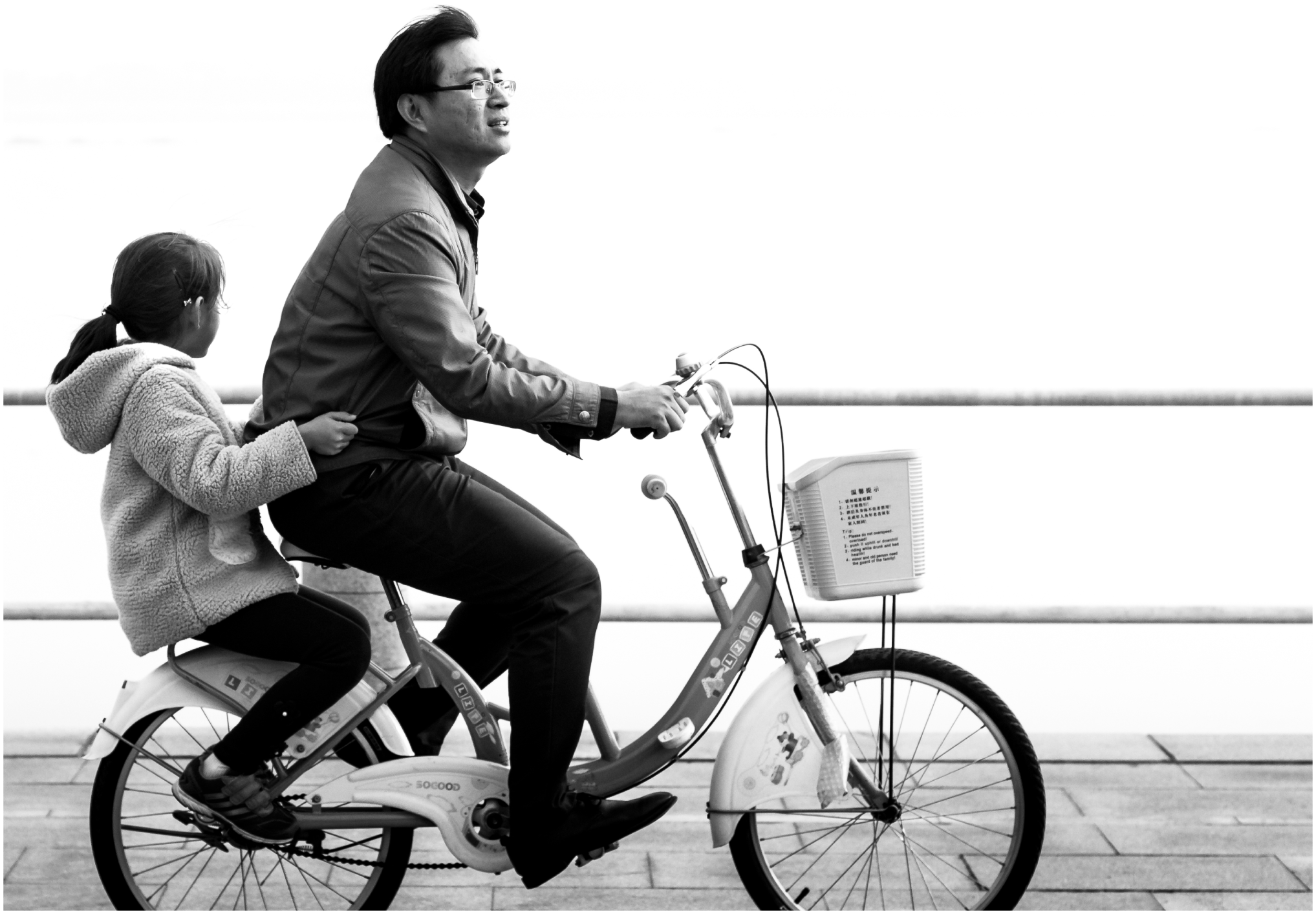
Gaultier Delacroix, Flickr CC
As children, few received much information or preparation for the separation or the subsequent reunion. Many were pained that the truth was obscured from them until the last minute and that they had no say in the matter. Lily, a 27-year-old editor, spent ages 0-2 and 4-7 with her paternal grandparents in Jiangxi Province so that her mother could earn her PhD in the United States. As an adult, she remained struck by the fact that, when she was four, no one told her she would be moving back to China or explained how long she would be staying there. “It’s almost like they want to protect you from stuff and so they don’t tell you anything,” she remarked. “They told me my mom was going [away] for the weekend, but [then] she was gone.” Lily didn’t see her parents at all over the next three years. She reflected that her parents “don’t have this idea that you need to be with children at a very young age.” Their decision, in her mind, “was quite pragmatic.”
The inability to honestly express their feelings about the separation with family members could cause lasting emotional pain. Thirty-year-old Elena, who lived with her paternal grandparents until she was eight, maintained a negative impression of how her relatives handled her departure from China. Told she would be going to the United States for a month to visit her parents, it had been decided that she would actually be staying there for good. “That’s something that I still resent them for,” Elena declared. More than two decades later, she was also angry with her paternal relatives for not telling her mother’s side that she would be leaving. “I was really close to my grandfather on that side, and I never got to say goodbye,” she lamented. “He ended up passing away not long after, so that’s something that I’m still upset about.”
Competing Cultural Models of Family and Parenting
Despite achieving impressive academic and professional successes that were bolstered through their parents’ efforts, many former satellite babies retained an unsettling mixture of gratitude and emotional pain about being sent abroad long ago. Their ambivalence suggests that they are caught between different cultural expectations of family and parenting. Sociologist Andrew Cherlin coined the term “cultural models” to refer to sets of tools or frameworks that we use to interpret everyday life. For any issue, a variety of different—and sometimes conflicting—cultural models may exist. People can simultaneously believe in more than one, and that may create confusion or distress.
Former satellite babies, I argue, subscribe to two competing cultural models of parenting and family that lead to ambivalence about their separations. Specifically, their Chinese relatives subscribe to a more expansive view of family as a large, interdependent unit that pragmatically shares childcare to benefit everyone. In these families, children often develop close emotional relationships to their grandparents or other primary caregivers. This belief system conflicts with the American model of intensive parenting, which prioritizes the parent-child relationship and views any other emotional attachments as secondary. In other words, in the United States there is no socially acceptable way for children to feel closer to their grandparents than their parents. As a result, many come to believe that their families are somehow deficient.
Former satellite babies’ ambivalence may stem from competing cultural models about family and parenting.
These competing cultural models caused internal struggles for individuals when making sense of their separations later in life. The decision to leave children in the full-time care of others could be framed in purely pragmatic terms. Sophie, a 30-year-old health care consultant, lived with her maternal grandparents in the city of Ningbo from ages 2-6. Despite vowing never do this to her own children, she understood the logic of not caring for babies due to the labor and time required. Without irony, she explained that you can’t achieve professional objectives “when you have to come back and feed your kid, you know, so I think [my parents’ decision to separate] was like financial, and practical, and logical.”
From this perspective, living apart from one’s children can be considered a temporary familial sacrifice in which parents work hard to put their children on more stable footing in the future. Anthropologist Goncalo Santo studied separated families in China in which rural parents have moved to urban areas for work, leaving their children in the long-term care of grandparents. He found that absent parents still maintained a strong parenting identity and prided themselves on being economic breadwinners while grandparents served as “everyday caregivers.” Therefore, families that must spend long periods apart may divide the work and responsibilities of parenting into different, equally valued roles shared by multiple people. These parents often also view grandparents as having more childcare skills and experience, and thus trust them more than they would paid caregivers.
This practice may thus be viewed as an immigrant story of upward mobility. In some respects, these early sacrifices seem to have paid off—at least, as measured by children’s external achievements. On the other hand, separations were often seen as having exchanged financial stability and educational opportunities for a distant parent-child relationship. Brian, a 21-year-old university student who lived in Taiwan with his grandparents from ages 4-6, depicted this ambivalence. Because his mother earned an MBA and his father obtained a lucrative job during that time, they provided him with higher living standards “in terms of tangible and physical aspects.” But, Brian felt that he was left without “a sense of belonging, trust, comfort, [or] emotional security.” Upon returning to the United States, he came to rely on his friends more than his parents, whom he viewed as purely “a provider of food and shelter.”
Due to this emotional distance from their parents, most people’s fondest memories of childhood were from their time abroad with grandparents and extended family. Christine, a 25-year-old retail manager born in New York City, lived with her paternal grandmother in Guangzhou from three months to four-years-old. Although her parents, aunts, cousins, and maternal grandparents all lived in close proximity in New York, Christine was sent to China because her maternal grandmother was already caring full-time for her older brother and two young cousins. Being sent away allowed her entire extended family of recent immigrants to get settled in the United States Christine explained, “Everyone was starting out, everyone was getting here and having children, and everyone was working six or seven-day weeks.” She joked nonchalantly that as the last-born cousin, she “got voted off the island!”
In Guangzhou, Christine was surrounded by a large, supportive community of extended relatives and neighbors. Rather than subscribing to the American cultural logic of intensive parenting, the young woman did not perceive being cared for by others as a second-best option. Instead, her period of parental separation was a good thing that allowed her to develop a long-lasting emotional relationship with grandparents whom she cherished. Additionally, taking care of a grandbaby brought personal enjoyment and meaning to her grandparents’ lives after they retired. “They really had fun raising me, and they loved me a lot,” she noted. “They never had a daughter and they really wanted a daughter, so this was their chance. I think they jumped at being able to raise their grandchild.”
During her four years in China, Christine never saw her parents and only communicated with them through semi-regular phone calls. In contrast to her primary caregivers, she viewed her mother and father as “just people who called once in a while.” She described the emotional distance she felt: “It was more like speaking politely to strangers on the phone rather than speaking to your parents.” Even today, her relationship with her parents is not very close, but she is still of the opinion that the separation was a beneficial experience.
Finding Resolution
Transnational separations that occur within some Chinese American families lie at the intersection of two competing cultural models of family and parenting. Western middle-class standards of intensive parenting can conflict with the more expansive Chinese view of family roles and responsibilities. Being caught between these two models creates ambivalence for those who were separated from their parents as children. Without discounting the very real emotional suffering caused by separations, it is possible that some of this pain stems from growing up in a social context that prioritizes only the parent-child bond and renders other emotional attachments less important.
However, about 15% of those I interviewed viewed their separation positively. These individuals were unique in that they believed it was normal and acceptable to be more emotionally attached to your grandparents. Christine, for example, embraced an open-ended, collectivist view of family in which childcare is shared by many people. She explained that in the United States, “my brother and my cousins were all raised by all of their parents and all of the other aunts and uncles and the grandparents.” Meanwhile in China, she enjoyed “my grandparents’ undivided attention. I had my uncles who raised me. And then I also had my dad’s cousins and my dad’s aunts and uncles, and it was all a support system.” Ultimately, she viewed the separation as a good solution because she had “a strong family community wherever it was” to help raise her.
Many of the former satellite babies noted that having honest conversations about the separation when they were children would have emotionally prepared them better for such huge life disruptions. Brian offered the following advice to any Chinese parents currently considering sending their young daughter or son abroad: “If they don’t have to send their kids away, don’t. If it comes down to a point where they really have to, make sure there’s a lot of communication…Talk to them often. Explain why you’re doing this. Explain that Mom and Dad still love you. We’re not doing this because we don’t care for you. It’s for the greater good. I think it’s important for kids, as much as they can, to understand that this is for the greater good of their future.”
Despite voluntary family separations being deeply stigmatized in the United States, this year the American government forcibly separated thousands of migrant parents from their young daughters and sons. For many, this will likely create lasting emotional trauma that may be difficult to undo. As a society that prides itself on prioritizing the needs of children, we must question this widening gulf between our ideologies and practices. Embracing the diversity of families—rather than treating some as more valid or deserving than others—is the first step toward helping all individuals to flourish.