Abstract
Parents, kids, and health: New research from the journals.
Fewer Kids, More Equality
Families are diverse, especially in terms of structure: married versus single parents, same-sex versus different-sex couples, and so on. And scholars have long tried to find the specific differences that are most likely to hinder families’ ability to attain higher social status.
In a recent Demography article, Tony Fahey considers a different kind of diversity: difference in the size of families. Since the Baby Boom (1946-1964), when the number of children Americans had spiked upward, families have become more alike as the number of siblings a young person is likely to have largely evened across families. There is now a much smaller range of family size variation.
Fahey calls this demographic shift and its associated family structure convergence the “Sibsize Revolution” and finds that the effect has been especially pronounced among low-income and Black families.
It is still unclear what effect sibling group size has on a child’s personal outcomes, though some research suggests that competition for resources in large families disadvantages all children. This could mean that an across-the-board decrease in larger families might be a net gain for child outcomes—and its pronounced change among disadvantaged families might help reduce American inequality.
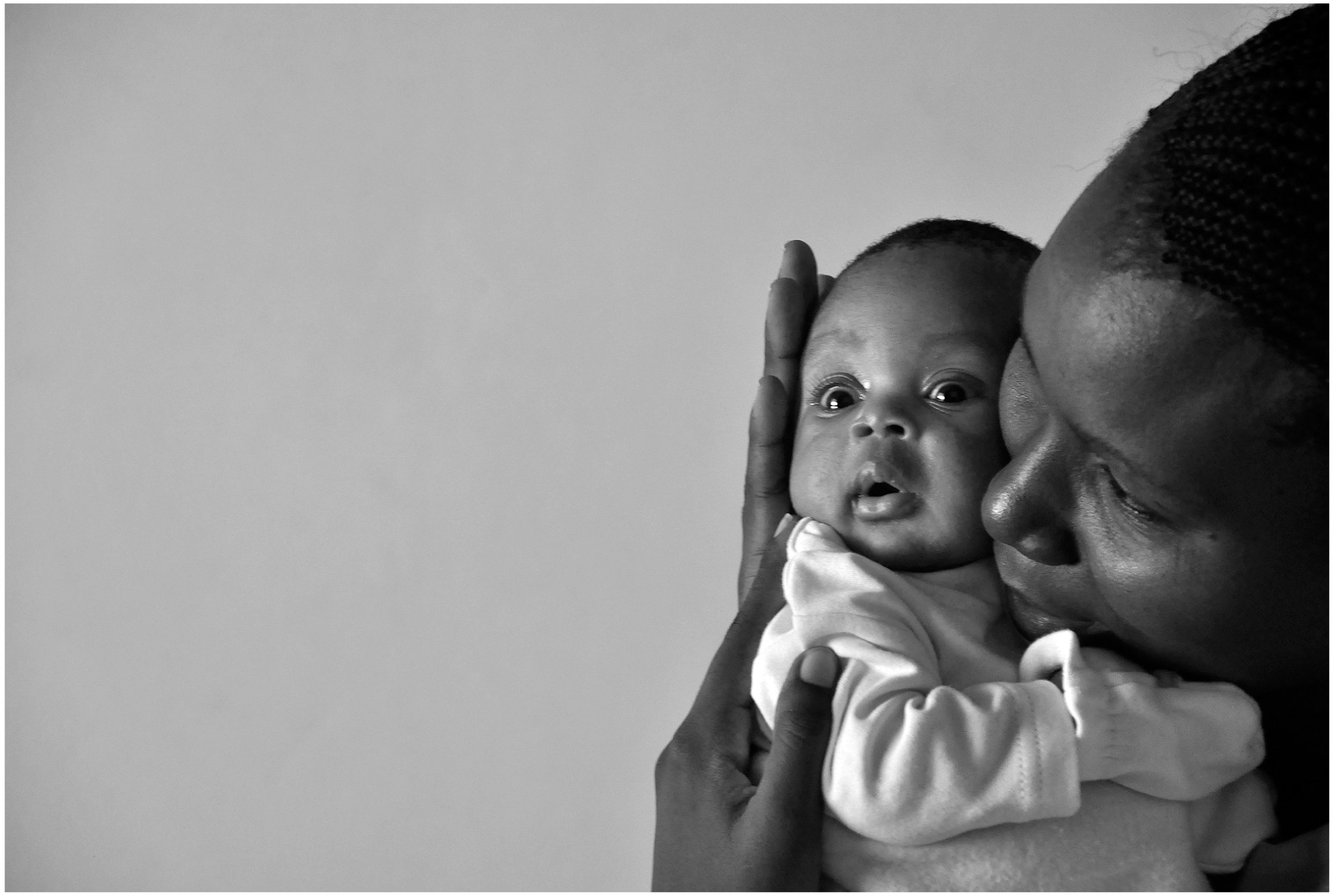
More American parents are choosing fewer kids.
Terence Nance, Flickr CC
Helicopter Parents in the Hospital
How far can parents go when advocating for their sick child? Better yet, how far will doctors allow them to go? Elizabeth Gage-Bouchard, writing in the Journal of Health and Social Behavior, delves into parental advocacy and unequal healthcare experiences by examining how parents’ communication styles can either negatively or positively contribute to their child’s medical outcomes.
Gage-Bouchard chose a single hospital in which to study families with a child being treated for cancer. She conducted in-depth interviews with 80 parents and all of the oncology doctors on staff. She also carried out extensive participant observations of interactions between parents and doctors, determining parents’ advocacy styles and noting doctors’ responses.
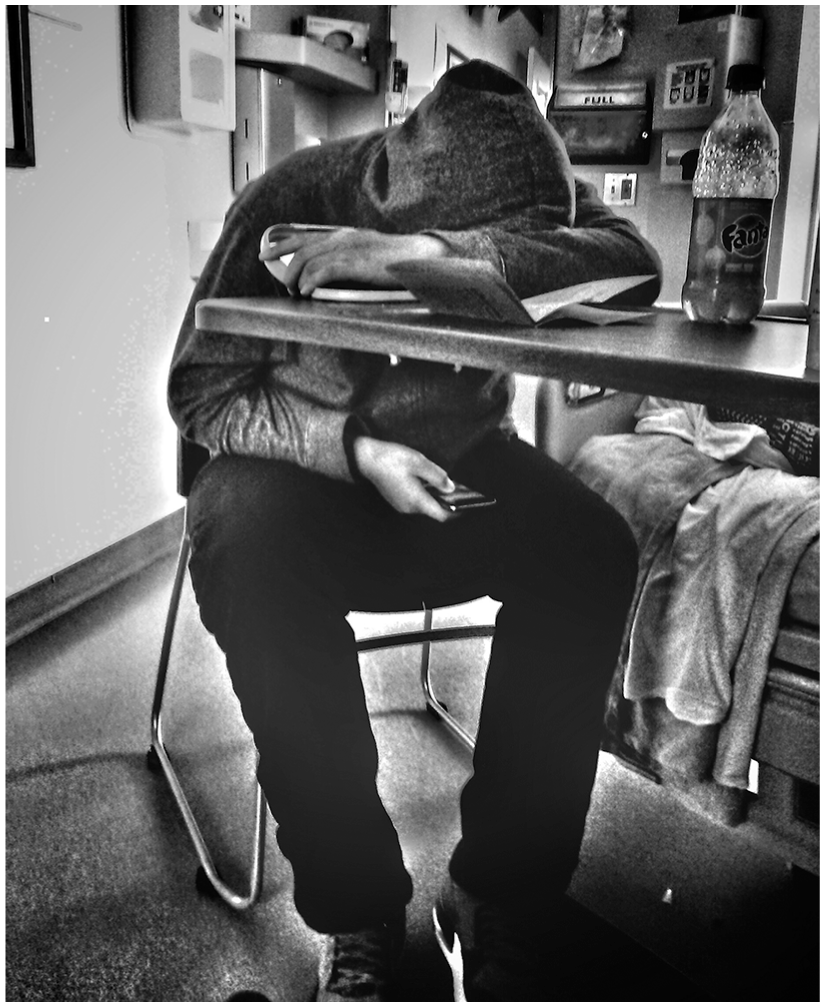
Anxious parents’ advocacy styles may affect their kids’ medical care.
Nancy Big Crow, Flickr CC
The parents’ advocacy styles fell into three categories Gage-Bouchard labeled vigilant, trusting, and antagonistic. Vigilant advocacy was marked by active monitoring of the child’s treatment, trusting advocacy by deference to physician’s expertise, and antagonistic advocacy by confrontational interactions with physicians. These styles then corresponded to class: parents from upper- and middle-class families mostly used vigilant advocacy, drawing on their cultural knowledge to build collaborative relationships with doctors, while working-class families most often used trusting advocacy (and, less often, antagonistic advocacy). Doctors appreciated trusting parents, especially those who followed their recommendations, but they had the most rapport with the higher-status parents who demonstrated vigilant advocacy.
The results confirm that parenting styles, and parents’ levels of involvement and interactions with their child’s physicians, can affect how physicians perceive—and respond to—children in their care. The research may help us understand how interpersonal interactions contribute to class differences in healthcare experiences.
Swedish Parents Get the Interview
Fathers out-earn mothers in the U.S. and European countries. Research typically finds evidence for a “fatherhood premium” and a “motherhood penalty”: parenthood is good for fathers’ earnings and reduces mothers’ earnings. One theory is that employer discrimination drives these disparities. However, studies directly testing employer discrimination are few and inconclusive in their results.
Discrimination also occurs at different points in the employment process, from recruiting and hiring to wage-setting and promotion. In a recent European Sociological Review study, Magnus Bygren and colleagues conduct a large-scale field test to detect employer discrimination against parents at one point: hiring. They sent out fictitious resumes, varying parenthood status and gender, in response to 2,144 job vacancies in 14 occupations in metropolitan areas in Sweden. They randomly varied other applicant characteristics, such as “foreign-sounding” names versus Swedish names, children’s age, and aspects of employment history. Then they tracked which applicants received callbacks from potential employers.
The results show little evidence of hiring discrimination by gender or parental status. Childless men received the greatest proportion of callbacks (41%), whereas mothers received the lowest proportion of callbacks (36%), but this difference was not statistically significant. Moreover, the researchers compared callback rates for jobs requiring post-secondary education compared to lower-qualification jobs to see whether parents applying for higher-qualification jobs faced more discrimination. Again, there was no statistically significant variation between mothers, fathers, and people without children.
Maybe we can attribute these findings to Sweden’s frequently cited gender-egalitarian policies and progressive culture (as compared to other Western countries) and conclude that Swedish employers are particularly non-discriminating. Or discrimination could occur at other moments in the employment process. Further research will be needed to determine whether employer discrimination drives parenthood wage penalties and premiums in Sweden and other parts of the world.
Of Porn and Prayer
Is the rise in pornography consumption reducing religiosity? In their Social Forces article, Samuel Perry and George Hayward try to find out. The researchers analyzed longitudinal data from the National Study of Youth and Religion, collected from 12- to 24-year-olds between 2003 and 2008, to see whether porn watchers grew less religious over time, and, indeed, they report that viewing pornography is associated with decreased levels of religious service attendance, lower importance of religion in daily life, lower prayer frequency, lessened closeness to God, and increased religious doubts. The findings hold for men and women, and are more pronounced among younger adolescents than among youth aged 18 and older.
An unwelcome reminder?
teofilo, Flickr CC

The authors speculate that cognitive dissonance may underlie the association between pornography consumption and decreased religious behavior—that is, trying to reconcile behavior that religious texts and institutions forbid may cause mental stress. And the stress may be heightened in younger adolescents, who are more likely to be under closer control of parents and religious communities. While it’s not possible to say that viewing pornography directly causes a decline in religiosity, increased pornography consumption may contribute to a broader “secularizing” trend among young Americans.
Get Tough on the Huddled Masses
When the police behave punitively toward people on the streets, some people condone their actions and some people criticize them. Joshua Woods and Agnieszka Marciniak sought to test whether those reactions were swayed by perceptions about the person being stopped. Their study results, published in the journal Sociology of Race and Ethnicity, showed that, of the personal characteristics manipulated in sample scenarios, illegal documentation status elicited the strongest support for aggressive policing.
In Seattle, WA’s INSCAPE center, INS detainees once had to place their hands on the wall to be searched.
Joe Mabel, Flickr CC

The researchers presented more than 500 students with scenarios based on Arizona’s controversial “SB 1070” law, which allows law enforcement to check the immigration status of anybody they stop if they reasonably suspect an immigration violation. Critics have charged that the law is nothing more than an excuse for racial profiling, while supporters say it’s a commonsense question, and illegal residency is, well, illegal. The students were given a survey of political attitudes, then assigned to respond to one of several randomized scenarios of an officer stopping a driver for a broken tail light, then detaining him for failing to prove immigration status. These scenarios varied whether the person stopped was Canadian or Mexican, documented or undocumented, and an engineer or a factory worker.
Reactions to the scenarios showed that an illegal documentation status was the strongest predictor—above and beyond occupation and country of origin—of respondent support for the officer’s punitive behavior. Regardless of political ideology (as declared in the attitudes survey), if the person stopped was presented as an undocumented immigrant, respondents were more likely to condone the driver’s detention.
Health, Now and Later
Diabetes is an enormous public health challenge worldwide, and researchers across disciplines are seeking to identify risk factors, improve treatments, and innovate prevention strategies. One group of researchers at the University of Denmark has taken up a different question: what is the relationship between diabetes and personality?
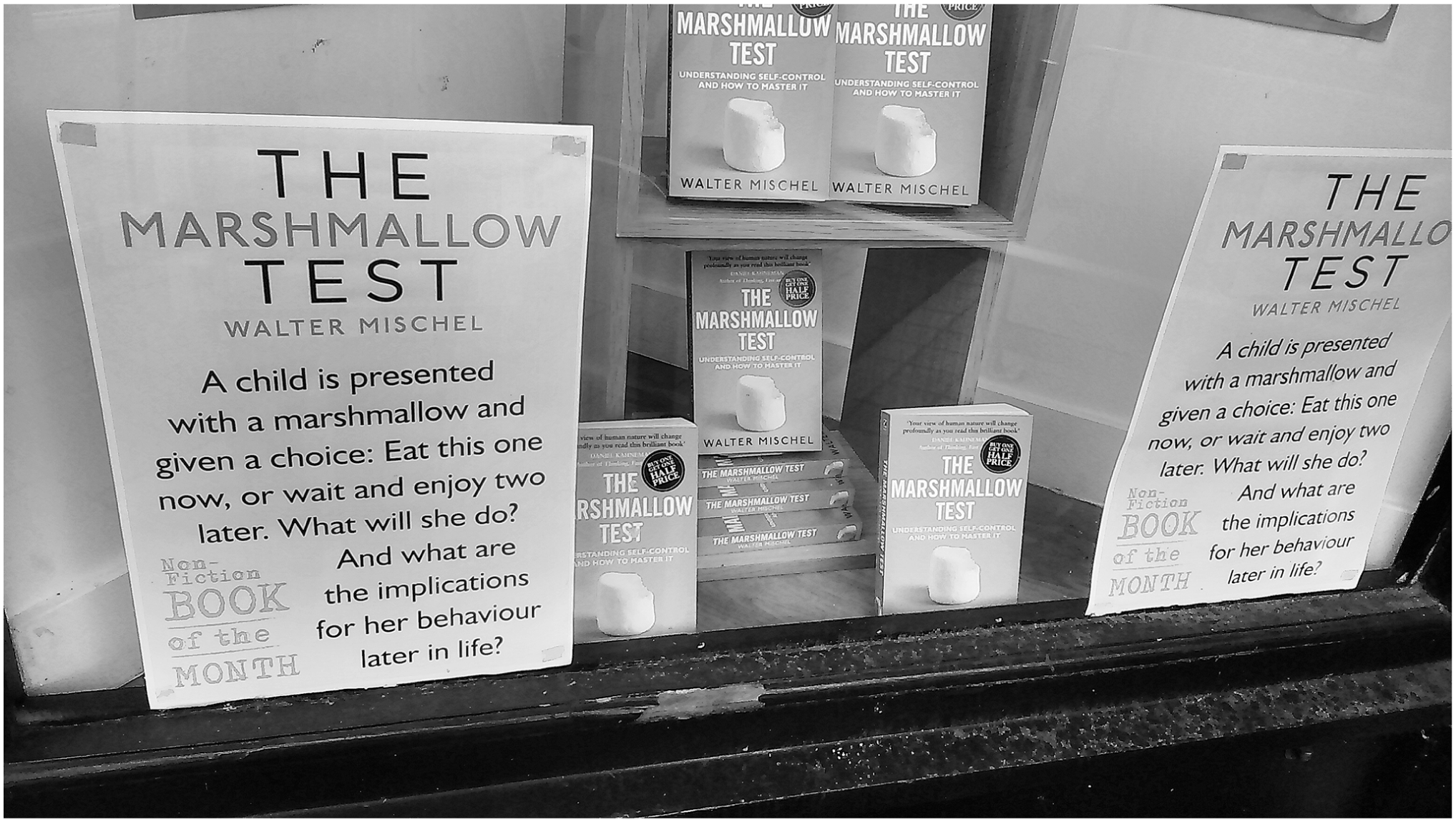
The team examines what is known as “present bias” and the onset of type-2 diabetes (T2D). Present bias refers to a preference for smaller and more immediate rewards, as opposed to highly valued but distant and uncertain rewards, and it is considered a personality trait. Seeing a possible correlation, Morten Raun Mørkbak and colleagues, writing in Social Science & Medicine, were interested in whether a present bias predicted earlier onset T2D—or whether the disease affected patients’ time-orientation.
The authors used the Funen’s Diabetes Database, a disease registry established on Denmark’s Funen island that lists the onset date for all diabetes patients in the population. Patients were then invited to take part in an online survey that measured time preferences by offering them tickets to different lotteries that differed according to the chance of winning, payoff size, and time to payoff. This “discrete choice experiment” allowed the researchers to characterize respondents’ level of present bias.
From this data, the researchers conclude that present bias is likely a cause of earlier-onset T2D. And, for patients, present bias bodes poorly for subsequent disease prognosis: it leads to negative health outcomes and lower diabetes literacy, physical activity, and glycemic control. Likewise, having a longer-term orientation results in more positive health outcomes, even in the face of long-term T2D. The researchers find no support for the hypothesis that having diabetes affects an individual’s time-orientation.
This famous psych experiment is but one way researchers assess present bias.
Ninian Reid, Flickr CC