Abstract
Wrongfully convicted at 18, Michael Ustaszewski was paroled from prison six weeks shy of his 54th birthday. Sociologist Melissa Sheridan Embser-Herbert documents his experience reentering society after over 35 years behind bars.
Keywords
Released from a youth detention center in Columbus, Ohio in the spring of 1977, Michael Ustaszewski moved to the YMCA in downtown Toledo. Shortly afterward, an elderly resident was found murdered there. Though there was no physical evidence that he had been the perpetrator, and he never confessed to having committed the crime, Michael was convicted of aggravated murder and sentenced to fifteen years to life. Before his sentencing, when the judge asked him if he had anything to say, Michael said: “I’m innocent. I wasn’t there. I don’t know what happened, and that’s it.” He was 18 years old.
My stepfather befriended Michael several years before 1977, when he was arrested. Hearing of his challenging childhood, my parents tried to take him under their wing. Later, when he was placed in a juvenile facility, they spoke on the phone and visited him on his birthday. Then, during the decades he spent in prison, they became a further source of support, sending him money orders and periodically visiting him.
In 2009, while traveling through Ohio with my mother, I had the opportunity to meet Michael for the first time. I had been away at college when they first met. For six hours I listened to his story. Convinced that an innocent man had been convicted, I began my own investigation, hiring a private investigator experienced with wrongful conviction cases. Since my funds were limited, I also conducted a great deal of investigative work on my own.
Before his sentencing, when the judge asked him if he had anything to say, Michael said: “I’m innocent. I wasn’t there. I don’t know what happened, and that’s it.” He was 18 years old.
Having entered prison with only a ninth grade education, after losing his direct appeal, Michael became his own zealous advocate. Representing himself, he filed motion after motion—only to have the courts rule against him each time. In 2003, Ohio began permitting post-conviction DNA analysis, and two years later, 28 years after his conviction, the Ohio Innocence Project applied to have the case subjected to a DNA analysis. They discovered that the prosecutor’s office had destroyed all evidence in the case.
Then in September 2011, the jailhouse informant who had testified against Michael recanted his story, admitting that a sheriff’s deputy had offered him a deal in exchange for fabricating the claim that Michael had confessed to him. The Ohio Innocence Project resumed working on the case. The state, however, does not consider recantations as new evidence, and finding other new evidence has proven difficult. Michael has not yet been exonerated.
In February 2013, Michael was granted a parole date for the following April. On that morning, I rode to the Marion Correctional Institution with one of his sisters and her husband. Shortly after nine o’clock in the morning, he came through the door carrying all his belongings in a plastic garbage bag and a canvas satchel. Disoriented, but ever the jokester, he quipped, “Let’s get out of here before they change their mind.” He had spent 35 years and 4 months in prison, and was now nearly 54.
Helping Michael with his re-entry after prison, I wanted to document his transition. I spent the first five days with him, visited him three more times that year, and saw him again on the one-year anniversary of his release. His first year outside the walls has been a time of jubilance, setbacks, losses, and progress. He doesn’t like to use the word “freedom,” insisting that until his name is cleared he is not free. In the photos that follow, I try to capture some of what Michael has experienced as he adjusts to life outside prison.
It was a two-hour drive from the Marion Correctional Institution to Michael’s new home with his sister and brother-in-law.

On a bright sunny day, after 12,906 days behind bars, Michael was released on parole.
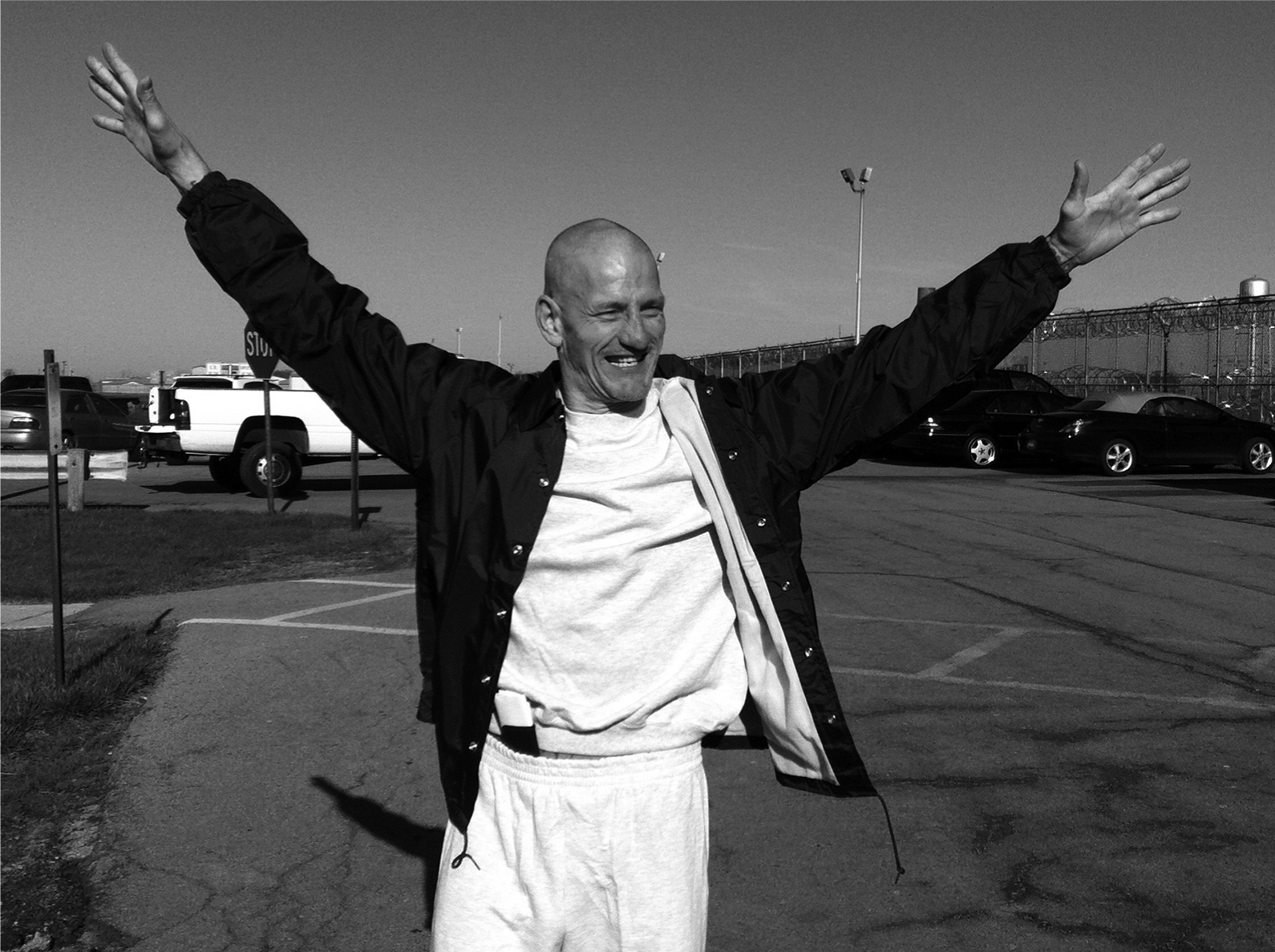
Michael enjoyed a meal at his sister’s home, his new home.
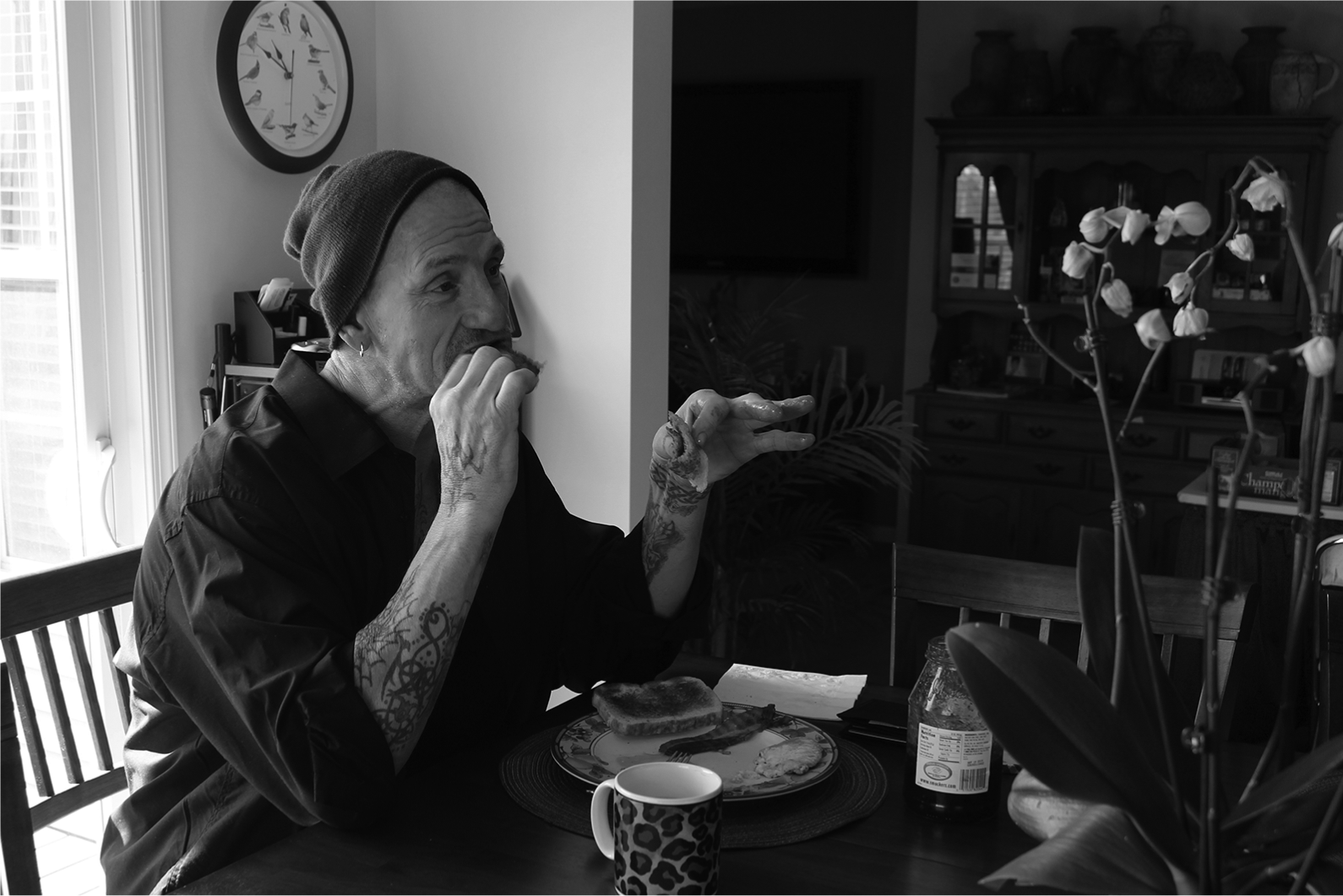
Supporters on a Facebook group offered $400 in gift cards at Target. When he visited the store, he found the choices and prices bewildering. He was also shocked by restaurant toilets that flushed on their own, and confused about how to get water out of the faucet and paper towels out of the dispenser. Michael joked that “he went in during the Flintstone era and came out with the Jetsons.”
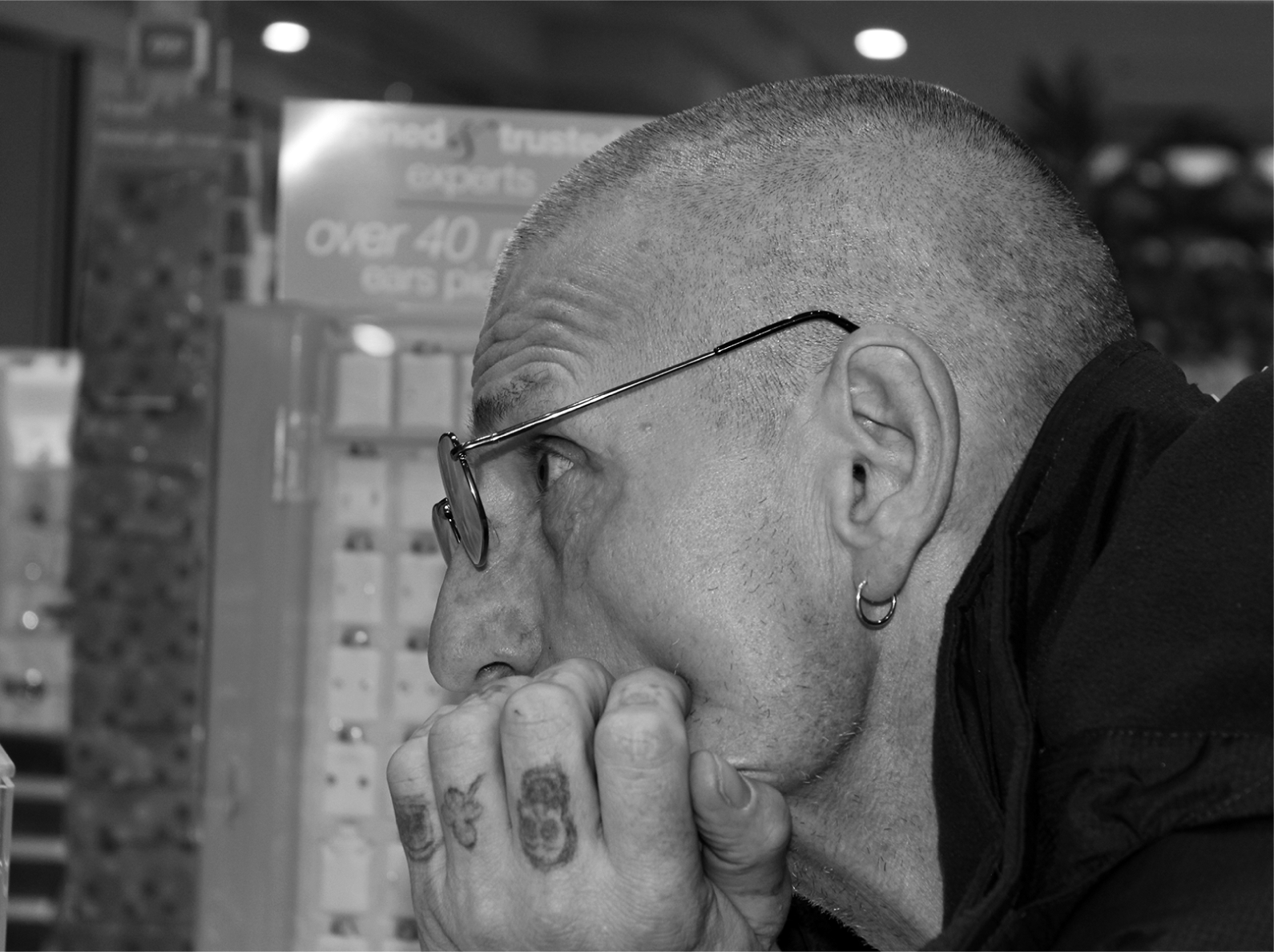
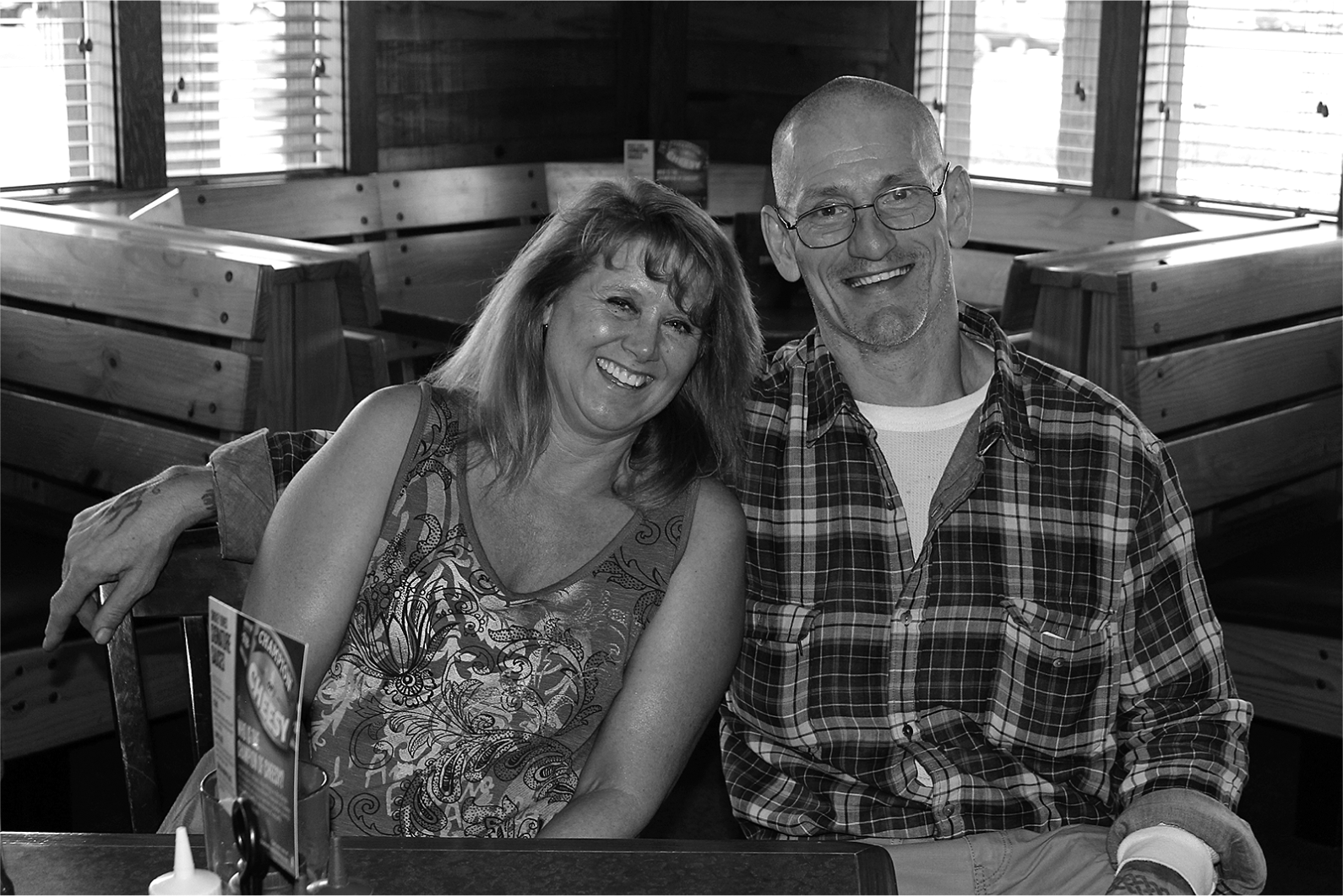
In 1977, Linda, a young mother living in Toledo, Ohio, befriended the alleged victim, an elderly man who spent time in public parks. Having followed the case, she doubted Michael’s guilt, and wrote a letter to the parole board supporting his release. On day two of his release, Michael and Linda met for dinner.
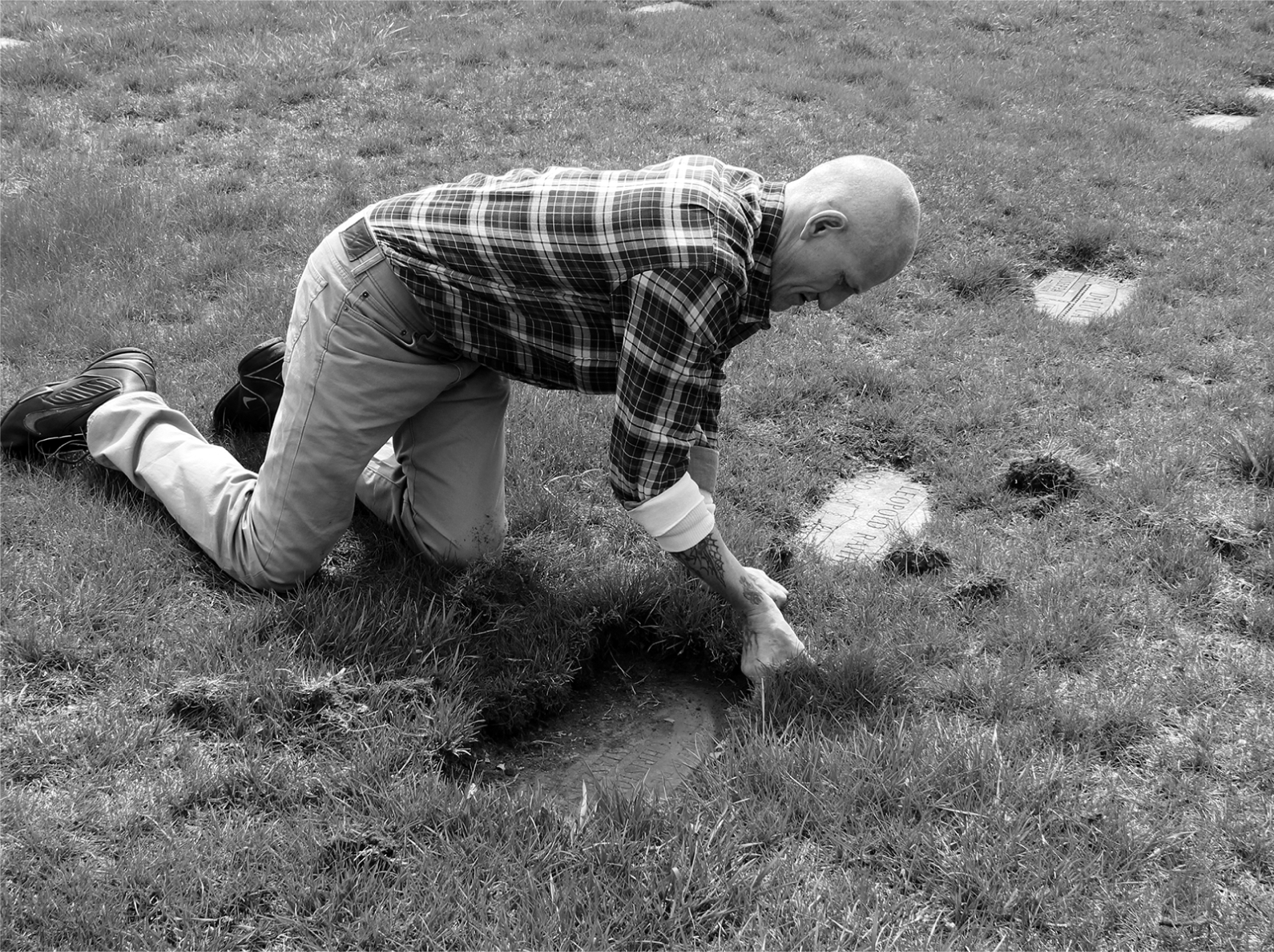
While visiting his father’s grave, Michael also located the gravestone of a young nephew who died during his incarceration.
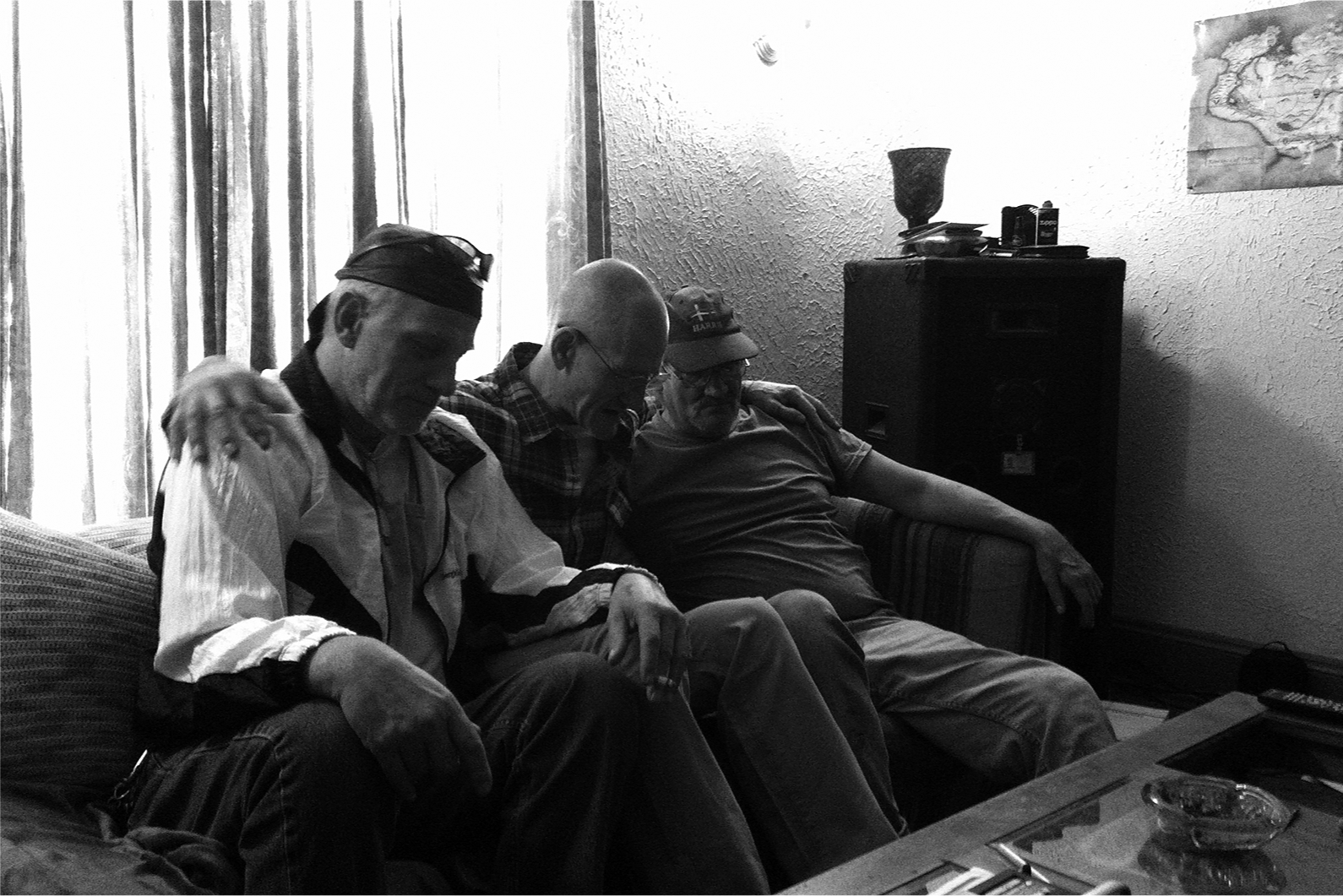
Michael and his brothers spent much of their childhoods in different institutions or foster homes and, once he was convicted, it was difficult for Michael’s brothers to travel across the state to visit him. Now, finally, they’re catching up on lost time.
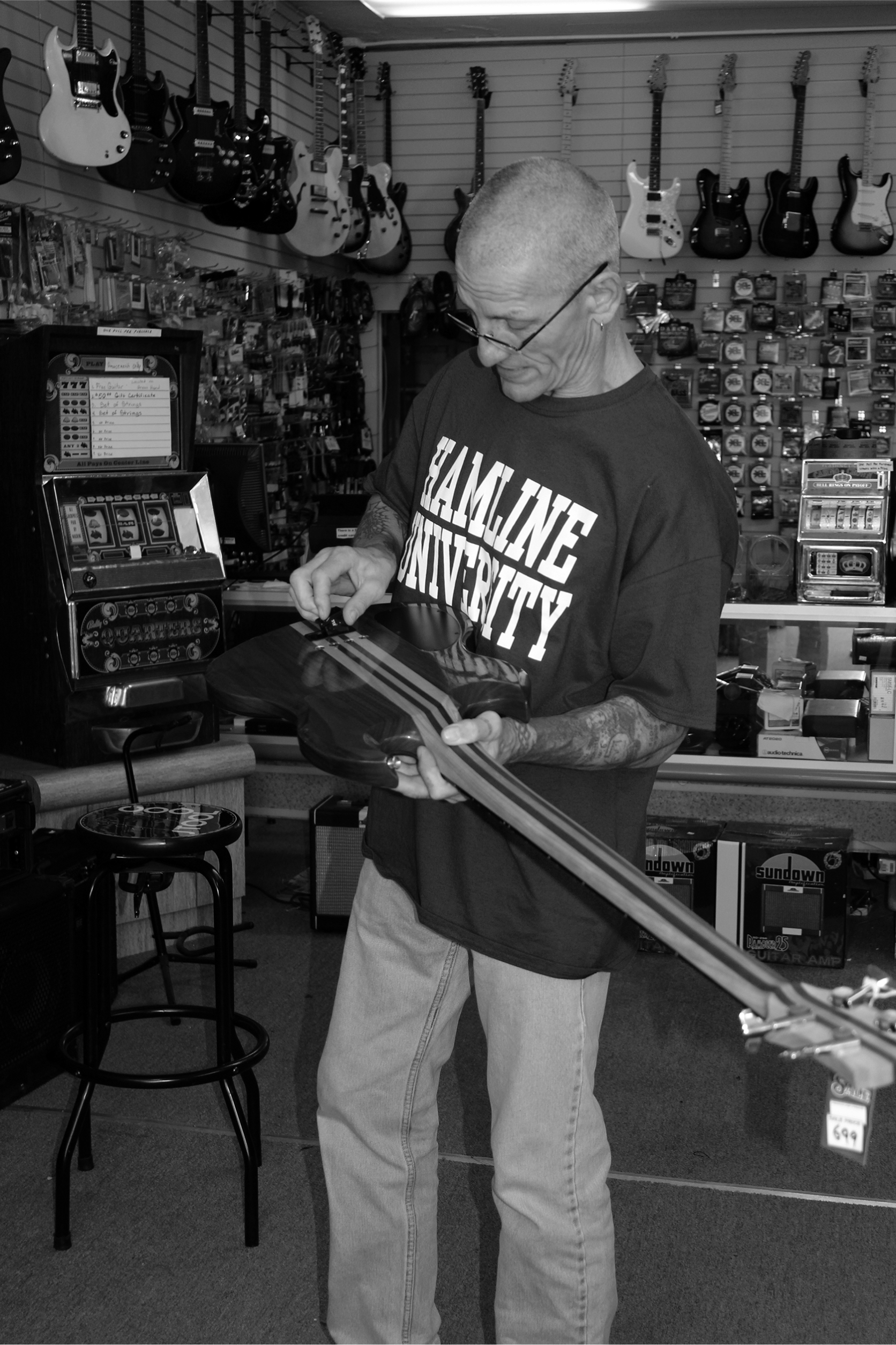
While in prison Michael participated in the Silent Choir, a group that performs songs in American Sign Language. He also enjoyed playing the harmonica. When we stopped to look for reeds for his harmonica, he couldn’t resist taking a look at this guitar.
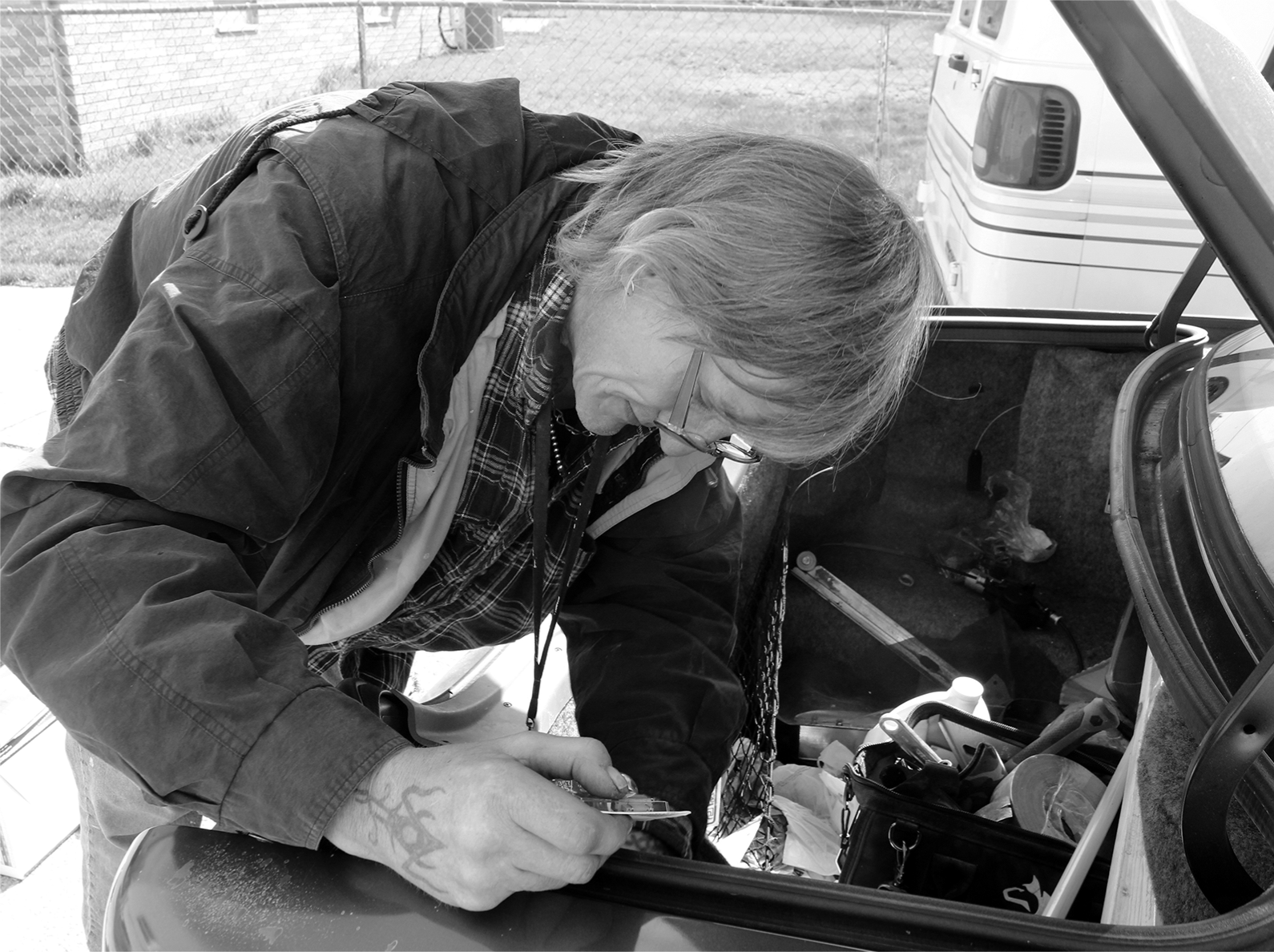
Upon being released, one of the first things Michael did was obtain a driving learner’s permit. He boasted: “This is it—’93 CROWN VICTORIA LX’ 89,000 miles. My very first real owned car that I paid cash for, that I worked to save up for!”
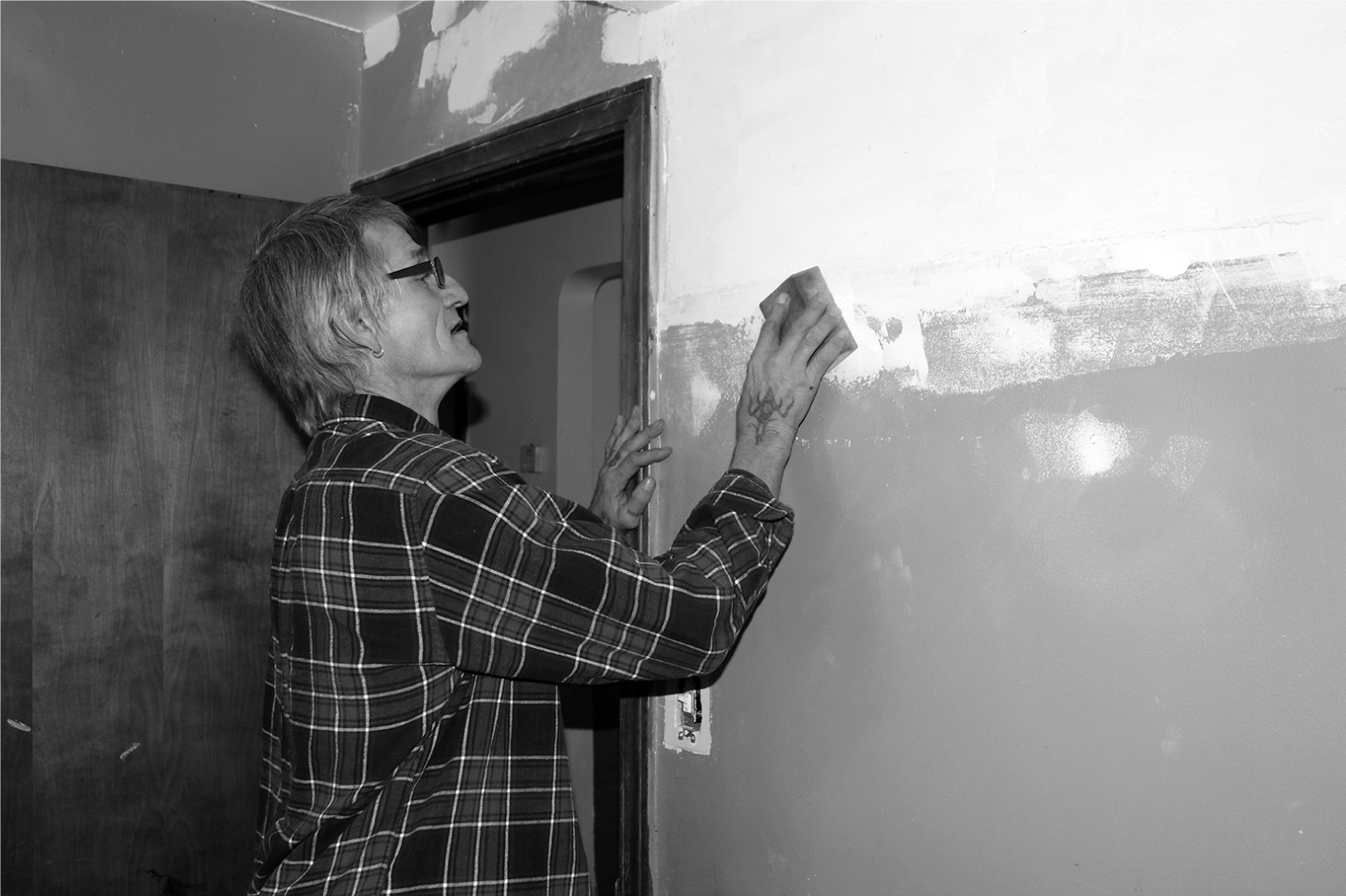
By December 2013, Michael was employed. Through his connections at True Freedom Ministries, an organization that provides faith-based services to people released from incarceration, he secured a position renovating homes. The work has enabled him to update his skills, learn new ones, and live in a home with his supervisor. He’s very keen on having a cat.
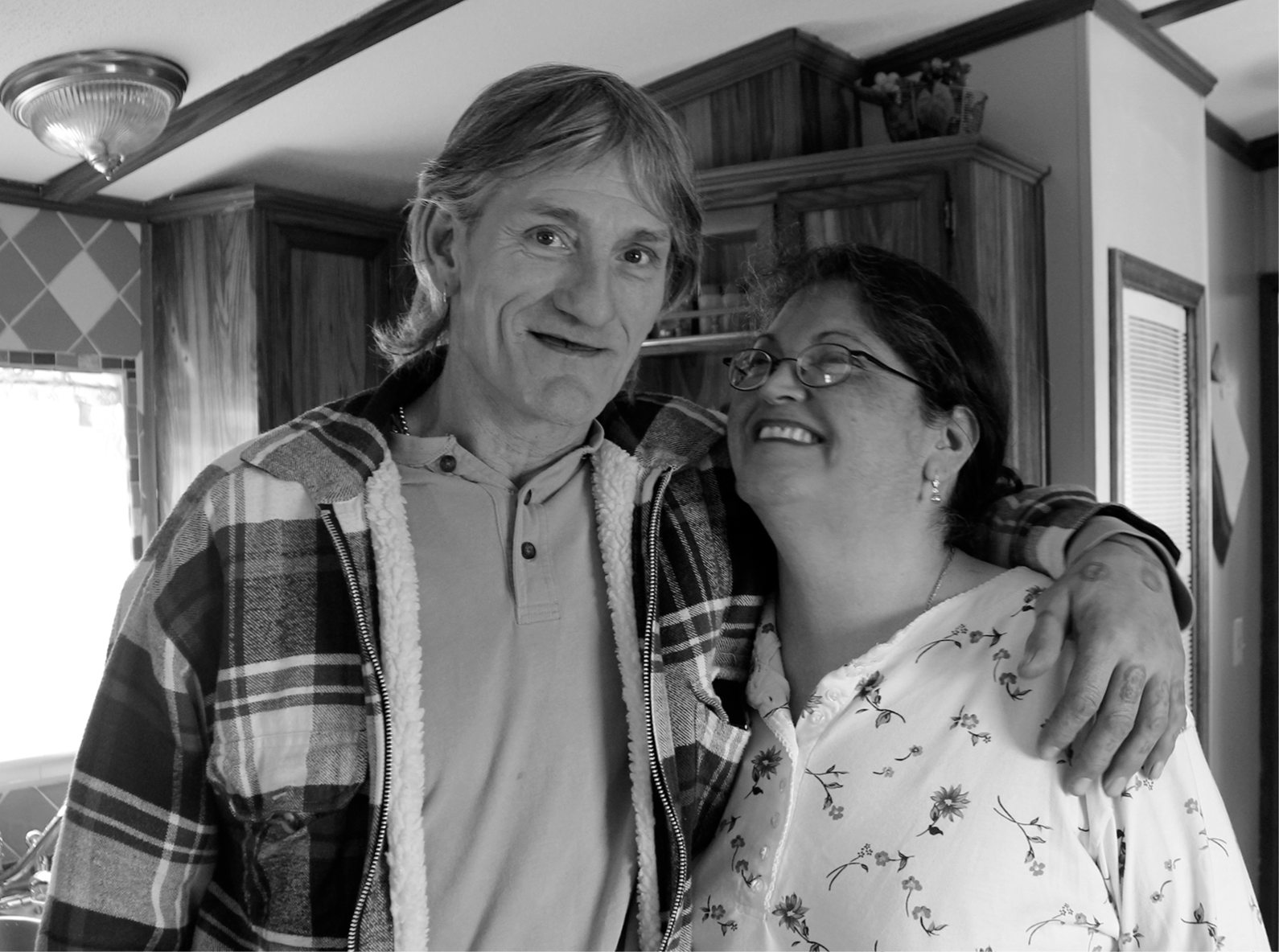
Michael reconnected with Veronica, an old crush, whom he has known since he was a teenager. He recently celebrated his 55th birthday with Veronica and her family.
Michael reunited with his mother the day following his release and saw her several times before her death four months later. Paging through the baby book his mother had made, he read the following: “At the age of four months, this Baby just smiles and makes up to everybody, he has the best disposition of the other two.”