



Abstract
Five experts, Dalton Conley, Roger N. Lancaster, Alondra Nelson, Kristen Springer, and Karl Bryant, debate the natural science turn in sociological research.
Keywords
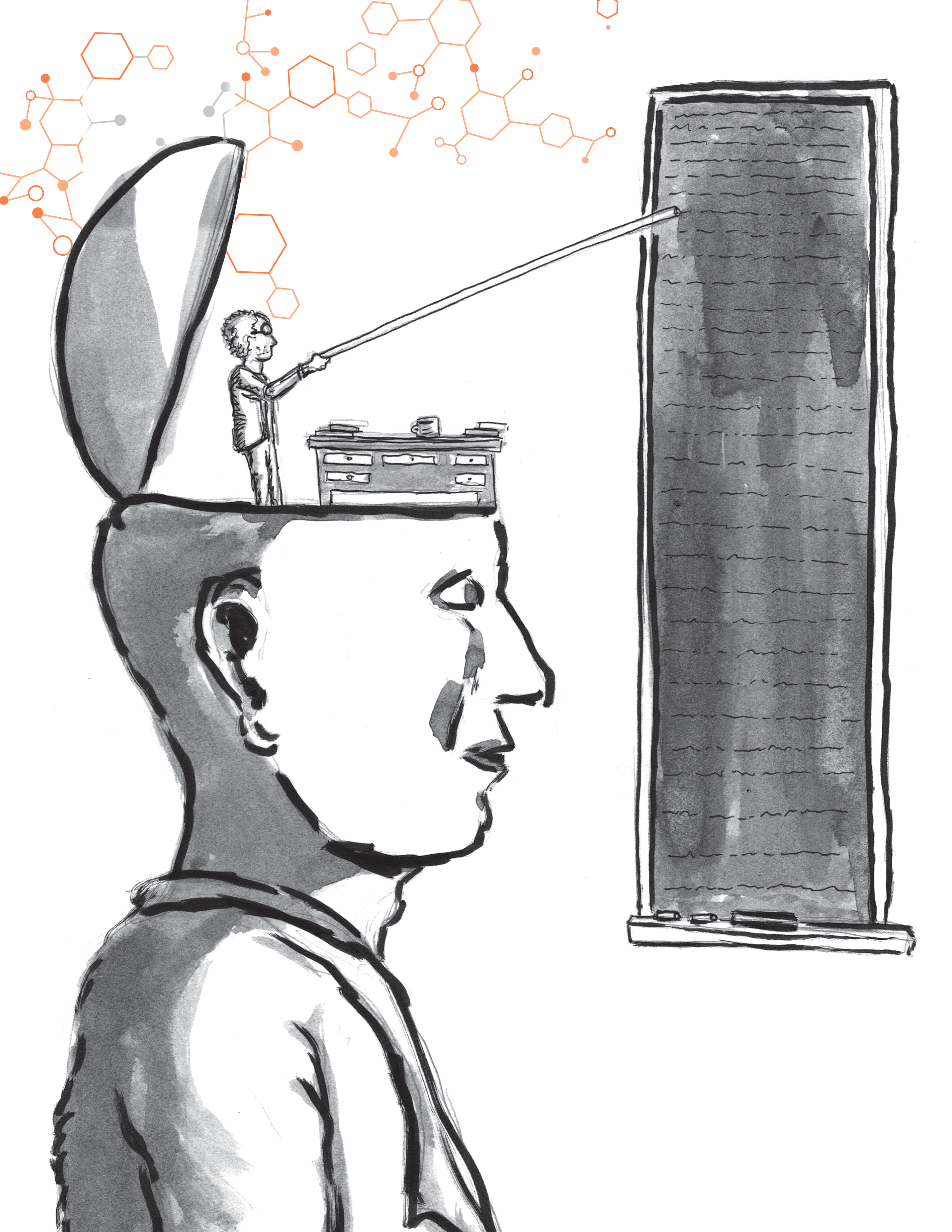
Are biological and sociological accounts of human social behavior inevitably opposed? Just over a decade ago, a group of self-described “biologically minded sociologists” established an American Sociological Association-sponsored section titled Evolution, Biology, and Society. Their two-fold claim (echoed for many years among anthropologists as well) is that 1) biology is emerging as the dominant science of the twenty-first century and 2) “biophobia” in the social sciences is getting in the way of more fully integrated theories and research in human social behavior.
Critics of this position don’t necessarily disagree with either claim; instead, they point to the disproportionately high research investment in the biological and physical sciences relative to the social sciences. They charge that this funding imbalance is an indicator of a “biomania” that threatens to reduce complex social behavior to natural tendencies. The resulting individualistic models are then used as supporting evidence for increasingly austere neoliberal policies, not to mention homophobia, racism, sexism, and xenophobia.
Both perspectives have some traction. Recent advances in biological inquiries into human behavior—which include fields such as evolutionary biology and psychology, behavioral genetics, and bio-indicators (hormonal and neuroscience measures)—are significant. It is also true that corporations, politicians, and activists of all ilks strategically manipulate biological science to support their interests.
Paradoxically, there are countless examples that the logic of social construction has proliferated into everyday parlance; at the same time, the luster and authority of biological science is a recurrent (and highly marketable) theme in popular culture. All of this signals new twists in the familiar nature versus nurture debate and leads us to ask, is a new bio-socio zeitgeist emerging?
For this Viewpoints, we asked five experts to comment on the biological turn in sociological research. Dalton Conley describes his path to appreciating the potential of integrating genomics into studies of social mobility. In stark contrast, Roger N. Lancaster lambasts the logic of genetic reductionism for explaining cultural institutions.
Alondra Nelson describes the case of the African Burial Ground project in which researchers at Howard University have creatively used genetic comparison to confer a humanizing social life (i.e., to infer ancestral associations and ethnic affiliations) on former slaves who were buried in New York City. This research not only departs from the either/or nature versus nurture debate, it is a notable corrective to the racist classification-based genetics that were typical in the nineteenth and twentieth centuries.
In another twist on the debate, Kristen Springer advocates for the integration of sociological reasoning and biological evidence to explain persistent patterns of gender differentiation. Karl Bryant continues this theme in his discussion of contemporary sociology students who have been schooled to dismiss biology in favor of a fuzzy form of social construction. Both Springer and Bryant contend that sociologists need to be more biologically literate, if only to effectively respond to the misattribution of biological determinants to social behavior. Furthermore, using biologist Anne Fausto-Sterling’s analogy to the helix, they note that biological evidence can be usefully integrated into sociological models for a fuller, more grounded explanation of human behavioral patterns.