




Abstract
Five experts, Charles Kurzman, Dalia F. Fahmy, Justin Gengler, Ryan Calder, and Sarah Leah Whitson comment on whether or not the promise of an Arab Spring of democracy and freedom has withered.
Keywords
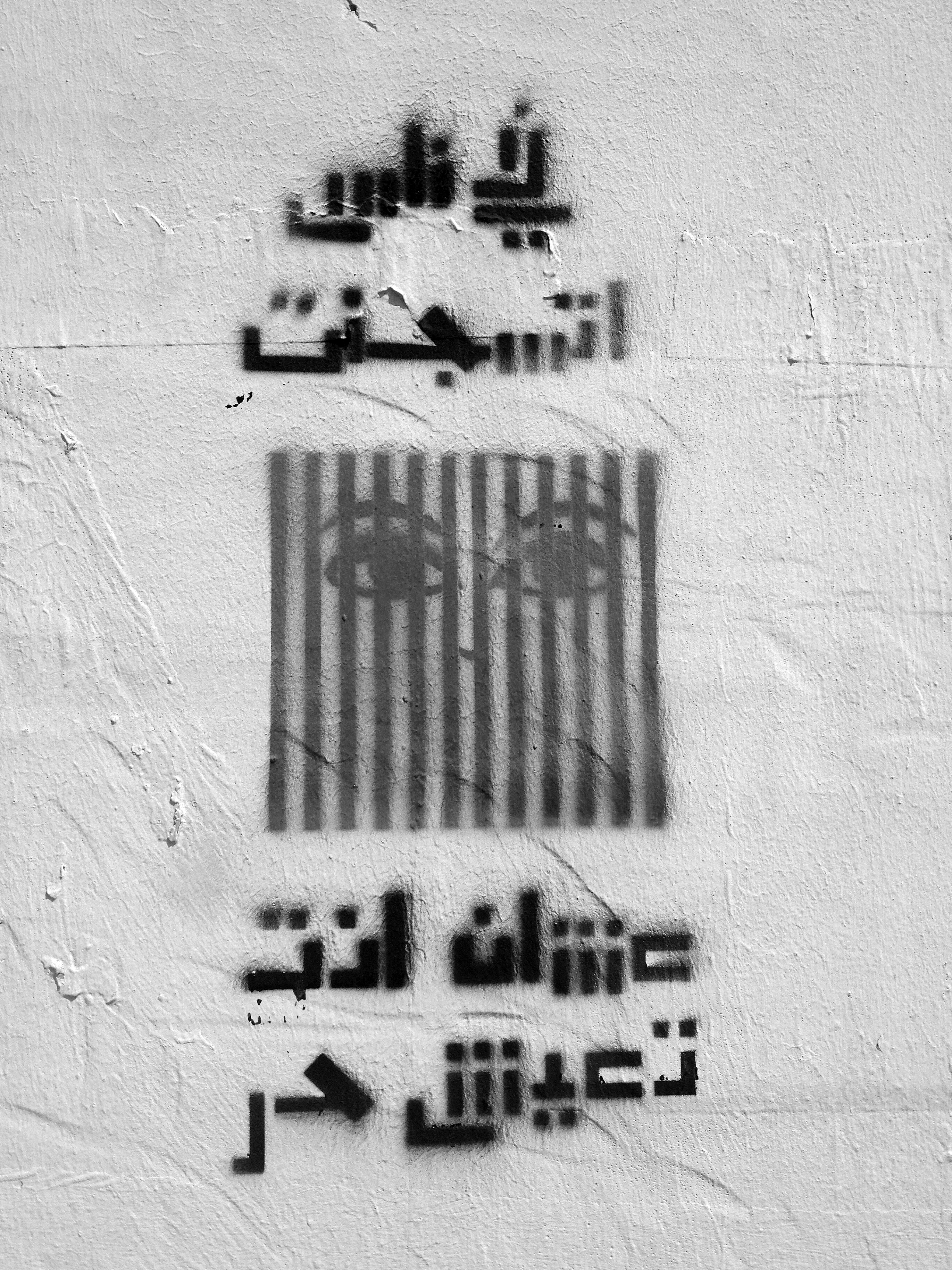
Some people have been imprisoned so you can live freely.
On December 17, 2010, Mohamed Bouazizi, a Tunisian street vendor, set himself on fire to protest the humiliating treatment he received at the hands of the police. This sparked the Arab Spring, starting in Tunisia and spreading rapidly throughout the Middle East and North Africa. American diplomatic cables released through Wikileaks helped to fan the flames of the uprising with frank reports of the rapaciousness of dictators in the region, including Tunisia’s Zine El Abidine Ben Ali. Concerns that had been whispered in private were now in full public view, and fueled the spirit of the Arab Spring in many countries. By September 2012, dictators had been deposed in Tunisia, Egypt, Libya and Yemen. But the revolts that spread to other countries were crushed, coopted, or had begun to die out. In Syria, a brutal civil war continues. Spring had turned to winter.
These essays examine different aspects of the Arab Spring revolts. Charles Kurzman begins and Sarah Leah Whitson ends with rather bleak overview assessments. Kurzman’s story is of how strongmen in the region who were not among the four deposed dictators have survived and tightened their grip on power. Although Egyptians and Tunisians overthrew their dictators, Whitson is pessimistic about long-term social and political change due to the persistent lack of public support for freedom of speech. The other authors offer views of the struggles within individual countries. Dalia F. Fahmy looks at the status of women in post-Mubarak Egypt. Women were in the vanguard at the beginning of the Arab Spring, but now find themselves not only marginalized but, with the new constitution, relegated to second-class legal status. Justin Gengler examines the splintering of Shi‘a opposition in Bahrain after the Sunni royal regime brutally shut down their protests. Libya appears to be one of the most chaotic states in the region with a weak central government and warring militias. But Ryan Calder, surprisingly, paints a cautiously optimistic picture of the country’s future: the government has strong diplomatic relations, and is managing to slowly build social and political institutions. Perhaps most importantly, unlike the public spirit of despair conveyed in the other essays, Calder finds that Libyans are rather optimistic about their future.