Abstract
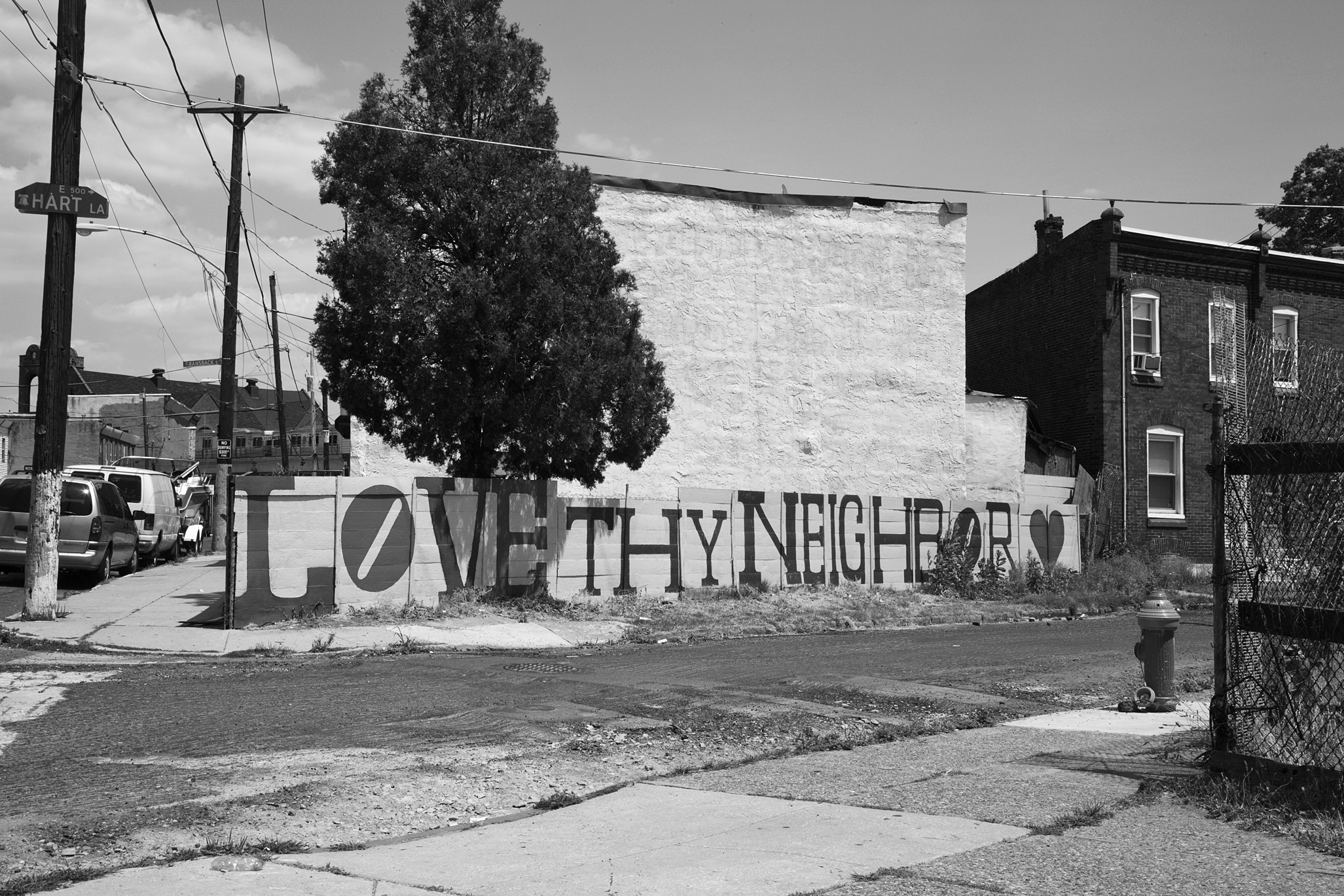
Photographers document Philadelphia's "stop-snitching" code, a response to the realities of impoverished Philadelphia neighborhoods that includes the necessity of the drug economy.
Keywords
Campaigning for Mayor, Michael Nutter said there was a war on the streets of Philadelphia and promised he would declare a “crime emergency” on his first day in office. His claim was more than the typical politician’s polemic: in 2006, the chances of a black man meeting a violent death here were greater than the chance of a U.S. soldier dying on the battlefields of Iraq. In the spring of 2008, a year after now-Mayor Nutter and his new police commissioner moved into their offices, our research team embarked on a project to interview 150 black, Latino, and white Philadelphians, male and female, delinquent and non-delinquent, ranging from 15 to 24 years old. We wanted to hear their views on policing, violence, crime, and what they do to stay safe on Philadelphia’s streets.
There’s a crisis of trust in the City of Brotherly Love. “Stop snitching” T-shirts first popped up around 2002. The earliest versions had red, octagonal stop signs with the word snitching tagged beneath. Later shirts featured yellow smiley faces (the 70s ones now resurrected as emoticons) with zippers instead of parenthetical mouths.
District attorneys and the police blamed the subversive stop snitching subculture on its usual suspect: gangster rap’s glamorization of violence and celebration of the “thug life.” Kids coming up in Philadelphia’s neighborhoods, though, tell us politicians and cops have got it backwards: rap music’s lyrics do not create truth, they are a mirror reflecting the ugly truth for the rest of the world to see. “Change the reality,” one 19-year-old college freshman born and raised in the city’s notorious Badlands neighborhood of Kensington told us, “and then the culture changes, not the other way around.” “Stop snitching” is shaped by the reality that many young men in high-poverty neighborhoods work in the drug economy because they lack legal job opportunities. It is also the toxic byproduct of decades of mass incarceration and over-policing of segregated neighborhoods in the era of stop-and-frisk.
We also learned there’s a sliding scale of snitching. Everyone agrees that being a paid, confidential informant is snitching. Likewise, any corner boy talking to the cops to save himself is a snitch. But after that, what exactly snitching is becomes debatable. For instance, when the violence is the fall-out of your criminal behavior or that of an associate, young people say the wise thing is to “mind your own business.”
“Stop snitching” doesn’t mean never talking to the cops, either. You can call for a sexual assault, child molestation, if someone beats a woman or child, and in the case of shootings or homicides harming family members so long as the violence is unconnected to your own illicit business activities. Young people told us witnesses are different than snitches: a witness comes forward to help, while a snitch goes to the cops to do their own retaliatory dirty work. The trouble is, even DAs and cops know that finding a citizen in a position to truly help is no simple feat. A fear of reprisal and a deep mistrust of law enforcement make people reluctant to come forward. To be sure, many people do testify, despite the dangers, yet most DAs are surprised when witnesses “stay north.” Justice isn’t simply a matter of doing the right thing when witnesses have to share the bus ride home with the families of those they’ve helped the authorities lock up.
Another reason young people say you don’t snitch is that calling the police is futile. Even the police admit clearing a corner of dealers means a replacement crew is out there within two hours. Worse, many kids tell us bringing in cops is like putting gasoline on a fire: things just burn out of control. They say the cops are brutal but oddly powerless, an occupying force patrolling enemy streets. The corner boys may be vicious and deadly, but at least they’re from the neighborhood. Most people prefer their own tyrants to foreign invaders.
So youth feel caught between warring factions, unsure whether making alliances with either will improve their lives. A young man named David who was not involved in hustling, but had many friends and peers on the streets, put it this way: “I don’t support either side of it. I think it’s like kind of a broken dichotomy, like you have two choices and both of them suck, and it has to do with the way things are set up in this city and in this world. But, so, we need to start looking at other options.”
The only thing everyone agrees on is that Philadelphia’s street wars aren’t over.
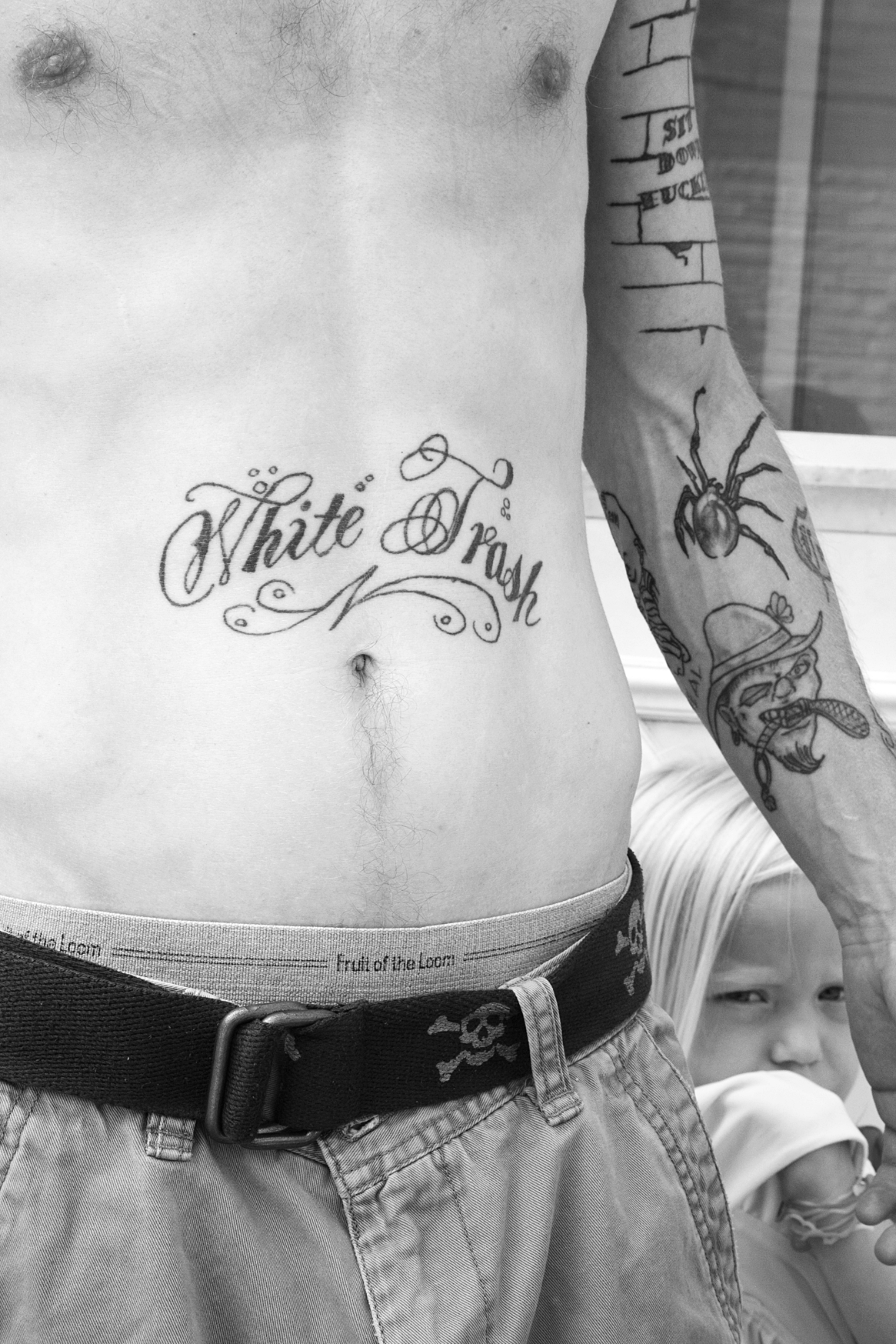
Philadelphia’s Kensington neighborhood is one of the few places in America where whites and non-whites live in nearly identical conditions of poverty. An epithet for whites hailing from this neighborhood is “dirty kenzo.” White and non-white youth speak in similar terms about the lack of jobs and opportunities, drugs, failing schools, violence, decay, and aggressive law enforcement tactics.

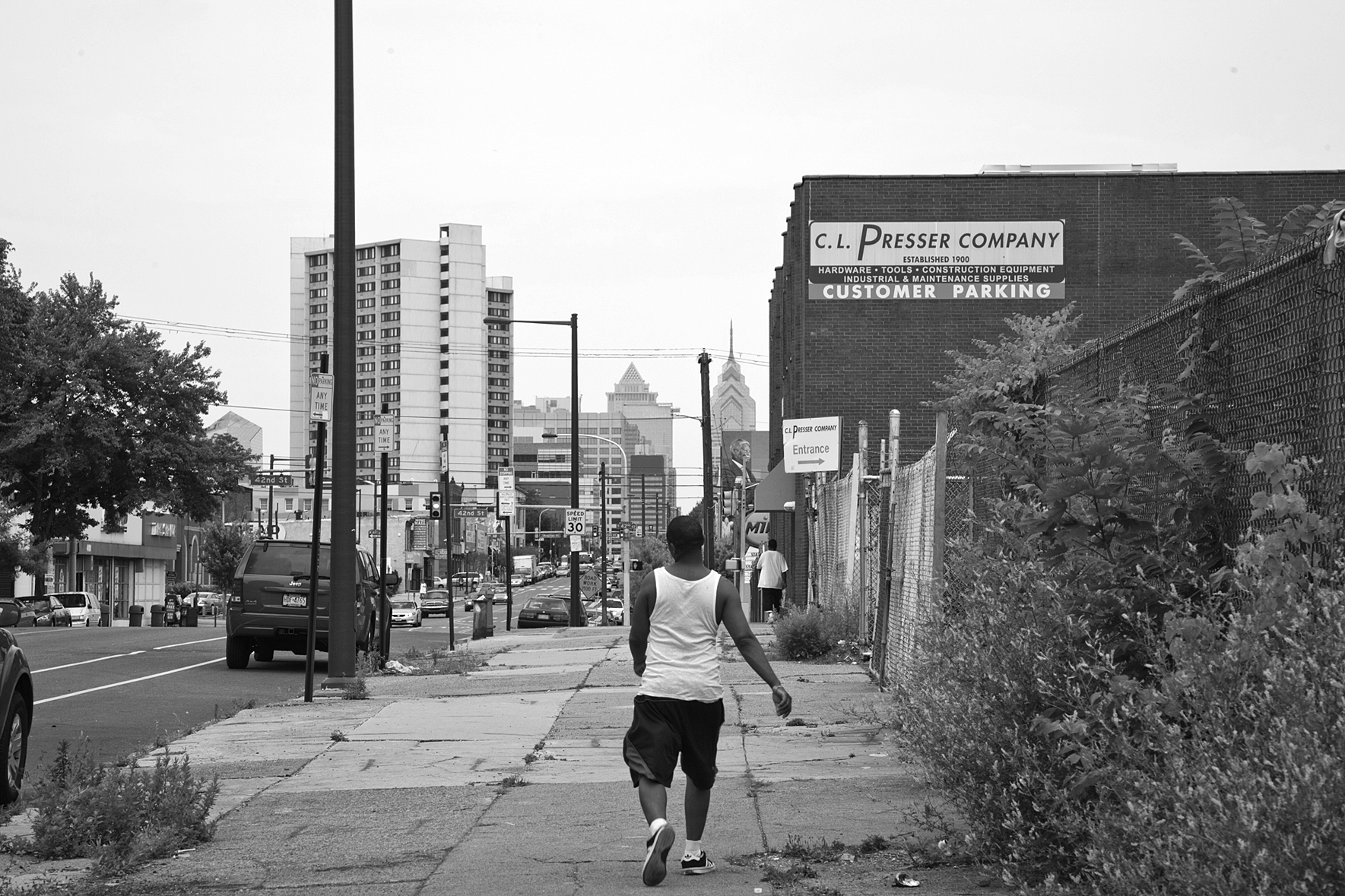
Demographers Emily Buzzell and Sam Preston report that the likelihood of black, male Philadelphians being murdered exceeds the chance of a U.S. soldier dying on the battlefields of Iraq.

Leading explanations for Philadelphia’s homicide rate blame a youth subculture, in which threats and acts of violence are deployed to garner respect. Our interviews with African American, Latino, and white youth paint a different picture. Young Philadelphians insist: “Bullets don’t have no names.” Everyone knows killers and the killed; the lines between “street” and “decent” become blurred when slinging drugs is less a lifestyle and more an entrenched economic necessity.
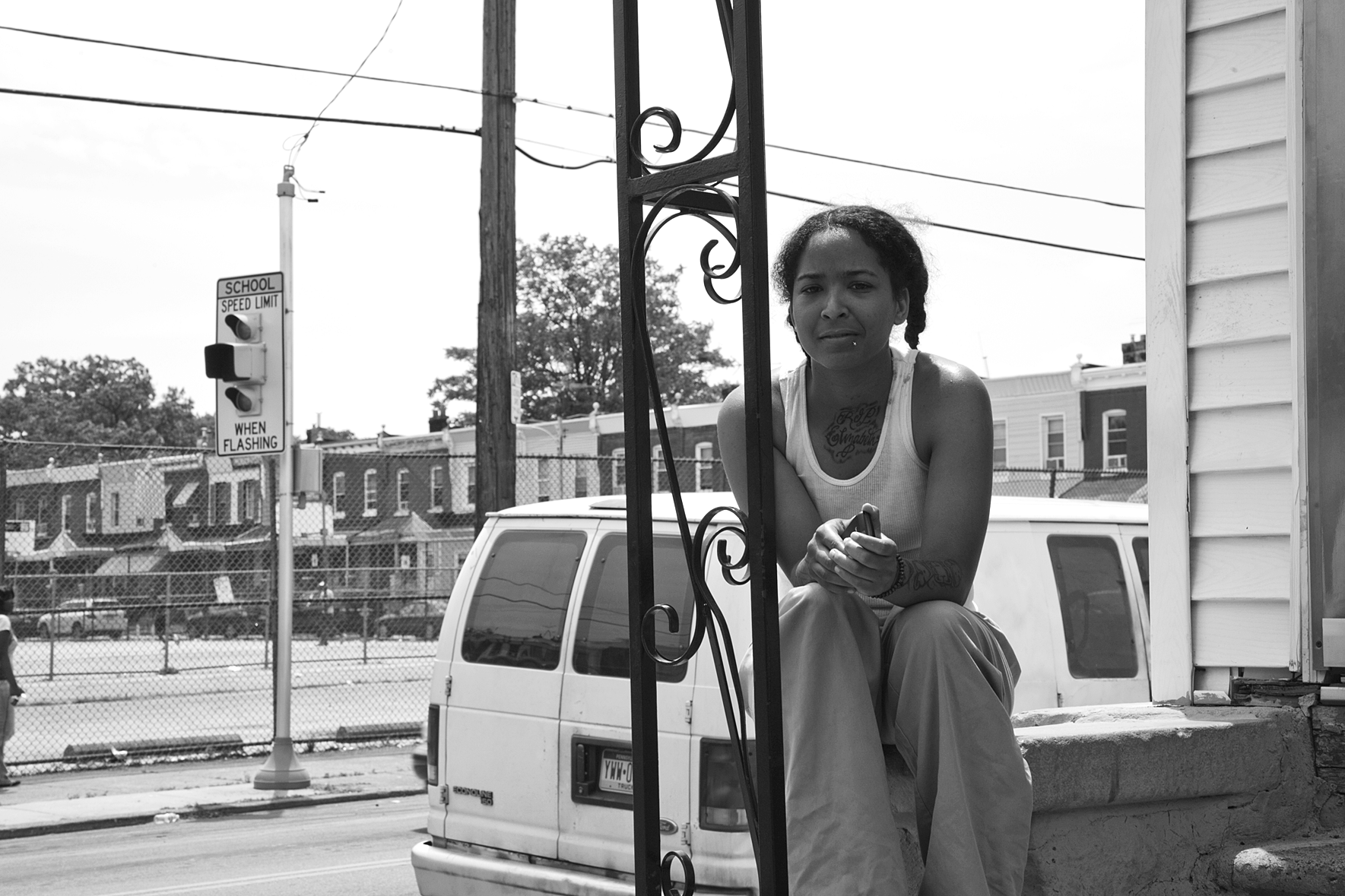
When asked if a grandmother could call the police about drug dealers on her stoop, young people with criminal records were the most likely to say she’d be a snitch. Yet, even among the most zealous adherents to the stop snitching ideology, grandma has leeway. Some said if she spoke to the drug dealers first and they still refused to move, she wouldn’t be a snitch to call the authorities. If she called because she was afraid for her safety or because they were actually dealing on her stoop, then she was not a snitch. Naeem, a 21-year-old from West Philadelphia, put it this way: “She a snitch ‘cause he out there selling drugs just to get by. He ain’t harming you. He ain’t doing nothing to you. He might respect you. He might not sell drugs in front of you. You might can go to him and tell like, ‘I don’t want to call the cops on you but I know what you doing is wrong’ and he’ll probably move to somewhere you can’t see it.”

Philadelphia’s high crime and high poverty areas rank among the top ten hungriest, poorest, and deadliest places in the nation.
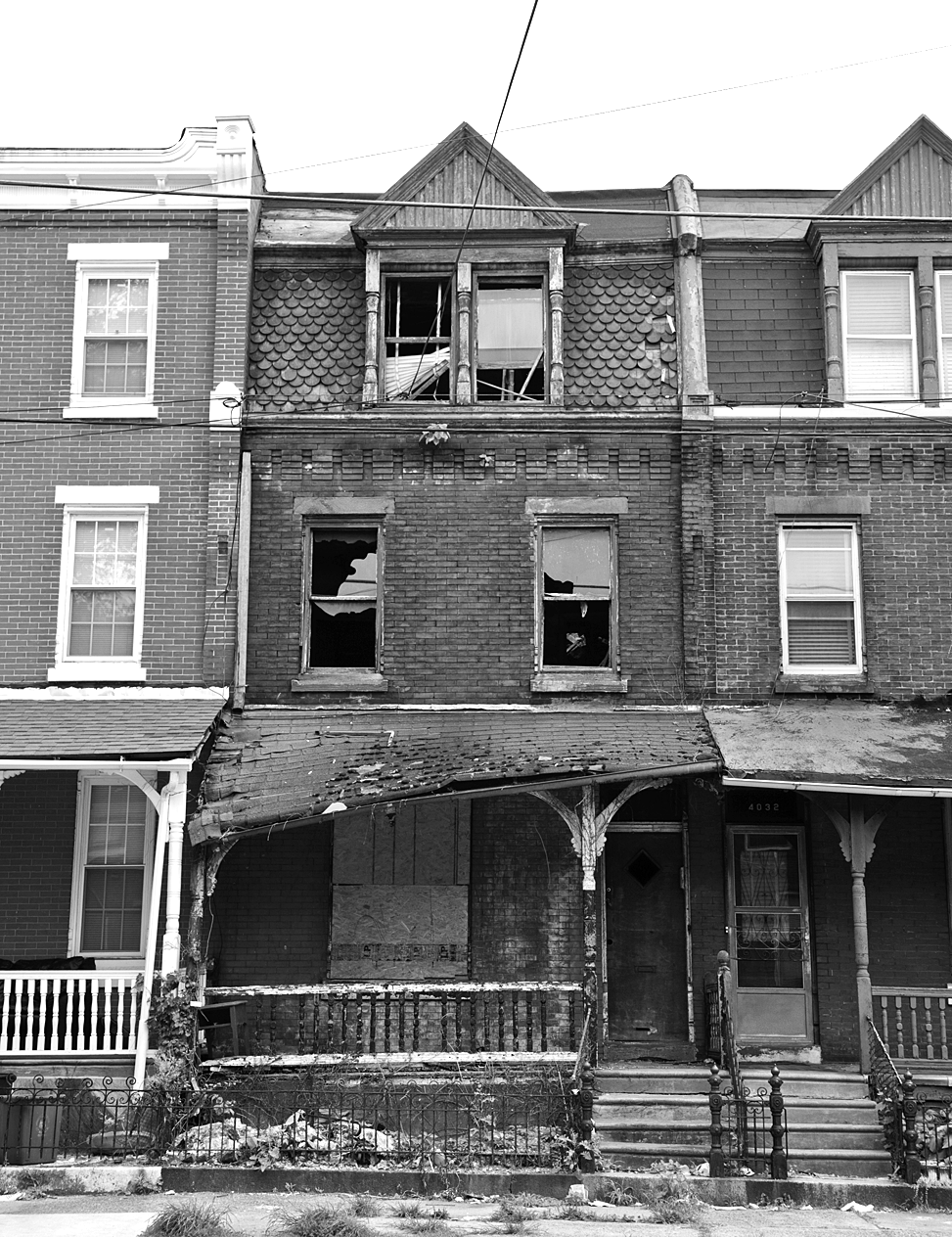
On any given day, the youth populating Philadelphia’s corners assume their positions on porches and stoops. Squads and crews reign over their territory, defend their associates, and hang out with friends. Corner boys may have jobs, even good ones, and not be involved in serious criminal activity. However, with a 37 percent high school dropout rate (among African-American males, that number jumps to 43 percent, and it’s 51 percent for young Latino men) and 11.5 percent jobless rate (it is far higher for workers under 25), many of the young people on corners are what economists call “discouraged” workers: people who have simply given up on finding legitimate jobs.
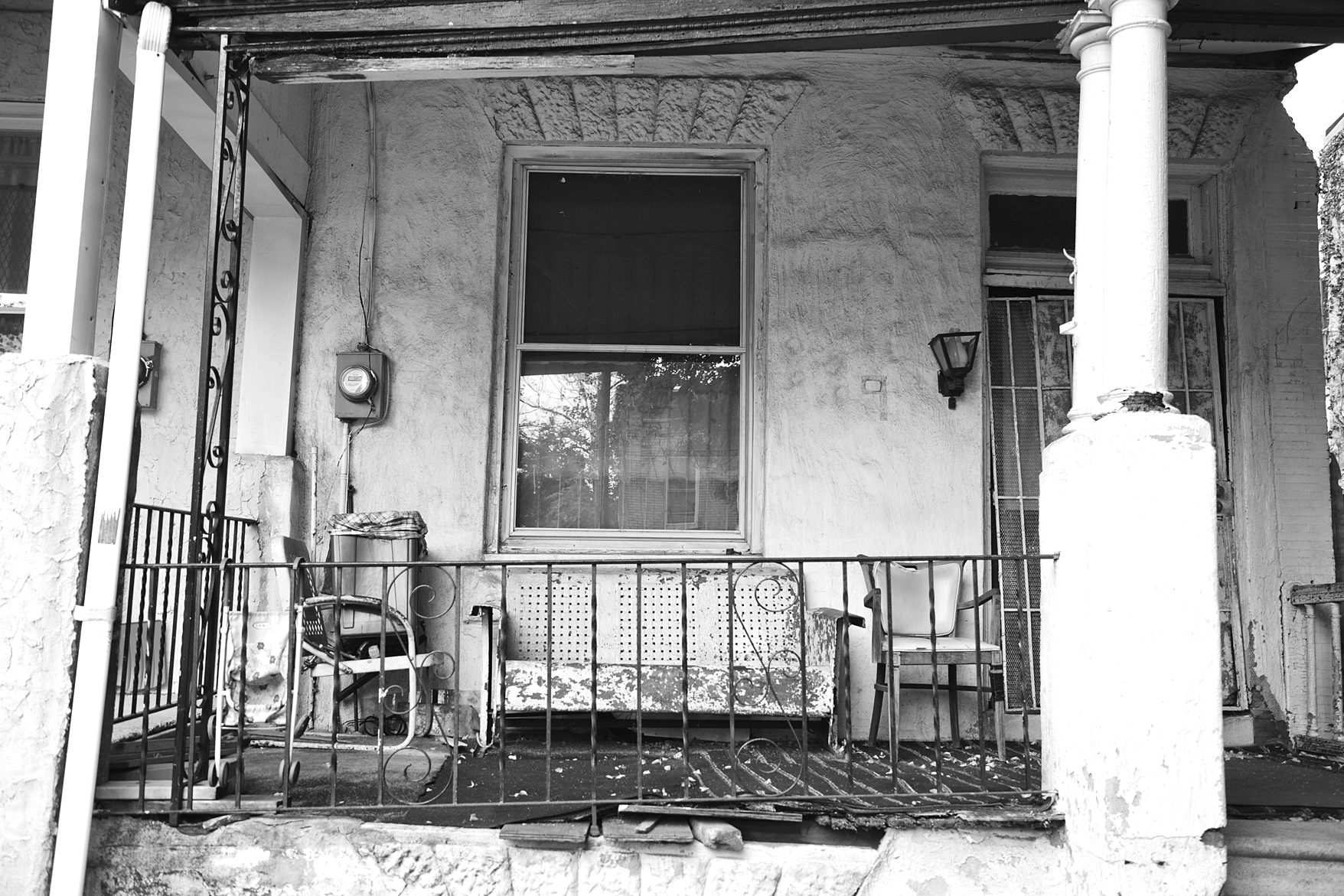
Police in major U.S. cities now stop and question more than a million people each year. In Philly’s toughest neighborhoods, anyone young, out on a corner, male or female, white or non-white, faces a very good chance of getting stopped and frisked. The police keep records of the race, age, and reason for every ped stop. The good news is crime is down in the city. But with 200,000 pedestrian stops per year (a number that’s doubled since 2007), such aggressive tactics come at a cost. Innocent people find themselves lining up against walls.
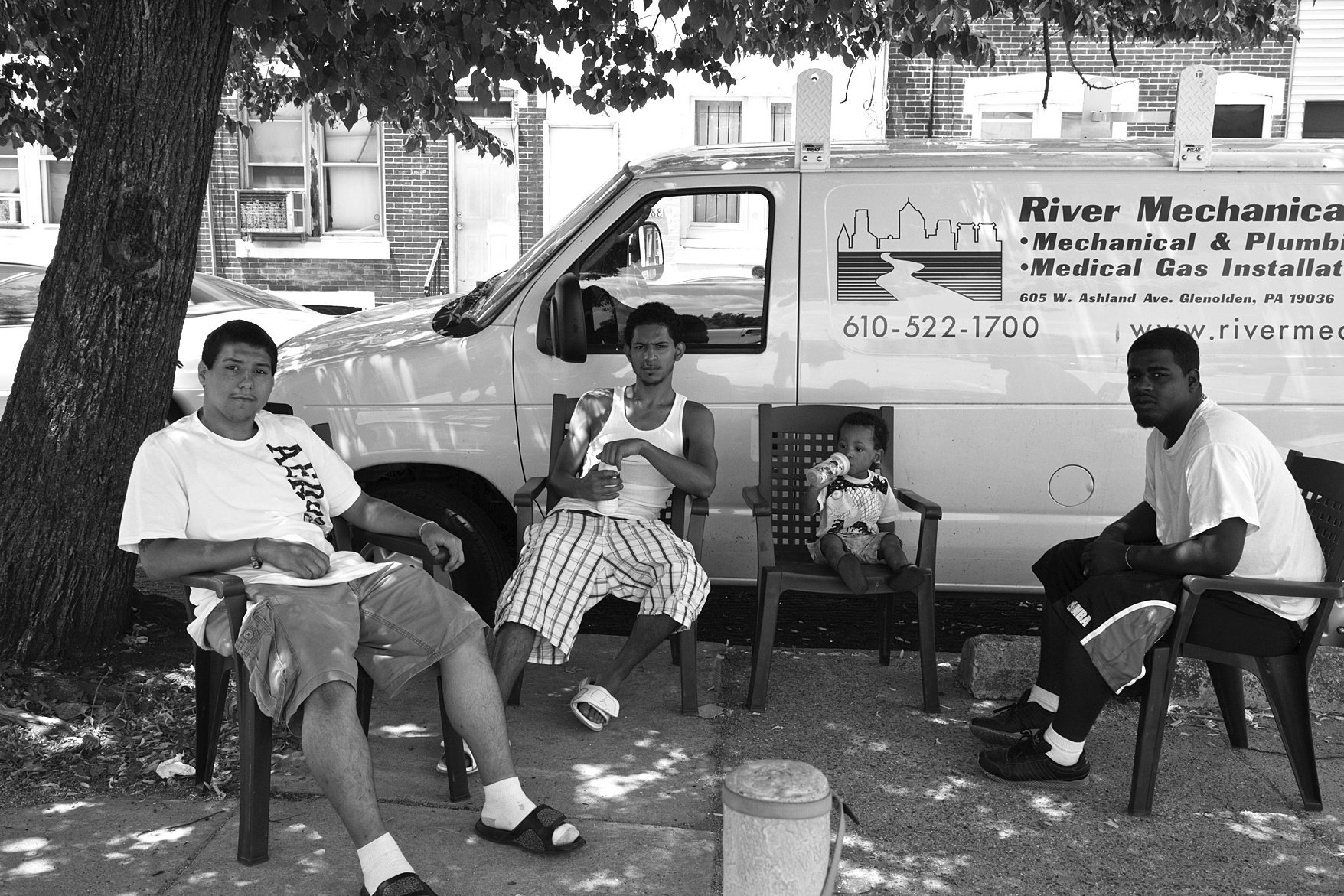
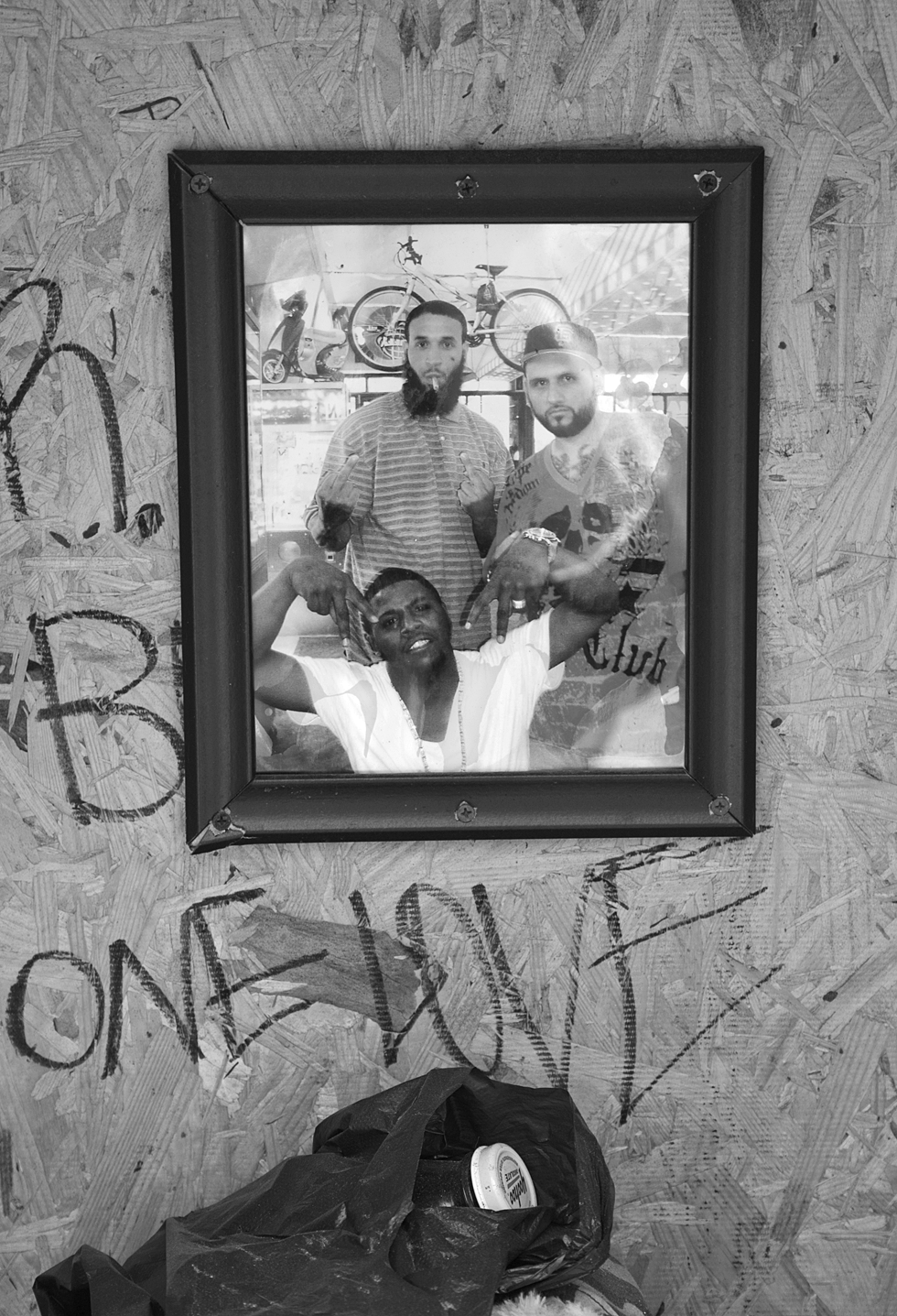
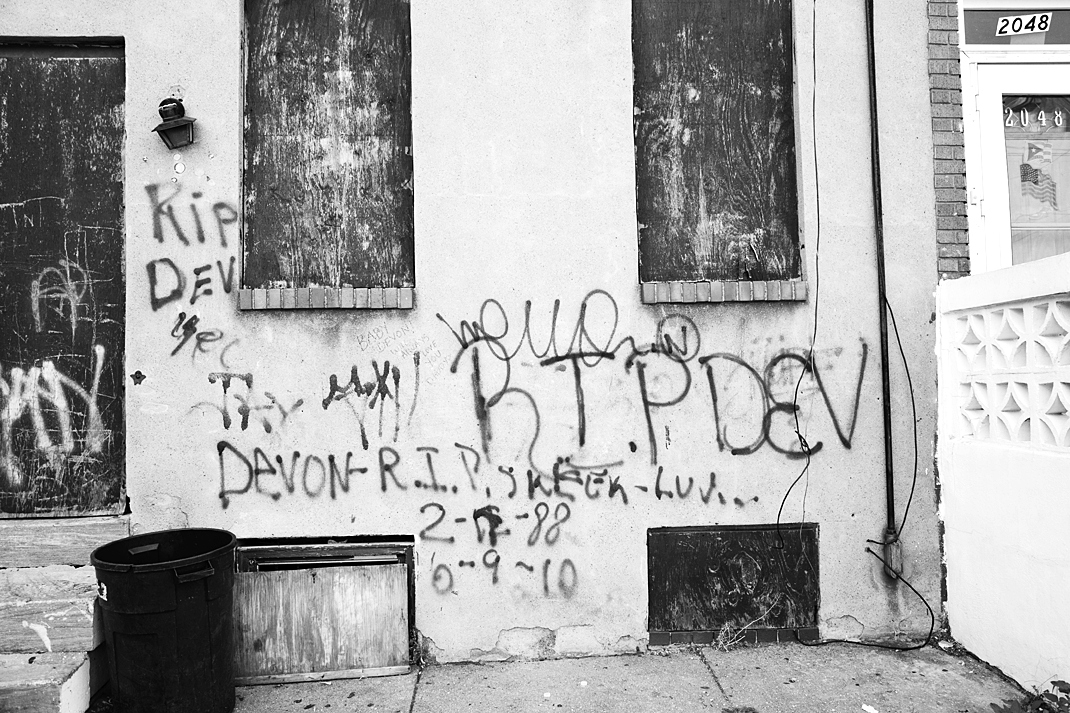
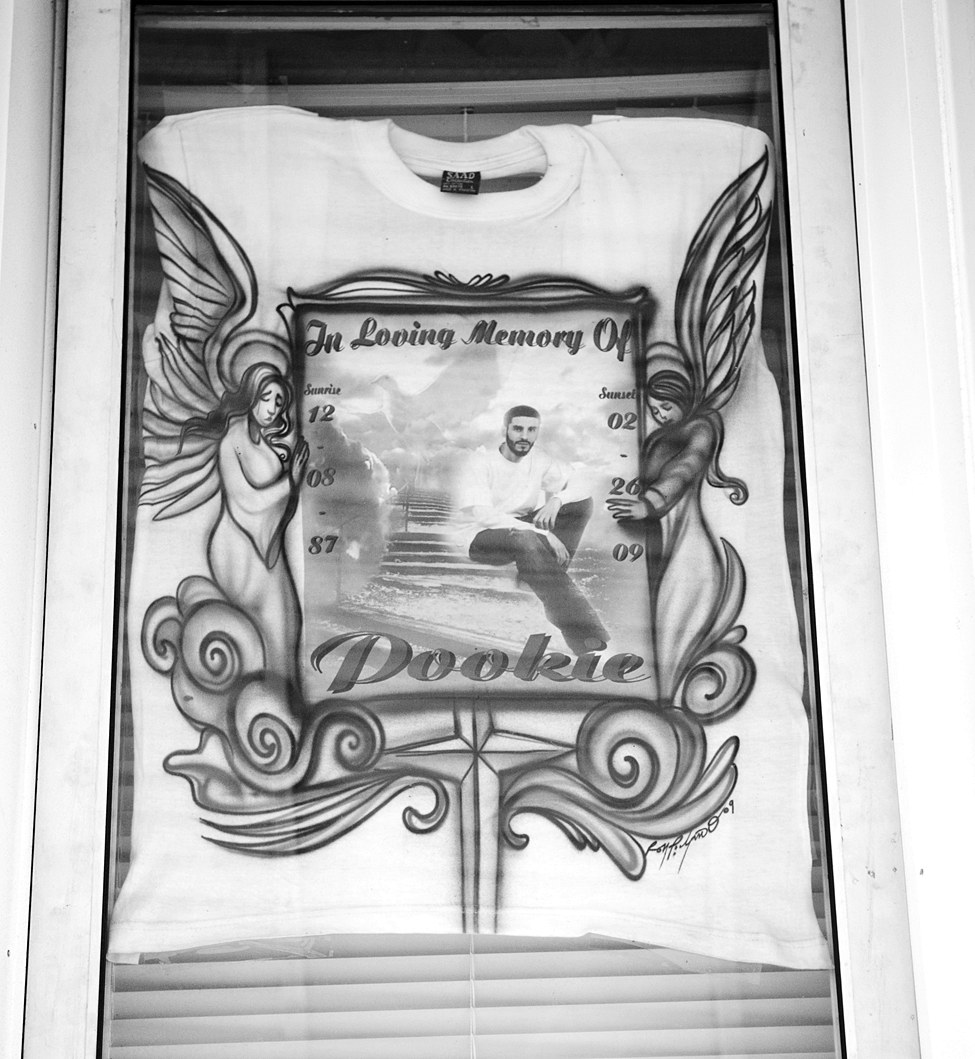
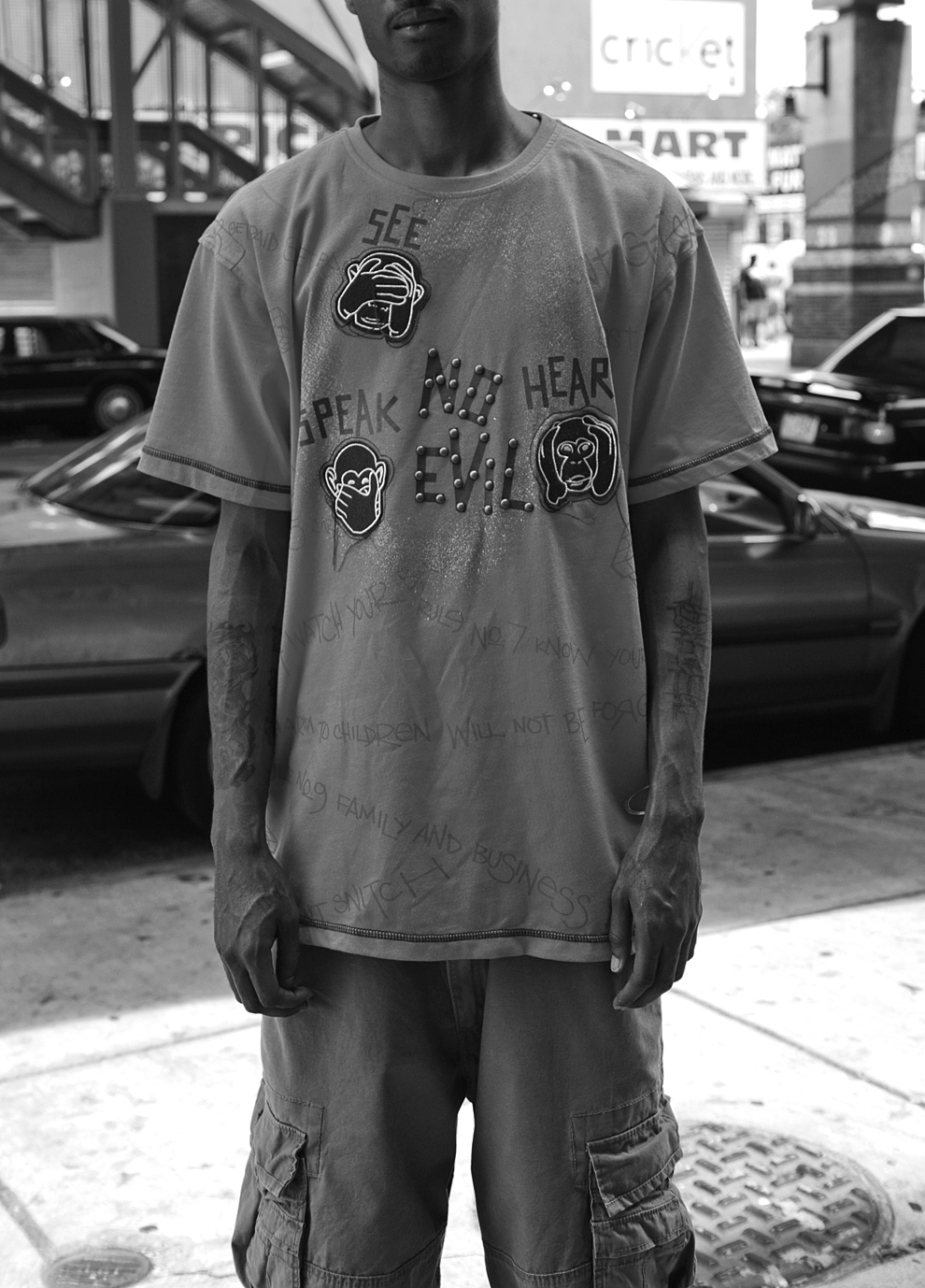
Since 2000, Philadelphia has averaged about a murder a day and over a thousand non-fatal shootings a year. Even as the murder rate declined dramatically in New York City, the City of Brotherly Love earned a new nickname: “Killadelphia.”
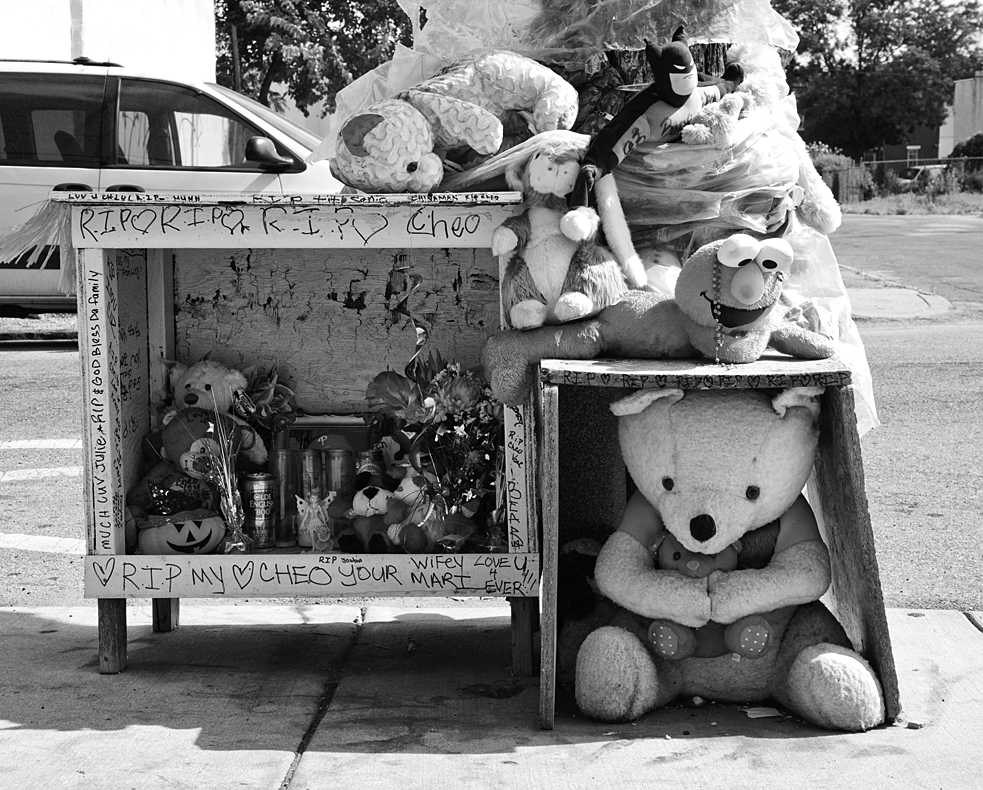
This shirt warns “speak no evil.” Others proclaim “kill the rats,” with Al Pacino’s Scarface holding his machine gun in the “say hello to my little friend” massacre scene. There are fewer T-shirts now, since everyone “just knows” not to speak to the police. One young woman from one of the last white families on her Kensington block has been stopped and frisked repeatedly. She says, “The police do not have the power to help, all they do is hassle you.”
Toy guns for sale in Kensington. Attempts to regulate the real thing have failed, and Pennsylvania scores a D on gun control nationally. The state’s rural, more conservative legislators in Harrisburg remain strongly aligned with gun-rights proponents. Outgoing Governor Ed Rendell, the former Mayor of Philadelphia, has called his administration’s inability to broaden Pennsylvania gun control in the face of Philadelphia’s staggering homicide rates “the great failure” of his two terms in office.

Eighteen months before Major John Pryor, a University of Pennsylvania trauma surgeon, died of wounds sustained in Army service in Mosul, he published a Washington Post op-ed titled “The War in West Philadelphia.” Dr. Pryor wrote, “In Iraq, soldiers die for freedom, for honor, for their country and for their buddies. Here in Philadelphia, they die without honor, without purpose, for no country, for no one. More young men are killed each day on the streets of America than on the worst days of carnage and loss in Iraq. There is a war at home raging every day, filling our trauma centers with so many wounded children that it sometimes makes Baghdad seem like a quiet city in Iowa.” Pryor speculated that if Philadelphia’s violence happened “in a suburban shopping mall… there would be shock, outrage, 24-hour news coverage, Senate hearings and a new color of ribbon to wear.” In our nation, there is “a double standard” for “compassion and empathy.” And this, he concluded, is “why the war on the streets continues unabated.”