




Abstract
Background:
In the East African region, herbal plants are essential in the treatment and control of cancer. Given the diverse ecological and cultural makeup of the regional states, it is likely that different ethnic groups will use the same or different plants for the same or different diseases. However, since 2019, this has not been compiled into a single study.
Purpose:
The study aimed to compile and record the medicinal plants utilized in East Africa from April 2019 to June 2023 to treat various cancer types.
Materials and methods:
The study examined 13 original studies that included ethnobotanical research conducted in East Africa. They were retrieved from several internet databases, including Google Scholar, Scopus, PubMed/Medline, Science Direct, and Research for Life. The study retrieved databases on plant families and species, plant parts used, preparation methods and routes of administration, and the country where the ethnobotanical field surveys were conducted. Graphs were produced using the GraphPad Prism 8.125 program (GraphPad Software, Inc., San Diego, CA). Tables and figures were used to present the data, which had been condensed into percentages and frequencies.
Results:
A total of 105 different plant species from 45 different plant families were identified, including Asteraceae (14), Euphorbiaceae (12), Musaceae (8), and Apocynaceae (7). Uganda registered the highest proportion (46% of the medicinal plants used). The most commonly mentioned medicinal plant species in cancer management was Prunus africana. Herbs (32%), trees and shrubs (28%), and leaves (45%) constituted the majority of herbal remedies. Most herbal remedies were prepared by boiling (decoction) and taken orally (57%).
Conclusion:
East Africa is home to a wide variety of medicinal plant species that local populations and herbalists, or TMP, frequently use in the treatment of various types of cancer. The most frequently used families are Asteraceae and Euphorbiaceae, with the majority of species being found in Uganda. The most frequently utilized plant species is Prunus africana. Studies on the effectiveness of Prunus africana against other malignancies besides prostate cancer are required.
Introduction
Global and Regional Prevalence of Cancer
Cancer is a chronic illness that is a major source of morbidity and death and a factor that is reducing life expectancy globally in the twenty-first century.1,2 According to the World Health Organization (WHO), there will be 8.8 million cancer-related deaths worldwide in 2030. In 2015, more than 17.5 million new cases were diagnosed. 3 The WHO estimated that Africa accounted for 7.0% of all cancer cases worldwide in 2019. The elderly are more susceptible to cancer than other age groups, and that number is expected to triple by 2050 from 143 million to 436 million. 4 The uneven distribution of cancer cases across Africa, with East African countries included, has been linked to limited epidemiological knowledge, diagnostic tools, and research funding, in addition to limited treatment options for patients. 1 Prostate cancer is the most frequent type of cancer in Africa, and the South African Cancer Institute (SACI) revealed 115 000 new cases annually. In Uganda, 2086 cases of prostate cancer were documented in 2018. 4 In Uganda, 2086 cases of prostate cancer were documented in 2018. 5 Cancer’s health and financial impact cannot be ruled out, even though it is believed that the number of cases is underestimated in East Africa due to inadequate diagnostic tools.
Ecological and Cultural Set-Ups in East African Regional Countries
Africa is home to over 6000 anticancer plant species, 3000 of which have 5000 phytochemicals that are beneficial in treating cancer. 6 East Africa is home to a variety of medicinal plant species with long-lasting therapeutic promise, especially in the treatment of cancer. 7 Based on this, the WHO has continuously worked to enhance illness management and treatment to maintain its essential standards. 8 Traditional medicines are utilized widely throughout civilizations, and some people, particularly in underdeveloped countries such as East Africa, prefer utilizing natural remedies to chemotherapeutic drugs. 9 The East African nations (Burundi, Comoros, Democratic Republic of the Congo, Djibouti, Ethiopia, Eritrea, Kenya, Madagascar, Rwanda, the Seychelles, Somalia, South Sudan, Tanzania, and Uganda) are thought to have a wide variety of plants and the ability to treat various cancers because of their distinctive climatic and ecological conditions. 6 More than 40 different ethnic groups are found in East Africa, and there are several plant species used as medicines to cure the same or different diseases. 10 Variations in local names and usage of the same plant species are expected due to these ethnic diversifications. However, from April 2019 to June 2023, there are multiple ethnobotanical studies on medicinal plants used to treat cancer, but they have not been compiled into a single study. This expands on the plant species choice and could act as a guide for future studies aimed at finding new and more effective anticancer drugs.
Cancer Treatment Modalities
The available statistics indicates that conventional medications are frequently utilized to treat cancer. 11 Only 22% of East Africa’s population lives in cities, and the majority of indigenous people reside in rural areas. 12 It is expected that they rely on herbal plant extract to treat cancer, as is the case with other illnesses, due to the remoteness of most of East Africa. 13 The WHO reports that more than 80% of developing nations use traditional medicines, and they continue to be an excellent source of prospective therapeutics. 10 Several ethnobotanical surveys for plant species used to treat cancer have been undertaken in East African regional countries between 2019 and 2023. However, these studies are widely scattered, which limits potential further studies that would lead to the discovery of new anticancer drugs and so need to be compiled into a single study. The study thought it necessary to list and characterize the plant species that are employed in the East African region to treat cancer in a single study and would be the basis of subsequent studies in an effort to explore new anticancer drugs, particularly from herbal medicinal plants.
Methods
Literature Search From April 2019 to 2023
The literature search was done for medicinal plants used to treat cancer in the East African region from April 2019 to June 2023. This time was chosen because it took into consideration the latest review of the medicinal plant across different countries in East Africa and ensured uniformity in the duration throughout the review. The protocol was submitted to the International Prospective Register of Systematic Review (PROSPERO), the University of York Center for Review and Dissemination (https://www.crd.york.ac.uk/PROSPERO) and acknowledged under receipt number 489080. Comprehensive independent literature searches were conducted in Scopus, PubMed/Medline, Science Direct, Research 4Life, and the Google Scholar search engine between April 2019 and June 30, 2023. 14 The keywords selected were: cancer, herbs used to treat cancer, ethnobotanical survey in cancer, carcinoma, blood leukemia, prostate, breast, lung, liver, tumor, malignancies, carcinoma, anticancer plants, and traditional medicinal plant extracts for cancer, decoction, concoction, infusion, maceration, cancerous, hepatocellular carcinoma, Kaposi’s carcinoma, tumor, Burkitt’s lymphoma, cancer of the bone, cancer of the eye, cancer of the colon, cancer of the cervix, and cancer of the uterus, and were used mainly in combination to search for published journal articles from 14 East African nations as classified by the United Nations (UN). 15
Inclusion and Exclusion Criteria
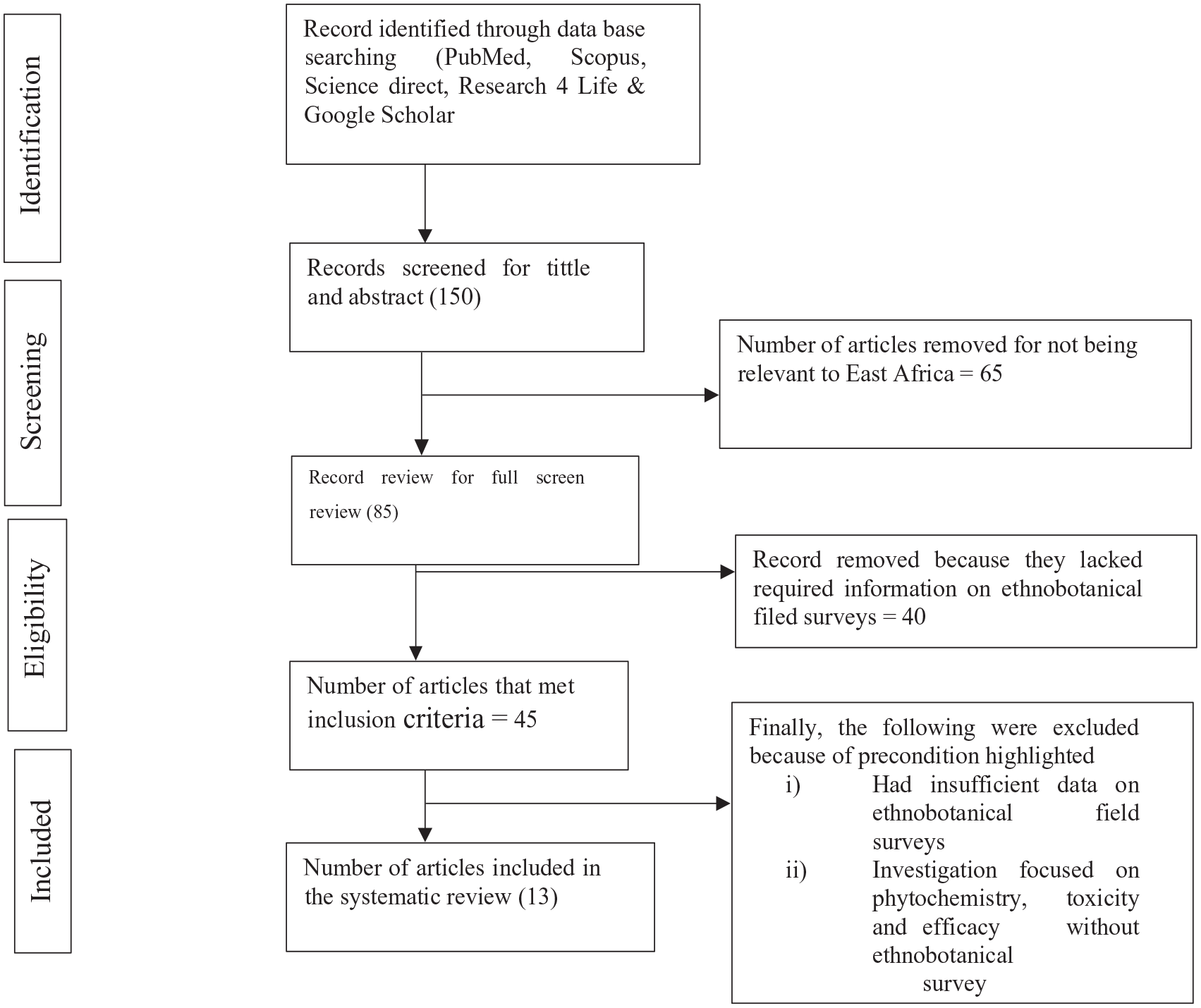
The whole manuscript, abstracts, subjects, and titles were all thoroughly reviewed by 3 reviewers (AK, HMK, and AW). Studies that lacked ethnobotanical details and solely addressed phytochemistry, toxicity, and effectiveness were excluded based on the selection criteria. The current review article included original full-text journal articles that were published in peer-reviewed journals between April 2019 and June 30, 2023, in the 14 East African (E.A.) nations. 15 For this study, only ethnobotanical surveys on medicinal plant species were chosen, with at least one anticancer plant species fully documented, including information on plant family, both local and scientific, location, growth type, parts used, preparation method, and route of administration. Every database used in the study was thoroughly investigated, except Google Scholar, where just the articles on the top 5 pages were looked at because it was thought that this information would be the most relevant. Moreover, it is impossible to finish this page.
Study Selection
First, the retrieved articles were evaluated for an ethnobotanical survey of anticancer medicinal plant species; the titles and abstracts were then carefully examined to determine whether they should be included. The entire article was then reviewed after being individually finished by the 11 authors. The current systematic review was expanded with 13 journals that were picked out of the available publications.
Data Collection Methods/ Data Management
Microsoft Excel (Microsoft Corporation, USA) was used to create a data-gathering tool to compile details on a variety of medicinal plant species used in cancer treatment. Data on the plant’s growth patterns, local and scientific names, plant families, used plant parts, preparation methods, and administration methods was carefully examined and cross-checked to ensure its completeness. The data was extensively examined before being uniquely processed for each nation and author
Data Extraction
Two plant databases were verified to see if the plant’s scientific name was legitimate. To check the accurate botanical names of the plants, the World Flora Online (WFO) plant list (https://wfoplantlist.org/plant-list/) and the International Plant Name Index (IPNI) (https://www.ipni.org) databases of plant names were consulted. 16 If a name was spelled incorrectly, it was checked again using Google before being validated against the aforementioned databases. To avoid recurrence, species names’ synonyms were taken into account when counting the number of species. The plant families and genera were verified by Angiosperm Phylogeny Group IV (APG IV) (https://www.mobot.org/mobot/research/apweb/welcome.html). 19 and Tropicos (https://www.tropicos.org). 20
Data Analysis
Descriptive statistics techniques were employed to evaluate the data gathered for the current study using the computer program Statistical Packages for Social Scientists (SPSS) (Version 23; IBM Inc.). GraphPad Prism produced the figure and graph, which served as the format for presenting the data for simple interpretation
Summary of Selection Search for the Evaluated Articles in the Current Systematic Review.
Results
According to the findings in Table 1, East African natives use medicinal plants to cure and manage various malignancies. Only 5 (35.7%) of the 14 nations in the East African region were discovered to have records of using plant remedies to treat cancer between 2019 and June 2023. Tanzania and South Sudan both had only 3 species documented, whereas Uganda (48) had the largest number of plant species thought to have anticancer properties, followed by Ethiopia (44) and Kenya (7). There have been reports of the use of 105 plant species in 45 different families for the treatment of cancer. It has been determined that indigenous people in this region may effectively treat several malignancies using plant extracts. The most frequent cancers treated with plant therapies were breast, skin, and cervical cancers. Herbs made up the majority of the plants utilized (32%), while fern and liane (1%) were the least common plant growth habits. Asteraceae, a family of plants, has the most species (14), followed by Euphorbiaceae, and the majority of families only had one species that was revealed to have anticancer properties. Prunus africana was the plant species that was most commonly recommended in Uganda, Kenya, and Ethiopia for the treatment of breast, skin, and prostate cancer. Except in a few cases of skin cancer, throat cancer, and esophageal cancer where topical and intranasal applications, respectively, are employed, most plant remedies were boiled and drunk (decoction).
Plants Used in the Management of Cancer in East Africa (E.A) as Ethnobotanical Survey Reports Between 2020 and 2023.

The Use of Medicinal Plant Remedies in Different East Africa Countries From 2019 to 2023
The study observed that only 5 (35.7%) countries out of 14 in the East African region had reported the use of plant extracts in treating different cancers. The predominance of use of plant extract was highly reported in Uganda (46%), followed by Ethiopia (42%), and Tanzania and South Sudan (2%).
Cancers Most Frequently Treated by Plant Remedies Between 2019 -2023
Findings revealed a total of 9 different cancers reviewed to be treated by herbal medicines in East Africa. Breast cancer (57, 35%), skin cancer (24, 15%), and bladder cancer (3, 1.8%) were the 3 cancers that were most frequently treated and reviewed.
Plant Growth Habits Used for Preparation of Anticancer Remedies
The review identified varied plant growth patterns that herbalists employ in the creation of herbal cancer treatments. Herbs were the most prevalent type of plant growth (32.1%), followed by trees or shrubs (27.7%), and bulbs, ferns, and lianes (2%) were the least prevalent. Few ethnobotanical investigations have documented the distinctive development patterns of ferns and lianes.
Plant Families With the Most Species Used in the Treatment of Cancers in East Africa From 2019 to June, 2023
There have been some fascinating discoveries in regard to the various plant families, as only 8 plant families with at least 3 or more species were chosen for this presentation out of a total of 45 plant families and 105 plant species that are thought to have anticancer potential. The family Asteraceae (14%) had the most species followed by Euphorbiaceae (12%). The rest of the families only had one species that was revealed to have anticancer properties
Plant Parts Used in the Preparation of Plant Remedies for Cancer in East Africa
According to the findings, different plant parts are employed in the treatment of cancer in this area, and the parts vary based on the type of cancer being treated as well as the plant species. The most utilized plant parts were leaves (45%), whereas flowers (1.5%) were the least utilized.
Mode of Preparation and Application of Plant Remedies Used in the Treatment of Cancers in East Africa
East African natives use a wide range of techniques in the preparation and application of anticancer herbal therapies. The modalities of preparation and application varied from chewing, licking, and pounding to boiling either for one plant (decoction) or several plant species (concoction). The most popular way to prepare and give herbal treatments was by decoction (57, 30%), followed by pounding and applying (28, 15%), and roasting (2, 1%), which had the fewest records.
Discussion
Use of Medicinal Plants in the Treatment of Cancers in Different East African Countries
Anticancer medicinal plants in the 14 East African regional countries were reviewed, out of which only 5 (37.5%) were found with this kind of ethnobotanical evidence for the previous 4 years (Figure 1). Except for Uganda and Ethiopia, the other 3 nations showed either insufficient use or inadequate documentation of cancer-related medicinal plant therapies. The substantial use of medicinal plants in Uganda and Ethiopia may be attributed to ecological settings that support the establishment of a wide diversity of plant species. 18 Furthermore, numerous investigations into ethnobotanical surveys have been carried out, elaborating on the plant selections available to locals and the application of medicinal plants in the treatment of cancer. This is consistent with a previous study of ours that found a substantial preference for traditional cancer remedies over modern cancer therapies and other diseases among people in the rural Elgon sub-region and Butelejja district of eastern Uganda.13,19,20 The increased use of herbal therapies has also been attributed to their affordability, claimed safety, accessibility, and, most importantly, their assumed effectiveness. 21 Gender is one of the notifiable factors influencing the use of herbal medicine, the significant use of herbal plants for disease treatment and has been linked to the region of residence, age, and education. Numerous studies conducted in South Africa and Uganda have established the impact of gender on the use of medicinal herbs.19,22 However, gender disparities have also been reported to influence the usage of medicinal herbs, and these differences depend on the cultural context. For instance, it was male-biased in Butelejja, 19 but it was female-biased in South Africa. 22 The study was carried out in South Africa, Indonesia and Malaysia which has a different cultural background from East Africa, and medicinal plants have been integrated into the country’s healthcare system.21 -23
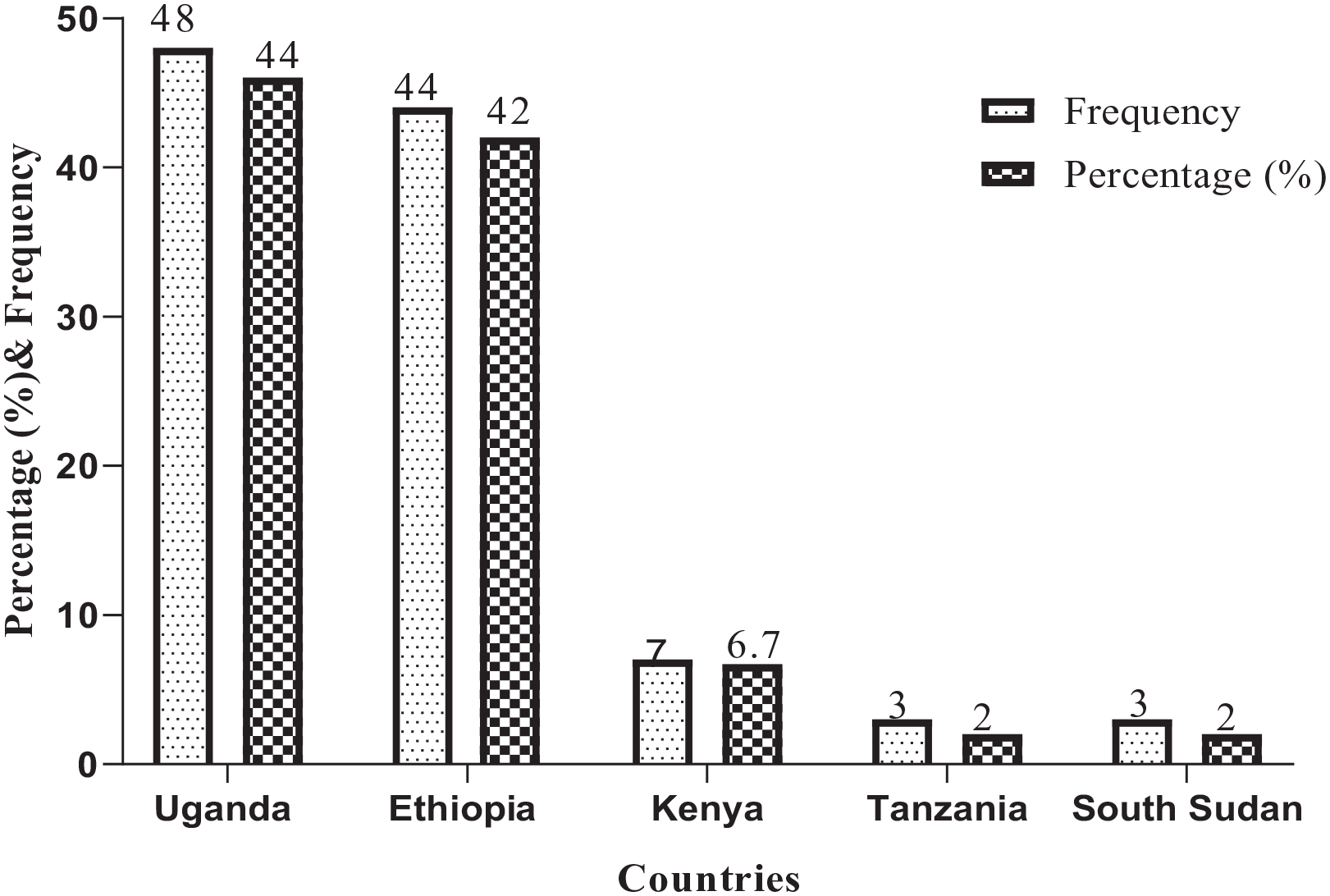
Medicinal plant remedies used in cancer treatment in different parts East Africa countries from 2019 to June, 2023.
Cancers Most Frequently Treated by Plant Remedies in East Africa Between 2019 and 2023
Nine (9) of the 17 (17) malignancies included in the data, all of which had at least 5 mentions of being treated by medicinal plants, were chosen for discussion in this study (Figure 2). The most prevalent treated cancers were breast (55), skin (23), and cervical (19) cancers, which may be related to the most prevalent cancers in the local population. This, together with the exorbitant cost of conventional treatment, prompts natives in East Africa to search for plant remedies as inexpensive, accessible alternatives with minimal or no serious side-effects and, above all, assumed to be effective. The locals diagnosed common skin, cervical, and breast cancers based on common signs and confirmed them by laboratory tests. 20 Because plant treatment is predictable in terms of cost, cultural acceptability, safety, and efficacy, it has always come after hospital records and laboratory results. In Sironko and Bulambuli, which are areas in eastern Uganda in East Africa, skin cancer and cervical cancer were among the most prevalent cancers. They claimed to significantly rely on various plant remedies to treat these ailments because they were regarded as more successful than contemporary medications. 20 There is a correlation between the prevalence of a certain illness among the local population and the use of various plant species as medication. 18 Residents are forced to think about alternative solutions, especially in rural areas with weak health systems, to lessen the frequent health burden they experience due to the high occurrence of the condition and various limitations connected with conventional treatments in the region

Cancers most frequently treated by plant remedies between 2019 and 2023.
Growth Forms of the Anticancer Medicinal Plants in East Africa
Several plant growth patterns that are used in the treatment of cancer were revealed in the present review. Herbs, trees, and shrubs made up the bulk of the plants for herbal therapies (Figure 3). Rainfall is nearly constant throughout most of East Africa, allowing for the availability and buildup of phytochemicals that have curative properties for a range of diseases, including cancer. 13 Due to their availability all year and their alleged ability to treat a variety of illnesses19,24-27,herbs are the most commonly used therapeutic plants in various parts of East Africa, including Uganda and Ethiopia. On the contrary, the use of trees and shrubs in Namibia and Zimbabwe was a common phenomenon because the studies were carried out among residents in highly forested areas where trees and shrubs are available throughout the year. 28

Plant growth habits used for preparation of anticancer remedies.
Most Common Medicinal Plant Families Used in the Management of Cancers in East Africa
Findings showed that the families Asteraceae (14 species), Euphorbiaceae (12 species), Musaceae (8 species), and Apocynaceae (7 species) included the greatest number of plant species thought to have anticancer potential. (Figure 4). The fact that Asteraceae is so frequently used might be because herbs, which make up a sizable portion of this family267, make up the bulk of the plant species examined in the current study. Because members of this family tend to multiply quickly and are disseminated extensively, the majority of the locals in this area can more readily acquire and purchase them. 29 As a result, people frequently rely too much on herbal medicine for numerous conditions, including cancer therapy. Due to their widest variety of species, 3 plant families—Asteraceae, Fabaceae, and Lamiaceae—are widely used by the local indigenous communities of Mpanga and Mabira core forest reserves to treat anemia, diarrhea, and cancer. 30 As has been amply proven, several phytochemical components, including flavonoids, tannins, saponins, alkaloids, and terpenes, have therapeutic properties that may explain the extensive use of plant species as medicines. 14 Due to the disparities in health conditions between the current study and earlier investigations, the Fabaceae family, which was among those with the least amount of review, has a long history of use in the treatment of many disorders globally.28,30,31 In contrast to our review, which primarily focused on cancer, Fabaceae have been proven to be effective in the treatment of many infectious disorders.28,30

Plant families with the most species used in the treatment of cancers in East Africa from 2019 to June, 2023.
Prunus africana (8 mentions) was the plant species most often mentioned for treating skin, breast, and prostate cancers in 3 different East African countries. Balanites aegyptiaca (L.) Dilele (3 mentions) was the next plant species to be mentioned (Table 1). In Uganda, it was a recognized regional treatment for prostate, breast cancers, all chronic malignancies, and tumor prevention. The remaining plant species had either been recorded twice or once in any of the studies that were assessed. Prunus Africana is most frequently utilized, which may be due to its high concentration of chemical components that have anticancer properties, such as alkaloids, flavonoids, tannins, saponins, terpenoids, and fatty acids29,33. Since these phytochemicals have been demonstrated to block several cancer features, these plant species are more suitable for the treatment of cancer than other plant species in the region. The anticancer properties of Prunus africana have been associated with a range of secondary metabolites, including triterpenes, fatty acids, phenols, sterols, and saponins. 33 Through apoptosis, antiproliferation, limiting replicative immortality, and anti-angiogenesis, these phytochemicals demonstrate anticancer action. 33 Prunus africana stem bark extracts have been shown to kill prostate cancer cells through apoptotic pathways, stop the spread of prostate cancer cells, and change signaling pathways that are necessary for prostate cancer cells to stay alive.32,34,35 Plant species like Artemisia annua and Catharanthus roseus were not widely cited in anticancer studies, but they have exhibited multiple medicinal benefits. 36 For example previous research, found that these plants contain several flavonoids, flavones, flavanols, luteolin, quercetin, kaempferol, and alkaloids that help fight cancer, high blood pressure, free radicals, diabetes, and microbes.36,37
Plant Parts Used in the Preparation of Plant Remedies for Cancer in East Africa
Findings of the most commonly used plant species were leaves, roots, and root barks, which were least utilized in this regard (Figure 5). The use of leaves has reportedly been linked to their speedy regeneration and, in most situations, does not result in the plant dying, allowing the same plant to be constantly employed for a considerable amount of time. Additionally, more bioactive compounds can be produced by photosynthetic and biosynthetic activities than by any other part of the plant.26,28,30,34,38 To meet their medicinal needs, locals in Butelejja produced 80% of their herbal remedies from leaves. 19 In contrast, 26 roots and rhizomes were the most frequently utilized sections. This disparity was caused by ecological variables such as the kind of soil that determines the growth and survival adaptations of local plants, as well as the disease that is managed. In Ethiopia, it was discovered that tubers from the Aparagaceae and Solanaceae plant families were widely used. This discrepancy was attributed to the illness in question, the plant family employed, and its cultural and ecological setting. In contrast to our study, which assessed anticancer medicinal herbs, they mostly concentrated on plants used to cure illness, bad eyes, and snake bites. 26
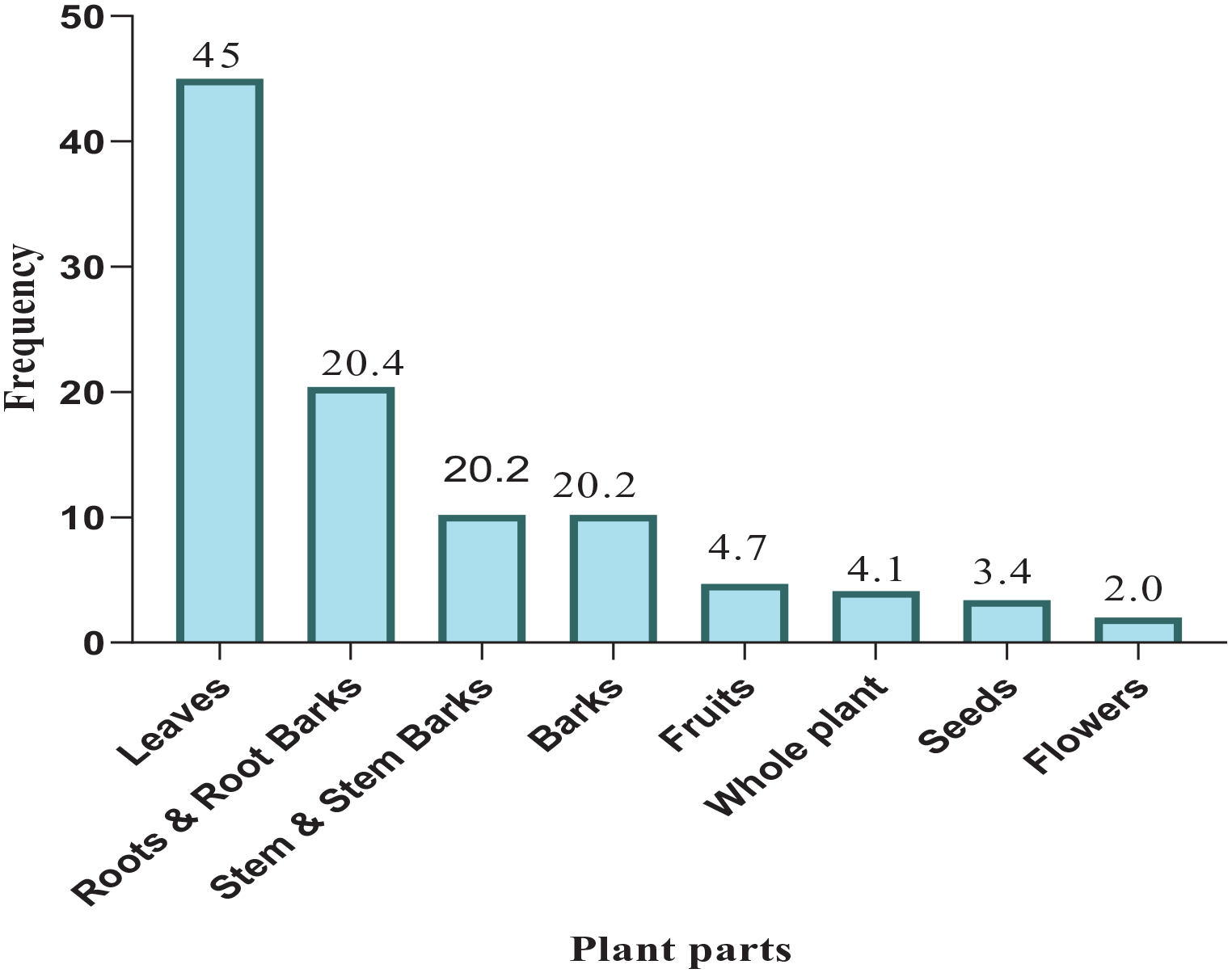
Plant parts used in the preparation of plant remedies for cancers in East Africa.
Mode of Preparation and Application of Plant Remedies Used in the Treatment of Cancers in East Africa
The most frequent technique of preparation and administration for herbal treatments reviewed was decoction and pounding (Figure 6). Boiling and drinking (decoction) have been linked to ease of preparation and administration for individuals using oral medications when compared to alternative routes of application and preparation options.19,26 On the contrary, concoctions are widely reported to be used in herbal preparation and attribute this to the embodied belief by most herbalists that no single plant can effectively treat and cure a disease alone.39,40 So, effectiveness could be improved through combination with 2 or more plants. 40

Mode of preparation and application of plant remedies used in the treatment of cancers in East Africa.
Conclusion
Several plant species in East Africa have been touted as having anticancer potential. The Asteraceae, Euphorbiaceae, Musaceae, and Apocynaceae plant families accounted for the majority of these plants and were mostly found in Uganda. Prunus africana was the most common plant species used to prepare cancer herbal therapies for the treatment of numerous cancers in East African countries. The research shows that although Prunus africana has the best scientific evidence for treating prostate cancer, the most recently reviewed literature also reveals that it is also utilized by the community to manage other cancers and stop tumor growth. The study recommends scientists to conduct investigations on the most often mentioned plants to evaluate their safety and anticancer activity in both in-vitro on cancer cell-line and in-vivo settings in animal models.
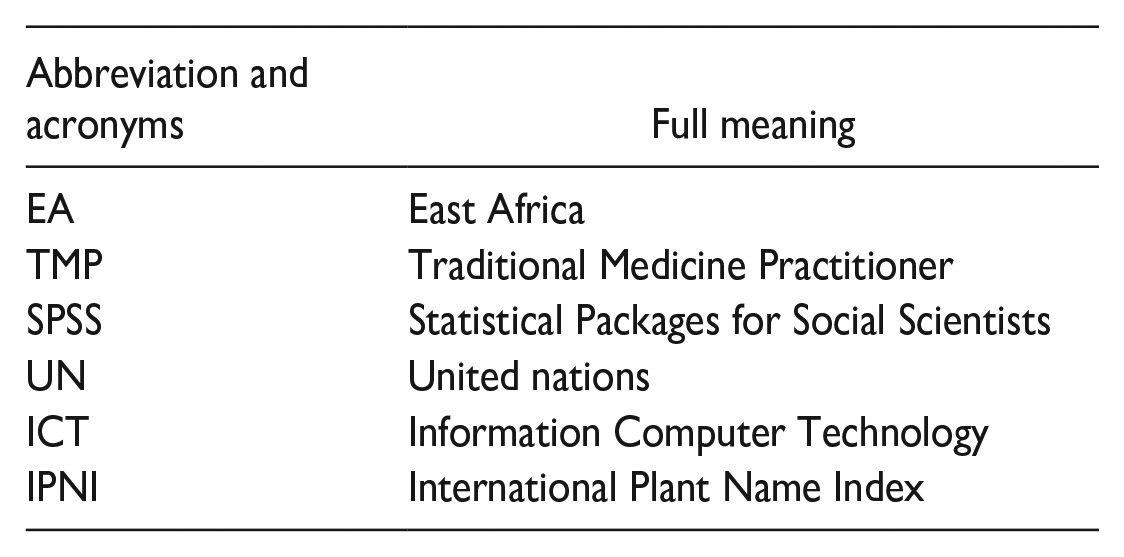
List of Abbreviations and Acronyms
Footnotes
Acknowledgements
We are grateful to the ICT system management of the Islamic University in Uganda, Kampala Campus, for allowing us to access the databases. We also thank Dr. Ntanda K. Moses, Makerere University College of Computing and Information Sciences, for ICT technical support.
Authors’ Contribution
AK, AW, HKM, SOA, and JES participated in the search for articles from the databases as well as the analysis, presentation, and discussion. AK wrote the final manuscript draft. HW, JK, GSB, AL, HW, and NN reviewed the manuscript draft. All the authors read and approved the publication of the manuscript.
Declaration of Conflicting Interests
The author(s) declared no potential conflicts of interest with respect to the research, authorship, and/or publication of this article.
Funding
The author(s) received no financial support for the research, authorship, and/or publication of this article.
