AtkinsonE. (2001). Deconstructing boundaries: Out on the inside?Qualitatives Studies in Education, 14, 307-316.
2.
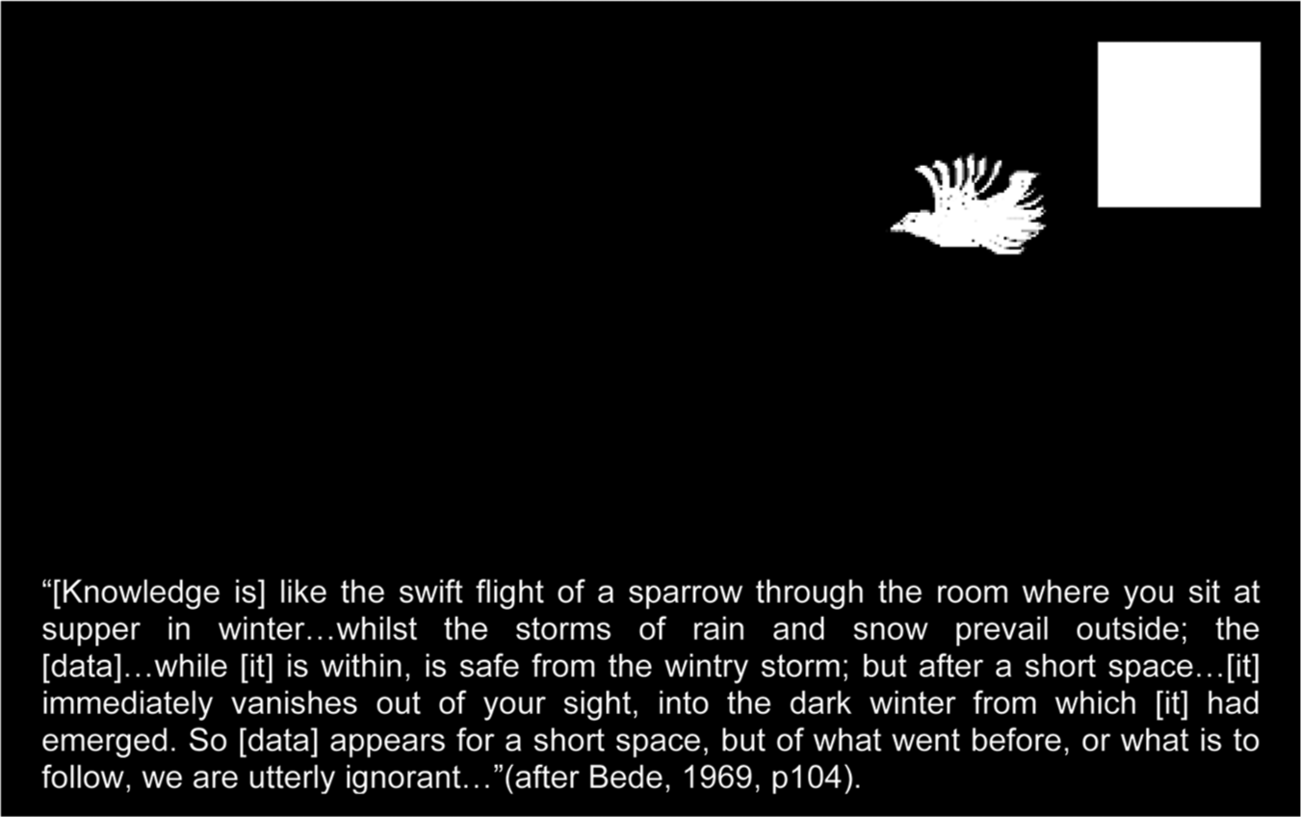
Bede. (1969). Historia ecclesiastica gentis Anglorum (Ecclesiastical History of the English People). ColgraveB.MynorsR. A. B. (Eds. & Trans.). Oxford, UK: Clarendon Press.
ClarkeG. (2009). A recipe for water. Manchester, UK: Carcanet.
5.
DerridaJ. (1997). Deconstruction in a nutshell (CaputoJ., Ed.). New York, NY: Fordham University Press.
6.
DerridaJ.FerrarisM. (2001). A taste for the secret(DonisG., Trans.). Cambridge, UK: Polity Press.
7.
FineM. (1994). Working the hyphens: Reinventing self and other in qualitative research. In DenzinN. K.LincolnY. S. (Eds.). Handbook of qualitative research (1st ed., pp. 130-155). New York, NY: Sage.
8.
JacksonA.Y.MazzeiL. A. (2012). Thinking with theory in qualitative research. Routledge, UK: London and New York.
9.
LeviP. (1984). The periodic table. London, UK: Abacus.
10.
LincolnY. S.GubaE. G. (1985). Naturalistic inquiry. London, UK: Sage.
11.
MacLureM. (1996). Telling transitions: Boundary work in narrative of becoming action researcher. British Education Research Journal, 22, 273-286.
12.
MacLureM.HolmesR.JonesL.MacRaeC. (2010). Silence as resistance to analysis: Or, on not opening one’s mouth properly. Qualitative Inquiry, 16, 492-500.
13.
MassumiB. (2002). Parables for the virtual. Durham, SC: Duke University Press.
14.
MazzeiL. A. (2007). Inhabited silence in qualitative research. Putting poststructural theory to work. New York, NY: Peter Lang Publishing, Inc.
15.
RackhamO. (1990). Trees and woodland in the British landscape. London, UK: Dent
16.
RiceC. (2010). The space-time of pre-emption: An interview with Brian Massumi. Architectural Design, 80(5), 32-37.
17.
St. PierreE. (1997). Methodology in the fold and the irruption of transgressive data. International Journal of Qualitative Studies in Education, 10(2), 175-189.