




Abstract
The high turnover rates in public schools, especially in those hard-to-staff schools, remains a growing problem and has become the largest component of teacher supply problems in the US school system. The purpose of the study was to examine the individual and school organizational factors that were associated with teachers’ intentions to change school by using the dataset of the US TALIS 2013 administrated by the Organisation for Economic Co-operation and Development. The results of the multilevel models showed that although the variance in teacher turnover intentions was, to a substantial degree, explained by the individual variables, the school organizational-specific effects have notably contributed to the outcome as well. Additionally, the analysis of the cross-level interaction has detected both direct and indirect effects of disadvantaged schools on teacher transfer intention. The implications for teacher retention policies have been discussed as well.
Introduction
Teacher turnover is a global concern that influences students all over the world. The turnover rates across countries have steadily increased in recent decades (Organisation for Economic Co-operation and Development [hereafter OECD], 2014). Statistics in North American, for example, have indicated the US teacher turnover rates were about 30–50% over the past 40 years (US Department of Education, 2015). In the 2015–16 school year, there were around 47,000 to 80,000 teaching vacancies in public schools according to the latest NCES report (Sutcher et al., 2016). The high turnover rates in public schools, especially in those hard-to-staff schools, remains a growing problem and has become the largest component of teacher supply problems in the US school system (Adnot et al., 2017). The schools with low market attractiveness usually will face more severe teacher turnover and more challenges staffing classrooms with high-quality teachers than other schools (Sutcher et al., 2016).
Teacher turnover usually includes both attrition and school-to-school mobility (Stuit and Smith, 2012). However, research attention has mainly focused on those who leave their teaching position altogether, whereas teachers who move to another school or district have been understudied as it does not increase or decrease the overall number of teachers (Grissom et al., 2016). Yet high teacher turnover rates have been found to negatively impact on students’ achievement, especially for those disadvantaged students (Ingersoll, 2001). Additionally, some studies separately examining teacher turnover revealed that the predictors of teachers’ transfer and quit decisions were not necessarily the same (Kukla-Acevedo, 2009). Therefore, studying teacher transfer intention has important policy implications. For instance, it may be useful for policy-makers to avoid superficial or false policy adoptions by accurately identifying the factors contributing to teachers’ decisions to change schools.
Moreover, compared with the investigations of the role of salaries on teacher turnover decisions (e.g., Ransom and Sims, 2010), the effects of non-pecuniary factors have not been sufficiently studied (e.g., Falch and Strøm, 2005; Weston, 2015). Previous studies have indicated that teacher mobility still remains unclear due to the lack of knowledge on the differences in non-pecuniary job attributes (Loeb and Page, 2000). The current study attempts to contribute to the field of teacher turnover by investigating the effects of non-pecuniary factors on teacher transfer intention.
Also, major research consideration of teacher turnover has been placed on individual antecedents and at a single level, leaving the potential multilevel effects on teacher turnover largely unexplored (Lindqvist et al., 2014). Unlike the traditional analytical approach, multilevel modeling can separate the organization-level effects from individual-level effects and capture the information that might otherwise have been overlooked (Holtom et al., 2008). Under the multilevel framework, this study is an effort to draw more research and policy attentions to teacher transfer intention from both individual and organizational levels (Meyer and Benavot, 2013). An improved understanding of the multilevel antecedents can benefit school organizations, enhance teachers’ satisfaction, and improve educational outcomes (Holtom et al., 2008). Particularly, the understanding of the contexts and factors relating to disadvantaged schools by using multilevel perspectives has implications for policy efforts to reduce long-standing educational disparities, particularly in equitable teacher allocation (Li et al., 2016).
The purpose of the study was to examine the individual and school organizational factors that were associated with teachers’ intentions to change schools. The dataset used in the study was the 2013 Teaching and Learning International Survey (TALIS) administrated by the OECD. The current study has only focused on the US data from the TALIS. By using multilevel analysis, this study is an attempt to understand the non-pecuniary factors contributing to the variations of teacher turnover intention across US lower secondary schools (grades 7–9). Particular attention has been paid to the teacher transfer intention in disadvantaged schools (e.g., the schools with high proportions of low-income or/and minority students). In addition to the direct effect of school characteristics on teachers’ transfer intention, this study has also focused on the cross-level interaction effect of school disadvantage (e.g., high proportion of low-income students). To further understand the conditions under which different teachers might have different job decisions, this study examined the moderating role of school disadvantage on the outcome after controlling for the individual- and school-level predictors. In this study, the phrase “turnover intention” refers to teachers’ attitudes favoring leaving their current workplace (Tiplic et al., 2015). The research is guided by the following questions.
What are the relative roles of individual and school characteristics and organizational conditions in explaining teachers’ intention to change school? To what extent are the teachers from disadvantaged schools (e.g., low-income and/or minority schools) more likely to have turnover intention? Do disadvantaged schools moderate the effect of the teacher-level variables on the outcome (cross-level interaction)?
Literature review
Prior scholarly efforts to address and understand teacher turnover have included a multiplicity of methods. Although it is difficult to compare findings across such conceptual and methodological diversity, several overarching conclusions have been reached.
Teacher turnover intention
Teacher turnover intention has been seen as a strong predictor and an alternative measure of actual turnover behaviors (Cho and Lewis, 2012) and has been incorporated into many employee turnover models (Medina, 2012). Unlike the costly longitudinal designs for actual turnover behaviors by using administration data, the survey data for turnover intention have their desirable statistical qualities (Cohen et al., 2015). For example, they usually contain much more variable information than regular educational administration data. The TALIS data file in the current study, for instance, contains both basic information of the teachers and schools and perception data on a series of topics (e.g., school climate and leadership). The richness of the survey data provides us with an opportunity to capture the factors that might have been missed out by solely relying on administration data.
Much turnover intention research has been conducted in the fields of organizational psychology (e.g., George and Jones, 2008), and economics (e.g., Markey et al., 2012; Sousa-Poza and Henneberger, 2004). Limited work has been found in the field of educational policy (Felps et al., 2006). Studying teacher turnover intention is important not only for identifying the movers but also for understanding the “reluctant stayers” since not everyone with turnover intention will actually leave (Li et al., 2016). These reluctant stayers have been described as “bad apples” in the workplace (Felps et al., 2006). The effect of reluctant stayers can be severe because low job satisfaction and high stress may result in low work enthusiasm and productivity (Zembylas and Papanastasiou, 2004), which certainly will impact on students’ learning and development (Sargent and Hannum, 2005).
Non-pecuniary factors
Substantial empirical research has documented the determinants and predictors of teacher turnover in the last 50 years, which can be divided into two main areas of focus. The first looks at pecuniary factors, such as teacher relative pay, as primary determinants of the teacher labor market (e.g., Cowan and Goldhaber, 2015). However, despite the importance of salaries on the teacher market and teaching quality, research often finds the positive relationship between salaries and teacher turnover fails to be robustly confirmed in some large cross-sectional data (e.g., Hanushek et al., 2004; Hanushek and Rivkin, 2007). Jointly estimating the teaching working conditions and non-teaching wages, Gilpin (2011) noted that compared with the working environment, the wage differentials had only significantly affected inexperienced teachers. The working environment, in contrast, had significant effects on both inexperienced and experienced teachers.
The significant rigidities in teacher labor markets, such as the fixed salary schedule, geographic constraints, and union restrictions, could all distort the wage impacts (Woessmann, 2011). Furthermore, as the job has various characteristics, teachers also have different preferences, and they may respond to working conditions and salaries differently. The non-pecuniary elements surrounding the teachers’ job, on the other hand, could either make their teaching more effective or more difficult, and keep teachers in school or drive them away (Falch and Strøm, 2005). Hence, despite the significance of salaries on teacher turnover, researchers should also focus on the non-pecuniary factors when designing and implementing teacher recruitment and retention policies, especially when it is challenging to attract and retain quality teachers through monetary measures.
Inspired by Ingersoll’s teacher turnover study in 2001, the current study has categorized the potential non-pecuniary factors causing teacher turnover into three areas: teacher characteristics, school characteristics, and organizational conditions.
Teacher characteristics
Numerous studies have focused on the individual characteristics while examining the reasons for teacher turnover. Although the findings have been inconsistent at times, some factors are typically found to be related to turnover decision.
In terms of the effects of teacher experiences on their turnover intention, a range of empirical findings has revealed that turnover is more common among young and novice teachers (Hanushek et al., 2016; Kiffer and Tchibozo, 2013). A study using a national dataset in the United States revealed that almost 40% of new teachers left the field within their first five years (Ingersoll and Smith, 2003), and the attrition rates of first-year teachers have increased by 33% in the past 20 years (Ingersoll, 2012). The reasons such as dissatisfaction with workplace conditions, moving to a better school, and insufficient support from administrators have been most frequently cited as factors contributing to the turnover of early-stage teachers (Luekens et al., 2004).
Literature on gender differences in teacher turnover shows mixed results. The majority of the studies reviewed found female teachers were more likely to quit than their male counterparts (Borman and Dowling, 2006; Guarino et al., 2006). Some studies found no significant influence of gender, either on transfer or quit behaviors (e.g., Henke et al., 2000; Omenn Strunk and Robinson, 2006).
For the teachers’ professional and educational background, the evidences from Washington State (Krieg, 2006), Texas (Hanushek et al., 2005), and New York City (Boyd et al., 2008) have suggested that highly qualified teachers were less likely to leave their current profession. However, in a study of using matched student-teacher panel data from Florida, the authors examined the distribution pattern of teacher quality. They found the mobility likelihood of top-quartile and bottom-quartile teachers was higher than the teachers with average teaching quality (Feng and Sass, 2017). Furthermore, increasing empirical findings have revealed that highly qualified teachers are more likely to leave the schools with a high proportion of low-income, low-achieving, and non-white students (Feng, 2014).
With regard to teaching subjects, math and science teachers have been found to be more likely to leave or change schools than other teachers (Henke et al., 2001; Ingersoll and May, 2012). In a meta-analysis study of the factors relating to teacher turnover, the authors found that a math or science teacher’s odds of turnover was approximately twice that for other teachers (z = 3.93, p < .01) (Borman and Dowling, 2006). In addition, the turnover rates of math and science teachers are particularly high in hard-to-staff schools (Ingersoll and May, 2012).
In addition to this, compelling evidence has linked teacher self-efficacy with their career decisions (Bogler and Somech, 2004). The teachers with higher teaching self-efficacy tend to have a more positive attitude toward their teaching profession and are less likely to leave (e.g., Rots et al., 2007; Skaalvik and Skaalvik, 2014). On the other hand, the teachers who leave their current position tend to show a lower level of self-efficacy than the teachers who stay (Hong, 2012). A meta-analysis study focusing on the effects of teacher self-efficacy revealed that teachers’ self-efficacy was positively associated with their teaching commitment (ES = +0.32) (Chesnut and Burley, 2015).
School characteristics
According to Ingersoll (2001), school characteristics are those that are outside the control of policy (e.g., student demographics and school location). Teachers tend to leave the schools with high proportions of low-income and/or minority students (Feng, 2014; Scafidi et al., 2007)
Regarding the effects of school location on teacher turnover, research across the world has pointed to teachers’ geographic preferences in choosing more advanced and desirable places (Hanushek and Rivkin, 2010). In a recent quantitative study of Chicago public schools, the analysis indicated that even after controlling for a wide range of characteristics, the teachers were still more likely to choose a teaching position in particular geographic regions, such as the affluent north area of the city (Engel et al., 2014). Teachers’ location preferences can hurt many urban and rural schools that have a large proportion of poor and lower-achieving students and make retention more complicated and challenging in those schools (Hanushek and Rivikin, 2010).
Additionally, research on school and classroom size has shown higher attrition in large, urban schools (Brill and McCartney, 2008) or large classrooms (Loeb et al., 2005). In a discrete time hazard model, the estimates of class size effects demonstrated that decreasing the average class sizes will increase turnover, but with the larger class sizes becoming smaller, teacher turnover rates decreased as well (Mont and Rees, 1996).
Organizational conditions
A growing body of empirical research has documented that teachers not only rationally weigh all of the objective factors but also evaluate whether a school organization has met their emotional and psychological needs while making career decisions (e.g., Ingersoll, 2001; Johnson and Birkeland, 2003). Research outside of education has a long tradition of showing that overall organizational conditions also significantly affect employees’ attachment to organizations (e.g., Li et al., 2016; Price, 1977).
Teachers are less likely to leave if they work in a supportive and collaborative environment (Achinstein et al., 2010). For example, effective teacher cooperation has been seen as a good predictor of teaching self-efficacy and job satisfaction (Duyar et al., 2013). In fact, teacher cooperation is not only a strategy to build learning communities and improve student achievement but also a measure to improve teachers’ engagement in their schools (Kaufman et al., 2012).
As an essential aspect of teachers’ daily life in school, teacher–student relationship is an important source of sustained teaching commitment (Heikonen et al., 2017). It has also been considered as one of the causes leading to teacher turnover (Skaalvik and Skaalvik, 2011), especially among early-career teachers (McCormack et al., 2006). Drawing data from a sample of 664 Canadian teachers, the researchers noted that the teacher–student relationship was the most consistent predictor of teachers’ commitment among all of the school climate variables (Collie et al., 2011).
Another important indicator of organizational conditions is student discipline. In some recent teacher attrition studies, besides salaries, the issue of student discipline was the next most cited reason for teachers’ turnover decisions (e.g., Borman and Dowling, 2006; Brill and McCartney, 2008). Overwhelming discipline issues may result in teachers’ job dissatisfaction and quit decisions (Brill and McCartney, 2008). This issue has more impacts on the beginning teachers who tend to have high level of pressure in managing students’ behaviors (e.g., Luekens et al., 2004).
Methods
In the last 50 years, teacher turnover research has expanded from immediate causes and consequences to a more complex process, and from a focus on individual attitudes to multi-dimensions of interests (e.g., group or organizational variables) (Holtom et al., 2008). Much less work, however, has analyzed teacher turnover intention as an individual decision nested within the larger contexts (Omenn Strunk and Robinson, 2006). Researchers across fields, such as organization (Cooney, 2007), social psychology (Dunn et al., 2014), and human resource management (Upton and Egan, 2010), have discussed the potentials and advantages of employing a multilevel theoretical framework. For the researchers continuously seeking to explain the behaviors and practices of students, teachers, schools, and even countries, it is important to expand educational theories and empirical investigations to encompass these multilevel effects (Omenn Strunk and Robinson, 2006).
Shifting from individual to group or organizational levels, researchers have recognized that the individual-level turnover theories could not directly be synthesized to account for all higher-level processes and outcomes (Reilly et al., 2014). The larger organizational contexts can also account for the variations in teacher turnover (Omenn Strunk and Robinson, 2006). Thus, rather than a “one size fits all” view of turnover, the investigations of turnover decisions from both individual and collective levels have been encouraged (Hausknecht and Trevor, 2011). In the current study, the multilevel framework was employed to explain the effects of teacher and school attributes on the teacher transfer intention.
The study adopted two-level hierarchical linear modeling (HLM) to analyze the effects of individual and school characteristics on the outcome. HLM is very useful in detecting the dependency in observations while analyzing the nested structure of multilevel data, and reducing the possibility of Type I error (Hox, 2002). The two-level HLM model in the current study can be expressed as follows
Level 1:
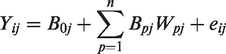
Here
Level 2:
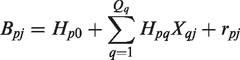
Here
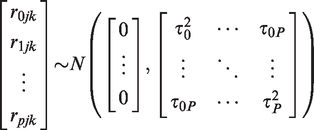
First, a null model was built as a baseline model and the intraclass correlation coefficient (ICC) was calculated to test the appropriability of using the multilevel model. Second, the study employed a random-coefficient model to examine the effects of individual variables on the turnover intention across all schools (Hox et al., 2010). Third, a random intercept model was used to examine the effect of the school predictors. Fourth, the final model was an intercept-and-slope-as-outcome model, which can capture the effects of the teacher and school variables on the outcome and test the cross-level effects. The intercept and slope coefficients were allowed to vary on the school level. The statistical software HLM 7.1 was used for the data analysis.
Date file and sample
The dataset in this study was the TALIS 2013. The TALIS was first conducted in 2008 in 24 participating countries. In 2013, the second cycle of TALIS was implemented in 34 countries from different continents. This survey closely looked at the school and classroom features that influenced teacher effectiveness. The survey study adopted the contextualizing teaching and learning conditions (IEA) (Purves, 1987) as the conceptual framework. The US data were collected in the spring of 2013.
In order to ensure a representative sample of the target population in each participating country, the TALIS 2013 sampling procedure included a two-stage stratified probability sampling design. The first stage randomly drew 200 (or more) schools from the population schools (lower secondary education) per country. The second stage randomly sampled at least 20 teachers who taught regular classes and who did not also act as principals in each of these schools. The TALIS study has ensured that each teacher in a school had equal probability of selection. A school was excluded if the response rate was lower than 50% of sampled teachers. In the current study, the sampling weights were applied at the teacher and school levels in order to reduce the sampling error caused by the unequal probability of selection. Over 1630 lower secondary teachers (grade 9 and grade 10) and 122 principals were sampled in the USA in 2013. Due to the missing data, the sample size in the current study was 1485 teachers nested in 98 schools. The examination of the correlation matrix for the variables suggested that the multicollinearity had not been detected in this study.
Variables
Based on the research purposes and the previous studies that indicate their relevance, a set of variables was selected for the statistical analysis (Table 1). Guided by the multilevel framework, the variables of teacher characteristics, such as teaching experiences, gender, teaching subjects, were included into the first level (the individual level) to test how teacher characteristics were related to the teachers’ turnover intention. At the second level (the school level), the school characteristics and organizational conditions, were included in the study. In addition, the cross-level interaction effects were also assessed.
Definitions of predictors used in the analysis.
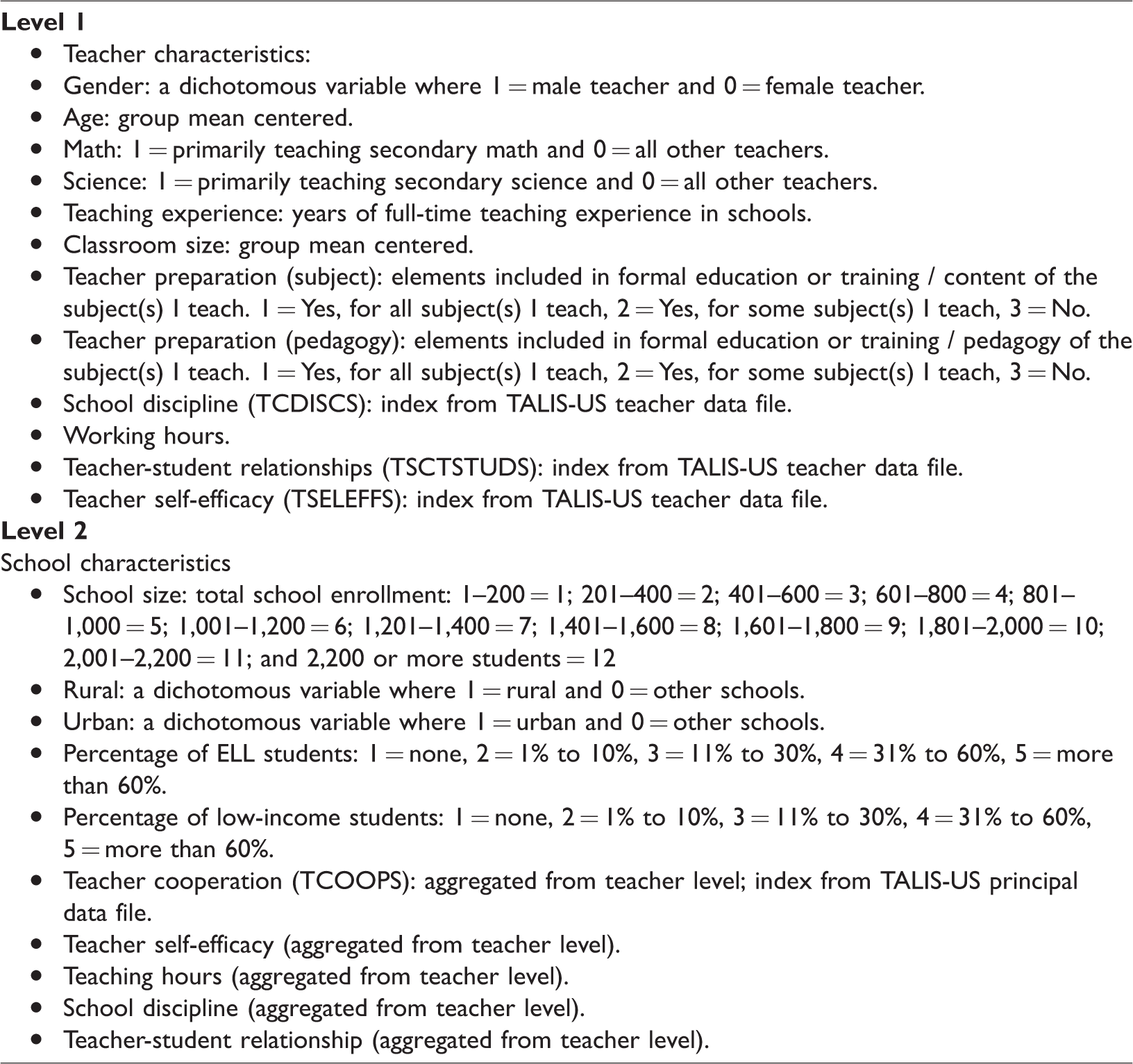
The TALIS survey data contain both single-item variables and derived variables (constructs/latent variables) created from multiple items. The index for each of the constructs that was computed as factor scores by using confirmatory factor analysis (CFA) was provided by the TALIS (OECD, 2014). The TALIS 2013 Technical Report presented detailed information regarding the scale construction and validation. The current study used some of the latent variables from the TALIS 2013 (e.g., teacher self-efficacy, student–teacher relationship) as predictors.
Furthermore, in order to capture the contextual effects, some individual-level variables were aggregated into the school level. For example, the teaching hours, teacher self-efficacy, teacher-student relationship, and school discipline were split into two new variables. The first one was the group mean variables. The second one was the within-group deviation from the mean. This strategy is particularly useful when some variables might have both lower- and higher-level effects on the outcome (Raudenbush and Bryk, 2002).
According to the US data file from the TALIS 2013, the disadvantaged schools in the current study refer to the schools with a high proportion of low-income and/or minority students, and the low-income students refer to the students who are eligible for free school meals. The minority students refer to the students whose first language is different from English (OECD, 2014). In the survey, the principals were asked to identify the percentage of students that came from the disadvantaged groups. The response (1–5) categories included none, 1% to 10%, 11% to 30%, 31% to 60%, and more than 60%.
Dependent variable: I would like to change to another school if that were possible. 1= strongly disagree to 4 = strongly agree
Independent variables:
Results
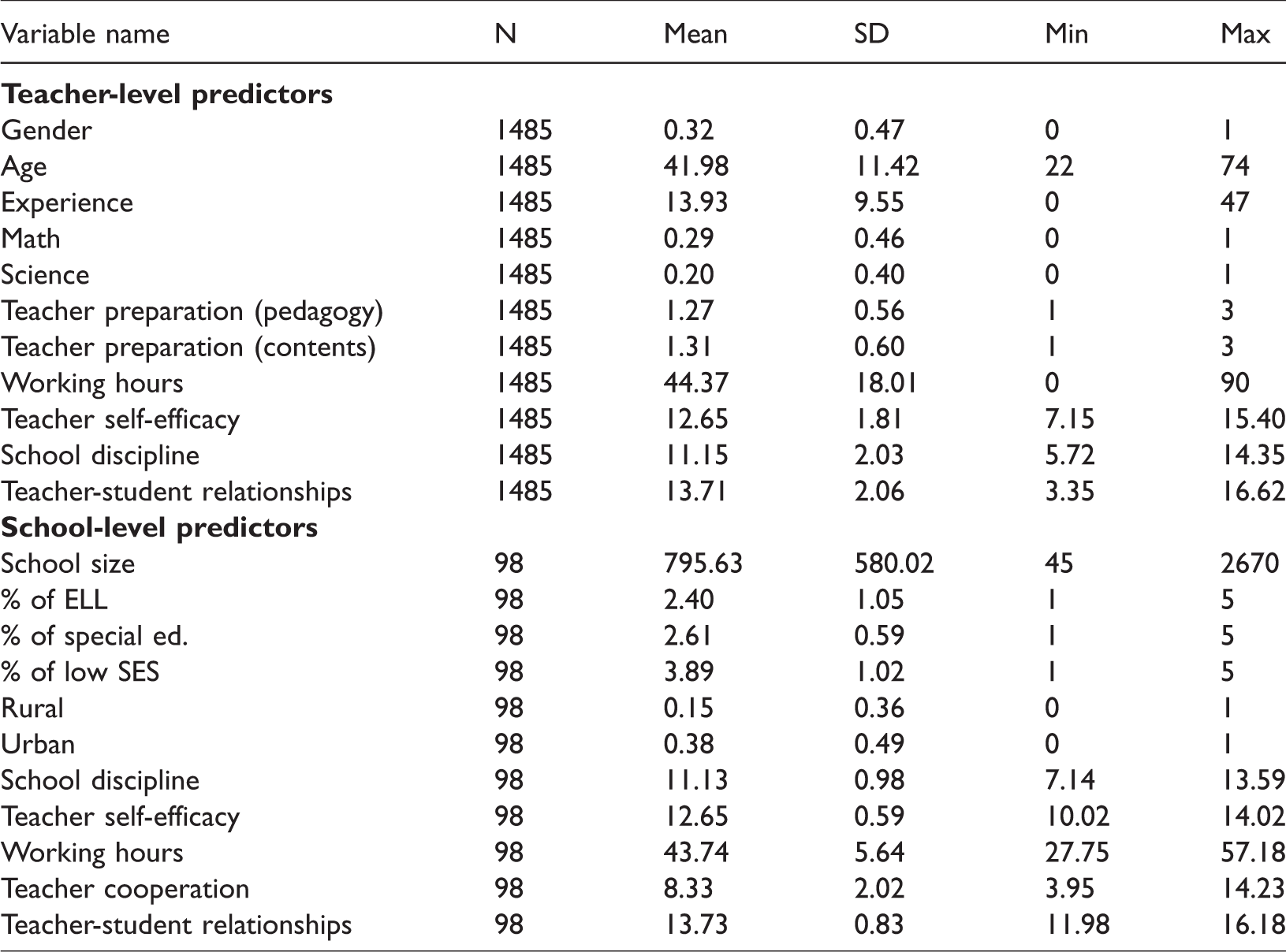
Table 2 is the descriptive statistics of the variables that were calculated with respect to their means for the whole set of samples. The total number of teachers and schools is presented in Table 2, along with their standard deviation, minimum, and maximum of the values.
Descriptive statistics of the variables.
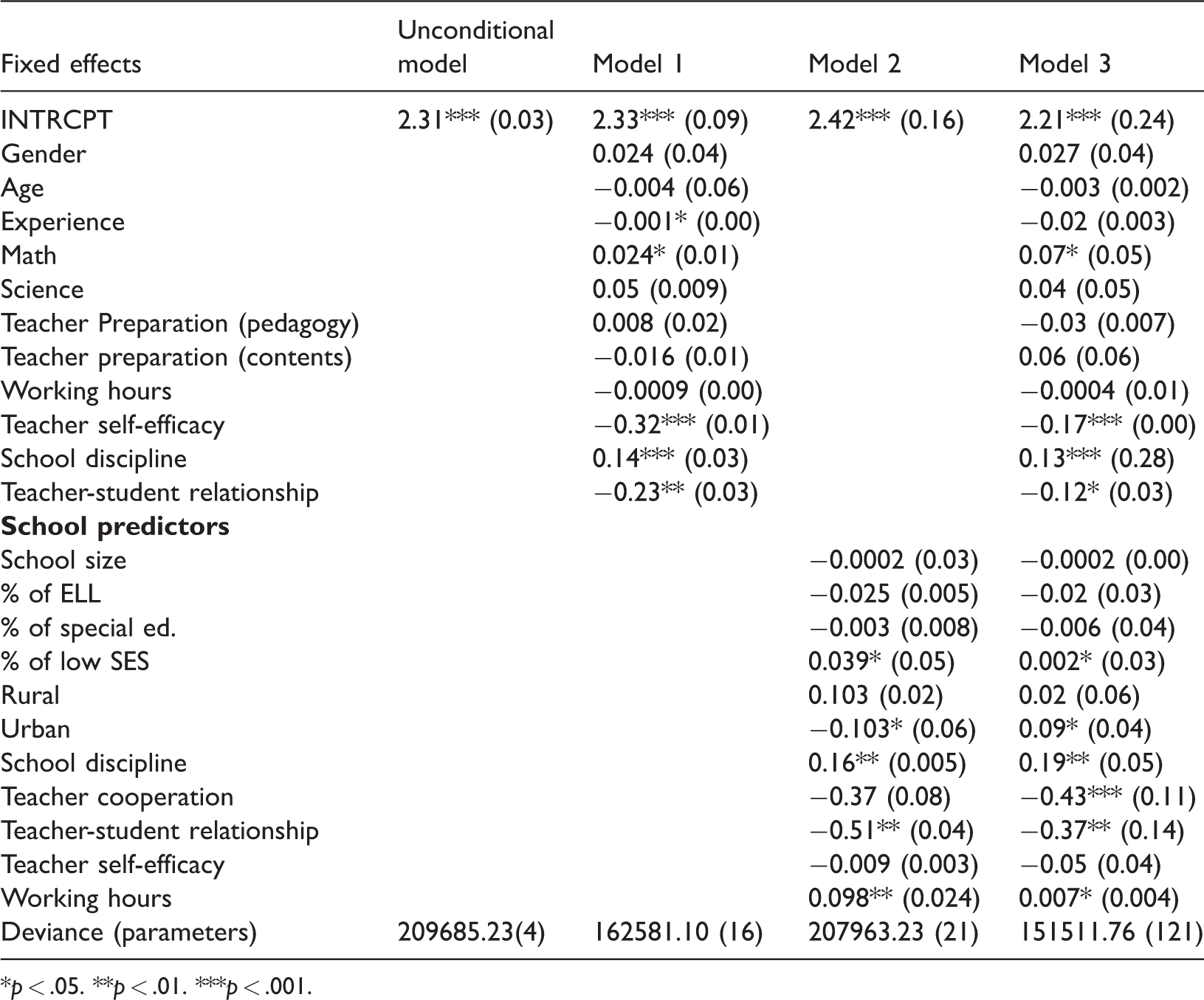
Parameter estimate.
*p < .05. **p < .01. ***p < .001.
Unconditional model and ICC
The first step of the HLM analysis was to create an unconditional model to partition the total variance in the outcome variable into each level of the data. A two-level unconditional model, which did not include any predictors at any level, was developed. The estimated variance components from the unconditional model were σ2=0.692, τ=0.067. The results suggested that there existed a significant within- and between-school variation in transfer intentions among teachers. The ICC was computed as a ratio of group-level variance over the total variance.

The value of ICC in this study reflected the amount of variation unexplained that can be attributed to the higher-level predictors, as compared to the overall unexplained variance. The result showed that 10.7% of the total variance in transfer intention was accounted for by the between-school differences. The rest of the variance, 89.3% [1 − 0.107=0.893], can be explained by the within-school differences. Even though the ICC was relatively small, the multilevel models were utilized as for small ICCs and still have a substantial impact on the inferences (Raudenbush and Bryk, 2002).
Random-coefficient, random intercept, and intercept-and-slope-as-outcome model
In the random-coefficient model, the variables of teacher characteristics were included to predict the transfer intention. In the random intercept model, the school-level variables were added to assess the role of working conditions in the teachers’ transfer intention. In the last model, the intercept-and-slope-as-outcome model, both the teacher- and school-level predictors and the cross-level interaction have been included in the analysis (Table 3).
Effect of individual characteristics
The demographic variables, such as age and gender, were not associated with teachers’ turnover intention. The teaching experience was no longer an important predictor in the final model after controlling for the school-level variables (Table 3). The math teachers tended to consider changing school. Classroom discipline was significantly positively related to the turnover intention (r = .138, p < .001) and this significance held in the full model. The teachers who reported more discipline issues in their classroom were more likely to leave their current school. The teacher self-efficacy had significant effects on the turnover intention as well (r = −.25, p < .001). When teachers’ self-efficacy increased, their intentions to move decreased. Regarding the teacher-student relationship, the teachers who perceived they had a good relationship with their students were less likely to consider switching school (r = −.023, p < .01).
Effect of school and organizational characteristics
Regarding the school characteristics, the proportion of low-SES students was associated with the level of transfer intention. As shown in Figure 1, the schools with the highest percentage of low-income students had the largest proportion of teachers with transfer intentions. The teachers from urban schools were more likely to move in the full model after adding the teaching-level variables (see Figure 2). Although the variable teaching hours were not significantly associated with the transfer intention at the teacher level, it had a significant effect at the school level (r = .098, p < .01). That is, the teachers with longer working hour did not have stronger transfer intentions than other teachers did, while the teachers from the schools with longer teaching hours tended to have higher transfer intention.
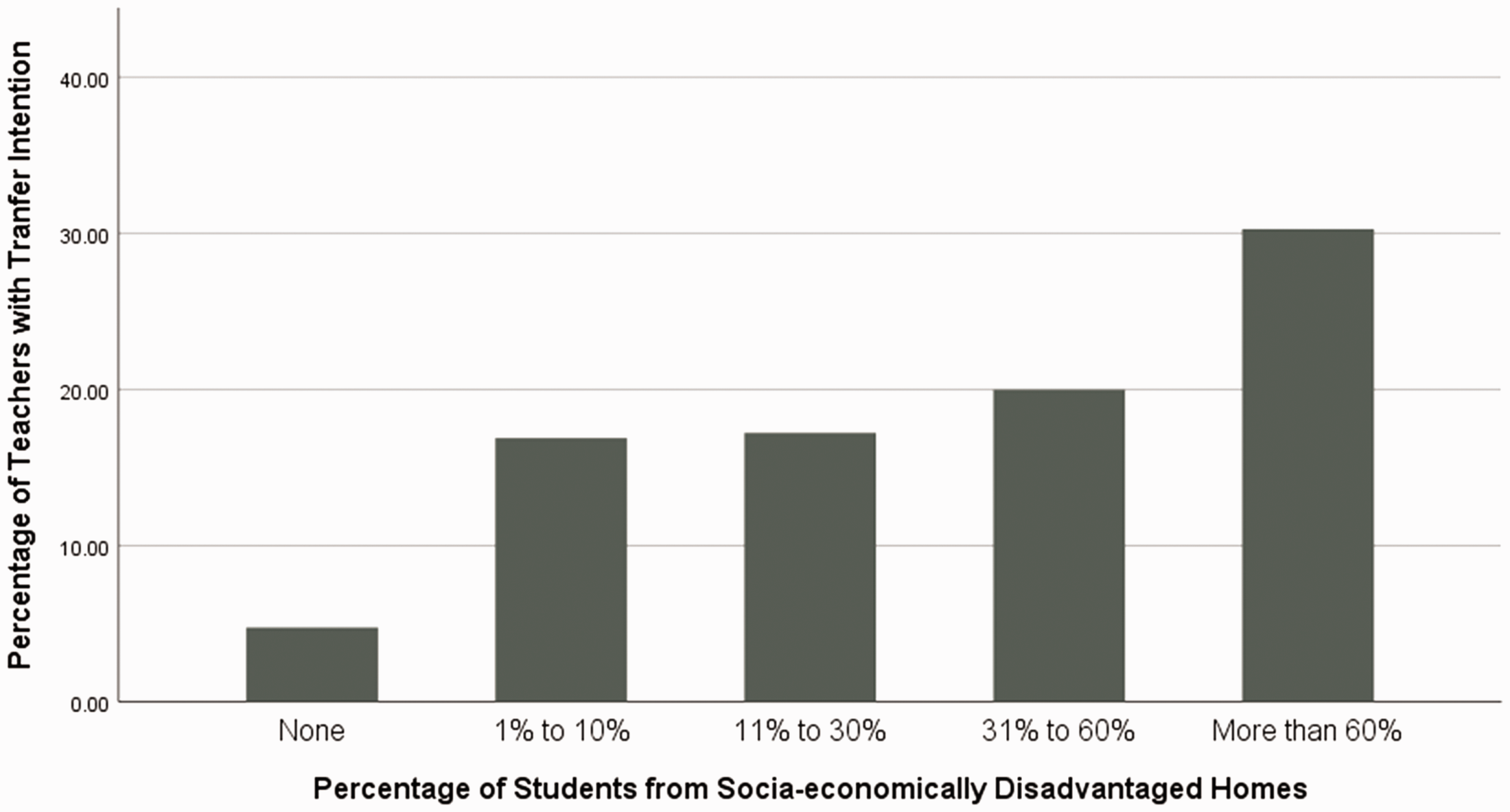
Relationship between percentage of students from socio-economically disadvantaged homes and teacher transfer intention.
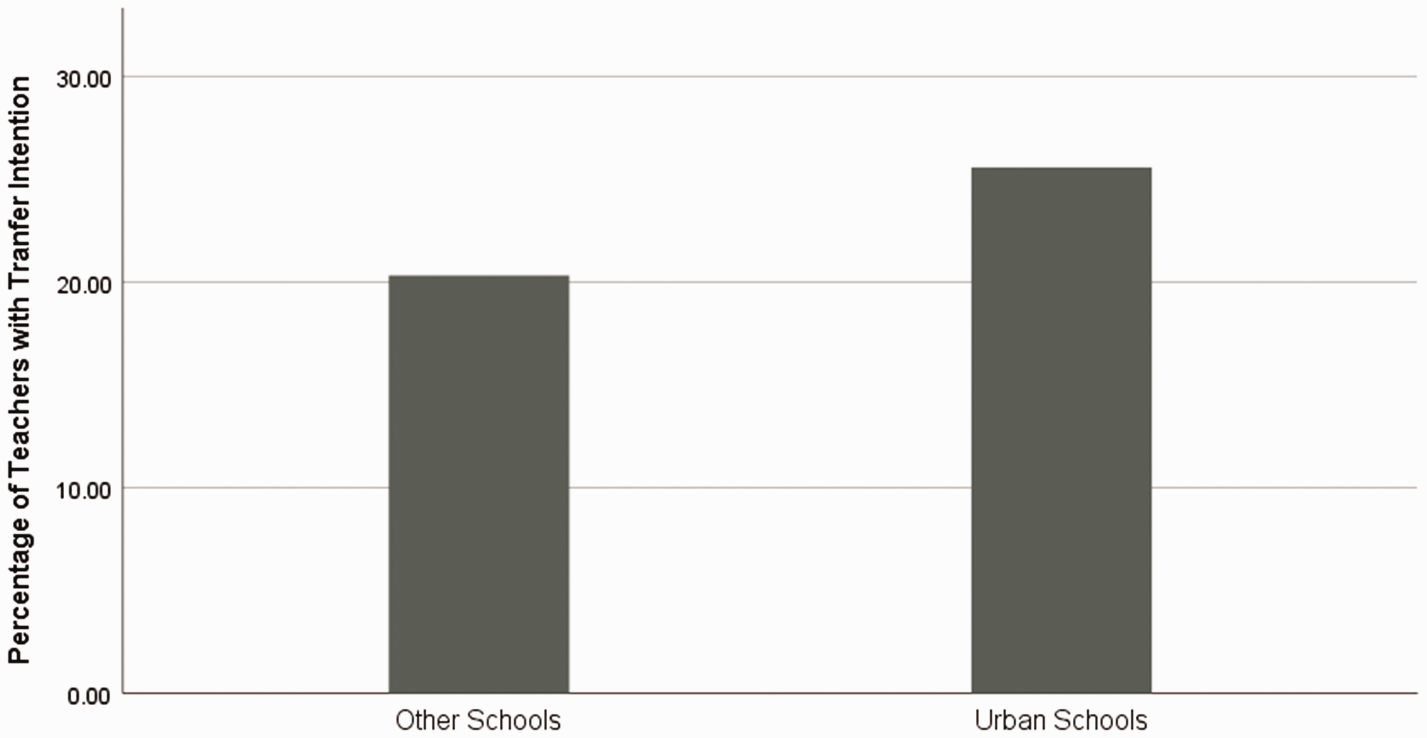
Relationship between school location and teachers’ transfer intention.
There were several important organizational characteristics that had significant effects on the teacher transfer intention. The first one was teacher cooperation, which was not significant in the random intercept model (Model 1). In the intercept-and-slope-as-outcome model (Model 3), the teachers who were from the schools with higher-level teacher cooperation were less likely to consider changing school (r = −.43, p < .001). With the level of teacher cooperation increased, teachers’ transfer intentions decreased. The second one was the teacher–student relationship. As a contextual variable, the teacher–student relationship has also significantly impacted on the outcome. A better teacher–student relationship in a school has reduced the probability of teachers switching schools (r = −.35, p < .01). The last important predictor at the school level was student discipline. Student discipline had positive effects on the teacher turnover intention. The schools with more discipline issues were more likely to lose teachers (see Figure 3) (r = .18, p < .01).
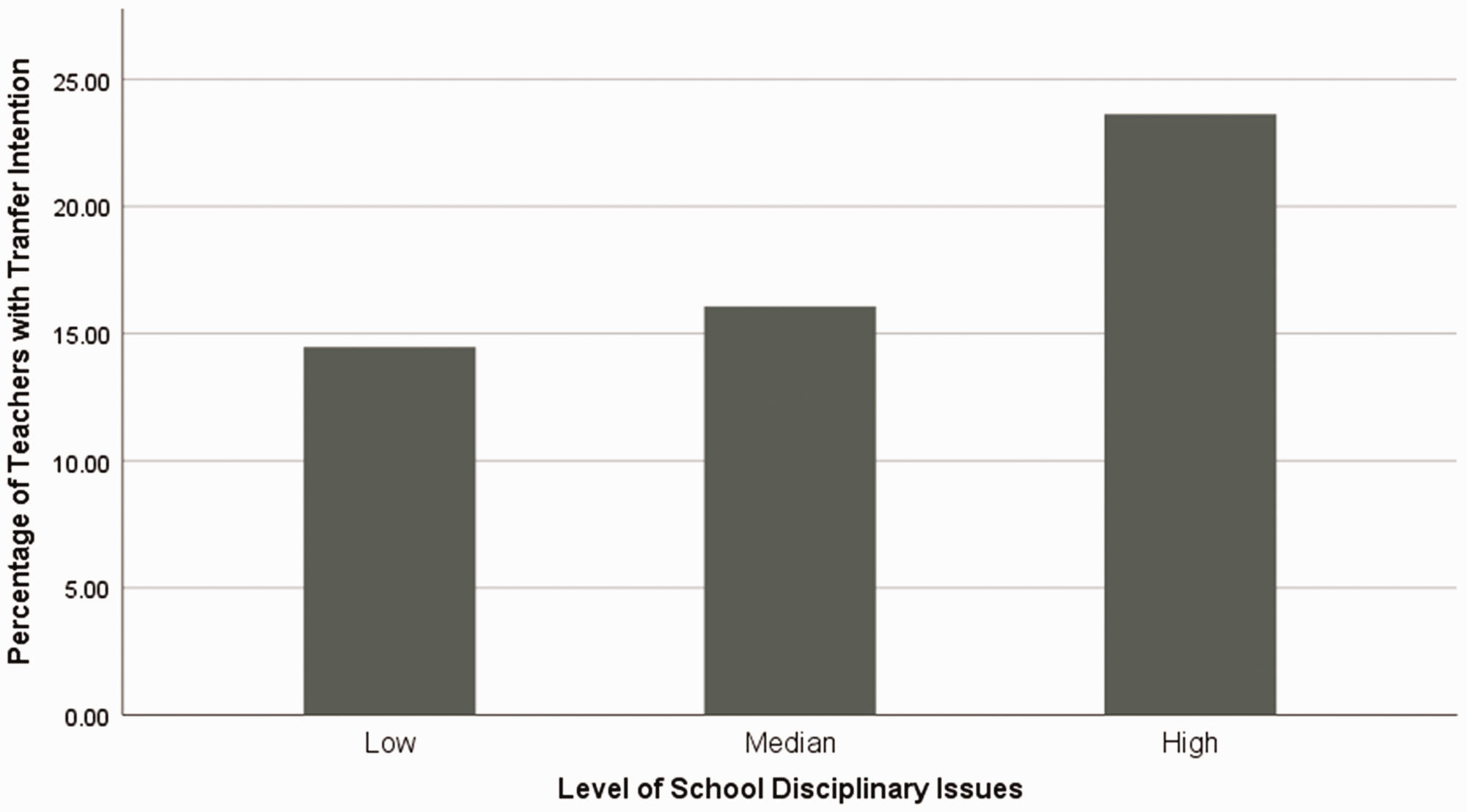
Relationship between school discipline and teacher transfer intention.
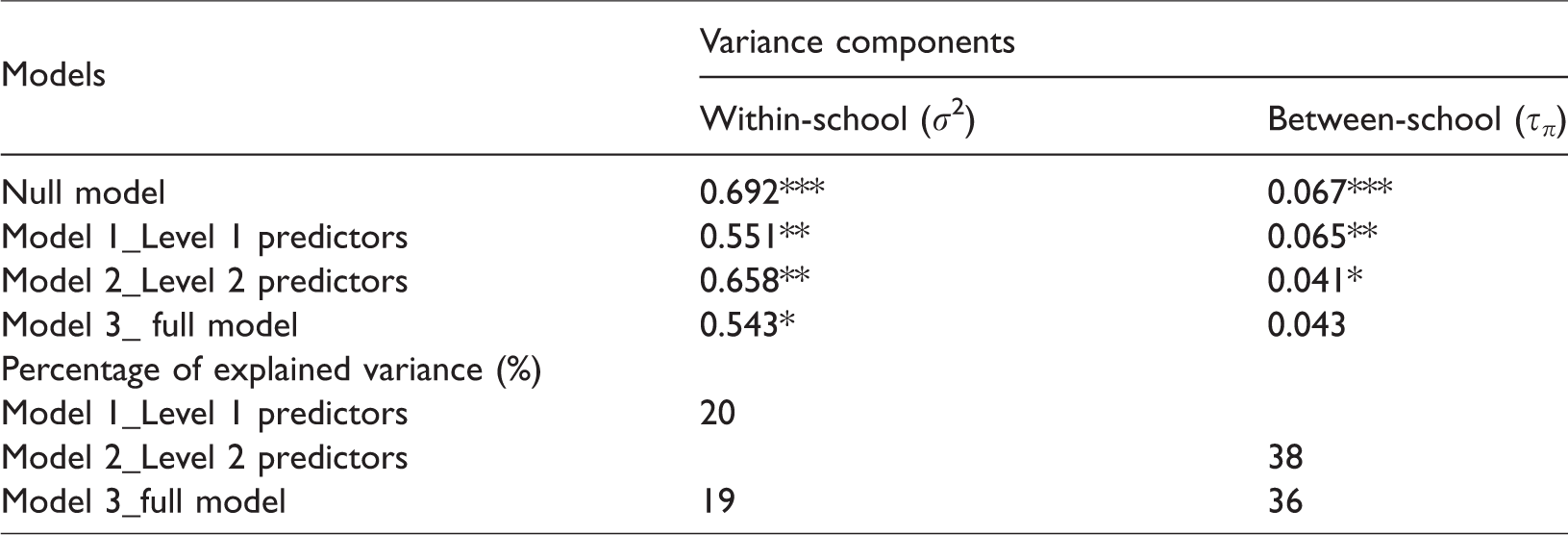
In Table 4, Model 1 indicated that 20% of the variation in the within-school difference can be explained by adding level-1 predictors into the model, and 38% of the variation in the between-school differences was explained by adding level-2 predictors into Model 2. The full model, which included all of the factors, showed 19% and 36% explained variance for the within-school and between-school, respectively.
Variance components and percentage of explained variance.
The cross-level interaction
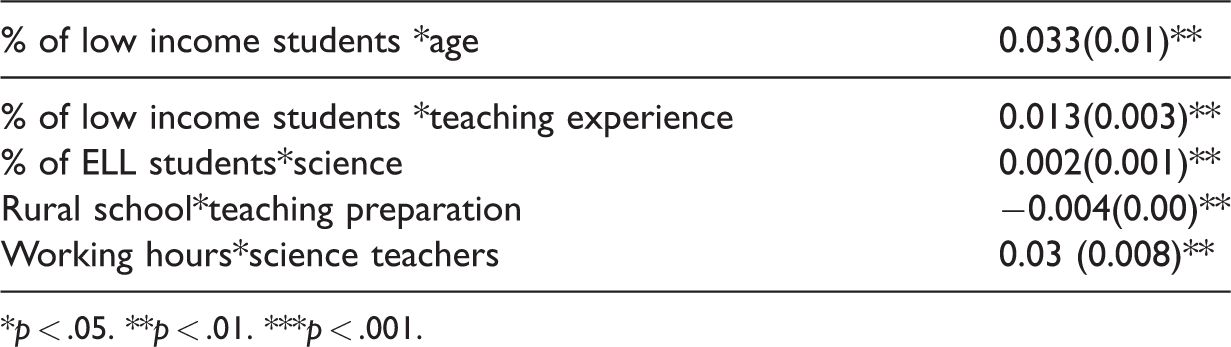
The study has also tested the moderation effects of the school-level factors on the relationships between the teacher-level factors and the outcome (Table 5). Cross-level interactions are useful for answering questions about why individual effects vary across school units (Raudenbush and Bryk, 2002). In this study, the cross-level interaction effects were estimated with an emphasis on the moderation effects of the disadvantaged schools on the outcome after controlling for the individual-level and school-level predictors.
The cross-level interactions.
*p < .05. **p < .01. ***p < .001.
The analysis has revealed some effects of the cross-level interaction in Model 3 (Table 5). In the cross-level interaction of the low-income and age, the age had more effects on the teacher transfer intention in the low-income schools. With an increase in the proportion of low-income students, the younger teachers were more likely to leave. Similarly, in the cross-level interaction of the low-income schools and teaching experiences, the effect of teaching experience also had more effects on the teacher transfer intention in the low-income schools. It means novice teachers were more likely to consider changing school in the low-income schools than in the high-income schools. In addition, a high percentage of ELL students enhanced the effects of science teachers on the outcome. That is, with the proportion of ELL teachers increased, the science teachers’ turnover intentions increased as well. In contrast, rural schools reduced the effect of teaching preparation on turnover intention. The science teachers’ transfer intention was higher in the schools with more teaching time than those from the schools with less teaching time.
Limitations
This study involved some limitations. First, all the data from the TALIS database were self-reported by the teachers and school principals. The self-enhancement biases may influence the objectivity of the responses (Alloy and Ahrens, 1987). Therefore, possible method or respondent bias should not be ruled out. Second, the study was correlational, based on a cross-sectional data set. Instead of establishing a causal relationship between the independent variables and turnover intentions, the focus of the study was to examine the nature and degree of the relationship between the variables. Thus, any cause and effect implications are not guaranteed. Third, some factors that have a significant influence on teacher turnover intention may have not been included in the TALIS data, such as personality traits, family influences, teaching performance, and student achievement.
Discussion
Unlike most prior studies in teacher turnover intention, the current study tested the integrative models of individual and school organizational factors pertaining to turnover intention. Three models were estimated to explain the variation at both the teacher and school levels. The results showed that the teachers’ transfer intentions varied significantly across schools, and the substantial proportion of the variance in the teacher turnover intention was accounted for by within-school differences, which was consistent with some of the previous studies (e.g., Liu and Meyer, 2005). However, the between-school differences have also explained a notable proportion of the total variance.
At the individual level, the findings have supported the research indicating that math teachers had higher likelihoods of attrition (Borman and Dowling, 2006). In this study, age and gender did not achieve statistical significance in any of the models. Teaching experience was negatively associated with the teachers’ intentions to switch school in the random coefficient model, meaning the teachers with less teaching experiences were more likely to change school than the experienced teachers. However, the correlation was no long significant after controlling for the school-level predictors and cross-level interaction effects. The teachers’ educational background also appeared not to affect teachers’ turnover decisions, all else held constant. School discipline played a significant role in teachers’ decisions to switch school. The teachers who had to spend a lot of time dealing with the issues of classroom discipline were more likely to consider moving. The finding has supported prior research suggesting that student misbehavior is one of the important causes of teaching stress and is associated with teacher turnover (Kraft et al., 2016). Moreover, consistent with some previous studies, teacher self-efficacy was negatively associated with the transfer intention (Ware and Kitsantas, 2011). The teachers who reported a higher level of self-efficacy tended to stay in their current workplace.
Some school characteristics still remained a significant effect when controlling for the individual factors. For example, aligning with the previous literature, the finding of the current study showed that the teachers from the low-income schools were more likely to consider changing school (Hanushek et al., 2004). Also, the teachers from urban schools reported higher levels of turnover intention than the teachers from other schools. One of the explanations for that is the urban districts in the USA that typically have the largest minority and low-income populations compared with suburban or rural districts (Hanushek et al., 2004).
In accordance with the previous evidence that teachers often move to schools with better working conditions, this study found that the teachers from the schools with insufficient resources and supports, and unsatisfactory school climate, were more likely to leave (Allensworth et al., 2009; Karadag et al., 2011). The organizational conditions, such as the teaching hours, teacher collaboration, teacher–student relationships, and school discipline, all influenced teachers’ transfer intentions. For example, teachers were more likely to consider leaving the schools with high rates of student misbehavior. While it was not significant at the individual level, the teaching hours had significant contextual effect at the school level. The findings have also pointed to the preferences of teachers towards schools with a more cooperative and supportive environment that can help them do their job well. The findings have contributed to a growing literature on the role of non-pecuniary factors, such as school organization, in teacher turnover (e.g., Li et al., 2016; Price, 1977).
It is worth noting that some recent studies have suggested high turnover rates in schools serving low-income, minority students may not necessarily indicate teachers are fleeing their students (Ingersoll and May, 2012; Simon and Johnson, 2015). Some teachers decided to leave their current schools not because of student demographics but because of poor organizational conditions (Ingersoll and May, 2012; Johnson and Birkeland, 2003). Thus, linking teachers’ turnover decisions to specific organizational conditions may help in expanding our understanding of teacher turnover.
Furthermore, the study has revealed the effects of school disadvantages on teachers’ turnover intentions. The findings indicated positive raw associations between the teacher turnover intention and school disadvantage. The associations diminished after controlling for the individual and school variables but still remained significant. Besides the direct effects, the disadvantaged schools also had some indirect effect on the teacher transfer intention through the individual-level factors. That said, some relationships between the teacher-level factors and the outcome were strengthened by the indicators of school disadvantage. For instance, the teaching experience had more effects on the teachers’ transfer intentions in the schools with a higher percentage of low-income students. The science teachers who taught in the schools with a high proportion of ELL students were more likely to switch school. All in all, as some prior studies have shown, disadvantaged schools tend to face more severe teacher turnover than other schools (Bonhomme et al., 2016). These results indicate that the lower-level factors interacted with the higher-level factors to produce effects on teacher transfer intention. The conventional single-level research cannot capture those cross-level interaction effects.
The study has echoed the call for a more accurate and comprehensive understanding of school organizations and the teachers in them (Liu and Meyer, 2005). It is essential to know how both individual and school characteristics have simultaneously contributed to teachers’ turnover intentions so that retention practices can be modified. Multilevel analysis is also very helpful in the understanding of cross-level interaction. For example, how school organizational factors can moderate the relationships between teachers’ characteristics and their intentions to leave. In summary, this approach is useful in exploring teacher turnover intentions through a multilevel perspective, which can differentially inform the program and policy design for improving teacher retention.
Conclusion
At a minimum, the current study is an effort to draw more policy attention to the multilevel studies that could provide a response to the debate on what drives teachers from their current schools, especially disadvantaged schools. Although the study was conducted in the context of the USA, how to effectively retain quality teachers remains one of the major challenges facing public school systems across nations (Darling-Hammond and Lieberman, 2012). The future research and policy practice should conceptualize teacher turnover within a dynamic systems lens to form a more sophisticated and holistic model by combining constructs across levels.
Furthermore, based on the international data TALIS 2013, the current study looked at teacher turnover intentions in the USA. More comparative perspectives, however, should be considered in future teacher turnover studies. In the last few decades, the cross-national comparative education indicators (e.g., PISA, TALIS) developed by the OECD have been largely recognized around the world (Meyer and Benavot, 2013; Murphy, 2014). Whether for global or local adaptation, it is beneficial to understand the teacher labor market within a larger social, economic, and cultural community by acknowledging teacher policies and practices at each level and for each group of stakeholders. It is also important to recognize and articulate the unique and shared norms and assumptions in terms of teacher policies and practices through international research, in order both to maximize the benefit an educational system receives and minimize the potential consequences that result from research and policy isolation.
Footnotes
Declaration of conflicting interests
The author(s) declared no potential conflicts of interest with respect to the research, authorship and/or publication of this article.
Funding
The author(s) received no financial support for the research, authorship, and/or publication of this article.