




Abstract
In an era of top-down mandates and neoliberal reform policies, early career teachers must receive sustained social and emotional support as part of their regular professional development in order to navigate the murky waters of education that can sometimes feel disempowering and disillusioning. Teachers in high-poverty urban schools, who often deal with additional variables like student achievement gaps, disparate funding and high teacher turnover, among myriad other hurdles, are often highly impacted by these policies. This study examined the experiences of a group of early career teachers in an urban school district that participated in a mindfulness-based professional learning intervention. Findings show that participants not only experienced increased self-efficacy in assuaging personal and professional stressors, but also connected newly acquired strategies to the ways they supported the diverse students in their classrooms. Implications from this study suggest that learning about mindfulness-based strategies in an informal group setting can be beneficial for teachers, both personally and professionally, as they navigate the tensions of beginning their careers embedded in “the neoliberal program of reform”.
Introduction
In recent years, educational scholars have placed an emphasis on theories regarding how to bolster PreK-12 students’ grit and resilience, preparing them for an exponentially shifting workforce (Duckworth et al., 2007). While critics (Kohn, 2014) point out the often-misguided nature of some of these movements, what remains clear is the importance of social and emotional learning for both students and teachers (Zins et al., 2004). Sometimes absent from this dominant discourse is how devoting resources to teachers’ own social and emotional wellness has the potential to help decrease attrition rates and, by extension, assist in improving student learning outcomes (Headden, 2014). Indeed, teacher attrition is a pervasive concern in the field of education and the rate at which new teachers leave the field is especially concerning. Research has shown that up to 30% of new teachers leave the profession during their first 5 years of teaching (Barnes et al., 2007; Podolsky et al., 2016). A study sponsored by the Carnegie Foundation for the Advancement of Teaching cited that the most frequently reported reasons teachers left the profession included: lack of professional development, poor feedback, disconnectedness between colleagues, and inadequate sources of emotional support (Headden, 2014). Teacher burnout and, in turn, attrition impact the levels of stress on both the teachers and the students, showing effects on classroom climate and even student achievement (Hughes, 2001).
While the continuing development of teachers’ pedagogical and content knowledge is essential to effective classroom instruction, so, too, is their emotional well-being and ability to handle the stressors that impact their day-to-day environments (Jennings and Greenberg, 2009). Devoting resources to teachers’ social and emotional wellness through professional learning has been found to help alleviate teacher burnout and assist in addressing student concerns, like classroom community and achievement gaps (Jennings, 2015). These professional learning opportunities are essential for beginning teachers, who are especially vulnerable to emotionally challenging aspects that impact their ability to be effective. They often cite poor classroom management skills, feelings of pedagogical inexperience, and the lack of mentorship and feedback as major professional stressors (Goodwin, 2012). Research has found that teachers who felt both supported and well-prepared, including strong classroom management and mentoring, were less likely to leave the profession than teachers with lower quality preparation or mentorship (Darling-Hammond, 2010). Perhaps equally important is the fact that the myriad challenges faced by students in high-poverty urban schools call for equipped and knowledgeable teachers (DeSocio and Hootman, 2004; Gamble and Lambros, 2014; Merikangas et al., 2010).
Incorporating mindfulness-based practices into teacher learning is one way to address the social and emotional needs of teachers and, by extension, their students. Simply put, mindfulness is: “the awareness that emerges through paying attention, on purpose, in the present moment, and nonjudgmentally to the unfolding of experience” (Kabat-Zinn, 2003, p. 145). Mindfulness is a contemplative practice that incorporates intentional focus on daily environmental and physical sensations (e.g., sense of touch, sight, or smell) without becoming attached to these experiences and includes a variety of practices like mindful breathing, yoga, and meditation (Ricard et al., 2014). For example, mindful breathing involves integrating helpful breathing patterns that can aid in producing calming effects while also allowing individuals to focus more on the present moment. Mindful yoga includes infusing mindfulness principles into yoga practice, which requires intentional awareness to the body, movements, posture, and thoughts (Stahl and Goldstein, 2010). These types of activities are proven to help mitigate stress and anxiety in addition to fostering focused attention and awareness. By becoming aware of stressors and leveraging physical and emotional tactics to combat them, teachers are able to make more informed decisions about their approaches to balancing instruction with variables of daily classroom life.
This article seeks to unify mental health practices (i.e., mindfulness-based stress reduction) with the professional learning that teachers need to make real prosocial change in their own lives and inside their classrooms. It also focuses on the importance of teachers’ social and emotional well-being as a significant factor that influences the academic outcomes and social and emotional needs of students by exploring the following questions: R1: How do participants in personal learning sessions incorporating mindfulness-based support perceive its impact on their social and emotional well-being? R2: How do participants in personal learning sessions incorporating mindfulness-based support perceive its impact on how they support their students in high-poverty urban schools?
Theoretical framework
This study employed Jennings and Greenberg’s (2009) prosocial classroom model (see Figure 1), which outlines the ways in which teachers’ development of social and emotional competence can affect their relationships with students, their ability to manage their classroom effectively, and their success at teaching and modeling for their students’ social and emotional learning. Overall, the prosocial classroom model functioned as the foundation for the concentration on teachers’ social-emotional well-being as a catalyst for change in classrooms.
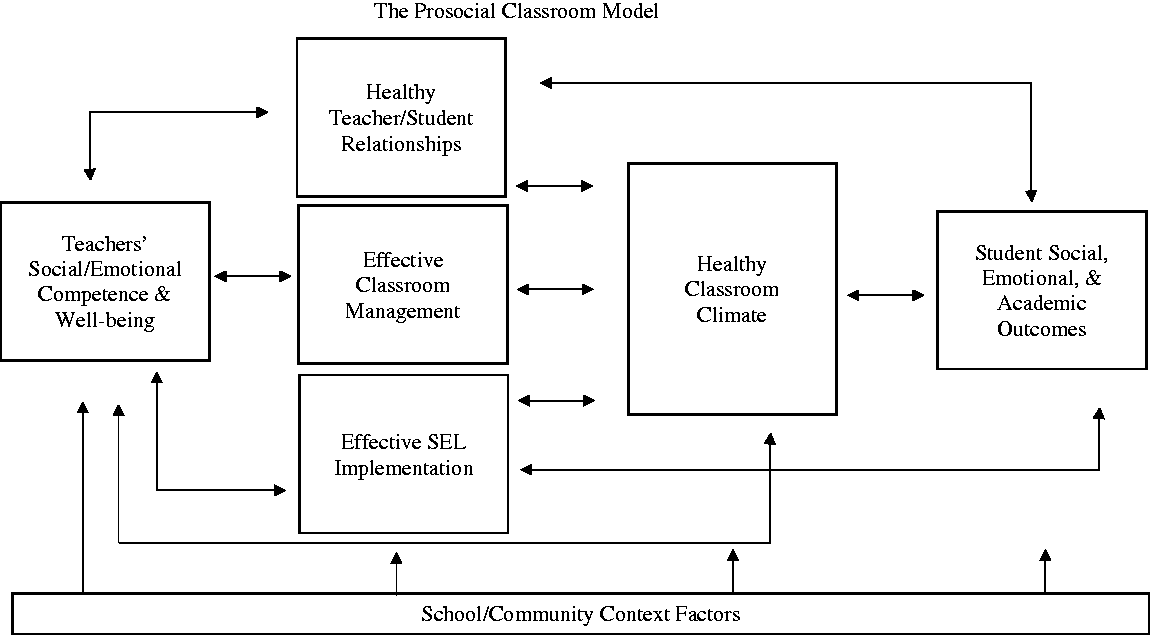
A model of teacher well-being and social and emotional competence, support, and classroom and student outcomes. Source: reproduced from Jennings and Greenberg (2009), with permission from SAGE Publications, Inc.
Employing a social theory of learning (Wenger, 1998) framework, this study also calls upon current scholarship concerning professional development and the belief that teachers benefit from learning together, in a group, and having sustained and supported opportunities to unpack and reflect on that learning together (Hargreaves, 1994; Putnam and Borko, 2000). For many beginning teachers, time to devote to learning that does not explicitly connect to their content area of pedagogical growth is a luxury. Furthermore, delving into unknown topics can be an anxiety-provoking endeavor, which magnifies the importance for a space that allows for open connection and support in exploring new topics. Incorporating safe spaces allows for more comfortability and exploration with experiential learning activities (Bandura, 1977; Kisfalvi and Oliver, 2015), creating deeper understanding and connections. As such, each intervention (for the duration of this paper, we will call them “sessions”) was organized so that a new concept or practice was introduced and paired with time to unpack that and reflect as a group.
Literature review
Teaching in high-poverty urban schools
For the purposes of this article, the phrase “high-poverty urban school” will be used to refer to the schools within which participants of the study taught. Whipp and Geronime (2015, p. 799) define them as schools that are “located in or near large cities in which at least 50% of the students are eligible for free/reduced lunch”. As mentioned previously, national estimates suggest that between 19% and 30% of new teachers leave the profession within the first 5 years, with higher turnover (up to 55%) in high-poverty urban schools (Barnes et al., 2007; Podolsky et al., 2016). In the USA, high-poverty schools qualify for a program commonly referred to as Title 1, which provides financial assistance (e.g., free and reduced lunch) to local educational agencies and schools with high percentages of children from low-income families (U.S. Department of Education, 2014).
The challenges of teaching in high-poverty urban schools can take many forms. Studies have shown that teacher burnout is connected to prolonged stress caused by challenging work conditions (Atkins et al., 2003; Boyd and Shouse, 1997; Cappella et al., 2008; Shernoff et al., 2011). In addition to community-related factors like high crime rates and unemployment, high-poverty urban schools often struggle with elements like classroom discipline, relationships with students, parental involvement, and racial and cultural differences (Hollins, 2012; Kincheloe, 2010; Ladson-Billings, 1994; Weiner, 2006). Children and adolescents from high-poverty communities are also more likely to have mental health diagnoses (e.g., conduct, mood, and anxiety disorders) that can often go undiagnosed or undertreated (Kataoka et al., 2002; Langley et al., 2010; Merikangas et al., 2010; Shernoff et al., 2011; Smylie, 1999).
As Hollins (2012, p. 7) pointed out: “Children living in poverty and unstable family structures are at greater risk for school failure, dropping out of high school, and being incarcerated than those living in stable two parent families”. In the current era of neoliberal reform policy, teachers are also burdened by policies that emphasize standardized test scores and threaten school-wide disciplinary action or even closures. Thus, strict policies and unstable school environments can cause significant stress on first-year teachers. As Ladson-Billings (2001, p. 22) points out: “Once hired, few teachers in urban schools…receive adequate induction in the profession”. To make matters worse, because of national teacher shortages, many new teachers in high-poverty urban settings have obtained emergency licenses or alternative certification. Receiving expedited approval to teach is problematic because many teachers are not qualified or aware of pedagogical theory and practice, let alone equipped to deal with the unique needs of the students they teach (Brown, 2002).
All of the aforementioned variables can paint a bleak picture of what it means to teach in high-poverty areas. However, many scholars have demonstrated that by resisting deficit-based rhetoric and, instead, embracing strategies to help mitigate the environmental, societal, and political forces at play, teachers can help create successful learning environments in high-poverty urban schools. By cultivating safe and supportive classroom communities, understanding and relating to students’ cultural and racial backgrounds, and participating in reflective teacher learning networks that are focused on supporting all students, teachers can have great success in all schools (Brown, 2002; Delpit, 2006; Hollins, 2012). Additionally, when teachers take time to practice self-care and promote their own social and emotional well-being, both students and teachers experience greater satisfaction.
Mindfulness as a tool for increasing teachers’ social-emotional well-being
Scholars have reported high correlations between teachers’ experiences of negative emotions and increased stress, which influences teacher performance and, ultimately, impacts the education of their students (Montgomery and Rupp, 2005). Because teaching is emotional work, emotions play a key part in the process of building and sustaining resilience in educators. The effects of this emotional labor associated with teaching in urban schools can become the catalyst of strain, anxiety, and disappointment and have an impact on the commitment, satisfaction, and self-esteem of novice teachers (Day and Hong, 2016; Isenbarger and Zembylas, 2006).
Davidson and colleagues (2003) found that mindfulness can improve an individual’s ability to foster self-regulation and cultivate adaptability in emotionally laden situations; being able to control emotions and make level-headed decisions in the moment can make the difference between a crisis situation and a successful emotional intervention. In addition, mindfulness has demonstrated effectiveness in decreasing negative physical and emotional experiences such as anxiety and stress (Call et al., 2014), depression (Hofmann et al., 2010), and chronic pain (Kabat-Zinn, 1982). Studies have also shown that mindfulness-based practices lead to increases in positivity, such as self-compassion (Neff, 2003), acceptance of distressing emotions (Hayes et al., 2006), and social connection (Meiklejohn et al., 2012). Furthermore, mindfulness can encompass physical well-being practices such as yoga, which has demonstrated extensive benefits in the mental and physiological wellness of individuals (Smith, 2005). The mind–body connection of mindfulness-based practices (e.g., yoga) provides the opportunity for individuals to bring present awareness to their thoughts, emotions, and physical sensations (Stahl and Goldstein, 2010).
In recent years, the field of education has taken up mindful practices in ways that work to bolster students’ social and emotional well-being and effect positive changes in student performance (Zenner et al., 2014). Teachers can incorporate mindfulness in their classrooms in many ways. For example, they can include activities like mindful writing (Damico and Whitney, 2017), mindful breathing and stretching (Jennings, 2015), or even mindful pauses during classroom transitions (Rechtschaffen, 2014). In fact, many school districts and teacher professional development programs have begun teaching educators different strategies they can use with their PreK-12 students. However, teachers can spend so much time focusing on the needs of their students that their own self-care is often neglected; thus, it is important for teachers to understand how they can infuse mindfulness-based practices into their own lives, both professionally and personally.
Because of its research-based potential to arm individuals with critical social and emotional competence, scholars have taken up the work in formalizing mindfulness in teacher education. For example, the CARE (Cultivating Awareness and Resilience in Education) program focuses on educating teachers about implementing mindfulness-based practices to manage stress, practicing skills to help regulate emotions, and engaging in methods to increase and demonstrate care and listening (Jennings et al., 2011). Additionally, research has demonstrated that the metaphors and language used to practice mindfulness equips teachers with the ability to counter emotional dysregulation, or the feeling of being personally overwhelmed and struggling to manage emotions, that they often experience while teaching (Sharp and Jennings, 2016).
Teachers are also pivotal figures in the development of students’ social, emotional, and academic achievement. For example, CARE researchers found that teachers increased their ability to handle emotionally charged situations with students, allowing them to be more aware of their emotions and objective in their responses to stressful stimuli (Jennings et al., 2011). Additionally, the classroom environment contributes to students’ wellness and development; stressed teachers can often lead to tension-filled classroom environments (Marzano et al., 2003). Teachers who have high social and emotional competence are more easily able to develop a classroom setting that is supportive of individual student growth as well as the collective classroom (Jennings and Greenberg, 2009).
Methods
Based on an extensive review of scholarship surrounding mindfulness and education, this study developed teacher learning sessions inspired by mindfulness-based stress reduction (MBSR) due to its flexibility and methods that can meet the needs of multiple learners. Because it centers on focused awareness, MBSR has been integrated into other fields, including business and health, inviting participants to pay attention to the present moment, without judgment (Grossman et al., 2004). Participants in this study were taught to practice mindfulness-based approaches that allowed them to focus on the present moment, pay attention to their experience, and learn about their teacher identity in the process. Mindfulness activities were adapted from a shared text distributed to all participants. The text, A Mindfulness-Based Stress Reduction Workbook (Stahl and Goldstein, 2010), provided concrete and practical methods for practicing a variety of mindfulness strategies. The teacher learning sessions were designed with effective teacher professional development principles in mind (e.g., learning must be contextual and contingent; Easton, 2008; Guskey, 2003). During each session, participants were surveyed about topics they wished to cover in subsequent meetings. For example, six out of eight participants asked to review positive parent–teacher communication. The input from participants resulted in a focused effort from the practitioner researchers to incorporate the concept of interpersonal or communication-based mindfulness into the second and third sessions. Data were collected in the form of focus group interviews during and after the professional learning sessions. These data were supplemented with pre and post surveys that illuminated individual participants’ perspectives on mindfulness and the sessions as a whole.
Participants
Recruitment of appropriate participants was purposive, based on the following qualifications: participants were in their first year of teaching and willing to discuss wellness through mindfulness-based practices focused on the topic of how to support diverse learners in the elementary classroom. Participants included a subset of eight alternatively certified first-year teachers, one male and seven females, from various high-poverty elementary schools in an urban school district in the Southeastern United States. The participants taught a variety of grade-levels, including: third grade (n =4); fourth grade (n = 2); first grade (n = 1); and kindergarten (n = 1). All participants taught at high-poverty urban schools qualifying for Title 1 funding. Furthermore, all participants worked at schools that were part of a district-mandated monitoring and support program for “low-performing” schools, which provided a multi-tiered system of support and conducted random instructional rounds and observations with principals, instructional coaches, and teachers.
Alternative teacher certification programs (ATEP)
In addition to the common landscape of their first-year teaching placements, all participants were also part of the same ATEP (Darling-Hammond, 1990). The ATEP approach differs from the typical route in which individuals who are interested in becoming teachers gain their training and education through higher education settings (i.e., colleges and universities; Feistritzer, 1999). Components of ATEPs can differ in many ways, including time length of programs, intensity of training and regulations, and overall programmatic expectations (Suell and Piotrowski, 2007). Critics of the ATEP model suggest that the common shortened training schedule can lead to teachers who are underprepared and lack long-term commitment to the field (Guyton et al., 1991; Lutz and Hutton, 1989). Proponents of the model suggest that ATEP can work to bring more teachers of color into the field (Zeichner and Schulte, 2001). In addition, they argue that ATEPs can be successful if they incorporate the following elements: (a) collaborations between training programs and schools; (b) effective screening of applicants; (c) establishing training curriculum; (d) high levels of engagement in training; (e) courses before entering the teaching profession; and (f) meaningful mentoring. While the credibility of ATEPs continues to be questioned, as not all programs implement effective strategies and protocols to ensure quality training of future teachers, they are continuing to increase in number in an effort to meet the needs of drastic teacher shortages in the USA (Suell and Piotrowski, 2007).
Description of intervention
For a period of 6 months, participants and Primary Investigators (from here on are referred to as researcher facilitators) met face-to-face three distinct times. The sessions included participant-led discussions grounded in the goal of learning and sharing about the processes of collaborating, experimenting with, and sharing about experiences around new mindfulness strategies. In addition, participants also discussed the unique challenges of supporting students with diverse needs in high-poverty urban schools. Each session involved a host of mindfulness-based therapy strategies, including breath-work, nonjudgmental awareness exercises, and interpersonal mindfulness. Interpersonal mindfulness includes infusing openness, empathy, compassion, loving-kindness, and sympathetic joy into communication (Stahl and Goldstein, 2010), especially during times in which teachers may feel angry or overwhelmed. All of the mindfulness-based strategies were meant to encourage participants to unpack their experiences and arm them with practical strategies for coping with early career stressors and layered realities of their classrooms.
Prior to the three professional learning sessions, participants were asked to complete a survey that explored areas such as interest in attending the group, current ideas of mindfulness, and motivation concerning participation in the professional learning sessions. Each session was organized to support participant wellness through mindfulness-based practices and was located at the university within which the researchers worked. Because researchers valued participant voice and involvement in each session, during the first session, the researcher facilitators began with an open discussion and participant-led development of group rules. Afterwards, participants were asked to verbally share about their current emotional level in which they shared about their current feeling as well as something they wanted to “leave at the door” in an effort to be more present-focused. The initial check-in helped to create a sense of universality (Yalom and Leszcz, 2005) among participants as they were able to hear about the feelings of others within the group.
After rules and personal stressors were explored, researcher facilitators introduced and defined mindfulness, including the incorporation of videos and real-world examples. Participants shared about their preconceived notions and ideas about mindfulness as well as any personal experiences with mindfulness. Researcher facilitators provided psychoeducation about how mindfulness is proven to alleviate stress by discussing the different parts of the brain and body that play a role in the response to stress. Once psychoeducation about the brain, body, stress, and the benefits of mindfulness were explored, the researcher facilitators processed the information with participants through an open discussion where participants shared about their personal experiences with stress and how it manifested in their personal lives.
After the introduction, the participants completed a mindful check-in to report their current feeling and to gauge this on a 1 to 10 scale, derived from Stahl and Goldstein (2010), allowing them to connect with their present emotions (see Figure 2). Mindfulness activities followed, including mindful eating and mindful breathing, which included guided meditations from a menu of contemplative iOS apps and shared readings.
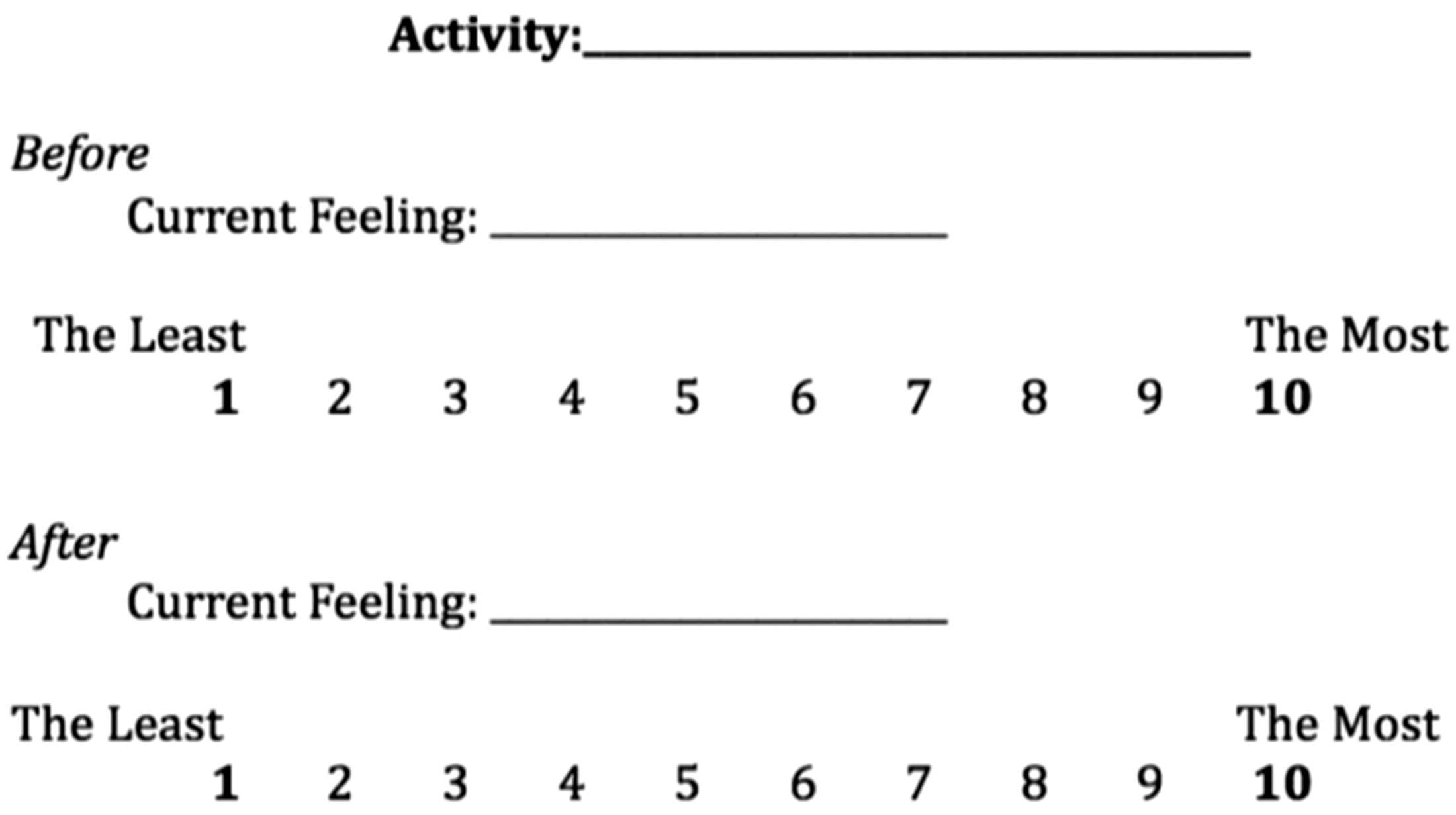
Scaling questions used for tracking present emotions before and after activities.
The second session incorporated a general check-in of participants’ usage of mindfulness-based practices since the first session. The researcher facilitators followed with a conversation that gauged the temperature of the group on thoughts and feelings related to yoga practices. Afterwards, participants were again provided with hands-on experience by engaging in yoga poses themselves. One researcher facilitator demonstrated the simple yoga poses, including supine pose, child’s pose, and supine full body stretch. After completing the yoga poses, participants were asked to share about their resulting feelings and emotions and engaged in a discussion about the connection between the self-practice of mindfulness and incorporating components into the classroom setting. Another researcher facilitator shared a video of elementary students practicing mindfulness-based strategies to inspire tranquility and reflection during an after-school program, allowing participants to make connections with their current students. Participants were able to ask questions and bring strategies back to the classroom. A mindful breathing activity was also incorporated, including the scaling assessment of emotional states before and after practice. Similar to the first session, participants were asked to verbally share their emotional state and current feelings. Examples of these feelings differed from the first session. For example, participants expressed taking more time for themselves to help with stress. However, they also shared their anxiousness related to the time of the school year; at all of their schools, standardized tests for reading were ongoing and they were being asked by administration to provide data-based reports on student academic progress.
The third and final session began with a check-in, again ascertaining how and if participants engaged in mindfulness practices between sessions. Participants shared their responses on charts that measured levels of stress to determine if their stress levels increased or decreased over the course of the study. Researcher facilitators incorporated discussion surrounding successes or challenges in implementing mindfulness practices into PreK-12 classrooms. A mindful breathing practice followed, with the before and after feeling scale to determine present emotional levels. Next, interpersonal mindfulness was reviewed, modeled, and practiced as a way to connect teachers’ interactions with parents of students. Following the completion of the final session, participants were asked to complete a post-survey about their experiences.
Analysis
This study utilized a qualitative approach to assess the data, with multiple informal opportunities for member checking (Maxwell, 2013). Both during and after each professional learning session, the researcher facilitators shared preliminary summaries and syntheses about what participants discussed. Discussing preliminary findings allowed for consistent checking throughout the sessions to ensure understanding of participants’ experiences, providing more insight into their true teaching experiences. Additionally, the researchers engaged in informal member checking following each professional learning session to process shared information from participants. Member checking was done by communicating, both face-to-face and through email messages, about the analyses and themes resulting from the sessions and asking participants for their input, clarification, and revisions.
An audit trail was completed throughout the interview process in the form of maintaining audio recordings, creating transcriptions of each interview, and reflecting on each interview after they were conducted. All professional learning sessions were transcribed verbatim. Transcribing the sessions verbatim allowed for the researchers to implement a qualitative constant comparison coding process (Glaser and Strauss, 1967), which identified themes and codes found within the pre- and post- surveys and helped the researcher facilitators to triangulate those themes and codes with data and observations from the professional learning sessions.
Additionally, the transcriptions were coded through an emic perspective (Kvale, 1996) to create further insight into the teachers’ viewpoints of the professional learning sessions. Once themes and codes were identified, coding buckets were created to further organize and compare identified items to determine if there were any commonalities identified. Furthermore, bracketing (Creswell, 2013) was incorporated throughout the analysis process to the positionality of the researcher facilitators. Figure 3 provides a visual representation of the implemented qualitative process.
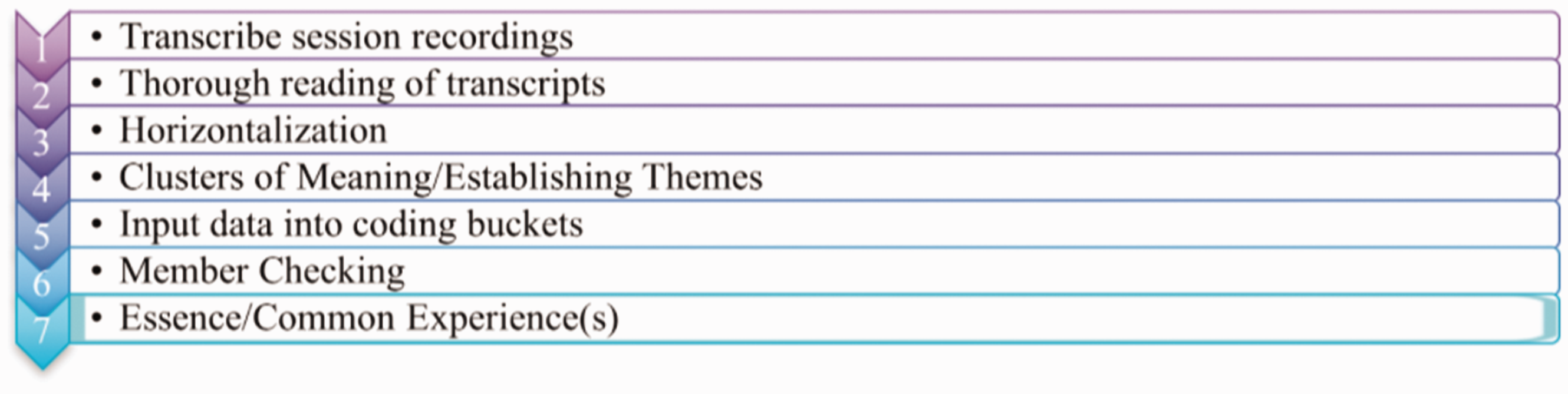
Implemented data analysis process. Adapted from Creswell (2013).
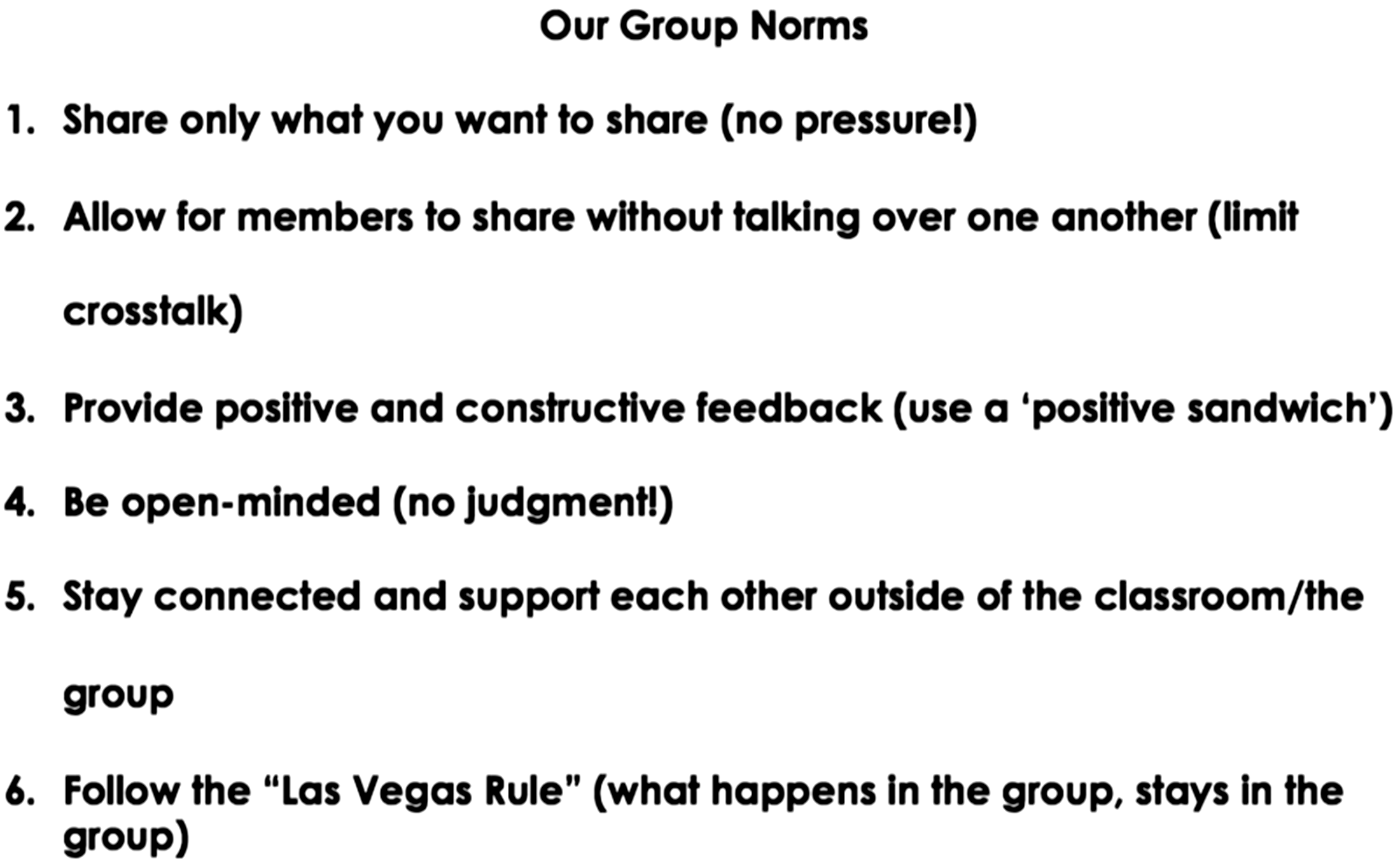
Group norms.
Findings
To review, the purpose of this study was to investigate the following two questions: R1: How do participants in personal learning sessions, incorporating mindfulness-based support, perceive its impact on their social and emotional well-being? R2: How do participants in personal learning sessions, incorporating mindfulness-based support, perceive its impact on how they support their students in high-poverty urban schools?
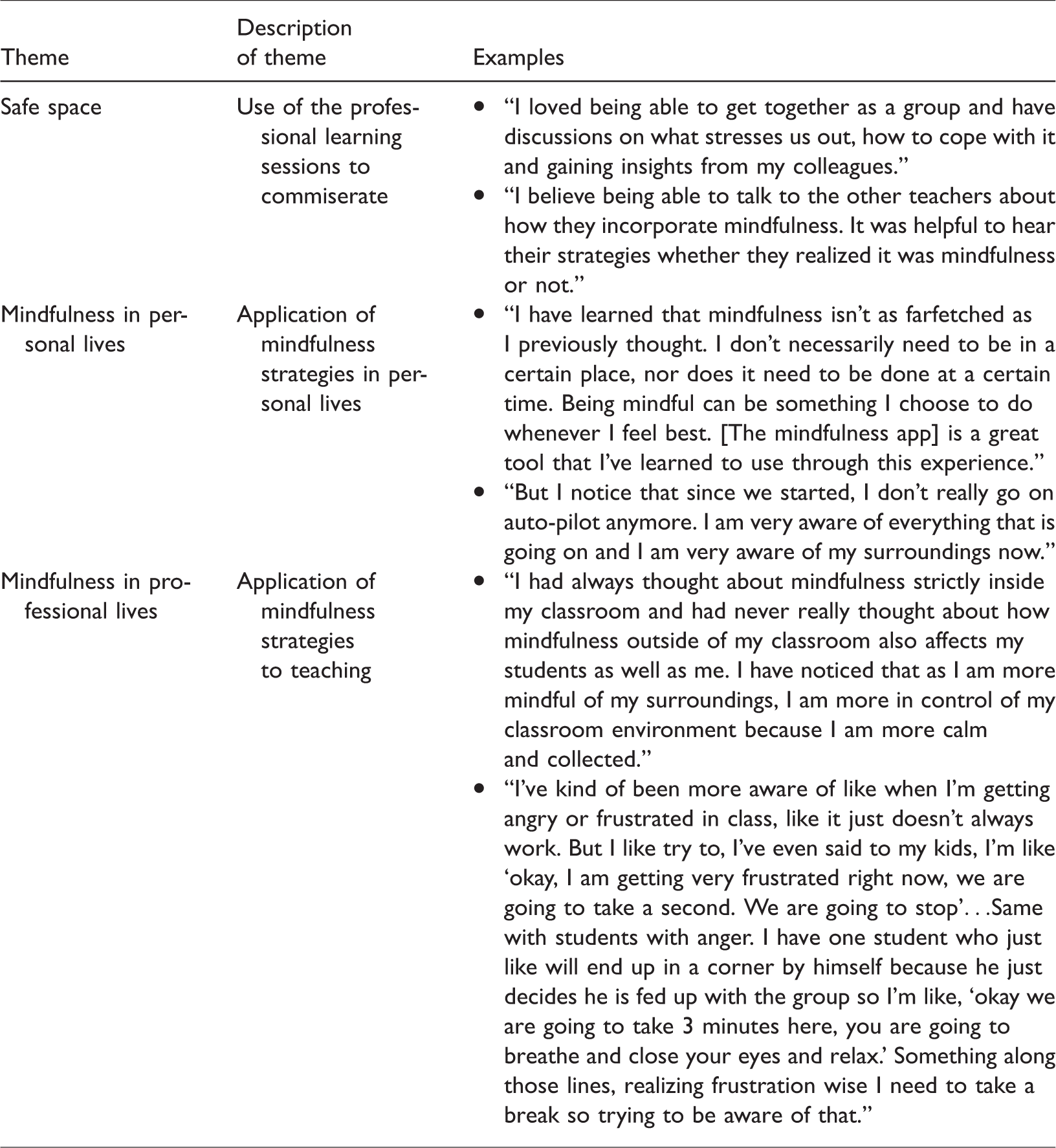
Themes, definitions, and examples.
Theme 1: Function of the sessions in providing a safe space
The structure in the professional learning sessions provided the opportunity for teachers to connect and share personal teaching experiences in a safe, open way. As teachers’ time to devote to self-selected professional learning is limited, findings show that it was also beneficial to have a designated time and space designed to foster connection and explore newly learned concepts. The data supported a social theory of teacher professional development and supports the research surrounding the idea that strong teacher support networks result in more effective teaching in urban schools (Hollins, 2012).
To honor the vulnerable nature of exploring new contemplative practices, prior to beginning the professional learning sessions, researcher facilitators encouraged participants to identify and share group rules that would help to establish safety and trust within the context of the group. Using an online platform to text responses anonymously as a way to allow participants to feel comfortable to express group rules, the following rules were shared and agreed upon (Figure 4).
The group rules created a structure for understanding the flow of the sessions as well as group expectations for how participants and researcher facilitators would interact, especially around the new and sometimes novel concept of mindfulness. One participant, a first grade teacher, commented on the way in which the sessions reinforced her evolving understanding about mindfulness in general, especially since she was a bit skeptical about using contemplative practices at the beginning of the study: “I believe being able to talk to the other (participants) about how they incorporated mindfulness… it was helpful to hear their strategies.” These types of reflections were continuously evident within the context of the professional learning sessions and worked to reinforce a sense that the group dynamic was a salient factor in participants’ enjoyment and appreciation of the experience.
During the sessions, participants consistently emphasized the power of the group dynamic to help them not only understand and reflect upon the process of internalizing and applying concepts of mindfulness, but also unpacking their general teaching experiences. As one participant, a kindergarten teacher, noted: “I loved being able to get together as a group and have discussions on what stresses us out, how to cope with it, and gain insights from my colleagues.” When asked to reflect on their perceptions of the group learning sessions, participants noted how the space allowed them to not only explore their newly gained understanding of mindfulness, but also functioned as a platform that afforded them the opportunity to unpack and reflect on the larger stressors related to the craft of teaching. Unsurprisingly, many sessions began with talk about the harrowing demands of teaching in high-poverty urban schools, including colleague turnover, demands by administration to increase focus on standardized test preparation, and the difficulties of managing classroom communities. One participant commented that she relied heavily on the advice and collegial support of peers and mentors in the group: “I always talk to others. Like, [teaching] is the hardest thing I’ve had to do in my life.”
In order to process and explore participants’ baseline stress levels, researcher facilitators encouraged the participants to complete stress diagrams that asked them to write down specific stressors, which almost always related to their positions in high-poverty schools (i.e., upcoming standardized testing, student behavioral problems, lack of administrative support), and rate their level of stress on a 1 to 10 scale, with 10 being the highest level of stress. The goal of tracking stressors was to provide a way to quantify their personal teaching experiences. In this process, two participants discussed feeling stressed due to not understanding the health insurance policy for their position. One participant, a former law school student, rated the task of managing student assessment data as a 10, the highest level of stress. In bringing up the topic of student assessment data, other participants agreed and shared additional pressures, including lack of support from administration and being delegated tasks to be completed in unreasonable amounts of time. Although the intention of the stress diagram was to quantify participant levels of stress, the discussion led to participations sharing personal narratives and work-life experiences. Ultimately, this engagement allowed the participants to take ownership of the group, creating greater cohesion and trust, essential components of group dynamics (Yalom and Leszcz, 2005).
An additional variable common among participants of the group stemmed from their positions as alternatively certified teachers, which was a topic brought up frequently in the teacher learning sessions. All of the participants had undergone summer training before the school year started, which served as their only introduction to educational theory and pedagogy. They spoke candidly about their feelings, especially as it related to being underprepared and overtasked. One participant elaborated on the gaps of support she received by her administration: I need direct feedback on my craft and explicit instruction on how to execute certain aspects of teaching…do not tell me that I need to track data but show me exactly how and what to use to do that. I need emotional support as well as a first-year teacher. Then show me what it’s supposed to look like instead of us standing up one by one, vulnerable, because we know we are going to be critiqued and then we cry and have to go back to our classrooms and teach.
Other examples of topics they explored traversed both the personal and professional, from health insurance and graduate school credits to the unrealistic career expectations that they felt were being placed on them as first-year teachers, such as making an effort to raise student proficiency levels in the course of a few months. Because it functioned away from school-embedded formal professional development, participants reflected on the group’s impact as a “safe space” for sharing. When asked to detail what they enjoyed about the sessions, they cited that they appreciated: “hearing about others’ triumphs and struggles,” “knowing that I’m not alone,” and experiencing “the ability to talk with people in the same profession and in similar experiences.”
Theme 2: Application of mindfulness to personal context
In addition to reinforcing the importance of the group for providing time and space to reflect on teaching stressors, findings show that participants began to put into practice mindfulness-based approaches they learned in the sessions. In fact, participants reported shifts in both their opinions of mindfulness and the way that they approached their everyday lives. One participant, a third-grade teacher, commented on how her perception of mindfulness changed as a result of the professional learning sessions: I have learned that mindfulness isn’t as farfetched as I previously thought. I don’t necessarily need to be in a certain place, nor does it need to be done at a certain time. Being mindful can be something I choose to do whenever I feel best. Headspace [mindfulness app] is a great tool that I’ve learned to use through this experience.
One participant, who had extensive experiences with meditation prior to the study, shared that she saw how practicing mindfulness would trickle down to benefiting her students: I am very motivated to do this because I believe that mindfulness extends beyond the classroom. And anything that can assist me both now and in the future is desirable. Learning to be mindful will help me to improve as a person and ultimately will affect the relationships I have as an instructor.
Theme 3: Application of mindfulness to teaching context
While the initial focus of the intervention was on participants’ own incorporation of mindfulness-based strategies, the data showed that they began to consider and even use mindfulness strategies in their classroom contexts. In accordance with the prosocial classroom model, once participants began to see the positive effects of mindfulness in their own lives, they were able to make connections about how mindfulness could support the evolving classroom communities within which they taught. One participant, a third-grade teacher who had shared about the ways in which mindfulness helped her to reconsider her default autopilot mode commented, “I think the most unexpected result was actually finding ways to work with my students with this study.” Another participant commented about how the mindfulness work that she did in her personal life was beginning to impact how she approached her classroom environment: I had never really thought about how mindfulness outside of my classroom also affects my students as well as me. I have noticed that as I am more mindful of my surroundings, I am in more control of my classroom environment because I am more calm and collected. I’ve kind of been more aware of, like, when I’m getting angry or frustrated in class. Like, it just doesn’t always work… I’ve even said to my kids, I’m like, ‘Okay, I am getting very frustrated right now. We are going to take a second. We are going to stop.’ And so I just try… Same with students with anger. I have one student who ends up in a corner by himself because he just decides he is fed up with the group, so I’m like, ‘Okay, we are going to take three minutes here and you are going to breathe and close your eyes and relax.’
Conclusion
As the findings of this study indicate, it can be helpful for teachers, especially beginning teachers serving high-poverty urban schools, to have group-based, collaborative support structures for social and emotional well-being, which, combined with outlets for unpacking and reflecting on their practice and career-embedded stressors, allows for them to incorporate coping mechanisms that can have important implications for the ways in which they approach their classroom environments and work with their elementary students. Such an effort can be brought to scale when stakeholders like administration, school board members, and parents are brought into the process. Increasingly, principals and school superintendents are investing in mindfulness training and professional development for their teachers. In addition, organizations like Mindful Schools, The Center for Contemplative Mind in Society, and the Association for Mindfulness in Education provide training forPreK-12 teachers on how to incorporate mindfulness-based practices into their pedagogy and curricula.
The cost of teacher turnover in the USA is nearly $5 billion each year, including the efforts of recruiting, hiring, and training new teachers (Barnes et al., 2007). If novice teachers can be adequately supported during their first 3 years, the savings could be reallocated to other education priorities. While the intervention described in this study worked to provide social and emotional support to teachers that were in their first year of full time teaching, the insights indicated by the findings suggest that this type of support might also serve teachers when offered earlier on in teacher education. Providing early intervention for teachers is especially relevant because, much like the data on teacher attrition, teacher education programs across the country are dealing with their own retention and attrition issues. Between 2009 and 2014, teacher education enrollments dropped from 35% (Sutcher et al., 2016). In the 2015–2016 school year, combining estimates of supply and demand, there was an estimated teacher shortage of approximately 64,000 teachers. By 2020, an estimated 300,000 new teachers will be needed per year, and by 2025, that number will increase to 316,000 (Sutcher et al., 2016). Unfortunately, it is high-poverty urban schools that suffer the most from the impacts and consequences of these teacher shortages (Brown, 2002).
While this study focuses on teacher well-being and development of social and emotional support strategies, there is research to prove that such work can also have powerful implications for the learning that happens in PreK-12 classrooms (Jennings and Greenberg, 2009). When teachers are better equipped to negotiate and sense their emotions and bodily sensations, they are more able to mitigate crucial variables in their classroom’s climate. Understanding the role of emotions and the mind–body connection has potential to increase student well-being and, in turn, affect student outcomes in a more authentic manner than any commercial test preparation or newly recycled teaching fad. When teachers are equipped with the skills and social emotional competencies to handle tough situations encountered in high-needs populations, they can better attend to the social and emotional needs of their students, arming them with the skills to succeed. By feeling both emotionally and intellectually supported, teachers can focus not only on their evolving pedagogical and content knowledge skills, but also on their own classroom climate and, by extension, their students’ own social and emotional learning. Teachers ultimately become the fortified vessel to assist students in learning how to set aside daily conflicts that arise both inside and outside of the brick and mortar environment in order to attack their learning and mental health needs in a positive way.
Footnotes
Declaration of conflicting interests
The author(s) declared no potential conflicts of interest with respect to the research, authorship, and/or publication of this article.
Funding
The author(s) received no financial support for the research, authorship, and/or publication of this article.