



Abstract
Owing to its unique blend of properties, polyvinyl chloride (PVC) has become one of the most important polymers that have been used in everyday life for many years. Its short- and long-term applications span multiple key industries such as building, electrical/electronic insulation, packaging, and healthcare. These industries produce high volumes of PVC solid items that require responsible management when they reach their end-of-life because they are not biodegradable. Simple and affordable methods of diverting this waste from landfills would contribute positively towards combating environmental problems. However, many approaches have been reported in literature and there is a need to collate for easier comparison. For example, some alternative approaches are highly effective in transforming PVC waste into a range of valuable products but are still associated with secondary pollution. This overview covers different facets of virgin solid PVC (rigid, semi-rigid, and flexible), focusing mainly on its importance, global increase in use, and waste’s recyclability. In addition to the pros and cons of different recycling strategies, the influence of specific factors on the expanding PVC market is also considered albeit briefly. Notably,
Introduction
Polyvinyl chloride (PVC) is a thermoplastic commonly synthesized via suspension, emulsion, or bulk polymerization of vinyl chloride monomer (VCM) in a closed system.1,2 This VCM is obtained as an intermediate chemical during the ethylene dichloride dehydrochlorination or acetylene hydrochlorination process.3–6 The molecular formula of PVC can be written as (H2C = CHCl)n, where n represents the number of vinyl chloride repeating units.4,5,7 Common ingredients for PVC synthesis include water, VCM-soluble initiator, dispersant, and chain transfer agent.1,2,6 Furthermore, PVC is essentially uncrystallized due to its atactic nature, even though it can become syndiotactic over short-chain segments and adopt the crystalline form.2,7 Its resins are commercialized in particle sizes between 50 to 250
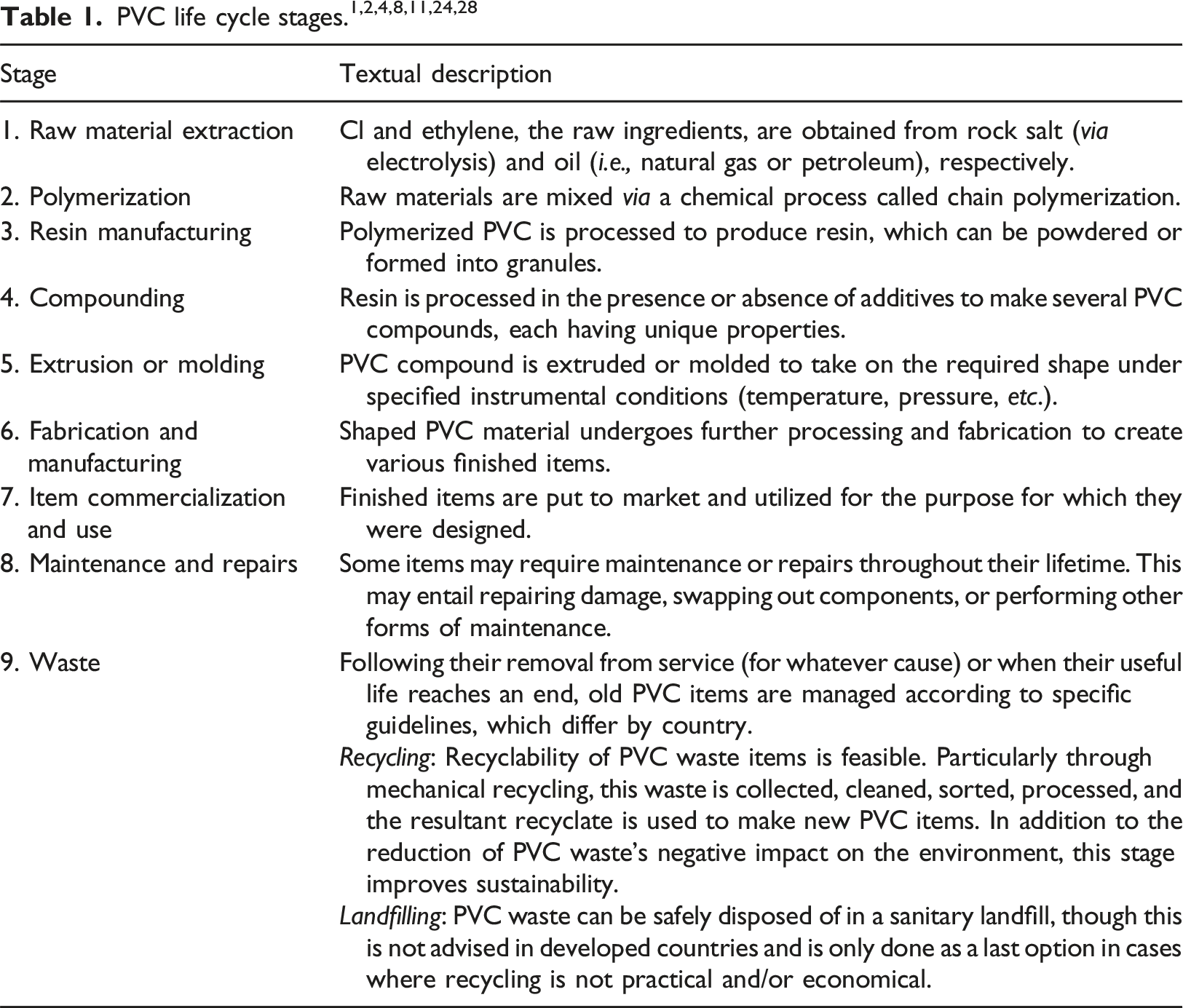
Recycling, generally categorized into mechanical, chemical, energy recovery, and blending recycling, appears to be the most favoured approach for the appropriate management of PVC solid waste materials. An issue with chemical and energy recovery recycling though is that these approaches involve incineration, thereby generating secondary pollution.11,25–27 Therefore, the mechanical recycling approach is ideal for the PVC life cycle, as it contributes largely to the reduction of frequent need for virgin PVC production processes.8,11–17 Although mechanical recycling is generally recommended, a recent study by Swinnerton et al. 28 contends that mechanical recycling of PVC solid waste can also cause environmental and occupational health issues. The study analyzed how employing PVC-containing plastic waste to make bricks via the mechanical recycling process may result in the emission of heavy metals, volatile organic compounds (VOCs), and persistent organic pollutants (POPs), all of which are known to contribute to pollution in all three environmental mediums: air, soil, and water. Nonetheless, the primary goal of mechanical recycling, particularly the secondary type, is to “undo” the fusion—i.e., the joining of particles before melting when the original PVC item is manufactured. A resultant recyclate, through open-loop and closed-loop recycling, is then added to a variety of PVC item formulations to either fully or partially replace virgin PVC. For example, over forty recyclers in South Africa as of 2020 grind and pelletize vinyl items so they can be repurposed into new PVC items like shoe soles and flooring, where the footwear industry (40%) continues to be the largest market for PVC recyclate, followed by the building and construction sector (38%) and agriculture (12%). 29
Due to its numerous applications and ability to be recycled through a variety of recycling approaches, PVC is one of the most used and recycled plastics in developed, developing, and least-developed countries.1,8,14 Therefore, several applications of its solid items and the approaches used to recycle their resultant wastes are discussed in this overview. The most common applications and recycling processes are the main topics of discussion, together with landfilling.
Importance of polyvinyl chloride based on its key properties and applications
Compared with other typical plastics
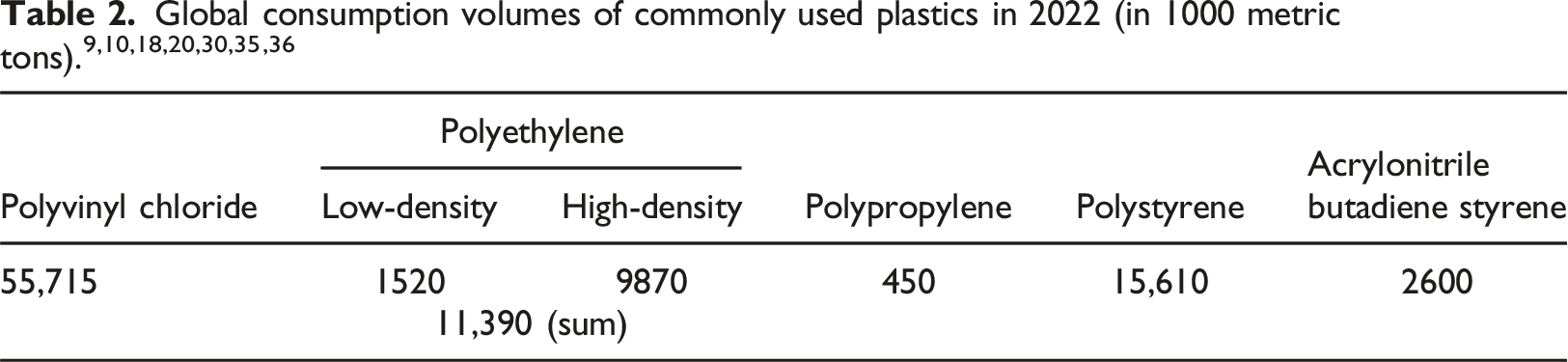
Processing of polyvinyl chloride
PVC is processed through a series of stages (Figure 1) that convert raw materials into a variety of useful PVC products or items. The end-of-life form of these items can either be used to create new materials that are distinct from the recycled PVC material (indicating open-loop recycling), or they can be connected back to the preparation of raw materials (i.e., closed-loop recycling).4,11,22,26 First produced from natural gas or crude oil-derived ethylene and sodium chloride electrolysis-derived chlorine, ethylene dichloride (EDC) is typically converted into vinyl chloride monomer (VCM) by a process known as cracking.3,10,18 The polymer, PVC resin, is then produced by polymerizing VCM using various methods, including bulk, emulsion, and suspension polymerization.9,11,32 These processes produce different PVC forms, including rigid and flexible varieties, where their molecular weights typically fall into the 3.0 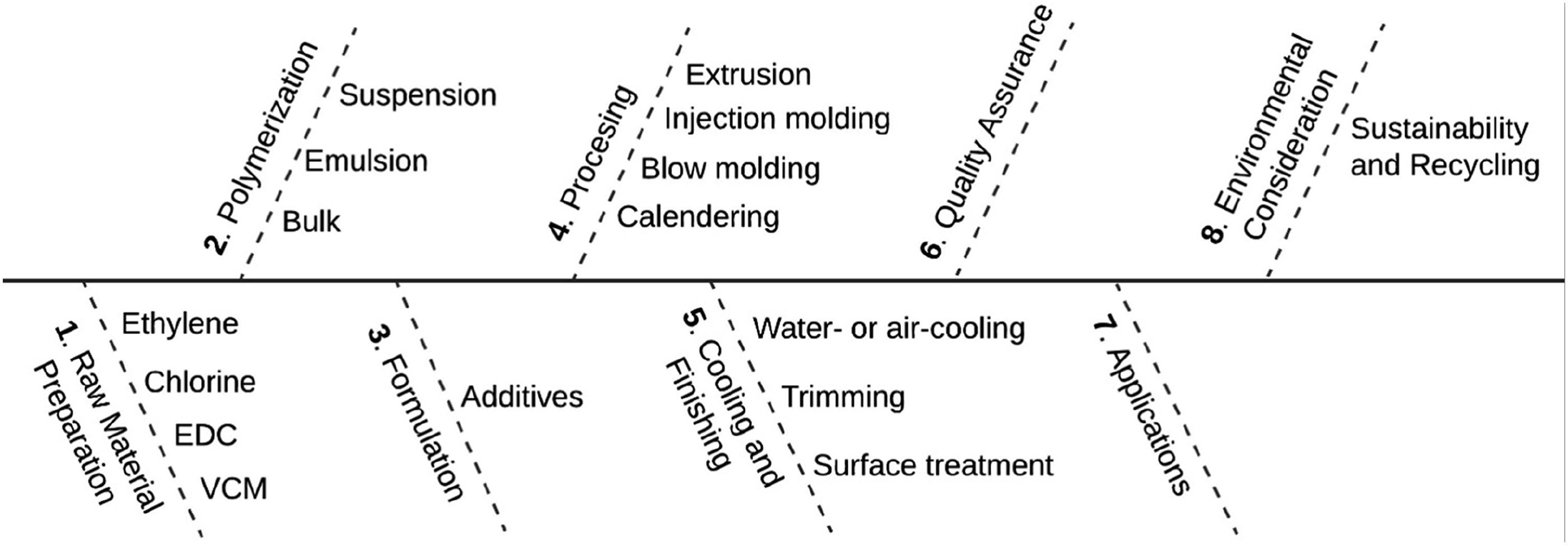
To enhance its properties like mechanical strength, thermal stability, as well as chemical and flame resistance, PVC resin undergoes the formulation stage and thereafter is mixed (compounded) with specific additives. This compounding process employs equipment like high-speed mixers, ribbon blenders, ploughshare mixers, extruders, ball mills, and/or twin-screw compounders.22,25,32 The selection of equipment is mostly based on the production scale, the type of additives used in a formulation, and the desired properties of the finished PVC item.22,32 Common additives include pigments for aesthetic purposes; stabilizers for the prevention of thermal degradation during compounding, processing, and usage; plasticizers for increased flexibility; fillers for improved physical properties while minimizing costs; and flame retardants for improved fire resistance.37,38
Several important techniques, such as extrusion, injection molding, blow molding, and calendering, are used to process the PVC compound by shaping it into a desired geometry, thereby meeting a wide range of consumer and industrial requirements.2,17,21–23 For instance, extrusion manufactures continuous forms like pipes, films, profiles, and sheets by heating and forcing the PVC compound through a die, a tool with a unique cross-sectional shape or profile.21–23 While blow molding is best suited for hollow items like bottles, barrels, and automotive hollow parts, injection molding is used to create various PVC items in large quantities, from small parts to complex shapes, by injecting molten PVC into closed molds under pressure—typically, 500 to 2000 psi, 50 to 1000 psi, and 1000 to 3000 psi range for injection, holding, and molding pressure, respectively.2,21–23 Shaping and smoothing a PVC compound by passing it through a series of calendering mills or heated rollers—generally, 150°C to 210°C—into items like coated fabrics, as well as thin sheets and films for use as wall coverings and floors, is known as a mechanical process called calendering.21,23,31
Shaped PVC items are cooled, and they may thereafter go through a finishing step like surface treatment or trimming to enhance their appearance and functionality.36,38 Quality control is an essential part of the PVC processing stages that ensure that the compounds fulfill industry standards for specific applications.36–38 Overall, as the accompanying illustration shows (Figure 1), there is a complex interaction between each stage in the processing of PVC. However, notwithstanding the extensive use of PVC, its processing poses environmental challenges, especially regarding the emission of hazardous chemicals during manufacture, processing, recycling, and disposal.13,14,23 To lessen the environmental footprint, sustainable additives and recycling technologies are being developed as part of continuous efforts to address these ecological concerns.13,17,23,27,36–38 Additionally, advances in processing methods and materials are expected to influence the current status and prospect of PVC uses.
Additives
Items made of flexible PVC (fPVC) usually have a plasticizer added as one of the ingredients in a formulation, whereas no plasticizer is added in formulations of rigid PVC (rPVC). Figure 2 shows some of the plasticizers that are widely used in the manufacture of various transparent or coloured fPVC items. The degree of flexibility varies depending on the amount of plasticizer added and the intended application. Lower item costs can be achieved by combining these plasticizers with secondary plasticizers.37,38 Moreover, phthalates are employed due to their unique compatibility with PVC. They function by lubricating the PVC molecular chains and lowering their crystallinity to create a fPVC material that is resistant to breaking during deformation under conditions where the temperature is below 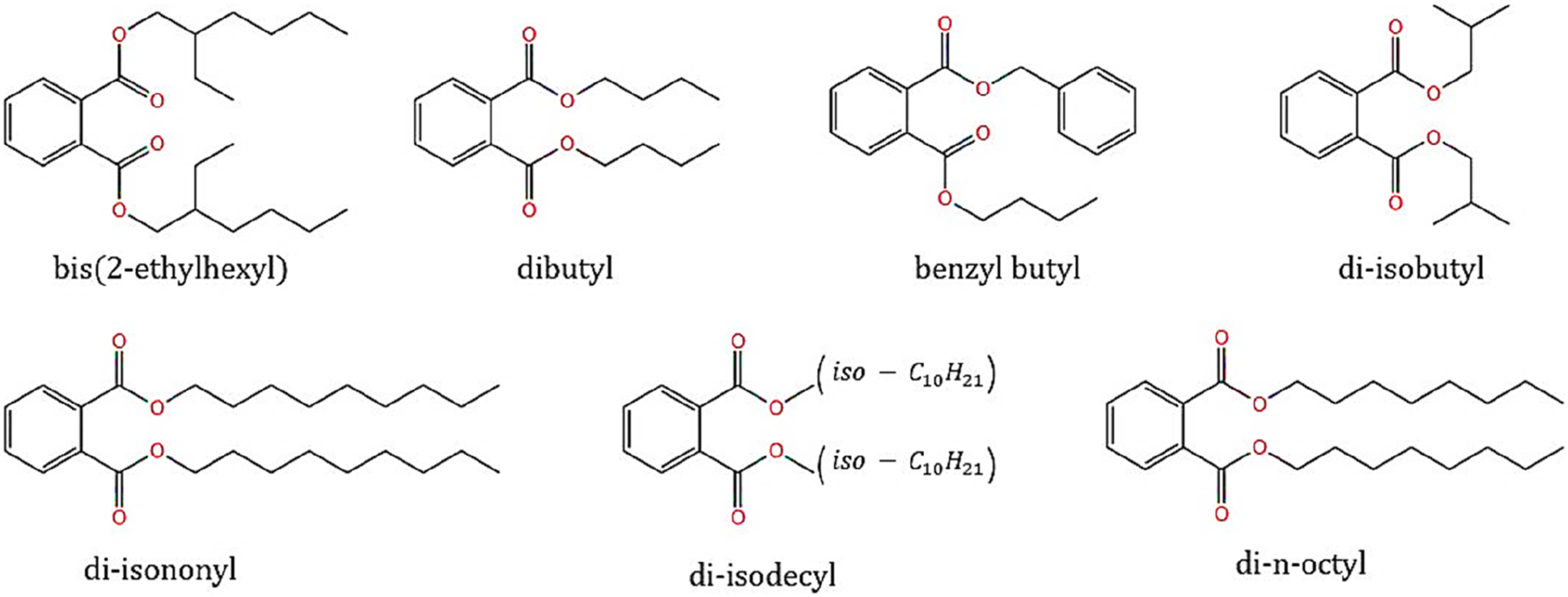
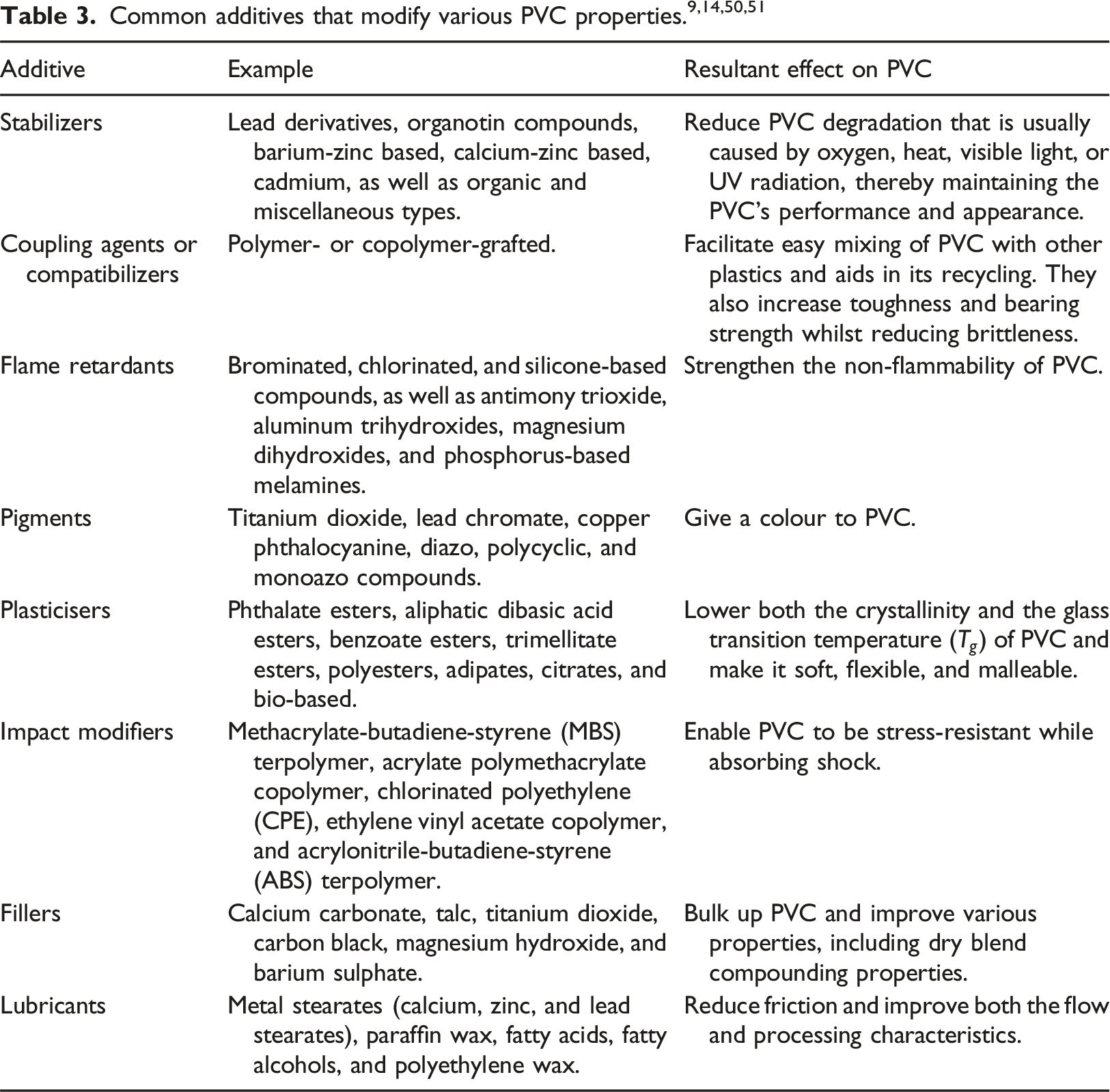
Polyvinyl chloride compounds
A variety of PVC compounds have emerged from the two main types of PVC (i.e., rPVC and fPVC) due to developments in the PVC application sectors.
24
These, also incorporating specific additives in their formulations, include chlorinated PVC (PVC-C), modified PVC (PVC-M), and molecularly orientated unplasticized PVC (PVC-O) compounds. Production of the former entails chlorinating the traditional unplasticized PVC (rPVC or PVC-U), where the resulting high Cl concentration of ca. 67 wt. % (compared to ca. 57 wt. % in PVC-U) gives the finished item excellent lightweight, longevity, durability, flexibility, corrosion- and flame-resistant, chemical stability, and thermostability (
Polyvinyl chloride applications
Building and construction
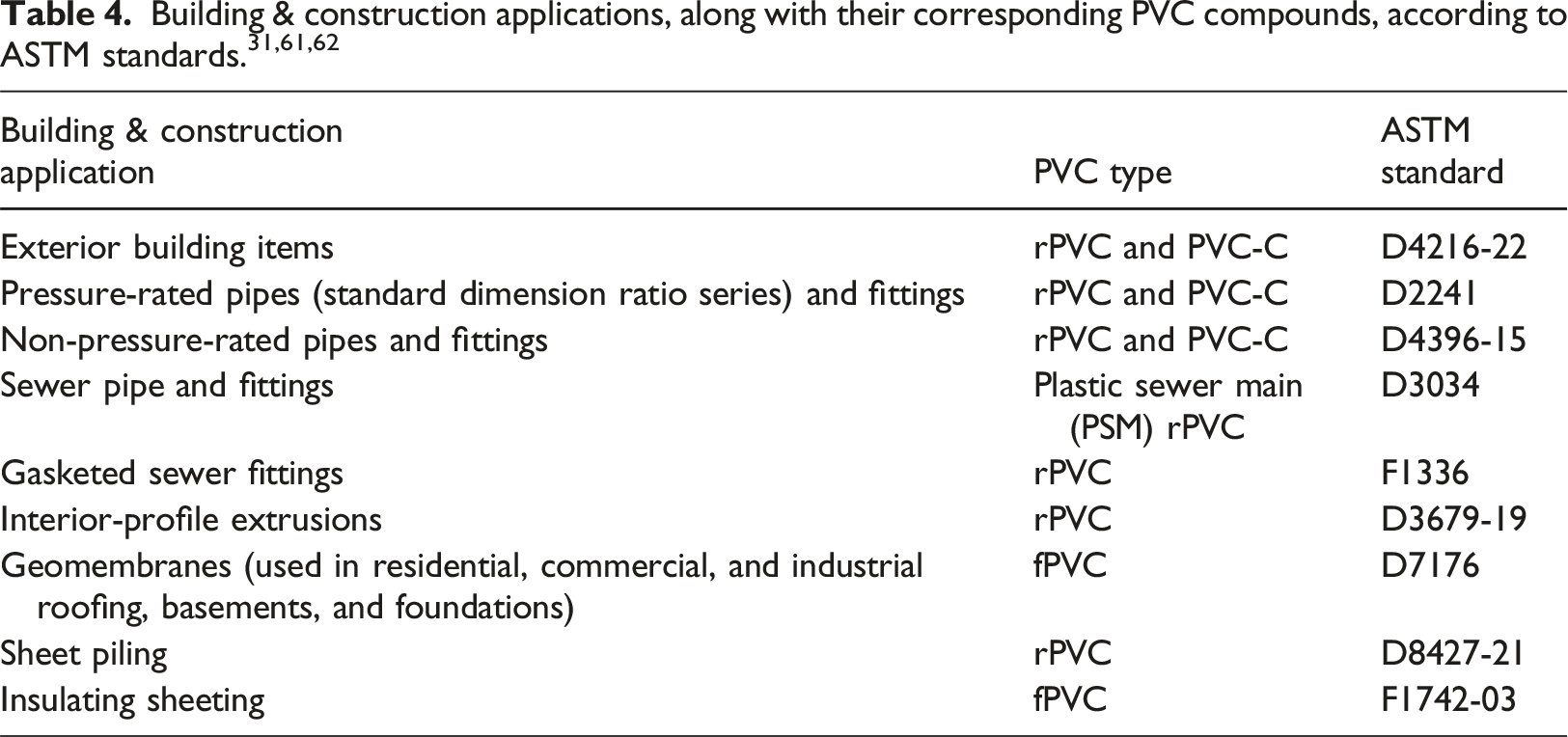
Even though PVC materials’ manufacturers often guarantee a long service life, ranging from 25 to 300 years (depending on the quality and maintenance), for building applications, these materials may undergo structural changes that result in the loss of their physical and mechanical properties. 63 As a result, unique PVC compounds (i.e., PVC-M) have been developed and are remarkably resistant to the damaging effects of outdoor weather conditions. These compounds are relatively more durable and resistant to environmental factors (especially heat and water); therefore, their standard specifications permit less cautious safety factors than traditional PVC.52,55,56,58 Window and door frames, roofing materials, outdoor furniture (e.g., sports stadium seats), and other items that are often exposed to various weather and environmental conditions (mild to aggressive) are among the items that benefit from the PVC-M compound properties. Moreover, other manufactured PVC resins offer unique blends with well-selected pigments that are stable for use with PVC in the building and construction industry, expanding the overall PVC applications in this industry.24,52,62
Electrical and electronic insulation
The initial use of PVC for electrical and electronic (E&E) insulation applications dates back nearly nine decades ago when vinyl’s usage experienced a considerable increase because of the low supply of crosslinked rubber at the time.64,65 PVC has been preferred for E&E applications due to its ability to be easily extruded—in the presence of additives—to materials of various thicknesses. 66 Due to its exceptional properties, PVC is an essential polymer in the E&E industry for cable insulation and conduit systems. In the former, PVC is used to insulate E&E cables, while in the latter, it is used to protect and route E&E wiring. 65 It is an ideal choice for both indoor and outdoor E&E installations, particularly for insulating cables, wires, and electronic components, because of its remarkable electrical properties, which include excellent insulation capability, low conductivity, strong polarity, low dielectric constant (low permittivity), and high dielectric strength, contributing to the safety and efficiency of E&E systems. 67 Moreover, PVC conduits are less expensive, lighter, and easier to install than metal conduits, which makes them a preferred choice for E&E insulation. PVC insulation prolongs the lifespan of the E&E cables, wires, and electronic components by shielding them from damage that could result from chemical and mechanical activities, as well as cold, hot, wet, and dry conditions.65,67
ASTM F512-19 is a common standard specification for PVC applications in E&E systems. It covers the dimensional, design, and performance requirements for five different types of smooth-wall PVC conduits as well as fittings for underground electrical power and communication wires and cables. The conventional criteria used to assess such conduits and fittings include extrusion quality, impact resistance and strength, pipe stiffness, and joint tightness.
68
Moreover, PVC applications for E&E insulation may be divided into two categories: primary and secondary insulations.
69
Primary insulation is applied directly over the wire conductor whilst secondary insulation is applied as a covering over wires having primary insulation.69,70 PVC-insulated electric wire normally has a rated voltage (300/300 V, 300/500 V, and 450/750 V), number of cores (1 – 5), and nominal cross-section.
69
The recent establishment of higher service temperatures (up to 105
Packaging
PVC has a long history of usage in the packaging industry.16,74 The main justifications for this are its remarkable lightweight, clarity (high gloss and transparency), and barrier properties, as well as adaptability in meeting both rigid and flexible packaging requirements.74–76 PVC packaging materials are easily obtained through calendering or extrusion processes, where flexibility (good stretchability) and clarity, as well as colour, are often formulation dependent. Furthermore, PVC is a preferred option for packaging since it can be conveniently tailored to match specific branding and design specifications. 75 Similarly, it can be molded into a wide range of sizes and shapes, which makes it an ideal polymer for developing packaging solutions that meet the needs of particular products.75,77 The PVC responsiveness to a range of printing and labelling methods makes it possible to showcase appealing branding and product details on the packaging, increasing appeal to consumer products. PVC is also renowned in the packaging sector for its exceptional strength and durability, as well as protection against oxygen, oils, fats, and several other undesirable substances or contaminants.16,76,78,79 Thus, the packed products are adequately protected throughout transportation and set storage duration. 79 Food and beverage, as well as personal hygiene, pharma, and automotive materials, are often packaged in PVC items, which are typically divided into two groups: food packaging items such as thermoformed cups and trays, bottles and their caps, cling films, etc., and non-food packaging items such as containers for cosmetics, detergents, fuel, engine oil, etc.75,76,79 Accordingly, it is reported that PVC packaging guarantees the product’s protection and proper shelf life and improves the overall shopping experience.11,16,76,78,79 One example of the standard specification employed for PVC packaging is ASTM D5416-95, which covers a standard test method for evaluating the abrasion resistance of stretch wraps/films through vibration testing.
Films and bottles are arguably the most common PVC applications regarding packaging. To ensure the safety (and quality) of these PVC items, their manufacturing process is subject to standards and regulations, which may vary by sector and geographic region. For instance, the European Union (EU), including the United Kingdom (UK), has prohibited the use of cadmium-, barium, tin- and lead-based stabilizers, BPA, and phthalate-based plasticizers in PVC resin formulations intended for packaging applications due to their detrimental effects on human health.44–49 Instead, heat stabilizers based on calcium-zinc and plasticizers like citrates, adipates, and sebacates are frequently used in PVC packaging.14,50,51,70 As a result, PVC stretch film, water and baby bottles, and similar items are typically compounded with additives that are unlikely to leach harmful substances, to establish safety as well as economic and environmental sustainability. Using non-toxic additives in PVC resin formulations not only ensures human health safety but also benefits the environment because the resultant PVC-based items can be conveniently and safely recycled once their service life has ended.51,70
Healthcare
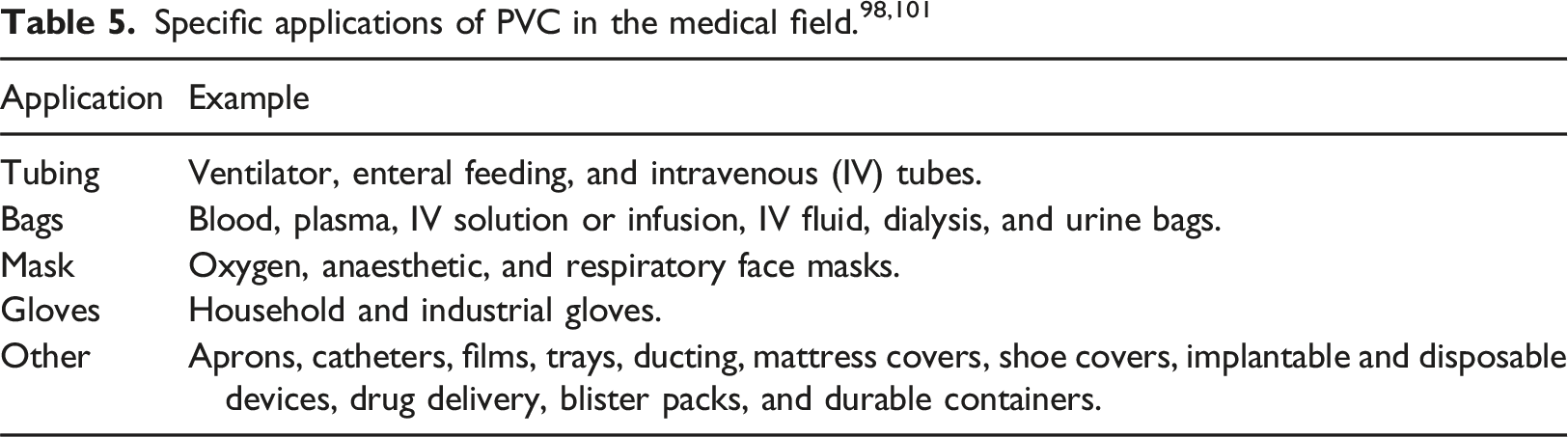
Standard specification-based tests done on PVC items used in the healthcare sector.
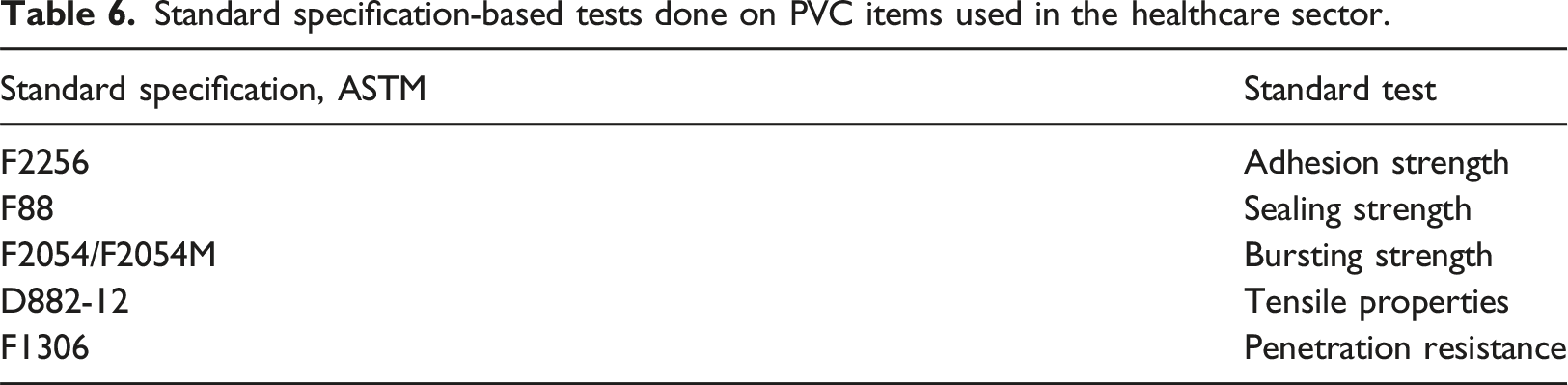
Automotive
In today’s automotive sector, there is a growing demand for innovative materials that improve vehicle performance, safety, cost-efficiency, and sustainability, where PVC is one such material that is gaining significant attention.103,104 It is currently utilized in the manufacture of ca. 12 % of over one thousand plastic parts found in typical modern autos. 16 The seamless integration of PVC into various automotive applications has mainly been enabled by its performance at both low and high temperatures.105,106 Along with its many other advantages, PVC is trusted and extensively utilized in the automotive sector because of its exceptional mechanical properties, which prevent expansion cracking and allow it to withstand the intense conditions of the automotive environment.103,107,108 It has been incorporated into a wide range of automotive exterior and interior parts, including bumpers, protective strips, door panels, window encapsulation, sun visors, cladding, dashboard skins, instrument panels, seals, gaskets, floor coverings, brake lining, upholstery covers/linings, E&E wiring/cable insulations, and more.103–108 Additionally, PVC is necessary to improve and maintain the appearance of automotive for a longer period because it is one of the thermoplastics with exceptional resistance to most types of damage, including grazes and scratches. 109 Its sound-absorbing properties, especially its fPVC type, have also made modern cars quieter.110,111
Other
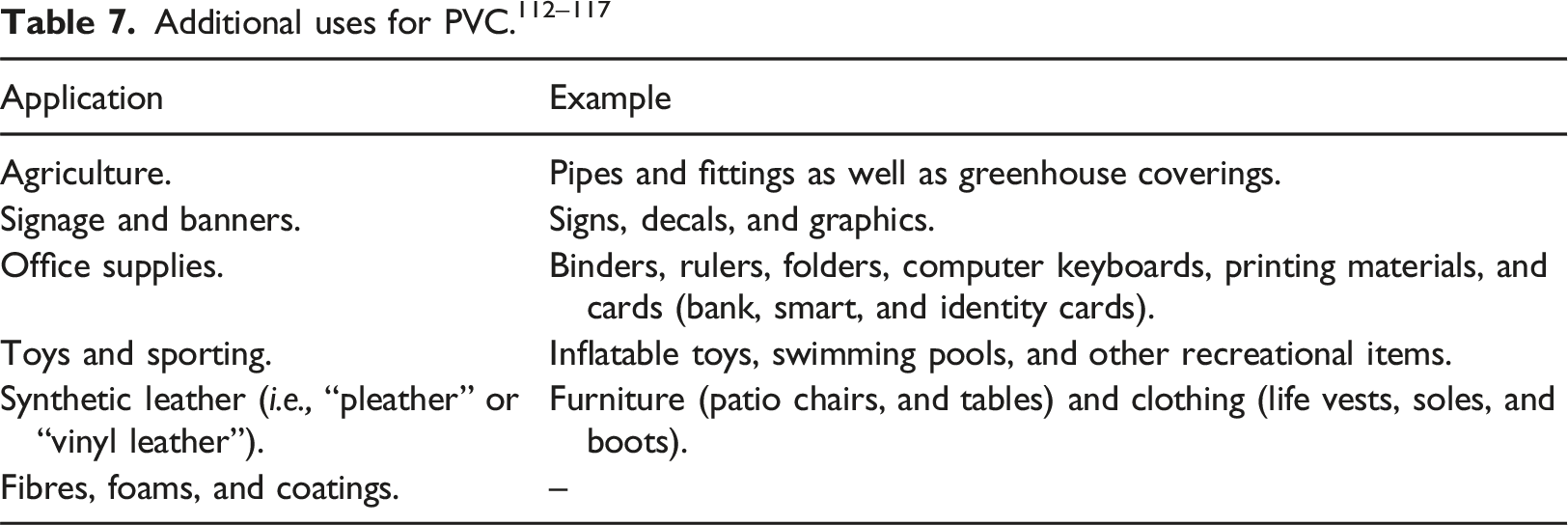
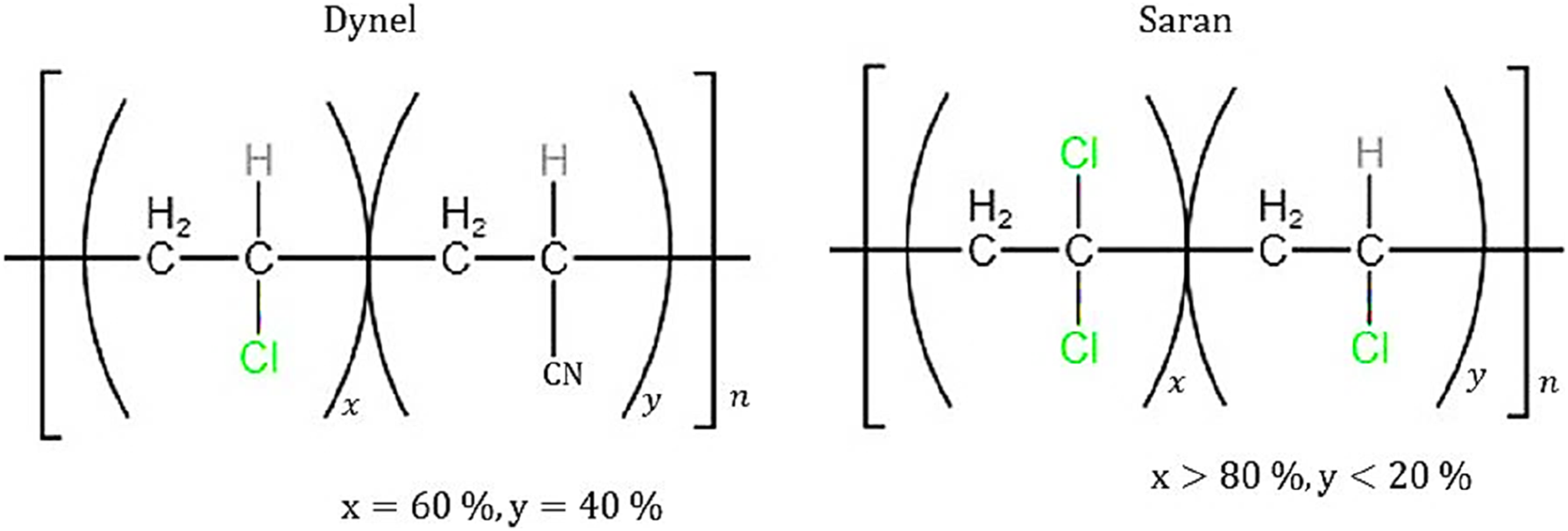
Foams
PVC foams are typically converted into a lightweight, cushioned material.121–124 They find applications in several items, including surfboards, flotation devices, and insulation materials.123,124 They are fabricated and utilized in large quantities for packaging, healthcare, building, automotive, marine, and aerospace sectors.122–124 Additionally, the excellent wear and tear resistance properties are a key factor for the use of expanded PVC with a knit backing, especially in clothing and furniture applications.121,123 The dielectric sealing feature of PVC foam sheets allows for quilting properties in these applications and allows the sheets to be attached to other vinyl materials or themselves.123,124 Most foamed but rigid and lightweight PVC foam sheets typically have a density between 0.1 to 0.4 g.cm−3. 121 Particularly for the building sector, these sheets are used for floors in homes, libraries, hospitals, schools, laboratories, institutions, and offices because of their affordability, practicality (i.e., ease of maintenance), and noiselessness, as well as excellent physical, mechanical, and aging properties.121–124
Global growth in the utilization of polyvinyl chloride
In recent years, the size of the global PVC market has grown rapidly, where it was estimated to be worth ca. $59.1 billion in 2018, with a compound annual growth rate (CAGR) of 5.96% expected by 2025, reaching ca. $88.83 billion.125–129 Concordantly, the Business Research Company group 130 projected this growth to increase from $89.94 billion in 2023 to $97.4 billion in 2024 at a CAGR of 8.3%. From there, it is anticipated to continue increasing to $133.39 billion in 2028 at a CAGR of 8.2%. Fluctuations can occur, depending on typical factors such as technological advances, industry trends, and the state of the economy.125,129,130 These data are predictable based on a statistical analysis of past growth and are further confirmed by figures of expected growth for all individual PVC applications.128–130 This, therefore, suggests that the expected growth is reasonable and that a severe economic slowdown in any of the countries that significantly contribute to the overall PVC market growth size would be required for it to collapse significantly. 129
Global PVC utilization is generally examined from an integrated perspective, i.e., from the perspective of product type (rPVC, fPVC, PVC-C, etc.), application (pipes, fittings, profiles, hoses, wires, cables, films, bottles, etc.), and end-user sector (building, packaging, E&E, automotive, healthcare, etc.).
128
In light of this, the overall use of PVC has witnessed significant global growth across various sectors over the years.128–130 The demand for PVC is projected to increase along with the world’s population and economies, setting the material’s production and use to new heights.125–129 PVC products for the building sector are comparatively the key materials driving the growth of the PVC significance and its market worldwide.60,128,129 These have grown recently as a result of expanding infrastructure, urbanization, and sustainability requirements.60,128 This is evidenced in Figure 4, which shows that a significant portion of PVC applications is in the building sector (e.g., profiles (27%) as well as pipe and fitting (22 %)). This has also been corroborated by Sawlani
128
who stated that rapid industrialization is driving PVC market growth through notable advancements in building and infrastructure activities.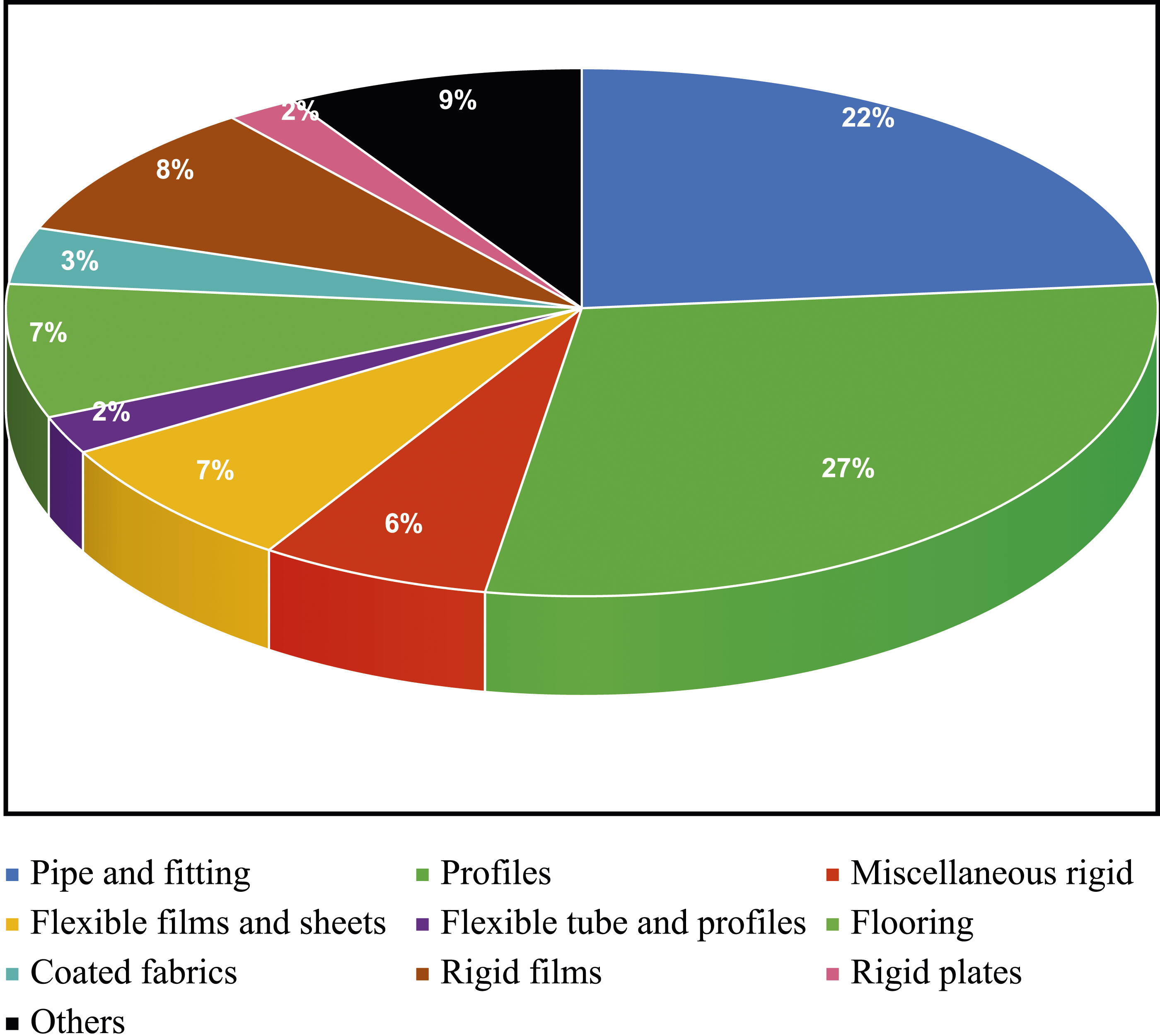
The extent to which PVC has grown in importance over the years generally determines how much PVC has been utilized globally. It was reported that ca. forty years ago applications of rPVC were significantly more common than those of fPVC.7,131 Utilization of rPVC appeared to be more common during this period because PVC was employed primarily in residential building and vinyl record manufacturing, as opposed to now-established and well-known areas, where fPVC has instead saturated the markets.7,24,131 A lack of knowledge about plasticizers could be another reason why rPVC applications were dominant. Nevertheless, Yousif et al. 7 projected that the growth of rPVC applications would encourage the growth of fPVC applications, with the former growing at a rate of 10 to 15% annually and the latter at a rate of 4 to 5% annually.
Verified Market Research group 129 recently (as of 2022) reported that the primary driver of the growth in global PVC utilization is the expansion of the packaging sector, which primarily uses fPVC over rPVC. This was also confirmed by other researchers81,84,85,89 who reported that the demand for fPVC is increasing due to growth in fPVC packaging applications. Moreover, compared to other common plastics, there has been a great likelihood of the overall PVC market expanding rapidly, given the untapped potential of PVC in developing countries as well as the growth of numerous concepts, such as bio-attributed PVC, renewable energy, electric vehicles, highly efficient pumps, and composites.78,89 The infrastructure, as well as the agriculture, conveyor, and printing roller industrial sectors, are among those where the use of PVC is said to have increased significantly in recent years; consequently, expanding the PVC market.59,60,115
Sawlani 128 recently reported that competitiveness in the PVC sector, with both large and small companies contributing to the market, is an important factor to consider when looking into the growth of PVC utilization globally. These companies compete with each other in the PVC market based on product quality, demand, cost, trade, innovation, import/export, and market presence. 128 Their ultimate goal is to increase their respective market positions in PVC manufacturing and supply through strategic alliances, partnerships, and R&D expenditures. 128 As a result, global PVC utilization is undoubtedly growing and will continue to do so as long as this competition endures.125–129 This is rational considering all the advantages that PVC offers. Nonetheless, the PVC sector is not exempt from arguments regarding the growing concerns about long-term health risks associated with pollution, although it is encouraging that companies are investing in R&D to create environmentally friendly PVC that is not only affordable but has a low carbon footprint and is 100% recyclable. 128
Insights into the contribution of regions, companies, and products to the growing polyvinyl chloride market
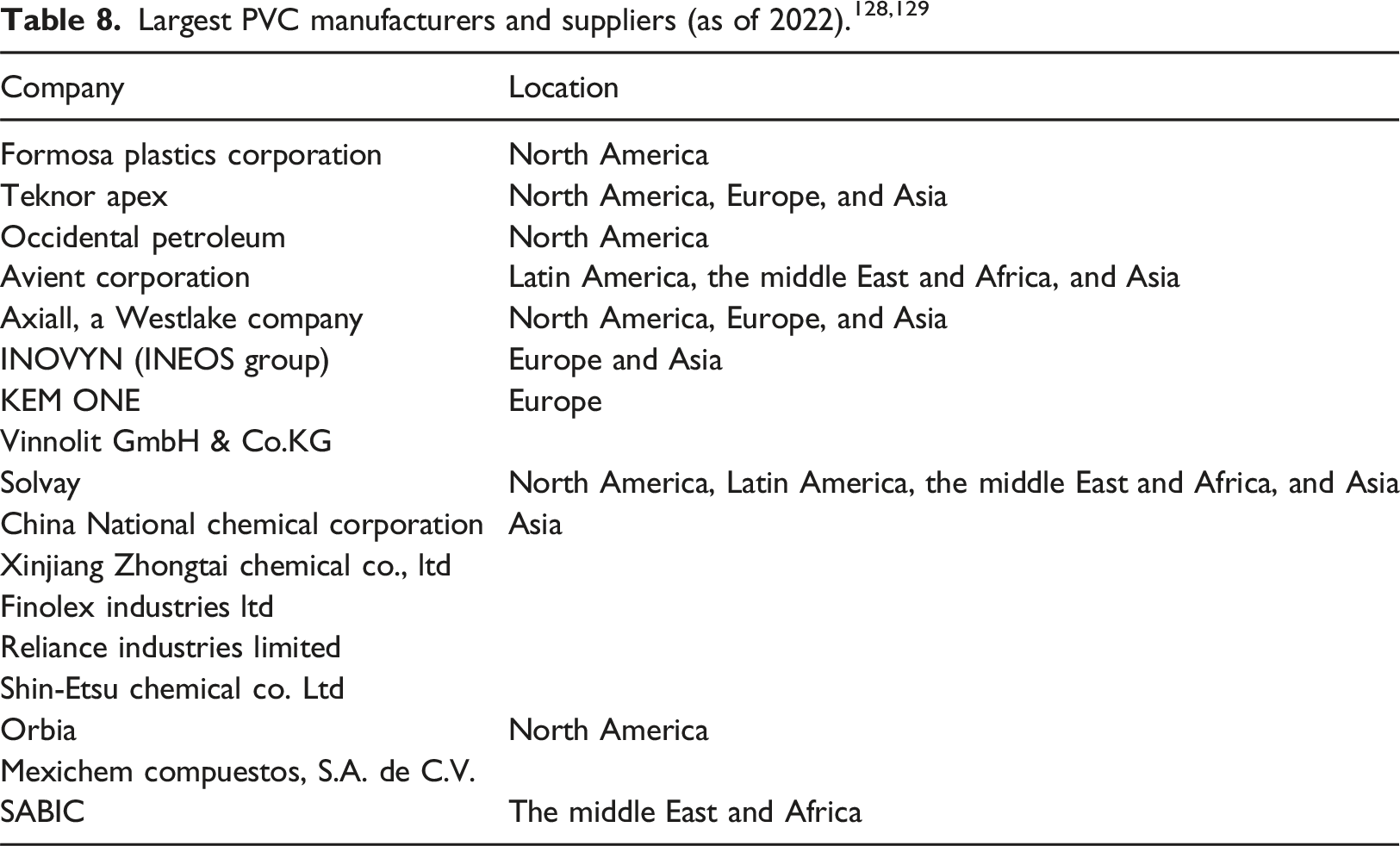
The ever-increasing demand for PVC-based products in many end-use areas such as healthcare, building, automotive, E&E insulation, and packaging is the main factor driving the expansion of the North American PVC market.25,128 Among most, if not all, countries in North America, the United States is the largest producer and user of PVC. 129 Similar to Japan, the United States exports a range of PVC homopolymer fibres and their final products.128,129 Although such fibres are also produced in Europe, the overall European PVC market is mainly driven by the accelerating demand for PVC in the architectural and medical sectors. 128 Packaging, especially PVC films, is another application driving the growth of the European PVC market.81,85,89,128 This is largely because other film products such as those made up of polyethylene, polypropylene, and styrene were developed earlier in other countries than they were in Europe.85,89,129 Compared to other specific countries in Europe, PVC is most commonly produced and consumed in the United Kingdom and Germany. 128 Germany, as well as Italy, are manufacturers and exports of the majority of PVC foil.128,129 Furthermore, the production and export of PVC homopolymer fibre products are a Netherlands specialty; however, export statistics show that the country lags behind the United States and Turkey. 128 Similar to Europe, the main growth driver for the PVC market in Latin America is the increasing demand for PVC in the building and healthcare industries. 128 Based on these sectors, Brazil dominates both PVC production and consumption in Latin America.128,129 The PVC growth market in the MENA region is primarily driven by the packaging sector, in addition to the great demand for PVC in the building sector. 129 The two major PVC manufacturers and consumers in the MENA region are particularly Saudi Arabia and the United Arab Emirates.128,129
Sorting, repurposing, and disposing of polyvinyl chloride solid waste
The combination of virgin PVC’s diverse properties gives rise to various uses that make our lives more convenient. However, it is imperative to consider the potential adverse consequences that a PVC item may have once its useful life has elapsed, particularly if improper management is practiced. Among the most significant issues associated with these effects are long-term persistence in the environment, emissions from incineration, and landfill matter. As is the case with most polymers, PVC is a long-lasting material that helps prolong the lifespan of valuable items but poses waste management challenges due to its slow environmental degradation, which exacerbates the persistent problems with plastic pollution.132–134 Incinerating PVC solid waste carries risks for the environment and human health despite its benefits for energy recovery. Emissions from incinerations produce organic pollutants that can harm ecosystems and human health, such as dioxins, furanes, polychlorinated biphenyls (PCBs), and various other chlorine (Cl) compounds.26,132,135 Often, complex and expensive technologies are required to control these emissions.26,135 Additionally, when PVC waste is disposed of in landfills, its hazardous substances like original formulation additives may leak into the soil and water, also endangering both human health and the environment. 132 Fortunately, by employing sustainable practices for managing such waste, these negative effects of PVC waste can be minimized.26,132 This would also lessen opposition to the continued production and use of PVC.26,132,136
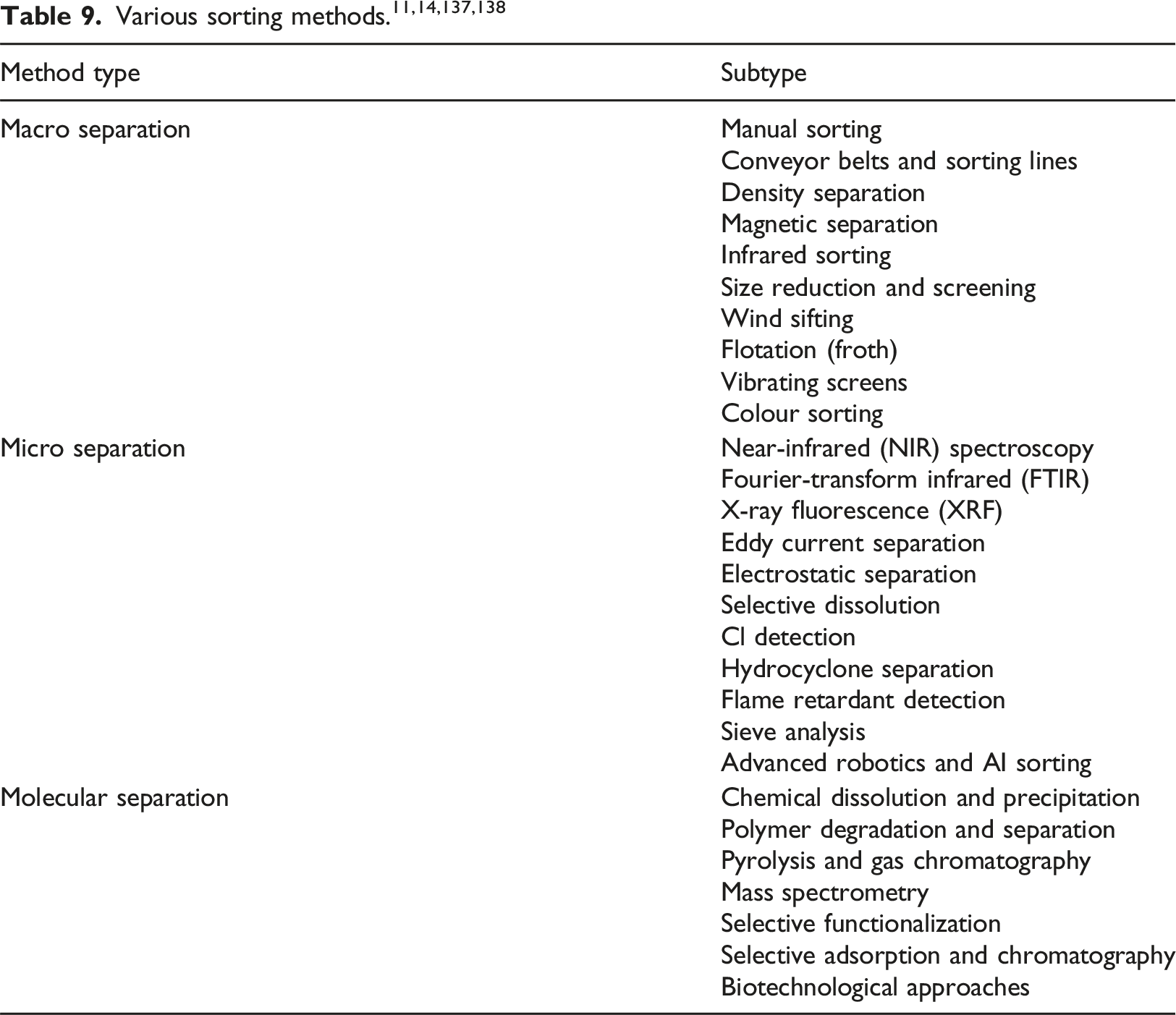
Sorting into a homogeneous PVC solid waste stream is usually done on mixed PVC solid waste to ensure successful and efficient recovery (or recycling) of PVC waste.11,137,138 This mixed waste is usually composed of different PVC items, compatible and incompatible plastics, as well as non-plastic materials. Sorting, however, is more important when employing mechanical recycling approaches (section 4.1. gives more details). Moreover, contaminants may still be apparent after sorting, including certain amounts of PVC waste items different from the PVC item being recycled (e.g., the presence of window profile scrap during pipe scrap recycling), other plastic types, and non-plastic materials.11,28,138 This usually results in a type of waste stream called heterogeneous PVC solid waste, which is managed differently from mechanical recycling. Since the wastes from buildings—which are typically large-sized materials—are frequently sorted, the non-plastic materials are usually mineral wastes (concrete, masonry, etc.).11,137,138 Sorting is primarily necessary to produce PVC recyclates with comparatively high-quality and valued mechanical and physical properties, even though it adds to the overall cost of PVC recovery processes.
11
This, however, pertains only to PVC applications where the inferiority of these properties could be detrimental. Nonetheless, it is imperative that sorting be done both effectively and efficiently since it is a critical aspect of PVC solid waste management.
11
The steps followed to obtain the sorted PVC solid waste-derived recovered material (i.e., PVC recyclate) are listed below11,137,138: a. Collection: PVC waste is collected from residences, businesses, or designated collection points. b. Labelling and identification: Standardized labels or codes are utilized to properly label the waste to facilitate easy identification. This waste is often contaminated; thus, various methods and techniques are employed to identify it (Table 9). c. Sorting: via three primary methods, viz.: macro, micro, and molecular separation, both homogeneous and heterogeneous PVC solid waste streams are obtained. d. Quality control: Frequent quality control checks guarantee contamination-free PVC waste as well as the correctness and efficacy of the sorting process. e. Recycling: Following the sorting process is the transportation of sorted PVC waste to a recycling factory, where commercial PVC recyclates are produced.
Mechanical recycling
Mechanical recycling pertains to recycling activities, whether primary or secondary, that employ mechanical means to recover PVC solid waste.11,12,15,28 This extensively used method has been considered the most cost-effective and environmentally friendly choice for recovering PVC waste due to its low energy consumption and minimal to no greenhouse gas emissions.15,35 The mechanical recycling process involves washing and drying PVC waste, and shredding, crushing, grinding, or pulverizing it into small pellets or granulates (i.e., a recyclate). A recyclate then substitutes a virgin PVC compound entirely or in part, followed by melting, re-granulating, and repurposing it into the new molded or extruded plastic items, which are different or similar to the original ones.12,15,35 An instrument primarily employed for the generation of a recyclate through mechanical recycling is extrusion because of its large-scale, low-cost, and solvent-free nature.
12
The material’s thermal softening (i.e., melting) is achieved by heating and rotating it using screws in an extruder. Following that, it goes through barrel sections with temperature control to create a fixed cross-section extrudate.
12
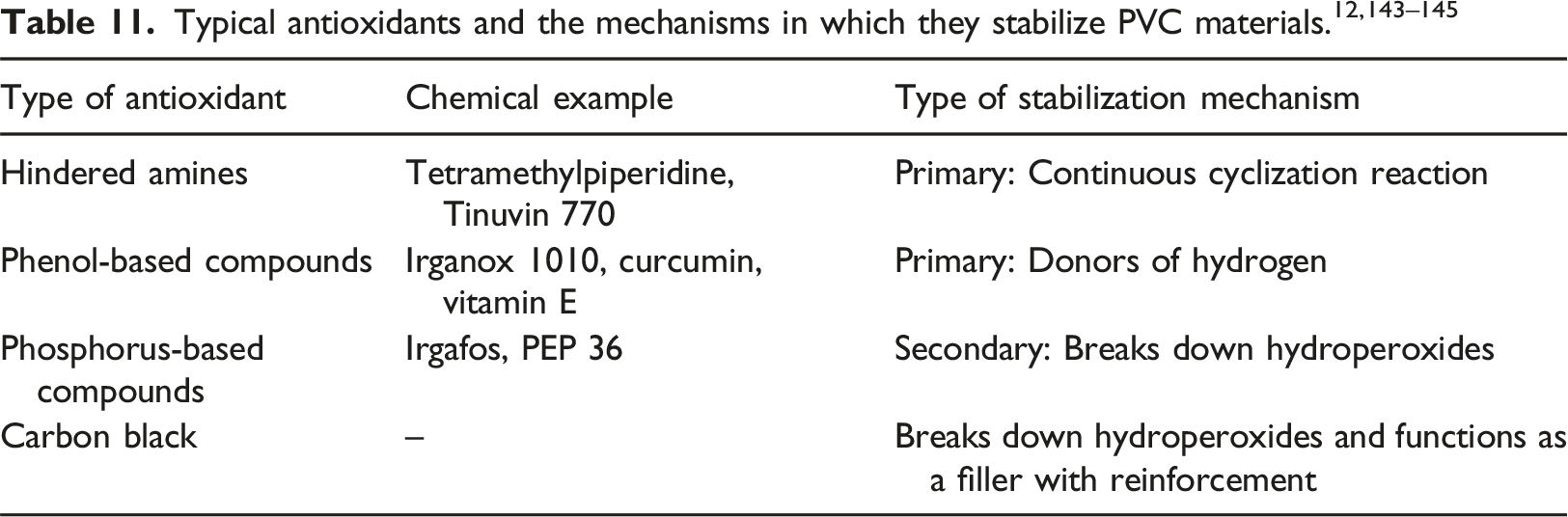
While in the barrel sections, the material normally undergoes chain degradation, i.e., thermo-oxidative and shear-induced chain scission, chain branching, and/or fusion, as a result of the thermal conduction and viscous shearing that occur inside an extruder.
12
Because of the chain degradation, the PVC chain length is typically shortened, consequently reducing the processability, quality, as well as physical and mechanical properties of the resultant recyclate.11,12,15 PVC typically has good thermal properties, especially when heat stabilizers are used; therefore, how much it deteriorates throughout the extrusion process mostly depends on the combination of extrusion parameters, such as temperature, screw speed, and residence time.
12
Conversely, it was recently demonstrated by Du et al.
139
that the thermal stability of PVC can be improved by employing a thermal stabilizer ZnAlLa-maleate-LDHs. Using this stabilizer, the authors also improved the plasticizing and mechanical properties of PVC by preventing both the breakdown of C-Cl bonds in PVC and the creation of HCl. The mechanism underlying PVC degradation via mechanical recycling is still not entirely understood but is believed to vary greatly depending on the instrument set parameters, presence of oxygen, original formulation additives, and stabilizers added during the recycling process.11,12,14,15,28,35,140 For instance, extrusion at high screw speeds, temperatures, and times increase chain degradation.12,35,140 Nevertheless, the PVC degradation mechanism based on free radical reactions has been proposed by Schyns et al.,
12
whereas the mechanism presented by Sadat-Shojai et al.
11
is based on “zipper” dehydrochlorination of PVC. According to Schyns et al.,
12
the principal PVC degradation mechanism involves radicals that are formed along the material’s chain as a result of the removal of hydrogen atoms by heat and the production of peroxy radicals caused by oxygen (Figure 5). Because of the shear forces involved, these radicals can generate 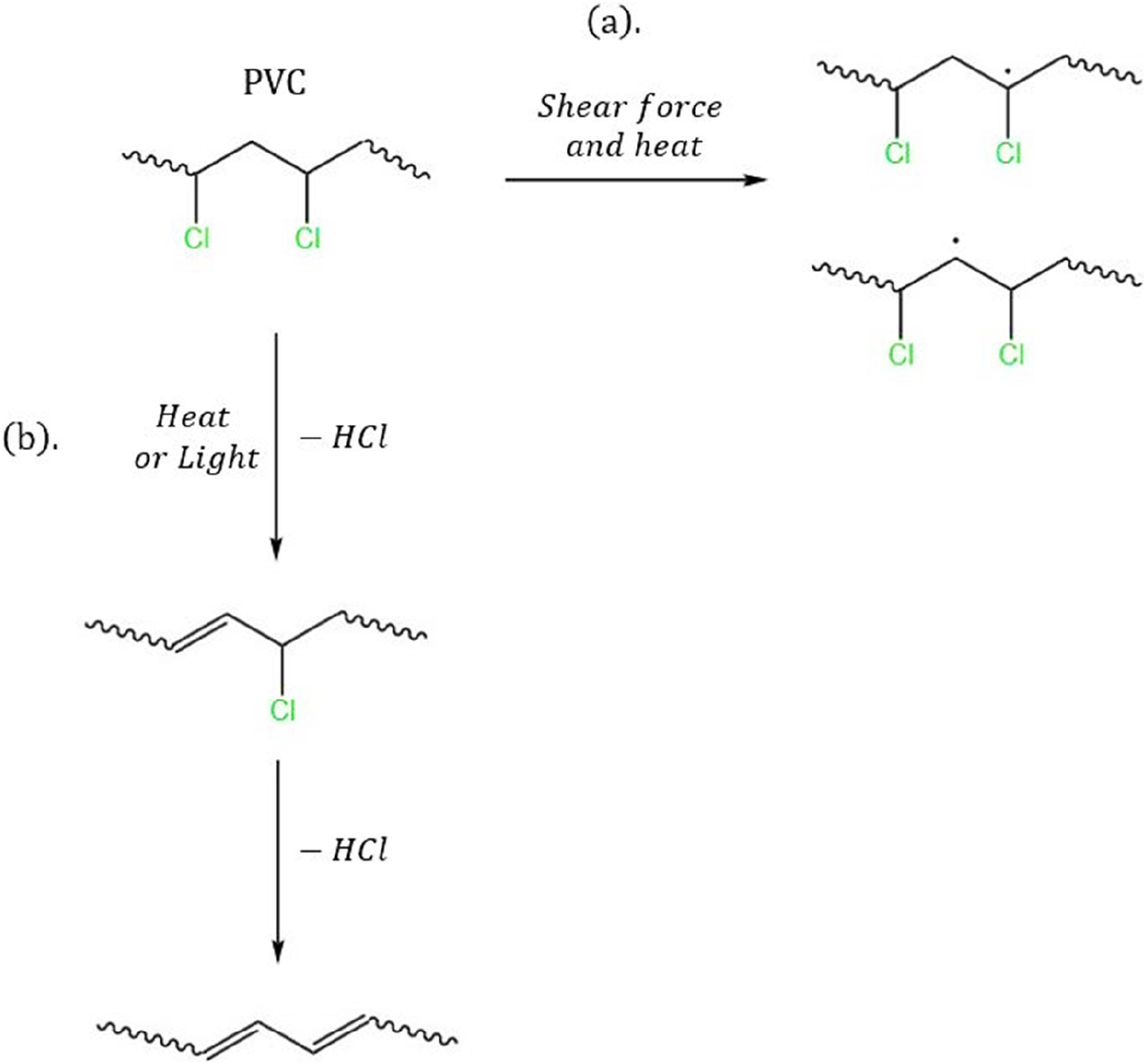
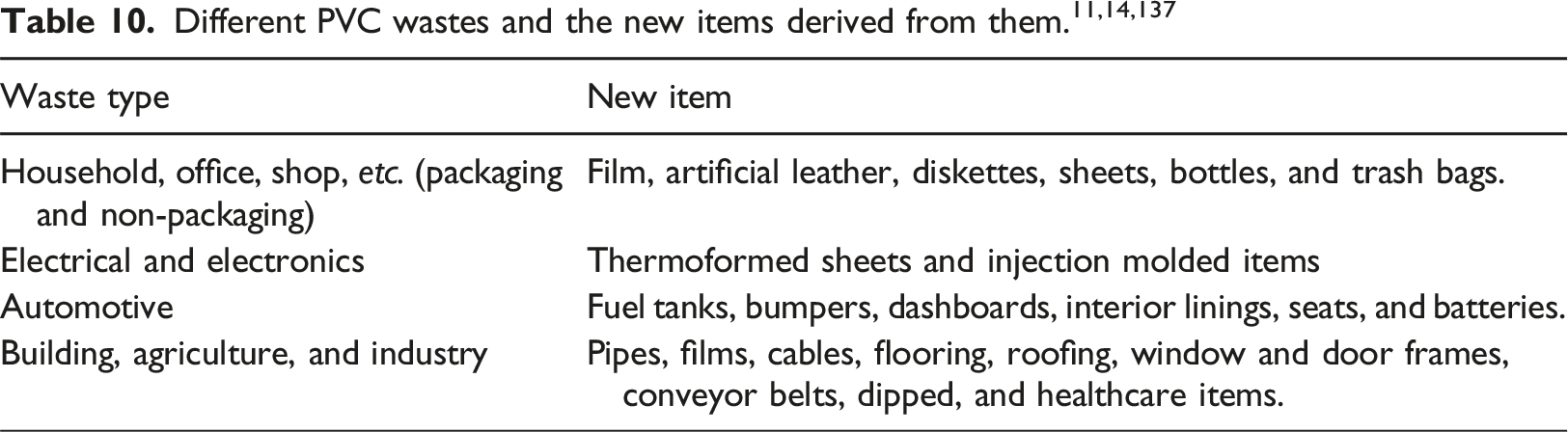
Primary recycling refers to a closed-loop recycling method in which a PVC waste item is reprocessed and the resultant recyclate is used to make another item within the same category (e.g., bottle-to-bottle). Hence, only the homogeneous PVC waste stream is processed by this type of recycling. Accordingly, it is commonly employed in the recycling of pre-consumer residues, where the input waste is limited to a single type of item with minimal to no contaminants; but it can also be used to recycle thoroughly sorted and cleaned post-consumer PVC waste.12,15,146,147 Furthermore, the primary recycling method is also believed to be the most significant mechanical recycling method since, apart from conserving fossil fuels while consuming less resources, the resultant recyclate is similar to the original material (virgin PVC resin) in terms of quality and properties.11,12,14,15,17,28,35,148 This recyclate can therefore be utilized as feedstock to generate high-value new PVC items.11,15 Nevertheless, primary recycling is rather infrequent in research due to its stringent requirements for completely clean, sorted, non-degraded, and homogeneous PVC waste.15,137 Thus, secondary recycling is a primary focus of most PVC life cycle assessment (LCA) research. 137 This type of recycling creates new PVC items that are either similar to or different from the original items, e.g., pipe-to-pipe or pipe-to-floor covers, through the utilization of an input waste consisting of either a single type of PVC waste item or a combination of different PVC waste items. 15 Secondary recycling can also be employed for recycling the contaminated PVC products, e.g., coated fabrics and laminated films, from which separation into a single polymer stream is either too expensive or not technically viable. 15 Therefore, both closed- and open-loop and heterogeneous PVC waste stream recycling are terms used to describe the secondary recycling processes. 15 It is important to emphasize that recyclate generated from secondary recycling of heterogeneous PVC waste stream is often restricted to a limited range of applications due to its properties being poorer than those of recyclate derived from primary recycling.11,12,14,15,35,146 These secondary recycling-derived recyclate’s applications include trash containers, plastic fencing, certain pipelines, road cones, shoe soles, plant pots, industrial flooring, and other similar applications where high-quality material is not absolutely necessary.11,12,15,16,35,149–152 Nevertheless, several researchers11,17,19,150,153–156 have reported that, at optimized conditions, the new PVC items with qualities and properties that are comparable to those made up of virgin PVC can be produced with recyclate obtained through secondary recycling. This is devoted to the concept that since there is no chemical reaction occurring during the secondary recycling process, the chemical composition (i.e., polymer structure) of a recyclate remains unchanged. Thus, it can be stated that the foremost factors influencing a recyclate’s ultimate cost and usability are its quality and properties.
Chemical recycling
Chemical recycling—also known as tertiary or feedstock recycling—refers to processes that chemically break down the PVC structure into chemical components that are utilized to generate useful secondary materials.11,15,35,157,158 It is an alternative or supplement to mechanical recycling, and thermal cracking (i.e., pyrolysis) is a common example of a chemical process that is typically driven by thermolysis reactions.12,139,158 Generally, PVC waste is shredded or chipped to make it easier to recycle both before and during chemical processing. Chemical recycling is often carried out using a cement kiln (as an incinerator) or in a specialized reactor (e.g., fluidized bed pyrolysis reactor), where the latter is preferred since it makes it easier to collect the desired products.11,137,157,159,160 An additional experiment that is sometimes conducted before chemical recycling is the selective removal of additives from PVC waste by dissolving it in a solvent like tetrahydrofuran (THF).161,162 This step is important because the heat stabilizers in particular have the potential to adversely affect the thermal processes.
139
PVC is usually precipitated by drying the THF solution, which is followed by the chemical recycling operation.157,161 Furthermore, the amount of research being done on chemical recycling is currently rising, and this is true even though condensation polymers, such as polyethylene terephthalate, are significantly more suitable for chemical recycling than an addition polymer like PVC.11,161 Chemical recycling has also grown more rapidly because it can efficiently recycle even the heterogeneous PVC waste stream, minimizing the total recycling costs. In terms of environment and energy, however, there are chemical recycling approaches that are less recommended because, while less susceptible to unsorted or contaminated PVC waste, they produce secondary pollution and require more power and energy since their processes necessitate a high processing temperature (>250
Blazevska-Gilev et al.
168
have reported the use of alkaline media (i.e., sodium hydroxide (NaOH) in dimethyl sulfoxide (DMSO)), where they achieved ca. 95 % degree of PVC dehydrochlorination under mild conditions (i.e., at atmospheric pressure and 30 – 80
Waste plastic is thermally broken down by pyrolysis in an inert atmosphere at temperatures between 300 and 900
Several researchers11,177,178 have reported that HCl is the core product of PVC waste pyrolysis and is recovered to make vinyl chloride or utilized in other chemical reactions, most commonly membrane electrolysis for the production of Cl. This, in turn, means that an increase in the efficiency of dehydrochlorination (i.e., elimination of HCl) translates to successful chemical recycling of PVC waste. Masuda et al.
179
evaluated the pyrolysis of PVC waste in the presence of metal oxides and found that the oxides significantly increase the emission of HCl. Ye et al.
180
also pyrolyzed PVC in the presence of a metal oxide (viz.: iron (II,III) oxide (Fe3O4)), and the degree of PVC degradation was used to determine the boundary temperature of ca. 400
Although the HCl emission yields through the pyrolysis processes can be optimally achieved, there is an issue with other useful hydrocarbons produced, especially fuel oils. These have been found to contain a significant amount of Cl, and the use of Cl-containing oil releases pollutants into the environment, causes severe corrosion to units, and puts lifeforms in danger.162,184–188 As such, methods of lowering Cl are necessary, with
Processing PVC-rich plastic waste with calcium oxide via milling can be a useful means of removing Cl from the intended products.11,189 Similarly, by utilizing a mechanochemical method that includes co-grinding the alloy and PVC waste, after which the resultant mixture is washed and filtered by a suitable solvent, metals from this waste can be recovered.
190
Through this co-grinding, all the metal chlorides, with Cl included, that are produced from PVC are extracted. These chlorides are readily soluble in water and easily separated from the pyrolysis-derived hydrocarbons. NaOH and/or calcium carbonate (CaCO3) can also be used to neutralize pyrolysis-derived HCl; however, this usually produces salts that are Cl-rich and must be disposed of as chemical waste only in landfills designed to handle such waste.
11
As an alternative, these salts can be partially fed into a rotary kiln and treated again to create inert slag, which can then be utilized as a mine filler.
157
Yuan et al.
191
have developed a thermal dehalogenation approach, claimed to be both more affordable and meets acceptable standards, that can be performed either in a liquid or fluidized bed pyrolysis to minimize the formation of Cl in resultant products. The authors used hot N2 as a fluidizing gas to fluidize the molten PVC polymer and allow it to make good contact with N2. Cl extraction (ca. 99.5 wt.%) in the form of HCl was ensured at ca. 300
Energy recovery
PVC waste to energy recovery through incineration is a less complicated process, but in terms of pollution, it is as costly as the chemical recycling approach, especially pyrolysis.15,35,161 This process is known as “quaternary recycling”, though the EU does not view it as a recycling process. 15 It yields heat or electricity and is typically useful in situations where mechanical processes are hampered by PVC-rich waste’s sorting or separation challenges, inferiority of a polymer’s properties, and high contamination (combustible or incombustible impurities).15,161 The latter case is generally evident when other materials need to be recovered in addition to energy. For instance, if E&E high-voltage cables are incinerated for energy recovery, the wires and metal components may be recovered after the process, likely in an inert slag. 157 Moreover, energy can be conveniently recovered using a cement kiln as well as a specialized reactor, albeit the former is recommended because the latter’s incineration process is quite expensive.34,164 The cement industry is one that often uses plastic solid waste as fuel in kilns to lower energy costs.15,35,157
Bulk plastic wastes have historically been incinerated to recover energy for use as heat and electricity. 157 However, as public opposition mounted, this eventually reached a plateau.11,141 Because of the harmful emissions that are typically a result of subpar equipment, improper incineration conditions, and inorganic ash residues, the public’s opposition to PVC waste being incinerated for energy recovery continues to grow. 11 In essence, the issue of pollutants and harmful substances, released into the atmosphere, is a recurring one related to the process of incineration as a whole. Furthermore, incinerating PVC poses additional issues because, as previously mentioned, the nature of PVC polymer results in HCl production during thermal breakdown.11,139,141 In addition to its well-known ability to cause equipment to corrode, HCl can undergo wet and dry deposition in the atmosphere and contribute to acid rain formation.11,141,149,161 Even though this can be prevented by using particular filters on the pyrolysis reactor, there is still room for improvement in the current energy recovery incinerators to regulate the levels of HCl and other harmful pollutants released into the atmosphere.
Nevertheless, because of the net energy recovered, the practice of incinerating PVC-rich solid waste for energy recovery continues,25,35,157,196 even though some of the studies11,197,198 have indicated that this energy is not high enough to make this PVC waste management approach economically viable. Evidence of the continued PVC waste energy recovery is the fact that most EU, Nordic, and African countries rely on mixed plastic waste incineration to produce electricity.14,25,35,157,196 This has been corroborated by Brown et al.,
199
who stated that the main objectives of incineration as a pre-treatment option for disposing of plastic—waste stabilization and bulk reduction with energy recovery where appropriate—remain relevant today. Modern plastic waste incinerators, with a typical capacity of 200 to 1000 ktpy, adhere to the strictest operating regulations, and are equipped with pollution control devices that minimize the emission of pollutants.25,35,157,196,199 These incinerators generally have high initial and periodic expenses, but sales of energy help to offset some of these costs, and economies of scale apply.
199
Furthermore, similar to most hydrocarbon polymers, the overall PVC-rich solid waste has a calorific value of ca. 64 MJ/kg when incinerated under ideal conditions, as opposed to ca. 14 MJ/kg for paper and wood.11,200 According to research, however, it is not economically feasible to recover energy from incinerating homogeneous PVC waste stream because PVC incineration requires temperatures above 1427
Blending
Applications of PVC recyclate when blended with polymeric, elastomeric, non-polymeric, or non-elastomeric materials have further increased interest in PVC solid waste recycling research.12,125,201 This is considered an innovative strategy, which was originally initiated to alter the conventional methods of managing PVC waste thereby obtaining more sustainable approaches.201,202 Blending PVC recyclate with another material allows for the ability to modify certain aspects of PVC waste processing characteristics as well as reducing PVC waste pollution and the costs of various products. It is carried out because the resultant blends could create new markets for technically important PVC materials. In essence, blending PVC recyclate with other materials primarily enhances both its various properties and suitability for original and/or novel applications.15,203,204 This enhancement is typically required because PVC items deteriorate from both service and grinding.12,149,150,205 Regardless of their superior properties, PVC items eventually degrade and infrequently find their way into the waste stream as a result of infrastructure improvements or auto repairs. Degradation through grinding is typically associated with the generation of low molecular weight and shorter polymer chains during the size reduction process. However, Fakhri et al. 206 have recently shown that there exist cases, e.g., a mixture of PVC waste, asphalt, and bitumen for road construction, in which the PVC waste is ground solely for size reduction and ease of mixing, without necessitating any prior enhancement of the recyclate’s properties. Shah 207 has corroborated this and added that incorporating PVC waste, which has been mechanically processed into smaller particles or granules, into asphalt mixtures can help create more resilient and sustainable pavements with better rutting, fatigue, and moisture resistance. Nevertheless, to meet the specifications of certain applications, PVC waste is generally ground into a recyclate, which is then blended with the pellet or ground polymeric or elastomeric material via a melt compounding or blending process. Both virgin and recycled polymeric and elastomeric materials are acceptable, but the latter is usually recommended from an economic standpoint, even though doing so may result in less favourable outcomes in terms of compatibility as well as rheological, physical, mechanical, thermal, and electrical properties of the resultant blends.12,149,150,203–207 Accordingly, an interfacial modifier (compatibilizing agent) is one of the additives used to create a miscible system of PVC recyclate with a polymeric or elastomeric material.12,208 This agent generally enhances the degree of interaction, occurring through the interphase, between the material components.
Research on the life cycle analysis (LCA) of PVC has focused on the blending approach because of its versatility for different kinds of waste streams.11,12,15,188,209 PVC recyclate’s granulometry (i.e., shape) and size play a significant role in ensuring its usability in the manufacture of various items. 208 While certain grades of PVC recyclates are simply milled (a few millimeters in size, usually below 1 mm), others are micro- and nano-sized. 208 Depending on the intended application, the quantity of contaminants (i.e., rubber, textile materials, metal particles, etc.) present in PVC recyclate can also have a great impact on the quality of the finished item. 208 Fundamentally, the recyclate’s size matters particularly for easy mixing with another material, and higher levels of impurities can be allowed in a recyclate blended with non-polymeric and non-elastomeric material.15,210 Furthermore, in addition to additives, materials like fillers or fibers are typically added during melt blending to maximize the improvement of the PVC recyclate’s properties and give its blends the features that make them suitable for use as new products in various sectors.11,12,14,50,51 As previously highlighted, it is imperative to use a compatibilizer when a material (polymer or elastomer) is not structurally compatible with PVC and if a PVC recyclate contains other polymers that are incompatible with virgin PVC agent. It has been contended, however, that the use of additives, fillers, etc. raises the costs associated with the commercialization of PVC items.11,14,50,51 This is the point at which PVC waste recyclate is acceptably blended with non-polymeric and non-elastomeric materials, to find markets for PVC waste in areas where lower-cost materials predominate.
Studies on blending PVC solid recyclate with another material.

–: not reported.
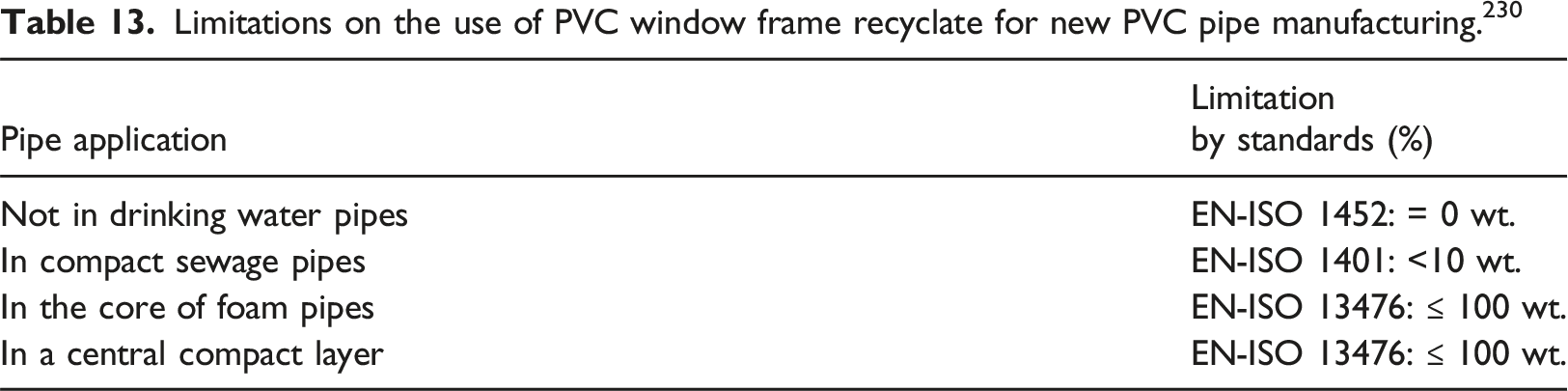
Limitations on the use of PVC window frame recyclate for new PVC pipe manufacturing. 230
Sombatsompop et al.
151
conducted a study that was comparable to that of Fumire et al.,
230
in which the effect of increased PVC pipe recyclate content on the rheological, mechanical, and thermal properties of the two PVC virgin grades was investigated. The melt shear stress and flow index of both grades increased upon adding PVC recyclate. The die swell ratio was not affected by the PVC recyclate loading; however, because of the PVC gelation feature, a change was noted at the highest reaction temperature (210
Landfilling
It is important to consider the fact that even the PVC solid items comprised of recycled elastomeric and/or polymeric material eventually become waste. Generally, PVC can be disposed of in sanitary landfills in any kind of waste setting (i.e., homogeneous PVC waste stream, PVC-rich plastic waste alone or mixed with non-polymeric waste materials, etc.). 232 The landfills are also the least expensive gatekeepers since they can manage PVC waste as part of ordinary municipal solid waste, saving money on costly collection, separation, and/or pre-treatment procedures.14,15,199 It is evident that the high expenses associated with repurposing and the low expenses associated with landfilling are impeding the development of recycling methods for PVC waste while fostering its disposal in landfills. 15 The only costs, which are often minimal, associated with landfilling PVC waste are those of shredding and transportation to the landfills. Furthermore, waste generated by PVC waste chemical recycling—particularly that which comes from incineration, e.g., contaminated fly ash, salts, flue gas cleaning residue, etc.—often finds its way to landfills.11,15,140,157,233 This forms a fraction of PVC waste, in addition to hospital PVC-rich plastic waste, that is considerably expensive to recycle, regardless of how the PVC recovery process is structured.14,234 Regulated landfilling emerges as a solution when repurposing such a fraction is not feasible or affordable. Nonetheless, the major concern regarding landfilling has always been whether or not it is an appropriate solution for managing PVC solid waste items.
Nowadays, landfills and deposited waste must adhere to stricter regulations pertaining to the protection of the environment and public health from solid waste pollution. Although landfilling has historically been the least expensive option for managing PVC waste when compared to any recycling approach, it is now becoming more and more difficult and costly, especially for countries with high population densities.156,199 As the quantity and capacity of sites rapidly decrease, landfill regulations are becoming more stringent.15,157,199 Accordingly, landfilling is the least desirable choice in the PVC waste management hierarchy (in terms of environment-harming options) since PVC generally does not readily degrade under anaerobic conditions and it poses risks to the environment by its chlorine constituent.14,148,149,220,235 It is worth highlighting, however, that this hierarchy differs by country, with some preferring energy recovery over landfilling and others favouring landfilling over energy recovery.14,17 Additionally, leachate—a liquid that percolates through PVC waste and collects small, dissolved toxic compounds (organotin, organochloride, phthalic, and dioxin compounds)—can contaminate nearby land or water supplies, which is why large landfills these days need thick, wide liners.199,232,236 As a result, several countries have passed laws prohibiting the disposal of untreated (i.e., raw) waste, which includes non-biodegradable items like plastic. 199 To date, however, there is no conclusive evidence to justify a ban on PVC waste landfilling; for example, there was hardly any indication of stabilizers’ organotin and phthalic compounds release from the PVC items in the landfill simulation assays (leachate) studied by Mersiowsky. 232 Also, nothing indicated a state of deterioration, PVC was not the source of vinyl chloride, and no solute or volatile chlorinated gases or compounds were released when these PVC landfill experimental assays were carried out. These compounds were rather believed to originate from various landfill conditions and other sources (than PVC items) via intricate processes occurring within the landfill body.232,237 Therefore, unless they are subject to extra recovery targets, PVC wastes are expected to continue being disposed of in landfills, especially in countries where no significant limits on landfilling beyond those mandated by the Landfill Directive are proposed.14,199,232
There is a great deal of variety throughout countries in terms of the level of PVC waste recycling advancement, the impact of other planned solutions for this type of waste, and its landfilling. 199 That being said, it remains unclear how particular national landfilling regulations are influencing PVC waste streams’ method of disposal as landfilling continues to be a cost-effective alternative to managing PVC waste, despite public debate regarding the fate and prospective environmental effects of PVC items as well as their additives and long-term behaviours.14,157,232 PVC waste landfilling is seen primarily in least-developed and developing countries, where recycling accounts for <1% of total plastic waste is generated, as it is comparatively more costly than landfilling.11,197,238 Because these countries lack both the infrastructure necessary for energy recovery and the domestic recycling capabilities, they are exempt from landfilling regulations. 157 These countries also rely on landfilling because it is affordable and suitable for all waste streams, without requiring any special equipment. 157
Conclusion
Polyvinyl chloride (PVC) is typically acknowledged for its various applications in different industries due to its versatility, durability, and cost-effectiveness. Given how important it is in the modern world—from building to healthcare materials—its significance cannot be underestimated. Its prominence has not just dominated the plastic sector recently; rather, for many years, its manufacturing and consumption-based market has been expanding rapidly worldwide. It is anticipated that this trend will continue, especially due to the competition that exists between multiple regions and entities concerning PVC product quality, demand, cost, trade, innovation, and market presence. Consequently, one may anticipate an upsurge in the challenges involved in managing the overall plastic solid waste. Although PVC solid waste repurposing has become a crucial ecological and economic priority due to the need to lessen the negative effects plastic wastes have on the environment, this waste management approach is not developing as rapidly as it should be due to the high expenses associated with it compared to landfilling. However, because PVC does not decompose easily in anaerobic environments and contains chlorine, which could be hazardous to the environment, stricter regulations have been established to prevent landfilling of PVC solid waste. This has incentivized scholars to explore repurposing methods that are not only effective but also compliant with these regulations, which are primarily grounded on economic viability and environmental preservation. These include mechanical (primary and secondary) recycling, chemical recycling, energy recovery, and blending methods, though chemical recycling and energy recovery processes have environmental consequences similar to landfilling. In addition to resulting secondary pollution that is harmful to lifeforms, these processes are expensive because of their high energy consumption, especially if a specialized rector is used over a cement kiln. On the other hand, the mechanical (secondary) recycling approach generates PVC recyclate with inferior properties and thus is considered an energy waster because of the lack of this recyclate’s applicability. Nevertheless, blended with other materials, PVC recyclates have found widespread applications in various areas, such as lightweight building blocks, cementitious and bituminous products, electrical fittings, ultrafiltration membranes, pyrolytic products, etc. Moreover, the blending approach improves the usability of PVC recyclate as its mechanical, thermal, and electrical properties can be rehabilitated by blending it with a particular virgin or recycled polymer or elastomer, usually in the presence of a compatibilizer. In addition to being inexpensive, this approach can also manage both homogeneous and heterogeneous PVC solid waste streams and thus is perceived as a promising option for recycling PVC solid waste, as sorting—which is typically required by primary recycling approaches—adds expenses to the overall recycling operations.
Footnotes
Declaration of conflicting interests
The authors declared no potential conflicts of interest concerning the research, authorship, and/or publication of this article.
Funding
The author(s) disclosed receipt of the following financial support for the research, authorship, and/or publication of this article: This work was financially supported by the National Research Foundation [Grant number PSTD2204082754].
