



Abstract
The plea bargain is now the most frequent mode of conviction in many countries, yet several problems have been highlighted, such as loss of rights, enhanced sentencing disparities or increased false confessions. A central element to many of the issues is the sentence discount obtained by pleading or the penalty associated with going to trial. However, outside the United States and the United Kingdom, there have been few attempts to analyse plea-trial disparities, and in Spain research is almost non-existent. To help fill this gap, the present article provides the first quantitative examination of plea discounts and trial penalties in Spain. Regression models, covariate balancing propensity score and counterfactuals are estimated to show that, in comparison to going to trial, agreeing to a plea in the initial stage of the process is associated with shorter sentences and, more importantly, the results demonstrate that the probability of entering prison is significantly greater for those convicted at trial compared to both plea types analysed. In addition, evidence of concerning inequalities is found between Spanish nationals and foreigners. The findings indicate courtroom actors may be working conjointly to expedite the criminal process and we discuss the implications of this in relation to the fundamental principles of criminal justice systems, such as proportionality, equality and the presumption of innocence.
Keywords
Introduction
The use of plea bargaining as a trial avoiding mechanism is now extensive in many jurisdictions around the globe (Langer, 2021). In theory, plea bargains can benefit all actors involved in the criminal process: On the one hand, prosecutors, judges and the criminal justice system ensure convictions while avoiding overloading the system and overextending scarce resources with lengthy trials; on the other hand, the defendant admits guilt and therefore receives a more lenient sentence (Johnson, 2019; Smith, 1986).
However, the expansion of plea bargaining has come under considerable scrutiny and many potential issues have been noted. Firstly, trials afford defendants’ rights that may be forfeited when admitting guilt and agreeing to a plea bargain (Roberts and Bradford, 2015; Yan, 2020). For instance, defendants waive significant rights provided for in the European Convention of Human Rights, such as ‘the right to a public hearing, the right to provide evidence, and the presumption of innocence’ (Helm, 2019: 424), and due process might not be followed during plea deals (Fair Trials, 2017). Secondly, the extensive use of plea bargains places considerable discretionary power over punishment decisions in the hands of prosecutors, who are subject to limited oversight and accountability (Davis, 2005; Reinganum, 1988; Shermer and Johnson, 2010). Thirdly, one of the most common explanations for the growth of plea bargaining is that it serves to improve the efficiency or administrative capacity of overextended criminal justice systems (Langer, 2021; Ulmer and Bradley, 2006). The widening nets of criminal justice systems cannot process the resulting high volume of cases and, thus, plea bargaining helps the system avoid more substantial reform (Varona and Kemp, 2020). Fourthly, and of particular concern, studies have documented that the incentive to accept a plea, in other words, the fear of a harsher sentence at trial, has been used to coerce innocent defendants into guilty pleas (Cooper et al., 2019; Zottoli et al., 2016). Fifthly, it has been noted that when plea bargains are afforded in a biased manner by prosecutors or when certain collectives are less likely to plead, for example due to lower trust in the justice system, sentencing disparities are exacerbated for minority groups (Davis, 2009; Johnson, 2019; Metcalfe and Chiricos, 2018). Finally, there is still widespread debate on the magnitude of plea discounts or trial penalties, in other words, what the size and shape of the benefit is for pleading guilty or the penalty for not doing so. Some authors suggest there is clear empirical evidence that defendants who plead guilty receive more lenient sentences (Johnson, 2019; Lehmann, 2021; Yan and Bushway, 2018), while others conclude that findings can be more mixed (Langer, 2021; Ulmer and Bradley, 2006). Importantly, this final issue is related to the previous five: does waiving trial rights and aiding an overloaded criminal justice system really entail sufficient benefit for the convicted person? Do public prosecutors wield their plea-based discretion in a manner that mainly penalizes certain groups and, therefore, aggravates social inequality? Is the penalty for going to trial so great in comparison to pleading that an innocent person may feel forced to admit to crimes they did not commit? Answering these questions and understanding the disparities associated with guilty pleas is of great relevance to scholars, policymakers and practitioners interested in the criminal sentencing process (Roberts and Bradford, 2015).
As in other jurisdictions, plea bargaining as a means to end the criminal process is frequent in the Spanish criminal justice system. According to the State Public Prosecutor's Annual Report for 2020, approximately 63% of proceedings in Spanish criminal courts terminate in this manner (Fiscalía General del Estado, 2021), making plea bargaining a central element to the justice system. Nevertheless, there is a distinct lack of research on plea discounts or trial penalties in Spain. Varona and Kemp (2020) identified a relationship between pleading guilty and receiving a suspended sentence, but beyond this it is unclear if a plea discount or trial penalty exists, what size and form it may take, or whether it is more likely to impact individuals with certain demographic characteristics or criminal histories. Langer (2021) provided an overview of empirical plea-bargaining research from many countries around the globe, but Spain was a notable absentee from the analysis. As the fourth most populous country in the European Union, Spain should participate in and contribute to European and global criminological debates regarding sentencing and plea bargaining. To this end, the present article employs several quantitative techniques previously applied in international sentencing literature to determine whether a plea discount or a trial penalty exists in the Spanish criminal justice system, and if so, to analyse the magnitude of the benefit as well as identify the basic characteristics of the defendant and the case associated with a more lenient sentence.
Overview of extant literature on ‘plea discounts’ or ‘trial penalties’
Empirical research on plea bargaining has expanded in recent decades, mainly in the United States, where one of the central considerations has been whether defendants who agree to a plea bargain enjoy better case outcomes than those who go to trial. In this regard, many studies have identified more lenient sentences for those convicted via plea agreement (Johnson, 2019; Lehmann, 2021; Smith, 1986; Ulmer et al., 2010; Ulmer and Bradley, 2006; Wu, 2020; Yan, 2020). There has also been extensive debate over whether these plea-trial disparities constitute a ‘plea discount’ or a ‘trial penalty’ (Grunwald, 2021), with scholars recently concluding that this should depend on what is the norm or default option (Johnson, 2019; Yan and Bushway, 2018). However, while most studies conclude that going to trial results in more severe punishment, some research has found evidence that this is not the case and other studies note the importance of considering the magnitude (Abrams, 2011; Yan, 2019).
Several factors have been highlighted as relevant to the size and nature of plea discounts. For instance, the penalty for going to trial can increase as the severity of the crime increases (Lehmann, 2021; Ulmer et al., 2010; Ulmer and Bradley, 2006) or the absence of a criminal record may influence the magnitude of the benefit for pleading guilty (Smith, 1986; Kramer and Ulmer, 2009; Ulmer et al., 2010; Ulmer and Bradley, 2006; Wu, 2020). Disparities have also been identified along racial lines, with some studies finding black people obtain less value for their pleas (Johnson and Hernandez, 2021; Metcalfe and Chiricos, 2018; Smith, 1986). Finally, the stage of the criminal process when the defendant enters the plea can impact the size of the discount, as early pleas have been associated with greater reductions in sentencing in the UK (Pina-Sánchez et al., 2020; Roberts and Bradford, 2015).
One of the most influential theoretical frameworks for explaining plea discounts argues that the probability of conviction at trial and the likely sentencing outcome influence the decision-making of the participants in the criminal process (Bushway et al., 2014; Bushway and Redlich, 2012; Landes, 1971). According to this ‘shadow of the trial’ framework, the accused are rational actors that will agree to a plea deal when the associated sentence is lower than the expected sentence at trial multiplied by the probability of conviction at trial. Similarly, prosecutors and lawyers are also assumed to be rational and will offer a discount for pleading based on the same calculation. However, Bushway and Redlich (2012) conclude that plea bargaining does not seem to take place in the shadow of trial, while Bushway et al. (2014) found contrasting behaviour depending on the actor: judges did not make decisions in line with the shadow model, but prosecutors and defence lawyers did act in a manner consistent with the framework.
In the context of limited empirical support for the shadow model, it has also been underscored that, in reality, the trial is not the default ending to criminal processes in many jurisdictions (including Spain), meaning that, contrary to the shadow of the trial framework, plea-trial disparities should not be conceived as a discount for pleading but, rather, a penalty for going to trial (Yan and Bushway, 2018). In addition to this problematic default assumption in the shadow model, studies also highlight the bounded rationality of courtroom actors and the importance of courtroom norms regarding judicial decision-making (Bibas, 2004). In this sense, because participants in the criminal process have imperfect information or are influenced by the court community culture they do not base their behaviour on a simple predicted outcome model. The conceptualisation of court community norms and objectives as a framework to understand plea bargaining has been more widely adopted in criminology than the shadow of the trial model. Courtrooms have been described as social worlds and one of the main goals that courtroom actors commonly work together to achieve is efficient processing of cases to avoid overloading the courts (Bushway et al., 2014; Johnson, 2019; Ulmer, 1997). Thus, going to trial receives harsher punishment because it impedes this goal. This may explain why plea agreements earlier in the sentencing process have been found to obtain the best sentence outcomes.
Importantly, trials and plea bargains represent distinct punishment processes in which different factors may explain the sentence outcome; therefore, deciding on the norm is relevant to the estimation of the magnitude of disparities (Johnson, 2019; Yan and Bushway, 2018). Yan and Bushway (2018) conclude that analysing pleas and trials separately by estimating both plea discount and trial penalty counterfactuals can help understand the competing frameworks described above as well as the extent to which the magnitude of plea-trial disparities depends on the default.
Plea bargaining in Spain
The Spanish legal system allows for two main types of plea bargain in the criminal process. On the one hand, in a ‘rewarded’ plea bargain (Conformidad premiada in Spanish) the defendant accepts the charges presented by the public prosecutor at the preliminary stage of the criminal process and is, therefore, ‘rewarded’ with a reduction of up to one third in the minimum punishment provided for in the Spanish Criminal Code. Rewarded plea bargains are only possible for offences punishable by up to three years’ imprisonment, a fine of any amount, or other types of punishments that do not exceed 10 years. They are applied in cases that do not require complex investigations (e.g. traffic offences or offences where the accused has been arrested at the time of the offence), they can only take place during ‘express trials’ 1 and are conditional on the suspect accepting the charges in the preliminary court that receives the police report. In the Spanish criminal process, these preliminary courts (Juzgados de Guardia in Spanish) receive complaints or police reports and undertake the first steps to investigate the potential criminal activity (e.g., by taking statements from suspects and victims). These courts can only hand down sentences in cases in which a rewarded plea bargain is agreed. If the accused party does not accept the charges presented by the public prosecutor in the preliminary courts, the criminal process moves to the next stage in the criminal courts, where rewarded plea bargains are no longer possible. Herein lies the supposed incentive to accept a rewarded plea bargain: the accused party is ‘rewarded’ for accepting the charges during this initial stage of the criminal proceedings with a lesser punishment (reduction of up to one third) than that established by criminal law.
On the other hand, if the defendant does not accept the plea offer at the preliminary stage of the criminal process and decides to proceed to trial, or in cases in which a rewarded plea is not possible, it is still possible for them to agree to a plea bargain up to and including the day of the trial. In fact, on the day of the trial, before the trial takes place, the prosecution and the defence commonly meet and discuss the possibility of a plea agreement. In contrast to rewarded plea bargains, plea agreements after the preliminary stage of the criminal process cannot result in a specific reduction in the punishment provided for in the Criminal Code, but the parties involved can negotiate a reduced sentence based on mitigating circumstances or ‘charge incentives’, which refer to the public prosecutor's ability to reduce or change the initial charges brought against the defendant in order to incentivize a plea bargain.
The present study
The extant international literature on plea bargaining has shown that there is frequently a more lenient sentence when the accused party accepts a plea. As previously noted, in Spain there have been no attempts to extensively analyse and quantify any potential penalty for going to trial, which hinders debate on the issues linked to plea bargaining. Thus, the present paper aims to help fill this research gap and respond to the main question of whether agreeing to a plea bargain is associated with a more lenient sentence in Spain and, more specifically, whether offenders convicted via a plea bargain receive a shorter prison sentence and/or are less likely to enter prison. In addition, given the potential importance of efficiency in the Spanish courtroom community (Varona, 2019), we examine whether early pleas (rewarded pleas) that most expedite the sentencing process are associated with more lenient sentences than plea agreements later in the process. Finally, in line with the theoretical framework that conceives courtrooms as ‘social worlds’ (Ulmer, 1997), we examine whether the prosecutor and the judge are working together to achieve expeditious case processing. These questions are formulated into the following hypotheses:
H1 Offenders convicted via a plea bargain receive a shorter prison sentence than those convicted at trial
H2 Offenders convicted via a plea bargain are less likely to be imprisoned than those convicted at trial
H3 Plea agreements earlier in the process receive more lenient sentences than plea agreements later in the process
H4 The public prosecutor is more likely to support suspension of the prison sentence when the offender agrees to a plea bargain
H5 Suspended sentences are more likely when supported by the public prosecutor
Sample and variables
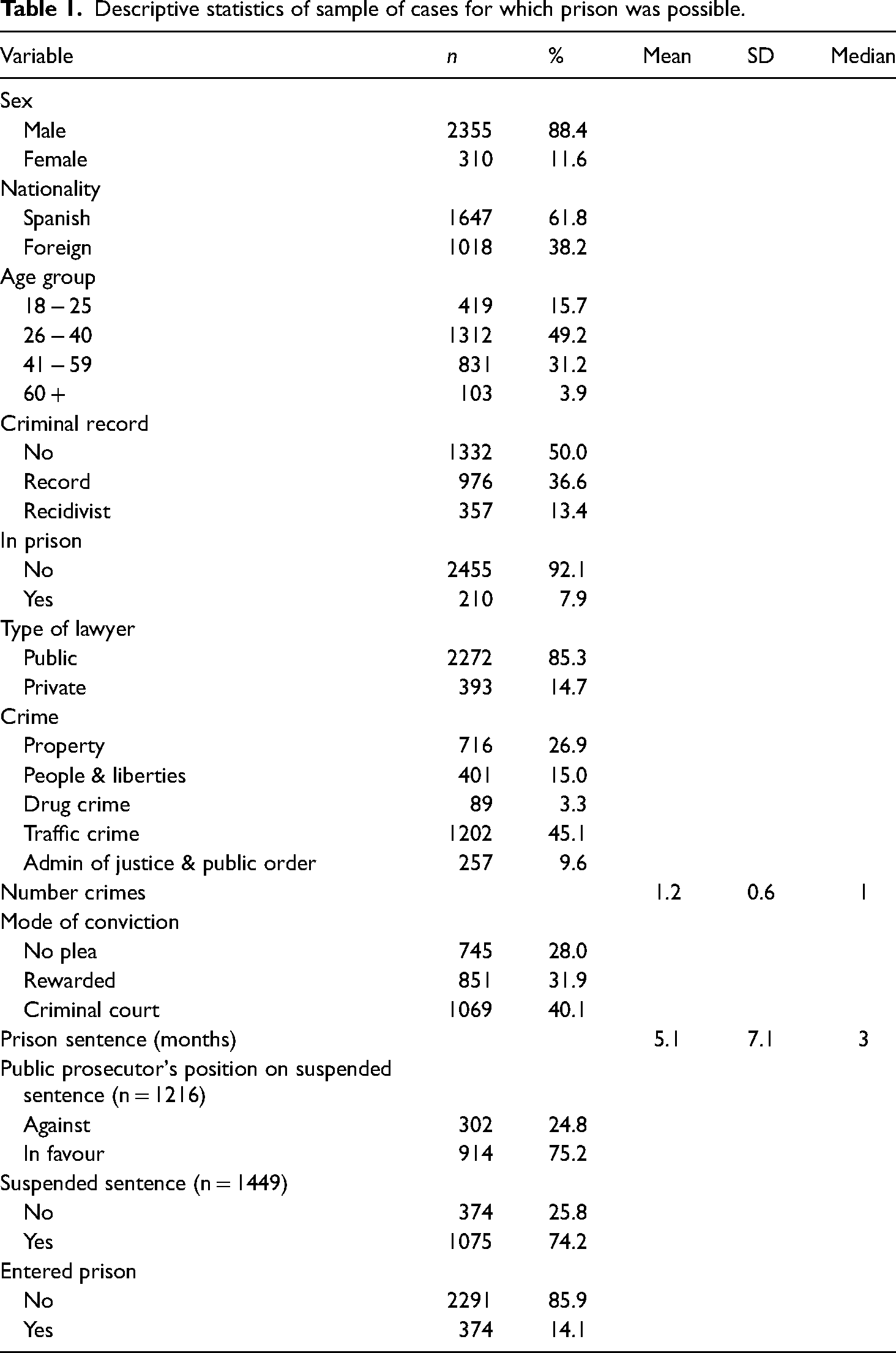
The original sample for the present study consisted of 2959 criminally convicted persons obtained via randomly selected sentence case files from the criminal courts 2 in the provinces of Girona and Barcelona, Catalonia, for the first semester of the years 2015 and 2016. Cases files were accessed in the courthouses by researchers from the team and were selected from the universe of files by a random number generator. Using a data extraction form, information was then collected from the selected files and coded by the researchers. To test the aforementioned hypotheses, the main sample was broken down into a subsample of all the cases in which a prison sentence would be possible in accordance with the Spanish Criminal Code (n = 2665) 3 .
The following variables were extracted from the case files based on availability and the extant literature on plea bargaining: sex, age, nationality, whether the individual was in prison during the criminal process, type of lawyer, criminal record, type of crime committed, number of crimes committed in each case, prison sentence imposed (in months), whether the public prosecutor supports suspension of the prison sentence, whether the prison sentence was suspended, and the mode of conviction. To facilitate the analysis, the type of crime is divided approximately into the sections of the Spanish criminal code that refer to property crimes, crimes against people and liberties, drug crimes, traffic crimes, and crimes against the administration of justice and public order. 4 The criminal record variable is comprised of three categories: no criminal record, criminal record but not recidivist, and recidivist. 5 The mode of conviction refers to whether the individual did not plea guilty, they agreed to a ‘rewarded’ plea deal in the preliminary court, or they accepted a plea deal later in the criminal court. Regarding the suspended sentence variable, the Spanish criminal code allows for prison sentences of no more than two years to be suspended. The convicted person does not actually enter prison and is granted a probationary period when the execution of the prison sentence is considered unnecessary to prevent the commission of new crimes 6 .
Finally, a binary variable for whether the sentenced person ultimately entered prison was calculated by combining people not sentenced to prison with those who were sentenced to prison but imprisonment was suspended, in comparison to those who entered prison. Table 1 provides the descriptive statistics for this sample of cases for which prison was a possibility.
Descriptive statistics of sample of cases for which prison was possible.
To visualise the potential relationship between plea bargaining and the resulting prison sentence, Figure 1 plots the means and standard errors for the prison sentence imposed by the judge. As can be observed, the mean length of the prison sentence in months is considerably lower in cases with rewarded pleas (0.8 months) compared to those with no plea (7.5 months) or pleas that take place in the criminal courts (6.9 months).
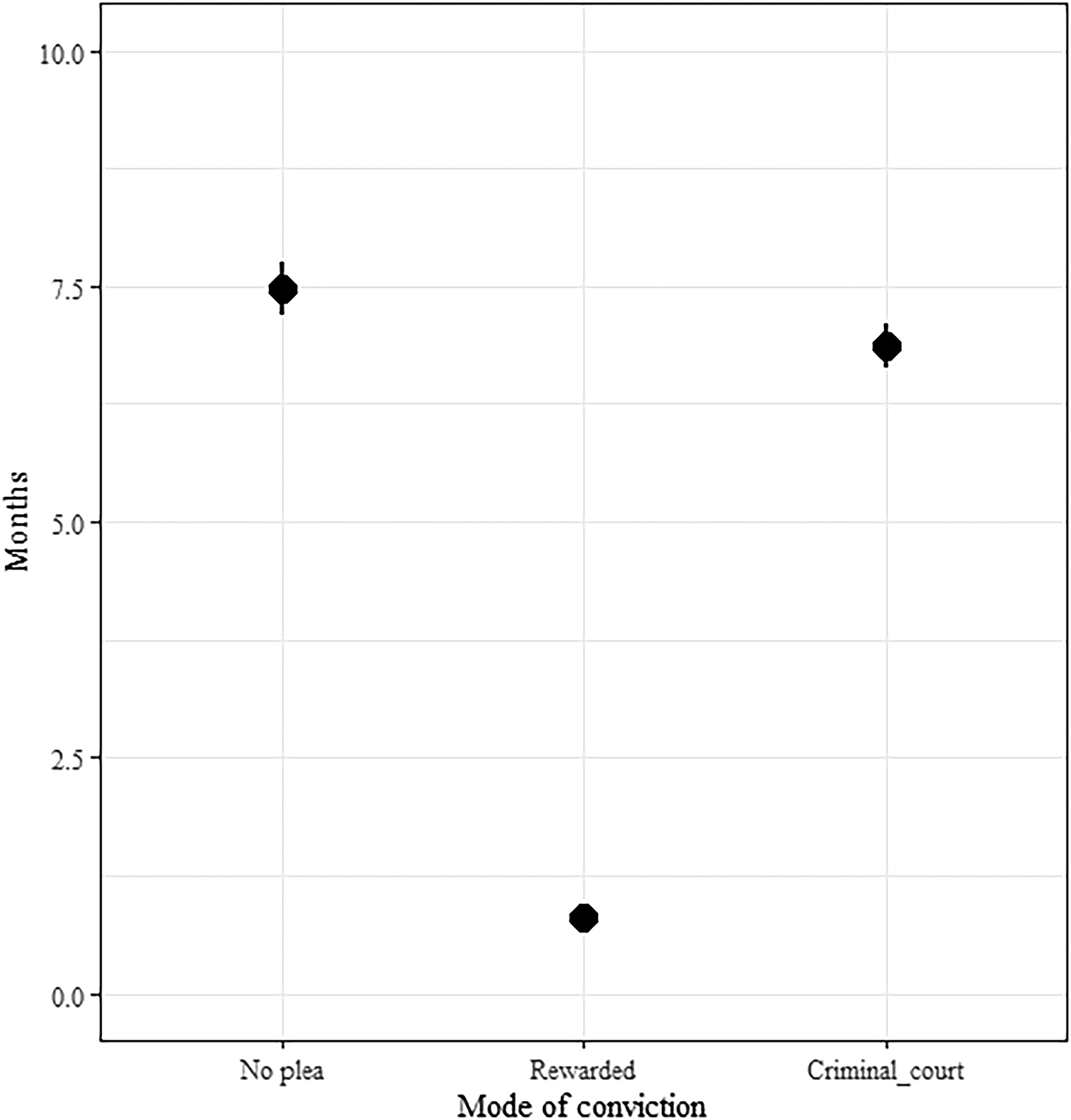
Mean sentence length in months by mode of conviction.
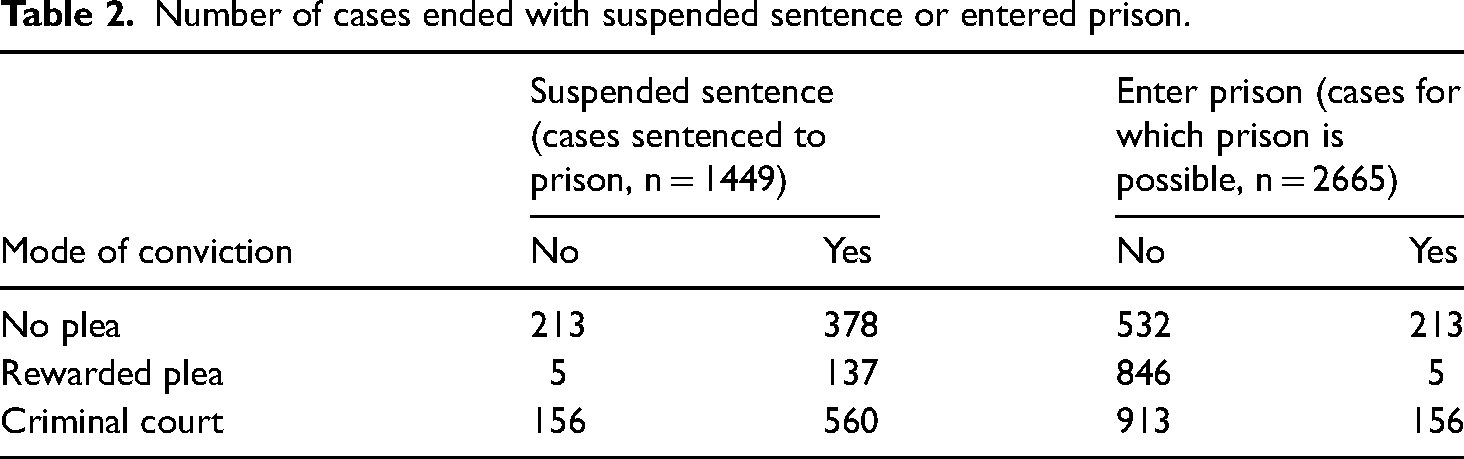
Table 2 displays the descriptive statistics for receiving a suspended sentence or entering prison by mode of conviction. This overview indicates that in cases resolved via a rewarded plea bargain, prison is almost always suspended and rarely ends in effectively entering prison. Pleas negotiated in the criminal court also appear more likely to result in a suspended sentence and less likely to end in imprisonment than going to trial.
Number of cases ended with suspended sentence or entered prison.
Analytic strategy
To test the hypotheses, we implemented a threefold strategy of 1) multiple regressions, 2) covariate balancing propensity score and 3) counterfactuals. Research on sentencing in non-US jurisdictions has often been characterised by a ‘smaller set of research methodologies and tools’ (Langer, 2021: 7); thus, we aimed to complement the regression techniques that have typically been used outside the United States with balancing methods and the estimation of counterfactuals.
Regarding our first analytic strategy, we estimated three multiple regression models for the outcome variables prison sentence length, entering prison, and suspended sentence. The first two models were fitted on the sample of cases for which prison was a possibility and the third model was estimated on the subsample of offenders sentenced to prison. The main explanatory variable of interest in all three models was the mode of conviction, but we also controlled for the legal and extra-legal factors detailed in the previous section.
The numerical sentence length variable is skewed and, in line with other research on sentencing (e.g. Pina-Sánchez and Linacre, 2014; Ulmer and Bradley, 2006), was transformed to limit the influence of extreme observations and the potential non-normal distribution of the regression residuals. Given there are observations with a value of zero for this variable, a log(x + 1) transformation was performed.
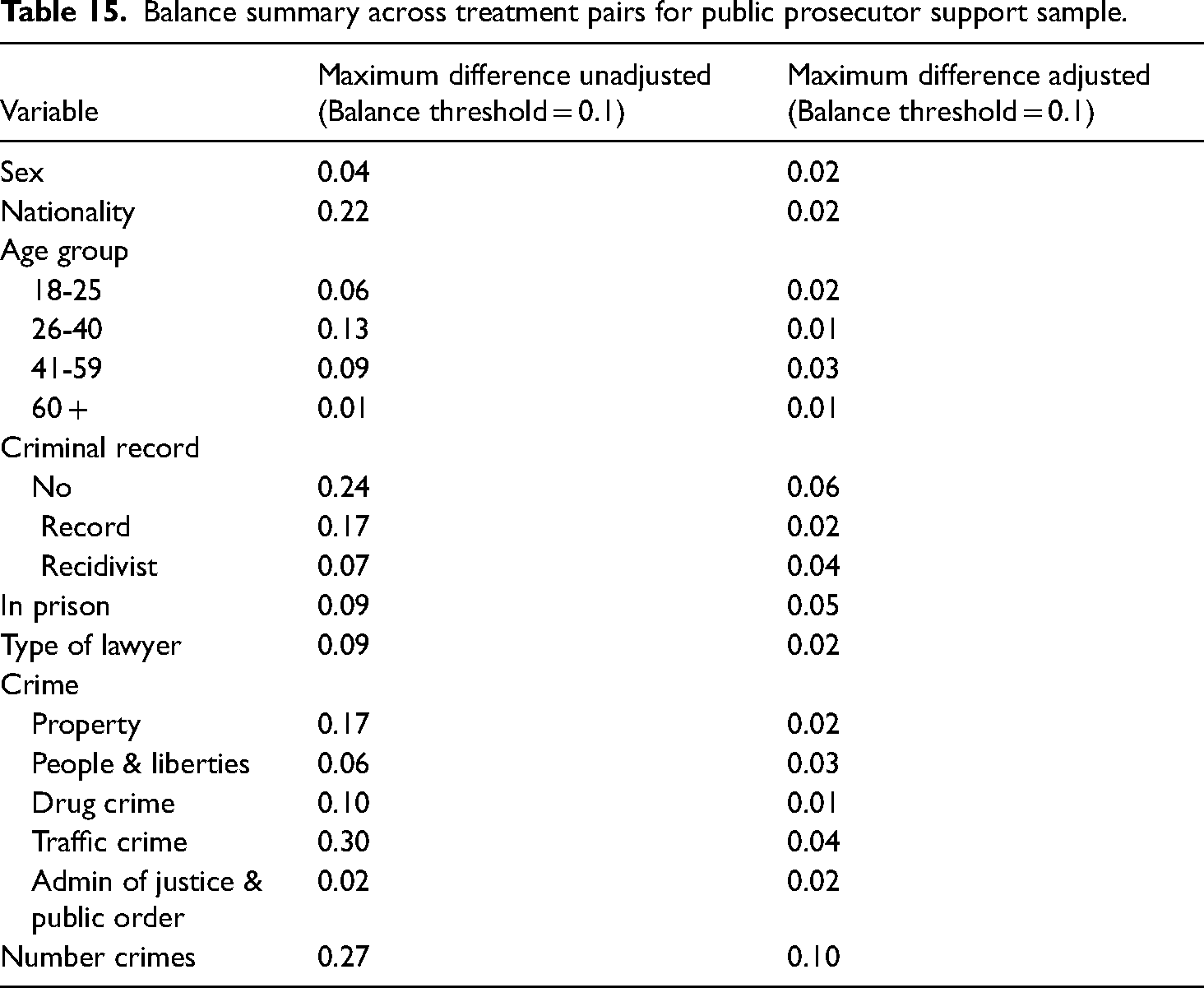
The main limitation of the traditional regression models described above is that cases that plead may be fundamentally different from those that do not. Thus, to control for potential differences between the three mode of conviction groups, we implemented a second analytic strategy in which the covariates were balanced between treatment and control groups via covariate balancing propensity score (CBPS) (Imai and Ratkovic, 2014). In the present study, the treatment and control groups are the mode of conviction. After balancing, the relationships between mode of conviction and prison sentence length, entering prison, suspended sentence, and the public prosecutor's support for suspending prison were then estimated on the weighted samples. This method allows more robust conclusions than solely using unweighted multiple regressions. Covariate balancing propensity score creates synthetic treatment and control groups in observational studies by maximising the covariate balance as well as the conditional probability of treatment assignment (Imai and Ratkovic, 2014). In this study, CBPS was preferred to other techniques found in sentencing studies, such as propensity score matching or entropy balancing, because it achieved adequate balance and retained a larger effective sample size than the other methods. Effective sample sizes and before and after balancing statistics can be found in Appendix 1. All data preparation and analysis was conducted in R Statistical Software (R Core Team, 2021). CBPS was estimated using the WeighIt (Greifer, 2021) and CBPS (Fong et al., 2021) R packages.
The third technique herein involved the estimation of counterfactual sentences, which several studies on plea discounts have highlighted as one of the most suitable strategies for analysing potential plea reductions (e.g., Bushway and Redlich, 2012; Johnson and Larroulet, 2019; Piehl and Bushway, 2007; Smith, 1986; Yan, 2020). We followed the method set out in Yan and Bushway (2018) and provide an overview below of its application in the present study, but we refer the reader to that paper and the others mentioned in the previous sentence for further technical details.
In the present study, with respect to sentence length in months, we first estimated a multiple linear regression model on a subsample of all people sentenced at trial to explain the outcome variable. Secondly, two similar models were fitted on subsamples of those who were convicted via a rewarded plea bargain and those convicted via a plea bargain in the criminal court. Subsequently, the coefficients from the trial model were used to predict a counterfactual prison sentence in the rewarded plea cases and criminal court plea cases. In other words, to predict what the sentence would have been if the offenders that pleaded had gone to trial. And vice versa: the coefficients from the models estimated on the rewarded plea and the criminal court plea subsamples were employed to make two counterfactual predictions for cases convicted at trial. That is to say, to predict what the sentence would have been for offenders convicted at trial if they had agreed to a plea bargain in the preliminary courts or in the criminal courts. For each individual observation we subtracted the predicted sentence from the actual sentence to determine the difference between the two values. Finally, we calculated the mean difference between the predicted and actual sentences to identify whether there is evidence of a trial penalty or a plea discount. Ninety-five percent confidence intervals were also estimated for the predicted sentences to provide more robust results.
This method allows us to estimate plea discounts based on the coefficients of the trial model and trial penalties from the coefficients of the plea models, as recommended by Yan and Bushway (2018), since trials and pleas represent two different sentence generating processes. Yan (2020) notes that this counterfactual method may not generate genuine counterfactuals but is still a useful modelling strategy given the data on sentencing that is typically available. Moreover, it was employed herein to complement the other strategies without transforming the outcome variable, thereby providing an estimation of the plea discount or trial penalty in terms of months of imprisonment imposed at sentence.
Results
Prison sentence length
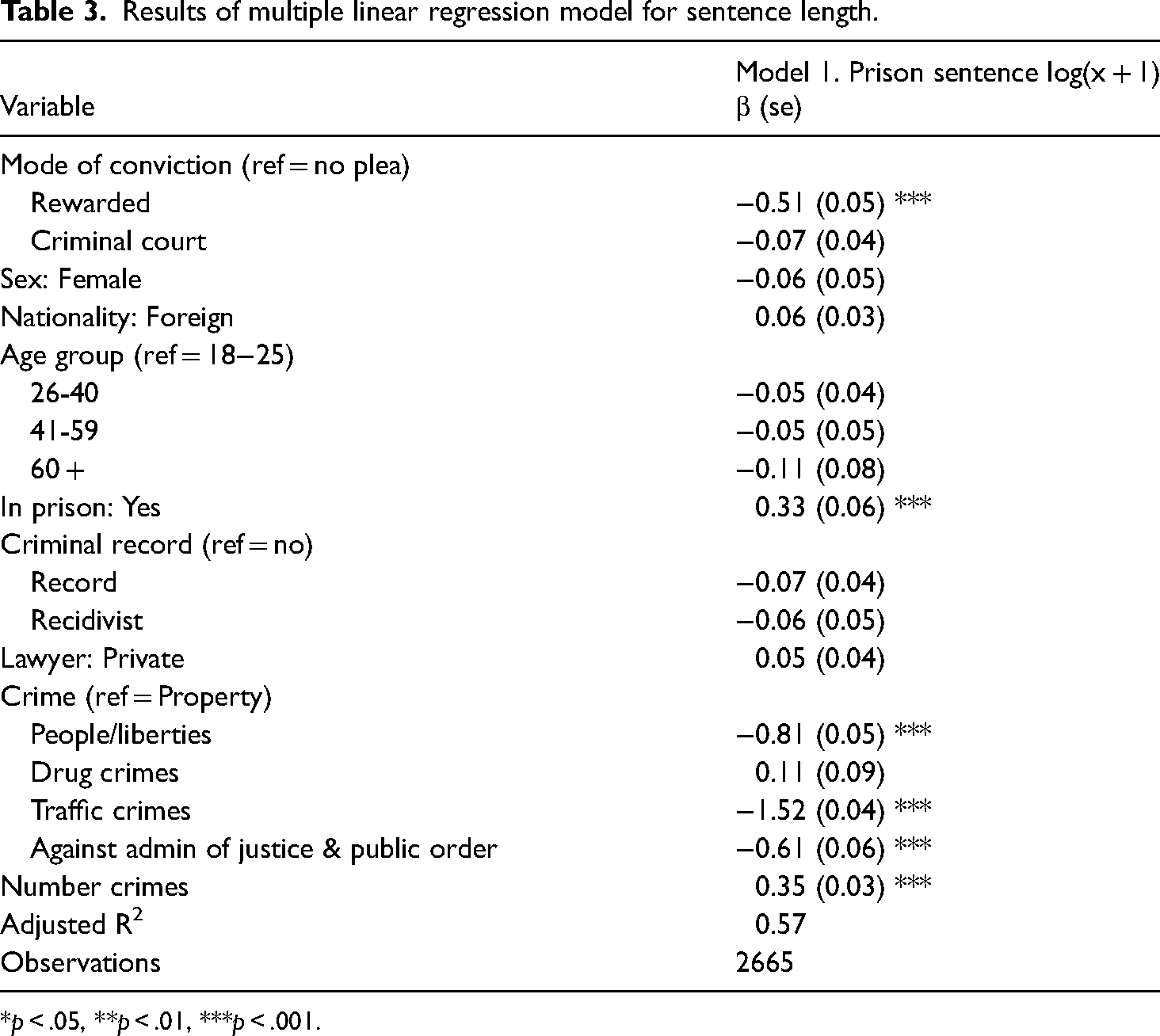
We begin by examining the relationship between mode of conviction and the sentence length (log(x ± 1)). As can be observed in Table 3, regarding the prison sentence length, rewarded pleas are associated with shorter sentences than going to trial after controlling for the legal and extra-legal covariates. However, we find no evidence of an association between sentence length and guilty pleas in the criminal court in comparison to no plea. With respect to the characteristics of the offender, our results show sex, nationality and age are not associated with the length of the prison sentence. Having a criminal record or being a recidivist is also not found to be associated with the outcome variable, but there is evidence that offenders in prison during the criminal process receive longer sentences when holding the other variables constant. Model 1 also indicates the type of crime is relevant, as all crime types, except drug crimes, are associated with shorter sentences in comparison to the reference category of property crimes. This may be explained by the fact the criminal courts only try crimes that can be punished with up to five years imprisonment, meaning our analysis does not include the most serious crimes from other crime groups, such as homicide or rape, that would typically receive harsher sentences than property crimes. Finally, the results find that cases involving higher numbers of crimes tend to receive longer sentences.
Results of multiple linear regression model for sentence length.
*p < .05, **p < .01, ***p < .001.
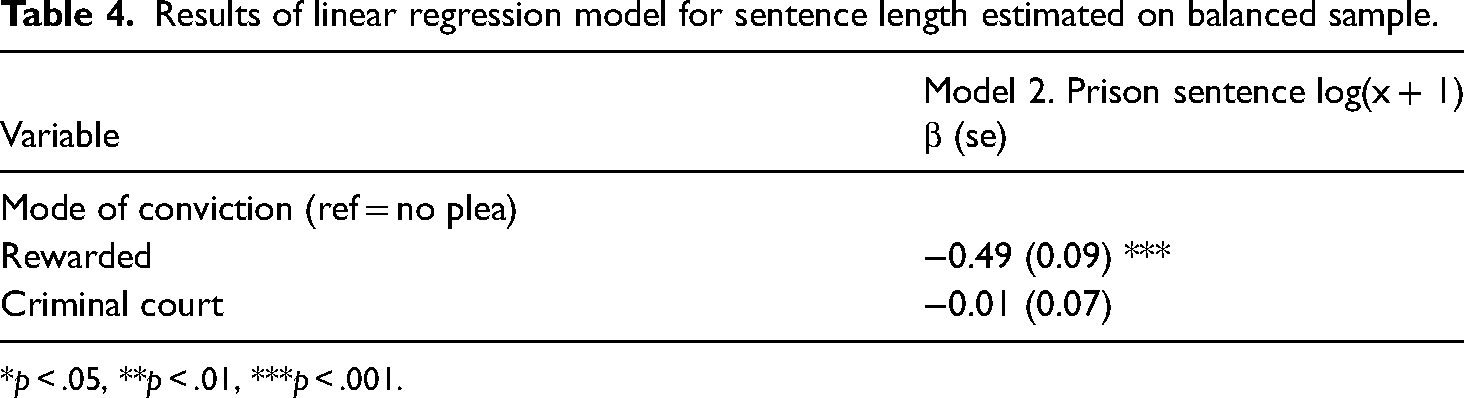
With the aim of overcoming the non-random observational nature of the data, covariate balancing propensity score was performed to balance the three mode of conviction groups. Subsequently, the balanced sample was used to estimate a linear regression model for the sentence length outcome variable. The results for Model 2 can be found in Table 4 and support the conclusions from the previous model on the unweighted sample: on the one hand, sentences are shorter in cases convicted by a rewarded plea in comparison to those that go to trial; on the other hand, there is no statistical association between pleas in the criminal court and the length of the sentence imposed by the judge.
Results of linear regression model for sentence length estimated on balanced sample.
*p < .05, **p < .01, ***p < .001.
Counterfactual prison sentence length
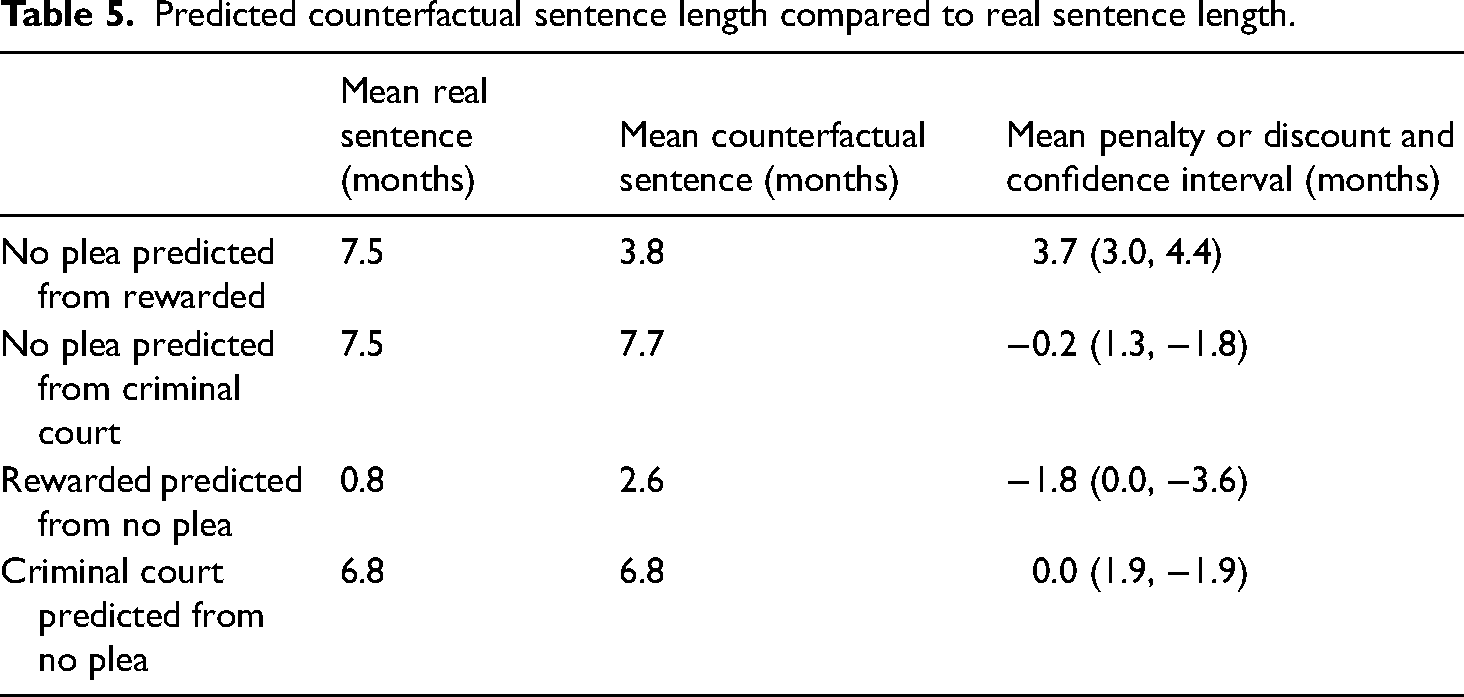
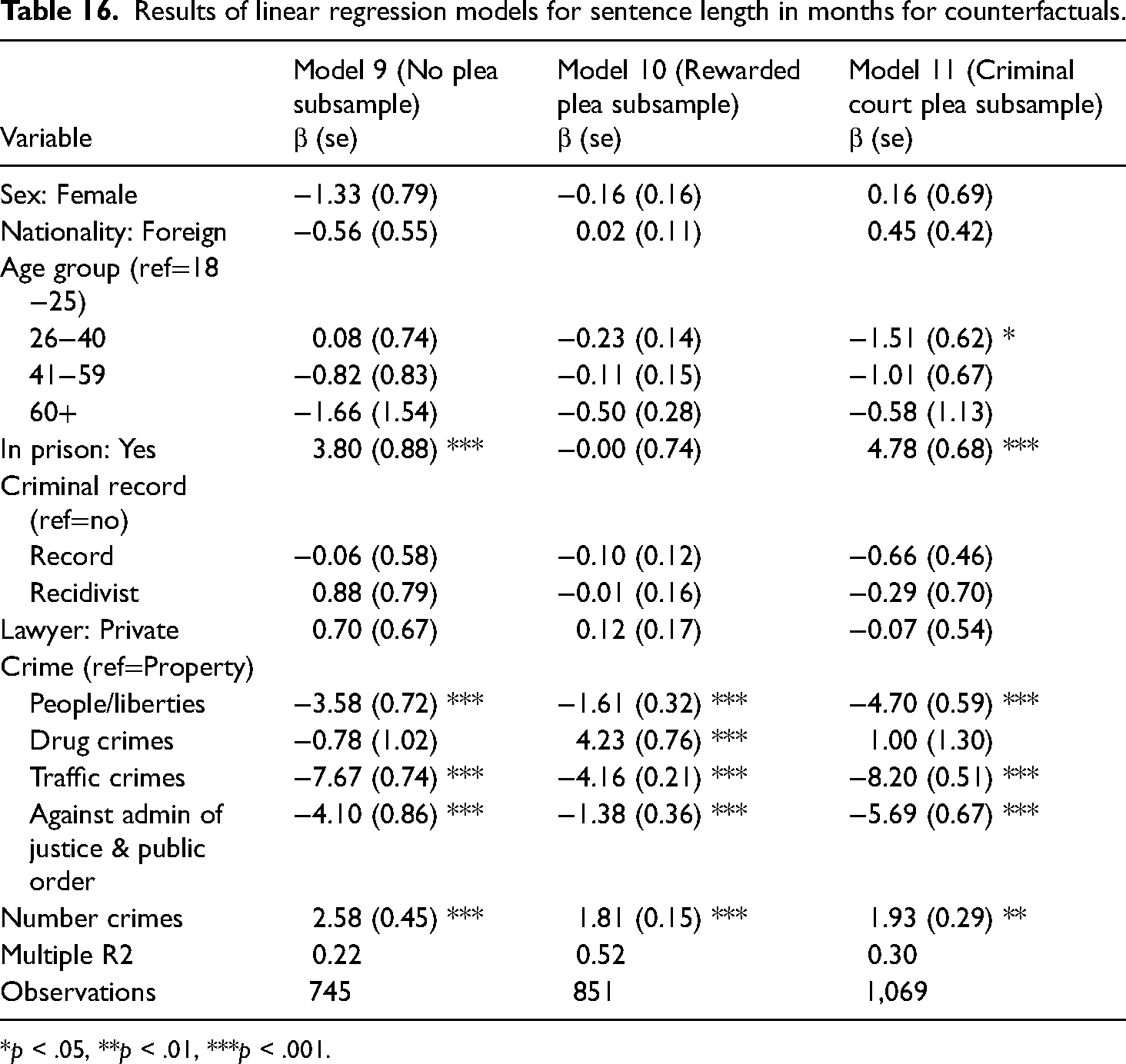
To calculate the counterfactual prison lengths in months, we first estimated three multiple linear regression models fitted on the three subsamples of modes of conviction. Results of these models can be found in Appendix 2. The coefficients from each model were then employed to calculate the counterfactual sentence length for the other modes of conviction. The results of the counterfactual calculation can be observed in Table 5. The counterfactual strategy finds evidence of a mean trial penalty of 3.7 months and a mean plea discount for rewarded pleas of 1.8 months, though there is greater uncertainty in the plea discount as the confidence interval just crosses 0. This conclusion is based on the fact the mean real sentence for cases sentenced at trial is 3.7 months longer than the mean counterfactual estimated with coefficients from cases convicted via rewarded plea, while the mean real sentence for rewarded pleas is 1.8 months shorter than the mean counterfactual calculated with the no plea coefficients. This strategy also finds no evidence of a plea discount or trial tax in terms of months imprisonment imposed at sentence with regard to criminal court pleas. Based on the results of the unweighted and weighted regressions as well as the counterfactuals, we only find support for Hypothesis 1 in terms of rewarded pleas.
Predicted counterfactual sentence length compared to real sentence length.
Suspended sentence and entering prison
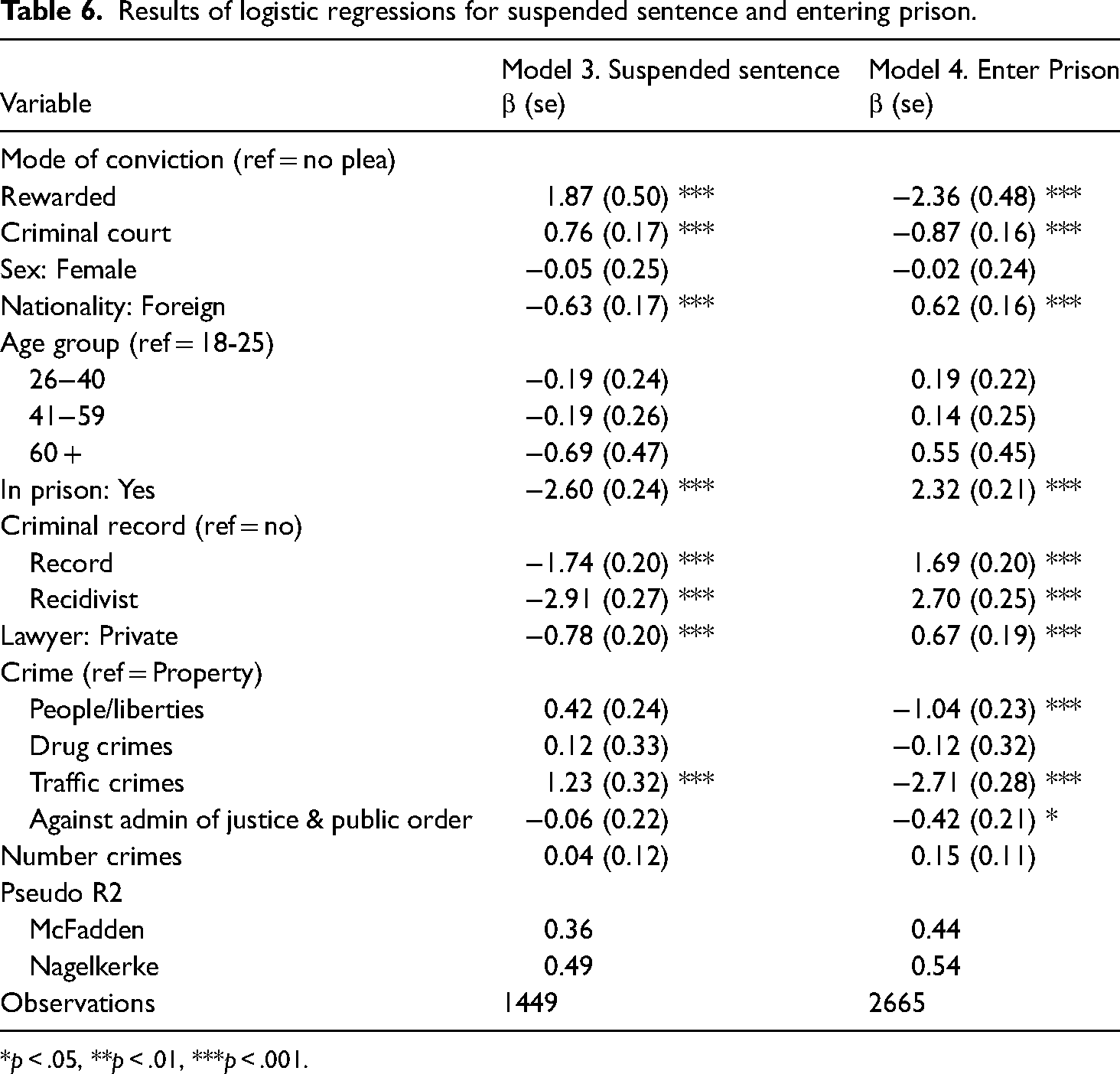
A trial penalty can also take the form of greater likelihood of imprisonment; thus, we examined the role of plea bargaining in suspended sentences and the probability of entering prison. In this regard, the results of Model 3 in Table 6 show that the likelihood of receiving a suspended sentence is greater when the sentenced person accepts a plea bargain, especially a rewarded plea bargain at the initial stage of the criminal proceedings. The coefficients from Model 3 translate into rewarded plea bargains being associated with six times higher odds of a suspended sentence than being convicted at trial. In cases of pleas accepted at the criminal court stage, the odds are two times greater. The results of Model 3 also show that the likelihood of a suspended sentence is lower for foreign nationals, when the individual is in prison during the process, when they have a criminal record or are a recidivist, and when they have a private lawyer. The type of crime can also be relevant as traffic crimes are associated with greater likelihood of receiving a suspended sentence than property crimes.
Results of logistic regressions for suspended sentence and entering prison.
*p < .05, **p < .01, ***p < .001.
Model 4 estimates the relationship between the predictor variables and entering prison. The results displayed in Table 6 show that, holding other factors constant, individuals who agree to a plea bargain are markedly less likely to enter prison than those who are sentenced at trial. The results translate into a ninety percent reduction in the odds of imprisonment for offenders convicted via rewarded plea and a fifty-eight percent decrease for those convicted via a plea agreement in the criminal court. The associations regarding the characteristics of the individual that were identified in Model 3 are also found in Model 4. Foreigners are more likely to enter prison, as are people already in prison and those with some form of criminal record or recidivists. The findings for crime types are slightly different in Model 4 because in addition to traffic crimes, crimes against people and liberties and crimes against the administration of justice and public order are also associated with lower likelihood of entering prison in comparison to the reference category of property crimes.
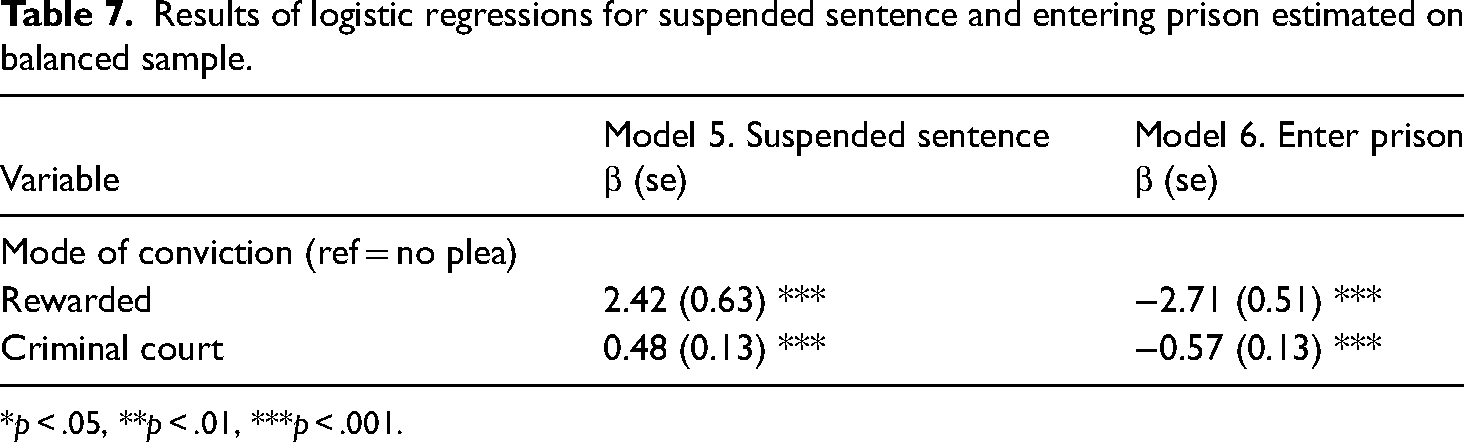
Table 7 displays the results for the logistic regression models estimated on the samples weighted via covariate balancing propensity score. As can be observed, the findings from the unbalanced samples are supported: a plea bargain increases the likelihood of receiving a suspended sentence and, therefore, decreases the likelihood of entering prison. In the models estimated with weighted samples, being convicted by a rewarded plea is associated with over eleven times greater odds of a suspended sentence and a ninety-three percent reduction in the odds of imprisonment. With regard to being convicted in the criminal court, the odds of the prison sentence being suspended are sixty-two percent greater and the odds of entering prison forty-four percent lower in comparison to being convicted at trial. Thus, these plea-trial disparities confirm our Hypothesis 2 regarding the existence of differences in terms of likelihood of imprisonment.
Results of logistic regressions for suspended sentence and entering prison estimated on balanced sample.
*p < .05, **p < .01, ***p < .001.
Furthermore, the findings regarding plea-trial disparities both in terms of length of imprisonment and likelihood of entering prison, support Hypothesis 3, which predicted greater disparities in the cases of pleas agreed earlier in the process (rewarded pleas) in comparison to those accepted later (criminal court pleas).
Plea bargaining and public prosecutors' support of suspended sentences
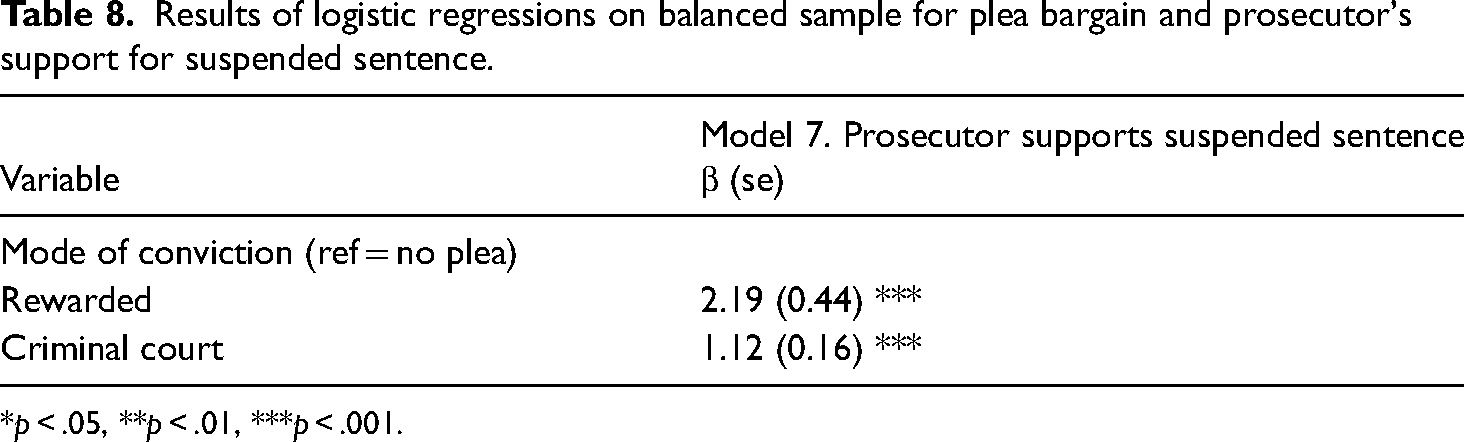
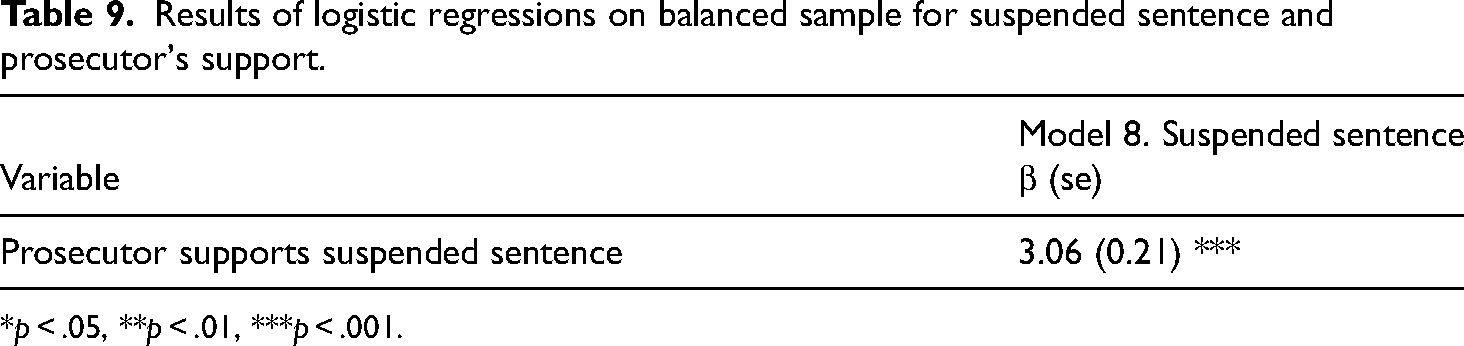
To test Hypotheses 4 and 5 with the aim of examining whether judges and prosecutors are working together, we first estimated the relationship between the prosecutor supporting a suspended sentence and the mode of conviction. Next, we estimated the likelihood of a suspended sentence when this outcome is supported by the prosecutor. Unfortunately, the number of missing values for the variable measuring the prosecutor's position on the suspended sentence is quite high (244). As a result, this analysis has been conducted on a smaller subset of those persons sentenced to prison for which the relevant information is available (n = 1216) and, therefore, the results are interpreted with caution. As in the prior analyses, this subset was weighted via the CBPS method. Table 8 shows that in cases in which the offender agreed to a plea, both rewarded or in the criminal court, the likelihood of the prosecutor supporting suspension of the prison sentence is higher. The odds of support are approximately nine times higher for rewarded pleas and three times greater for pleas in criminal courts. Importantly, we find clear evidence that the prosecutor's support for suspending the prison sentence is associated with the judge effectuating the suspension (Table 9); thus, we find support for Hypotheses 4 and 5 that stated that the prosecutor is more likely to support suspension of the prison sentence when the offender accepts a plea deal and that suspension is more likely when supported by the prosecutor.
Results of logistic regressions on balanced sample for plea bargain and prosecutor's support for suspended sentence.
*p < .05, **p < .01, ***p < .001.
Results of logistic regressions on balanced sample for suspended sentence and prosecutor's support.
*p < .05, **p < .01, ***p < .001.
Discussion and conclusions
The main contribution of this article is that it presents the results of the first extensive empirical examination of plea discounts and trial penalties in Spain, and one of only a few in Europe. Based on our results, we conclude that agreeing to a plea bargain in Spain is associated with a more lenient sentence, as the probability of entering prison is significantly lower for rewarded pleas and pleas accepted in the criminal court in comparison to going to trial. Furthermore, in the case of rewarded pleas, in line with the precepts of the Criminal Code, offenders tend to receive a shorter sentence holding other legal and extra-legal factors constant. These findings link to the fundamental issues surrounding plea bargaining and are pertinent for academic research, as well as policy and practice.
In the introduction, we emphasised the potential role of trial penalties for defendants who do not forego rights and help improve the efficiency of the criminal justice system. Our results suggest a clear main disparity exists: defendants who go to trial are considerably more likely to enter prison. In fact, it is difficult to imagine a greater incentive to accept a deal with the public prosecutor than safeguarding one's liberty, and great penalties for those who hinder administrative efficiency is cause for concern. On the one hand, Robert and Bradford (2015: 188) note that ‘As the magnitude of the discount increases, so, too, does the likelihood that innocent defendants will enter a guilty plea’. With one's liberty on the line, and everything imprisonment entails, there is potential for an increase in cases of false admissions of guilt. As Peay and Player (2018: 955) highlight, improving the efficiency of the criminal justice system should not hold greater weight than ‘more cherished’ objectives such as avoiding miscarriages of justice caused by coerced confessions. Future research should examine if this is the case in Spain. On the other hand, Roberts and Bradford (2015) also highlight that it is not only extreme cases of false confessions that are of concern, but also respect for the principle of proportionality in sentencing. Our findings suggest that defendants who are convicted at trial for lesser crimes could ultimately receive harsher punishments (in other words, enter prison) than those who plead guilty to more serious crimes. The principle of proportionality has been recognised as a fundamental right by the Spanish Constitutional Court (STC 55/1996); thus, the possibility that the system of plea bargaining and its associated penalties are undermining this principle is a fundamental issue for the democratic rule of law in this country. To provide greater understanding of the impact of plea bargaining on proportionality in sentencing, future research in Spain could focus on obtaining a sufficiently large sample to allow analysis of plea-versus-trial sentencing outcomes for specific crimes of a similar nature.
A further salient area of criminological inquiry regarding plea bargaining centres on the consequences for sentencing disparities for minority groups. In this study, we found evidence that, holding other variables constant, foreign nationals are less likely to have their sentence suspended and are more likely to enter prison than Spanish defendants. Does this signify that foreigners in Spain are less likely to accept a plea (or be offered a plea) and, as a consequence, the probability of a foreign national entering prison for a particular crime is greater than that of a Spanish national? Responding to this question represents an important avenue of future research with regard to discrimination in the criminal justice system. Moreover, research in the United States has found larger trial penalties for minorities (Johnson and Larroulet, 2019; Metcalfe and Chiricos, 2018). Analysis of this discrimination in Spain is also pertinent.
The aforementioned issues of plea incentives, false confessions, proportionality, and sentencing outcome disparities lead us inextricably to the role of the public prosecutor who ‘arguably exercise[s] more control over life, liberty and justice than any other actor in the criminal court system’ (Johnson and Larroulet, 2019: 1). Public prosecutors in Spain can employ considerable discretion on what charges to press and on the contents of any plea offer, giving them significant power. And as in other jurisdictions (e.g. the US: Shermer and Johnson, 2010), the public prosecutor in Spain has received scant empirical attention, meaning little is known about how discretion is exercised (Varona, 2019). Moreover, the prosecutor is commonly subject to less legal oversight than judges and many of their decisions occur behind closed doors (Vance and Oleson, 2014). This paper has identified that prosecutors may be penalising those who go to trial, but our research also shows that judges participate in generating trial penalties. A prison sentence is offered by the prosecutor, but it is only the judge who is competent to suspend the execution of the sentence. Of course, it could be that judges consider the plea to be a confession and, therefore, a signal of remorse, and for this reason they are more prone to grant the suspended sentence. But we consider that it is more likely a question of taxing offenders who do not help the system to swiftly process the docket. Moreover, it is unlikely that the prosecutor would offer a particular prison sentence without knowledge that it will ultimately be suspended. In this sense, it appears that, in line with the ‘social worlds’ (Ulmer, 1997) theoretical conception of courtrooms, these courtroom actors are working together using the tools of plea offers and suspended sentences to achieve the common goal of courtroom efficiency, as indicated with the positive results regarding Hypotheses 4 and 5. The fact earlier pleas receive greater discounts than later pleas provides further evidence for the existence of this common goal. Indeed, given that a specific punishment reduction for early pleas is established in Spanish law, this element of courtroom culture appears to be promoted from above. Future research needs to delve deeper into the dynamics of the relationship between courtroom actors in our country to identify, for example, whether prosecutorial recommendations are the driving force behind trial penalties, as has been found in other European countries (Johnson et al., 2010), or whether it is judges who are the main proponents of expeditious case processing.
While the analysis presented herein contributes to Spanish and international literature on sentencing, it is not without limitations. First, the regression models estimated in this paper have accounted for several covariates that prior literature has found to be relevant. Nevertheless, omissions are likely since the variables included in the analysis depend on the information available in the case files; for example, we do not have information on potentially relevant factors such as ethnicity, economic situation, employment status or education. Moreover, access to more comprehensive data on cases processed in Spain could allow us to fit multilevel models that have been described as more insightful and robust for analysing the sentencing process (Pina-Sánchez et al., 2020). A further limitation is that our dataset does not provide insight into the underlying decision making of the different actors involved. Online survey research on the decisions of judges, prosecutors and lawyers has shown that experimental approaches can identify contrasting methods for sentencing decisions (Bushway et al., 2014). It is also important to highlight that the present paper does not analyse data on offenders acquitted at trial. To fully understand the magnitude of the trial penalty it is necessary to include trial acquittals, which (when coded as 0 months) would bring down the mean sentence for this mode of conviction and would affect the regression results. Future research should seek to also obtain case files for acquitted persons. Ultimately, the research conducted herein is based on a first-of its-kind dataset in Spain and future research on plea bargaining in this country will depend on access to more and better data. Hopefully, the implications and future research lines set out in this study can promote collaboration from the Spanish criminal justice system in much-needed empirical sentencing studies.
Footnotes
Declaration of conflicting interests
The author(s) declared no potential conflicts of interest with respect to the research, authorship and/or publication of this article.
Funding
The author(s) disclosed receipt of the following financial support for the research, authorship and/or publication of this article: This work was supported by the Ministerio de Economía y Competitividad, (grant number PGC2018-099155-B-I00).

Notes
Appendix 1
Balance summary across treatment pairs for public prosecutor support sample.
| Variable | Maximum difference unadjusted (Balance threshold = 0.1) | Maximum difference adjusted (Balance threshold = 0.1) |
|---|---|---|
| Sex | 0.04 | 0.02 |
| Nationality | 0.22 | 0.02 |
| Age group | ||
| 18-25 | 0.06 | 0.02 |
| 26-40 | 0.13 | 0.01 |
| 41-59 | 0.09 | 0.03 |
| 60 + | 0.01 | 0.01 |
| Criminal record | ||
| No | 0.24 | 0.06 |
| Record | 0.17 | 0.02 |
| Recidivist | 0.07 | 0.04 |
| In prison | 0.09 | 0.05 |
| Type of lawyer | 0.09 | 0.02 |
| Crime | ||
| Property | 0.17 | 0.02 |
| People & liberties | 0.06 | 0.03 |
| Drug crime | 0.10 | 0.01 |
| Traffic crime | 0.30 | 0.04 |
| Admin of justice & public order | 0.02 | 0.02 |
| Number crimes | 0.27 | 0.10 |
Appendix 2
Results of linear regression models for sentence length in months for counterfactuals.
| Variable | Model 9 (No plea subsample) | Model 10 (Rewarded plea subsample) | Model 11 (Criminal court plea subsample) |
|---|---|---|---|
| β (se) | β (se) | β (se) | |
| Sex: Female | −1.33 (0.79) | −0.16 (0.16) | 0.16 (0.69) |
| Nationality: Foreign | −0.56 (0.55) | 0.02 (0.11) | 0.45 (0.42) |
| Age group (ref=18−25) | |||
| 26−40 | 0.08 (0.74) | −0.23 (0.14) | −1.51 (0.62) * |
| 41−59 | −0.82 (0.83) | −0.11 (0.15) | −1.01 (0.67) |
| 60+ | −1.66 (1.54) | −0.50 (0.28) | −0.58 (1.13) |
| In prison: Yes | 3.80 (0.88) *** | −0.00 (0.74) | 4.78 (0.68) *** |
| Criminal record (ref=no) | |||
| Record | −0.06 (0.58) | −0.10 (0.12) | −0.66 (0.46) |
| Recidivist | 0.88 (0.79) | −0.01 (0.16) | −0.29 (0.70) |
| Lawyer: Private | 0.70 (0.67) | 0.12 (0.17) | −0.07 (0.54) |
| Crime (ref=Property) | |||
| People/liberties | −3.58 (0.72) *** | −1.61 (0.32) *** | −4.70 (0.59) *** |
| Drug crimes | −0.78 (1.02) | 4.23 (0.76) *** | 1.00 (1.30) |
| Traffic crimes | −7.67 (0.74) *** | −4.16 (0.21) *** | −8.20 (0.51) *** |
| Against admin of justice & public order | −4.10 (0.86) *** | −1.38 (0.36) *** | −5.69 (0.67) *** |
| Number crimes | 2.58 (0.45) *** | 1.81 (0.15) *** | 1.93 (0.29) ** |
| Multiple R2 | 0.22 | 0.52 | 0.30 |
| Observations | 745 | 851 | 1,069 |
*p < .05, **p < .01, ***p < .001.