




Abstract
The COVID-19 pandemic heightened human pressures on the Magaliesberg Biosphere Reserve (MBR), harming biodiversity and polluting water sources. In response, two community-led initiatives, the Save Our Species Eco-Rangers and the Majakaneng hiking trail, catalysed environmental stewardship. Building on these, a Participatory Action Research (PAR) project engaged traditional health practitioners and churches using natural spaces for spiritual practices. The overall objective of this article is to demonstrate how PAR can facilitate context-sensitive, transformative environmental management in culturally and spiritually significant landscapes. A key stakeholder matrix, the Nominal Group Technique, photo-elicitation and participatory mapping were used to identify role players, sacred natural sites and determine collective priorities for community-led environmental stewardship. A key theme emerging was access control, implemented through permits, fees, and protocols. At one site introducing bookings and fees for clean-ups and guided hikes improved socio-ecological conditions. Eco-literacy, feedback and engagement were initiated through signage, flyers and sharing on social media but needs to continue and spread to other sites. This iterative, collaborative approach shows how participatory methods can turn environmental threats into opportunities, advancing both environmental sustainability and post-apartheid transformation.
Keywords
Introduction
The Magaliesberg mountain range is a biodiversity corridor forming the northern spine of the Magaliesberg Biosphere Reserve (MBR) in UNESCO’s Man and the Biosphere programme. It is a mosaic of wetlands, grasslands, savanna woodlands and forests (Cooper, 2015; Desmet et al., 2024), particularly important for wide-ranging wildlife such as leopards (Power et al., 2021). The range is well known for several sacred natural sites, waterfalls and springs (Bega, 2025) used for spiritual rituals, mental health and ancestral guidance (Al Jazeera, 2024).
During the Covid-19 pandemic, a resurgence in nature-based activities for improving mental health as reported in Europe (Muro et al., 2023) were noticed in the MBR. Activities ranged from spiritual rituals at water sources (Mosiane & Dzerefos, 2024) to hiking, climbing and driving off-road vehicles. In addition there were reports of an increase in wildlife snaring and tree felling, attributed to job losses in the hospitality, agricultural and mining sectors (Brough, 2021). In response, funding to facilitate the Save our species (SOS) Eco-Rangers project, was awarded to the Magaliesberg Biosphere Non-Profit Company (MB_NPC), the recognized management entity of the MBR, by the German Federal Government and German Commission for UNESCO. The funding was used for selection, training and mentoring of seven community-based rangers to monitor and address anthropogenic pressure in the MBR. Various specialists and non-profit organizations, including the Mountain Club of South Africa (MCSA) and the Wildlife and Environment Society of South Africa (WESSA), contributed to the training of the rangers. The modules covered a broad range of environmental conservation skills, including wilderness survival, first aid, filming, ecology, ecosystem services, plant identification, anti-poaching, wildfire control, conservation communication, bush skills and the use of a custom-built mobile application for environmental monitoring.
Four rangers from the Majakaneng area in North West Province played an active role in the training sessions, frequently sharing stories of the spiritual use, biodiversity and pristine water found in a ravine, known locally as a kloof, bordering their community. Their enthusiasm prompted the author and the coordinator of the MB_NPC to visit the Majakaneng kloof and a second successful funding application (UNESCO, 2021), enabled the development of a 10 km hiking trail through the kloof and onto the mountain plateau. During this period, the Majakaneng group began referring to themselves as Rangers in Mission, signalling their distinct identity and purpose within the broader MBR. The grant also funded a 20-year lease on a disused homestead at the start of the kloof, which was converted into a base camp. It consists of a shaded outdoor lecture area with interpretive signage (Image 1), an indigenous plant garden, a display of artefacts, secure parking and a toilet connected to a septic tank (Image 2). The Majakaneng hiking trail base camp lecture area with interpretive signage on biomes and cultural heritage provides space for discussion and refreshments The base camp is fenced, equipped with a flush toilet connected to a septic tank and features an indigenous, low-water-use garden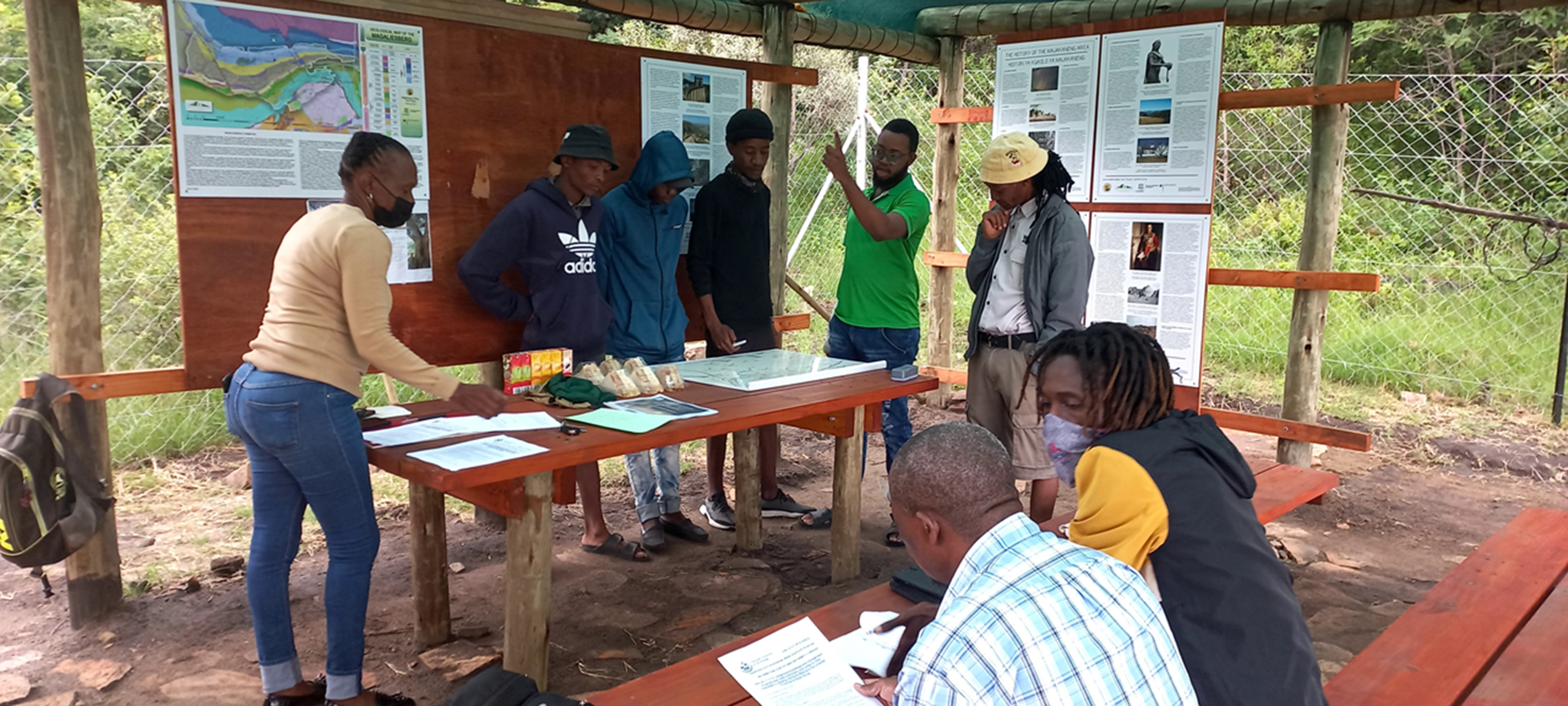
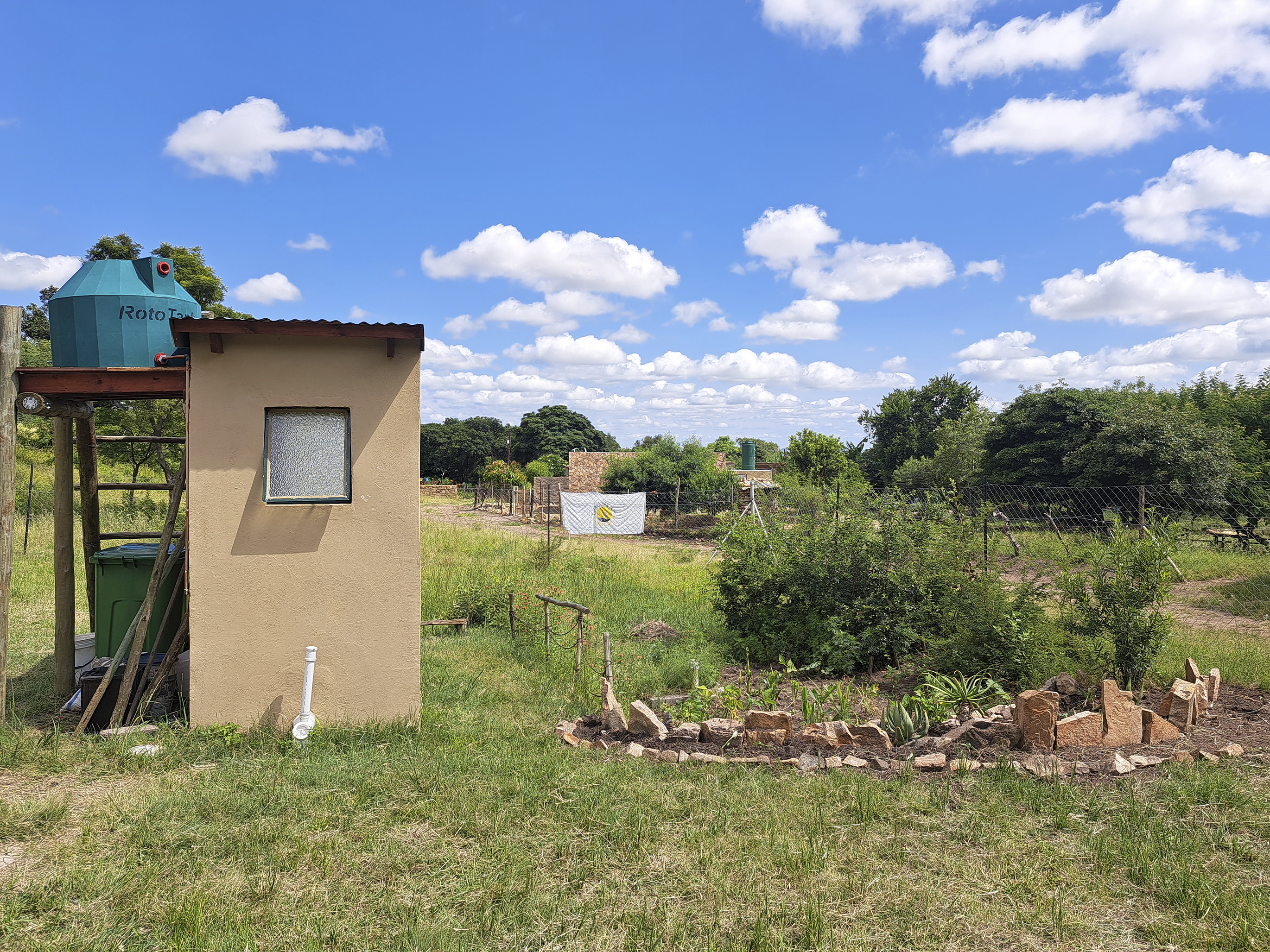
While the hiking trail and base camp generated ecotourism revenue, through ranger-led guided walks, educational talks for school and university groups and the sale of handcrafted walking sticks, the kloof became a source of concern. Remnants from spiritual rituals were visibly accumulating, detracting from the kloof’s ecological and aesthetic values. In response, a Participatory Action Research (PAR) study was initiated and is detailed in this article.
PAR offers a cyclical and collaborative process in which facilitators and participants co-generate and analyse data, reflect on shared concerns and work together to develop and implement context-specific solutions (Cornish et al., 2023). PAR has proven effective internationally in addressing local environmental challenges through social-emotional learning and offering a multimodal platform through which participants can express their observations, hopes and concerns. (Brydon-Miller et al., 2022). PAR is widely applicable to diverse challenges such as waste dumping (Niyobuhungiro & Schenck, 2022), State neglect, disease outbreaks, poverty, sexual violence, eviction, dispossession, post-disaster recovery and pollution (Cornish et al., 2023). Unlike conventional research paradigms that position knowledge as objective and detached, PAR promotes a collaborative inquiry process grounded in mutual learning, local agency and critical reflection (Reason & Bradbury, 2008) even when participants have diverse ways of creating livelihoods (Madouas et al., 2023). It is particularly well-suited to addressing complex socio-ecological problems (Reason & Bradbury, 2008, p. 139), such as soil and water degradation (Madouas et al., 2023) or biodiversity loss (Hernández Maqueda et al., 2022), where solutions cannot be top-down, but must emerge through situated, participatory engagement.
The application of PAR is not without tension. Kemmis (2006) describes misapplication of PAR to reinforce the status quo or avoid challenges. Tokenism, uneven power relations and epistemic extractivism, where participation is framed instrumentally, rather than as a genuinely co-owned process can be failings of a PAR process (Kothari, 2001). As PAR projects have a time limit in which to yield quick, measurable outcomes the reflectiveness might be compromised (Hernández Maqueda et al., 2022). Notably application of PAR to promote environmentally responsible practices in wine production took almost a decade to implement (Madouas et al., 2023).
This article explores the dual role of PAR in environmental management: first, as a means to expose structural inequities in ecological governance and second, as a transformative approach that enables context-sensitive and enduring environmental change. The following research objectives guided the process: (a) to document the timeline of catalytic events pre and post the PAR intervention; (b) to record the collaborative PAR process for addressing waste accumulation from ritual practices; (c) to identify and categorise key themes and stakeholder responses to perceived threats arising from ritual activity; and (d) to implement and monitor locally proposed solutions. By addressing these objectives this case study contributes to demonstrating that participatory methods can remain both grounded in lived experience and innovative in promoting just ecological futures, particularly in landscapes where cultural, spiritual and ecological values intersect.
Study Area
The study area is located within the Bojanala Platinum District Municipality (BPDM) in the North West Province (Image 3). Appropriately, ‘Bojanala’ is the Setswana word for tourism, reflecting the value of the Magaliesberg mountain range a sanctuary for threatened and protected biodiversity (Desmet et al., 2024) which supports several outdoor activities. Other economic activities, primarily in the low-lying areas of the Magaliesberg, include agriculture, horticulture and the mining and processing of minerals such as platinum group metals, chrome and silica. The Majakaneng kloof adjoins the densely populated Majakaneng township flanked by agricultural activities including strawberries grown under shade cloth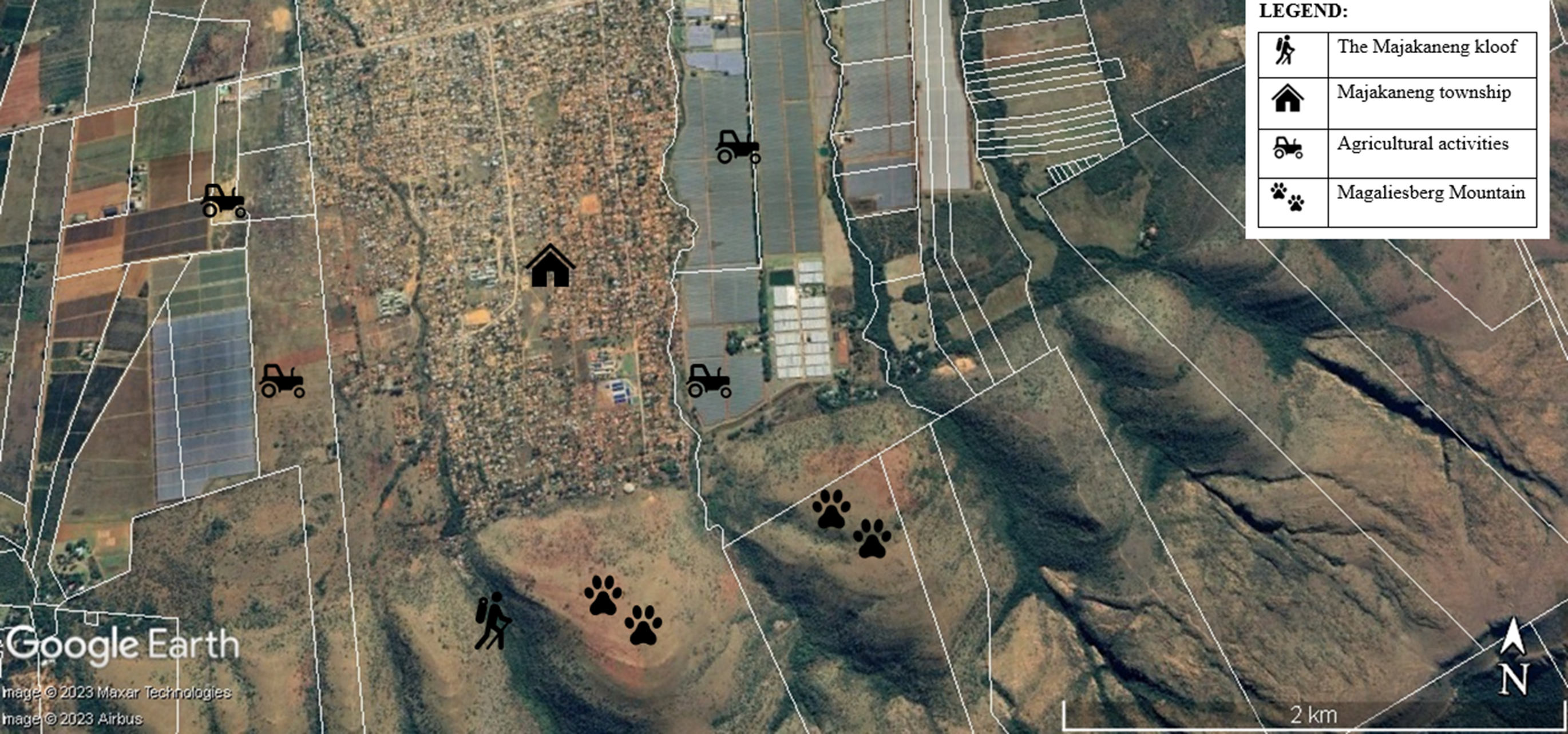
The upper Magaliesberg is formally protected as part of the Magaliesberg Protected Natural Environment and is accessible through several entry points. One of these is the Majakaneng kloof, the only kloof accessed directly through communal land. From the kloof the Modderspruit river meanders through the township representing an important biodiversity corridor from the mountain northwards According to Churchill Ndumo, one of his forefathers, along with 15 others, was granted 2,000 hectares of land in 1865 by the Hermannsburg Missionary Society (Mbenga & Morton, 1997), with the stipulation that the mountain slopes and kloof remained undeveloped. Today, the low-lying areas comprise the Majakaneng township, which has a population of 22,683 and a density of 3,809 persons per km2. Of the residents, 47% are Setswana speakers, followed by 20% who speak Xitsonga (Stats SA, 2011) reflecting immigration trends stemming from apartheid era planning Majakaneng extends from the base of the Magaliesberg mountain to the N4 toll road. Occasionally, traffic along the N4 has been disrupted by community protests calling on the Madibeng Local Municipality to provide improved municipal services, particularly reliable access to potable water (Sirovha & Thornhill, 2017).
Methods
The overall PAR research design was based on findings by Guest et al. (2017) showing that data richness was enhanced by a combination of focus groups and individual interviews. Contact was established with gatekeepers of local churches and traditional health practitioners’ organisations, identified by Rangers in Mission for conducting spiritual rituals. Goodwill letters were obtained from the Southern African Faith Communities Environment Institute (SAFCEI) and the provincial Department of Economic Development, Environment, Conservation and Tourism (DEDECT). The research received ethical approval from the Tshwane University of Technology Faculty Committee for Research Ethics (FCRE 2021/10/001).
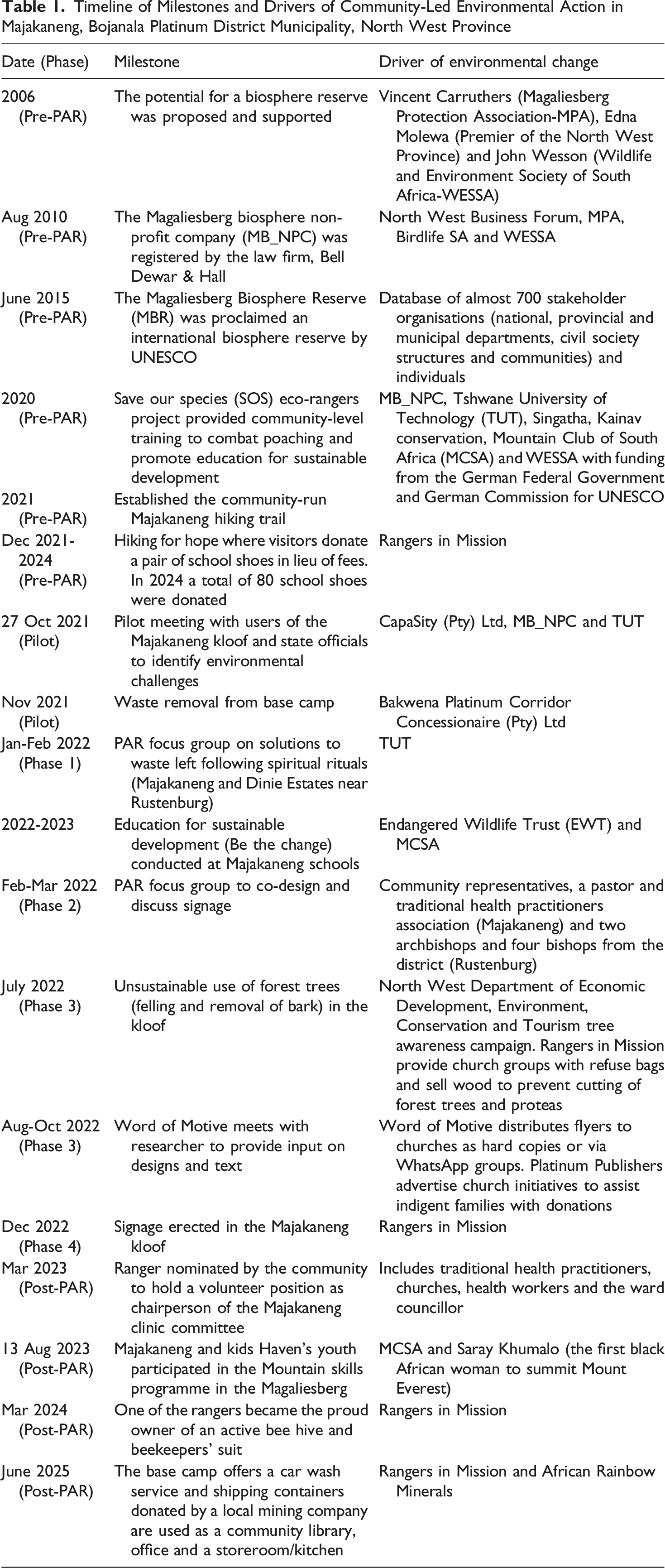
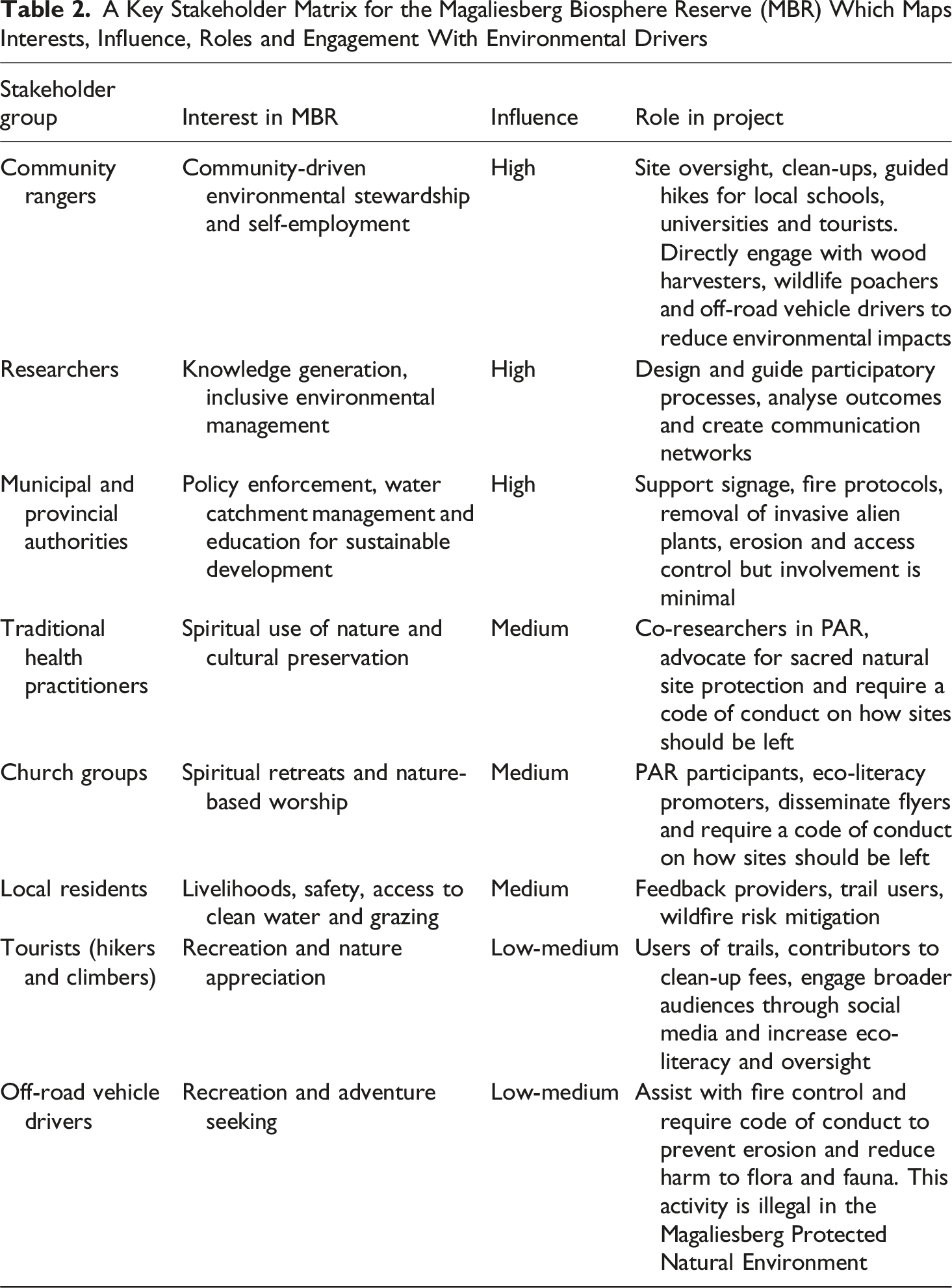
A timeline was developed to document key milestones and positive drivers of environmental change within the MBR, including community-led initiatives like the Majakaneng hiking trail. To show the origin of environmental change drivers, a key stakeholder matrix for the MBR which maps interests, influence, roles and engagement was created. The matrix provides a framework for future stakeholder involvement by enabling targeted engagement with high-influence groups, fostering inclusive participation among medium-influence groups and applying behavioural nudges to low-influence groups in order to mitigate negative impacts. Negative drivers were identified during a pilot meeting in Majakaneng on 27 October 2021, facilitated by CapaSity (Pty) Ltd, which highlighted socio-ecological pressures and informed the PAR intervention design. The meeting involved 21 participants from the Zion Christian Church (ZCC), traditional health practitioners, Majakaneng residents, Rangers in Mission, the BPDM Department of Health, North West Forestry and MB_NPC directors (Figure 1). Snowball sampling, based on the attendance register, identified individuals conducting spiritual rituals for focus groups and interviews. A ranger explained the methodology and obtained written consent. The rangers also assisted with translations during focus groups and interviews. Process diagram illustrating the participation and data generation phases of the PAR methodology. ‘M’ indicates that the focus group meeting took place in Majakaneng whereas a ‘R’ indicates Rustenburg. In addition, an asterisk (*) indicates that the participants were not part of a focus group meeting but were interviewed separately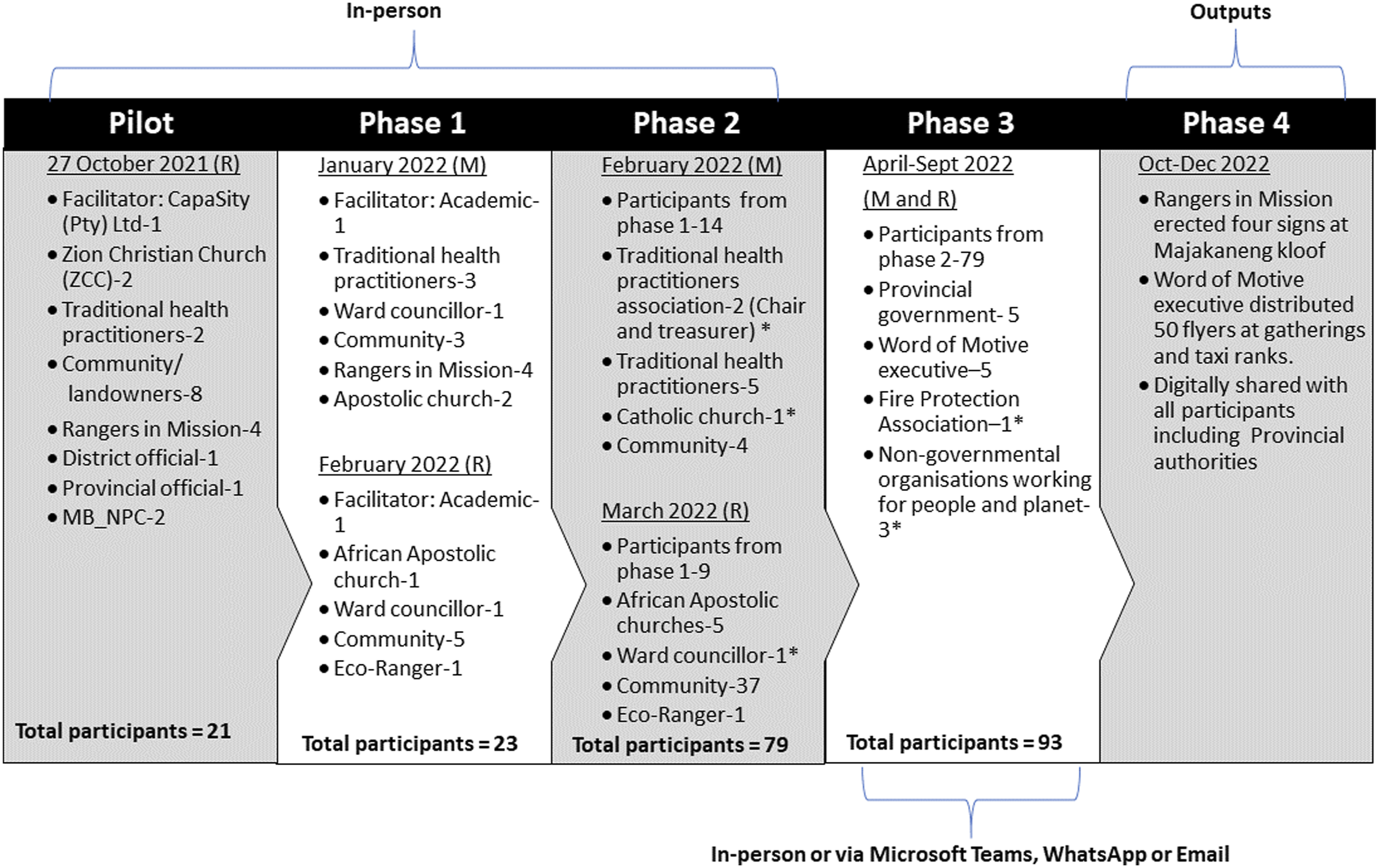
Phase 1, from January to February 2022, started with inviting people conducting spiritual rituals to PAR focus groups in Majakaneng and Rustenburg. Key informant interviews were done with individuals unable to attend. The Nominal Group Technique (NGT), photo-elicitation and participatory mapping were applied to identify sacred natural sites and collective priorities for community-led environmental action to preserve these sites.
The NGT is a structured brainstorming method that ensures inclusive participation (Dang, 2015). Participants first reflected privately on the issue of spiritual rituals leaving environmental evidence, then shared observations in turn, which the facilitator recorded on a whiteboard. They subsequently prioritized ideas using three sticky circles. Next, a photo-elicitation activity adapted from Bignante, (2010) facilitated discussion by showing images of pesticide aerosol cans, broken plastic sheets, soiled toilet paper and other items, remaining after spiritual rituals. The final activity involved participatory mapping on a whiteboard, where participants drew locations of sacred springs, pools, or waterfalls and identified perceived drivers of environmental change.
Phase 2 took place in March 2022 and involved additional participants identified in phase 1. The photo-elicitation activity introduced the problem to new participants. This phase focused on co-designing an action plan, with the primary outcome being signage that explains the issues and suggests solutions to reduce environmental harm.
Phase 3 from April to October 2022, included face-to-face meetings, online discussions and an electronic round robin for feedback. Revisions to the signage’s visuals and text were made based on participant and stakeholder input. In phase 4, the finalized signs and flyers were printed, erected at the site and distributed widely through the participants, national conferences and social media (Facebook and Instagram).
Results
Timeline of Milestones and Drivers of Community-Led Environmental Action in Majakaneng, Bojanala Platinum District Municipality, North West Province
A Key Stakeholder Matrix for the Magaliesberg Biosphere Reserve (MBR) Which Maps Interests, Influence, Roles and Engagement With Environmental Drivers
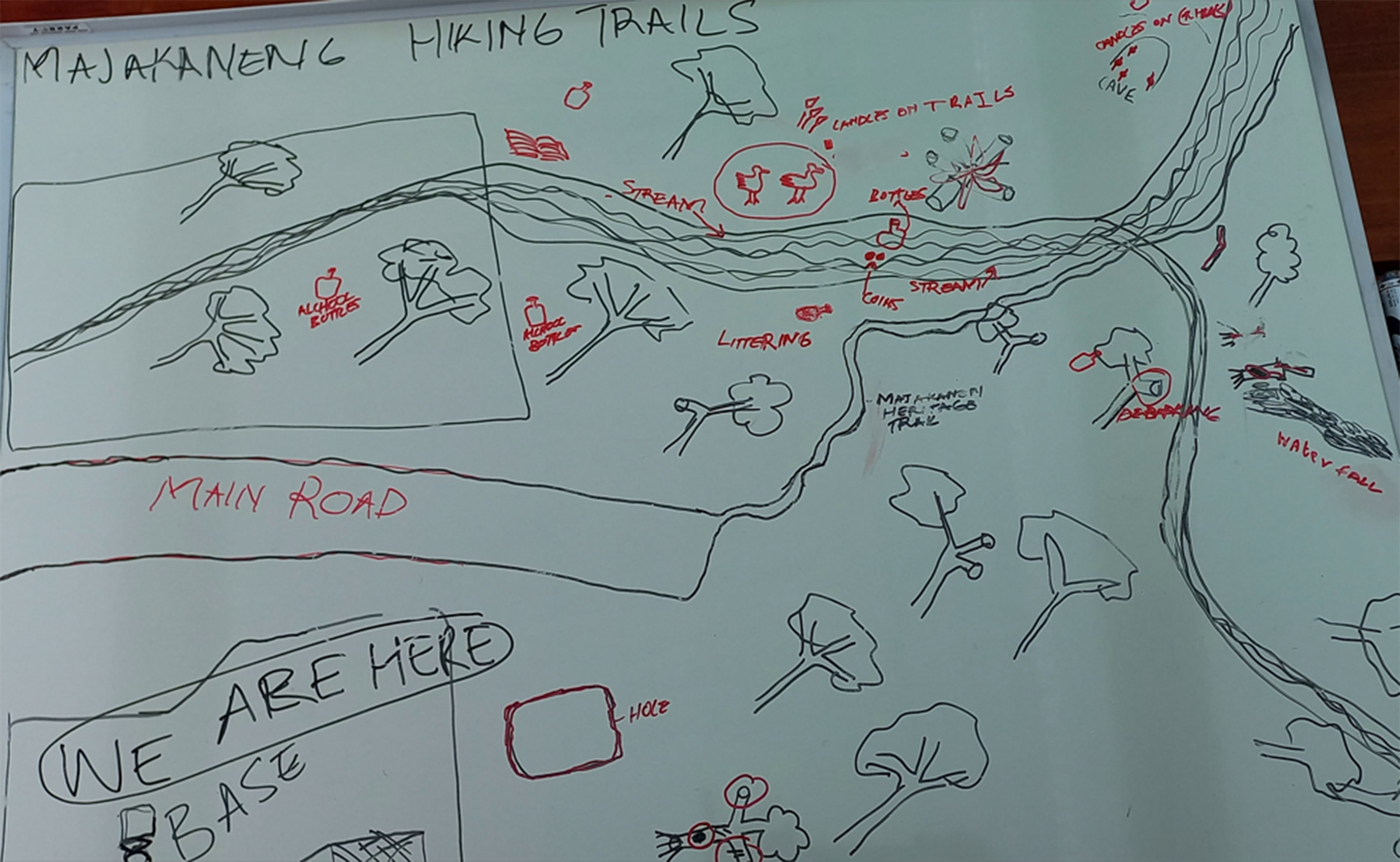
Participatory community mapping from phase 1 in Majakaneng showing natural freshwater and human impacts
A collective decision was reached in Majakaneng by the community representatives, a ZCC pastor and the local traditional health practitioners association to hold the phase 2 focus group on 12 February 2022 at a more central location. Consequently the Majakaneng community centre was booked and attendance improved as predicted. Additionally, on Sunday 6 March 2022 a follow-up focus group was arranged by the archbishop of the Hope Apostolic Church near Rustenburg with the archbishop of the 12 Apostles church located in Boitekong and four other bishops from Kanana, Lethabong, Mafenya and Moruleng. While the facilitator perceived these churches to be located in the rural periphery of Rustenburg, the participants disagreed. They explained that only Lethabong could still be considered a village, where cattle grazing and subsistence farming remained common practices. In contrast Kanana, Mafenya and Moruleng had experienced an influx of people seeking employment on the mines.
Identified Themes and Responses
The main themes identified included (a) environmental degradation (deforestation, wildfires, moving rocks and waste accumulation), (b) spiritual concerns (loss of healing power and water quality) and (c) land-use conflict (churches moving into an area, concern over uncontrolled overnight groups and contested access). Participants recalled the pre-1994 situation when only Majakaneng residents used the kloof for spiritual rituals, initiation or to collect wood and medicine. They also remembered a rise in church activity between 1994 to 1999 and a resurgence after the Covid-19 pandemic despite poor access roads. These recollections establish a historical timeline of events that catalysed change in use patterns. The Majakaneng and Rustenburg focus groups noted that the Magaliesberg is widely regarded to have sacred water sources and is regularly visited by churches from Cosmo City, Gauteng Province as well as churches from Mpumalanga and the Northern Cape.
The Rangers in Mission reported groups wild camping in the Magaliesberg without access to toilet facilities. For example, 30 people stayed for 10 days in January 2022 and 30 people stayed for four days in July 2022. The Rangers in Mission documented the types of ritual remnants left behind (animal remains, alcohol bottles, candles, snuff, clothing, coins and fruit), while focus groups reflected on their significance and impact. Collaborative proposals emerged, such as access control, permits and providing amenities such as toilets, parking, safety information, a visitor logbook and later car washing services. These demonstrate the iterative PAR process of identifying problems and co-developing responses. A prominent traditional health practitioner stated “these plastics and modern things are not supposed to be left here, they take the power of the area so we can’t heal like we did”. Another traditional health practitioner complained that a church had started moving rocks and chopping trees in a sacred natural site that he had used for many years.
Two church collectives were identified in Majakaneng: (a) Word of Motive, a non-profit organisation formed by local pastors and bishops from Tanado, Majakaneng and Bapong as well as (b) ‘Twanano’, a Tsonga term meaning working together, comprising Tsonga, Zimbabwean, Mozambican and Malawian churches. Word of Motive was established in 2020 during the COVID-19 lockdown as a WhatsApp network connecting 20 Apostolic churches for collective prayer and scripture reading. The PAR benefitted from this existing relational infrastructure, which enabled broad engagement and impact. Ongoing correspondence and meetings (held on 24 August and 3 September 2022) led to the project being presented at a church symposium in Hartbeesfontein in October 2022, where Word of Motive distributed 50 flyers. In return, the group sought support for indigent children, prompting the facilitator to introduce them to Platinum Publishers, who produecd a local newspaper in Rustenburg. This collaboration has since enhanced publicity and generated donations for Word of Motive’s outreach efforts (Brough, 2022, 2023). One initiative supported two teenage girls living in their late grandmother’s burnt house near the kloof. Relying on a 10-liter water container to secure the door, they endured rain-soaked bedclothes and went two days without food during the school holidays when they could not rely on the state-subsidised feeding scheme. The archbishop recounted as follows when he first met the sisters: “I started preaching then I saw the girl’s eyes and I started to forget what I had planned to say. I was reading her heart crying for food, crying for her door to close so she could sleep.”
Word of Motive members reported using the kloof for immersive baptisms and collecting holy water. A Rustenburg bishop explained that baptisms occur only in clear water where dangers such as crocodiles or snakes are visible. Reflecting on past drownings in Hammanskraal (Mthethwa, 2022), he emphasized caution and the need for judgment alongside faith, citing Matthew 4:7: “do not test your God”. He added “we have the mind to know what is safe and not.” Another bishop proposed installing a water-depth sensor to prevent fatalities. These discussions identified safety risks associated with ritual activities, forming the basis for collaborative reflection.
Participants also raised concerns about ritual remnants in water. While some worried that animal sacrifices might pollute rivers, a traditional health practitioner noted that carcasses posed minimal risk, as “the animals living naturally in the water will take care of it.” Plastics and packaging were consistently identified as more harmful, showing disrespect for sacred sites. An Apostolic church member observed, “people are dumping Pampers (nappies) in the river then others are using it to wash dishes.” These reflections highlighted the types of pollution threatening water quality and spiritual value. Participants suggested practical interventions to address water quality issues. Eco-literacy measures included signage, flyers and discussion groups. Practical adaptations involved proper waste disposal: one church member recommended “digging like a cat when nature calls”, while a traditional health practitioner described using a bucket for cleansing rituals and discarding the water away from the river. These locally proposed solutions demonstrate the PAR cycle in action as participants collaboratively develop and test interventions that respond to identified risks.
During the study, Rangers in Mission implemented a system for visitors to the kloof to deposit litter at the base camp, where the waste was sorted into recyclables and non-recyclables. Bakwena Platinum Corridor, a private concessionaire managing the N4 toll road on behalf of the South African National Road Agency, transported the waste to a landfill site. The Community Work Programme (CWP), a state initiative designed to help youth enter the job market, was recommended as a group that could be involved in cleaning up sites. Critics, however, suggested that CWP participants could focus on more impactful activities, such as clearing stormwater drains, establishing food gardens and composting at schools or operating a recycling centre. Emphasis was placed on discouraging littering and illegal dumping under the misconception that it creates jobs. Such behaviour was seen as counterproductive, ultimately hindering community development. It was noted that domestic waste clogs bridges and increases the risk of flash floods. Both municipal and community responsibility were required to reduce the accumulation and poor management of waste.
The PAR focus groups felt that government officials mandated by law to protect biodiversity and freshwater resources should be included in finding a solution to deforestation and pollution. A tree awareness management programme was initiated in July 2022 by DEDECT to encourage communities to use species that were encroaching into grasslands such as sickle bush and karee rather than forest trees or proteas that are notoriously slow growing. Rangers in Mission continues to remove snares and to lobby against poaching but this is not a popular stance as many people are unemployed and this may be their only source of protein. They also remove invasive alien plants such as crofton weed. Unexpectedly during one of the interviews, a local traditional health practitioner expressed concern about the disappearance of the plant. She explained that she uses crofton weed for steaming patients suffering from headaches and due to its scarcity in the wild, had resorted to cultivating it in her garden.
Although fire plays a vital role in maintaining the ecological function of the Magaliesberg (Cooper, 2015), the Rangers in Mission expressed concern about the risks posed by unattended candles and fires left after spiritual rituals. These were recognised as potential triggers for wildfires that could threaten lives, infrastructure and property. The Greater Rustenburg Fire Protection Association, which was identified for inclusion in the PAR process by the Rangers in Mission, emphasised that the fire risk is especially acute during the dry, windy winter months leading up to the first spring rains in October. Word of Motive contributed insights into the socio-ecological pressures in the area, noting that the extended dry season had left cattle emaciated. Some livestock owners were considering burning communal land to stimulate grass growth. They also highlighted how the N4 highway had restricted access to historical grazing areas, further compounding economic challenges due to the inability to sell undernourished animals.
The fire protection association explained the importance of the National Veld and Forest Fire Act 101 of 1998, which mandates the establishment of local fire protection associations and requires all landowners to belong to one. The association shared compelling narratives of loss due to fire, which shifted the group’s perspective. Initial discussions focused on establishing community rules for fire use in sacred natural sites, but participants ultimately agreed to align strictly with legal requirements and not endorse fire use during the dry season.
Action and Critical Reflection of the Message
By phase 3 inputs from participants included descriptions of practices, places, impacts and, most importantly, solutions for improving management of sacred natural sites. These included designing and erecting information signage and lobbying provincial authorities to raise awareness on the importance of trees and sustainable resource management. In phase 3 previous focus group meetings and interviews were summarized for participants to evaluate the effectiveness of the text on one sign Table 3 and to recommend complementary visuals. Following the meeting, Rangers in Mission emailed sign designs they felt appropriate which a professional designer developed further. Finally, a total of six signs were distributed on social network groups to several stakeholders in the MBR. The executive of Word of Motive requested a meeting to provide face-to-face input on the signage. During this session, they reiterated the signs should strongly discourage the use of fire. They also requested flyers for broader dissemination through taxi associations, community officers and gathering points like graveyards. They emphasized the importance of consistently promoting sustainable practices at mass gatherings, such as funerals and in sacred natural sites.
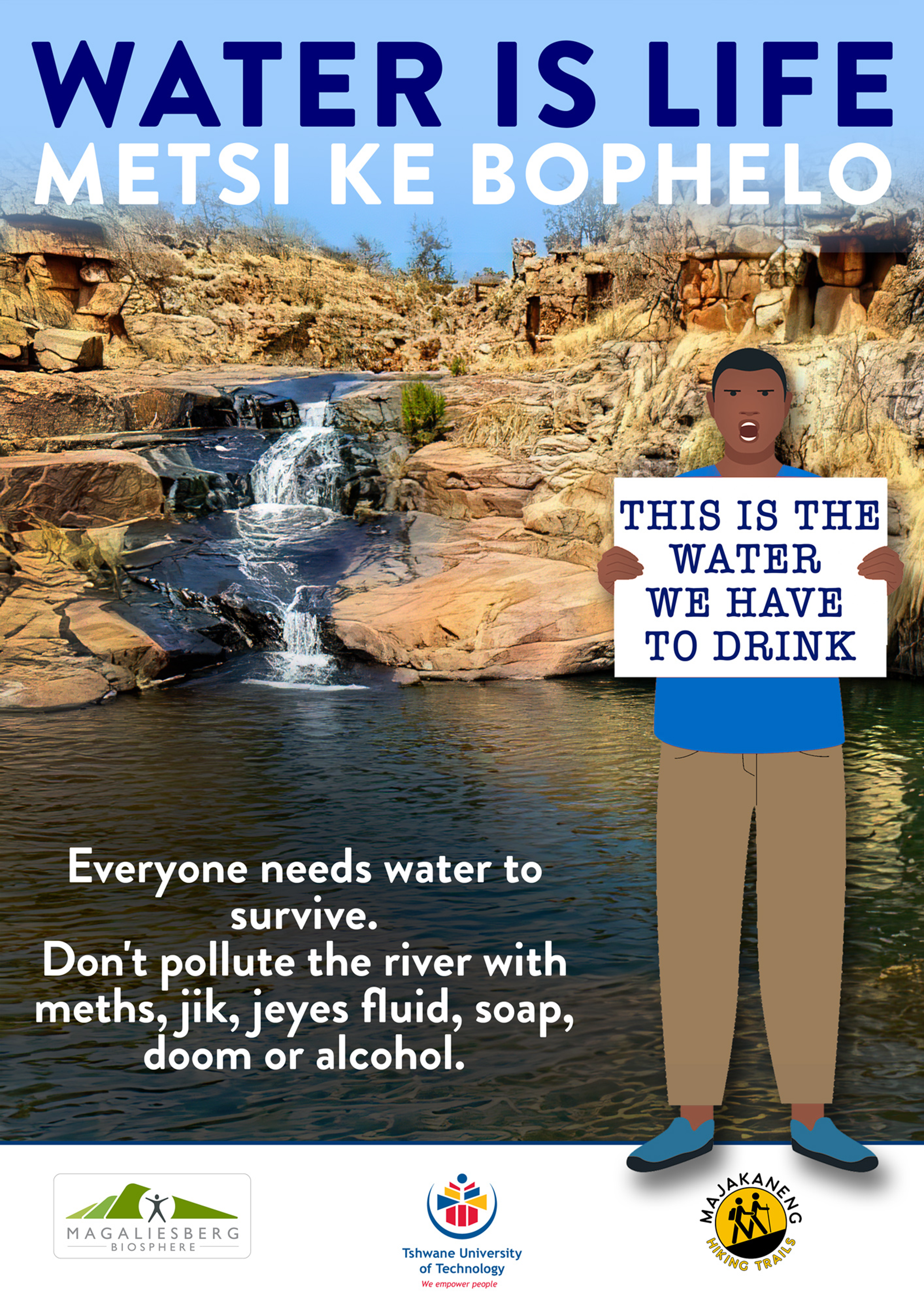
After several changes, four signs were printed in A0 format and erected by the Rangers in Mission in phase 4. An A5 flyer format was printed for distribution at church gatherings and taxi ranks. One sign was removed from circulation due to its reference to the controversial practice of animal sacrifice which over extended the brief of this study. The signs conveyed critical messages about environmental stewardship and water conservation. One sign, intended for base camps or other parking areas, displayed the message: “Drop your litter here.” Another emphasized the importance of making responsible choices using information, from PAR focus groups and interviews and highlighting human impacts while also offering practical alternatives to reduce harm (Image 5). A third sign showed a natural pool surrounded by rugged rocks, with the message: “This is the water we have to drink” (Image 6). The intention was an appeal to Ubuntu which in Africa stands for communal values, interconnectedness, compassion and mutual responsibility (Ewuoso, 2019; Stork & Öhlmann, 2025). The fourth sign displayed a crystal clean river within a forested kloof, accompanied by the message: “Clean, drinkable and holy water - let’s keep it this way.” Both the third and fourth signs included the heading “Water is Life” written in English and the main local vernacular Setswana, to elevate the importance of preserving water resources. During a follow up call on 10 July 2024 one of the rangers summed up the status quo: “The situation right now, I might say 57% under control. Some of the people are calling in advance so that they let us know they are coming. There is a fee they are paying of R20 per person. The fee is reducing the number of the churches and religious gathering. You know you can’t fix everything there are others arrogantly doing things that are not supposed to be done in the mountain.” Final sign displaying permissible activities in sacred natural sites whilst discouraging harmful practices A sign reminding people to protect natural water sources and invoking Ubuntu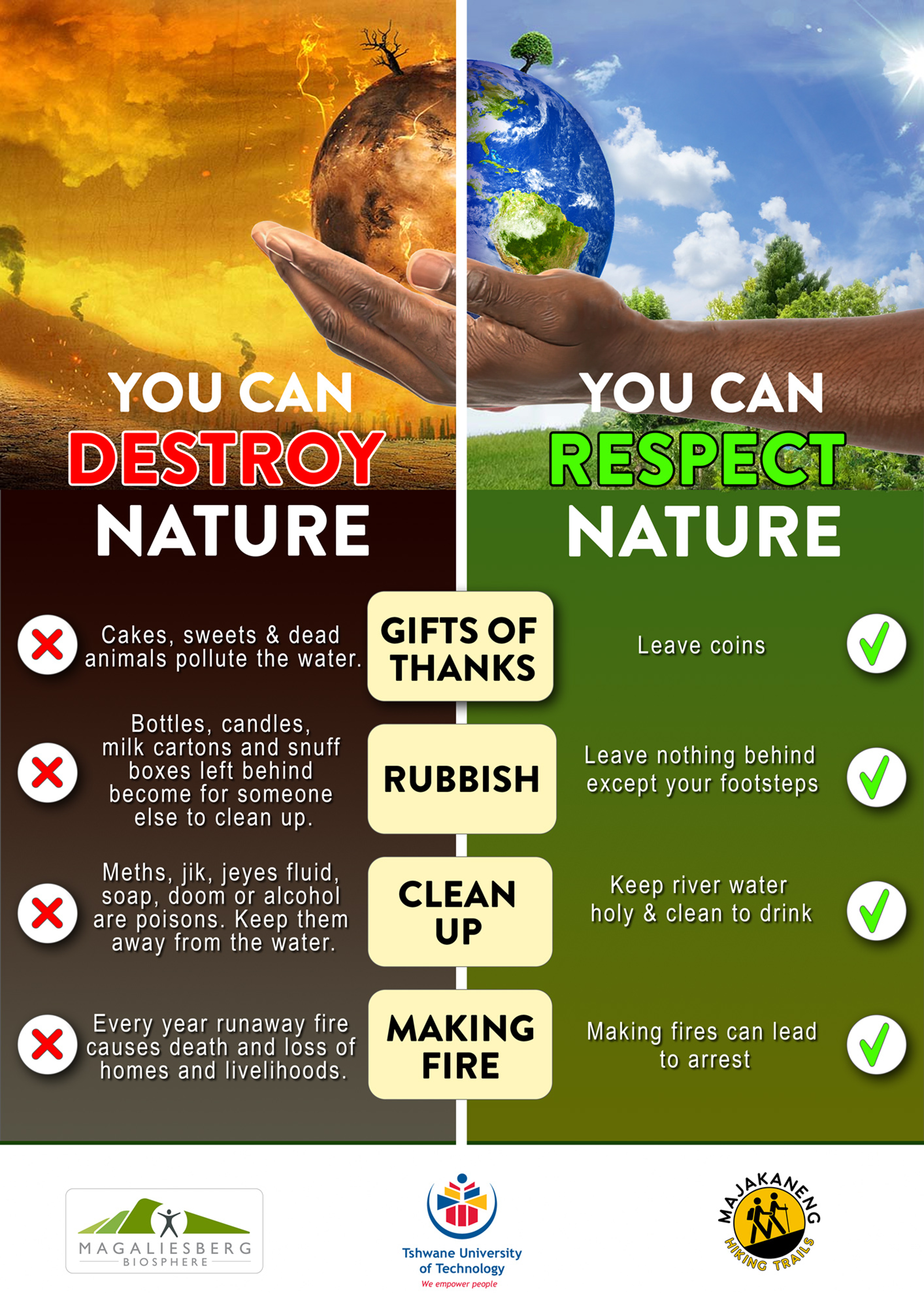
Discussion
Using the four PAR principles (a) valuing experiential knowledge, (b) enabling emancipatory change, (c) practicing collaborative co-leadership and (d) embracing iterative, open-ended processes (Cornish et al., 2023), this study demonstrated collaboration across sectors and knowledge systems. Experiential knowledge was central to the research design. Church leaders and traditional health practitioners, often positioned as research subjects, were invited to co-lead components of the project. Their contributions were especially visible in the choice of signage to address the problems identified. This approach affirmed the legitimacy of indigenous knowledge systems and challenged epistemic hierarchies that typically marginalize non-Western expertise. More could have been done to access lived experiences and spiritual insights for refining the language, symbols, local idioms and sacred meanings that reflect community values by adding an arts and crafts workshop with church leaders and traditional health practitioners.
The principle of emancipatory change was embodied by the Rangers in Mission, whose involvement extended beyond environmental stewardship to community transformation. Through initiatives such as founding a library, organizing educational excursions and distributing school shoes, the Rangers became respected agents of change. Their efforts galvanized youth engagement and reinforced conservation as a community-driven priority. These outcomes illustrate how PAR can catalyse social empowerment alongside environmental stewardship.
Collaborative co-leadership emerged through the inclusion of diverse and unexpected stakeholders. The fire protection association, not traditionally linked to sacred natural sites, offered insights into fire hazards associated with candle use. Their involvement prompted dialogue on fire laws and led to the integration of fire safety messages into the signage. This adaptive response exemplifies the capacity of PAR to reconfigure planned actions in response to emergent concerns, ensuring that all voices shape the research results. The study also exemplified PAR’s iterative and open-ended nature. Challenges such as non-attendance at focus groups and consultation fatigue required ongoing recalibration. One traditional healer explained, “Healers won’t pitch as they are uncertified and many are tsotsi’s,” revealing deeper tensions around legitimacy and trust. In response, the researcher arranged individual and small-group interviews, emphasizing voluntary participation and relational ethics (Brydon-Miller et al., 2022). Similarly, participants’ concerns about being “over-consulted but under-heard” were addressed through frequent communication and responsiveness, reinforcing the centrality of trust-building in PAR.
While Stork and Öhlmann (2025) observe that ZCC leadership acknowledged the environmental crisis, the Church did not formally engage in the study. This absence may relate to the ZCC’s post-COVID policy discouraging attendance at rivers and mountains (Mthethwa, 2022). Even so, project updates and signage drafts were circulated via email to the ZCC head office to ensure ongoing dialogue and enhance broader legitimacy.
The researcher’s positionality also evolved through the PAR process. With a Greek Orthodox background and reverence for holy water as well as studying botany and entomology, the researcher initially perceived Majakaneng as fragmented. However, as relationships deepened, the boundary between researcher and participant became increasingly permeable. What began as formal engagement transformed into a shared vision for post-apartheid transformation rooted in mutual trust. The Majakaneng hiking trail now serves as a conduit for introducing students and international visitors to indigenous knowledge and the natural and cultural heritage of the Magaliesberg. This experience has prompted a strategic narrowing of future research to sacred natural sites, an underexplored nexus of socio-ecological systems, cultural identity and spiritual practice in South Africa. This study affirms that PAR can move beyond diagnosis to co-create sustainable, locally grounded solutions. By valuing lived experience, driving change and adapting collaboratively, PAR provides a powerful approach to complex socio-environmental issues.
Conclusions
Impactful research refers to studies that have significant, positive effects on society, the world, or a specific field. This PAR study has recognised indigenous knowledge systems, addressed local environmental problems and begun informing policy to recognise sacred natural sites. Land use planning, development decisions and conservation targets, in a post-apartheid society can no longer ignore indigenous knowledge systems which are central to epistemic justice and inclusive governance. Interventions such as co-developed signage on water quality and waste management have improved eco-literacy and promoted responsible site use in Majakaneng. These signs, designed with traditional health practitioners and church leaders, continue to raise awareness and guide behaviour. Sustainability is supported through regular reflection and monitoring by the Rangers in Mission, who now serve as local stewards, tracking water quality, leading clean-ups and educating youth. Their work is embedded in a wider network of community-driven initiatives, including the Majakaneng hiking trail, educational outreach and a community library, all reinforcing environmental messaging while generating local skills and income. The project success lies in the relationships connecting rangers, spiritual leaders, landowners and state actors in ways that promote ongoing collaboration. Participants affirmed the relevance of the project and encouraged scaling it to other sacred natural sites in the MBR. Notably more effort is required to reach a broader faith-based network especially with the ZCC and the Twanano group. Ultimately, this research demonstrates that locally grounded, culturally sensitive approaches can transform environmental risks into opportunities for environmental stewardship and recognition of indigenous knowledge.
Supplemental Material
Footnotes
Acknowledgements
Belinda Cooper, and Andrew Murray of the Magaliesberg Biosphere Reserve NPC are acknowledged for building community trust over several years. Special thanks are extended to Gerry Comninos for designing the signage pro deo. Elna van Niekerk of CapaSity (Pty) Ltd is acknowledged for facilitating the pilot meeting in Majakaneng. I respectfully recognise the traditional knowledge and environmental stewardship of spiritual leaders in the North West Province, with particular appreciation to Buti Elias Mokwena for his lifelong commitment and volunteer service in preserving sacred natural spaces.

Funding
The authors disclosed receipt of the following financial support for the research, authorship, and/or publication of this article: This research was funded by the Tshwane University of Technology, with field support provided by Kebareng Victor Maluleke of the Majakaneng hiking trail.
Declaration of Conflicting Interests
Author declared no potential conflicts of interest with respect to the research, authorship, and/or publication of this article.
Supplemental Material
Supplemental material for this article is available online.
Author Biography
References
Supplementary Material
Please find the following supplemental material available below.
For Open Access articles published under a Creative Commons License, all supplemental material carries the same license as the article it is associated with.
For non-Open Access articles published, all supplemental material carries a non-exclusive license, and permission requests for re-use of supplemental material or any part of supplemental material shall be sent directly to the copyright owner as specified in the copyright notice associated with the article.
