




Abstract
This experimental investigation is aimed at assessing how the introduction of a cross-wire at the exit of a CD nozzle influences the performance of a supersonic nozzle. The study focuses on cold air jets generated by De Laval nozzles equipped with cross-wires and baseline configurations, particularly at design Mach numbers of 1.5 and 1.75. The investigation involves collecting measurements from the noise field emitted by the cross-wire nozzle with a 2% obstruction at the exit. This passive control approach effectively reduces the occurrence of screech tones in both over-expanded and under-expanded conditions in the azimuthal plane at appropriate operating pressures. Various acoustic parameters, including sound pressure levels (SPL), Strouhal numbers, and the overall sound pressure level spectra (OASPL) are recorded. Schlieren imaging captures images of shock cell patterns, illustrating the impact of shock-associated noise. In comparison to a baseline nozzle, the results demonstrate that a CD nozzle equipped with a cross-wire proves to be a proficient screech tone suppressor, leading to an average reduction of up to 5 dB in OASPL in under-expanded and over-expanded scenarios.
Introduction
When an aircraft travels at supersonic speeds it generates shock waves producing considerable noise levels. These noise sources can have a detrimental effect on the environment, as well as the health and well-being of people living near the airport. Supersonic jet engines produce jet noise when high-velocity exhaust gases depart the nozzle and mix with the surrounding air. The exhaust flow creates turbulent eddies, which produce loud sound waves. Jet noise is especially noticeable during the takeoff and landing phases. A primary research emphasis is noise reduction of the aero-acoustic challenges associated with supersonic jets. Various noise-reduction approaches are being investigated, including the development of quieter engines, alterations to the shape and surfaces of aircraft to reduce acoustic noise, and sophisticated materials that absorb or attenuate noise.
Flight path planning and restrictions are also crucial in reducing the adverse effects of shock-associated jet noise on populated regions. It is worth focusing on technology; engineering breakthroughs are continually being developed to overcome these difficulties. Current research and development aim to improve the overall acoustic performance of supersonic aircraft while reducing the impact of their operations on communities as well as the environment.
Supersonic jet noise sources can be categorized into three critical components. Broadband shock-associated noise (BBSAN), turbulent mixing noise, and screech tones are the types of noise. BBSAN is created from shockwaves at the nozzle lip and shock cells’ interaction with their surroundings.1–5
According to this perspective, two approaches for reducing noise levels have been extensively employed: passive and active control. Passive control measures such as nozzle shaping and altering the trailing edge geometry, adding serrations or chevrons can disrupt vortices and limit noise. The corrugated seals, cross-wire, lobes, chevrons, and sharp tips are passive control mechanisms. Lobes can successfully lower supersonic CD nozzle jet noise and may limit the noise reduction level obtained. Active noise reduction techniques, such as micro-jet injection, active noise cancellation, and adaptive strategies, can give significant noise reduction benefits, but they require additional energy and control systems.5–9
At supersonic flow, BBSAN and screeching are the two critical components of jet noise sources considered for the discussion. Powell 1 was the first to investigate and delve into the mechanisms underlying jet noise, with a specific focus on aspects related to screech tones. Pérez Arroyo et al. 10 examined the BBSAN of an imperfectly expanded jet that created high-frequency noise in azimuth angle, near-field, and far-field modes. Edgingtonet al. 11 investigated axisymmetric under-expanded jet turbulence in the downstream section of the Mach disc produced in a nozzle. The internal annular shear layer created by the slip line emanating from the triple point is observed to continue over multiple shock cells downstream. It also looked at an external helical structure connected with the jet’s screech tone, which significantly impacted velocity fluctuations in the annular shear layer’s early region. Widespread interest is apparent in using passive jet flow control to improve mixing and entrainment. Experimental research was conducted by Faheemet al. 12 with and without lobe deflection angles. The nozzle’s twofold tilt significantly increases the fluid volume that the stream-wise structures trap in the lobed jet. The thermal comfort improves users by creating innovative air diffusers for HVAC systems employing lobed geometry nozzles. Maruthupandiyanet al. 13 used shifting tabs to investigate the mixing properties of a Mach 2-controlled jet. The pitot’s centre line decay pressure oscillations are negligible compared to an uncontrolled jet at higher NPR values above 5–8. The shifted tab enables better mixing than the other tabs at the expansion level (pe/pa) of NPR 0.3–0.5. Goss et al. 14 investigated the noise produced by jets from a rectangular nozzle with thrust vectoring control experimentally. It is found that the minor axis plane at polar angles 30°-90° at the jet’s centerline is 3 dB louder than the primary axis plane for non-axisymmetric geometry. As a result of the chevrons, the OASPL value drops with a polar angle; increasing broad-scale turbulent mixing noise generates greater OASPLs at high polar angles. A large deflector angle promotes the development of a strong shock, which reduces mean flow velocity and noise quantum. The acoustic analogy approach predicts the sound of unheated supersonic jets; crucial effects controlling peak supersonic noises are source convection, mean flow refraction, mean flow amplification, and mean flow amplification.
B. André 15 experimentally examined the influence of screech tones on BBSAN. Indentations in the nozzle lip are used to suppress screeching. When employing the notched nozzle, the shock spacing remains nearly constant.16–18 A screech may damage the BBSAN because the shocks in a screeching jet oscillate at the screech frequency. In an azimuthal mode analysis, BBSAN generates high-frequency near-field and far-field noise. Heebetet al. 19 and KamliyaJawahar et al. 20 evaluated the efficacy of improved chevrons for supersonic jet noise mitigation and inferred that changing the characteristics of the chevrons minimized noise significantly in both over-expanded and under-expanded conditions. Kaleeswaranet al. 21 experimentally investigated the effect of zero penetration angle chevrons to mitigate jet screech noise. At Mach 1.75, 10 chevrons with no penetration effectively eliminate screech tone and reduce noise up to 3 dB.
Bajpai 22 explored the CD nozzle at Mach 2 elliptical jet with 5% obstruction employing the cross wire. When placed along the minor axis, this cross-wire promotes adequate mixing and inhibits mixing when placed along the primary axis. The influence of cross-wires and tabs on jet structures was examined by Lovarajet al. 23 The cross-wires in a CD nozzle control flow and entrainment, which improves the mixing of jet exhaust with the surrounding ambient air. Small wires or rods (known as cross-wires) are placed across the flow path of the nozzle. The primary goal of flow entrainment is to enhance the mixing of high-velocity jet exhaust with low-velocity ambient air. This mixing reduces jet noise, increases combustion efficiency, and improves thrust performance. Cross-wires are installed perpendicular to the flow direction at the nozzle’s exit. They are frequently positioned in a precise location in the nozzle where the flow parameters encourage entrainment. The precise positioning is determined by elements such as the nozzle’s specific design and requirements.24–26
When high-velocity jet exhaust collides with the cross-wires, it is disturbed and forced to interact with the surrounding air. This interaction causes ambient air to be entrapped in the jet flow. The cross-wires operate as impediments, causing mixing and turbulence, which aids in the diffusion and dispersion of jet exhaust. Cross-wires increase the breakdown of large-scale vortices and improve the interaction of the jet flow with the surrounding air. Cross-wires produce a more consistent and spread jet plume, which may assist in noise reduction. On the other hand, flow entrainment utilizing cross-wires is a technique used in the design of CD nozzles to enhance their performance.
The primary objective is to improve the mixing, and dispersion of jet exhaust and to suppress jet noise leading to improved engine nozzle performance. This experimental study aims to gain a better knowledge of the effect of a cross-wire on supersonic jet noise suppression. In some existing techniques, such as corrugation seals and tabs, momentum and thrust losses might occur due to the blockage effect of supersonic jets. The ultimate idea is to incorporate a vertical cross-wire at the nozzle outlet to reduce jet noise with minimum blockage. At various NPR conditions, two sets of CD nozzles (with cross-wire and baseline) were examined.
Experimental setup
Free jet test facility
Experiments were carried out with the test set-up shown in Figure 1, which has air compressors, an air dryer, a storage tank, a pressure-reducing valve, a quick-opening valve, a settling chamber, a microphone, a temperature gauge and pressure gauges. A storage tank of 5 m3 capacity supplies the air. A settling chamber conditions the airflow before it enters the nozzle. The Method of Characteristics is utilized, with MATLAB coding, to derive the nozzle geometry contour. The two circular cross-sectional CD nozzles were designed and fabricated to establish Mach 1.5 and 1.75 jet flow. The nozzle is crafted through precision CNC machine cutting, achieving a smooth surface finish with an accuracy of 10 microns. The fabrication utilizes stainless steel material for constructing the nozzle. The area ratio (A/A*) is maintained for the Mach 1.5 and 1.75 is 1.17617 and 1.38656. Schematic diagram of Supersonic free jet facility.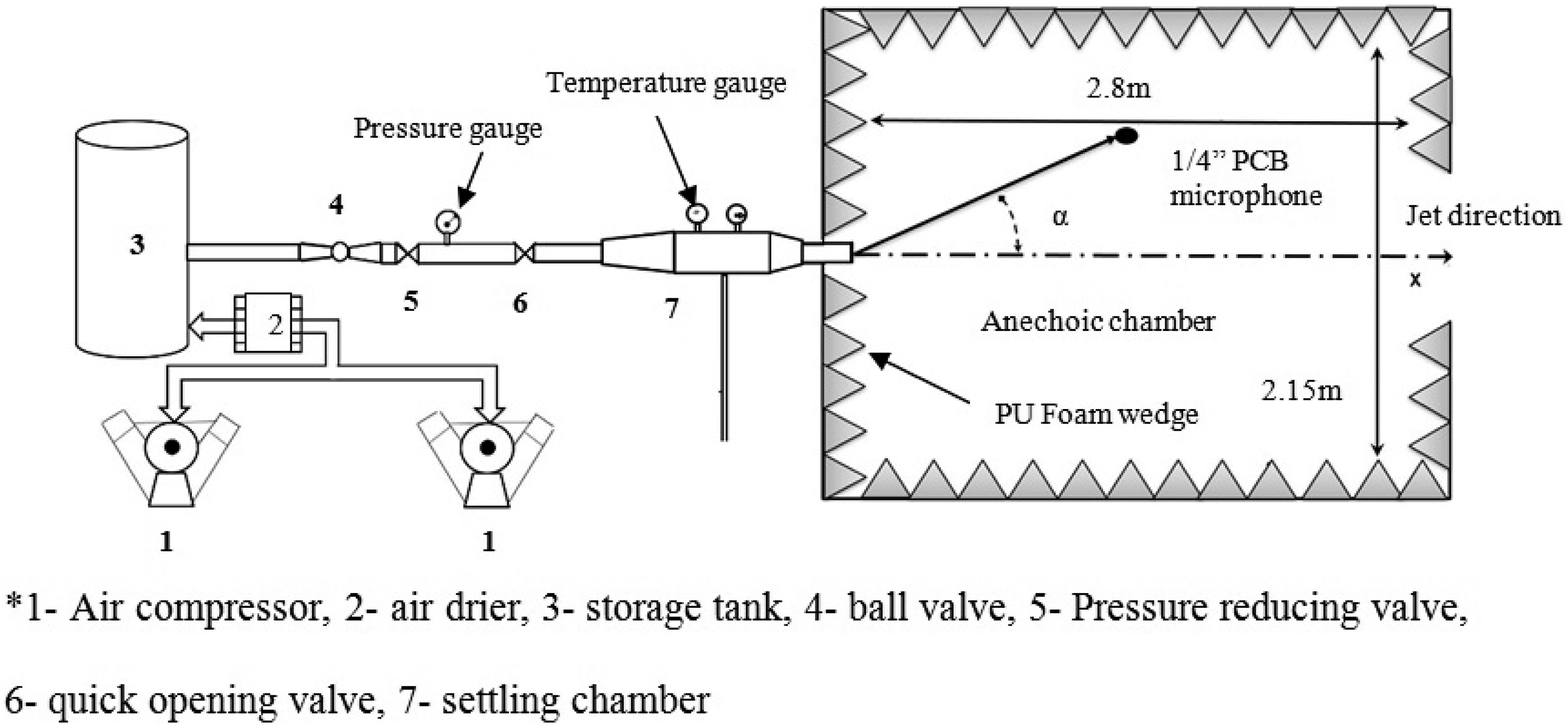
Anechoic chamber and acoustic data measurements
A supersonic jet facility equipped with an anechoic chamber was used to acquire acoustic measurements. An anechoic section with interior dimensions of 2.8 × 2.5 × 2.15 m between the wedge tips has been employed to map acoustic power from a source. The exterior and inner walls of the space were made of 12.5 mm thick, strong gypsum boards, with a glass fibre sandwiched in between. The internal walls of the chamber were covered in a pyramid shape with noise-absorbing PU foam. The cut-off frequency within the anechoic section had been set at approximately 1080 Hz. Figure 1 depicts an air supply configuration with a free jet inside an anechoic chamber. Using scaling principles, all far-field jet noise investigations have been carried out in free-field conditions. The settling chamber’s function is to minimize turbulence generated by internal flow. The CD nozzle is linked to the settling chamber end plate to develop a supersonic jet.
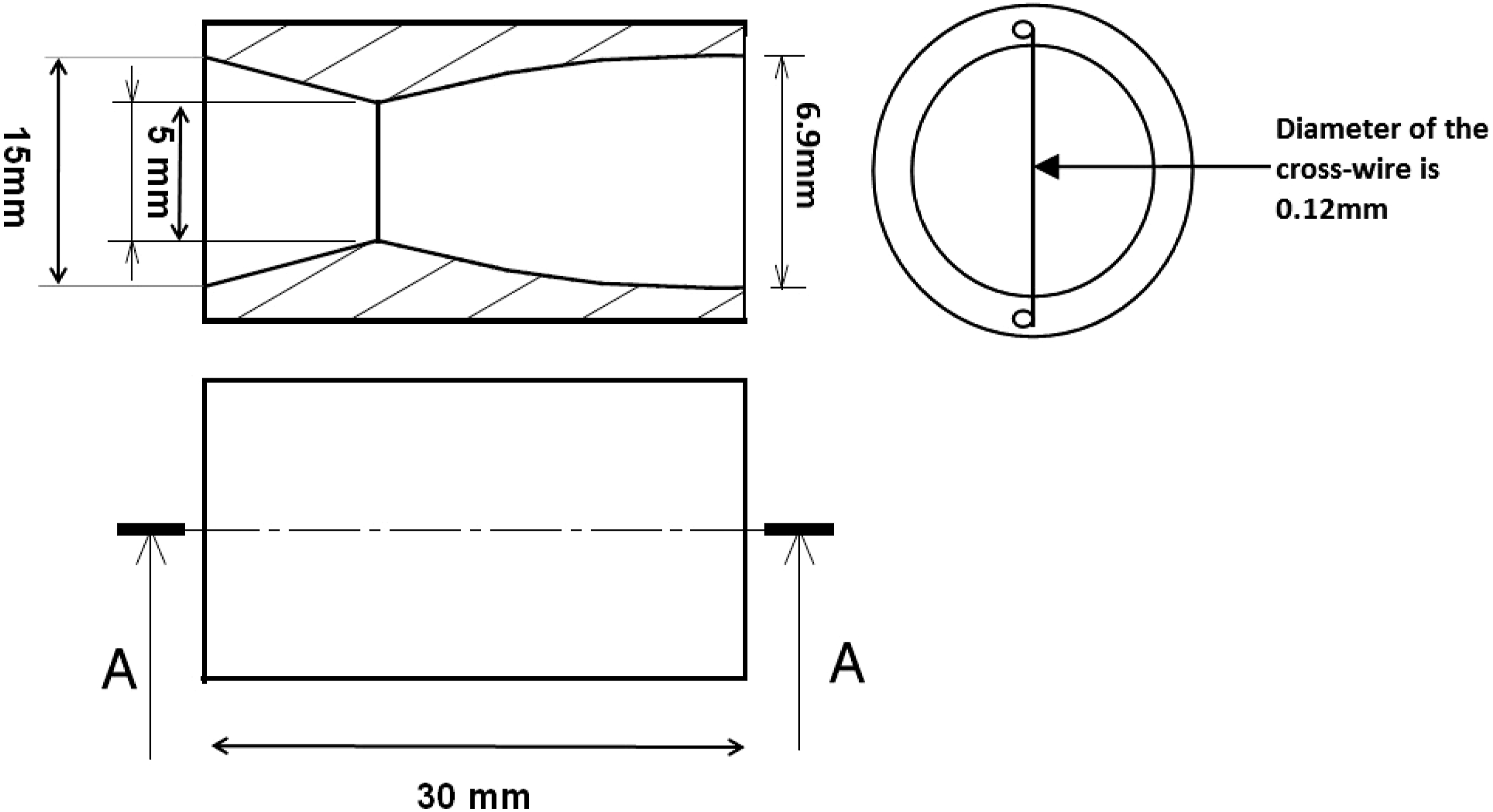
Figure 2 represents the quarter-inch free-field condenser microphone system, PCB 377C01, used to collect far-field acoustic data. Fluctuations in power spectral density (PSD) are recorded with PicoLog 1012 (using Picoscope 6.0 software). Data acquisition is performed using a computer-based system. FFT lengths of 4096 samples were used to obtain narrow-band microphone spectra. The Origin software was used for signal analysis, processing, and charting. Figure 3 shows the measuring plane and the location of the microphone at α = 60°, 90° and 135°. The Figure 4 represents the CD nozzle with cross-wire. The cross-wire is positioned exactly at the lip of the CD nozzle exit. Representation of microphone array in the measurement plane. Cross-sectional view of CD nozzle with cross-wire. Representation of narrow far-field acoustic spectra at Mach number 1.5.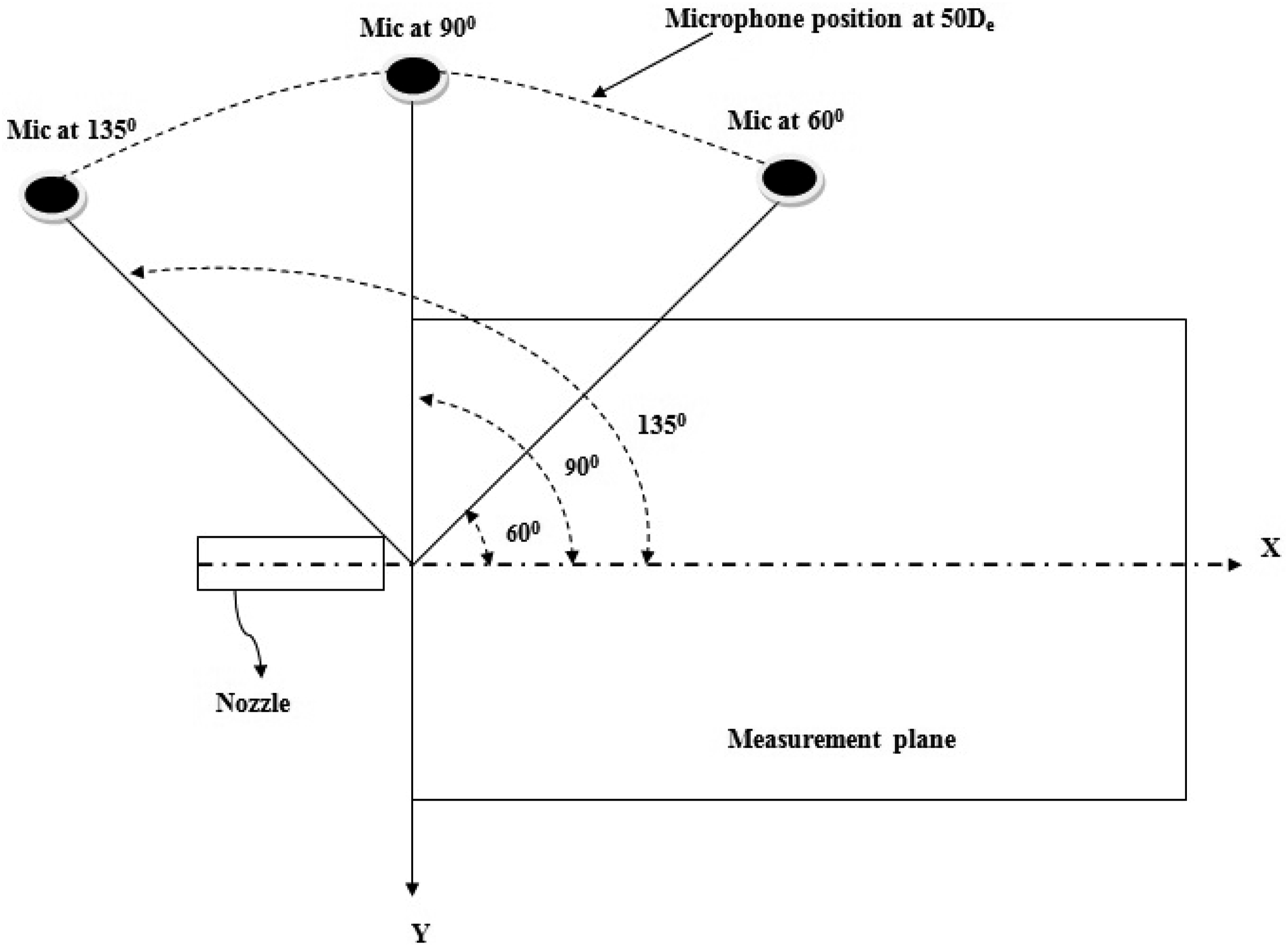
Results and discussion
Noise suppression using cross-wire at M = 1.5

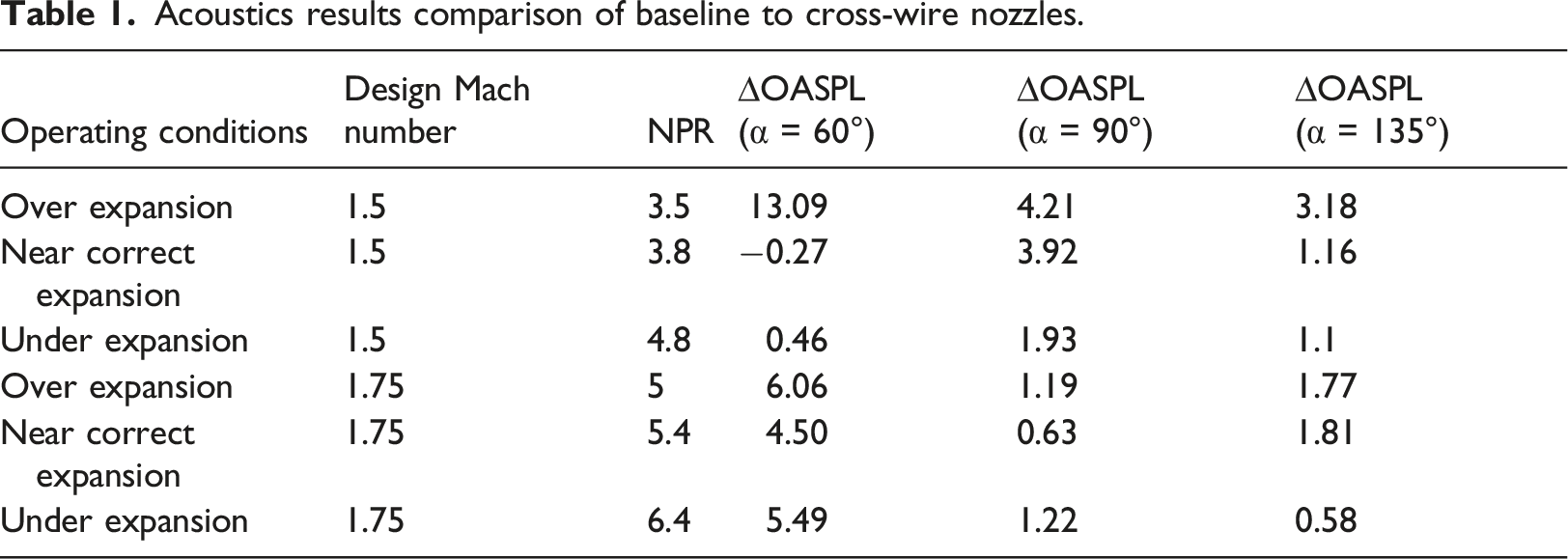
Acoustics results comparison of baseline to cross-wire nozzles.
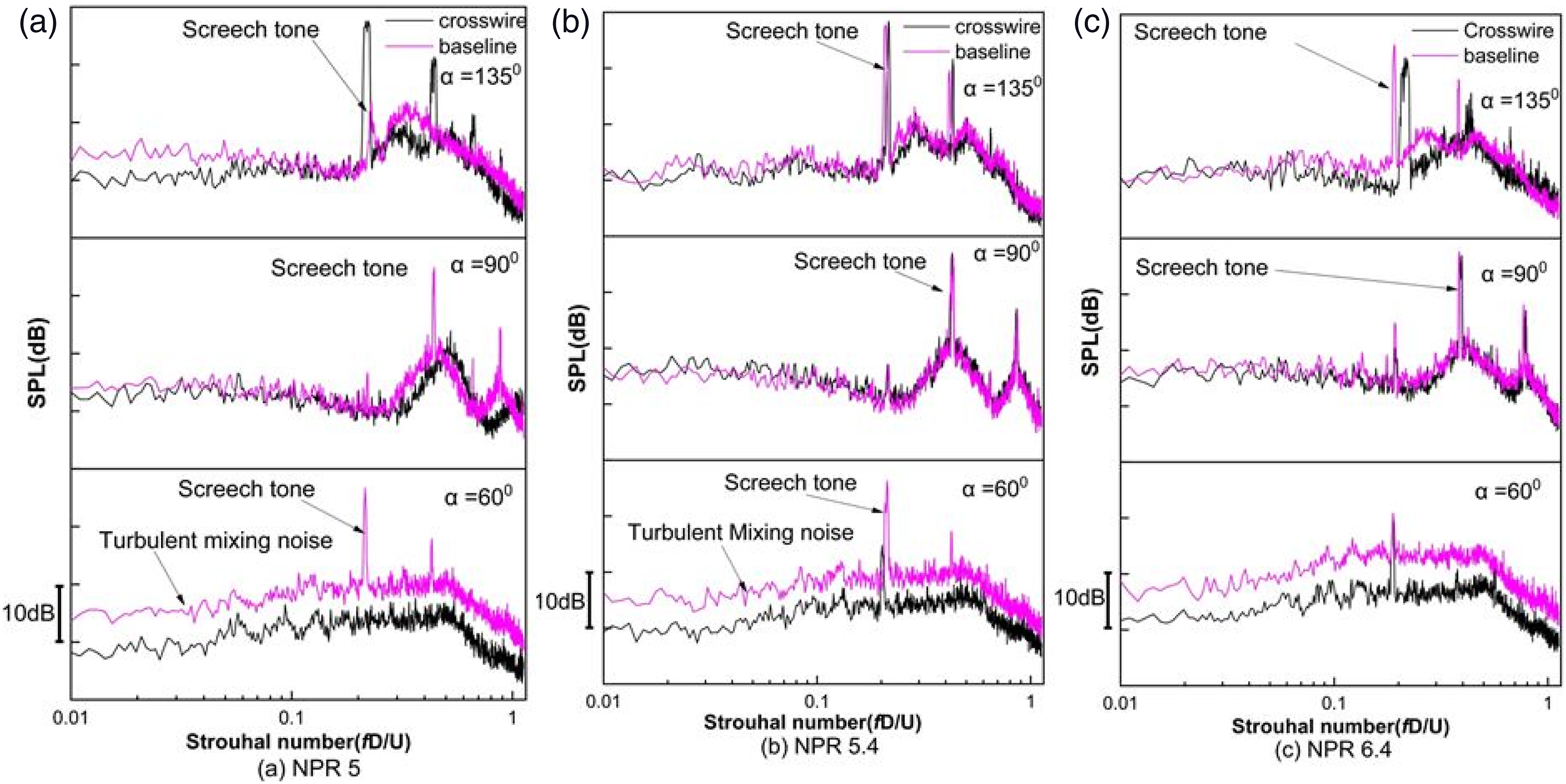
Representation of narrow far-field acoustic at Mach number 1.75.
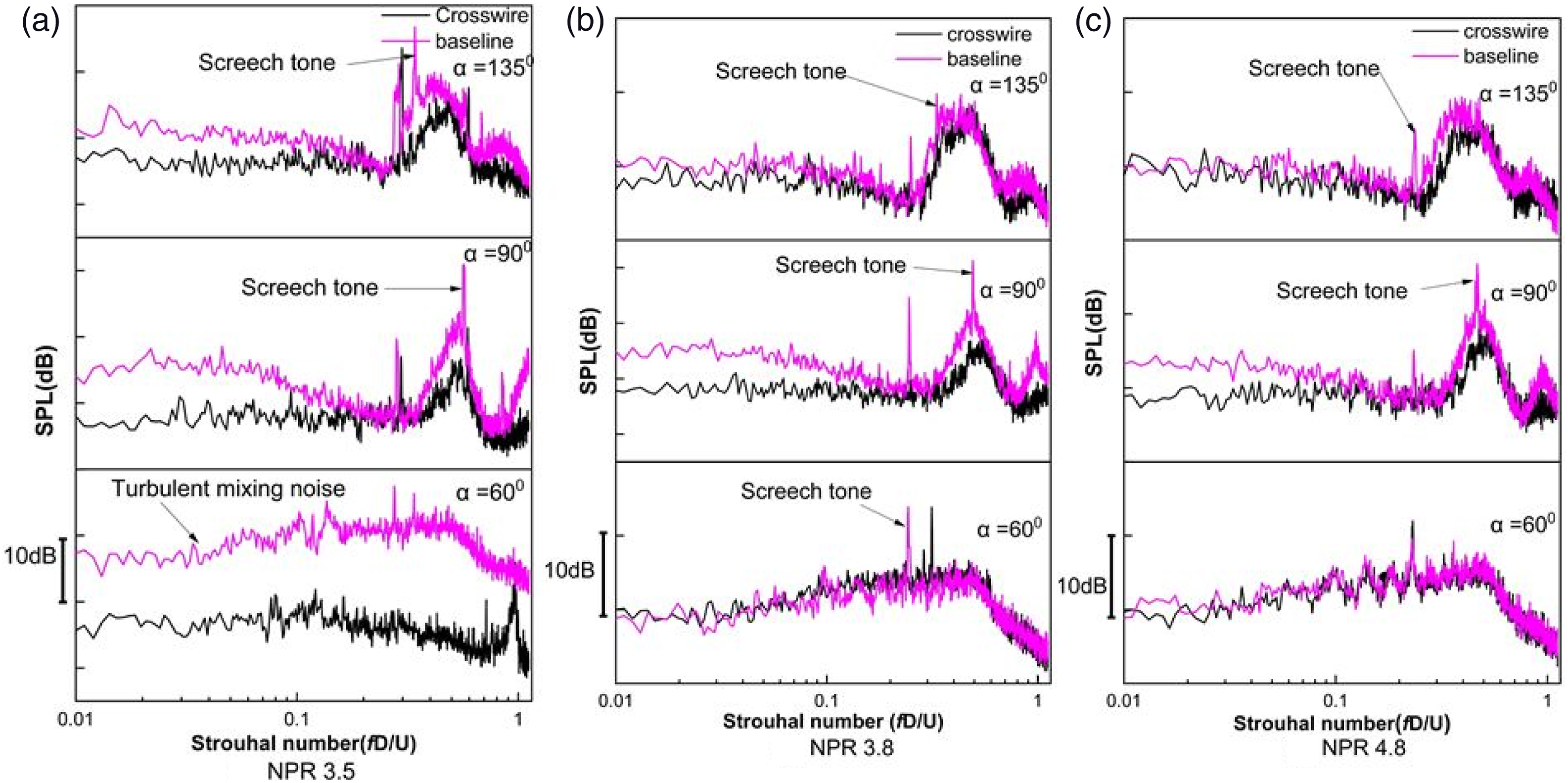
Findings Figure 4(a) shows that the distribution of sound sources associated with the jet plume undergoes noticeable changes as an observer approaches the central axis of the jet. The jet plume significantly alters these distributed sources’ radiation patterns as the observer moves closer to the jet axis. It was evident from Figure 4(a) that the noise source near thejet core is high, due to the SPL value peaks for the baseline between 60° and 90° to the jet axis. Figure 4(a) data indicates that the peak screech tone amplitude observed for the strouhal number 0.5 at Mach number 1.5, NPR 5 of over-expanded condition.
For supersonic jets, the screech amplitude rises with the under-expanded jet Mach number, Figure 4(b) in good accordance with the experimental findings from the Kandula. 8 In Figure 4(a), two spectral maxima are shown for the baseline nozzle at two different Strouhal numbers: 0.2 and 0.4. A spectral peak appears at an azimuth angle of 135° for the cross wire at a Strouhal number of 0.2. BBSAN has a single dominant spectral peak, and the peak frequency depends on the directivity at = 90° and 135°, Figure 4(a). Figure 4(a) shows that the acoustic feedback decreases at severe under expansion conditions; results agree with Kandula’s findings. 8 The fluctuation of the screech intensity is evident in Figure 4(b) as a function of the jet Mach number (M=1.5 at NPR3.8); the peak screech amplitude increases for the angle α = 90° and 135°, and the slope of the curve gradually decreases when the higher frequency range is attained. When the Strouhal number is between 0.3 and 0.5, a given number of screech tones are at their highest amplitude, and it narrowly reduces subsequently. Figure 4(b) shows two screeches with maximum amplitudes at α = 90°, although the baseline nozzle’s overall adjustment in SPL value is constant in comparison to the cross-wire.
Figure 4(c) depicts NPR 4.8 at Mj = 1.5; the baseline nozzle’s SPL value is somewhat lower than the cross-wire, whereas the SPL value at α = 60° increases for over-expanded and ideal-expansion conditions. While the Strouhal number is 0.2, 0.4, or 0.8, the maximum screeches are present at α = 90° angles, after which they become progressively lesser. Two screeches with maximum amplitudes at Strouhal numbers 0.2 and 0.4 for the baseline nozzle can be seen in Figure 4(b) at α = 90°. Compared to the baseline nozzle at NPR4.8, the cross-wire fitted nozzle flow significantly reduces the screech tones at 90° but is less effective at 60° and 135°.
Noise suppression using cross-wire at M = 1.75
When the total inlet pressure exceeds the overexpansion condition, a large number of screech tones are recorded. Cross-wire produced screeching tones for the over-expansion state but at a lower frequency. Additionally, this cross-wire jet with under expansion causes no screech phenomena until α = 90°; after this emission angle, the screech tones are weaker than baseline. Figure 5(a) shows two screech tones at the Strouhal number 0.2 and 0.4 for the baseline nozzle when α = 60°. Due to the shock wave interaction, BBSAN is significantly closer to the supersonic jet core when we move away from the jet core centerline axis at 90°. Figure 5(a) shows that when α = 135°, the presence of cross-wire becomes less effective concerning the baseline when the nozzle is operated at a high pressure ratio; because of the mixing of stream-wise vortices, the SPL value increases. Even though screech tones are apparent for all conditions, this mixed flow trend of cross-wire decreasing screech frequency decreases with increasing Mach 1.75 at α = 60° is in good agreement with the finding of Kuo 27 . Figure 5 it is evident that the majority of the turbulent mixing noise is emitted into an angular position from 45 to 60° measured from the direction of the jet flow. The peak value decreases at a Strouhal number of approximately 0.1–0.2, and the spectral characteristics are significantly minimum for the crosswire compared to baseline as Figure 5(a)–(c) illustrates, is almost uniform in all positions of α = 60°. It is evident from Figure 4(a) and (b) that cross-wires effectively suppress the turbulent mixing noise at NPR 3.5 when compared to the baseline nozzle. The turbulent mixing noise can be the quantity as much as 20 dB of the jet’s total sound pressure level (SPL) the cross-wires are minimizing by enhancing or reducing the mixing of a jet with the surrounding fluid. It is possible to suppress the supersonic jet noise by enhancing the mixing of jets. The exit shape of the jet can be changed by mass transport phenomena with the surrounding medium to enhance or retard the mixing process in free-shear layers like jets. The results are in good agreement with Tamet al. 28 examined the effects of mechanical tabs on the nozzle lip on under-expanded supersonic jet mixing. As the NPR increases, the effectiveness of the crosswire in mitigating turbulent mixing noise diminishes in comparison to the baseline nozzle.
OASPL distribution using radar plot
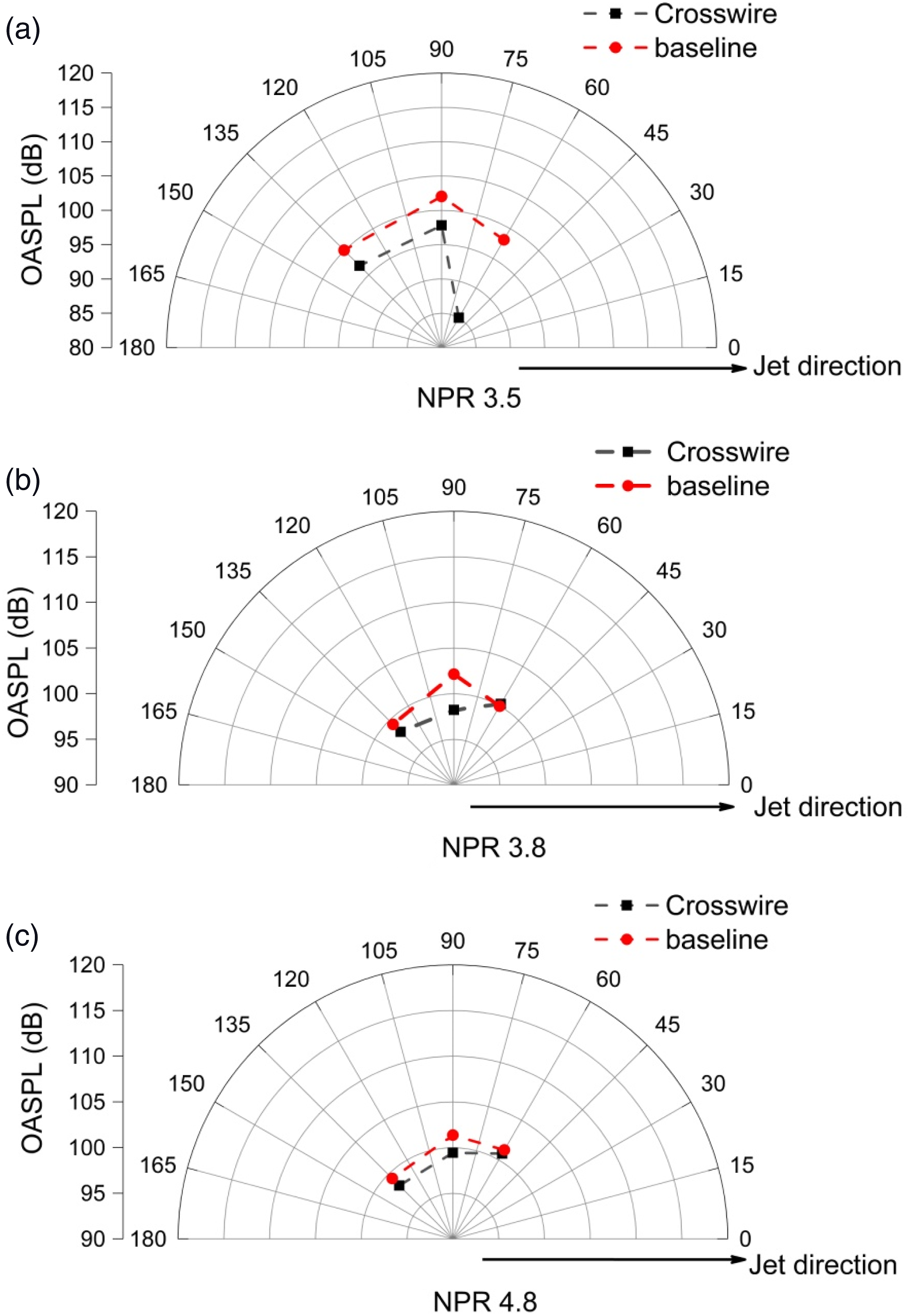
Directivity spectrum at Mach number 1.5
The overall sound pressure level (OASPL) changes with microphone position at different azimuth angles (60°, 90°, and 135°) as shown in Figure 6(a)–(c). The initial step involves determining the pressure value corresponding to SPL, as defined in equation (2). Following that, the pressure value using equation (3) is calculated. Next, the root mean square (RMS) value for the entire spectrum acquired during acoustic experiments is computed. Finally, the OASPL is derived by substituting the estimated RMS value into equation (4). Figure 6(a) demonstrates that the cross-wire is less effective at α = 60°; being closer to the acoustic power along the jet direction. However, at α = 90°, it outperforms the baseline nozzle. Figure 6(a) demonstrates that the cross-wire performed better than the baseline nozzle under ideal expanded conditions, with decreasing OASPL values of 6 dB and 2.5 dB at 90° and 135° angles, respectively. Furthermore, Figure 6(b) shows the same level of noise suppression at 90° and 135° that was attained under ideal expanded conditions. Due to the maximum jet noise source in the flow direction, the OASPL value changes are attenuated at 60°. The under-expanded state at Mach 1.5 is depicted in Figure 6(c), along with a significant decrease in OASPL value of 3 dB via cross-wire when compared to baseline at the 90° and 135° angles. Figure 6(c) compares the cross-wire and baseline at 1.5 Mach, operating pressure conditions of NPR 4.8. Representation of directivity spectrum at M = 1.5.


Directivity spectrum at Mach number 1.75
Figure 7(a) shows the over-expansion condition at Mach number 1.75; the significant reduction in ∆OASPL value of 6 dB in cross-wire compared to baseline nozzle at α = 90°. Figure 7(b) compares the cross-wire and baseline at operating pressure conditions, NPR 5.4. At 60° angles, the baseline nozzle has the same OASPL value as the cross-wire. At all other azimuth angles, the baseline nozzle has the highest OASPL value. Due to the effect of jet mixing noise near the potential core of the supersonic jet, the cross-wire nozzle has an average OASPL of 4 dB less than the baseline nozzle.
29
Figure 7(a)–(c) depict the over and near correctly expansion condition; it appears to be a cross-wire nozzle that commendably minimizes the noise at α = 90° and 135° angles by decreasing OASPL by 4 dB in comparison with the baseline. Figure 7(c) exhibits that when the supersonic flow is under-expanded at α = 90°; it is apparent that the cross-wire does not influence the supersonic jet noise, due to its high operating pressure ratio relative to its nozzle design pressure ratio. Representation of directivity spectrum at M = 1.75.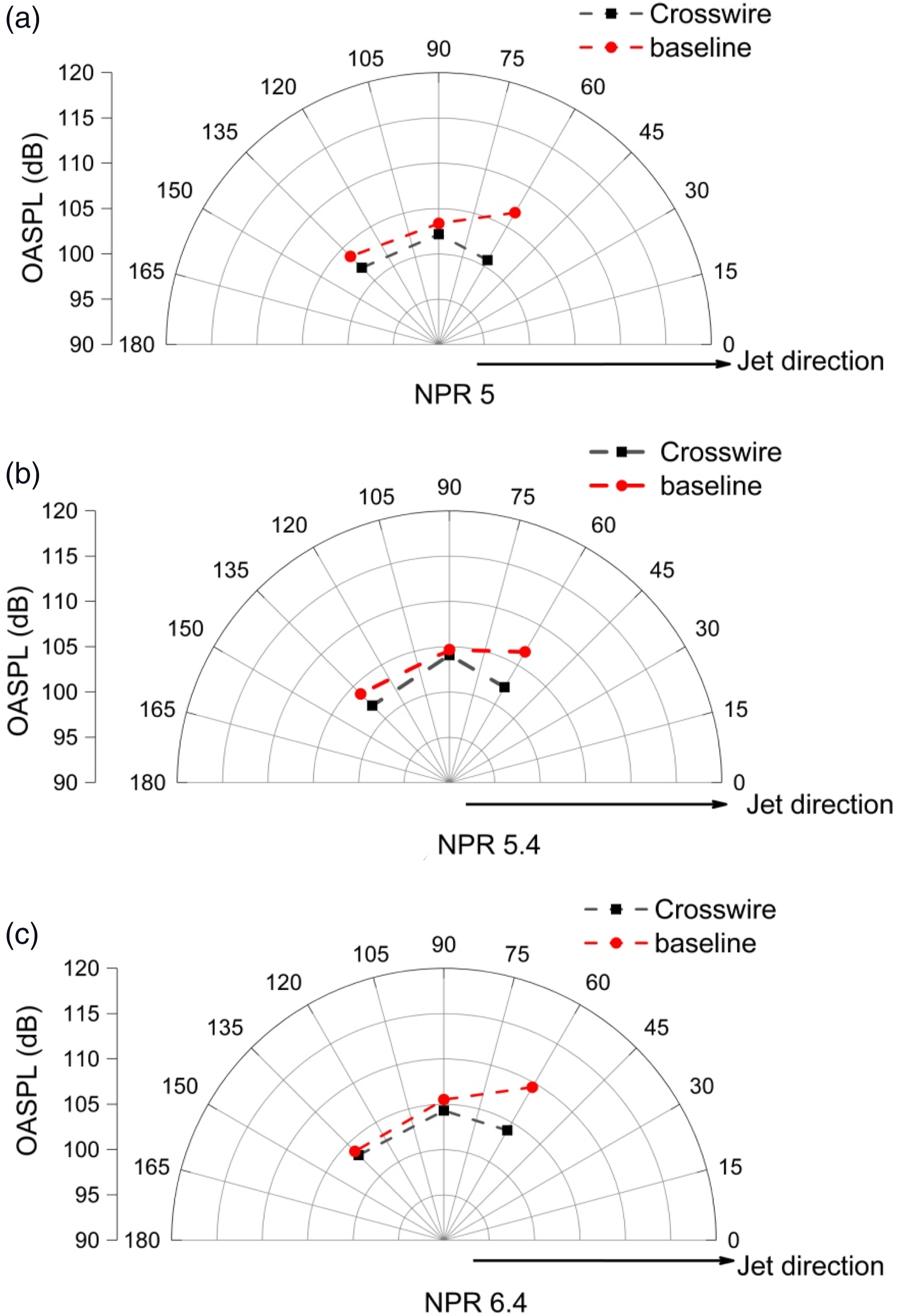
Schlieren flow visualization
In the Z-type Schlieren setup, a halogen light source was employed in conjunction with a configuration of two concave mirrors. The images appearing on the screen were captured using a Nikon D5600 digital camera, equipped with the capability to record at 60 frames per second. Several authors have noted the length of a shock cell in different waysusing shock visualization studies. The shock cell lengths are measured and determined using imaging software (ImageJ). A reference scale is used to measure the shock cell length based on the exit diameter of the nozzle (De). The Schlieren images are rendered by averaging 25 images and obtaining a visible shockwave pattern, In Figures 8 and 9 the first shock cell in the over-expanded conditions is short due to the vertical cross-wire placed at the nozzle exit, but the shock cell for the baseline nozzle is long. Compared to the baseline nozzle, the cross-wire placed at the lip of the nozzle promotes rapid decay. For the current investigation, a shock cell is defined as the area that contains two waves; the Prandtl-Meyer expansion fan and the shock waves in an entire cycle. It should be noted that the wave produced by the expansion waves’ reflection is regarded as another oblique shock wave. Both supersonic and subsonic zones can be found in the shear layers in the direction perpendicular to the jet axis. The strength and spacing of these shock cells are diminished downstream due to the turbulent mixing in the jet shear layer. The first four measured shock cell distances provide evidence for this. In the core region, waves are seen to be weakening more quickly. A stronger vortex arises due to the cross-wire perfectly positioned at the lip of the nozzle. Schlieren pictures of CD nozzle flow with cross-wire and baseline at Mach number 1.5. Schlieren pictures of CD nozzle flow with cross-wire and baseline at Mach number 1.75.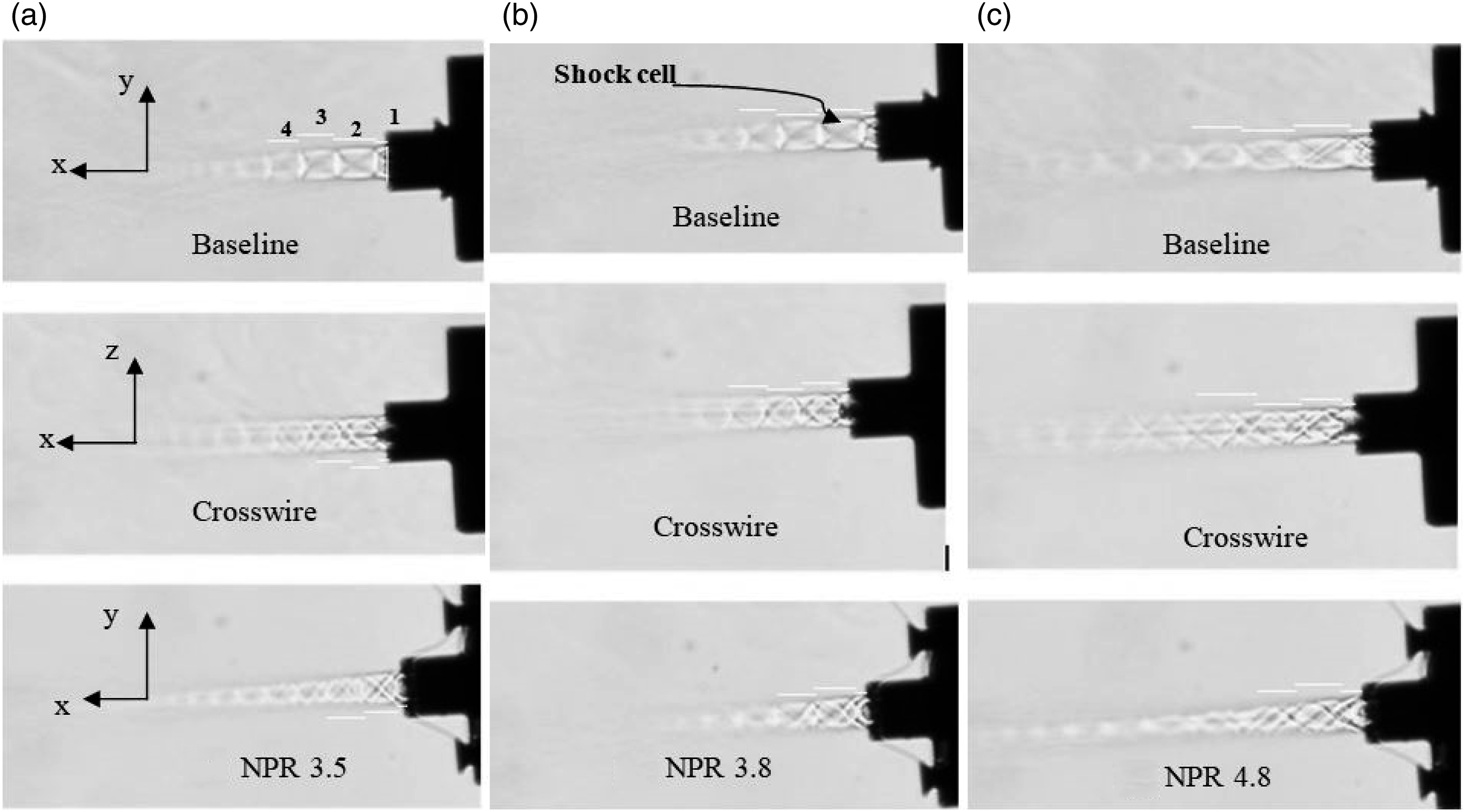
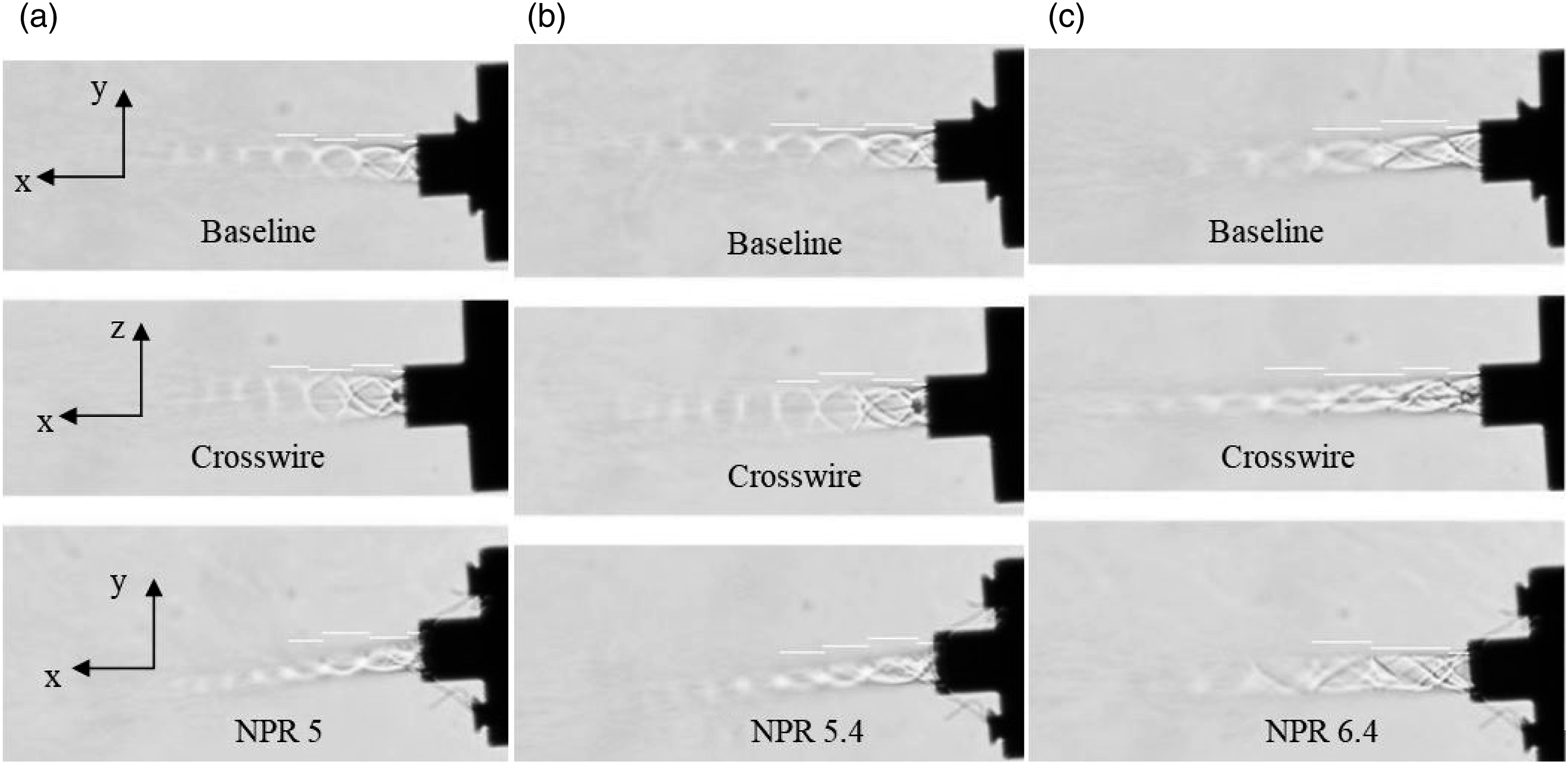
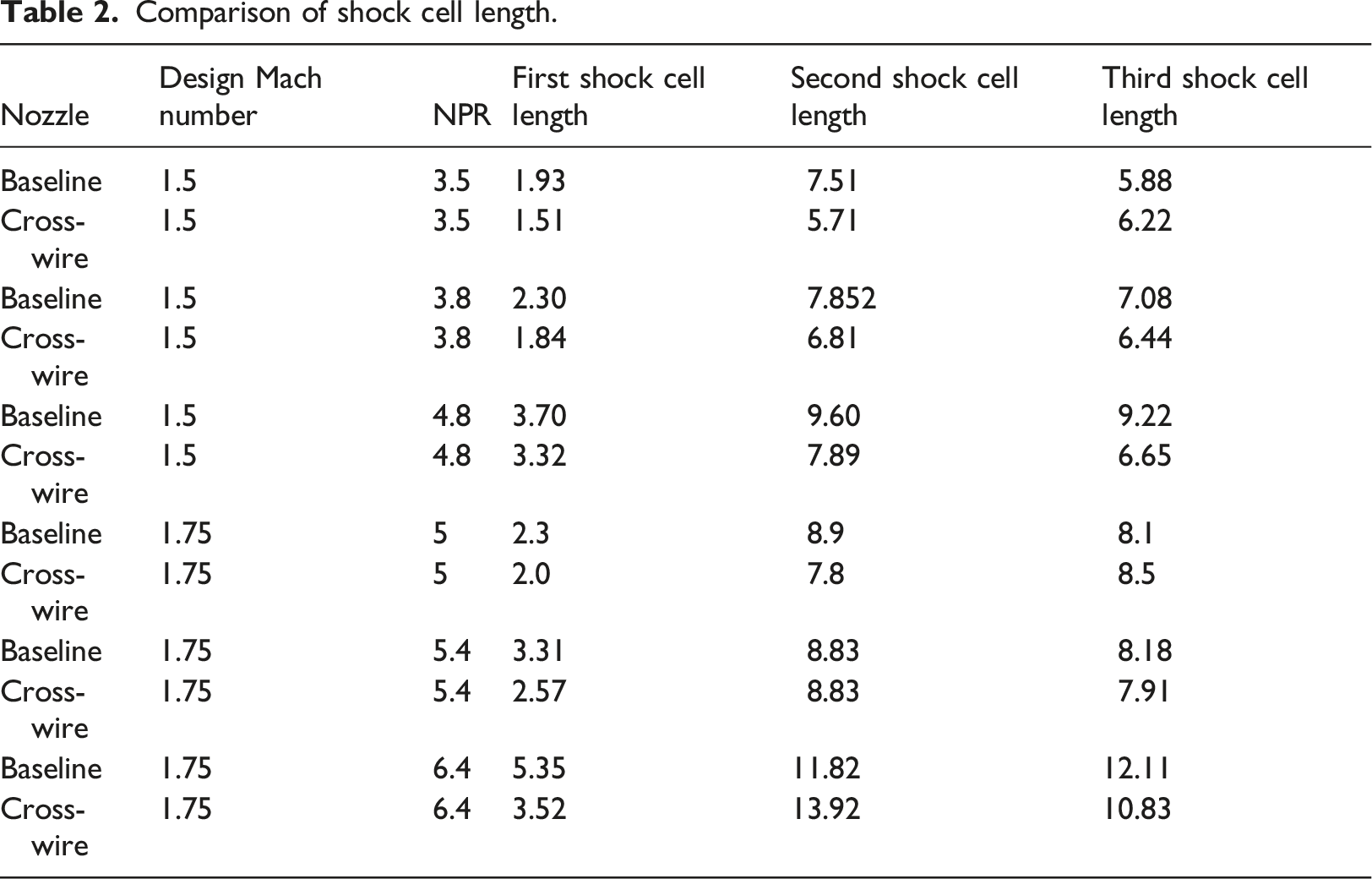
Figure 10, is similar in length for all three operating conditions of Mach number 1.5 for the first shock cell. The second shock cell, however, shows variations in cell length. By initiating the interaction process more quickly in the supersonic core region, the cross-wire accelerates the decay of pressure fluctuations. The spreading rate may increase, and turbulent structures may propagate in a spanwise direction. According to the observations reported above, the cross-wire installed at the nozzle exit served as an efficient mixing promoter. Moreover, over-expanded jets consistently have shorter supersonic core lengths than under-expanded jets for all nozzles. By increasing incoming total pressure, shock-cell spacing becomes wider.
Comparison of shock cell length.
According to Rathakrishnan, 29 it is clear from Figure 8(b) and (c) that the cross-wire promotes mixing, weakens shock strength along the core jet, and causes the supersonic core to decay very slowly. Figure 9(a) demonstrates how the cross-wire streamwise vortices reduce the strength of shock waves compared to the baseline nozzle. The cross-wire modifies the BBSAN increased frequency spikes by reducing their length and diameter in the supersonic flow regime. 30
Conclusions
Present-day experimental research centers on the evolution of passive control mechanisms in the realm of jet noise mitigation studies. This ongoing work signifies the persistent dedication to devising pragmatic and efficient approaches to curbing noise emissions. As technology progresses, these passive control methods undergo further refinement and harmonization with other noise reduction strategies, contributing to enhanced aviation efficiency and environmental friendliness. (1) This experimental work encourages the implementation of cross-wire (passive control) as a replacement for other techniques like tabs, chevrons, plug
31
and corrugations for supersonic nozzle noise suppression. (2) The study illustrates that cross-wires can induce the formation of stream-wise vortices and enhances mixing. From the experimental findings and the Schlieren images, cross-wires positioned at the exit of a C-D nozzle are shown to enhance mixing more effectively than the baselines at Mach numbers 1.5 and 1.75 across all inlet operating pressures. (3) The integration of cross-wires into CD nozzles has the potential to reduce the sound pressure level (SPL) by approximately 3–5 dB in both under-expanded and over-expanded conditions. (4) Moreover, cross-wires outperform baseline nozzles across all NPR conditions by effectively eliminating complex multi-frequency screech tones. As illustrated in Figures 5 and 6, the cross-wire nozzle exhibits the fewest screech tones when compared to the baseline nozzle. Furthermore, it reduces the peak screech frequencies under under-expanded conditions, particularly when α = 90° at M = 1.5. (5) The inclusion of the cross-wire configuration also led to a reduction in the overall noise level during over-expanded conditions. With an average decrease in OASPL of 5 dB, the cross-wire demonstrates a more substantial acoustic advantage compared to a baseline nozzle.
Footnotes
Declaration of conflicting interests
The author(s) declared no potential conflicts of interest with respect to the research, authorship, and/or publication of this article.
Funding
The author(s) received no financial support for the research, authorship, and/or publication of this article.
