



Abstract
Existing literature presents a fragmented and negative account of international family transitions. This longitudinal study focuses on the contemporaneous experiences of internationally mobile families during their transitions to a new country and international school, drawing on Multiple and Multi-dimensional Transitions (MMT) Theory. The study adopted a small-scale, multiple case study design and focused on the experiences of primary aged children and their parents over the period of one year from July 2019 to July 2020. The findings, presented here as a cross-section, revealed that participants navigated multiple, complex transitions across several domains and contexts on a daily basis and that their transition experiences were largely positive. This study challenges previous chronological models of international transitions and demonstrates that through the application of MMT theory, international family transitions are best understood as ongoing, complex, and multi-dimensional processes.
Keywords
Introduction
In recent years there has been a major increase in the number of internationally mobile families due to the ease of long-distance travel and effects of globalisation (Poonoosamy, 2018), with an associated growing demand from internationally mobile families where a parent is employed by a global corporation for an English language education for their children, and rapid growth in the English-medium international school industry. While this global professional mobility is increasingly commonplace, little is known about the experiences of, and its impact on, the young children who accompany their parents on these global excursions and face frequent international school transitions (Ittel and Sisler, 2012). These globally mobile children, often described as Third Culture Kids (TCK), have backgrounds that tend to involve frequent change, and they tend to be from materially privileged and professional families with lifestyles involving exposure to new cultures and languages (Bates, 2013), and strong adaptability and problem-solving skills (Lee et al, 2007), while being part of strong nuclear families (Langford, 2012).
There are challenges, however. For example, they may see their working parents and extended family infrequently, and they may have had limited influence on the decision to move abroad. Unpredictable moves may also lead to identity issues and unresolved grief as a result of frequent separations from friends and family (Moore and Barker, 2012). Some experience a form of ‘culture shock’ (Pollock and Van Reken, 2009) arising from relocation, and may have to use a language in school (usually English) that is different from their home language (Hayden, 2011). Along with social and emotional challenges, internationally mobile children may also face multiple academic challenges due to experiencing different curricula (Medwell et al, 2017), different educational systems, new pedagogical approaches, and new environment, potentially leaving them vulnerable.
Notwithstanding the growing research on the benefits and challenges of Third Culture Kids growing up abroad over the past thirty years, literature provides a conflicting account of how children and families navigate international transitions. Frequently, research has presented a negative picture of international transitions for families, and employed words such as ‘grief’ and ‘loss’ (Limberg and Lambie, 2011) due to regular relocations requiring that they leave friends and family behind. Some authors have tended to view international transitions as a series of events or stages as opposed to an ongoing process, which fails to recognise the range of emotions experienced, over time, both by the individual and by the family (see Koini et al, 2022). Much work undertaken in this area is based on the retrospective views and experiences of adult TCKs, ie adults who have experienced a globally mobile childhood (Lyttle et al, 2011). Furthermore, a recent systematic literature review (Koini et al, 2022) found several other gaps in previous research:
a. there was a general lack of empirical base concerning international family transitions
b. there was no exploration of concurrent perspectives of children and parents, and interconnected experiences
c. literature focused upon the adverse outcomes of international transitions
d. literature lacked a theoretical background
This study was therefore designed to address these gaps in the literature. Its aim was to understand how families experience international transitions across different contexts and domains, based on the following research questions:
1. What are families’ experiences of international transitions related to home, international school and work contexts?
2. What are families’ experiences of international transitions related to psychological, social, educational, spatial, identity, and professional domains? (where the spatial domain refers to families’ home/school settings and geographical location)
Conceptualisation and Theoretical Framework
Definitions of the term transition are sparse and when it is explored there is no consensus and weak theorisation (Jindal-Snape et al, 2021). Theories of international transitions have tended to describe chronological and linear stages viewed to be common among individuals who move to new cultures, such as the U-curve model (Lysgaard, 1955) and the W-curve model (Gullahorn and Gullahorn, 1966). Heyward (2002) linked these models to Oberg’s (1958) theory of culture shock, which explains the negative impact of a cross-cultural move. Although an important theoretical development, Bates (2013) noted that these transition frameworks are limited in the context of international school students as they only capture one part of the globally mobile experience by not considering the international school culture or an individual’s significant others.
Pollock and Van Reken (2009) offered an expanded five-stage model of transition that may be more specific to the context of international schools, namely, involvement, leaving, transition (the move), uncertainty and re-involvement. This is a useful framework which was further developed by Pollock et al (2017) to highlight that transition should be thought of as not only the move itself but also the adaptation to the move. They also highlighted that families will go through different transitions at different times, with loss being experienced both by those moving and by those left behind. However, using a staged model may not be consistent with the fluidity, and ongoing nature, of transitions that the authors seem to have argued for in the latest edition (Pollock et al, 2017), by giving an example of someone starting to prepare for their move 2 years in advance.
We prefer to draw instead on the definition put forward by Jindal-Snape (2018) who takes cognisance of the fluidity of transitions which are defined as an ongoing process of psychological, social, educational, cultural and spatial adaption, that can be due to changes in context, interpersonal relationships and identities. Jindal-Snape argues for a balanced discourse highlighting that transitions can be both exciting and worrying at the same time and require ongoing support. The process of experiencing transitions is therefore ongoing, dynamic and complex, and successful transitions require the involvement of children, parents and school.
In this study, Jindal-Snape’s (2016) Multiple and Multi-dimensional Transitions (MMT) Theory has been adopted as the underpinning theoretical framework. It emphasises that individuals may experience multiple transitions at the same time, in multiple domains (such as social, psychological) and multiple contexts (such as school or home). These multiple transitions impact on each other and may trigger transitions for significant others, such as parents, friends, and vice versa, meaning that transition overall is a multi-dimensional process. Further, these transitions take place in a dynamic environment (Jindal-Snape, 2016).
Context of the Study
Ota (2014) and others have argued the importance of understanding transitions in the context of international schools due to the impact of mobility on children. The setting of this study was Arnold School (a pseudonym), one of 46 international schools in Belgium, a private non-selective day school catering for students from 2.5 to 18 years. It is one of the largest and most culturally diverse international schools in Belgium, with students from 35 different nationalities. The student population comprises approximately 70% expatriate and 30% local children. It offers three of the International Baccalaureate (IB) programmes, Primary Years Programme (PYP), Middle Years Programme (MYP) and Diploma Programme (DP), with English as the main language of instruction. The study is based on the experiences of primary aged students starting at this school, and their families.
Methodology
As international school transitions are complex, dynamic and multi-dimensional, an individual’s beliefs, values and experiences will both interact with, and impact on, the experiences of their significant others. Additionally, their thoughts and interpretations of their experiences may change over time. A longitudinal, interpretivist approach was therefore adopted with data being gathered over the course of a year (Figure 1).
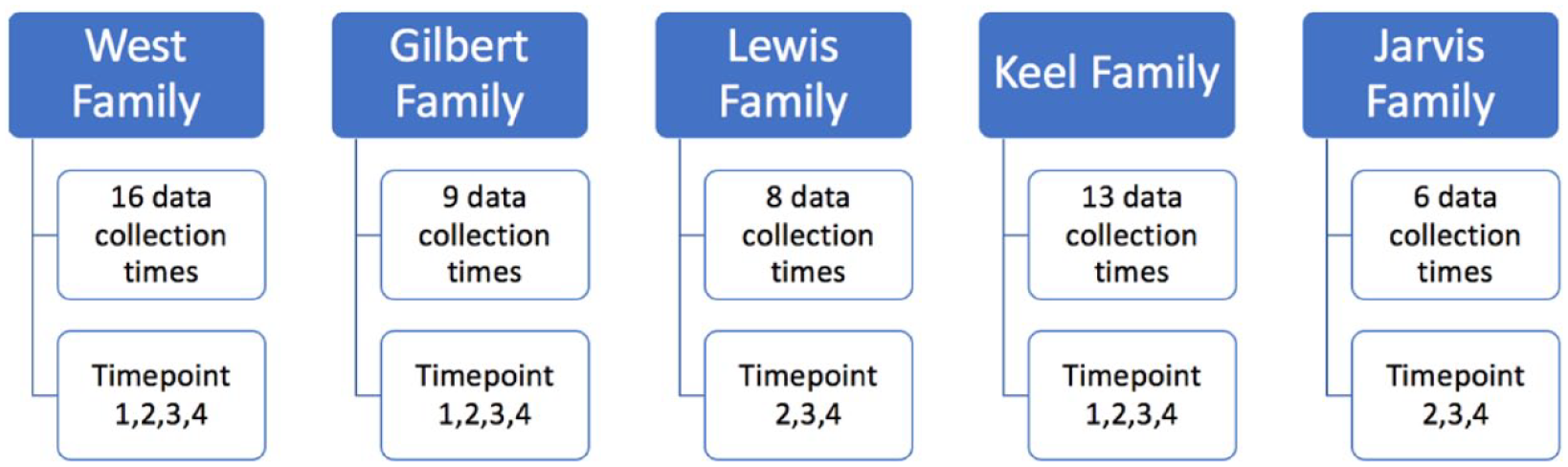
Family participation in data collection at different timepoints and frequency.
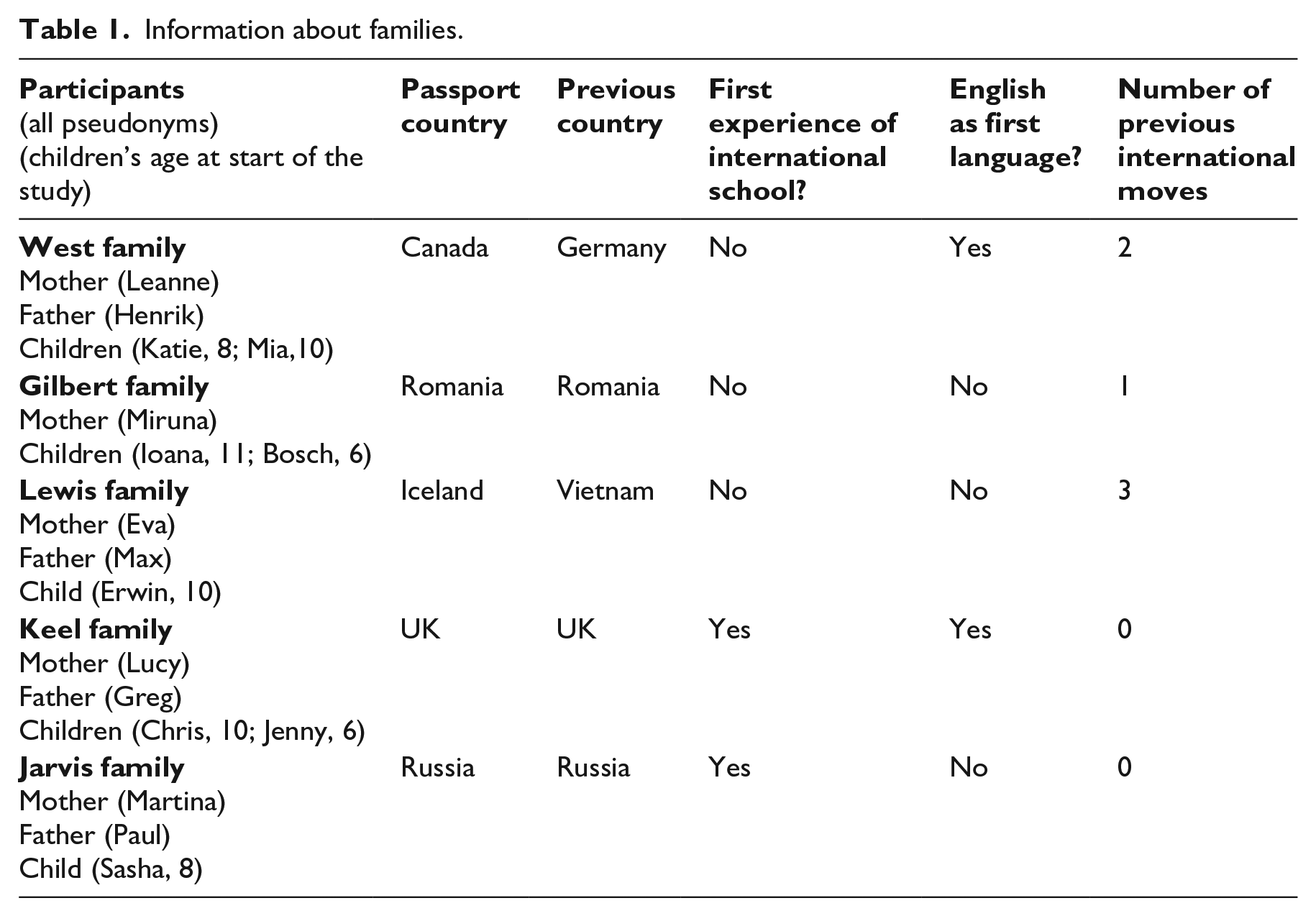
The sample population comprised new incoming primary school families starting at Arnold School at the beginning of the school year. The rationale for focusing on primary aged children was guided by the literature review findings, which highlighted a dearth of research capturing the international transition experiences of primary aged children and their significant others. The headteacher acted as gatekeeper for the study and invited all new primary school families who had moved to Belgium in summer 2019 to participate in the research. Five families responded positively to the school’s invitation, which resulted in 8 children aged 6-11 years and their parents (n=9) taking part in the study (Table 1).
Information about families.
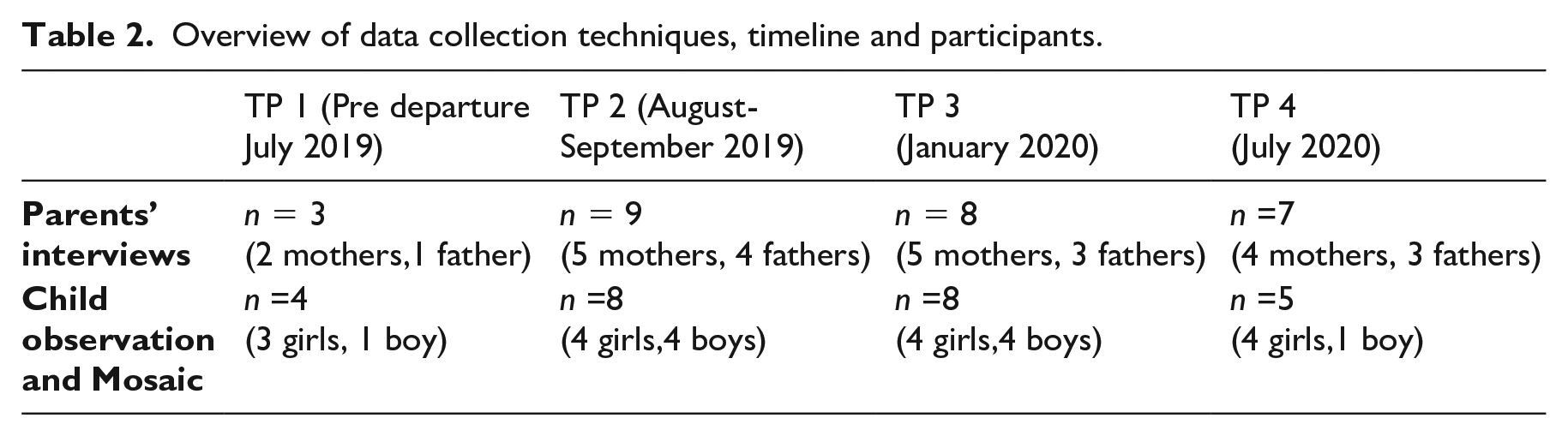
Data collection was carried out by the first author who is a parent and professional at that school. Data were gathered from participants during the 2019/2020 academic session across four time points (TPs), beginning before they relocated and joined the school (Table 2). By capturing families’ pre-departure expectations and exploring their multiple transition experiences over time, this study endeavoured to obtain a holistic understanding of international transitions. Two factors led to data not being gathered from some families at one TP or at fewer time points (Figure 1): unexpected events affecting attendance such as sickness, work issues and the COVID-19 pandemic.
Overview of data collection techniques, timeline and participants.
The use of multiple methods and sources of data collection led to rich data for crystallisation of findings (Richardson and St Pierre, 2005). The five families originated from different countries: West family were from Canada, Lewis family from Iceland, Gilbert family from Romania, Jarvis family from Russia, and Keel family from the UK. All but the Jarvis and Keel families had lived in other countries prior to moving to Belgium, with multiple national and international identities (Pearce, 2011). Most participants spoke multiple languages; for instance, Erwin from the Lewis family spoke Luxembourgish, German, Icelandic and English. On the other hand, the Jarvis family, who were on their first international assignment, had studied at Russian schools. When they arrived in Belgium, while the oldest child (16 year old brother, did not participate in the study) and mother had some basic English language skill, the father and two younger children (Sasha, and a 4 year old sister who did not take part in the study) did not speak any English.
Children
We sought to capture multi-faceted and reflexive representations of what was both central and meaningful to the primary age children, and therefore considered methods that could ensure that they were active partners in the research process (Dockett et al, 2012). As creative, arts-based methods offer several opportunities for researchers to adapt to a child’s environment, we adopted the Mosaic Approach (Clark and Moss, 2011), a multi-method approach in which children’s own photographs, tours and maps can be connected to talking and observing, in order to gain a deeper understanding of children’s perspectives (Kingdon, 2018).
We first undertook observations to obtain an understanding of how children were experiencing their new environment and their international transitions. The observation schedule focused on the child’s peer interaction, their participation in activities, communication, facial expressions and body language. Each child was observed for approximately 1 hour on school premises, at each of a number of different timepoints across the year (Table 2). The observation sessions were conducted on different days of the week and within different settings in school, in order to observe patterns and note any inconsistencies in behaviour. This resulted in a minimum of two different school observation settings for each child, with observation on four days: twice each at TP2 and TP3. A narrative approach was adopted, writing factual accounts about what and whom the child had engaged with during observation.
After each observation session was completed, the children were interviewed using child conferencing questions (ie child-friendly interviews using short, simplistic words) and a range of creative play-based activities, such as drawing and creative drama. They were actively encouraged to choose the method(s) they preferred to illustrate their experiences and subjective wellbeing perspective. The researcher spoke English, and tools such as Google Translate Voice were used to support researcher-participant communication where there appeared to be language barriers.
The child conferencing sessions were held outside of the classroom in a space which was bright, colourful and contained some toys, making it as ‘child participant friendly’ as possible. Participation in the conferencing sessions was discontinued if a child’s comments or facial expression revealed they had lost interest in participating. Once the conferencing session ended, children were then invited to choose a ‘name’ which would be used to protect their identity in the publication of this research. By offering the children the opportunity to choose their own name, a sense of agency was promoted as they were the decisions-makers controlling their own participant identity.
Parents
Semi-structured interviews were deemed an appropriate method of data collection to capture the transition experiences of parents due to the flexibility of this method in terms of format (ie formal or conversational) and location (ie face-to-face or online). As proposed by Creswell and Poth (2016), a pilot interview was conducted with an existing parent who did not participate in the study, as a means of checking and refining the questions, which highlighted that the conversational nature of interviews fitted well with our approach to encourage participants to relax and share their views openly. The majority of interviews were carried out face-to-face in school. However, due to COVID-19, some interviews were conducted via the online conferencing facility Microsoft Teams.
Data analysis
Through an interpretivist perspective, we were interested in multiple versions of reality, with no single view valued more than others. Each participant account was treated as indicative of the subjective reality of that individual. Furthermore, each participant was recognised as talking from their particular standpoint: as a mother, father or child. A two-fold approach to analysis of the multiple perspectives was adopted; firstly, a within-family analysis providing a detailed longitudinal description of each family and emerging themes from them, and secondly, a cross-sectional analysis characterised by different standpoints (McCarthy et al, 2003) of children and parents. In employing a two-fold analytical approach, the analysis was abductive in nature, moving back and forth between MMT theory framework, data sources and analysis (Dubois and Gadde, 2002). Semi-structured interview audio-recordings were transcribed and analysed iteratively using NVivo Mac for software. Thematic Analysis was employed and considered appropriate for exploring participants’ experiences.
Mosaic data were initially manually organised for each child by placing the individual data ‘tiles’ on a large table to form a mosaic arrangement. They were then transferred into a grid (Figure 2) so that the different data sources could be further compared and contrasted to allow for subsequent interpretation (Clark and Moss, 2011).
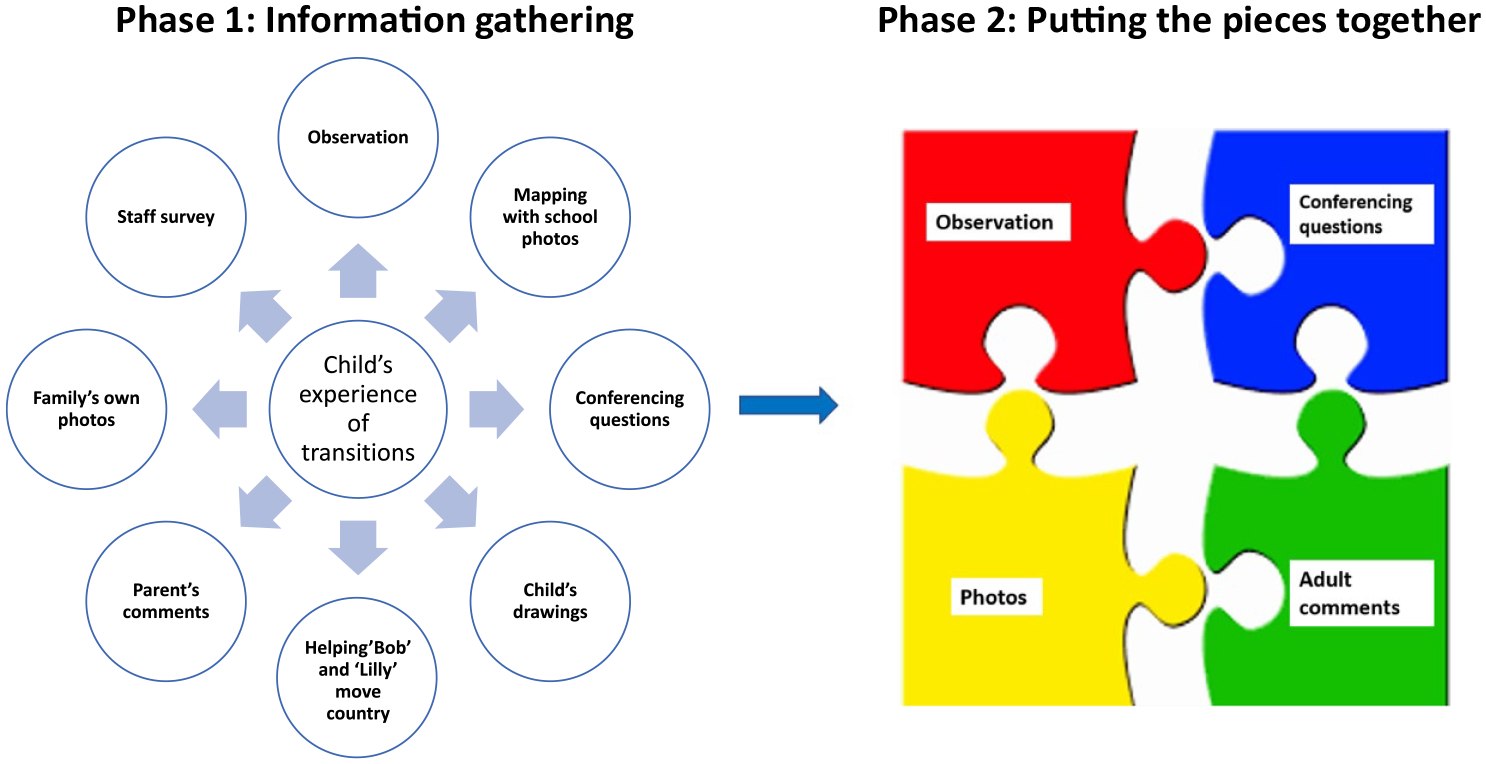
The data collection and initial analysis process of children’s perspectives (based on Gorton, 2012).
Finally, all mosaic data (conferencing transcript, children’s drawings, photographs and observation notes) were entered into NVivo, providing one database for the entire dataset.
Ethics
Ethical approval was obtained from the University of Dundee’s Research Ethics Committee. Given the age of the children (6-11 years), informed consent was initially sought from parents for their children to participate in the study. Separately, parents also provided their own informed consent to participate in the study. To ensure that the children were happy to meet with the researcher, child-friendly information sheets and assent forms were used. The step-by-step process was explained to each child, making every effort to ensure the process was fun and participatory. If the child indicated that they wanted to discontinue an activity, it were stopped immediately. The data from this study were anonymised, and comments were kept confidential. Children were informed that only if they disclosed a potentially threatening or harmful issue, the researcher would talk to them about whom we could inform (O’Reilly and Dogra, 2016).
An additional reminder about the voluntary participation and consent/assent to be audio-recorded was given at the beginning of each interview/session. More importantly, informed consent/assent was considered to be an on-going process of continual negotiation and did not end when participants signed the informed consent/assent form, while striving for a balance between over-informing and under-informing.
Results and Discussion
Results are presented here cross-sectionally, along with reference to longitudinal data, under the subheadings of domains, with contexts (school, home, work) highlighted within them. Although each participant’s experience was unique, children and parents all experienced multiple and multi-dimensional transitions, often within the same period of time across a range of domains (see Figure 3).
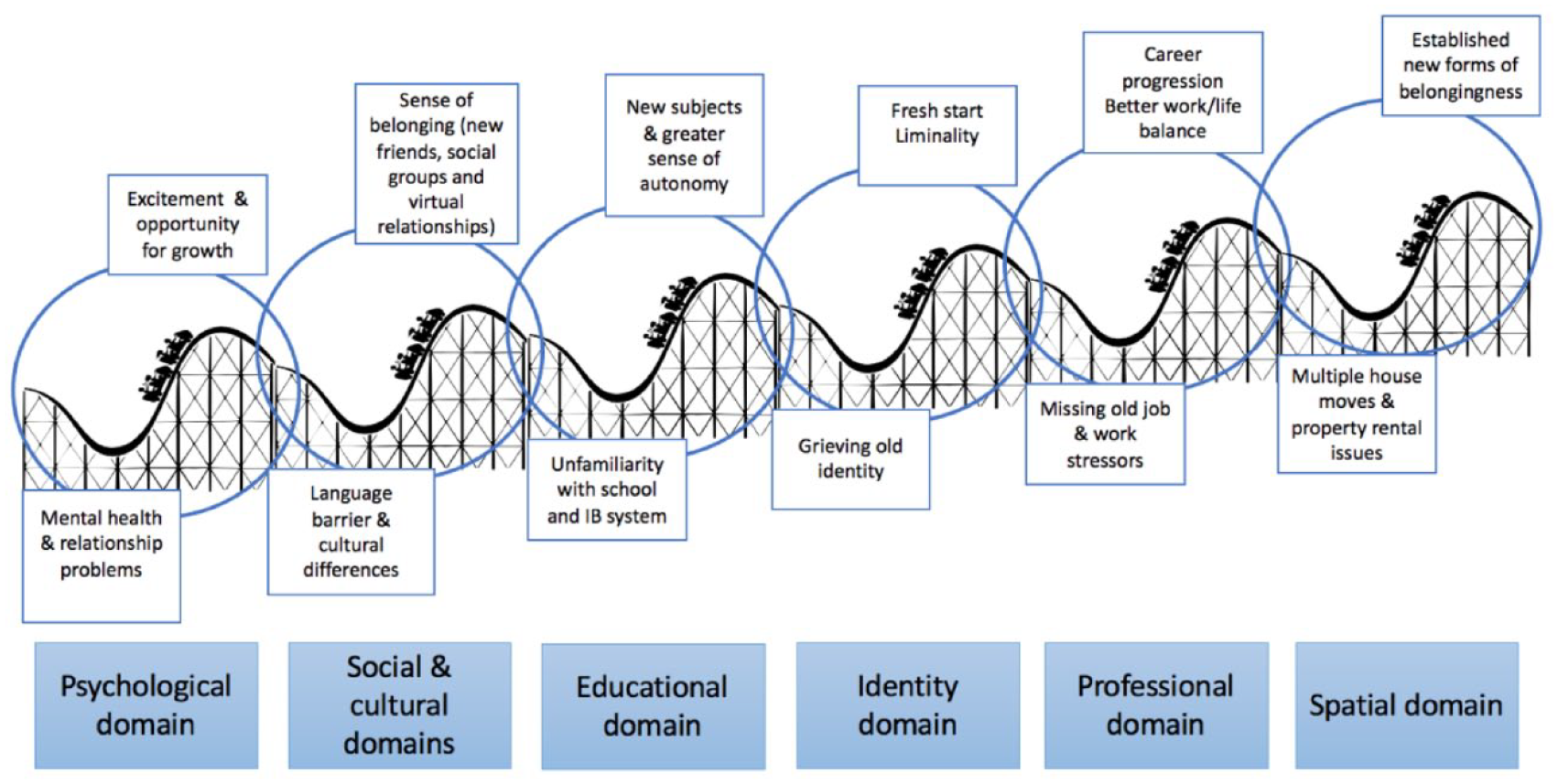
Roller coaster analogy of international family transitions. (please note, this was not a linear process).
Psychological domain
All of the children experienced ongoing psychological transitions across their longitudinal datasets. At TP1, when the children were still living in their previous country, they reported mixed emotions about moving to Belgium, which ranged from feelings of excitedness and opportunity (as noted in a previous study by Dixon and Hayden, 2008) to grief, loss and anxiety (see Fail et al, 2004; Ebbeck and Russ, 2005; Gilbert, 2008; Hannaford and Beavis, 2018). See Figure 4 for an example.
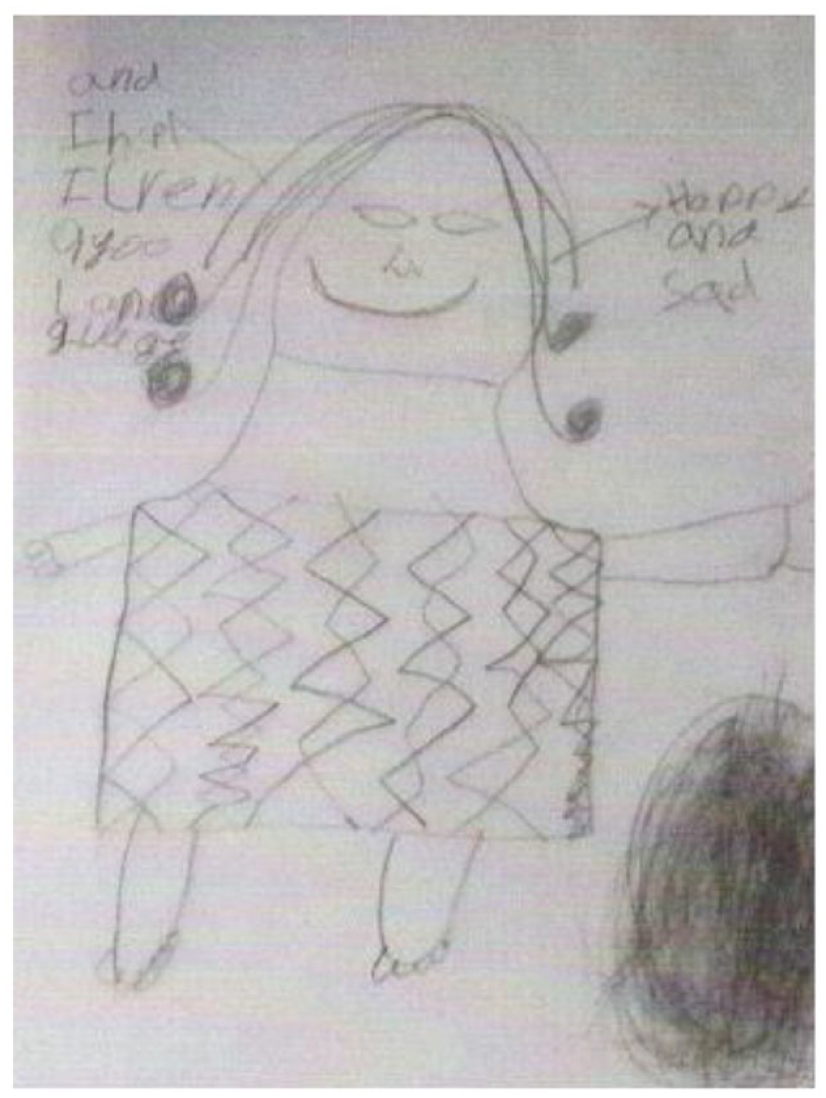
Jenny’s drawing at TP1: Happy and sad feelings; she notes her excitement to learn a new language.
In terms of the school context, starting the new school at TP2 led to the establishment of important routines (Adams, 2014), which seemed to shift children’s perspectives from negative to more positive perspectives. This might be due to support reported by parents, namely through open family communication, thereby acting as an important bridge between home and school. By the end of the first week at Arnold School, all of the children except Sasha reported a positive school transition and felt much happier about their new home environment, as noted:
The beginning was really hard because it’s a new school. And I just felt very different. But after some time, I felt like, honestly, it wasn’t a big difference. Like, it was just normal to be here. And yeah, it’s been good. (Ioana, TP2)
Sasha experienced a more difficult transition, mainly owing to major language barriers, but he still displayed self-determination and resilience as he actively sought to bounce back from this challenge (Newman and Blackburn, 2002). Furthermore, by TP3, all children demonstrated a clear reduction in feelings of sadness and homesickness as they reported multiple positive psychological experiences related to living in Belgium. At TP4, although children continued to experience positive psychological feelings, they also experienced a new form of anxiety in the form of uncertainty due to COVID-19, demonstrating how new transitions were triggered by COVID-19. While some of the transition experiences were at times negative and unexpected, all children reported a largely successful first year, with reports of feeling comfortable belonging to multiple countries (Korpela, 2016; Pearce, 2011) and schools as they actively sought to form their own new traditions in both school and home contexts:
Well maybe for three years I would like to stay in Belgium and then maybe move to a different country, like maybe America or Iceland. But for now, I am happy in Belgium, so it was a good move. (Erwin, TP4)
This contrasts with earlier research (see Nette and Hayden, 2007; Pollock and Van Reken, 2009) which associated the concept of belonging with just one country or culture, but is similar to the work of Pollock et al (2017) who highlighted that TCKs had a cross-cultural lifestyle in a changing world.
In interviews with parents, they too experienced mixed emotions about moving to Belgium at TP1 and TP2. Regardless of whether parents were working expatriates or not, they reported prolonged feelings of stress when they moved (Rosenbusch and Cseh, 2012; Adams and Fleer, 2015):
The process of leaving where we lived was just so, I mean it was so hard, gut wrenching, you know, you miss a place before you’ve left it, it’s almost okay once you’ve actually left. It does feel, you know, like a bereavement. You know, the friendships and the belonging to somewhere and the belonging to a profession and, yeah, just it felt like ripping everything up. (Lucy, TP2)
Several parents (Lucy, Eva, Martina) talked about how their mental health was impacted as the number of challenges outweighed the availability of resources in the home and work contexts:
My husband works so much and doesn’t see the family a lot, he is quite isolated only seeing the people at work and not having a lot of extra time for a social life. It has taken a toll mentally, but I know that it is a good job for the CV and next steps in his career. (Eva, TP4)
A whole host of factors contributed to parents’ stress in multiple contexts, including finding a permanent house, navigating a new job situation, making school arrangements, organising visas, as well as coping with spouse’s and child/ren’s rollercoaster emotions. However, two parents (Greg and Leanne) indicated that their mental health had actually improved as a result of the transitions, hence demonstrating the complexity of the context:
Before it was a 10-hour day, so here a better work life balance, it’s positive. (Greg, TP2)
After six months the parents generally reported feeling significantly less stressed and more settled at home in Belgium, although overcoming early stressors, such as those related to local procedures (eg district registration, or rental agreements) and lack of familiarity, were important factors in facilitating psychological adaptation. Further, children’s largely positive school transitions actually appeared to be of much greater importance to parents, demonstrating that the transition experience of one individual impacted and interacted with their significant others (Gordon et al, 2017; Jindal-Snape, 2016):
The school has been a fantastic source of support for us as a family. What a lovely welcoming community for both children and parents. It is also the open and down-to-earth communication from the school about how the children have been getting on that has been reassuring. (Lucy, TP4)
Social domains
The social domains for transitions were afforded great significance throughout every child’s dataset. They all talked about the significance of the buddy system within their school context and how making contact prior to starting school was beneficial to their transition experience:
He (buddy) really helped me with kind of starting school, ‘cause I knew someone. (Chris, TP2)
Mia described the importance of her buddy, during conferencing sessions and within her own comic (Figure 5):
I mean I’ve already made maybe one friend with my induction day. (Mia, TP1)
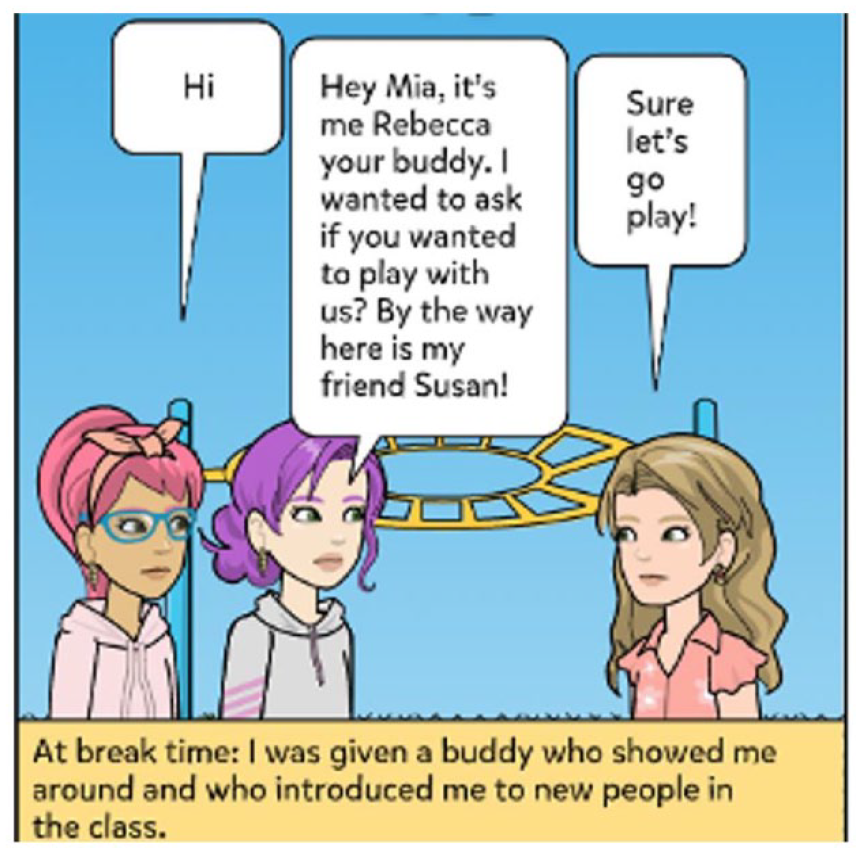
Mia’s comic at TP4 highlighting the importance of the buddy system.
By TP2 the children reported, to varying degrees, that they had made friends at Arnold School, resulting in enhanced relatedness stability in the school context. This is noteworthy, since establishing friendships to support adaptation to a new setting is a key aspect of successful transitions (Strand, 2019), as it enhances resilience (Hammond, 2016), and develops a sense of belonging (Nette and Hayden, 2007). Further, several children welcomed the opportunity to have a ‘fresh start’ with the improved friendship quality that moving to a different country provided:
I’m excited because my friends in Germany, we had lots of fights. Yeah. So, I think I need new friends. (Katie, TP1)
At TP2 Katie drew a picture representing the importance of her old house in Germany and also her new friends in Belgium (Figure 6), thus highlighting a shift in attitude to establishing a social network in Belgium.
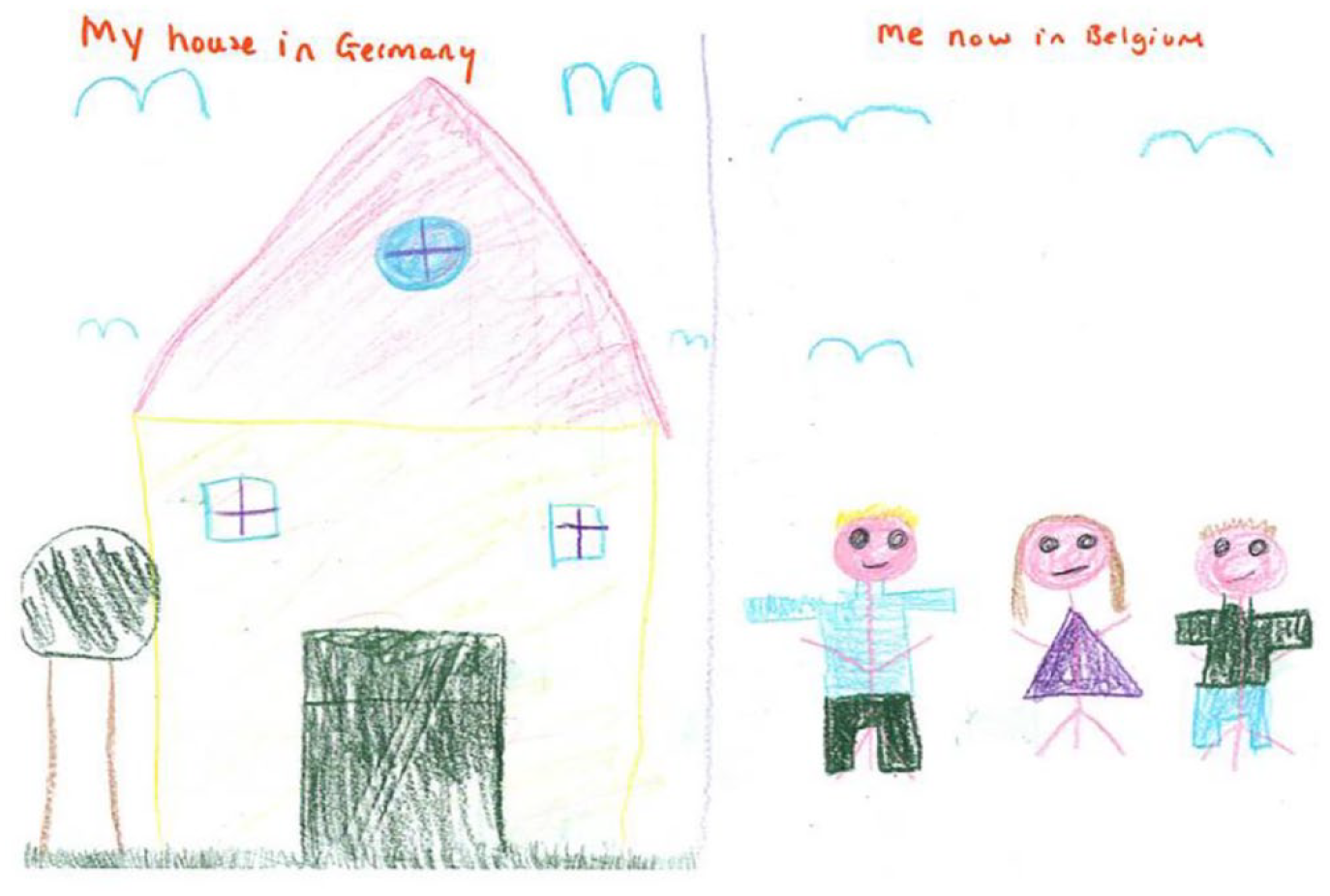
Katie’s drawing at TP2 representing the significance of her house in Germany and new friends in Belgium.
As can be seen, these new friendships were created and maintained:
I got lots of friends . . . they’re really kind. And when I’m like really sad, they help me out. I have better friends than before. (Katie, TP3)
By TP3, the children had mostly all joined various after-school activities, including sports and drama programmes, and were proud to display their school-crested sports uniforms during conferencing sessions, demonstrating a sense of belonging to Arnold School (Fabian, 2013) and overall importance of their school context:
I’ve already joined sports for the second season. And so, we go to different countries in Europe and so. . . . I see I have a lot more opportunities to do things in this school. (Mia, TP3)
Despite Sasha’s language barriers, his participation in sports also seemed to be a key factor in facilitating his school transition.
By the end of the year, it was clear that the children had all developed a sense of relatedness to Arnold School. This was evidenced through their disappointment when school closed as a result of the pandemic, and they were unable to meet with their friends and take part in the school drama production and sport competitions. In several cases, the children reacted to the situation by using their home context to rekindle virtual relationships with friends from their old school, and this appeared to help counter any adverse impact from the need to physically distance from friends:
We set up lots of (virtual) chats. And I’m hoping that maybe we could drive to Germany one day in the summer. (Mia, TP4)
Staying in touch with established friendships is important, as literature suggests that children who remain anchored (Fabian, 2013) with old friendships are more likely to experience positive wellbeing. Due to the growth in recent years in social media (such as FaceTime and Skype), it is worth raising the question of whether children actually lose friends due to transitions, as previously argued throughout the literature on TCKs (Fail et al, 2004; Dixon and Hayden, 2008; Pollock and Van Reken, 2009; Sears, 2011; Moore and Barker, 2012):
I think he [Chris] realises that actually, you know, going away is not necessarily going to stop him being friends with the people that he knew before. (Lucy, TP3)
Educational domain
Prior to starting school, the children worried about joining the school, finding their way around (Ashton, 2008; Fabian, 2013; Jindal-Snape and Cantali, 2019) and lack of familiarity with the new school context (Jindal-Snape et al, 2008). Once the children started at Arnold School however, their negative feelings quickly diminished as they felt supported by a welcoming school community. Many of the children felt positive by the end of their first school day. During a conferencing session, Bosco placed happy stickers on his drawing. He chose to draw his old school and new house in Belgium (Figure 7) to illustrate that he felt happy in both contexts. He also chose a happy face for Arnold school photos and commented:
The happy face, because I really like this school. (Bosco, TP2)
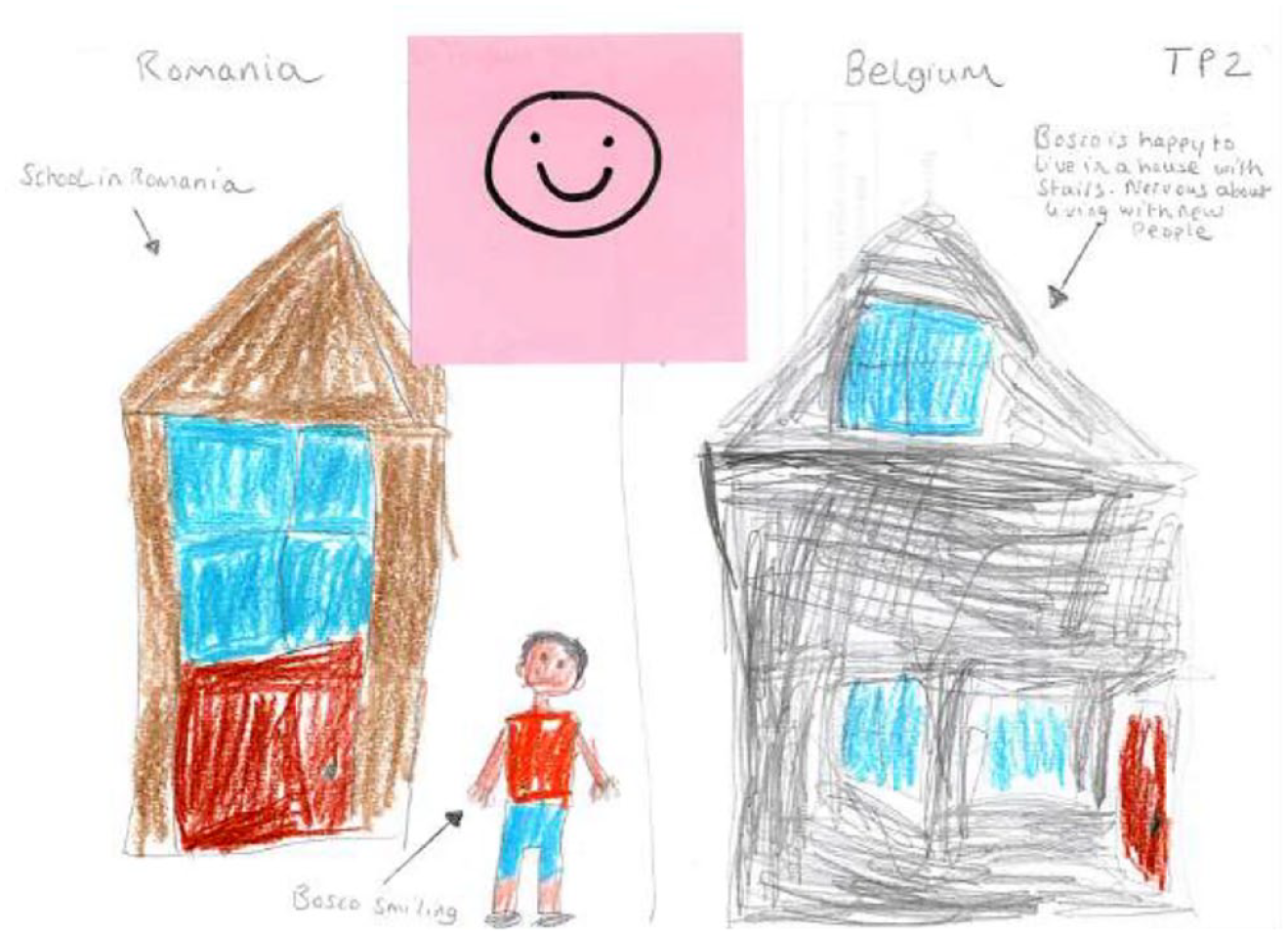
Bosco draws his school in Romania and new house with stairs in Belgium. He is smiling in the image and places a happy sticker to describe his feelings at TP2 (Annotated by researcher).
This is important as a positive school start has been found to facilitate successful outcomes throughout primary school (Margetts, 2002). However, this finding contrasts with research by Ebbeck and Reus (2005) who found that it took eight weeks for children to reduce their feelings of nervousness and vulnerability after joining a new international school.
Despite research highlighting the importance of curriculum continuity (Galton et al, 2003) during transitions, the children in this study mostly adapted well to the PYP curriculum, with the exception of Sasha who was used to a more traditional teaching approach. Some parents, however, experienced initial difficulty adjusting to the new curriculum context and knowing how best to support their children. This underlines the importance of the new school providing information to parents about the curriculum before relocation (Galton and McLellan, 2018).
At TP4, children reported their disappointment at the move to online learning due to COVID-19. Parents also talked about feeling overwhelmed when they assumed the role of their children’s educator at home:
It was a challenge at first to create a new ‘normal’ at home where everyone was working and, at the same time, I needed to support everyone and manage the home. (Miruna, TP4)
However, despite these sudden changes, parents reported that they successfully adjusted to new home-schooling routines. In the case of Sasha, his father highlighted how one-to-one support at home had facilitated a growth in his learning. Furthermore, several of the other children (Erwin, Mia, Ioana) reported positive factors relating to online learning, namely the ability to organise their own day and become more familiar with their home context.
Identity domain
Findings suggested that international transitions provided the families with an opportunity to establish a different identity. For example, some children and adults found moving provided them with the opportunity to forge a new identity and break away from previous poor-quality relationships. Within a work context, Leanne commented:
I know nobody knows about it all here. So, I am Leanne here. I’m not Leanne who lost her brother. And I like that new start. (Leanne, TP1)
Similar to what is found in the ‘trailing spouse’ literature (see for instance Rashid et al, 2021), some parents however reported unwelcome change or losing of their previous work-based identity:
I suppose I have lost my identity a bit. That’s a big thing, that’s been very big because I had a profession before. . . . I’ve worked for the NHS [National Health Service] for close to 15 years. So, you know, that becomes very much part of you. (Lucy, TP3)
To varying degrees, parents moved in and out of multiple identities (professional, parent and personal identities) (Roccas and Brewer, 2002) and at times they held multiple identities which interacted with each other, such as being a parent and being a professional at their child’s school. Some children and parents also reported liminal experiences throughout their longitudinal datasets. They frequently talked about mentally living between different countries and contexts. For example, Henrik talked about prior international experiences when he lived in Singapore:
I feel very much connected to Singapore. But . . . it’s 12 years ago. There is a part of me mentally still in Germany. Sure. Because I still own a home that I’m renting out. And I’ve still got, you know, people who I would describe as lifelong friends. But in many ways, I’m here by choice mentally. I love what the transition has brought, the opportunity. So, yeah, part of me is still back there mentally at times. (Henrik, TP2)
Indeed, several parents appeared satisfied with occupying a state of ‘betwixt and in-between’ (Ybema et al, 2011) to navigate their transitions.
Professional domain
The parents all experienced multiple ongoing transitions within their professional domain. Parents who were taking on a new job role experienced changes within their work context, such as adjusting to a new organisational culture. Similar to findings from previous research, some parents moved into leadership positions which, according to them, involved more responsibility and the need to prove themselves (Lazarova et al, 2015). Additionally, they experienced further change when the pandemic hit and they moved from office to home working. While related transitions were initially presented as a challenge, parents quickly adapted to their new work situation. For some parents, the transition to a home office context even resulted in positive psychological transitions as they could enjoy a better work-life balance and quality family time. Professional transitions, however, were not always smooth, and the reality was often different to their pre-departure expectations:
There have been quite a lot of things that have been challenging. One is that I have been away quite a bit from the family and it just requires a lot of time and effort to prove yourself and build the career. (Max, TP4)
Alongside this were some parents who experienced transitions as they left their careers to support the careers of their partners (Lazarova et al, 2015). These parents were initially mainly responsible for establishing a new home, and then later faced challenges of not finding work due to language barriers:
I’ve just felt a bit lost, just lonely. And, you know, you can go to the shops or something, but there’s something about being surrounded by language you don’t understand as well, it feels very isolating’. (Lucy, TP3) Lucy is always my biggest worry. It is difficult as she is not working any more, her course is on and off, so sometimes she gets increasingly bored and negative. (Greg, TP3)
However, within their home context, Lucy and Greg showed agency as they embarked on language learning and professional development training, demonstrating their capacity for psychological growth and adaptation. Similarly, Eva revealed that she was providing professional development for other parents at school:
The moms have been asking me for a kind of personal training/life coaching. It’s great! (Eva, TP3)
Despite the difficulties faced, all parents shared the view that the benefits of the expatriate position outweighed any challenges posed, as the transitions ultimately resulted in career progression and additional growth opportunities for the family.
Spatial domain
In terms of home context, children afforded less significance to spatial transitions than did parents. Several parents talked about ongoing challenges with their rental house, and needing to move again. However, rather than dwelling on the problem and isolating one single transition problem, as was frequently found in earlier cross-sectional studies (Brown, 2008; Rosenbusch and Cseh, 2012; Lazarova et al, 2015), families in this study once again demonstrated resilience (Newman and Blackburn, 2002) as they took control of the situation:
We went to look at these houses with the kids. They’re part of that process. They’re excited about moving again. (Leanne, TP3)
Despite children missing aspects of their previous home (such as Jenny’s blossom tree), children adapted to their new home context as they focused on other forms of belonging (Korpela, 2016) (such as pets) to support their transition experiences (see Figure 8):
If she hadn’t come [the cat], I don’t know what I’d do. Because she is like my best friend. (Chris, TP2)
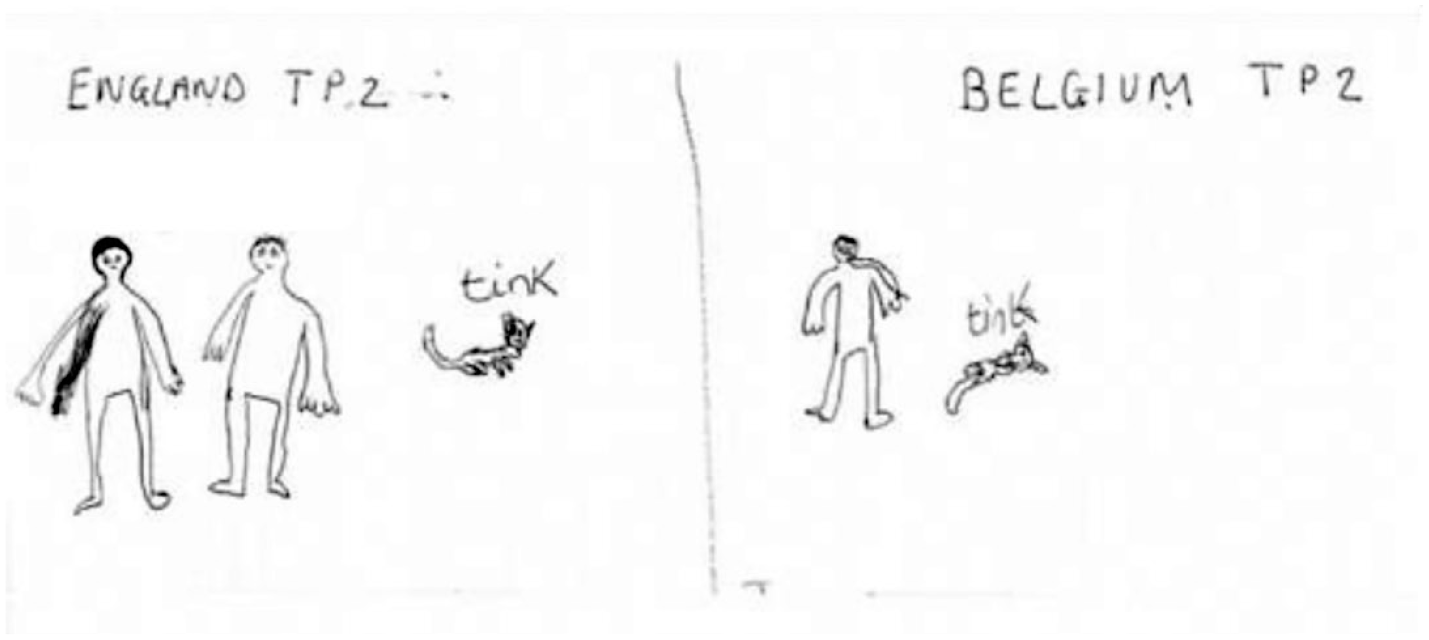
Chris and the significance of Tink the cat for his international transitions.
A common thread running through the children’s spatial domain was the connection between family and belongingness:
Germany was home when I lived there and now Belgium is home because that is where my house and family are. (Katie, TP2)
While children’s spatial domain changed dramatically over the course of one year, in terms of new country and home contexts, the family unit largely remained for the children an ongoing source of support and strength. As found in previous literature (Jindal-Snape and Cantali, 2019; Jindal-Snape et al, 2020), family was generally considered the strongest support network for children and central to their sense of belonging (Nette and Hayden, 2007):
My mom, my dad, my sister and my brother, he [sic] helped me out. (Katie, TP4)
Conclusions and Implications
The aim of this study was to explore how families experience international transitions within home, international school and work contexts across multiple domains. Overall, the research aims were achieved within the confines of a small-scale longitudinal case study design involving five families and seventeen participants joining Arnold School.
Families experienced multiple psychological, social, professional, identity and spatial transitions when they moved to Belgium. Findings from the children revealed that despite initial feelings of sadness and homesickness, they reported positive psychological experiences about living in Belgium. This has implications for the discourse surrounding international transitions, and suggests the need to conceptualise international transitions in a more positive light than has sometimes been the case. Within the psychological domain, children reported feeling comfortable belonging to multiple countries and schools as they actively sought to form their own new traditions within school and home contexts. Adapting to Arnold School’s culture was of more importance to children than adapting to the wider Belgian culture. This suggests that as children were part of an international school community, they were not immersed in the Belgian culture to the same extent as their parents. It is also plausible that parents shielded their children from challenging experiences, hence providing a new insight for literature that parents actively seek to ‘manage’ and support their children’s international transitions experience.
Parents who had previously experienced a mobile lifestyle appeared better prepared to navigate transition challenges than did families who had not previously moved abroad. Some parents found the adaptation to Belgium more challenging when they moved further away from their original culture, hence supporting findings of previous research (Hofstede, 1986; Beech, 2016). The new language of Belgium was found to be a key challenge for some parents in navigating everyday minor hassles such as administrative tasks (Rosenbusch and Cseh, 2012). However, parents adapted to the unfamiliar language situation through either taking language classes or getting involved in the international school (McLachlan, 2007) where, being English-medium, language was not an issue.
Children and parents also experienced multiple social transitions when they moved to Belgium. Social transitions were afforded great significance by all children. The move to Belgium provided several children with the opportunity to have a ‘fresh start’, with improved friendship quality. Children also revealed the importance of their school context, including the buddy system and making contact prior to starting school, in supporting their transitions. Joining various sports and drama activities appeared to enhance children’s resilience and belongingness to Arnold School, as well as acting as a bridge for children facing language barriers. Furthermore, while COVID-19 prevented children from undertaking social activities, children demonstrated agency at home by rekindling virtual relationships with old friends. This raises the question of whether children actually ‘lose’ friends during transitions, as previously argued in the literature on TCKs, most of which was written before the advent of social media and easily accessible home conferencing platforms.
In terms of work context, leaving careers had resulted in adverse social, identity and professional transitions for some parents, as friendships and identity were frequently based around role and place. For other parents, however, new jobs resulted in opportunities to forge new identities and relationships or at least to maintain existing ones. This is an original insight and highlights how work context and role can influence how internationally mobile families experience social and identity transitions. Parents all shared the view that the Arnold School context facilitated their social transitions through the provision of various social opportunities. In doing so, parents indicated a strong sense of belonging to the school community. However, whereas children quickly found several best friends within the first few weeks of school, the process for parents was much slower. Language barriers made it more difficult to build local relationships, and developing meaningful friendships with other expatriates was a lengthy process. However, despite these challenges, parents all agreed that children’s positive educational and social transitions helped to offset any negative transitions experienced.
Limitations of the research
The researcher/participant language barrier may have resulted in misinterpretation of data. To some extent, this risk was mitigated through employing multiple sources and techniques in the data-gathering process, hence enabling crystallisation (i.e., making sense of the data through different ways of knowing; sometimes referred to as triangulation). A further limitation is that, as the study was conducted at one international school in Belgium, the findings cannot be generalised to other contexts. In addition, the sample was relatively homogenous and failed to represent adequately the diversity of globally mobile families. Finally, the sample was limited to primary school families and therefore did not represent the entire international school community, such as the voices of secondary school students, parents and professionals; it is also the case that the views of families leaving the school and same-sex parents were not considered. It needs also to be acknowledged that COVID-19 impacted the final timepoint with online data collection and potential change in contextual factors affecting the data.
Original contribution
This study makes an original and innovative contribution to knowledge in the field of international transitions in several ways. It is the first study that has simultaneously explored the views of children and parents about their international transitions across different contexts. Furthermore, it is the first study of its kind to capture and track children’s and parents’ adaptation experiences on a longitudinal basis, involving four different data collection timepoints, including both pre- and post-departure experiences. Within the context of international school transitions, it is the first study to employ MMT theory, and therefore extends our understanding of how the transitions of family members interact with each other’s transitions.
Children’s active engagement in the research suggested that they enjoyed telling the story of their transitions journey and it was possible to capture the voice of young children, frequently excluded in previous studies. Finally, it is the first study within the context of international school transitions to draw upon multiple data collection sources (semi-structured interviews, mosaic approach (observation, conferencing questions, using happy/sad stickers, drawing pictures, photographs, google earth, creative drama, smiley Likert wellbeing scale)), hence leading to a rich crystallisation of data. Further, its longitudinal design has provided views expressed ‘at that moment in time’ rather than retrospectively, as prevalent in international transitions literature and at only one single TP after the move.
This research extends previous work on international transitions, which has often tended to focus on the negative aspects of family expatriate mobility, and offers more advanced understandings of international transitions. It has revealed largely positive transition experiences as participants actively demonstrated self-determination and resilience throughout their narratives.
Framed by MMT theory, this study offers an alternative perspective to the previously relied-upon model of Pollock and Van Reken (2009), which viewed TCK transition as a staged process and did not take into account the multi-context, interrelated transitions of an individual’s significant others. The study offers a more complex and multi-dimensional picture of international transitions, with findings highlighting how transitions were not predetermined but dynamic in nature, and demonstrating the impact and interactions between family members’ transition experiences and their dynamic environment.
Families revealed how they readily embraced having multiple identities and cultures, thus suggesting that identification with one culture might not be as important as previously thought, especially given that internationally mobile families were found to create new forms of belonging and homeness (see Pearce, 2011). In addition, exploration of liminality and identity has not been previously considered by international transitions research, in the sense of how the concept of occupying liminality (Gordon et al, 2020) acted as a protective resource to facilitate the acculturation process, by offering participants a safe place to both dwell and reflect.
Implications and recommendations for future research
Findings from this study highlight the importance of international schools developing a transitions policy that (i) enables better and earlier familiarisation with the new contexts for children and families, (ii) provides opportunities to form secure attachments within the school context, (iii) provides opportunities to develop friendships, belongingness and a support network, (iv) enables open communication between schools and families, (v) bridges language learning and minimises the pressure on children, and (vi) raises teachers’ and families’ awareness of liminality and how it can provide a safe space to navigate transitions. Further, the study highlights the importance of educating teachers to be able to implement this policy in practice and support families as a whole.
Implications for future research
As MMT has not previously been used within international school settings, further studies exploring and confirming MMT are recommended. It is proposed that future studies also use a multi-informant perspective and a longitudinal design with several data collection points across different international schools and countries. Longitudinal designs should be for a minimum of one year and ideally longer, in order to see how transitions evolve over time. Further, it will be useful to consider how social media facilitates or hinders connections with peers in the previous country/ies and how the degree of importance of particular significant others might change over time.
Future research employing samples of older age groups and those with specific support needs is recommended to inform understanding of how different students navigate transitions and how they can be effectively supported. Furthermore, more specific consideration of students who enter international schools at different timepoints during the academic year may provide a clearer picture as to their experiences and support requirements. This is important as students who enter international schools mid-year may have access to fewer induction opportunities due to a lower intake of new students at their time of arrival.
Conducting research with families who leave international schools to return home or to a new country would also be valuable, in order to explore how their experiences might differ to those of incoming families. To provide a balanced picture of international school transitions, future studies should continue to ask families what they are ‘excited about’ as well as what they might be ‘anxious about’. If researchers could capture children’s voices over a longer period of time and from a larger sample it would provide further insights into the long-term impact of international transitions, including what children gain from the experience and how they draw on their childhood experiences in navigating future transitions. In addition, it is recommended that the transition experiences are explored of families who move every few years, in order to understand how the experiences of previous transitions impact upon the current transitions and family wellbeing. Finally, as neither this study nor previous research has considered the experiences of internationally mobile families from Africa, Latin America and Asia or of single parents or same-sex couples, further research in this area would help to fill this gap.
Footnotes
Funding
The authors received no financial support for the research, authorship, and/or publication of this article.