




Abstract
In recent years, there has been a rapid increase in technology use in dementia caregiving, particularly the use of mobile applications (apps) which are highly accessible, cost-effective and intuitive. Yet, little is known about the experiences of family caregivers of persons living with dementia who use apps to support caregiving activities. This is of particular concern given that limited understandings of the user experience in designing technology have often led to end-users experiencing barriers in technology adoption and use. Using a qualitative descriptive approach, the purpose of the study was to explore the experiences of family caregivers of persons living with dementia on using apps in their caregiving roles. A purposive sample of five family caregivers in Ontario, Canada participated in two interviews each, with the second interview informed by photo-elicitation methods. Thematic analysis of the collected data revealed a central overarching theme, Connecting to support through apps in my, your and our lives, which explicated how apps played an important role in the lives of the caregiver, the care recipient and both together as a dyad. Three core themes also emerged: Adapting apps to meet individual needs of the dyad, Minimising the impact of the condition on the person and the family and Determining the effectiveness of apps. The findings highlighted that the value of apps extends beyond their mere functionality and their ability to help with care provision as they are also able to promote richer interpersonal connections, enhance personhood and sustain family routines. This research advances our understanding of the impact of app use in caregiving and provides direction for future research, policy, education, practice and app development.
Background
Alzheimer’s Disease International (2019) reported that there are over 50 million persons living with dementia worldwide, with numbers projected to triple by 2050. As the prevalence of dementia is growing rapidly across the world, dementia care has become a global health priority (World Health Organization, 2017). With persons living with dementia primarily ageing at home, family members – particularly adult children (58%) and spouses (32%) – often become the main source of support as unpaid, informal caregivers (Canadian Institute for Health Information [CIHI], 2018). Dementia is the fourth most common condition to require family caregiving in Canada, with up to 90% of in-home dementia care provided by Canadian family caregivers (Tam-Tham et al., 2016; Turcotte, 2013). Family caregivers may incur substantial emotional, physical, financial costs as well as reduced employment opportunities due to persons living with dementia generally requiring high levels of care associated with long care hours and physically demanding caregiving (Brodaty & Donkin, 2009). Research has found that caring for a person living with dementia can be associated with higher levels of depression, caregiver burden and strain, distress, social isolation, psychological and physical morbidity and financial problems (Brodaty & Donkin, 2009; CIHI, 2018; del-Pino-Casado, Rodríguez Cardosa, López-Martínez, & Orgeta, 2019; Karg, Graessel, Randzio, & Pendergrass, 2018). Various forms of technology have been suggested as a means to support persons living with dementia to age at home and to assist caregivers to address the increased level of responsibilities they encounter when caring for a person living with dementia.
In recent years, there has been a rapid increase in technology use in caregiving, such as mobile platforms which are highly accessible, cost-effective and intuitive. In Canada, the use of mobile devices in the form of smartphones and mobile applications (hereinafter referred to as apps) has become widespread since their advanced hardware and software capabilities, comparable to those of desktop computers, enable the device to perform complex functions to meet the user’s needs (BinDhim et al., 2014; Lieffers, Vance, & Hannings, 2014). As of 2016, 75% of Canadians owned a smartphone and over 30% used at least one app for health and wellness (Canada Health Infoway, 2017). Several studies have shown that persons living with dementia can use mobile devices and apps easily; found them user-friendly and valuable; and viewed it as a positive impact on their everyday living, self-management abilities, self-confidence and involvement in society (Bier, Paquette, & Macoir, 2018; Imbeault et al., 2018; Kerkhof, Graff, Bergsma, de Vocht, & Droes, 2016; Kong, 2015; 2020). Similarly, researchers found family caregivers were receptive towards smartphone-based interventions to meet their needs and enhance their caregiving experiences; for example, apps alleviated barriers associated with geographical, spatial, time and financial constraints (Lee et al., 2017; Shreve, Baier, Epstein-Lubow, & Gardner, 2016; Silva et al., 2015).
Many researchers have reviewed existing apps in dementia care and found them to be feasible and effective interventions (Kong, 2015; 2020; Rathnayake, Moyle, Kones, & Calleja, 2019; Yousaf et al., 2019). Thus, understanding the caregiver experience of app use is important for future development of technology to address actual needs of caregivers. Mahoney (2010) highlighted the need for technologies to be tailored to end-users’ concerns to promote adoption and buy-in. Knowledge of caregivers’ user experience with apps will help health and social care professionals and app developers to better design apps to be more effective and accepted among caregivers (Peng, Kanthawala, Yuan, & Hussain, 2016). One study was found that explored family caregivers of persons living with dementia and their perception towards apps (Rathnayake, Jones, Calleja, & Moyle, 2019). However, the qualitative study only focused on family caregivers’ experiences and perspectives of using health-related apps in accessing health information (Rathnayake et al., 2019). To the best of the authors’ knowledge, no research has been conducted to draw a complete understanding of the user experiences of family caregivers of persons living with dementia who use any form of apps to support their caregiving activities. Consequently, an exploration of this phenomenon is particularly timely and can add to the current state of knowledge about the interplay of family caregiving and apps in the dementia context.
The purpose of this study was to explore and describe the user experiences of family caregivers of persons living with dementia on using apps to assist with caregiving activities by addressing the following research questions: ⁃ What are the user experiences of family caregivers using apps to assist in caregiving for their relative(s) living with dementia in the community? ⁃ How do family caregivers use apps during their caregiving activities? ⁃ What are family caregivers’ perspectives on the use of apps to support caregiving activities? ⁃ What are the influences that impact the use of apps for family caregivers?
Methods
Design
The qualitative description approach as described by Sandelowski (2000) was employed to develop a rich presentation of the chosen phenomenon expressed in the everyday language of participants. This methodology is consistent with this research, which aims to explore perspectives in a naturalistic setting and to gain insight on a phenomenon about which little is known (Sandelowski, 2000). Using this design, a comprehensive summary and understanding of the participants’ experiences of using apps in their caregiving role within their sociocultural context is generated.
Recruitment
Purposive sampling was used to recruit potential participants who self-identified as an adult child family caregiver (e.g. child or grandchild) of a community-dwelling relative living with dementia; resided in Ontario, Canada; owned a mobile device; and had prior experience using apps to assist in caregiving for a relative living with dementia within the previous 12 months. Adult child family caregivers were recruited for the purposes of this study as there is extensive literature that demonstrates differences in caregiving experiences exist based on the nature of the family relationship with the care recipient (e.g. spouses versus adult children) since the two groups differ in terms of their stage of life and relationship with the care recipient (e.g. Ashwill, Mulhall, & Johnson, 2015; Chappell, Dujela, & Smith, 2014; Conde-Sala et al., 2010a; 2010b; Pinquart & Sörensen, 2011). Thus, this would produce differences in lifestyle, burden, associated feelings and perceptions of the situation, personal and social relationships, as well as the use of resources among different types of caregivers (Conde-Sala et al., 2010a; 2010b). The decision to explore this particular cohort of family caregivers was due to the fact that a better understanding of caregiving experiences of adult child caregivers can enable mobile app interventions to be tailored more effectively towards their needs, which are often different from other types of family caregivers.
Gatekeepers in the community were contacted to disseminate study posters via email, in-person and/or social media, including organisations providing dementia support, outpatient memory clinics and online support groups for caregivers.
Participants
Participant characteristics.
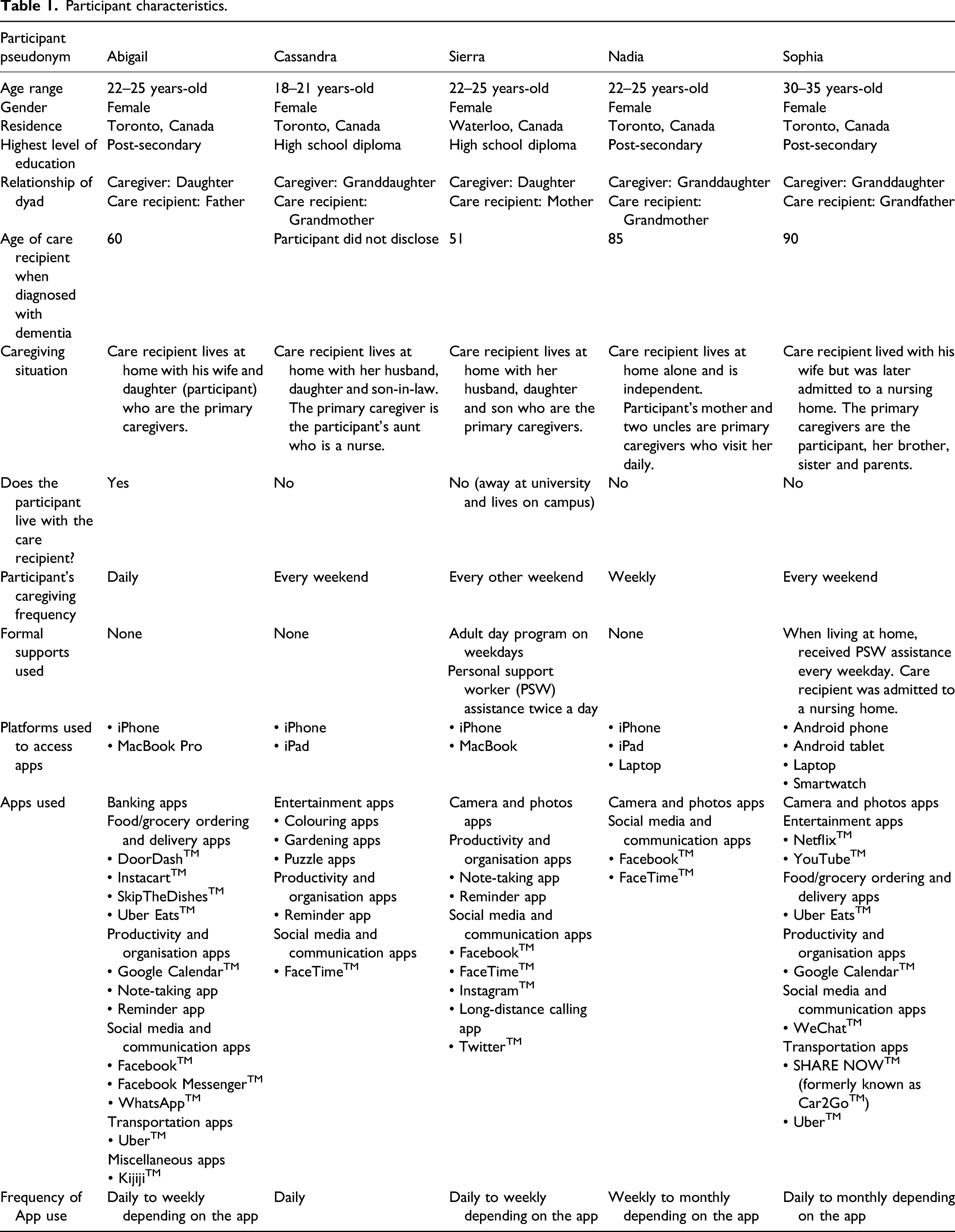
Ethical considerations
Approval to conduct the study was obtained from the University’s Research Ethics Board (REB #2018-090-1). All participants provided written informed consent to participate and to use the photographs they shared for study dissemination purposes. Pseudonyms were assigned to each participant to preserve anonymity.
Data collection
Data were collected from five participants between June 2018 and January 2019 using individual, semi-structured interviews conducted over the phone, each lasting between 40 and 70 minutes. Two interviews were conducted with each participant; the second interview was informed by photo-elicitation interviewing (PEI) methods, wherein photographs were used during the interview to facilitate discourse (Shell, 2014): (see Appendix A). Demographic data were collected using a brief investigator-developed questionnaire before the first interview. The first interview focused on gaining a rich description of participants’ experiences of using apps during caregiving activities for their relatives living with dementia. After the first interview, participants were asked to use to their own camera-enabled mobile devices to take at least five photographs of activities, feelings, values and ideas that were considered meaningful and representative of their caregiving role as well as their experiences of using apps in caregiving over a two-week period. In the second interview, participant-taken photographs were used as a stimulus to elicit richer accounts of participants’ experiences with using apps in caregiving. Field notes were also made by the first author during the interviewing process to enable the recording of various factors that can inform participant meaning (i.e. nonverbal behaviours such as tone of voice), to promote reflexivity and to document analytic insights and speculations (Milne & Oberle, 2005; Phillippi & Lauderdale, 2017; Willis, Sullivan-Bolyai, Knafl, & Zichi-Cohen, 2016).
Data analysis
Interviews were audio-recorded and transcribed verbatim. Braun and Clarke’s (2006) 6-step thematic analysis approach was conducted to identify codes and themes. The participant-taken photographs were not coded or analysed as the associated dialogue in the photo-elicitation interview served as the data set (Bates, McCann, Kaye, & Taylor, 2017). Data analysis was conducted by a research team that consisted of Master’s (AW) and PhD prepared (KN, LSM and JL) researchers with eight to over 30 years of experience who are well-versed in gerontechnology (AW and KN), dementia care (AW, KN and LSM) and arts-informed research (JL). The transcripts were read and reread by the first author (AW) to become immersed in the data, noting initial ideas and codes. AW collated all the codes into a separate document to organise similar codes together to form a preliminary collection of themes and subthemes after analysing the connection and relationship between codes, between themes and between different levels of themes. The research team (AW, KN, LSM and JL) met on a regular basis for discussion and consensus building around the emergent coding framework and key themes. All codes and themes were reviewed, revised and refined in collaboration with the research team to ensure all main themes and subthemes were related in a coherent and meaningful way in relation to the study purpose and research questions.
Trustworthiness
Trustworthiness was established by using several strategies to meet the criteria set by Sandelowski (1986). Credibility was addressed through the triangulation across data sources and data collection methods (e.g. verbal-only interviews, photo-elicitation interviews, photographs and field notes) to evaluate the congruence of findings among them (Sandelowski, 1986). The research team also met on a regular basis to discuss the coding framework, to ensure findings were grounded in the data and to build consensus around the findings. Fittingness was attained by using purposive sampling to ensure participant representativeness of the phenomenon and richly describing the data with direct quotes from participants (Sandelowski, 1986). An audit trail of research decisions and activities to show how the data was collected and analysed was maintained to achieve auditability (Sandelowski, 1986). Lastly, the first author engaged in reflexivity through journaling, where this process enabled reflections on their biases and preconceptions throughout the research process, to enhance confirmability of the findings (Colorafi & Evans, 2016).
Findings
Thematic analysis revealed a central overarching theme that exemplifies the rich cohesion of all the themes (see Figure 1): Connecting to support through apps in my, your and our lives. The overarching theme highlights how apps can play an important role in the lives of the caregiver, the care recipient and both of them together as a dyad. Connecting to support through apps is highlighted through the three main themes: Adapting apps to meet individual needs of the dyad, Minimising the impact of the condition on the person and the family and Determining the effectiveness of apps. Visual presentation of the study findings.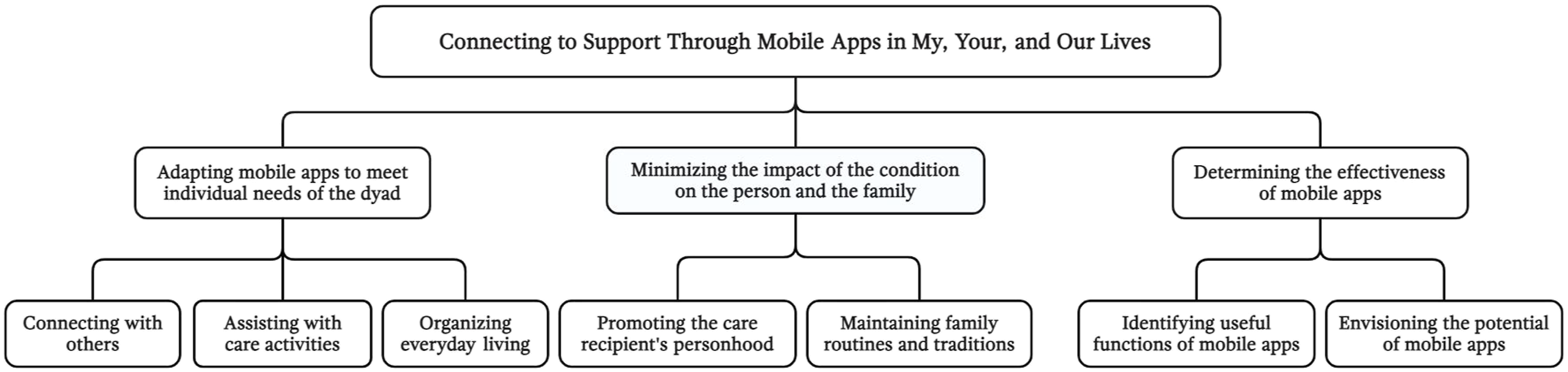
Adapting apps to meet individual needs of the dyad
Given that many apps are not specifically developed for caregiving purposes, participants often adapted available apps for a new purpose related to caregiving to meet the needs of both themselves and the care recipient, as saliently highlighted by Sierra: ‘I feel like you’re a caregiver, you are used to adapting to everything, right?’ The findings present an important distinction that the apps used by participants were not originally caregiving-specific or health-related apps, but rather the participants adapted the apps when they recognised their potential use for caregiving. Accounts of app use predominantly focused on the benefits they brought to not only the participants and their caregiving roles but also to the care recipient which is reflected in the following three subthemes: Connecting with others, Assisting with care activities and Organising everyday living.
Connecting with others
Apps were used in a way to fulfill participants’ caregiving need of building a connection with others. In particular, communication and social media apps, such as WhatsApp™, Facebook Messenger™, FaceTime™ and WeChat™, enabled participants and the care recipient to garner social support from family members and friends in an accessible manner – particularly when they are from another country. For instance, Cassandra stated: ‘I help her use FaceTime whenever she wants to talk to my dad or other family members’.
More importantly, these apps enabled face-to-face communication in a virtual manner which allowed for conversations that are rich in social cues and nonverbal behaviours. This promoted immersion and a sense of presence similar to being in the same room. For example, Nadia explained: ‘She would be so excited, she couldn’t believe that she could see my face… It helps me, you feel like you’re actually in the room with the person… it connects you both a little better’. To add, Sierra took the following photograph of trees, leaves and branches that looked like ‘a whole other world away’ to symbolize the feelings of ‘chaos and disconnect’ associated with the lack of connection with family that can arise from being a long-distance caregiver. Sierra wanted the photograph to convey the social significance of apps as they enabled caregivers to connect with others, especially family, in a meaningful manner:

Assisting with care activities
Participants described turning to reminder, grocery-delivery and food-ordering and transportation apps to assist with two main areas of care provision: activities of daily living (ADLs) and instrumental activities of daily living (IADLs). Most participants expressed using reminder apps to help them with both ADLs and IADLs, including managing medication administrations, coordinating healthcare appointments and ensuring personal care needs (e.g. eating, resting and toileting) were met. Notably, while the reminder apps were not designed specifically for caregivers to utilise to support care activities, participants tailored and adapted its use to do so. For example, Cassandra commented: ‘Especially the reminder apps, when she should take her medicine or when she is supposed to take her nap. I think that works really well’. Sierra further underscored the importance of reminders to family caregivers and noted: ‘Sometimes I don’t realize “I need to take my mom to the bathroom”… having reminders is a simple thing but it can help people so much, you know?’
Given that getting groceries and cooking can be a challenge and safety concern for their relative living with dementia, participants often opted to order take-out meals or groceries when they are unable prepare meals for them through grocery-delivery and food-ordering apps such as InstaCart™, Uber Eats™, SkipTheDishes™ and DoorDash™. For Abigail, these apps were particularly beneficial as they allowed her to order cultural food for her father even if she was away from home, as showcased in the following photograph:
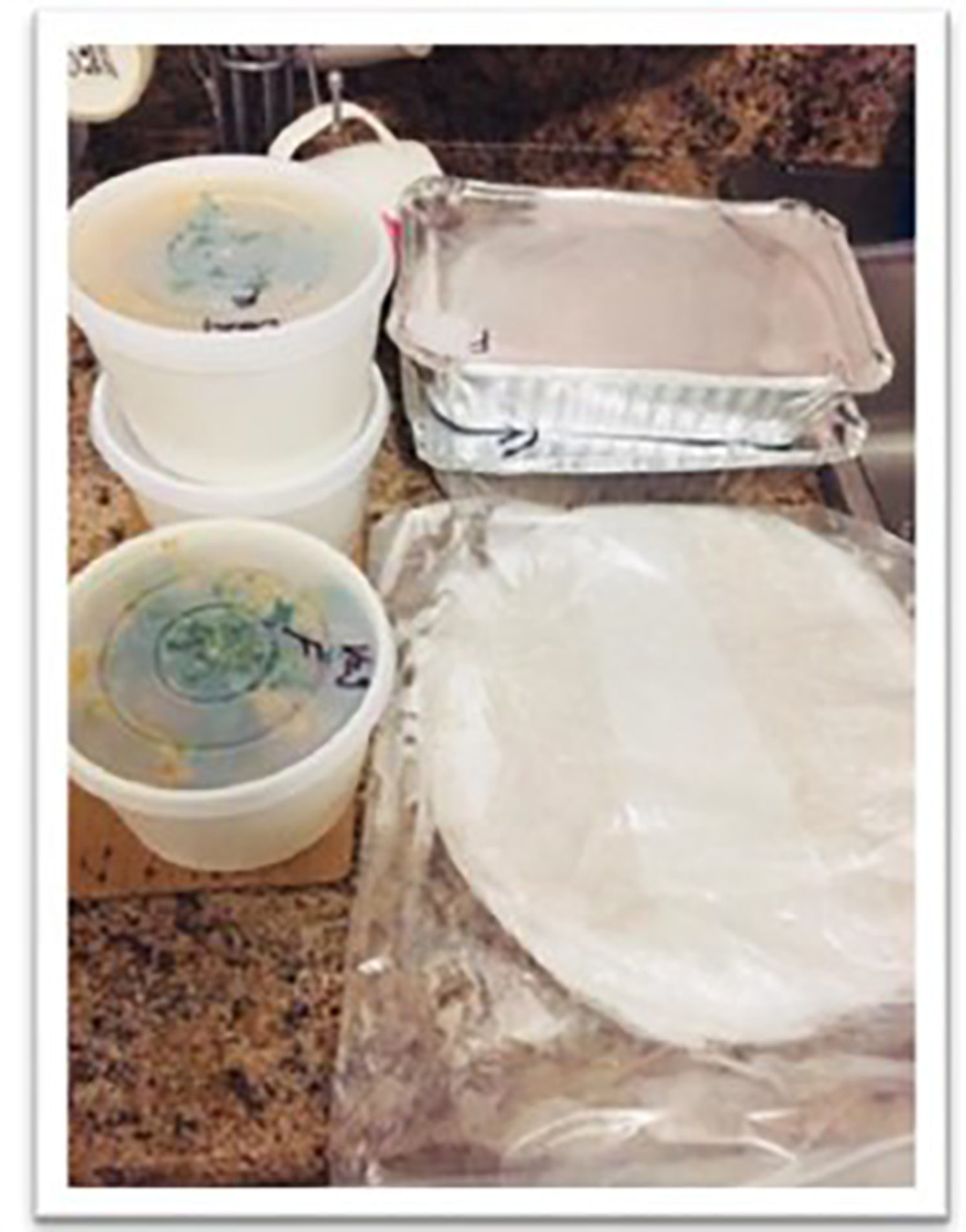
Lastly, participants also used apps to address transportation needs during care provision. Abigail would use the Uber™ app to get her and her father to restaurants for celebrations since he can no longer drive, while Sophia would use the SHARE NOW™ (formerly known as Car2Go™) app to take her grandfather to appointments: ‘Car2Go was a lifesaver for me to take him to appointments’.
Organising everyday living
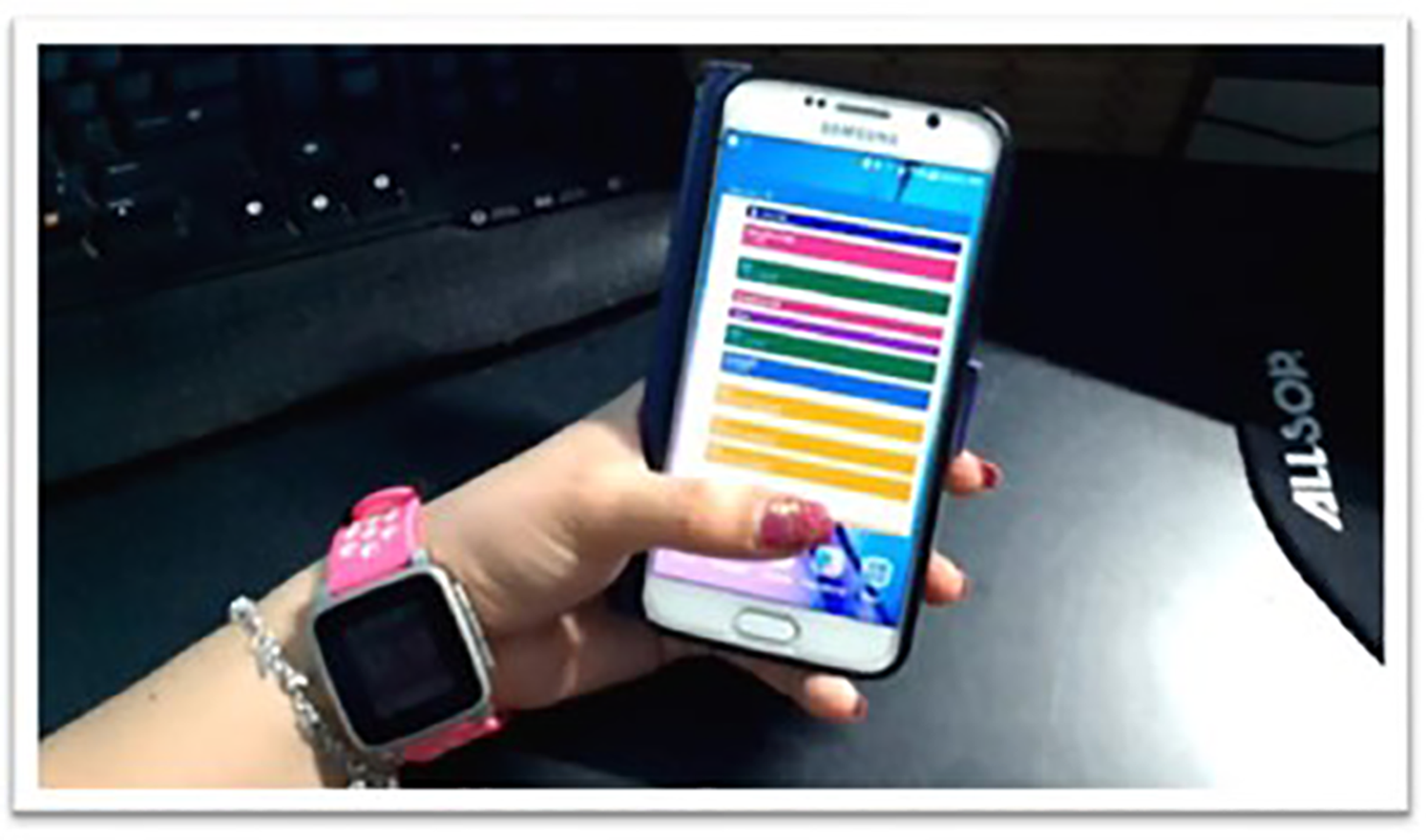
Participants used apps to not only organise activities associated with being a caregiver, but also tasks pertaining to being in school, working full-time and managing their personal lives – enabling them to be more prepared to take on the caregiver role. Sierra elaborated how apps helped her organise the responsibilities associated with her everyday living as well as her role as a caregiver: ‘Also helping taking care of myself… that balance between what I need to do and what I need to do for my mom… And organizing my life as well’. Specifically, participants shared that productivity and organisation apps allowed them to efficiently manage the multiple demands and roles they have. For Sophia, she presented a photograph of her Google Calendar™ app on her smartphone and smartwatch to emphasise the importance of having apps help her organise all of her daily activities, particularly those beyond caregiving:
Apps also enabled participants to complete tasks and activities in any setting as they can be accessed whenever and wherever on their mobile devices, which in turn, saved them considerable amounts of time. For instance, Abigail said: ‘I have a really busy schedule so for me as a caregiver…It makes a big difference. With the [grocery-delivery] app, it would take me five minutes and I would have that hour and 30 minutes that I wasted on doing groceries on taking care of him or spending time with him’. By effectively organising multiple demands through app use, participants were able to allocate more time and resources towards their caregiver role, given that the various roles they hold are inextricably intertwined.
Minimising the impact of the condition on the person and the family
By using apps, participants found creative methods to address the inevitable disruptions and changes both on an individual and family level. The subthemes of minimising the impact of the condition on the person and the family are: Promoting the care recipient’s personhood and Maintaining family routines and traditions.
Promoting the care recipient’s personhood
Participants discussed vividly the need to maintain personhood against a backdrop of losses and restrictions that their relative experiences, including cognitive and physical challenges. Participants also emphasised the need to celebrate who the person was and who the person is now. Thus, the importance of promoting their loved one’s personhood was a key driver of app use among participants. Cassandra asserted the value of seeing her grandmother as more than her diagnosis: ‘I do not want her to lose her sense of individuality. She is a mother. She is a grandmother. She is all these things. There is lots to her for sure’. Cassandra presented a photograph of her pregnant aunt to further illustrate the need to see the person, not just the condition: ‘That is actually a picture of my aunt and I wanted to interpret in a way where that was my grandma long time ago. So it depicts a really strong woman who loves her children very much.”

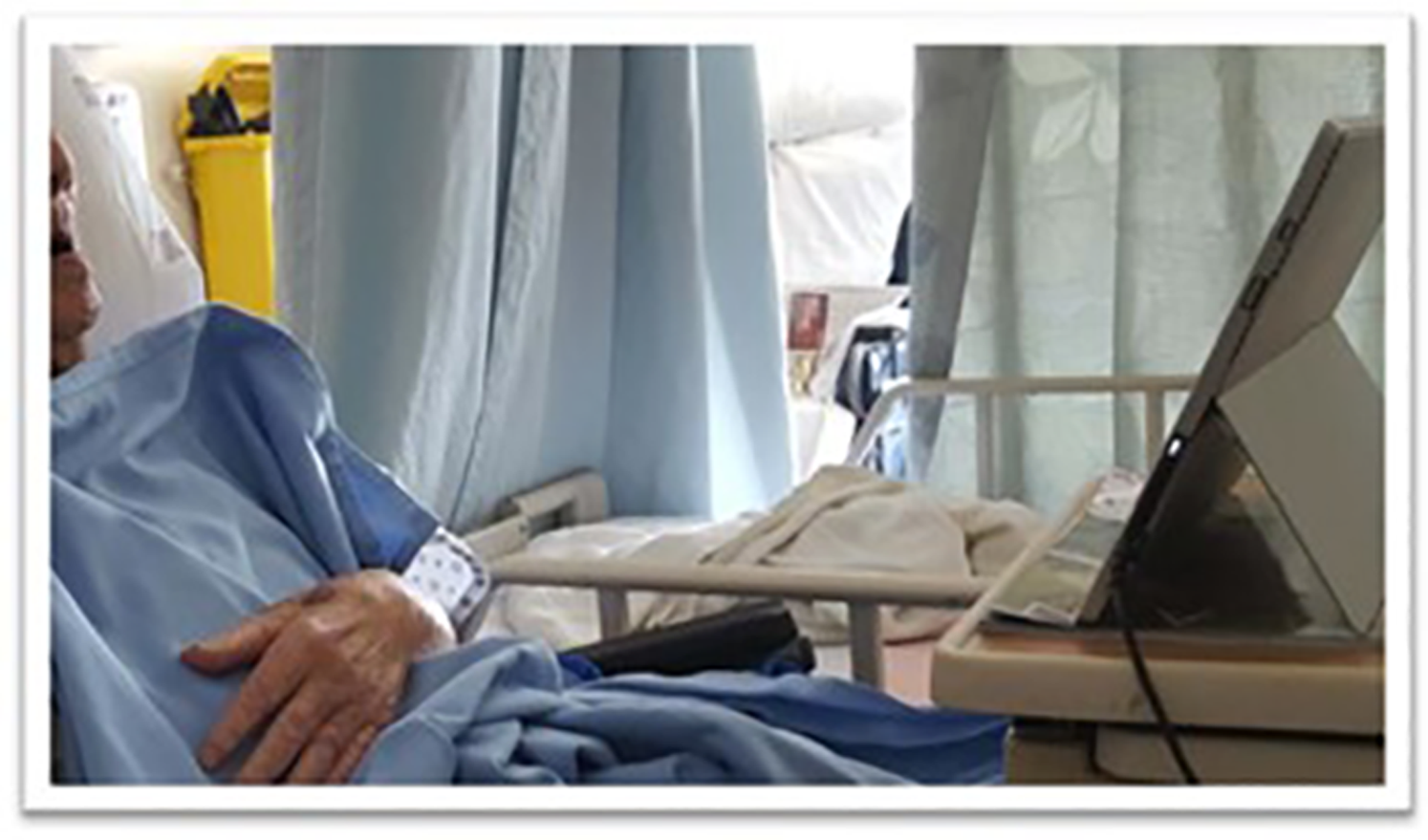
By using apps, participants were able to uphold their relative’s personhood by focusing on their identity, needs and values when engaging them in meaningful activities. The care recipient was able to maintain previous hobbies, interests and activities through apps that provided colouring, puzzles, gardening activities and entertainment (e.g. YouTube™ and Netflix™). Nadia stated: ‘It brings her a lot of enjoyment to listen to music… it definitely brings up her mood, makes her happier’. Similarly, Cassandra highlighted: ‘A gardening app… she plants virtual plants… and it makes her really happy’. In the following photograph, Sophia further emphasised the importance of promoting her grandfather’s personhood by providing personalised meaningful activities, such as playing videos that catered to his preferences:
Maintaining family routines and traditions
When a family member is living with dementia, family routines and traditions can be disrupted as well and thus, participants seek out apps to assist with continuing to engage in long-established shared family routines and traditions. For Nadia and Sierra, their families had a longstanding tradition to consistently document family events and other memories through pictures and videos. The camera and photos app enabled them to uphold this tradition by allowing them to capture and share photos and videos with each other conveniently. Nadia shared the following photograph of her previous digital camera to exemplify the significance of upholding this tradition within her family:

For Abigail’s family, they use food-ordering apps for catering to reduce the burden of preparing for Eid celebrations every year so they could ‘spend time as a family and enjoy, rather than [working hard] two days before the actual event’. In another example, Abigail described how her father living with dementia was able to learn and use a food-ordering app to order a birthday cake for her birthday which would have been challenging or even impossible if not for the app. This event highlights that not only are the caregivers leveraging apps to express love and appreciation towards their loved one, but also vice versa, as poignantly illustrated in the following photograph by Abigail:

Determining the effectiveness of apps
The biggest driver for uptake of apps for all participants was whether or not the app was effective in helping them address an unmet need. When determining the effectiveness of apps, participants often explored what they found to be useful and what the potential is for apps, exemplified in the following subthemes: Identifying useful functions of apps and Envisioning the potential of apps.
Identifying useful functions of apps
Participants revealed simple, practical apps that have clear and intuitive navigation are most likely to be implemented in their caregiving role. In particular, Cassandra underscored the need for apps to be simple and easy to navigate in order for her grandmother to use: ‘For the colouring one, when you open the app, it doesn’t give you any instructions… she can just click on the colour and put it on the picture… it’s really easy’.
Interactivity and integration are also valued by participants as these features allowed them to share relevant information with other family members as well as access to the same app on various mobile devices. For instance, Abigail can share her schedule through her Google CalendarTM app with other family members to update them about her father’s activities and to coordinate care: ‘I can share things and invite people through the calendar… she [her sister] can live far away and still see everything. I like the sharing aspect’. Additionally, being able to easily access an app through any device strongly resonated with Sierra as she captured a photograph of all of her mobile devices to symbolise the impact of this function on her as a caregiver considering the ‘busy and chaotic’ nature of caregiving:

Envisioning the potential of apps
Participants mainly focused on two areas, the functionality and the purpose, when describing what types of apps would be beneficial for family caregivers. They provided some suggestions on how to improve the functions of apps to make them more effective and useful, including having multiple language options and being multifunctional. Abigail explained that developing apps that have multiple functions will increase convenience and decrease the clutter when one has too many apps with one singular purpose: ‘The one thing I would do better is integrate a bunch of things to one app’. Participants also offered some ideas of specific caregiving needs an app could address, particularly the management of safety-related issues (e.g. falls and emergencies). For example, Nadia commented: ‘I would be most worried about her leaving the oven or stove on… Or if there is a fall… and then no one being there to help her out’. This envisioning process highlights the potential of apps and the relevance of them in the lives of family caregivers.
Discussion
Apps were easily incorporated into everyday habits and routines, but caregivers frequently needed to adapt or customise the app for the dyad’s individual needs. Additionally, the use of certain apps, such as food/grocery ordering and delivery apps, are interwoven throughout different themes, highlighting that the contribution of apps can span across various aspects of caregiving. The study underscored that apps could play an important role in supporting caregivers and persons living with dementia. All participants used them consistently as an adjunct to care that can go beyond just instrumental support.
Apps helped the dyad connect with family and friends; hence they facilitated and maintained social connection. Research has shown that gaining social support can reduce social isolation and depression as well as have a positive impact on health and life satisfaction (Hensel, Parker-Oliver, & Demiris, 2007; Mickus & Luz, 2002) which is particularly important given the negative physical, psychological, social and financial consequences associated with caregiving in the dementia context (Brodaty & Donkin, 2009; CIHI, 2018; Connell, Janevic, & Gallant, 2001; del-Pino-Casado et al., 2019; Karg et al., 2018; Schoenmakers, Buntinx, & Delepeleire, 2010). This study highlighted how apps allowed for added video communication that enabled caregivers to see visual nonverbal cues, physical appearance and environmental cues which ultimately enhanced the quality of the social interaction and increased the perception of social presence. This is similar to Hensel et al.’s (2007) research, which found that technology that enables both visual and verbal communication to be more beneficial when compared to audio-only communication methods.
Researchers suggested that the use of technology in assisting with ADLs and IADLs could reduce the responsibilities and burden placed on the caregiver (Giebel & Sutcliffe, 2018; Klimova, Valis, & Kuca, 2018) and the study findings highlighted that apps can be an effective option to support with care activities such as grocery shopping, food preparation, medication management and transportation. These ADLs and IADLs were also found by earlier studies to be ones that the dyad required the most frequent assistance with (Asghar, Cang, & Yu, 2018; Giebel, Sutcliffe, & Challis, 2017; Miranda-Castillo, Woods, & Orrell, 2013). Addressing these areas of daily activities is of particular importance as research has shown that poorer ADL and IADL performance are significantly associated with reduced well-being and quality of life in the dyad as well as heightened levels of caregiver stress and burden (Giebel et al., 2014; Giebel, Challis, & Montaldi, 2016; Giebel & Sutcliffe, 2018).
This study emphasised how apps were used by caregivers to organise and carryout daily activities while managing various competing priorities that arose from occupying multiple roles in addition to their caregiving role. Evidently, the needs of adult child caregivers who may simultaneously balance work, child caregiving and school obligations are distinct from those of spousal and other types of informal caregivers (Cohen et al., 2015). Participants’ experiences align with the tenets of the depletion/role strain perspective, explained as individuals having a finite amount of time and resources that can be allocated across roles (Bainbridge, Cregan, & Kulik, 2006; Rozario, Morrow-Howell, & Hinterlong, 2004). Thus, a commitment to one role will reduce the resources that could be allocated to another (Bainbridge et al., 2006; Rozario et al., 2004). Apps enabled participants to exhaust less of their time and resources into their other roles by helping them organise their daily activities and as a result, left them with more allocated towards their caregiving role.
This study extended the literature on how apps facilitated caregivers’ capacity to maintain meaningful activity in the context of biographical disruption. Bury’s (1982) seminal work theorises how chronic illness can cause a biographical disruption in which people experience a discrete rupture in their ability to enact familiar routines and activities. Findings from this study suggested a way to address biographical disruptions by maintaining a sense of identity for the care recipient through engaging with apps based on their needs, preferences, values, beliefs and life history. Alongside of this, caregivers were able to promote their relative’s well-being, which is in alignment with existing evidence linking involvement in meaningful activities and positive health outcomes for the dyad (e.g. Genoe & Dupuis, 2014; Phinney, Chaudhury, & O’Connor, 2007; Roland & Chappell, 2015). It is through the involvement in familiar and meaningful activities that the care recipient is able to gain pleasure and inclusion as well as maintain a sense of continuity and identity, which are critical for maintaining personhood (Kitwood, 1997). This was particularly salient when participants illustrated how, regardless of their relative’s level of dependency or cognitive impairment, they ensured that their relative remained actively involved in meaningful activities by reconciling the reality of their condition and the consequent changes as well as by turning to apps for support.
Only a handful of authors have explored the concept of biographical disruption in a family context. Thus, it is crucial to consider the unified history and context of the familial relationship when understanding the experiences of the dyad. The current findings shed light on the significance of meaningful activity also on a family level. It is evident that families can experience ‘collective biographical disruption’ as the routines and traditions that constituted as family life can begin to become difficult to uphold as a result of dementia (Phinney, Dahlke, & Purves, 2013, p. 365). Apps helped participants maintain their shared narrative as a family, as well as the routines, traditions and practices that constituted as who they are as family. The phenomenon of promoting continuity and normality by family caregivers through continued involvement in family practices as seen in this study is a prominent finding in several existing studies investigating family caregivers and their experiences with biographical disruption (e.g. Aasbø, Solbrække, Kristvik, & Werner, 2016; Hasselkus & Murray, 2007; Hudson et al., 2016; Phinney et al., 2013). However, what is unique about the present study in contrast to the work conducted by previous researchers is the exploration of the family caregivers’ experiences of navigating those disruptions that occur at a family level using apps.
Consistent with other studies, the acceptability of apps by the dyad is highly connected with simple and easy-to-use features (Yousaf et al., 2019). Indeed, much of the literature asserted the importance of apps to be simple and require low effort (e.g. Hilliard et al., 2014; Peng et al., 2016; Sarkar et al., 2016), making these desired qualities nearly universal and should be applicable to most app designs. However, a distinct finding in the current study is the area of integration, which allows an app to be accessible in all forms of mobile devices. This is particularly important as participants could use a specific app on whichever device that is suitable at the time, and it also provided the opportunity for them to use an app in different settings.
The study findings add to a growing body of research that suggest there are factors overlooked in common technology acceptance theories related to ageing, including specific biophysical (e.g. cognitive and physical decline) and psychosocial (e.g. loneliness) characteristics (Chen & Chan, 2011; Peek et al., 2014), as well as related to living with dementia, such as particular issues experienced by this population (e.g. social isolation, need for safety, desire for meaningful activities, maintaining longstanding practices) (Thordardottir et al., 2019). These theories also discuss areas that impact acceptance of multiple types of technology rather than factors that are more technology specific, including those unique to apps such as interactivity and integration. As such, more investigation towards technology acceptance in the form of apps specifically by persons living with dementia and their family caregivers are warranted in order to develop theories suitable for this population.
This study highlighted gaps in existing apps related to areas of app functionality and caregiving needs. There was a need for apps to have multiple language options and to be multifunctional, such that the app integrates multiple functions within a single, cohesive program. Brown and colleagues (2019) found that only a few apps targeting dementia caregivers were available in languages other than English which is particularly problematic in a country like Canada as nearly 20% of Canadians reported speaking a language other than English or French at home (Statistics Canada, 2018). Moreover, reviews have also found that most apps are not comprehensive in nature and do not provide the multiple features required to meet the complex needs of caregivers (Brown et al., 2019; Grossman, Zak, & Zelinski, 2018; Zelinski, Zak, & Grossman, 2017). Designing apps to be multifunctional increases the likelihood that it can address a caregiver’s various, complex and changing needs within a single app, rather than relying on numerous apps with varying features (Brown et al., 2019). However, it is also important to consider the challenge of meeting both demands of apps to be simple and multifunctional simultaneously, as the complexity of apps can increase with the number of functions and features it may have. Reassurance of safety of the care recipient was mentioned several times by participants as a caregiving need apps can address, such as falls and emergencies. Unsurprisingly, much of the literature found that the most common unmet need reported was in the domain of safety (Black et al., 2013) and technology was most commonly used to address safety and security issues among this population (Sriram et al., 2019).
Strengths and limitations
As one of the first studies to explore the experiences of family caregivers of persons living with dementia who use apps in their caregiving role, the findings of the study contribute to a growing body of evidence about the potential benefits of apps for family caregivers. Furthermore, the use of photographs added a supplementary layer of explanation to participants’ narratives and experiences. The use of PEI in the study had a unique emphasis on engaging participants in the process of data collection (taking photographs) and initial analysis (describing what the photographs mean during the interview) which added to the credibility and richness of the data (Sandhu, Ives, Birchwood, & Upthegrove, 2013).
The demographic profile of the study participants warrants additional studies to explore the experiences of different groups of family caregivers as all participants were adult child family caregivers, female and between the ages of 18 and 35 years old. Future research involving other forms of family caregivers, such as spouses/life partners and siblings, would further add to the literature on app use in caregiving. Consistent with trends in literature, there is limited studies pertaining to male caregiving in the dementia context (Mc Donnell & Ryan, 2013); perhaps due to barriers to participation in research that exist for men or gendered burden of care as family caregivers are more likely to be women in Canada (Turcotte, 2013). For the purposes of this study, family caregivers were recruited as opposed to care recipients. Thus, the findings are limited in providing a comprehensive understanding of the experiences from the care recipient’s perspective. Future studies should involve persons living with dementia as their extensive insight into their dynamic needs, preferences and abilities could inform developers on what types of apps are meaningful and suitable for this population. Longitudinal studies can also be implemented to examine the use, benefits and barriers of apps over time as the findings can provide information on the timing to introduce apps and what types of apps are most helpful during various stages of dementia.
Implications
The increasing use of apps in healthcare will require health and social care professionals to acquire additional skills and competencies, including knowing how to use the technology and how to evaluate the quality and appropriateness of a specific app. Thus, educators need to align curricula with current technological advances to prepare students for the technological world of health and social care. Health and social care professionals should also have up-to-date knowledge of available and credible apps for use in dementia care and caregiving. They should be aware of the capabilities and limitations of the apps and provide appropriate support and education to this population.
The findings provide further evidence about the need to include end-users in the app development process so that characteristics and functionalities match their preferences and needs. Promoting personhood and maintaining continuity through meaningful activities are core needs expressed by participants – something that apps can encourage at a time of multiple losses in the cognitive, functional and social domains. Given the findings, developers should consider the enhancement of personhood and the continuity of family practices during app design. Apps can go beyond surface functions of simply providing reminders and assistance in daily activities; they can also support identity and inclusion and promote personhood. Thus, apps can help health and social care professionals to enact and promote person-centred care, a philosophy of care that is essential to good dementia care, which involves supporting a sense of personhood through relationship-based care and providing individualised activities and meaningful engagement (Fazio, Pace, Flinner, & Kallmyer, 2018). For instance, health and social care professionals could assist family caregivers by providing activity strategies and support resources such as apps for continued engagement of their relative in meaningful activities.
As demonstrated in the findings, family caregivers experience a variety of complex challenges and needs in their caregiving role and thus, more apps need to be developed to address those needs. Legislators should consider creating policies that will support research and development towards technological solutions that can address the needs of this population.
Conclusion
The dynamic and progressive nature of dementia requires an understanding of the context and environment in which apps are being used by family caregivers, the characteristics of the targeted users and the motivation for using apps to better tailor apps to support this community. This study adds to the growing understanding of how apps can address the diverse needs and issues that stem from the complexity of family caregiving for persons living with dementia. The findings illuminated that the value of apps extends beyond their mere functionality and their ability to help with care provision. Findings revealed the utility of apps for the family caregiver also lies in their capacity to promote richer interpersonal connections, enhance personhood and sustain family routines. Participants described how they reconciled the many aspects of change associated with dementia and drew upon the support of apps to address the everyday challenges with which they are intimately familiar with – insights that are imperative to future app developments. This study further expands how person-centred care can extend to include tailored use of technology such as apps in supporting the social world of care recipient. Above all, the findings broadened the concept of self-extension (Belk, 1988) as findings revealed that apps can serve as an extension of the caring self – enabling connection with others, facilitating care provision, mitigating disruptions and promoting personhood. While preliminary, the study provides some beginning directions in this regard for those who are involved in dementia care, including family caregivers, persons living with dementia and health and social care professionals.
Supplemental Material
sj-pdf-1-dem-10.1177_14713012211073440 – Supplemental Material for Beyond instrumental support: Mobile application use by family caregivers of persons living with dementia
Supplemental Material, sj-pdf-1-dem-10.1177_14713012211073440 for Beyond instrumental support: Mobile application use by family caregivers of persons living with dementia by Angel H. Wang, Kristine Newman, Lori Schindel Martin, and Jennifer Lapum in Dementia
Footnotes
Acknowledgements
Thank you deeply to the five family caregivers who participated in this study with such passion, courage and enthusiasm. Thank you for sharing your time and experiences. A special thank you to all the individuals and organisations who helped with recruitment for this project. The first author would like to acknowledge and thank the Graduate Studies at Ryerson University, Alzheimer’s Society Research Program, Canadian Nurses Foundation, Nursing Leadership Network of Ontario and Canadian Gerontological Nursing Association for their financial support of the first author’s graduate studies.
Declaration of conflicting interests
The author(s) declared no potential conflicts of interest with respect to the research, authorship, and/or publication of this article.
Funding
The author(s) received no financial support for the research, authorship, and/or publication of this article.
Ethics approval
This research project received ethics approval from Ryerson University’s Research Ethics Board (REB #2018-090-1).

Supplemental material
Supplemental material for this article is available online.
References
Supplementary Material
Please find the following supplemental material available below.
For Open Access articles published under a Creative Commons License, all supplemental material carries the same license as the article it is associated with.
For non-Open Access articles published, all supplemental material carries a non-exclusive license, and permission requests for re-use of supplemental material or any part of supplemental material shall be sent directly to the copyright owner as specified in the copyright notice associated with the article.
