




Abstract
One of the challenging consequences of dementia is the change in relationships that can co-occur with the progression of this condition. Despite this well-documented change, few arts-based interventions target the relational dimension of dementia. This study aims to explore the effects of one arts-based relational intervention: a movement program designed to foster connections within a group of persons with dementia. We used ethnographic methods—including participant observations and informal interviews—to understand the relational effects of this program conducted by two dancers and a musician. The movement sessions were video recorded, and participant movement trajectories were analyzed for different ways in which they created connections. We identified two types of connections—nonreciprocal and reciprocal—and four subtypes of connections—connection to exercise/music, connection to participant, interpersonal connection, and group connection—that participants engaged in during the movement program. Despite most participants not remembering the previous movement sessions, they experienced increasing numbers of connections over the course of the program, particularly reciprocal interpersonal connections. Participants explored new forms of moving and creatively transformed the movement structures proposed by the dancers. The results demonstrate the effectiveness of this program in augmenting connections and fostering exploration and creativity in individuals with dementia, providing a template for further developments of interventions targeting the relational dimensions of dementia. This study also highlights the potential of combining ethnographic methods and video analysis to include the perspectives of persons with dementia in research.
Keywords
Introduction
Approximately 50 million people live with dementia worldwide; this number is expected to double within 20 years (Alzheimer’s Disease International, 2020). The increasing prevalence of persons with dementia has drawn widespread public attention that has primarily focused on the economic costs and caregiver burden (e.g., Fishman et al., 2019; Van Den Kieboom et al., 2020). Concurrently, this increase has contributed to a rising awareness about the various forms of discrimination experienced by people with dementia and the need to guarantee that their rights are respected (e.g., Bartlett et al., 2010; Bartlett & O’Connor, 2007). A growing body of literature promotes treatments and interventions that are effective in supporting the active involvement of individuals with dementia in decision-making about their care and well-being (e.g., Hulme et al., 2010; Seitz et al., 2013). Furthermore, there has been a rising interest in the experience of people with dementia, including how this condition affects their relationships with others (Ablitt et al., 2009; La Fontaine & Oyebode, 2014; Quinn et al., 2009).
The relatively recent shift from person-centered care (Kitwood, 1997) to relationship-centered care (e.g., de Witt & Fortune, 2019; Dewar & Nolan, 2013; Nolan et al., 2004; Ryan et al., 2008) has emphasized the need to refocus research inquires on the individual with dementia in connection with her/his caregivers and other significant persons. Many studies have focused on couples, exploring how dementia affects quality of relationships (e.g., Clark et al., 2019; Eloniemi-Sulkava et al., 2002; Enright et al., 2020; Hydén & Nilsson, 2015; O’Shaughnessy et al., 2010); how the quality of relationships affects experiences of caregiving and care receiving (e.g., Burgener & Twigg, 2002; Rankin et al., 2001; Woods et al., 2003); and the form that relationships take after the onset of dementia (e.g., Murray et al., 1999; Neufeld & Harrison, 1998). Additional research has examined the impact of dementia on relationships with other family members (e.g., Allen et al., 2009; Malthouse, 2011; Spitznagel et al., 2006) as well as the development of quality relationships between persons with dementia and care professionals, staff members of residences, and/or paid and informal caregivers (e.g., Adams & Gardiner, 2005; Quinn et al., 2012; Söderlund et al., 2012). There are also growing numbers of studies on interventions that aim to support relationships of persons with dementia with spouses, family members, and health providers (e.g., Baker et al., 2012; Basting, 2006; Camic et al., 2013; Guzmán et al., 2017; Ho et al., 2015; Kim et al., 2012; Kontos et al., 2016; McGilton et al., 2003; Melhuish et al., 2017; Orrell et al., 2017; Ravelin et al., 2013; Savundranayagam et al., 2011; Tamplin et al., 2018).
Arts-based interventions have emerged as effective ways of improving the health and well-being of persons with dementia (e.g., Basting, 2006; Camic et al., 2013; Kontos et al., 2016; Savundranayagam et al., 2011; Swinnen & De Medeiros, 2018). A recent systematic review demonstrated that the therapeutic use of dance and movement can ameliorate dementia-related symptoms and improve embodied forms of communication in this population (Lyons et al., 2018). Specifically, cumulating evidence has shown that dance and movement interventions can improve cognitive functions (Cheung et al., 2018b; Dayanim, 2009; Moore & Lesiuk, 2018; Rösler et al., 2002; Thøgersen-Ntoumani et al., 2018), reduce agitation (Cheung et al., 2018a; Sung et al., 2006), and decrease aggression and/or other problematic dementia-associated behaviors (Goldstein-Levitas, 2019; Guzmán et al., 2016; Ho et al., 2015). Although the therapeutic effects of these interventions are significant, few are focused on subjective experiences, such as enjoyment, well-being, and sense of social inclusion (Coaten, 2001; Gomaa et al., 2020; Mc Parland et al., 2017; Ravelin et al., 2013; Skinner et al., 2018). Moreover, there is limited knowledge of how dance and movement interventions could positively affect the relational dimension of the lives of persons with dementia and support their ability to establish meaningful connections. To address this gap in knowledge, this study aims to trace the effects of a movement program entitled Mouvement de passage on creating and supporting connections between persons with mild and moderate dementia. We were particularly interested in incorporating the perspective of persons with dementia while building connections through movement in our study and employed an array of ethnographic methods and video analysis to do so. Our overall goal was to use these methods to richly capture the movement experience of participants of Mouvement de passage and to understand its effects on the relational dimensions of persons living with dementia.
Description of Mouvement de passage
Mouvement de passage is a movement program created by an author of this article Ariane Boulet and Je suis Julio, a production company that supports projects initiated by its resident artists. AB is a professional dancer who has extensive experience working with persons with late-stage dementia living in residential settings. The main goal of Mouvement de passage was to explore participants’ intersubjectivity through movement and to increase their sense of connection. Using the ludic approach of play, the program proposed simple movements in solo, duo, and group as improvisation frameworks through which the participants explored their capacity to move, and to connect with themselves and others. As the program progressed, participants discovered their mobility in creative ways, increased their confidence of moving in space, learned to trust in the group and to relax, and expanded their ability to connect.
This program was hosted at a nonprofit organization (henceforth “the organization”) that provided a wide range of services for persons with dementia. The program was conducted by two dancers (one lead dancer and one supporting dancer) and a musician, with the support of two staff members from the organization (therapists specialized in persons with dementia), two ethnographers (RMO, NIS), and an engineer (SBM).1 Eight persons with dementia who were already enrolled in a day program of the organization participated in Mouvement de passage.
Description of movements by session.
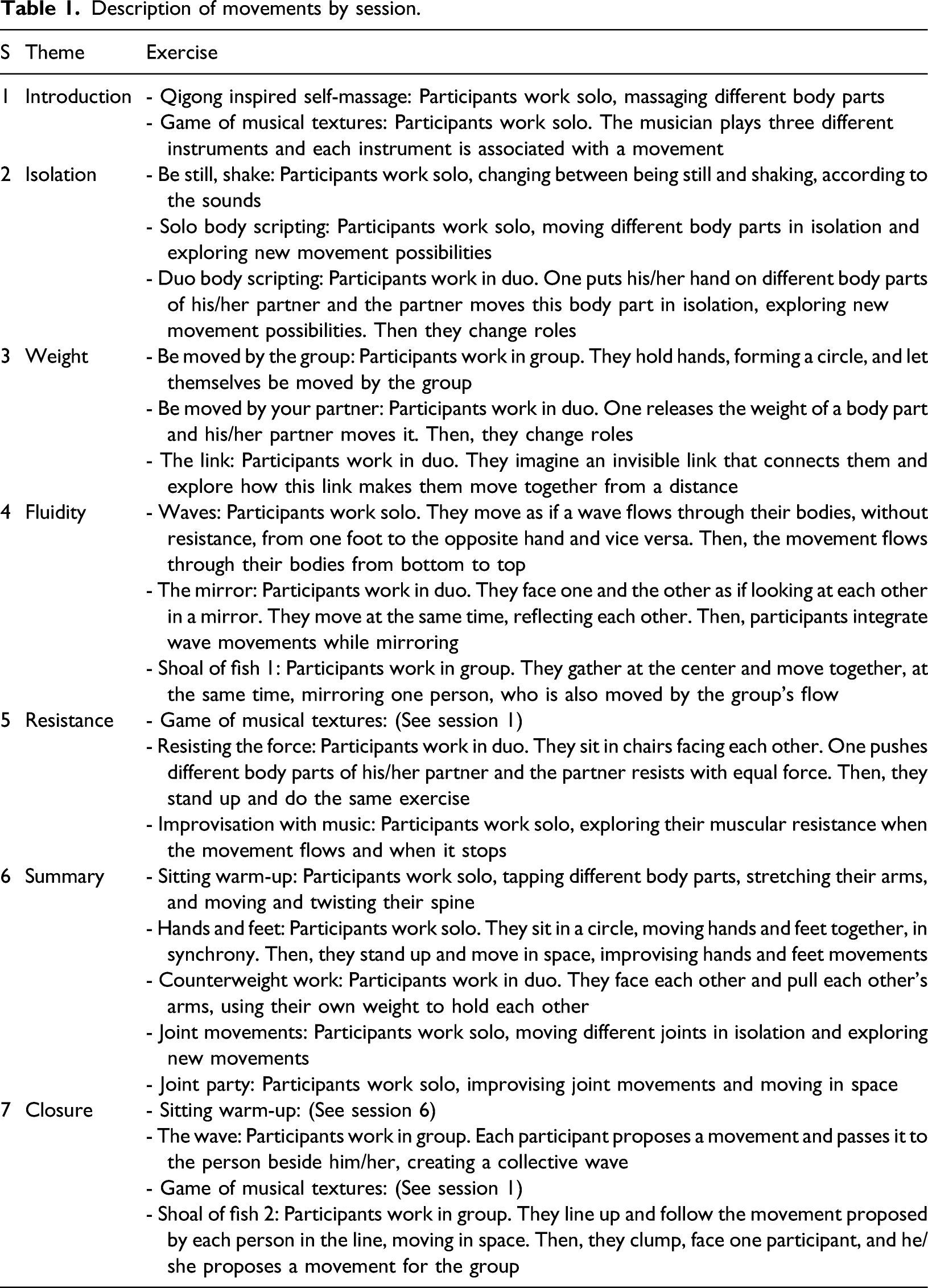
After each session, the dancers, the musician, the ethnographers, and the engineer met to debrief and evaluate the implementation of the program. The ethnographers provided feedback on how to improve the program and also solicited feedback from staff members on how to better adapt the program to the needs of participants. The dancers and the musician incorporated the changes suggested by the participants, staff members, and the ethnographers in the following session.
Research approach and methods
This study combines a community-based participatory research approach and ethnographic methods to trace the implementation of Mouvement de passage and the connections it fostered. Community-based participatory research involves community members, organizational representatives, and others as coresearchers, contributing with their expertise to all phases of the research process (Israel et al., 1998). Mouvement de passage was implemented in partnership with Je suis Julio and the organization. Je suis Julio provided the artists (dancers and musician) who carried out Mouvement de passage and adapted it to the specific needs of the participants. The organization facilitated the setting, recruited the participants, and provided the support of two staff members.
Ethnographic methods such as participant observation and informal interviews were used to collect information about Mouvement de passage and the connections developed during the program. These methods are particularly suited to persons with dementia because they allow studying research participants in familiar settings while performing their everyday activities (Antelius et al., 2019), and thus avoid disruptions in their routines and unfamiliar environments that could trigger feelings of stress and confusion in persons with dementia (Førsund et al., 2018). Moreover, participant observation allows the researcher to focus his/her attention on the participants’ body language (gaze, gestures, movements, etc.). Additionally, informal interviews enabled us to gather information in situ, as opposed to relying on the memories of persons with dementia to talk about their experiences (as in the case of semi-structured interviews). The ethnographers conducted participant observation in each of the seven sessions of the program, supporting the work of the dancers, helping the participants to perform the movements, and providing feedback. They also informally interviewed the participants at the end of each session, asking how the participants experienced the movements and the connections shaped by these movements. The length of each participant observation corresponded to the duration of the session (40–50 min) and informal interviews lasted between 10 and 15 min. Prior to this study, RMO had conducted 18 months of ethnographic fieldwork at the organization and had established relationships of trust and friendship with the participants, which facilitated the ethnographers’ interactions with them. Moreover, RMO had gathered life stories of the participants, which included information about their experiences of dance and movement. Field notes of participant observations and informal interviews were digitally written at the end of each session and shared among the researchers. To complement information about the connections developed during the program, all the sessions were video recorded in real time. Video recording has the potential of deeply capturing embodied forms of communication, particularly crucial in persons with dementia (Campbell & Ward, 2019; Hydén, 2013; Kindell et al., 2013; Yokokawa, 2012), and thus it contributed to multiplying the scope of the participant observer.
The ethnographers comparatively analyzed field notes and video recordings to identify instances and types of connections across all sessions of Mouvement de passage. Field notes were imported into NVivo 12 software to support analysis and their content was anonymized by changing names of participants, institutions, and sites. Throughout the remainder of this article, all participants will be referred to with pseudonyms, and all identifying details have been changed to preserve participant anonymity. Video analysis allowed the ethnographers to return to the scene of data collection, to reexperience “being in the field,” and to identify events that were not directly observed while in the field (Pink, 2009, 2013). The ethnographers’ analysis of the video recordings was based on the approach used by Reza Majlesi et al. (2018) to identify nonverbal communication in videotaped interactions of couples where one person had dementia. First, the ethnographers watched the program’s sessions multiple times in an iterative fashion to explore in detail how the participants established connections. Second, the ethnographers followed the trajectory of each participant across all sessions to understand the particular ways in which participants experienced the program and embodied the movements. By iteratively watching the same participant, they were able to identify how she/he was connected with the exercise, music, and other participants. This also allowed the ethnographers to learn each participant’s idiosyncratic body movements and to trace how the connections they created evolved as the program progressed. Finally, the ethnographers described such connections multimodally, including talk, gestures, gaze, body movements, etc. The criteria for identifying an instance of connection and its type were iteratively refined throughout the video analysis process. To obtain consensus on how participants established connections and the types of connections facilitated by the program, three researchers (SBM, RMO, NI) discussed the information during face-to-face meetings held throughout the study period. To ensure validity, four other researchers who were not involved in the implementation of the program analyzed more than 10% of the collected material using the final criteria for identifying an instance and type of connection, with an inter-rater agreement of 100% (Miles et al., 2014). In keeping with the community-based participatory research approach of this study, one partner from Je suis Julio and another partner from the organization (MW) were involved in discussions about the findings and contributed to the writing of this article. This study was approved by the Institutional Review Board of McGill University. Written consent was obtained from all caregivers and verbal assent was sought from the persons with dementia prior to and throughout the course of the study. Participants also consented to the use of photos from the movement session for disseminating research results.
Findings
Description of participants
Short bios of participants.
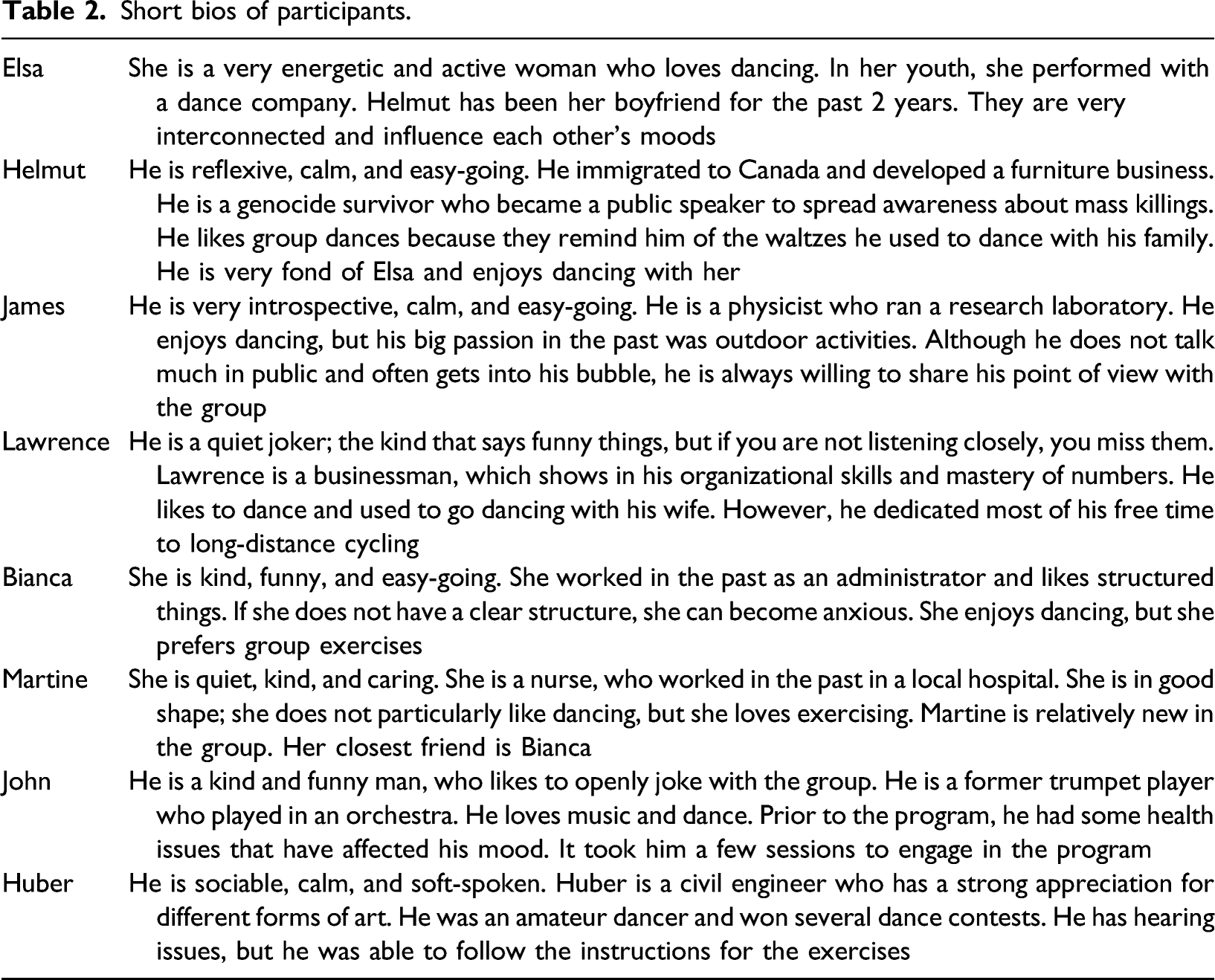
Description of the connections
Types of connections and criteria of inclusion.
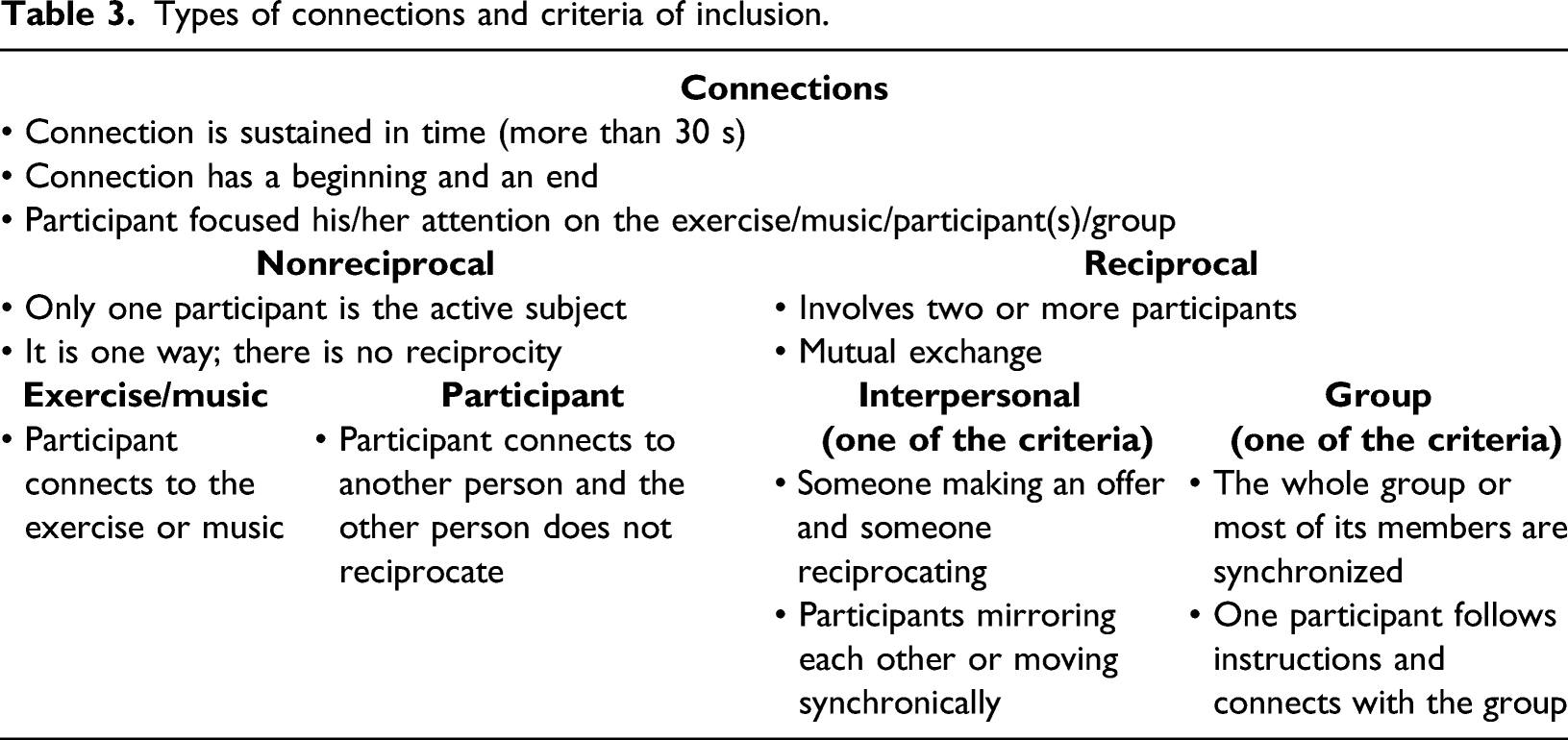
We have chosen four exemplary vignettes to clearly illustrate each of the four subtypes of connections fostered by Mouvement de passage. Where necessary, contextual factors and background information of the participant are provided to allow the reader to understand the particular ways in which she/he embodied the movements and created connections.
Nonreciprocal connection to the exercise/music
A nonreciprocal connection to the exercise or the music was the most common type of connection fostered by Mouvement de passage. A total of 48 out of the 116 connections correspond to this subtype, especially in the first sessions. In this exemplary vignette of nonreciprocal connection to the exercise/music (Figure 1), we thickly describe James’ deep connection with the music and the movements, sharing the space with the other participants, but focusing on his own personal exploration. Vignette 1: James connects to the exercise and to the exercise only.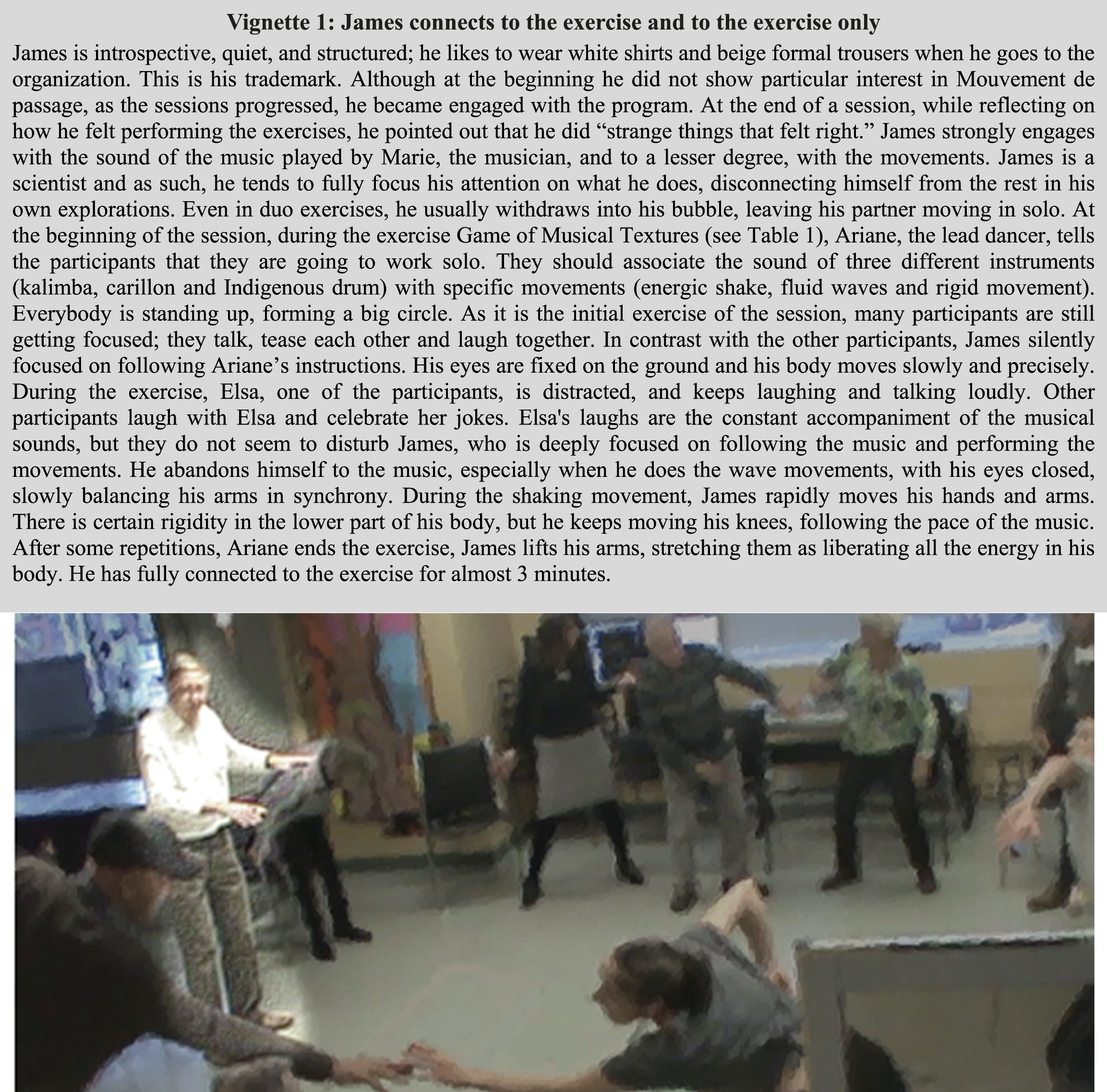
Nonreciprocal connection to another participant
Nonreciprocal connections to other participants are the least frequent of the four subtypes, constituting only 5 out of the 116 total connections. This subtype of connection is rare, as when a participant initiates a connection with another person, the latter typically reciprocates, resulting in a reciprocal connection. In this exemplary vignette of nonreciprocal connection to another participant (Figure 2), we illustrate Helmut’s sustained connection to Elsa during an exercise, while her attention continually flits to other people and activities. Vignette 2: Helmut connects to Elsa; Elsa’s attention is elsewhere.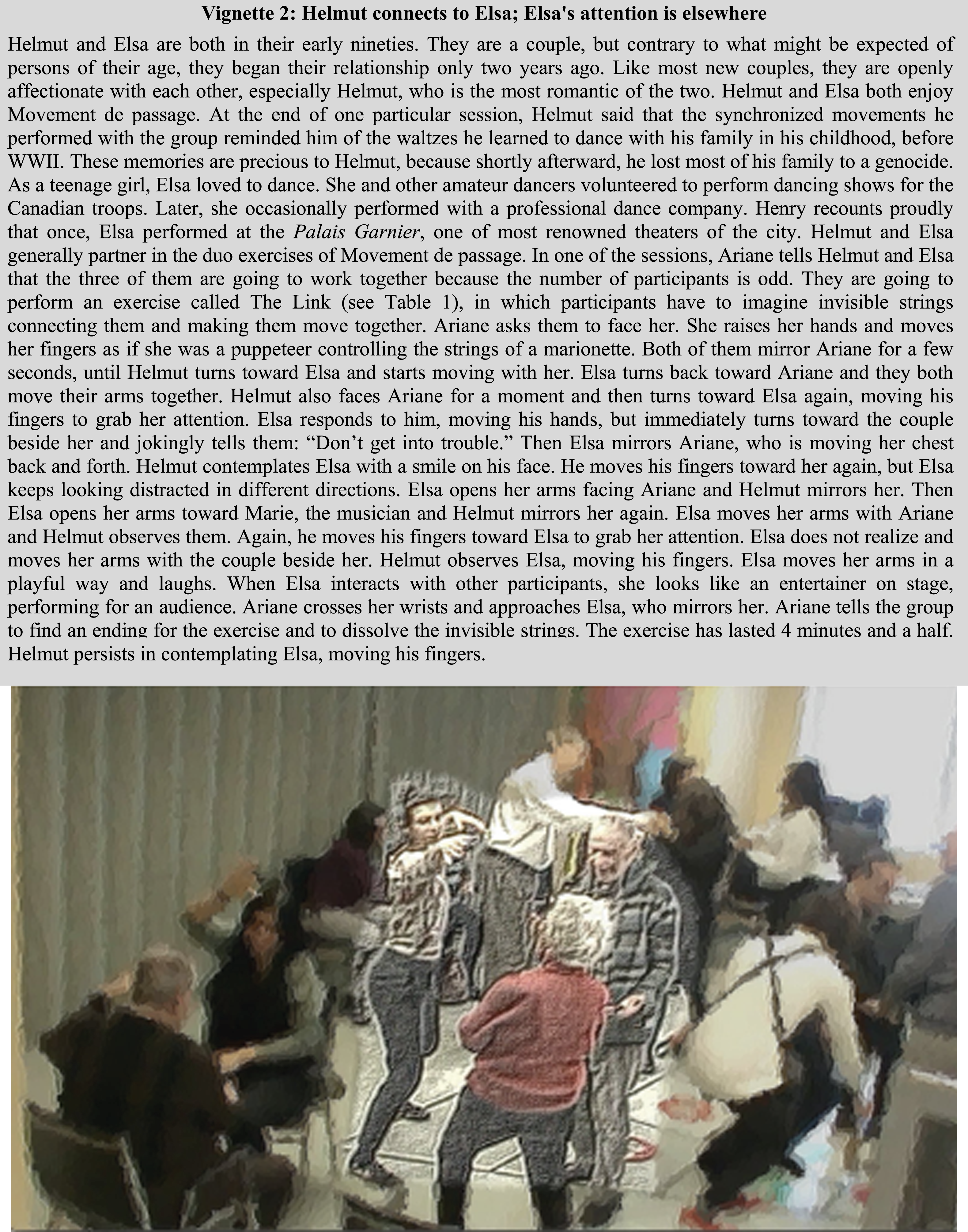
Reciprocal interpersonal connection
Reciprocal interpersonal connections were the most prevalent type of reciprocal connections and the second most frequent connection type, representing 35 of the 116 total connections. These connections were often scaffolded by the duo exercises which were present at least once in each session, which facilitated interpersonal exchanges. In this exemplary vignette of reciprocal interpersonal connection (Figure 3), Huber and Ariane establish an interpersonal connection through movement improvisation. Vignette 3: Huber and Ariane mutually connect through movement improvisation.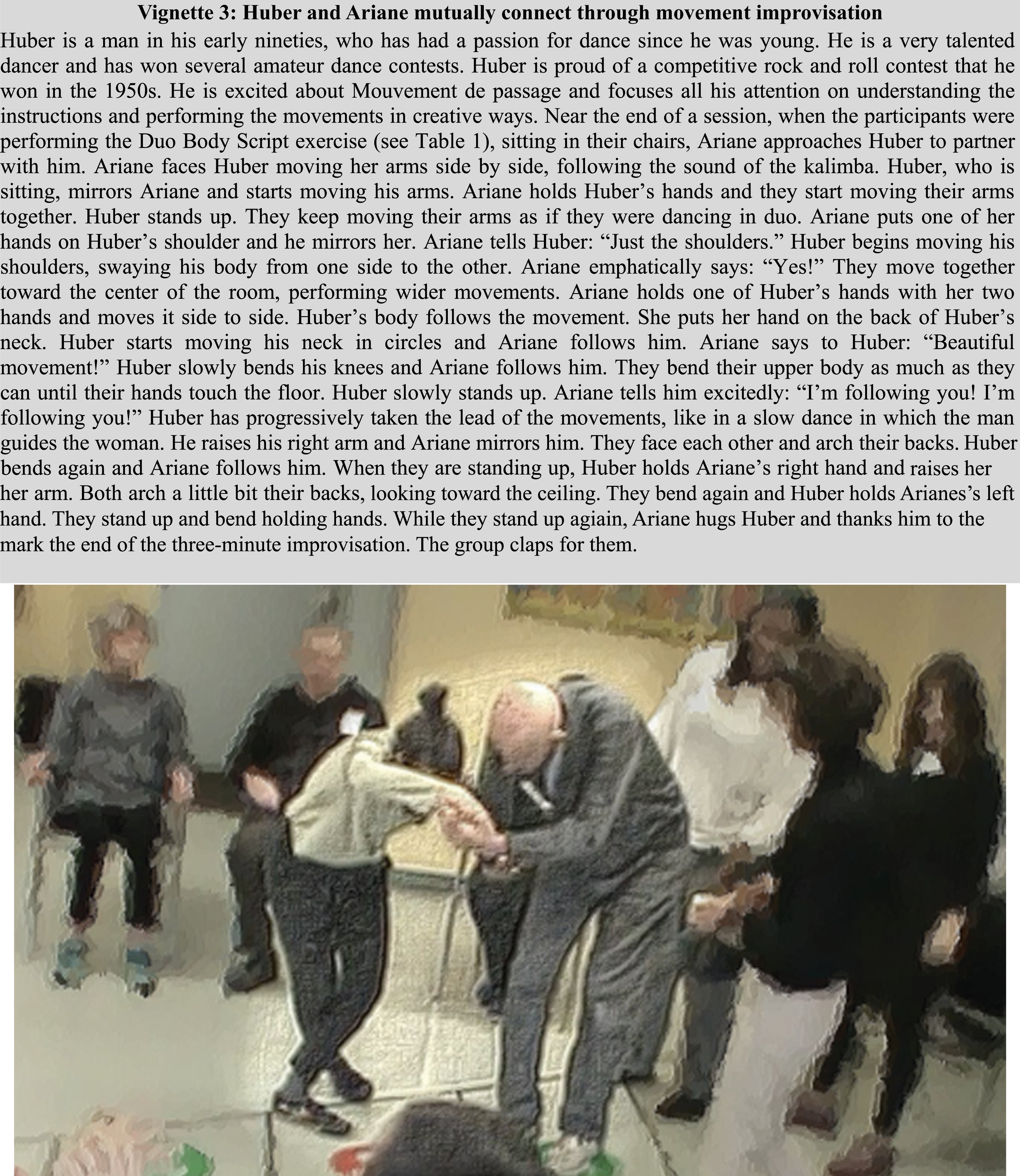
Reciprocal group connection.
Reciprocal group connections constitute 28 of the 116 total connections. Unlike the other connections, which are distributed across most sessions, these are concentrated in the three last sessions that included group exercises (see Table 1). In this exemplary vignette of reciprocal group connection (Figure 4), all participants organically connect during a semi-structured group exercise. Vignette 4: The group moves like a shoal of fish.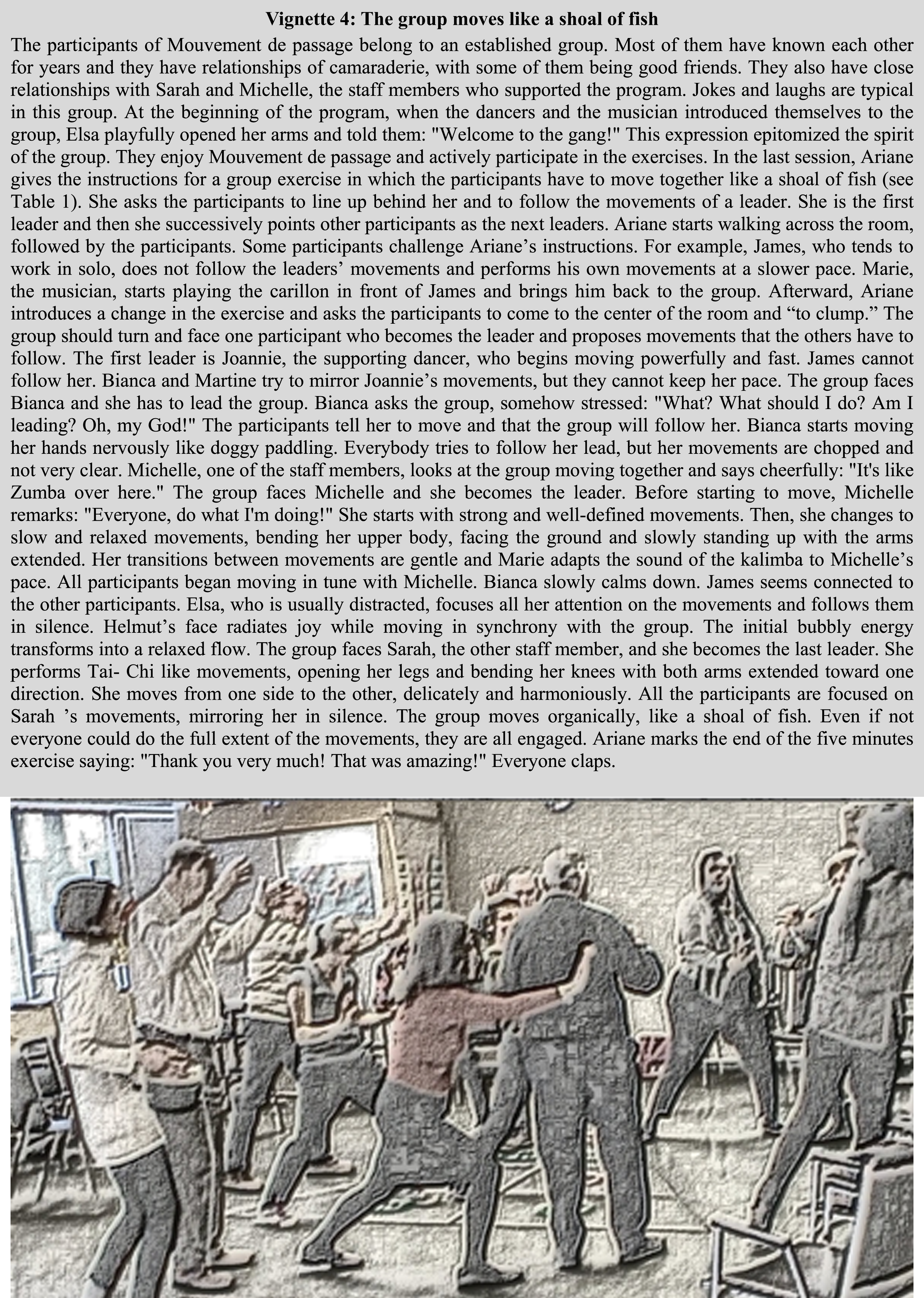
Trajectory of the connections across sessions
The total number of salient connections experienced by participants during Mouvement de passage steadily increased over the seven sessions, with only one salient connection in session 1 and 27 salient connections in session 7 (Figure 5). This progressive increase in connections reflects the program’s success in creating conditions for the participants to develop new forms of connection through movement. This finding is especially striking considering that most participants reported no memory of participating in previous movement sessions. In spite of the cognitive disconnection from one session to another, the movements and actions of the participants built upon their repertoire from previous sessions. Participants were more comfortable performing the exercises that they had experienced before and demonstrated more exploration and creativity with movement possibilities as the program progressed. In the last session, almost all improvised movements alone and with other participants in creative ways. Number of salient connections for participants in mouvement de passage.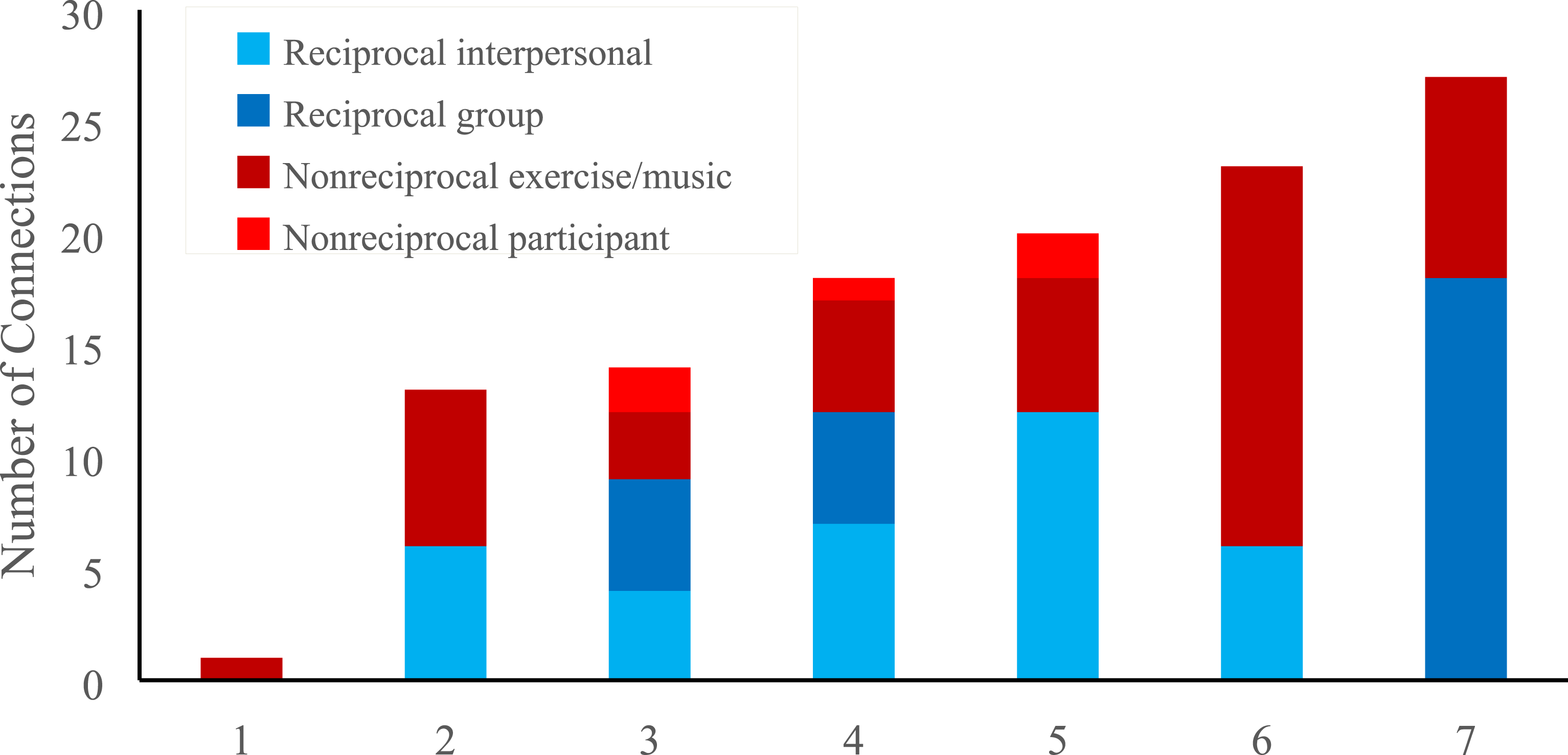
Nonreciprocal connections were more dominant in the early sessions of Mouvement de passage, with the number of reciprocal connections gradually becoming more dominant during the program (Figure 5). The connections formed during a given session were strongly scaffolded by the instructions of the lead dancer at the beginning of each exercise (e.g., work in solo, duo, or group), with solo work biasing nonreciprocal connections and duo or group work biasing reciprocal connections. The influence of the lead dancer’s framing can be seen in Session 6, where 4 of the 5 exercise were solo work, and 17 out of 23 total connections were nonreciprocal. Nevertheless, in most exercises, the participants freely interpreted the instructions and transformed the movement structure in their own performances. As examples, in Vignette 2, Helmut established a nonreciprocal connection with Elsa in a trio exercise; and in Vignettes 1 and 4, James created nonreciprocal connections even within the context of a group exercise. Other participants, like Huber, mostly established reciprocal connections with other participants independently of the movement structure. This freedom to improvise and interpret instructions suggests that the observed trend from nonreciprocal to reciprocal connections during the program reflects an increase in participants’ capacity to form interpersonal connections through movement.
Initiating and experiencing connections during Mouvement de passage
Many participants tended to focus their movement explorations on themselves and to develop nonreciprocal connections with the exercise and the music; this is reflected in the number of nonreciprocal connections to the exercise or music, which constitute more than one-third of the total (see Figure 5). The vast majority of reciprocal connections were initiated either by the dancers, the musician, staff members, or ethnographers (see Figure 6). However, after the reciprocal connection was established, the person with dementia often took an active role, proposing and cocreating movements with his/her partner or the group. This is particularly salient in Vignette 3, when during the duo improvisation initiated by Ariane, Huber takes over the lead (Ariane marks the role reversal saying: “I’m following you! I’m following you!”) In Vignette 4, after Ariane gives the instruction for the group exercise, participants like James reinterpreted the instructions and created nonreciprocal connections, but after the musician brought him back to the group, James began to cocreate movements at his own pace with the rest. These examples illustrate the facilitating role played by the dancers, musicians, and support staff to enable the participants with dementia to create and sustain reciprocal interpersonal and group connections. Role of dancers, musician, staff, ethnographers and persons with dementia initiating reciprocal connections.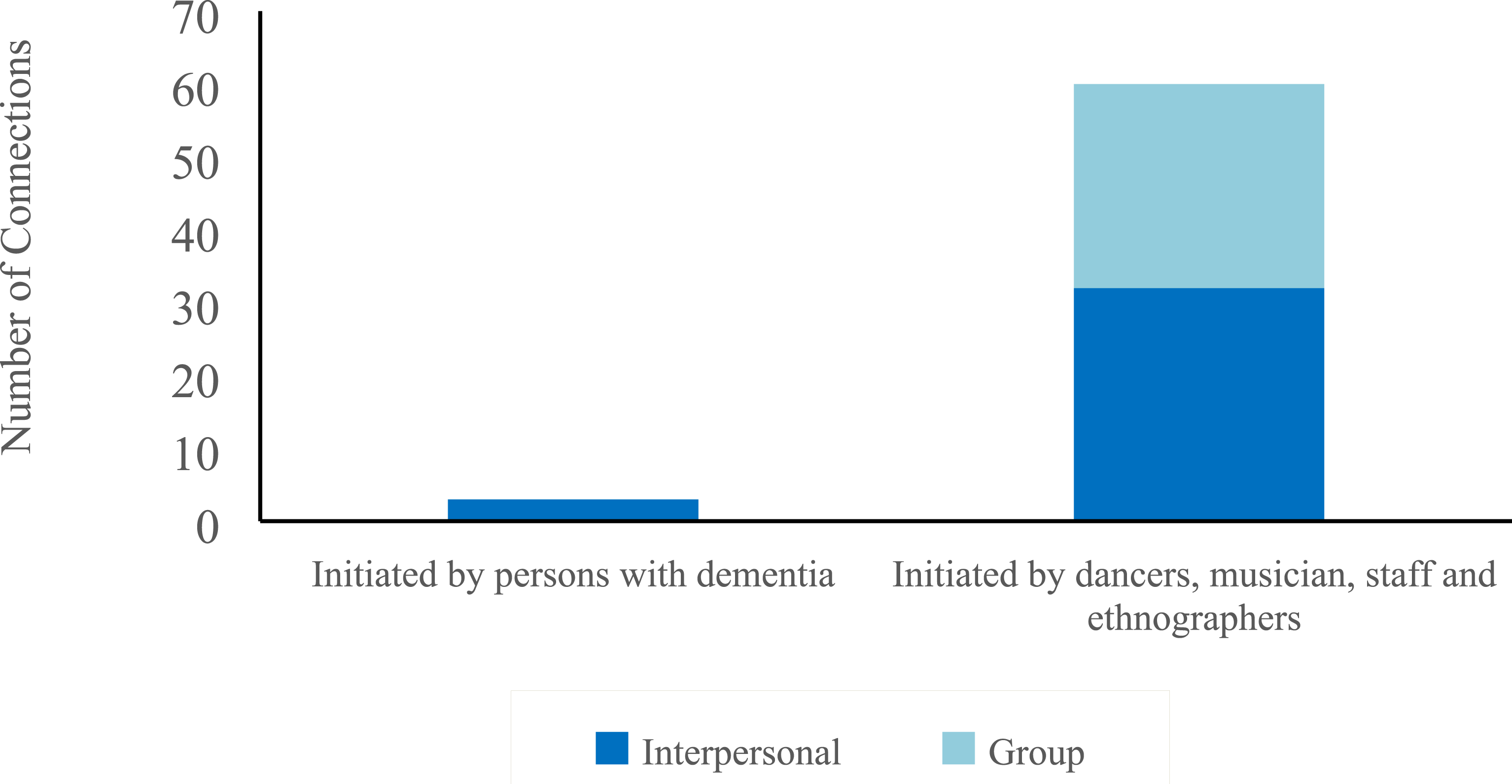
As expected, the manner in which the participants with dementia embodied the movements and created connections was strongly influenced by their personal backgrounds (Table 2). With our knowledge about the life stories of the participants from previous fieldwork and from feedback we solicited through informal interviews during the program we were able to understand their embodiment of the movements and the meanings they assigned to such movements. For example, James’ preference for embodying individual movements and creating nonreciprocal connections can be interpreted through the lens of his life experience as a scientist and his introspective personality. Helmut’s enjoyment of group exercises is likely related with his childhood memories of collective dances, which he reported were triggered by these movements. The ways in which Elsa and Huber performed the movements and connected with others were shaped by their previous experience as dancers. These small insights from the individual experience of participants suggest that the effects of Mouvement de passage may extend beyond fostering connections to having a positive impact on the well-being, enjoyment, and sense of social inclusion of the participants.
Discussion
Despite the widespread acknowledgment that relationships improve the quality life, well-being, and sense of inclusion of persons with dementia, there is still limited research about arts-based interventions that target interconnectedness between individuals with dementia and others. Our study contributes to the nascent literature exploring the impact of dance and movement interventions on the relational dimensions of persons with dementia (Ho et al., 2015; Mc Parland et al., 2017; Melhuish et al., 2017; Ravelin et al., 2013; Skinner et al., 2018). We traced the connections created by the participants of one such program—Mouvement de passage—and demonstrated that such an intervention can increase the quantity and quality of reciprocal and nonreciprocal connections experienced by participants with dementia. Additionally, the program supported participants to progressively explore new forms of moving and connecting with themselves and others. Considering that most participants did not remember previous Mouvement de passage sessions, this suggests that the program can reach the embodied memory and learning ability of individuals with dementia. The participants—far from simply echoing the movements proposed by the dancers—actively transformed the movement structures in creative ways that were strongly influenced by their personal background. Mouvement de passage provides an example of how movement and dance interventions can structure conditions for participants with dementia to create connections, develop new forms of learning, and express their individual agency, echoing similar findings in studies of other arts-based interventions for persons with dementia (Basting, 2006; Camic et al., 2013; Kontos et al., 2016; Savundranayagam et al., 2011).
This study is among the few that provide a detailed description of the process of implementing a movement program. Although some studies include the protocols followed by dance and movement interventions (Cheung et al., 2018a; Guzmán et al., 2016; Ho et al., 2015; Ravelin et al., 2013), a comprehensive picture of the delivery is absent, hindering the translation of these interventions to other sites and settings. Most of these interventions were strongly oriented toward therapeutic outcomes, which necessitated structured protocols with little room for improvisation and feedback. Only few of the reported interventions included mechanisms for incorporating the point of view of caregivers, staff, and persons with dementia (e.g., debrief meetings after each session and personalized feedback from an external observer) (Guzmán et al., 2017; Lai & Lai, 2017). In contrast, the dancers and musician of Mouvement de passage solicited feedback from the participants at the end of each session to tailor the next one to their needs and requests. The ethnographers also gathered feedback from participants during sessions and from staff members at the end of the sessions. As such, the general plan for the program was constantly being revised and updated throughout its implementation. This iterative feedback loop contributed considerably to the effectiveness of the intervention. Additionally, the majority of studies of dance and movement interventions conducted to date have occurred in residential settings with persons in late-stage dementia (Cheung et al., 2018a; Guzmán et al., 2016, 2017; Ravelin et al., 2013; Sung et al., 2006; Thurm et al., 2011), whose challenges are not representative of the wide spectrum of people living with dementia. Although a few interventions have been implemented in community settings with people with mild and moderate dementia (Ho et al., 2015; Moore & Lesiuk, 2018; Ravelin et al., 2013), these persons’ ability to engage and contribute to such interventions has not been sufficiently explored (Beard, 2012). Our study demonstrates that feedback from people with dementia not only enriches the implementation of the program but also increases their sense of empowerment by acknowledging their ability to meaningfully contribute.
One of the main strengths of this study was capturing the point of view of persons with dementia and incorporating it throughout the implementation of the movement program. Most studies about dance and movement interventions have relied on researcher observations (e.g., Arakawa-Davies, 1997; Lai et al., 2016; Rösler et al., 2002) or on caregiver and staff member perspectives to assess the effects of such interventions (Gomaa et al., 2020; Lai & Lai, 2017; Melhuish et al., 2017; Sung et al., 2006). Recently, some studies have begun gathering information on how persons with dementia experience dance and movement interventions through questionnaires, interviews (Guzmán et al., 2017; Ho et al., 2015; Nyström & Lauritzen, 2005; Ravelin et al., 2013; Thøgersen-Ntoumani et al., 2018), ethnography (Mc Parland et al., 2017), and video film (Mc Parland et al., 2017; Nyström & Lauritzen, 2005; Ravelin et al., 2013; Rösler et al., 2002). In line with these studies, we believe that it is crucial to involve persons with dementia in research and, accordingly, to use appropriate approaches and methods to capture their experiences. Our approach of combining ethnographic methods (participant observation and informal interviews) and video analysis allowed us to decentralize the role of verbal communication and to reduce the barriers to participation. Moreover, gathering the life stories of the participants enabled us to situate the particular movement experience of each of them in a broader context and to further understand the meanings they assigned to different movements and the ways they established connections. Ethnographic research has the power to vividly capture the individual experience of persons with dementia (e.g., Brijnath, 2014; Chatterji, 1998; Cohen, 1998; Kontos, 2006; Kontos & Grigorovich, 2018; Leibing, 2016; McLean, 2007; Taylor, 2008) and can be instrumental to make research more inclusive to these persons (Bartlett, 2007; Forbes et al., 2011).
Our observations about the implementation of Mouvement de passage have broader implications for care practice of those working with persons with dementia. We reported that the majority of reciprocal connections were initiated either by the dancers, musician, staff members, or ethnographers, and only after this initiation did persons with dementia engage in movement exchanges. This may reflect the tendency of persons with dementia to disengage from their social world and to isolate from others, which is considered one of the most pervasive effects of this condition. According to staff members of the organization, persons with dementia often had moments in which they were slightly sad, absent, and disconnected from the rest; they used the expressions “dementia blue” or “being in a funk” to refer to this state. Mouvement de passage was able to break isolation and foster connections with individuals with dementia, which is consistent with previous studies about the effects of dance and movement interventions (Cheung et al., 2018a; Guzmán et al., 2016; Hill, 2015; Ravelin et al., 2013; Russell-Curry, 2018; Sung et al., 2006) and suggests the relevance of incorporating this type of interventions in the practice of care providers. The support of staff members from the organization, who were already familiar with the participants, was key to the success of the program. Their presence and participation contributed to creating a climate of trust in which participants felt confident to engage in movement interactions with the dancers and musician, who they did not know in advance. Their feedback also helped to adapt the intervention to the abilities and requirements of participants. While further research about the active ingredients that make dance and movement interventions effective is still needed, our findings suggest that the support of familiar care providers may be one of these ingredients.
The results of this study need to be interpreted in light of several limitations. First, due to its qualitative design, the effects of the movement program in a sample of persons with mild and moderate dementia are not meant to be representative. However, our detailed description of the participants and the context of implementation should help others appraise the transferability of our findings. Second, the study was based on participant observations and informal interviews, and social desirability could have been induced. Nonetheless, the ethnographers’ nonjudgmental attitudes while conducting research helped to control this potential bias. Additionally, the use of multiple methods and iterative video analysis to triangulate information as well as the discussions to cross-check our findings with researchers who were not involved in the movement program should ensure the study’s scientific validity. Third, although our results only suggest that Mouvement de passage might trigger embodied memory and learning abilities, they are consistent with other studies about the therapeutic effects of dance and movement interventions on memory and procedural learning (e.g., Cheung et al., 2018b; Dayanim, 2009; Gomaa et al., 2020; Rösler et al., 2002). This emerging field of research has begun to prove that dance and movement have a positive impact on relational effects of dementia and encourages further research in this area.
Conclusion
Mouvement de passage provides the template of a movement- and dance-based program that enables a group of persons with mild and moderate dementia to connect through movement. Our results demonstrate that with appropriate support and scaffolding, persons with dementia are able to create connections, develop new forms of learning, and express their individual agency. The trend of increasing connections across sessions despite difficulties remembering previous sessions from most participants suggests that such programs may trigger embodied memories and learning. Our findings also highlight the value of combining ethnographic methods and video analysis to capture the perspective of persons with dementia, which is underrepresented in the field of dance and movement studies.
Footnotes
Acknowledgements
From Je suis Julio we thank Marie Vallée, Joannie Douville, and Georges-Nicolas Tremblay for delivering and tailoring the program to the participants’ needs. From the organization, we thank the staff members for their support in the implementation of the program. We extend our acknowledgments to Parisa Alirezaee, Johann Vargas, Danielle Nadin, and Charlotte Maschke for their support in the process of data collection and analysis, to the BIAPT lab members for their advice in lab meetings, as well as to the research participants without whom this study would not be possible.
Declaration of Conflicting Interests
The author(s) declared no potential conflicts of interest with respect to the research, authorship, and/or publication of this article.
Funding
The author(s) disclosed receipt of the following financial support for the research, authorship, and/or publication of this article: This work was supported by the CIHR operating grant “Moving With and Tuning In: A participatory mixed methods study to foster social inclusion of individuals with dementia and their carers” (CIHR-SII-150,704) and Alzheimer Society of Canada (Grant #17C).
Ethical approval
This study was approved by the Institutional Review Board of McGill University (A06-B25-17B).
