



Abstract
The study focuses on quality of work life (QWL), Islamic work ethics (IWE), and cultural values among employees in a complex organization, with a case study of Arab high-school teachers in the education system in Israel. The sample consisted of 1245 employees. To establish a reliable model of QWL, exploratory factor analysis, and confirmatory factor analysis were utilized, resulting in six dimensions. A reliable model of IWE was also established, consisting of two dimensions. Employees reported average QWL levels, high IWE levels, low power distance, high uncertainty avoidance, and a tendency toward collectivism and femininity. This study demonstrates a positive relationship between QWL dimensions and IWE, with certain cultural values—such as collectivism and uncertainty avoidance—moderating this relationship.
Keywords
Introduction
Quality of work life (QWL) encompasses factors beyond salary and working hours, such as well-being (Green, 2021; Steffgen et al., 2020; Walton, 1973), job satisfaction, motivation, and organizational commitment (Baleghizadeh and Gordani, 2012; Esser and Olsen, 2012; Green, 2006; Holman, 2013). Research on QWL has primarily focused on industrial organizations in Western countries; however, it is crucial to consider QWL in other cultural and organization setting, including the educational management field. QWL can directly affect the successful achievement of organizational goals, including teachers’ and students’ motivation, engagement, and achievement (Baleghizadeh and Gordani, 2012; Barbieri et al., 2019; Green, 2021; Liu and Meyer, 2005; Louis, 1998).
Work values and their cultural features play a crucial role in socialization and shaping various aspects of society. Work values are individuals’ perceptions of what they seek or desire in their work, and reflect their awareness of the conditions they must aim for in their workplace (Kalleberg, 1977). Therefore, work values regulate people’s activities toward reaching these conditions. While most studies on work values have been conducted in Western societies with a focus on the Protestant work ethic (Abu-Saad, 2003; Ali, 1988, 1992, 2005; Khalil and Abu-Saad, 2009; Yousef, 2000), Weber (1958) linked them to the development of capitalism, and different cultures have developed unique dimensions of work values, including Islamic work ethics (IWE) (Abu-Saad, 2003; Yousef, 2000), which play a significant role in shaping contemporary Arab values. According to Islam, work is considered a source of independence, personal growth, satisfaction, and self-realization. In addition, IWE promote cooperation and good working relationships, view creative work as a source of happiness and achievement, and associate hard work with morality and purity (Ali, 2005).
National culture and its consequences can significantly affect how employees behave, cope with, and respond to things within their community (Obeidat et al., 2012). Culture consists of fundamental values, attitudes, beliefs, and thought patterns deeply rooted in a region or society. It shapes people’s perceptions of how the world functions and how individuals and groups should behave within it (Brake et al., 1995). Culture and its values affect the work environment and the nature of work management, leading to differences in organizational performance (Hofstede, 1980, 1991, 2001). Therefore, it can be argued that cultural values moderate the relationship between IWE and the QWL dimensions.
In the educational system in Israel, Palestinian Arab teachers work in a separate Arab school system. This system has been directly managed by the Jewish majority since the state’s establishment, resulting in discrimination, a lack of autonomy and neglect of Arab culture and contemporary social and political concerns (Abu-Saad, 2019, 2023; Hadad Haj Yahya et al., 2021).
Literature review
Quality of work life
QWL addresses various social and economic issues, including economic development, social integration, poverty, and individual well-being (Howell and Kalleberg, 2019). Interest in QWL research began in the 1950s, with the understanding that improving employees’ QWL is essential for enhancing organizational productivity (Akram et al., 2017; Campos and Rueda, 2017). QWL is defined as the extent to which a job includes employment-related factors that promote positive outcomes for employees’ mental and physical well-being, and for the organization by fostering positive attitudes and behaviors at work (Esser and Olsen, 2012; Green, 2006, 2021; Holman, 2013; Louis, 1998; Walton, 1973). Most QWL research has been conducted in Western industrial organizations (Ilgan et al., 2015; Koonmee et al., 2010), with only a few studies in educational organizations (Baleghizadeh and Gordani, 2012; Barbieri et al., 2019; Green, 2021; Ilgan et al., 2014; Louis, 1998). The latter studies have shown that teachers’ QWL affects their commitment, sense of effectiveness, satisfaction, and motivation—essential factors for improving students’ academic achievement (Baleghizadeh and Gordani, 2012; Bogler and Nir, 2015; Louis, 1998; Ni, 2012).
Teachers play a crucial role in shaping future leaders and driving societal progress, which is widely acknowledged among researchers as critical for promoting economic and social growth (Iwu et al., 2018). However, it has been argued that teaching has become one of the most stressful professions in the 21st century (Green, 2021; Gu and Day, 2007; Kyriacou, 2000). Teachers face demands that exceed their resources, needs, abilities, and knowledge, and negative emotions arise from unpleasant working conditions and environments (Desouky and Allam, 2017; Kyriacou, 2001). Researchers have identified working conditions as a significant source of stress (Zedan, 2016), leading many teachers to experience burnout, job dissatisfaction, and early retirement (Cano-Garcia et al., 2005; Hakanen et al., 2006). Work-related stressors include increased workload, disruptive student behavior, conflicts with parents, strained relationships with colleagues, lack of support from school administrators, and inadequate autonomy (Skaalvik and Skaalvik, 2007, 2009). Conversely, supportive management, autonomy, and positive relationships with school management and parents can enhance teachers’ job satisfaction and reduce burnout risk (Skaalvik and Skaalvik, 2009).
Arab culture
The foundation of Arab culture can be traced back to two fundamental elements: the Arabic language and Islam (Najm, 2015). The Arabic language is a binding force for the diverse Arab populations, whereas Islam shapes their beliefs and actions, outlining guidelines for politics, law, and social behavior (Nydell, 2002: 102). Consequently, Islamic values play a crucial role in Arab culture, which is characterized by a shared set of attitudes, perceptions, and behaviors among Arabs and other ethnic and religious groups residing in Arab countries (Alsswey and Al-Samarraie, 2021; Baqi et al., 2022; Najm, 2015). Despite its distinct qualities, Arab culture has not been adequately studied internationally or nationally (Najm, 2015). Dadfar (1984, 1987, 1990) emphasized the significance of family and religion in Arab culture, while other studies (Basly, 2017; Sidani and Thornberry, 2009) have highlighted the importance of interpersonal relationships and family ties in the Arab business world. International studies on Arab culture have found that Arabs exhibit high power distance, collectivism, masculinity, relationship orientation, high uncertainty avoidance, and a past-oriented outlook (Björn, 1999; Trompenaars, 1993). However, there has been limited research on the effects of national culture on organizational culture in the Arab world (Klein et al., 2009), with Hofstede’s research (1980, 1991) being one of the few studies that included seven Arab countries—Egypt, Iraq, Lebanon, Saudi Arabia, Kuwait, Libya, and the United Arab Emirates—and characterized Arab culture by high power distance, high collectivism, relatively high uncertainty avoidance, and an average level of femininity/masculinity.
Islamic work ethics
The IWE is based on the divine command theory, which employs religion to identify ethical principles (Bin Salahudin et al., 2016). The concept of Islamic work values is derived from the Quran—the actions and sayings of the prophet Muhammad (Ali and Al-Owaihan, 2008; Khan et al., 2015; Yousef, 2000), and of the first four caliphs who led the Islamic nation after the prophet’s death (Ali, 1995; Rizk, 2008). The IWE emphasizes a formative orientation toward work, which affects employee participation and involvement in the workplace (Ali and Al-Owaihan, 2008). IWE are a set of moral principles that distinguish right from wrong in an Islamic context (Aldulaimi, 2016).
According to IWE, work is a means of achieving personal, economic, social, and mental interests and garnering prestige, social well-being, and a closer connection with faith. Work enables individuals to be self-reliant and is a source of development, respect, satisfaction, and self-fulfillment (Nasr, 1985). Success and promotion at work are contingent upon an employee’s hard work, effort, dedication, and commitment to enhancing the community and promoting social welfare. Creativity and collaboration are regarded as virtuous activities and a source of joy (Ali and Al-Owaihan, 2008; Yousef, 2000). Justice and generosity in the workplace, and encouraging individuals to learn and acquire new skills and abilities at work, are emphasized in the Quran as important factors for the well-being of society (Murtaza et al., 2016).
IWE suggest that life without work is meaningless, and participation in economic activity is obligatory. The IWE is generally based on four key concepts: effort, competition, transparency, and morally responsible behavior. When adopted together, these values contribute to high performance and prosperity for organizations (Ali and Al-Owaihan, 2008). Work values in Islam include equality, responsibility, consultation, kindness, trust, fulfilling promises (commitment), honesty, justice, hard work, humility, universality, consensus, self-discipline, perseverance, and cooperation (Ali, 1988, 1992, 2005; Khalil and Abu-Saad, 2009).
Research interest in employee attitudes and behavior in Muslim organizations has increased in the last two decades. Various studies have revealed that IWE have a significant positive effect on different aspects of employee attitudes and behavior, such as job satisfaction, organizational commitment, work involvement, organizational loyalty, organizational citizenship, knowledge sharing, and organizational performance (Abbasi and Rana, 2012; Ali and Al-Kazemi, 2007; Awan et al., 2014; Batool et al., 2013; Khan et al., 2015; Yesil and Kaya, 2012).
Cultural values
The significance of culture and its effect on employee behavior, actions, and reactions within their communities has been recognized in the management sciences and organizational behavior (Thomas and Peterson, 2017). Hofstede and other researchers have noted that national culture and values influence, and differentiate management practices (Hofstede, 1991; Newman and Nollen, 1996). Scholars have asserted that management theories cannot be developed without considering culture (Ali, 1995; Sabri, 2004). Hofstede (1980) claimed that managers and organizations cannot be dissociated from their cultures of origin, as the cultural backgrounds of employees joining organizations affect organizational structure, management practices, and employee reactions to organizational processes and the environment. The idea that cultural values affect businesses and individuals has gained recognition (Almutairi et al., 2021), and understanding these values can help explain how people think and predict managers’ behaviors (Al-Sarayrah et al., 2016; Almutairi et al., 2021; Najm, 2015). Several international models have emerged to assess the influence of cultural differences on organizational behavior (House et al., 2004; Schwartz, 1992, 2006), with Hofstede’s (1980) model being one of the most well-known, consisting of four dimensions: power distance, uncertainty avoidance, individualism versus collectivism, and femininity versus masculinity.
The present study explores the relationship between QWL, Islamic values, and cultural values among the key employees (teachers) in the Arab high schoolsystem in Israel. The objectives of this study are: (1) To examine the dimensions of QWL, IWE, and cultural values among Arab high-school teachers in the Israeli educational system; (2) To investigate the relationship between the dimensions of QWL and IWE; (3) To explore the moderating effect of cultural values on the relationship between QWL and IWE, as illustrated in Model 1. The moderation effect of cultural values on the relationship between Islamic work ethics and Quality of work life.
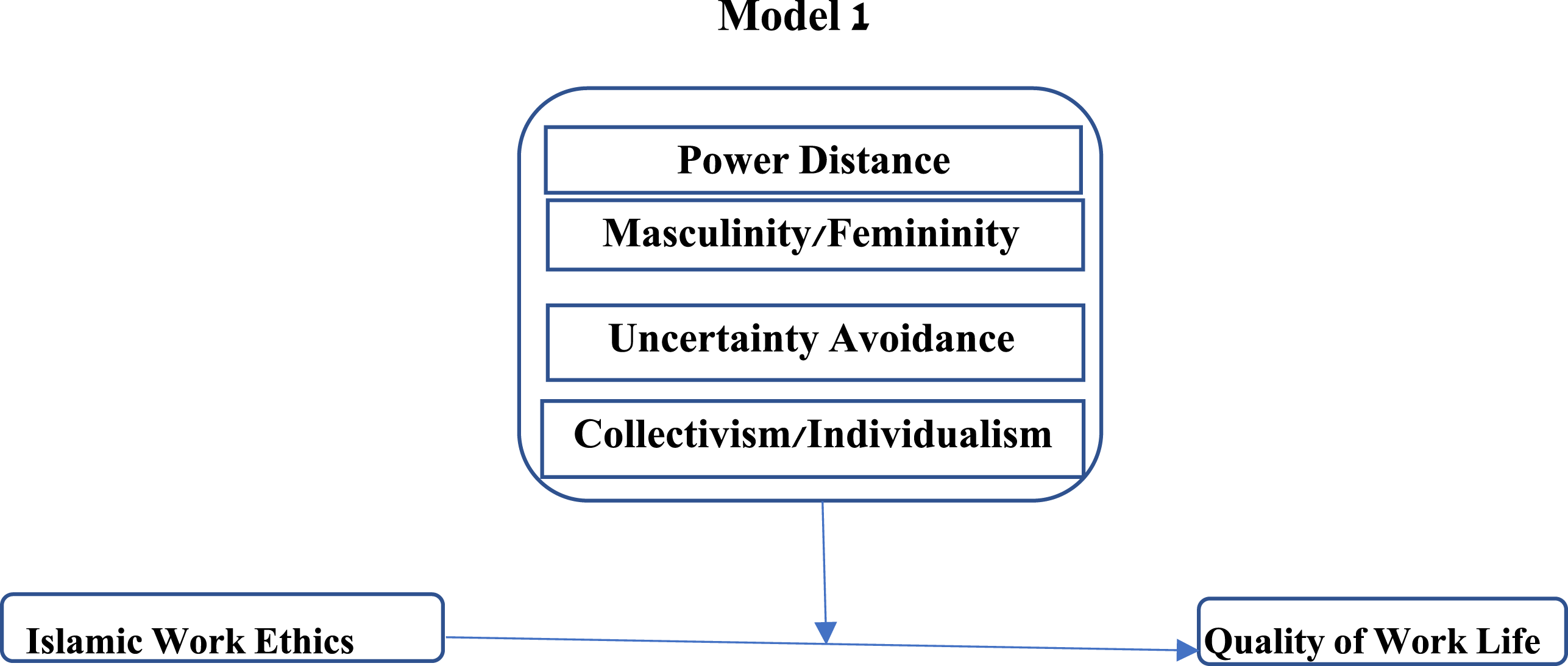
Methodology
Participants and procedure
The study participants were 1245 Arab high-school teachers from 60 schools in 2 districts in Israel: the northern district (998 teachers from 50 schools) and the southern district (247 teachers from 10 schools); 61% of the teachers were female; 19% were 20–29 years old, 37% were 30–39 years old, 26% were 40–49 years old, and the rest (17%) were in the 50+ years age group. Most of these employees were university graduates: 41% with a M.A. degree, 36% with a BA degree; 9% were college graduates with a B.Ed. degree, and only about 2.4% (30 teachers) had a PhD degree. About 83% of the teachers in the sample were employed full-time; 54% had 5–20 years of seniority, about 21% had less than 5 years of seniority, and the rest had more than 20 years seniority. About 36% of the teachers defined themselves as religious, and 57.9% as non-religious.
This is a comprehensive and representative sampling of the population of high-school teachers in the Arab society in Israel. Multistage sampling method was used to select the relevant schools from a list of Arab high schools of the Israeli Ministry of Education. The study was conducted in the academic year 2020.
Instrument
The survey was comprised of four parts. In the first section, respondents were asked to give their demographic information, including gender, age, education level, job size, level of religiosity, and district. The second section consisted of a rating scale of employees’ perceptions of QWL with 50 items, developed by Swamy et al. (2015). The third section contained a cultural values scale with 25 items, developed by Dorfman and Howell (1988) based on Hofstede’s (1980) model, and adapted to the Arab culture by Sabri (2012). The fourth section featured the IWE scale with 17 items, designed by Ali (1992) to measure Islamic work ethics in the organization. All sections used a four-point Likert-type scale ranging from strongly disagree (1) to strongly agree (4).
Data analysis
The statistical methods used to process the collected data were: (a) descriptive statistics; (b) exploratory and confirmatory factor analyses of QWL, IWE, and cultural values; (c) reliability; and (d) path analysis.
Exploratory factor analysis (EFA) with varimax rotation was used to reduce the many items into related dimensions and thus facilitate interpreting the results. Two criteria were used to determine the number of factors: (1) an eigenvalue ≥ 1.0 for each factor (the eigenvalue is the total amount of variance contributed by a factor or the amount of explained variance due to a factor); and (2) a loading for each item in the factors ≥ 0.4.
Based on the results obtained from the EFA, confirmatory factor analysis (CFA) was used to test the goodness of fit to the scale structure. Two indices were used to examine the goodness of fit. The first was the comparative fit index (CFI) (Bentler, 1990) which estimates the model’s fit by comparing it to the default (null) model, which assumes that there are no relationships between the observed variables. The index values range from 0 (mismatch) to 1 (full match). It is common to see 0.9 or higher as an adequate result (Bentler, 1990; Hinkin, 1998). The second was the root mean square error of approximation (RMSEA) (Browne and Cudeck, 1993). This index indicates the scope of the error in the measurement and indicates the proportion of unexplained variation that remains. A result of 0.08 or less for the RMSEA is considered satisfactory (Browne and Cudeck, 1993).
Results
Quality of work life
CFA was employed to identify six dimensions of QWL, as shown in Diagram 1. These dimensions were: autonomy and good working relations (14 items; mean = 2.9, SD = 0.51); fringe benefits (6 items; mean = 2.41, SD = 0.59); job security and skills utilization (5 items; mean = 2.77, SD = 0.54); open communication and balance of resources (4 items; mean = 2.7, SD = 0.61); fair wage (3 items; mean = 2.46, SD = 0.64); and training and skills development (2 items; mean = 2.76, SD = 0.65). The model fit indices, CFI = 0.91 and RMSEA = 0.05, indicated a satisfactory fit. The highest scoring (X̅ = 2.9, SD = 0.51) dimension was autonomy and good working relations, and the lowest scoring (X̅ = 2.41, SD = 0.59) dimension was fringe benefits. Overall, Arab high-school teachers’ perceived QWL was moderate (X̅ = 2.67, SD = 0.46). Quality of work life model as determined by confirmatory factor analysis.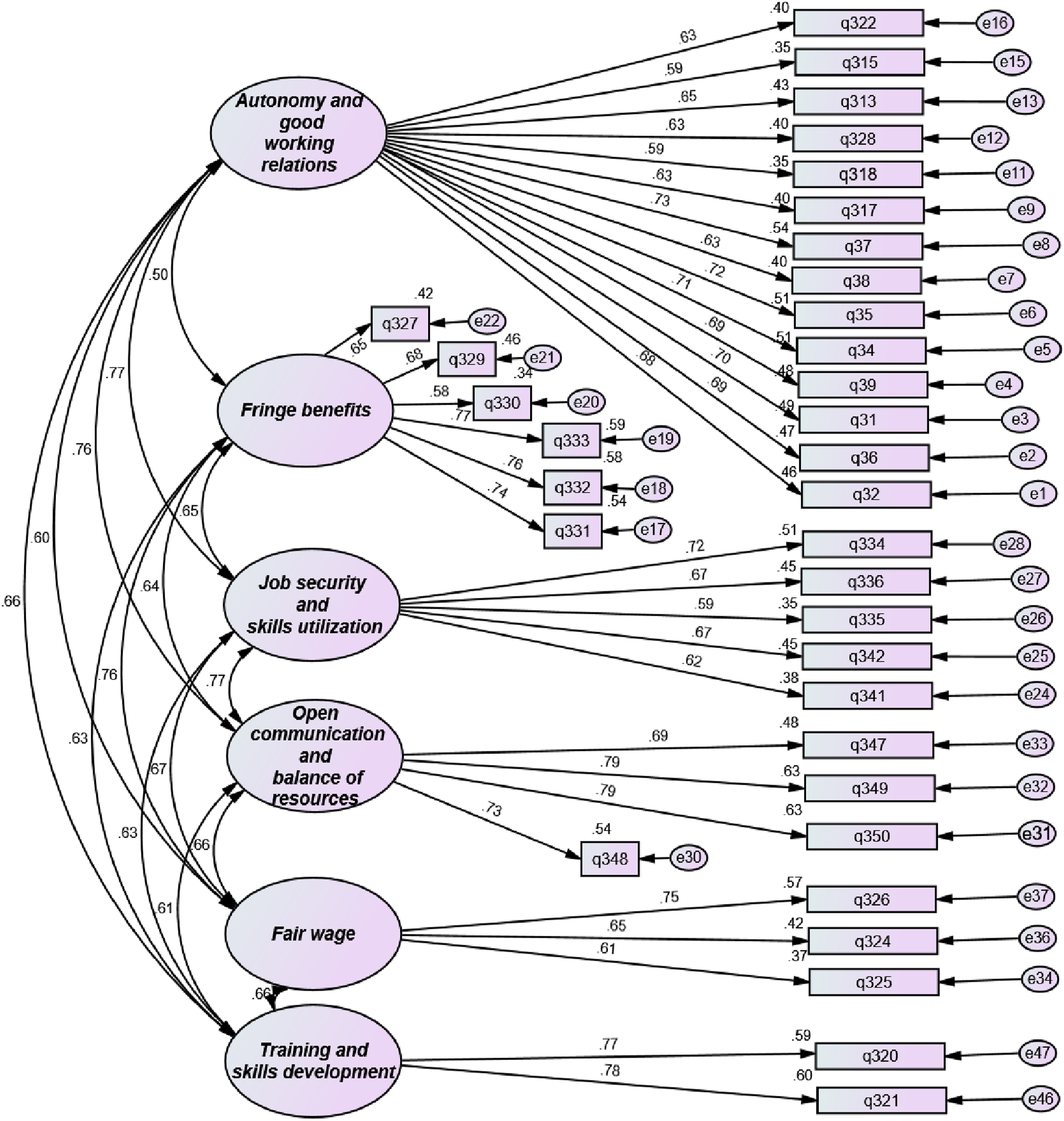
Islamic work ethics
CFA was used to determine the appropriate measurement model for IWE among teachers in the Arab high-school system in Israel (Diagram 2). The revealed model consisted of two factors: dedication and social responsibility at work (7 items; mean = 3.34, SD = 0.49) and independence, diligence, and achievement at work (6 items; mean = 3.21, SD = 0.51). The model’s fit indices were found to be good, with RMSEA = 0.05 and CFI = 0.953. These results indicate that high-school teachers in the Arab educational system in Israel perceive Islamic work values as relatively high, with an overall mean score of 3.28 (SD = 02009.45). Islamic work ethics, based on confirmatory factor analysis.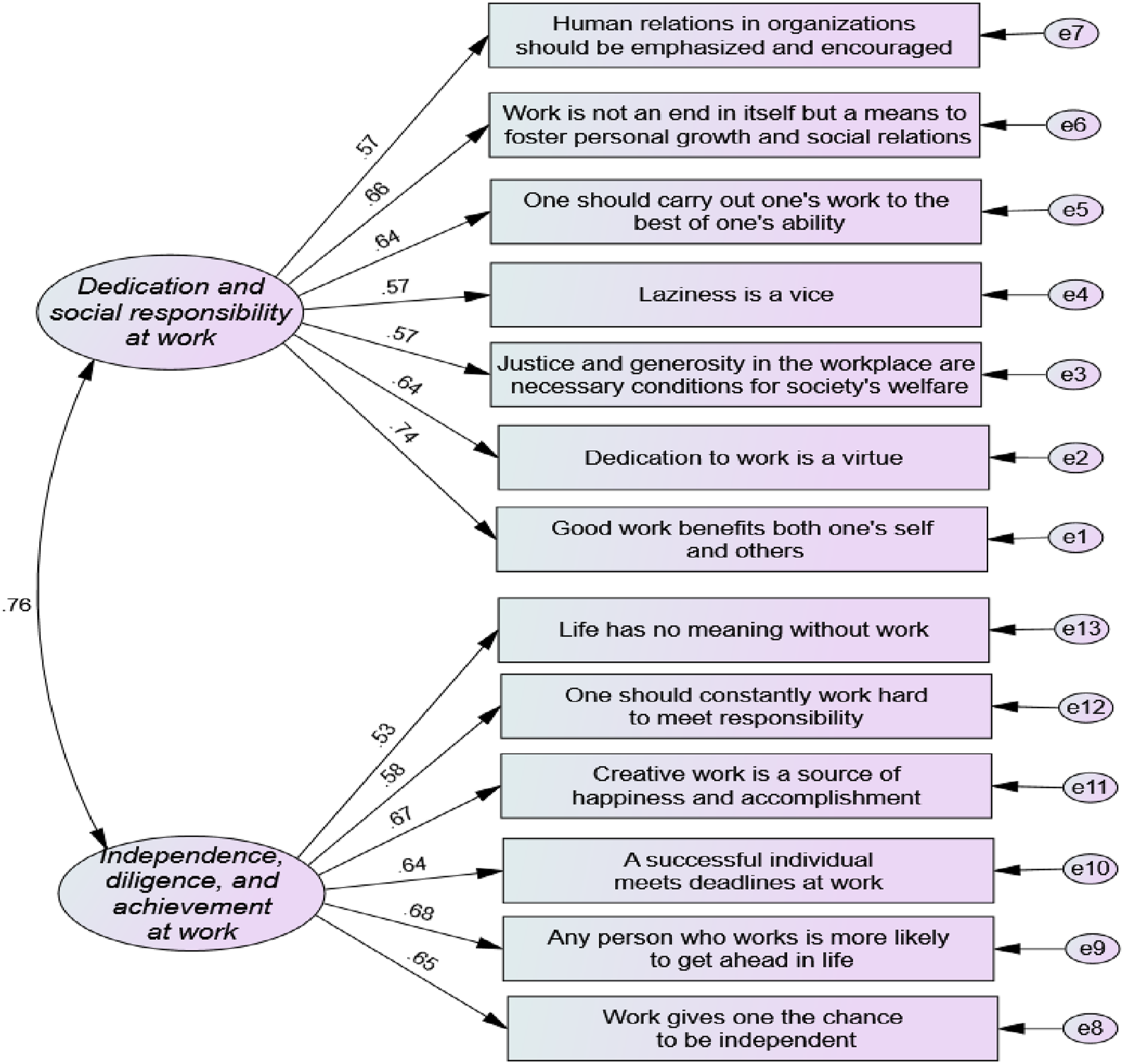
Cultural values
CFA was conducted to further validate the model, indicating a good model fit (RMSEA = 0.048; CFI = 0.9). The final version of the model is illustrated in Diagram 3. This model best fits the data and comprised the four fundamental cultural value dimensions proposed by Hofstede (1980). The teachers in the Arab high-school system exhibited a great tendency toward uncertainty avoidance (mean = 3.2, SD = 0.5), a relatively high inclination toward collectivism (mean = 2.73, SD = 0.55), a low degree of power distance (mean = 2.17, SD = 0.54), and a greater preference for femininity (mean = 2.04, SD = 0.564). Cultural values according to Hofstede (1980), the final model (confirmatory factor analysis).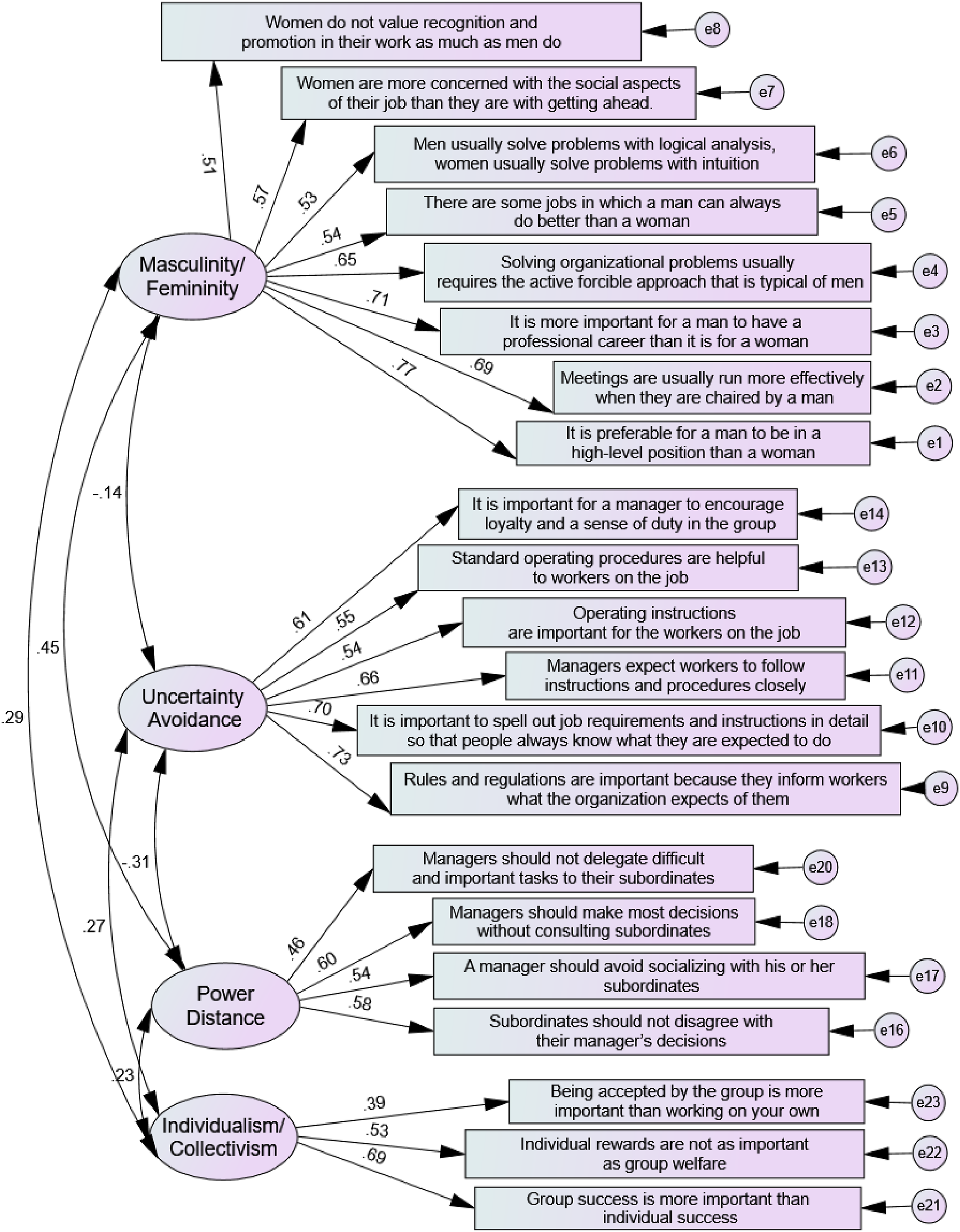
Relationship between quality of work life and Islamic work ethics
The relationships between IWE and the dimensions of QWL are depicted in Diagrams 4 and 5. Diagram 4 shows significant (p ≤ .001) positive relationships between the IWE dimension dedication and social responsibility at work and four dimensions of QWL: autonomy and good working relations (β = 0.31), job security and skills utilization (β = 0.2), open communication and balance of resources (β = 0.11), and training and skills development (β = 0.12). Relationship between dedication and social responsibility at work and the dimensions of quality of work life. Relationship between independence, diligence, and achievement at work and the dimensions of quality of work life.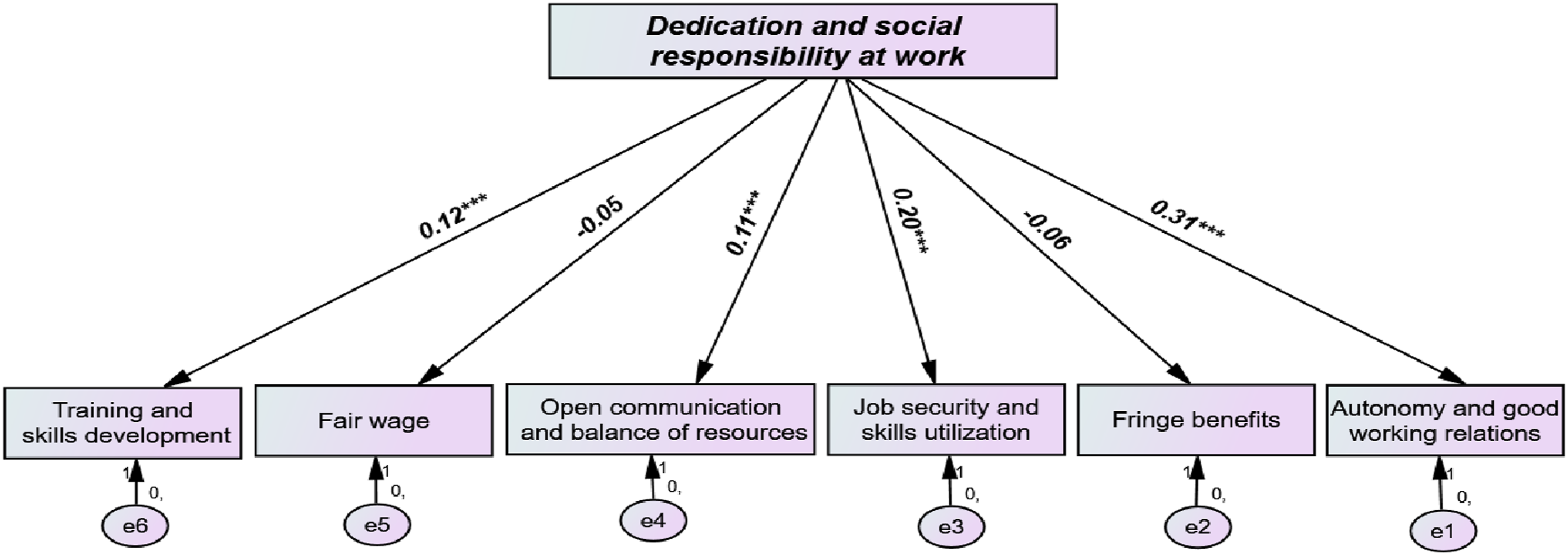
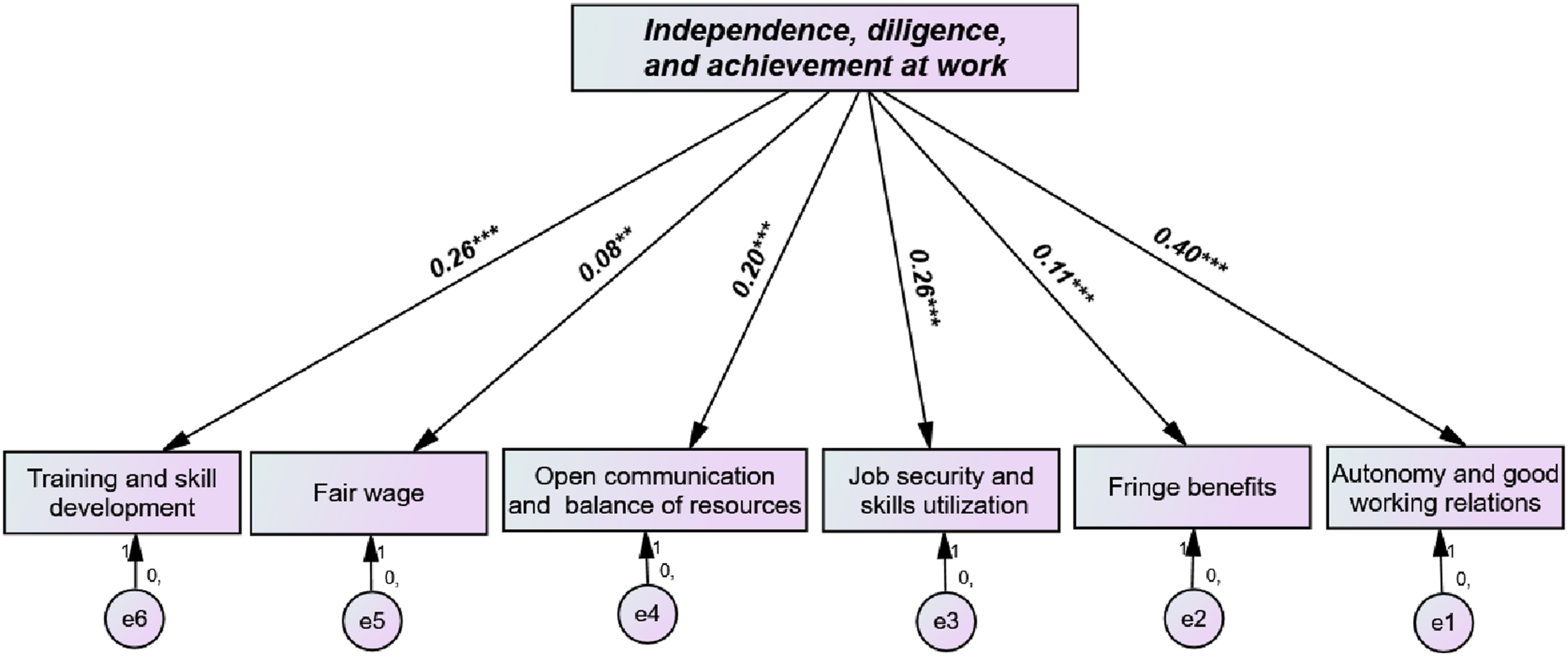
Diagram 5 shows significant positive relationships between the IWE dimension independence, diligence, and achievement at work and all dimensions of QWL: autonomy and good working relations (β = 0.4, p ≤ .001), fringe benefits (β = 0.11, p ≤ .001), job security and skills utilization (β = 0.3, p ≤ .001), open communication and balance of resources (β = 0.2, p ≤ .001), fair wage (β = 0.08, p ≤ .01), and training and skills development (β = 0.3, p ≤ .001). These findings support the claim that a higher IWE is associated with higher levels of QWL.
The moderating effect of cultural values on the relationship between Islamic work ethics and quality of work life
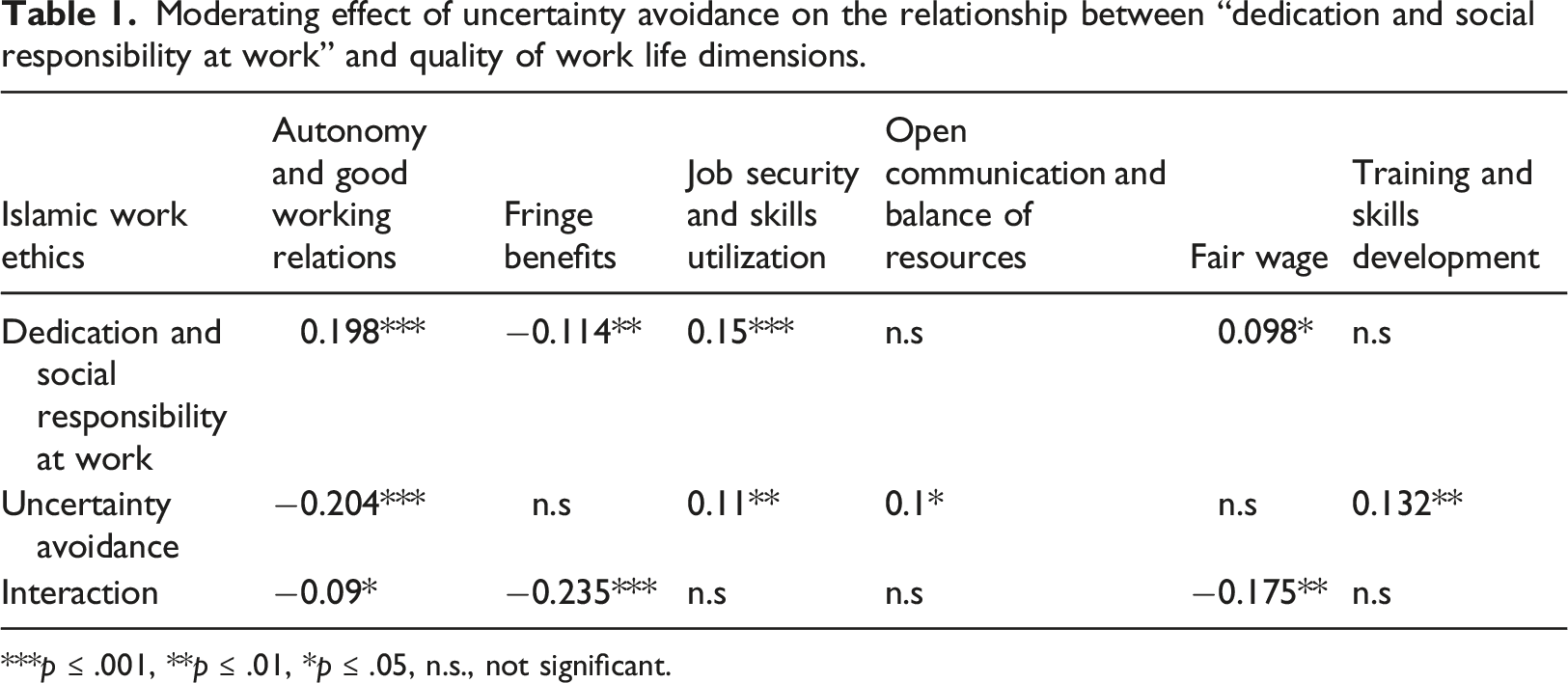
Moderating effect of uncertainty avoidance on the relationship between “dedication and social responsibility at work” and quality of work life dimensions.
***p ≤ .001, **p ≤ .01, *p ≤ .05, n.s., not significant.
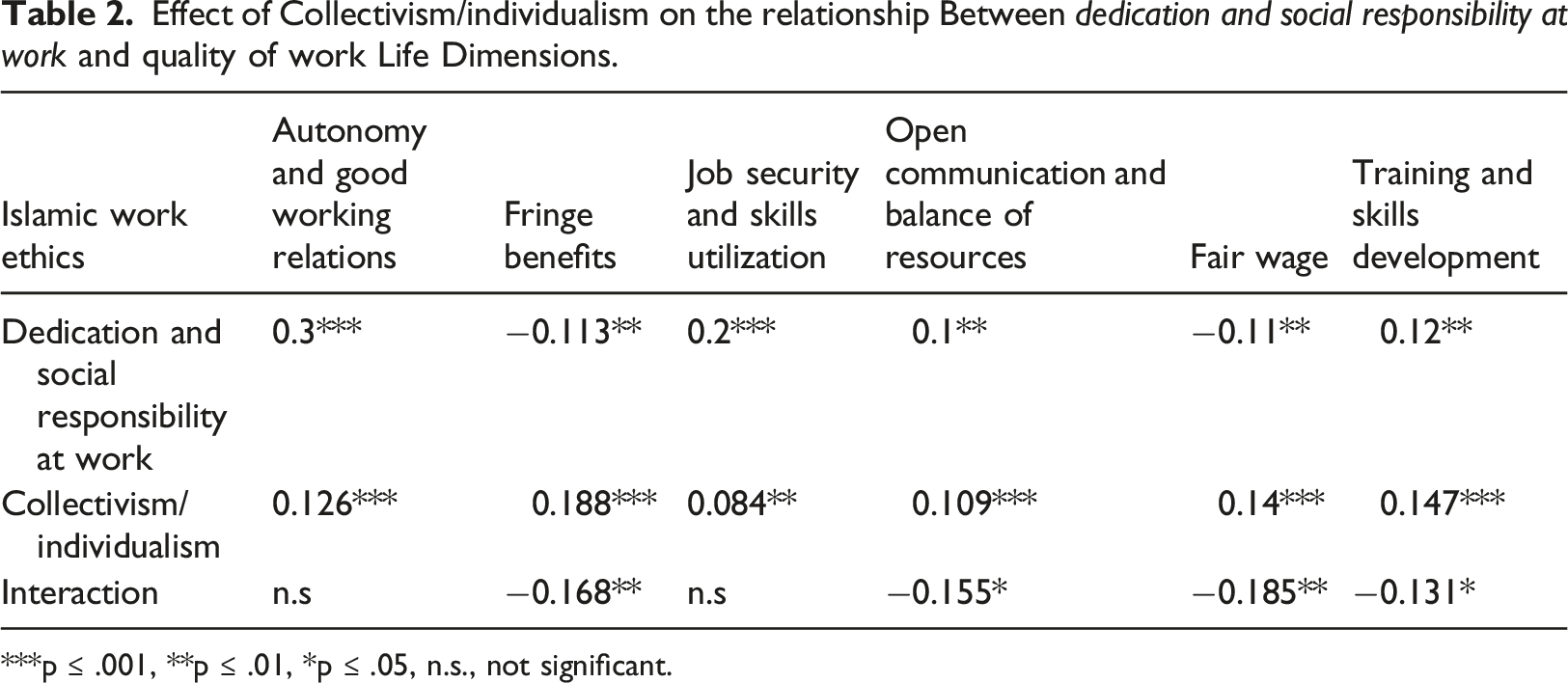
Effect of Collectivism/individualism on the relationship Between dedication and social responsibility at work and quality of work Life Dimensions.
***p ≤ .001, **p ≤ .01, *p ≤ .05, n.s., not significant.
Effect of Collectivism/individualism on the relationship between independence, diligence, and achievement at work and quality of work life dimensions.
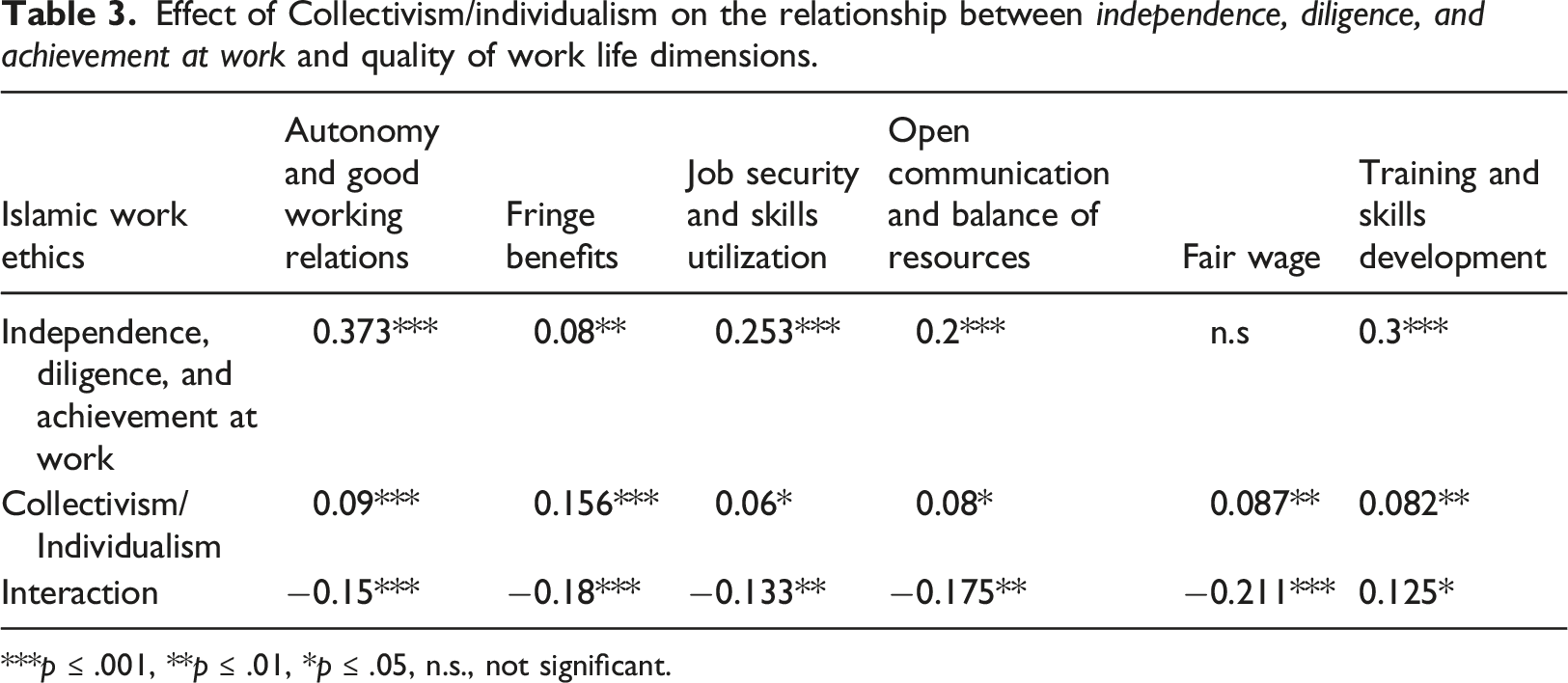
***p ≤ .001, **p ≤ .01, *p ≤ .05, n.s., not significant.
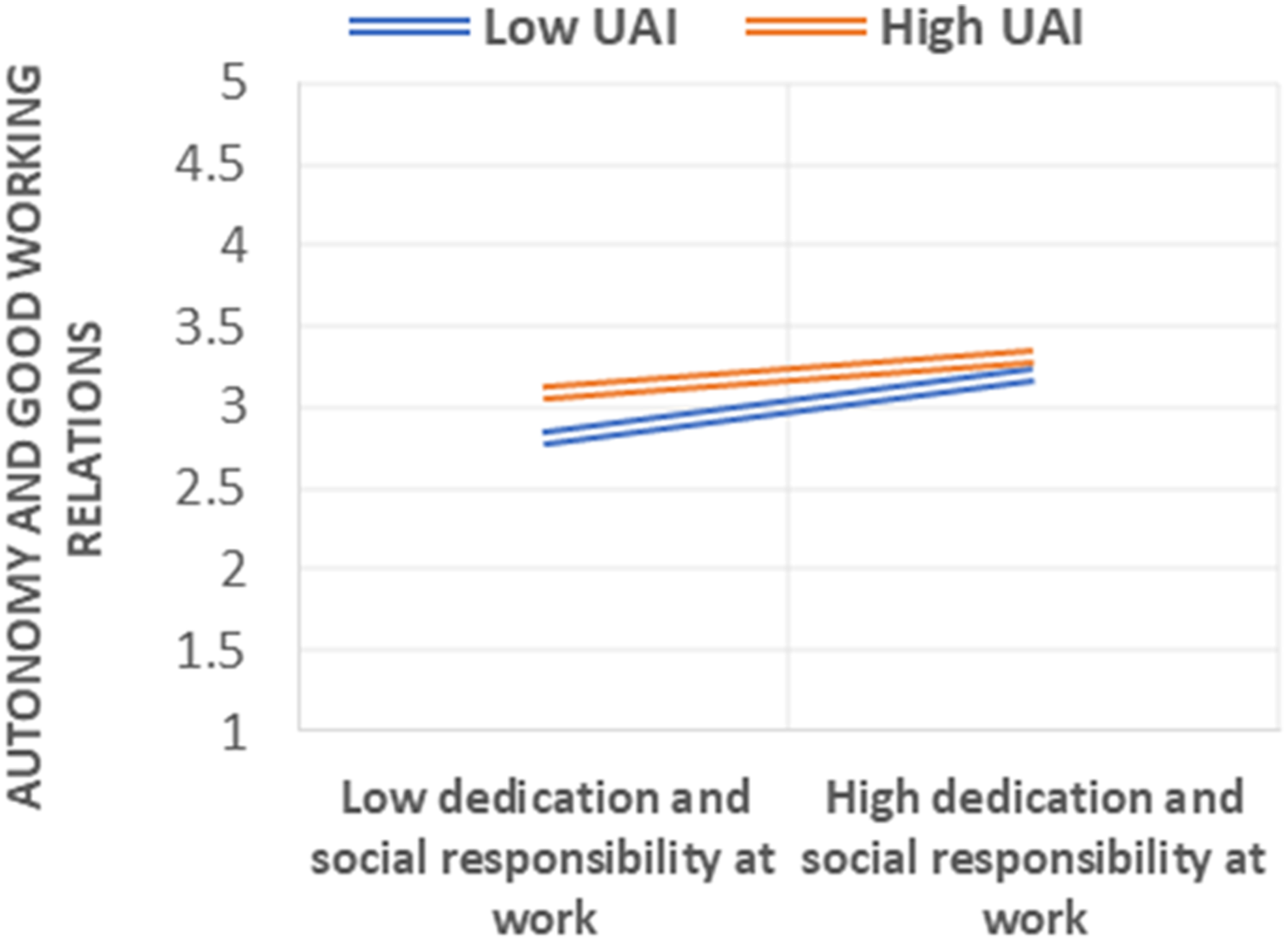
Effect of uncertainty avoidance (UAI) on the relationship between dedication and social responsibility at work and autonomy and good working relations.
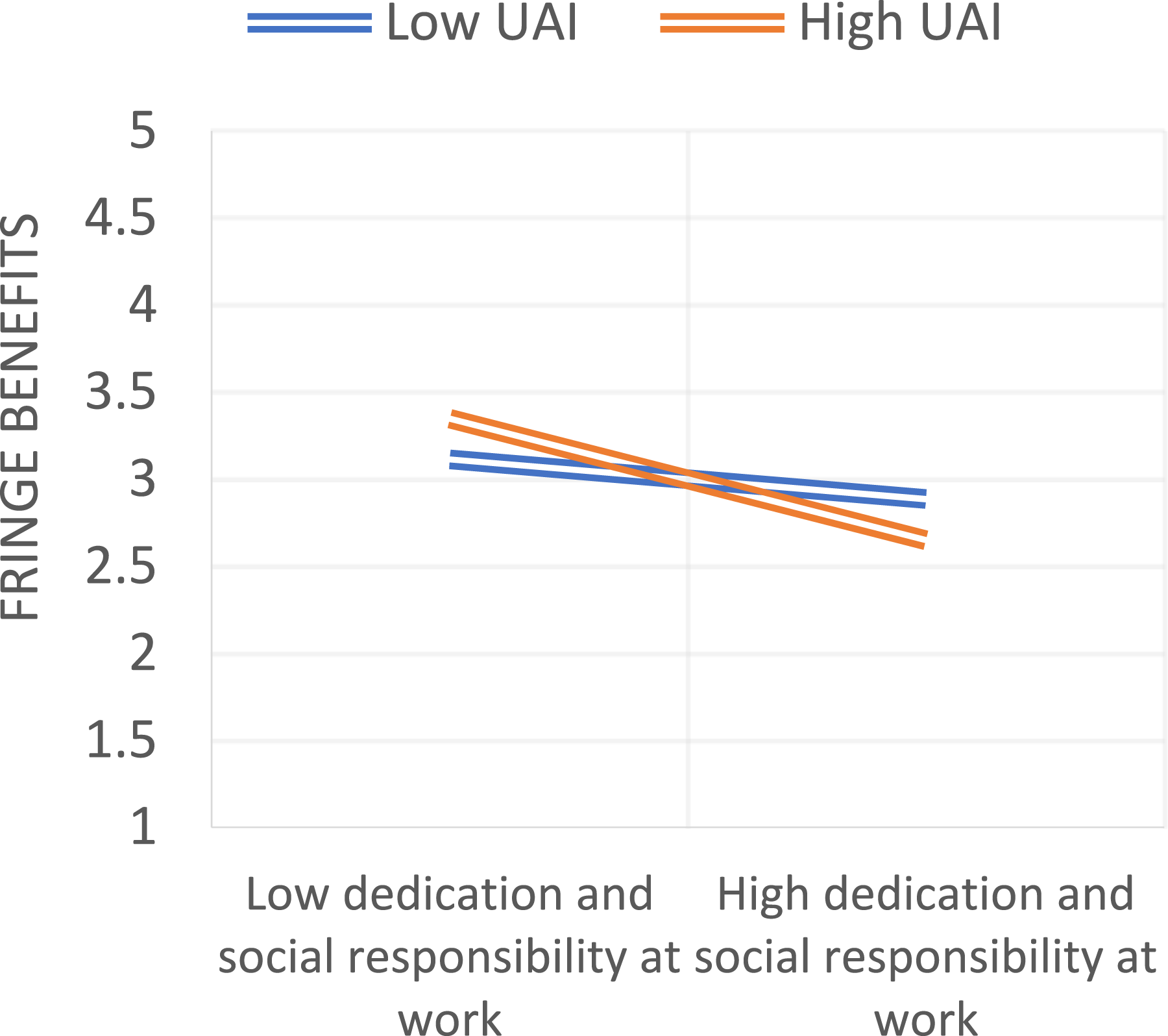
Effect of uncertainty avoidance (UAI) on the relationship between dedication and social responsibility at work and fringe benefits.
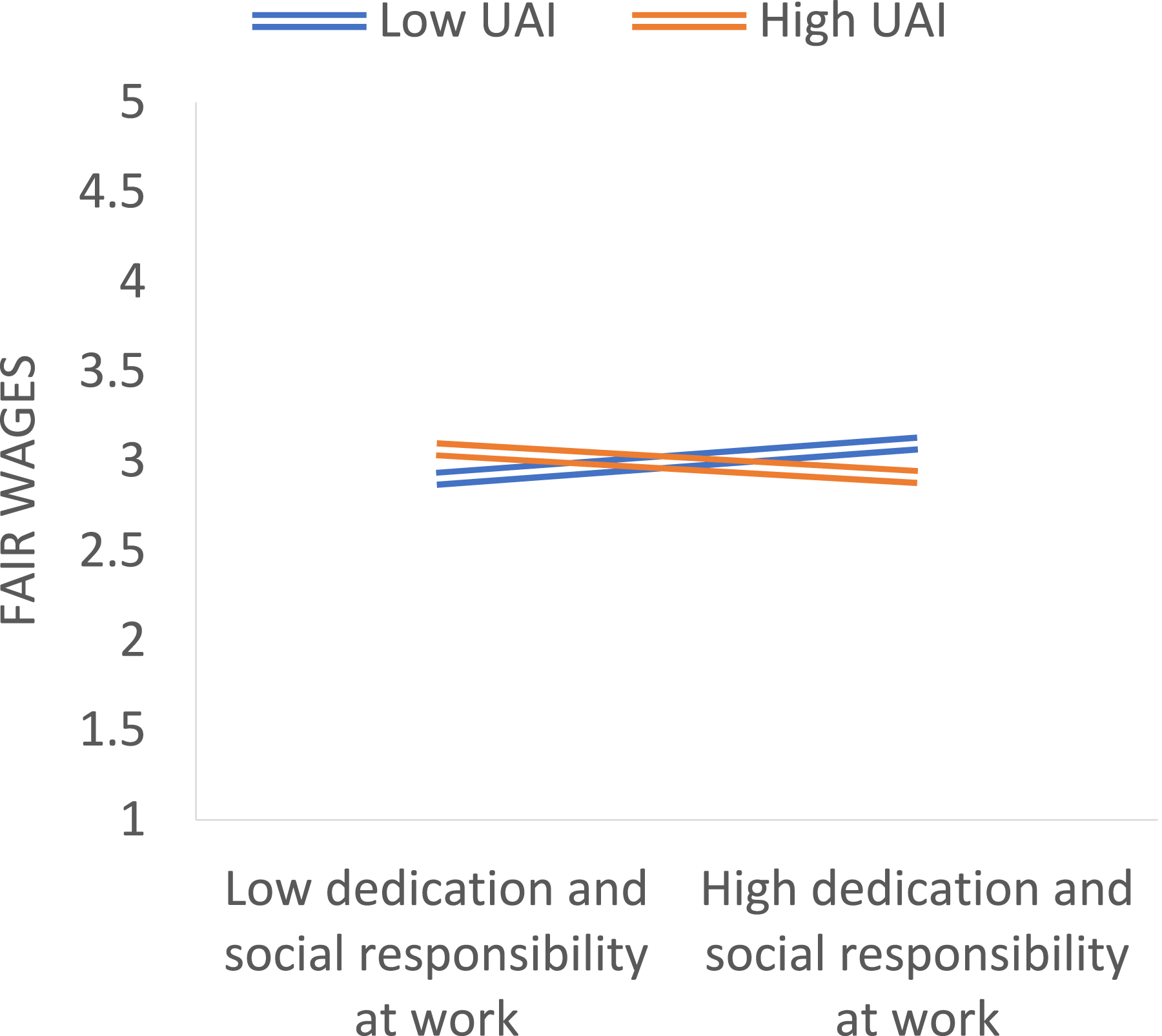
Effect of uncertainty avoidance (UAI) on the relationship between dedication and social responsibility at work and fair wage.
Figure 1 demonstrates that at a low level of uncertainty avoidance, the positive relationship between the variables dedication and social responsibility at work and autonomy and good working relations is stronger than at a high level of uncertainty avoidance, and the difference in the strength between the two levels is significant.
Figure 2 demonstrates a clear difference in the strength of the negative relationship between dedication and social responsibility at work and fringe benefits across two levels of uncertainty avoidance, being stronger at a high level of uncertainty avoidance.
Figure 3 shows that the relationship between the variables dedication and social responsibility at work and fair wage is positive at a low level of uncertainty avoidance, whereas it is negative at the high level.
Table 2 shows the moderating effect of collectivism/individualism on the relationship between dedication and social responsibility at work and fringe benefits (β = −0.168, p Effect of collectivism (COL)/individualism (IND) on the relationship between dedication and social responsibility at work and fringe benefits. Effect of collectivism (COL)/individualism (IND) on the relationship between dedication and social responsibility at work and open communication and balance of resources. Effect of the collectivism (COL)/individualism (IND) dimension on the relationship between dedication and social responsibility at work and fair wage. Effect of collectivism (COL)/individualism (IND) on the relationship between dedication and social responsibility at work and training and skills development.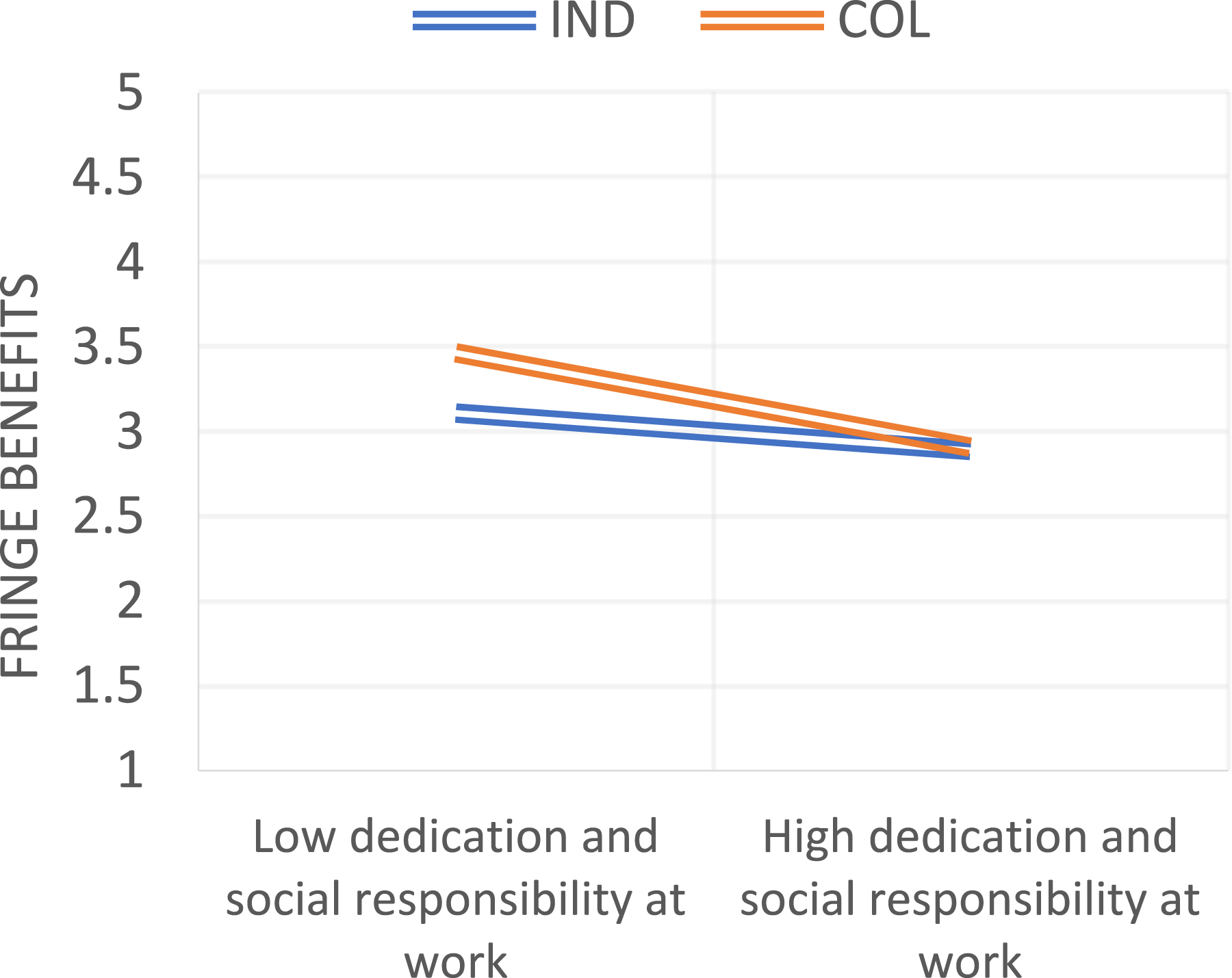
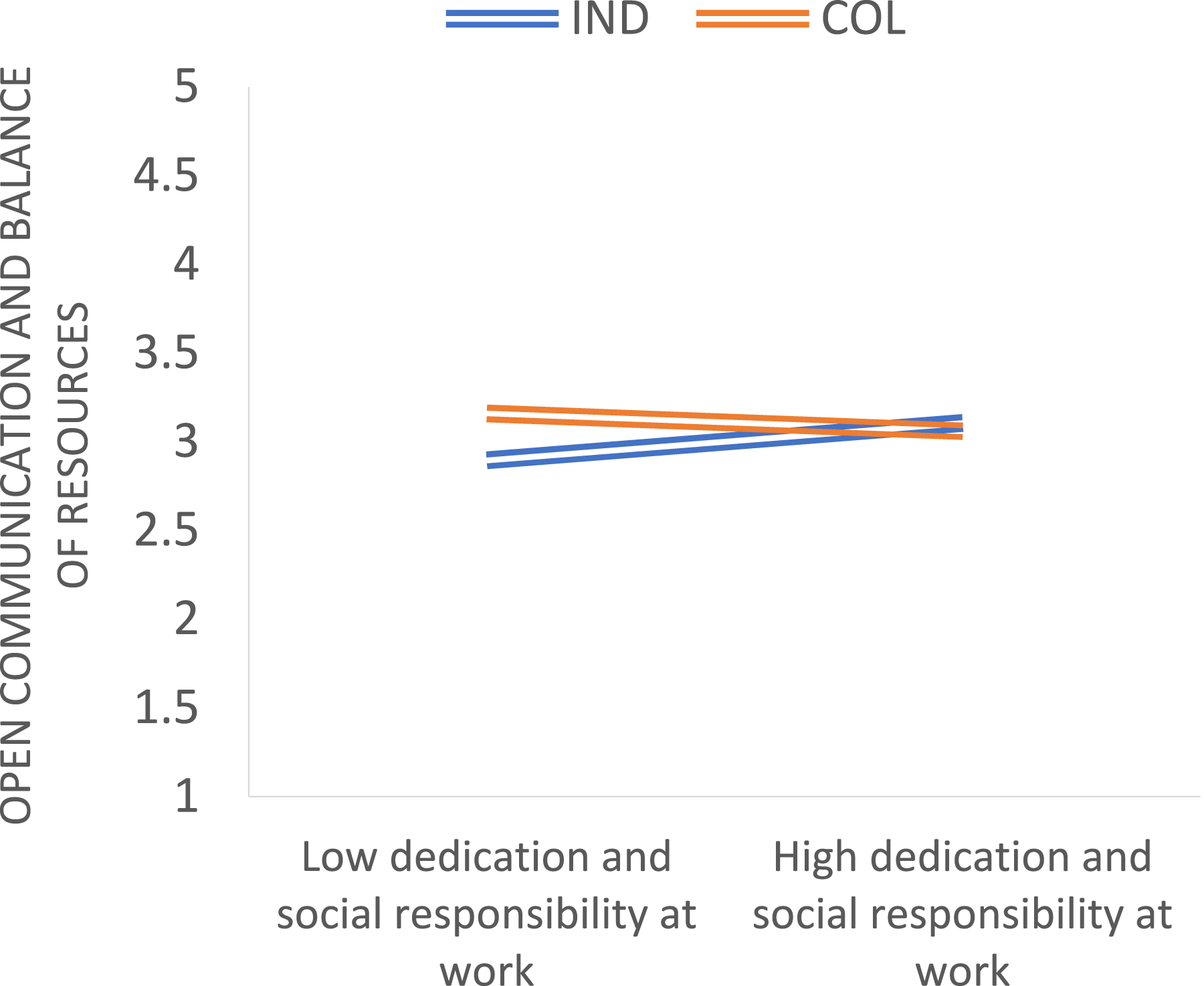
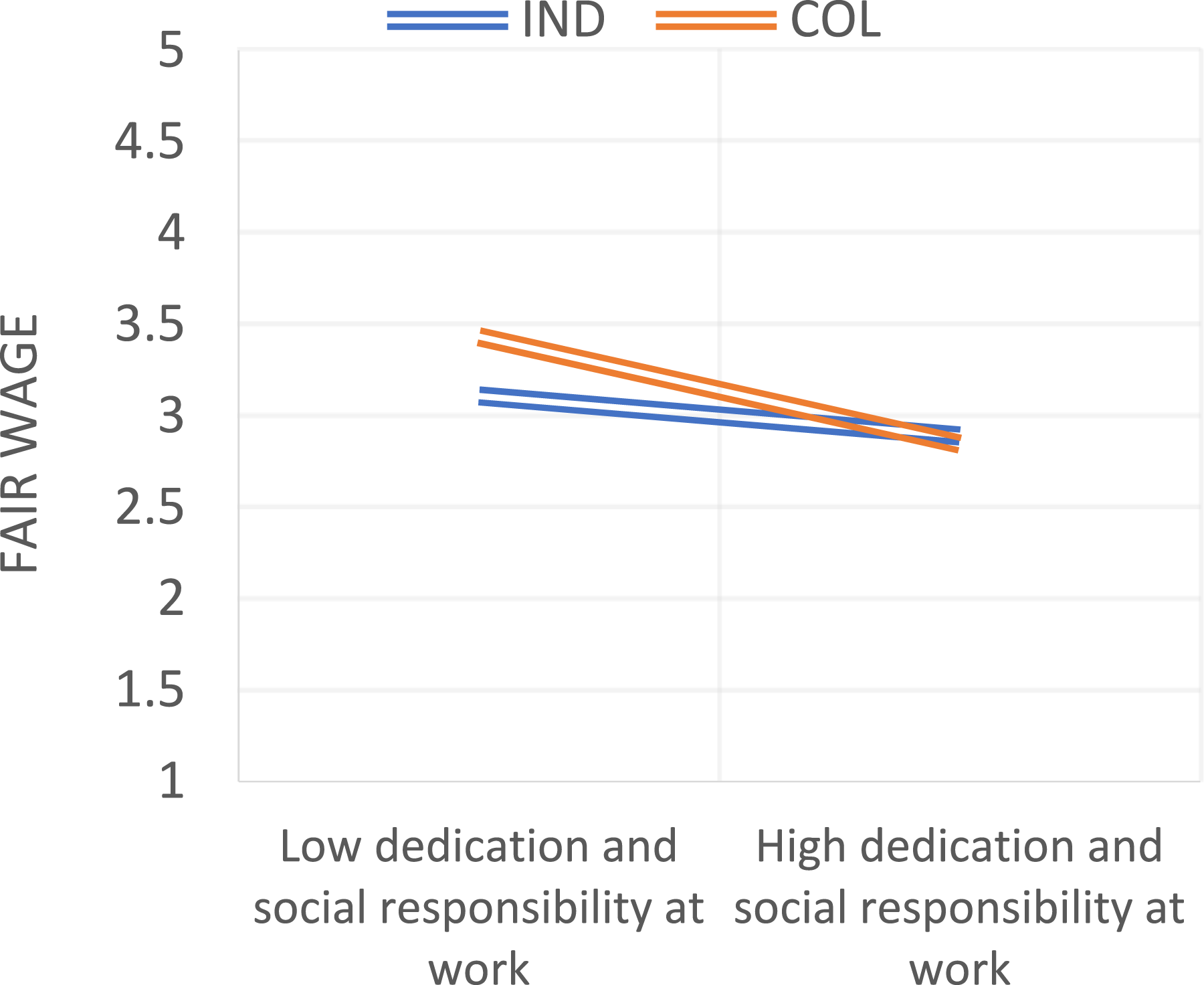
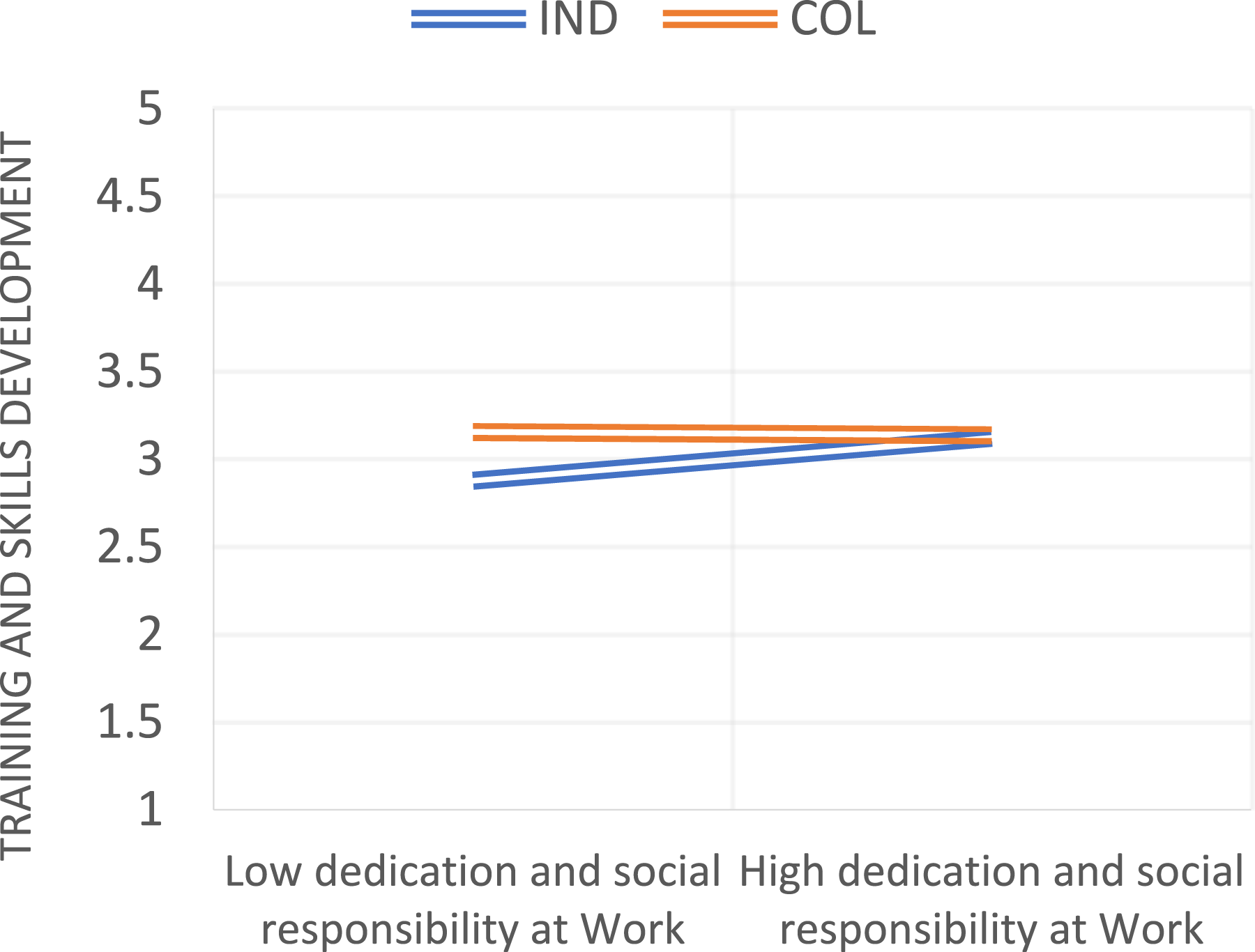
Figure 4 displays a significant difference in the strength of the negative relationship between the two variables dedication and social responsibility at work and fringe benefits under collectivism versus individualism, being stronger under the former.
Figure 5 shows a significant difference in the relationship between dedication and social responsibility at work and open communication and balance of resources for collectivism versus individualism. In particular, a positive relationship is evident for individualism, whereas a weak negative relationship is observed for collectivism.
Figure 6 displays a significant difference in the strength of the negative relationship between dedication and social responsibility at work and fair wage for collectivism versus individualism, being stronger for collectivism.
Figure 7 shows a clear difference in the relationship between dedication and social responsibility at work and training and skills development for collectivism versus individualism. A positive relationship is seen for the latter, whereas there is almost no clear relationship between the variables for collectivism.
Table 3 shows the moderating effect of the collectivism/individualism dimension on the relationship between independence, diligence, and achievement at work and all six dimensions of QWL (see Figures 8–13). Effect of collectivism (COL)/individualism (IND) on the relationship between independence, diligence, and achievement at work and autonomy and good working relations. Effect of collectivism (COL)/individualism (IND) on the relationship between independence, diligence, and achievement at work and fringe benefits. Effect of collectivism (COL)/individualism (IND) on the relationship between independence, diligence, and achievement at work and employment security and skills utilization. Effect of collectivism (COL)/individualism (IND) on the relationship between independence, diligence, and achievement at work and open communication and balance of resources. Effect of collectivism (COL)/individualism (IND) on the relationship between independence, diligence, and achievement at work and fair wage. Effect of collectivism (COL)/individualism (IND) on the relationship between independence, diligence, and achievement at work and training and skills development.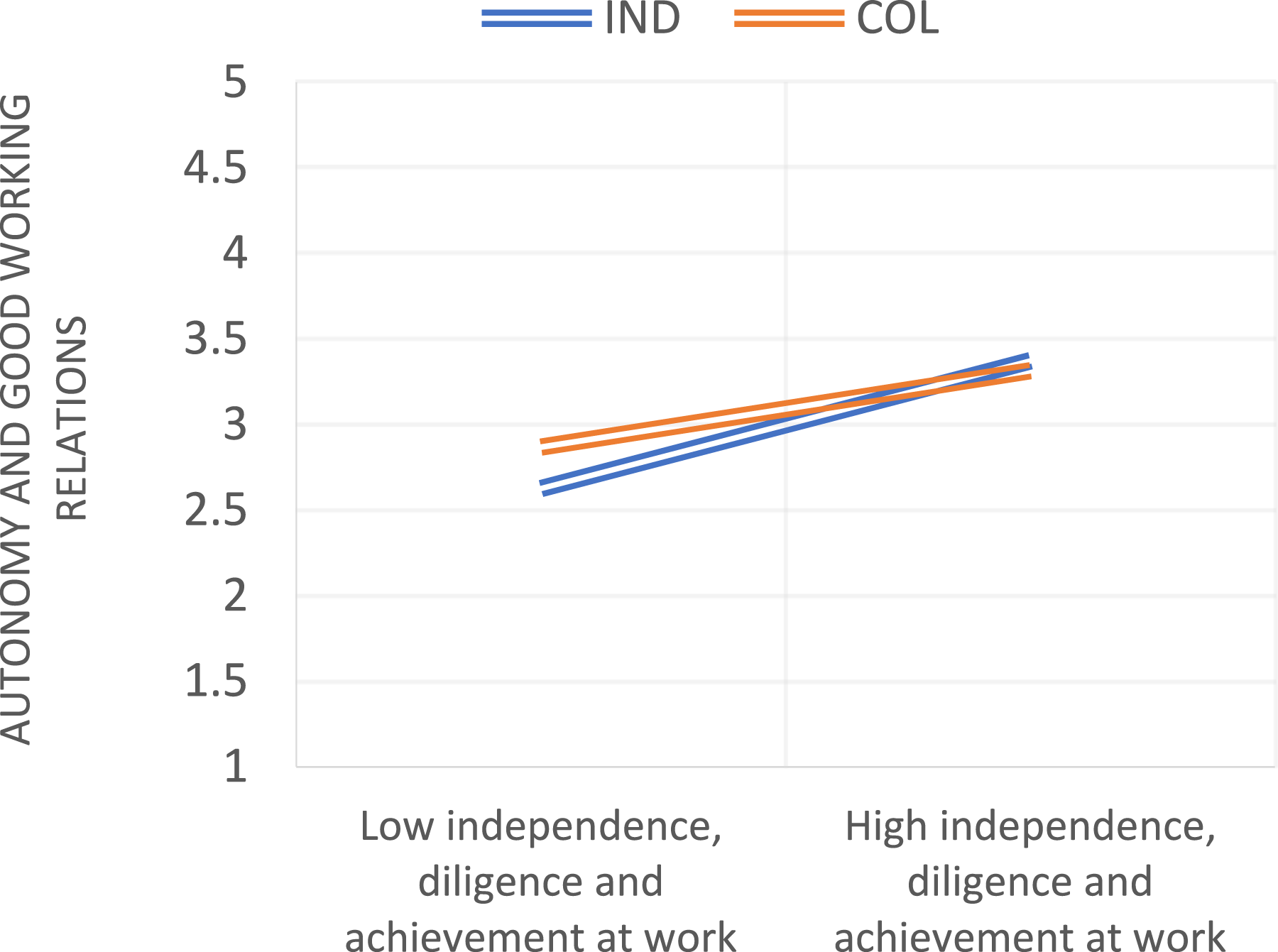
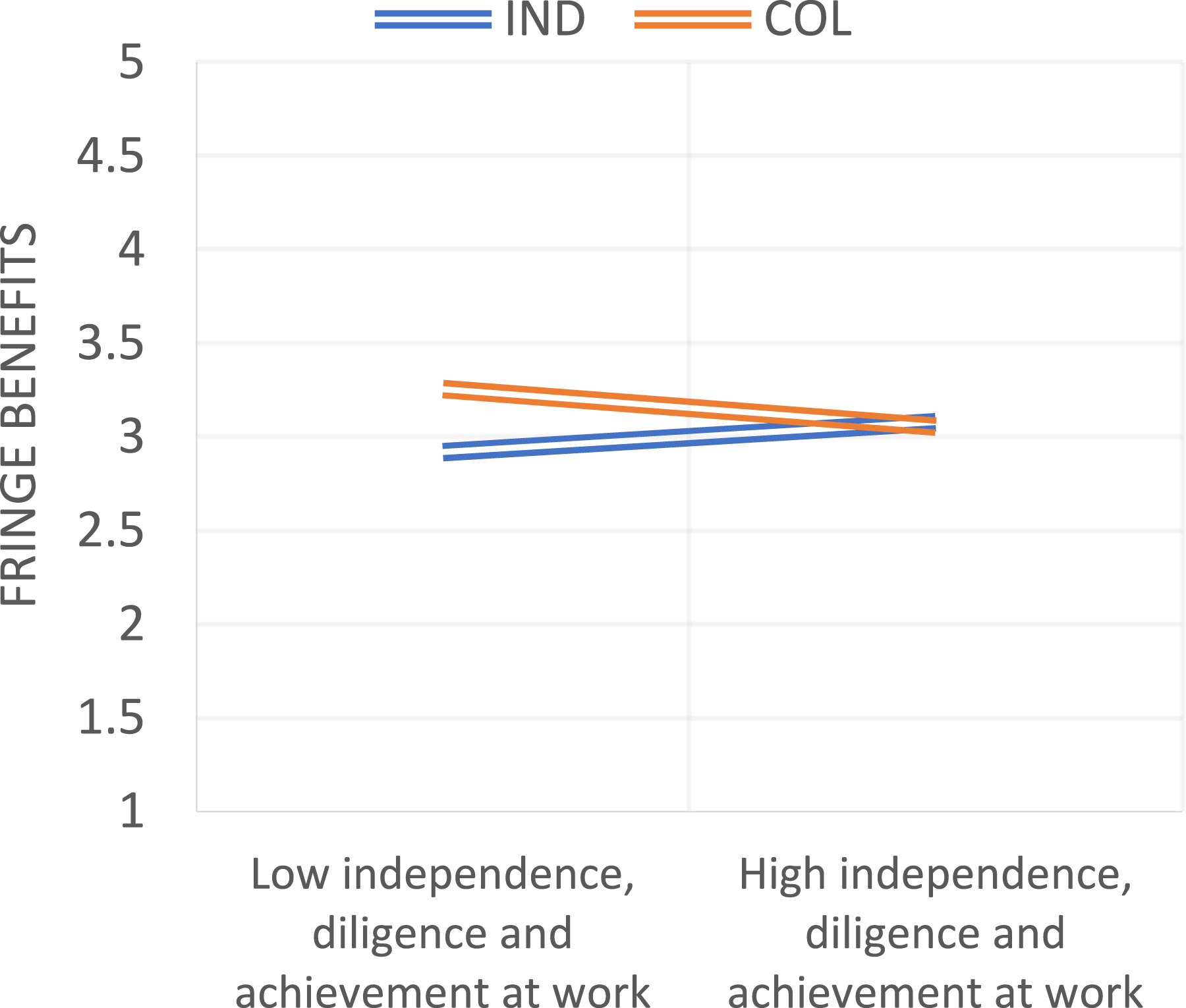
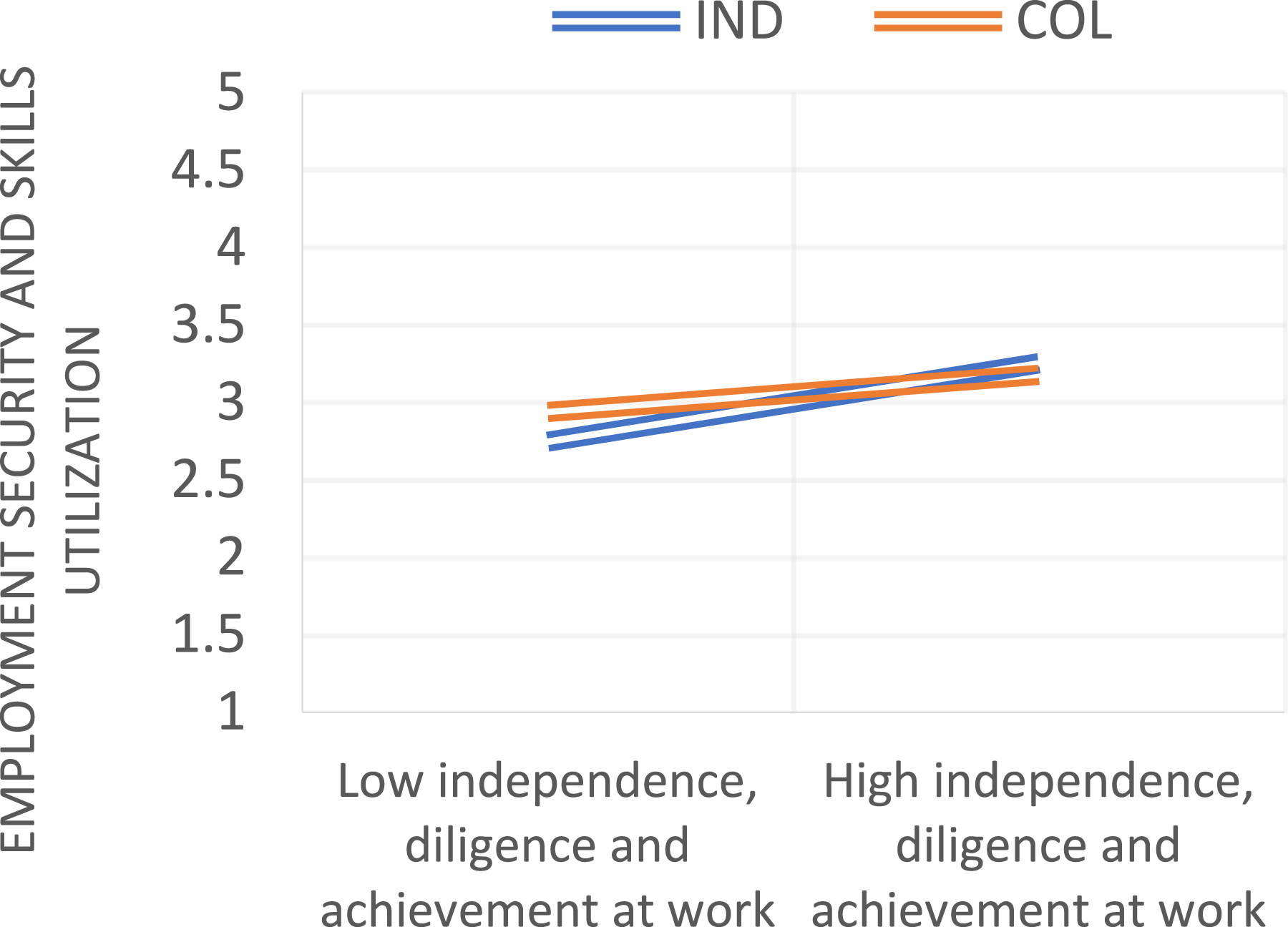
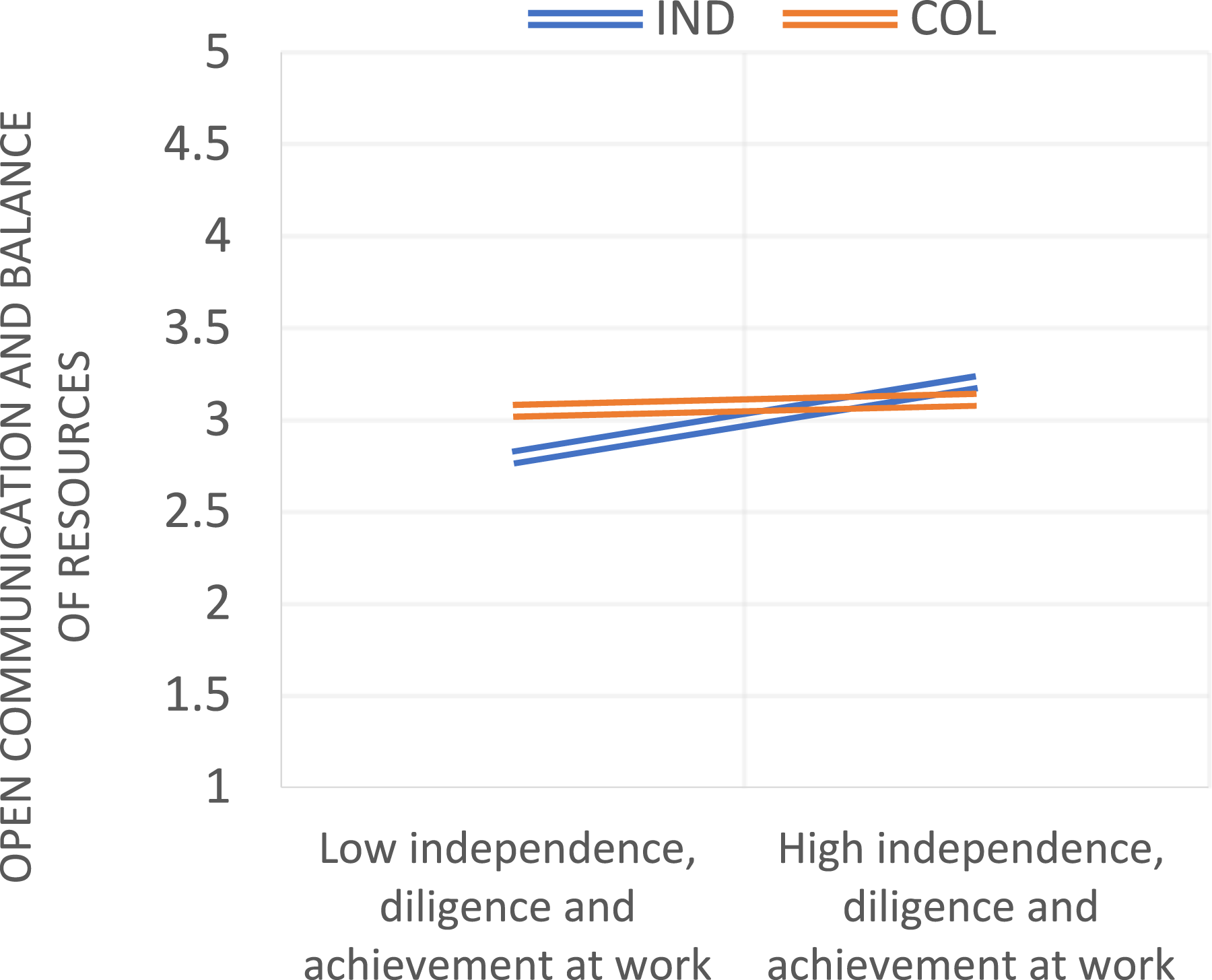
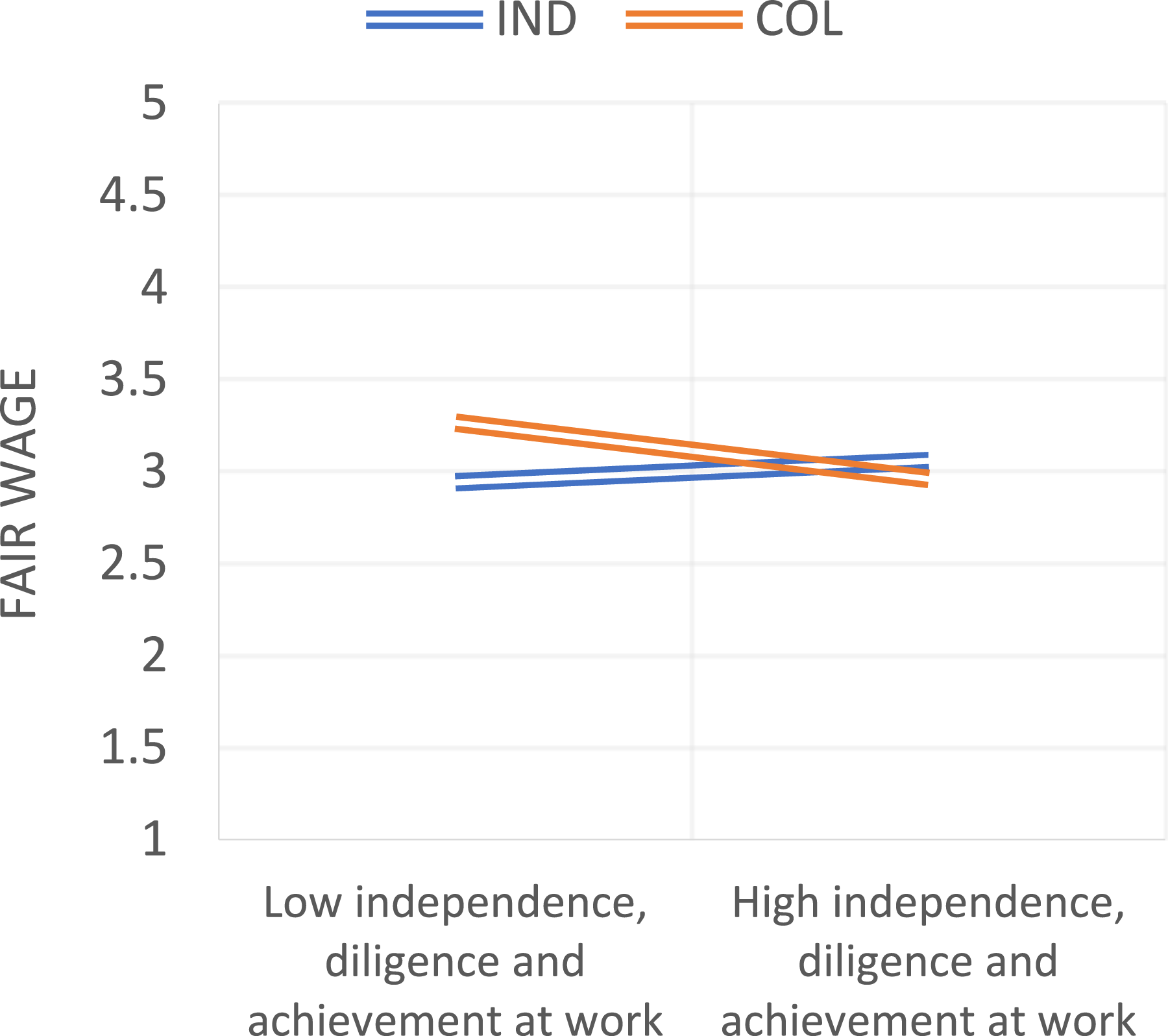
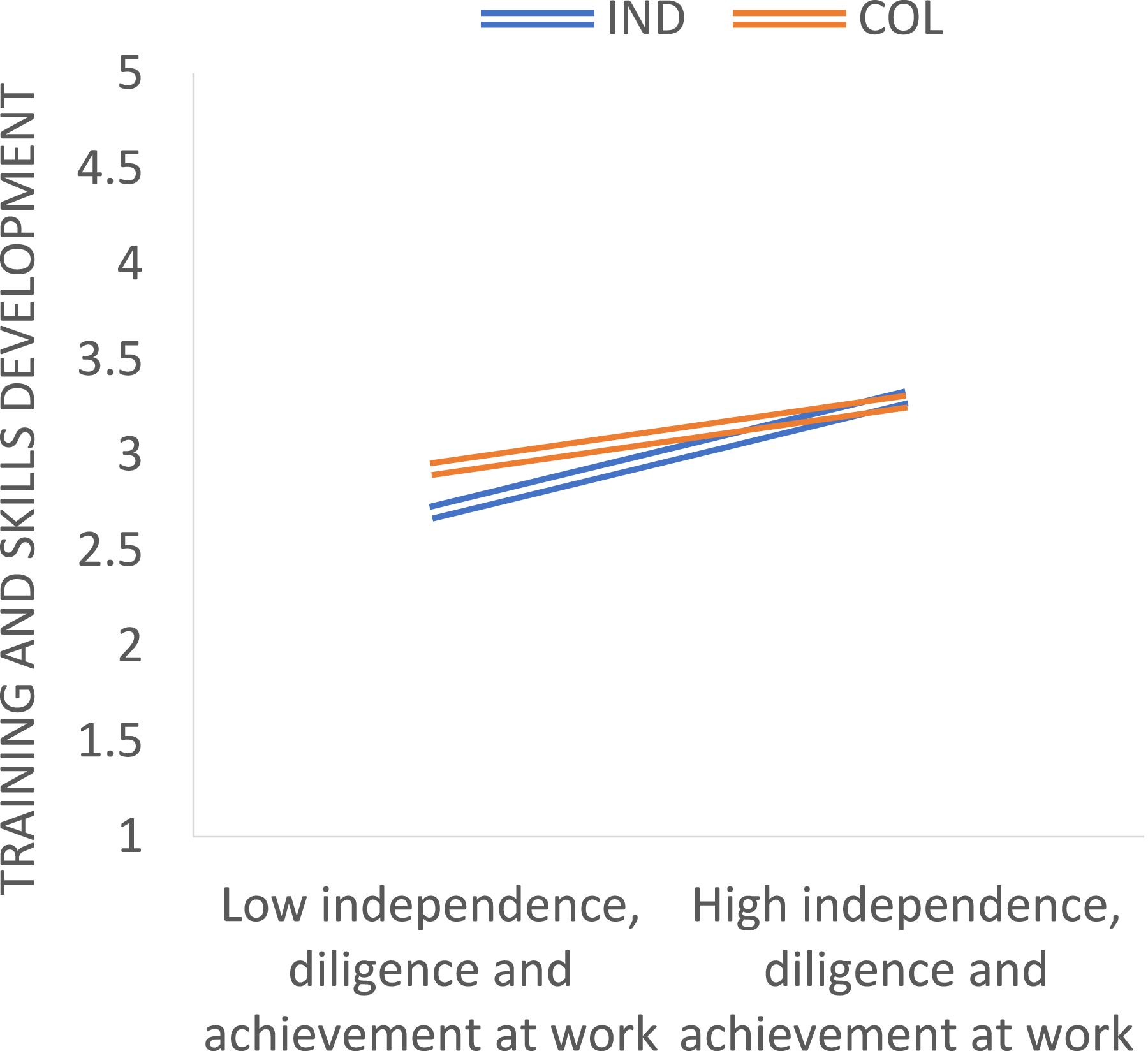
Figure 8 displays a significant difference in the strength of the positive relationship between independence, diligence, and achievement at work and autonomy and good working relations for collectivism versus individualism.
Figure 9 shows a clear difference in the direction of the relationship between the variables independence, diligence, and achievement at work and fringe benefits for collectivism versus individualism. The relationship is negative for the former, and positive for the latter.
Figure 10 reveals a significant difference in the strength of the positive relationship between independence, diligence, and achievement at work and employment security and skills utilization for collectivism versus individualism. The positive relationship between the variables is weaker for the former than for the latter.
Figure 11 illustrates a significant disparity in the relationship between the variables independence, diligence, and achievement at work and open communication and balance of resources for collectivism versus individualism. Notably, for collectivism, there is almost no discernible relationship between the variables, whereas for individualism, a strong positive relationship is evident.
Figure 12 reveals a notable difference in the direction of the relationship between the variables independence, diligence, and achievement at work and fair wage for collectivism versus individualism. For collectivism, the relationship is negative, whereas for individualism, it is positive.
Figure 13 shows a significant difference in the strength of the positive relationship between the variables independence, diligence, and achievement at work and training and skills development for collectivism versus individualism. The graph indicates that for individualism, high independence, diligence, and achievement at work increases the importance of training and skills development more than for collectivism.
Discussion and conclusion
Quality of work life among employees in the Arab high-school system in Israel
The study presents a reliable model for evaluating QWL as perceived by Arab high-school teachers in Israel. The model comprises six dimensions, most of which are consistent with the original model proposed by Swamy et al. (2015) and other relevant research (Ilgan et al., 2014; Iwu et al., 2018; Johnson, 2006; Ladd, 2011; Louis, 1998). The findings indicate that Arab high-school teachers perceive their QWL as moderate, aligning with Ilgan et al. (2014) and Baleghizadeh and Gordani’s (2012).
The dimension of autonomy and good work relations received the highest ranking, which is in line with previous research (Baroudi et al., 2020; Cetinkanat and Kosterelioglu, 2016; Ilgan et al., 2014). Teachers also reported high levels of good working relationships, which could be attributed to the social nature of teaching, the collectivist social nature of Arab society, and the hierarchical structure of the Arab educational system in Israel. On the other hand, the fringe benefits and fair wage dimensions received the lowest ranking, consistent with previous studies in the field (Baroudi et al., 2020; Cetinkanat and Kosterelioglu, 2016; Erdem, 2014; Geiger and Pivovarova, 2018; Ilgan et al., 2014). Despite their dissatisfaction with employment conditions, most Arab teachers remain in the profession due to limited employment options. This is a result of wage gaps and inequality in employment opportunities between Jews and Arabs in the Israeli labor market, especially for those with higher education, as well as limited job opportunities in Arab localities.
According to the study, teachers rated the dimension of job security and skills utilization at an average level, which challenges the common belief that teaching is a secure occupation in Arab society in Israel (Arar et al., 2013; Baroudi et al., 2020). This might be due to the ongoing conflict between the Jewish and Arab communities in Israel, which disproportionately affects Arab teachers, resulting in insecurity. Despite their high level of academic education, the teachers reported slightly higher than average levels of skill utilization. This may be because employees in the Arab educational system in Israel have little influence in determining teaching content, methods, and policies. In addition, respondents reported a moderate level of resource allocation, which is likely due to organizational factors, such as the insufficient resources allocated by the government to the Arab educational system, particularly in secondary schools (Abu-Saad, 2023; Hadad Haj Yahya et al., 2021).
Islamic work ethics
The study successfully developed a reliable and valid model for IWE, which consisted of two dimensions: dedication and social responsibility and independence, diligence, and achievement at work. The teachers displayed high scores on both dimensions, corroborating Ali’s (1988, 1992, 2005) assertion that Islam places significant emphasis on the values, characteristics, and importance of work, influencing individuals’ attitudes toward, and conduct at work. The dedication and social responsibility at work dimension reflects the teachers’ positive view of work having a positive effect on society. The focus is on individuals working to their fullest potential to contribute to the betterment of society, promoting personal and social prosperity and well-being. The respondents unanimously agreed that “good work benefits both the teacher and others,” with “others” referring to the students, parents, and society. The teaching profession is highly revered in Arab society. This is reflected in common phrases and proverbs, such as “من علمني حرفً صرتُ لهُ عبدً ” which translates to “whoever has taught me one letter has made me his slave,” emphasizing the crucial role of teaching as the foundation for all other professions.
The respondents, as employees in the Arab educational system, strongly agree that justice and generosity are essential for societal well-being, as emphasized in the Quran. Generosity is demonstrated through various forms of giving, including knowledge sharing, while justice is crucial in all aspects of life, including interactions with others and work. Teachers must maintain honesty and fairness among students and discourage cheating. Laziness is viewed negatively in Arab schools. The independence, diligence, and achievement at work dimension can be divided into two parts, focusing on individual value, and outlining fundamental milestones for success. Islamic teachings stress the importance of intentions and goal setting, with hard work referred to as Jihad and the right way to success described as “Al-Sarat Al-Mustaqim.” High-school teachers play a vital role in instilling responsibility and independence in students, preparing them for future success.
Cultural values
Hofstede’s (1984) original research and recent work by Almutairi et al. (2021) suggested high power distance in Arab culture throughout all Arab countries. In contrast, the present study reveals low power distance among employees in the Arab high-school system in Israel. Moreover, while the study confirms high collectivism among the respondents, this dimension’s strength appears to be only moderate. Uncertainty avoidance is still characterized as high, with minimal change. In additions, the respondents in this research displayed a tendency toward femininity in the femininity/masculinity dimension.
The study’s findings support the documented changes within Arab society in Israel toward modernization, including a reduction in class hierarchy based on clan affiliations and a shift toward individualistic skills and achievements. These changes are particularly evident in the respondents’ reported low power distance dimension. The study also highlights the influence of the Israeli educational system’s Western values on the organizational culture of the Arab educational system and schools, characterized by decentralization of power, belief in equality, cooperation, autonomy, and teacher empowerment. The observed high uncertainty avoidance among teachers can be attributed to the educational system’s hierarchical structure, organizational complexity, and the ongoing Jewish–Arab conflict in Israel. Lastly, the respondents’ tendency toward feminine values, contrasting with Hofstede’s (1984) and Almutairi et al.’s (2021) findings, could be linked to the feminine principles inherent in the teaching occupation, such as compassion, attentive listening, nurturing, and recognition of students’ needs and aptitudes.
At the same time, the study’s current findings also uphold the notion that Arab society is communal. This outcome can be ascribed to two primary factors: the Islamic faith and tradition.
The relationship between Islamic work ethics and quality of work life
IWE was shown to be strongly correlated with better QWL. In this framework, both employees and employers are responsible for ensuring a high-quality work environment. Employees must uphold dedication and social responsibility to promote organizational success and social welfare. On the other hand, employers must provide autonomy, resources, and a supportive workplace to increase productivity, economic prosperity, and personal and social well-being. Islamic beliefs emphasize research, development, and creativity as crucial components in advancing society. Autonomy is also important for creativity; maintaining positive relationships and sharing are fundamental values. Job security is highlighted, and open communication is essential for sharing knowledge and information to advance in one’s work. Learning and self-improvement are also considered important for performing high-quality work. Adherence to Islamic work values can have multiple benefits, including workers’ better physical and mental well-being, and enhanced societal well-being and economic prosperity.
Cultural values as moderators of the relationship between Islamic work ethics and quality of work life dimensions
The study’s findings suggest that the relationship between dedication, social responsibility, autonomy, and good working relationships is stronger in cultures with lower levels of uncertainty avoidance. This aligns with Hofstede’s (1984) theory that such cultures prioritize practicality over strict adherence to rules and tend to be more tolerant of diverse opinions and behaviors (Swaidan and Hayes, 2005), which fosters employee empowerment (Obeidat et al., 2012). The study also reveals that the level of uncertainty avoidance affects the relationship between dedication, social responsibility, and fringe benefits, as well as the direction of the relationship between dedication, social responsibility, and fair wage. This may be due to uncertainty-avoiding individuals’ tendency to minimize ambiguity and uncertainty through formalization and paperwork, leading to clear and defined wage conditions. As such, fair wage may become less significant as employees become more committed to their work through dedication and social responsibility.
According to the results, in collectivist societies, an increase in commitment and accountability toward work diminishes the significance of fringe benefits and fair wage to a greater extent than in individualistic societies. This finding aligns with Hofstede’s (2001) fundamental assumptions, which suggest that employees in collectivist societies prioritize building relationships with their colleagues and management over the organization’s objectives. Consequently, it can be inferred that in collectivism, demonstrating dedication and social responsibility at work holds higher value for fostering interpersonal connections, even if this means sacrificing personal interests, leading to decreased importance of fringe benefits and fair wage.
Furthermore, it was noted that dedication and social responsibility at work related negatively to training and skills development under collectivism, whereas the relationship between these variables was positive under individualism. This discovery aligns with Hofstede’s (2001) assertions that employee hiring and promotion are based on their skills in individualistic societies, and poor job performance leads to termination. Consequently, people from individualistic backgrounds, particularly those who display dedication and social responsibility at work which manifests in high-quality work output, view training and skills development as crucial for enhancing their performance and increasing their prospects for career advancement. Conversely, in collectivist organizations, employee recruitment and promotions are based on personal connections and relationships, and poor performance is attributed to external factors rather than being a reason for disciplinary action or termination.
According to the findings of this study, there is a positive relationship between dedication and social responsibility at work and open communication and balance of resources in individualistic cultures, but the relationship is negative in collectivistic cultures. This contradicts Hofstede’s (2001) assertion and may be due to recent changes in management practices that emphasize the importance of transparent communication and equal distribution of resources for organizational success. In individualistic cultures, where personal achievement is highly valued, dedication and social responsibility may lead to a greater emphasis on open communication and balanced resources. Conversely, where interpersonal relationships take precedence in collectivistic cultures, open communication, and balanced resources may be considered fundamental and not require additional attention.
Moreover, the study findings indicate that the relationship between work-related values such as independence, diligence, and achievement, and various dimensions of QWL, including autonomy and positive working relationships, job security and skills utilization, open communication and resource balance, and training and skills development, is moderated by the dimension of individualism vs. collectivism. These results support the underlying assumptions about individualistic cultures that they prioritize independent work and stimulating tasks, and emphasize personal development (Hauff and Kirchner, 2015; Hofstede, 1984, 2001; Sarkar et al., 2009).
In conclusion, this study contributes to the international body of literature by expanding the QWL research to a non-Western context and exploring its relationship to IWE. It also explores these critical management issues in an educational organization that faces unique cross-cultural characteristics and challenges.
Footnotes
Declaration of conflicting interests
The author(s) declared no potential conflicts of interest with respect to the research, authorship, and/or publication of this article.
Funding
The author(s) received no financial support for the research, authorship, and/or publication of this article.
