



Abstract
Greater perceived social support may influence an individual’s appraisals of their stressful situation, negative affect, and subsequent support seeking coping. An individual’s identification with the individualism-collectivism dimensions could also influence this process. We conducted structural equation modelling (AMOS) on archival data from two groups of adult workers from five countries, who were categorised by their scores on the individualism-collectivism dimensions: a highly individualistic group (n = 424), and a highly collectivistic group (n = 400). The analysis aimed to determine how levels of perceived support influenced appraisals of stress and negative affect experiences leading to the use of social support seeking for both groups. The process models representing the individualistic and collectivistic groups were compared to see whether stronger identification with individualism or collectivism resulted in a similar or different stress process. Although the conceptual models fit both groups similarly overall, there were differences between the groups regarding the indirect paths involved in the model, particularly relating to the influence of perceived support on appraisals of the threat of the stressor. Implications and applications of the findings are discussed.
Introduction
Work stress has presented an ongoing challenge to both organisations and individuals across the world. To address the consequences and costs of work stress, numerous competing theoretical models have been developed to understand and explain the mechanisms through which a stressful encounter (stressor) influences one’s cognition, behaviour, and eventual well-being. One model that seeks to explain the stress and coping process is Goh et al.’s 2010 revised transactional model of occupational stress and coping (see Figure 1), developed from the transactional theory of stress and coping (Lazarus and Folkman, 1984). According to the revised transactional model, pre-coping stress experiences begin with (a) primary appraisal (PA), where an individual evaluates the threat of the encountered stressor, and (b) secondary appraisal (SA), or their evaluation of the coping resources/options available to successfully combat the encountered stressor. If a person’s PA assesses a stressor as highly threatening, stress experiences at time 1 (S1) will ensue. High PA assessment of a stressor will also trigger one’s SA in evaluating the availability of resources to manage the stressor. With limited coping resources (i.e., low SA), one’s stress experiences at Time 1 (S1), as previously elicited by high PA, will be further aggravated by this low SA. This series of interactions between PA, SA, and S1 will in turn activate coping responses to manage the stressor, culminating in either alleviated or elevated stress experiences at Time 2 (S2; Goh, 2003; Goh et al., 2010; Goh et al., 2012). Specifically, following the influences of PA and SA on S1, the revised transactional model states that S1 will impact on the frequency/intensity of coping behaviours. S1 will also influence S2, both directly and indirectly. The indirect path results from S1’s impact on coping, in that a higher frequency of coping behaviours after S1 results in higher levels of S2. The revised transactional model of occupational stress and coping by Goh et al. (2010).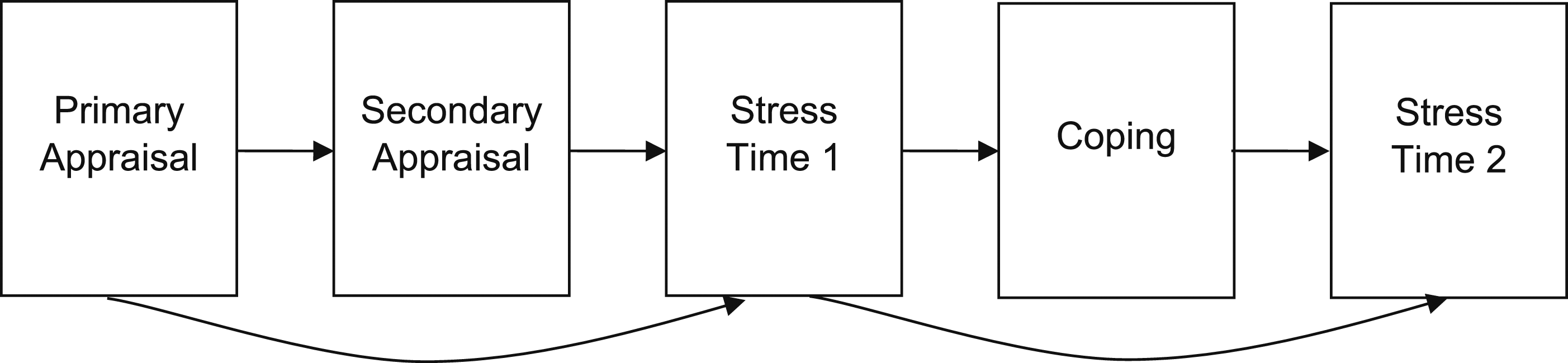
As indicated in the revised transactional model, the coping strategies used to manage the encountered stressor have an important role in the experience of stress. Over the past few decades, researchers have examined numerous coping strategies to determine their effectiveness under specific stressful conditions and contexts. Among these coping strategies, seeking social support has shown to be effective in the mitigation of stress, despite there being many inconsistent findings about its utility across different contexts and groups (Bavik et al., 2020). It is well established that individuals—and indeed, cultures—differ regarding their likelihood to seek social support and the perceived acceptability of support seeking (Bamberger, 2009; Goh et al., 2022; Kim et al., 2006). These findings indicate that there may be potential differences in understandings/effectiveness of social support across different cultural orientations. These implications need to be clarified if social support is to be included in future stress-reduction interventions or incorporated in health and safety measures under today’s culturally diverse organisational landscape.
Perceived support, appraisals of stress, and SSS
Cohen et al. (2000) define social support as “the social resources that persons perceive to be available or that are actually provided to them by non-professionals in the context of both formal support groups and informal helping relationships” (p. 4). Research findings suggest that higher levels of social support encourage adaptive coping behaviours (Holahan et al., 1995; Hooper et al., 2013) and have shown to be beneficial for mental and physical health (Thoits, 2011; Uchino, 2004). It has also been found that perceived social support (PSS) predicts help-seeking behaviour and willingness to seek help, with this relationship being in a positive direction in most studies (Dougall et al., 2001; Koydemir-Özden, 2010; Miville and Constantine, 2006; Nagai, 2015; Sheffield et al., 2004; Yalçın, 2016). The act of asking for emotional, instrumental (tangible), or informational support to cope with a stressor is referred to as social support seeking (SSS). The effectiveness of this coping is dependent on many factors, including the perceived value, quality and suitability of the support given after it is sought, or the circumstances under which SSS occurs (Cohen and Wills, 1985; Cutrona and Russell, 1990; Linden and Vodermaier, 2012). Understandably, these factors vary widely from person to person and are influenced by that person’s appraisals of the world around them.
The importance of appraisal for SSS coping is highlighted in research on the differences between PSS and the support that is actually received. Past studies have found weak associations between perceived and received social support, indicating their separability (Eagle et al., 2019; Haber et al., 2007; Uchino, 2009; Wethington and Kessler, 1986). PSS has shown stronger and more consistent beneficial effects on mental and physical health when compared to received social support (Prati and Pietrantoni, 2010; Thoits, 2011; Uchino, 2004). An explanation for these findings is that an individual’s appraisal of the support provided to them may be the determining factor for the benefit that comes from it. For example, support could be experienced as negative if advice is delivered in a demeaning way, or if too little or too much support is provided relative to the individual’s needs (Barrera, 1986; Uchino, 2004). These findings highlight the importance of individual appraisal in determining outcomes, which is in line with the importance placed on appraisal in the transactional view of stress and coping. In line with this argument, it may be stated that the influence of PSS on SSS would occur through PSS’s influence on appraisals of stress. PSS may affect appraisals of the situation and the person’s own capability to deal with the situation, which would then reflect on their experiences of stress and subsequent coping (Bavik et al., 2020). For example, an individual’s belief that they have access to support from the people around them might lead to reduced appraisals of threat (PA) of the stressful situation (Bavik et al., 2020; Dewe et al., 2010). Alternatively, an individual’s perception of availability of support may enhance his/her sense of control over the stressful encounter—that is, their SA (Thoits, 2011).
PSS may also influence experiences of stress directly, with past studies finding that higher social support predicts lower distress (Hudek-Knežević et al., 2002; Zimet et al., 1988). This ‘main effect’ of PSS on stress is strongly evidenced in one study by Calvete and Connor-Smith (2006) that found the direct effects of perceived support on distress were even stronger than coping-mediated effects. This suggests that the perception of having social support in itself may be sufficient to keep one’s stress experience at a low level, regardless of the coping methods used to deal with the stressful encounter. However, although the direct influence of PSS on distress has been evidenced in past research, it does not explain why or how this relationship occurs. A focus of the current study was to examine and map out primary and secondary appraisal’s role in the transactional stress process and how PSS would impact these appraisals, resulting in lower levels of experienced stress. The transactional model would argue that PSS would lead to lower PA and higher SA, which would then result in lower levels of experienced stress (in the current research, negative affect or NA). If appraisals influence the stress process in this way, it then becomes important to investigate these appraisals in more detail. Another variable that could influence the stress process—and which is particularly relevant given the demographically diverse and globalised nature of the modern work context— is an individual’s cultural identity.
The individualism-collectivism dimensions, appraisal and SSS
Triandis (2018) describes collectivistic cultures as those in which “people think of themselves as parts of their collectives and in most situations subordinate their personal goals to those of their collectives. People’s social behaviour is a consequence of norms, duties, and obligations (p. xiii).” In individualistic cultures, however, freedom from the influence of the collective is emphasised. People who identify more strongly with either collectivistic or individualistic values are likely to experience psychological phenomena in different ways, and to attach importance to different values (Kuo, 2013; Triandis, 2018; Triandis et al., 1988). Individualistic and collectivistic individuals’ differing appraisals of what is important may then influence experiences of stress as well as coping choice or frequency (Aldwin, 2007; Lam and Zane, 2004). In particular, some past research has argued that cultural differences exist in the use of social support as a coping mechanism (Kim et al., 2006; Taylor et al., 2004; Wang et al., 2010). In these studies, members from collectivistic cultures (Asian/Asian American) were found to use social support systems and seek support less than individualistic (European/European American) participants (Kim et al., 2006; Taylor et al., 2004; Wang et al., 2010). The Asian/Asian American participants from these studies are from cultural backgrounds (Chinese, Korean, Indonesian, etc.) that would be classified as collectivistic according to the research of Hofstede (Hofstede Insights, 2024). The European American participants are likely to be classified as individualistic due to the individualistic orientation of the United States of America (Hofstede et al., 2010; Hofstede Insights, 2024).
Researchers suggest that relationship concerns account for less use of support seeking by collectivistic individuals (Chang, 2015; Kim et al., 2006, 2008; Taylor et al., 2004). The cultural transactional theory of stress and coping (Chun et al., 2006) suggests that stress and coping involves issues of personal autonomy and independence for highly individualistic people, but that additional appraisals of social and relational consequences may be involved for highly collectivistic people, such as the fulfillment of social obligations or enhancing mutual interdependence (Goh et al., 2022; Kuo, 2013). For example, due to the emphasis on interpersonal harmony in collectivistic values, those from a collectivistic background might seek social support less frequently to avoid future obligations to return the given support, or to avoid burdening their social networks (Kim et al., 2006, 2008; Taylor et al., 2004, 2007). However, it must be noted that the abovementioned studies involved specific sample demographics such as university students (e.g., Kim et al., 2006; Taylor et al., 2004; Wang et al., 2010) and their findings may not be generalisable to other populations and contexts. The current study aims to investigate these issues within the workplace stress context.
If individualistic/collectivistically oriented individuals view the world in different ways, it is logical that these two groups of people may have differing expectations regarding the perceived support provided by the people around them. For example, people who are more individualistic might be less likely to rely on social support due to their independent self-construal and tendency to view themselves as being separate from others (Shelton et al., 2017). Indeed, past studies show that the effect of perceived support in the context of personal health and well-being is weaker for individualistic than collectivistic participants (Park et al., 2012; Uchida et al., 2008). It is possible that this relationship may also be the case in the workplace stress setting.
The current study
This study aimed to investigate, through SEM, the impact of PSS on the stress processes leading to SSS coping within the revised transactional model of occupational stress and coping by Goh et al. (2010). The study also aimed to see whether this process remained robust across two groups of highly individualistic (highIND) and highly collectivistic (highCOLL) employees. Figure 2 presents the proposed test model for both cultural groups. Proposed conceptual model for highIND and highCOLL groups.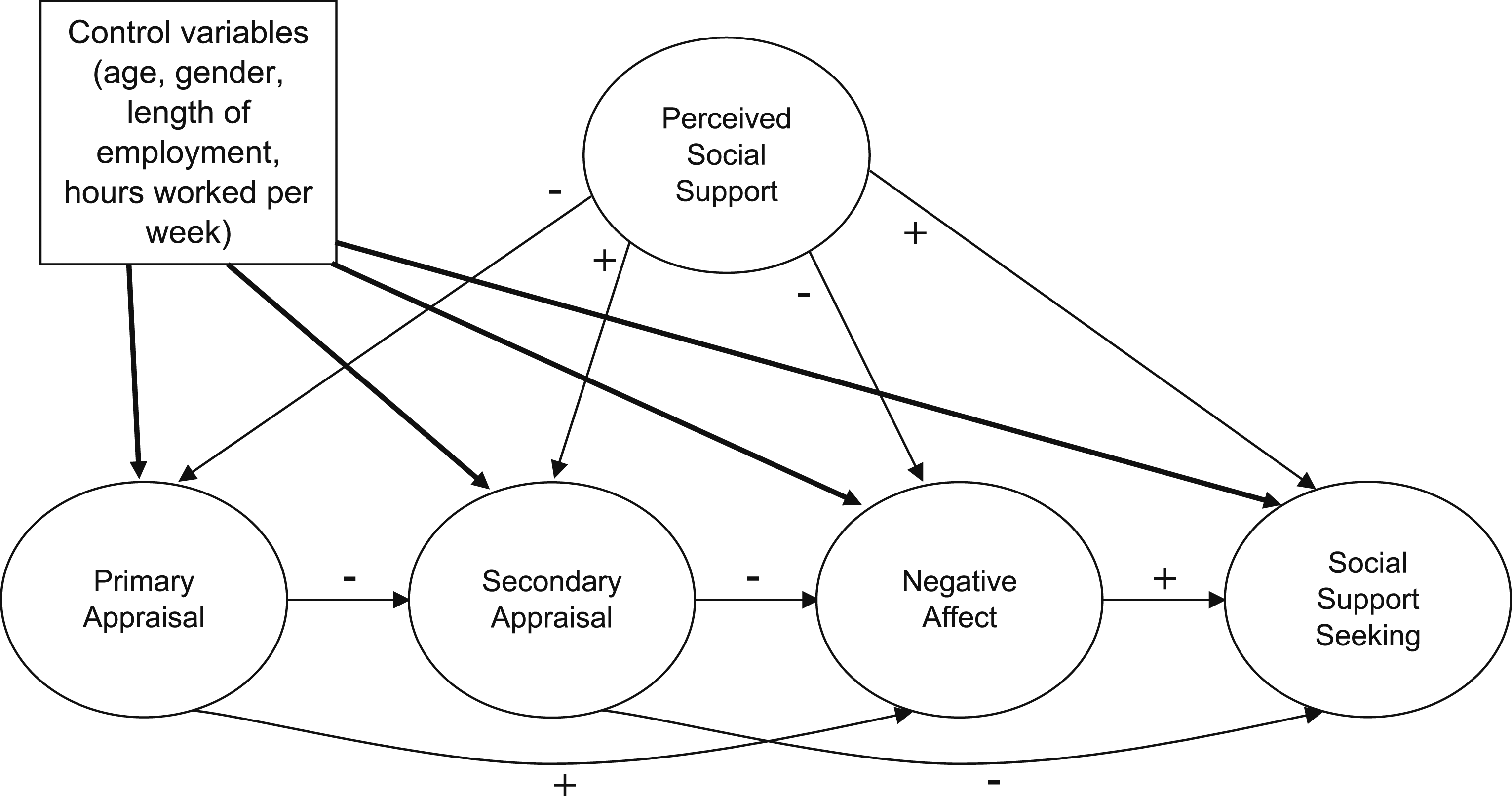
The hypotheses, which apply to both the highIND and highCOLL groups, were that:
PA would significantly and negatively influence SA.
PA would significantly and positively influence NA.
SA would significantly and negatively influence NA.
SA would significantly and negatively influence SSS.
NA would significantly and positively influence SSS.
PSS would significantly and positively influence SA and SSS, and significantly and negatively influence PA and NA. Although the literature suggests that certain differences may occur in the stress process between the highIND and highCOLL groups, we took an exploratory approach and refrained from including any specific hypotheses as to the differences, due to the lack of strong and consistent evidence for differences in stress experience or PSS’s influence on the stress process. Also, since our data is cross-sectional, our model does not include NA at Time 2 as in the original transactional model (see Figure 1). H1, H2, and H3 and were based on relationships between PA, SA, and NA found in research on the revised transactional model (Goh et al., 2010; Watson et al., 2011). According to transactional stress theory and findings, it is expected that participants who appraise their workplace stressor as more highly threatening (PA) will feel less control over the situation (SA), and experience higher stress (NA). In turn, participants who experience higher levels of NA are expected to engage in more SSS coping (H5). H5 is based on past research on the revised transactional model (Goh et al., 2010, 2012) which found that stress experiences impacted on the frequency/intensity of coping behaviours and that this relationship was in a positive direction. Goh et al. (2012) explain this is because an individual engages in more intense coping if they feel more distressed about a stressful situation. SSS can also be impacted by perceived control and the current study hypothesised this relationship to be in a negative direction (H4). This is because higher perceived control (SA) would theoretically lead to lower SSS since a worker who believes they can personally influence a situation would require less external help. The direction of this relationship has found support in correlations reported by Goh et al. (2022). H6 was formed based on several sources. Firstly, past research suggests that PSS may affect appraisals of a situation and the person’s own capability to deal with the situation, which would then reflect on their experiences of stress and subsequent coping (Bavik et al., 2020). For example, an individual’s belief that they have access to support from the people around them might lead to reduced appraisals of threat (PA) of the stressful situation (Bavik et al., 2020; Dewe et al., 2010). Alternatively, an individual’s perception of availability of support may enhance his/her sense of control over the stressful encounter, or their SA (Thoits, 2011). PSS may also influence NA directly and past studies suggest that this relationship is negative in direction, with higher social support predicting lower distress (Hudek-Knežević et al., 2002; Zimet et al., 1988). Finally, in past research PSS was found to predict help-seeking behaviour and willingness to seek help, with this relationship being in a positive direction in most studies (Dougall et al., 2001; Koydemir-Özden, 2010; Miville and Constantine, 2006; Nagai, 2015; Sheffield et al., 2004; Yalçın, 2016).
Method
Participants and procedure
The participants in this study were 824 workers between the ages of 18 and 60 (M = 35, SD = 11), from Singapore, China, Japan, Australia, and Hungary. Inclusion criteria were that participants be over the age of 18 and currently employed. Participants had been recruited through convenience sampling—in person and online—with the aid of research collaborators at universities in the involved countries. Online and pen-and-paper surveys were used, and both were identical. Research collaborators translated and back-translated the survey using the collaborative and iterative translation process developed by Douglas and Craig (2007).
To categorise participants into the highly individualistic (highIND) and highly collectivistic (highCOLL) groups, we first calculated scale scores for individualism and collectivism using the relevant items of the Schwartz Values Survey (see Measures section). Then, we subtracted participants’ individualism score from their collectivism score and found the average of this difference score. We removed participants who were within half a standard deviation of the mean. The remaining participants made up the two cultural groups, where the highIND group were the participants who had a negative difference score and highCOLL group those who had a positive score. We checked to ensure that participants whose individualism scale score was significantly higher than their collectivism score made up the highIND group (n = 424), and those whose collectivism score was significantly higher than their individualism score made up the highCOLL group (n = 400). The categorisation of participants based on their measured identification with individualism and collectivism addressed limitations of many past studies (e.g., O’Connor and Shimizu, 2002; Taylor et al., 2007) which assume the value/culture orientation of participants based on their nationality. The current study took the stance that not every individual from a certain country or culture will have the same degree of identification with the individualism-collectivism dimensions (Triandis, 2018). By using measured identification instead of nationality, we enabled a true comparison of the theoretical individualism/collectivism orientations.
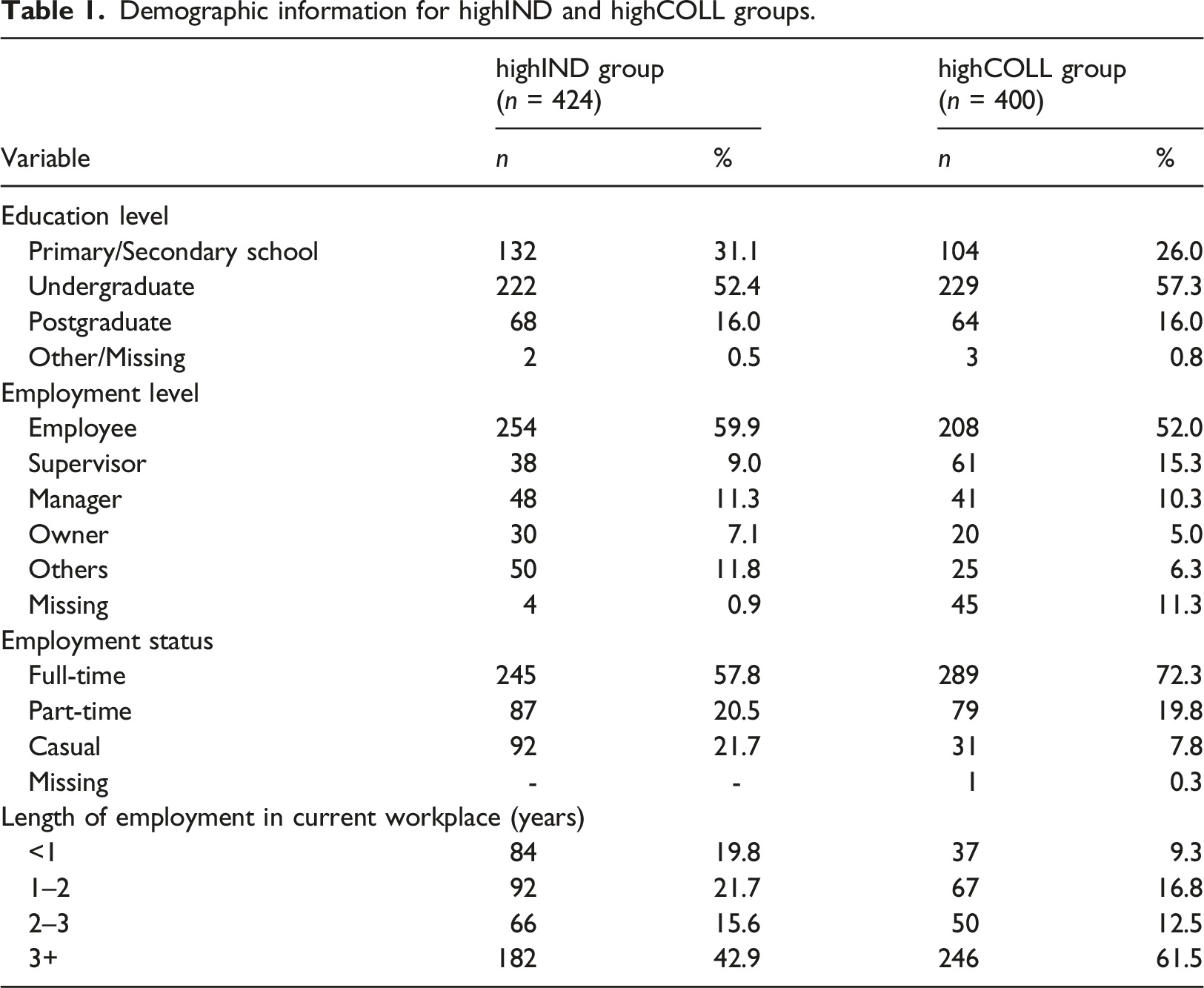
Demographic information for highIND and highCOLL groups.
Results for t test comparison of demographic variables between groups.
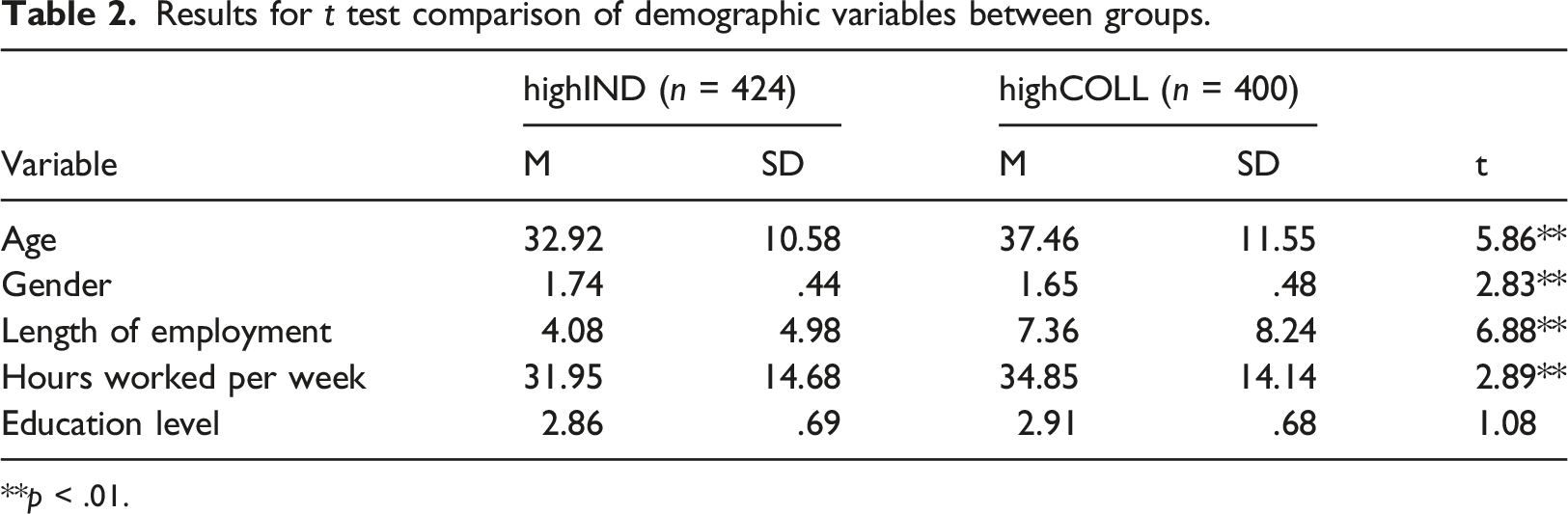
**p < .01.
Measures
Demographic information
Participants were asked to provide their age, gender, ethnicity, education level, employment status and level, length of employment and hours worked per week, among other variables not relevant to the current study.
Individualism/collectivism
Twenty-three items of the Schwartz Values Survey (Schwartz, 1992) were used to determine the extent to which participants identified with certain values, which were then used to form the individualism-collectivism dimensions (Schwartz, 1992). Collectivism was measured by the 15 items of the conservation subscale of the Schwartz Values Survey, and individualism was measured by eight items that were the affective and intellectual autonomy subscales combined. Participants were asked to indicate how important each value, such as “politeness” or “freedom,” was to them as a guiding principle in their life. Responses were given on a scale of −1 (opposed to my value) to 7 (of supreme importance). The value of zero was to indicate that the person found that value to be not important. In the current study individualism Cronbach’s α was 0.67 in highIND and 0.76 in highCOLL, and collectivism α was 0.76 in highIND and 0.85 in highCOLL.
PSS
To measure general PSS, we used the 16-item Multidimensional Scale of Perceived Social Support (MSPSS; Zimet et al., 1988). Participants indicated the extent to which they felt they had the support from each of these sources: family, friends, a special person, and colleagues. Responses to statements such as “I can count on my colleagues when things go wrong” and “I have friends with whom I can share my joys and sorrows” were given on a scale of 1–7, with 1 being very strongly disagree and 7 being very strongly agree. Higher total scores on the scale indicated higher general PSS. To reduce the complexity of our model, and since the original scale includes repetitive items, we reduced the number of items in this scale by selecting the two most theoretically relevant items out of each of the four subscales, and in doing so arrived at a revised eight-item version of this scale which we used for our analysis. The original MSPSS total score scale has shown good internal consistency in past studies (Cronbach’s alpha of .88; Zimet et al., 1988). Internal consistency for the current study’s revised scale was also good (highIND α = 0.86, highCOLL α = 0.92). The Cronbach’s alphas of each of the four subscales (sources of support) were all good for both groups (>0.80), though it must be noted that these are two-item subscales.
Stressful situation/event
Participants were asked to describe a recent situation/event at work that caused them to feel stressed and which would likely continue stressing them. A brief definition of stress was first given for clarification, and examples of potential situations were highlighted, such as heavy workload or confrontation with clients, colleagues, or management. Participants were asked to keep this stressor in mind as the remaining measurement scales were related to this identified stressor.
PA
PA was measured using a Primary Appraisal Scale consisting of eight items adapted from Folkman et al. (1986) by Dewe (1991). Five items formed the subscale of threat to personal achievement, and three items formed the subscale of difficult self. Sample items included “you feel you are being threatened” and “you feel that you will appear as an unsupportive person” and participants rated the extent to which each statement applied to the stressful situation they had identified earlier. Responses were given on a scale of 1 (not at all) to 5 (applies a great deal), with higher total scores on the scale indicating higher levels of perceived threat for that event or situation. The Cronbach’s α for these eight items ranged from 0.69 to 0.75 in past studies (Dewe, 1991; Goh et al., 2010, 2012). Internal consistency for the eight items was also good in the current study (highIND α = 0.84, highCOLL α = 0.85). The subscales also showed acceptable/good internal consistency (personal achievement subscale α was 0.77 in highIND and 0.75 in highCOLL; difficult self subscale α was 0.73 in highIND and 0.79 in highCOLL).
SA
The 35-item Multifaceted Control Scale (MCS; Troup and Dewe, 2002) was used to measure SA, which in the current study was the level of control participants felt they had over the stressful event or situation they had identified. Participants were asked to identify the extent to which they felt certain factors applied to them. For example, participants indicated on a scale of one (not at all) to five (applies a great deal) the degree to which they felt they were being informed about things in the workplace, or could choose when to start or complete a task. Higher total scores indicated higher levels of perceived control. The measure has shown adequate reliability with α of 0.69 and 0.73 in different past studies (Dewe, 1991; Goh et al., 2012). Due to the length of the original MCS, an EFA was used to reduce the number of items per subscale and the highest loading items on each of the three resulting factors were kept. The revised 13-item version of the measure was specified as a higher-order construct with three subscales: task control, predictability, and problem solving. Internal consistency for this revised scale was good (highIND α = 0.86, highCOLL α = 0.91), as were the values for the three subscales separately: task control subscale highIND α = 0.89, highCOLL α = 0.88; predictability revised subscale highIND α = 0.81, highCOLL α = 0.80; and problem solving subscale highIND α = 0.81, highCOLL α = 0.85.
NA
NA was measured using the 15 negative affectivity items of the Job-Related Affective Wellbeing Scale (JAWS) developed by Van Katwyk et al. (2000). The JAWS measures organisational well-being by asking participants to indicate how often they felt a certain emotion in response to a stressful event. Due to the length of the original scale, we reduced the number of items by only including items/emotions that were theoretically relevant to the context of our research. Examples of the negative affectivity items are “The stressful event made me feel anxious” and “The stressful event made me feel angry.” Responses to these statements were given on a scale of 1–5, with 1 being never and 5 being very often, so higher total scores indicated higher NA. The JAWS negative affectivity scale has shown good internal consistency in past research (α = 0.91 in Van Katwyk et al., 2000) and internal consistency for the six-item shortened scale was also good in the current study (highIND α = 0.83; highCOLL α = 0.83).
SSS
The 28-item Brief COPE (Coping Orientation to Problems Experienced scale; Carver, 1997) measures frequency of coping in response to a specific stressful event or situation, with participants indicating on a scale of 1 (I haven’t been doing this at all) to 4 (I’ve been doing this a lot) how much they have been using specific coping strategies. In the current study, the frequency of utilisation of SSS as a coping method was measured using four items consisting of the instrumental and emotional support seeking subscales. Example items are “I’ve been getting emotional support from others” and “I’ve been getting help and advice from other people.” Internal consistency coefficients have shown to be α = .71 and α = 0.64 for the emotional support and instrumental support subscales respectively (Carver, 1997). Internal consistency for the current study was good (highIND α = 0.89, highCOLL α = 0.84).
Results
Correlations, means and standard deviations of model variables.
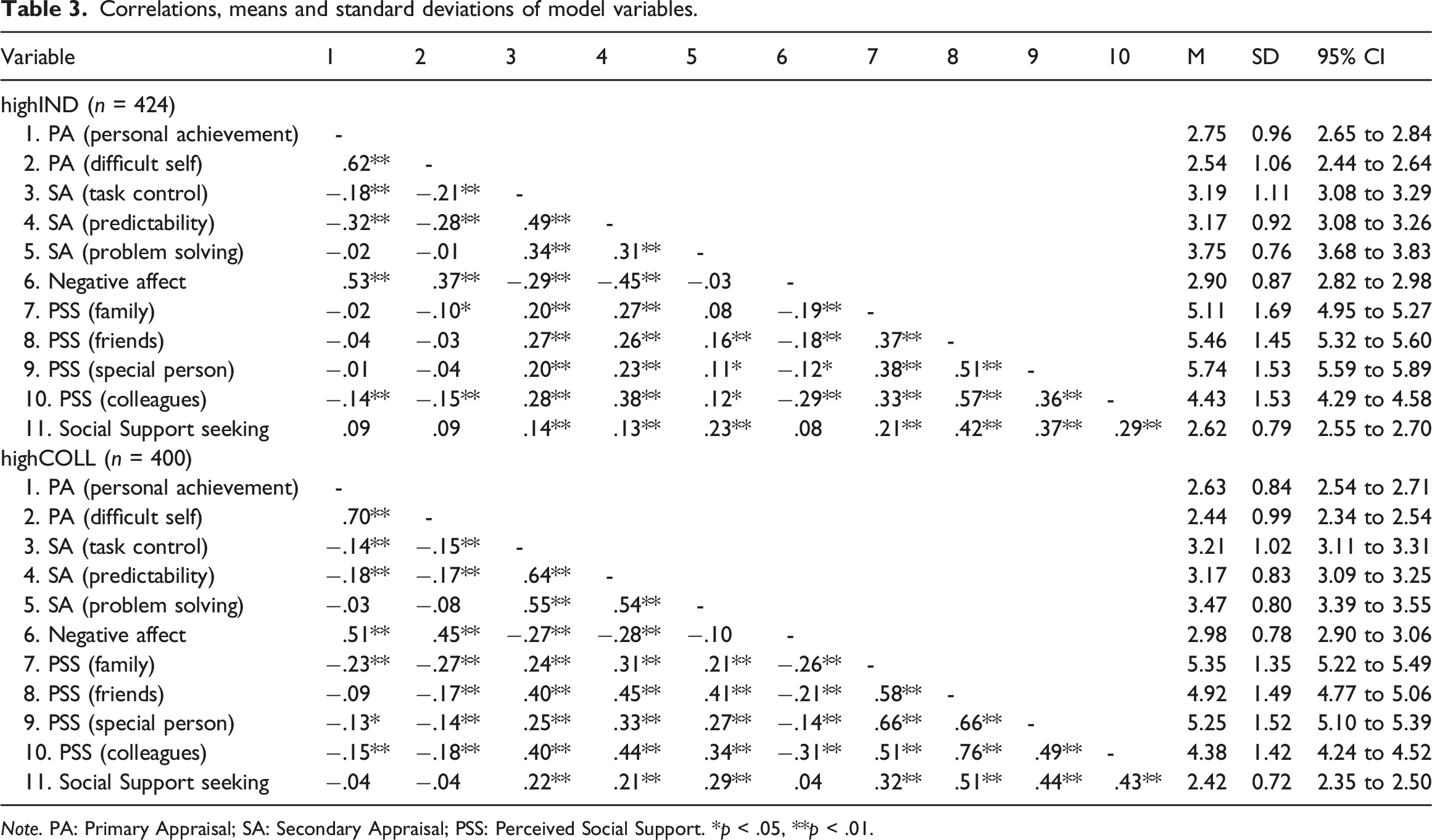
Note. PA: Primary Appraisal; SA: Secondary Appraisal; PSS: Perceived Social Support. *p < .05, **p < .01.
Results for t test comparison of model variables between groups.
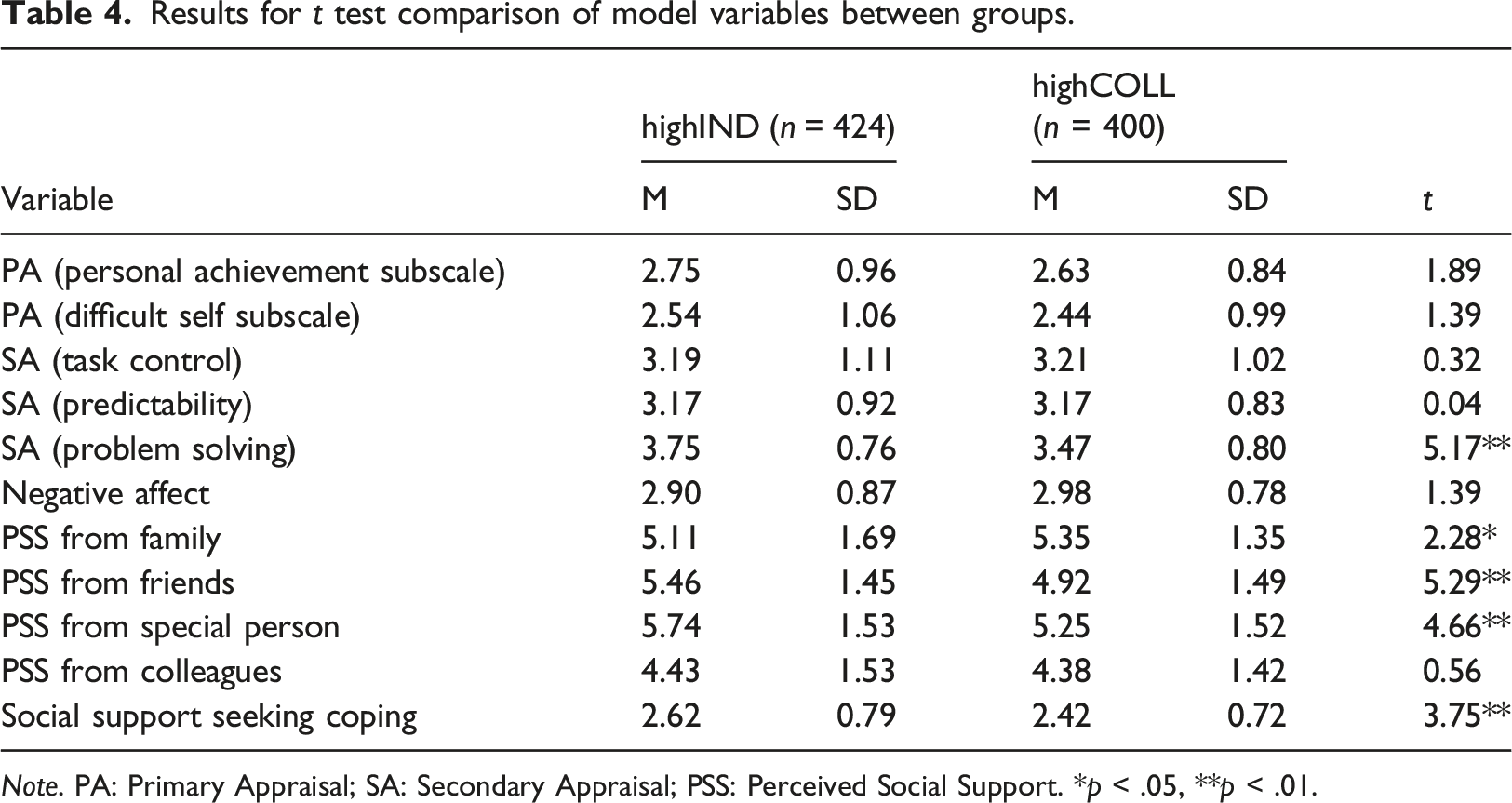
Note. PA: Primary Appraisal; SA: Secondary Appraisal; PSS: Perceived Social Support. *p < .05, **p < .01.
Structural equation modelling
Chi-squared model comparisons for testing of common method variance.
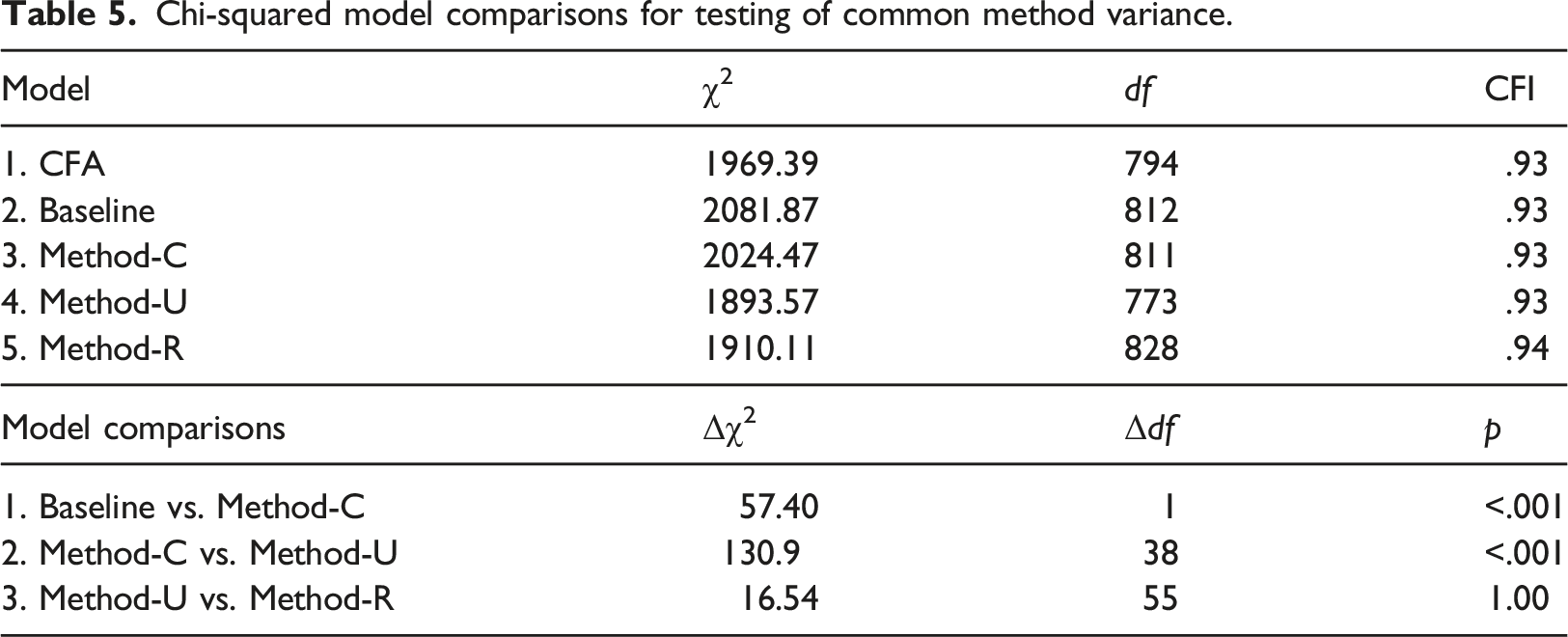
Multigroup analysis of model
Multigroup tests of the conceptual model were conducted on the highIND (n = 424) and highCOLL (n = 400) groups. The conceptual model was of adequate fit in the multigroup analysis: χ2(1640) = 3227.479, p < .001, CFI = 0.909, TLI = 0.900, RMSEA = 0.034[90% CI 0.033, 0.036]. We also ran the model separately for the two groups to see if the model fit, which it did in both the highIND (χ2(820) = 1549.380, p < .001, CFI = 0.917, TLI = 0.908, RMSEA = 0.046[90% CI 0.042, 0.049]) and highCOLL (χ2(820) = 1678.084, p < .001, CFI = 0.902, TLI = 0.892, RMSEA = 0.051[90% CI 0.048, 0.055]) groups.
Standardised coefficients of the paths between the model variables for the highIND group are presented in Figure 3. Furthermore, the four demographic control variables that were significantly different between the two groups (age, gender, length of employment, hours worked per week) significantly predicted some of the model variables at p < .05. Hours worked per week significantly predicted NA (0.11, standardised coefficient). Gender significantly predicted SA (−0.11). Age and length of employment did not significantly predict any of the model variables. The inclusion of these control variables in the model did not greatly affect the magnitude or significance of the model path coefficients when compared to the same analysis without them, which indicates that they do not influence the model in a way that would affect interpretation of results. Standardised path estimates (*p < .05; **p < .01) for highIND group model with non-significant paths removed (n = 424).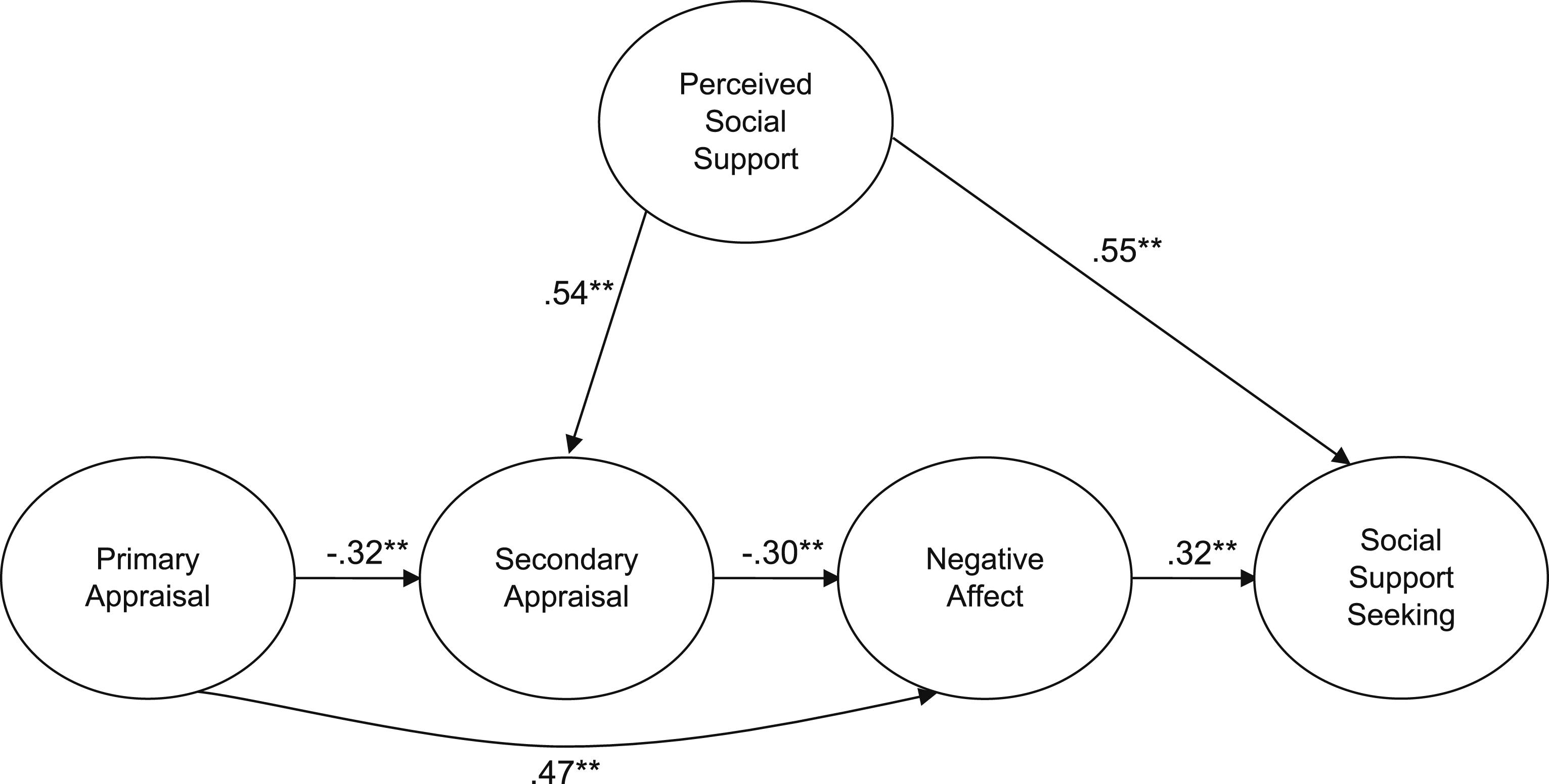
Standardised coefficients of the paths between the model variables for the highCOLL group are presented in Figure 4. The demographic control variables predicted some model variables significantly at p < .05. Age significantly predicted SSS (−0.16, standardised coefficient). Hours worked per week significantly predicted PA (0.11), SA (0.15), and SSS (−0.18). Length of employment significantly predicted PA (−0.15). Gender significantly predicted SSS (0.12). The inclusion of these control variables did not greatly affect the magnitude or significance of the transactional model paths when compared to the same analysis without them. The only exception to this was the structural path coefficient from PA to SA, which was non-significant in the analysis without demographic variables (−0.10, p = .060) and became significant in the analysis when the demographic variables were added (−0.11, p = .048). Standardised path estimates (*p < .05; **p < .01) for highCOLL group model with non-significant paths removed (n = 400).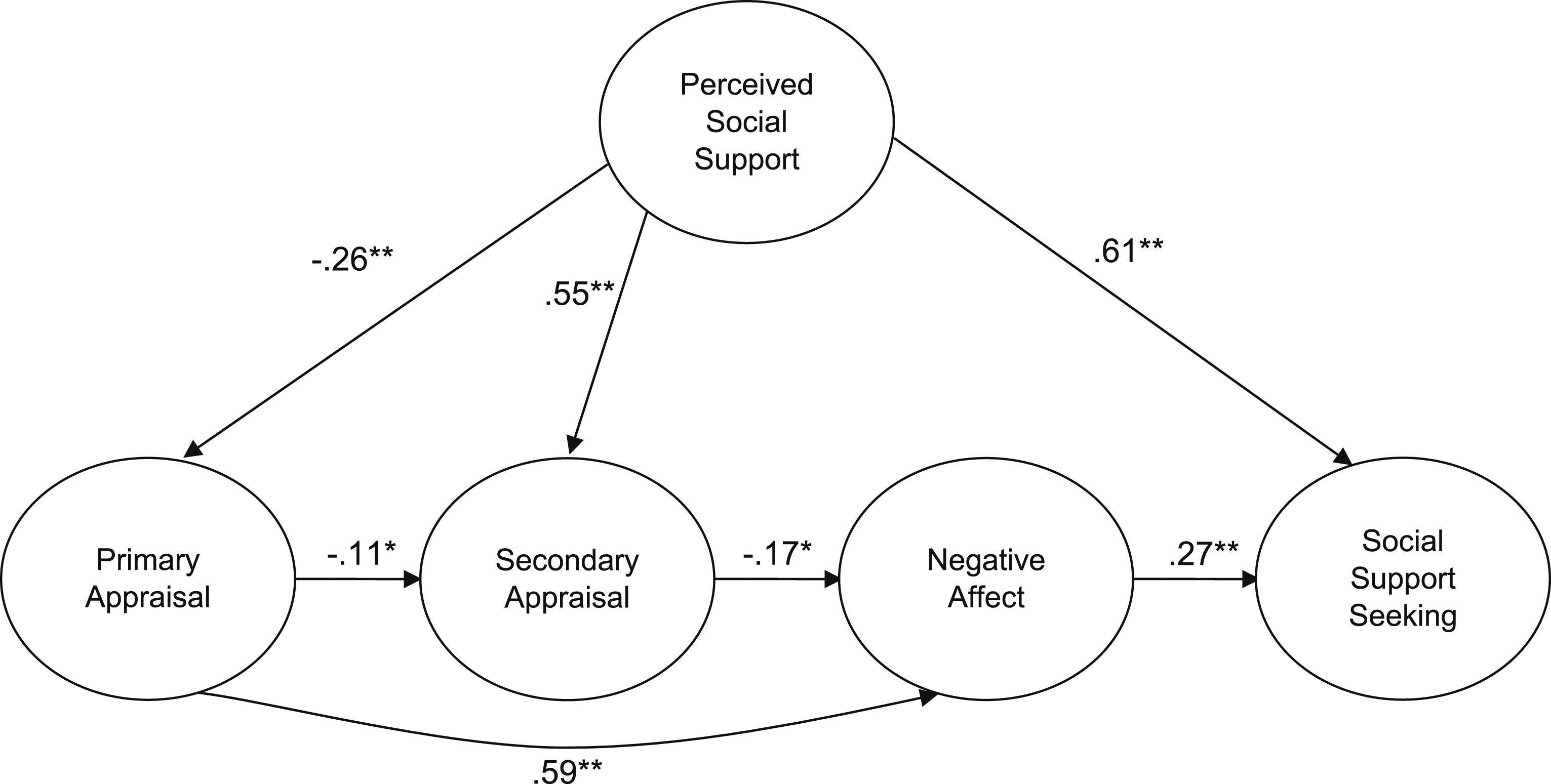
Discussion
This study had two aims: to determine how PSS impacted on the stress process leading to SSS in a sample of working adults, and to determine whether these findings would hold across two groups of highly individualistic and highly collectivistic workers.
Six hypotheses were tested:
H1: PA would significantly and negatively influence SA.
H2: PA would significantly and positively influence NA.
H3: SA would significantly and negatively influence NA.
H4: SA would significantly and negatively influence SSS.
H5: NA would significantly and positively influence SSS.
H6: PSS would significantly and positively influence SA and SSS, and significantly and negatively influence PA and NA. While hypotheses H1, H2, H3, and H5 were supported in both groups, H4 was not supported in either group. H6 was partially supported in both groups and highlighted some differences between the groups.
Common results across highIND and highCOLL group models
Supporting H1, both groups’ PA significantly and negatively influenced their SA, indicating that participants who perceived their reported stressful situation/event at work to be more threatening (higher PA) reported lower levels of perceived control (SA) over their stressful situation/event. This path, although significant in both groups, had a difference in coefficient of 0.21 between the highIND and highCOLL groups. To test if this path was significantly different between the groups, we constrained it to be equal in the multigroup analysis and used a chi-square difference test to assess whether this resulted in significant worsening in model fit. This test indicated that this path was not significantly different between the two groups at p < .05. Supporting H2, both groups’ PA significantly and positively influenced NA, indicating that participants who perceived their reported stressful situation/event at work to be more threatening reported higher levels of emotional distress (measured by NA). Supporting H3, both groups’ SA significantly and negatively influenced NA, indicating that participants who perceived higher levels of perceived control over their stressful situation/event reported lower levels of distress. Supporting H5, both groups’ NA significantly and positively influenced SSS, indicating that those who experienced more distress sought more support. In general, the above findings were consistent with Goh et al. (2010) and Watson et al.’s (2011) studies of the revised transactional model. This path supports Goh et al. (2012) explanation that individuals engage in more intense coping if they feel more distressed about a stressful situation.
H4 was not supported in either group, since there was no direct effect from SA to SSS. Although our initial hypothesis was that higher perceived control over a stressful situation would result in lower support seeking due to participants’ belief in reduced need for external help, it is possible that the influence of personal control (SA) works to reduce SSS indirectly rather than directly. That is, participants’ perceived levels of SA influences their levels of NA, which then influences SSS. This argument is supported in tests of this specific indirect path, which was significant (p < .05) in both the highIND and highCOLL groups (standardised coefficient highIND = −0.10, highCOLL = −0.05).
H6 was partially supported in both groups. Regarding the common findings, both groups’ PSS significantly and positively predicted both SA and SSS. This suggests that—regardless of cultural value orientation—workers who perceived higher social support from their colleagues, family and friends experienced a higher perceived level of control over their stressful situation or event. Furthermore, higher PSS directly predicted an increased frequency/intensity of SSS coping behaviours in all workers. Support for the positive direction of this relationship is available in past research such as Nagai (2015) and Sheffield et al. (2004). This direct path from PSS to SSS could be explained as participants seeing others as prepared to lend support, making it more likely for them to seek it. Further research is needed to provide a comprehensive understanding of other variables that may be involved in this direct relationship between PSS and SSS. Furthermore, the models show that PSS’s influence on SSS behaviours occurred not just directly but also indirectly, by impacting perceived control (shown by the path from PSS to SA) which eventually led to increased SSS behaviours. The specific indirect effect of PSS on SSS through SA and NA was significant (p < .05) in both groups, although the standardised coefficients were rather small (highIND = −0.05, highCOLL = −0.02). Also, it must be noted that interpretation of the strength/direction of the coefficient for the indirect effect may be hindered by the conflicting strengths/directions of influence that lie within this indirect path.
Though not part of the hypotheses, to further investigate cross-cultural differences between the highIND and highCOLL groups, the structural path coefficients were individually constrained to be equal and chi-square difference tests were performed to see if that particular path was significantly different between the groups. This analysis tested the argument in past research that the effect of perceived support may be weaker for individualistic than collectivistic participants (Park et al., 2012; Uchida et al., 2008). Although the paths from PSS to most model variables (PA, SA, SSS) were stronger in the highCOLL group, they were not found to be significantly different between the groups at p < .05. The same analysis was also carried out for the other structural path coefficients, with the same non-significant result.
Results not consistent across highIND and highCOLL group models
The results for H6 highlighted some differences between the two groups. The first difference was that, in the highCOLL group, PSS significantly and negatively predicted PA, while this relationship was not significant in the highIND group. These results indicate that, for highly collectivistic workers, the support given to these workers by their colleagues, family and friends may act to decrease how threatening they view their stressor to be, which according to the transactional model of stress would then beneficially influence the stress process. Whereas, for highly individualistic workers, the support given to these workers by their colleagues, family and friends does not influence how threatening they view their stressor to be. This is an interesting difference, which may indicate that PSS is more important to highly collectivistic workers when it comes to initial analysis of the threat of a stressful situation/event.
Also, although there was no significant direct effect of PSS on NA in either group, in tests of indirect effect, PSS’s total indirect influence on NA was significant (p < .05) for both groups with standardised coefficients of −0.23 (highIND) and −0.25 (highCOLL). This indicates that perceived support does (indirectly) influence emotional distress for both groups of employees. However, when the specific indirect effects were tested, nuances became apparent regarding the exact influence of perceived support on distress. For the highIND group, the only significant influence of PSS on NA was through SA (standardised coefficient −.17, p < .05). However, for the highCOLL group, PSS’s influence on NA occurred through both PA (standardised coefficient = −.15) and SA (−0.09), with both paths significant at p < .05. These results indicate that for individualistic employees, perceived support acts to reduce stress by increasing employees’ perceived levels of control over their stressful situation. On the other hand, for collectivistic participants, perceived support had a more multifaceted effect on distress, through decreasing employees’ appraisals of the threat of their stressful situation as well as increasing their perceived control.
Another difference between the cultural groups was indicated by the t-tests that were conducted comparing levels of the model variables between the groups. Past research has claimed that people from different cultures differ regarding their likelihood to seek social support, or the importance they place on perceived support (Bamberger, 2009; Goh et al., 2022; Kim et al., 2006). The current study found that, indeed, support seeking and some kinds of perceived support were different between the highIND/highCOLL groups. The highIND group indicated significantly greater levels of PSS from friends, PSS from a special person, and SSS. The highCOLL group indicated significantly greater levels of PSS from family. The highIND group also indicated higher PSS from colleagues, but this t test was not statistically significant at p < .05. These findings are mostly consistent with explanations in the literature that collectivistic people may use social support systems/seek support less than individualistic people (Kim et al., 2006; Taylor et al., 2004; Wang et al., 2010). When we consulted the indirect effects to more deeply understand the relationship between PSS and SSS, the total indirect influence of PSS on SSS was not significant for either group (p < .05). Therefore, it is likely that PSS influences SSS through its influence on reducing NA. The significant direct effect of PSS on SSS also indicates that PSS may influence SSS through other variables not included in the current study.
Limitations
One limitation of this study is the cross-sectional nature of the data. However, by establishing models that explain the influence of PSS on appraisals and subsequent SSS coping, this study provides future studies with a blueprint for longitudinal analyses of these variables’ inter-relationships. Another limitation is that these results can only be generalised to occupational contexts, as the models apply to work stress and need to be tested in other contexts (e.g., for non-work stressors). Further research is also required to test the model’s structural integrity across different groups of individuals (e.g. across gender, different age groups, specific occupations or organisational size). Finally, this study is limited by the use of survey data to measure the variables—future research could use real-time measurements of stress/well-being such as measures of blood pressure and heart-beat to augment the collected data.
Implications and conclusion
To the authors’ knowledge, this is the first study that uses the transactional theory of stress and coping to examine the processes through which perceived support influences support seeking. The highIND and highCOLL group models have elucidated the processes through which perceived support impacts on appraisals and experiences of distress (NA) which in turn influence support-seeking coping. The conceptual model tested has demonstrated robustness across individualistic and collectivistic groups, with most pathways consistent in both cultural groups. Hence, the resulting models could guide future research into the impact of perceived support on employees’ stress appraisal and coping responses. The influence of perceived support on increasing employees’ perceived control over their stressful situation suggests that a focus on increasing perceived support could be helpful in organisational stress reduction interventions, particularly in situations where an increased perception of control may be effective in reducing stress. Training programs that foster collaboration and mutual support-seeking amongst employees will lead to increased perceptions of support. Increased support may then result in reduced emotional distress in employees through its beneficial influence on employees’ appraisals of their stressor (as indicated by the results of this study).
This study is also the first to directly compare models of the influence of perceived support on the stress and coping process across the individualistic and collectivistic cultural orientations. Although the models fit both cultural groups well, indicating a similar process overall, the study findings have highlighted key nuances in the way highly individualistic and highly collectivistic employees experience stressful situations and engage in support-seeking behaviours to combat work stress. Specifically, the results suggested that perceived support plays an important role in decreasing threat-appraisals for highly collectivistic employees, whereas this effect is not present for highly individualistic employees. This indicates that, in a workplace with highly individualistic employees, if the aim is to reduce employees’ threat appraisals of their stressful situation, increasing the support provided to employees may not be entirely beneficial.
With future research on the similarities and differences in stress and coping experiences of different cultural groups, a more comprehensive and culturally sensitive perspective on organisational stress and coping may be achieved. We hope that this may guide the development of more successful stress-reduction interventions.
Footnotes
Acknowledgements
We gratefully note the contribution of Zsuzsa Nyolczas (Department of Ergonomics and Psychology, Budapest University of Technology and Economics) to the collation and management of dataset from various nations as well as translation of scale responses.
Declaration of conflicting interests
The author(s) declared no potential conflicts of interest with respect to the research, authorship, and/or publication of this article.
Funding
The author(s) received no financial support for the research, authorship, and/or publication of this article.
