




Abstract
Gastronomy has become a distinctive tourism product with the potential of contributing to visitors’ engaged immersion in destinations. Few studies have reflected on visitors’ perceptions of participation in food tour experiences, and research on co-creation in food tours is even more scarce. This study analyses co-creative tourism experience dimensions, previously identified in the literature, through a passive netnography, involving 658 online tourist reviews on TripAdvisor of a food tour experience in Lisbon, to understand how value was co-created by comparing the perceptions of visitors and the service provider. Interview-based data were subject to content analysis. Results showed that “aesthetics/sense,” “feel,” “thinking/education,” “relate,” and “personalization” were the most reported dimensions in tourists’ discourse, which was confirmed by the service provider. The present study provides insights to destination management organizations, marketers and entrepreneurs in creating opportunities for and designing appealing co-creative food experiences.
Introduction
Food consumption is central to the tourism experience and often presents a distinctive destination product (Antón et al., 2019; Okumus et al., 2021; Seyitoğlu, 2021), contributing to destinations’ appeal and competitiveness (Antón et al., 2019). Tourists show interest in exploring a destination through food and beverage experiences, as they come into contact with cultural and historical features when experiencing local gastronomy (Antón et al., 2019; Seyitoğlu, 2020). Additionally, food-related experiences increasingly attract tourists’ investment in time and travel expenses (Kivela and Crotts, 2006), which should be perceived as a strategic opportunity for destinations.
Within the scope of food-related experiences, food tours emerge as an attractive offer (Ko et al., 2018). These experiences foster immersion in local culture and connection to typical gastronomy, facilitating tourists’ exploration of local eateries and close contact with local communities, since these places are frequently visited by residents, where specific cultural features stand out (Kaushal and Yadav, 2021; Ko et al., 2018). Furthermore, empirical evidence shows that food tours enhance positive memories and involvement, also contributing to tourists’ increased revisit intention (Ko et al., 2018; Seyitoğlu, 2021). Indeed, tourists seek authentic and engaging experiences in destinations, desiring an active role and immersion in local culture, which is in line with the principles of co-creation. This suggests that interaction and active participation of all stakeholders foster satisfaction and experience memorability (Binkhorst and Den Dekker, 2009; Campos et al., 2018). Furthermore, the importance of value-creation in memorable tourism experiences is increasingly recognized (Sthapit et al., 2019; Zátori, 2016).
Empirical studies focusing on food tours as an integrative cultural place experience are scarce and, to the best of our knowledge, experience co-creation in food tours has not yet been explored. Considering the relevance and timeliness of the topic within tourism research (Okumus, 2021), this study seeks evidence of co-creative tourism experience dimensions in this scope, namely in a food tour experience in the capital of Portugal, Lisbon, through tourists’ online reviews on TripAdvisor. The study also aims to understand how value is co-created in this food tour experience by comparing the perceptions of visitors to those of the service provider, to whom a structured interview was applied. The following research questions led the research: (i) What co-creation experience dimensions emerge from tourists’ online reviews of the Lisbon food tours experience?, (ii) Based on tourists’ online reviews, how is value co-created in this experience?, (iii) How is co-creation applied in the design of these food tour experiences?, and (iv) What strategies are sought to address the post-Covid-19 era?
This paper firstly presents a literature review of food tourism, food tours and co-creation experiences, followed by details on the methodology and study results, aiming to provide answers to the research questions. The paper concludes with a discussion of the main contributions of this study, both to theory and tourism management, not forgetting some limitations and avenues for future research.
Literature review
Food tourism experiences and the emergence of food tours
Food tourism has consolidated its research within tourism studies in the last two decades (Okumus, 2021). According to the UNWTO (2012: 7), gastronomic tourism “applies to tourists and visitors who plan their trips partially or totally in order to taste the cuisine of the place or to carry out activities related to gastronomy.” Food tourism adds significant value to destinations, as a unique feature with powerful attracting visitors who seek distinctive, food-based quality experiences while traveling (Di-Clemente et al., 2020; Henderson, 2009; Quan and Wang, 2004).
According to the World Food Travel Association (Stone et al., 2020), 53% of tourists who travel for leisure purposes are also motivated by food, with benefits resulting from food tourism being estimated at 25% for local destination economies. Furthermore, foreign tourists spend 30–40% of their budget on food (Choe and Kim, 2019). In social, pleasurable, and entertaining contexts (Correia et al., 2020; Henderson, 2009), gastronomy is increasingly assuming a central role in the overall tourist experience. Here, visitors may not only enjoy the taste of local delicacies but also learn about and feel embedded in particular cultural contexts and lifestyles, where social interaction with the local community and supply agents is appreciated (Antón et al., 2019; Carvalho et al., 2021a; Correia et al., 2020; Di-Clemente et al., 2020; Richards, 2021). According to Quan and Wang (2004), food consumption may even represent unique, highly memorable “peak experiences.”
The multisensorial trait of food tourism is of extreme value to tourists’ engagement and memorable experiences (Bezzola and Lugosi, 2018; Kaushal and Yadav, 2021; Quan and Wang, 2004; Schmitt, 1999; Widjaja et al., 2020), enriched by distinct and varied flavors, smells and textures (Antón et al., 2019). The food experience goes beyond tasting, also comprising the experience setting and tourists’ subjective experience. According to Schmitt’s marketing perspective, the consumer experience should involve sensory (“sense”), cognitive (“think”), behavioral (“act”), affective (“feel”), and social-identity dimensions (“relate”) (Schmitt, 1999), which seem all present, with diverse degrees of intensity, in food tourism experiences. Analyzing tourists’ gastronomic experience in Rovaniemi, Sthapit (2019) noted the importance of local food in visitors’ memories, also contributing to positive emotions, like joy and interest in getting to know local culture.
Food tourism experiences are promoted in diverse destination contexts. Food tours are thematic experiences that combine history and traditions with gastronomy and allow tourists to get in-depth knowledge of a destination and its features (local ingredients and dishes representative of local culture) as well as of culinary techniques and eating habits, in a personal and interactive way (Ko et al., 2018; Seyitoğlu, 2020). Although tourism demand for these food-related experiences is increasing, there is little empirical evidence regarding the nature and dynamics of food tour experiences (Di-Clemente et al., 2020; Kaushal and Yadav, 2021; Ko et al., 2018; Seyitoğlu, 2020, 2021). Recognizing a lack of consensus regarding a definition of “food tour,” Ko et al. (2018: 835) define it as “a tourism product prepared by an agency in which the participants experience the destination’s culture and heritage through the local food culture and dining customs.” These tours trigger experiences perceived as authentic through visiting eateries and pubs, attended by the local community, and allowing visitors to explore local features and lifestyles through food (Ko et al., 2018). In addition, these experiences are usually “off the beaten track” and invite visitors to share a meal in typical and genuine places that represent local identity, promoting deeper, meaningful and immersive food experiences (Kastenholz et al., 2023; Kaushal and Yadav, 2021).
Tourism co-creation experiences
The tourism experience literature emerged in the late 1990s with the perspective of Pine and Gilmore (1998), who suggested experience economy as the new paradigm of value creation, based on the assumption that more than possessions, experiences are central to consumers’ needs and preferences today, moving beyond the consumption of goods and services. Besides, personal interaction and emotional, intellectual, physical or spiritual engagement are crucial to unique experiences leading to memorability (Pine and Gilmore, 1998). They also suggest that experiences comprise one or more of four realms, namely “entertainment,” “education,” “aesthetics” and “escapism,” defined by a combination of a more active or passive pursuit with a more immersive versus absorbing experience tone.
In the tourism experience, tourists desire to be co-producers of their own experiences while interacting with service providers, leading to subjective value-creation (Binkhorst and Den Dekker, 2009; Minkiewicz et al., 2014; Pine and Gilmore, 1998; Zátori, 2016). The concept of co-creation emerges as a result, in which Minkiewicz et al. (2014) distinguish co-production, personalization and engagement as key co-creation experience dimensions. For the tourism experience, Campos et al. (2018: 23) suggest that co-creation refers to “the sum of psychological events a tourist goes through when contributing actively through physical and/or mental participation in activities and interacting with other subjects in the experience environment.”
The present study adopts the perspectives of Minkiewicz et al. (2014) and Campos et al. (2018), based on which engagement with human and physical environments is recognized as crucial to the tourism experience. A deeper understanding of this more active role tourists desire helps design more appealing co-creative experience opportunities. In fact, corroborating previous studies, tourists physical, intellectual, and emotional participation (Campos et al., 2018; Minkiewicz et al., 2014) contributes to immersive, appealing and memorable experiences (Binkhorst and Den Dekker, 2009; Campos et al., 2018; Prebensen et al., 2013). Moreover, tourists’ interaction with the human and physical environment fosters subjective value-creation and contributes to their involvement with local culture, which seems to be increasingly valued. Rachão et al. (2020) highlight the importance of tourists’ active role in food experiences as well as the setting in which they occur, facilitating the co-creation process. Resulting from an integrative literature review on co-creation experiences in food and wine tourism, Carvalho et al. (2021b) present a model regarding the most representative dimensions in this field, namely interaction (visitors’ human and physical environment), active participation (visitors’ physical and psychological participation), engagement (visitors’ cognitive and emotional involvement) and personalization (customized experiences according to visitor needs), all of which may contribute to promoting tourist satisfaction, learning, memorability and loyalty .
Despite its potential, experience co-creation in food tourism seems to be underexplored in academia (Okumus, 2021; Rachão et al., 2020), particularly in the case of food tours. As pointed out in previous studies, co-creation experiences should comprise tourists’ participation and be interactive, engaged and personalized, allowing subjective, personally meaningful value creation (Carvalho et al., 2021a, 2021b; Di-Clemente et al., 2020; Minkiewicz et al., 2014; Sthapit et al., 2019).
For the purpose of this study, and based on the experience perspectives suggested by Pine and Gilmore (1998), Schmitt (1999) and Minkiewicz et al. (2014), eight dimensions of co-creative food tourism experiences are used in the systematic content analysis, due to their thematic relevance and complementary nature. The eight dimensions are “sense/aesthetics,” “think/learning,” “entertainment,” “feel,” “personalization,” “act/co-production,” “relate” and “escape/ engagement.”
The empirical study
Study context
Food represents a core attraction in destinations. An example of such tourist experiences is Taste of Lisboa Food Tours, offered by a Portuguese company that aims to place value on local lifestyle, food, history and culture through food experiences. These take place in historical neighborhoods, including non-touristic spots, representative of local lifestyle, and encounters with locals. This company offers different food experiences, including three-and-a-half-hour food tours, which promote “a unique, immersive and authentic experience of fascinating Lisbon” (Taste of Lisboa Food Tours, 2021). This study analyses visitors’ discourses regarding these food tour experiences as well as the tour organizer’s view of this experience provision.
Methods
This exploratory study embraces a qualitative approach via interviews, allowing an in-depth understanding of co-creative food tour experiences, by combining the perceptions of visitors, through a passive netnography, with those of the service provider, namely the founder of Taste of Lisboa Food Tours. Creswell (2012) states that studies which promote in-depth analysis of people’s perceptions, opinions, motivations and attitudes lead to a more comprehensive and detailed knowledge of the studied topics. Additionally, Carvalho et al. (2021b) report that within the existing studies on co-creation and food and wine experiences, the quantitative approach dominates over the qualitative. This study therefore contributes to filling this gap.
Being a contemporary research technique within the ambit of ethnography, netnography was chosen to capture tourists’ authentic and voluntary contribution regarding their post-visit experience. According to Kozinets (2002: 62), netnography may be defined as the use of “information that is publicly available in online forums to identify and understand the needs and decision influences of relevant online consumer groups.” Netnography allows a more thorough analysis of shared online content and is less intrusive than other techniques, like interviews or focus groups (Kozinets, 2002; Mkono, 2011). Indeed, consumers spend more time online, sharing perspectives that provide clues on their preferences, needs and behavior. Currently, part of the pre-, on-site and post-experience stages are likely to occur online, since consumers tend to use information and communication technologies (ICT) for searching, planning, booking and sharing several aspects of their holidays (Kozinets, 2002; Mkono, 2011), while thereby influencing other tourists. In this study, passive netnography was adopted, which implies non-participant observation, considering the downloaded content of tourists’ reviews asynchronously. Passive netnography has been adopted in many tourism studies, namely for analyzing the perceived risk of travel (Björk and Kauppinen-Räisänen, 2012), the exploration of tourists’ memorable hotel experiences (Sthapit, 2018), and the study of experiences shared online regarding peer-to-peer accommodation and their impact on perceived authenticity, place attachment and loyalty (Souza et al., 2020). The present study presents a qualitative analysis of tourists’ narratives available in an online community. Additionally, the perspective of the service provider was assessed through a structured interview.
Data collection and analysis
This study embraces primary and secondary data, more specifically the perspective of the service provider and visitor reviews. The visitors’ discourses were taken from TripAdvisor, an online platform with over 800 million reviews, presenting a high search rate from visitors, and a large variety of worldwide tourism services (e.g. restaurants, accommodation, activities) and experiences (UNWTO, 2017). Taste of Lisboa Food Tours was selected due to the large number of visitor reviews displayed. Reviews were selected based on language and time period, that is, all English and Portuguese reviews from the beginning of this gastro-cultural experience (April 2014) until June 2017 were considered, without translation. Tourists’ discourses were downloaded and listed on an Excel spreadsheet, facilitating the manual coding process. A total of 658 reviews were analyzed.
Content analysis was based on thematic categorization, according to the experience dimensions previously identified in the literature. Based on the above-mentioned models of Pine and Gilmore (1998), Schmitt (1999), and Minkiewicz et al. (2014), the corpora of analysis were grouped according to their content falling into the experience dimensions “aesthetics/sense,” “think/education,” “act/co-production” and “escape/engagement.” The dimensions “feel,” “relate,” “personalization” and “entertainment” were considered individually. Additionally, “loyalty,” as a potential experience outcome, and “authenticity,” an experience qualifier emerging from visitors’ discourses, were also coded.
To account for the trustworthiness of the coding process, two independent researchers were involved to ensure objectivity in data analysis and reliability of coding, as recommended in the literature (Kozinets, 2002; Krippendorff, 2004). Specifically, three steps were considered, as recommended by Kozinets (2002). First, two authors of this study worked together to code 30 reviews from 2014 in order to establish uniformity of the coding process. This was important to clarify doubts about the pertinence of integrating some discourses into particular dimensions within the given context. The remaining reviews were coded by each author individually. Lastly, the individual codifications were compared, differences discussed, so that a final consensus was attained, with the coders’ rate of agreement achieving 97%. The rate of agreement was calculated according to the following formula (Jones, 1996):

Apart from this approach, a structured interview (via zoom platform) using open-ended questions was held with the founder of Taste of Lisboa Food Tours in July 2021, in order to understand: (i) how co-creation dimensions, previously identified in the literature, are considered in the design of the food tour experience and how they contribute to value-creation; (ii) what has changed in terms of experience design and the visitors’ experience after the Covid-19 pandemic; and (iii) what future strategies are planned to address visitors’ needs.
The interview, lasting 55 minutes, was recorded with the tour operator’s permission. It was transcribed and content analysis was carried out, mainly focusing on experience dimensions, later permitting comparison with netnography results. The five questions of the interview addressed aspects related to the implementation of co-creation in food tours, especially “active participation,” “interaction,” “engagement” and “personalization,” identified in the conceptual model of Carvalho et al. (2021b), corresponding to a synthesis of the dimensions “act/co-production,” “relate,” “escape/engagement,” and “personalization” (Minkiewicz et al., 2014; Pine and Gilmore, 1998; Schmitt, 1999).
Findings
Research sample
Based on the available criteria, country of origin and gender, the online sample comprised 15% (101) men and 32% women (214), with data missing for the remaining reviewers. Countries of origin were diverse, with a predominance of the USA (14.8%), United Kingdom (7.3%), Portugal (5.5%), Germany (4%), Canada (4%), and Australia (3%). The number of reviews by tourists from the Netherlands, Switzerland, Ireland, Denmark, Belgium, Spain, Sweden, Brazil and Italy are residual in this sample, while 48.4% did not mention their origin.
The tour provider interviewed is the founder of Taste of Lisboa Food Tours, who is a local host interested in providing a distinct gastro-cultural experience to Lisbon visitors. This tour operator considers that instead of tour guides, she and her co-workers are hosts in their home city, delivering a high-quality experience where history, cultural features and storytelling are explored together with local food and wine. This tour operator defines the profile of the customer they receive as a critical, knowledgeable and curious traveler, who may also be a “gastronomic explorer.”
Dimensions highlighted in visitors’ discourse
As mentioned, the categories for experience dimensions (see Table 1) were based on the literature review.
Definition of the pre-established categories for analyzing visitor reviews.
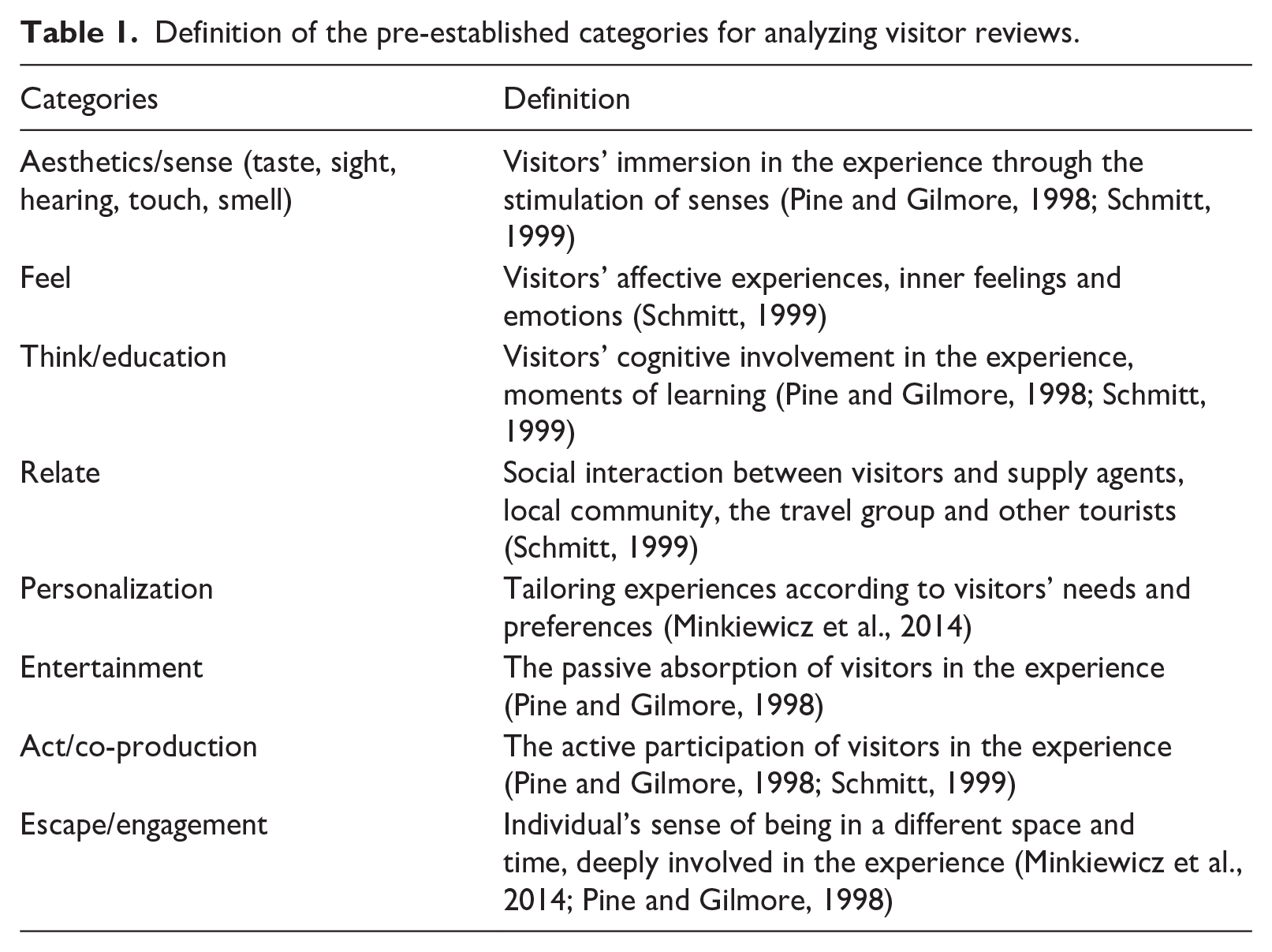
Table 2 provides an overall perspective of the representativeness of the co-creation experience dimensions in tourist reviews, indicating the number of references identified in the sample as well as corresponding percentages. Besides this, categories related to dimension “authenticity” and the outcome “loyalty”—recommendation and revisit intention—emerged from the corpus of analysis and were also included in Table 2. A detailed analysis of this data is presented in the following subsections.
References to experience dimensions and outcomes in tourist reviews.
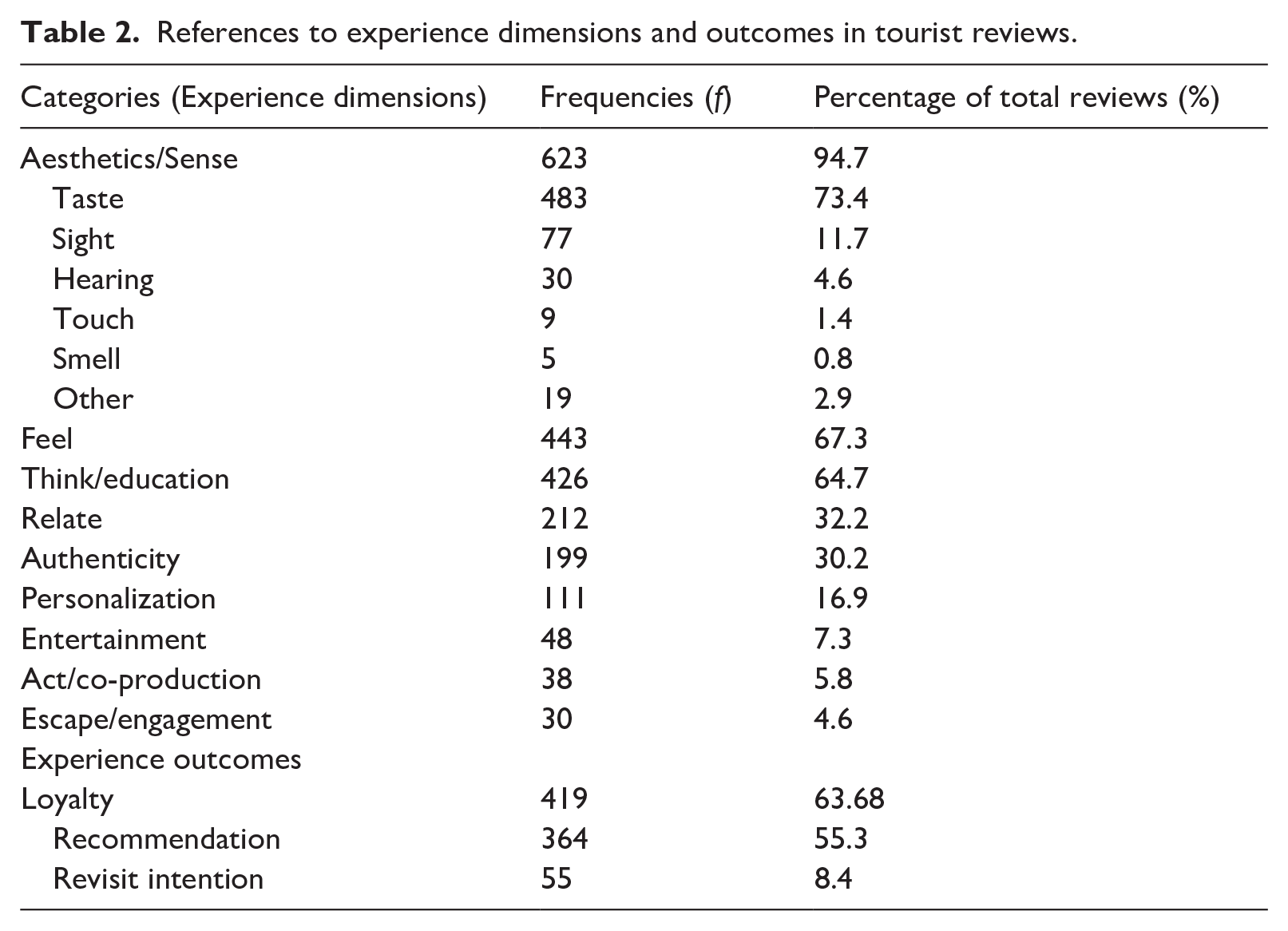
Sensorial experience
Visitors seem, above all, to appreciate the multisensory environments they experienced on the food tours. The high food quality—for example, “all food was extremely fresh”—and its tastiness—for example, “delicious tastes of Portuguese food”—was frequently praised, as was the variety of local dishes: “The food that we had was delicious. Wine, olive oil, and ham tasting, salted cod meatballs, roasted carrots, mackerel bruschetta, samosa, cheese tasting, roasted beef sandwich, grilled sausage, fish soup, green wine, egg tarts, sour cherry wine, etc. So much yummy food!” (USA, February 2017)
Tourists’ perspectives also show that interaction with the physical environment had a positive impact on the overall food tour experience, revealing a combination of senses like sight and taste, reinforcing the role of co-creation in the experience: “Although anyone can find information regarding Lisbon, nothing quite compares to the content you can absorb on tour. Going through picturesque neighbourhoods, trying Portuguese delicacies like fresh seafood, or outstanding cheese.” (Portugal, June 2015)
The sight experience was frequently referred to in discourses, where tourists mentioned “the magnificent panoramic view of the city” or “some fantastic views” they enjoyed during the tour. The main aspects that tourists retained from the sense of hearing were Fado or the stories told on historical and cultural facts. Touch and smell were less identified in visitors’ discourse.
When questioned about how engagement was stimulated on the tours, the agent highlighted the meaningful role of sensorial experiences, for example, through olive oil tasting, where knowledge-transfer on olive production and use in Portuguese cuisine combines with visitors’ tasting experience. The central and participative role of tourists is here fostered by the tour guide, significantly contributing to co-creation in food tours.
Emotional experience
Tourists’ frequent appreciation of the food tour experience, often associated with tasting delicacies, the informal path of the tour and the personalized interaction opportunities seem to trigger positive emotions: “It was a fascinating, unfolding pleasure to discover this residential neighbourhood and its bakeries, tapas bars, brand new winery outlet and literary museum restaurant (. . . and that delicious soupy rice!).” (UK, December 2014)
Visitors positively expressed how entertained they felt during the tour due to the local historical aspects they learnt about, introduced in a fun, informal and interesting way by the hosts, enhancing the co-creation experience through tourists’ cognitive participation, emotions and engagement. Beyond the food and wine tastings, storytelling was a very rich, emotion-loaded part of the experiences, as reported here: “So interesting, so educational, so entertaining! Our guides had such passion for their country and gastronomy.” (USA, April 2015)
The emotional experience was also implicit in tourists’ discourse, being associated with “act/co-production” activities, particularly in the sense of discovery tourists connected to the typical neighborhoods while walking in the streets of Lisbon. Enhancing co-creation in the experience, the active discovery of cultural and authentic destination traits was perceived as a “highlight,” as is observable in the excerpt: “It was great walking around local neighbourhoods and discovering hidden food spots and areas that you wouldn’t know about with their local expertise.” (UK, April 2017)
According to the tour provider, active participation is also fostered through the dialog hosts constantly establish with visitors, which not only makes them feel welcome and relaxed but also adds new insights enriching the experience.
Relate
Social relationships were an important part of these tours, with tourist–host as well as the tourist–tourist interaction reported as meaningful, reinforcing the importance of social interaction in experience co-creation. Informal contact was always mentioned as very positive and as contributing to a relaxed and fun food tour. Interaction with other tourists seems to also have been stimulated by the tour host and by the way the tour was conducted: “The tour guide has the ability to transform a tour with a group of people of different nationalities into a tour of friends who meet to discover a traditional neighbourhood in terms of its history, culture and gastronomy.” (Portugal, June 2015)
A common element in visitors’ discourse was the crucial role of the tour host/ guide and the great relationship established with each other. According to the tour provider, social interaction and the promotion of a friendly ambiance are of utmost importance making visitors feel welcome, engaged and entertained. Visitors often identified the tour hosts they had contact with and expressed their gratitude for the experience provided. They frequently mentioned the tour hosts’ professionalism, knowledge and empathy throughout the food tour. Hosts were also characterized as enthusiastic about their job, positively marking visitors’ experience: “Pedro was clearly very proud of his city and in particular the area we explored and he spoke with detail and passion. So much so that we returned today to revisit several of the stopping points.” (Australia, July 2015) Visitors also referred to the availability of the tour host to share information about other local and authentic restaurants they could explore while staying in Lisbon, which are not promoted in the usual communication channels targeted at tourists.
Engagement/Escape
For the tour operator, engagement is an important concern. The experiences visitors go through, whether from a sensory (food and wine tasting) or a historical/cultural perspective (drawing attention to details of the destination, such as the visual and esthetic components of buildings/urban art), encourage travelers involvement through active communication, reflection, and stimulation of a joyful learning process. This engaging co-creation contributes to a deeper sense of immersion in the destination, which was particularly identified in these food tours. Visitors reported, indeed, the tour host’s role in making them feel involved in the destination, as mentioned below: “More than a tour around the best culinary spots and local food supply, the experience allowed us to be engaged in the history and features of the neighbourhood.” (Portugal, July 2015)
Engagement arouses emotions in both travelers and hosts, and the tour provider underlines that “food connects and unifies people,” promoting bonds with visitors that may even lead to friendship. Although engagement was less frequently mentioned in visitors’ discourse than other dimensions, it assumes a central role in meaningful experience value co-creation.
The interaction with the local host and the experiencescape also contributed to an engaging experience triggering a sense of escapism, as observable here: “Taste of Lisboa, a walking food tour that has conquered my soul. It was not only the group or the historic/architecture references, not even the great food we tasted while we’re having some nice conversations, but this unique experience is still alive in my mind.” (Portugal, April 2014)
Educational dimension
In Taste of Lisboa Food Tours, visitors frequently stressed the educational nature of the experience combined with tasting traditional specialties. Tourists perceived tour hosts, who were also part of the local community, as “cultural brokers,” presenting them cultural and historical facts and inside knowledge about local customs, thus contributing to high-quality experiences. Thus, interaction between tourists and the tour host led to co-creation of educational value: “The tour guide was a superb historian and food guide as we spent the afternoon and evening wandering about. The food was outstanding, but her knowledge and insights on Portuguese culture and history added the necessary "spice" to complete the experience.” (December 2016)
The tour provider adds that visitors are interested in learning about gastronomy and culture in an entertaining way, making “edutainment” (education + entertainment) a basic and distinct concept of these food tours.
Personalization
One positive aspect pointed out by some tourists is the flexibility of the tour hosts in personalizing experiences according to tourists’ needs and preferences, namely regarding food diets and allergies, health conditions (e.g. pregnant women), or the need to adapt to kids in the group. As a co-creation experience dimension, personalization contributes to tourist satisfaction by adapting to specific personal requirements, as exemplified: “I am a vegetarian, and immediately after I booked the tour I got a mail from Pedro. He asked me what I do eat and what I don’t, so they could make a menu for me.” (March 2015)
The tour provider considers personalization is a basic concern of all travelers and all efforts are made to offer personalized, authentic and high-quality experiences. As an example, she mentions that storytelling is approached from different angles depending on the group profile.
Some tourists also pointed out how lucky they were to have a small-group experience, which allowed them more personalized interaction with the tour host. The preference for “relational beyond informational” personalization is highlighted by the tour operator, suggesting customized service provision in food tours. This approach seems to contribute to tourists’ in-depth involvement in the experience. The following excerpt exemplifies this aspect: “Since it was off-season, the group was very small: we were only three. This I felt very pleasant.” (Germany, January 2017)
According to the tour operator, the search for private tours in 2021 has increased due to the Covid-19 pandemic, since visitors feel safer having in small, “familiar” groups. This aspect reveals a particular concern of visitors, shared by this tour provider, according to which health issues are a priority to be incorporated into customized experience design.
From the tour operator’s perspective, the only special requirement not fulfillable relates to veganism, as eggs and dairy products are crucial in an authentic Portuguese gastronomic experience. For this reason, adaptations are made based on a vegetarian diet, including eggs.
Authenticity
Identified in several reviews, authentic traits seemed to be significant for tourists in the tour, not only regarding typical local dishes, but also the ambiance of the streets, the typical neighborhoods visited, the artifacts in restaurants or the opportunity to be in close contact with locals. The role of the tour host, facilitating this connection with authenticity, was also appreciated: “The guide led us through the meandering streets of Lisboa, fusing local street food, artistic boutique gourmet joints, historical wonders, creative shops and Lisbon hidden neighbourhoods.” (Thailand, July 2014)
As one of the categories that emerged from the analysis, perceived authenticity seems to be crucial in co-creative food tours. Visitors highly appreciate the possibility of having close contact with local culture emerging from local food experiences, the contact with local hosts and local community and in the ambiance of typical neighborhoods.
These tourists found the opportunity to discover highly valued ‘off the beaten track’ places. They enjoyed being in non-touristic places, namely in the same food spots visited by locals and having the opportunity to “sample what the locals would eat.”
Experience outcome highlighted in tourists’ discourse
Tourists expressed their positive evaluation when recommending Taste of Lisboa Food Tours. As a post-visit behavior, it reflects their satisfaction with the tour. Some visitors justified their recommendation with the valuable tips provided by the tour host, which permitted a more interesting and meaningful stay in the city. Also revisit intention stood out in reviews, mirroring the overall satisfaction with the food tour experience.
Co-creation experience design traits in Taste of Lisboa food tours
Experience co-creation is part of the enterprise’s strategy to co-create value with other stakeholders and with visitors, also highlighting elements of the experiencescape, as pointed out by the tour provider: “We are not the creators; we just consider what exists in the ecosystem, and we work, adjust and adapt too. We don’t change anything about our partners’ experience; we want to praise/ highlight what they do.”
Figure 1 shows the prevalence of co-creation dimensions of the experience design in Taste of Lisboa Food Tours, according to the perspective of the tour operator, as described in the preceding subsections. The dimension “escape/engagement” is stimulated through strategies that facilitate social interaction (“relate”), creation of emotional bonds (“feel”) between participant, and activities that also foster sensorial (e.g. food and wine tasting) and esthetic (e.g. wandering around typical neighborhoods, enjoying the atmosphere) experiences. Based on the agent’s viewpoint, “act/co-production” is promoted by active communication between tourists and hosts, tourists and local agents as well as local residents. Besides this, she stressed the role of entertainment in facilitating tourists’ cognitive involvement—leading to “edutainment”—apparently fostering the learning process for visitors. As for “personalization,” the tour provider highlighted the importance of adapting the narrative used to the group’s features, as well as of providing visitors with food products that respect their cultural habits, personal needs and requirements.
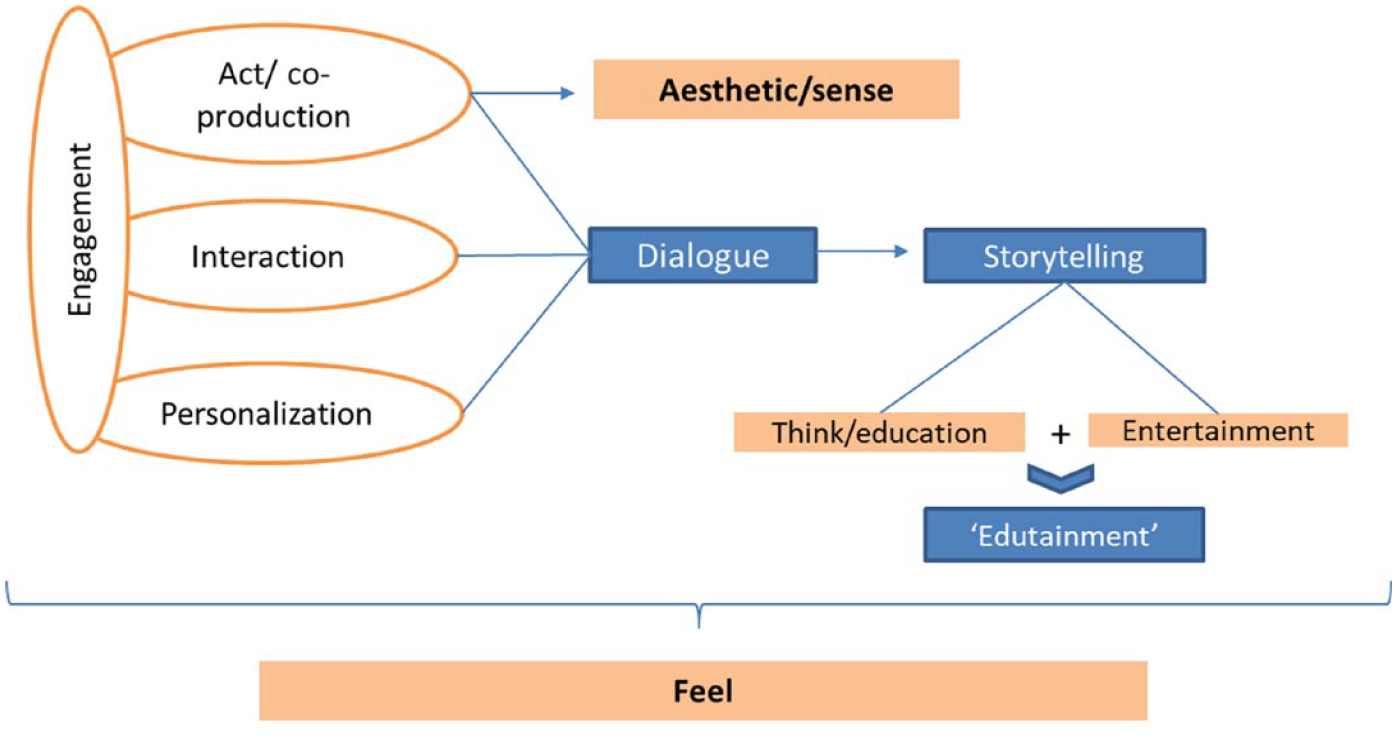
Co-creation experience design traits from the tour operator’s perspective.
According to this provider, the fact that the gastro-cultural tour is led by native Lisbon hosts, increases the sense of authenticity as part of a credible, high-quality learning experience, enriched with relational elements while tasting of original gastronomic products. The tour operator reinforced that these principles have been considered in the design of experience co-creation since the beginning of the project, until the present moment, although changes were made as a result of the pandemic.
Tour operator’s perspective regarding response to Covid-19
For this tour provider, the pandemic and the lock-down periods inevitably influenced the gastro-cultural experiences they were able to provide, mainly regarding the dimension of demand (much lower) and the high quality of the gastronomic offer, mainly due to the closure of various small local businesses and eateries. However, for this tour provider, the future perspectives are positive, since she believes in the regeneration of businesses in the neighborhood as well as in their ability to preserve local gastronomic and historical features.
During the pandemic the limit of visitors per group was reduced from twelve to eight people to avoid agglomerations in the food spots and to comply with the public health guidelines. As a result, private tours have increased, which seems to be highly appreciated by safety-concernec tourists, while these smaller tours also resulted in more personalized and engaging experience opportunities, which may still be in demand after the pandemic.
In terms of future adaptations, this tour operator stated that new experiences are being designed considering tourists’ needs and market trends. Sustainability principles within the scope of food production will be part of this design, including zero waste practices, circular economy and high-quality organic products, promoting the local food chain. These principles shall not only promote conscious sustainable practices but also respond to needs and concerns expressed by visitors. This is apparently even more relevant after the pandemic, since visitors are more conscious of the privilege of traveling and its social and environmental challenges.
Discussion
Based on presented results, comprising both the tourists’ perceptions of their experience in Taste of Lisboa Food Tours and the tour operator’s perspective on co-creation experience design, the co-creation experience dimensions in focus were implicit in both stakeholders’ discourse. After reviewing the content of online reviews regarding the food tours through the lens of co-creation, it appears that the elements of co-creation are fundamental for value co-creation triggeringvisitors’ satisfaction, memorability, and loyalty.
Analyzing the UGC, the dimensions “aesthetic/sense” (mainly “taste” and “sight”), “feel,” “think/education,” “relate” and “personalization” stood out, underlining the role of sensory, interaction, emotional and cognitive immersion and personalization in food tours from the visitors’ perspective. Less frequent were references reflecting tourists’ “entertainment,” “act/co-production” and “escape/engagement,” despite the significant role attributed to these dimensions in the tourist experience literature (Campos et al., 2018; Minkiewicz et al., 2014; Pine and Gilmore, 1998). In Taste of Lisboa Food Tours, authenticity is also crucial, highly valued, and perceived as meaningful in the whole experience (e.g. through tasting local products), reflecting tourists’ desire to get to know traditional food as part of local lifestyle, similar to other studies (Correia et al., 2020; Crespi-Vallbona and Dimitrovski, 2016; Ko et al., 2018; Seyitoğlu, 2021). The frequent reference to Portuguese dishes and their high quality clearly induced recommendation. The importance of authenticity should be understood by destination management organizations (DMOs) and tour operators as a key element in food tour experiences (Crespi-Vallbona and Dimitrovski, 2016; Di-Clemente et al., 2020; Ko et al., 2018).
Beyond local delicacies, tourists frequently stressed the importance of learning in the food tour, mainly fostered by the tour host, which corroborates other empirical studies (Crespi-Vallbona, 2021; Ko et al., 2018; Seyitoğlu, 2021). The relationship between tourists and the tour host also fostered value creation, which should also be considered when designing food tour experiences. The warm and friendly interaction between the main actors (indeed active co-creators) of this experience contributed significantly to tourists’ satisfaction and memorability, confirming the importance of investing in meaningful social encounters in such thematic experiences (Richards, 2021; Seyitoğlu, 2021; Sthapit et al., 2019). As emphasized in the literature (Ko et al., 2018; Sthapit et al., 2019), the reported sample excerpts confirm the role of the food tour host as “cultural broker” and facilitator of co-creation experiences, mainly through fostering interaction with and amongst tourists and by engaging them through storytelling about local delicacies and culture. As visible in the tour provider’s perspective, this study confirms “edutainment” as part of experience design, responding to the travelers learning motivation, also found in previous studies (Prayag et al., 2020; Seyitoğlu, 2020). Moreover, tourists reported feelings of amazement and fun when learning about historical or cultural facts and curiosities in this tour, also due to the friendly ambiance and relaxing path of the experience. Tourists also revealed that storytelling contributed to their involvement in the experience as well as to memorability (Seyitoğlu, 2020; Terziyska and Damyanova, 2020; Zátori, 2016).
In the present study, the opportunity for close contact with the local community and local agents was highly appreciated, being also part of the company’s strategy. This stresses the relevance of human interaction between visitors and destination stakeholders, when designing food tour experiences. Coroborrating previous studies (Bezzola and Lugosi, 2018; Rachão et al., 2020; Sthapit et al., 2019), the ambiance of restaurants and typical neighborhoods contributed to tourists’ immersion in the unique local context, suggesting experiencescape as a strategic feature of appealing co-creative food tours.
Although less evident in tourists’ discourse, a sense of escape and deep engagement was also present, especially when visitors of the tour felt part of the destination, as a result of local food tasting, triggering positive feelings (e.g. joy, fun, and interest), which is in line with the Sthapit’s (2019) study regarding tourists’ positive emotions associated with their local food experiences. Moreover, learning about history, immersing themselves in the local culture and ambiance of Lisbon’s typical neighborhoods, having contact with locals, on a slow path and developing a relationship with the tour host all contributed to tourists’ sense of place. This experience may reflect Pine and Gilmore’s (1998) highly immersing and active escapism experience realm, also contributing to a positive impact on tourists’ co-creation and to a feeling of connection with the destination, satisfaction and loyalty (Ko et al., 2018; Minkiewicz et al., 2014; Zátori, 2016).
Overall satisfaction was frequently reported by participants in this food tour, leading both to recommendation and revisit intentions. The latter was mentioned by tourists, not only when referring to future travel plans, but also to the remaining part of their stay in Lisbon. As also highlighted in other studies (Di-Clemente et al., 2020; Seyitoğlu, 2021), tourists’ satisfaction made them recommend the food tour experience as a starting point to explore the city. Such recommendations were related to the quality of the food, hospitality, the knowledge and kindness of the tour host and the different places off the beaten track that this food tour offered. Many tourists claimed that this food tour experience was critical in making them wish to return to Lisbon in the future.
Conclusions
The contributions of this exploratory study provide evidence on how value is co-created by visitors in Taste of Lisboa Food Tours and on how co-creation is part of the experience design of a tour operator, also shedding light on strategies used by the company to respond to Covid-19 pandemic challenges. In the literature, co-creation in food tours is an under-researched topic, although a few studies focus on themes related to this field, such as customer experience of culinary tourism in New Delhi (Kaushal and Yadav, 2021), service factors and segmentation of food tourists in Korea (Ko et al., 2018) or the understanding of tourists’ culinary guided tour experiences in Istanbul (Seyitoğlu, 2021). This study thereby contributes to an in-depth understanding of the role and importance of experience co-creation in a food tour in Lisbon. We find that a combination of experience dimensions referenced in theoretical models like those by Pine and Gilmore (1998) (consumer experience), Schmitt (1999) (experiential marketing) and Minkiewicz et al. (2014) (tourism co-creation experience) may be used for promoting appealing and memorable co-creative food tour experiences and yielding enhanced tourist loyalty.
Managerial contributions
The study results indicate that Taste of Lisboa Food Tours promotes successful co-creative food tour experiences. Regarding tourists’ discourse, the very positive tone of their reviews indicates that interactive, engaging, personalized and sensorial experiences decisively contributed to their satisfaction. These results are important for destination marketers and service providers, showing the relevance of giving tourists the possibility of co-creating value while interacting with other tourists, supply agents and local hosts (Carvalho et al., 2021a) as well as with unique features of the experiencescape (Terziyska and Damyanova, 2020). Co-creative food tour experiences were revealed as highly appealing and meaningful holistic destination experiences.
This study draws attention to co-creative food tours as experiences that combine authentic elements of the destinations (food, culture, people and physical surroundings), showing the importance of experience dimensions like personalization, engagement (sensory, emotional and cognitive), interaction and senses for promoting appealing, immersive food tourism experiences (Carvalho et al., 2021b; Minkiewicz et al., 2014; Schmitt, 1999). A sense of escape in the experience is less identified in visitors’ discourse, which may result from it being a relatively transitory experience, during just a few hours. Knowledgeable and empathetic tour guides that are hosts in their city are also confirmed as crucial “cultural brokers” stimulating such co-creative experiences, giving tourists the opportunity to cognitively and actively participate in the food tour. These aspects should guide supply agents and DMOs when designing this kind of experience opportunities as they may represent a sustainable competitive advantage fostering local identity. Considering the various destination stakeholders involved, particularly tour operators or private companies, local restaurant hosts and DMOs, networking is also crucial to articulate the destination experience and promote a strong destination image. Taste of Lisboa Food Tours clearly shows that this is one of the principles of the company, since they believe that together they are co-creators of value with visitors and among different actors in the destination, contributing to making each other’s businesses flourish. Figure 2 comprises key elements for DMOs and tour operators to design and facilitate co-creative food tour experiences.
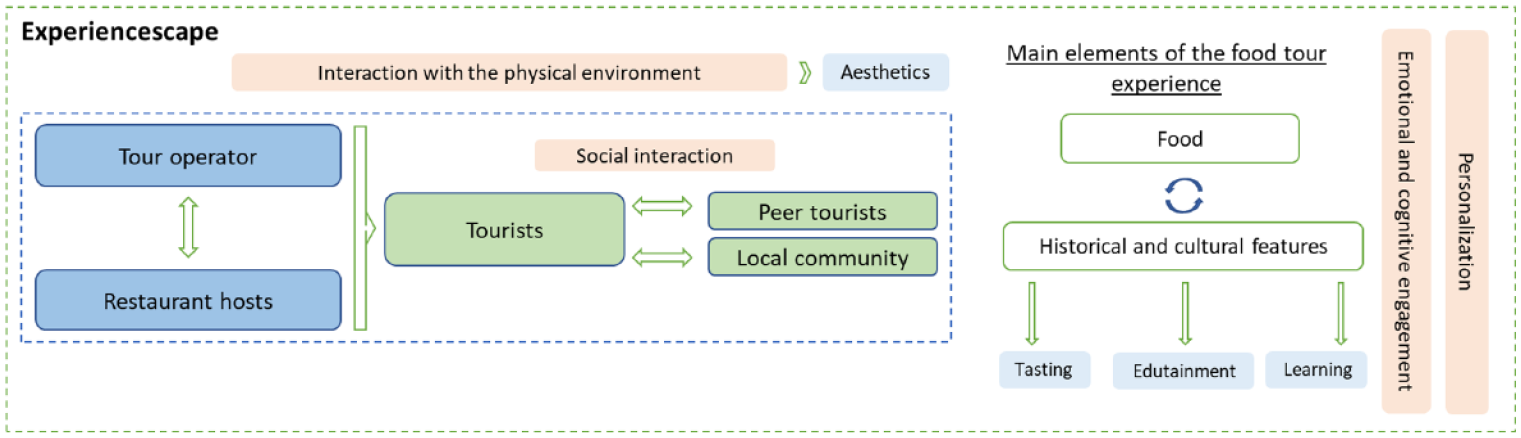
Key elements of co-creative food tour experiences.
The relevance of adapting to visitors’ special needs and preferences in food tours, associated with religious, cultural, health or lifestyle issues, is another topic that tour operators, supply agents and marketers should consider. In this study, despite the crucial role of personalization acknowledged by in food tours for the tour operator, the lack of vegan options resulting from the scarcity of high-quality restaurants shows that more is expected in this dimension. Adapting the food offer based on cultural/dietary habits requires a flexible attitude from tour operators, even if these adaptations imply some loss of authenticity. No cultural habits are totally static and changes in food practices associated to societal and other factors are common and acceptable, as long as appropriate explanation regarding the original food customs is provided. DMOs and supply agents are recommended to opt for high-quality, fresh local products, contributing to fostering local economy, sustainability and experience value. Effectively, these aspects are part of the future strategies of Taste of Lisboa Food Tours, since the company want to yield sustainable experiences and to show visitors the food chain of local products, which may add value to the food experience.
Despite the comprehensive size of the sample the study is limited to only one UGC website for collecting reviews. Besides this, the study focus was on a single food tour enterprise. In future research, initiatives of other food tours’ agents in other Portuguese cities or even in similar foreign destinations would be interesting, as well as a comparison of diverse visitors’ perspectives (e.g. regarding distinct age groups, nationalities, etc). Future studies should also include in-depth interviews with tourists to add more comprehensive insights into the food tourist experience and its conditioning factors.
Footnotes
Authors’ Note
Funding
The author(s) received no financial support for the research, authorship, and/or publication of this article.
