



Abstract
Summary
Social workers are frequently exposed to verbal and physical aggression from service users, which can negatively impact their psychological well-being and professional functioning. This study investigated the relationship between aggression exposure, acute stress responses, and perceived competencies among Dutch social workers. An online survey of 431 practitioners assessed experiences with different forms of aggression (e.g., verbal threats, physical violence, anticipation), acute stress reactions, self-perceived competence in managing aggression, and access to relevant training.
Findings
Verbal aggression was most commonly reported, followed by physical violence and the fear of potential incidents. These experiences were strongly associated with acute stress responses. Although many respondents felt confident in their ability to manage aggression, stress symptoms often impaired emotional regulation and risk assessment. Notably, many participants had received limited or outdated formal training in aggression management, despite frequent exposure. These findings suggest that confidence alone does not equate to preparedness, and unmanaged stress responses may compromise safety and decision-making.
Applications
This study highlights the pressing need to support social workers in managing both the physiological and cognitive aspects of stress during aggressive encounters. Future research should not only evaluate the effectiveness of existing training but also investigate how aggression-related stress arises and affects professional performance. Such insights are crucial for developing more comprehensive training programs that move beyond technical de-escalation skills to include stress regulation, real-world simulations, and reflective practice, better aligning with the complex realities of contemporary social work.
Introduction
As social workers often must intervene in sensitive personal matters, they may be perceived as intrusive by the service users, potentially leading to aggression. For instance, a social worker might be verbally assaulted by a service user during a home visit or receive threats from a family member during a child protection intervention. Aggression can be defined as the intentional act of causing harm (Thirer, 1993) and includes verbal abuse, threats, and intimidation. Experiencing these behaviors poses a significant challenge in healthcare and social work professions. In the Netherlands, 67% of social workers report regular exposure to aggression, alongside other hostile behaviors, such as harassment (Ipsos, 2021). Similar prevalence rates have been documented internationally, confirming that aggression constitutes a recurrent occupational hazard in social work (Munobwa et al., 2023; Robson et al., 2014; Vidal-Marti & Ruiz Bueno, 2024).
While prevalence rates of aggression toward social workers are well documented, less is known about how such experiences affect their professional functioning and well-being (Calderón-Orellana et al., 2023; Vidal-Marti & Ruiz Bueno, 2024; Winstanley & Hales, 2008). Existing research suggests that the impact can be substantial. Experiencing aggression elicits immediate bodily and emotional stress responses that require active regulation in order to maintain professional composure and de-escalation capacity (Anderson et al., 2019; Keesman & Weenink, 2020). Following Katz's (1999) notion of “falling out of the landscape,” such embodied arousal disrupts the taken-for-granted flow of action, thereby constraining professionals’ capacity to act in the moment. Recurrent exposure to acute stress may lead to allostatic load (i.e., cumulative physiological burden), increasing the risk of emotional exhaustion, burnout, and illness-related absence (Estryn-Behar et al., 2008; Lanctôt & Guay, 2014; Siefert et al., 2004). Repeated exposure to aggression has also been linked to increased psychological vulnerability and staff turnover among social workers and child protection workers (CPWs) (Lamothe et al., 2018; Littlechild et al., 2016; Parveen et al., 2023; Radey & Wilke, 2024).
An important factor in understanding these outcomes lies in how social workers cope with such stressors: research suggests that their coping strategies are not always adaptive. The transactional model of stress and coping (Lazarus & Folkman, 1984) highlights that individuals interpret potentially threatening events through cognitive appraisals, which shape both their emotional reactions and the coping strategies they select. Furthermore, empirical studies examining how social workers actually navigate these processes in daily practice remain scarce (Koritsas et al., 2010; Vaughan, 2024). Some CPWs, for instance, attempt to minimize or rationalize the violence and sometimes even deny it altogether (Enosh & Tzafrir, 2015; Lamothe et al., 2018; Newhill, 2003). Others adopt compensatory strategies, such as lowering expectations regarding service users’ engagement and intervention outcomes, or avoiding responsibility, behaviors that may offer short-term relief but contribute to adverse long-term outcomes (Astvik et al., 2014; Shin, 2011). These coping mechanisms can reduce professional effectiveness and increase the risk of illness-related work absence (Tuck, 2013). While acute stress disrupts functioning in the moment, ineffective coping illustrates how workers respond behaviorally and psychologically over time—often in ways that perpetuate or exacerbate the harm (Lazarus & Folkman, 1984).
In light of the potentially impairing effects of aggression on professional functioning and mental health, it is crucial to examine not only how social workers respond in the moment but also the factors that can support or hinder effective intervention, most notably, the role of formal training. Although skills for managing aggression may develop organically through experience, structured training remains essential to improve skills such as recognizing resistance, setting boundaries, and maintaining safe physical positioning (Beech & Leather, 2003; Morphet et al., 2018). Because different forms of aggression require different skills, such as verbal de-escalation skills for verbal aggression and break-away techniques for physical aggression, the effectiveness of training may depend on the type of aggression encountered (Baby et al., 2018; Kind et al., 2018). High-quality training can strengthen social workers’ self-efficacy and perceived safety, which in turn can buffer the psychological impact of aggression (Grant & Kinman, 2012; Kim & Hopkins, 2015). Nevertheless, while formal training is widely recognized as a key component in preparing social workers for aggression situations, questions remain regarding the accessibility and effectiveness of such programs in practice. Many social workers report minimal training in this area (Beech & Leather, 2003; Morphet et al., 2018; Patterson et al., 2004). Furthermore, even when training is available, its effectiveness is often questioned (Beech & Leather, 2006; Farrell & Cubit, 2005; Geoffrion et al., 2020).
Although experience, stress, practical skills, and training are often linked to social workers’ responses to aggression, it remains unclear how these elements interact in everyday practice. Existing research has largely examined them in isolation, resulting in fragmented insights and leaving key questions unanswered about the frequency and perceived impact of aggression, professionals’ confidence in managing such situations, and the role of prior training across social work contexts (Calderón-Orellana et al., 2023). A more integrated, practice-based perspective is therefore needed. Given the ongoing exposure of social workers to aggression, its potential impact on functioning and mental health, as well as uncertainties regarding preparedness and training, the aim of the current study was fourfold: to assess (1) the frequency and intensity of aggression experienced by social workers; to (2) extent to which aggression is perceived to induce acute stress; to (3) how social workers evaluate their skills in managing aggression; and (4) the frequency and perceived effectiveness of aggression management training. To address these aims, we conducted an online survey among Dutch professional social workers to deepen our understanding of the nature and impact of aggression in social work and to inform the development of targeted interventions and support mechanisms. The findings may contribute to more effective training programs that enhance social workers’ safety and professional functioning.
Method
To examine a large sample of social workers with varying experience levels (e.g., years in the profession and work background), we contacted several professional associations, social work organizations, and professional registries that agreed to distribute the survey to their members. These organizations are spread throughout the Netherlands, ensuring nationwide coverage without overrepresenting densely populated areas. Furthermore, we extended our recruitment efforts to a social media platform (LinkedIn) and newsletters from professional social work organizations. The survey was available to respondents online via Qualtrics (QualtricsXM, 2025 QUALTRICS). Potential respondents either received an email with a link to access the questionnaire or clicked directly on the link provided on social media platforms and newsletters. All data was collected anonymously. When respondents signed up for the study but did not complete the survey, two reminders were sent at different times.
Survey Design
To investigate social workers’ experiences with aggression, we developed a structured survey. The foundation for this survey was the Self-Confidence in Aggression Scale (Thackrey, 1987), which has demonstrated strong internal consistency in previous studies, with a reported Cronbach's Alpha of 0.92 (Jansen & Jansen, 2016). We adapted the original scale in collaboration with experienced social workers, modifying item wording and sentence structuring to capture better how social workers experience aggression and the extent to which this exposure elicits acute stress. These adaptations ensured the survey's relevance to the professional context of social work. An English translation of the questionnaire is provided in Supplementary 1 for transparency: analyses were conducted on the original Dutch version. Following these adjustments, the survey was reviewed and refined through expert consultation. This process involved feedback from practitioners, educators, and researchers in the field of social work. Subsequently, two pilot rounds were conducted with a diverse sample, including social work students, experienced professionals, educators, and individuals with no direct involvement in the field. These pilot rounds aimed to test the clarity, structure, and content validity of the survey across different respondent groups and led to further refinements.
The finalized survey contained 56 questions and is divided into five sections: (1) descriptive questions, (2) experienced aggression, (3) experienced acute stress, (4) self-assessed skills in managing aggression, and (5) training experiences. The descriptive questions section included six items on background characteristics such as age, gender, educational level, organization type, work experience, and job role. The second section, experienced aggression, included 11 items on social workers’ experiences with aggression. This included the various forms of aggression (e.g., verbal and physical), how often each form is experienced, and the mental health complaints that may result from experiencing aggression. The third section, experienced acute stress, included seven items on the acute stress experienced before and during an aggression situation, and the direct impact that acute stress has on the social worker's decision-making and actions. The fourth section, self-assessed skills in managing aggression, included 19 items regarding how social workers handle situations involving aggression, particularly their level of self-confidence, their assessment of skills and competencies necessary for managing aggression, and degrees of comfort and perceived safety among social workers in aggression situations. The fifth section, training experiences, included 13 items on training to learn to deal with aggression successfully, how they feel that they are trained in managing aggression, how often they attended such training sessions, and how many hours they have spent in the past 12 months on training on how to deal with aggression. Of the 56 items included in the survey, six were excluded from the results section: one regarding prior training and five related to specific skills in handling aggression. These items were deemed less relevant to the central research questions and did not yield findings that substantially contributed to the study's interpretation, discussion, or conclusions. Including them would have unnecessarily lengthened the results section without providing additional conceptual or practical insights. The complete questionnaire (in Dutch), including the omitted items, is provided in Supplementary File 1.
Data Analysis
To address the research aims, several analyses were conducted, aligned with the structure of the questionnaire. First, descriptive statistics (means, standard deviations, frequencies, and percentages) were used to summarize participant characteristics (e.g., age, gender, professional background) and explore response patterns across the subsequent four questionnaire sections. Second, to explore differences between men and women, independent samples t-tests were performed for the relevant variables related to experienced aggression, acute stress, and self-assessed skills. Effect sizes were reported using Cohen's d, interpreted according to established benchmarks small (0.20 < |d| < 0.50), medium (0.50 < |d| < 0.80), and large (|d| > 0.80) (Cohen, 1988). Third, Pearson correlation analyses were conducted to examine relationships between several key variables since differences in work experienced and in being trained could possibly be associated with (a) differences in experienced verbal and physical aggression, and experienced acute stress; (b) feeling comfortable, feeling safe and having self-confidence; and (c) self-assessed skills (general, verbal, and physical). To explore these possibilities, we performed Pearson correlation analyses among all these variables. Correlations were interpreted as weak (.10 < |r| < 0.30), moderate (0.30 < |r| < 0.50), or strong (|r| > 0.50) (Cohen, 1988).
Finally, a multiple regression analysis was conducted to identify which factors predicted participants’ self-assessed ability to manage aggression. Because the study was exploratory and no theoretical hierarchy was assumed, all conceptually relevant predictors were entered simultaneously using the ENTER method. Specifically, the model included 15 predictors, covering gender, work experience, experiences with verbal, physical, and other forms of aggression, acute stress related to aggression situations, feelings of comfort and safety, self-confidence, verbal and physical skills in dealing with aggression, and perceived training in aggression management. This approach aligns with the correlational design and avoids stepwise data-driven predictor selection. Regression assumptions were checked through inspection of residuals, and multicollinearity was evaluated using Tolerance and VIF values (Field, 2018). All Tolerance values exceeded .40, and all VIF values were below 2.5, indicating no concerns.
Results
Sample Description
A sample of 431 social workers (85 men, 344 women, and 2 identifying as “other”) with an average age of 38.4 years (SD = 12.4) and an average working experience of 13.5 years (SD = 10.9) completed the survey. Furthermore, the sample included a diverse range of social work professions with backgrounds in youth care, mental health services, probation, and corporate social work (see Table 1 for a complete overview of the characteristics).
Overview of Characteristics of the Total Sample (SDs between parentheses).
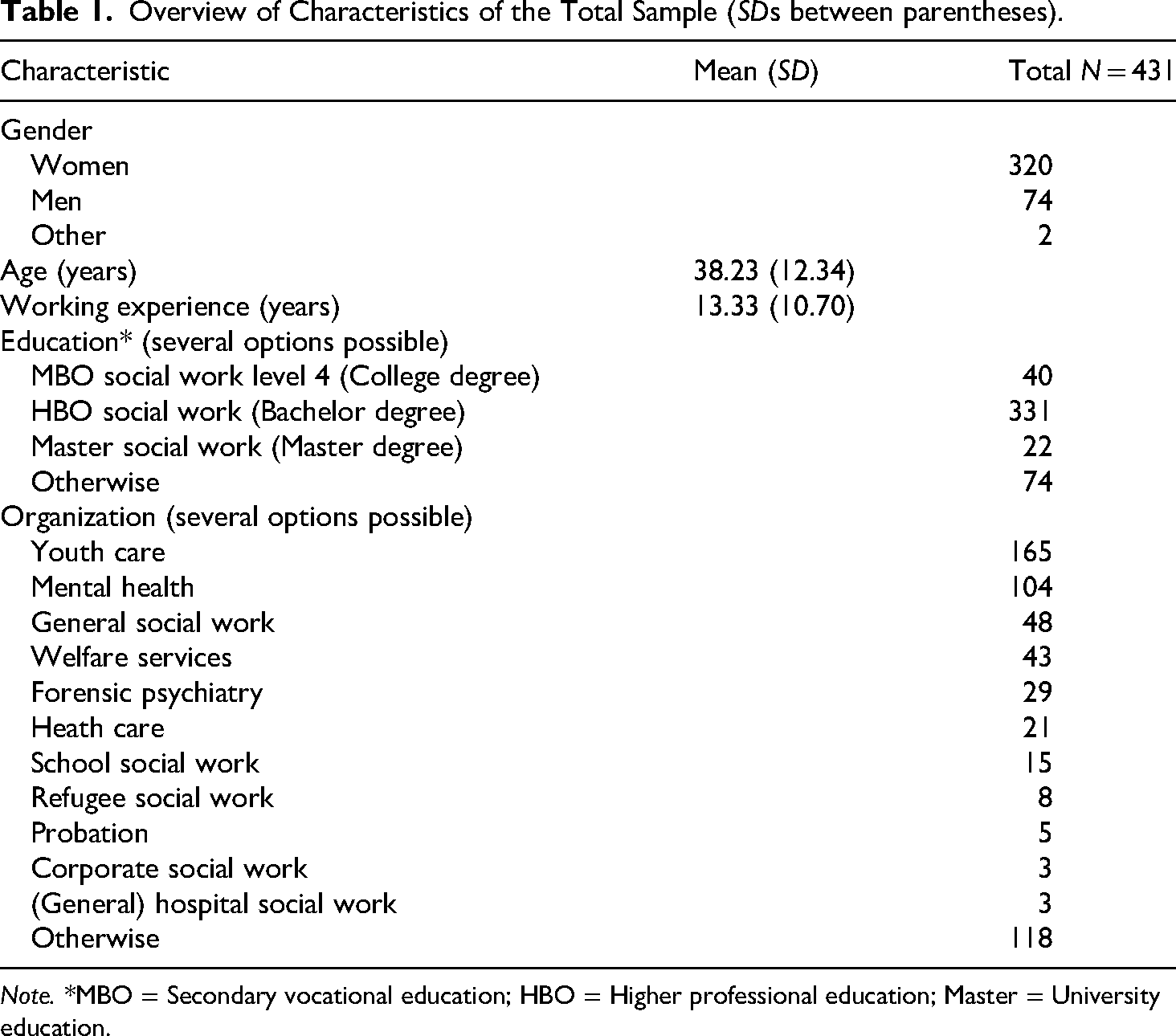
Note. *MBO = Secondary vocational education; HBO = Higher professional education; Master = University education.
Experienced Aggression
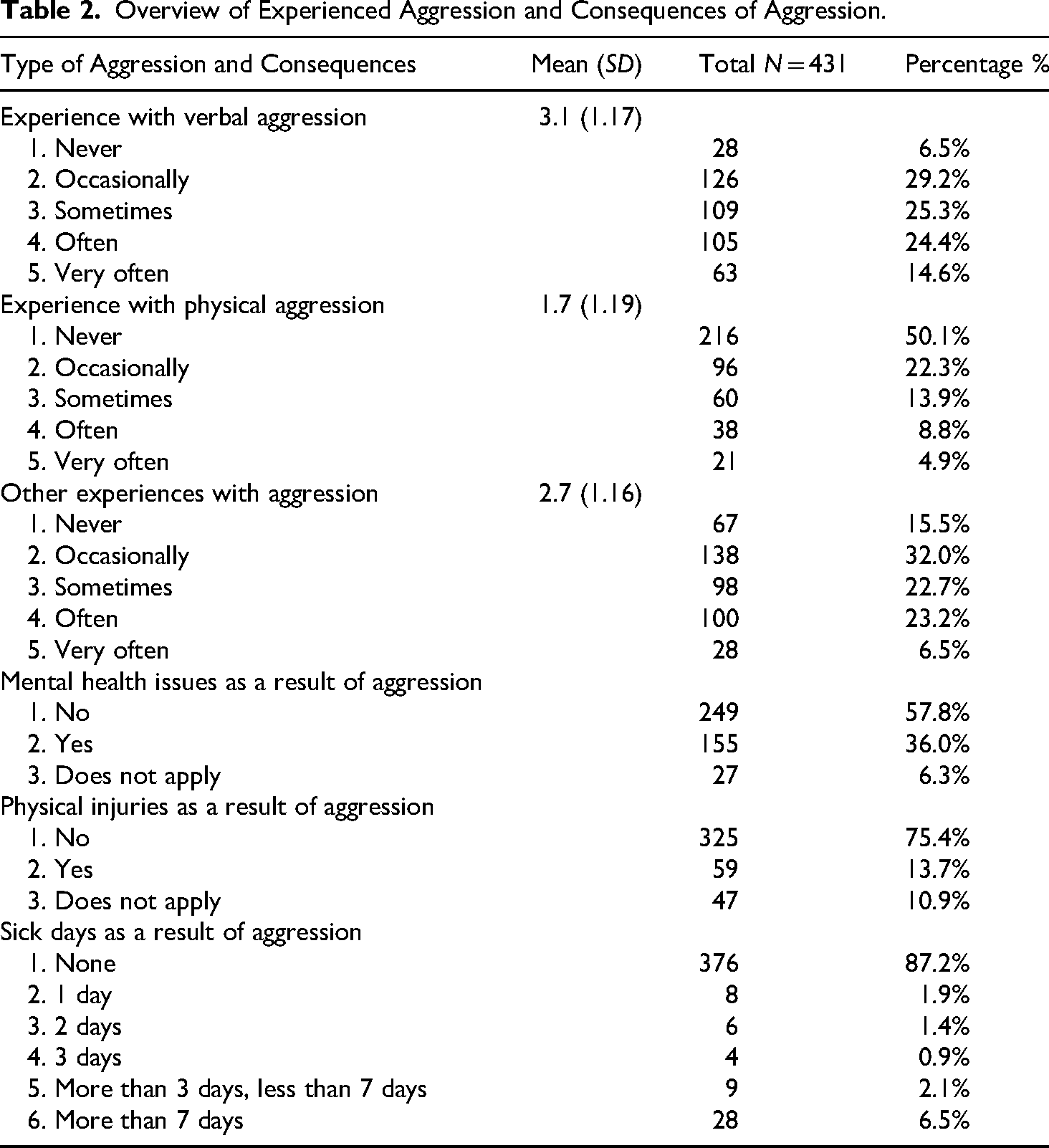
Table 2 displays how often the social workers encountered aggression in the past 12 months. Most respondents (93.5%) reported experiencing verbal aggression varying from occasionally to very often. At least 49.9% of respondents experienced physical aggression in their professional duties. In addition, 36.0% reported experiencing mental health complaints as a result of aggression, and 14.0% reported physical complaints. Furthermore, 12.8% of social workers indicated they had to take sick leave due to the aggression they faced in their work, with 6.5% requiring more than seven days.
Overview of Experienced Aggression and Consequences of Aggression.
Experienced Acute Stress
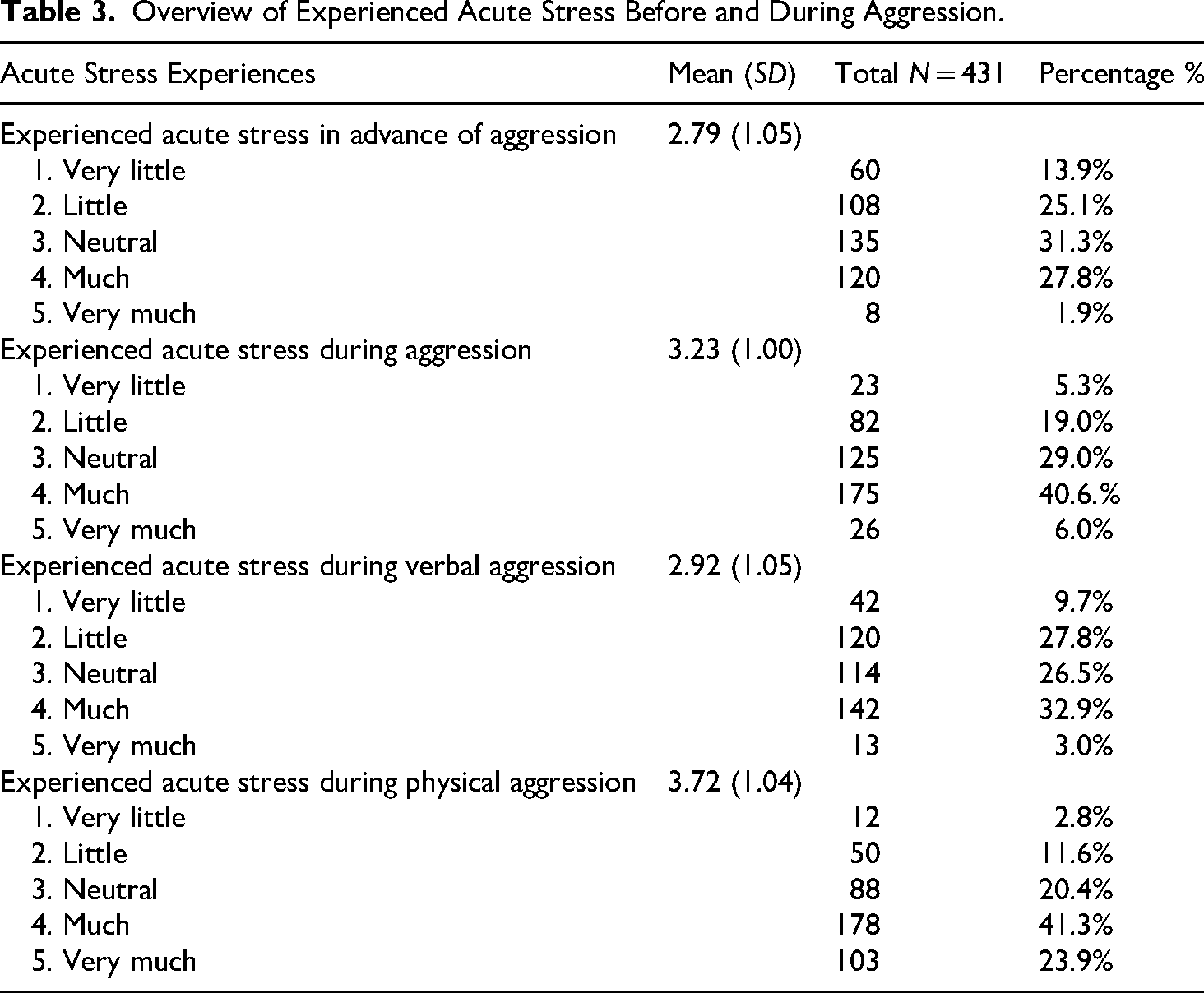
Table 3 provides insight into the social workers’ experiences with acute stress related to aggression, both before potential and during aggression situations. A notable percentage of respondents (29.7%) reported experiencing high levels of acute stress in anticipation of possible aggression. During actual incidents, the frequency of experiencing acute stress increased, with 46.6% of respondents reporting heightened stress levels. When aggression was verbal, 35.9% of respondents experienced high acute stress. In contrast, this number almost doubles to 65.2% in cases of physical aggression, highlighting the heightened impact of physical threats on stress levels.
Overview of Experienced Acute Stress Before and During Aggression.
Self-Assessed Skills in Managing Aggression
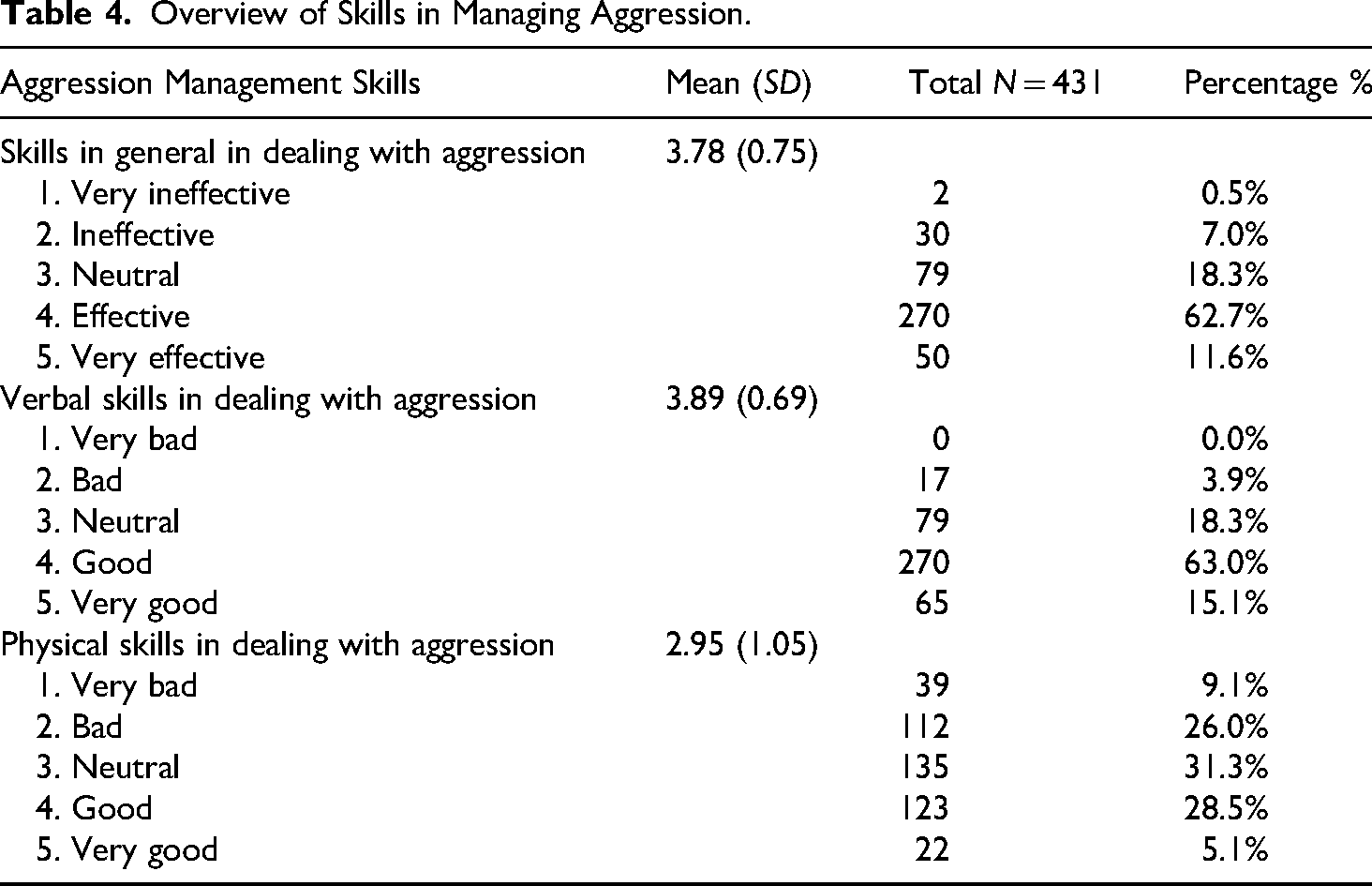
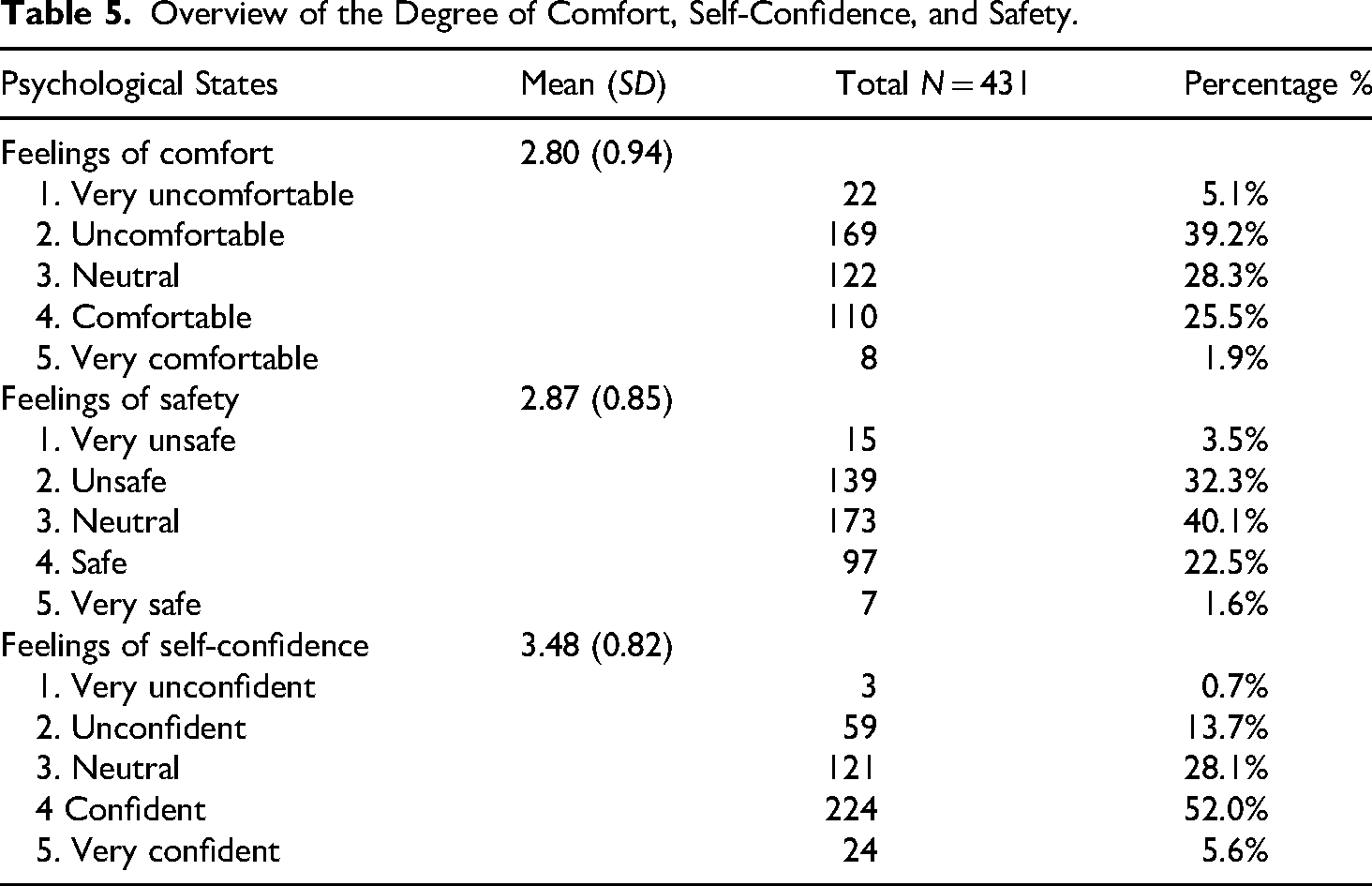
Table 4 displays the self-assessed proficiency of social workers in managing aggression situations. Most respondents (74.3%) perceive that they use the skills effectively in managing aggression, and a slight majority (57.6%) also feels confident applying these skills in aggression situations. Most respondents (78.1%) perceived their verbal de-escalation proficiency as good or very good. In contrast, only 33.6% reported competence in utilizing physical skills to manage aggression. Despite this positive appraisal of their own skills, 44.3% of social workers experience discomfort when confronted by aggression service users (see also Table 5). Additionally, 35.8% of social workers report feeling unsafe in the presence of an aggressive service user.
Overview of Skills in Managing Aggression.
Overview of the Degree of Comfort, Self-Confidence, and Safety.
Training Experiences
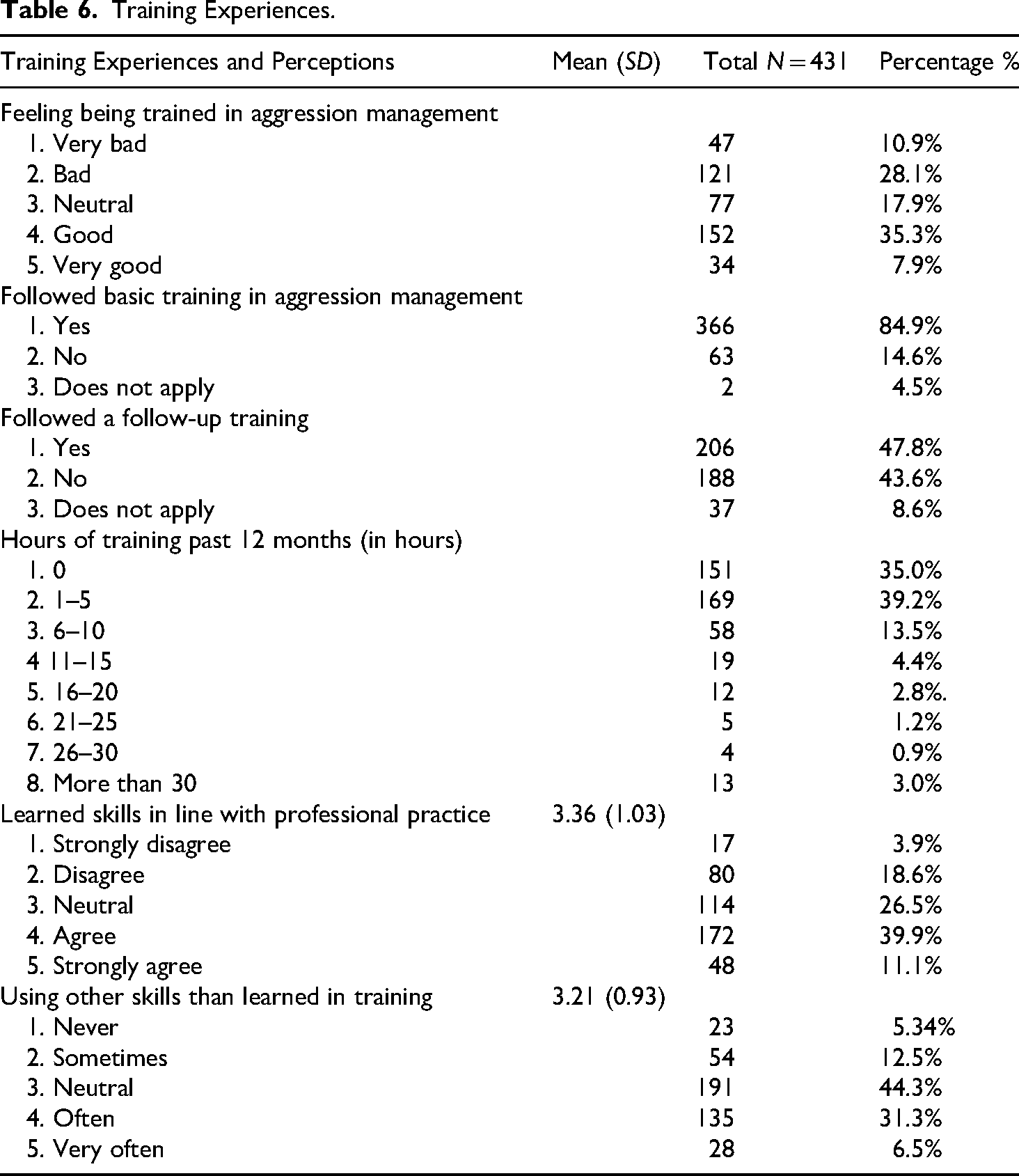
Table 6 presents the results of the training experience of social workers for aggression management, their evaluations of the training's usefulness, and the number of hours they have devoted to training. According to the survey data, while a portion of social workers rated their training as “good,” 39.0% evaluated the training as insufficient (“bad” or “very bad”), and only a small percentage rated it as “very good.” In total, 84.9% of respondents reported having completed basic training in dealing with aggression. Among those, 47.8% had also participated in follow-up training programs. Furthermore, 51.0% of the respondents indicated that the training effectively equipped them with skills to manage aggression professionally. In contrast, 37.8% of the respondents reported relying on skills outside of those taught in the training to manage aggression situations. Furthermore, 74.2% received less than 5 h of training in the previous 12 months.
Training Experiences.
Comparisons Between Gender
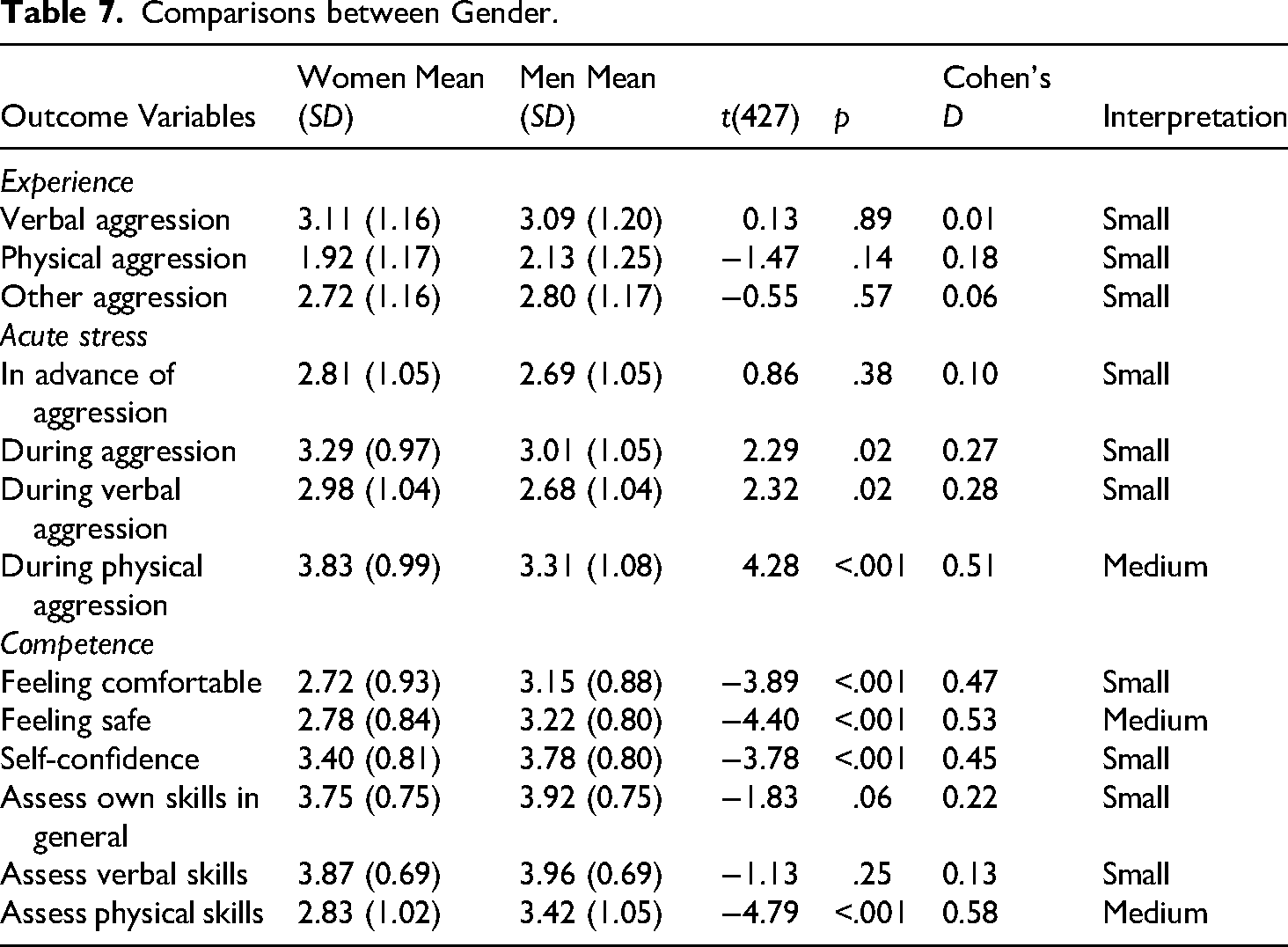
The differences between men and women are minimal (small effect sizes), indicating that both genders report similar experiences and competencies related to aggression situations (see Table 7). The only significant gender differences based on combined p-values and effect sizes are observed in stress levels during physical aggression, where women report higher levels of stress than men (d = 0.51), and men generally reporting feeling safer, more comfortable, and more self-confident (d = 0.53) as well as evaluating their physical skills higher (d = 0.58).
Comparisons between Gender.
Correlations
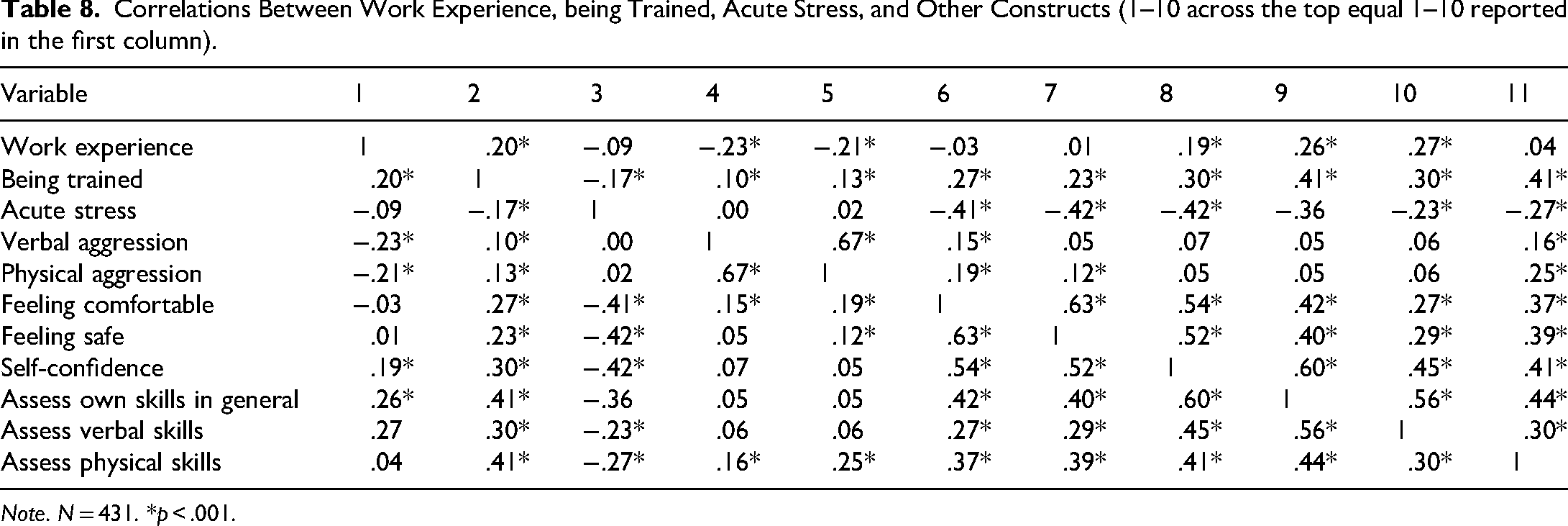
Correlations between work experience and having the feeling of being well trained (first question in Table 6) and the other relevant variables are presented in Table 8. It can be seen that work experience is negatively correlated with the perceived frequency of both verbal aggression and physical aggression. This indicates that social workers with more work experience tend to report fewer aggressive incidents. Additionally, work experience is positively and significantly correlated with self-confidence, self-assessed skills in general, and verbal skills in particular, but not in physical skills. Interestingly, the relationship between work experience and acute stress is small and not statistically significant, suggesting that work experience alone is not associated with reduced stress in aggression situations.
Correlations Between Work Experience, being Trained, Acute Stress, and Other Constructs (1–10 across the top equal 1–10 reported in the first column).
Note. N = 431. *p < .001.
The feeling of being trained in aggression management shows moderate positive correlations with self-assessed skills (r = .41) for both general and physical skills, along with smaller but significant positive correlations with comfort, safety, and self-confidence. Being trained is also negatively correlated with acute stress, suggesting that feeling of being trained (well-prepared) may be linked to experiencing less acute stress in aggression situations. Furthermore, being trained was positively correlated with reports of both verbal and physical aggression. This pattern reflects that social workers who feel more trained are either more frequently exposed to aggression or more aware of it.
Acute stress was negatively correlated with most psychosocial factors, including comfort, safety, self-confidence, and self-assessed skills (−.23 > r > −.36), indicating that higher stress levels tend to coincide with lower perceived safety and capability.
Finally, self-assessed verbal skills demonstrated generally weaker correlations with other psychosocial variables compared to self-assessed physical skills. Physical skills were moderately correlated with comfort, safety, and self-confidence, whereas these correlations were smaller for verbal skills. In addition, physical skills were negatively correlated with acute stress and positively correlated with nearly all psychosocial factors (except work experience), indicating that a higher self-assessment of physical capabilities is associated with lower levels of acute stress and increased feelings of comfort, safety, and self-confidence.
Multiple Regression
A multiple regression analysis was conducted to examine the extent to which demographic characteristics, work experience, exposure to aggression, experienced stress, perceived feelings, and aggression-management skills were associated with self-rated overall competence in dealing with aggression (see Table 9). The overall model was statistically significant, F(15, 409) = 26.43, p < .001, and accounted for 49% of the variance in self-rated overall competence (R2 = .49, adjusted R2 = .47).
Multiple Regression Analysis Predicting Self-Rated Overall Competence in Dealing with Aggression (n = 425).
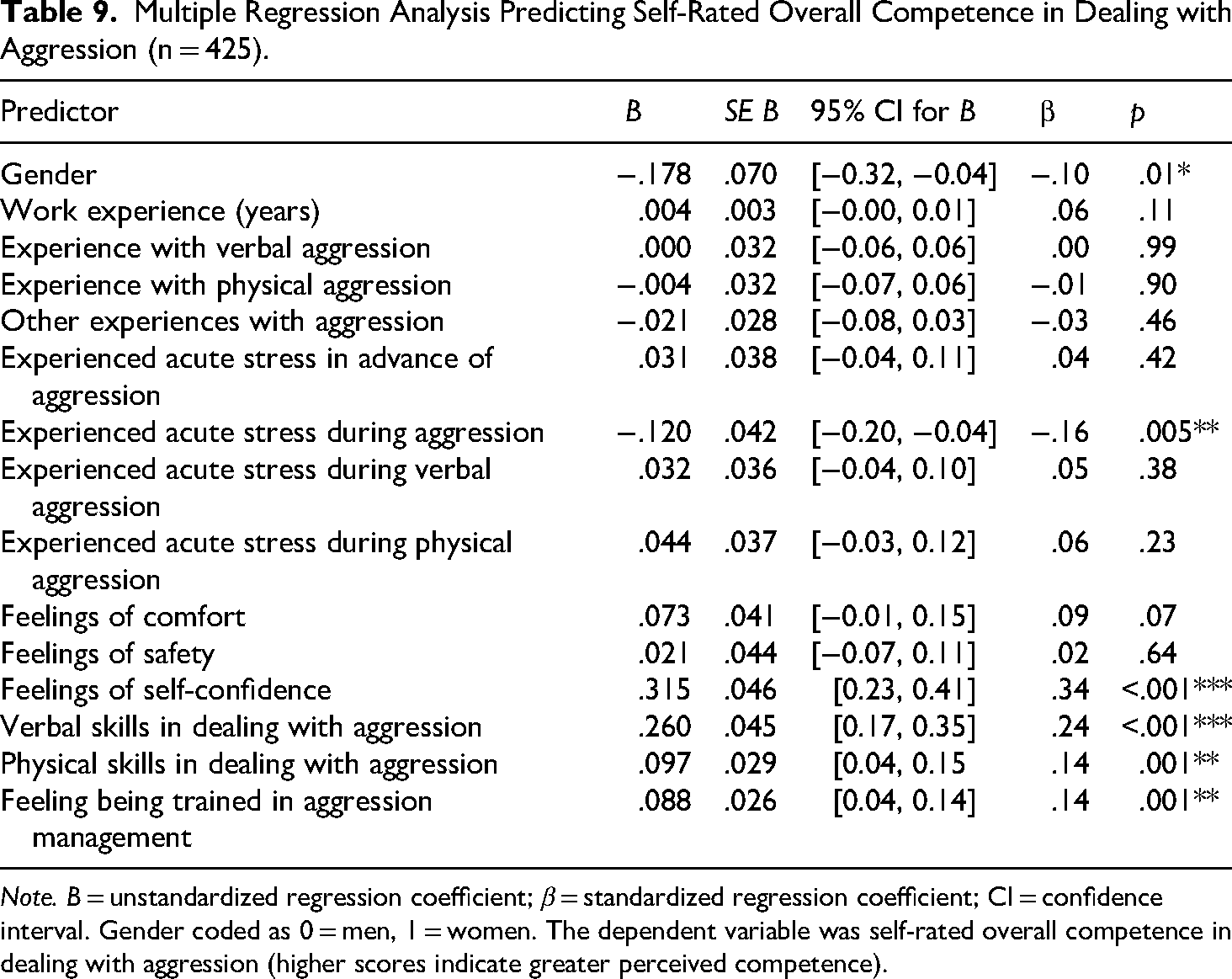
Note. B = unstandardized regression coefficient; β = standardized regression coefficient; CI = confidence interval. Gender coded as 0 = men, 1 = women. The dependent variable was self-rated overall competence in dealing with aggression (higher scores indicate greater perceived competence).
Self-confidence showed the strongest association with self-rated overall competence in dealing with aggression. Higher ratings of self-confidence were related to higher perceived competence. In addition, verbal skills, physical skills, and perceived training in aggression management were positively associated with self-rated competence. By contrast, higher levels of acute stress experienced during aggressive situations were associated with lower self-rated overall competence. Gender was also related to perceived competence, with women reporting slightly lower self-rated competence than men when all other variables in the model were taken into account.
Work experience, experiences with verbal, physical, and other forms of aggression, acute stress experienced in advance of aggression, acute stress during verbal or physical aggression, feelings of comfort, and feelings of safety were not associated with self-rated overall competence once the other predictors were controlled for.
Collinearity diagnostics indicated no multicollinearity concerns (VIFs = 1.18–2.51).
Discussion
This survey study aimed to consolidate and extend the fragmented knowledge base regarding how social workers encounter, experience, and manage aggression in professional practice. Specifically, we examined the types and frequency of aggression social workers face, the extent to which such incidents are perceived to trigger acute stress responses, how practitioners assess their own competence in handling aggression, and the frequency and perceived effectiveness of relevant training. In doing so, the study offers a more integrated understanding of a critical yet understudied aspect of social work.
Experienced Aggression
The first aim of this study was to investigate social workers’ perceptions of aggression toward service users and its consequences. The vast majority of social workers reported being exposed to verbal aggression, while a significant proportion also experienced physical aggression. A significant number of respondents reported experiencing psychological distress as a result of these encounters, and a significant subgroup reported physical health complaints. Furthermore, workplace aggression led to absenteeism for many social workers, with absences sometimes lasting more than a week. These findings are consistent with existing literature showing that aggression contributes to absenteeism followed by anxiety, (chronic) stress, and emotional exhaustion, heightening the risk of burnout (Kim & Stoner, 2008; Littlechild et al., 2016; Needham et al., 2004). These results highlight the need for organizational strategies to prevent aggression and mitigate its impact. This includes implementing clear protocols for handling aggression situations and ensuring access to psychological support. Moreover, the high prevalence of mental and physical complaints underscores the importance of addressing aggression not only as a safety issue but also as a key factor highlighting the need for adequate training and preparation to ensure workforce sustainability and well-being within the social work profession. Thus, together these results suggest that aggression not only affects social workers in the moment but may also have longer-term consequences for their functioning and well-being, particularly when exposure is repeated over time (Luong et al., 2018; Schilling et al., 2022).
Experienced Acute Stress
The second aim of our study was to investigate how social workers experience acute stress in response to aggression. The results showed that stress levels were significantly higher in situations involving physical aggression than in those involving verbal aggression. At the bivariate level, acute stress was negatively associated with confidence in professional abilities: higher stress levels corresponded with lower self-assessments of both verbal and physical intervention skills. These findings resonate with previous research in social work, particularly aligning with Horwath's (2007) observation that a combination of fear of aggression, uncertainty in decision-making, and empathy for families in crisis can result in inconsistent professional judgments. Similar dynamics have been identified in other high-stress professions, such as policing. In this context, acute stress has been shown to impair both cognitive and motor performance, thereby potentially compromising the consistency and accuracy of professional decisions (Nieuwenhuys & Oudejans, 2011; Renden et al., 2014, 2017). From a biopsychosocial perspective, these findings align with the challenge–threat framework (Blascovich & Mendes, 2010), which suggests that aggression situations are more likely to elicit heightened stress and reduced functional capacity when perceived demands exceed available coping resources. This interpretation is consistent with research in other high-pressure professions, showing that stress responses depend strongly on how situational demands are appraised relative to perceived coping resources, rather than on exposure alone (Blascovich & Mendes, 2010; Nieuwenhuys & Oudejans, 2012).
The regression analysis further supports this interpretation. Experiencing acute stress during aggression situations was associated with lower perceived overall competence, even when skills, training, and experience were taken into account. Acute stress was also negatively correlated with psychosocial factors, including perceived safety, self-confidence, and self-assessed competence. Together, these findings indicate that acute stress appears to be more than a consequence of aggression situations and may be related to how social workers evaluate their perceived capacity to act competently. This may help explain why comparable levels of exposure and experience can result in substantial differences in how social workers evaluate their ability to manage aggression. When social workers feel unsafe or under pressure, their decision-making capacity may be compromised (Mshigeni et al., 2022).
Self-Assessed Skills in Managing Aggression
The third aim of this study was to explore how social workers assess their own skills in managing aggression. The findings indicate that while most participants perceived themselves as competent in dealing with aggression situations, significant discrepancies emerged between self-perceived competence, confidence levels, and actual feelings of safety. Notably, many social workers reported experiencing acute stress during such encounters, yet they expressed a general sense of proficiency. However, their confidence and perceived skill levels varied considerably. When these factors were examined in a multiple regression analysis, feelings of self-confidence emerged as the strongest contributor to perceived overall competence in dealing with aggression. This pattern may reflect a broader trend identified in the literature, where self-assessments do not always align with external evaluations of performance. Bogo et al. (2006) found that social work students often overestimate their own competence compared to field instructors’ evaluations, a phenomenon also supported by Regehr et al. (2007), who emphasized the limitations of relying solely on subjective self-evaluations. Interestingly, years of work experience did not contribute to perceived competence once psychosocial factors, skills, and training were taken into account, suggesting that feeling competent is not simply a function of accumulated experience in the absence of sufficient confidence and stress regulation. These findings suggest that perceptions of competence in handling aggression may, at least in part, be influenced by overconfidence or unrecognized gaps in skills (Burson et al., 2006; Jaeken et al., 2017). Individual differences also appeared to play a role in shaping how aggression was perceived and managed. Some social workers reported feeling physically prepared, while others expressed doubts about their ability to remain safe in threatening situations. Gender differences were notable: male participants generally reported higher levels of confidence in their physical capacity and feelings of safety, whereas female participants more frequently expressed vulnerability. The regression analysis indicated that gender had a small but statistically significant contribution to perceived overall competence, even after controlling for experience, skills, stress, and training. This effect may relate to gender differences in the appraisal of challenging interactions. Terrell et al. (2008) found that men are more likely to interpret aggression as a challenge, whereas women tend to perceive it as a personal threat, which may in turn shape self-evaluations of competence.
Training Experiences
The fourth aim was to assess the frequency and perceived effectiveness of aggression management training among social workers. The findings suggest that the amount of training received is often limited, which may hinder the development of the consistent and advanced skills needed to effectively manage aggressive behavior, particularly under conditions of heightened stress. Correlation analyses revealed that the feeling of being trained correlated with experiencing less acute stress in aggression situations, indicating a potential protective effect. Interestingly, those who felt more trained also reported greater exposure to aggression, possibly due to increased awareness or employment in higher-risk environments.
The regression analysis adds nuance to these findings by showing that feeling adequately trained contributed to perceived overall competence, even when acute stress, self-assessed skills, and work experience were taken into account. However, this contribution was modest compared to the influence of psychosocial factors like acute stress and self-confidence. This suggests that training may support perceived competence but does not uniformly translate into a sense of effectiveness during aggression situations, particularly under conditions of high pressure. The observed variability suggests that not all training outcomes are the same. Thus, understanding the content and structure of existing aggression management programs is essential. This variability may arise partly because such training is often conducted in controlled, artificial settings (Nau et al., 2007). Consequently, perceived competence seems to depend not only on the training itself but also on its realism and the extent of prior practical experience. Aggression management programs typically consist of three core elements: (1) recognizing warning signs and triggers, (2) communication and de-escalation strategies, and (3) avoidance or defensive techniques (Beech & Leather, 2003; Lamothe et al., 2018). While these components help develop theoretical knowledge and practical skills, they do not necessarily ensure effective performance in real-life, stressful situations (Nau et al., 2007, 2009). These findings underline the importance of embedding training in realistic, practice-oriented contexts to bridge the gap between perceived confidence and actual competence.
From a practice perspective, these findings suggest that training may be most effective when it strengthens professionals’ confidence and ability to regulate stress during aggression situations, rather than focusing solely on procedural techniques (Oudejans & Pijpers, 2009; Patterson et al., 2004). Recent work on stress-resistance training for professionals in high-pressure contexts highlights that programs which integrate stress inoculation, preparedness, and efficacy-building elements can improve coping capacity and performance under pressure (Ketelaar et al., 2024). Perceived competence in managing aggression appears to be more strongly associated with the interplay between acute stress, self-confidence, and perceived coping resources than with years of professional experience. When aggression situations are experienced as overwhelming, stress may hinder professionals’ ability to apply their skills effectively, highlighting the importance of situational appraisal under pressure (Blascovich & Mendes, 2010).
Taken together, the present findings indicate that the perceived impact of training depends not only on the acquisition of techniques but also on the extent to which training prepares professionals to manage stress and maintain confidence in unpredictable aggression situations. From a practice perspective, this suggests that aggression management training may be most effective when it is embedded in realistic, scenario-based contexts that explicitly address stress regulation and confidence under pressure, rather than focusing solely on procedural skills (Doedens et al., 2025; Oudejans & Pijpers, 2009; Schaufeli & Bakker, 2004).
Limitations of the Study
There are some limitations to this survey study. First, there may be a self-report bias. We assume that social workers responded truthfully, but responses may be influenced by social desirability or subjective perceptions of their experiences with, for example, aggression and acute stress
In addition, the cross-sectional design of the study precludes conclusions about changes over time, underscoring the need for longitudinal research to examine how stress appraisal, confidence, and perceived competence develop throughout social workers’ careers. This study underscores the need to address workplace aggression not only as a safety issue but also as a factor that threatens the long-term well-being and sustainability of the social work profession. Although training appears beneficial, little is known about how social workers experience and apply it in practice. To improve the effectiveness of such training, empirical studies should systematically investigate how clearly defined objectives, contextual relevance, and supervisory support influence learning outcomes and skill transfer. Second, the survey provides quantitative data but offers limited opportunity to explore the complex underlying mechanisms—the “why” and “how”—behind social workers’ responses, such as their self-assessment of skills in managing verbal aggression. Therefore, future research should examine the psychological and physiological mechanisms linking aggression exposure to acute stress, and how this stress impairs professional functioning. Building on this, experimental research capturing real-time stress responses and decision-making under pressure could provide concrete insights for developing training that is not only evidence-based but also grounded in the day-to-day realities of frontline social work.
Conclusion
This study underscores the significant impact of aggression on social workers, both in terms of acute stress during incidents and potential long-term health consequences. While many social workers feel confident in their aggression management abilities, the high frequency of verbal—and to a lesser extent, physical—aggression, combined with limited formal training, presents ongoing challenges. Supporting social workers in managing these physiological and cognitive stress responses, therefore, appears important for maintaining safe and effective practice. Future research should not only assess the effectiveness of training but also investigate how aggression-related stress arises and affects performance. Such insights are essential for designing training that goes beyond technical skills and includes stress regulation, real-world simulations, and reflective practice—aligned with the complex demands of contemporary social work.
Supplemental Material
sj-docx-1-jsw-10.1177_14680173261441996 - Supplemental material for The Impact of Aggression on Acute Stress Responses, Skills Use, and Training Evaluation in Social Work: A Survey Study
Supplemental material, sj-docx-1-jsw-10.1177_14680173261441996 for The Impact of Aggression on Acute Stress Responses, Skills Use, and Training Evaluation in Social Work: A Survey Study by Niek Maassen, Yannick Hill, Peter G Renden, Bauke Koekkoek, and Raôul R D Oudejans in Journal of Social Work
Footnotes
Acknowledgements
The authors gratefully acknowledge Arjan Doolaar, information specialist at the HAN Library, HAN University of Applied Sciences, for his extensive support in reviewing and improving the manuscript's adherence to APA guidelines and reference formatting.

Author Note
Correspondence concerning this article should be addressed to Niek Maassen, De Boelelaan 1105, 1081 HV Amsterdam. Email: n.maassen@vu.nl
Ethics
This research did not contain any studies involving animal or human participants, nor did it take place in any private or protected areas. No specific permissions were required for corresponding locations. The employers of all authors had no influence on this manuscript. The study was approved by the ethical committee of the HAN University of Applied Sciences.
Consent for Publication
All authors confirm that written informed consent for publication was obtained from all relevant participants. The written consent forms are held by the authors and will be made available to the journal upon request. All authors have reviewed and approved the final manuscript and consent to its publication.
Funding
The authors received no financial support for the research, authorship, and/or publication of this article.
Declaration of Conflicting Interests
The authors declared no potential conflicts of interest with respect to the research, authorship, and/or publication of this article.
Author Contributions
Niek Maassen led the conception of the study, writing of the manuscript, the analysis, and drafting of the manuscript. Yannick Hill supported the analysis, drafting, and critical revision of the manuscript. Peter G Renden, Bauke Koekkoek, and Raôul R D Oudejans contributed equally to the conception and design of the study, supported the analysis and interpretation of the data, and supported the drafting and critical revision of the manuscript. All authors agree to be accountable for all aspects of the work.
Data Availability Statement
The data that support the findings of this study are not publicly available due to participant confidentiality, but are available from the corresponding author upon reasonable request.
Supplemental Material
Supplemental material for this article is available online.