



Abstract
Summary
This study examined how youth perceive their health, well-being, and working-life capacity in relation to ecosocial work within the context of sustainable development. Data were gathered using the photovoice method with two discussion groups, including 11 15- to 19-year-olds from Gävle, Sweden. Inductive thematic analysis was used to create themes from the data. The Having-Doing-Loving-Being model of well-being by Helne and Hirvilammi, and Zimmerman's psychological empowerment were applied to interpret the findings.
Findings
The findings indicate that the participants saw sustainable development as a “buzz concept” with low relevance for their health and well-being. The participants perceived health and well-being as “feeling good” on an individual level, with more emphasis on doing activities for self-actualization and less on working-life capacity or environmental issues. They expressed no interest in disseminating the results of their discussions to other stakeholders for collective empowerment and social mobilization, which is a crucial part of the photovoice method. The results also indicate an individualistic and hedonic life orientation among the participants.
Applications
The study provides social work and its practitioners an understanding of the importance of enabling youth voices and linking youth personal and collective well-being with sustainable development. The study also offers an understanding of well-being within social work discourse that incorporates environmental stewardship alongside youth's personal fulfilment.
Keywords
Introduction
Sustainable development (SD) and the United Nations Sustainable Development Goals (SDGs) aim to promote human health and well-being while addressing ecological, economic, and social sustainability. When promoting health and well-being, “leaving no one behind” is a central premise of SD and social work (IFSW, 2021). Several SDGs are particularly relevant to the health and well-being of youth, and these groups are also critical drivers and vital contributors in achieving the SDGs (United Nations, 2022). However, WHO (2020) argues that collectively, youth are still not actively involved in pursuing the SDGs and improving their own and global health. Moreover, there is still limited research on how youth incorporate health into their daily lives (Woodgate & Skarlato, 2015), and little attention has been paid to youth's voices on this matter (Spencer, 2014), including in social work (Sprague Martinez et al., 2018).
International research on youth health and well-being has examined different dimensions, such as personal lifestyles and behavior (Ioannou, 2003), mental, psychological, emotional, and social health and support (Kostenius et al., 2020; Mastorci et al., 2020), physical health, happiness, social and emotional well-being (O’Higgins et al., 2010), the environment (Woodgate & Skarlato, 2015), gender (Mmari et al., 2014), social media (Krogh, 2023), employment (Halvorsen & Hvinden, 2018; Nielsen et al., 2023), diet and body ideals (Wiklund et al., 2019), and school stress (Högberg et al., 2020). Youth have also discussed their health and well-being in relation to climate and sustainability, which have come further to the fore since the School Strike for Climate was initiated in 2018 by the 15-year-old climate activist Greta Thunberg from Sweden. Within this area, international studies have shown relations between youths’ health and well-being and eco-anxiety and climate anxiety (Hickman et al., 2021), but also youths’ views of climate change as distant worries more relevant to other people, places, and times (Gubler et al., 2019; Ojala et al., 2021). Young people have been found to view environmental issues as important but not their top priority (Corner et al., 2015), and adolescents show decreased environmental concern compared to younger and older groups (Olsson & Gericke, 2016). A survey conducted in Sweden in 2022 reported that environmental issues were essential for the health and well-being of Swedish youth, but that interest in these issues as well as climate anxiety levels had decreased compared to previous years (Ungdomsbarometern, 2023).
A review of social work literature focusing on environmental topics published between 1991 and 2015 found no titles or abstracts including the words “youth”, “young people”, or “children” (Schusler et al., 2019). There are indications that the voices and roles of youth are often overlooked in social work research, especially in research highlighting efforts to enhance and promote their health (Sprague Martinez et al., 2018). Promoting and enhancing the health and well-being of people within their environments is one of social work's central tasks and responsibilities (Beddoe & Maidment, 2014). However, social work discussions have not tended to focus on either the physical environment (Jones, 2013) or the benefits of the natural environment in enhancing health and well-being, in contrast to a wide range of other disciplines such as medicine, psychology, and community development (Heinsch, 2012). There are also indications that environmental issues and sustainability are only marginally integrated into the mainstream of social work discipline and practice (Bexell et al., 2019; Krings et al., 2020), not least within the Swedish context (Rambaree et al., 2019).
Nevertheless, increased attention is now being paid to the natural environment within social work, with terms including “ecosocial work” (Chang et al., 2022). Ecosocial work highlights human health and well-being in relation to planetary well-being by addressing the relationship between the broader physical environment (both built and natural) and social environment to promote social, ecological, cultural, and economic sustainability (Boetto, 2016; Närhi & Matthies, 2018). Ecosocial work also urges social workers to increasingly collaborate with communities for social and economic equity, human dignity, ecological sustainability, and collective well-being for all ages (Närhi & Matthies, 2018).
The present study focused on youth, ecosocial work, and SD. The specific aim was to examine how youth perceive their health, well-being, and working-life capacity, by using the photovoice method to provide a platform for youths aged 15–19 to voice their perspectives. Through this study, we aimed to contribute knowledge of the aspects and challenges youth consider salient for their health, well-being, and working-life capacity in relation to SD.
Conceptual and theoretical framework
Health and well-being
Well-being is an integral part of health, as indicated by the WHO's definition of health as “a complete state of physical, mental, and social well-being, not merely the absence of disease or infirmity” (WHO, 1946, p. 1). In this study, well-being was used as the entry point. While well-being is a central and integral concept in the definition, statements, mandates, ethics, and values of social work (IFSW, 2014), social workers are frequently challenged in incorporating health thinking into their work (Beddoe & Maidment, 2014).
In the Scandinavian context, “welfare” and “well-being” are used overlappingly, referring to the material and immaterial aspects of quality of life (Allardt, 1993). Allardt (1976, 1993) developed the Having-Loving-Being (HLB) model of well-being, encompassing a standard of living and quality of life that allows individuals to meet their material and non-material needs. Helne and Hirvilammi (2017, 2019; Helne 2021) further developed the HLB model into the HDLB model by adding a Doing dimension (Figure 1). Allardt (1993) briefly discussed Doing (e.g., leisure activities) as part of Being, which also includes the need to live in harmony with nature. However, Helne and Hirvilammi (2017, 2019; Helne 2021) distinguished Doing as a separate aspect which emphasizes human activities with social and ecological impacts. Moreover, they see human well-being as going beyond individual affairs to encompass ecological embeddedness with the natural world and social embeddedness through relations with other beings.
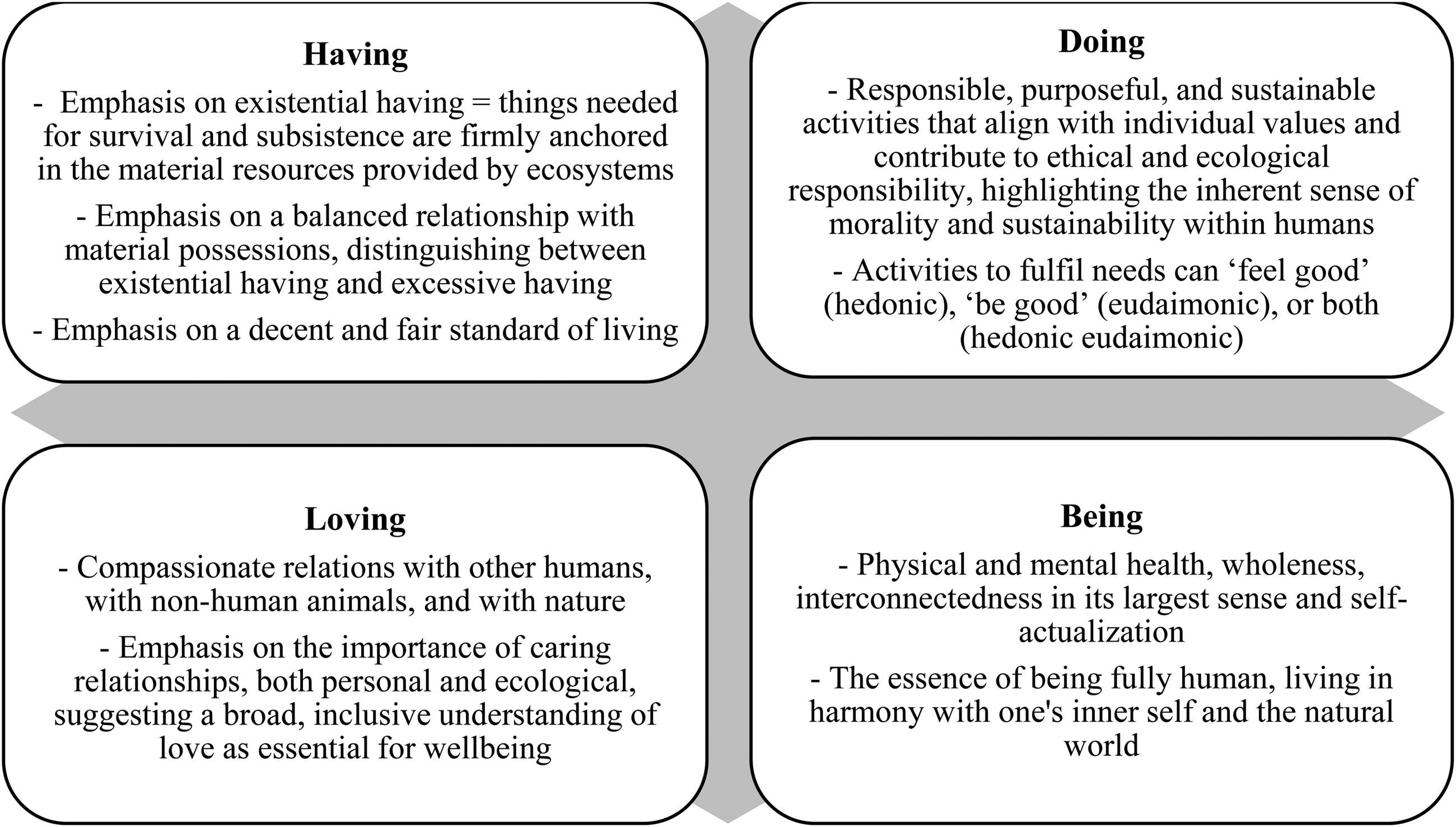
Summary of the Having-Doing-Loving-Being (HDLB) model of well-being based on Helne and Hirvilammi (2017, 2019; Helne, 2021).
Using the HDLB model by Helne and Hirvilammi (2017, 2019; Helne 2021), this study defines well-being as the quality of life that emerges from the fulfilment of HDLB dimensions, where the interconnected and overlapping dimensions should all be fulfilled to actualize well-being. This model suggests that well-being is not solely about material possessions or individual achievement but is deeply rooted in relationships with other people, with the community, and with the natural environment. The model also discusses the importance of fulfilling existential needs within ecological limits, with minimal load on the environment and distance from economic growth and extensive Having of material things. The HDLB model provides an understanding of well-being within the sustainability discourse and promotes ecosocial transition (paradigm shift towards a more ecologically and socially balanced society) and ecosocial perspective in social work by highlighting the relationship and interconnectedness between human and planetary well-being.
Psychological empowerment
Empowerment has a central role in health promotion work (Wallerstein, 1993) and in social work (IFSW, 2014) and is a central “inbuilt” concept in photovoice (Wang, 1999, 2006). However, empowerment is a contested concept, with definitions and theories differing across disciplines. In the social work context, Adams (2008) defines empowerment as the ability of individuals, groups, and communities to control their circumstances, exercise power, and achieve their goals while individually and collectively enhancing their quality of life. It can be distinguished at the individual level (psychological empowerment), group level (social empowerment), and community level (collective/political empowerment) (Turunen, 2020). The individual level stresses individual capacity building, the community level emphasizes community structures, resources and mobilization (Sjöberg et al., 2015), and the group level emphasizes group capacity building (Turunen, 2020).
Zimmerman's Psychological Empowerment (PE) framework emphasizes the individual level of analysis of the empowerment process/outcomes while considering sociopolitical and contextual factors, such as ecological and cultural influences, to reflect broader interpretations (Zimmerman, 1995). PE framework was found to have the potential as an analytical concept in this study, based on the assumptions that the individual level of empowerment is predominant within the Swedish context. In the Swedish-language literature, empowerment is often expressed as “egenmakt” (“own power”), which is the ability of individuals and collectives to influence matters they perceive as important (Jungerstam & Nyback, 2021). However, empowerment-focused social work in Sweden frequently relies on an individual's capacity for self-empowerment (Ayoub et al., 2023). Specifically, youth empowerment work in Sweden primarily adopts a preventative, individual-based approach to prevent or reduce undesired behaviors while simultaneously fostering individual development (Chang et al., 2022).
The components in PE (Figure 2) served as a useful analytical tool in interpreting the findings in relation to individual empowerment within a given context (intrapersonal component), the system that works in that context (interactional component), and certain behaviors to exert control in the context (the behavioral component).
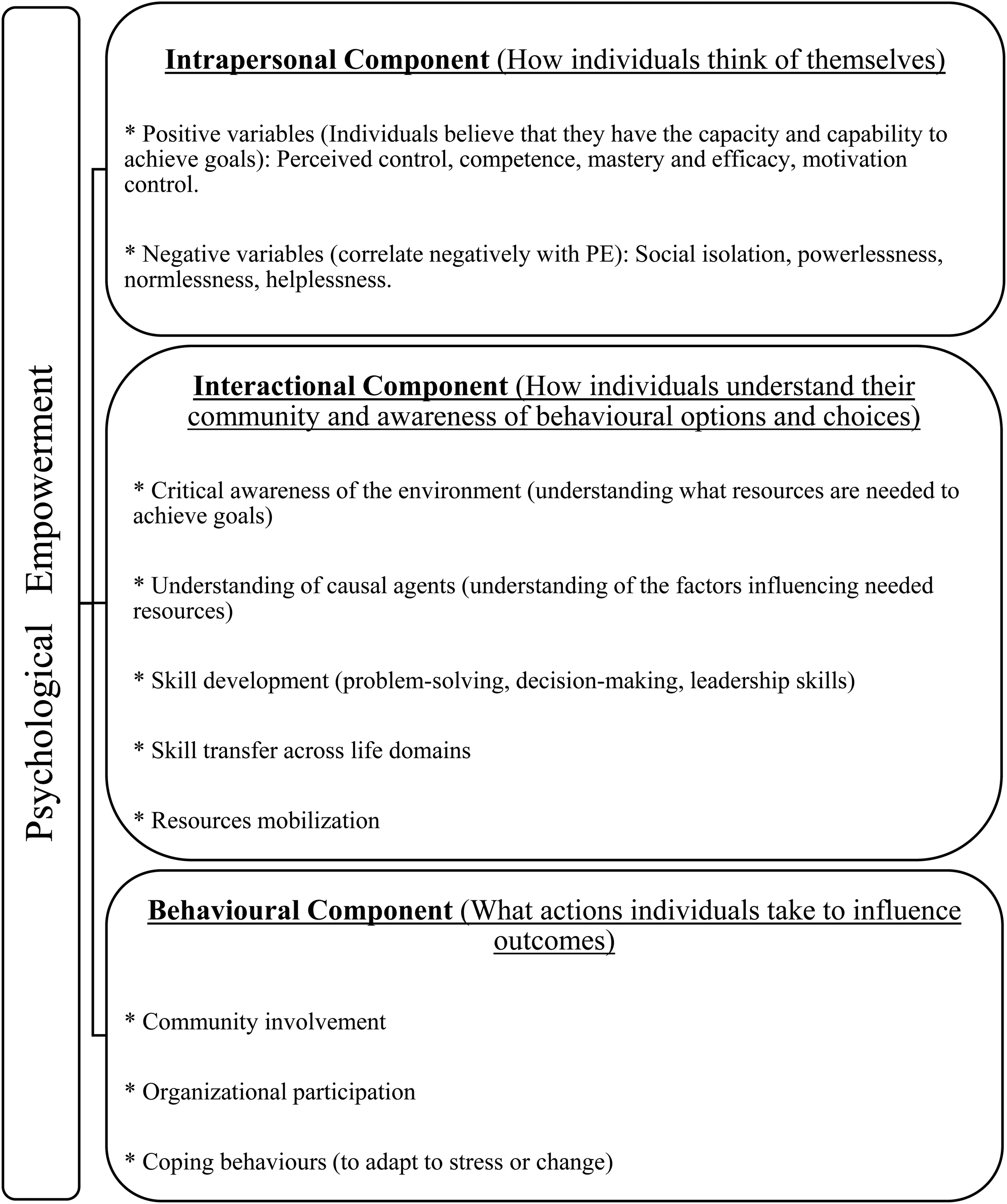
Summary of the components in the psychological empowerment framework (Zimmerman, 1995).
Methodology
Design and procedure
Photovoice seeks to empower participants to be experts in their own lives by identifying, documenting in pictures, presenting, and communicating their strengths and concerns to initiate social action and change (Wang, 1999; Wang & Burris, 1997). The main steps in the process are picture-taking, discussion of the pictures, and dissemination of the results to policymakers or those in communities with the power to improve situations (Wang, 2006). In photovoice, it is crucial to disseminate findings to different stakeholders for potential social change (Wang, 2006; Wang & Burris, 1997).
Recruiting participants proved challenging despite multiple attempts and strategies through contact with schools, youth organizations and centers, and private networks. The first author initiated the recruitment process in January 2022 by emailing, calling, and visiting various “gatekeeping” organizations, as well as directly contacting potential participants to describe the study and raise their interest in participating. Most organizations stated that they could not provide any opportunity for the first author to come and meet their youth due to their organizational workload. Most of the youths who were contacted declined to participate, citing reasons such as a lack of time and the token of appreciation offered not being sufficiently attractive. The second author joined the first author in the recruitment process after a few months of attempts, during which only three participants had agreed to participate. Despite the efforts of both authors, by the end of January 2023, only 11 participants had been recruited.
At the end of each session, we asked the participants to reflect on their discussions, posing the questions: “Why do you think it was difficult for us to recruit participants?” and “Why do you think not many youths were interested in participating?” The participants suggested that to attract youths’ interest in participating in the study and disseminating the findings, we should have employed a better marketing strategy, proposed research ideas that interested youth, offered money instead of movie tickets for participation, provided a more engaging information letter about the study, and hired youth to assist in recruiting participants. Having received this feedback directly from the participants, we realized that we could have conducted the recruitment process in a manner and with language that resonated more effectively with the youth.
The eleven participants we finally managed to recruit were divided into two groups, and they had an information session with the first and second authors through Zoom. They received details about the study, their participation, the photovoice process, the purpose of the pictures they took, and the ethical and legal aspects of picture-taking. They were instructed to take pictures of their daily lives related to their health, well-being, and (future) working-life. After two weeks, they selected five pictures and emailed them to the first author. All participants provided verbal and written consent regarding their participation and the authors’ use of their pictures in the study. They were anonymized by each being given a number as identification (e.g., #1 means participant 1).
Participants then met in their respective groups to discuss their pictures, guided by the first and second authors. They briefly discussed their five pictures but only provided a detailed account of one picture. Group 1’s discussion lasted 80 minutes, and group 2’s lasted 70 minutes. A follow-up discussion was conducted with #2 (who left her group discussion early), and another was conducted with #3 and #5 (for clarification). Interviews were digitally recorded and conducted in Swedish. They were transcribed and translated into English by the first author.
The photo discussions were guided by SHOWeD (See, Happening, Our Lives, Why, Do) questions, which are part of the photovoice method (Wang, 1999). Concepts related to health, well-being, and SD were used in the questions. At the end of each group discussion, participants collaboratively identified key findings in their discussions and reflected on them.
Research participants
The participants were individuals living in Gävle, Sweden, aged 15–19 (Table 1), which is an age group aligned with the WHO's definition of adolescents and young people and the United Nations’ definition of youth. In reviewing earlier studies, the terms “young people”, “adolescents”, and “youth” were used; here, we use “youth” to describe this group. The recruitment was purposefully focused on most schools, youth organizations, and centers in Gävle as well as private networks, with the aim of recruiting a representative sample of youth rather than those from, for example, specific political or religious organizations.
Participants.
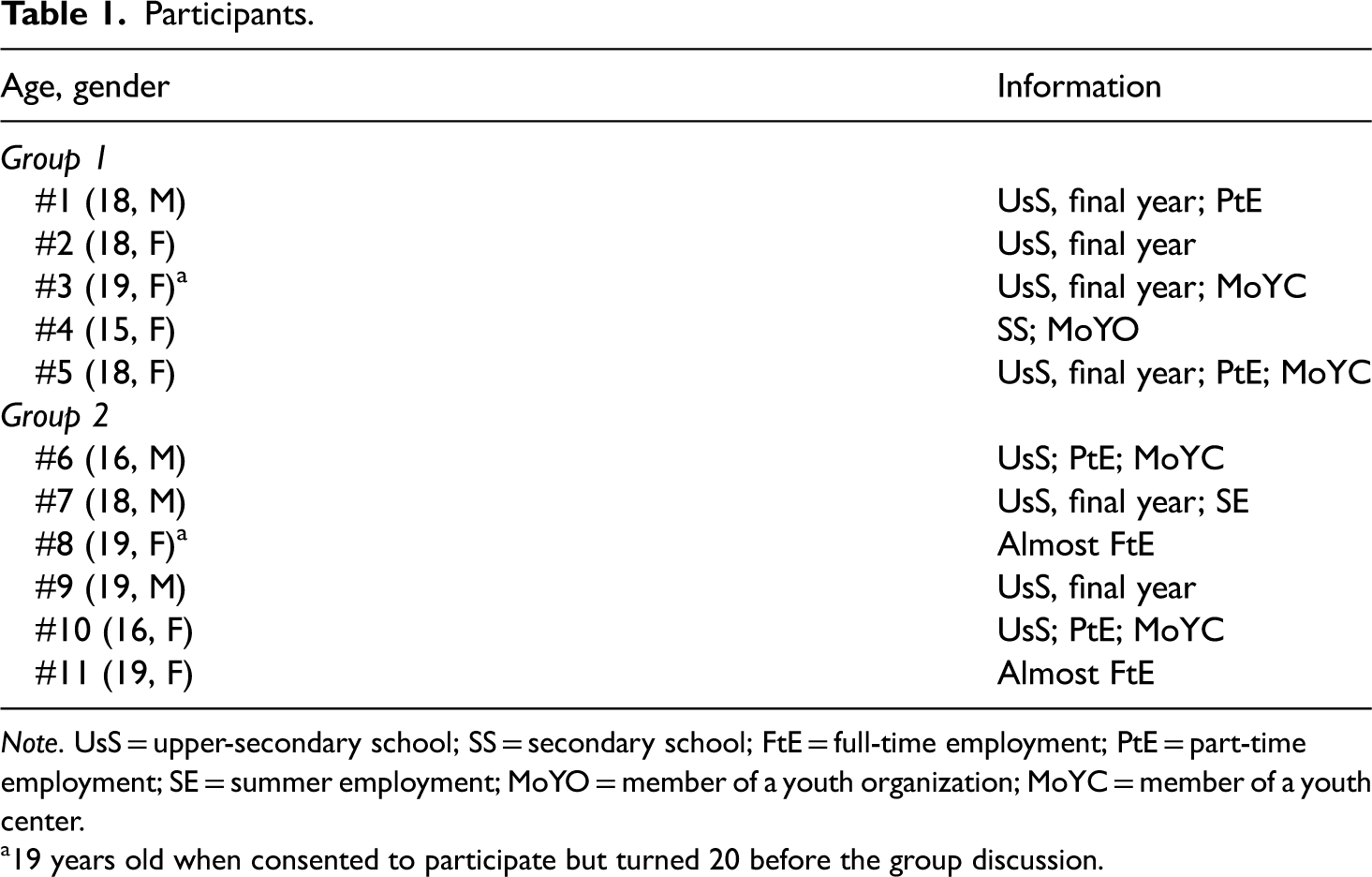
Note. UsS = upper-secondary school; SS = secondary school; FtE = full-time employment; PtE = part-time employment; SE = summer employment; MoYO = member of a youth organization; MoYC = member of a youth center.
19 years old when consented to participate but turned 20 before the group discussion.
Data analysis
The gathered data were analysed using an inductive thematic analysis method. This approach, inspired by the thematic analysis method developed by Braun and Clarke (2021), involved data familiarization, code generation, theme development, theme review and definition, and article production.
The codes were data-driven and open-coded, encompassing semantic (explicit, overt) and latent (implicit, covert) meanings. However, these open codes were cross-checked back and forth with the conceptual and theoretical frameworks to provide direction on what (but not exactly what) to look for to ensure they contributed relevant meaning to the research aim and questions. Codes (meaning units with at least one observation) were grouped based on the patterns of the shared meaning. The code groups were interpreted into themes, which indicated the underlying meanings.
The first author led the data analysis using version 23 of ATLAS. ti, while the second author conducted a separate analysis using Word documents. The first and second authors met several times to reflect on, review, and name the themes. The themes were then reviewed in alignment with the research aim and theoretical framework, in consultation with the third and fourth authors as part of the interpretation process.five
Inspired by Braun and Clarke (2021), our data analysis involved the flexible interpretation of qualitative data, wherein codes and themes were created through the interplay of data, the analytical process, and researcher subjectivity. Four themes were developed and presented in the findings section. Furthermore, we did not strive for consensus among ourselves but instead focused on our thoughtful engagement with the data and the analytical process (see Braun & Clarke, 2019).
Findings
Health and well-being: it's all about feeling good (FG)
Both groups defined health and well-being as FG when their physical, mental, emotional, social, and economic needs were fulfilled. At the outset of the discussions, most participants largely framed FG as physical health through physical activities such as exercising at the gym, taking a walk, and playing football. Doing was central to their discussion of achieving and promoting FG, even when discussing other non-activities that promoted FG, such as things, relationships, and places (e.g., car = driving, friendship = having dinner with friends, gym = exercising). On the other hand, school stress, worries about future employment, and unmet needs and expectations were described as feeling bad. FG and feeling bad have also been described in previous research (e.g., Högberg et al., 2020; Ungdomsbarometern, 2023; Woodgate & Skarlato, 2015).
As the discussions progressed, it became evident that all participants recognized the crucial role of social embeddedness with other people for their FG, particularly regarding their friends and families. This perspective aligns with previous research (Mastorci et al., 2020; see O’Higgins et al., 2010;), including the finding that 59% of surveyed Swedish youth considered their friends the most important individuals in their lives while 41% prioritized family (Ungdomsbarometern, 2023). Conversely, only one participant (#4) discussed ecological embeddedness in relation to FG.
Food also played a pivotal role in some participants’ FG. However, the food discussed was not conventionally considered “healthy”, and even when discussing seemingly healthy options such as sushi (Figure 3), the participants focused more on sentimental and social values rather than nutritional aspects. In contrast to the findings of Wiklund et al. (2019), food was not discussed in relation to dieting or body ideals but rather in terms of joy (#1, #2, #10), cultural experiences (#4), a sense of belonging (#2, #5), places (#2, #5), and financial reasons (#5).
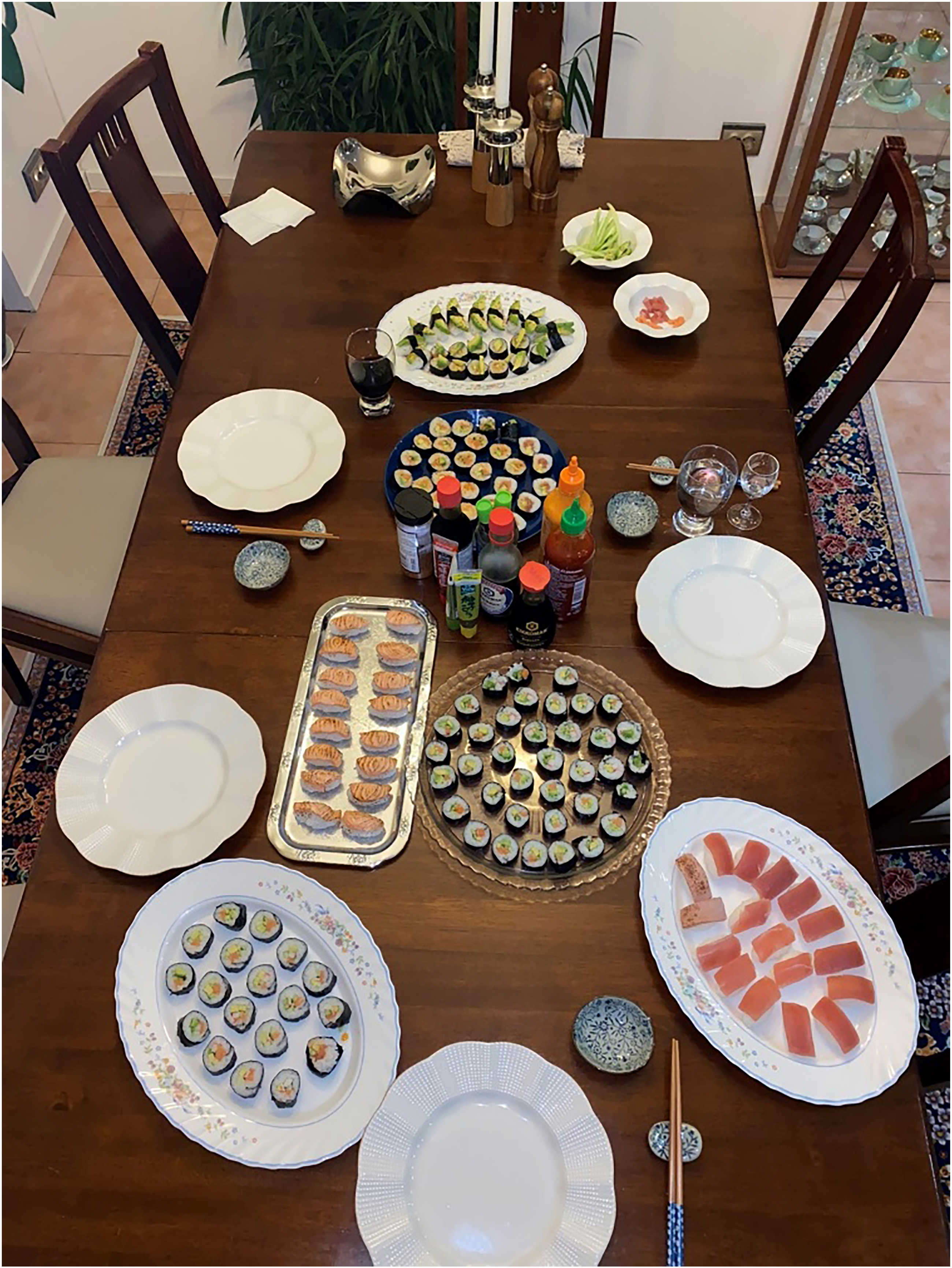
Home-made sushi for dinner (#2).
Other things that the participants considered to enhance their FG included playing videogames to disconnect from the “real world” (#2 and #3), spending time with companion animals (#4 and #8), travelling by plane (#2), train (#3), or car (#8), and having a job, especially a meaningful one (#1, #5, #8, #11). All participants recognized FG as individual, multifaceted, contextual, temporal, and spatial self-actualization. No one thing works for everyone, and you have to focus on what makes you happy instead. I think you should focus on yourself…to feel an improvement in yourself…/…But it seems like everyone has the same goal: it's to improve themselves. (#7)
All participants also perceived FG-enhancing activities as valid and “true” for individuals in relation to where they lived. For example, #1 believed that in the Swedish context, FG went beyond the fulfilment of basic needs and was rather about “the top of the pyramid” (most likely referring to Maslow's hierarchy of needs), suggesting that lower-level needs were already met in Sweden, and so the focus was on self-actualization. Most participants acknowledged the influence of societal demands on their self-actualization. Specifically, they found conforming to societal demands for adulthood particularly stressful, like moving out, getting a driving licence, fulfilling the demand for formal education for working-life, securing employment, and defining life goals. Additionally, some participants faced familial demands, such as pursuing specific job choices.
Sustainable development in relation to health and well-being
All participants indicated their familiarity with SD, which they had been exposed to since kindergarten through Education for Sustainable Development (ESD). However, they expressed a lack of awareness regarding the relevance of SD to their FG. All participants except #11 associated SD only with the environmental perspective, whereas #11 also discussed sustainable communities. When discussing the environmental perspective, the participants focused on environmental preservation practices such as recycling, waste sorting, no littering, eco-friendly transportation, organic food consumption, reducing meat intake, and minimizing plastic usage. They could not discern the direct benefits of these practices on their FG, except for organic food's impact on physical health. When prompted to discuss the economic and social aspects of SD explicitly, none of the participants offered any insights. Economic and social sustainability were touched upon in their discussions, but were not explicitly comprehended as integral components of SD.
Though the participants recognized the significance of environmental conservation, #2 noted that schools often failed to provide students with a clear understanding of its rationale, and emphasized the challenge of carrying out tasks when the reasons behind them were unclear. Furthermore, the participants stated that they had learnt about ESD since kindergarten and that SD had started to lose its meaning and feel like “nagging”. This may have made the participants feel that the environmental issues were their responsibility to solve despite having inherited these problems from adults who did not do as they preached: Adults talk about climate, but they affect the climate the most. For example, we have a teacher who always says, “Oh, we have to save the environment,” but he drives when he could ride a bicycle? And in school… there's plastic everywhere. (#5)
As exemplified by the quotation above, many participants had an “either-or” reasoning for protecting the environment. This reasoning may have led to a feeling that what they (and others) did might not be enough, as “doing enough” could only mean doing absolutely everything that was considered environmentally friendly. The participant quoted above also suggested that individual actions alone may be insufficient, advocating for a shift in focus toward those with greater influence and power: Us ordinary people, the only thing we can do is not buy too much plastic, and not litter… that's what we can do. But the biggest impact comes from large companies. They’re the ones who should get more lessons about SD. (#5)
Despite experiencing frustration, hopelessness, and powerlessness, most participants said they tried to contribute what they could without going beyond the bounds of what was considered normal: I don’t do more or less than anyone else [laughs]. When someone our age recycles, sorts waste, and thinks about where they buy their clothes from…goes “all in”, it's kinda taboo. Then you become a “freak” directly linked to environmental activists. (#8)
Most participants only weakly related environmental sustainability to FG. Based on their knowledge of (environmental) SD, the participants recognized that certain behaviors in their lifestyles, which enhanced FG, did not conform to the typical environmentally friendly and sustainable standards, such as driving a car (Figure 4) instead of taking public transport when possible. However, they felt that these activities contributed only a small negative environmental impact.

Freedom, independence, and achievement (#8).
Environmental perspective and its relation to health and well-being: “us” and/versus “others”
All the participants discussed how different environments facilitated their FG, though only #3 and #5 indicated that some of these environments acted as barriers. #5 described how lack of space in the built environment affected her FG, as she shared a bedroom with her sister. #3 and #5 said that their neighbourhood had a high concentration of immigrants and was often portrayed as unsafe and dangerous due to periodic occurrences of serious crimes. However, they felt unsafe not solely because of this, but also due to the geographical location, their gender, and the potential danger at night.
When prompted to contemplate the relation between FG and the natural environment, all participants but one expressed that the natural environment did not significantly influence their FG, and they did not perceive themselves as having a strong relation to the natural environment. Some discussed the importance of the natural environment, but as a social setting rather than for its inherent value. Others emphasized the significance of various built and indoor environments for their FG, such as gyms, sports fields, workplaces, living rooms, bedrooms, and youth centers. This view contrasts with the findings of Woodgate and Skarlato (2015), where most participants emphasized outdoor environments.
#4, the youngest member in the group, was the only one who actively acknowledged the influence of natural environments, including green spaces, woodlands, wildlife, and fresh air, on her FG (Figure 5). #11 expressed that although these things were important, they were not things youths naturally considered. It's difficult to think about the environment when you have other things to think about… you think about your feelings…/… We think about and focus on things that concern us more than those that concern society. I imagine we think more about SD as we age. (#11)
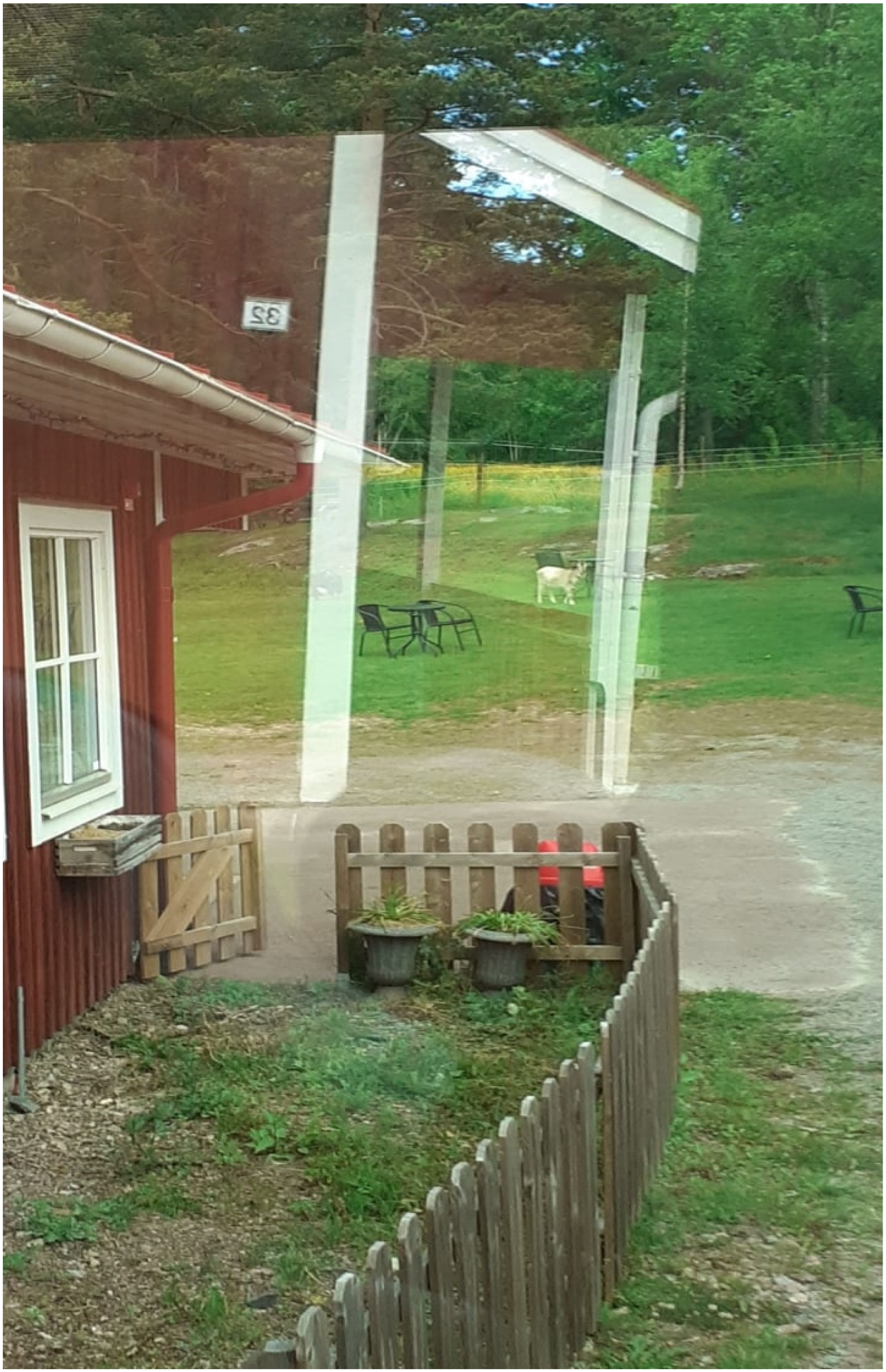
Goat, grass, and fresh air (#4).
The quotation above may illustrate the so-called “adolescent dip” in environmental consciousness (Olsson & Gericke, 2016), in line with previous findings that environmental issues were not top priorities among youth (Corner et al., 2015). It also shows how some of the participants were focused inward on themselves as individuals who were almost detached from society. This individualistic focus with a near-total detachment from the ecosystem was prominent in the discussions: When older people know about the problems and do nothing about it, why should I? Trying to do something that won’t affect my future? Because I’ll surely be dead…It feels like many youths think the same way, because I’ve discussed this with others. (#2)
The sense of detachment highlighted the focus on the individual rather than the collective. This sentiment might be attributed to the perception that severe environmental threats are distant worries that will occur far in the future and to other people than themselves, as also indicated in prior research (Gubler et al., 2019; Ojala et al., 2021). People might struggle to see the urgency when issues are distant both temporally and geographically: The environment… it's not something that benefits you in the short term; it's in the long term. I can’t just do something and wait 20–30 years. I don’t care about my grandchildren, you know [laughs]. So, if it's not short-term, no one even cares. (#6)
All participants also highlighted their geographical location, perceiving Sweden as safe and “bubble-protected” from environmental crises like earthquakes, wildfires, and flooding. Some considered the impact of natural disasters on their FG to be minimal, attributing this to Sweden's fortunate exemption from environmental catastrophes, and saying that these catastrophes occurred only “over there.” While they acknowledged a flooding incident in Gävle in 2020, this was not perceived as on par with the global scale of natural disasters. #5 expressed a lack of anxiety about the potential impact of environmental issues on her FG, saying, “We have it so good here in Sweden.” #4, who valued natural environments for her FG, also lacked concern over environmental disasters in Sweden, as she saw them as being relegated to distant locales. Nevertheless, she understood the adverse effects of certain activities on the climate.
Concerns regarding the benefits of the natural environment for FG, environmental issues, and climate change and its potential impact on FG appeared to be distant and of minor significance. This perspective may stem from the participants’ living environment, where climate-related issues and natural disasters were notably less prevalent than in media reports or educational settings. Most participants also expressed that their peers had similar attitudes and were unconcerned about environmental and ecological matters.
Working-life capacity: monetary goal as the main purpose?
Health and well-being can be measured through different determinants and indicators, such as employment. In most European nations, youth of working age have been exposed to unemployment and precarious/temporary jobs (Nielsen et al., 2023). Numerous studies (e.g., Bartelink et al., 2020) have also demonstrated how unemployment may affect youth's health. While the participants in this study did not discuss unemployment as a worry, they discussed school stress and what higher formal education to pursue. This concern may stem from the reason discussed by Halvorsen and Hvinden (2018), namely that today's labor market demands a higher level of formal education.
Six participants were already engaged in the labor market (see Table 1). While most participants had some idea of the kind of profession they aspired to, they remained uncertain if their future careers would align with these aspirations. All participants unanimously acknowledged the importance of education in acquiring professional knowledge, competence, abilities, and skills for their future working-lives, but some expressed that school and schoolwork contributed significantly to stress. Two admitted to being uncertain about their career aspirations, though their families held strong expectations regarding the types of professions they should pursue. One of them was studying to become an assistant nurse, and as part of this programme, she worked part-time as an assistant nurse at an elderly care facility, which she genuinely enjoyed. However, her parents encouraged her to pursue “better and more prestigious” professions within the same field, such as registered nurse or medical doctor. She believed her parents were not considering whether she possessed the necessary skills, capabilities, desire, or enthusiasm for such pursuits.
Discussing their (future) working-life made some reflect on its relation to environmental health and individual finances, and how difficult it was to find a balance: I drive to work every day, which might not be good for the environment, but I sort my waste and do what I can. I don’t think about the clothes I buy. I have limited money, so I have to think smart [laughs]. (#11)
As illustrated here, knowing and doing were not always in harmony, as the participants continually negotiated and navigated between different aspects. #11 did not specify why she drove to work, but it appeared necessary. She lived in a suburb with an infrequent bus service at night, and worked at a youth center (Figure 6) that stayed open late. Driving was likely the most time-efficient and safest way for her to get to and from work, which allowed her to remain employed.
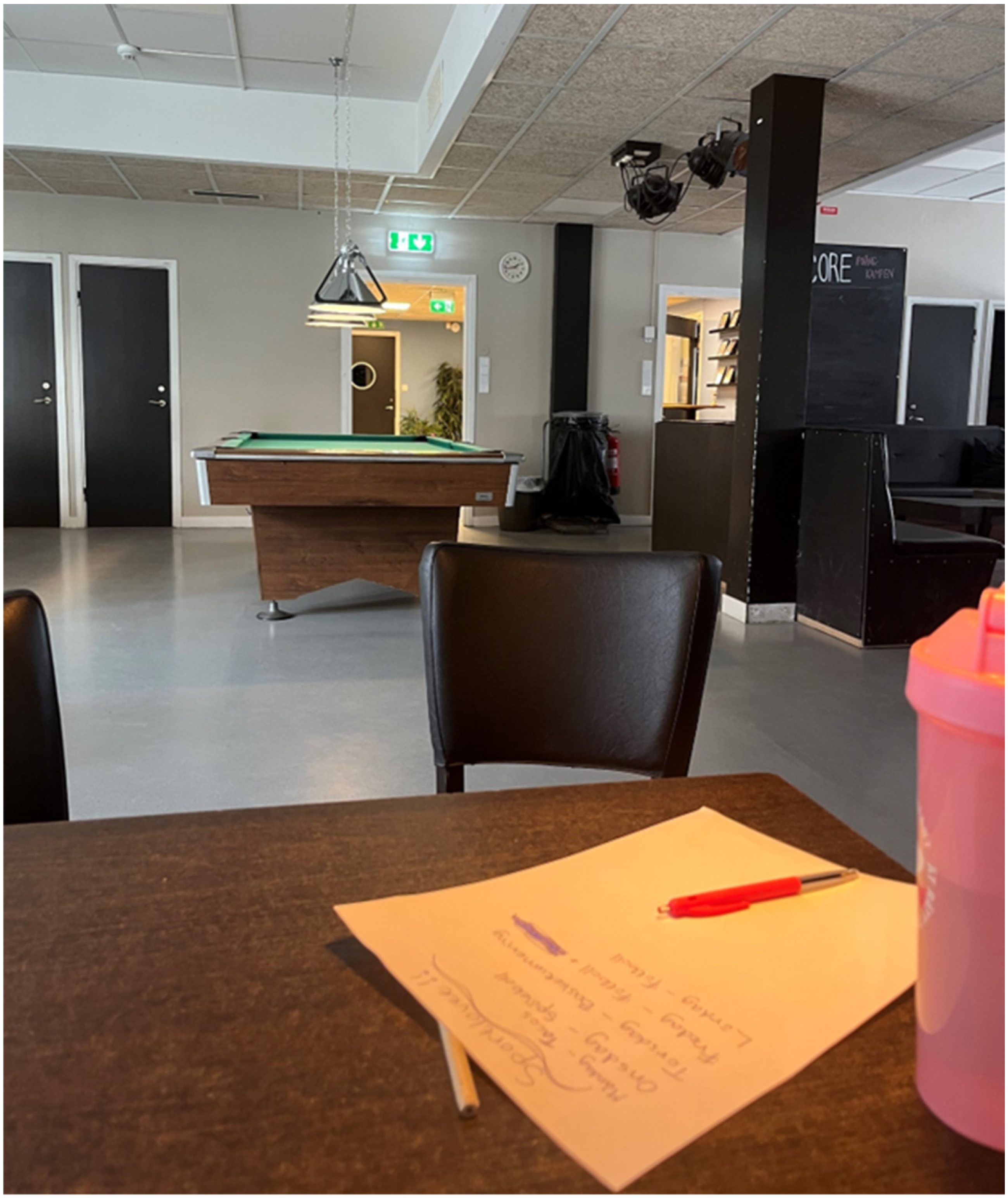
Workplace (#11). The paper shows planned activities.
A survey of young Swedes’ future working-life values conducted in 2022 showed that aspirations for “high pay” had surged in importance compared to previous years (Ungdomsbarometern, 2023). This may be attributed to rising living costs, inflation, and the internalization of various external pressures and expectations, as the participants hinted at in the discussions. Some participants pointed out that today's youth spend considerable time on social media platforms. At times, the participants felt pressure to conform to the happy, satisfied, and “ideal” lives shown on social media, which often translated into material possessions. This pressure to have the “ideal” life could lead to anxiety and exclusion, in line with earlier studies (e.g., Krogh, 2023). However, the participants did not mention material possessions in relation to FG other than when discussing the influence of social media.
Analysis of findings
In relation to the theoretical framework, the findings suggest that the participants defined their health and well-being as FG, and that this was shaped by the intrapersonal, interactional, and behavioral components of PE and by the fulfilment of the HDLB model FG was discussed as multifaceted and influenced by time, space, and the broader sociopolitical and cultural context; for example, living in Sweden with good living conditions. All participants emphasized activities, especially the “doing” part, as the key to achieving and enhancing their FG. “Doing” covers physical activities, lifestyle, social relationships, gender, social media, school-related stress, and mental health, which align with the aspects highlighted in earlier studies (e.g., Högberg et al., 2020; Krogh, 2023; Mmari et al., 2014; O’Higgins et al., 2010). The findings of this study also suggest that the activities discussed by the participants were largely hedonic and less eudaimonic, centered on their own pleasure despite the inclusion of other people in these activities.
Regarding HDLB, the participants perceived their FG as being based on self-actualizing activities, with weak ecological embeddedness and sustainability thinking. One reason for this could be the technocratic and consumerist culture in which they live, like many others in the contemporary world. In such a culture, many individuals have little or no connection to nature (Helne, 2021). Another reason could be the age of the participants, as several studies (e.g., Olsson & Gericke, 2016) have indicated a dip in environmental consciousness among individuals of this age range. Moreover, persons of this age do not generally have employment and working-life capacity on their current agenda.
The study findings confirm the intrapersonal and interactional components of the PE model. The participants were focused on self-actualization through mastery of life, skill development, and transfer across activities in their everyday lives, including food, physical and social activities, and their significant relationships with families and other networks. The behavioral components were not concerned with community involvement or organizational participation, but rather with coping behaviors in handling stress and demands in relation to school, family, and future plans. Through the PE model, it became clear that the participants discussed and perceived empowerment on the individual level. This aligns with several previous Swedish studies highlighting that empowerment in Sweden is focused on “egenmakt” (“own power”) (Jungerstam & Nyback, 2021).
When discussing their understanding of SD as a concept, the participants mainly viewed this in terms of environmental sustainability, especially regarding daily tasks such as sorting waste. The importance of a natural perspective in enhancing FG was only marginally discussed. Economic sustainability in relation to FG was discussed as a means of fulfilling their needs, and was connected to their ability to make their money last. Social sustainability was mostly discussed through the importance of meaningful social relationships for FG, and not as an issue related to social justice or equality. While our participants recognized environmental issues and their consequences, these were perceived as distant worries and inherited problems. They also felt that environmental issues were too big for young people to solve, and that the consequences of environmental disasters in Sweden were far in the future.
This sentiment illustrates how the participants tended to frame their FG based on their current living conditions in Sweden, with limited solidarity for future generations and planetary well-being. One important underlying message of this study is, therefore, that even though the participants had knowledge and awareness about SD, they were far from the position of Greta Thunberg. Thunberg perceives environmental issues as crucial to her and others’ FG, and rallies global youth to address these issues collectively, urging leaders to take action. In contrast, participants in our study exhibited individualistic and hedonic tendencies with limited ecological embeddedness in perceiving their FG. Nevertheless, although they showed limited concern for future generations and planetary well-being, they did not indicate radical hedonism in describing their needs, wants, and doings. Radical hedonism refers to the well-being associated with the attainment of maximum pleasure and the fulfilment of any desire an individual may have, disregarding the content or consequences (see Helne, 2021).
Discussion: implications for social work
Social work, a practice-based profession, addresses life challenges and enhances human well-being (IFSW, 2014), considering social, political, cultural, economic, and environmental factors (Beddoe & Maidment, 2014). Despite its initial slow adoption of a physical and natural environmental perspective, it is now increasingly addressing the interdependency between human and planetary well-being (Chang et al., 2022). Helne and Hirvilammi's HDLB model of well-being (2017) introduces a relational conception that underscores the interconnectedness of individuals and the environment, advocating for an ecosocial transition that integrates ecological sustainability into social welfare practices, thereby broadening the focus to encompass environmental considerations alongside individual and collective well-being. The emphasis on collectivism in social work values is pivotal for ecosocial work (Boetto, 2016), urging social workers to collaborate with community members for collective well-being (Närhi & Matthies, 2018), which can be bolstered through collective empowerment (see Sjöberg et al., 2015) and community work (see Turunen, 2004; Sjöberg & Turunen, 2022).
By utilizing the HDLB model of well-being proposed by Helne and Hirvilammi (2017, 2019; Helne 2021) and the PE framework of Zimmerman (1995) as the theoretical framework, this study has contributed to a more holistic understanding of well-being in social work by highlighting the need to incorporate environmental perspective alongside personal accomplishment, especially among youth. The analysis of the data has shown that the participants framed their health and well-being in terms of FG based on self-actualizing activities with weak ecological embeddedness and sustainability thinking. Their perception of FG and working-life capacity in relation to SD was from a more individualistic and hedonic perspective than a collective and eudaimonic one, though they acknowledged the social context-imposed expectations and demands that affect their FG. This individualistic and hedonic perspective among the participants implies the lack of a collective empowerment perspective for social mobilization, which the photovoice method aims for. We had not anticipated this strong individualistic stance and absence of collective thinking, though we could perhaps have predicted them to some degree, as the individualistic and hedonic stance is aligned with the mainstream lifestyle in Sweden.
Youth voice through participation has important implications for social work practice but is still limited in (eco)social work discourse (Schusler et al., 2019). There are many approaches social workers can use to engage and promote youth voices in research and practice, such as the photovoice method, which highlights the power of youth participation (Sprague Martinez et al., 2018). In Nordic countries, the photovoice method has been used to a limited extent in research exploring the health and well-being of youth (Lögdberg et al., 2020). Our photovoice study created a space for the participants, who live in a Nordic country, to voice their perspectives, thus contributing knowledge of how youths perceive their health, well-being, and working-life capacity in relation to SD.
Limitations of the study
When using the photovoice method, dissemination of the findings is a crucial step in achieving social action; this can be in the form of articles or conference presentations by the researchers, or community presentations by the participants, such as photo exhibitions (Wang et al., 1998). Our participants stated that they were happy they had participated in the study, as it allowed them to express their voices, and gave them the opportunity to reflect on their health, well-being, and working-life capacity in relation to SD. However, there was a lack of collective interest among the participants in disseminating the results to other stakeholders (such as local policymakers) through photo exhibitions or other forms, as this would require more engagement on their part. In the Nordic context, a common claim is that youth are becoming more individualistic, resulting in reduced involvement in “traditional” political engagement (Lieberkind & Bruun, 2021). This claim could also be one reason for the low interest in participating in this study, as well as the lack of interest in disseminating the findings. Another limitation is that we did not consider the participants’ background, socioeconomic disparities, parental education, employment, or residence/neighbourhood distinctions in our analysis. Moreover, our study included quite a small number of participants, so future studies with a larger group of youth are required for a deeper understanding of the area.
We conclude that there is a need for further development of photovoice studies that are carried out in close partnership with youth and other stakeholders such as teachers, youth workers, social workers, and other professionals. Establishing a close partnership from the beginning of the study can also facilitate substantial discussions of sustainable development from an ecosocial work perspective. This approach can correspondingly motivate participants to collaboratively disseminate the study's findings, thereby promoting social change and influence, as well as enhancing social work with youth.
Footnotes
Ethical approval
Ethical approval for this project was given by the Swedish Ethical Review Board (reference number: 2021-00426).
Funding
The authors disclosed receipt of the following financial support for the research, authorship, and/or publication of this article: This work was supported by the University of Gävle.
Declarations of conflicting interests
The authors declare no potential conflicts of interest regarding the material submitted, authorship, or publication.
Authors’ contributions
All authors jointly designed and conceptualised the study. EC and PT collected the data and initiated the data analysis. EC prepared and wrote the original draft of the article. The data analysis and original draft were discussed and revised several times with input from all the authors. All authors have contributed to the text writing and have read and agreed to the published version of the manuscript.
