




Abstract
This study explores the factors that contribute to memorable experiences in the context of Airbnb. An open-ended question, ‘Please describe your most memorable experience with Airbnb’, was asked in the survey, and a total of 824 valid responses were obtained. The qualitative analysis of the data was conducted using Leximancer. The findings highlight the significance of the ‘Stay’, ‘Home’, ‘Family’, ‘Host’, ‘Beach’, and ‘Use’ themes, each playing a vital role in creating memorable experiences. In particular, the present study extends these findings by offering a more nuanced understanding of these dimensions, with specific themes emerging in relation to different demographic groups, including gender, age, education, and income. These themes provide a deeper understanding of how different groups perceive and value their Airbnb experiences, offering valuable insights for hosts and platform operators to tailor their offerings more effectively.
Introduction
Peer-to-peer (P2P) accommodation, facilitated by platforms such as Airbnb, has transformed the global tourism and hospitality landscape. P2P accommodation sector refers to lodging services where individuals rent out their private properties, such as homes, apartments, or rooms, directly to guests through digital platforms (Belarmino and Koh, 2020). This model is a key component of the broader sharing economy, emphasizing access over ownership and promoting the use of underutilized assets (Cheng, 2016).
Platforms such as Airbnb have dramatically expanded this market. For instance, as of 2025, Airbnb operates over 8 million active listings across 150,000+ cities and 220+ countries and regions, supported by 5 million hosts and 2 billion guest arrivals worldwide. Collectively, hosts have earned over USD 300 billion, highlighting the immense scale and economic impact of the P2P accommodation sector (Airbnb, 2025). The rapid global expansion of this network highlights the scale and economic significance of P2P accommodation in reshaping tourism and hospitality consumption patterns.
Offering diverse and affordable lodging options, P2P accommodation has not only reshaped the traditional lodging industry but also addressed the growing demand for unique and personalized travel experiences (Wang et al., 2024). However, sustaining the growth and relevance of P2P accommodation requires a deeper understanding of the factors that influence travellers’ experiences and perceptions (Sthapit et al., 2022a, 2022b).
In the context of the tourism industry, creating memorable tourist and accommodation experiences is essential (Hosseini et al., 2023). A memorable experience not only fosters consumer loyalty but also supports the long-term sustainability of the industry by encouraging positive word-of-mouth and repeat visitation (Sthapit et al., 2022a, 2022b). A memorable experience can be defined as one that is vividly and positively recalled after the event, often characterised by affective intensity, novelty, and personal meaning (Hosany et al., 2022; Kim et al., 2012; Tung and Ritchie, 2011). Such experiences are inherently emotional and distinctive, standing out from routine encounters and leaving a lasting impression on the traveller. Furthermore, such experiences play a crucial role in enhancing consumer well-being by offering opportunities for connection, relaxation, and personal enrichment (Suess et al., 2020). Within the P2P accommodation sector, understanding what makes an experience memorable is crucial for hosts and platform providers seeking to meet the needs and expectations of consumers (Sthapit et al., 2022a, 2022b).
Despite its significance, research on the factors contributing to a memorable Airbnb experience remains limited. Existing studies, particularly those conducted by Sthapit and colleagues (Sthapit et al., 2022a, 2022b; Sthapit and Jiménez-Barreto, 2018), have offered valuable insights but present fragmented and inconsistent findings. For instance, Sthapit et al. (2022b) identified different drivers of memorable Airbnb experiences compared to those highlighted in Sthapit et al. (2022a), revealing variations in how memorable experiences are understood.
Moreover, to date, quantitative methods have dominated this field, offering foundational knowledge on various aspects of the Airbnb experience (Guttentag, 2019). However, there is substantial opportunity for qualitative research to provide richer, more detailed insights. Many studies have relied on easily accessible data, such as listings and reviews scraped from the Airbnb website or social media (Guttentag, 2019). While useful, these datasets often lack the depth and specificity of data gathered specifically for academic research. This reliance on secondary data underscores the need for qualitative approaches that can explore the nuanced and multifaceted nature of memorable Airbnb experiences from the traveller’s perspective (Guttentag, 2019). In the present study, a qualitative online survey was employed with a minimum word requirement to encourage more detailed responses. Following data cleaning, only responses that demonstrated sufficient depth and reflection were included, ensuring the qualitative data were robust enough to capture travellers’ multifaceted and memorable Airbnb experiences.
This study aims to address these gaps by investigating the question: What makes an Airbnb experience memorable? Using Leximancer, an innovative text analysis tool, this research will (1) systematically analyse qualitative data to uncover the key elements that shape memorable experiences, (2) investigate impressions of Airbnb experiences, and (3) compare findings across gender, age, education, and income groups. By focusing on data specifically gathered for this study, the research seeks to provide a comprehensive understanding of memorable Airbnb experiences, contributing to theoretical advancements and offering practical implications for hosts, platform operators, and the wider tourism industry. This approach moves beyond the limitations of prior research, offering a more detailed exploration of this critical topic and contributing valuable insights to both academia and practice.
Literature review
Memorable tourism experience
Tourism is an experience-based industry and tourism experience is a core concept in tourism studies (Ryan, 1997). When evaluating tourism experience, memorability is a desirable nature for such experiences (Tung and Ritchie, 2011).
Kim et al. (2012: 13) define memorable tourism experience as “a tourism experience positively remembered and recalled after the event has occurred.” In conceptualising memorable tourism experience, Tung and Ritchie (2011) applied a grounded theory approach and used in-depth interviews to generate four essential dimensions of experiences deemed memorable, including affect, expectations, consequentiality, and recollection. Going forward, Kim et al. (2012) developed a scale to measure memorable tourism experiences (MTE). The scale comprises seven dimensions with a total of 24 measurement items. The seven dimensions of MTE are hedonism, novelty, local culture, refreshment, meaningfulness, involvement, and knowledge. This scale was later cross-culturally validated by Kim and Ritchie (2014) with a sample of Taiwanese respondents.
A wide range of antecedents of MTE can be identified in the literature (Hosany et al., 2022). These include, but are not limited to, for instance, tourists’ internal psychological constructs like emotions (Lee, 2015; Servidio and Ruffolo, 2016), perceived value (Huang et al., 2019); novelty seeking (Sthapit et al., 2019), trust (Taheri et al., 2020), and involvement (Di-Clemente et al., 2020), and external factors such as destination image (Zhang et al., 2018), culinary attraction and inheritance (Lee, 2015), and technology (Azis et al., 2020). Recent studies have further linked MTE to long-term memory and revisit intention. Wang et al. (2023) identified emotional stimuli such as relationship and friendship development and the vividness of recollection as key drivers of revisit intention among alumni tourists. Wakjira (2024) found that refreshment, involvement, meaningfulness, and surprise experiences positively influenced revisit intention among hiking tourists in Myanmar. These findings further demonstrated the link between memorable experience dimensions and post-travel behavioural intentions across different tourism contexts.
Meanwhile, consequences or outcomes of MTE, identified in the literature include behavioural intention (Kim and Ritchie, 2014), revisit intention (Chen and Rahman, 2018; Zhang et al., 2018), place attachment (Sthapit et al., 2017, 2018), satisfaction (Azis et al., 2020), hedonic well-being (Sthapit et al., 2019), loyalty (Azis et al., 2020), and Intention to recommend (Chen and Rahman, 2018), to name just a few.
The multifaceted nature of MTE has been well documented in the literature (Hosany et al., 2022). Despite the effort of some scholars in developing a universal scale of MTE, the complex and heterogenous nature of tourism experiences in different contexts makes it difficult to apply any MTE scale across contexts. Hosany et al. (2022), in their review, noted that the seven original dimensions of MTE developed by Kim et al. (2012) could hardly be replicated in other studies.
In this study, a tourism experience is understood as a subjective and multidimensional process that emerges from tourists’ interactions with destinations, hosts, and service environments during travel (Hosany et al., 2022; Kim et al., 2012; Tung and Ritchie, 2011). Rather than being viewed as a single service outcome, a tourism experience is co-created through the dynamic interplay of personal emotions, social interactions, and contextual factors that shape how travellers perceive and remember their journeys.
Hotel accommodation represents a distinctive context in tourism consumption. Compared to the general tourism experience (Kim, 2014), hotel experiences have demonstrated contrastingly different attributes and experience dimensions (Obonyo et al., 2014; Sthapit, 2018a, 2018b). Therefore, what constructs memorable hotel experience may be different from what contributes to memorable tourism experience in general.
Memorable hotel experience
There are relatively fewer studies dedicated to memorable hotel experience compared to those of MTE. Not like the field of MTE studies, there is currently no prevailing conceptual framework guiding the studies of memorable hotel experience. Existing findings of memorable hotel experiences and the driving factors remain largely fragmented, and highly dependent upon the particular study methods and contexts.
For example, using a grounded theory approach to analyse customer-generated comments on TripAdvisor, Sthapit (2018b) three factors contributing to tourists’ memorable hotel experiences: a comfortable bed, friendly staff, and a good breakfast. In another study, Sthapit (2019) employed personal interviews and found that memorable hotel experience is driven by warm and welcoming attitude of the service staff, a comfortable room, good location of the hotel, and good breakfast.
Hotel types may determine the memorable guest experiences to be different. A few studies examined the customer experiences with luxury hotels (Buehring and O’Mahony, 2019; Cetin and Walls, 2016; Walls et al., 2011). Using a Delphi method to solicit inputs from both hotel hosts and guests, Buehring and O’Mahony (2019) identified 19 value-adding factors that facilitate memorable luxury hotel experiences, which are classified into five categories: technology, services, atmosphere, culture, and sensory.
Walls et al. (2011) used in-depth semi-structured interviews with luxury hotel guests and found that consumer experiences in luxury hotels are driven by four clusters of factors, namely customers’ personal characteristics (e.g., personality, expectation, travel experience), physical environment (ambience, space/function, sign/symbol/artifact), human interaction with employees and fellow guests, and trip related factors, such as purpose of the trip, nature of hotel and travel companions.
Later, Cetin and Walls’s (2016) further confirmed that social interaction with staff and other guests, and physical environment elements (i.e., ambiance, space/function/amenities, design, and sign/symbol/artifacts) are the main factors constructing consumers’ experience with luxury hotels.
Memorable hotel experience seems to vary with different cultural groups (Torres et al., 2014). Torres et al. (2014) interviewed guests of an upscale hotel in central Florida from US, Germany, Brazil, and Canada and found that the key factors driving customer delight in their experience differed across these different cultural groups of consumers. Specifically, American guests value services that is flexible, whilst northern European (German) guests emphasize on staff friendliness and problem resolution. For Brazilian guests, friendliness and professionalism are the top two reasons to delight them; Canadian guests place more weight on friendliness, cleanliness, and surprise elements than other groups.
Memorable Airbnb experience
Recent years have witnessed the rapid growth of P2P accommodation networks, a phenomenon that has fundamentally transformed the global accommodation landscape. Dolnicar and colleagues (e.g., Dolnicar, 2017; Dolnicar, 2019; Dolnicar and Zare, 2020) highlight that P2P accommodation platforms such as Airbnb represent a paradigmatic shift from traditional hospitality models by emphasizing access-based consumption, authenticity, and social interaction over standardized service quality.
According to Dolnicar (2019: 248), paid online peer-to-peer accommodation refers to “space suitable for overnight stays sold by a non-commercial provider (the host) to an end user (the guest) for short-term use through direct interaction between host and guest.” This definition underscores three core elements such as space, non-commercial hosting, and direct host–guest interaction that differentiate P2P accommodation from hotels. Unlike standardized hotel services, P2P accommodation is heterogeneous, informal, and socially co-created, with human relationships and diversity of experiences at its core. These characteristics shape how guests perceive and remember their stays, making P2P experiences distinct from conventional hotel experiences.
Airbnb enables a typical form of P2P accommodation experience for consumers. Unlike hotels, Airbnb listed properties are properties from private owners following the sharing economy model. Due to its sharing economy nature, consumer experiences with Airbnb accommodation are different from the typical hotel stay experience (Sthapit et al., 2022a). Sthapit and Jiménez-Barreto (2018) interviewed 20 Airbnb consumers and identified that three aspects of memorable Airbnb experience: social interactions with the host, attitude of the host and the location of the accommodation. In another study, Sthapit et al. (2022b) employed a structured questionnaire survey to confirm that novelty of the experience, experience co-creation, hospitableness of the host and facility service quality all had a positive effect on memorable Airbnb experience.
Employing a self-administered open-ended questionnaire, Sthapit et al. (2022a) developed a conceptual framework for memorable Airbnb experiences based on respondents’ open-ended unstructured responses. The framework includes seven components which made memorable Airbnb experience: (1) socialising and bonding with friends and family members; (2) location; (3) host hospitality; (4) homely feeling; (5) home amenities; (6) poor condition of the property; and (7) dishonest host. Note that the last two components are negative experiences that also lead to consumers’ memorable experience recalling.
The term memorable in this study is conceptualised in line with Hosany et al. (2022), Kim et al. (2012), and Tung and Ritchie (2011) as an experience vividly retained in memory and recalled with positive emotions. In this context, memorability refers to the extent to which an Airbnb accommodation experience is encoded in long-term memory and retrieved with emotional significance. Although positively valenced experiences are typically more strongly associated with memorability, negatively valenced experiences can also be deeply remembered and shape tourists’ perceptions and future behavioural intentions (Sthapit et al., 2022a). Accordingly, this study considers both positive and negative dimensions of memorability to capture the complex and multifaceted nature of tourists’ experiential evaluations.
The current research on consumers’ memorable Airbnb experience have mainly been conducted by Sthapit and colleagues (Sthapit et al., 2022a, 2022b; Sthapit and Jiménez-Barreto, 2018). However, the above-mentioned studies seem to only present fragmented and inconsistent understanding of what constructs memorable Airbnb experience. For example, the drivers of memorable Airbnb experience as identified in Sthapit et al. (2022b) are different from the components of memorable Airbnb experience in Sthapit et al. (2022a). Given the importance of creating memorable peer-to-peer accommodation experience to the sharing accommodation industry and consumer wellbeing, there is still a pressing need to develop fine-grained understanding of what makes memorable Airbnb experience. The current study thus employs a large-scale open-ended questionnaire survey to further explore this important issue.
Method
Data collection and sample
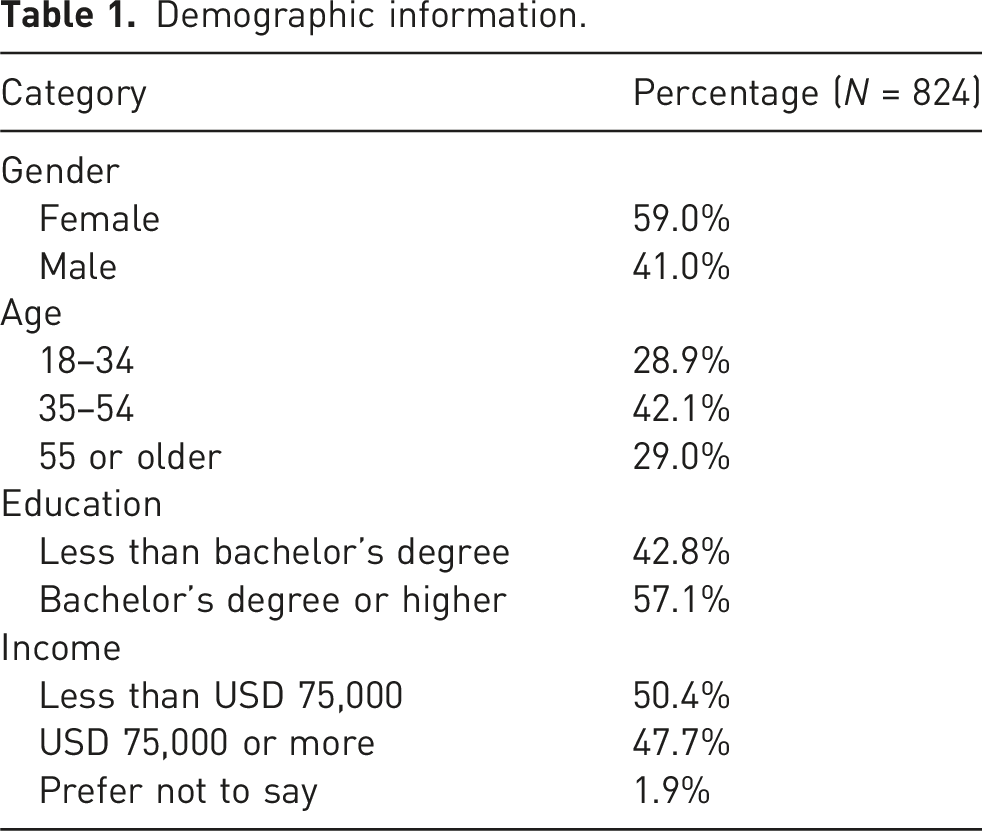
A survey firm (Lightspeed LLC) was commissioned to recruit participants for this study. The target sample comprised American travellers who had previously used Airbnb services. Lightspeed LLC was selected for its ability to maintain national panels and reach individuals from diverse demographic backgrounds. Data collection was conducted in November 2021. The survey was hosted on Qualtrics, and the link was distributed via email, accompanied by an introduction outlining the study’s objectives and providing access to the questionnaire. Eligibility was determined based on participants’ recent stays in Airbnb accommodations within the past 6 months. The survey included one open-ended question: “Please describe your most memorable experience with Airbnb.” The text responses to this question, along with demographic information, were used to explore participants’ experiences with Airbnb.
Demographic information.
Treatment and analysis of data
The qualitative analysis of the data was conducted using Leximancer (version 4.5), a software tool that examines the content of textual documents. Leximancer visually represents the extracted information in a concept map and statistically in a ranked concept list. The concept map offers an overview of the material by depicting the main concepts present in the text and illustrating the relationships between them (Leximancer, 2021). Recent research indicates that using computer-assisted qualitative data analysis software (CAQDAS), such as Leximancer, can reduce researcher bias compared to manual methods, which typically require substantial researcher involvement (e.g., Choi et al., 2024; Kim et al., 2024). These computer-driven tools enhance the efficiency of dataset analysis by minimizing the researcher’s epistemological influence and enabling themes to emerge naturally from the data (Sotiriadou et al., 2014).
While this study primarily adopts a qualitative approach, Leximancer also provides analytical features that facilitate structured, quantitative comparisons. The Insight Dashboard report enables the exploration of relationships between text-based themes and categorical variables (Leximancer, 2021). In this study, this functionality was used to enhance interpretability and identify thematic patterns across demographic groups such as gender, age, education, and income without compromising the qualitative nature of the analysis. This combination of thematic insights and quantitative summaries ensured consistency and comparability across a large dataset.
Before utilising Leximancer, the data were organised in an Excel spreadsheet, with gender, age, education, and income recorded in separate columns, and responses to the open-ended question in the subsequent column. The Excel spreadsheet was then imported into Leximancer, which generated the concept map with themes and concepts, along with the Insight Dashboard report, as an outcome of the analysis.
Finding
Overall themes and concepts
Stay: A feature and location of the accommodation and room staying
The most influential theme was ‘Stay’ and this single word was mentioned 453 times in the 824 cases. The concepts of ‘experience’ (likelihood = 76%), ‘house’ (likelihood = 73%), ‘location’ (likelihood = 71%), ‘memorable’ (likelihood = 71%), ‘wonderful’ (likelihood = 65%), ‘perfect’ (likelihood = 60%), ‘accommodation’ (likelihood = 60%), and ‘room’ (likelihood = 60%) were strongly related (see Figure 1). The analysis of these concepts suggests that a memorable Airbnb experience is deeply influenced by the quality and characteristics of the accommodation itself, as well as its location. Words like ‘wonderful,’ ‘perfect,’ and ‘memorable’ point to how the physical environment—whether it’s the house, room, or overall setting—enhances guests’ experiences, making them more meaningful and impactful. This interpretation reveals that the stay itself is not just about having a place to sleep; it’s about the emotional and experiential connection that the space offers. The emphasis on ‘location’ and ‘accommodation’ indicates that travellers value not only the comfort and suitability of the room but also how the surroundings contribute to a sense of enjoyment and fulfillment. Ultimately, the ‘Stay’ theme suggests that the combination of a well-designed, well-located accommodation and a pleasant environment plays a crucial role in creating lasting, positive memories for Airbnb guests. Typical example mentioning ‘Stay’ was: My most memorable experience was a place in Italy where we met a very nice family, and the accommodations were in a little villa that had room for everyone. My family visited Legoland for my son’s birthday and we stayed in an Airbnb 15 minutes from Legoland. It was what was advertised, and the location was nice because we found a breakfast spot nearby that was amazing. Concept map about their most memorable experience with Airbnb.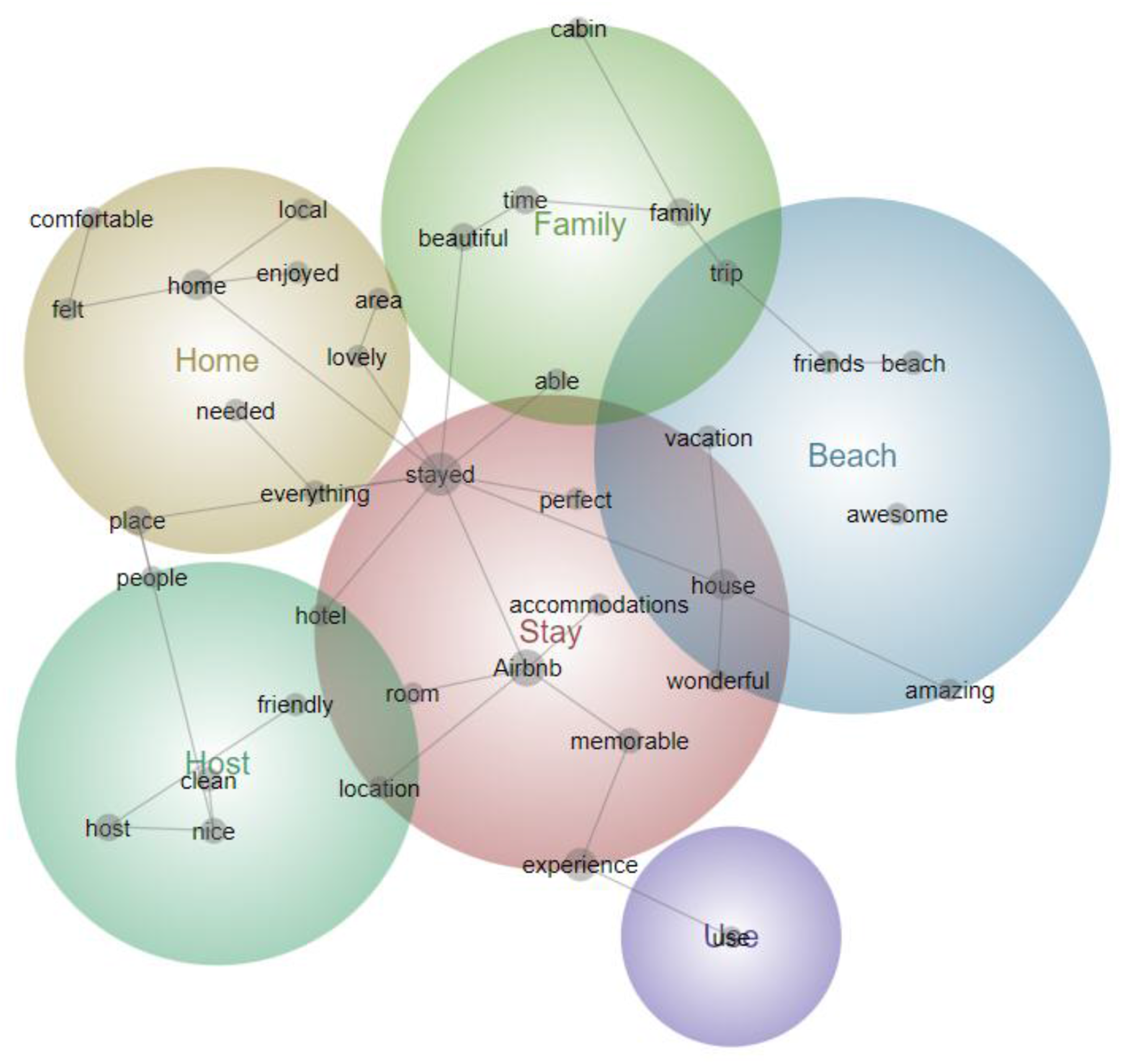
Home: Home feeling away from home
The second theme, ‘Home,’ emerged prominently from the data, with the word appearing 272 times. Concepts such as ‘lovely’ (likelihood = 99%), ‘felt’ (likelihood = 95%), ‘comfortable’ (likelihood = 91%), ‘enjoyed’ (likelihood = 59%), ‘area’ (likelihood = 54%), and ‘local’ (likelihood = 46%) were strongly associated with this theme. These words point to a deeper, emotional connection that guests form with their Airbnb accommodations. The frequent use of words like ‘felt’ and ‘comfortable’ suggests that a key element of a memorable experience is the ability to create a sense of belonging and ease, where the accommodation transcends being just a temporary stay and becomes a home away from home.
The emphasis on ‘local’ and ‘area’ further reveals that guests value the immersive experience of being in a neighbourhood or environment that feels familiar, welcoming, and part of the local culture. The use of ‘lovely’ highlights the aesthetic appeal and the emotional satisfaction derived from being in a space that resonates with warmth and comfort. Together, these elements suggest that a memorable Airbnb experience is not just about the physical space itself but about how the accommodation allows guests to feel at home, fostering a sense of peace, relaxation, and genuine enjoyment during their stay. The examples with regard to ‘Home’ were: I just like how the place is presented and the comfortable areas in the local area. Staying in the Airbnb gave me a sense of being at home. I felt comfortable and safe with privacy. Last time I booked and stayed on a ranch, and it was lovely, there was tons of entertainment I enjoyed and livestock/animals, I enjoyed being around and felt super comfortable and felt like staying longer.
Family: Happy family time
The third theme was ‘Family’ and the word was mentioned 246 times in the data. An interpretation reveals that a memorable Airbnb experience is often driven by the opportunity to foster happy family moments. The use of words like ‘beautiful’ (likelihood = 68%) and ‘time’ (likelihood = 61%) suggests emotional significance, with travellers valuing the shared experiences and bonds formed during their stay. Additionally, the connection to words like ‘trip’ (likelihood = 52%) and ‘able’ (likelihood = 46%) may indicate the enabling role of Airbnb accommodations in facilitating these meaningful interactions, whether through family-friendly environments or unique settings that enhance togetherness. This underscores the critical role of family-focused elements in shaping positive and lasting impressions for guests. Representative example mentioning ‘Family’ was: My family and I stayed in a beautiful home. It was close to the beach, and we all had a wonderful time. It was with family, and we were on a holiday trip. It was a cabin in the woods, and it was a large cabin mansion where we were able to have all together it's cool to have lots of fun within the snowy area.
Host: A good host makes a good memory
The fourth theme, ‘Host,’ was mentioned 237 times in the data, with related concepts such as ‘nice’ (likelihood = 45%), ‘clean’ (likelihood = 40%), ‘friendly’ (likelihood = 39%), ‘hotel’ (likelihood = 35%), and ‘people’ (likelihood = 34%). These words suggest that a key element of a memorable Airbnb experience is the interaction with the host and the level of service provided. The frequent mention of terms like ‘nice’, ‘friendly’, and ‘people’ highlights the importance of a warm and helpful host in shaping guests’ overall satisfaction. Travellers value hosts who provide genuine hospitality, fostering an environment of comfort and ease.
The focus on ‘clean’ further emphasizes the importance of maintaining and presenting the accommodation well. Guests link cleanliness with care and attention, which improves their overall perception of the stay. The mention of ‘hotel’ suggests that guests expect a level of service similar to professional hospitality, where hosts exceed basic expectations and provide personalized care that makes guests feel valued. Ultimately, the ‘Host’ theme highlights that the human element—warmth, attention to detail, and genuine hospitality—is key to creating a memorable Airbnb experience. The examples of ‘Host’ theme include: The host left donuts and made sure to clean every dust. Great experience high quality house was very clean, and people were very helpful and answered all my questions honest trusting. The host was very friendly, and everything was exactly as we had hoped, plus more. The booking experience was seamless from beginning to end. Host left a very sweet message for me and accommodation was immaculate.
Beach: Location close to beach matters
The fifth theme, ‘Beach’ was mentioned 149 times in the data, along with related concepts like ‘friends’ (likelihood = 34%), ‘vacation’ (likelihood = 33%), and ‘amazing’ (likelihood = 30%). These words highlight how being close to the beach significantly enhances memorable Airbnb experiences. The frequent mention of ‘friends’ suggests that guests value sharing special moments with loved ones, which adds to the enjoyment of their stay. The term ‘vacation’ further emphasizes that the beach experience is often tied to leisure and escape, where relaxation and fun are important.
The word ‘amazing’ reflects the emotional impact of being near the beach, suggesting that its natural beauty and the activities it offers greatly enhance guests’ satisfaction and fulfillment. This theme highlights that memorable Airbnb experiences are about more than just the accommodation—they’re about the lifestyle and opportunities it provides. Being close to the beach offers guests an opportunity for relaxation, adventure, and connection with friends, all of which play a key role in making their stay truly memorable. The relevant examples in the data were: I stayed in a house on the beach that had amazing views and was well maintained by the hosts. It was a little trip we had to California and the Airbnb we had was good fit for the beach which was amazing. When I went to Rio de Janeiro and me, and my friends stayed at an apartment right in front of beach. The view was amazing.
Use: Ease of use counts
The sixth and final theme, ‘Use,’ was mentioned 18 times in the data, with the concept of ‘use’ itself standing out. This theme emphasizes the importance of ease and convenience in utilizing the Airbnb platform. Guests repeatedly emphasized the smooth and intuitive user experience, valuing how simple it is to book, find accommodations, and communicate with hosts.
A seamless platform experience plays a vital role in creating a memorable experience. When users can easily access and interact with the platform without frustration, it enhances their overall impression of the service. Thus, the ‘Use’ theme suggests that Airbnb’s straightforward, efficient interface contributes to positive user experiences, making it an attractive choice for travellers seeking simplicity and reliability in their bookings. Typical example mentioning ‘Use’ was: It was easier to use than I thought. The web is very easy to use. Easy to use and very helpful! It’s very reliable and amazing to use.
Leximancer automatically identified six key themes in this study by analysing the co-occurrence and contextual relationships among concepts within the dataset. As illustrated in Figure 1, the linkages such as the ‘house’ concept connecting the ‘Stay’ and ‘Beach’ themes, or the ‘hotel’ concept appearing under both the ‘Host’ and ‘Stay’ themes indicate that memorable Airbnb experiences are inherently multidimensional and interconnected. These overlaps suggest that accommodation attributes, host interactions, and location collectively shape the formation of memorable experiences.
Impressions of their experience with Airbnb
Leximancer detected 318 terms that were viewed positively and only four terms that were viewed negatively during its operation, as demonstrated in Table 2. This stark contrast suggests that Airbnb users generally had positive impressions of their experiences when asked about their memorable experience with Airbnb, with approximately 80 times more positive responses than negative ones. The positive impressions particularly emphasised the memorable experience in the outdoor cabin with beautiful scenery and surroundings. It would show that the primary reasons for people having positive impressions of their experiences with Airbnb are likely due to the distinctive mix of factors offered by Airbnb, including natural beauty, escape from routine, connection with surrounding nature, and outdoor activities. These unique experiences can create lasting memories and a sense of peace and freedom. The examples of positive impressions include: Staying in a cabin at Mount Hood. It had snowed and the place had a stone fireplace that was lovely. My most memorable experience with Airbnb was back in March when we rented out a beautiful cabin for our family of 5. It had the most gorgeous view, and the tourist sites were just incredible. Favourable and unfavourable terms.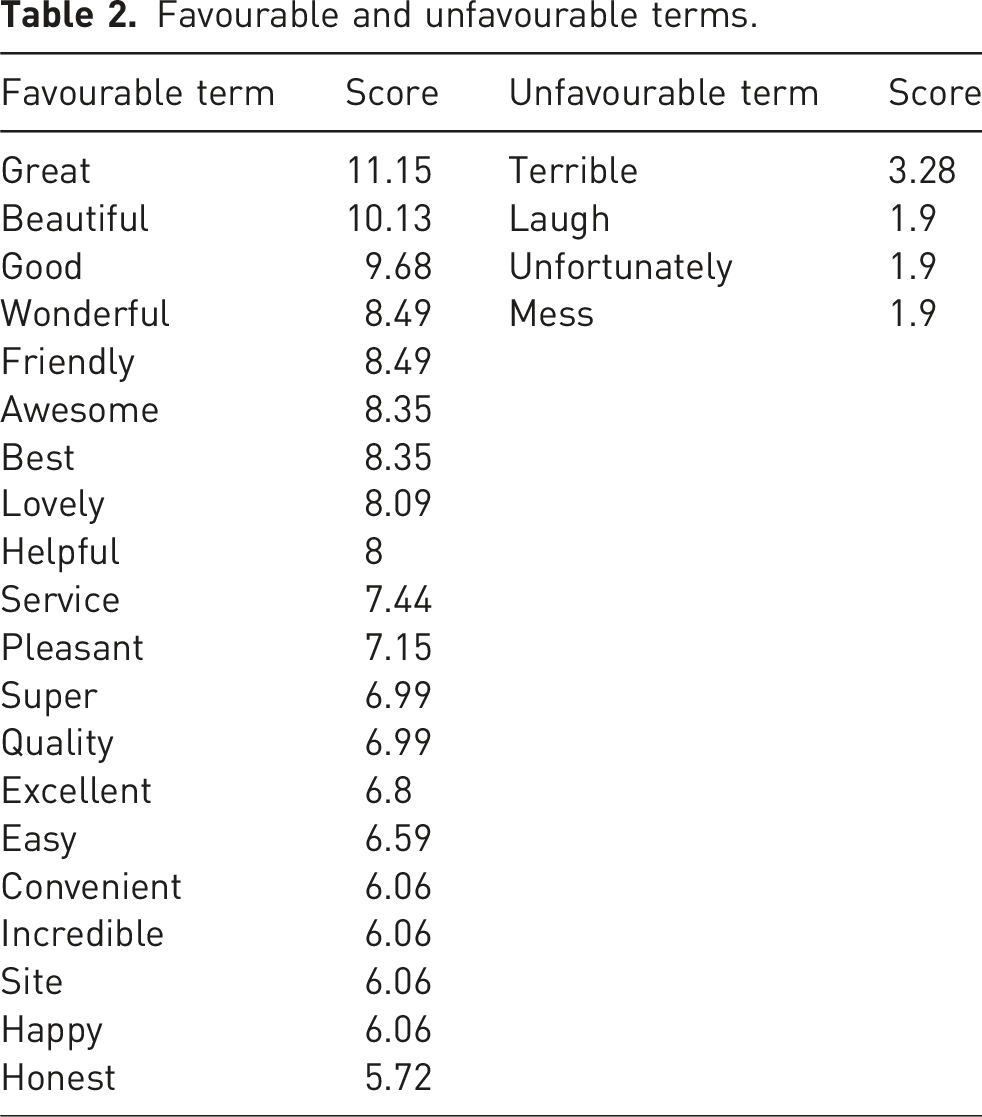
Nonetheless, there were still instances of negative impressions. Users expressed dissatisfaction with the cleanliness of accommodations, particularly during family trips. Clean accommodations would be vital to avoid negative impressions because they directly affect health and safety, improve comfort, and influence perceptions of quality. While these negative impressions weren’t prominently highlighted in the most commonly used words, they definitely deserve to be taken into account and addressed.
A comparison by gender, age, education, and income
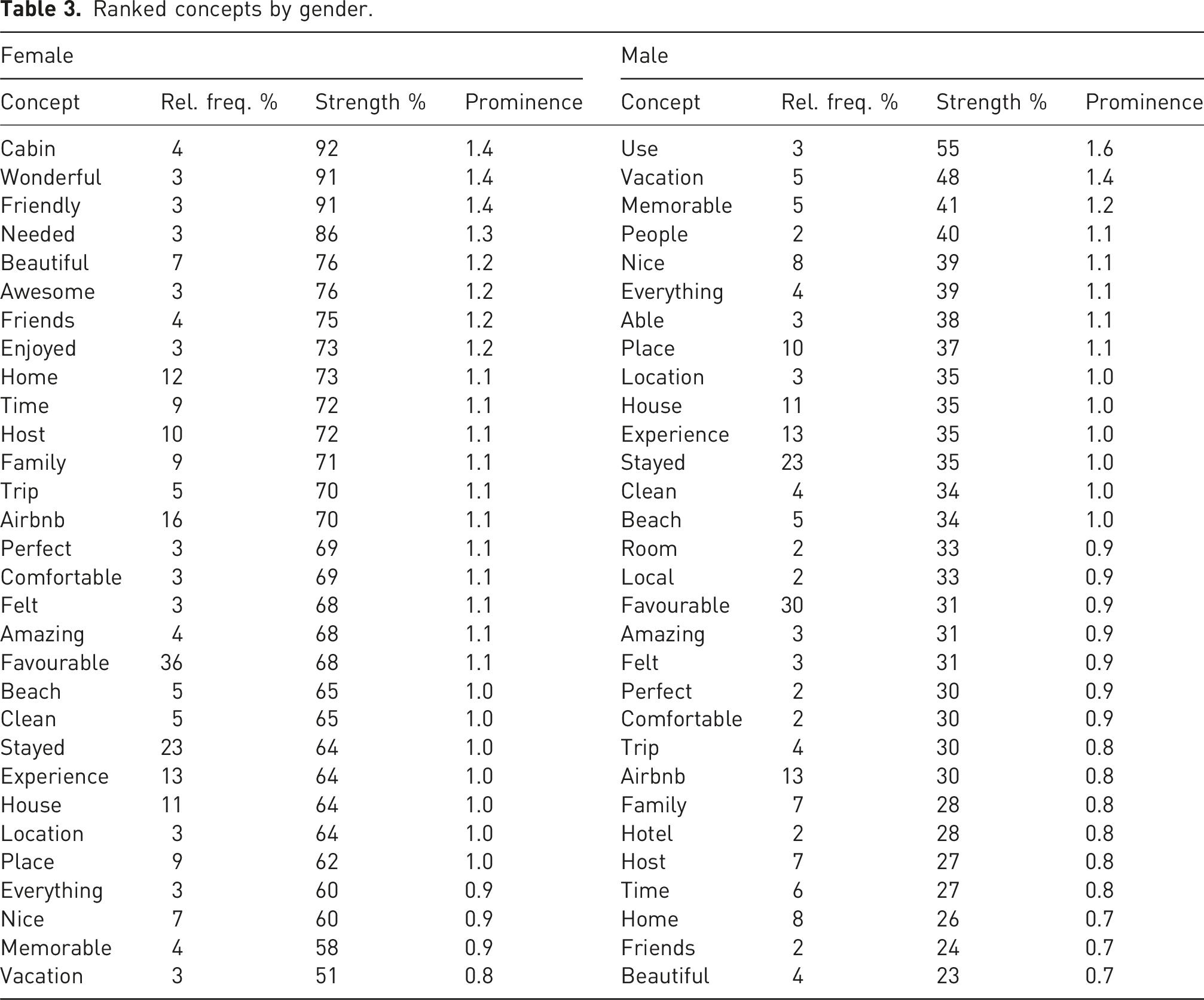
Ranked concepts by gender.
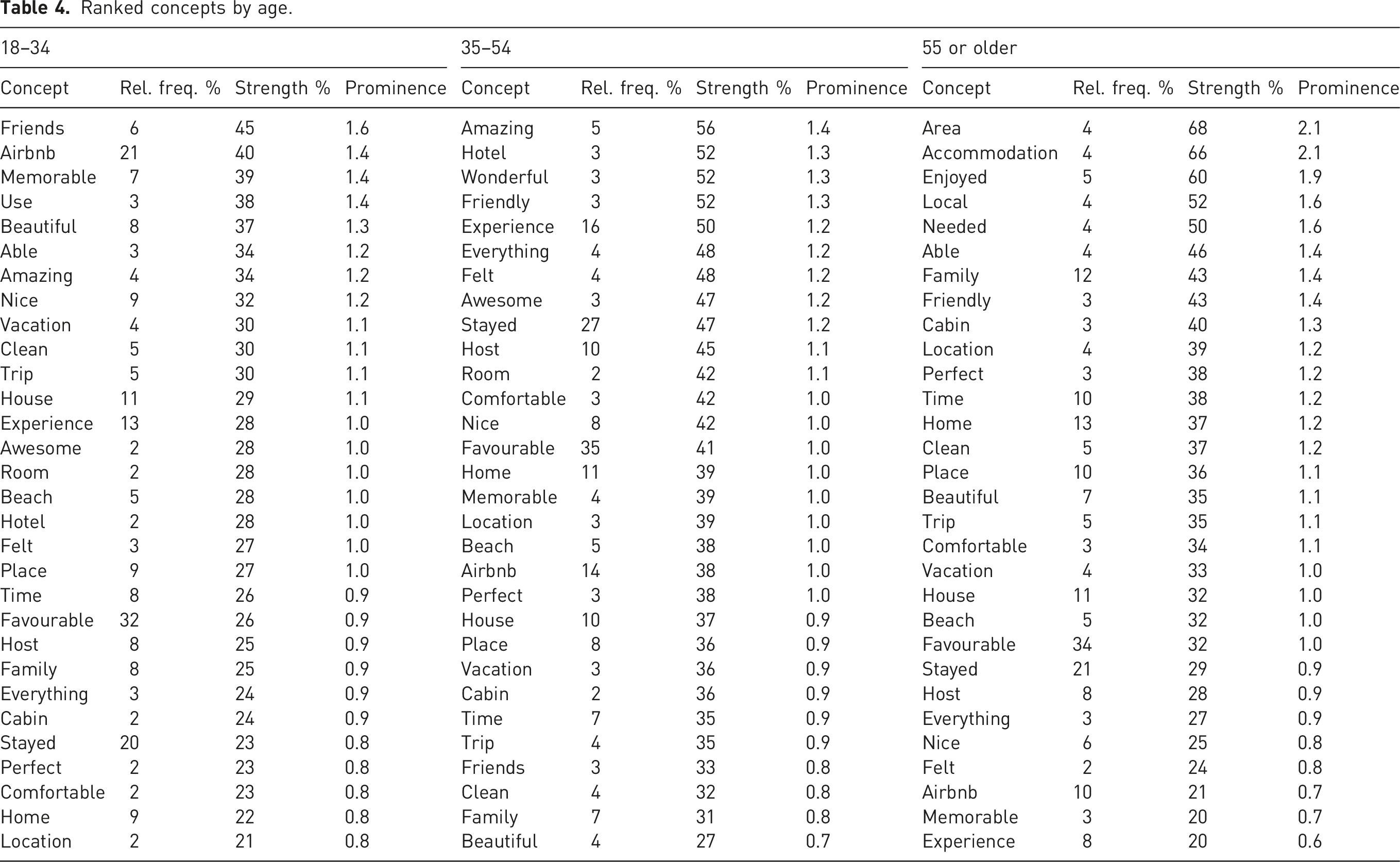
Ranked concepts by age.
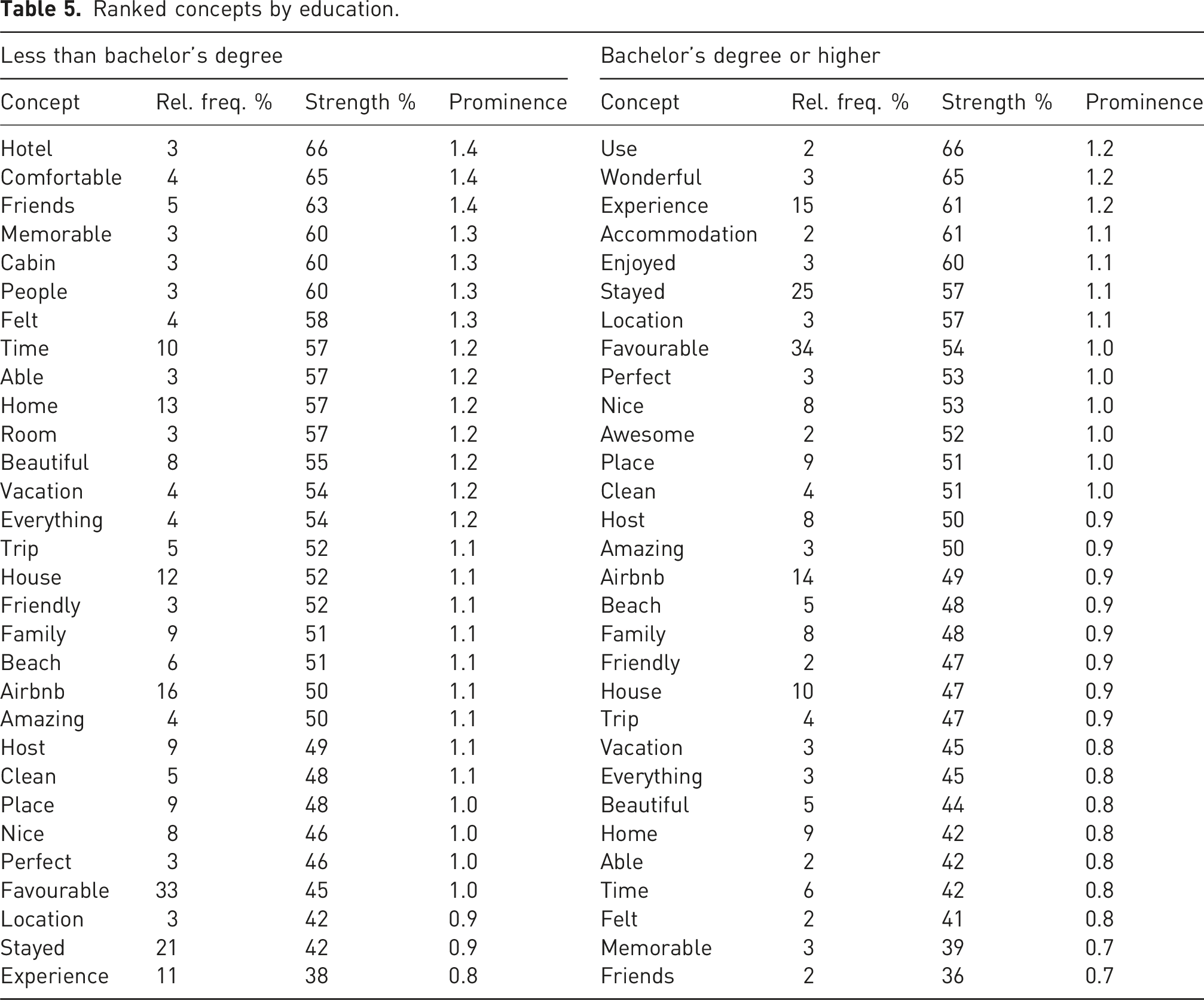
Ranked concepts by education.
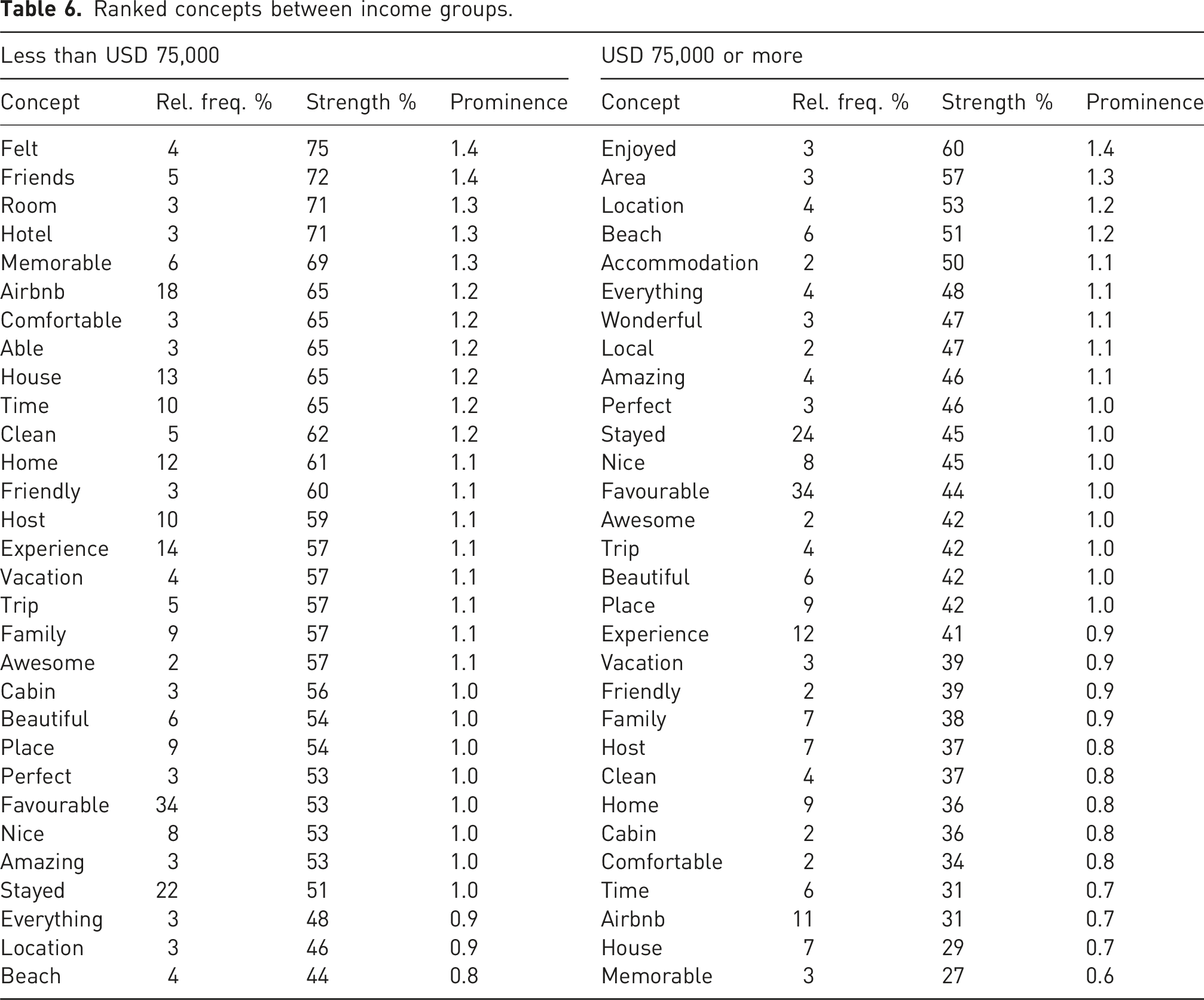
Ranked concepts between income groups.
Across gender, female respondents frequently mentioned concepts such as Cabin, Friendly, Home, Host, and Family, indicating the importance of comfort, hospitality, and relational warmth in shaping memorable experiences. In contrast, male respondents emphasized Use, Place, Location, and Stay, suggesting a stronger focus on functionality and practicality of the accommodation.
By age, younger respondents (18–34) highlighted Friends, Use, and Beach, reflecting social and leisure-oriented motivations. Middle-aged participants (35–54) emphasized Friendly, Host, and Home, pointing to the value of comfort and human interaction. Older participants (55 and above) focused more on Local, Family, and Home, indicating that meaningful connections and familiarity play a central role in their memorable experiences.
In terms of education, respondents without a bachelor’s degree were more likely to mention Hotel, Comfortable, Friends, and Home, underscoring the importance of comfort and sociability. Those with higher education levels emphasized Use, Accommodation, and Location, highlighting efficiency and convenience in their Airbnb stays.
Income-based differences also emerged. Respondents with lower income (< USD 75,000) valued Friends, Room, Hotel, and Home, pointing to comfort and companionship as memorable aspects. Those with higher income (≥ USD 75,000) emphasized Location, Beach, and Accommodation, suggesting greater importance placed on the quality and setting of the property.
Figure 2 summarizes these findings by illustrating the demographic groups most closely associated with each major theme. Overall, Stay and Home emerged as the most widely shared dimensions across all groups, while Host, Family, Beach, and Use reflected more group-specific preferences. These patterns offer a nuanced understanding of how different consumer demographics perceive and value memorable Airbnb experiences. Predominant groups in each theme.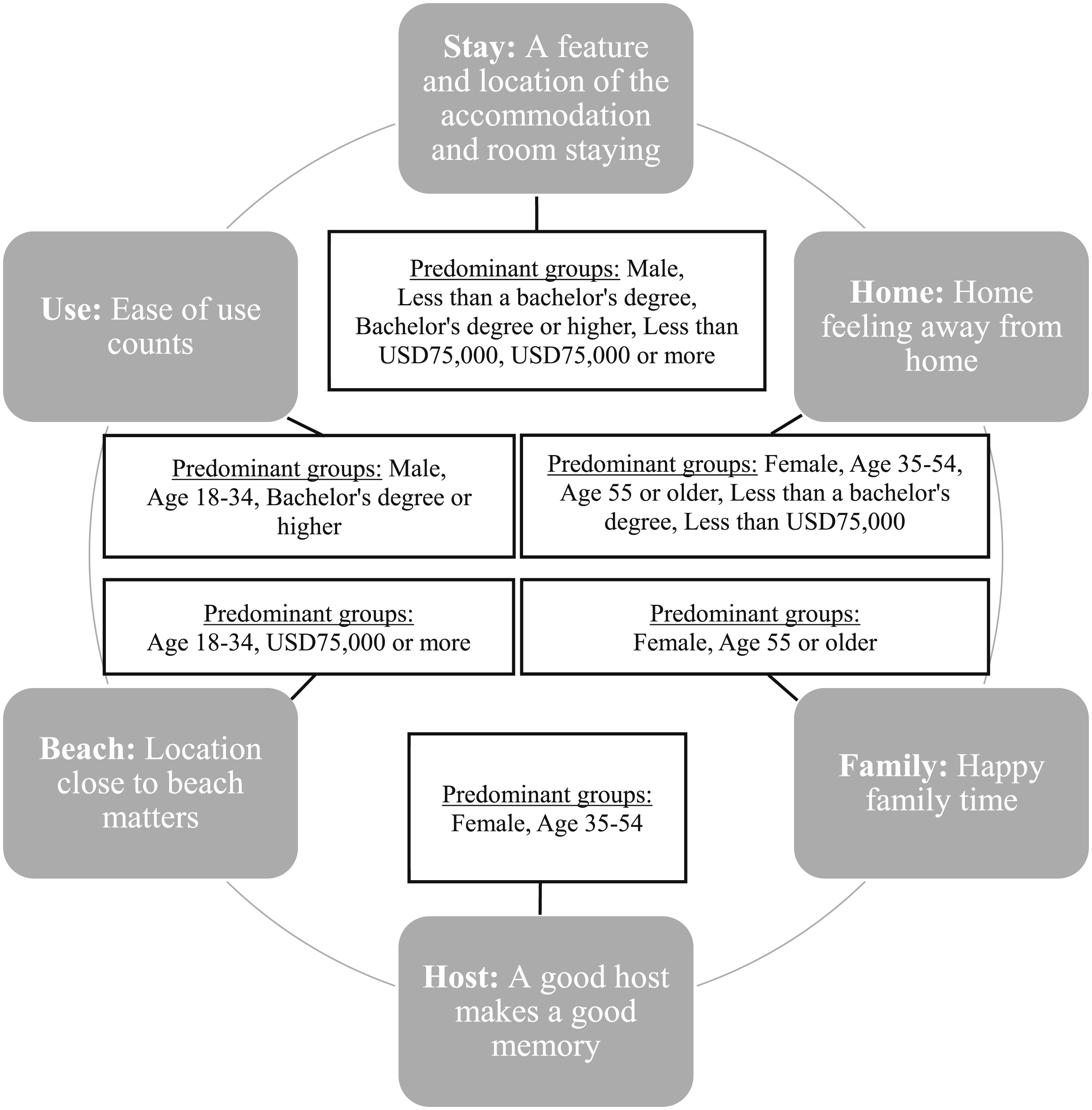
Discussion and conclusion
This section discusses the main findings of the study in relation to existing literature, particularly within the theoretical implications. It also outlines the practical implications, research limitations, and directions for future research.
Theoretical implications
This study contributes to the body of literature on memorable tourism and accommodation experiences, particularly focusing on Airbnb, by providing deeper insights into the dimensions that influence memorable experiences in the context of peer-to-peer accommodations. Building on Kim et al. (2012) and Tung and Ritchie’s (2011) work on memorable tourism experiences (MTE), the current research highlights the importance of multifaceted factors such as the accommodation setting, social interactions, and personal connections in shaping memorable Airbnb experiences. The findings align with the work of Sthapit et al. (2022a), who identified factors such as host hospitality and location as key drivers of memorable Airbnb experiences. However, the present study extends these findings by offering a more nuanced understanding of these dimensions, with specific themes emerging in relation to different demographic groups, including gender, age, education, and income.
The identification of themes such as ‘Stay’, ‘Home’, ‘Family’, and ‘Host’ provides a deeper understanding of the factors that contribute to memorable Airbnb experiences. For instance, the ‘Stay’ theme, which highlights the quality and features of the accommodation, was found to be important across various demographic groups, regardless of education or income. This suggests that the expectation for a high-quality, comfortable stay is a universal factor in creating memorable experiences.
In contrast, the ‘Home’ theme, reflecting the cozy, homely atmosphere of the accommodation, resonated more with women, older age groups, and individuals with lower income or educational attainment. This finding aligns with previous research highlighting the importance of comfort and a homely feel in shaping memorable stays (Sthapit, 2022a).
Additionally, this study expands on the ‘Family’ theme, which focuses on family-oriented experiences. This theme was particularly significant for women and older guests, emphasizing the emotional and familial value of shared moments in hospitality experiences.
In the ‘Host’ theme, guests frequently highlighted attributes such as warmth, friendliness, and genuine hospitality, emphasizing how these qualities contribute to a welcoming and comfortable atmosphere, as also noted by Sthapit (2018b, 2019). Notably, our study indicated that cleanliness was also a key factor, reflecting guests’ appreciation for well-maintained accommodations that demonstrate care and attention to detail by the hosts. This finding is consistent with previous research emphasizing cleanliness as a critical factor in shaping customer satisfaction and perceptions of quality in hospitality, as noted in Torres et al. (2014). While the positive experiences are largely attributed to the uniqueness of the accommodation—such as the connection to nature and escape from routine—the negative impressions underline the need for hosts to maintain high cleanliness standards to prevent dissatisfaction and sustain positive guest experiences.
The current research also provides an important extension to the literature on luxury hotel experiences, as discussed by Buehring and O’Mahony (2019) and Cetin and Walls (2016). Although Airbnb accommodations differ fundamentally from luxury hotels in terms of ownership model, service delivery, and guest expectations, this study found that certain factors influencing memorable experiences such as personal interaction and the quality of the physical environment are shared across both contexts. However, the findings also highlight the distinctive nature of the Airbnb experience, where unique settings such as cabins in scenic locations or properties near the beach play a particularly strong role in shaping lasting memories. This distinction underscores that while Airbnb guests may value elements similar to those appreciated in luxury hotels, their experiences are also rooted in authenticity, locality, and connection with natural surroundings. This finding aligns with Sthapit (2019) and Sthapit et al. (2022a), who emphasized the importance of location and environmental context in shaping positive Airbnb experiences.
The ‘Use’ theme primarily reflects guests’ experiences with the Airbnb platform rather than their stays at the accommodation itself. This theme captures the process of booking, navigating the website or app, and interacting with the platform’s features highlighting that the ease and efficiency of these steps contribute to how users perceive their overall Airbnb experience. Particularly among younger and more educated guests, the platform’s usability enhances satisfaction and shapes positive expectations even before arrival. This finding aligns with Azis et al. (2020), who noted that digital convenience and platform functionality increasingly influence tourists’ perceptions of service quality and memorability in the broader hospitality context.
Furthermore, our findings indicate that income level may also influence the formation of memorable Airbnb experiences, as reflected in the variation of themes across demographic groups. Lower-income participants were more likely to emphasize the ‘Home’ theme, highlighting comfort, belonging, and shared experiences as key aspects of memorability, while higher-income guests placed greater importance on ‘Stay’ and ‘Beach’ themes related to quality, leisure, and location. This suggests that economic circumstances shape not only accommodation choices but also the emotional dimensions of guests’ experiences. These findings align with recent research emphasizing that pricing and perceived value are central determinants of consumer behaviour in the sharing economy (Ding et al., 2023) and that demographic factors such as age and income influence how guests narrate and interpret their stays (Sánchez-Franco and Aramendia-Muneta, 2023). Together, these insights extend theoretical understanding by showing that income-related differences contribute to distinct experiential priorities and meanings within P2P accommodation settings.
Practical implications
This study offers actionable, data-driven insights derived from the Leximancer-identified themes ‘Stay’, ‘Home’, ‘Family’, ‘Host’, ‘Beach’, and ‘Use’ providing clear guidance for Airbnb hosts and platform operators. By analysing 824 open-ended responses with Leximancer, the study demonstrates how automated text analytics enhance transparency, replicability, and the discovery of nuanced patterns often missed in manual analysis. These findings translate into practical, demographically informed recommendations that can guide differentiated strategies for improving guest experiences, satisfaction, and retention.
First, the ‘Stay’ theme highlights that the accommodation’s physical quality and location are central to memorability. Hosts should focus on optimizing the sensory and functional aspects of their properties, for instance, ensuring cleanliness, comfort, and aesthetic appeal, but also using storytelling or branding to communicate a unique sense of place (e.g., urban retreat or heritage-inspired loft). Platform operators could integrate property quality badges or ‘verified local experience’ tags to help guests identify listings that consistently deliver high-quality stays.
Second, the ‘Home’ theme underscores the emotional value of comfort and belonging. Hosts can create this sense of ‘home away from home’ through personalized touches such as welcome notes, locally sourced snacks, or décor that reflects local culture. For repeat guests, small gestures like remembering prior preferences or offering loyalty-based discounts can strengthen emotional attachment. Airbnb could further support this by curating design guides or ‘home comfort kits’ for hosts seeking to enhance guest connection and authenticity, particularly for certain demographics (e.g., females, older age groups).
Third, the ‘Family’ theme, most significant among female and older guests, suggests the need for inclusive and safe spaces for multigenerational travellers. Hosts might consider offering family-oriented amenities (e.g., board games, childproofing, outdoor play areas) and flexible check-in times for families with young children. Airbnb could expand its search filters or promotional campaigns around ‘family-friendly stays’ to better target this growing segment.
Fourth, the ‘Host’ theme, underscoring the importance of personal interaction and attentive service, was most relevant for females and those aged 35–54. This suggests that creating a memorable experience is not just about the physical accommodation but also about the relationship between the host and guest. Hosts can enhance their guests’ experience by being responsive, welcoming, and attentive to their needs, providing personalized recommendations, and fostering a sense of connection. Training programs for hosts could focus on communication empathy, local storytelling, and proactive service recovery strategies. For example, Airbnb might implement a ‘guest connection rating’ metric that highlights hosts who consistently receive positive feedback for their interpersonal approach.
Fifth, the ‘Beach’ theme reveals that younger, higher-income travellers seek experiential engagement with surroundings. Hosts can partner with local tour providers or offer curated packages such as beach yoga sessions, local cuisine experiences, or surf lessons to turn a stay into an integrated local adventure. Airbnb could spotlight such listings through themed collections (e.g., Adventure by the Sea) to attract experience-seeking users.
Lastly, the ‘Use’ theme, which focuses on ease and simplicity, was particularly important for younger males (18–34) and guests with higher education. These tech-savvy individuals prioritize efficiency and convenience in their Airbnb experience.
Hosts should prioritize seamless booking, communication, and check-in/out processes, leveraging tools like automated messages or smart locks. Airbnb can further enhance this by promoting hosts who adopt user-friendly technologies through incentives or ‘Ease of Use’ badges.
In summary, this study provides practical implications for Airbnb hosts and platform operators by identifying key themes that drive memorable experiences across different consumer groups. Tailoring the accommodation experience to meet the specific needs of various demographics can enhance guest satisfaction, increase positive reviews, and foster guest loyalty. Importantly, this research also demonstrates the methodological value of integrating Leximancer into hospitality research. The software’s automated concept mapping enables a systematic identification of the underlying semantic structure within qualitative data, reducing subjectivity and improving consistency in interpretation. This approach shows that large-scale qualitative text data can be meaningfully transformed into actionable, evidence-based insights for both academic research and industry practice.
Research limitations and future research directions
This study offers valuable insights into what makes Airbnb experiences memorable; however, several limitations should be noted. First, the sample was collected through a survey company and limited to American consumers. Although efforts were made to ensure demographic diversity, potential sampling bias may affect the generalizability of the findings. Future research could address this by employing more representative sampling methods and including participants from different cultural or geographic contexts to test the robustness of the results.
Second, as the data relied on participants’ retrospective self-reports of memorable experiences, recall bias and subjective interpretation may have influenced their responses. Future studies could incorporate longitudinal or real-time data collection approaches, such as post-stay feedback or experience diaries, to capture more immediate and authentic accounts.
Third, while Leximancer provided a systematic and objective text analysis, it may not fully capture emotional depth or contextual nuances. Combining automated text analysis with qualitative methods such as interviews or thematic coding could yield a richer understanding of the meanings underlying memorable experiences.
Finally, a potential limitation of this study lies in the phrasing of the open-ended question (“Please describe your most memorable experience with Airbnb”), which may have encouraged participants to recall primarily positive experiences. The term memorable often carries a favourable connotation, possibly leading to an overrepresentation of positive impressions. While the analysis did capture a small number of negative experiences, mainly concerning cleanliness, these were notably less frequent. This suggests that although the study identified key factors contributing to memorable Airbnb experiences, future research could employ more neutral phrasing to capture a broader spectrum of both positive and negative experiences.
Footnotes
Acknowledgements
The authors would like to acknowledge Zhangle Technology Co. and School of Business and Law Centre for Tourism at Edith Cowan University for the research grant.

Ethical considerations
This study was approved by Edith Cowan University HREC (2021-02945-WANG). All procedures performed were in accordance with the ethical standards.
Funding
The authors disclosed receipt of the following financial support for the research, authorship, and/or publication of this article: This work was supported by the Zhangle Technology Co. and the School of Business and Law Centre for Tourism at Edith Cowan University.
Declaration of conflicting interests
The authors declared no potential conflicts of interest with respect to the research, authorship, and/or publication of this article.
Data Availability Statement
The data that support the findings of this study are available from the corresponding author upon reasonable request.