



Abstract
Using online reviews, this study explores the factors influencing visitor satisfaction in the context of ethnic-minority village tourism. Tourist satisfaction is a critical determinant of destination sustainability, particularly in rural ethnic minority villages that rely on tourism as a key driver of economic development and cultural preservation. Such villages offer unique cultural, environmental, and social experiences that distinguish them from mainstream destinations, yet they face challenges in meeting diverse tourist expectations while maintaining authenticity. To address this conundrum, online review data were analyzed using sentiment analysis, latent Dirichlet allocation topic modeling, and regression analysis. The findings identify several factors that impact upon tourist satisfaction: service quality, unique cultural experiences, geographically tailored marketing methods, and real-time monitoring and reaction capabilities. In addition, the results reveal a significant relationship between sentiment scores and tourist satisfaction, underlining the value of sentiment analysis in tourism evaluation. Key managerial implications include enhancing service quality, offering authentic cultural experiences, and developing regionally adaptive marketing strategies that incorporate real-time feedback mechanisms.
Keywords
Introduction
Ethnic-minority rural tourism plays a crucial role in China’s rural revitalization strategy. The Comprehensive Rural Revitalization Plan (2024–2027) issued by the Central Committee of the Communist Party of China (CPC) and the State Council explicitly states that cultivating modern rural industries and vigorously developing rural tourism is essential for promoting long-term growth in the rural economy. Similarly, the Opinions of the Central Committee of the CPC and the State Council on Further Deepening Rural Reform and Solidly Pushing Forward Comprehensive Rural Revitalization emphasize the importance of tourism in revitalizing rural areas. As culturally distinctive rural settlements, ethnic-minority villages are characterized by unique traditions, languages, and customs, which not only represent rich intangible cultural heritage in need of preservation but also create niche opportunities for tourism-driven economic development (Hu et al., 2024). Ethnic-minority rural tourism has also been associated with the social empowerment of local women (Tu and Zhang, 2020), along with the preservation and transmission of ethnic culture (Yang et al., 2013). However, some scholars caution that such tourism can lead to cultural commodification, loss of authenticity, and reinforce existing social inequalities, thus complicating its developmental outcomes (Yang and Wall, 2023).
The sustainable development of ethnic-minority rural tourism is also shaped by a range of further factors including ecological-resource management, tourism-development patterns, and visitor-experience quality (Jing et al., 2024a). Existing research has largely focused on ecological evaluation and spatial planning. For instance, models such as InVEST and kernel density estimation have been used to assess development potential, emphasizing the need to balance conservation with tourism growth (Chen et al., 2023). While these studies provide valuable insights into planning strategies, they tend to overlook the relationship between service quality, cultural experience, and tourist satisfaction. This gap is crucial because tourist satisfaction is not only a key predictor of repeat visitation and destination loyalty, but it also plays a central role in the long-term sustainable development of rural-tourism destinations (Chi and Qu, 2008; Tian et al., 2021). In ethnic-minority villages – where authenticity, cultural immersion, and unique experiences form the core appeal – failing to meet visitor expectations in terms of service quality and cultural engagement may not only undermine tourists’ perceived value but also hinder the economic benefits and cultural preservation efforts upon which these villages rely (Chang, 2006; Liu and Li, 2022). In addition, some studies have shown that tourists’ primary motivations for visiting ethnic villages tend to focus more on aesthetic appreciation of natural scenery and traditional architecture, as well as leisure, rather than a genuine interest in ethnic culture (Dong et al., 2023). Overlooking these relational dimensions may create a disconnect between planning objectives and actual tourist experiences, thereby weakening destination competitiveness and compromising the overall goal of sustainable development.
Importantly, tourist satisfaction is more than just a behavioral indicator: it serves as a critical feedback mechanism for destination management. It shapes not only revisit intention and word-of-mouth promotion (Chi and Qu, 2008), but it also impacts the economic vitality and cultural integrity of ethnic destinations over time. Factors such as cultural immersion, accommodation experience, service quality, and the surrounding environment significantly shape tourists’ overall perceptions and experiences (Chang, 2006). In this regard, satisfaction is not merely a psychological outcome but a strategic variable in sustaining ethnic tourism.
While ecological and spatial perspectives are undoubtedly foundational, they alone cannot ensure the long-term success of ethnic-minority destinations. Without a clear understanding of how tourists emotionally and cognitively evaluate their experiences, even the best-designed planning frameworks may fall short. To address this, the present study conducts sentiment analysis of online reviews. This approach can provide richer and more spontaneous expressions of visitor experiences than conventional survey methods. Therefore, this study explores the emotional and cognitive underpinnings of tourist satisfaction in ethnic-minority villages by applying sentiment analysis to user-generated content from Xijiang Miao Village. Specifically, it addresses three interrelated objectives: (1) to identify the key factors influencing tourist satisfaction in ethnic-minority village tourism; (2) to examine how tourists emotionally and cognitively evaluate their experiences as reflected in user-generated content; and (3) to assess how these insights can inform strategies for enhancing service quality and cultural sustainability in ethnic destinations.
Given the need to ground these inquiries in a real-world context, this study selects as its research site Xijiang Miao Village in Guizhou Province, China (Figure 1). The Miao are one of China’s 55 officially recognized ethnic minority groups, with traditional homelands concentrated in the mountainous areas of southern China, particularly Guizhou Province. Known for their vibrant festivals and rich artistic traditions, the Miao possess a distinctive cultural heritage that draws widespread tourist interest. Widely recognized as the largest and most representative Miao ethnic-minority village in both China and the world (Lu, 2019), Xijiang integrates traditional Miao architecture, folk customs, and handicrafts within a well-developed tourism economy. As a flagship site of ethnic tourism, the village faces ongoing challenges in balancing cultural preservation with commercial development, making it an ideal and timely case for investigating the factors shaping tourist satisfaction in ethnic village tourism. The village faces many of the typical challenges encountered in ethnic tourism development, such as balancing cultural preservation with commercial growth, and managing high visitor numbers in ways that maintain authenticity (Oakes, 2016). Its experiences are broadly representative of ethnic-minority village tourism in China, making Xijiang a model case for examining the factors that influence tourist satisfaction. Study setting.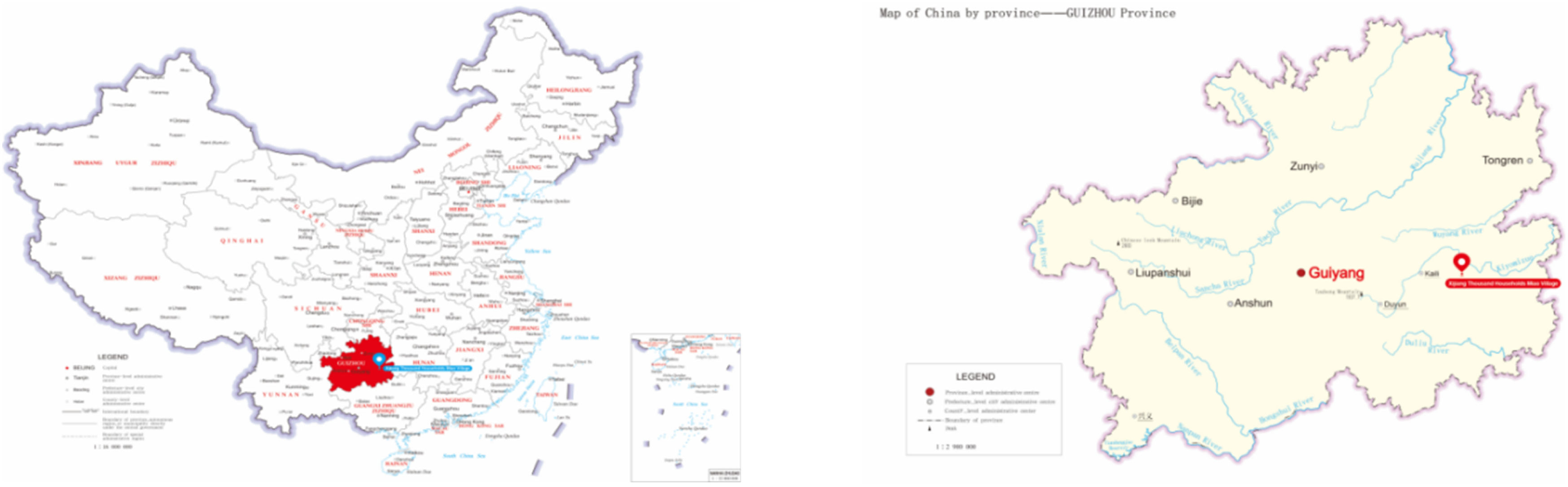
While Xijiang Miao Village serves as the empirical setting, the study aims to contribute to broader discussions on rural and cultural tourism beyond China. Ethnic and indigenous communities worldwide face similar challenges of balancing cultural preservation with economic development. The critical role of tourist satisfaction in sustainable destination management is increasingly recognized, underscoring the urgency and importance of this research. By adopting a sentiment-analysis approach, this research thus aims to generate insights that are not only contextually grounded in China but also relevant to the global discourse on ethnic tourism sustainability.
Literature review
This literature review is organized into three thematic areas to provide a solid theoretical foundation for the study. The first introduces affective experience theory, highlighting the role of emotional responses in shaping tourist satisfaction. The second examines the development and implications of ethnic-minority tourism, with a focus on its cultural, social, and economic impacts. The third reviews recent advances in measuring tourist satisfaction through online reviews and sentiment analysis, emphasizing the shift from structured surveys to data-driven, context-sensitive approaches. This review particularly emphasizes the interconnection of affective experience theory, ethnic-minority tourism, and sentiment-analysis methods. Affective experience theory provides the conceptual basis for identifying emotional “pain points” and “delight points,” ethnic-minority tourism offers the culturally rich context where these affective responses emerge, and tools like VADER operationalize these dimensions in large-scale datasets. Recent studies demonstrate similar approaches in heritage tourism (Li, 2025) and international destinations (Saoualih et al., 2024), illustrating how the blending of theory, context, and methodology can jointly advance the understanding of tourist satisfaction.
Affective experience theory
In the field of tourist satisfaction research, several theoretical frameworks have been widely employed, including expectation-confirmation theory (Oliver, 1980), SERVQUAL (Parasuraman et al., 1988), and the experience economy theory (Pine and Gilmore, 1999). These models primarily emphasize rational judgments of service quality or the alignment between expected and actual experiences. While they have proven effective in structured service environments such as hotels or airlines, their cognitive focus often overlooks the emotional and symbolic dimensions that are particularly salient in ethnic-minority tourism.
Given the emotionally immersive and culturally sensitive nature of ethnic tourism, this study adopts affective experience theory as a more suitable analytical lens. This highlights the central role of emotional responses – such as joy, awe, surprise, disappointment, or anxiety – in shaping individuals’ overall evaluations of their experiences. Emotional reactions, arising from both objective stimuli and subjective perceptions, are understood as key determinants of satisfaction (Gao et al., 2022).
By applying this lens, the study seeks to reconceptualize tourist satisfaction not as a purely cognitive evaluation, but as an emotional synthesis of meaningful affective episodes throughout the travel journey. This allows for the identification of emotional “pain points” and “delight points” in visitors’ experiences, offering more actionable insights for enhancing service quality and cultural resonance (Godovykh and Tasci, 2020). Previous studies using this approach include Saoualih et al. (2024), who applied VADER-based sentiment analysis to TripAdvisor reviews, extracting compound scores to identify emotional highs (delight points) and lows (pain points) in tourist experiences. Similarly, Li (2025) analyzed emotional responses to cultural heritage tourism using a sentiment-driven framework, confirming that affective experiences strongly predict satisfaction and intention to recommend. These studies provide empirical support for using sentiment-analysis models to operationalize affective experience theory in both local and global tourism contexts.
Ethnic-minority tourism
The concept of ethnic-minority tourism can be traced back to Smith’s foundational work on “ethno-tourism” in the 1970s (Smith, 1977). In the second edition of her book, Smith (1989) defined ethno-tourism as travel centered on encounters with indigenous and culturally distinct groups, often marketed through their perceived exoticism and uniqueness. Over time, this concept has evolved into the broader framework of ethnic-minority tourism, which extends beyond niche cultural encounters to address more complex issues such as authenticity, cultural commodification, ethnic identity, and the shifting host–guest dynamics. As a result, ethnic-minority tourism has emerged as a multidimensional field of scholarly inquiry within tourism studies. Others have defined ethno-tourism as tourism that offers travelers unforgettable cultural experiences by highlighting minority cultures as the primary tourist attractions (Wang et al., 2020). Since then, ethno-tourism has been a subject of active debate, focusing on the complex interplay between tourism and ethnicity and its ramifications (Yang and Wall, 2009). Ethno-minority tourism involves seeking distinct cultural encounters; for example, exploring ethnic villages, minority households, and ethnic-themed parks; engaging in ethnic festivities and events; witnessing traditional dances or ceremonies; or purchasing ethnic handicrafts and souvenirs (Yang and Wall, 2009). Travelers seek unique cultural experiences through interactions with ethnic communities (MacCannell, 2013). Compared to other forms of tourism, ethnic-minority tourism emphasizes direct engagement between tourists and local cultural practices, offering immersive experiences that involve learning about traditional lifestyles, customs, and beliefs (Yang and Wall, 2009). It plays a significant role in preserving intangible cultural heritage and fostering the long-term sustainability of ethnic villages by revitalizing traditional crafts, performances, and rituals (Su and Teo, 2009). Some studies also highlight methodological innovations in this field, demonstrating the value of computational approaches for cultural tourism planning and their complementarity to sentiment-based methods that capture visitors’ affective and experiential evaluations (Hu et al., 2021).
In the Chinese context, ethnic-minority tourism plays a dual role: it functions both as a tool for rural economic development and as a strategic instrument within the state’s broader cultural governance agenda. Recent studies highlight how state policies have strategically shaped tourism-oriented rural spaces, institutionalized cultural heritage, and aligned local perceptions with national agendas. For instance, in Yanbian Prefecture, tourism development has been orchestrated through spatial planning closely tied to central policy objectives (Zhang et al., 2024). Similarly, fieldwork in Hunan’s Miao villages reveals a top-down governance structure, where cultural resources are curated and mobilized by state actors (Tian et al., 2023). In Anhui’s UNESCO-listed villages, residents perceive tourism not simply as a local initiative but as a direct manifestation of national cultural strategies (Jing et al., 2024). Collectively, these findings underscore the extent to which ethnic-minority tourism in China functions as a vehicle of state cultural policy and symbolic governance. Comparable dynamics have been observed internationally. In the context of Canada, Whitford and Ruhanen (2019) highlighted how First Nations tourism initiatives mediate cultural representation and visitor expectations. In another study, Li (2025) provides additional evidence from heritage tourism, highlighting the role of emotional experiences in shaping global satisfaction.
Ethnic-minority tourism has also emerged as a strategic tool for regional socioeconomic development, contributing to income diversification, poverty alleviation, and rural revitalization (Yang et al., 2020). It also plays a crucial role in the People’s Republic of China’s broader cultural policy, which aims to promote national identity, cultural integration, and state cohesion by valorizing ethnic heritage (Huang et al., 2023).
Online reviews and tourist satisfaction
Tourist satisfaction is a key concept in tourism management and behavior research, representing tourists’ comprehensive evaluation of the tourism experience, and its change influences not only a willingness to return and word-of-mouth communication, but also the destination’s image shaping and service optimization (Oliver, 1980). Traditional satisfaction studies have mainly used structured questionnaire tools to identify key factors affecting tourist satisfaction using SERVQUAL, HOLSAT, expectation confirmation theory, and importance-performance analysis models, with the help of Likert scales, regression, and factor analysis (Minh et al., 2023). Kano’s model categorizes service attributes into basic, performance, and excitement elements, allowing researchers to analyze how different features contribute to satisfaction or dissatisfaction. Penalty-reward contrast analysis (PRCA) further quantifies these effects by identifying asymmetrical responses to service presence or absence (Zhou and Yao, 2023), and the MUSA multi-criteria decision-making approach supports the integrated analysis of multidimensional satisfaction (Siskos et al., 2013).
With the growing availability and volume of online travel review data, researchers have shifted to unstructured text analysis to extract visitors’ subjective perceptions and emotional responses in more naturalistic situations. Online reviews contain rich subjective perceptions, emotional expressions, and behavioral cues and have become an important data source for studying tourist satisfaction (Qiu, 2024). For instance, researchers have employed sentiment analysis and content-mining techniques to examine user-generated reviews of ethnic museums in China’s autonomous regions. The findings underscore the significance of authentic cultural experiences and sound infrastructure in shaping satisfaction: thereby validating the methodological potential of online review data in satisfaction research (Mao et al., 2023). Regarding methods of analysis, text mining and natural-language-processing techniques have been widely used in satisfaction studies. Sentiment-analysis models and topic-modeling algorithms can tap into the core topics of tourist concerns and underlying sentiment structures (Pineda-Jaramillo et al., 2023). Meanwhile, machine-learning methods have shown promising results in online review classification and satisfaction prediction, particularly in terms of high accuracy, handling large amounts of unstructured data, and uncovering latent patterns that traditional statistical models may overlook (Wang, 2024).
Recent studies have further validated the relationship between perceived authenticity and visitor satisfaction. For example, the cultural authenticity perceived by visitors on social media platforms plays a significant role in enhancing visitor satisfaction, particularly in promoting emotional resonance and identity recognition (Dong et al., 2023). Similarly, studies on rural-tourism satisfaction have found that accessibility and accommodation quality are key factors influencing visitors’ overall evaluations (Li, 2022). Furthermore, a positive correlation exists between tourists’ emotional scores extracted from online reviews and their satisfaction scores (Wang, 2021). These studies collectively confirm the value of unstructured online data in measuring tourist satisfaction. Building on this, recent studies have illustrated how sentiment-analysis tools, such as VADER, can operationalize affective experience theory. VADER was combined with topic modeling to uncover the key emotional drivers of satisfaction (Saoualih et al., 2024). The predictive power of sentiment scores in determining recommendation intentions and overall satisfaction has been demonstrated in both heritage and ethnic-minority village contexts (Li, 2025). This integration of affective theory, ethnic-minority tourism contexts, and sentiment-based methods not only strengthens the conceptual and methodological framework of the study but also has practical implications, enabling a nuanced understanding of emotional determinants in tourist experiences and informing strategies for enhancing tourist satisfaction.
Method
Data collection
This study utilizes online review data from Ctrip.com, one of China’s largest travel platforms, as the primary source of data. The dataset includes user-generated reviews related to Xijiang Miao Village, collected from 2016 to 2024. After removing duplicate entries, adverts, non-informative entries (e.g., emoji-only messages or general praise), and reviews irrelevant to the location, 100,000 acceptable reviews remained for study. To ensure transparency, non-informative entries were defined as those lacking descriptive content on facilities, services, cultural experience, or emotions, thereby excluding texts that could not meaningfully contribute to sentiment or topic analysis. The screening procedure employed a hybrid approach: initial filtering was automated using Python scripts and natural-language processing approaches (e.g., keyword matching, spam detection), followed by manual sample verification to verify classification accuracy. Exclusion criteria were established to minimize subjectivity and ensure methodological transparency.
By using internet reviews, the present study accesses large-scale, unsolicited input that directly reflects travelers’ perceptions, emotional responses, and satisfaction levels in a naturalistic setting. While user-generated content may contain biases or extreme opinions, the volume and diversity of the data provide a vital supplement to formal surveys, allowing the detection of patterns and sentiment trends that would otherwise go unnoticed. These findings have the potential to significantly impact upon the understanding of user experiences in the travel industry.
Data processing and analysis
Text pre-processing is widely regarded as a reliable approach for improving data quality and reducing noise in large-scale textual datasets, following established practices in online-review mining and natural-language processing (Li et al., 2018). In the present study, this phase involved various standard natural-language processing techniques designed to enhance data quality and interpretability. These included deleting stop words (frequently used words that add little sense, such as “is” or “the”), filtering out irrelevant or inactive phrases, and segmenting Chinese text into individual words using a tokenization method.
Latent Dirichlet Allocation (LDA), a widely accepted unsupervised machine-learning algorithm, was adopted to extract core dimensions from the review texts (Blei et al., 2003). LDA identifies clusters of keywords that represent tourist satisfaction dimensions. Following Tirunillai and Tellis (2014) and Guo et al. (2017), the extracted dimensions were the underlying themes reflecting tourists’ shared experiences and perceptions.
To assess tourists’ emotional responses, the study employed the VADER sentiment analysis tool, a lexicon and rule-based model that evaluates affective tone in short texts. VADER assigns each review a compound sentiment score between −1 (negative) and +1 (positive) based on emotional cues such as positive or negative adjectives, intensifiers, and punctuation. Although VADER was initially developed for English texts, the present study utilized a Chinese-adapted lexicon version validated in past computational linguistics research. This choice strikes a balance between interpretability and efficiency, making it suitable for large-scale review mining compared to more resource-intensive models, such as deep learning classifiers. To ensure the accuracy of VADER sentiment scores, two researchers manually coded 200 randomly selected reviews. The agreement rate between manual and automatic classifications was 89%, with many conflicts resulting from mixed or context-dependent phrases. While an 89% agreement indicates moderate alignment, discrepancies (e.g., irony, culturally specific idioms) underscore the crucial need for human-in-the-loop validation, which was adopted through iterative coder discussions. This hybrid technique significantly bolstered confidence in the sentiment analysis results.
Correlation analysis was then conducted to examine the relationship between sentiment scores and user evaluation metrics. Here, “comment score” refers to the numerical rating (1-5 stars) assigned by users on Ctrip’ s review platform. A positive correlation between sentiment score and comment score indicates internal consistency between textual affect and rating behavior. In contrast, the weaker correlation between topic prevalence and comment score reflects the multifaceted nature of satisfaction drivers, which extend beyond star ratings.
Results
LDA dimension extraction
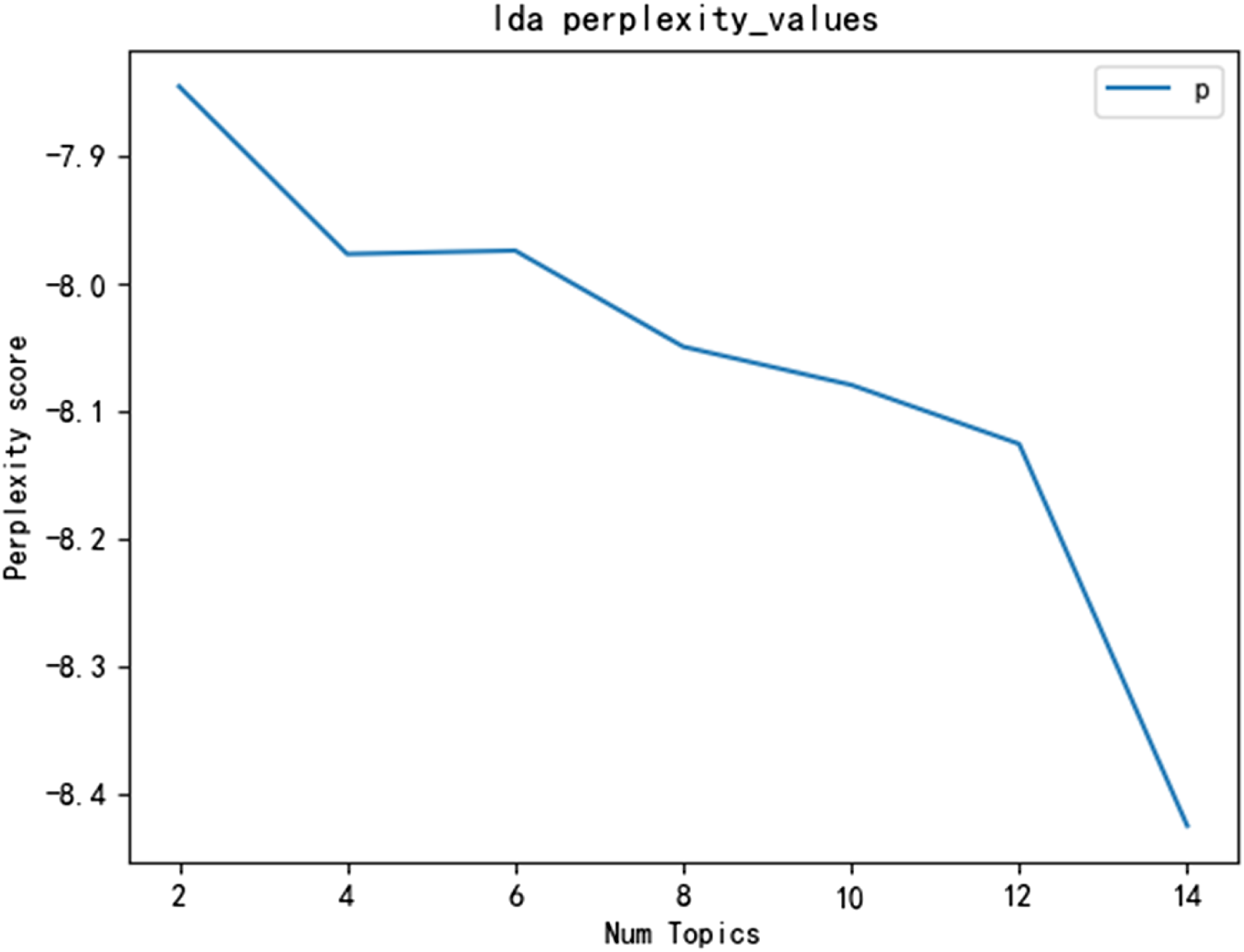
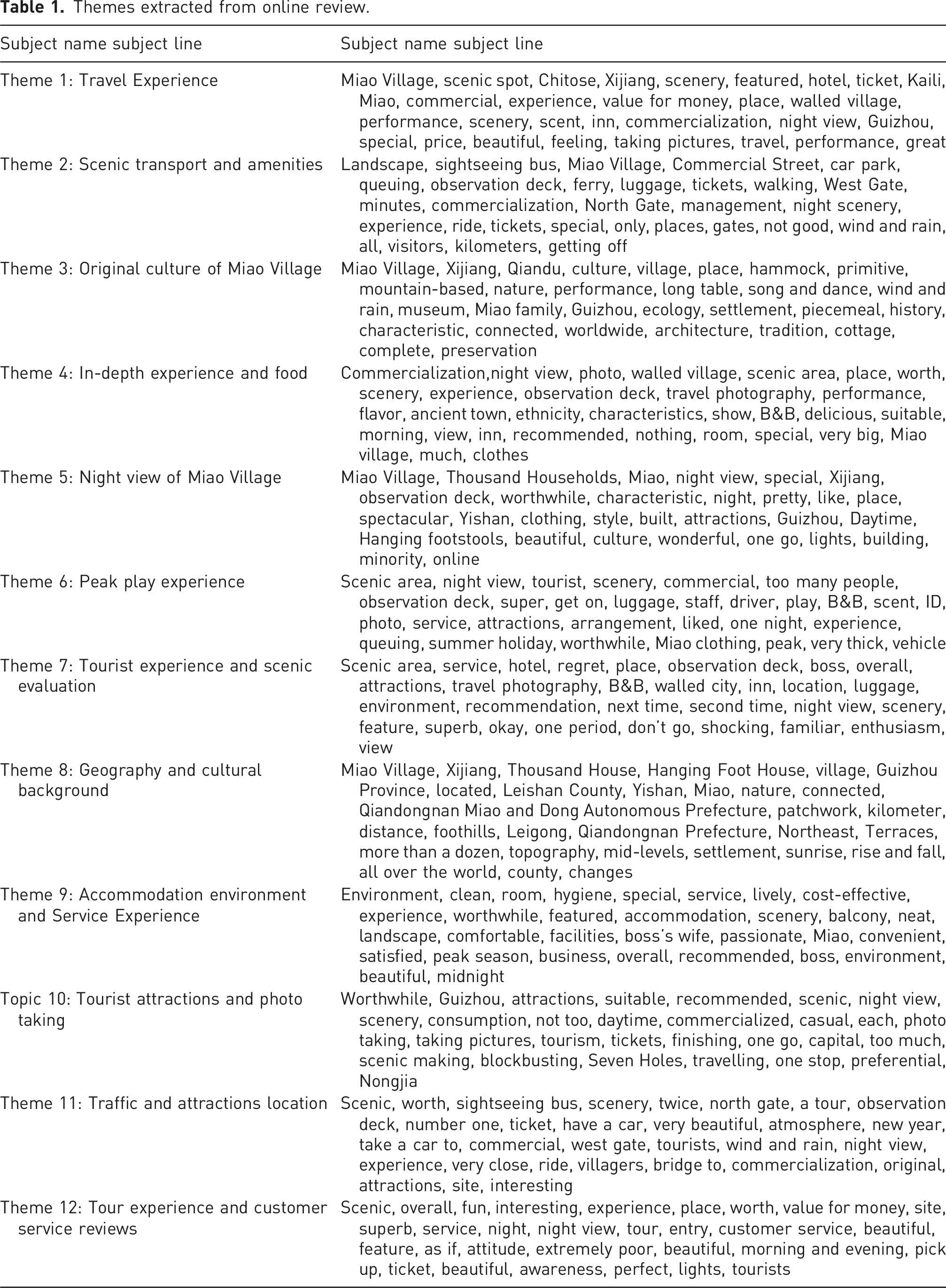
The LDA model yielded an optimal solution when the number of topics was set to 12, as this configuration achieved the highest coherence score (0.62) while maintaining a relatively low perplexity value (850), indicating both semantic interpretability and statistical robustness (Figures 2 and 3). The extracted topics were subsequently grouped into four thematic clusters. First, Scenic and Cultural Appreciation (Themes 1, 3, 4, 6), emphasizing night-time landscapes, ethnic performances, and ritual practices. Second, Accommodation and Service Quality (Themes 2, 9, 12), centering on homestay experiences, personalized service, and comfort. Third, Tourism Infrastructure (Themes 5, 7, 8), referring to transportation, parking, and accessibility. Fourth, Commercialization (Themes 10–12) reflects shopping activities, crowd management, and commodification. Coherence. Perplexity score.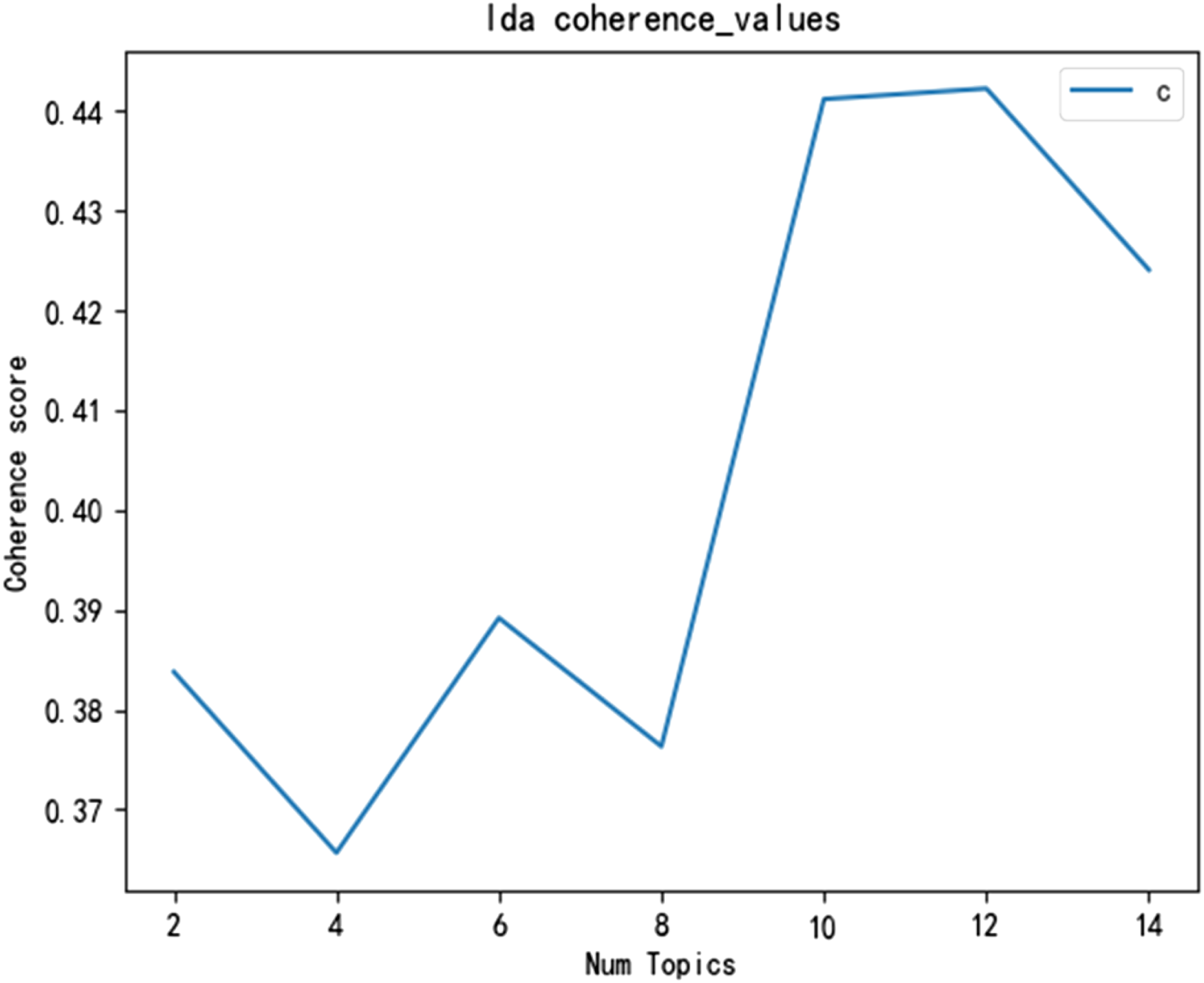
Themes extracted from online review.
Sentiment analysis
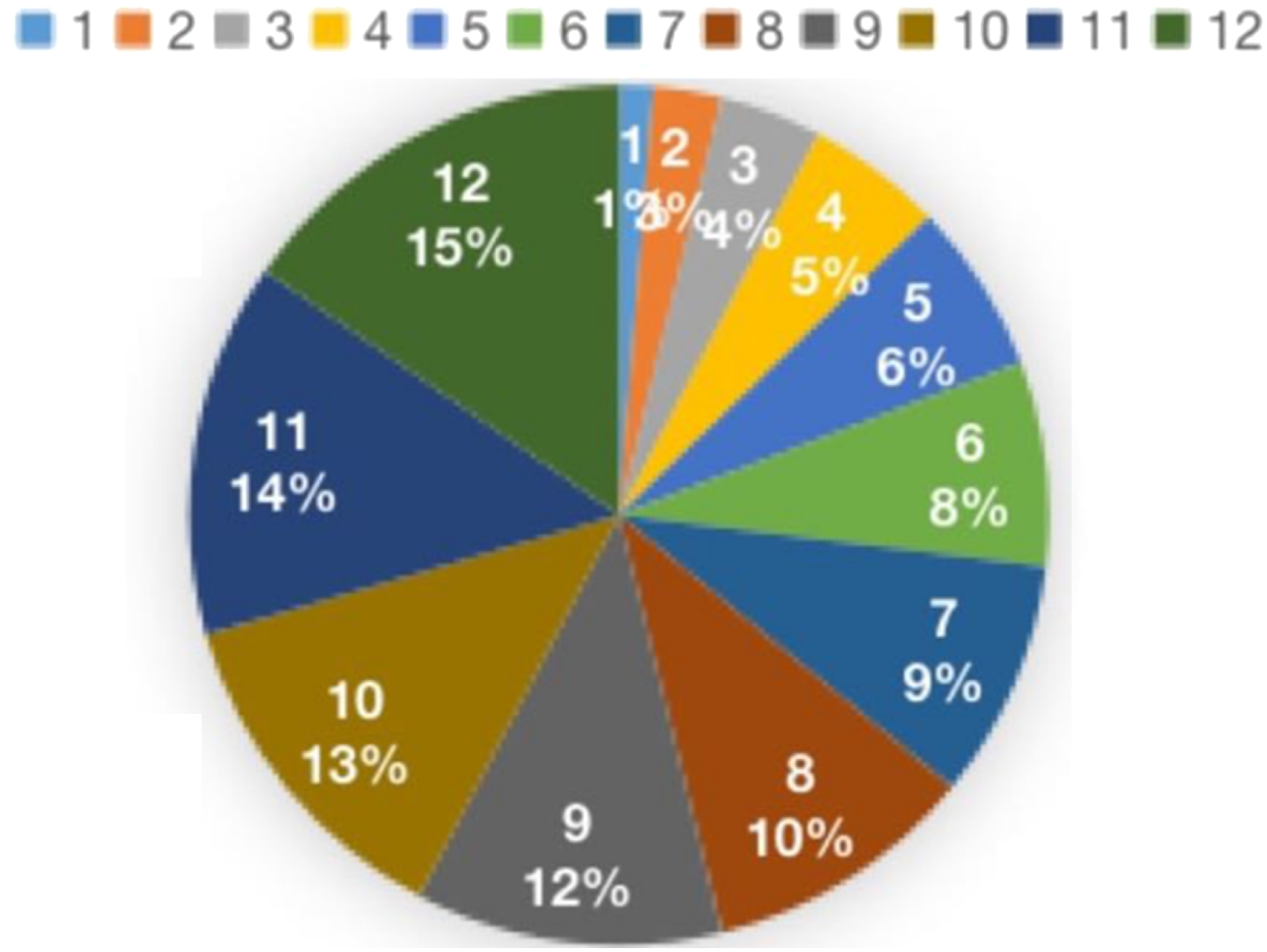
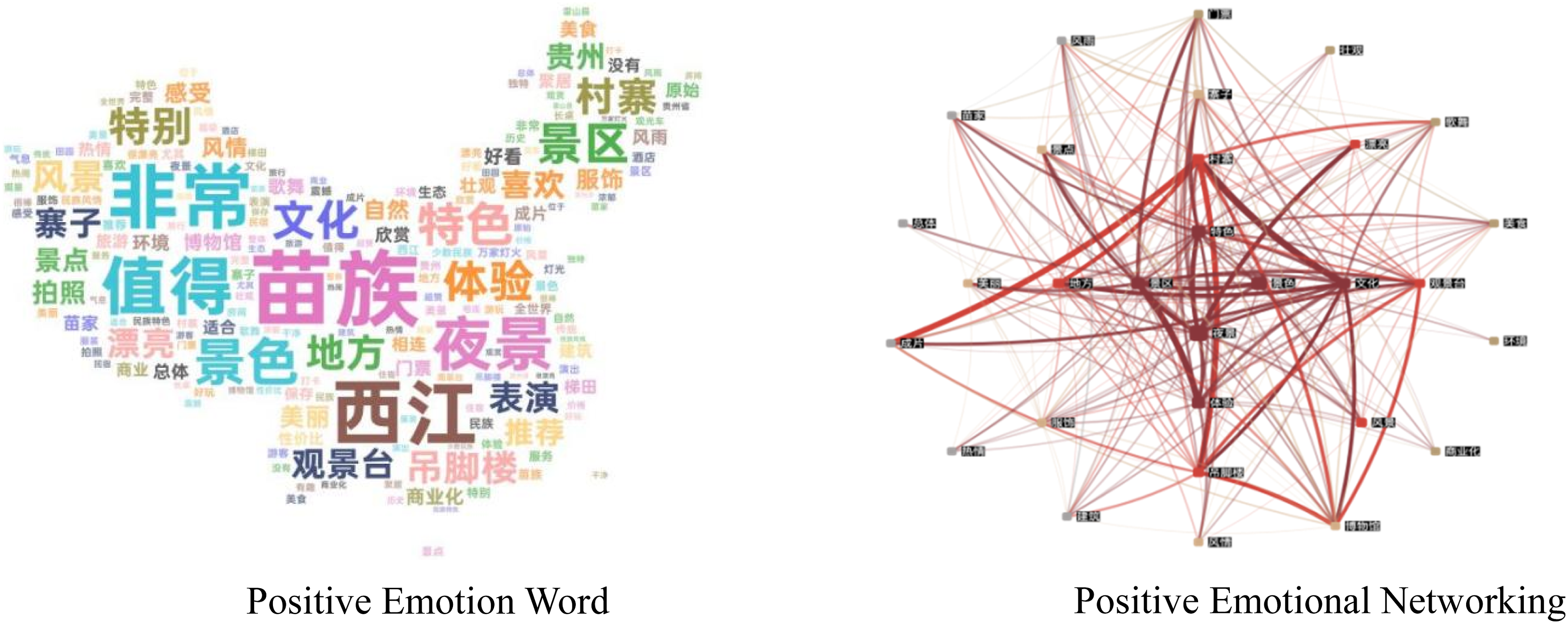
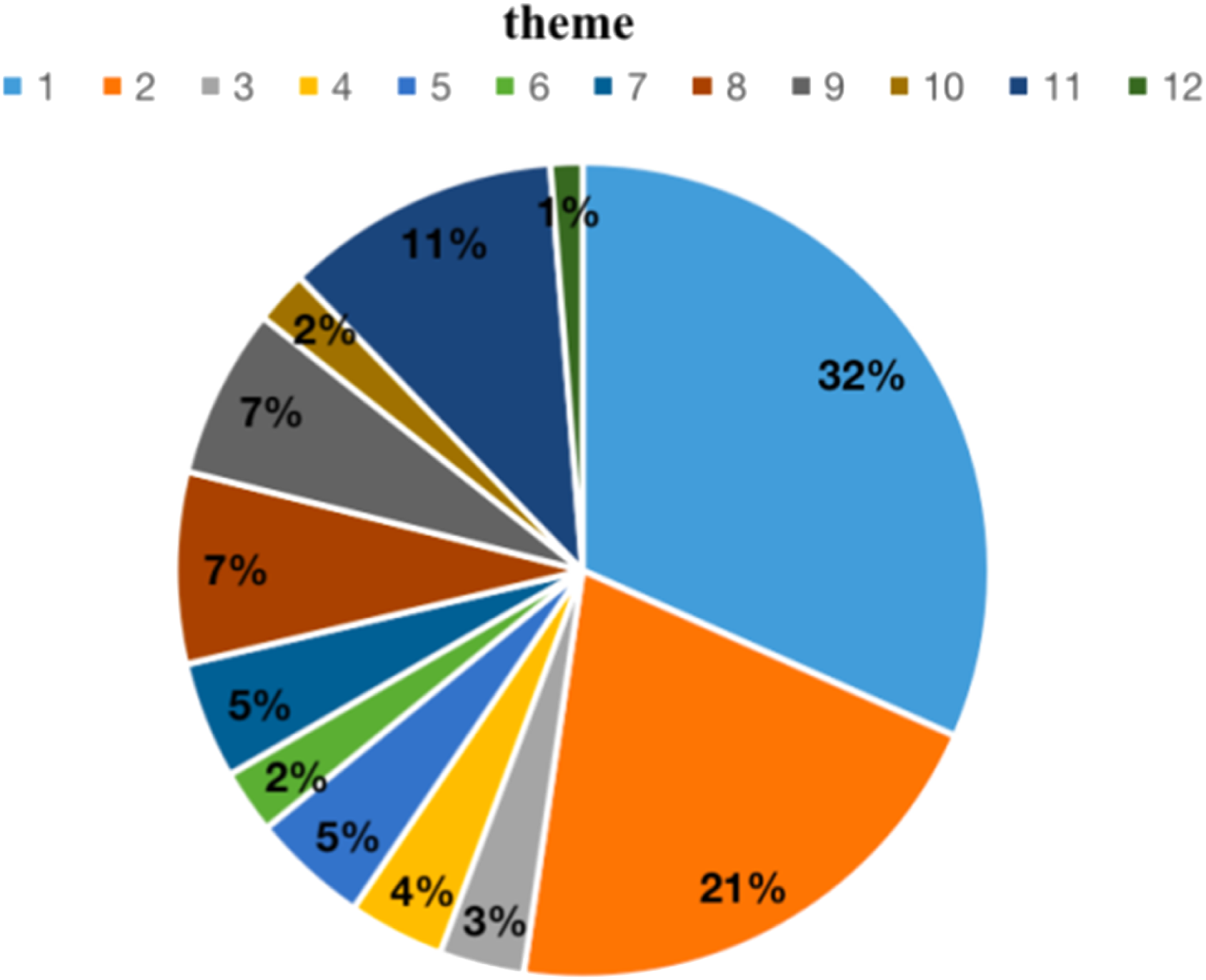
Sentiment classification revealed that positive evaluations significantly outweighed negative evaluations, accounting for 68% and 22% of the corpus, respectively (Figures 4 and 5). Positive sentiments were not scattered but rather concentrated in Themes 1, 2, 9, and 12. These themes, particularly in relation to cultural performances, aesthetic landscapes, and service experiences, were where customers find the most satisfaction. Typical expressions emphasized the memorability of ethnic architecture and the authenticity of accommodation experiences. Negative sentiments, however, were clustered within Themes 1 and 2, with recurrent references to overcrowding (35% of negative comments), disorganized transportation and parking (22%), and inconsistent service quality (18%). These issues, including long waiting times and chaotic management, were noted to have a significant impact on the overall experience, underscoring the need to address them urgently. Taken together, these results suggest that while cultural immersion generates affective enthusiasm, the persistence of service and infrastructure shortcomings, such as long waiting times and overcrowding, constitutes a key source of dissatisfaction. These factors not only detract from the overall experience but also diminish the positive impact of cultural immersion (Figures 6 and 7). Negativity emotional word clouds. Negativity emotions in different themes. Positive emotional word clouds. Positive in different themes.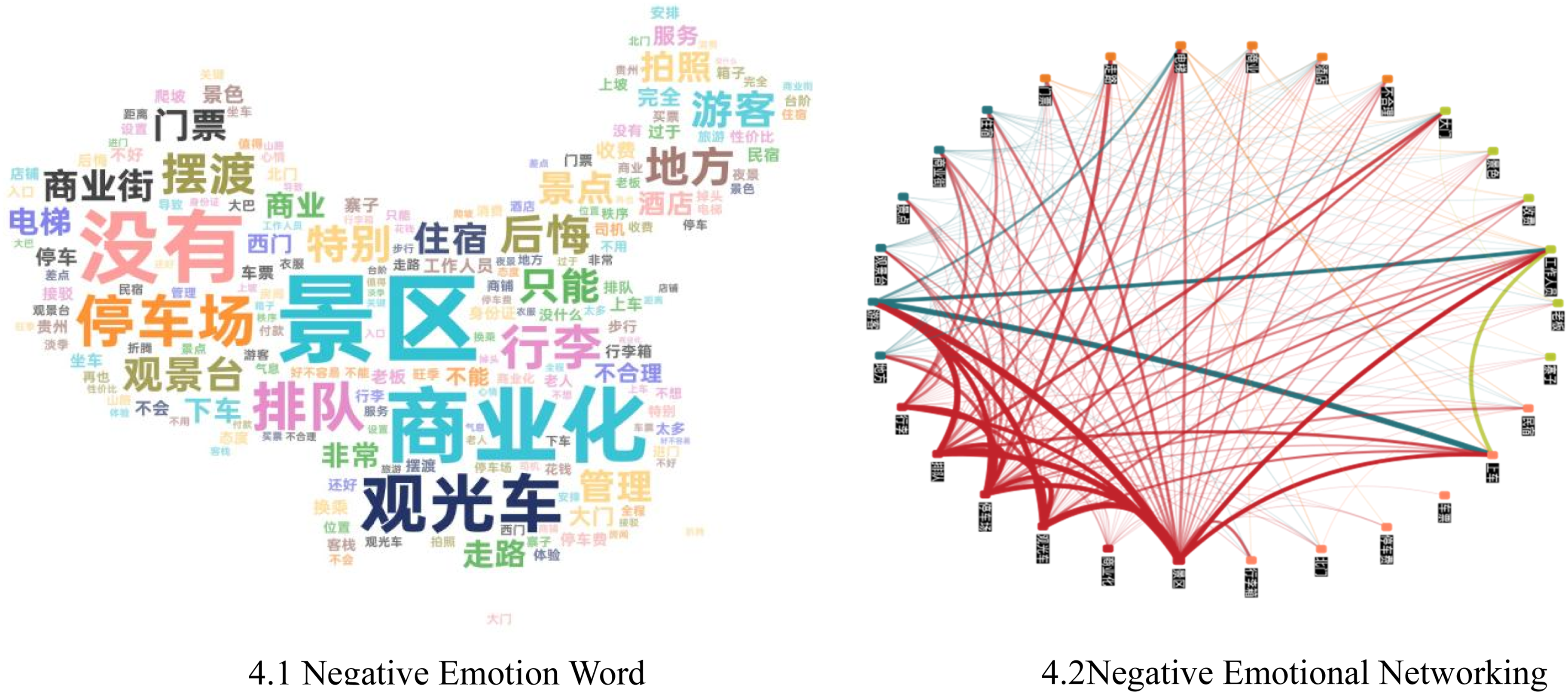
Sentiment time-series analysis
The temporal analysis of sentiment scores from 2016 to 2024 reveals notable fluctuations that correspond to both external shocks and internal structural challenges in the ethnic-minority village tourism context (Figure 8). Overall, sentiment remained moderately positive during the initial observation period (2016 to 2017; mean = 0.65), but a sharp decline was recorded in 2018 (mean = 0.47), mainly attributable to a devastating fire that disrupted local infrastructure and generated widespread visitor dissatisfaction. This pattern demonstrates how sudden external crises can rapidly erode tourist confidence and satisfaction. Year-sen_score.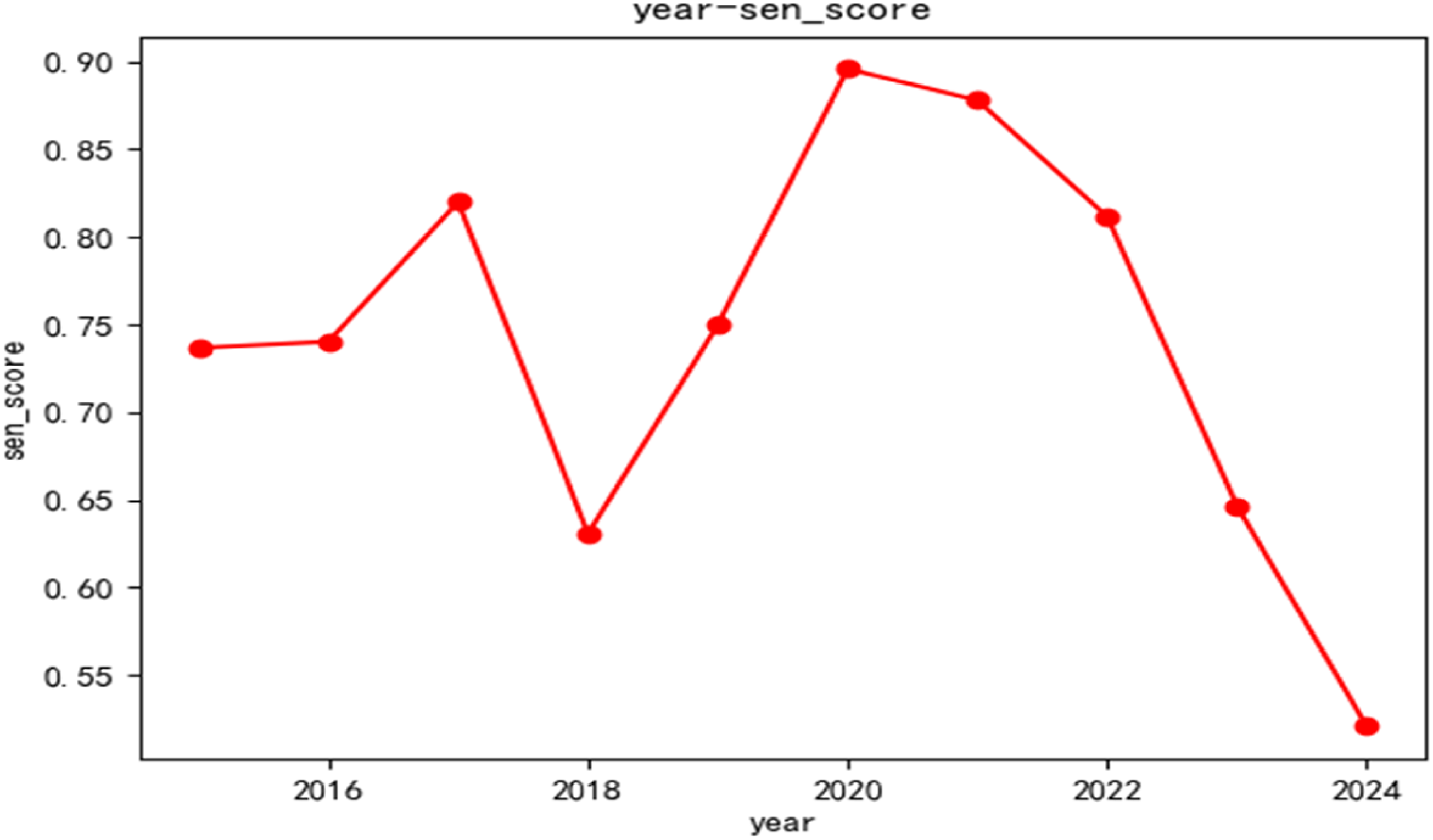
Following the recovery phase (2019 to 2021), during which sentiment steadily improved (mean = 0.72), a second, more sustained downturn emerged between 2022 and 2024 (mean = 0.58). Unlike the 2018 decline, which was driven by an acute external event, this downturn appears to be rooted in endogenous challenges to tourism management. The surge of domestic visitation after the relaxation of pandemic restrictions exacerbated issues of overcrowding, extended waiting times, and reduced service responsiveness, all of which significantly undermined tourists’ evaluations. More importantly, textual evidence from online reviews indicates a growing perception of excessive commercialization and staged cultural performances. This diluted the sense of authenticity, which is one of the principal drivers of satisfaction in ethnic-minority tourism. The decline was thus be not simply a matter of visitor numbers but also a reflection of systemic tension between rapid tourism growth, destination carrying capacity, and the preservation of cultural integrity.
These findings collectively highlight that while ethnic-minority villages are resilient to short-term external crises, their sustainability depends on effective capacity management and the safeguarding of authentic cultural experiences. The temporal dynamics suggest that tourist satisfaction is highly vulnerable to the balance between growth and the preservation of authenticity, echoing broader debates on sustainable tourism development.
Correlation of variables
Pearson correlation analysis further clarified the relationships among sentiment scores, review ratings, and contextual variables (Figure 9). A significant positive correlation was found between sentiment scores and review ratings (r = 0.38, p < 0.05), indicating that emotionally positive discourse is closely linked to higher evaluative ratings. Conversely, the location, date, and topic variables exhibited weak or negligible correlations, indicating that contextual metadata has a limited influence on tourists’ evaluative behaviors. This finding emphasizes that affective tone functions as a stronger predictor of review helpfulness and satisfaction than structural factors, thereby reinforcing the analytical utility of sentiment-based approaches in tourism research. Heat map of the contribution of each variable to satisfaction.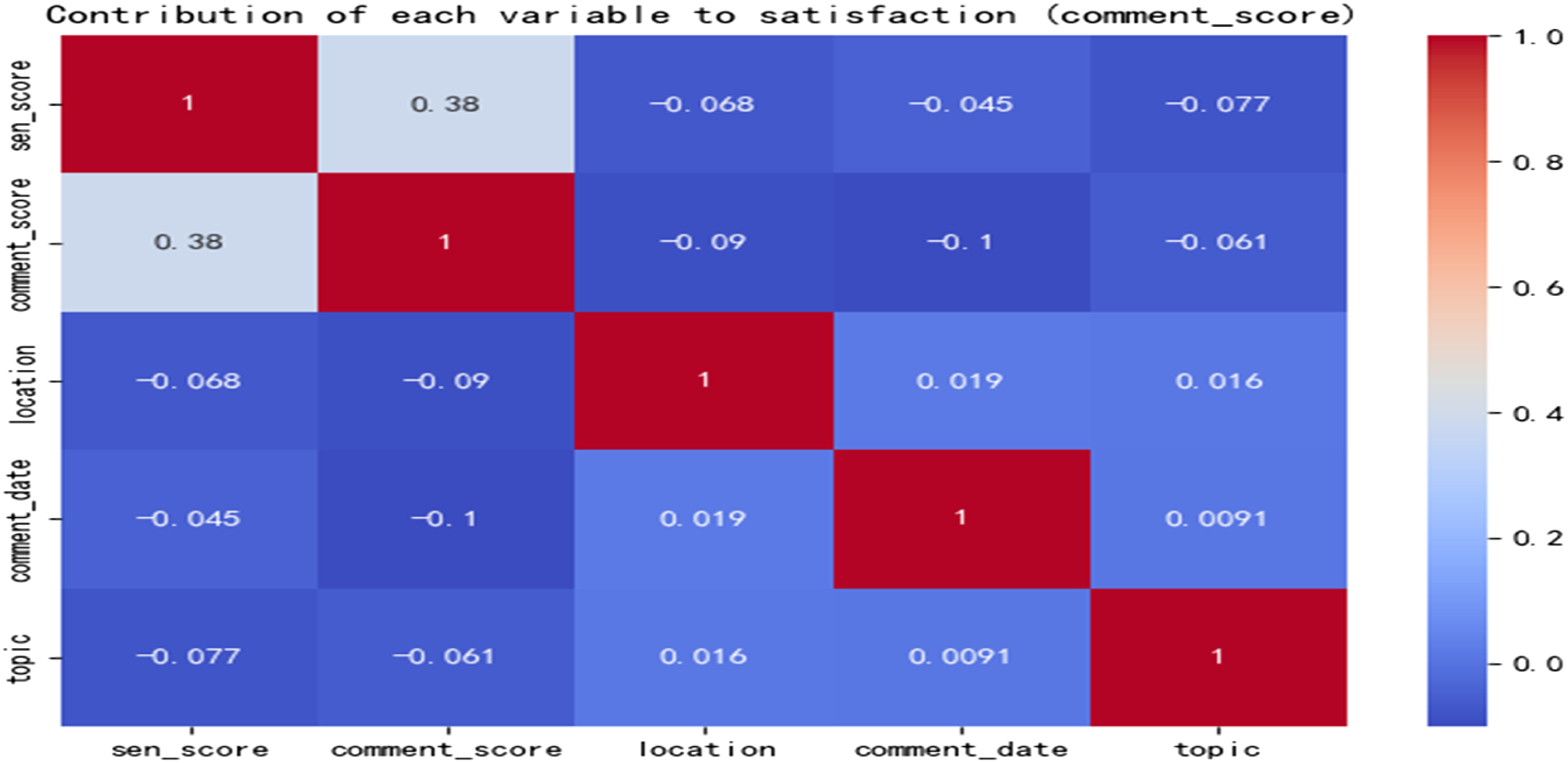
Discussion
Consistent with previous studies (Dong et al., 2023; Mao et al., 2023), the results of this study indicate that immersive cultural experiences, such as traditional performances, authentic cuisine, and interaction with local customs, substantially enhance tourist satisfaction. These experiences align with the affective experience theory, which posits that emotional engagement and sensory involvement are central to memorable tourism experiences (Pine and Gilmore, 1999; Prayag and Ryan, 2012). Notably, positive sentiments were strongly associated with higher review ratings, reinforcing the notion that emotional satisfaction is a key determinant of loyalty and revisit intention in ethnic-minority village contexts. This underscores the significant role of emotional satisfaction in shaping the future of ethnic-minority village tourism.
The analysis also highlights the negative impact of commercialization and overcrowding on tourist satisfaction. These findings resonate with previous discussions on cultural commodification in tourism (Cohen, 1988; Zhang and Ryan, 2007), suggesting that excessive commercialization can erode the perceived authenticity of cultural offerings. For instance, tourists frequently mentioned staged performances, overemphasis on souvenir sales, and congestion in commercial areas as sources of dissatisfaction. While these observations align with broader commodification literature, our study extends existing knowledge by demonstrating that in the context of ethnic-minority villages, the tension between economic development and cultural preservation can generate significant affective dissonance among visitors. This nuance emphasizes that negative sentiment is not solely a function of service quality but also reflects deeper cultural and experiential concerns.
Consistent with Li (2022) and Wang (2021), infrastructure and service quality were identified as critical determinants of satisfaction. Our findings suggest that issues such as traffic congestion, parking difficulties, and inefficient sightseeing bus systems exacerbate negative sentiment. Notably, the sentiment time-series analysis reveals that these factors interact with temporal dynamics, such as peak season pressures, indicating that both controllable (service quality) and partially controllable (visitor flows) elements require targeted management interventions.
Theoretical implications
This study contributes to the growing literature on tourist satisfaction in three important ways. First, it advances methodological approaches by applying big-data analytics—particularly LDA topic modeling and sentiment analysis—to the study of tourist satisfaction in the context of ethnic-minority village tourism. Second, this paper anchors its contribution in the under-researched context of ethnic minority village tourism in China. In this field, the intersection of cultural preservation, economic development, and rural revitalization creates a distinct socio-cultural dynamic. By focusing on this setting, the study not only contributes empirical insights but also addresses a significant gap in the tourism literature, which has traditionally overlooked the complex realities and challenges faced by ethnic minority destinations within China’s broader rural revitalization and cultural governance agendas. This study is significant because it sheds light on a crucial aspect of tourism that has so far been largely ignored.
Practical implications
From a managerial perspective, the findings provide data-driven guidance for destination managers. Traffic and Parking Management: Managers may have the power to address the negative sentiments surrounding congestion and parking difficulties. By implementing solutions such as timed entry, shuttle services from peripheral parking, or mobile guidance systems, you can optimize visitor flow and improve the overall experience. Enhancing service Quality: Issues related to sightseeing buses, luggage handling, and staff responsiveness suggest that targeted training and operational improvements are key to mitigating adverse effects. These measures should be a priority for managers. Preserving Cultural Authenticity: The over-commercialization of cultural performances and souvenirs has become a significant source of dissatisfaction. Destination managers must strike a balance between revenue-generating activities and authentic cultural experiences, for example, by limiting staged performances and encouraging community-led cultural events. Monitoring Emotional Fluctuations: Establishing a real-time sentiment monitoring system based on online reviews could enable managers to promptly detect spikes in negative emotions, allowing for timely interventions and effective responses. This system can prioritize the pain points identified in this study—namely, traffic, service, commercialization, and pricing concerns. Preparation for Uncontrollable Factors: Weather-related dissatisfaction and seasonal fluctuations underscore the importance of contingency planning, including the provision of shaded waiting areas, rain shelters, and proactive visitor information dissemination.
Conclusions
This study took a unique approach by systematically examining the determinants of tourist satisfaction in Xijiang Miao Village. It utilized a blend of LDA topic modeling, sentiment analysis, regression analysis, and time-series analysis. The findings, which reveal that satisfaction is shaped by both infrastructure/service quality, as well as immersive cultural experiences, are significant. The study found that positive affective experiences were linked to higher satisfaction and a stronger intention to revisit. In contrast, negative experiences, particularly those related to overcrowding, commercialization, and service inefficiencies, diminished overall satisfaction. The study contributes theoretically by extending affective experience theory and cultural commodification frameworks to the context of ethnic-minority village tourism. Methodologically, it demonstrates the utility of big-data analytics for capturing nuanced tourist emotions. Notably, the study offers actionable recommendations for managing congestion, service quality, authenticity, and sentiment monitoring, equipping the audience with practical insights for their work.
Limitations include reliance on a single platform (Ctrip), a focus on domestic tourists, and an incomplete exploration of the mechanisms behind temporal fluctuations. Future research could integrate multiple data sources, conduct cross-cultural and longitudinal studies, and apply psychological models or advanced machine-learning techniques to explore the causal relationships between affective responses and behavioral outcomes. In summary, this study offers a data-driven understanding of tourist satisfaction in ethnic-minority village tourism. The findings, which are both theoretical and practical, offer a robust foundation for sustainable and culturally sensitive destination management, reassuring the audience of the validity and reliability of the study.
Footnotes

Funding
The author(s) disclosed receipt of the following financial support for the research, authorship, and/or publication of this article: This research was supported by the Chongqing University of Arts and Sciences Foundation Project (Grant No. Y2023LY05).
Declaration of conflicting interests
The authors declared no potential conflicts of interest with respect to the research, authorship, and/or publication of this article.