



Abstract
This paper focuses on the area of sustainable literacy and the role of tourism higher education in providing skilled graduates to facilitate the transition towards Net-Zero emissions. Taking a knowledge management perspective, curricula are assessed based on their adherence to explicit knowledge stocks identified as key elements of sustainable literacy. Desk-based research was conducted to develop a quantitative research analysis tool. A case study approach was applied to the Republic of Ireland to assess the higher education provider’s provision of sustainable literacy. The findings identified that third-level tourism degrees have a significant knowledge gap in the area of sustainable literacy, particularly in the area of measuring and monitoring emissions to facilitate the transition towards Net-Zero emissions before 2050. These findings are helpful for practitioners and educators alike to increase the standards required in the workforce.
Keywords
Introduction
This paper aims to evaluate the effectiveness of tourism Higher Education Institutions (HEIs) in incorporating sustainable literacy and climate action into their module syllabi. The study seeks to address the research question: “Do tourism module syllabi in Higher Education equip graduates with the skills necessary to contribute positively to the sustainable development of the tourism industry?”. To achieve this overarching purpose, the study is guided by three key objectives: 1. To assess whether the learning outcomes of tourism programs at HEIs are explicitly aligned with the United Nations Sustainable Development Goals (UNSDGs). 2. To investigate whether the content of tourism modules facilitates the effective transfer of knowledge regarding sustainable and Net-Zero policies and practices. 3. To examine the extent to which tourism HEIs recognise their own needs and deficits in sustainable literacy and explicit knowledge.
Tourism is vital to the Irish economy, generating over €9.5 billion in 2019 and employing around 260,000 people (Fáilte Ireland, 2019). However, the sector produced an estimated 11.62 MtCO2eq in emissions that year, with 63% stemming from international aviation (Conefrey and Hanrahan, 2022a). In line with EU commitments, Ireland must reduce emissions by 51% by 2030 and achieve Net-Zero by 2050, yet it has not met these targets, incurring financial penalties. Critics argue that national tourism strategies inadequately address necessary climate actions (Conefrey and Hanrahan, 2022b).
Historically, tourism has been seen as a “smokeless industry” (Tang et al., 2022), suggesting it provides significant benefits with minimal impact. This view has allowed unchecked growth, ignoring environmental consequences, particularly carbon emissions (Ko, 2005; Sun and Higham, 2021). There is growing recognition that sustainable tourism must consider the long-term effects of resource misallocation and the carbon footprint of travel (Milano et al., 2019).
While some studies indicate that tourism graduates are exposed to sustainable principles (Bowan and Dallam, 2020; Septyandi and Prawira, 2022), others argue that curricula fail to prepare them for challenges like climate change (Scott and Gössling, 2022c). Despite differing recommendations, scholars agree on the need to move beyond “growth fetishism” (Arrobas et al., 2020). Achieving this balance requires a shared understanding of sustainable literacy among academia, policymakers and industry practitioners.
Tourism literacy is essential not only for informing policymakers but also for inspiring educators (Cooper, 2018). This knowledge must be accessible to the industry to effectively address the Net-Zero challenge, as sustainable tourism requires active decarbonisation (Scott and Gössling, 2022c). By empowering stakeholders, sustainable tourism literacy fosters change and supports sustainable development (Garay et al., 2017). This paper adopts a knowledge management framework to investigate the role of tourism education in enhancing sustainable tourism literacy, with a focus on achieving Net-Zero emissions by 2050. Using Irish higher education institutions as a case study, it aims to identify gaps in education that impede the industry’s upskilling for a decarbonised future.
The Net-Zero challenge
Key components of decarbonisation in tourism.
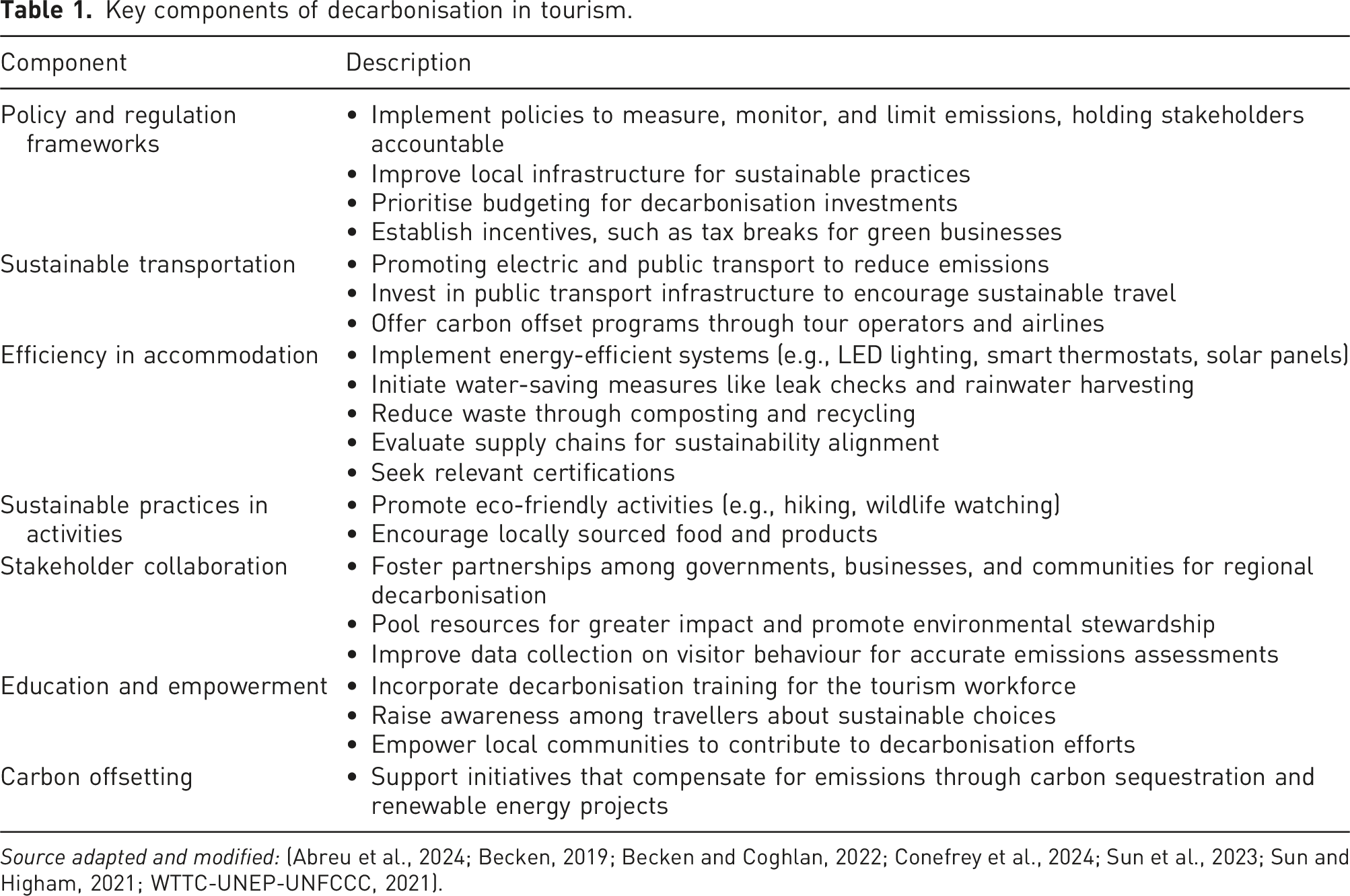
Source adapted and modified: (Abreu et al., 2024; Becken, 2019; Becken and Coghlan, 2022; Conefrey et al., 2024; Sun et al., 2023; Sun and Higham, 2021; WTTC-UNEP-UNFCCC, 2021).
Addressing these decarbonisation components can substantially reduce emissions in the tourism industry and promote sustainable development.
In 2021, the Glasgow Declaration on Climate Action in Tourism was established to accelerate climate action in tourism and strengthen commitments to the Net-Zero agenda (UNWTO, 2023a). Achieving this goal is challenging, with tourism emissions estimated to account for 8–11% of total global emissions (WTTC-UNEP-UNFCCC, 2021). Lenzen et al. (2018) reported that global tourism produced 3.9–4.5 Gt CO2eq (8% of global emissions) between 2009 and 2013, excluding short-lived aviation emissions.
The Intergovernmental Panel on Climate Change defines Net-Zero emissions as “achieved when anthropogenic emissions of greenhouse gases to the atmosphere are balanced by anthropogenic removals over a specified period” (Scott and Gössling, 2022a). While all sectors recognise the importance of managing emissions, context-specific interventions are essential. Krishnan et al. (2022) note that Net-Zero goes beyond carbon neutrality, requiring maximum feasible emission reductions across all scopes before 2050, alongside the removal of residual emissions. This alignment with a 1.5°C science-based target is crucial.
Research acknowledges that achieving Net-Zero in tourism is a challenge due to its interdisciplinary nature (UN, 2023a; WTTC-UNEP-UNFCCC, 2021). While tourism can advocate for sustainability, it is also a major emitter, with some researchers suggesting that emissions are often underestimated and lack comparability (Gössling and Buckley, 2016). Hence, urgent action is needed to enhance research and standardise emissions measurement (IPCC, 2023; UNWTO, 2023b; WTTC-UNEP-UNFCCC, 2021). Establishing reliable decarbonisation targets and evidence-based policies is crucial, alongside increased government support and incentives to mitigate financial constraints and reliance on carbon-intensive infrastructure (WTTC-UNEP-UNFCCC, 2021). Achieving Net-Zero requires a fundamental transformation of the global economy (Krishnan et al., 2022; UN, 2023a). Therefore, advancing sustainable literacy in tourism education is essential for bolstering industry resilience.
Sustainable literacy and knowledge management
Sustainability is crucial in all tourism development strategies. The UNWTO (2024) defines sustainable tourism as: “Tourism that takes full account of its current and future economic, social and environmental impacts, addressing the needs of visitors, the industry, the environment, and host communities”. Recognised as one of the ten economic sectors in the UNEP Green Economy Report, greening tourism can enhance prosperity, create jobs, and reduce poverty.
For sustainable tourism development to succeed, informed participation from all stakeholders is essential. However, research on a priori knowledge and awareness of sustainable literacy remains limited (Cárdenas et al., 2015), and there is a notable lack of understanding about implementing sustainable initiatives (Singh and Dutt, 2023). Evidently, transitioning the industry at the EU level requires integrating sustainable literacy into tourism curricula.
HEIs play a crucial role in promoting sustainability and facilitating contextual changes relevant to their destinations (Barkathunnisha et al., 2019; Zizka and Varga, 2021). Researchers have raised concerns about how tourism can achieve Net-Zero due to insufficient decarbonisation knowledge within the industry (Becken and Coghlan, 2022). Therefore, HEIs must align industry needs with sustainability and climate action, equipping graduates with the knowledge necessary to tackle current Net-Zero challenges (Arrobas et al., 2020; Septyandi and Prawira, 2022). This approach can positively impact the industry and foster the development of competent graduates (López-Bonilla and López-Bonilla, 2014).
Many international organisations highlight the critical role of HEIs in delivering quality education for a sustainable future, as outlined in Goal 4 of the UNSDGs (UN, 2023b). The UNWTO (2022) emphasises the need for HEIs to revise their tourism curricula to ensure they are comprehensive and aligned with the evolving landscape, with a focus on sustainability. The report also stresses the importance of monitoring educational programs and training educators to effectively promote sustainable development.
Similarly, the EU (2024) and the EC (2024) are actively supporting HEIs by fostering cooperation to help the sector adapt to changing conditions. This includes enhancing curricula and educational resources that promote inclusion and sustainability, thereby contributing to Europe’s resilience.
While many HEIs acknowledge the significance of sustainability education (Mínguez et al., 2021), engagement with sustainable literacy in tourism curricula remains limited (Ruhanen and Bowles, 2020). This may be due to already full curricula and a lack of knowledge or training among educators, who may view the integration of sustainability as time-consuming (Décamps et al., 2017; Zizka and Varga, 2021). Hence, the challenge lies in shifting teaching paradigms to address the industry’s long-term sustainability needs (Mínguez et al., 2021).
Incorporating sustainable literacy into tourism curricula equips graduates with the skills to lead change, address sustainability issues, enhance destination competitiveness, and sustain the industry ( Arrobas et al., 2020; Chen et al., 2022; Septyandi and Prawira, 2022). Sustainable literacy combines knowledge with practical experience, making information actionable and shareable (Cooper, 2018).
A knowledge management approach is supported by academics, with explicit knowledge referring to codified information transferable through written communication (Hales and Jennings, 2017). For example, effective sustainability and decarbonisation policies and practices. While enterprises are increasingly inclined to adopt sustainable behaviours (El Dief and Font, 2010), they face constraints related to time, finance, and the realities of a labour-intensive industry with high turnover. Therefore, explicit knowledge must be credible, transparent, and easily codified to encourage uptake by enterprises.
For tourism to be sustainable, it must actively decarbonise (Scott and Gössling, 2022a). Tourism HEIs are well-positioned to shape the ethos and performance indicators of tourism curricula (Arrobas et al., 2020; Chen et al., 2022; Septyandi and Prawira, 2022). Thus, tourism graduates should be exposed to explicit sustainability knowledge by comparing global policies and practices. Additionally, HEIs should disseminate decarbonisation knowledge that reflects the sector’s challenges and realities, embedding a commitment to sustainable development and enhancing sustainability literacy to prepare graduates for current and future climate action regulations.
Curricula, sustainable literacy values and program learning outcomes
The universal acceptance of the need for all sectors to decarbonise aligns with a broader sustainable development agenda. However, some researchers argue that sustainable tourism principles are a micro solution to a macro problem, as there is limited consensus on translating theory into practical policies (Sharpley, 2010). Additionally, evidence suggests that these principles are not widely adopted at the destination level or among individual sectors, indicating that climate change may not be perceived as an immediate threat in some areas (Pham et al., 2022). Many scholars assert that tourism lacks credible climate action plans to meet emission reduction targets (Conefrey and Hanrahan, 2022a; Scott and Gössling, 2022a).
In this context, tourism HEIs are crucial in addressing sustainability and climate action needs, by producing skilled graduates. The Net-Zero goals and UNSDGs should serve as guiding principles, and curricula must reflect these objectives in both program and module learning outcomes.
Framework to support and monitor integrating the UNSDGs within HEIs.
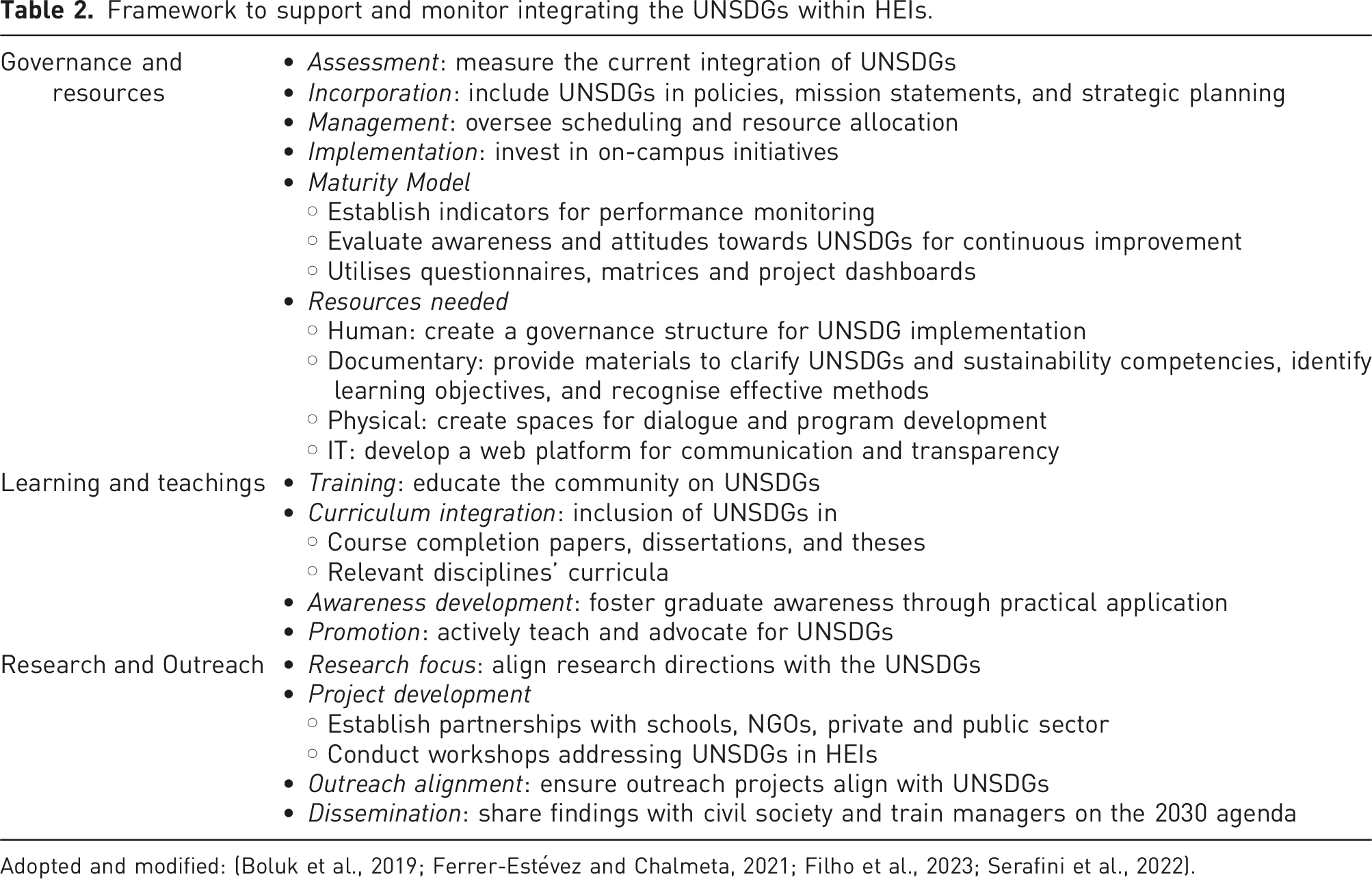
Adopted and modified: (Boluk et al., 2019; Ferrer-Estévez and Chalmeta, 2021; Filho et al., 2023; Serafini et al., 2022).
Therefore, all HEI staff and graduates should be upskilled and trained to understand the UNSDGs, fostering a robust sustainability culture to effectively combat climate change.
Methodology
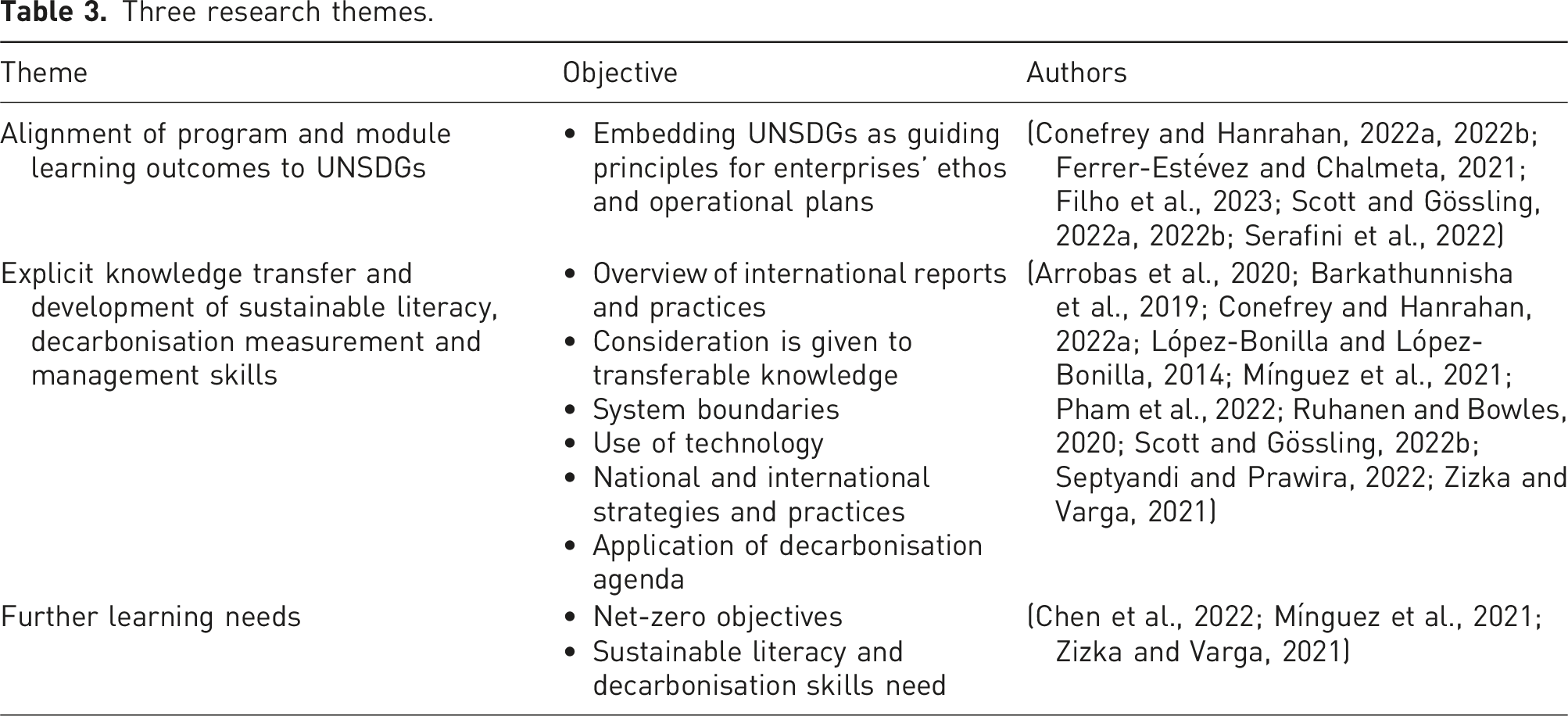
Consistent studies assert that achieving a low-carbon pathway in tourism necessitates a skilled workforce capable of measuring emissions and optimising decarbonisation practices (Septyandi and Prawira, 2022). This study aims to assess Irish HEIs’ provision of sustainable literacy to prepare graduates for the Net-Zero agenda.
Three research themes.
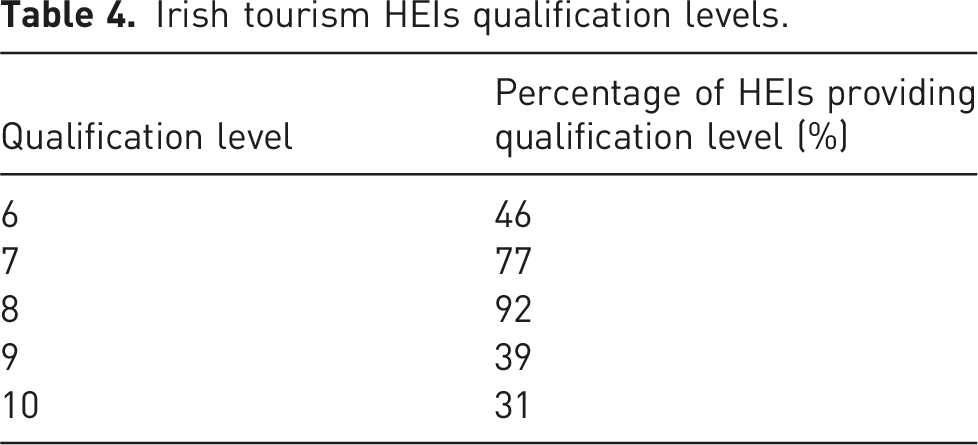
Irish tourism HEIs qualification levels.
The quantitative data from each HEI was entered into a data analysis tool for constant comparison throughout the research process. A key objective was to identify knowledge gaps in HEI tourism programs regarding sustainable literacy (Carlisle et al., 2021). Participants were also invited to elaborate on specific themes through open-ended questions, with this qualitative data analysed using a thematic analysis to identify patterns (Maguire and Delahunt, 2017). Additionally, a cluster analysis was performed on several variables to classify and group responses (Cornish, 2007; Landau and Ster, 2010). This analysis allows for the grouping of tourism HEIs based on their responses, highlighting their level of provision in sustainability education and training.
To facilitate comparison between variables, the data was classified on an ordinal scale from 0 to 10, where 0 indicates low provision and 10 signifies high provision in sustainability and decarbonisation education and training (Fripp, 2016). The mean and standard deviation for each variable were then calculated to construct Z-scores for standardisation (Fripp, 2016; Nevil, 2023). Additionally, three cluster centres were established based on low, medium, and high responses from the HEIs for comparison against the Z-scores. A distance matrix was compiled to quantify the similarity between responses (Fripp, 2016; Landau and Ster, 2010). As a result, HEI tourism programs can be categorised into clusters for sustainable literacy and decarbonisation training.
Findings and discussion
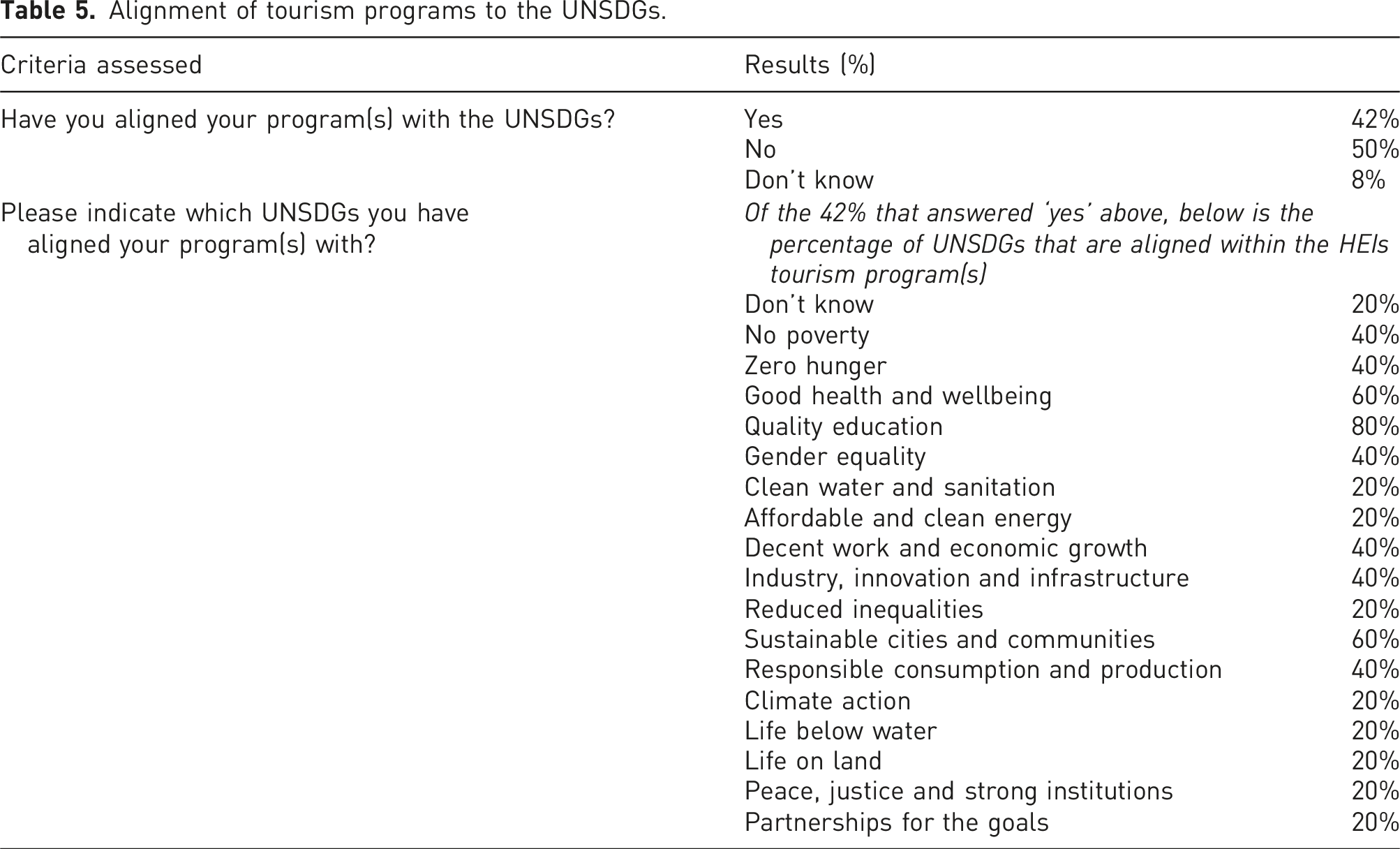
Alignment of tourism programs to the UNSDGs.
Alignment of program and module learning outcomes to the Net-Zero agenda.
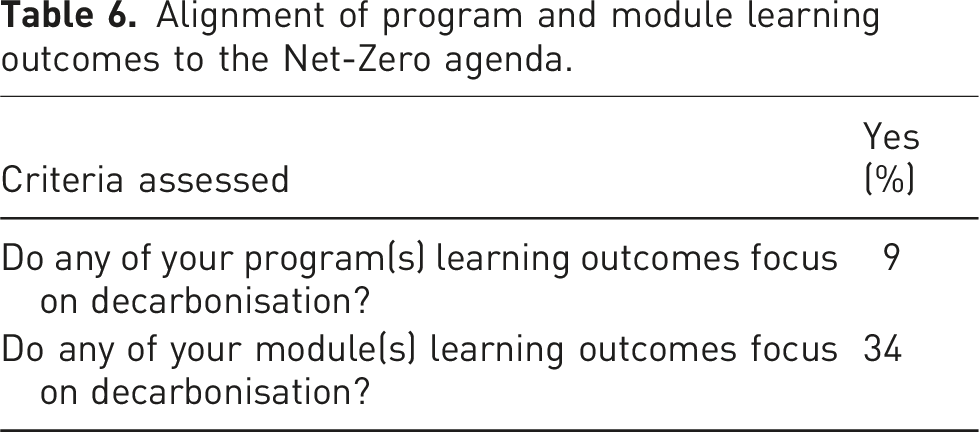
The findings confirm a lack of engagement with sustainable literacy in HEI tourism programs (Ruhanen and Bowles, 2020). Given that climate action is a primary goal of sustainable development (Conefrey and Hanrahan, 2022b; Scott and Gössling, 2022c), it is essential for educators to motivate graduates and future enterprises to integrate the UNSDGs into their mission and value statements. This aligns with previous research highlighting gaps in sustainable literacy related to climate action (Carlisle et al., 2021). This study presents an opportunity for HEIs to realign their tourism programs with the UNSDGs, particularly “Goal 13: Climate Action”, to ensure the industry is prepared for a clean transition to a decarbonised world.
Knowledge pertaining to the impacts of tourism on climate change.
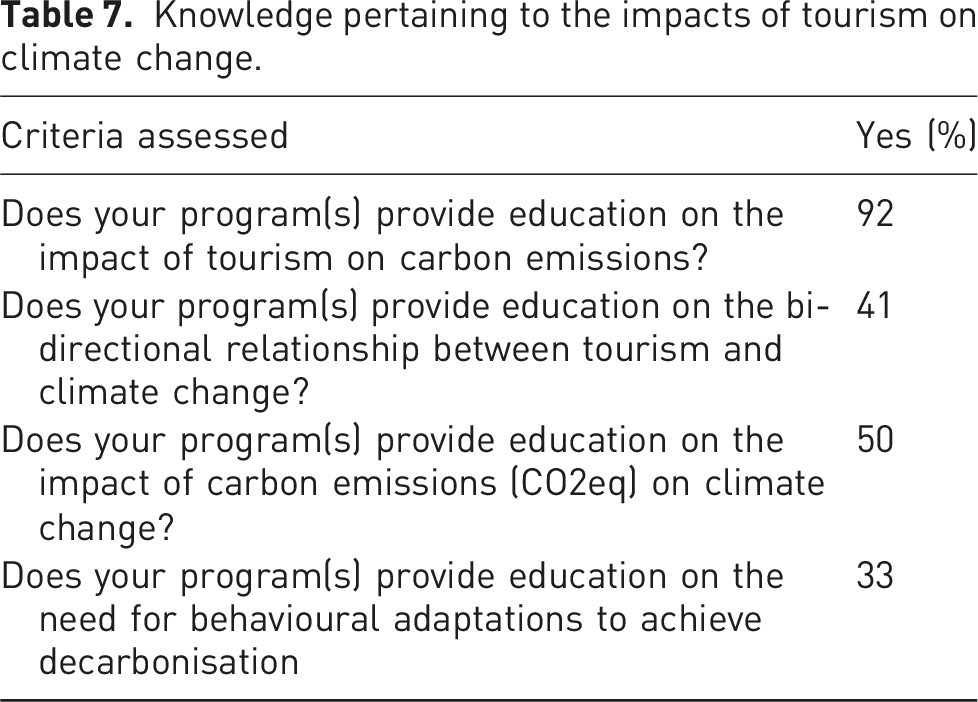
The research identified a significant lack of education on the bi-directional relationship between tourism and climate change, with only 41% coverage on this topic, and 50% addressing the impact of carbon emissions on climate change. While the impact of tourism on carbon emissions was clearly communicated in 92% of programs, the findings support Scott and Gössling’s (2022c) assertion that graduates are ill-prepared to effect change, as 67% of programs do not explicitly promote effective behavioural changes. This may indicate a lack of knowledge among educators or a tendency to focus on minutiae rather than the broader theme of tourism and climate change.
Knowledge pertaining to sustainable policies.
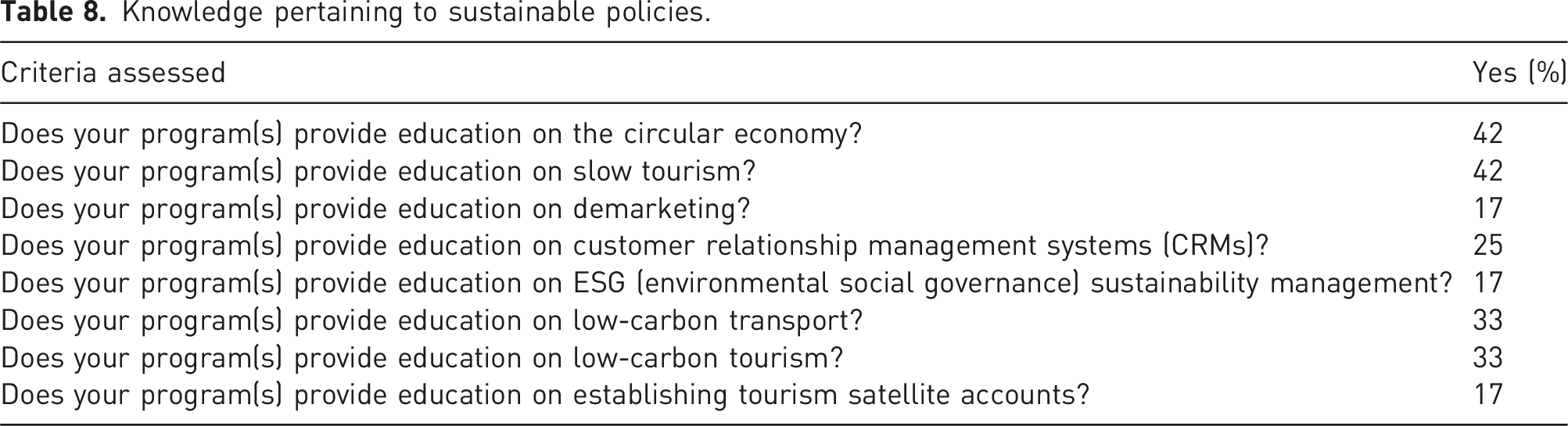
While the exploration of sustainability policies is commendable, there is a pressing need to integrate these into applicable sustainable practices to enhance graduates’ awareness of key sector challenges (Bowan and Dallam, 2020), develop critical thinking skills (Arrobas et al., 2020), and bolster their self-efficacy in addressing contemporary issues (Chen et al., 2022).
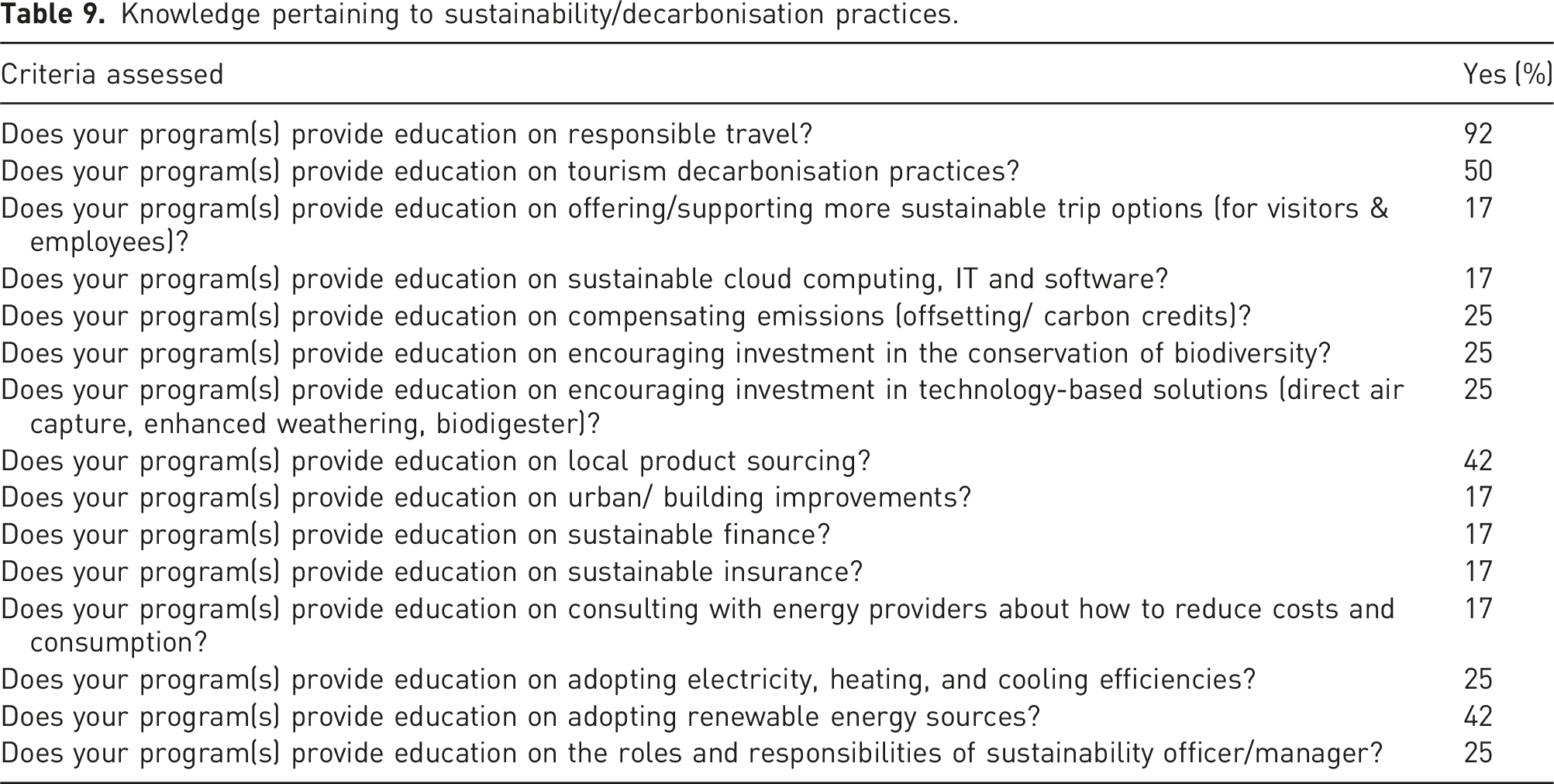
Knowledge pertaining to sustainability/decarbonisation practices.
Knowledge pertaining to the measurement of tourism impacts.
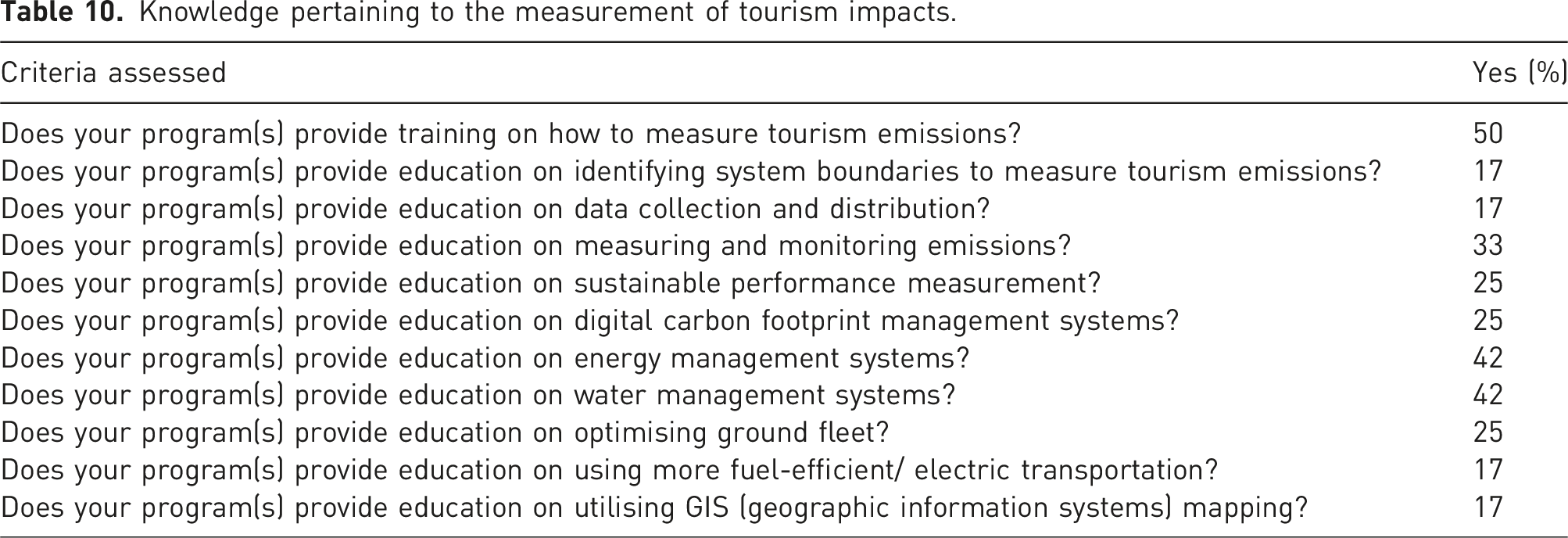
Carlisle et al. (2021) argue that climate action skills are vital for implementing Environmental Management Systems, enabling effective measurement, monitoring, and reduction of fossil fuel, waste, water, and energy consumption. By promoting alternative technologies and enhancing recycling and composting, tourism can support the circular economy. However, the findings indicate that while some HEIs strive to meet the needs of the tourism industry alongside sustainability and climate action, gaps remain in the knowledge transfer of credible training within Irish tourism programs (Arrobas et al., 2020; Septyandi and Prawira, 2022). Consequently, Irish tourism graduates may be ill-equipped to accurately measure, monitor, and report emissions using internationally recommended carbon footprint methodologies (Conefrey and Hanrahan, 2022a).
Knowledge pertaining to the management of tourism impacts.
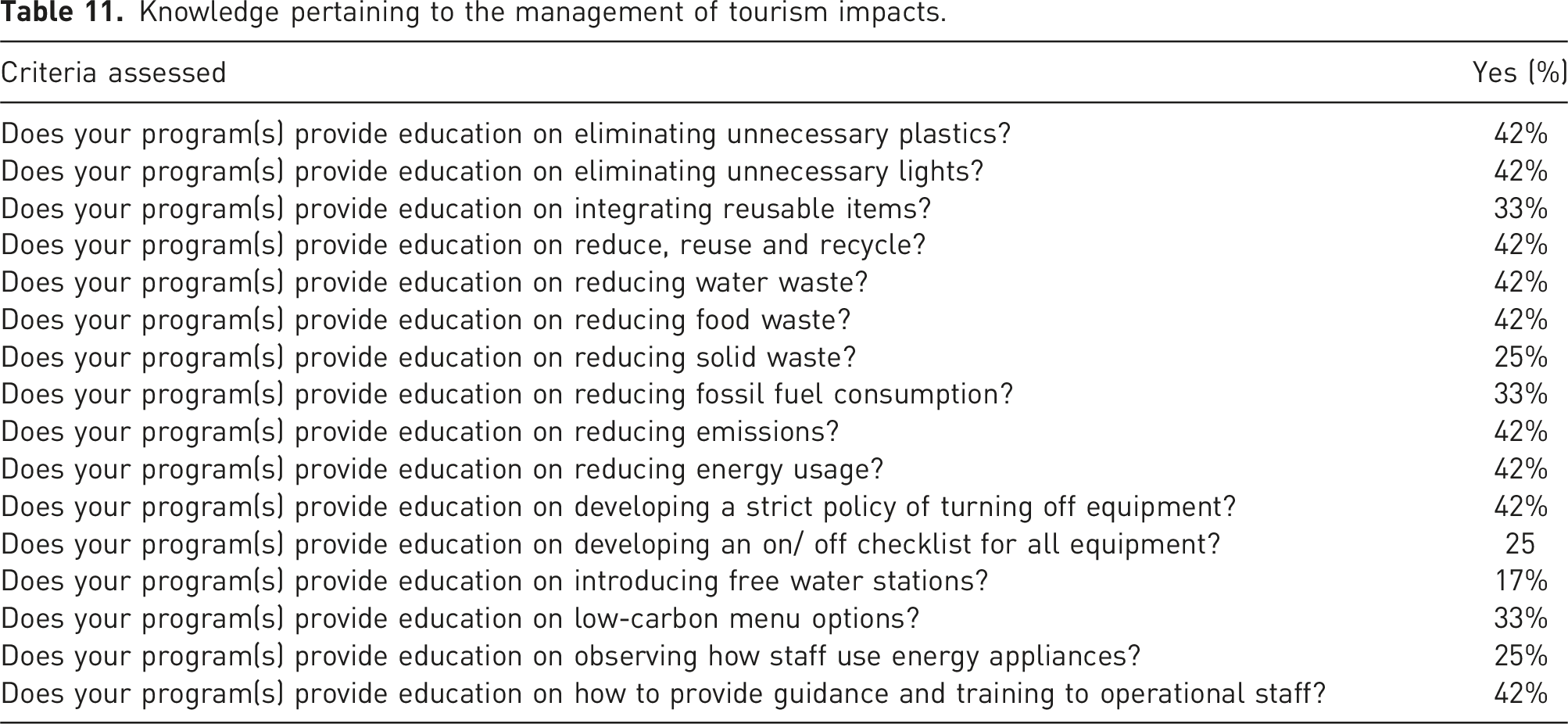
These results highlight two key points. First, the complexity of developing and delivering curricula that effectively transfer relevant knowledge for decarbonisation is significant, especially given the vast amount of existing knowledge and the limited resources available for module delivery. Second, a skilled workforce capable of driving the Net-Zero agenda is essential (López-Bonilla and López-Bonilla, 2014). However, effective knowledge transfer requires comprehensive insight and competence in recipients (Cooper, 2018), which the data suggests has not been achieved. Overall, it appears that Irish tourism HEIs are insufficiently preparing graduates with the necessary sustainability and Net-Zero knowledge.
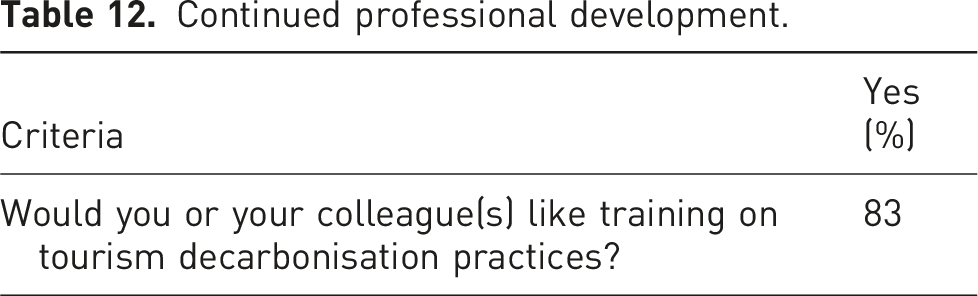
Continued professional development.
Basic cluster analysis of explicit knowledge transfer in HEIs.
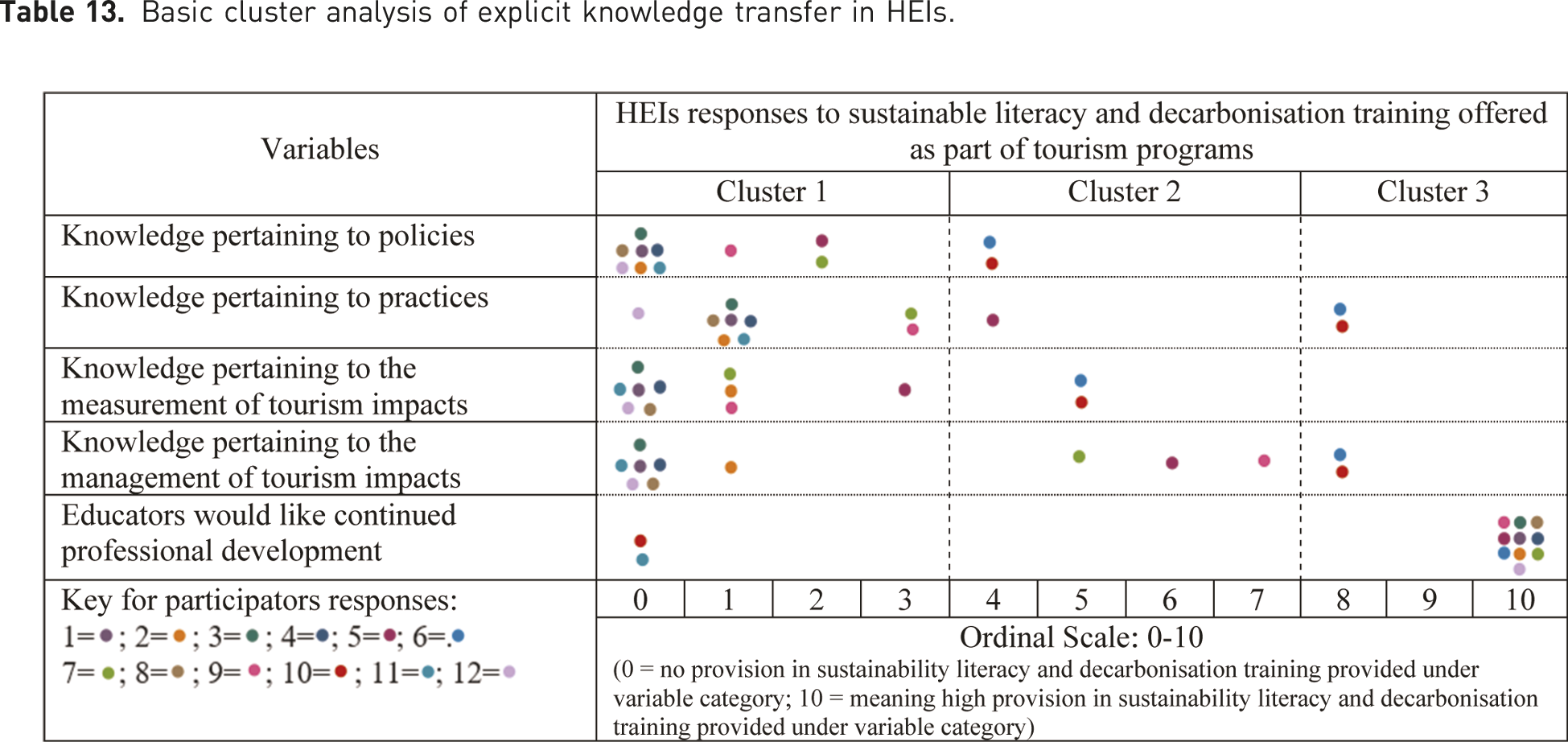
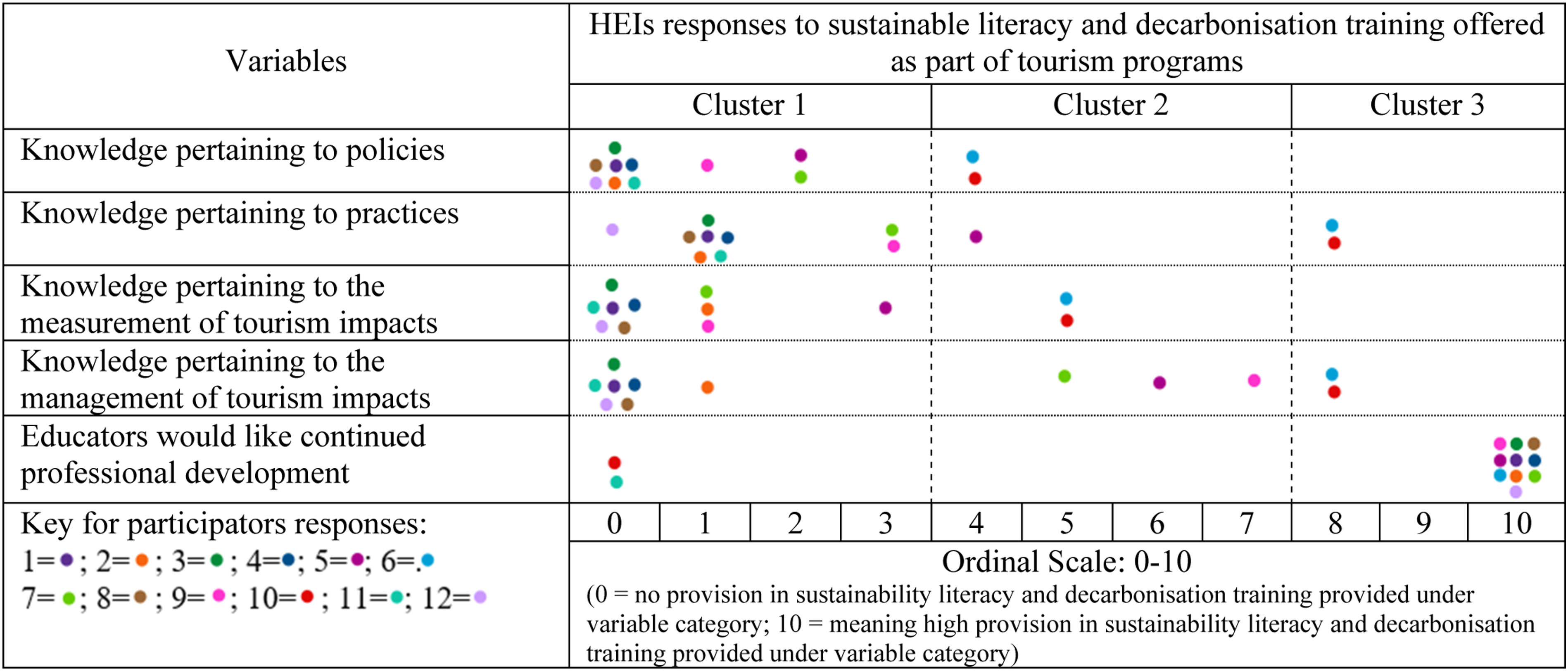
The analysis (Table 13) clearly indicates a deficiency in explicit knowledge regarding sustainable and decarbonisation policies and practices within HEIs. Additionally, there is insufficient knowledge transfer related to measuring and managing tourism impacts. It’s important to note that HEI curricula across all disciplines are reviewed every 5 years, suggesting potential changes before 2030. Notably, one HEI (respondent 6) had already undergone a review prior to this study. The insights from this analysis will inform future hypotheses (Landau and Ster, 2010). Therefore, the tourism education sector must invest in training to equip graduates with the essential skills and competencies needed to engage in the ongoing sustainability movement.
Conclusion
If tourism destinations are to transition to Net-Zero emissions before 2050, reskilling and upskilling current and future employees is essential. This research emphasises that HEIs play a crucial role in equipping tourism graduates with the knowledge and skills necessary to enhance sustainability and climate action (Arrobas et al., 2020). Curricula must be designed to deliver and transfer relevant explicit knowledge effectively. Graduates can only drive change if they possess the motivation and foundational sustainable literacy.
This study aligns with existing literature, highlighting that education in sustainable literacy and decarbonisation practices is vital for sustainable tourism (Scott and Gössling, 2022a; Septyandi and Prawira, 2022). It makes three key contributions: 1. HEIs leadership: Tourism HEIs must integrate the United Nations Sustainable Development Goals (UNSDGs) into their policies, mission statements, and strategic planning. This includes investing in training for the HEI community to actively implement the UNSDGs on campus. It’s crucial to embed these goals in the curricula across all disciplines and in research and outreach projects, as HEIs are responsible for equipping the next generation with the knowledge and skills needed to tackle sustainability challenges (Ferrer-Estévez and Chalmeta, 2021; Filho et al., 2023; Serafini et al., 2022). Thus, tourism programs and module learning outcomes should be explicitly aligned with the UNSDGs to instil sustainable development principles in graduates. 2. Promoting sustainable literacy: The research posits that sustainable literacy in tourism HEIs should focus on providing explicit knowledge of decarbonisation theories, policies, and practices. This will ensure that graduates are not only aware of key challenges but also develop the critical thinking skills necessary to apply their knowledge effectively in various contexts (Carlisle et al., 2021). By incorporating climate action skills into tourism curricula, HEIs can prepare graduates to measure, monitor, manage, and reduce emissions in the sector. 3. Adaptability of Faculty: Faculty must stay informed about changes in decarbonisation policies, practices, technologies, and the skills required in the field. This vigilance is essential to ensure that tourism graduates are both motivated and equipped to contribute positively to the sustainability and Net-Zero agenda.
Research implications and recommendations
The findings underscore the urgent need for tourism educators to receive additional training on decarbonisation practices and climate action. One of the primary roles of tourism HEIs is to cultivate future leaders (Septyandi and Prawira, 2022), which necessitates a balance between industry needs and environmental responsibilities. By embedding sustainable literacy within a knowledge management framework, HEIs can better equip graduates to address climate challenges. This approach facilitates the identification and rectification of knowledge gaps in curricula, prompting professionals to reconsider the significance of sustainability in tourism education.
It is apparent that many tourism programs have been designed primarily from an economic standpoint, resulting in a disregard for environmental concerns and sustainability principles. Therefore, a shift is needed to integrate these critical elements into the core of tourism education.
Based on the research findings, it is recommended that HEIs implement a comprehensive framework aimed at equipping institutional leaders with effective strategies for integrating sustainability into their curricula (Table 13). This framework offers a structured approach to enhance educational outcomes within the realm of sustainable tourism.
The research has successfully completed the preliminary phase of this framework by conducting a nationwide audit of tourism and hospitality curricula. This audit provides a critical assessment of existing program offerings, identifying gaps and opportunities for incorporating sustainability principles, which will inform the subsequent steps in the framework.
Guidelines for integrating sustainability into higher education curricula.
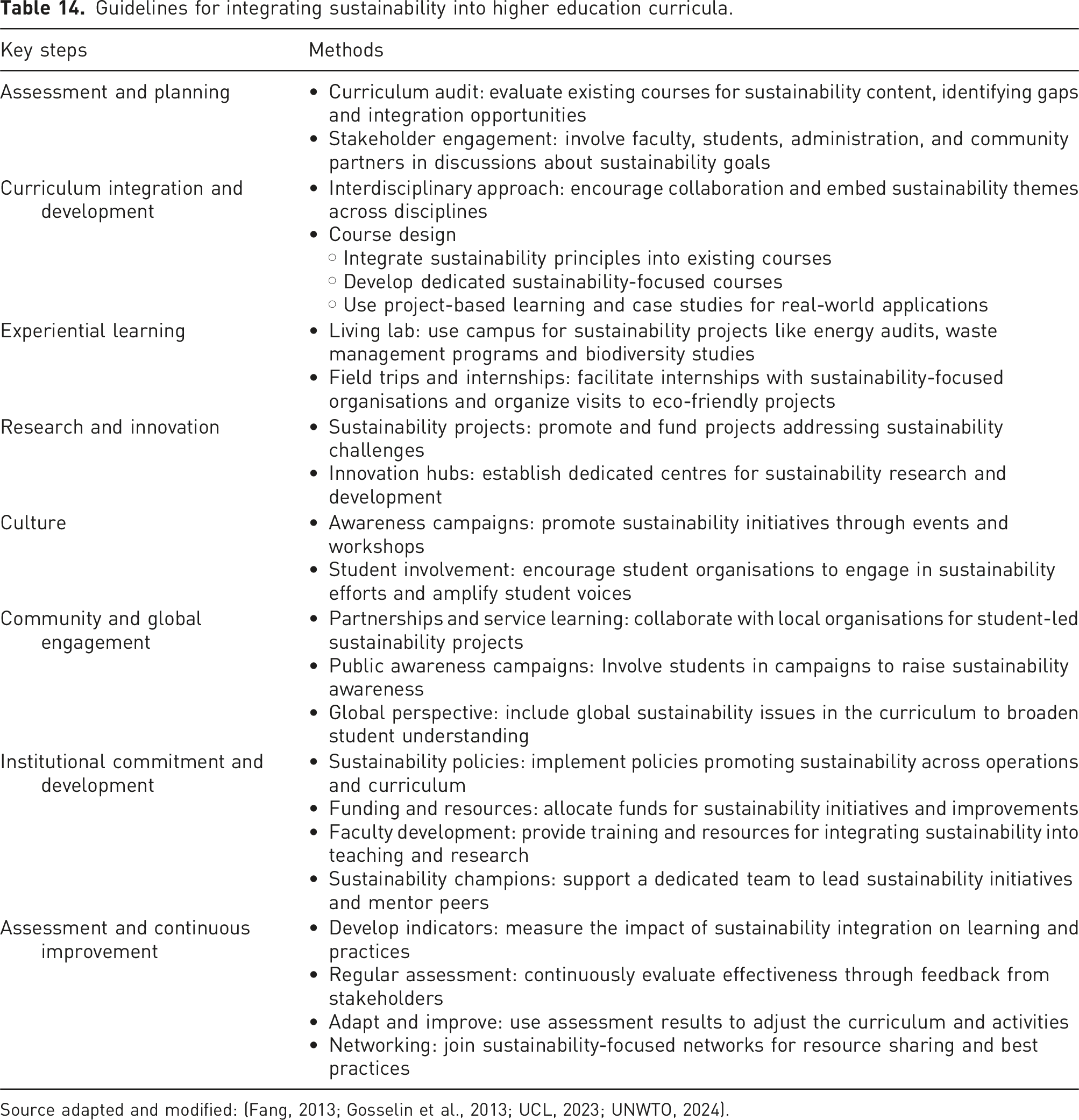
Source adapted and modified: (Fang, 2013; Gosselin et al., 2013; UCL, 2023; UNWTO, 2024).
In doing so, HEIs will equip students, faculty, and industry stakeholders to adopt a holistic approach that addresses the interconnected environmental, social, and economic challenges of the future. This comprehensive strategy not only fosters an understanding of sustainability principles but also empowers all stakeholders to actively engage in practices that contribute to a more sustainable and resilient tourism sector.
Future research direction
This research highlights critical barriers and enablers for integrating sustainability into HEI curricula. A follow-up study is planned in 2 years, creating a longitudinal framework to monitor changes in Irish tourism programs concerning the Net-Zero agenda. Furthermore, there’s potential to expand this study internationally, offering a comprehensive view of how various regions address these challenges and identify best practices for sharing.
Currently, the research is being implemented at multiple European universities involved in the EU Green European Alliance project, co-funded by the EU, including institutions in France, Portugal, Spain, and Romania. It is also being conducted across universities in the United Kingdom, further broadening its impact.
Finally, future research should also focus on evaluating students’ understanding and proficiency in sustainable tourism at a subject-specific level. Assessing how well students grasp the concepts, principles, and practices of sustainable tourism can provide valuable insights into the effectiveness of educational programs and inform potential improvements in curricula. This will help ensure that students are well-prepared to contribute to sustainable practices in the tourism sector.
Footnotes
Declaration of conflicting interests
The author(s) declared no potential conflicts of interest with respect to the research, authorship, and/or publication of this article.
Funding
The author(s) disclosed receipt of the following financial support for the research, authorship, and/or publication of this article: this work was funded by the Higher Education Authority (HEA).
