



Abstract
This teaching case focuses on the influence of contextual features—including regulations, norms, and cultural beliefs—on entrepreneurial activity and the strategies through which entrepreneurs can shape such features in a way that benefits their venture. Drawing on qualitative secondary data from sources such as media outlets, corporate blogs or policy documents, the case recounts the story of Ora Pharm, a New Zealand medical cannabis start-up, and its founder, Zoë Reece. The case elaborates how Ora Pharm and others were not discouraged by prevailing stigmas or restrictive regulations that created barriers to their entrepreneurial aspirations. Instead, they proactively lobbied for regulatory change, educated patients and health professionals and challenged prevailing stereotypes through opinion leadership to facilitate the industry's growth. In doing so, the case sensitises students to the intricate relationship between contextual conditions that influence entrepreneurial activities and the potential of proactively shaping these conditions in a way that benefits a broad set of stakeholders.
Keywords
Learning outcomes
After completing this case study, students should be able to:
Recognise and illustrate how contextual features—including regulations, norms, and cultural beliefs—influence entrepreneurial activity Describe strategies through which entrepreneurs can shape contextual features in a way that benefits their venture Evaluate the benefits and challenges associated with shaping regulations, norms, and cultural beliefs in an emerging industry Analyse the intricate relationship between adaptation to contextual constraints and efforts to shape them
Introduction
“[There is a] stigma that medicinal cannabis is just stoners trying to get high legally. [But] growing a cannabis company is just as serious and as much hard work as growing any other business.
Zoë Reece, Founder and CEO of Ora Pharm
This teaching case recounts the journey of the start-up Ora Pharm and its entrepreneurial founder, Zoë Reece, who significantly contributed to developing New Zealand's medical cannabis industry. Drawing on qualitative secondary data—including media articles, corporate communications and policy documents—the case highlights how various contextual factors like regulations, norms, and cultural beliefs impact entrepreneurial activities. It also examines entrepreneurs’ strategies to influence these factors to benefit their ventures.
The late 19th and early 20th centuries are known as the first Golden Age of medical cannabis 1 . Historians claim that Queen Victoria used cannabis to treat painful menses, and Empress Elisabeth (Sissi) of Austria took it for cough and possibly also to stimulate her appetite (Crocq, 2020). In Paris, Physician Jacques-Joseph Moreau de Tours established the infamous Club des Hachichins during the 1840s and lauded cannabis as a homoeopathic wonder drug for treating mental illness (Guba, 2019). Cannabis-related products were readily available at pharmacies around the globe and accepted as part of the general medicinal practice in the Western world. However, cultural, political, and economic factors contributed to the stigmatisation and criminalisation of cannabis in the mid-twentieth century. These developments deterred patients from accessing medical cannabis, scientists from studying it, and businesses from exploiting its economic potential. The twenty-first century has, however, seen a re-emergence of medical cannabis. Countries in the Western world began to revise their cannabis policies, public attitudes shifted, and entrepreneurs founded start-ups to exploit the opportunity.
Notably, the founders of medical cannabis start-ups played a pivotal and proactive role in shaping the (re-) emerging industry: They lobbied for regulatory change and engaged in educational campaigns to combat misinformation and undermine stigmas. In doing so, they sought to ensure that medical cannabis is seen as a “serious” industry and not, as quoted in the beginning, as some “stoners trying to get high legally”. This illustrates the importance of ‘contextual’ features—from governmental policies to socio-cultural attitudes—in entrepreneurship and the potential of shaping these features through purposeful strategies (Giazitzoglu et al., 2024). To allow students to grapple with these intricate dynamics, this case recounts the story of Ora Pharm, a leading firm in the New Zealand medical cannabis industry, and Zoë Reece, who founded the start-up in 2019.
Contextual features that influence entrepreneurial endeavours
In the public discourse, the success or failure of entrepreneurial ventures is often linked with (technical) features of the offering and personality traits of founders: Are products and services unique and innovative enough, do they align with customer needs, and does the founder ‘have what it takes’ to deal with the inevitable challenges that entrepreneurship entails? Yet, researchers have long argued that attention to contextual influences is equally crucial to understanding entrepreneurship. In management research, context can broadly be conceptualised as the “circumstances, conditions, situations, or environments that are external to the respective phenomenon and enable or constrain it” (Welter, 2011: 167). In other words, context refers to factors beyond the immediate control of entrepreneurs and their ventures but impact aspects such as opportunity recognition, resource mobilisation, strategic decision-making or customer demands (Korsgaard et al., 2022).
First, spatial context refers to the geographic and locational factors influencing entrepreneurship. Second, regulatory and policy contexts encompass the codified laws and regulations devised by local, national and translational policy-makers standard setters. For instance, New Zealand's geographic location and supportive policies have fostered a thriving aerospace sector (Borroz and Korber, 2023). Third, cultural-cognitive contexts include societal norms, values, and beliefs that influence how individuals perceive, evaluate, and engage in entrepreneurial activities. For instance, prevailing cultural norms towards women can affect whether or not they engage in entrepreneurship (Korsgaard et al., 2022). Fourth, industry/technology context involves sector-specific trends, technological advancements, and competitive dynamics (Autio et al., 2014). For instance, opportunities and challenges of entrepreneurship in rapidly changing industries differ from those in traditional sectors.
Much scholarly research portrays contextual mechanisms as somewhat ‘deterministic’ forces that privilege specific entrepreneurial activity while creating barriers for others. Summarising this perspective, Patriotta and Siegel (2019: 2) argue that “context provides constraints to entrepreneurial choices and dictates the prerequisites for successful entrepreneurship”. As illustrated in ure 1, this represents a “top-down” (Welter, 2011: 165) view of the context, where a set of interrelated conditions influence entrepreneurial activity, including whether or not individuals pursue opportunities they identify, how entrepreneurs acquire resources, the business model they adopt and the performance of ventures (Autio et al., 2014; Jones et al., 2019). However, research shows that entrepreneurs not only comply with such contextual conditions and align their activities accordingly but proactively shape them to benefit their venture.
Contextual features that entrepreneurs shape
Challenging the rather deterministic portrayal of context in much writing, scholars show that entrepreneurs often engage in pro-activity strategies to shape contextual conditions First, entrepreneurs can engage in political activity and influence regulatory frameworks and standards. Such strategies can involve lobbying, critiquing existing laws, and pushing for changes in standards and regulations (Aldrich and Fiol, 1994). For instance, Uber advocated for changes in existing transportation laws by framing them as outdated and disadvantageous for customers (Pelzer et al., 2019). Second, public education and opinion leadership involve strategies to influence public knowledge about specific issues, products or technologies through publishing research, reports, and case studies or organising workshops, awareness campaigns, and influencing educational curricula (Aldrich and Fiol, 1994). An example is Oatly, a pioneering Swedish company producing plant-based dairy alternatives primarily from oats. To promote its product, Oatly organises public awareness campaigns and educational seminars where the environmental impact of oat milk was compared to that of dairy farming. Further, Oatly engages in outreach activities, such as giving presentations at schools on climate change, training chefs and baristas in dairy-free techniques to promote sustainable food practices. Often, these efforts are supported by scientific evidence on the ethical, sustainable, and health benefits of a dairy-free diet (Koch, 2020).
A third strategy is a collaborative one, which is often referred to as stakeholder mobilisation. Given that entrepreneurs often have limited resources (e.g., time and money) and lack the public recognition or reputation needed to influence broader change, they need to collaborate with others to generate collective support for the contextual changes they envision. By engaging a broad range of individuals and organisations, building alliances and pooling resources, entrepreneurs can create a unified front to advocate for change. Entrepreneurs may ‘team up’ with others to lobby for policy changes, establish industry associations, partner with local communities to address shared challenges or establish cross-sector partnerships with NGOs, corporations, or governments to leverage complementary strengths. For example, dairy farmers establish cooperative organisations to increase their bargaining power with suppliers and amplify their voices when advocating for policy changes or influencing public attitudes (Callagher et al., 2022).
According to Welter (2011: 176), these examples highlight the importance of “bottom-up processes” that shape entrepreneurs’ contextual conditions. Figure 1 suggests that entrepreneurs need to consider the “top-down” influence of context and the potential strategies that shape contextual conditions “bottom-up”. The medical cannabis industry is a prime example of these dynamics. On the one hand, restrictive policies, stigma, and misinformation influence entrepreneurial activity. On the other hand, social and political pressures to de-criminalise medical cannabis have allowed entrepreneurs to play an active role in shaping the contextual conditions they face.
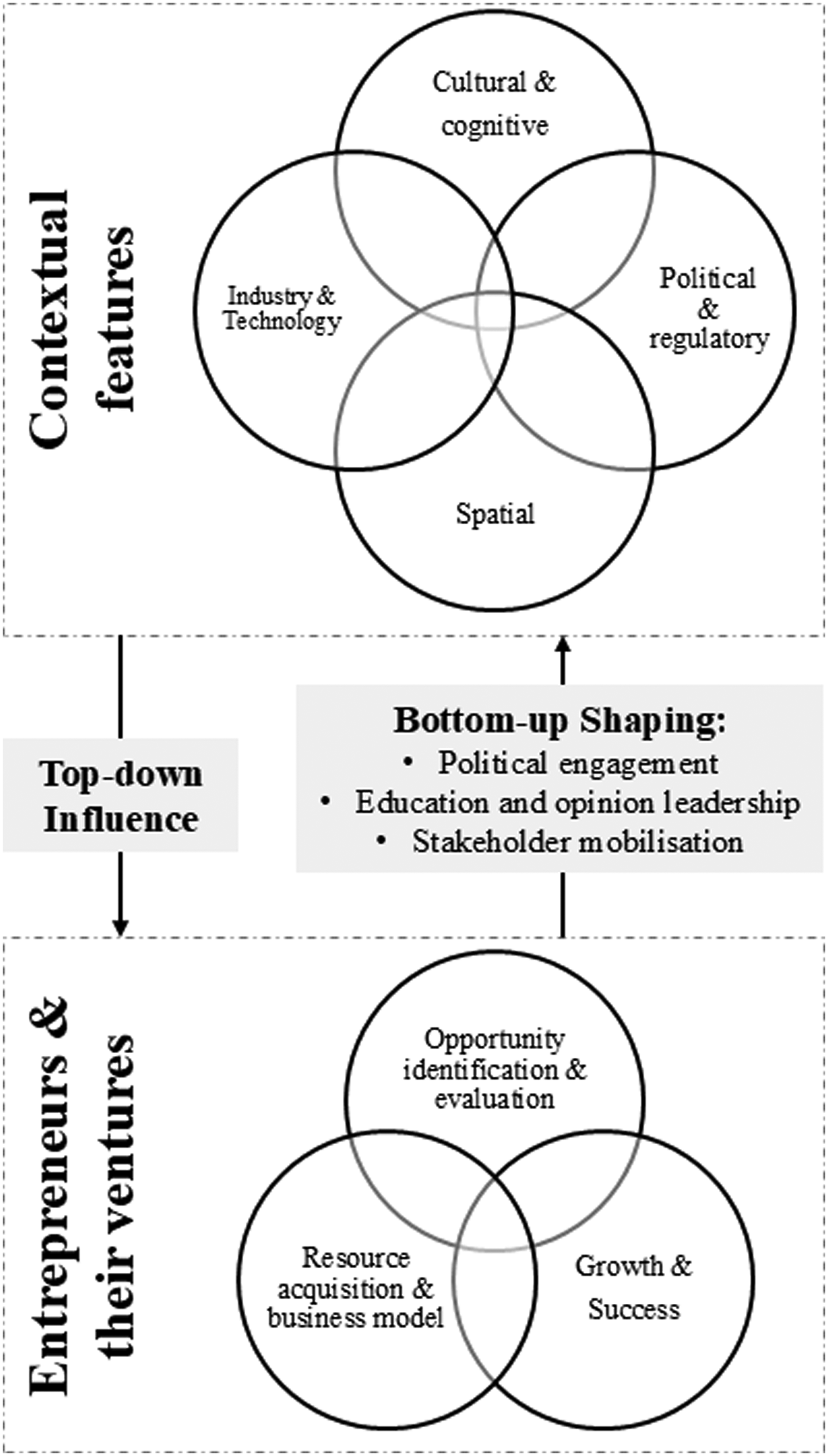
Top-down vs. bottom-up processes.
Case study narrative
A brief history of medical cannabis
The therapeutic potential of cannabis has been recognised in traditional medical systems of ancient civilisations for pain treatment and sleep disorders. In the late 19th and early 20th centuries, Western interest in medicinal cannabis surged. Products were widely available in pharmacies for conditions like muscle spasms, epilepsy, and anxiety. However, due to inconsistent effects and rising recreational use, public attitudes began to change. This shift was reinforced by the “War on Drugs”, a U.S. government-led initiative to combat illegal drug use, trafficking, and related crimes through strict law enforcement and anti-drug policies. Notably, U.S. President Richard Nixon, who declared drug abuse the “public enemy number one” in 1971, acknowledged privately that cannabis was “not particularly dangerous” and expressed unease about harsh punishments for marijuana-related 2 crimes (Londoño, 2024). However, the political climate at the time made it difficult for the Nixon administration to take a more lenient stance towards cannabis. Consequently, King and Mauer (2006: 2) note that the “war on drugs” essentially turned into a “war on marijuana”. As a result of these socio-political changes, governments around the world criminalised cannabis in the 1970s and 1980s, and research into the medical effects of the substance was practically made impossible (Crocq, 2020; Pisanti and Bifulco, 2017).
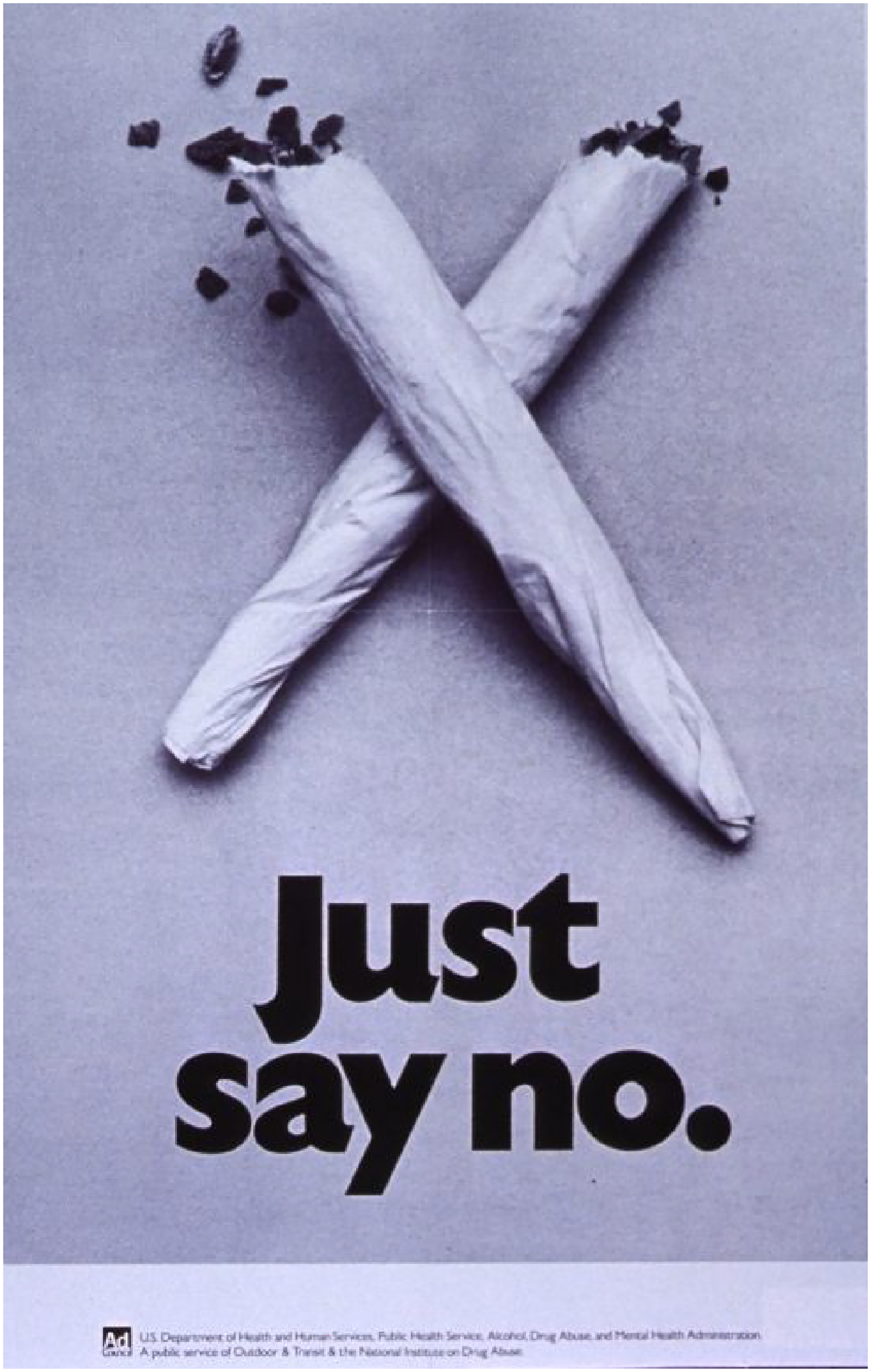
Anti-marijuana poster by the U.S. Alcohol, Drug Abuse and Mental Health Administration. Ca. 1980. CC Licence.
Developments in Aotearoa New Zealand mirrored overseas developments. Historically, the indigenous Māori relied on plant medicines as part of their traditional healing system (rongoā). While cannabis is not native to New Zealand, the plant radula marginata (Wairuakohu) contains cannabinoid-like compounds and has a long history of traditional use as a Māori herbal medicine (Hussain et al., 2018). Cannabis arrived in New Zealand in the mid-1800s and was readily available from chemists and dispensaries nationwide. Corresponding with changes overseas, the sentiment towards the drug shifted during the first decades of the twentieth century in New Zealand. The Dangerous Drugs Act of 1927 declared cannabis a “dangerous drug” by law, while the Misuse of Drugs Act (1975) made medicinal cannabis prescribing rights and distribution legal in some pharmacies. Yet, use remained widespread. In 2012, 11–15% of adults reported consuming it at least once in the last 12 months, the ninth-highest cannabis consumption level globally. More than 40% of these users reported that they self-medicate with cannabis to treat pain or other health-related conditions (Ministry of Health, 2015). Typically, people source illegal medicinal cannabis from so-called green fairies - a colloquial term for those who offer a compassionate service that connects patients with cannabis products sourced from the unregulated market for medical purposes (Raymond et al., 2021).
For several reasons, public attitudes towards cannabis (especially related to its medical uses) began to change again in the late 1990s and early 2000s. First, scientific research provided increasing evidence for the therapeutic benefits of cannabis for conditions such as chronic pain, epilepsy, and multiple sclerosis (Pisanti and Bifulco, 2017). Second, high-profile cases garnered widespread media attention and public sympathy. An example is Charlotte Figi, a young American girl with severe epilepsy who experienced dramatic improvements with cannabis oil (McCall, 2015). Third, patient-led movements have effectively campaigned for legal reforms by emphasising the right to access alternative treatments (Hossain and Chae, 2024). Fourth, negative attitudes towards big pharma firms and increased interest in plant-based alternatives to synthetic drugs reinforced emerging interest in the therapeutic potential of cannabis. As a result, a broad range of countries have legalised medical cannabis, starting with the United States (California) in 1996, followed by Canada in 2001, and the Netherlands in 2003.
New Zealand developments mirrored what happened overseas, albeit some years later. In May 2017, the New Zealand Labour Party announced it would legalise medical cannabis “in first 100 days” if elected. After Labour won the general election later that year, it enacted amendments to the Misuse of Drugs Act 1975 to allow terminally ill patients to use cannabis in the last 12 months of their life. After a further lengthy consultation process, the Misuse of Drugs (Medicinal Cannabis) Regulations 2019 commenced on 1 April 2020. This scheme established a licensing regime for medicinal cannabis cultivation, manufacture and supply. It allowed doctors to prescribe cannabis-based products for any patient suffering from any health complaint. Around the world, shifting social attitudes and regulatory changes sparked interest in the economic potential of medical cannabis. Overly optimistic estimates in 2015 suggested that the burgeoning industry would create $14 billion a year in the U.S. by 2020 and reach $US500 billion a year globally once fully mature (Masterson, 2015). Motivated by prospects of rapid economic growth, entrepreneurs worldwide started to explore opportunities in the emerging industry.
Again, New Zealand was no exception. In the words of Paul Manning, the founder and CEO of one of New Zealand's largest medical cannabis companies:
“Medicinal cannabis is arguably the greatest entrepreneurial opportunity of a generation, and as a country, we need to grab it and run with it” (
Manning, 2019
)
Zoë Reece: From Engineer to Cannabis Entrepreneur
Zoë Reece graduated high school in Wellington, New Zealand and moved to Auckland to study civil engineering at the University of Auckland. After finishing her degree in 2011, she moved to Australia and worked in engineering, supervising, and project management roles for mining and construction companies (Ruscitto, 2022). In 2017, Reece and her husband moved to Boston (MA), USA, where she started working for the medical cannabis start-up Curaleaf, now the world's largest medical cannabis company by market capitalisation. Initially, Reece and her family had reservations about accepting the job due to the widespread stigma surrounding cannabis (Boughen, 2024). As the Director of Engineering at Cureleave, Reece was responsible for the planning and constructing of cultivation, processing and retail sites. The role also exposed her to the challenges of scaling a business from start-up to high-volume manufacturing (Ruscitto, 2022). During her time at Curaleaf, she witnessed explosive growth in the industry, with annual revenues increasing from US$20 m to US$700 m (O’Dwyer, 2021).
The economic potential of medical cannabis was not the only thing that made the industry attractive for Reece. She suffered from endometriosis, for which opioids proved ineffective and caused severe side effects (Boughen, 2024). After trying a medicinal cannabis product for the first time to combat her symptoms, she remarked: “My pain just melted away […] That's when I realised that cannabis has true therapeutic potential” (Ora Pharm, 2021a). In her role at Cureleaf, she witnessed the transformative effect on consumers’ lives. She recounts: “Hearing the stories of patients regaining a higher quality of life ignited a passion in me” (University of Auckland, n.d.). In 2018, Reece returned to New Zealand to set up a medical cannabis start-up, Ora Pharm. According to Reece, the decision to found Ora Pharm was driven by her
“[…] vision of creating New Zealand's premium medicinal cannabis and empowering patients to reclaim their wellness and improve their quality of life” (
Ora Pharm, 2020
).
The challenges of founding a medical cannabis start-up
Setting up an entrepreneurial venture is challenging, even more so in an industry where founders face complex national and international regulations and public scepticism towards the products on offer and the industry. Reece's experiences in engineering and licensing gained through her work at Cureleaf helped her navigate challenges regarding licensing and the design and construction of facilities. Besides, she assembled a team of experienced advisors and staff to support her aspirations. These included the former COO of Cureleaf, who serves as chair of the Cureleaf board, and a U.S. scientist with a background in pharmacokinetics as Chief Science Officer.
Despite substantial experience and the support of industry heavyweights, Reece faced challenges that entrepreneurs operating in other industries do not encounter to the same extent. Getting insurance, for example, was particularly tricky because local providers did not offer directors’ liability and product liability insurance for an industry that did not exist until recently. In the end, Reece had to work through a broker in Australia who found insurers in Europe and North America (Mandow, 2022). Securing the large amounts of funding that medical cannabis companies require for R&D, cultivation, and manufacturing proved to be an even more significant challenge. Many investment funds have investment policies that prohibit them from investing in drugs, guns or potentially illegal activity. Besides, investors were reluctant to get involved due to the public stigma surrounding cannabis (Mandow, 2022). As Reece remarks:
“Cannabis has a similar reputation as Bitcoin – it isn't seen as a real industry. There has been a lot of misinformation or misunderstanding about what it can do and how it can help” (
Mandow, 2022
).
Yet, Reece succeeded. In 2020, Ora Pharm secured seed funding and was awarded a Callaghan Innovation 3 grant to develop environmentally friendly, innovative technology for the cultivation of medicinal cannabis. The start-up invested early funding in securing the licence required to cultivate, supply and manufacture medicinal cannabis products. After being granted a licence in March 2021, Ora Pharm could begin to grow its first cannabis, scale up processing facilities and develop medicinal formulations (Ora Pharm, 2021c). Funding was also used to procure a purpose-built greenhouse from the United States. This allowed the venture to conduct trials where different growing techniques related to light and watering frequency were tested (Ruscitto, 2022). Ora Pharm established a partnership with Canngea, one of Australia's leading medical cannabis manufacturing and distribution companies, to supply dried cannabis flowers in the same year. By January 2022, Ora Pharm became the first New Zealand medical cannabis company to export to international markets (Ora Pharm, 2022).
However, despite growing national and international and initial successes, Ora Pharm and the entire industry continued to struggle with stigma and negative public sentiment that had been fostered for decades.
Transforming a black market into a ‘real’ industry
To combat misinformation and increase patient awareness, Ora Pharm relied heavily on social media, particularly regular blog posts on its website and media interviews by Reece and others. In these, scientific evidence surrounding medical cannabis and the industry's adherence to stringent standards were emphasised. Further, the start-up tries to proactively increase the awareness and understanding of (prospective) patents related to the medical properties of cannabis. For instance, Ora Pharm offers a web portal where patients can access “robust medicinal cannabis research that's reviewed by experts, scientifically sound, and easy to understand” (Ora Support, n.d.). On its blog, Ora Pharm addresses questions like “Can medical cannabis lower blood pressure?”, provides “myth-busting truths about CBD oil and medicinal cannabis”, and discusses concerns around addiction and side effects.
Given that New Zealand regulations require medical cannabis to be prescribed by a doctor, educating health professionals on the risks and benefits of the product was equally important. To do so, Ora Pharm has established a portal, labelled ‘Ora Support’, to enable medical professionals to “prescribe with confidence and support clinical decision-making with reliable medicinal cannabis research at your fingertips — complete with concise summaries, references, and links to studies”. The portal includes a database for the latest research on how medicinal cannabis can be used to treat specific health conditions and symptoms. In addition, it offers checklists and treatment plans to support doctors in prescribing medical cannabis. Again, the portal contains extensive references to randomised controlled trials, clinical studies, and prescription guidelines from official institutions in New Zealand and overseas (Ora Pharm, 2021b).
Besides prevailing stigma and misinformation, regulations and industry standards are key aspects that start-ups in the medical cannabis sector need to consider, especially their proactive role in lobbying and advocating for regulatory changes that align with their aspirations. Importantly, ventures did not only push for the decriminalisation of medical cannabis but also for the establishment of high standards related to product development and manufacturing. For instance, in the consultation process that preceded the Misuse of Drugs (Medicinal Cannabis) Regulations 2019, a leading firm in the emerging industry stated that
[…] there is a place in the market for cannabinoid-based and nutraceutical (near-pharmaceutical) medicines. However, to ensure confidence in our local industry, both must be produced and controlled to specific, highly regulated standards.
The establishment of stringent regulations allowed the emerging industry to demarcate its products from illegally grown and distributed cannabis. At the same time, rules created to legalise medical cannabis also constituted a significant barrier to industry growth. For instance, medical cannabis companies weren't allowed to market or advertise their products. Besides, firms that targeted lucrative overseas markets still needed to comply with stringent local standards, even if the regulations of importing nations were less strict. These factors increased development times and costs, making products unaffordable for many patients (Brew, 2024). Again, industry players, including Ora Pharm, engaged with policy-makers to adjust regulations to support industry growth. To establish a collective industry voice, Ora Pharma and other key firms in the industry joined forces and created the New Zealand Medical Cannabis Council (NZMCC) to advocate for such improvements. As Deputy Chair of the NZMCC, Zoë Reece was key in lobbying for modifications to the Misuse of Drugs (Medicinal Cannabis) Regulations 2019.
The political activism of industry players paid off. In July 2024, the New Zealand government approved several vital modifications that the industry was advocating for. These included less stringent requirements for export material, changes to licensing and adjustments to minimal quality standards (Ministry of Health, 2024). Across the board, industry participants welcomed the changes (Brew, 2024). Ora Pharm commented on its blog:
These regulatory changes are a game-changer for Ora Pharm. By providing greater flexibility in product development and quality control, we can innovate more freely and respond more effectively to market demands. […] We believe these changes will not only boost our business but also contribute positively to the entire medicinal cannabis industry in New Zealand (
Ora Pharm, 2024
).
A struggling industry and a potentially bright future
Although medical cannabis has been lauded as “golden opportunity” (Jones, 2024) by entrepreneurs, investors and policy-makers, the evidence paints a different picture. While global sales are steadily increasing, growth rates remain behind initial estimates; health professionals remain reluctant to prescribe medical cannabis, and patient demand for products remains limited. Key reasons include inclusive scientific evidence for the effectiveness of medical cannabis, high R&D and licencing costs that make products unaffordable for many patients, and stigmas that proved to be more resilient than expected (Deutsch, 2019). In turn, pioneering medical cannabis start-ups around the world had to scale down their ambitions or even file for bankruptcy.
The medical cannabis industry in New Zealand faces similar challenges. While demand is slowly growing, patients keep relying on black-marked products or opioids to treat health-related issues (Massey University, 2025). In 2022, a study reported that only about 25,000 patients have emerged from the 100,000 plus black-market medicinal users since the Medical Cannabis scheme was introduced in 2020 (NZ Drug Foundation, 2022). In turn, media articles noted that the industry was at an “inflection point” (Rotherham, 2024) due to the more difficult conditions than were initially expected, namely continued scepticism amongst prescribers and high costs associated with compliance with stringent regulations (Bevin, 2023).
Several high-profile bankruptcies have further raised questions about the industry's future. For instance, Cannasouth has gone into voluntary administration in March 2024 after failing to raise much-needed money from investors. Founded in 2018, Cannasouth was an early new entrant in the industry and the first medical cannabis company to list on the New Zealand stock exchange. Also, the resulting performance of the share price of Cannasouth and other listed firms such as Rua Bioscience and Greenfern illustrate that the initial hype around medical cannabis has gradually been replaced by a more cautious (or perhaps realistic) perspective on the industry's potential (see Figure 3).
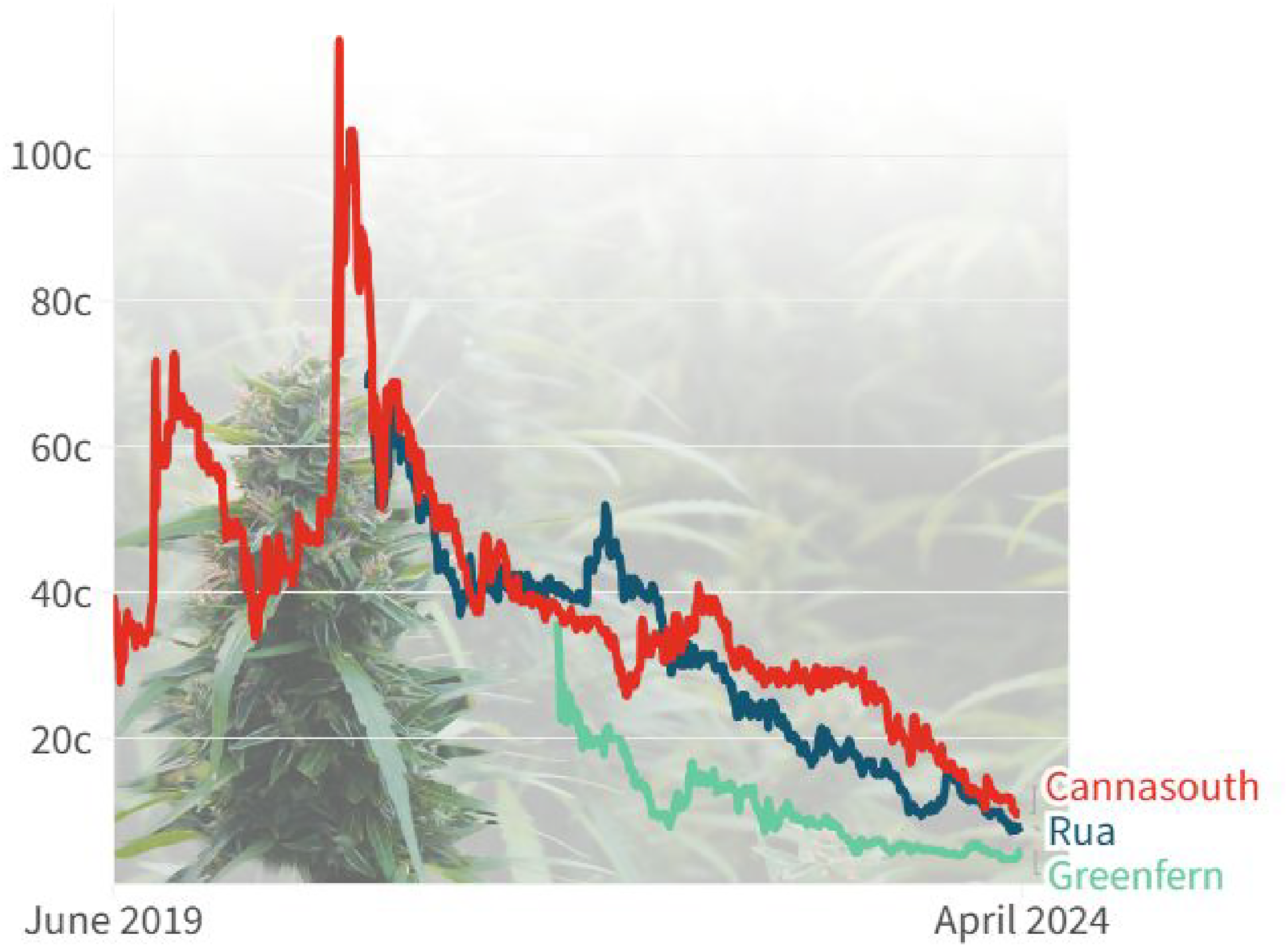
Share Price of key firms. Source: Bevin (2024).
Other data, however, paint a more positive picture. First of all, awareness of the risks and benefits associated with cannabis and the attitudes in the medical community are slowly changing. In turn, statistics suggest that prescriptions for medicinal cannabis products have risen significantly in New Zealand. Further, patient demand has increased for several reasons, including changes in attitudes and awareness. Besides, falling prices made products more competitive with those sourced illegally (Massey University, 2025). Word-of-mouth played a crucial role in combating negative perception, especially amongst people who did not fall into the category of ‘stereotypical’ cannabis users. That trend is also reflected in Reece's experience remarking:
“It's very common for people in the 55+ age group coming up to me saying, ‘I use medicinal cannabis, or my mum is using it to help with her cancer or Parkinson's. They tell stories to friends and family and that starts to de-stigmatise it.”
Plus, economic figures show an upward trend. In April 2024, Ora Pharm became the first medical cannabis company in New Zealand that was cashflow positive following the completion of its first export order to Australia. Ventures are also continuously expanding their product offering and exploring new markets. For example, Ora Pharm has launched new plant processing and export services for other medical cannabis cultivators across New Zealand and has established new partnerships with local and international stakeholders. According to Sally King, Executive Director of the NZMCC, this highlights the importance of partnerships for industry growth:
“New Zealand's approach to this sunrise sector is to work collaboratively, supporting all participants – craft cultivators to vertically integrated suppliers – to expand NZ's reputation for sustainable, ethical, highest quality medicinal cannabis genetics, ingredients and medicines.
Leveraging New Zealand's international reputation and its unique natural environment and cultural history is framed as key to the sector's future. For instance, Reece notes that “the traditional ‘clean green’ image” of New Zealand will be invaluable for entering the highly competitive markets in Europe and Australia (Boughen, 2024). Relatedly, firms increasingly experiment with more sustainable ways of growing and manufacturing products and intensified R&D efforts to increase effectiveness and efficiency. Besides, many medical cannabis start-ups are projected to benefit from the increased legalisation of recreational marijuana around the world (RNZ, 2020).
Ultimately, it seems clear that initial expectations towards the emerging industry were overly optimistic and generating economic benefits from medical cannabis was harder and more time-consuming than expected. Setbacks, surprises and disappointments are perhaps a feature of every emerging industry that captures entrepreneurs’ aspirations to thrive in change (and benefit from it economically). In the words of Reece (2024):
“In the cannabis industry, you never really know what's around the corner or what you’ll have to be dealing with in the next hour, let alone the next week”.
Case questions
Draw upon the theory introduced at the beginning of this case to identify contextual features that influence entrepreneurial activity in the medical cannabis industry. Identify strategies that Ora Pharm adopted to shape contextual features and identify additional shaping strategies that medical cannabis entrepreneurs might adopt to support venture and industry growth. Critically discuss the benefits and challenges associated with strategies aimed at shaping contextual features of an industry Consider whether shaping strategies are generally more beneficial for entrepreneurs than mere compliance with prevailing contextual features.
Teaching note
Synopsis of the case
The case recounts the story of Ora Pharm, a New Zealand medical cannabis start-up and its founder and CEO, Zoë Reece. First, the case outlines the historical development of the medical cannabis industry in New Zealand and globally. It mentions that medical cannabis was a thriving and legitimate industry during the 19th and early 20th centuries. However, changing public attitudes and regulatory changes led to an industry re-emergence in the twenty-first century. Then, the case introduces Zoë Reece, who exploited opportunities by founding Ora Pharm. Throughout the case, contextual features—including policies and stigma—are mentioned as key industry entrepreneurship challenges. At the same time, students are exposed to strategies through which Ora Pharm and its founder pro-actively shaped these features in ways that benefited the venture and the broader industry. Tactics involved lobbying for favourable policy, educating patients, doctors and pharmacists, combating misinformation and engaging in collaboration. However, the case suggests that such strategies have limitations by outlining key challenges that the industry is facing. The case ends by introducing recent positive developments in the New Zealand medical cannabis industry and key aspects, including increased demand for sustainable-grown products and New Zealand's international reputation—that Ora and other industry players could exploit.
Teaching objectives and target audience
The key objective is to foster context-sensitive thinking amongst students and expose them to the intricate relationship between contextual conditions that influence entrepreneurial activities and the potential of proactively shaping these conditions. Due to the importance of regulations, scientific evaluation of effectiveness, and public attitudes in the industry, the case is especially suitable for teaching entrepreneurship to STEM students. The case can be used for undergraduate and postgraduate courses.
Teaching approach and strategy
Consistent with the interpretive and dialectic nature of case teaching, the questions are deliberately broad and will evoke a range of responses. Our suggested teaching strategy moves from aspects that might be perceived as ‘obvious’ to a deeper exploration of underlining dynamics. To set the scene, the teacher can encourage students to familiarise themselves with the medical cannabis industry in their own country or pick a country to compare with. Exemplary resources are:
A four-part series on the U.S. (medical) cannabis industry by the Freakonomics podcast A 12-min documentary on the Boom of medical cannabis in Australia by ABC Australia Articles on medical cannabis factories and industry growth in the UK.
Depending on the audience and the lecturer's teaching philosophy, the session can start with a brief discussion around voluntarism and determinism: A debate that has grabbed the attention of social scientists for decades. In essence, voluntarists believe that all people have the freedom to make independent choices and are in total control of their destinies. In contrast, determinists are convinced that individual behaviours, decisions, and outcomes are primarily shaped by social structures and cultural influences. On a fundamental level, the ‘compliance’ vs ‘shaping’ dilemma that is highlighted throughout the case reflects such broader discussions.
Analysis and conclusion
We envision that the case can be used for synchronous and asynchronous learning. For synchronous learning, in-class or online, the lecturer can challenge students to go beyond surface-level explanations. For asynchronous learning, the lecture can use more structured guidance that encourages learners to think beyond the case and requires students to engage with additional materials.
Question 1: How contextual features influence entrepreneurship
Students should be able to draw upon theory and identify “top-down” processes that influence entrepreneurial activity. For synchronous teaching, the lecturer can replicate Figure 1 on a whiteboard and map answers accordingly. For instance, the case is quite explicit on the role that public attitudes (stigma), regulations and the knowledge of medical professionals and patients play. Further, students should be able to articulate ‘how’ these features impact entrepreneurial activity. For instance, they create challenges for assembling required human and monetary resources, as potential investors, insurers, and employees might be reluctant to be associated with a medical cannabis start-up.
While many students might frame contextual features as “constraints” on entrepreneurial activity, the lecturer may take the role of a ‘devil's advocate’ and ask whether these features can enable or facilitate some ‘types’ of entrepreneurship. After all, restrictive regulations and social norms can stimulate ‘less visible’ or illegal activities that could be considered entrepreneurship. A prime example is how the prohibition of alcohol stimulated black-market activity and fostered organised crime. Relatedly, changes in contextual conditions—new technology or shifting societal expectations towards products—are often a key trigger for entrepreneurial activity. To better understand these dynamics, students can be challenged to draw upon some of the mentioned resources (e.g., the Freakonomics podcast) or do secondary research to identify similarities and differences in contextual conditions across countries.
Question 2: On strategies that shape contextual features
This question is related to the “bottom-up” processes illustrated in Figure 1. Many of them will be straightforward. Examples are educating patients and doctors to increase awareness and understanding of the therapeutical potential, lobbying or public consultation, or collaborating with other start-ups. More astute students should be able to identify strategies not explicitly mentioned in the case. For instance, New Zealand firms partnered with universities to create new courses that introduced the medicinal cannabis scheme to students and provided a general overview of the chemistry and pharmacology of cannabis. These courses developed skills needed to work in the sector and enhanced broader public awareness due to the media attention created.
Question 3: On limitations and challenges of shaping strategies
For this question, students need to apply more abstract thinking instead of relying purely on the information provided. Some relevant challenges are inherently linked to shaping strategies. For instance, lobbying can be expensive and often constitutes a legal grey area. Similarly, education requires resources and capabilities to tailor messages in a way that will resonate with others. Finally, collaborations are prone to conflicts due to diverging goals, especially if competitors partner up. Most importantly, many of these strategies will not create an immediate impact, and success is not guaranteed. For instance, changing societal norms and values takes a long time. The case mentions that many pioneering start-ups that played a significant role in shaping medical cannabis sectors went out of business before they could reap the benefits of industry growth. This can be related to a general discussion around the “The Half-Truth of First-Mover Advantage“ (Suarez and Lanzolla, 2005), especially related to emerging technologies and product categories.
On top of that, lecturers might ask whether companies that provide substitute products could undermine the effectiveness of shaping strategies or ‘counter’ them. For instance, media articles suggest that pharma companies invest significant resources to lobby against regulatory change as they want to “squash the competition” (Levin, 2017). Besides, a growing industry doesn’t automatically translate into higher profits for a venture. After all, start-ups still need to differentiate themselves from competitors.
Question 4: On the shaping vs. compliance debate
To answer this question, students must consider the intrinsic relationships between adapting to (or leveraging) contextual conditions and shaping them. In many ways, Ora Pharm and other industry players did both. For instance, adherence to regulatory standards or leveraging public trust into regulatory-approved products played a significant role. Besides, the case suggests that ventures leverage New Zealand's global image of being “green and clean”. Second, firms must differentiate their products and services from competitors instead of relying on shaping strategies alone. Third, it can be argued that firms merely leveraged public attitudes that had already begun to change and not initiated these changes per se. In doing so, they rather ‘amplified’ changes already happening. This suggests that shaping strategies are more viable in nascent industries because contextual features are less entrenched. In more established industries, change will often emerge from broader changes in technology or social expectations.
Conclusion
Ultimately, the debate between compliance and shaping does not have an either/or answer. Instead, entrepreneurs will need to consider both at the same time and reflect on the challenges associated with each. Besides, the relevance and effectiveness of shaping strategies will depend on a broad range of dynamics, and success is not guaranteed. After all, many emerging sectors once lauded as ‘the next big thing’ remain beyond expectations. Examples are industries related to blockchain technology or plant-based meat. Likewise, whether the high expectations that investors and entrepreneurs ascribe to other growth industries, such as those related to AI-enabled services or commercial space-faring, remains to be seen.
Footnotes
Declaration of conflicting interests
The authors declared no potential conflicts of interest with respect to the research, authorship, and/or publication of this article.
Funding
The authors received no financial support for the research, authorship, and/or publication of this article.
