




Abstract
Entrepreneurs’ decision-making in sustainable open innovation practices holds significant relevance in fostering environmentally conscious and socially responsible business strategies. Sustainable decision-making not only aligns with ethical principles but also addresses pressing global challenges such as climate change and resource depletion. This study aims to characterize the decision-making role played by entrepreneurs in the context of the open innovation paradigm and to understand the factors that influence entrepreneurial performance. A quantitative methodology supported by Partial Least Squares Structural Equation Modeling was adopted, considering a sample of 407 startups incubated in science and technology parks. After that, a mixed-methods approach was employed to explore the differences between sectors of activity, in which 4 ventures were involved. The results confirm that of the 9 hypotheses formulated in the relationship between the constructs, only innovation novelty is not significant for sustainable open innovation management processes, unlike innovation openness. This study offers theoretical and practical implications for startups that intend to use open innovation networks to integrate environmental and social considerations into the core of business strategies.
Introduction
Entrepreneurship means to undertake, to solve a problem or complicated situation. Entrepreneurship involves making decisions in times of great uncertainty, which makes risk-taking an integral part of entrepreneurial activity (Shepherd et al., 2015). Entrepreneurs’ decision-making occurs in multiple domains of entrepreneurial activity such as exploring opportunities, strategic positioning, or planning the organizational and financial structure of the firm. There is a high risk of making a less-than-optimal decision throughout all of these activities. However, the knowledge and experience of the entrepreneur allow minimizing these risks and improving the decision-making process. It is assumed that the entrepreneur must be able to analyze all the potential consequences of the available options and seek additional information that allows them to increase the degree of confidence in the decision made. Consequently, taking risky decisions is not always justified and does not always lead to the best possible outcome. Instead, entrepreneurs should opt for rational decision-making and, according to Melovic et al. (2022), this approach will lead to successful management of entrepreneurial firms.
The scientific community has sought to conceptualize decision-making by trying to frame it within the different styles of cognitive processes arising from entrepreneurs’ tendencies towards certain ways of gathering, processing, and responding to information when making business decisions. As Spicer and Sadler-Smith (2005) acknowledge, entrepreneurs’ decision-making is affected by an individual's cognitive style, personal characteristics, perception patterns, and the characteristics of their decision-making processes. It is in this line of research that studies have emerged that seeks to explore the cognitive patterns of this phenomenon to characterize the mindset of perceptual mechanisms that underpin entrepreneurial behavior (Byus, 2018; Nicolás et al., 2018; Sassetti et al., 2022).
Decision-making is critically important for entrepreneurs, and understanding how entrepreneurs make decisions, as well as why some decisions fail, is crucial to the success of entrepreneurial businesses. However, decision-makers are not fully rational individuals, and the characterization of entrepreneurial behavior is not deterministic. Therefore, entrepreneurial behavior has to be explored from a bounded rationality perspective. Furthermore, knowledge is not entirely an internal process and can be altered by one's social environment. Although these two principles are widely accepted in the literature on entrepreneurship and decision-making, the research that seeks to link both phenomena is limited as argued in De Winnaar and Scholtz (2020) and Zayadin et al. (2022), especially in settings where the entrepreneur is involved in large communities and the knowledge needed for decision-making is highly dispersed.
Effectively the current context of high competitiveness and demand for knowledge on a global scale means that entrepreneurship is not an isolated activity restricted to a specific field of knowledge. Entrepreneurship can benefit from open collaboration networks according to the model proposed by Chesbrough (2003) in various ways, such as access to external knowledge, risk mitigation, accelerated innovation, market validation, and resource leveraging (Audretsch et al., 2023). Furthermore, there has been strong social and political pressure in recent years to incorporate social and environmental issues into the innovation process. Increasingly, the stakeholders of organizations have been forcing companies to reduce their environmental impact and find innovative solutions to the challenges they face. Rather than simply being a compliance factor, sustainability has become an important source of competitive advantage (Bhandari and Salo, 2022). However, developing products that reconcile economic, social, and environmental expectations is a complex task that entrepreneurs are currently struggling to solve.
Innovations aimed at sustainable development are crucial for enhancing sustainability in business. How technologies and social practices enable sustainability can be understood through the concept of sustainable innovation (Nasiri et al., 2022). Accordingly, Cillo et al. (2019) present the concept of sustainable innovation as the development of products, processes, services, and technologies that contribute to the development and well-being of human needs and institutions while respecting nature's resources and regenerative capacities. This comprehensive view of sustainable innovation implies that its realization can only be achieved through responsible innovation practices and collaborative networking between industry and academia (Almeida, 2022; Guimarães et al., 2023).
Studies investigating the benefits of open innovation are currently focused on analyzing the business benefits that this approach can offer (Capurro et al., 2021; Chesbrough et al., 2018; Han et al., 2012). Empirical studies exploring the potential of using open innovation to promote sustainability in the entrepreneurial process are scarce. Despite this, studies have recently emerged that conceptually explore the role of the relationship between these two constructs (Kimpimäki et al., 2022) and the positive effect that open innovation based on intellectual property and licensing can bring to the sustainability of organizations (Milana and Ulrich, 2022). However, none of these studies look at the decision-making challenges of entrepreneurs in sustainable open innovation practices. Despite it, entrepreneurs play a significant role in driving innovation, and their decisions can have substantial impacts on sustainability. Studying decision-making in sustainable open innovation practices sheds light on the interplay between economic, environmental, and social dimensions of sustainability. As exposed by Liedong et al. (2023) and Ünal and Sinha (2023), entrepreneurs often face trade-offs between short-term profitability and long-term sustainability goals. Analyzing their decision-making processes provides valuable lessons on how to reconcile these conflicting priorities and foster sustainable approaches. In this sense, this line of research seeks to respond to this challenge and characterize the decision-making process of entrepreneurs in the adoption of sustainable open innovation practices. It aims to characterize the decision structure that entrepreneurs follow and how they are affected by the experience and context of each entrepreneur, in addition to the effects that collaborative networks in open innovation can play in making strategic decisions that allow startups to grow sustainably in the market.
Literature review
Entrepreneurship has been seen as an agent of social transformation. Schumpeter's (1934) view associates entrepreneurship with economic growth has been expanded by exploring its role in sustainable development (Hall et al., 2010; Johnson and Schaltegger, 2020). Sustainable entrepreneurship aims to work with sustainable products and businesses, which combine profit generation with attention to the social and environmental impact of the tasks carried out by the company. At the same time, its main characteristic is humanized management, which considers the consequences of its services and products for the world and the environment as a fundamental pillar (Sarma et al., 2024; Stawicka, 2021).
A fundamental objective of sustainable entrepreneurship is to promote the conservation of natural resources (Canh et al., 2021). To this end, sustainable entrepreneurs should seek to develop products and services that minimize the consumption of finite resources such as water, energy, and raw materials, thus reducing the environmental impact of their operations. Another characteristic is pointed out by Esteves et al. (2021), which highlight this type of entrepreneurship addresses social issues such as social justice and equity. As a result, entrepreneurs in this field often get involved in initiatives that promote local employment, the inclusion of marginalized groups, and respect for human rights.
Innovation is part of the work of sustainable entrepreneurship. Leick and Duc (2023) and Xiao and Su (2022) point out that sustainable entrepreneurs often pioneer new technologies and business models that aim to solve environmental and social problems. They can develop clean energy technologies, advanced recycling solutions, and products that promote the well-being of communities. Finally, Zahrani (2022) points out that sustainable entrepreneurship also plays a key role in environmental awareness and education. Entrepreneurs in this field often act as advocates for sustainability, educating the public about environmental challenges and encouraging the adoption of more responsible practices.
Open innovation emerges as a fundamental shift in the context of innovation theory, challenging traditional closed models of innovation. Innovation theory, which traditionally focused on linear models of innovation, has evolved to recognize the complexity and interconnectedness of today's globalized economy. Open innovation aligns with this evolution by embracing the concept of innovation ecosystems, where multiple stakeholders contribute to and benefit from the innovation process. It fosters a culture of openness, flexibility, and adaptability, enabling organizations to leverage a diverse range of perspectives and capabilities to drive innovation forward (David et al., 2022; Kratzer et al., 2017). Collaboration and co-creation with external partners enable faster iteration and validation of ideas, reducing the likelihood of costly failures (Brown et al., 2022; Cavallo et al., 2022). Furthermore, Srisathan et al. (2023) point out that open innovation facilitates the sharing of resources and infrastructure, further optimizing costs and improving efficiency in the innovation process. Open innovation is also a strategic tool that can strengthen sustainable entrepreneurship, allowing entrepreneurs to access crucial resources, knowledge, and partnerships to create successful businesses that have a positive impact on the planet and society. Several authors have explored this synergistic relationship, which is key to tackling global sustainability challenges and driving the creation of a more sustainable future. Allal-Chérif et al. (2023) point out that sustainable entrepreneurs can benefit from open innovation by accessing resources such as funding, research infrastructure, and specialized knowledge that may not be available internally. Throughout this process, there are feedback interactions and validations. Thus, entrepreneurs can use open innovation to gain valuable feedback from a wide variety of stakeholders, which helps refine their sustainable ideas and products (Kurniawati et al., 2022). Another consequence of this collaborative process is the establishment of partnerships between companies and organizations with experience in sustainability, which can accelerate the development of green solutions (Bigliardi and Filippelli, 2022).
Decision-making in entrepreneurship is vital for resource allocation, risk management, innovation, competitive advantage, goal achievement, customer satisfaction, financial management, opportunity recognition, team leadership, long-term sustainability, among others. It is a skill that can significantly impact the success and longevity of an entrepreneurial venture. Decision-making becomes even more challenging in the context of collaborative networks. Elbanna et al. (2020) characterize it as a multifaceted process that involves a group of interconnected stakeholders working together to achieve shared objectives. At the core of collaborative decision-making is the establishment of clear shared goals and objectives. These goals serve as a common purpose that unites the network's participants and provides a framework for all subsequent decisions. Stakeholders must align their interests and priorities with these overarching objectives, which often require compromise and negotiation to accommodate diverse perspectives and needs (Eden and Ackermann, 2021). Throughout the process, other key characteristics are identified, such as effective communication, inclusivity, consensus-building, leadership, and conflict management. Collaborative networks also emphasize adaptability and iteration in their decision-making processes. These networks often operate in dynamic environments, requiring the ability to adjust strategies as circumstances change or new information emerges.
Hypotheses development
Strategic decision-making ability is vital in both the corporate and personal spheres of life. It's the capability to assess situations, identify objectives, and choose the best course of action to achieve those objectives. First and foremost, strategic decision-making is crucial for goal attainment. Whether in a business setting or individual life, having a clear vision and making decisions aligned with that vision is essential for success. Feng et al. (2022) identify three components of strategic decision-making: scanning ability, interpretation ability, and action ability. The term “scanning ability” in decision-making refers to a person's or an organization's capacity to gather, process, and analyze information or data relevant to a decision (Kim et al., 2006). It involves the systematic and thorough examination of available information before making a choice. Barthélemy et al. (2006) add that scanning ability is not static, and it benefits from continuous learning and adaptation. Interpretation ability in decision-making refers to a person's or an organization's capacity to effectively understand and make sense of information, data, or situations relevant to a particular decision (Clark et al., 2000). It involves the skill of analyzing and processing information in a way that allows for informed and rational decision-making. Furthermore, interpretation ability also involves adaptability and the willingness to revise interpretations and decisions considering new information or changing circumstances (Hey and Lotito, 2009). Therefore, it's important to be open to feedback and adjust decisions as needed. Finally, “actionability” in decision-making refers to the quality of a decision or the information used in the decision-making process that makes it practical or feasible to act based on that decision (Lepora and Pezzulo, 2015). In this sense, it assesses whether a decision can be effectively implemented and whether the necessary resources, information, and conditions are available to carry out the chosen course of action.
Innovation is driven by strategic decisions on research and development, investments in new technologies, and strategic partnerships. The ability to innovate is seen as a critical success factor in a new business. The innovation novelty theory, also known as the novelty hypothesis or the Kuhnian paradigm shift, is a concept that posits that innovation occurs not as a continuous, gradual process, but rather through sudden, discontinuous leaps in knowledge or technology (Layman and Rypel, 2023). According to the innovation novelty theory, these revolutionary changes, or paradigm shifts, occur when existing theories or models can no longer adequately explain observed phenomena or solve practical problems. Lei et al. (2020) show that innovation novelty positively affects the creative cumulative and disruptive technological trajectory and, consequently, the innovative performance of companies. Authors such as Lewis (2023) and Nakano and Wechsler (2018) suggest that developing innovation novelty involves a combination of skills such as creativity, strategic thinking, and problem-solving. In this sense, it becomes relevant to explore how an entrepreneur's entrepreneurial skills become relevant to understanding their role in innovation novelty. To this end, three hypotheses were established:
Scanning ability is a factor with a positive impact on innovation novelty
Interpretation ability is a factor with a positive impact on innovation novelty
Action ability is a factor with a positive impact on innovation novelty
The Innovation Openness Theory as proposed by Chesbrough (2003) posits that innovation thrives in environments where knowledge flows freely among individuals and organizations. Collaborating with other people and organizations allows participants to learn from each other more effectively. This speeds up the innovation process as it avoids duplication of effort and allows lessons learned to be absorbed by others (Mascarenhas et al., 2020; Öberg and Alexander, 2019). It is also from this approach that collaborative networks practice the concept of “open innovation”, in which organizations actively seek external ideas and contributions to promote innovation. Furthermore, collaborative networks can help create robust innovation ecosystems, in which various stakeholders (e.g. companies, R&D centers, governments, and non-profit organizations) work together to drive innovation in a particular region or sector. Therefore, in addition to innovation novelty, the proposed conceptual model also includes innovation openness through the inclusion of three hypotheses:
Scanning ability is a factor with a positive impact on innovation openness
Interpretation ability is a factor with a positive impact on innovation openness
Action ability is a factor with a positive impact on innovation openness
Sustainable open innovation management (SOIM) is characterized by Kimpimäki et al. (2022) as a business approach that combines principles of sustainability and open innovation to drive long-term value creation while addressing environmental, social, and economic challenges. SOIM follows a triple bottom-line approach by considering not only the financial performance of an organization. The triple bottom line framework evaluates organizational performance based on three interconnected dimensions: environmental, social, and economic (Longoni and Cagliano, 2018; Mendes et al., 2023). The three bottom lines are: (i) Environmental: Assessing the environmental impact of operations, including resource consumption, waste generation, and carbon emissions; (ii) Social: Evaluating the social consequences of business activities, such as employee welfare, community engagement, human rights, and diversity; and (iii) Economic: Measuring financial performance in terms of profitability, revenue growth, and cost efficiency. According to Viale et al. (2022), this vision helps ensure that innovations are sustainable from various perspectives. This vision is also supported in the principles of ecosystem collaboration. Companies engage with a wide range of stakeholders to co-create solutions that address sustainability challenges. Responsible innovation is also another paradigm supported by SOIM. Guimarães et al. (2023) advocate that organizations should consider ethical considerations and societal implications when developing and implementing innovations. They should aim to create products and services that benefit society as a whole and do not harm people or the environment. The conceptual framework also explores the positive impact that innovation novelty and innovation openness constructs may have on SOIM. For that, two hypotheses have been formulated:
Innovation novelty has a positive impact on sustainable open innovation management
Innovation openness has a positive impact on sustainable open innovation management
Entrepreneurial ventures thrive on their ability to introduce novel ideas, products, or services into the market. It is recognized by Camilleri et al. (2023) that effective sustainable open innovation management processes can significantly impact their success by facilitating the identification, development, and implementation of sustainable innovative solutions. Furthermore, innovation inherently carries risks, and entrepreneurs often operate in uncertain environments. Innovation management processes help identify, assess, and mitigate risks associated with new ventures and projects (Miller et al., 2020). Moreover, successful innovation often requires collaboration across different functional areas within and outside the organization. The ability to see and understand how the different parts of a system are interconnected is crucial for sustainable innovation. This involves considering the long-term consequences of actions and decisions. Sustainable innovation also requires creativity and the ability to think outside the box (Saleh and Brem, 2023). This includes exploring new technologies, business models, and approaches to solve problems in a more sustainable way. Sossa et al. (2022) add that understanding the needs and concerns of local communities, stakeholders and groups affected by innovations is important to ensure that sustainability is incorporated into all aspects of the innovation process. All these factors associated with the management process of sustainable open innovation may prove decisive in understanding entrepreneurial performance. Accordingly, the following hypothesis was defined:
SOIM has a positive impact on entrepreneurial performance
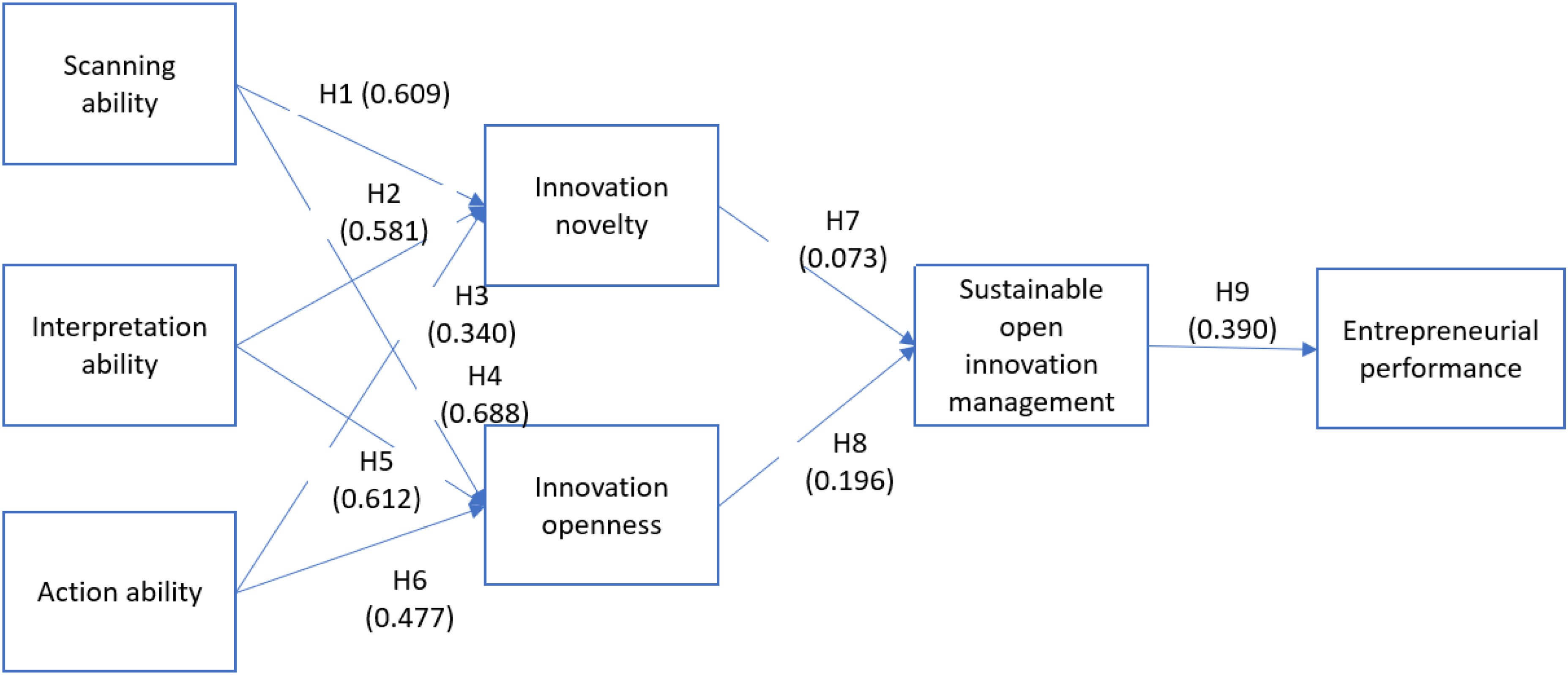
Figure 1 schematically presents the research model and the relationships between the constructs. A total of 9 hypotheses are explored in the relationship between the constructs.
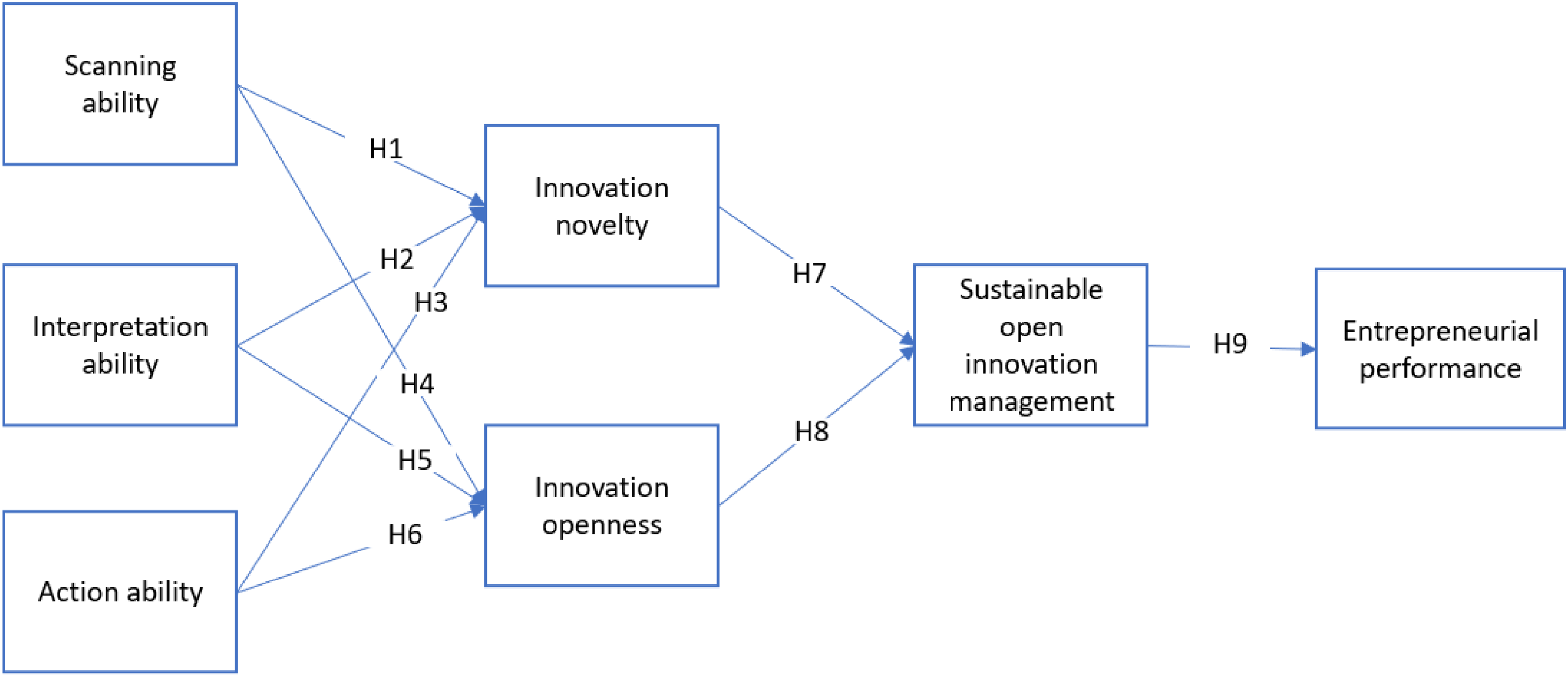
Representation of hypotheses in the structural model.
Methodology
Sample and data gathering
Data was collected using a digital questionnaire created in Google Forms that addressed the target audience of entrepreneurs. Due to the difficulty of contacting each entrepreneur individually, the International Association of Science Parks (IASP) was contacted. And the sampling process based on multistage sampling was applied. The IASP is a global network of science and technology parks that aims to promote innovation, technology transfer, and economic development. It has more than 350 members worldwide. IASP members work to create environments that stimulate innovation and entrepreneurship. Multi-stage sampling is a technique used in survey research and statistics to collect data from a large and diverse population when it is impractical or too expensive to survey every individual in that population (Hankin et al., 2019). This method consists of dividing the sampling process into several stages or levels, in which samples are selected sequentially from smaller subgroups of the population. This method is more cost-effective than simple random sampling when surveying a large and diverse population, and allows for stratification by geographical regions, ensuring that different areas within the population are represented (Wu et al., 2023). The operationalization of this technique in this study involved two levels of contact. Firstly, the questionnaire was shared by the IASP with its members and, subsequently, the survey was disseminated by the technology parks to their incubator startups.
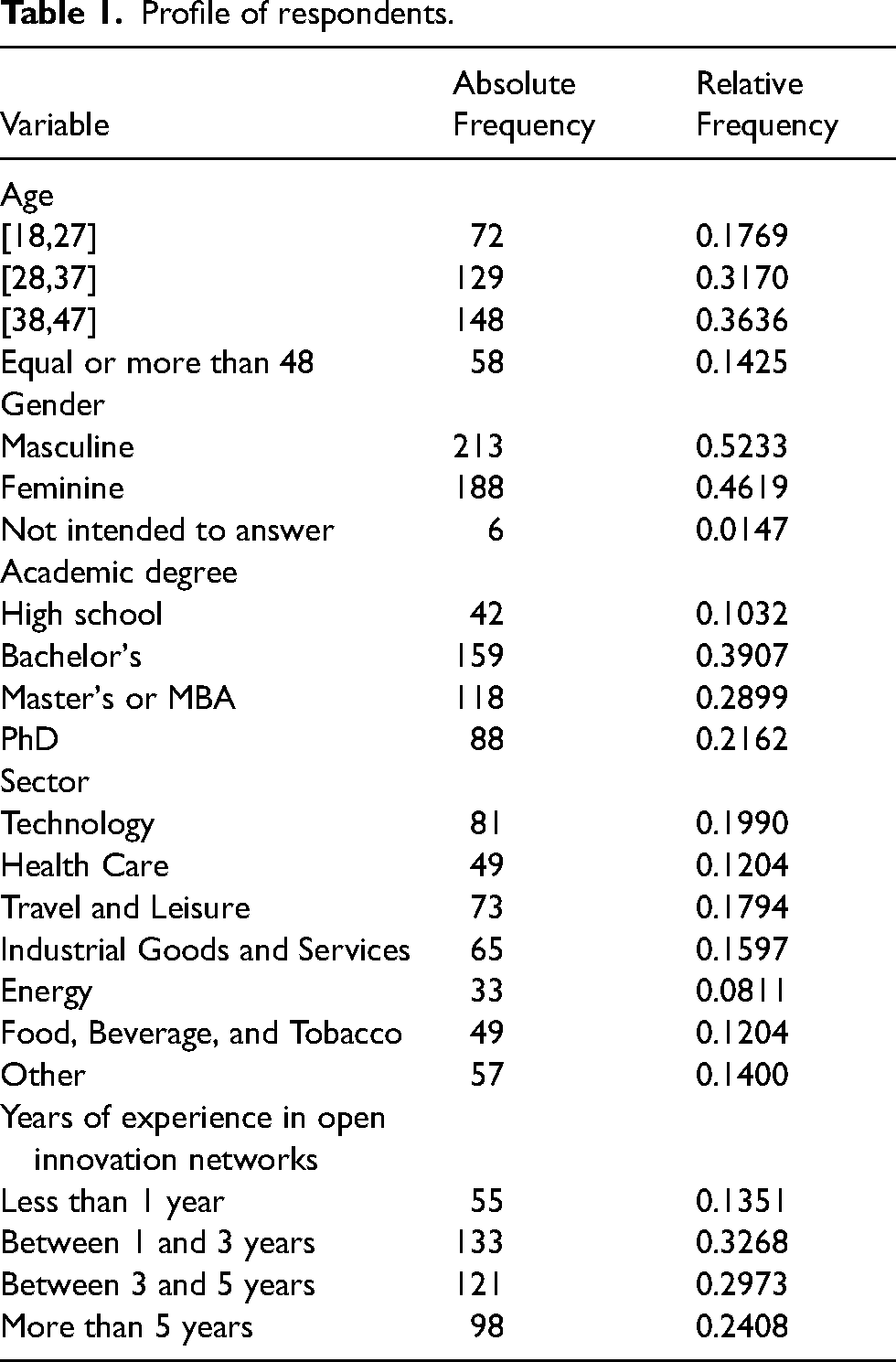
The questionnaire was only answered by entrepreneurs participating in open innovation networks, as requested on the first page of the questionnaire, which also explains the scope, objectives, and statistical process of the study. A total of 431 responses were obtained. After removing incomplete responses, the total number of valid responses was 407. Table 1 provides a descriptive analysis of the participants in this study considering their age, gender, academic degree, and years of experience in open innovation networks. The nationality of the entrepreneurs was not considered for two reasons: (i) the high dispersion of responses by geographical area, which would not allow this variable to be sufficiently discriminating; and (ii) the fact that these entrepreneurs operate on a global scale, with many of them assuming the status of digital nomads. The profile of respondents indicates that most of the entrepreneurs in the sample are male and between 38 and 47 years old. This profile is in line with the data reported by Azoulay et al. (2018) who indicate that most entrepreneurs are aged between 40 and 49 and concluded that the average age of a successful startup founder is 45. In terms of academic degrees, the profile of respondents is mainly made up of bachelor's and master's/MBAs. More than 68% of the sample falls into these two groups. The composition of this sample is also in line with the statistics obtained by the Kauffman Foundation that the majority of entrepreneurs held at least a bachelor's degree (Kauffman Foundation, 2020). Although collaborative open innovation networks emerged in the 2000s, their use by entrepreneurs on a large scale has not been fully realized. The sample data indicates that entrepreneurs’ adherence to open innovation networks varies significantly, with most of them having experience of between 1 and 3 years. Despite this, there is a strong variability in the profile of respondents in this variable, which is in line with the study conducted by Schepis et al. (2021) and which concludes that adherence to open innovation networks depends on various sectors such as the industry sector, the company culture, the company's level of maturity and the availability of resources.
Profile of respondents.
Measures
Constructs and scales previously validated in the literature were employed. Feng et al. (2022) present the strategic decision-making capability dimension using three constructs (analysis capability, interpretation capability, and action capability). A five-value Likert scale is used to measure these constructs. The constructs related with novelty of innovation and openness to innovation are supported by Sun et al. (2021) also using a 5-value Likert scale. Innovation novelty refers to the degree of originality, uniqueness or newness associated with a particular innovation or idea; while innovation openness is a business or organizational strategy that encourages the exchange of ideas, technologies, and knowledge with external stakeholders to accelerate and improve the innovation process (Sun et al., 2021). The construct of sustainable open innovation management is explored in the study by Kurniawati et al. (2022) considering production materials, sustainable water and energy consumption, the level of employee satisfaction, and the organization's contributions to the local community. These factors are addressed using a Likert scale of seven values. Finally, the entrepreneurial performance construct was constructed based on the Organisation for Economic Co-operation and Development (OECD) proposal, which measures entrepreneurial performance considering the tripartite view of firm, employment, and wealth. The two key measures of each of these dimensions were considered, as proposed by Ahmad and Hoffman (2007). To standardize the scales, a 7-level Likert scale was adopted, ranging from strongly disagree (1) to strongly agree (7). This scale was adopted to avoid bias and distortion in the analysis and interpretation of the data. This approach is in line with the recommendation of Sullivan and Artino (2013) who consider that standardizing scales is an important practice to ensure consistency, comparability, and interpretability of data.
Statistical procedures
Partial Least Squares Structural Equation Modeling (PLS-SEM) was adopted in this study to explore the relationship between the variables under analysis. SEM is a statistical method used to test and estimate causal relationships among variables. It helps researchers understand complex relationships between latent (unobservable) variables and observed (measurable) variables. SEM can be divided into two main types: covariance-based SEM (CB-SEM) and PLS-SEM. PLS is the core technique used in PLS-SEM. It's a multivariate statistical method used for modeling relationships between variables. PLS is particularly useful when you have a small sample size, non-normal data, or complex models. It works by creating a set of latent variables (constructs) that best explain the variance in the observed data. As noted by Sarstedt et al. (2022), PLS-SEM works with both latent variables and observed variables. Latent variables are constructs that are not directly measured but inferred from multiple observed variables, while observed variables are the variables that are directly measured. PLS-SEM consists of two main components: the measurement model and the structural model. The measurement model deals with the relationships between latent variables and their corresponding observed variables (indicators). The structural model explores the relationships between latent variables, representing hypothesized causal links. In summary, Hair et al. (2019) consider PLS-SEM to be a versatile technique that is particularly valuable when working with complex models or data that do not meet the assumptions of traditional statistical methods, and can be used for hypothesis testing, theory development, and predictive modeling. Stata v. 17 software was used in the process of principal component analysis (PCA), model estimation, and robustness analysis.
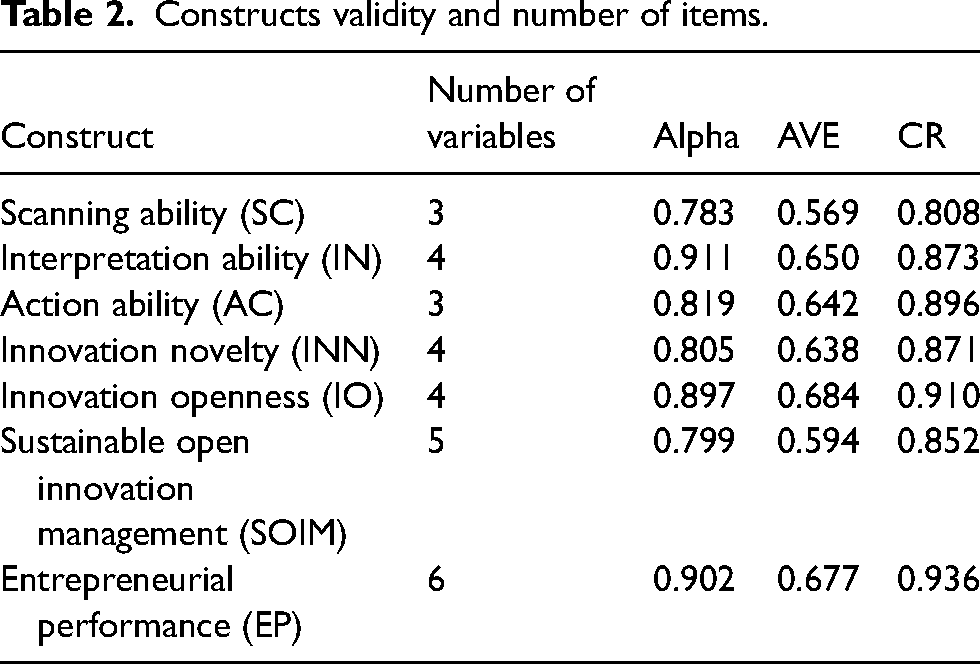
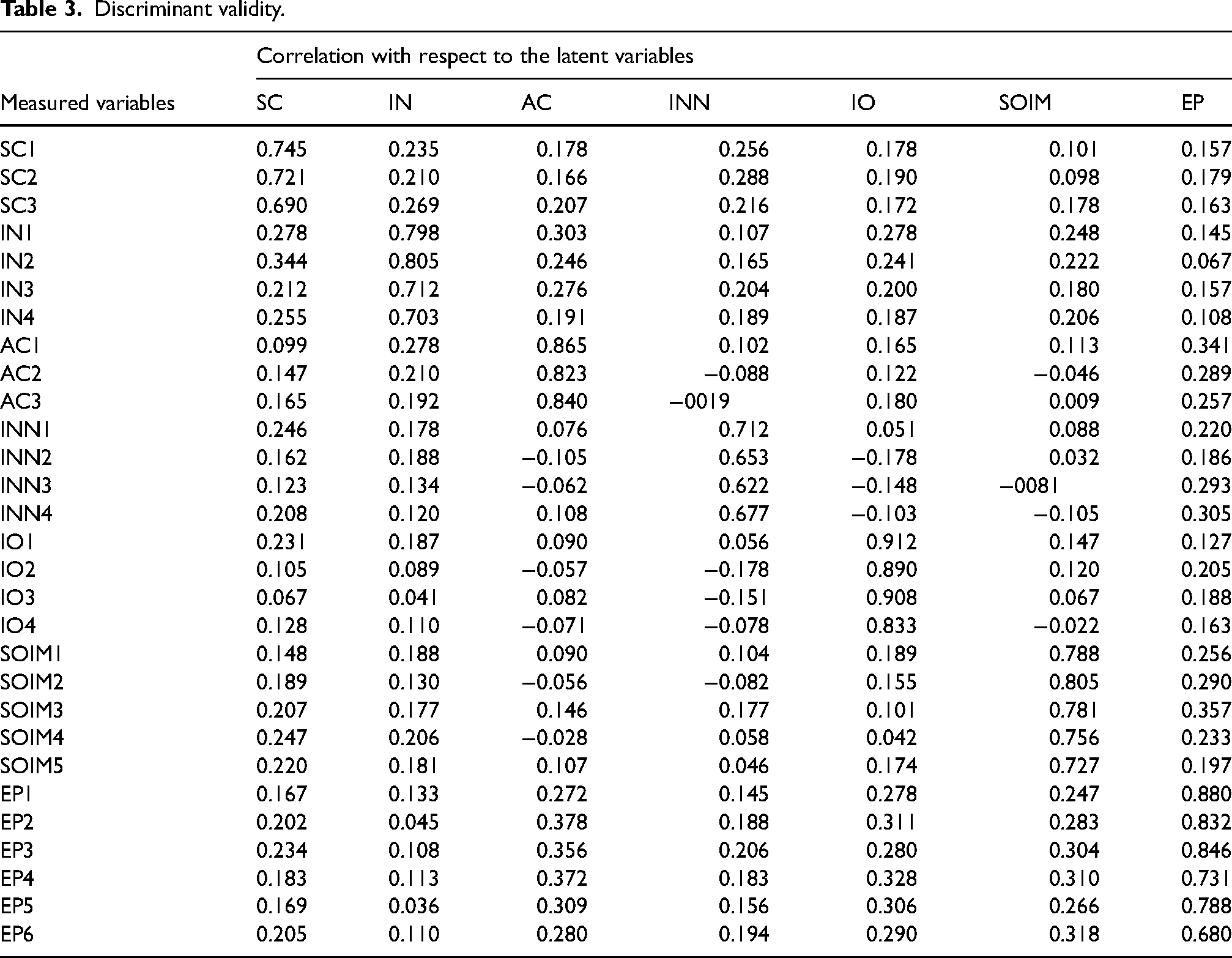
Construct validity is a crucial concept in the context of PLS-SEM. It refers to the extent to which the measurement of a particular construct (or variable) accurately represents the underlying theoretical concept it is intended to measure. Three important reliability and validity measures (i.e. Alpha, AVE, and CR) were used to assess the quality of the measurement model. Alpha, also known as Cronbach's alpha, is a measure of internal consistency reliability. It quantifies the extent to which a set of indicators (or items) measuring the same latent construct are correlated with each other. AVE is a measure of the amount of variance captured by a latent construct relative to the amount of variance due to measurement error. It assesses convergent validity by examining the extent to which a construct's indicators correlate more strongly with the construct itself than with measurement error. CR is another measure of internal consistency reliability. It evaluates the reliability of a latent construct by assessing the consistency of the indicators in measuring the same construct. All the constructs represented in the model (see Table 2) comply with the minimal acceptance values recommended by Hair et al. (2016), which suggest an Alpha above 0.7, AVE above 0.5, and CR above 0.7. Furthermore, we have measured the goodness of fit considering several measures (i.e. chi-square, GFI, AGFI, CFI, and RMSEA) as proposed by Kline (2015). Chi-square is 63.196, chi-square/df is 2.257, GFI is 0.909, AGFI is 0.918, CFI is 0.972, and RMSEA is 0.068. All these measures comply with the criteria established by Marsh et al. (2005). Moreover, discriminant validity was employed to assess whether the constructs or latent variables in a model are distinct and not highly correlated with each other. In PLS-SEM, discriminant validity is assessed through the examination of the correlations or cross-loadings between the indicators (observed variables) and the latent variables (constructs) in the model (Cheung et al., 2023). Looking at Table 3, all the factors are more strongly associated with their respective own constructs and show weaker associations with other constructs, which suggests good discriminant validity.
Constructs validity and number of items.
Discriminant validity.
Mixed-methods approach
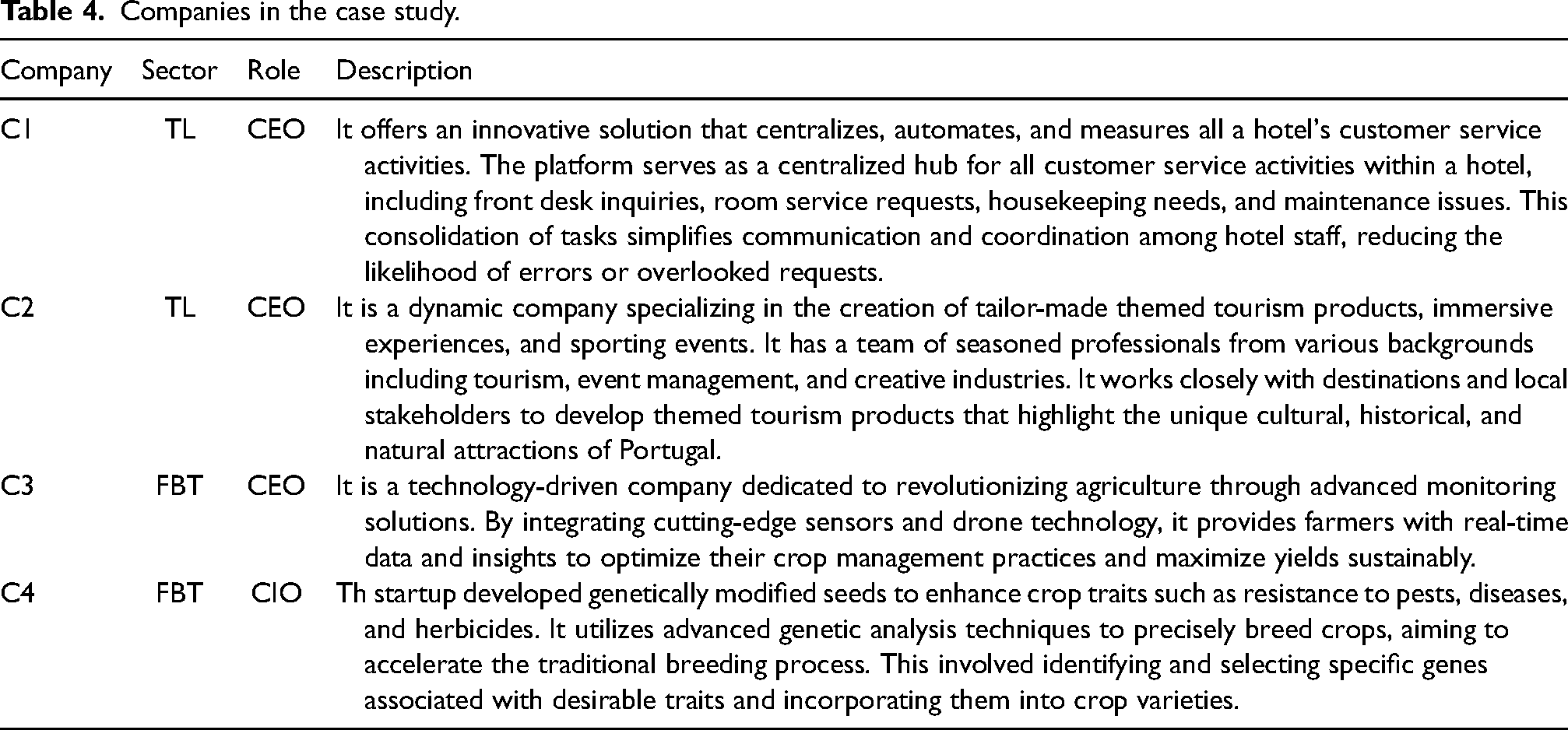
To complement the quantitative analysis, a mixed-methods approach was used by carrying out four case studies of Portuguese startups in sectors of activity that differ significantly (i.e. TL - Travel and Leisure, and FBT- Food, Beverage, and Tobacco). Interviews were performed between April and June, 2024. Table 4 presents the main characteristics of each company. The companies essentially aim to offer innovative, technologically advanced solutions by targeting niche markets. All the companies, apart from C2, have an international reach. In the case of C2, it only operates in mainland Portugal in specific regions with high tourism potential.
Companies in the case study.
Results
The significance of the structural model relationship in structural equation modeling lies in its ability to represent and test the hypotheses about the relationships between latent variables. This information is provided in Table 5. Notation (*) indicates the p-value is below 0.10; (**) indicates the p-value is below 0.05; and (***) indicates the p-value is below 0.01. It is observed that all hypotheses are supported, except H7 which has a p-value above 0.10. This implies that the novelty of the innovation has no impact on the sustainable management processes of open innovation. Despite this, innovation openness has a positive impact on sustainable open innovation management (p-value < 0.05). Overall, sustainable innovation management practices have a positive impact on entrepreneurial performance (p-value < 0.01). Therefore, H7 must be rejected, but H8 and H9 can be accepted. Furthermore, the lowest path coefficient is also observed for H7. Figure 2 complements this vision by showing the path coefficient in the structural model relationship.
Structural model relationship.
Hypothesis test results.
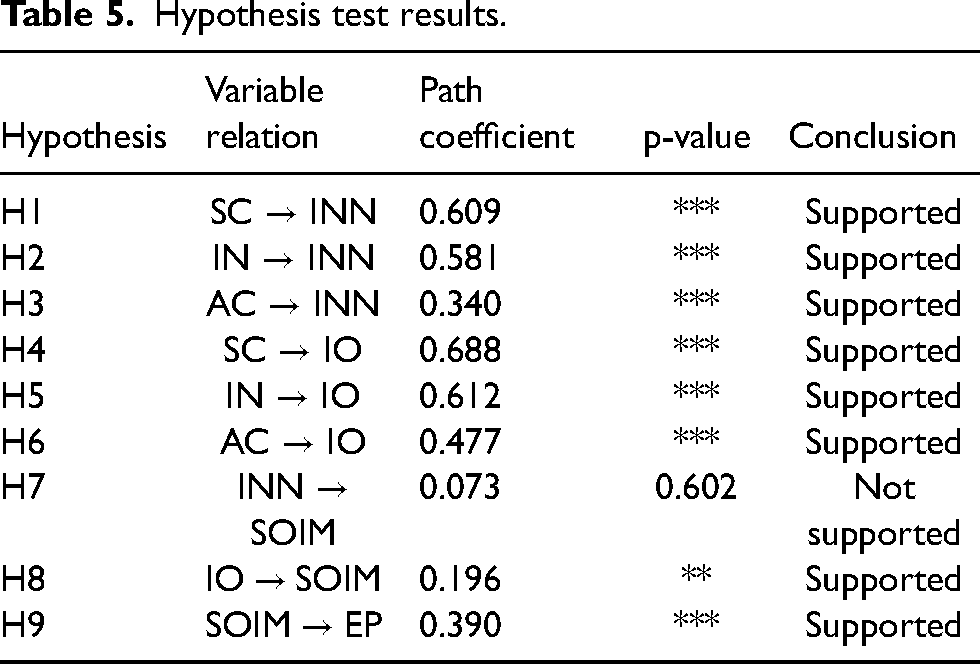
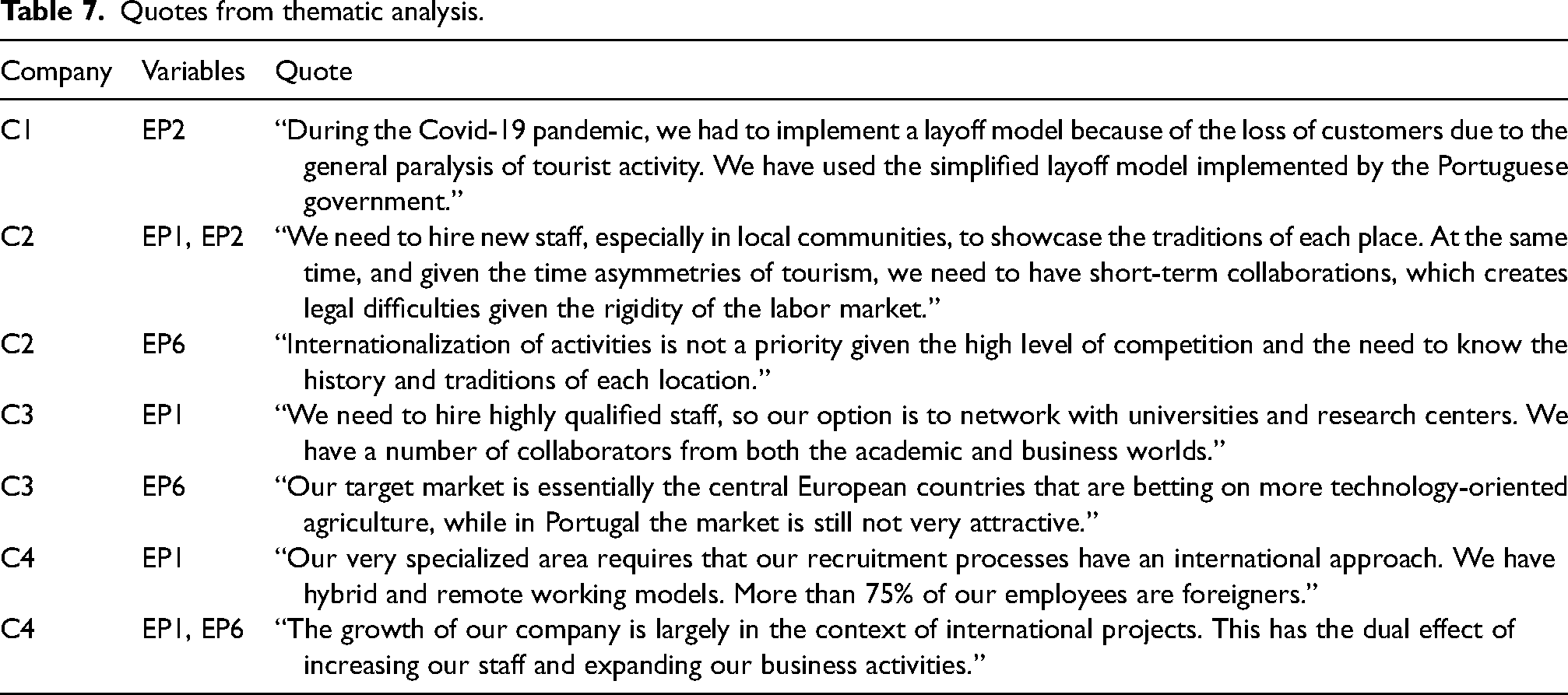
Table 6 shows the results of the analysis of variance applying the company's sector of activity and a significance level of 0.05. The findings indicate significant differences for TL and FBT. It should be noted that in the TL sector there is a higher turnover of people through hiring and layoff of employees and a lower export performance, while in the FBT sector there is a higher hiring of people and a higher export performance.
Hypothesis testing for sector of activity.
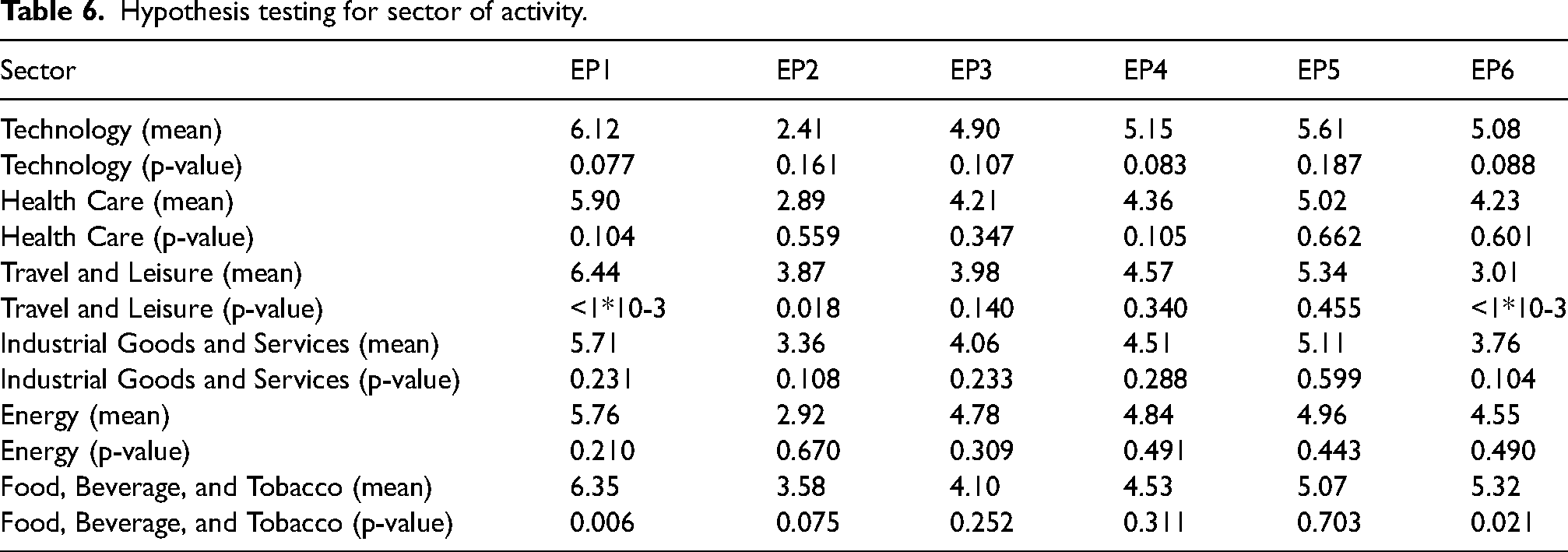
Table 7 shows some quotes that support the differences identified in some industries such as TL and FBT. It should be noted that several of the companies’ observations relate various variables relating to the dynamics of including new employees and the international performance of ventures. They also note the role that relations with universities can play both in hiring new employees and in establishing partnerships that can result in the context of funded international projects.
Quotes from thematic analysis.
Discussion
This study reveals that in the context of decision-making processes, scanning, interpretation, and action abilities are integral components that collectively contribute to the cognitive process of evaluating situations, processing information, and executing informed responses. Bruine de Bruin et al. (2020) add that these elements are interconnected and sequential, reflecting a dynamic and iterative approach to decision-making. Furthermore, decision-making is a dynamic and evolving process, and effective entrepreneurs continuously refine their scanning, interpretation, and action abilities to navigate the complexities of their roles. It is also clear that the multifaceted nature of entrepreneurship demands a diverse skill set that extends beyond traditional business acumen. The ability to foster and contribute to innovation novelty requires a combination of scanning, interpretation, and action abilities. The convergence of these competencies not only drives the entrepreneurial journey but also shapes the nature and impact of the innovations that emerge. Moreover, these individual competencies of the entrepreneur play a crucial role in fostering innovation openness. Innovation openness may be seen as the willingness and ability of entrepreneurs to embrace new ideas, collaborate with diverse stakeholders, and create an environment that nurtures creativity and experimentation. Wainwright et al. (2023) highlight that one of the primary ways entrepreneurs contribute to innovation openness is through the creation of open platforms and networks that facilitate the exchange of ideas and knowledge. By establishing these collaborative environments, entrepreneurs enable diverse stakeholders, including other entrepreneurs, researchers, and industry experts, to share insights, experiences, and expertise. Additionally, Lattacher and Wdowiak (2020) suggest that entrepreneurs also contribute to innovation openness by embracing a mindset that values experimentation and learning from failure. The willingness to take risks and learn from setbacks fosters an environment where new ideas can flourish without fear of failure, encouraging creativity and continuous improvement.
This study reveals the concept of innovation openness is a significant factor in the effective management of sustainable innovation. A primary reason for the relevance of innovation openness lies in the dynamic and interconnected nature of the global business environment. Organizations are no longer self-contained entities; instead, they operate within a complex ecosystem where information, ideas, and expertise are widely distributed. Embracing innovation openness allows businesses to tap into a diverse range of perspectives, experiences, and skills that may exist outside their traditional boundaries (Lassen and Laugen, 2017). This inclusivity not only enhances the quality of ideas but also ensures a broader understanding of sustainability challenges. Moreover, sustainability itself has evolved into a multidimensional concept that extends beyond environmental concerns to encompass social and economic aspects. To address these multifaceted challenges, Dragomir and Foris (2022) suggest that organizations should collaborate with a variety of stakeholders, including government bodies, non-profit organizations, academia, and even competitors. However, innovation novelty is not significant for the management of sustainable innovation. Firstly, sustainable innovation is inherently rooted in addressing real-world challenges and creating solutions that endure over time. Unlike purely novel ideas that might be short-lived or fail to address practical issues, Stocker et al. (2022) indicate that sustainable innovation requires a strategic alignment with the needs of society and the planet. Focusing solely on novelty may result in the creation of products or processes that lack resilience or fail to integrate seamlessly into existing systems, hindering their long-term effectiveness. Furthermore, the focus on novelty alone may undermine the collaborative aspects required for sustainable solutions. Instead, a more inclusive approach that considers the collective intelligence and perspectives of various stakeholders can result in innovations that are not only novel but also socially acceptable, economically viable, and environmentally friendly.
This study also indicates that, in the context of entrepreneurship, effective management of sustainable innovation becomes a key driver of long-term success and resilience. Sustainable innovation management fosters a culture of creativity and forward-thinking within entrepreneurial ventures. It encourages the exploration of eco-friendly technologies, socially responsible practices, and economically viable solutions. Therefore, entrepreneurs who integrate sustainability into their innovation strategies are better positioned to meet the evolving demands of socially conscious consumers and investors, thus enhancing their market relevance. Furthermore, studies like Almrshed et al. (2023) and Thi et al. (2023) suggest that sustainable innovation management serves as a catalyst for differentiation and competitive advantage. Therefore, in a globalized marketplace, where consumers are increasingly environmentally and socially aware, businesses that prioritize sustainable practices stand out. These practices may be relevant to not only attract a loyal customer base but also to mitigate risks associated with changing regulations and stakeholder expectations. Finally, the results allowed us to identify asymmetries in the performance of ventures in the TL and FBT sectors. Companies in the TL sector have higher staff turnover and have been strongly affected by Covid-19, which has led to the need to implement layoff initiatives (Mueller and Sobreira, 2024). Ventures in the FBT field need to hire highly specialized staff due to the growth of agriculture with a strong emphasis on technology. These companies seek to operate in an international market, while companies in the TL area are looking to exploit the characteristics of the Portuguese territory to offer unique and differentiating experiences. The positioning of these companies is in line with the growth of the tourism sector in Portugal in recent years (PTGOV, 2024).
Conclusions
Entrepreneurs play a pivotal role in shaping the trajectory of sustainable open innovation through their strategic decision-making. The decisions they make have far-reaching implications, influencing not only their individual ventures but also the broader innovation ecosystem. entrepreneurs act as catalysts for sustainable open innovation by making conscious decisions that align with the principles of environmental stewardship and social responsibility. Sustainable open innovation offers a collaborative approach that fosters a dynamic ecosystem where diverse perspectives and expertise converge to address complex challenges associated with sustainability. This study reveals that innovation openness serves as a catalyst for transformative change, unlocking the full potential of collective efforts in achieving sustainable development goals. Furthermore, it also promotes a culture of continuous learning and adaptability, crucial for navigating the rapidly evolving landscape of sustainability challenges. However, the management of sustainable innovation requires a shift in focus from mere novelty to a more comprehensive and enduring impact. Emphasizing the long-term sustainability, practical relevance, and collaborative nature of innovations ensures that they contribute meaningfully to addressing global challenges and creating a more sustainable future.
This study offers theoretical and practical contributions. In the theoretical dimension, the article offers a conceptual model that establishes the relationship between entrepreneurs’ individual decision-making skills, open innovation management, and entrepreneurial performance. The model posits that entrepreneurs’ decision-making skills serve as a foundational element influencing their ability to effectively manage open innovation processes. Furthermore, the model delineates how adept management of open innovation initiatives, characterized by strategic partnerships, knowledge exchange, and external collaboration, can amplify the impact of entrepreneurs’ decision-making skills. Effective open innovation management fosters the integration of external expertise and resources, catalyzing the development of innovative solutions and enhancing the competitiveness of entrepreneurial ventures. Moreover, the study reveals that only the innovation novelty construct has no impact on sustainable innovation management. While novelty can be a component of innovation, it alone does not guarantee success, particularly in the context of sustainable innovation management. Sustainable innovation management focuses on creating value not only for the present but also for the future, considering environmental, social, and economic considerations. In this framework, the emphasis is on solutions that are not only novel but also have a lasting positive impact on society and the environment. In terms of practical outcomes, this study can lead to the creation of innovative and environmentally friendly products and services. Open innovation fosters knowledge exchange and learning opportunities. Through collaborations with external partners, companies gain access to diverse perspectives, insights, and best practices, which can lead to process improvements and cost-saving innovations. Furthermore, sustainable open innovation contributes to the development of innovation ecosystems that support sustainable development goals. These ecosystems bring together actors from different sectors and disciplines, fostering synergies and facilitating the diffusion of innovation. By nurturing such ecosystems, sustainable solutions can be scaled up and replicated more efficiently.
This study presents some limitations. Our approach falls short of establishing causal relationships in fields such as the impact of sustainability goals on decision-making, impact of technological advancements on sustainable innovation, or the effect of regulatory environment on decision-making. The exploration of these themes can be carried out through longitudinal studies that can extract data throughout the entrepreneurial process. Furthermore, the exclusive focus on startups within science and technology parks may limit the generalizability of your findings. Future work should therefore include other companies such as small and medium-sized enterprises located outside science parks. This comparative analysis could prove important for establishing support policies for these organizations.
Footnotes
Declaration of conflicting interests
The author declared no potential conflicts of interest with respect to the research, authorship, and/or publication of this article.
Funding
The author received no financial support for the research, authorship, and/or publication of this article.
