



Abstract
This paper examines the verification practices and strategies of external fact-checking units within two leading European public service media (PSM) organizations: BBC Reality Check (UK) and ARD’s Faktenfinder (Germany). We analyze their practices through a content analysis of all 2022 verification articles (n = 198) and qualitative interviews with fact-checkers (n = 4). As major public broadcasters, both institutions are widely regarded for providing universal, high-quality information. Building on calls to expand the role of PSM in addressing informational disorder, we contribute to fact-checking research by focusing on verification within PSM—an underexplored area. Because truth assessment can challenge conventional notions of impartiality, fact-checking in PSM provides a particularly revealing case. We examine how these units navigate information disorder while upholding core values, especially due impartiality. Whereas the BBC centralizes verification within a single department, ARD adopts a decentralized model reflecting Germany’s federal broadcasting structure. In both cases, strict impartiality standards and persistent attacks by right-wing actors foster cautious formulations of truth assessments. Both units prioritize claims by public figures over online rumors and avoid binary truth labels, instead offering nuanced analyses that emphasize transparency and media literacy. Their work closely follows news cycles and socially salient issues, with topic selection shaped by the absence of partnerships with major technology platforms.
Keywords
Introduction
Public service media (PSM) are widely recognized as a crucial counterweight to mis- and disinformation, enhancing public knowledge (Aalberg and Cushion, 2016) and citizens’ resilience to online falsehoods and misleading political statements (Humprecht et al., 2020). Fact-checking encompasses NGOs, civil society organizations, academic institutions, independent media, and established newsrooms (Graves, 2018), however fact-checking units within PSM—operating under strict impartiality standards—have received comparatively little scholarly attention (Cushion and Kyriakidou, 2025). Fact-checking verdicts challenge traditional notions of objectivity and impartiality in journalism (Cazzamatta, 2025b; 2025c). Research on PSM fact-checking units remains scarce, largely limited to single-country studies—most often the UK, a model of strong public service media (Morani et al., 2024)—and primarily focused on electoral contexts (Birks, 2019; Soo et al., 2023). This neglect partly reflects the limited presence of PSM beyond Western Europe, where editorial independence and institutional oversight are generally safeguarded, particularly in Central and Northern Europe (Hallin and Mancini, 2004; Sehl, 2024b), despite sustained attacks on their legitimacy by right-wing political actors (Holtz-Bacha, 2021).
This paper addresses this gap by examining fact-checking practices and strategies to counter mis- and disinformation in two public service media (PSM) organizations: BBC Reality Check (now BBC Verify) in the UK and ARD-hub in Germany. These cases were selected due to their similarly robust and well-established PSM systems. Despite being well resourced and frequently cited as global benchmarks, little is known about the specific practices, strategies, and constraints shaping their verification work. We adopt a multimethod approach, combining a quantitative content analysis of all verification articles published in 2022 (n = 198) with four expert interviews with practitioners from both organizations. Notably, unlike international news agencies, public service broadcasters have not partnered with Meta. Meta’s withdrawal from fact-checking initiatives in the United States and Google’s termination of its Claim Review program signal a broader rollback of platform-based support for fact-checking. Against this backdrop, PSM may be comparatively less vulnerable, underscoring the need to examine their fact-checking approaches more closely.
We first examine how the BBC and ARD implement fact-checking practices to address disinformation, focusing on their dedicated desks—BBC Reality Check and ARD/Faktenfinder, the latter affiliated with Tagesschau. We observe how these outlets select and scrutinize claims, assess checkability, identify targets and topics, and deploy correction strategies to counter online falsehoods and evasive political statements.
Theoretical background
The role of public service media (PSM) in addressing disinformation
In Western Europe, PSM are regarded as a policy intervention against market-driven drawbacks such as media concentration, declining diversity and content quality, and unequal access to information. Rooted in a mission of universal access to high-quality, impartial content, they counterbalance commercial media capture by political and economic elites (Horowitz et al., 2022). Robust PSM systems are linked to greater resilience to disinformation (Humprecht et al., 2020). Public service broadcasters (PSBs) provide more hard news, enhancing citizens’ knowledge of political and social affairs (Aalberg and Cushion, 2016), which reduces susceptibility to confirmation bias and naïve realism—the assumption that one’s perceptions reflect objective reality.
Research shows that the source of fact-checking strongly influences its effectiveness (Van Erkel et al., 2024). Given the credibility and institutional trust of public service media (PSM), their fact-checks are well positioned to correct misperceptions. Despite challenges—sustaining relevance in a fragmented digital environment, adapting formats for younger audiences, and enduring attacks from right-wing populists (Holtz-Bacha, 2021)—PSM remain trusted sources in many European states (Morani et al., 2024; Sehl, 2020). PSM are thus widely recognized as integral to combating disinformation, offering “a comprehensive, trustworthy chain of content production that is accessible for all, that can be trusted, and that unifies rather than segments citizens” (Horowitz and Lowe, 2020: 179).
In the context of global media concentration, fragmented digital audiences, platformization, distrust in media and institutions, and viral falsehoods, scholars advocate a broader role for PSM beyond providing reliable, diversified, and balanced news (Horowitz et al., 2022; Horowitz and Lowe, 2020; Sehl, 2020). Sehl (2024b) argues that PSM should monitor social media, critically assess third-party content, and verify it. To counter information disorder, they should also promote media literacy and consider alternative platforms. Despite normative calls to expand PSM’s role in disrupted public spheres, few studies have empirically examined these developments. PSM differ widely in institutional frameworks, audience reach, and funding (Council of Europe, 2022; Hallin and Mancini, 2004; Horowitz and Lowe, 2020). To analyze PSM responses to disinformation, we examine two cases where they have historically dominated national media landscapes—Germany and the UK—owing to higher editorial accountability and audience reach (European Audiovisual Observatory, 2021).
While public service media (PSM) are central to Western European media systems, they differ markedly across countries. In Hungary, Viktor Orbán’s illiberal leadership has placed PSM under strong government control, contributing to de-democratization (Holtz-Bacha, 2021). Rather than countering falsehoods from bad actors and right-wing populists, Hungarian PSM have disseminated pro-government disinformation and anti-EU narratives, particularly on the war in Ukraine (Urbán et al., 2023). Fulfilling PSM’s democratic role requires editorial independence, institutional autonomy, mechanisms to limit political parallelism, and resilience to political attacks (Sehl, 2024b). Adequate funding is also vital to support fact-checking units capable of monitoring social media discourse and developing forensic tools (see case selection below).
Fact-checking as a systemic response to a dysfunctional hybrid media system
From a social systems perspective (Blöbaum, 2004; Luhmann, 2009), journalism developed into an autonomous functional system within modern society, with distinct institutional structures, professional roles, and content formats. Emerging in the 17th century alongside broader societal differentiation, its primary function has been to process and disseminate timely, socially relevant information. As communication volume and complexity increased, journalism adapted through internal differentiation—for example, by creating specialized desks in politics, or economy (Blöbaum, 2004). The same process applies to external fact-checking desks, which verify third-party content. Unlike traditional internal fact-checking before publication, external fact-checking evaluates content already public from political actors, social media users, and others (Graves, 2022).
Shifts driven by digitalization have raised concerns about the rationality of public debate, prompting diagnoses of an era of “information disorder” (Wardle and Derakhshan, 2017). This paradigm distinguishes misinformation (false information shared without intent to harm), disinformation (false information shared with harmful intent), and malinformation (accurate information used to cause harm). In response to “information disorder,” fact-checking organizations have proliferated globally as a journalistic reaction to disinformation (Amazeen, 2019; Graves, 2016). Like other social systems, journalism adapts to its environment, fostering innovation through structural flexibility (Blöbaum, 2004). Amid fragmentation, polarization, misinformation, and strategic manipulation by political actors (Bennett and Livingston, 2018) fact-checking organizations grew from 176 in 2016 to 443 in 2025 (Ryan, 2025). Chadwick (2017) describes modern external fact-checking as an adaptive response, in systems theory terms, to the accelerated pace, intense competition, and proliferation of information channels, positioning news organizations as both rapid responders and trusted correctors of official statements. Scholars see fact-checking as pivotal for restoring public trust and improving public discourse (Koliska and Roberts, 2024; Mahl et al., 2024; Suomalainen et al., 2025), with many contributing to media literacy through workshops, webinars, and resources that empower citizens to assess and verify information independently (Graves and Mantzarlis, 2020).
Epistemology of fact-checking and public service media
Impartiality is a core principle of public service media (PSM) such as the BBC and its counterparts like ARD (Cushion and Kyriakidou, 2025; Sehl, 2024b). Concepts such as impartiality, balance, and objectivity aim to mitigate bias and legitimize professional news production grounded in fairness. However, these concepts vary across national contexts (Hanitzsch et al., 2011) and their operationalization faces widespread criticism (Maras, 2013). Cushion and Kyriakidou (2025) note these terms are often used interchangeably despite representing distinct journalistic ideals. Impartiality requires journalists to refrain from taking sides while presenting conflicting views equally. Objectivity demands reporters exclude subjectivity and presumes an underlying ‘truth’ to represent. Balance refers to equal coverage of opposing perspectives, which has led to the criticized ‘he said/she said’ style (Cunningham, 2003) that undermines journalism’s watchdog role by leaving problematic information unchecked (Hallin, 1989). In the era of post-truth politics and right-wing populism, ‘false balance’—providing equal coverage without assessing credibility—poses a significant challenge, as politicians differ substantially in truthfulness (Birks, 2019; Cushion and Kyriakidou, 2025).
The fact-checking movement emerged in the early 2000s in the United States in response to dissatisfaction with traditional norms of objectivity and impartiality. Glenn Kessler, founder of The Washington Post Fact Checker, noted: “[w]hile the journalist has the duty to quote all sides accurately, he is not required to lend equal credibility to all competing voices” (Dobbs, 2012: 3). During the Brexit debate, UK media often misrepresented expert opinion by giving equal airtime to opposing views—even when one side had overwhelming support—an instance of ‘both-sideism’ that created superficial balance while obscuring factual asymmetry (Cushion and Kyriakidou, 2025).
Public service media (PSM), which place impartiality at their core, face challenges in fact-checking political claims. Such scrutiny often triggers bias accusations, as when Alice Weidel of the far-right AfD walked out of a televised ZDF debate in Germany (Holtz-Bacha, 2021). The literature provides insights into PSM fact-checking. Quantitatively, independent initiatives publish more checks monthly than fact-checking units within larger news organizations producing broader journalism (Graves and Mantzarlis, 2020). Moreover, whereas most independent initiatives employ truth scales, PSM typically avoid binary judgments, favoring narrative assessments to mitigate bias accusations. For instance, the Australian Broadcasting Corporation’s ABC Fact Check deliberately refrains from labeling claims true or false to preserve impartiality (Graves, 2018).
Similar to PSM, fact-checkers define their work as a public service (Koliska and Roberts, 2024). Some analyses highlight epistemological challenges, including the impossibility of attaining objective truth (Suomalainen et al., 2025; Vinhas and Bastos, 2022). Other studies argue that fact-checkers share a common epistemology that fosters trust in empirically verifiable facts (Koliska and Roberts, 2024). Still, other research differentiates among distinct fact-checking cultures, based on organizational origins, issue-selection strategies, and verification practices (Mahl et al., 2024). For instance, unlike global news agencies that primarily target global online rumors (Cazzamatta, 2025a), public service media (PSM) more often focus on statements by public figures (Cazzamatta, 2025d), making them particularly useful for analyzing claim types. A longstanding debate concerns the definition of a checkable claim. Early studies—before the “debunk turn” (Graves et al., 2024)—showed fact-checkers consistently verified fact-based claims rather than opinions, despite borderline cases involving economic paradigms and expert evaluations (Graves, 2016). Uscinski and Butler (2015, 2013) criticized claim selection, arguing fact-checkers verified unverifiable statements about definitional questions, predictions, or causality, often conflating correlation with causation. Leading scholars have refuted this critique (Amazeen, 2015; Graves, 2017), noting it was based on early fact-checking phases with sporadic verifications. Since then, uncheckable claims—such as opinions, predictions, causality, and philosophical questions—have been explicitly recognized as uncheckable and transparently addressed in fact-checking methodologies (Cazzamatta, 2025e). Moreover, fact-checking’s social relevance lies in enabling informed decision-making and reasonable engagement with evidence, rather than strict epistemological definitions of “fact” (Birks, 2019; Graves, 2016). In light of these developments and PSM remits, we ask: RQ: How do fact-checking strategies and verification practices of the BBC and ARD vary, particularly with regard to targets, scrutinized actors, claim checkability, topics, selection criteria, and correction strategies in addressing problematic information?
Research design and methods
Case studies: Countries and organizations selection
To assess public service media’s (PSM) role in addressing disinformation—especially via fact-checking—we selected the UK and Germany for their comparatively higher PSM reach (39% and 42%, respectively; European Audiovisual Observatory, 2019) and stronger independence and pluralism.
BBC and BBC verify
The BBC is one of the most far-reaching and established public broadcasters globally, widely regarded as a benchmark for public service media (Horowitz and Lowe, 2020; Sehl, 2024b). Founded in 1922 as the British Broadcasting Company with the mission to “inform, educate, and entertain” (OSCE, 2022), it operates under an autonomous, politically independent structure. Despite pressure from business elites linked to private media, political attacks from right-wing figures such as former UKIP leader Nigel Farage targeting its license fee model and alleging bias (Holtz-Bacha, 2021), and declining media trust (Strömbäck et al., 2020), the BBC remains a crucial actor in the UK media landscape. Although traditional news use has declined, public service media such as the BBC remain among the country’s most trusted sources (Newman et al., 2023). BBC Verify, which evolved from BBC Reality Check, launched during the 2010 general election (Edgington, 2025), positions the BBC as an early pioneer of external fact-checking. According to Ofcom, BBC Verify is the leading fact-checking platform among UK adults, with 21% of those aged 16+ reporting usage (Edgington, 2025).
BBC Reality Check was revived before the 2015 general election and the 2016 Brexit referendum, and later became an established part of BBC News under James Harding’s leadership. In April 2023, it was rebranded as BBC Verify, a unit of around 60 professionals—including journalists, editors, and producers—specializing in fact-checking, open-source intelligence (OSINT), data journalism, user-generated content (UGC), and eyewitness verification. Verify integrates the former BBC Trending team and the BBC World Service’s disinformation investigation unit. Although not all outputs are branded “BBC Verify,” the unit functions as a centralized hub providing expertise across the BBC. Compared to Reality Check’s earlier focus on political claim verification, BBC Verify has a broader remit encompassing forensic and data-driven journalism. It consolidates expertise previously dispersed across the World Service, BBC Monitoring, language services, and social media teams.
The decentralized verification units at ARD
In Germany, the public service media (PSM) system emerged after the Second World War, inspired by the British model introduced by the Allied forces to ensure independence from state and market influence. Broadcasting was initially fragmented across the four occupation zones before control transferred to German authorities. The Arbeitsgemeinschaft der öffentlich-rechtlichen Rundfunkanstalten der Bundesrepublik Deutschland (ARD) was established in 1954, making it the country’s oldest PSM institution (bpb, 2025). Today, Germany’s PSM landscape reflects its federal structure and comprises three institutions: ARD, a consortium of nine regional broadcasters; ZDF, a national television broadcaster; and Deutschlandradio, providing national radio services. Collectively, they operate about 20 television channels and over 80 radio stations (Sehl, 2024a). For our analysis, we selected ARD due to its larger budget (approximately €6.2 billion), workforce (22,169 employees), and scope compared to the smaller ZDF (€2.2 billion) (ARD, 2025; ARD-ZDF, 2025; bpb, 2025; IFM, 2023). ARD is currently the world’s largest public broadcasting system (IFM, 2023). Deutsche Welle, Germany’s state-funded international broadcaster, is part of the ARD network.
Unlike the BBC, fact-checking at ARD is decentralized, reflecting Germany’s complex public service media (PSM) structure. At ARD, fact-checking is conducted across three units: Faktenfinder, linked to Tagesschau; Faktenfuchs, a regional initiative by Bayerischer Rundfunk (BR) focused on Bavaria; and Deutsche Welle’s fact-checking unit targeting an international audience. Faktenfinder was established in 2017 during the German federal election in response to concerns about Russian interference after the 2016 U.S. election. Created within Tagesschau, it became ARD’s first dedicated fact-checking unit addressing potential information disorder. The team consists of two fact-checkers who publish articles on misinformation and disinformation for tagesschau. de. ARD also hosts an internal AI working group monitoring relevant tools and technologies, operating separately from fact-checking units. Deutsche Welle’s fact-checking team was established in 2020 in response to the COVID-19 infodemic and is coordinated by Joscha Weber, who initiated its verification work; it has since expanded to 16 members. By contrast, Faktenfuchs, based at BR, focuses on Bavaria. Founded in 2017, the eight-member team includes a social media listening specialist monitoring online discourse. Discussions are underway to coordinate Faktenfinder, Faktenfuchs, and Deutsche Welle more closely to enhance efficiency and reduce duplication.
Data gathering –Expert interviews and quantitative content analysis
We conducted semi-structured qualitative interviews with representatives of the two analyzed public service media (PSM) organizations—BBC and ARD—to inform data selection and examine the structure and allocation of their verification practices prior to the content analysis.
All four interviews (three from ARD and one from BBC) were recorded with consent and anonymized, as parts were off the record. In compliance with GDPR, transcripts were not uploaded to the Open Science Framework. Two interviewees were senior fact-checkers who had worked at the organization since the establishment of the fact-checking units, while the other two held managerial and editorial roles. Throughout the article, we refer to them as “Interviewee” (abbreviated as ‘I’), followed by their respective number (e.g., I2).
Summarized description of categories.
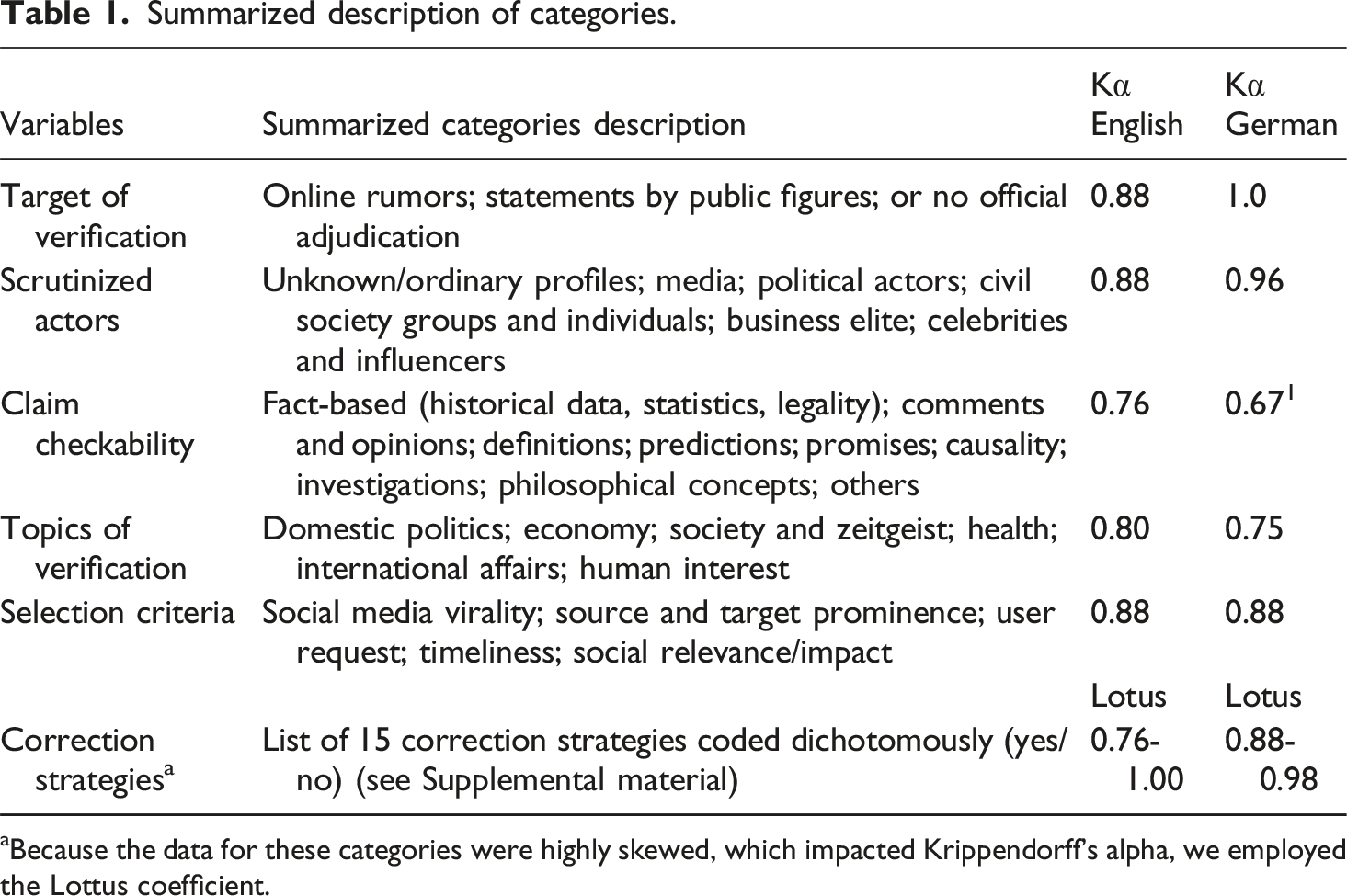
aBecause the data for these categories were highly skewed, which impacted Krippendorff’s alpha, we employed the Lottus coefficient.
Findings
The fact-checking output of BBC reality check and Faktenfinder
This section compares the outputs of British and German public broadcasters regarding verification targets (e.g., online rumors vs public figures statements), scrutinized actors, claim checkability, topic distribution, and selection criteria disclosed within their fact-checking content.
Target of verifications
Ratio of verifications targeting online rumors versus public figures’ statements at the BBC and ARD.
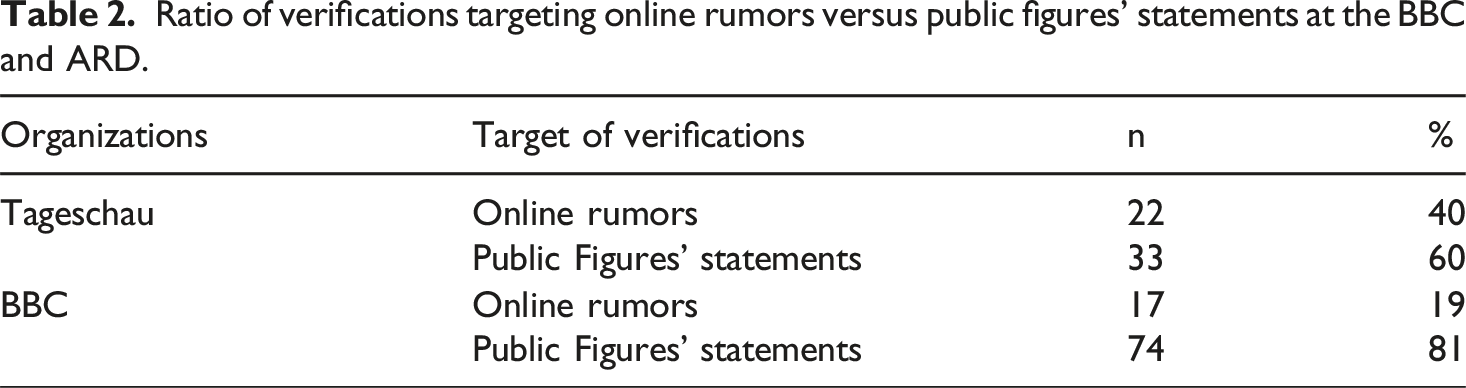
These results likely stem from the absence of partnerships with major tech companies such as Meta, unlike many non-PSM organizations. In addition, fact-checking within established media tends to align with news cycles and prevailing political discourses.
Scrutinized actors and labels
To address balance and fairness, we conducted a content analysis of the actors scrutinized by the two organizations and the labels—or absence thereof—assigned to them. Since Faktenfinder focused slightly more on online rumors (Table 2), it includes a higher share of analyses involving unidentified social media users and profiles (23%) than BBC Reality Check (6%). Regarding verifications targeting government versus opposition actors (Figure 1), the BBC focused primarily on national government representatives and politicians (39%), while opposition figures accounted for 6%. In 2022, the UK government was led by the Conservative Party, with Labour as the main opposition, resulting in more statements by government MPs and thus a higher likelihood of scrutiny. Moreover, ruling parties generally make more public statements, policy announcements, and media appearances. Balance, therefore, should not be understood as an artificial 50/50 split. As one BBC interviewee noted (I1), “balance is a wrong word because [it] sort of implies equal scrutiny, whereas BBC editorial guidelines allow you to employ what’s called due impartiality.” The emphasis is thus on proportionality rather than symmetry. The interviewee (I1) explained: Hypothetically, if two politicians debated and one made ten false claims while the other made three, balance might suggest equal scrutiny. However, in practice, it is reasonable to investigate more claims from the actor making more false statements. Strict adherence to balance would not necessarily reflect an accurate or fair representation of events. Actors scrutinized in verification articles by Reality Check and Faktenfinder.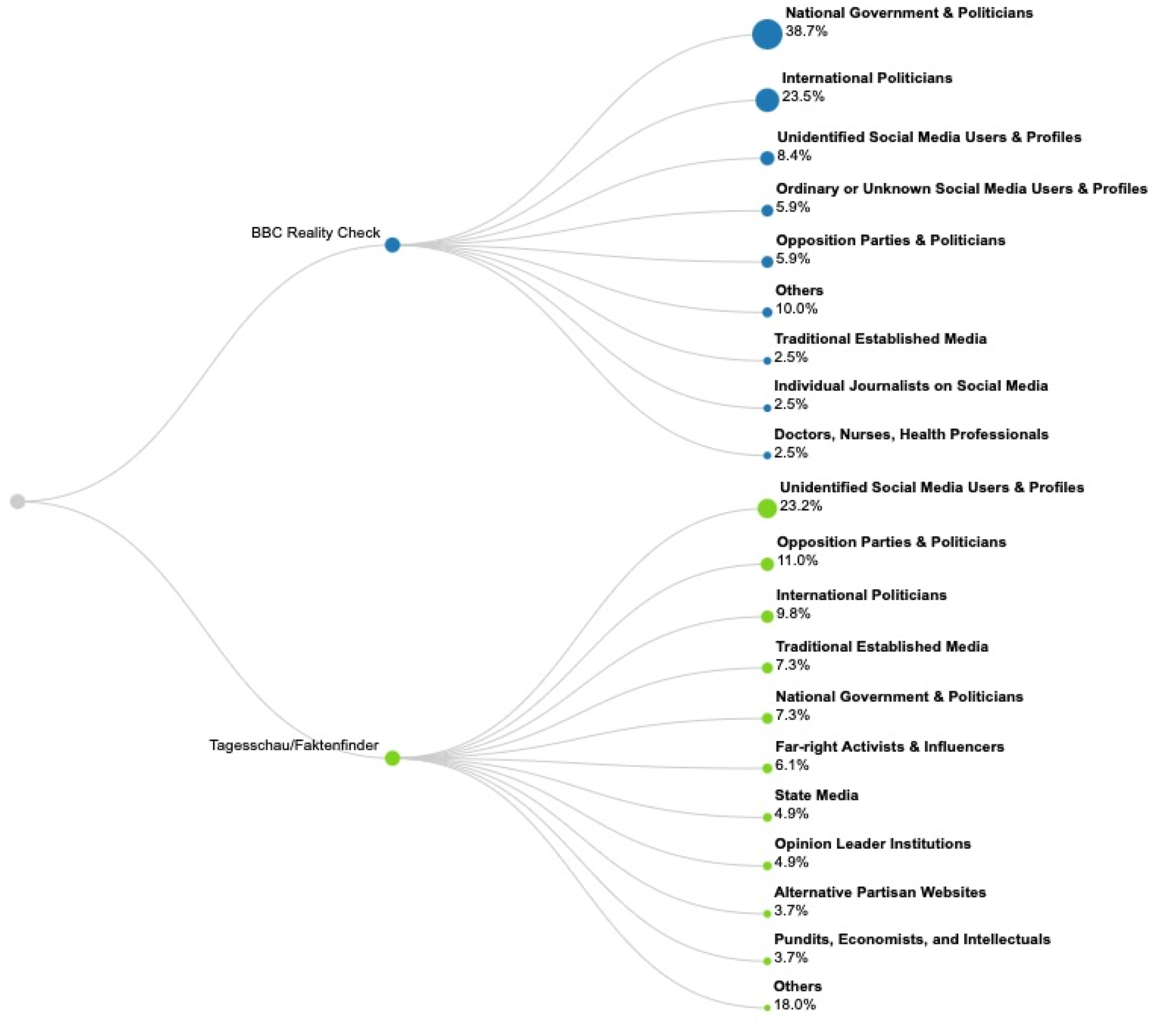
In Germany, the difference is less pronounced (Figure 1), but Faktenfinder verified more opposition claims (11%) than claims from the “traffic light” coalition government (7.3%), comprising the SPD, Greens, and FDP. These opposition checks mainly targeted the far-right AfD rather than the main opposition CDU/CSU. As the interviewee (I2) explained: In Germany, unlike the US, misinformation by mainstream politicians is less common. We therefore fact-check more claims by the AfD than, for example, the Greens, as the AfD produces more content requiring verification.
In one article, for example, Faktenfinder reported that AfD parliamentary group leader Weidel had indirectly claimed that most COVID patients in intensive care units were vaccinated, allegedly based on figures from the Federal Statistical Office. This claim was unfounded. These findings align with research identifying the far right as a key driver of disinformation, often used as a central political strategy (Bennett and Livingston, 2018). In Germany, where the far-right online scene is more unified than in the UK (Heft et al., 2021), Faktenfinder also scrutinized far-right activists and influencers (6.1%) and alternative partisan websites aligned with far-right ideologies (4%). More broadly, both BBC Reality Check (2.5%) and Faktenfinder (7%) targeted established media outlets when problematic information circulated through traditional channels (Figure 1). For example, Faktenfinder reports that the Austrian right-wing partisan broadcaster AUF1 disseminates far-right and conspiracy-driven content and that Germany is increasingly becoming a central focus of its coverage.
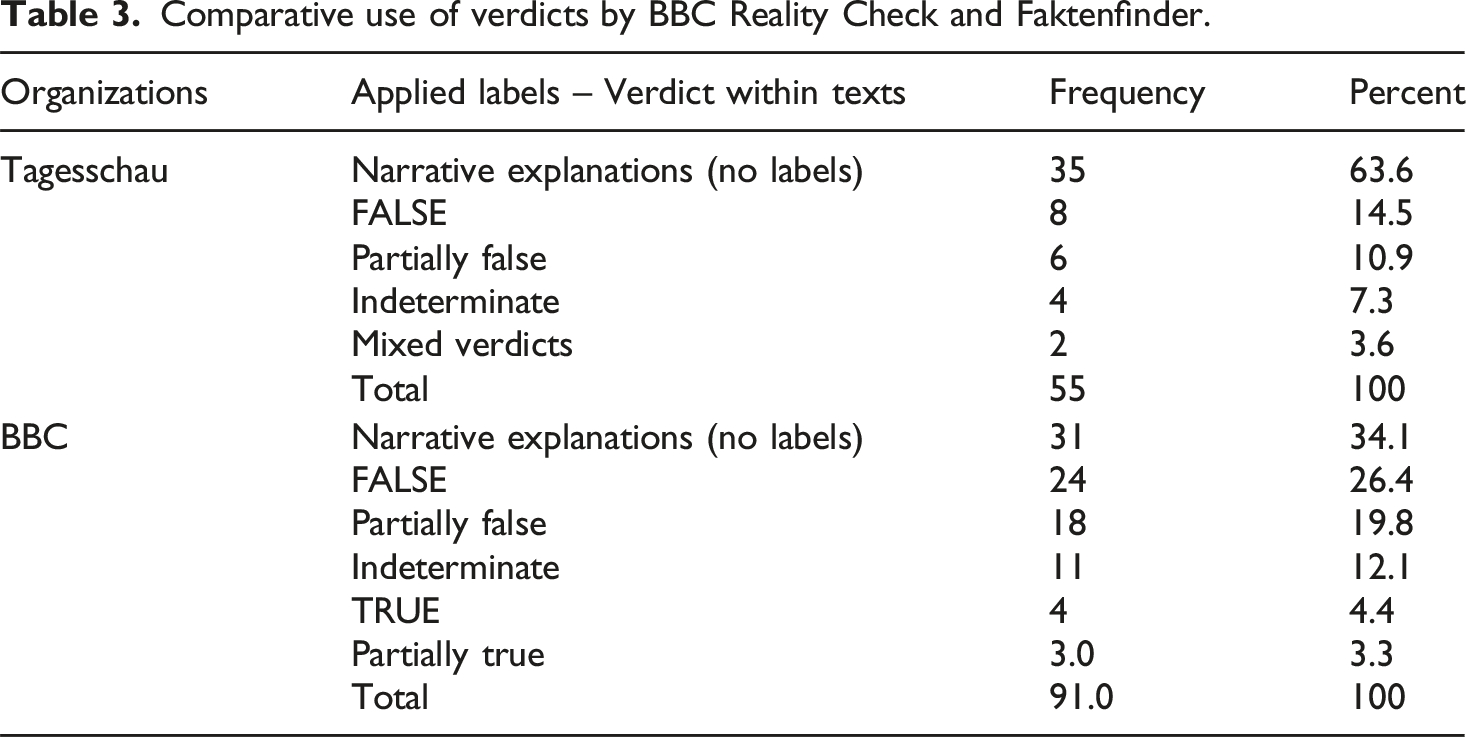
Comparative use of verdicts by BBC Reality Check and Faktenfinder.
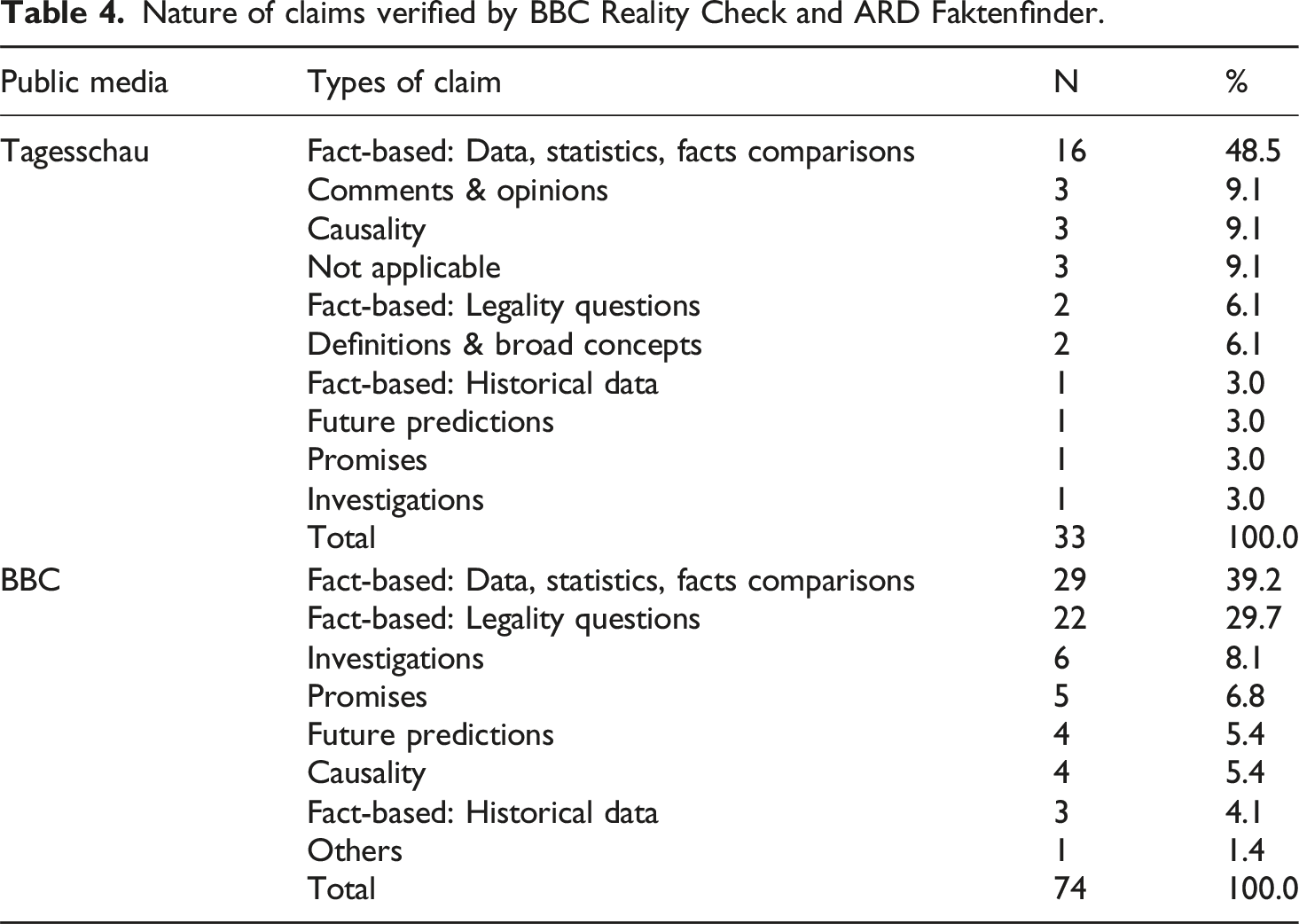
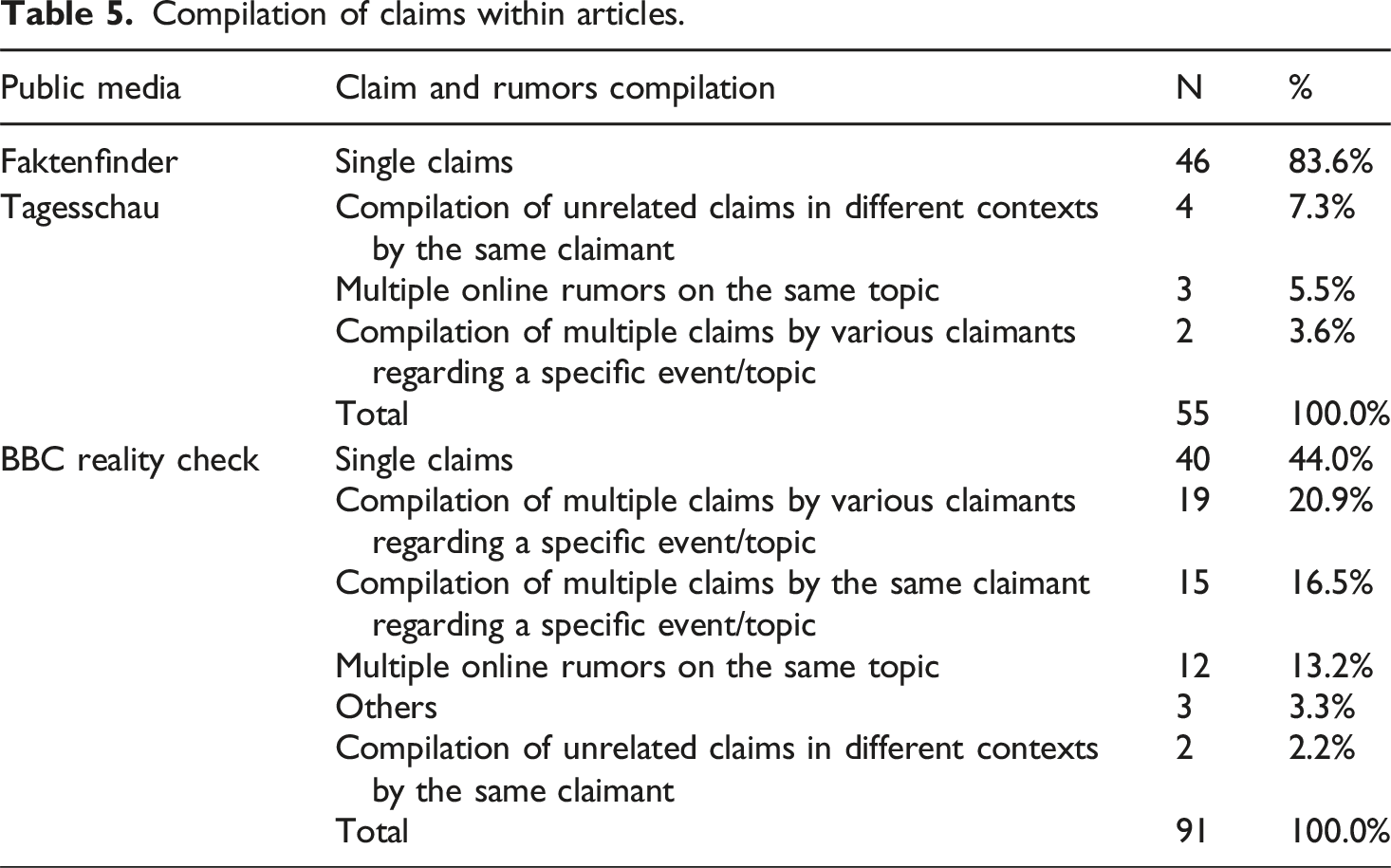
Checkability of claims and compilation of statements
Nature of claims verified by BBC Reality Check and ARD Faktenfinder.
Compilation of claims within articles.
Correction strategies and transparency
All interviewees (I1-I4) emphasized that the core objective of verification is to “walk the audience through [their] process.” This approach serves as a media literacy opportunity, clarifying how information is gathered and news is constructed, thereby bringing the journalistic process closer to audiences (Ratier, 2020). As one interviewee explained, “We’re so transparent in our work… We link every source and provide a box beneath our articles detailing whom we spoke to, how we contacted them, and so forth” (I2). By explaining why claims are incorrect, fact-checkers enhance the persuasiveness of their verifications. They employ a range of strategies to present premises and reasoning that allow readers either to reach the same conclusions or to form a reasoned disagreement (Figure 2). These PSM fact-checking units emphasize transparency by demonstrating “not just what we know, but how we know it” (I1). By making their evidentiary basis and analytical reasoning explicit, these units enable audiences to critically interpret information and navigate public debates more effectively. In doing so, they foster media literacy and deliver a quality-oriented service consistent with the normative public interest mandate of public service broadcasting. Verification strategies employed by BBC Reality Check and Faktenfinder.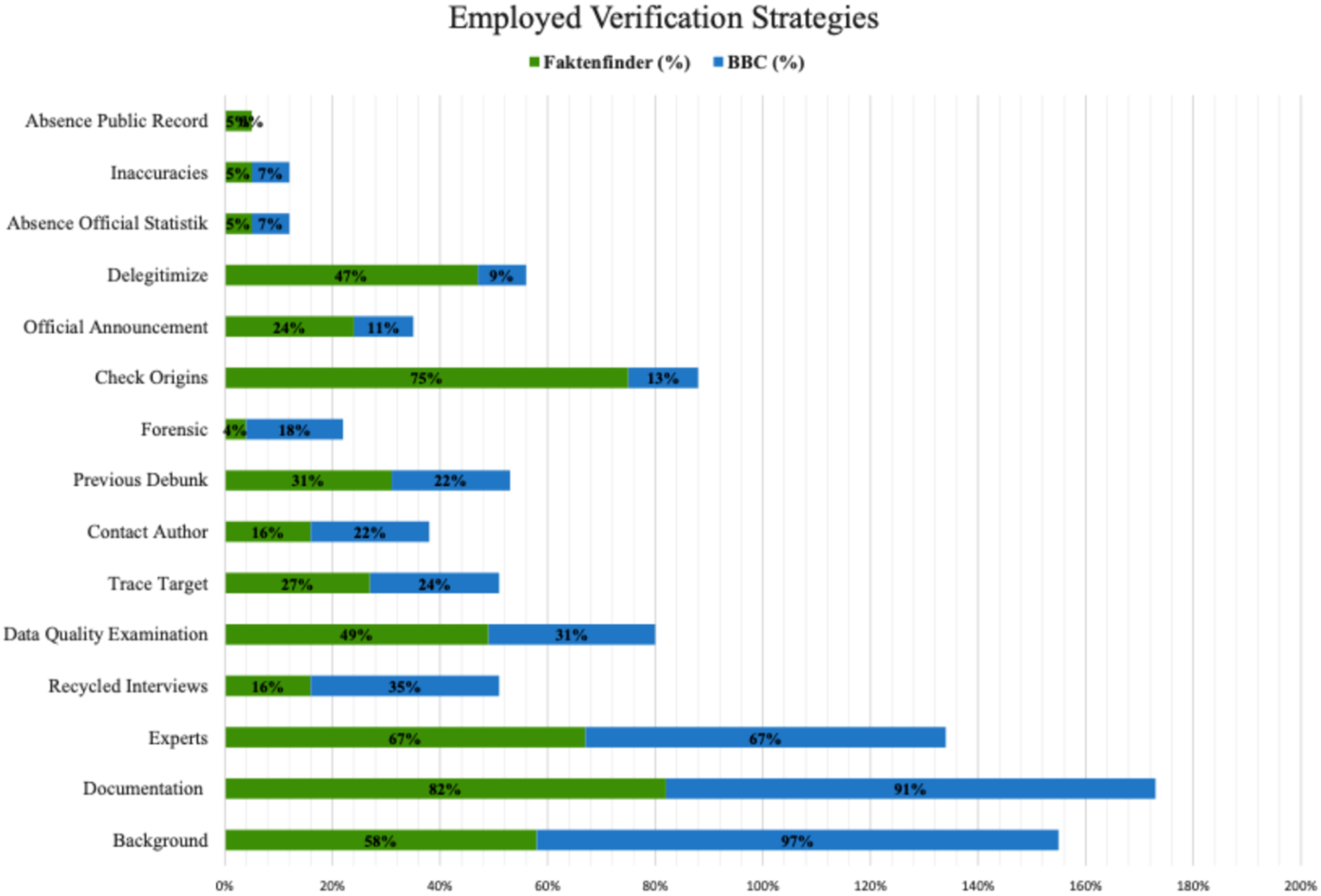
One common strategy is providing background information to help audiences understand the verification process, often supplemented by links or PDFs of source documents and expert interviews (Figure 2). Discussions of data quality—such as poor statistical methods, dataset limitations, lack of longitudinal data, and non-representative samples—are also frequent. This is slightly more pronounced in Germany, partly due to prevalent health misinformation, as studies are often misunderstood or mobilized against vaccination (see below). For example, in assessing an online survey circulating through right-wing channels, ARD argues that flawed methodology renders the results questionable and stresses that sample size alone does not ensure representativeness. While both organizations share many similarities, two differences stand out. First, Faktenfinder more often traces the origins of falsehoods, reflecting its stronger focus on online rumors. Second, it frequently employs a delegitimating strategy, highlighting claimants’ histories of spreading dubious information to question their credibility. To illustrate, in addressing the alleged eastward expansion of NATO and the supposed Western disregard of assurances against expansion, ARD notes that Putin has reiterated this false claim for years.
Topics and selection criteria
International fact-checks dominate in both organizations, accounting for nearly half of BBC Reality Check’s articles (47%) and almost 30% of Faktenfinder’s verifications (Figure 3). This focus reflects the war in Ukraine and ongoing international pandemic regulations during the period studied. Germany, consistent with prior research (Cazzamatta, 2024), shows a high volume of health-related verifications, likely responding to online communication and conspiracy theories associated with the Querdenken movement during the pandemic (Heinke 2022). German coverage also places slightly greater emphasis on environmental and climate issues (7.3%). In the UK, political instability—marked by the resignation of two prime ministers—correlates with a higher share of fact-checks on economic topics (20%) than on domestic politics (15%). The combined impact of Brexit, the war in Ukraine, and the energy crisis contributed to recession, inflation, and rising living costs. Notably, Liz Truss’s 46-day premiership prompted a spike in economic claims following her “mini-budget” of unfunded tax cuts, which destabilized financial markets and undermined fiscal credibility (Figure 3). Main areas of verification in BBC Reality Check and Faktenfinder.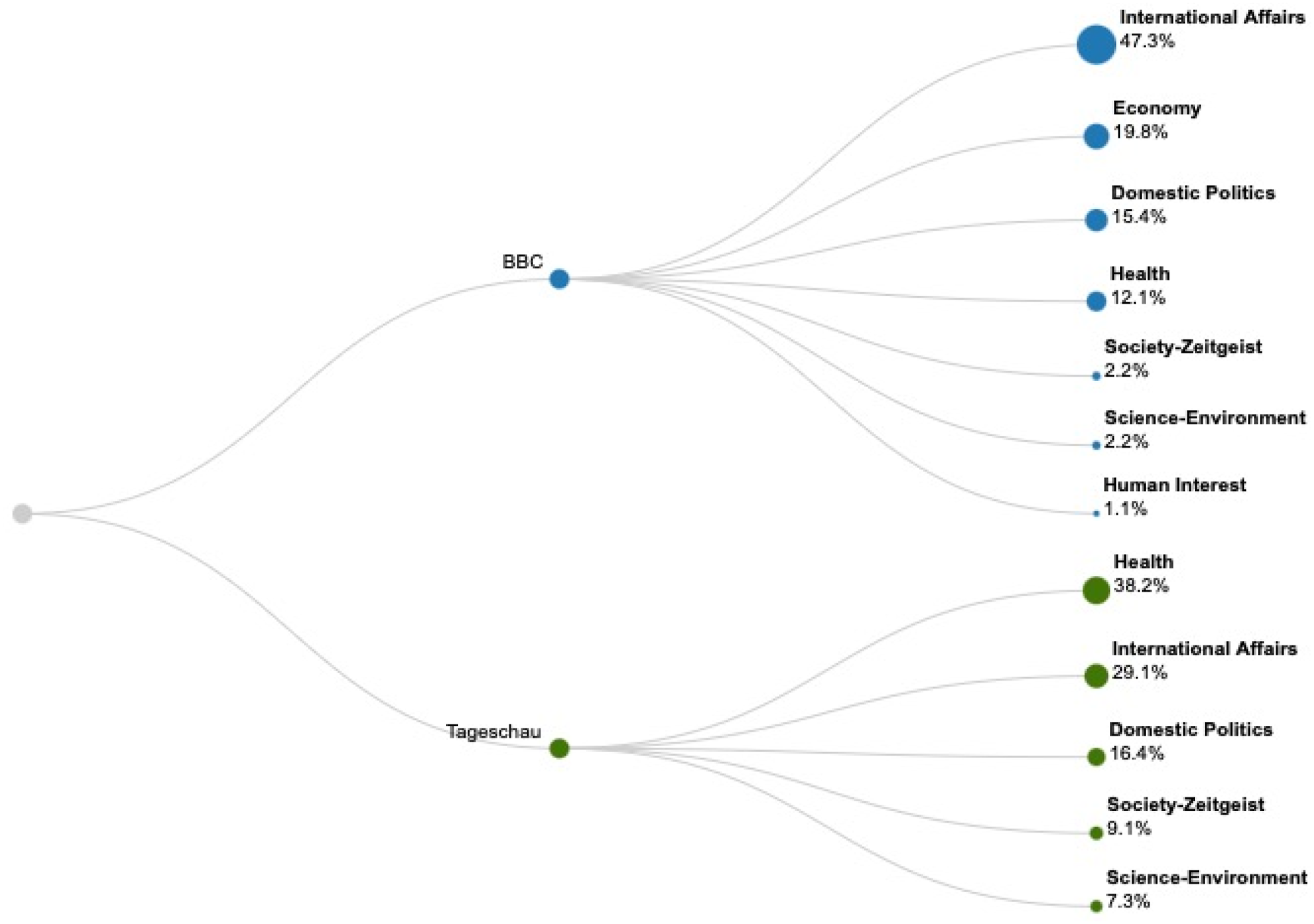
An analysis of verification topics reveals key factors guiding selection within public service media (PSM). Timeliness—falsehoods linked to current media events—leads, comprising 28% of BBC and 24% of Faktenfinder verifications (Figure 4). This is followed by claimant prominence, present in 23% of cases at both outlets. Social relevance also shapes selection, defined narrowly as claims with broad societal impact, including public health, policymaking, or elections. Although social media virality appears in some cases, it drives selection less strongly than in outlets partnering with Meta. Overall, PSM fact-checking closely aligns with mainstream media agendas and daily news cycles. Verification selection criteria within BBC Reality Check and ARD Faktenfinder.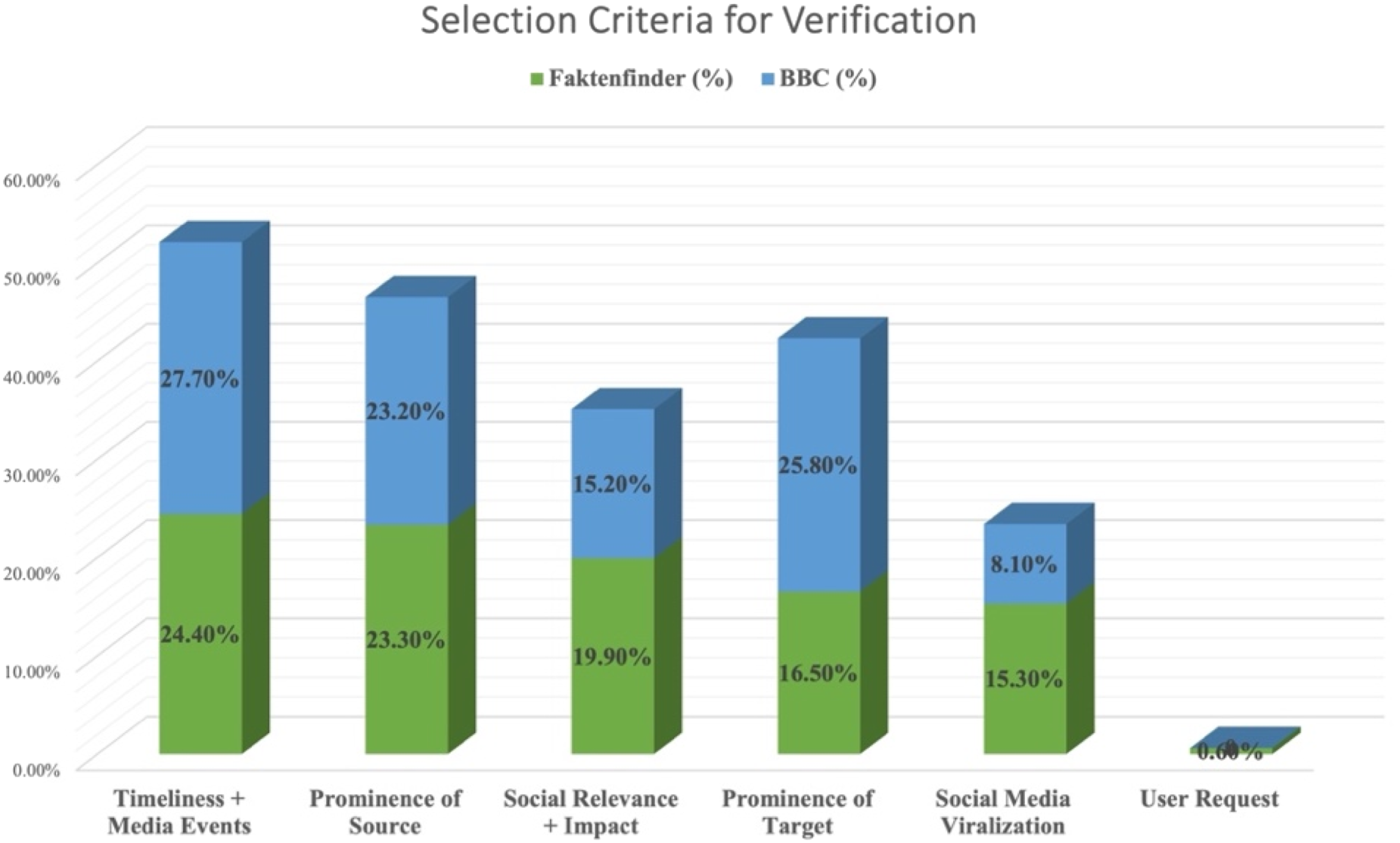
Discussion and conclusion
This paper examines the strategies and verification practices of external fact-checking units and their verification practices within two leading European public service media (PSM) organizations: BBC Reality Check in the UK and ARD’s Faktenfinder in Germany. These institutions represent the two largest public broadcasting systems globally (IFM, 2023) and are known for providing diverse, universal, high-quality, accurate information. Building on research advocating an expanded PSM role in addressing informational disorder—including fact-checking and media literacy (Horowitz et al., 2022; Horowitz and Lowe, 2020; Sehl, 2024a)—this study contributes to PSM and fact-checking scholarship by focusing on verification practices within PSM, a relatively underexplored area. We examine a distinct journalistic subgenre within a specific media context. Existing research largely focuses on single-country cases, often the BBC, or on election periods (Birks, 2019; Morani et al., 2024; Soo et al., 2023; Wahl-Jorgensen et al., 2017). Combining qualitative interviews with fact-checkers and a content analysis of all verification articles published in 2022, this study deepens understanding of how PSM navigate information disorder while upholding core public service values, particularly due impartiality.
In contrast to the traditional understanding of balance or procedural neutrality—implying symmetrical treatment of sources and perspectives, granting equal scrutiny, time, or weight to opposing actors—due impartiality is grounded in proportionality and evidentiary assessment. Under this principle, public service media (PSM) negotiate tensions between their commitments to high-quality, impartial content and the demands of contemporary fact-checking that assess the veracity of claims circulating in public discourse. Guided by due impartiality, they are not required to scrutinize all actors equally; rather, they are expected to provide verification that is proportionate, fair, accurate, and context-sensitive.
Our findings show that despite differing organizational structures—centralized at the BBC and decentralized within ARD—both fact-checking units prioritize scrutiny of public figures and political actors over online rumors, diverging from trends among independent fact-checkers. PSM fact-checkers avoid binary truth labels, favoring narrative explanations that contextualize claims, enhance transparency, and promote media literacy. This approach reflects PSM’s commitment to due impartiality, enabling them to navigate complex political contexts while mitigating accusations of bias and maintaining public trust. Although PSM avoid explicitly labeling mainstream politicians as liars, they also refrain from applying symmetrical verification across the political spectrum, as doing so risks false equivalence and implying parity in credibility where none exists. In practice, actors who make more false claims may receive more intensive scrutiny without breaching impartiality norms. This allows a more accurate representation of contested claims and their evidentiary status. Moreover, PSM fact-checking emphasizes issues linked to current news cycles, claimant prominence, and socially relevant topics such as public health and elections, aligning with broader journalistic agendas. The absence of partnerships with major tech platforms such as Meta appears to shape verification practices, resulting in a comparatively lower focus on social media virality.
This study contributes to the literature by providing the first systematic comparative analysis of fact-checking practices within two major European public broadcasters, showing how institutional contexts shape verification strategies distinct from those of independent fact-checkers and global news agencies (Cazzamatta, 2025a; 2025d). As misinformation and disinformation increasingly threaten democratic discourse, understanding the role of PSM fact-checking offers insights into sustaining informed debate and media trust. Despite widespread media distrust, PSM retain high credibility (Newman et al., 2023) and can reduce public misperceptions (Van Erkel et al., 2024). The fact-checking field currently faces structural challenges: Meta has ended its US partnerships and may discontinue global collaborations, while Google is phasing out its Claim Review program, which supported fact-check visibility in search engines (Cazzamatta, 2026; Graves, 2025). In this context, PSM fact-checking may become more important given their financial stability, independence from Meta, broad reach, and high public trust in Germany and the UK. Future research should extend this analysis to additional PSM systems in Mediterranean and Scandinavian countries and examine audience reception. Policymakers should strengthen support for fact-checking initiatives (Sehl, 2024b) and protect PSM from right-wing populist attacks (Holtz-Bacha, 2021).
Supplemental material
Supplemental material - Verification practices in public service media as a bulwark against misinformation: Evidence from the BBC and ARD
Supplemental material for Verification practices in public service media as a bulwark against misinformation: Evidence from the BBC and ARD by Regina Cazzamatta in Journalism
Footnotes
Acknowledgments
I am grateful for the financial support of the German Research Council (DFG CA 2840/1-1; Project Number 8212383).
Declaration of conflicting interests
The authors declared no potential conflicts of interest with respect to the research, authorship, and/or publication of this article.
Funding
The authors disclosed receipt of the following financial support for the research, authorship, and/or publication of this article: Deutsche Forschungsgemeinschaft; Grant No: 8212383 and Humboldt Feodor Lynen Fellowship (Alexander von Humboldt Foundation).

Supplemental material
Supplemental material for this article is available online.
Note
Author biography
References
Supplementary Material
Please find the following supplemental material available below.
For Open Access articles published under a Creative Commons License, all supplemental material carries the same license as the article it is associated with.
For non-Open Access articles published, all supplemental material carries a non-exclusive license, and permission requests for re-use of supplemental material or any part of supplemental material shall be sent directly to the copyright owner as specified in the copyright notice associated with the article.
