




Abstract
Similar to the now-ubiquitous AI-generated photos, multi-purpose stock photos are directly at odds with the values of photojournalism, which seek to visually speak the truth and depict genuine human emotions. Using stock photos and staffed photojournalist photos as stimuli, this study examines effects of truth and emotion in photos in a news context. Facial expression biometric measures, valence perceptions, and arousal levels are the dependent variables. The findings show a number of nuanced interaction effects that suggest overall stronger effects of staff-taken photos. In the contemporary media era of deepfakes and synthetic media, institutions prioritizing human-captured visuals may better safeguard audiences against disinformation, which can weaponize artificial emotional appeals and hallucinate even in innocuous contexts. The present research shows that authenticity is a currency of trust in visual communication, and there is a continued merit to truthful news photographs taken by on-staff photojournalists.
Introduction
Julianne Newton wrote in 1998 that photojournalism might be “in big trouble, due in part to changing technologies and shifting media economics, but also due to a decline of public belief in visual truth” (pg. 4). A decade later, the question was posed: “In a time when anyone can make anyone appear to do anything in a realistic-looking image, will a profession whose mission is to show the world to itself continue?” (Williams and Newton, 2009: p. 233). At that point, mass photojournalist layoffs had not quite begun, cell-phone photography was just gaining traction, and the contemporary generative technology of visual artificial intelligence was science fiction.
Some of the longstanding fears about the health of the profession have come to fruition. A major decline in the number of professional, on-staff visual journalists within news organizations is very much a reality, influenced by rapidly evolving technology, visual abundance, and the perception of photojournalists as secondary figures (Brennen, 1998; Gade, 2011; Klein-Avraham and Reich, 2016; Nilsson, 2021; Zelizer, 1995). In the fallout, there is sometimes a notion that nearly “any” visual content will suffice (Bock, 2023; Klein-Avraham and Reich, 2016; Sonderman, 2013). Audiences today are faced with these sources as well as photo-realistic AI generated images, usually having a hard time determining fake from real (Wojdynski and Shivers, 2025).
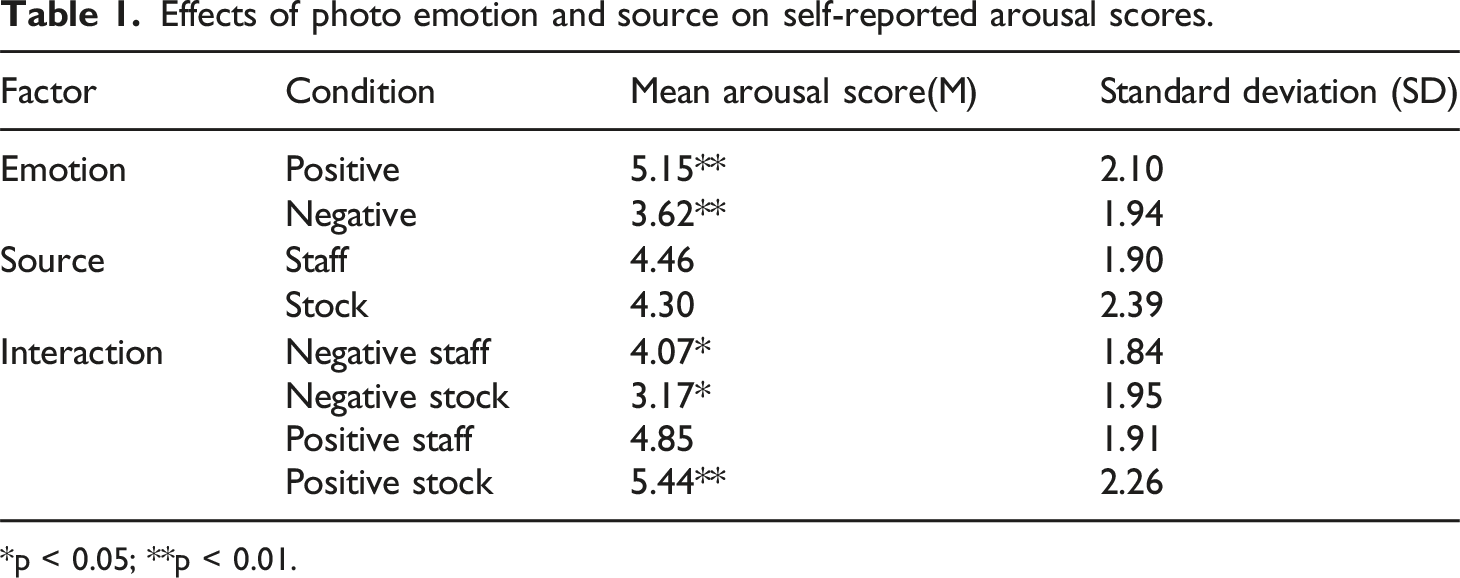
Effects of photo emotion and source on self-reported arousal scores.
*p < 0.05; **p < 0.01.
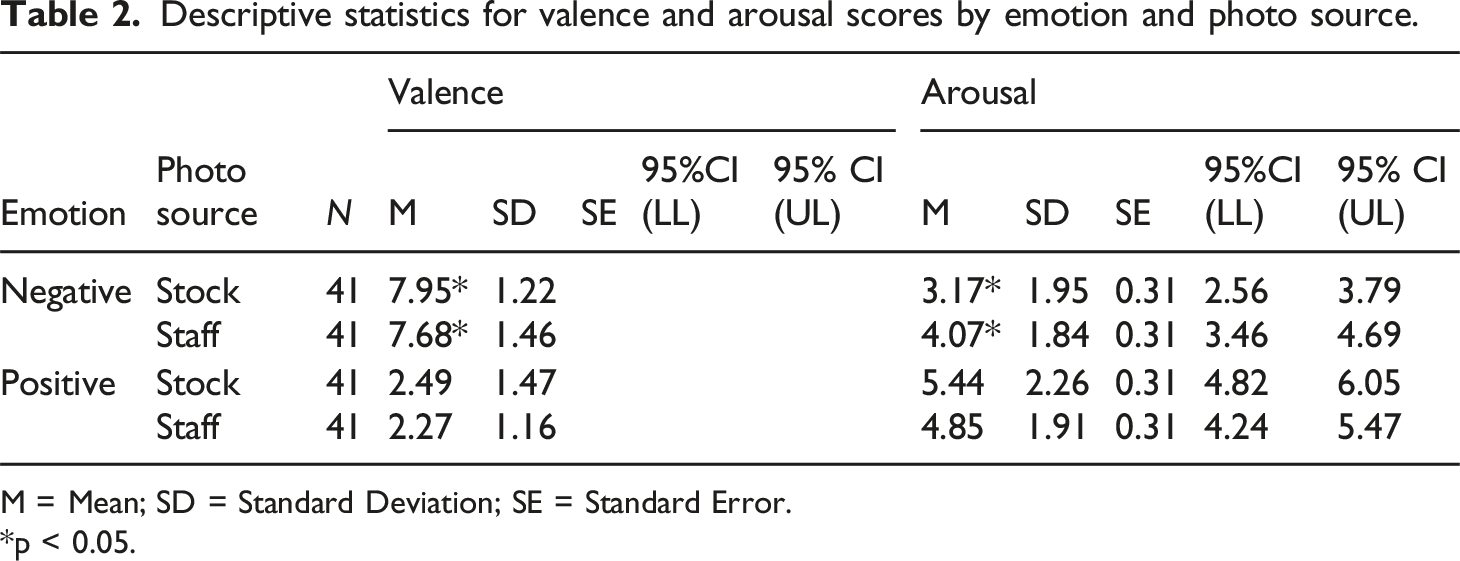
Descriptive statistics for valence and arousal scores by emotion and photo source.
M = Mean; SD = Standard Deviation; SE = Standard Error.
*p < 0.05.
Review of the literature
Photojournalism and truth
Practitioners distinguish photography taken by professional, staffed photojournalists from other information-sharing activities in part by photojournalists’ ethical foundations, values, and norms (Fahmy et al., 2014; Santos Silva & Eldridge II, 2020; Singletary and Lamb, 1984). Photojournalism derives from Western journalism ideals of upholding democracy through an unrestrained flow of information, allowing citizens to govern themselves (Merrill, 1974; Santos Silva & Eldridge II, 2020). Given this mission, truth – “reporting the human experience accurately, honestly, and with an overriding sense of social responsibility” (Newton, 1998, p. x) is at the heart of photojournalism (Elliot, 2011; Kovach and Rosenstiel, 2021; Lester, 2018; Santos Silva & Eldridge II, 2020, p. 31). The National Press Photographer’s Association (NPPA) 2024 Code of Ethics contain emphasizes accuracy, avoiding staging, completeness, and integrity. The first guideline highlights the imperative of accuracy and thoroughness when portraying subjects, while the second emphasizes avoiding contrived or staged photo opportunities. Rule three states the significance of presenting photojournalistic work as completely as possible and with proper contextualization. The fourth rule urges practitioners to steer clear of personal biases, and the fifth cautions against any attempts to manipulate or alter events being documented. Finally, rule six underscores the importance of minimizing photo editing to maintain the integrity of the photographic content and its context (para 11). In the present study, truthful images are defined by candid photographs taken by professional photojournalists.
Photojournalism and emotion
Photojournalists are also trained to capture the depth of human experiences and the fullness of their emotions (Costa, 1950). Photojournalism textbooks stress the importance of conveying high-arousal emotion to engage viewers (e.g., Arthur, 2021; Kobré, 2011; Skinner, 2010; Horton, 1989). Emotional and intimate news photos have long been acknowledged for their ability to evoke emotional responses and prompt action (Silva Santos & Eldridge II, 2020). The portrayal of emotion is a critical criterion in judging photo contests, with emotionally resonant photos nearly always securing more awards (Lough, 2021; Singletary and Lamb, 1984). The preference is echoed by editorial departments, who choose emotional photos for publication more frequently than others (Rössler et al., 2011). Professional photography by on-staff photojournalists generally exhibits more emotion compared to non-professional work (Greenwood and Thomas, 2017; Mortensen and Gade, 2018). Negative emotions, specifically, are most often published and rewarded. Singletary and Lamb’s (1984) seminal examination of award-winning photos from 1978 to 1981 revealed that 81% of the winning entries depicted accidents, disasters, crime, or violence, with only three out of 222 photos being clearly positive. A similar trend was observed in an analysis of photos from 1960 to 2020 (Godulla et al., 2021; Lough, 2021). These findings resonate with foundational work on nonverbal communication, where Friedman (1979) posited that authenticity in emotional expression hinges on the congruence between internal states and outward displays—a principle central to photojournalistic training. Similarly, Tucker and Riggio (1988) demonstrated that spontaneous facial expressions are perceived as more genuine than posed or rehearsed ones, which aligns with photojournalism’s emphasis on candid emotional portrayal.
Research has explored the positive effect of emotional photos upon attention, memory, engagement, beliefs, and behavioral intentions. Emotional photos, particularly those depicting negative events, attract more attention and elicit stronger emotional responses from viewers (Calvo and Lang, 2004; Fenske et al., 2004; Knobloch et al., 2003; Rössler et al., 2011). Previous research indicates that emotional images attract more prolonged attention compared to neutral ones (Calvo and Lang, 2004), demonstrating the influence of emotion on attention (e.g., Eastwood et al., 2001; Fenske and Eastwood, 2003; Fox, Russo, Bowles and Dutton, 2001). Negative images tend to evoke negative responses, whereas positive images elicit positive responses. The intensity of visual content correlates with its impact on emotional responses and news judgment, particularly when eliciting negative emotions (Martin-Kratzer, 2005). Publications featuring negative and alarming images have been noted to capture heightened attention (Knobloch, Hastall, Zillman and Calliston, 2003). Reports emphasizing destruction and violence elicit increased attention, better retention of visual content, favorable evaluations, and heightened interest (Emmett, 2011; Rössler et al., 2011). In research, emotion is defined and measured through two dimensions: valence and arousal (Barrett et al., 2007; Bradley and Lang, 1994). Valence refers to the positivity or negativity of a reaction (Lang et al., 1993), while arousal signifies the level of stimulation (Berger and Milkman, 2012). We adopt this operationalization of emotion.
Photography in the news that is neither truthful nor genuinely emotional
Multi-purpose, orchestrated stock photos directly oppose the photojournalistic values of truth and do not portray real emotion (Aiello, 2016; Thurlow et al., 2020). Companies like Getty Images offer both stock and journalistic imagery, categorized as “creative” or “editorial”. This research focuses on the creative, adaptable style of stock photos. The creative stock photography sector aims to anticipate future needs of various media outlets and create generic images that are easy to use in different contexts so that they can be purchased and used repeatedly (Frosh, 2001). The industry’s nature has given rise to the stereotypical generic stock photo, which has been described as a polished, formulaic, multi-purpose representation (Frosh, 2001: p. 30). Characteristics of “good” stock photos include vibrant colors, precise white balance, sharp focus on the subject against a blurred background, low ISO for clarity, and a horizontal orientation (Wallon-Hárs, 2023). They are considered essential not only for advertising, branding, and publishing but also for journalism (Aiello, 2016; Frosh, 2001). A report on the Global Stock Photos Market noted a revenue of $2 billion in 2020, with an estimated annual growth rate of 7% through 2026 (Expert Market Research, 2021). These kinds of stock photos show neither candid truthful occurrences nor genuine emotion and thus directly defy these two important photojournalistic precepts at the heart of the present study. For the purposes of this research, a stock photo is operationalized as a photo that is created but appears to be a candid moment that might be used in multiple contexts.
While not the stimulus image of the present research, visual generative AI is another relevant type of fake visual that journalism organizations and organizations are having to contend with. Regarding AI images specifically, journalists thus far advocate for a pragmatic and iterative implementation approach (Mothes-et-al, 2024) but express a concern for maintaining trust with the public as awareness of fake imagery may increase audience skepticism (Moran and Shaikh, 2022; Porlezza and Schapals, 2024) and ultimately degrade the credibility of the news industry. All fake images have the potential to misinform audiences, change their memory of the events (Murphy and Flynn, 2022; Nash, 2018) and alter perception of the topic (Bransford and Johnson, 1972; Newman et al., 2015).
Previous research of non-professional photography in the news
In the early aughts, academics and practitioners concerned with fake imagery were particularly focused on the implications of newly abundant photo-editing software (Greer and Gosen, 2002; Schwartz, 2003; Wheeler and Gleason, 1995). A few years later, perceptions of citizen photojournalism became a popular area of academic inquiry upon the explosion of the popularity of smartphone cameras. Several of these studies suggest that audiences appreciate many of the qualities of non-professional photography, including its authenticity and personal touch (Allan and Peters, 2015; Pantti, 2013). In some cases, the “truth value” is deemed of greater importance in citizen photography than that of professionals because of its rawness (Allan and Peters, 2015). Scholarly endeavors have begun to delve into audience perceptions of other forms of photography in the news beyond citizen photography. Mattioli and Cabitza (2024) explored credibility perceptions concerning stock photographs versus those taken by professional photojournalists, finding that participants tended to perceive stock photos as significantly less credible. Some newer studies have examined perceptions of fake imagery through the lens of AI. Americans have difficulty discerning real photos from AI-generated photos (Elon University, n.d.; Wojdynski and Shivers, 2025). Looking specifically at deepfakes, Vaccari and Chadwick (2020) found that individuals experience doubt regarding their ability to assess veracity more than being entirely deceived, and that those who express uncertainty also report lower trust in news shared on social media platforms.
Addressing audience perceptions through biometric measures
Biometric research is used to measure and analyze human characteristics and behaviors (Jain et al., 2000). These measures are useful in determining the emotional and cognitive states of individuals, including their attention, arousal, valence (emotional positivity/negativity), and memory (Kim and Kim, 2022). The face is one of the richest channels of expression, communicating both emotions and social signals (Graham and LaBar, 2012), and is the biometric indicator implemented in the present research. These emotions represent the core and universal human emotions that can be identified through facial cues. Facial expressions are temporary changes in the shape of the face due to the deformation of the face’s muscles. They serve as outward manifestations of internal emotional states, providing visible cues that reflect the individual’s arousal and valence. Facia expressions, along with textual data, can provide important cues to identify true affective states in the participants (Kim et al., 2018; Taggart et al., 2016). The facial expressions of an individual can be classified into seven fundamental emotions, which include anger, disgust, fear, happiness, neutrality, sadness, and surprise (Dores et al., 2020). Facial-expression biometric measures are also amongst the most challenging biometric measures, as human faces can be viewed from various angles with different expressions (Alrubaish and Zagrouba, 2020).
Facial action units (FAU) refer to the specific movements of individual facial muscles or muscle groups (Zhi et al., 2020). It focuses on the anatomical changes occurring within the face. Facial Action Coding System (FACS) provides a framework for identifying and categorizing these muscular movements as expressions (Clark et al., 2020). Each action corresponds to the contraction or relaxation of specific muscles, which can be objectively measured and coded according to a standardized system. Smile is a universal facial action that conveys positive emotions and has impacts on two important facial muscles which can augment facial recognition. Brow furrow is another facial action typically associated with negative emotions, such as concentration, frustration, or anger, and involves the contraction of the muscles between the eyebrows, creating vertical lines or furrows on the forehead.
Summary, Research Questions, and hypotheses
The journalistic value of truth and the photojournalistic value of the emotional portrayal of the human experience are directly at odds with the realities of dramatized, multi-use stock photography. As professional photojournalism continues to be devalued and viewed as an optional, disposable asset when budgets are tight, other forms of visuals will continue to be used to visually illustrate the happenings of the world.
Research is only beginning to reveal what this means for audiences; specifically, whether they react to the images differently. The scant research that does exist suggests that people are able to perceive the difference between false and real photojournalism, most often viewing staff-photojournalist-shot photos as more credible. As we are interested in perceptions of real and fake photos, stock photos are defined in this study as images that are created in a generic style for the purpose of multiple uses and licensing (Frosh, 2001; Machin, 2004). Previous research has also shown that negatively-valenced photographs elicit stronger audience responses than positive photographs. In light of these previous findings, we ask:
RQ1: What, if any, are the effects of photo emotions and photo source upon the self-reported arousal of viewers?
We hypothesize:
Compared to stock photos, staff photos generate (a) more positive responses (b) more negative responses, (c) more smiles, and (d) more brow furrows in participants’ facial expressions.
Compared to positive photos, negative photos generate (a) more negative responses, (b) more brow furrows in participants’ facial expressions, and (c) lower valence scores in the self-report measures.
Compared to negative photos, positive photos generate (a) more positive responses, (b) more smiles in participants’ facial expressions, and (c) higher valence scores in the self-report measures.
A positive staff photo generates (a) more positive responses and (b) more smiles in participants’ facial expressions than in other conditions (such as negative staff photos or positive stock photos).
A negative staff photo generates (a) more negative responses and (b) more brow furrows in participants’ facial expressions than in other conditions (such as positive staff photos or positive stock photos).
Method
This IRB-approved study is a mixed-factor quasi-experiment with two independent variables: valence (positive vs negative) and photo source (stock vs professional photojournalist). The research was conducted using a computer-based facial coding system called Affectiva AFFDEX in iMotions to measure human emotions. Facial expressions of participants were recorded with a C920 Pro Stream Webcam (Logitech, resolution: 1080 x 720 px, 30 frames per second) during the entire experiment. Lighting was kept constant. A video quality for every participant with a mean quality score over 95% was achieved.
Participants
Study participants were English-speaking students from a large public university enrolled in courses from a communication college in the United States. Ages ranged from 19 to 24, with a median age of 21. 97 participants completed the study, but only participants (N = 82) who recorded both facial expression recognitions and completed the survey were analyzed. The final sample size includes 41 participants for each condition. Of these, 12.2% were male (N = 10), 84.1% were female (N = 69), and 3.7% identified as other (N = 3). Additionally, 43.9% of the participants were White (N = 36), 50% identified as Black or African American (N = 41), 1.2% were Asian (N = 1), and 4.9% identified as Other Ethnicity (N = 4).
Stimuli development
Drug use-related photojournalism images depicting abuse, addiction, and recovery were selected because such content is strongly emotion-laden, making it especially appropriate for examining variations in affective valence and arousal in visual news coverage. News photos on this topic often include stock photos. Moreover, drug misuse remains highly relevant public health concerns among college-aged populations.
A non-author professional photojournalist went through search engines and award-winning photojournalism projects to find 25 potential photos taken by 12 different photographers. We selected award-winning photos because they met professional staff photojournalist standards and were pre-verified by the profession. Most of the chosen photos were captured in the past 10 years. We discussed the photos’ adherence to photojournalistic values and ultimately picked 10 stock stimuli that were highly expressive. Next, we delved into the extensive collection of stock photos available on the iStock website. Finding a suitable image that could be fairly compared to the staff photo while maintaining balance proved to be a challenge. If the two photos shared too many similarities, there would be no distinguishing factors to compare. Conversely, if too many variables differed, it would be difficult to pinpoint the cause of any discrepancies. We spent several hours scouring the collection for photos that could effectively capture the essence of the story while also featuring a similar number of people, gender, and ethnicity. Although the compositions were not always an exact match, they were captured with the same creative approach, such as employing a wide-angle lens or taking the photo from a slightly elevated position.
We conducted a pretest where 213 participants were asked to evaluate their emotional responses to three random photos from a pool of 10 stock and 10 staff photos. Valence was measured using four nine-point items on a bipolar scale: sad/happy, depressed/joyful, displeased/pleased, and distressed/delighted (Gorn et al., 2001). Arousal was measured using three nine-point items on a bipolar scale: relaxed/stimulated, calm/excited, and unaroused/aroused (Gorn et al., 2001). We selected one pair each of positive and negative photos, while both pairs had a similar level of arousal. Based on the one-way ANOVA test results, we picked one positive stock photo (Mvalence = 6.30, Marousal = 4.06) and one positive staff photo (Mvalence = 5.64, Marousal = 4.58), along with one negative stock photo (Mvalence = 3.32, Marousal = 4.48) and one negative staff photo (Mvalence = 3.09, Marousal = 4.79). Both pairs were significantly different in the valence scores but not in the arousal scores. We created four different stimuli using these four photos, each placed in the same generic local news presentation with a headline that read “Local News” and a generic subhead line.
Experimental procedure
Participants were invited to participate through an internal recruitment system at the research institution and were sent a consent letter. They were randomly assigned to view either stock photos or those taken by a professional photojournalist. Participants were given 30 seconds to view each image and their facial expression was recorded by a distant webcam. After viewing the photos, participants completed a questionnaire about their emotional responses to each photo and demographic information. Participants were compensated with a $10 gift card.
Dependent measures
Facial expression analysis
Video cameras captured detailed close-ups of participants’ faces for facial expression analysis. The Affectiva software, utilizing a frame-by-frame analysis, categorizes images and videos of facial expressions according to the emotions displayed. The efficacy and reliability of the Affectiva AFFDEX software have been validated through studies on static images (Stöckli et al., 2018) and videos (Taggart et al., 2016). These recordings underwent digital coding by Affectiva Affdex within the iMotions platform (version 8.3). The study targeted four measures to evaluate the proposed hypotheses: the counts of positive and negative responses, and images depicting smiling and brow furrowing. Each participant’s facial expression was assessed on a probability scale ranging from 0 to 100%. A response that surpasses the 50% probability threshold was recorded as a specific facial expression occurrence.
AdSAM (Valence and arousal)
AdSAM®, an adaptation of Lang et al. (1993) Self-Assessment Manikin, was used to gauge viewers’ emotional reactions to media stimuli along three affective dimensions—valence, arousal, and dominance (Morris 1995)—using three parallel rows of stylized “manikin” figures that visually depict each state. After view the images, respondents selected the manikins that best matched their experience (Figure 1). Staff photo, negative tone.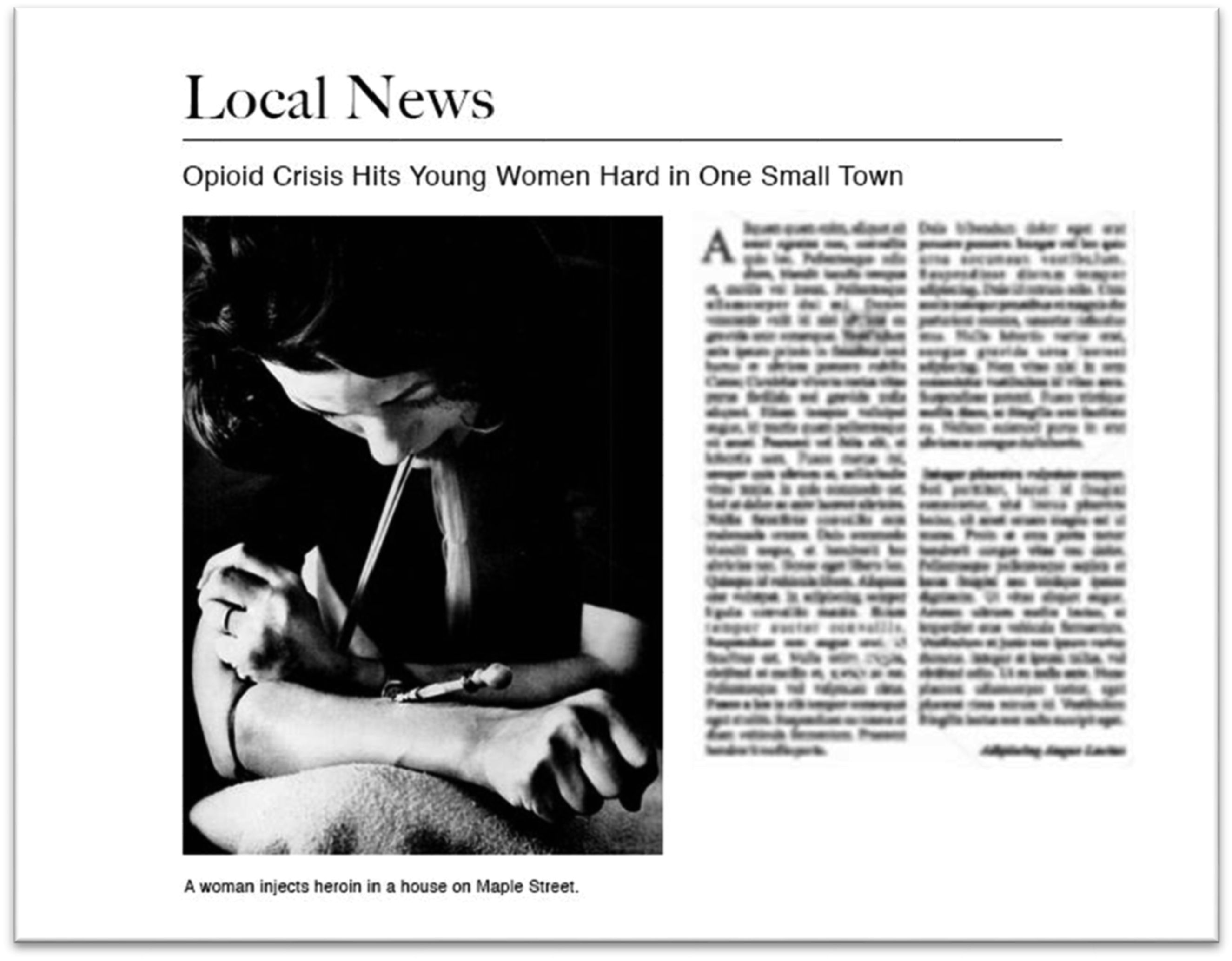
Data analysis models
When analyzing facial expressions, it is common to have instances where participants do not exhibit any specific facial expressions or neutral expressions, resulting in an excess of zeros. This research used zero-inflated Poisson regression to investigate the correlation between four facial expression variables (positive/negative responses, smile, and brow furrow) and two photo sources. Zero-inflated Poisson regression is a statistical technique that is useful in handling count data with a high number of zero counts. Additionally, a two-way Univariate Analysis of Variance (ANOVA) was employed to analyze the effects of photo source (staff vs stock) and emotion (positive vs negative) on the continuous self-report measures through Attitude Self-Assessment Manikin (AdSAM) (i.e., valence and arousal) (Figure 2). Stock photo, negative tone.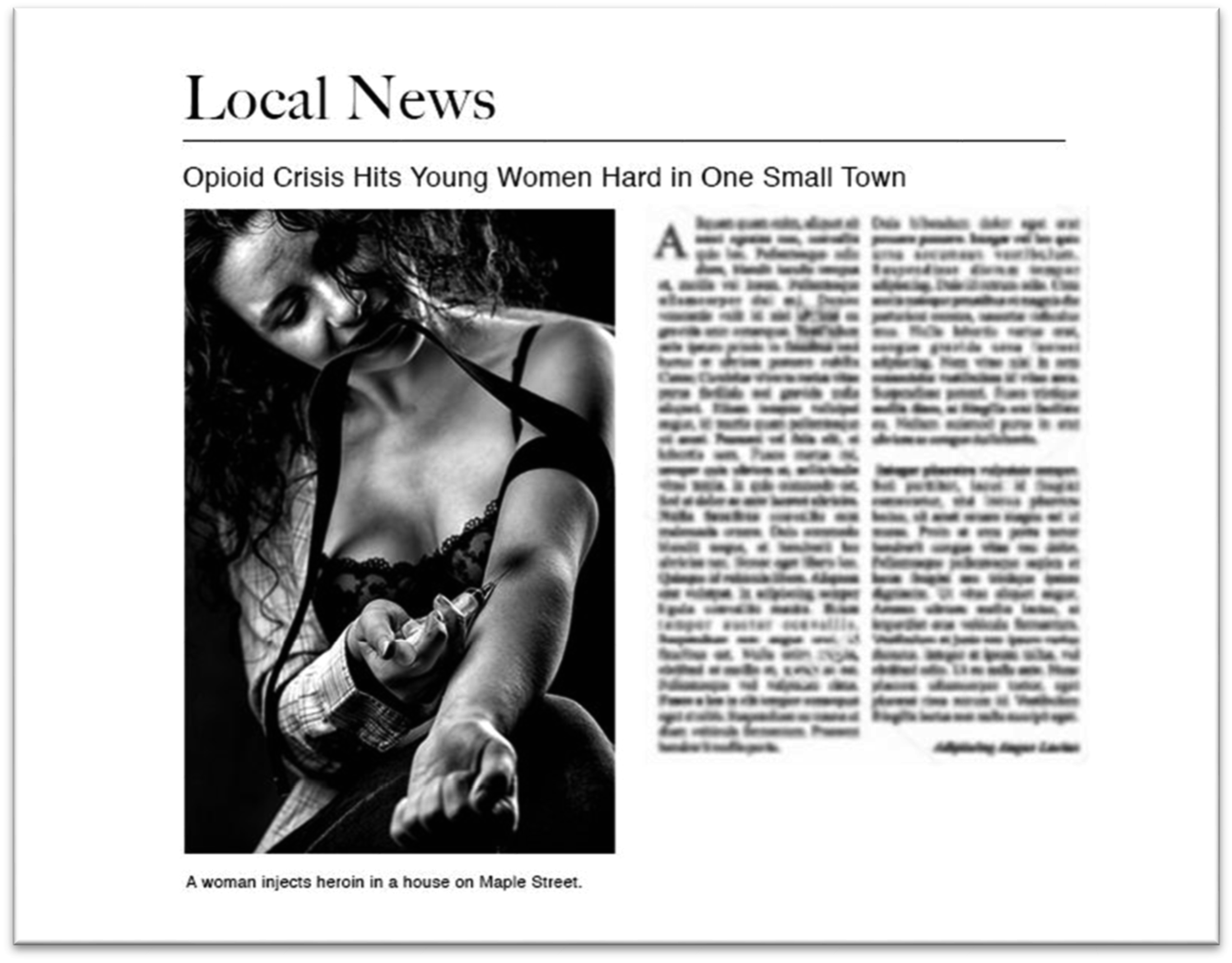
Results
Staff photos generally produced greater effects than stock photos. While the sources of the photos did not result in significantly different arousal scores, some nuanced interaction effects were observed. Notably, negative staff images elicited significantly stronger arousal levels than negative stock photos. Compared to stock photos, staff photos generated more reactions, including more smiles, and more brow furrows overall. Specifically, positive staff photos received more positive responses and more smiles, and negative staff photos generated more negative responses and negative brow furrows when compared to positive and negative stock photos, respectively. Further, when compared to positive photos, negative photos generated more negative responses, more brow furrow in respondents’ facial expressions, and lower valence score in the self-report measure, and compared to negative photos, positive photos generated more positive responses, more smiles in respondents’ facial expressions, and higher valence score in the self-report measures (Figure 3). Staff photo, positive tone.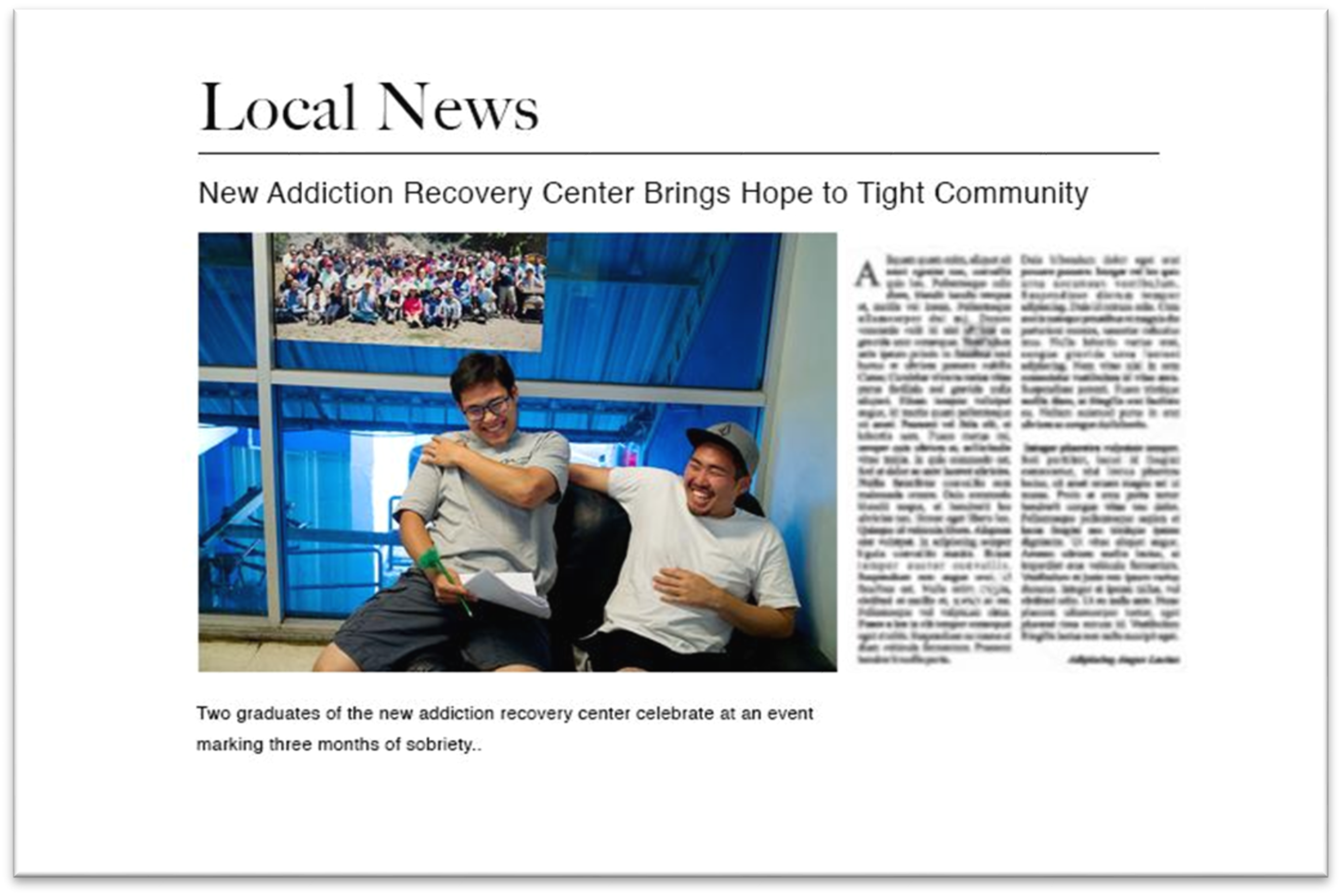
Research Question 1 asked about the effects of photo source and emotion upon the arousal score in the self-report measure. The main effect of photo source (Mstaff = 4.46, SDstaff = 1.9; Mstock = 4.30, SDstock = 2.39) did not generate varied self-report arousal scores (F (1, 160) = 0.259, p = 0.611). However, there was a significant interaction effect between photo emotion and photo source on self-reported arousal levels (F (1,160) = 5.710, p = 0.018). Specifically, the negative staff image (M = 4.07, SD = 1.84) triggered stronger arousal than the negative stock image (M = 3.17, SD = 1.95, p < 0.042). In contrast, both the positive staff image (M = 4.85, SD = 1.91) and positive stock image (M = 5.44, SD = 2.26) elicited similar reactions (p = 0.186). Additionally, if compared within the two staff images, both negative staff (M = 4.07, SD = 1.84), and positive staff photos (M = 4.85, SD = 1.91) generated similar levels of arousal (p = 0.078). In contrast, if compared within the two stock images, the positive stock photo (M = 5.44, SD = 2.26) generated significantly stronger arousal than the negative stock photos (M = 3.17, SD = 1.95, p < 0.001). The main effect of emotions (positive or negative) was significant on arousal scores, as well. Positive images (M = 5.15, SD = 2.10) generated a higher level of arousal than negative ones (M = 3.62, SD = 1.94), F (1, 160) = −23.976, p < .01 (Figure 4). Stock photo, positive tone.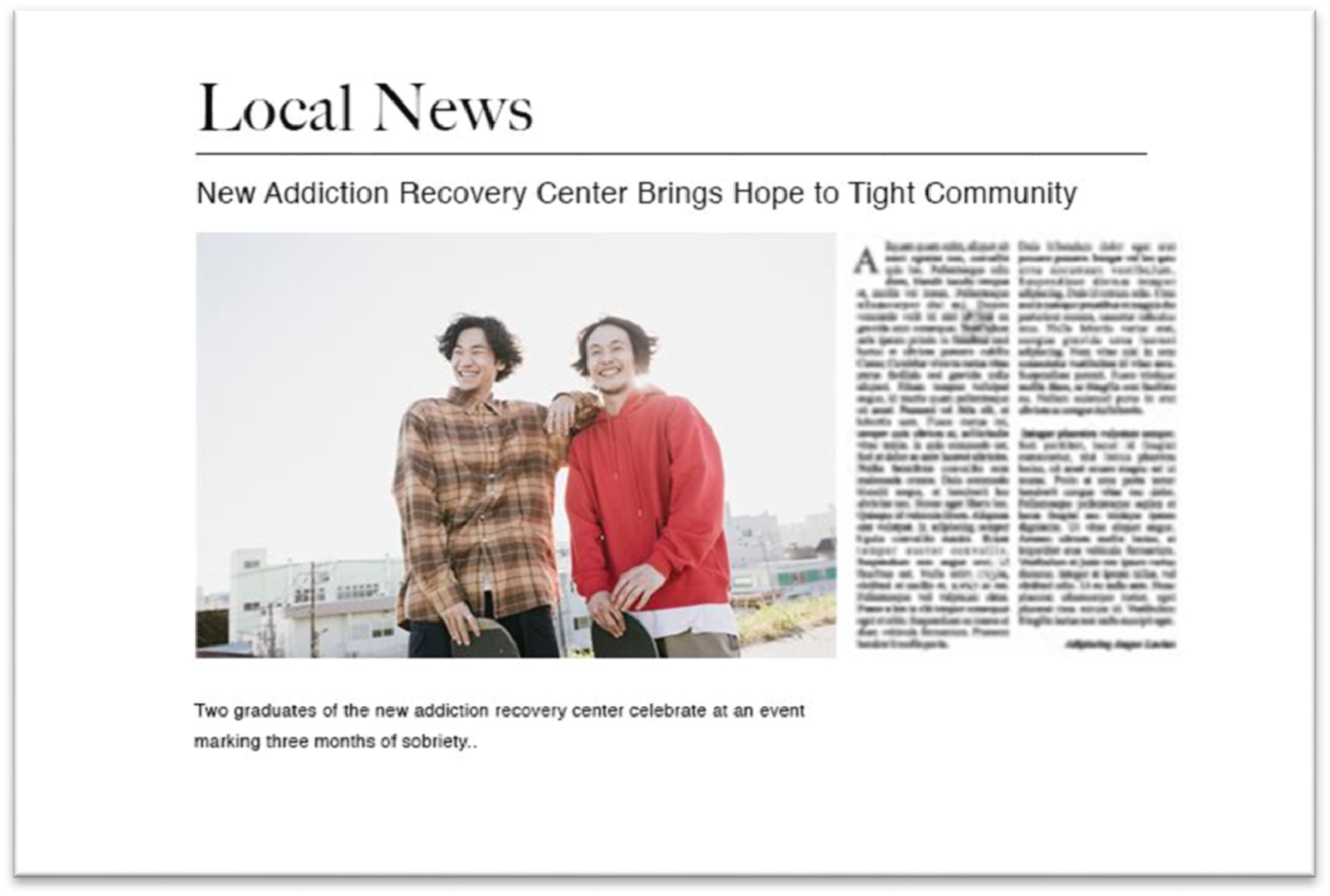
H1 hypothesized that staff photos would generate more (a) positive responses, more (b) negative responses, (c) more smiles, and (d) more brow furrows in participants’ facial expressions compared with the stock photos. The result shows that there was a statistically significant difference in more positive responses generated by staff photos (β = 1.524, SE = 0.076, p < .01), more smiles (β = 1.186, SE = 0.066, p < .01) and more brow furrow (β = 1.953, SE = 0.091, p < .01) in participants’ facial expressions compared to stock photos, which provide support for Hypotheses 1(a), (c), and (d). There was no significant difference between staff and stock photos in generating negative responses (β = −0.068, SE = 0.081, p = 0.397).
Hypothesis 2 proposed that, overall, negative photos generate (a) more negative responses, (b) more brow furrow in respondents’ facial expressions, and (c) a lower valence score in the self-report measure than positive photos. All three parts of Hypothesis 2 were supported, with a statistically significant difference in the number of negative responses (β = −0.602, SE = 0.081, p < .01) the number of brow furrows (β = −1.805, SE = 0.091, p < .01) generated by participants in response to negative photos, and the self-report measure indicated a lower valence score (F (1,160) = 680.75, p < .01) for negative photos compared to positive photos.
Hypothesis 3 proposed that positive photos would generate (a) more positive responses, (b) more smiles in respondents’ facial expressions, and (c) a higher valence score in the self-report measure than negative photos. The results of the study showed a statistically significant difference in the number of positive responses (β = 0.685, SE = 0.076, p < .01) and number of smiles (β = 0.886, SE = 0.066, p < .01) generated by participants in response to positive photos. Moreover, the self-report measure indicated a higher valence score (F (1,160) = 680.75) for positive photos compared to negative photos. This finding supports all three parts of Hypothesis 1. Thus, Hypotheses 3 (a), (b), and (c) were all supported.
In Hypothesis 4, it was hypothesized that the presence of a positive staff photo would generate (a) more positive responses and (b) more smiles in participants’ facial expressions than in other conditions, such as negative staff photos or positive stock photos. The results showed that there was a statistically significant increase in positive responses (β = 0.146, SE = 0.038, p < .01) and more smiles (β = 0.171, SE = 0.033, p < .01) when a positive and staff photo was present compared to other conditions. Therefore, both parts of H4 are supported.
Hypothesis 5 asserted that the presence of a negative staff photo would generate (a) more negative responses and (b) more brow furrows in participants’ facial expressions than in other conditions, such as positive staff photos or positive stock photos. The results support this hypothesis, as that the negative staff photo generates more negative responses (β = −0.132, SE = 0.040, p = .01) and more brow furrow (β = 0.344, SE = 0.045, p < .01) compared to other conditions.
Discussion and conclusions
The photojournalistic mission of presenting truthful depictions of the emotional human experience conflicts with the prevalence of false photography online. This phenomenon underscores a broader trend wherein professional photojournalism faces diminishing valuation and is considered dispensable. Consequently, alternative visuals such as stock photos and AI are utilized, which are directly at odds with professional photo values in that they are neither truthful nor do they depict true emotions. As viewers become more uncertain about the veracity of news visuals, trust in the news industry may suffer (Vaccari and Chadwick, 2020).
Staff photos generated stronger emotional responses compared to stock images, suggesting genuine emotion is detectable and valued. Staff photos generated more positive frames, more smiles, and more brow furrows in participants’ facial expressions compared with the stock photos. This held true for both positive photos and negative photos. This result adds to a previous study have suggested a preference for professional staff photographs in the news in credibility perceptions (Mattioli and Cabitza, 2024). This distinction also mirrors Tucker and Riggio’s (1988) observation that spontaneous expressions bypass skepticism by aligning with viewers’ intuitive expectations of authenticity. Further, as Friend and Singer (2015) noted, sincerity in communication arises not from technical perfection but from the seamless integration of emotional and contextual cues—a dynamic exemplified in staff photos’ ability to evoke visceral reactions. Further, respondents who were exposed to negative emotional photographs from staff resources had an increase in levels of arousal compared to those who did not, hinting at a greater impact of the genuine emotion depicted in professional, staff-taken photography. These results align with research that suggests the valuation of negative photography in the news and that negative images elicit stronger responses (Eastwood et al., 2001; Fenske and Eastwood, 2003; Fox et al., 2001; Calvo and Lang, 2004; Gelpi and Gartner, 2011; Knobloch et al., 2003; Rössler et al., 2011).
These responses suggest that audiences intuitively interpret raw, unfiltered emotion as a marker of authenticity. Emotional engagement amplifies perceptions of truthfulness (Barrett et al., 2007), and parallels findings from Tucker and Riggio (1988), who demonstrated that spontaneous emotional expressions (analogous to staff photos) are perceived as more genuine than posed ones (analogous to stock images), due to their alignment with unscripted social contexts. The conceptualization of “truth” in this study extends beyond factual accuracy to encompass perceived authenticity—the extent to which a photo is seen as an unmanipulated, human-captured representation of reality. Staff photos, rooted in photojournalistic ethics (Lough, 2021; Silva and Eldridge II, 2020), signal authenticity through raw emotion. Consistency between emotional content (a staff photo’s genuine sadness) and contextual framing (a story on addiction) enhances perceived sincerity (Friend and Singer, 2015).
The implications of these findings extend beyond drug-related imagery. Authentic visuals are not merely aesthetic choices but ethical imperatives in sustaining public engagement. As Tucker and Riggio (1988) noted, spontaneous emotional expressions (e.g., raw depictions of suffering in conflict zones) resonate more deeply than staged alternatives. In an era of AI, deepfakes, and synthetic media, institutions prioritizing human-captured visuals may better inoculate audiences against disinformation, which often weaponizes artificial emotional appeals or may hallucinate even in benign contexts.
The nature of studying real photographs means that single variables are not easily isolated. While every precaution was taken to find suitably comparable photographs, it is possible that differences between the paired photographs other than emotion and source could have resulted in the statistical differences in perceptions. Moreover, although drug use imagery provides a theoretically appropriate context for studying emotional valence, responses to other issue domains may differ. Emotional reactions to topics such as political violence, climate change, or disaster preparation may follow distinct affective patterns. Future research should examine whether the observed effects generalize across a broader range of news topics and visual contexts. In addition, the respondent sample consisted of college students, which may limit the generalizability of the findings. Finally, the use of Affectiva in this study warrants caveats. First, while the participant sample was racially diverse, the present study cannot fully evaluate potential differential performance of facial expression recognition systems across facial phenotypes associated with race, skin tone, and gender. Prior research suggests that such systems may exhibit uneven accuracy due to variation in training data representation and culturally patterned expression norms (Mattioli and Cabitza, 2024). In addition, the gender composition of the image stimuli differed across valence conditions. Second, viewing static and video stimuli in a laboratory differs meaningfully from everyday, incidental exposure. Controlled viewing minimizes head movement and distractors, but it can also heighten self-consciousness and attenuate spontaneous affective display, which may partly account for the modest effect sizes observed. Finally, Affectiva currently codes a limited subset of action units and blends these into a small set of categorical emotions; nuanced or blended states are therefore under-detected.
This study demonstrates that authenticity is a currency of trust in visual communication. There is continued merit of real, truthful news photographs taken by on-staff photojournalists. Staff-taken photos elicited stronger emotional and physiological responses than stock images, not only because they are “professionally-made,” but because they embody photojournalism’s core mission: to reflect unfiltered human experience. Despite the thinning of photojournalism staffs and increased technologies and availabilities for visuals there remain a deep valuation of professional photojournalistic images which depict genuine emotions. Without knowing the source of the photo, viewers had stronger negative and positive reactions to these photographs. In several ways, the results of this study are positive for the photojournalism industry, while concerning for the state of visual news and visual misinformation.
Footnotes
Declaration of conflicting interests
The authors declared no potential conflicts of interest with respect to the research, authorship, and/or publication of this article.
Funding
The authors received no financial support for the research, authorship, and/or publication of this article.
