




Abstract
This research focuses on evaluating the combined effects of the interphase of the three-phase magneto-electro-elastic (TPMEE) composites and carbon nanotubes (CNTs) agglomeration on the nonlinear deflection of the multifunctional sandwich plate, using an artificial neural network (ANN) assisted finite-element (FE) approach. The data points collected from the in-house developed FE computational tool are used to train the ANN model. To this end, a backpropagation-based Levenberg–Marquardt algorithm is used. The core of the plate is made of agglomerated CNTs, and the facesheets are made of TPMEE composites. Two different agglomeration states, partial and complete, are considered for evaluation. Also, three variations of CNTs arrangement are assumed. On the other hand, the interphase effects are incorporated through its volume fractions and compositions. The plate kinematics is based on the higher-order shear deformation theory, and the nonlinearity is assumed to follow von Karman's strain-displacement relation. The equations of motion are derived using the total potential energy principle. Finally, the direct iterative method is used to arrive at the solutions. The numerical examples are also provided to understand the influence of coupling fields associated with the parameters, such as agglomeration, interphase volume fraction, interphase compositions and CNTs arrangement.
Keywords
Introduction
The excellent material properties of carbon nanotubes (CNTs), such as specific strength and stiffness, display an enhancement compared to conventional carbon-fibre composites.1–3 When reinforced with a polymer or metal matrix, this makes them a promising candidate for numerous engineering applications, including aerospace, marine and automobiles. The effective material properties of the composite reinforced with CNTs depend entirely on its dispersion and orientation.4,5 The CNTs’ greater aspect ratio, minimum diameter, and radial stiffness make it difficult to achieve uniform dispersion throughout the matrix. This leads to agglomeration, drastically influencing the effective material properties, including mechanical and multifunctional properties. 6
Hence, several researchers have focused on assessing the various responses of structures made of agglomerated CNTs (ACNTs). Using finite elements (FEs), the influence of CNTs agglomeration on the frequency response of composite plates was studied by Craveiro and Loja. 7 Syah et al. 8 demonstrated the influence of ACNTs on the dynamic response of sandwich shells through numerical simulations. García-Macías and Castro-Triguero 9 probed the frequency response of polymer plates reinforced with ACNTs. They stressed the integrated effect of CNTs’ waviness and agglomeration. Moradi-Dastjerdi et al. 10 attempted to study the agglomeration effects on the stability characteristics of CNTs/piezoelectric sandwich plates. Bisheh et al. 11 investigated the application of CNTs/piezoelectric shells for structural health monitoring (SHM) based on wave propagation techniques and assessed the effect of agglomeration on the overall structural response. Daghigh et al. 12 investigated the effect of elastic foundation and agglomeration of CNTs on the bending and buckling of CNT-reinforced nanoplates based on Eringen's nonlocal elasticity theory. Fakhar et al. 13 investigated the agglomeration effects on the fluid–structure interaction of CNT-reinforced pipes using semi-analytical methods. Ghasemi et al. 14 computationally assessed the vibration response of ACNTs reinforced hybrid shells using Kirchoff Love’s first approximation. Ghorbanpour Arani and Zamani 15 investigated the bending response of beams resting on elastic foundations, considering agglomeration effects. Hajmohammad et al. 16 studied the coupled effect of ACNTs and auxeticity on the dynamic response of blast-loaded hybrid plates. Moradi-Dastjerdi and Behdinan 17 probed the natural frequencies of smart plates constituted of ACNTs and piezoelectric phases. Singh et al. 18 presented a semi-analytical model to predict the nonlinear dynamic and buckling response of composite plates affected by the agglomeration of CNTs. The free vibrations of an ACNTs composite panel with constant and variable thickness were studied by Shahmohammadi et al. 19 based on the isogeometric finite strip method. Yadav et al. 20 examined the effect of various agglomeration patterns of CNTs on the nonlinear damped response of a three-phase composite shell.
The triple-interaction capacity exhibited by the new form of smart material called magneto-electro-elastic (MEE) composites has recently profoundly influenced various structural applications. 21 They aid in various multifunctional activities ranging from sensing22,23 to energy harvesting.24–27 Also, they exhibit inherent vibration control abilities,28–31 which makes them best suited for SHM. Researchers have proposed various computational models to investigate different structural responses of MEE beams, plates, and shells. 32 However, finite-element methods (FEMs) are useful in investigating MEE structural responses due to a good trade-off between the computational effectiveness and the efforts involved.33–36 Meanwhile, in contrast to the basic displacement models, the coupled field interactions of MEE structures are well captured by the higher-order shear deformation theory (HSDT) and are more reliable.37–39
The evaluation of coupled responses of MEE structures in the nonlinear regime is crucial and challenging, as they are mainly used for SHM. The nonlinear response of MEE plates for deflection was studied using the meshless local Petrov–Galerkin technique and the prominent outcomes are reported in Sladek et al. 40 and Razavi and Shooshtari. 41 Based on the analytical modelling, Razavi and Shooshtari 42 examined the variation of the MEE plates’ natural frequencies in the nonlinear region. The effectiveness of adopting an equivalent single-layer model to investigate the severe vibrations of the MEE plate was examined by Milazzo. 43 The novel form of MEE structure reinforced with CNTs was considered in the open literature,44–46 and its nonlinear structural behaviour was probed extensively. Meanwhile, the variation of the large deflections of MEE plates when an additional coupling between pyro-electric and pyro-magnetic fields was considered was investigated using the FE approach.47–49
The exhaustive literature survey suggests that limited works have been reported examining the nonlinear deflections of sandwich plates integrating the effects of agglomeration, interphase and coupling. In addition, this article also exploits the advantages of artificial neural networks (ANNs) for predicting the nonlinear deflections of the smart sandwich magneto-piezo-electric structures, which is the first of its kind. The FEM–ANN approach can reduce the higher computational costs of investigating complex multifunctional structures via other numerical approaches. The sandwich plates are assumed to be an ACNT core and the three-phase MEE (TPMEE) facesheets. The interphase effects are considered through the different coupled material properties owing to the interphase's various volume fractions and compositions. Further, the two states of agglomerated cores, partial and complete agglomeration, are considered for evaluation. The outcomes of this work can be directly applied to aviation, microelectromechanical systems,50,51 soft robotics, and vibration control applications.
Problem statement
This study assesses a sandwich plate made of ACNT core and TPMEE facings and its nonlinear deflection behaviour. The schematics of the ACNT/TPMEE plate are shown in Figure 1(a), where a, b and h denote the length, width and thickness, respectively. Two states of agglomeration such as partial and complete, are considered. Further, the TPMEE facing is constituted of the cobalt ferric oxide (CFO) matrix, barium titanate (BTO) fibre and Terfenol-D (TD) as the interphase material. TD is a ternary crystalline magnetostrictive alloy made of Terbium (Tb), Dysprosium (Dy) and Iron (Fe). It has the chemical formula TbxDy1−xFe2 (x ≅ 0.3) and was first developed at Naval Ordinance Laboratory, USA. 52 The nonlinear deflections of the sandwich plate are examined considering the different interphase composition, interphase volume fraction (V2) and fibre volume fraction (V3) pertaining to the TPMEE facings. The material properties associated with the various configurations of TPMEE material are shown in Tables 1 to 3. 53
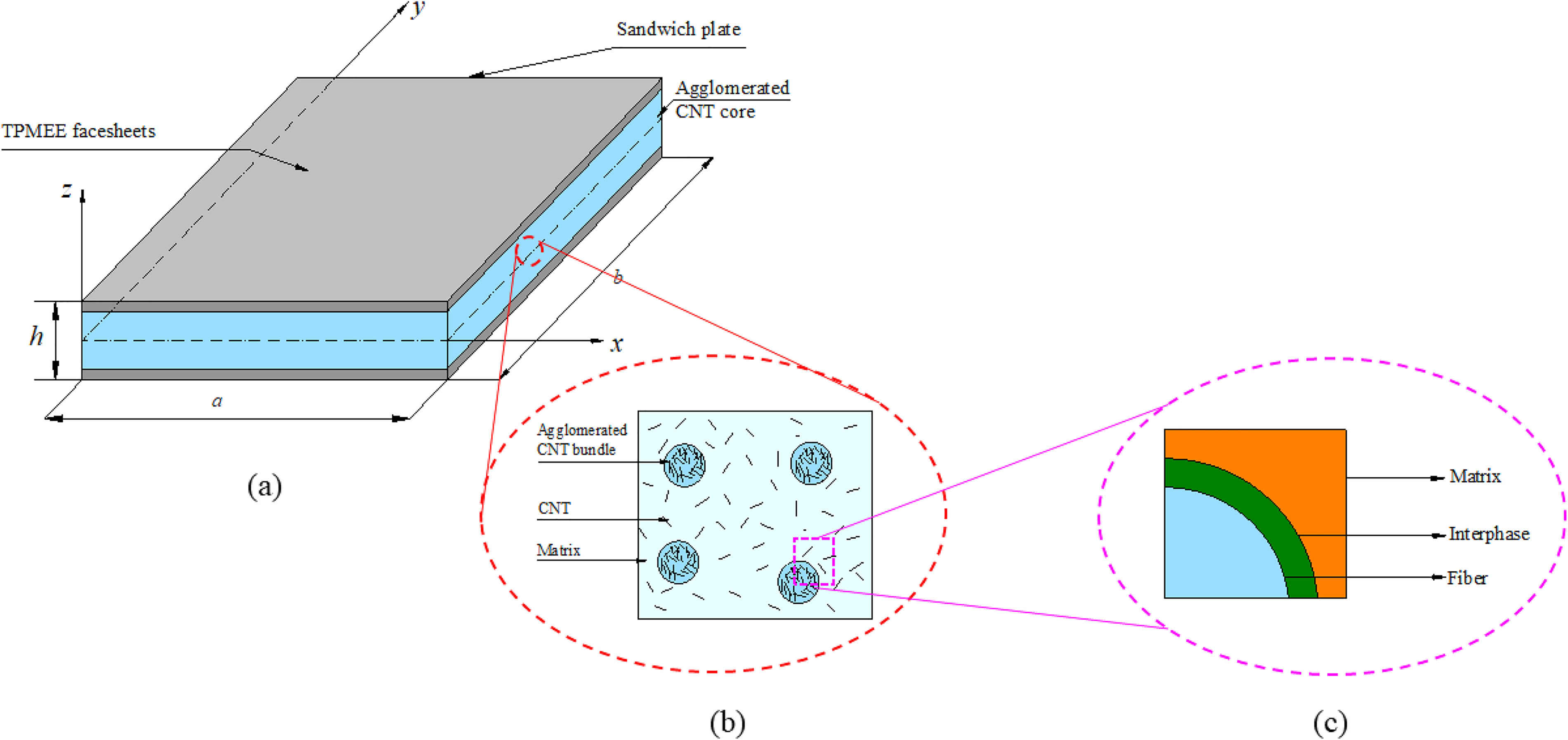
Schematic representation of (a) geometry of sandwich TPMEE/ACNT plate, (b) RVE of agglomerated CNT composites, and (c) RVE of interphase.
Plane MEE effective coefficients obtained by SAFEM model for a three-phase composite BTO/TD/CFO for the different volume fractions of V2 + V3. 53
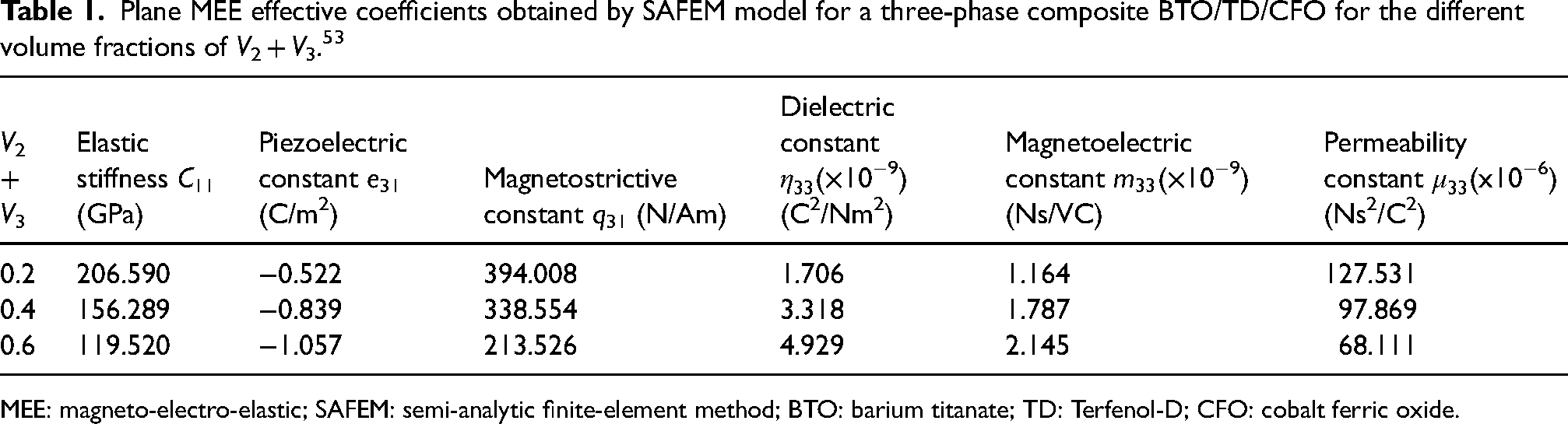
MEE: magneto-electro-elastic; SAFEM: semi-analytic finite-element method; BTO: barium titanate; TD: Terfenol-D; CFO: cobalt ferric oxide.
MEE effective properties as a function of interphase combinations between BTO and CFO by SAFEM model. 53
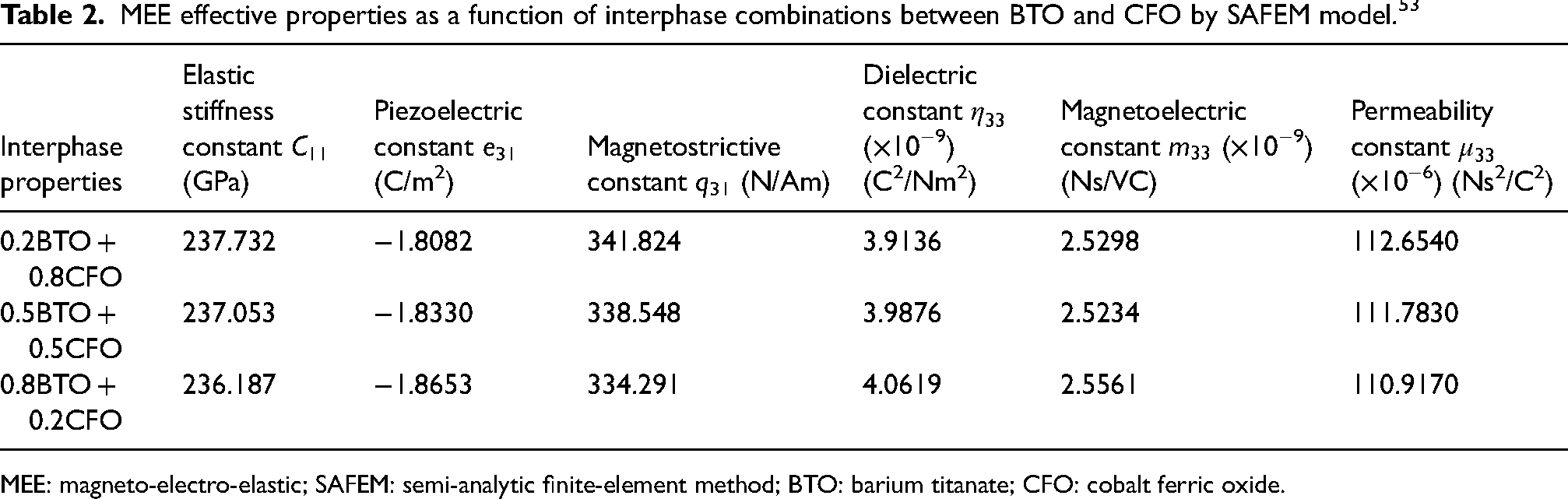
MEE: magneto-electro-elastic; SAFEM: semi-analytic finite-element method; BTO: barium titanate; CFO: cobalt ferric oxide.
MEE effective properties as a function of interphase volume fraction V2 for FRC of BTO/TD/CFO by SAFEM model. 53
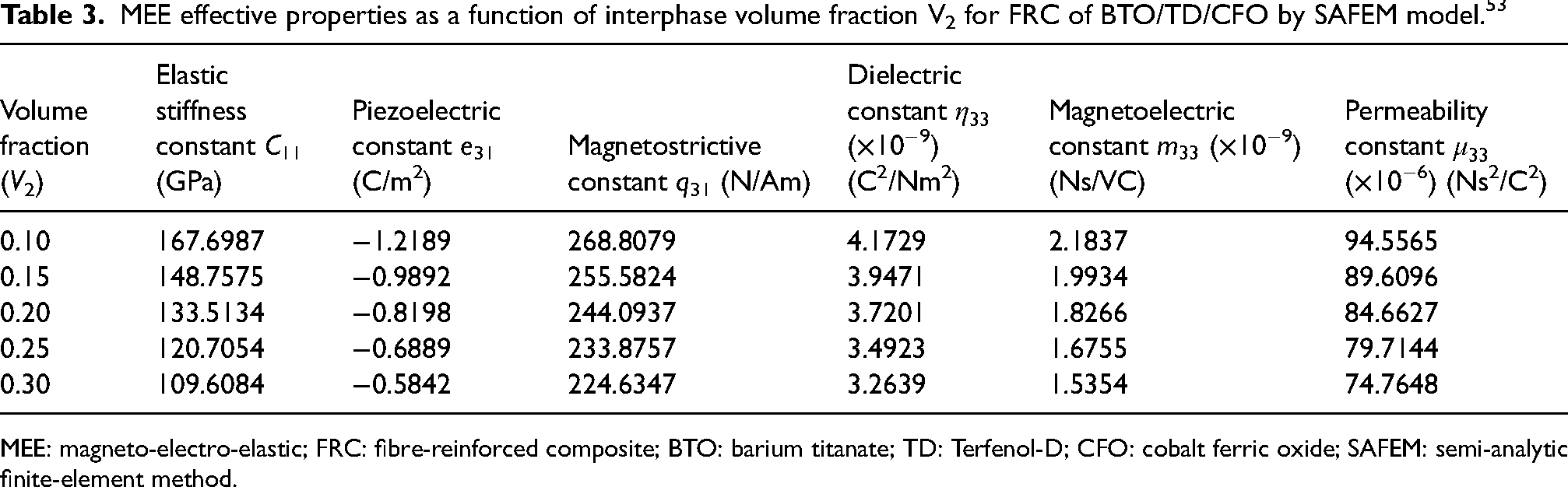
MEE: magneto-electro-elastic; FRC: fibre-reinforced composite; BTO: barium titanate; TD: Terfenol-D; CFO: cobalt ferric oxide; SAFEM: semi-analytic finite-element method.
Materials and methods
The overall material properties of the CNTs are determined through the two-parameter micromechanics model.
54
The representative volume element (RVE) of the ACNTs and interphase are shown in Figure 1(b) and (c), respectively. The total CNT reinforcement volume fraction (





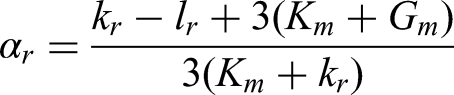





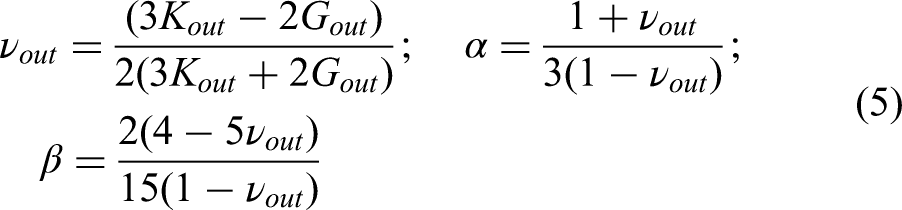


Uniform distribution (UD)
Symmetric functionally graded (SFG)
Unsymmetrical functionally graded (USFG) 
Analogously, the constitutive equations of TPMEE facings are as follows
34
:


Displacement model
The HSDT is used to arrive at the mathematical model of agglomerated core/TPMEE facesheet sandwich plates, whose displacement equations in the x, y, and z axes are as follows
55
:


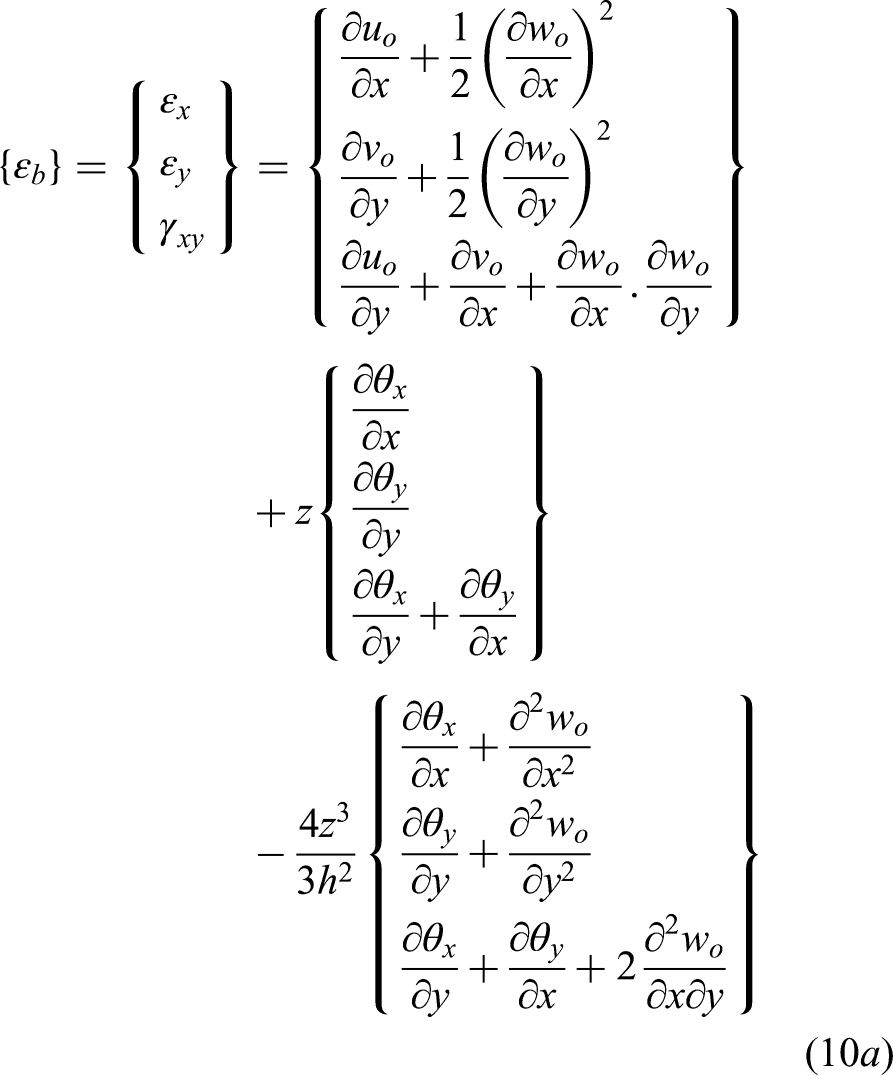
von Karman’s nonlinearity
The thin plates usually suffer large transverse deflections with small strains and moderate rotations. The in-plane forces generated due to these rotations introduce nonlinearity in the plate, which stretches the neutral axis and leads to nonlinear strain-displacement behaviour. von Karman’s nonlinearity efficiently captures this phenomenon in the mathematical modelling, using which the strain-displacement relationship of the plate can be expressed as follows
55
:
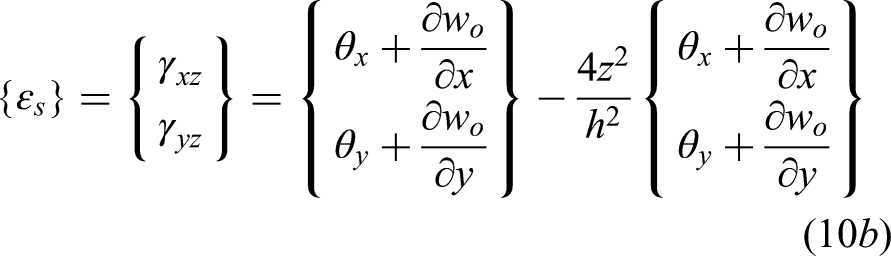
FE formulation
The plate is modelled using an eight-noded isoparametric element. Further, at each node, nine degrees of freedom corresponding to displacements (






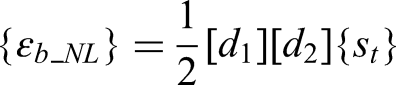
Hence, Eq. (14) becomes

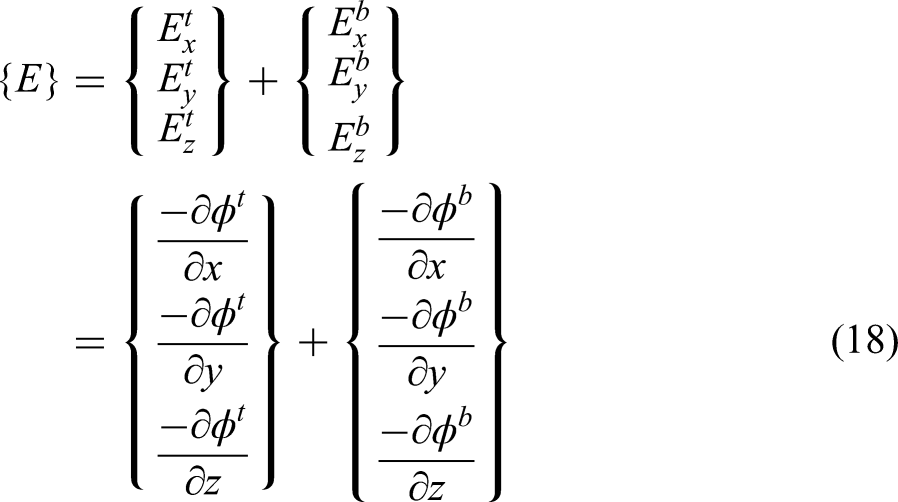
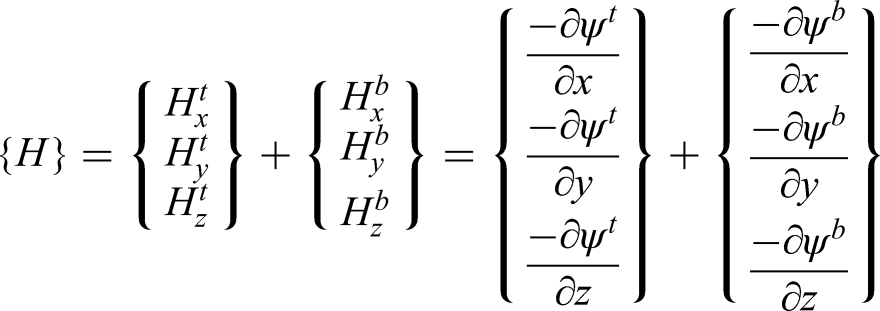
The total potential energy principle
Employing the total potential energy principle and assuming only the effect of mechanical loads, the equations of motion of the smart sandwich plates are derived as follows
34
: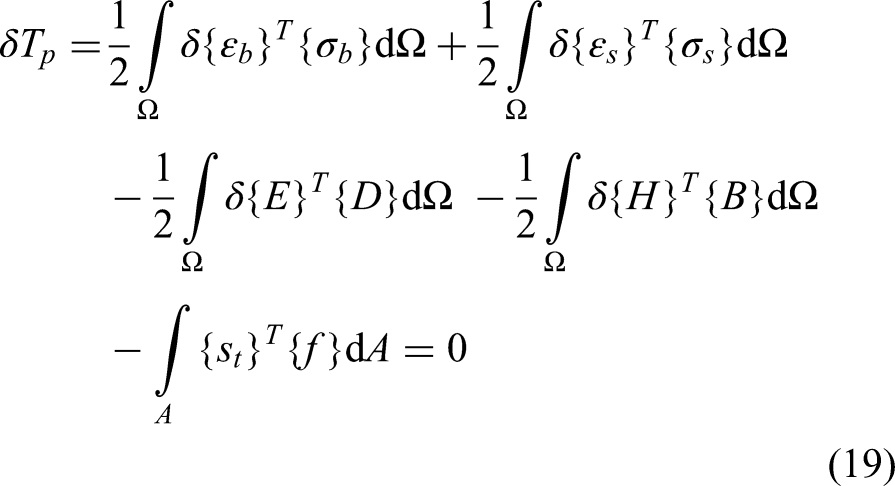
On replacing several terms of equation (19) with equations (9) to (18), it modifies into


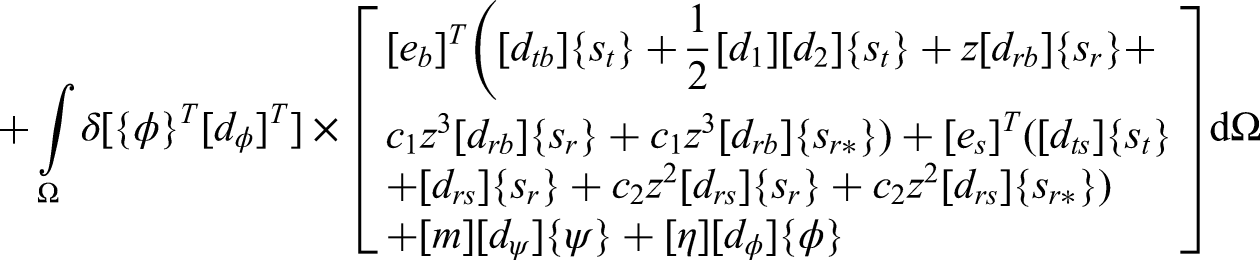

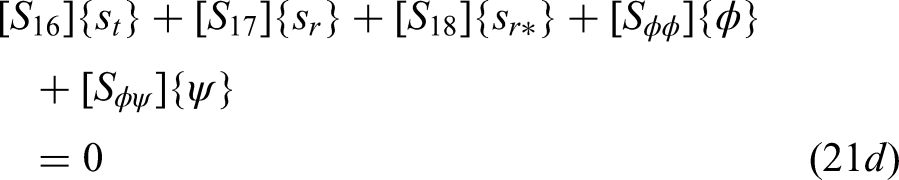
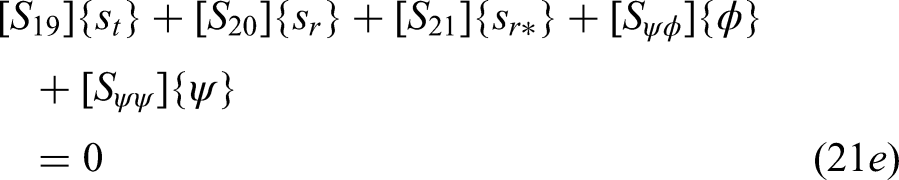
Condensing equation (20), the equations of motion can be shown as follows: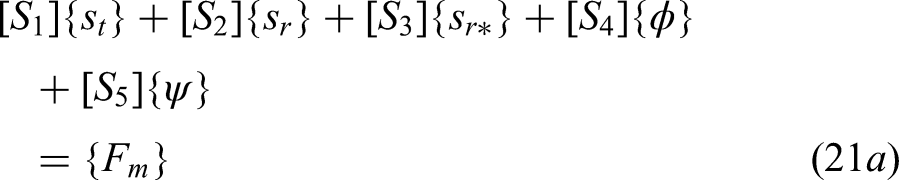
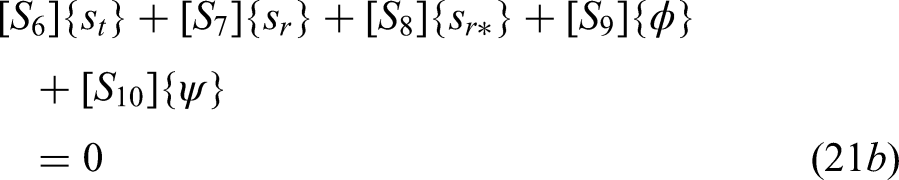
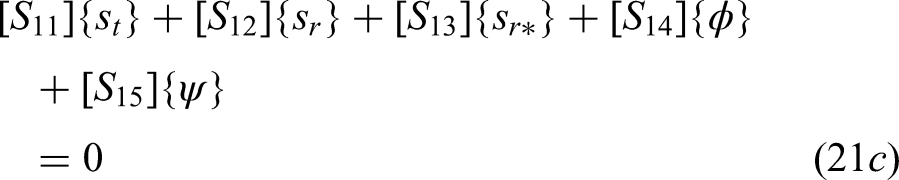

Artificial neural network
The ANN model has been created in Matlab software in the present research. The data points related to different combinations of nine inputs (Table 4) were collected from the proposed FE formulation to train the ANN model. The ANN model was instructed to use 70% of the input data for training incorporating the backpropagation-based Levenberg–Marquardt algorithm.56,57 The key role of the backpropagation model is to calculate the gradient of error based on the weight of the input value by propagating the error to the network backward.58,59 Further, the remaining 30% of data is split into 15% for validation and 15% for testing. Several iterations were performed to decide the best scheme for the intended task to extremise the mean square error (MSE) and correction coefficient (R). The regression plots corresponding to different neuron numbers are shown in Figure 2. From Figure 2 and Table 5, an ANN model with 30 neurons is selected owing to its optimum value of MSE and correction coefficient (R). Figures 3 and 4 depict the regression results, error histogram and performance of the trained ANN optimum model with 30 neurons. It can be noticed from Figure 3 that a good correlation is achieved. The schematic representation of the ANN model with input, hidden, and output layers is shown in Figure 5.
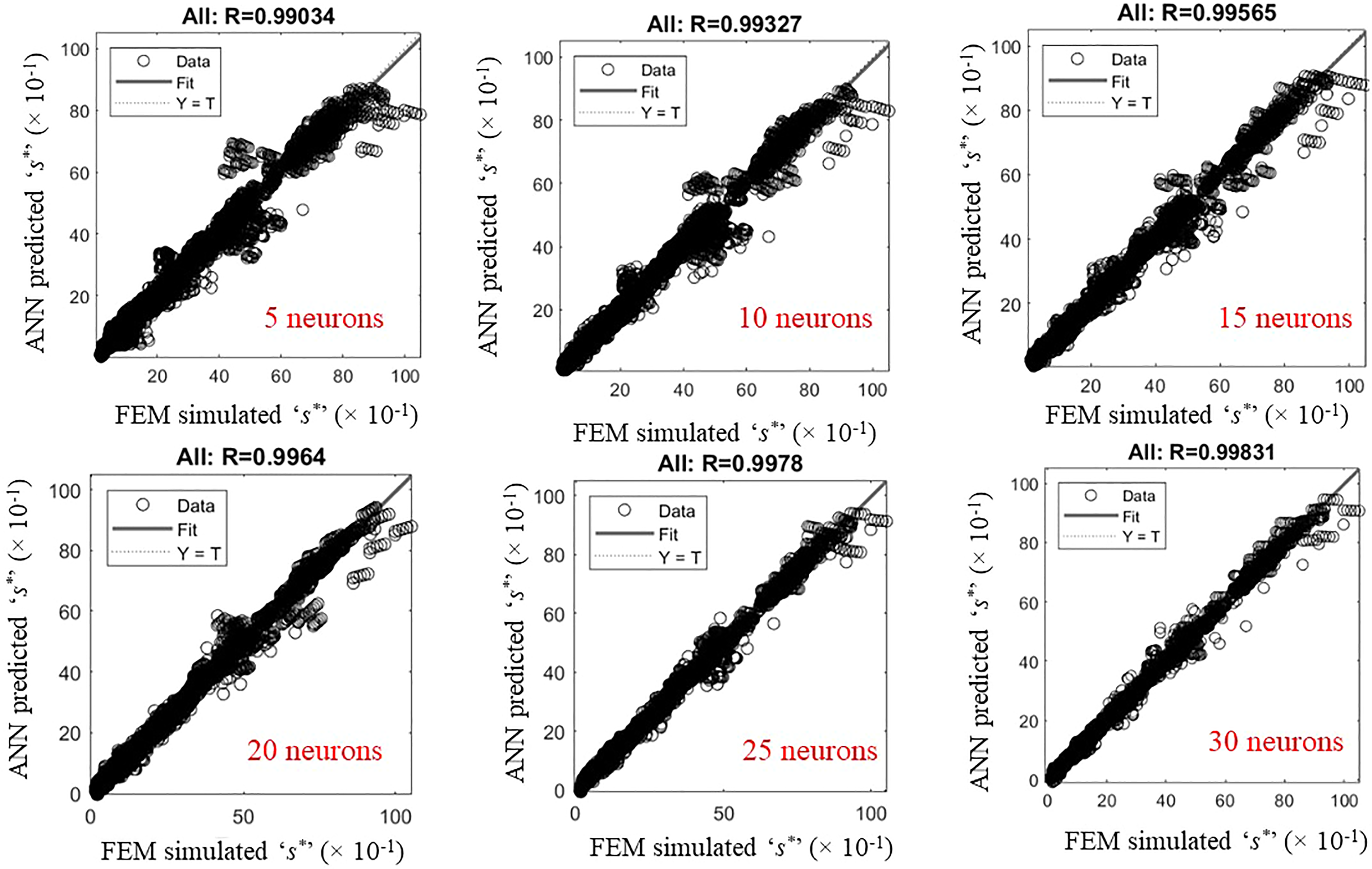
Comparison of the neuron number on the overall value of ‘R’ of the ANN model to predict deflections of the sandwich plate with agglomerated core/TPMEE facesheet.
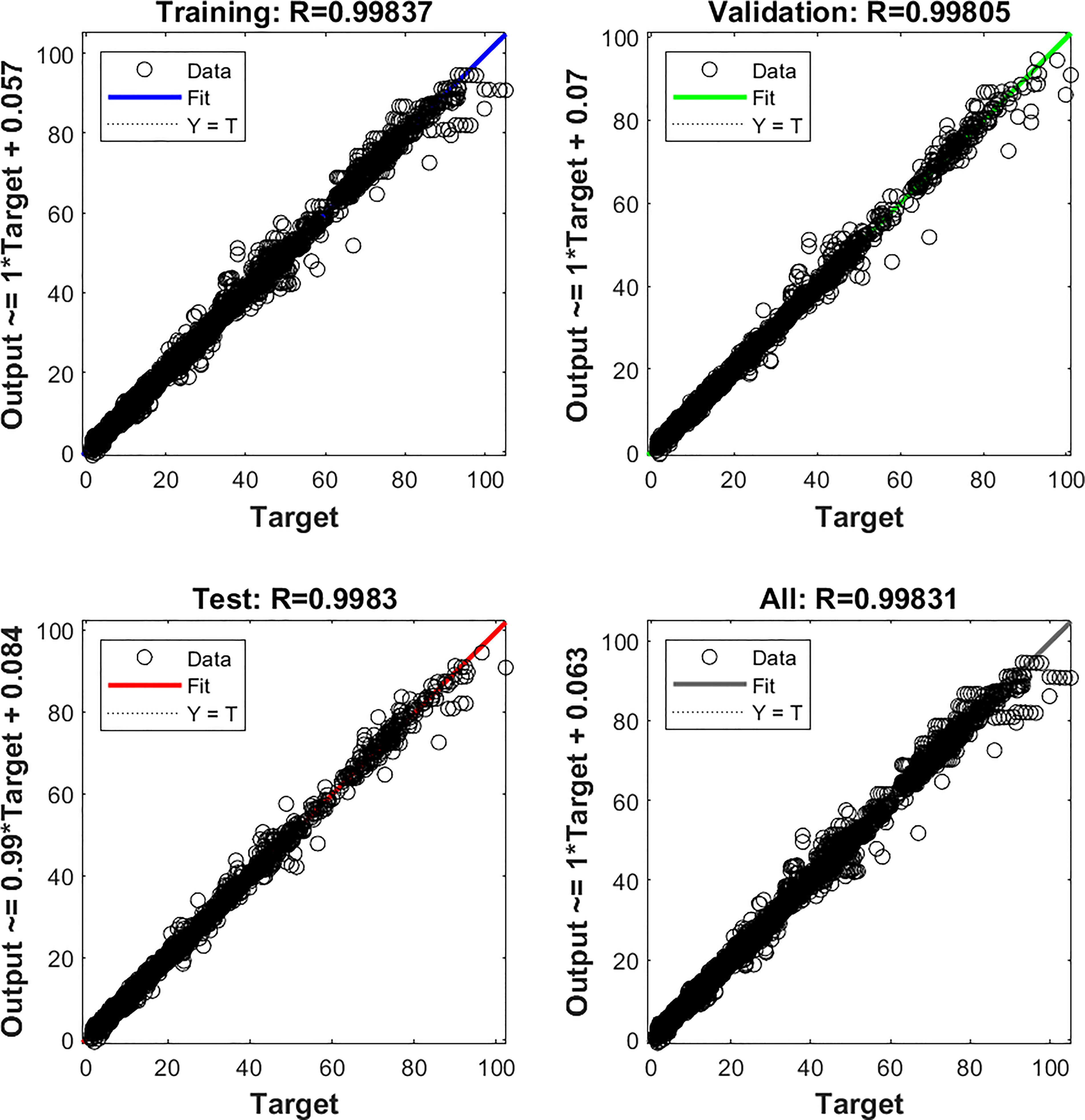
The regression results of the developed ANN model to predict deflections of the sandwich plate with agglomerated core/TPMEE facesheet.
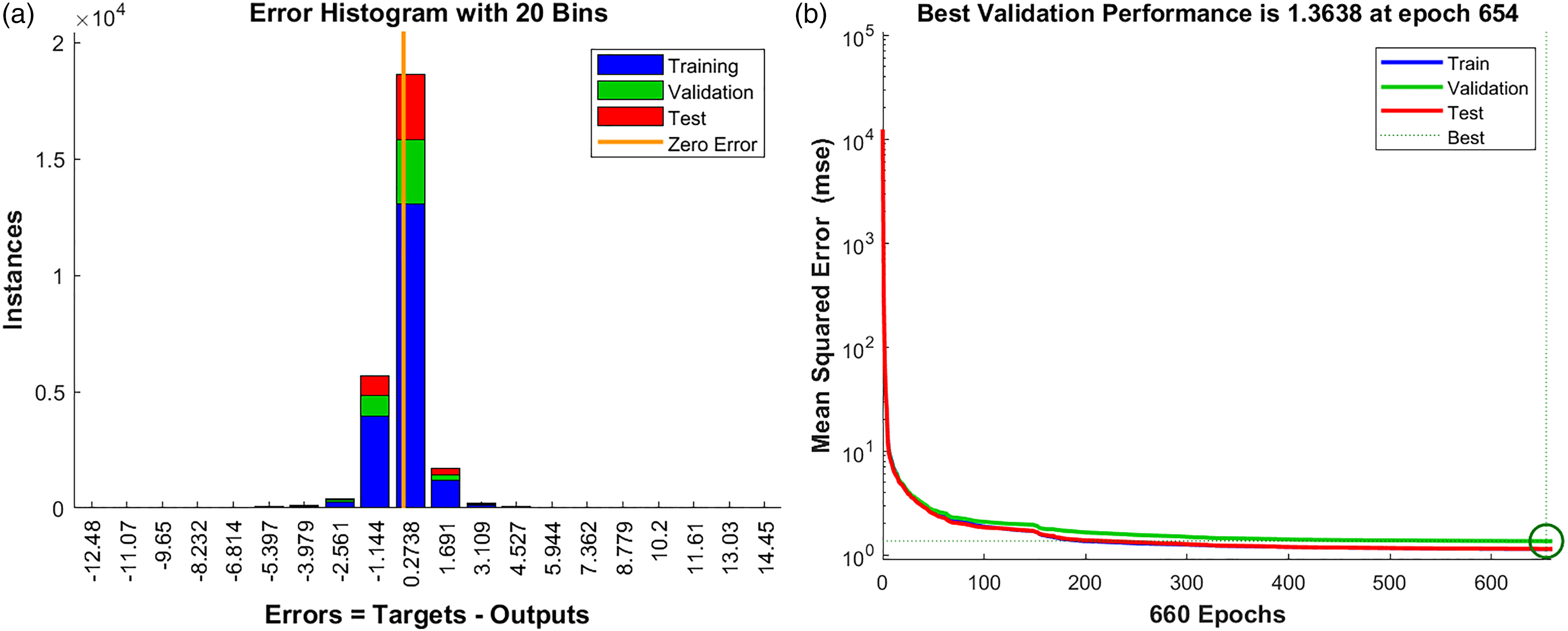
The plots of (a) error histogram and (b) performance of the ANN model developed to predict deflections of the sandwich plate with agglomerated core/TPMEE facesheet.
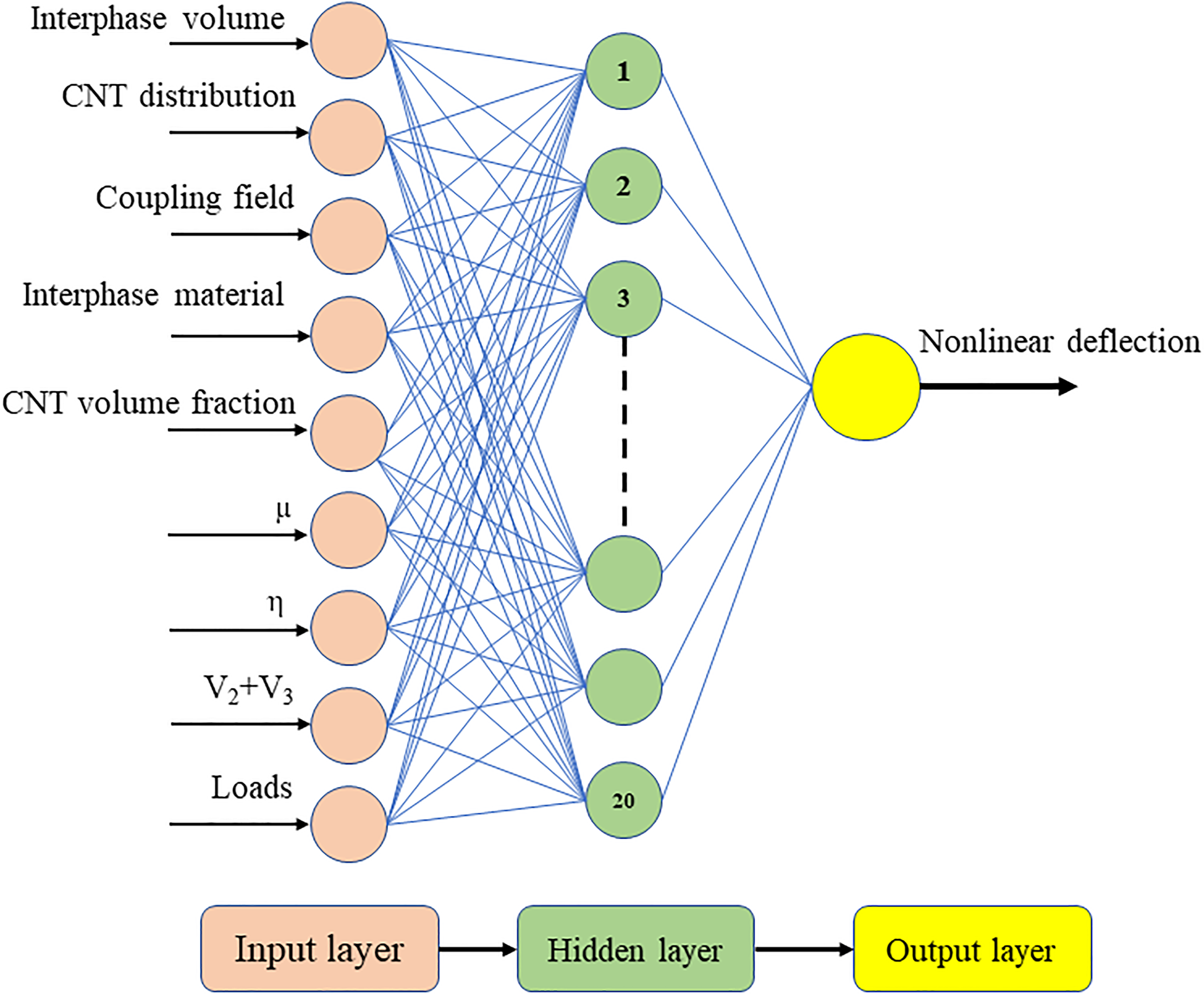
ANN model’s architecture to predict the nonlinear deflection of the sandwich plate with agglomerated core/TPMEE facesheet.
Different parameters and their ranges selected to train the ANN model.
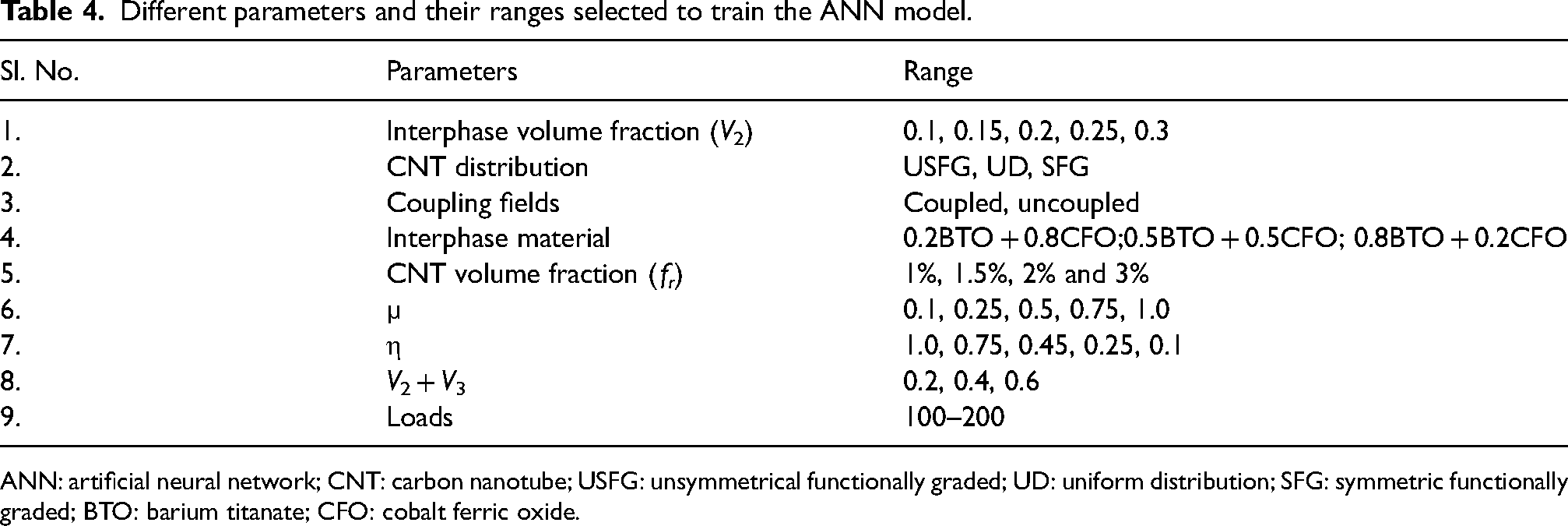
ANN: artificial neural network; CNT: carbon nanotube; USFG: unsymmetrical functionally graded; UD: uniform distribution; SFG: symmetric functionally graded; BTO: barium titanate; CFO: cobalt ferric oxide.
The performance parameters of the ANN model.
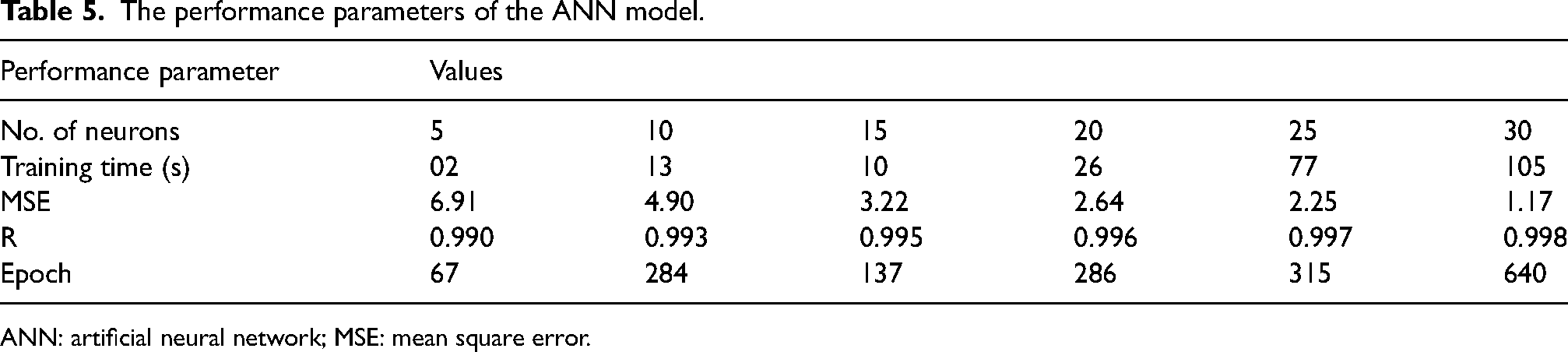
ANN: artificial neural network; MSE: mean square error.
Results and discussion
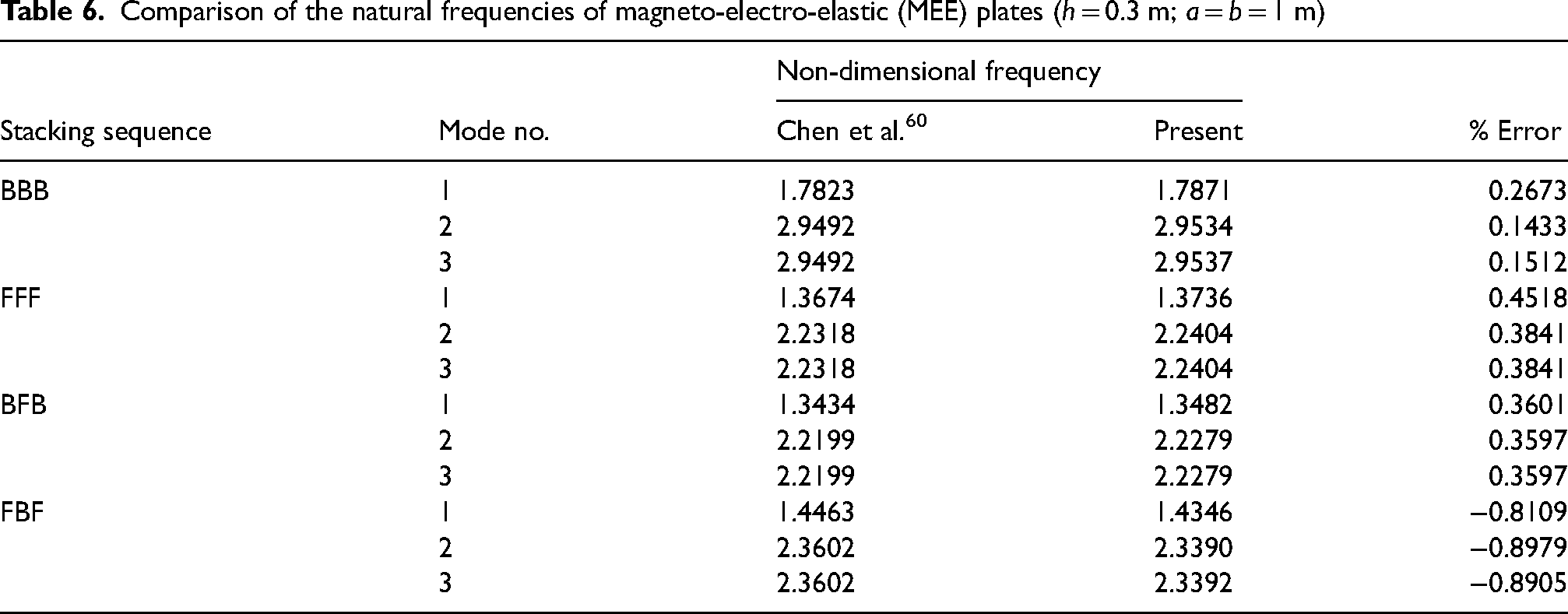
The proposed formulation is initially verified for its effectiveness in accurately including coupling and agglomeration effects. The results of the dynamic response study of the MEE plates
60
and ACNT plates
7
are compared and tabulated in Tables 6 and 7. Extending the evaluation, the credibility of the proposed formulation to predict the nonlinear deflection of the MEE plate is verified in Figure 6. From Figure 6(a) and (b), it can be noticed that the results are converging and in good agreement with the literature. The non-dimensional central deflection (s*) and load parameter (q*) used in the current study can be represented as follows:
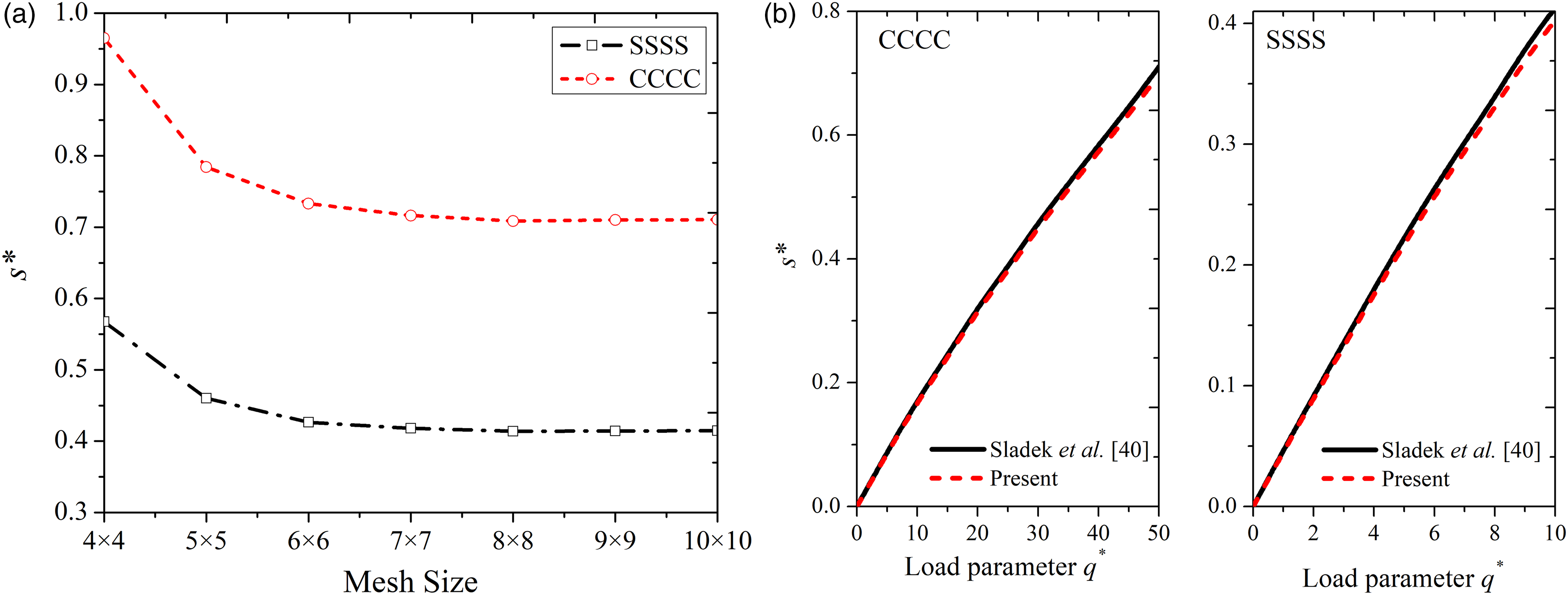
The (a) convergence and (b) verification of the proposed FE formulation for deflection of the layered MEE plate with clamped and simply supported boundary conditions.
Comparison of the natural frequencies of magneto-electro-elastic (MEE) plates (h = 0.3 m; a = b = 1 m)
Verification of fundamental natural frequencies of completely agglomerated plates.
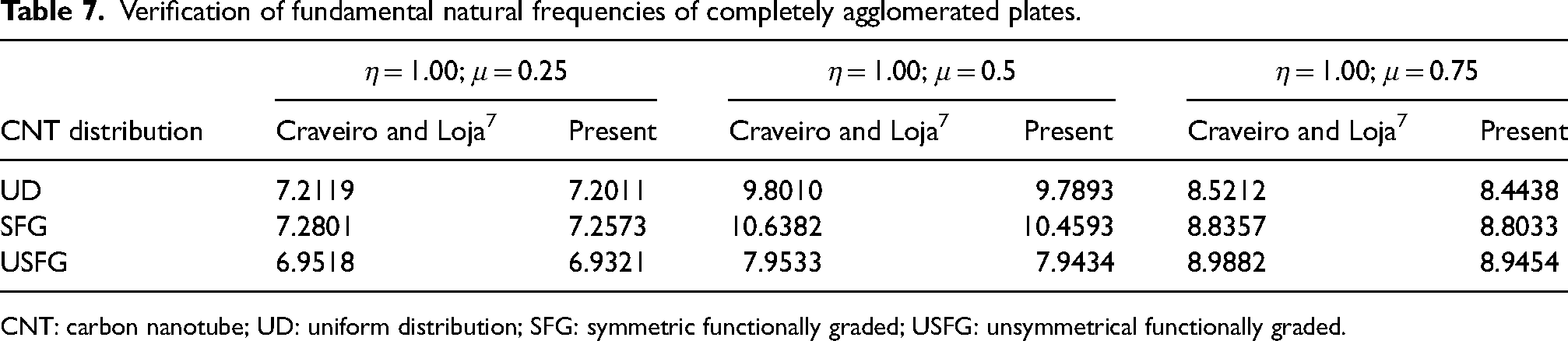
CNT: carbon nanotube; UD: uniform distribution; SFG: symmetric functionally graded; USFG: unsymmetrical functionally graded.
Meanwhile, the efficiency of the developed ANN model to accurately predict the nonlinear deflections of the smart plate is verified in the case studies. It was noticed from the simulations that, as opposed to the FE model, the developed ANN model is 8.85 times quicker and consumes 67% lesser memory with a maximum of 2.36% deviation from the FE results. Figure 7 compares the computational efforts involved with different computational approaches to estimate the nonlinear deflections of the sandwich plate. For further evaluation, the matrix properties of agglomerated core are considered as Em = 2.1 GPa, υm = 0.34, and ρm = 1150 kg/m3. The reinforcement properties are kr = 271 GPa, lr = 88 GPa, mr = 17 GPa, nr = 1089 GPa, pr = 442 GPa, and ρr = 1400 kg/m3.
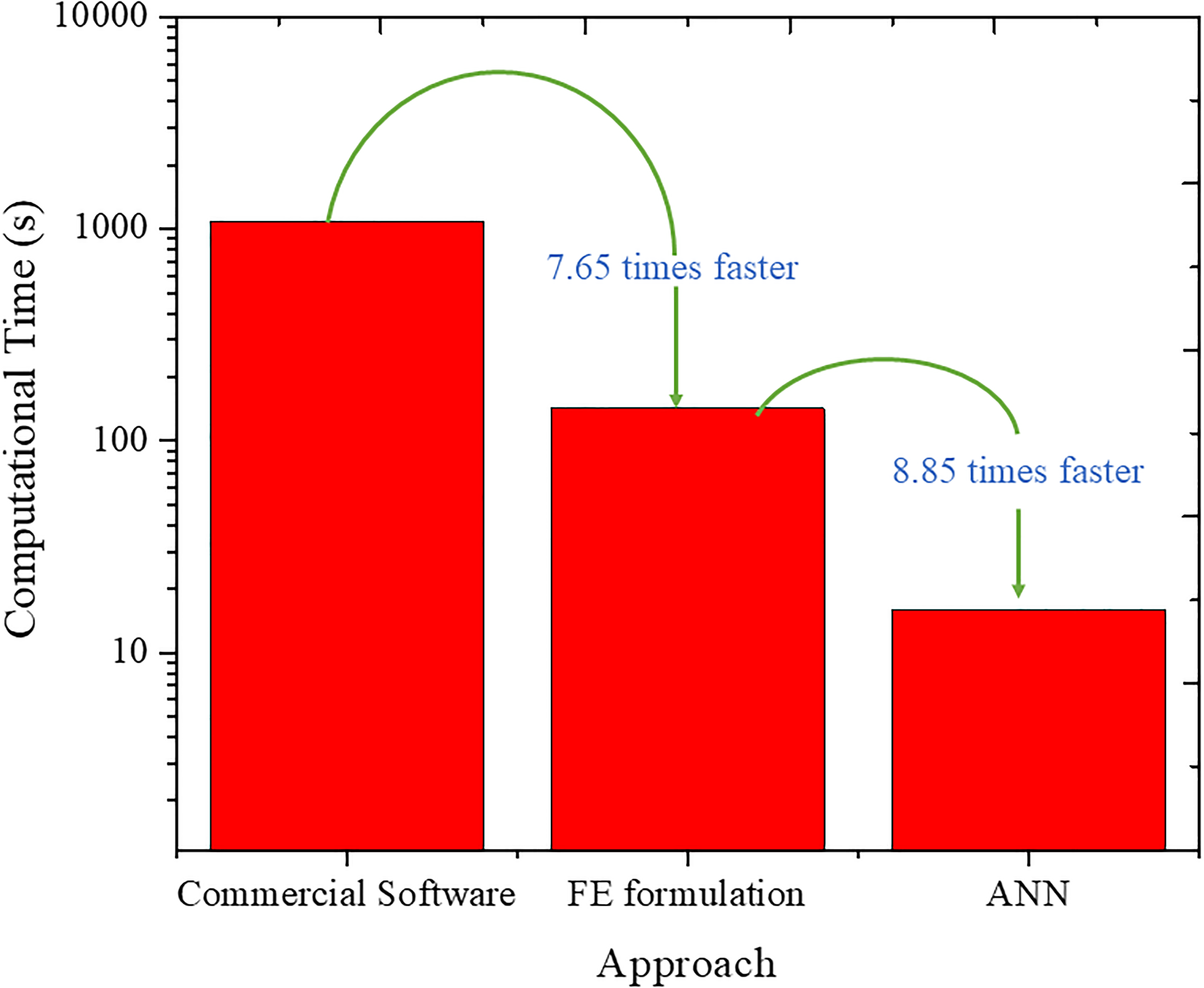
Computational efficiency of the proposed FE formulation and trained ANN model to assess the deflection of the sandwich plate with agglomerated core/TPMEE facesheet.
The influence of agglomeration on the large deflections of the sandwich plate with agglomerated core/TPMEE facesheets is shown in Figure 8. In this study, the sum of interphase volume fraction (V2) and fibre volume fraction (V3) is considered to be 0.2. It can be seen from this figure that the stiffness of the plate without agglomeration is comparatively higher than the partial and complete agglomeration cases. As a result, the deflection associated with the no agglomeration case is lower. Further, the partial agglomeration takes the next position, and the maximum deflection is recorded for the complete agglomeration case. Meanwhile, the discrepancies associated with all three cases magnify when the load parameter enhances. All these figures show that the developed ANN model accurately predicts the deflections for different agglomeration states considered for assessment.
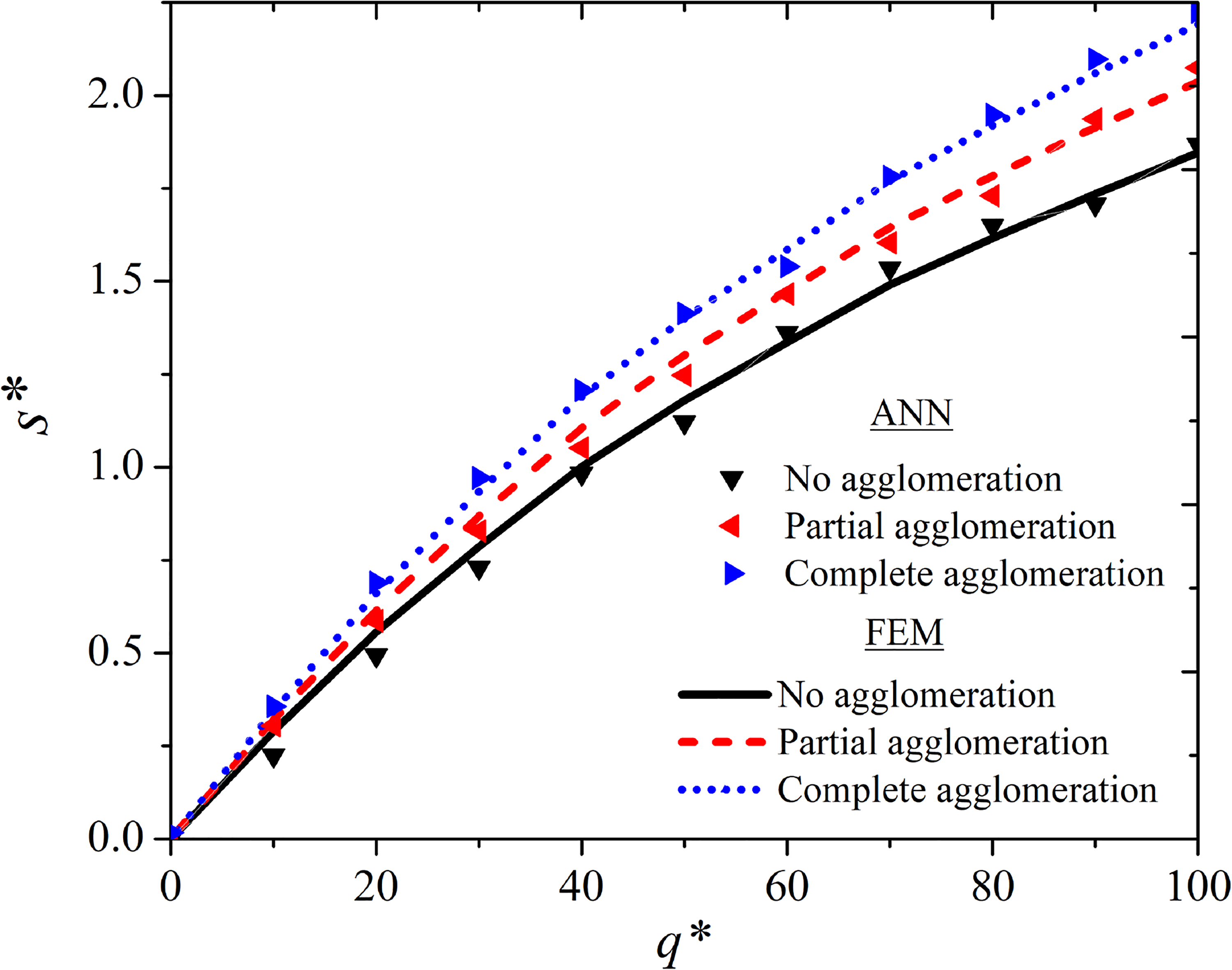
Effect of agglomeration on the nonlinear deflection of the sandwich plate with agglomerated core/three-phase magneto-electro-elastic (TPMEE) facesheet.
The effect of ACNT distributions associated with the partial and the complete agglomeration states is plotted in Figure 9(a) to (c). The comparison of both FE and ANN results is also depicted in these figures. The three different ACNT distributions considered in this analysis are USFG, UD and SFG. From the figures, it is evident that among all the distribution patterns considered, USFG shows the maximum deflection. Further, the USFG>UD>SFG trend is good for the sandwich plates’ nonlinear deflection. Irrespective of the CNT distributions considered, the complete agglomeration case shows a predominant effect on the deflection compared to the partial agglomeration. Meanwhile, for partial agglomeration, increasing the value of η leads to reduced stiffness and hence a higher deflection. Analogously, for the complete agglomeration case, increasing the value of μ makes the structure stiffer and leads to minimal deflection.
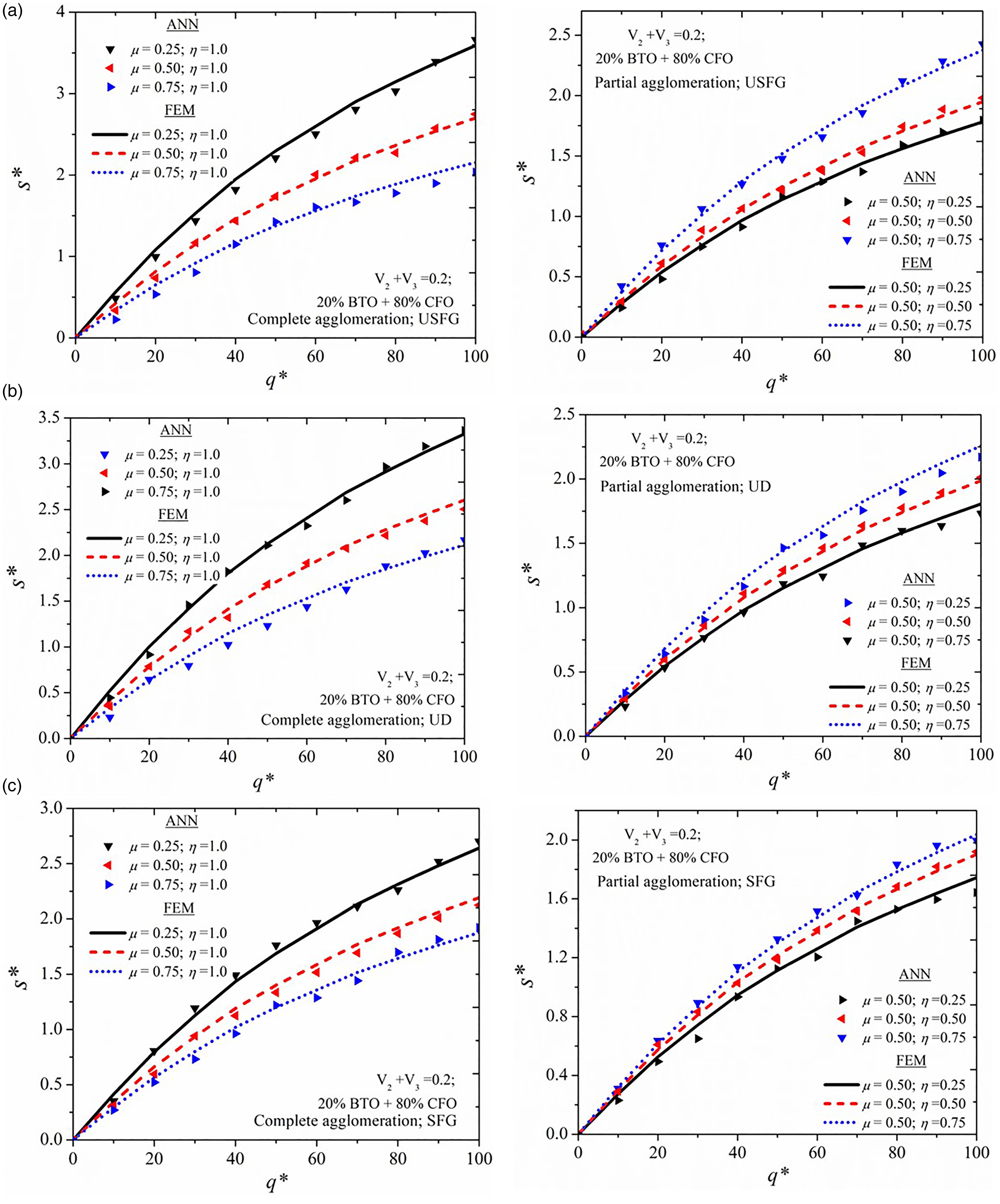
Effect of different agglomeration states on the nonlinear deflection of agglomerated core/TPMEE facesheet sandwich plate with (a) USFG, (b) UD, and (c) SFG type CNT distributions (complete and partial states).
The effect of the interphase region of TPMEE facesheets on the nonlinear deflection of the sandwich plate is evaluated by considering the different volume fraction sums of the interphase and the fibre. Also, the fibre-to-interphase volume fraction ratio is kept at a constant value of 0.5625. Both the complete and partial agglomeration and CNT distribution cases are considered for evaluation. As witnessed by Figure 10(a) to (c), the interphase effects in volume fraction sum are predominant in the complete agglomeration. Further, the deflection increases with the higher value of the volume fraction sum. Among all the CNT distributions considered, the effect of the volume fraction sum is higher for the USFG distribution and minimal for the SFG pattern.
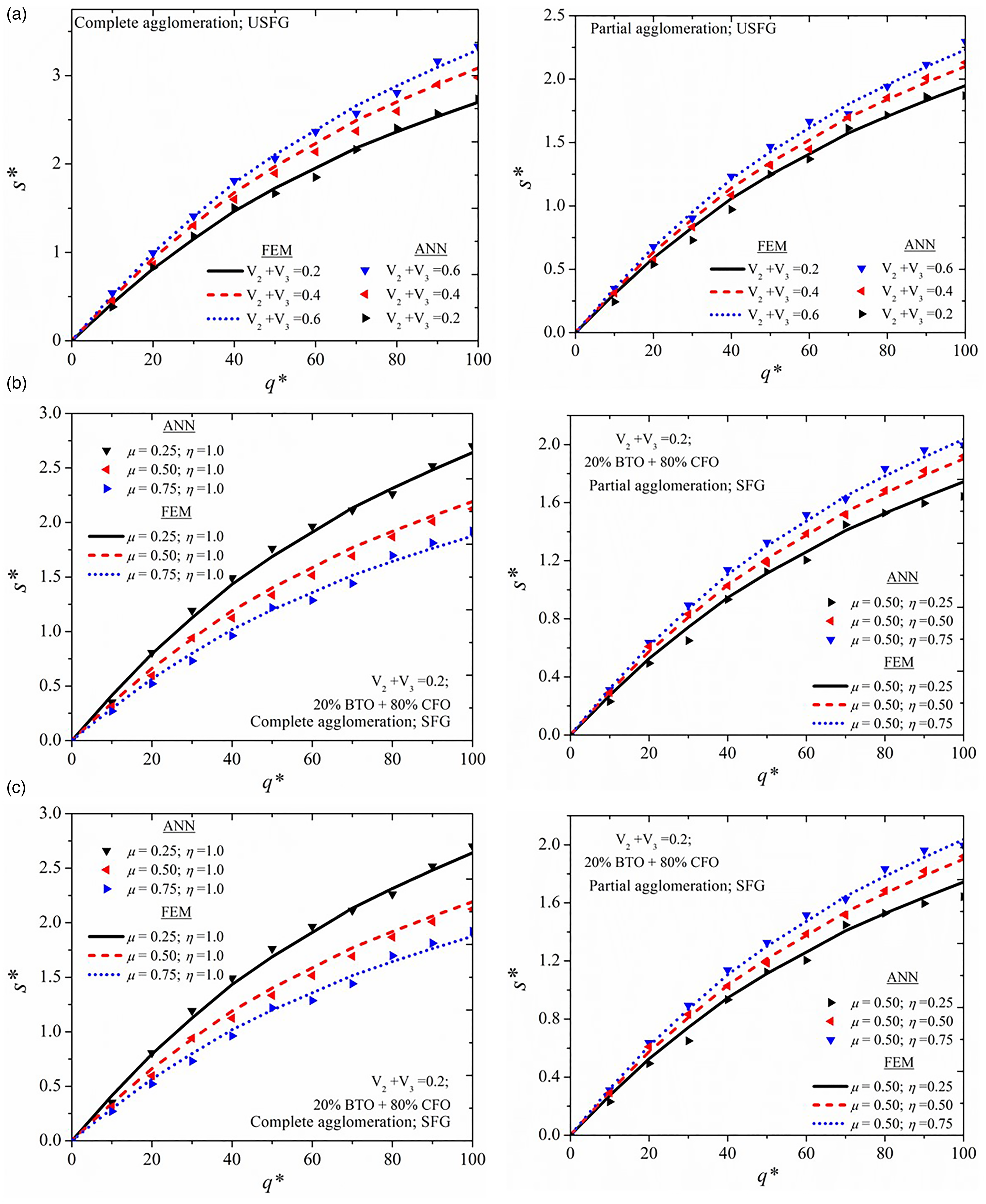
Effect of different interphase and fibre volume fractions on the nonlinear deflection of agglomerated core/TPMEE facesheet sandwich plate with (a) USFG, (b) UD, and (c) SFG type CNT distributions (complete and partial states).
The study is extended to assess the influence of the interphase region by considering the involvement of its volume fraction alone (Figure 11(a) to (c)). To this end, V2 = 0.1, 0.2 and 0.3 are considered. The results affirm that the nonlinear deflection drastically increases with a higher value of interphase volume fraction. This is because the coupled material properties significantly reduce with a higher volume fraction of interphase. In addition, the effect of interphase volume fraction is predominant in the complete agglomeration case and USFG CNTs distribution.
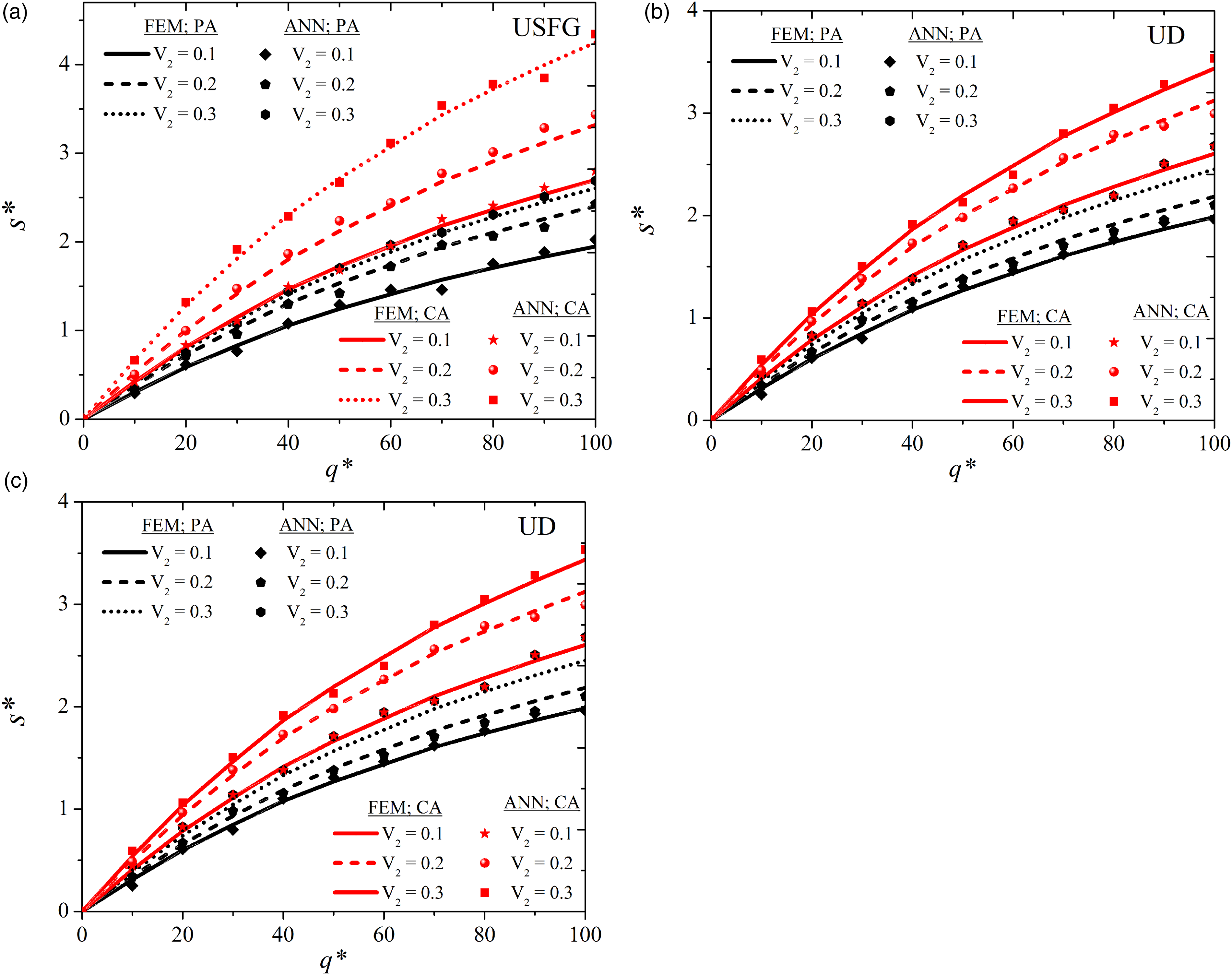
Effect of different interphase volume fractions on the nonlinear deflection of agglomerated core/TPMEE facesheet sandwich plate with (a) USFG, (b) UD, and (c) SFG type CNT distributions.
Figure 12(a) to (c) shows the influence of interphase composition on the nonlinear deflections of sandwich plates. The interphase with a higher percentage of BTO results in a higher deflection of the sandwich plate. Like the previous assessment, USFG and complete agglomeration cases have the predominant influence associated with interphase compositions.
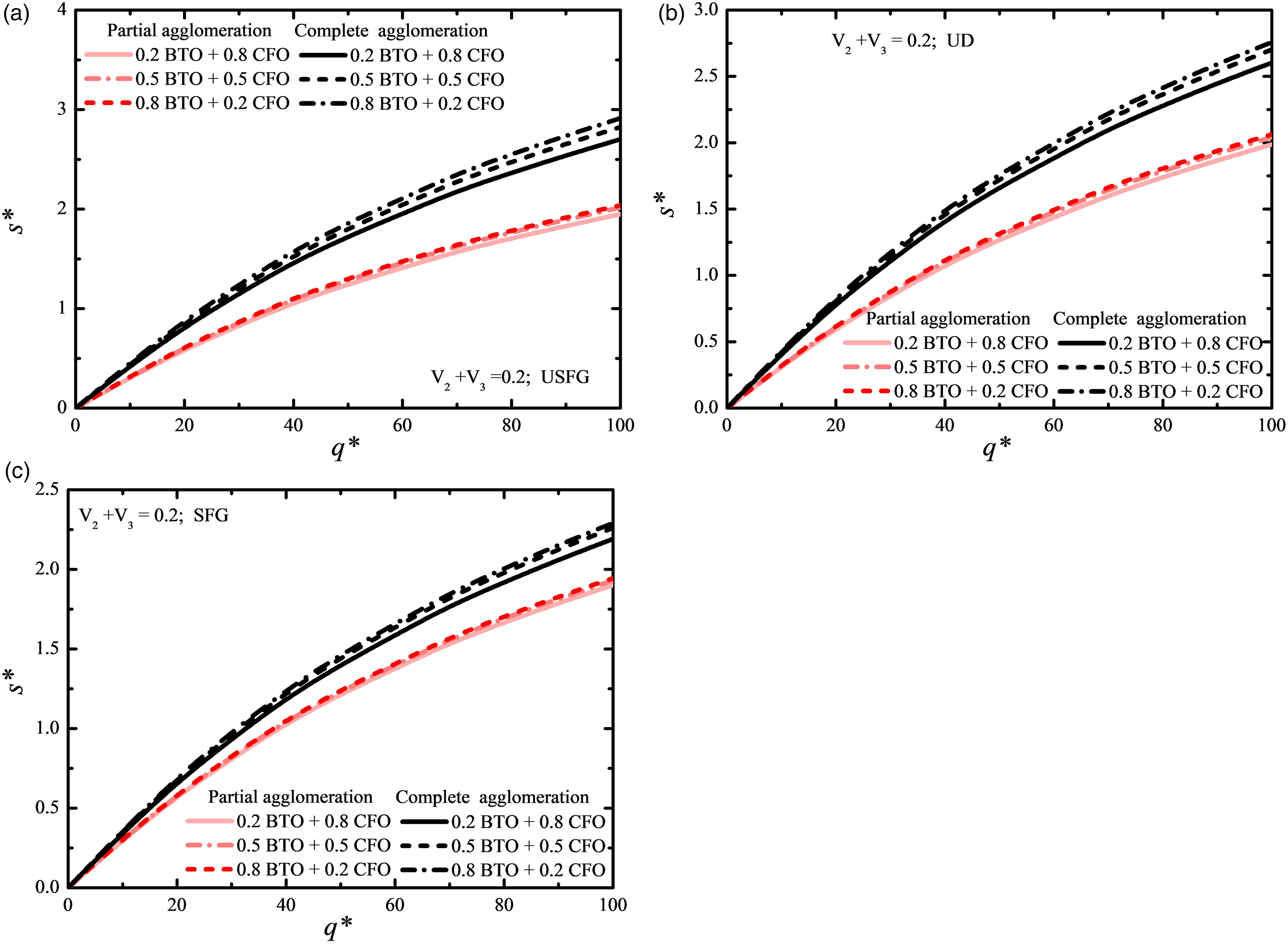
Effect of different interphase compositions on the nonlinear deflection of agglomerated core/TPMEE facesheet sandwich plate with (a) USFG, (b) UD, and (c) SFG type CNT distributions.
The effect of three field interactions/coupling associated with the TPMEE facesheets and ACNTs core on the large deflections of the sandwich plate is shown in Figure 13(a) to (c). The case study considers the partial and complete agglomerated cases and different CNT distributions. The results confirm that a slightly higher degree of coupling is exhibited in the partial agglomeration case compared to the complete agglomeration. This is because the coupled stiffness generated in the partial agglomeration case is higher. Also, the SFG distribution shows a greater discrepancy between the nonlinear deflections of uncoupled (elastic) and coupled states.
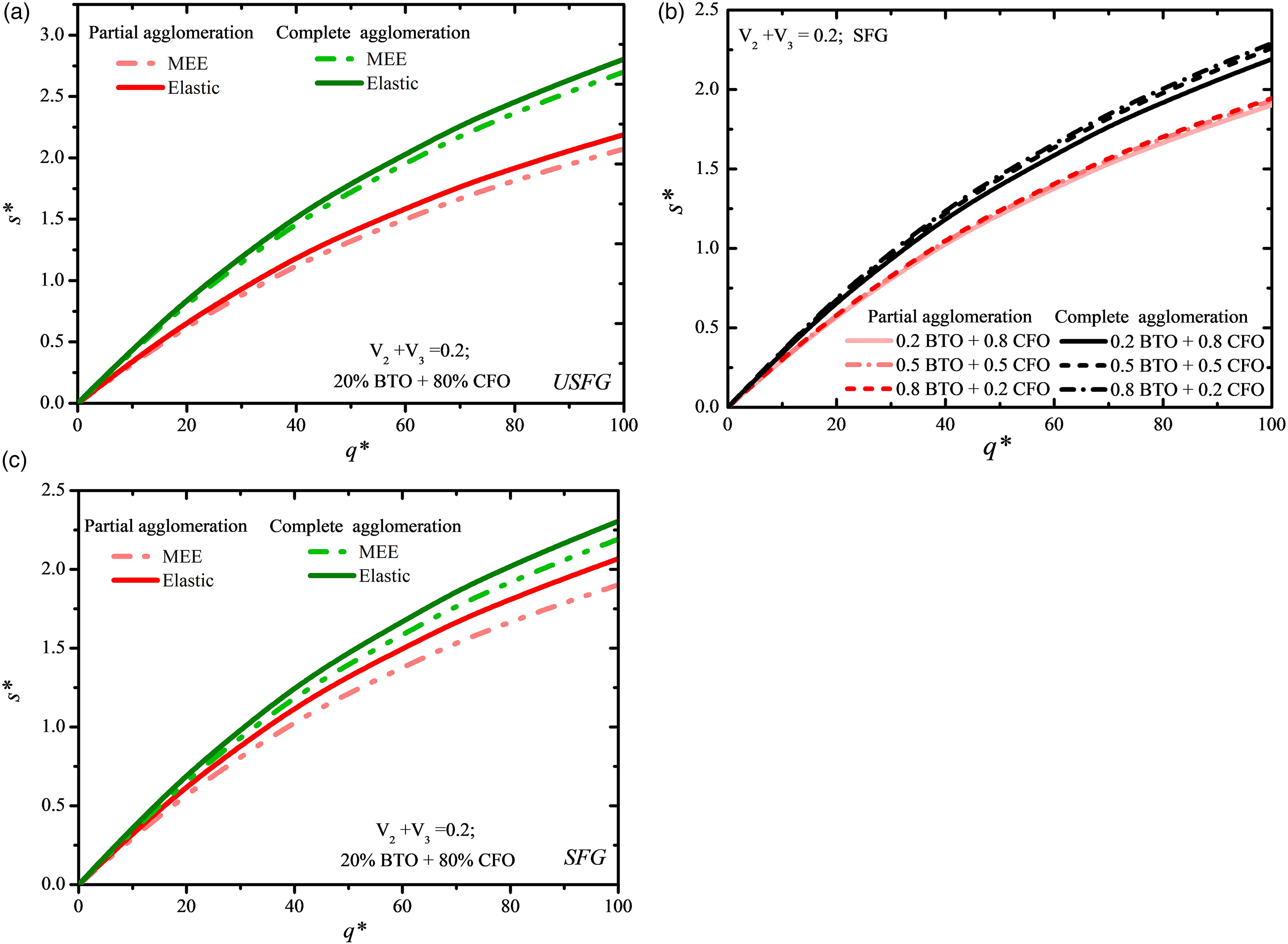
Effect of coupling on the nonlinear deflection of agglomerated core/TPMEE facesheet sandwich plate with various agglomerated states and (a) USFG, (b) UD, and (c) SFG type CNT distributions.
The effect of coupling associated with the interphase volume fraction and composition is studied and plotted in Figures 14 and 15, respectively. Since the previous studies suggest that partial agglomeration and SFG distribution exhibit a higher coupling, the same has been considered for brevity. In contrast to the volume fraction, the interphase composition has a minimal coupling effect. Also, the lower interphase volume fraction exhibits a significant coupling. Meanwhile, the interphase composition with the lower volume fraction of BTO leads to enhanced coupled interaction.
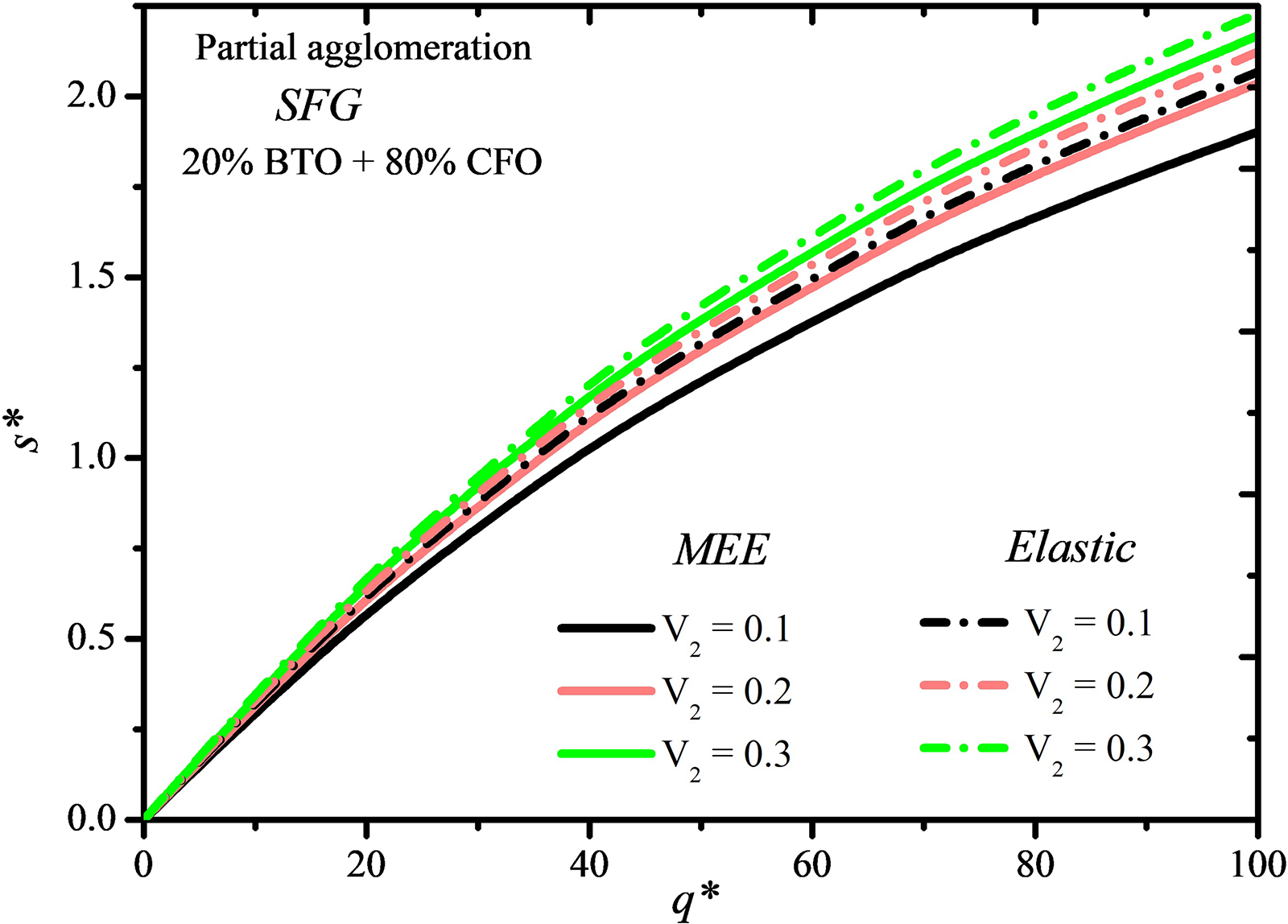
Effect of coupling and fibre volume fractions on the nonlinear deflection of agglomerated core/TPMEE facesheet sandwich plate with SFG type CNT distributions.
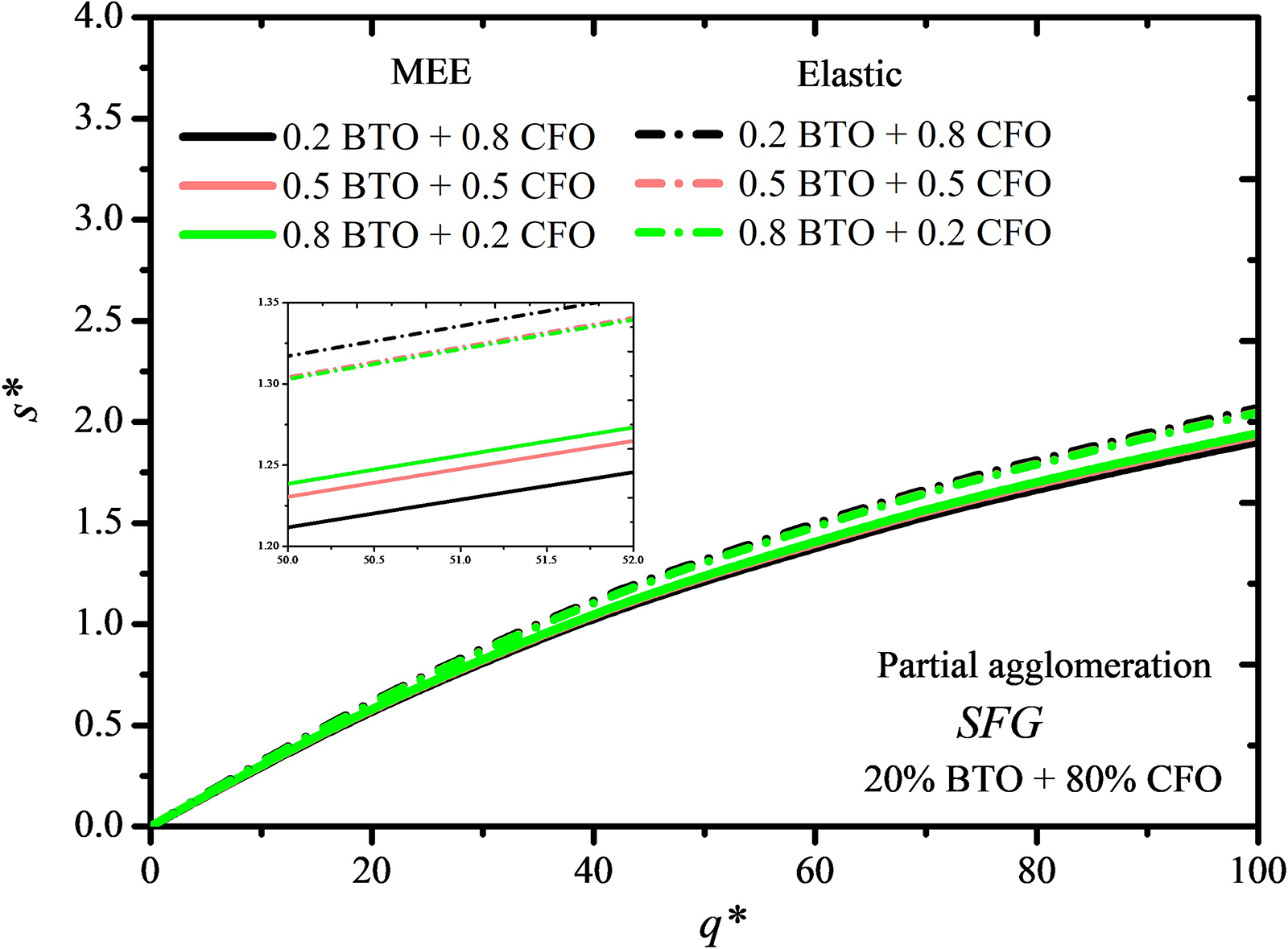
Effect of coupling and interphase compositions on the nonlinear deflection of agglomerated core/TPMEE facesheet sandwich plate with SFG type CNT distributions.
Conclusions
In this research, a first attempt has been made to integrate the interphase, agglomeration and coupling effects and evaluate the nonlinear deflections of the sandwich plate with ACNT core/TPMEE facesheets. To this end, an ANN-assisted FE framework is employed. The simulation data points obtained from the FE analysis were used to train, test and validate the ANN model. The ANN model with a single hidden layer and 30 neurons were instructed to use 70% of the input data for training incorporating the Levenberg–Marquardt algorithm. The total potential energy, higher-order plate theory and von Karman's nonlinearity has been exploited to derive an FE formulation. The two-parameter Eshelby–Mori–Tanaka approach has been implemented to model the agglomeration of CNTs. The work outcomes suggest that the ANN model developed accurately predicts the structural response. The numerical evaluation also suggests that the interphase and agglomeration substantially affect the nonlinear deflection response of sandwich plates. In the partial agglomeration state, the lower volume fraction of interphase alone and combined with the fibre volume fraction, interphase composition with lower BTO percentage and SFG–CNT distribution results in an enhanced stiffness and reduces the deflection of the plate. In addition, the three fields’ coupled interaction plays a prominent role in deciding the overall structural response of the sandwich plate. Therefore, it is necessary to consider the coupling effects to accurately design and analyse sandwich plates with ACNT core/TPMEE facesheets.
Data availability statement
All data generated during and/or analysed during the current study are available from the corresponding author upon reasonable request.
Footnotes
Declaration of conflicting interests
The author declared no potential conflicts of interest with respect to the research, authorship, and/or publication of this article.
Funding
The author disclosed receipt of the following financial support for the research, authorship, and/or publication of this article: This work was funded by The Royal Society of London through Newton International Fellowship (NIF\R1\212432).
