



Abstract
This study investigates the thermomechanical deformation in a homogeneous, isotropic micropolar thermo-viscoelastic solid half-space, integrating nonlocal viscoelastic effects and the hyperbolic two-temperature (HTT) theory based on the Moore–Gibson–Thompson (MGT) heat equation. The governing equations are derived and solved using Laplace and Fourier transforms, with the displacement components, stresses, thermodynamic temperature, and conductive temperature modified based on specific normal force and heat sources at the boundary surface. Key findings include the significant influence of viscosity on the deformation and thermal distribution, the modification of wave propagation and energy distribution due to nonlocal effects, and the crucial role of HTT parameters in dictating thermal relaxation and wave behavior, particularly in high-speed or short-time scenarios. Additionally, several exceptional cases are identified, demonstrating unique thermomechanical responses resulting from the interplay between viscosity, nonlocality, and HTT parameters. Numerical inversion is employed to retrieve the physical quantities, with graphical results highlighting the effects of these parameters, thereby providing valuable insights into the thermomechanical behavior of micropolar thermo-viscoelastic solids for advanced material design and applications.
Keywords
Introduction
Micropolar thermo-viscoelasticity in continuum mechanics utilizes multiple theories to demonstrate material behavior under diverse situations such as thermal effects, deformation, and micropolarity. It is advantageous for examining materials with intricate behaviors, such as polymers, biological tissues, and certain soft materials, where temperature effects, internal rotations, and time-dependent reactions are significant factors. The Moore–Gibson–Thompson (MGT) thermoelasticity theory provides a stable and physically realistic framework for modeling finite-speed thermal wave propagation with thermal inertia effects, which classical and earlier generalized models cannot accurately capture. By incorporating micropolarity, viscoelasticity, nonlocal elasticity, and hyperbolic two-temperature theory, the present model offers a comprehensive approach to analyze microstructured, thermally sensitive materials under dynamic and high-speed loading. This makes it particularly valuable for applications in seismology, MEMS, advanced composites, and biological systems where classical models fail to predict critical behaviors.
Numerous researchers have developed mathematical models to investigate thermomechanical deformation in solid materials. The two-temperature theory of thermoelasticity, introduced by Chen and Gurtin 1 and further developed by Chen et al., 2 is predicated on two distinct temperatures: the thermodynamic temperature and the conductive temperature. The mechanical interactions among particles resulted in thermodynamic temperature, whereas the thermal interactions produced conductive temperature. Youssef 3 and Youssef and El Bary 4 refined this theory, resulting in the formulation of the generalized two-temperature theory of thermoelasticity and the generalized hyperbolic two-temperature (HTT) theory of thermoelasticity. Numerous writers have made substantial contributions to the specific domains of thermoelasticity, including references 5–7.
A micropolar continuum consists of a network of interconnected particles, characterized as small, stiff structures that exhibit both rotational and translational movements. Metals, polymers, composites, soils, rocks, and concrete are standard materials characterized by microstructures. In general, the majority of natural and synthetic materials, encompassing engineering, geological, and biological substances, exhibit a microstructure. Eringen 8 formulated the micropolar theory of elasticity to elucidate the mechanics of granular materials. Eringen 9 formulated the linear theory of micropolar viscoelasticity. Eringen 10 developed the linear theory of micropolar thermoelasticity, referred to as micropolar linked thermoelasticity, by augmenting the theory of micropolar continuum to incorporate thermal influences.
Edelen and Laws, 11 Edelen et al., 12 and Eringen and Edelen 13 introduced non-local elasticity theories predicated on the existence of non-locality residuals in fields, including body force, mass, entropy, and internal energy. The incorporation of non-local effects is of significant importance in modern continuum mechanics, particularly when dealing with materials exhibiting microstructural behaviors or size-dependent phenomena. Classical local theories assume that the stress at a point depends solely on the strain at that point; however, experimental evidence shows that in micro- and nano-scale structures, such as polymers, biological tissues, and composite materials, the mechanical response at a given location is influenced by the deformation occurring over a finite neighborhood. Non-local elasticity theory, introduced by Eringen, 14 captures this essential physical reality by considering the long-range interatomic interactions. In the present study, integrating non-local effects allows for a more accurate prediction of stress, temperature, and deformation fields, especially near regions of high stress concentration or thermal gradients. This provides deeper insights into the behavior of micropolar thermo-viscoelastic materials subjected to mechanical and thermal loads, which are critical for applications in seismology, microelectromechanical systems (MEMS), and advanced material engineering. Eringen 14 elaborated on the notion of non-local elasticity and additional fields. The strain at all other locations in the body influences the stress field at a specific spot in Eringen’s non-local elastic model. Researchers have thoroughly investigated the non-local theory of thermoelasticity, with significant contributions from.15–18
Quintanilla 19 introduced a novel model that generalizes the Lord-Shulman (L-S) theory of thermoelasticity 20 and the Green and Naghdi-III 21 theory of thermoelasticity, referred to as the MGT model of thermoelasticity. Marin et al. 22 examined several findings in the MGT theory of thermoelasticity for dipolar substances. Utilizing the MGT theory of thermoelasticity, Abouelregal et al. 23 examined the thermoelastic behavior of an infinite solid subjected to a heat source. Bazarra et al. 24 examined the exponential decay of the time variable for radially symmetric solutions within the framework of the MGT theory of thermoelasticity. Sharma and Khator25,26 investigated issues related to power generation from renewable sources and analyzed micro-grid design within the renewable-inclusive prosumer market. Abouelregal et al. 27 performed a study on the viscoelastic stressed microbeam inside the MGT heat equation, affected by laser ultrafast heating.
Recent advancements in thermoelastic and magneto-thermoelastic theories have greatly enhanced the modeling of wave propagation and material behavior under various coupled physical effects. Tiwari et al. 28 conducted a comparative study on magneto-thermoelastic wave propagation, considering three types of thermoelastic theories (I, II, and III), highlighting the influence of different theoretical frameworks on wave characteristics in finitely conducting media. Yu et al. 29 extended classical damping models by incorporating size-dependent effects through non-local thermoelasticity, providing important insights into nanoscale beam behavior and the generalization of Zener, Lifshitz, and Roukes’ models. Additionally, Tiwari 30 analyzed magneto-thermoelastic interactions in a generalized thermoelastic half-space with variable thermal and electrical conductivity, emphasizing the role of material property variations on wave propagation and stress distributions. These studies collectively contribute to the growing body of knowledge on nonlocal, magneto-thermoelastic, and size-dependent phenomena critical to modern material science and engineering applications. Recent research efforts have focused on enhancing the modeling of thermoelastic and surface wave interactions in complex materials. Das et al. 31 investigated the size-dependent interaction of surface waves in a micropolar thermoelastic medium with dual pore connectivity, highlighting the significant role of microstructural effects. Alqahtani et al. 32 explored the impact of varying thermal conductivity in thermoelastic materials exposed to a laser heat source with a timed pulse, providing a deeper understanding of transient thermal behavior. Mondal and Sur 33 developed a non-local generalized thermoelastic model incorporating memory effects in rod-like structures, advancing the study of time-dependent thermal interactions. Sur 34 further analyzed the effectiveness of nonlinear memory kernels in functionally graded solids with size dependency, offering new perspectives on memory-based material behavior. Additionally, Mondal and Sur 35 examined thermal wave propagation in damaged solids using the thermo-mass model coupled with memory effects, presenting a novel framework for studying thermomechanical damage in materials. Together, these contributions significantly expand the theoretical and computational tools available for analyzing advanced thermoelastic materials with microstructural and memory-dependent characteristics.
The novelty of the present work lies in its integration of several advanced theories to address the complex behavior of micropolar thermo-viscoelastic materials under dynamic conditions. Specifically, the incorporation of non-local elasticity, micropolarity, and the hyperbolic two-temperature (HTT) theory offers a more accurate and comprehensive model for predicting material behavior under high-speed and time-dependent thermal loads. Unlike classical and parabolic models, which fail to capture essential physical phenomena such as finite-speed thermal wave propagation and long-range interactions, the present approach leverages the Moore–Gibson–Thompson (MGT) heat equation to account for thermal inertia effects. By combining these elements, this work not only extends the applicability of traditional thermoelasticity to microstructured and viscoelastic materials but also provides a robust framework for addressing critical engineering challenges in fields such as MEMS, seismology, and advanced composites. The numerical solutions presented, including displacement, stresses, and temperature fields, highlight the significant impact of viscosity, non-local effects, and HTT parameters, making this model a valuable tool for modern material design and analysis. This work examines the deformation of the specified model resulting from the normal force and thermal source. We utilize Laplace and Fourier transformations to address the issue. We calculate the formulas for displacement, stresses, thermodynamic temperature, and conductive temperature in the transformed domain. We acquire the resultant quantities in the physical domain by the numerical inversion technique. The graphical representation illustrates the fluctuations in stress components, thermodynamic temperature, and conductive temperature, highlighting the influence of viscosity, non-local effects, and HTT parameters. Thus, the present model is more comprehensive and realistic for modern engineering problems involving microstructured, viscoelastic, and thermally sensitive materials, especially under dynamic or high-speed loading conditions. It fills the gap where classical, local, or parabolic (Fourier-based) models fail to predict physical behavior accurately.
Governing equations
The present model combines the strengths of several advanced concepts: • Micropolar effects: to account for microstructural rotations and size effects that classical elasticity cannot capture. • Viscoelasticity: to incorporate time-dependent (rate-sensitive) material behavior, which is essential for realistic modeling of polymers, composites, and biological tissues. • Non-local elasticity: to include size-dependent stress responses and long-range interactions, which become critical at micro- and nano-scales. • Hyperbolic two-temperature theory (HTT): to separate the thermodynamic and conductive temperatures, leading to a more accurate and flexible thermal analysis under high-frequency or high-gradient conditions.
The field equations and constitutive relations in the absence of body forces, body couples, and heat sources (Youssef and El-Bary,
4
Eringen,8–10 and Quintanilla
19
) are as follows:






and


The following cases arise: (i) For Coupled thermoelasticity theory (1980): (ii) For L-S theory (1967): (iii) For Green-Naghdi-II theory (1993): (iv) For Green-Naghdi-III theory (1992):
Formulation and solution of the problem
We considered a homogeneous isotropic, micropolar thermo-viscoelastic medium under MGT with non-local and HTT occupying the region
For two-dimensional problems, we take

Dimensionless quantities are taken as




Using (7) and (8) in (1)–(6) (suppressing the primes) yields,








Following Helmholtz’s decomposition, the above system of equations is decoupled by taking

Defining the Laplace transform and the Fourier transform as
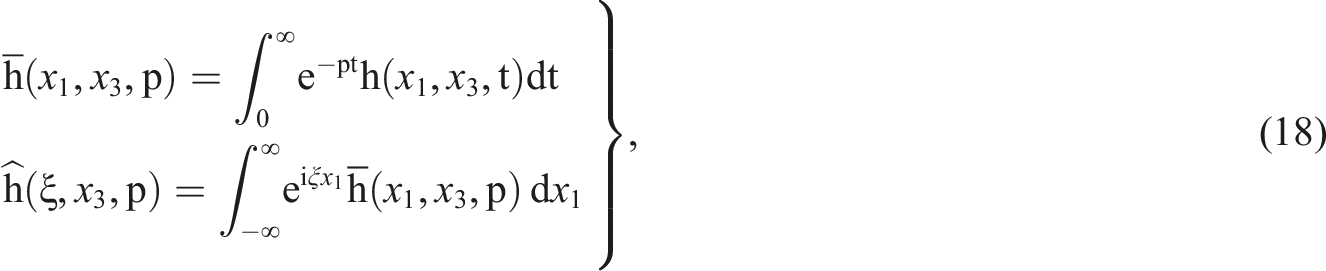
Applying Laplace transform and Fourier transform defined in (18) on (13), we get
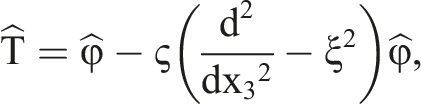

Employing (17)–(19) on equations (9)–(12) (removing the primes), yields the following result:


The roots of the characteristic equation




Boundary conditions
The boundary conditions are taken as a moving normal force and a distributed thermal source, which are mathematically written at

Applying the transforms defined by (18) on (26), we get


Using equations (22)–(25) in the transformed boundary condition given by (27) along with equations (14)–(16), and (18), we get components of displacement, stresses, thermodynamic temperature, and conductive temperature as follows:







Special cases
(i) The above results are reduced for MGT thermo-viscoelastic half-space with non-local and HTT parameters when (ii) If (iii) Considering (iv) The expressions from equations (28)–(34) reduce for Green-Naghdi–II theory (1993) for micropolar thermo-viscoelastic medium along non-local and HTT effects when (v) If (vi) Stability Condition:
It is important to ensure the stability of the Moore–Gibson–Thompson (MGT) heat conduction model employed in this study. The stability condition requires that the thermal relaxation times satisfy the inequality

This condition guarantees that the model describes a stable and physically realistic thermal response, preventing non-physical amplification of thermal waves. This condition implies that thermal waves decay over time rather than grow unboundedly. The parameters used in the present work were selected to fulfill this criterion, ensuring stable and physically meaningful results throughout the computations. Violation of this condition could result in unstable or exponentially growing solutions, which are not physically acceptable. In all numerical simulations presented, the chosen parameter values satisfy this stability requirement.
Inversions of the transform
The components of displacement, stresses, thermodynamic temperature, and conductive temperature are the functions of
In the physical domain, numerical results can be generated using the Riemann sum approximation method. By applying the well-known equation, this approach converts each function



Numerical results and discussion
To study the effect of various parameters, numerical calculations are carried out for different cases, the effect of HTT, non-local parameters
The following values of relevant parameters are taken for numerical computations:
Following Eringen,
37
the values of micropolar constants are


Thermal parameters are given by (Dhaliwal and Singh
38
)


The relevant parameters used for numerical computation can be expressed as

We consider the HTT parameter (
Normal force
Hyperbolic two-temperature and viscosity
The computation of graphs is as follows:
The curves in the absence of HTT (
The curves in the absence of HTT (
The curves in the presence of HTT (
The curves in the presence of HTT (
Figure 1 depicts the variation of Variation of Normal stress 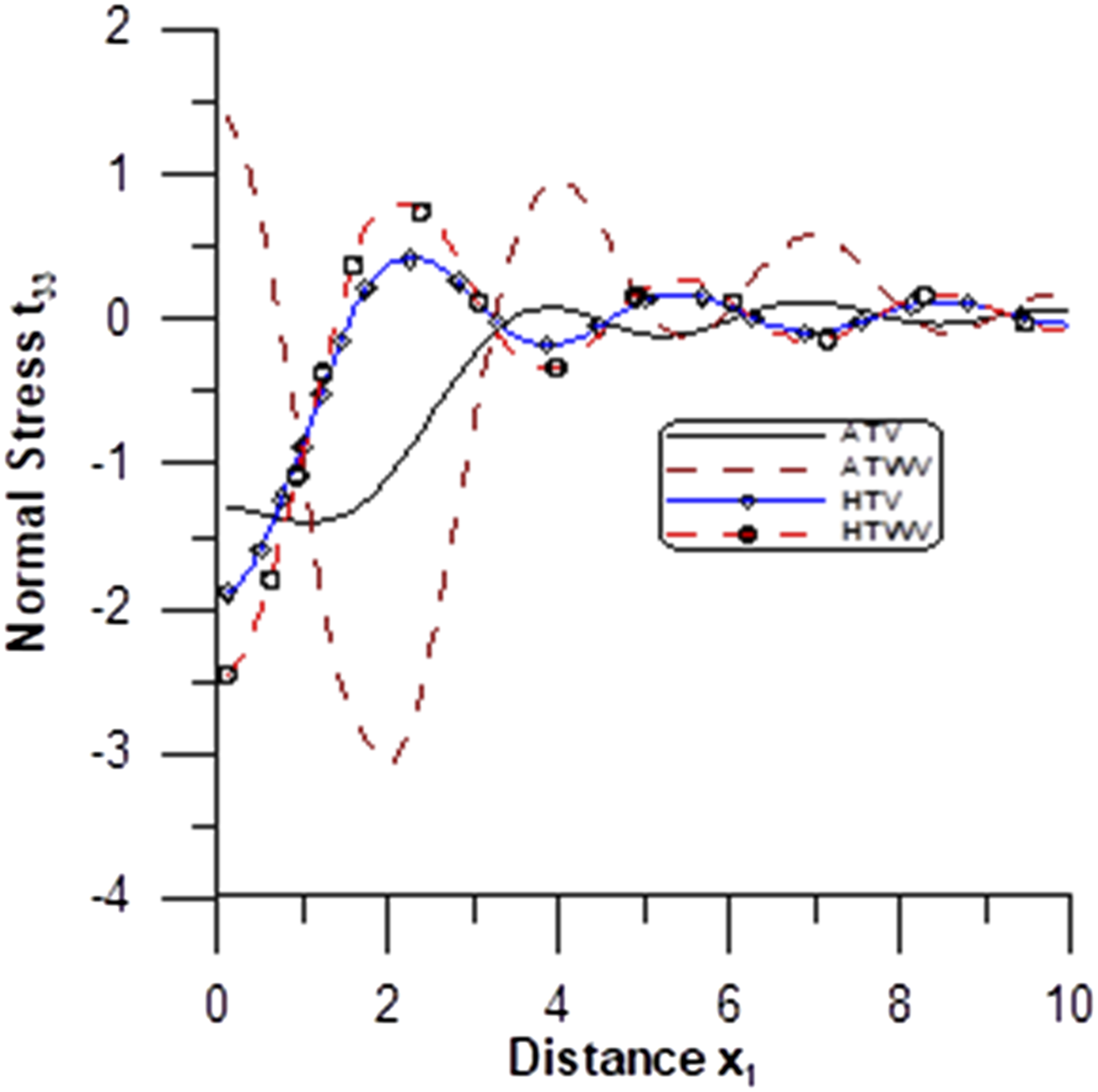
Figure 2 depicts the variation of Variation of Tangential Couple stress 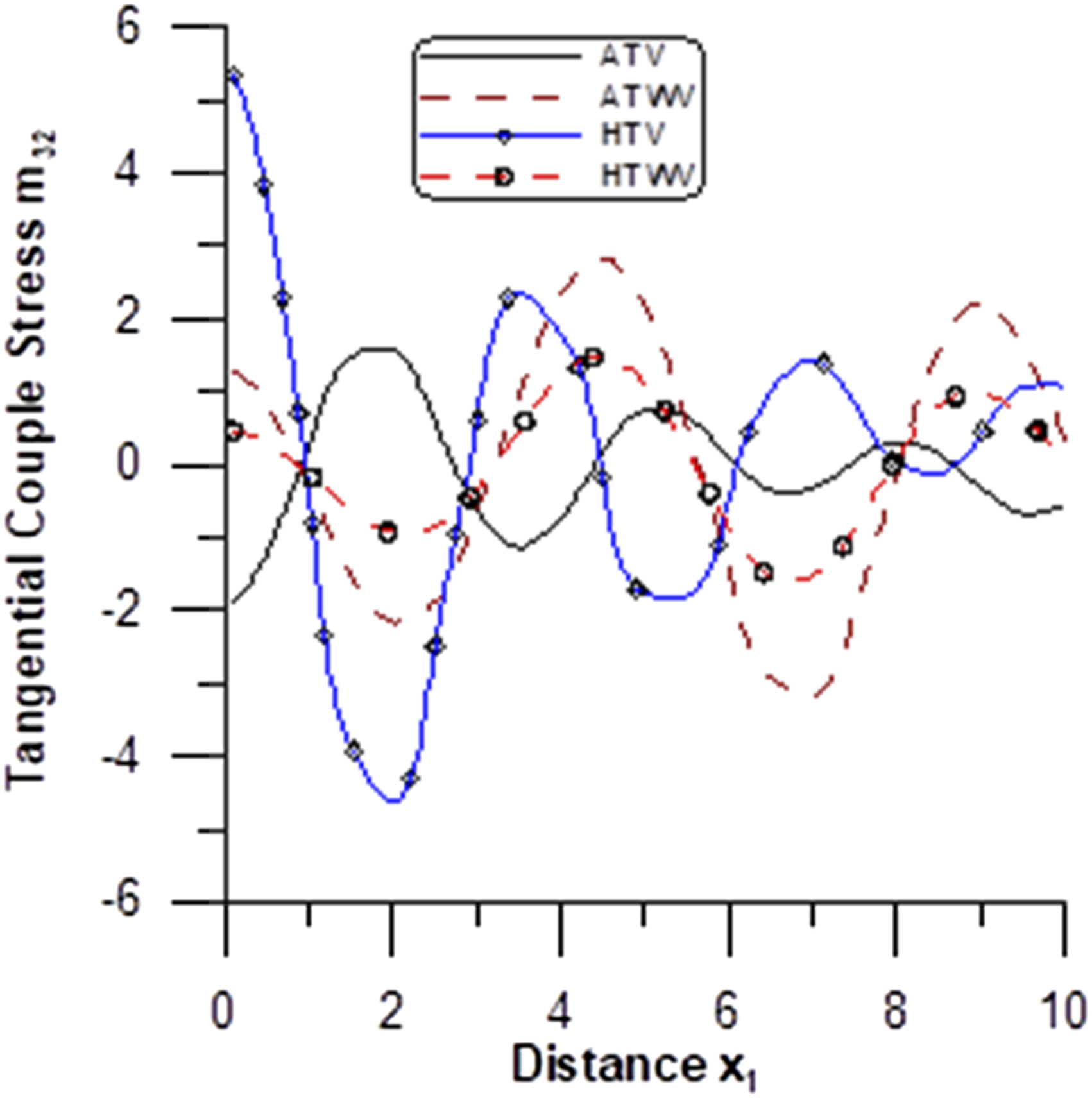
Figure 3 shows trend of T versus Variation of Thermodynamic temperature T w.r.t. 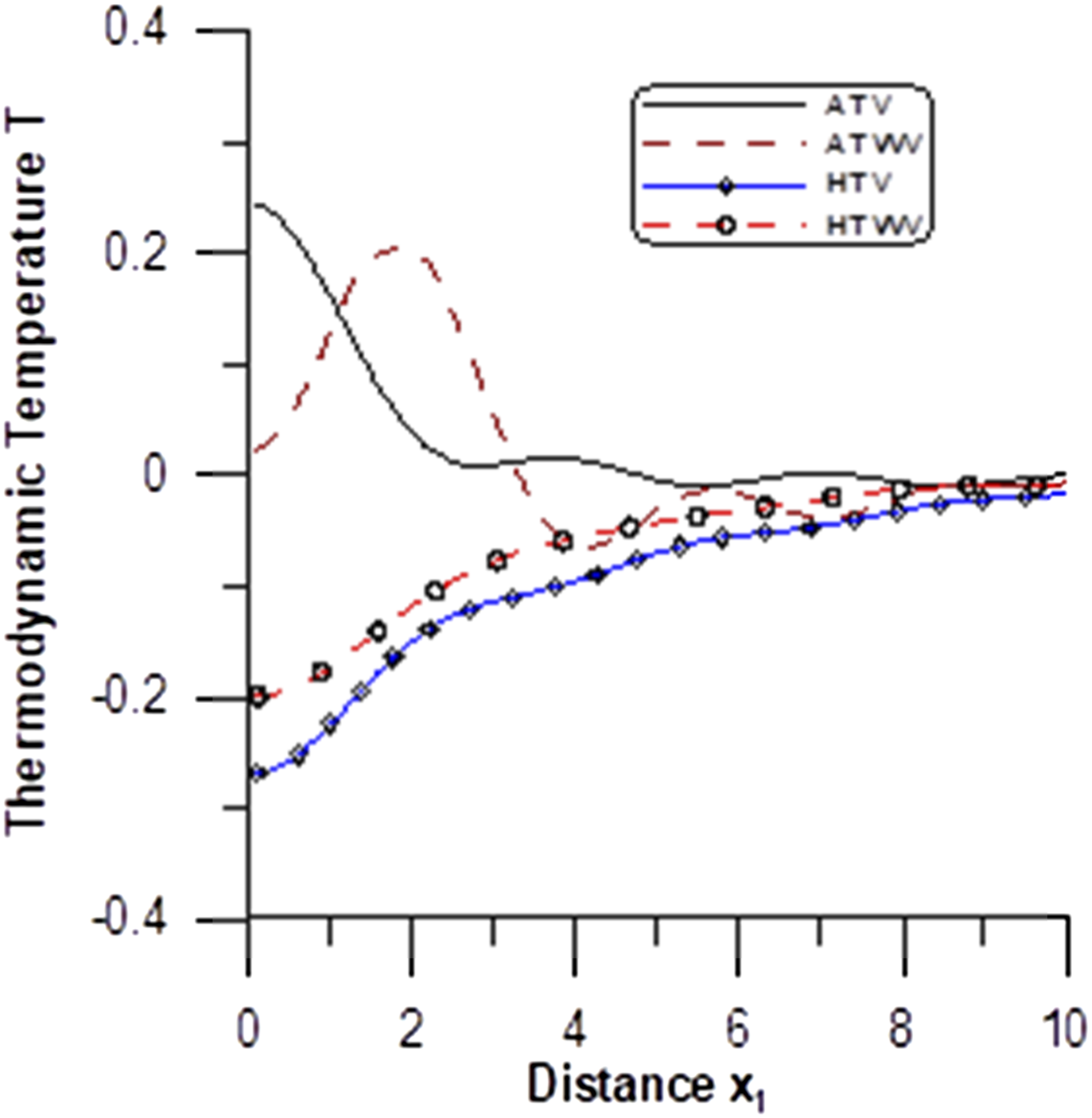
Figure 4 exhibits the plot for φ versus Variation of Conductive temperature 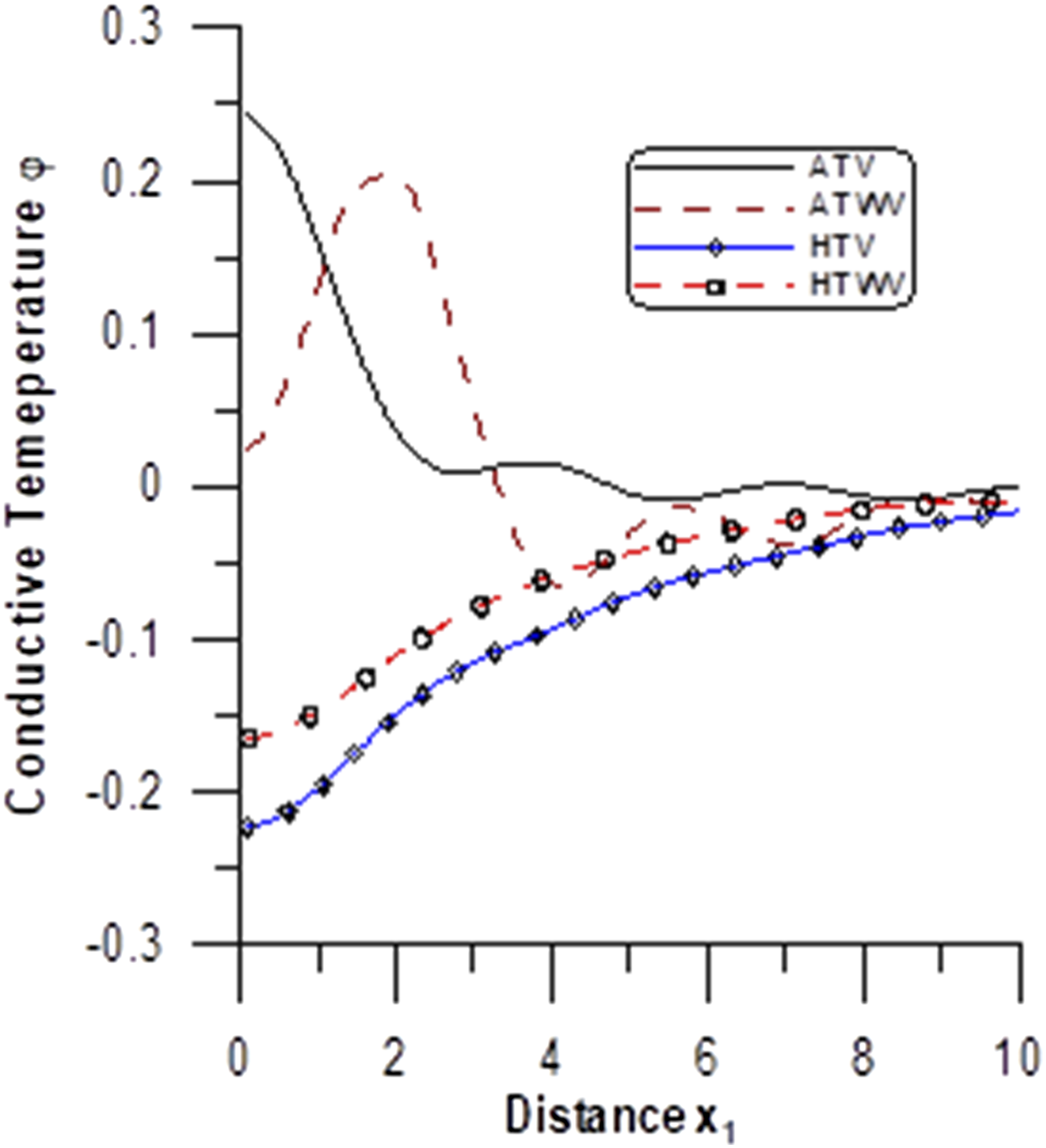
Non-local effect with viscosity
The computation of graphs is as following:
The curves in presence of both non-local parameters
The curves in absence of both non-local parameters
The curves in presence of only
The curves in presence of only
Figure 5 depicts the variations of Variation of normal stress 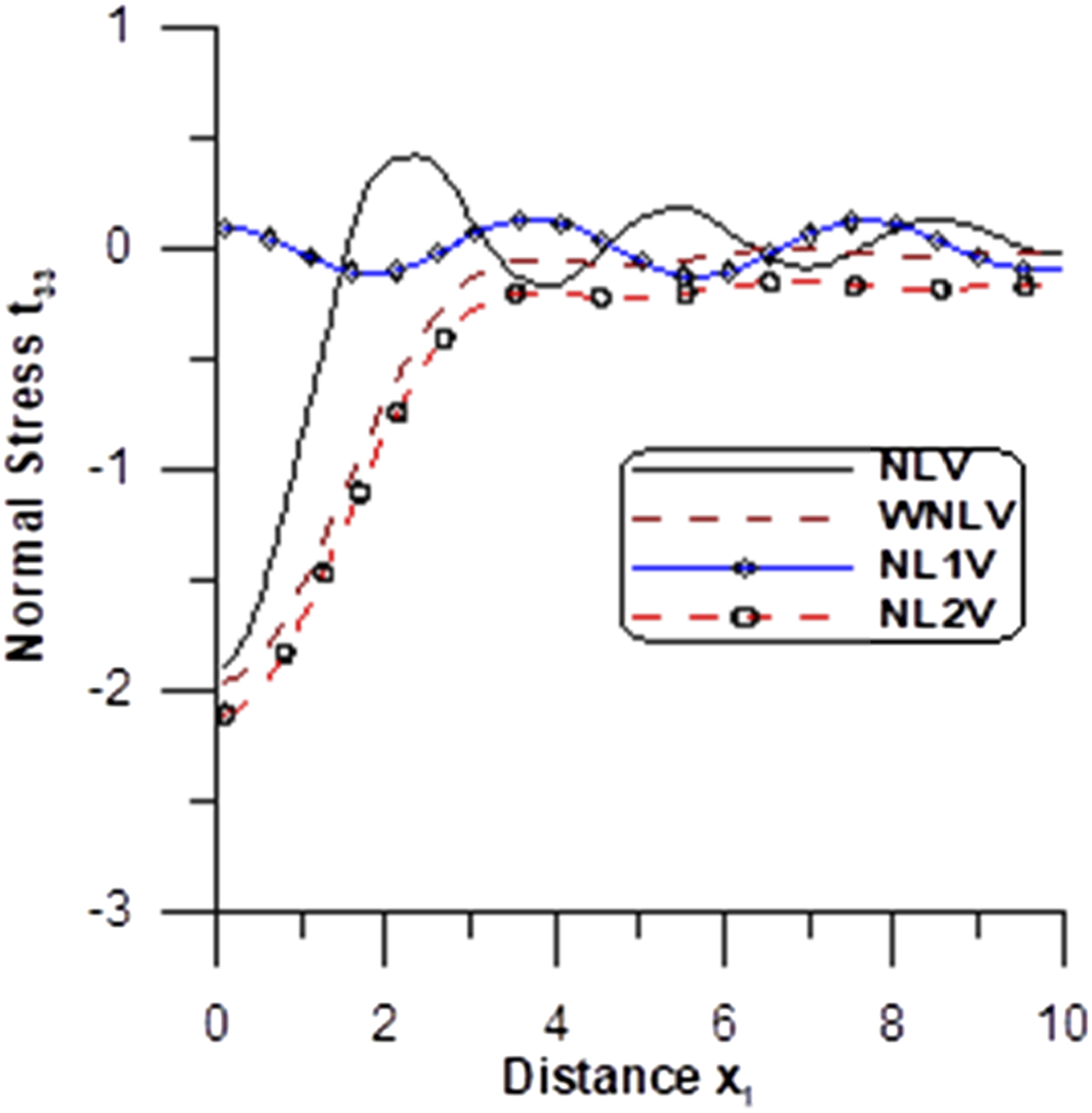
Figure 6 displays the trend of Variation of tangential couple stress 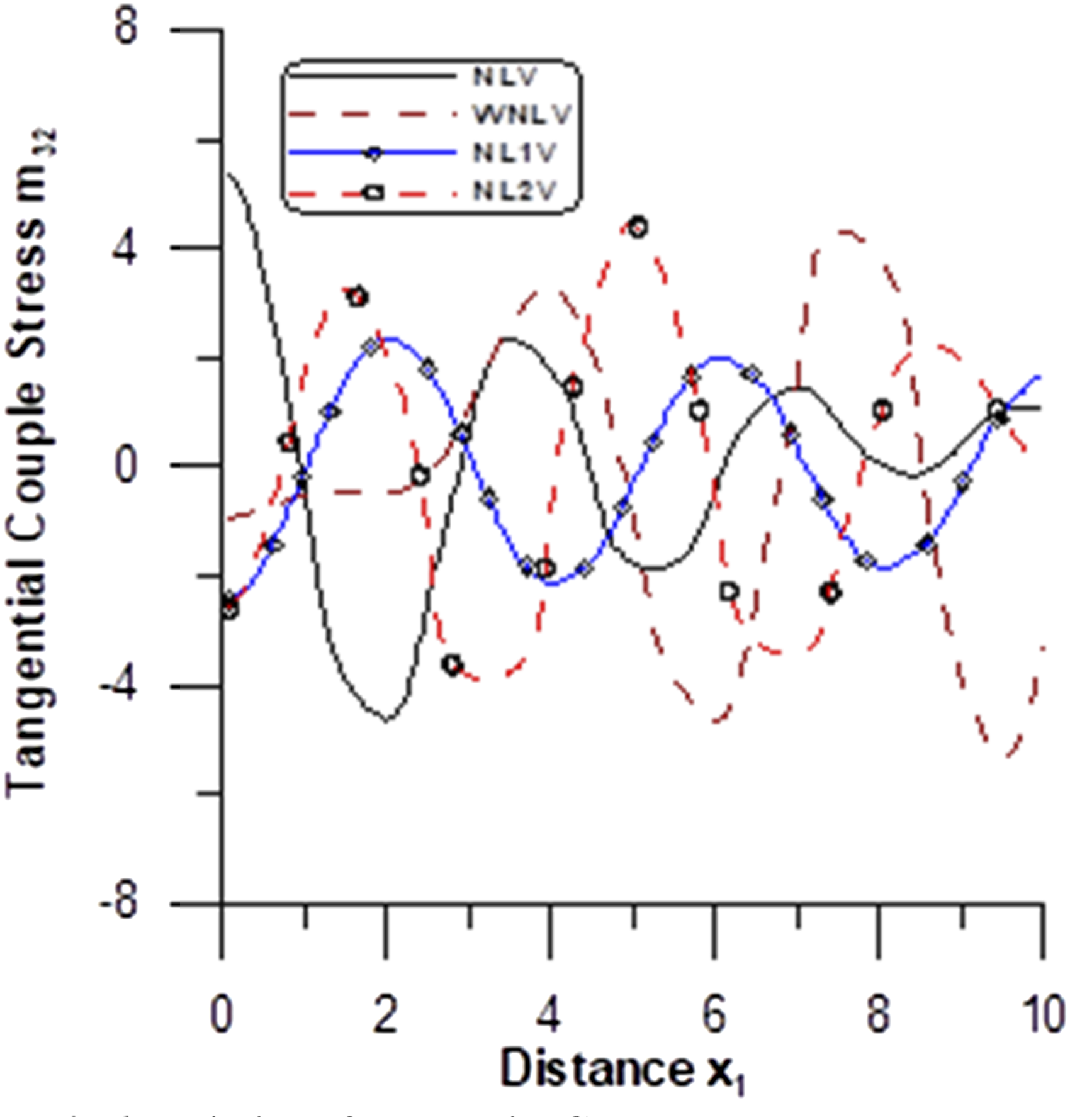
Figure 7 shows variations of Variation of thermodynamic temperature T w.r.t. 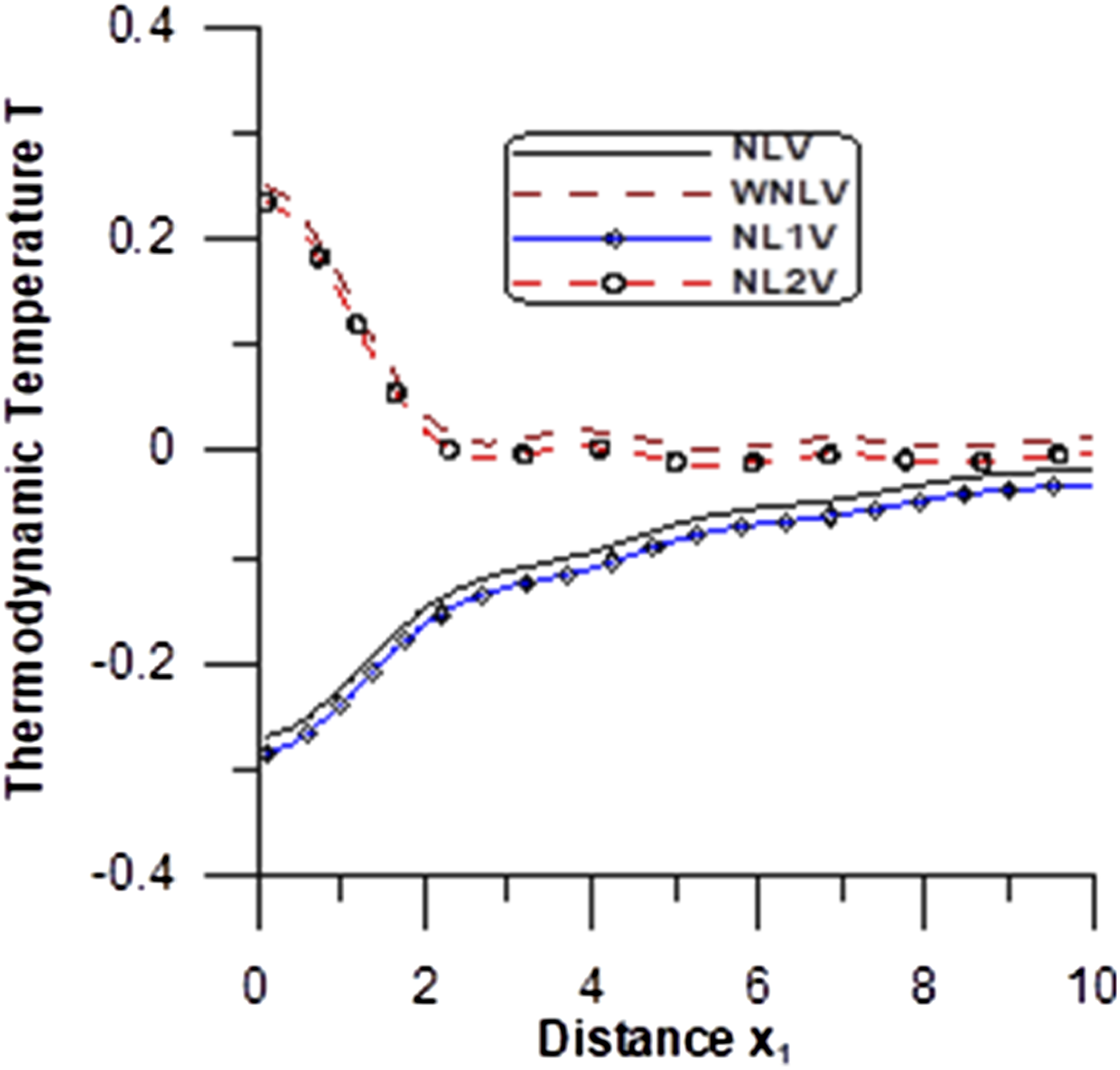
Figure 8 exhibits the plot for Variation of conductive temperature 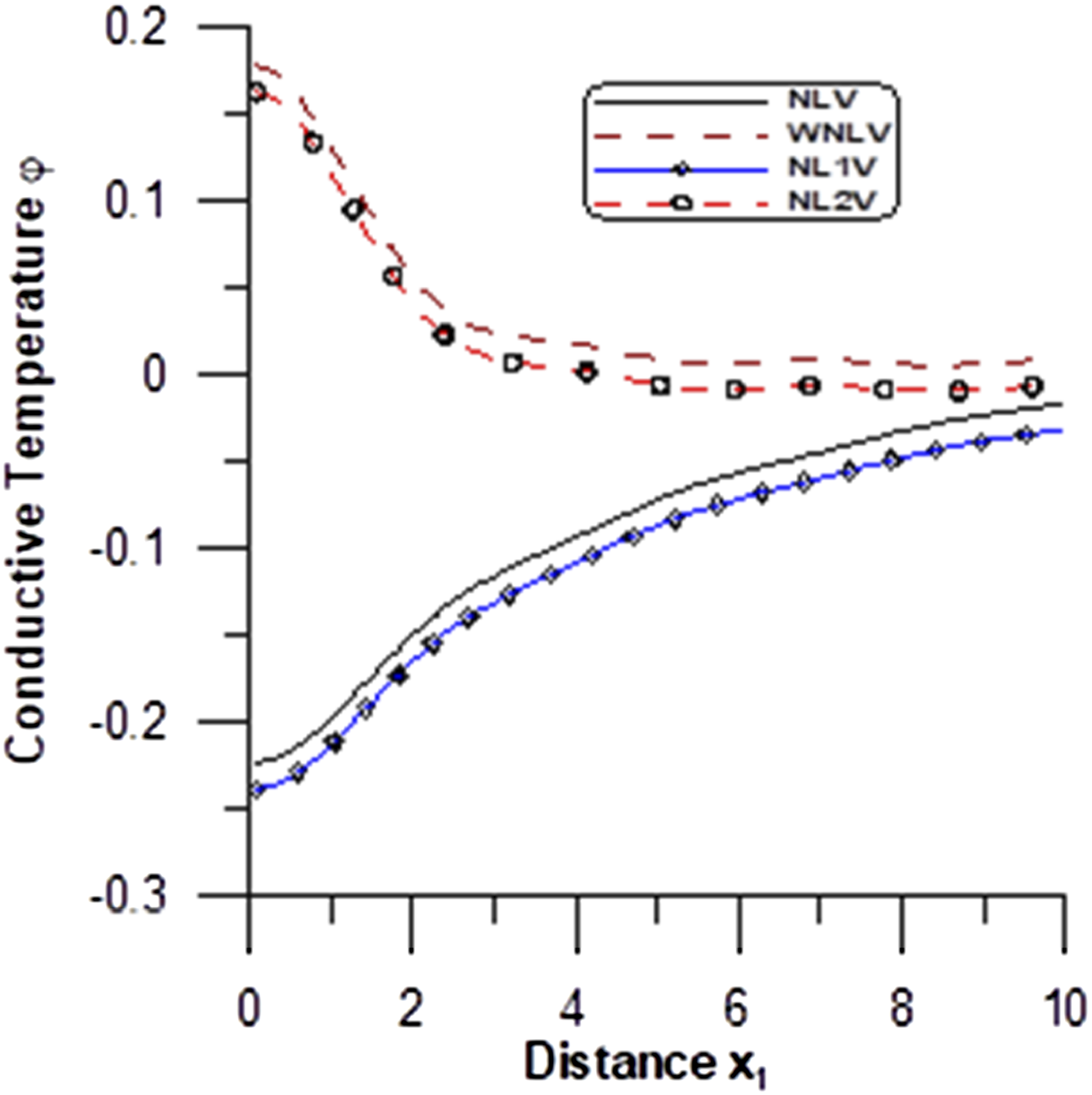
Variations of velocity parameter
The computation of graphs is as follows:
The curves in case of
The curves in case of
The curves in case of
Figure 9 depicts variations of Variation of normal stress 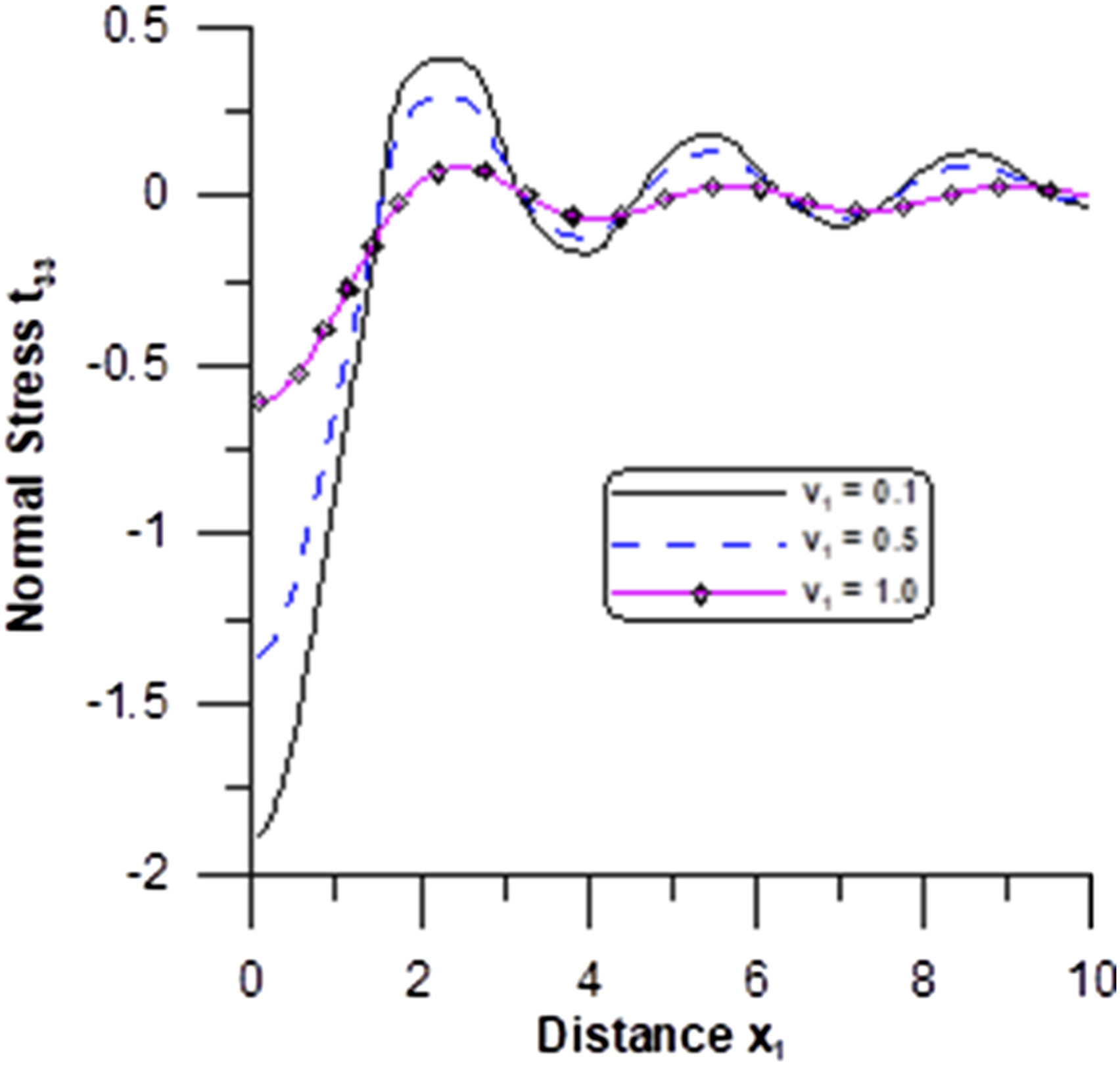
It is evident from Figure 10 that the values of Variation of tangential couple stress 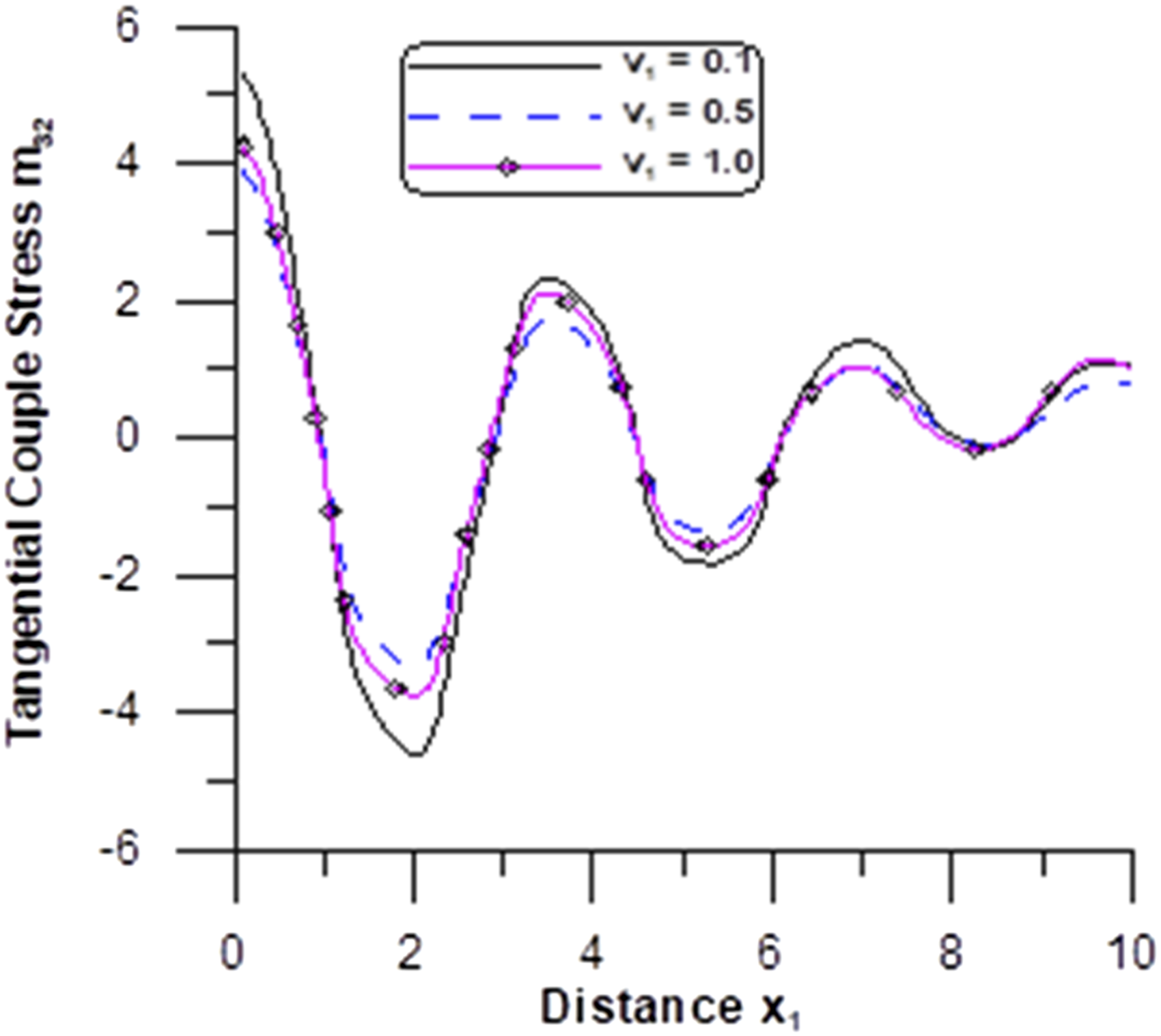
Figure 11 displays the variations of Variation of thermodynamic temperature T w.r.t. 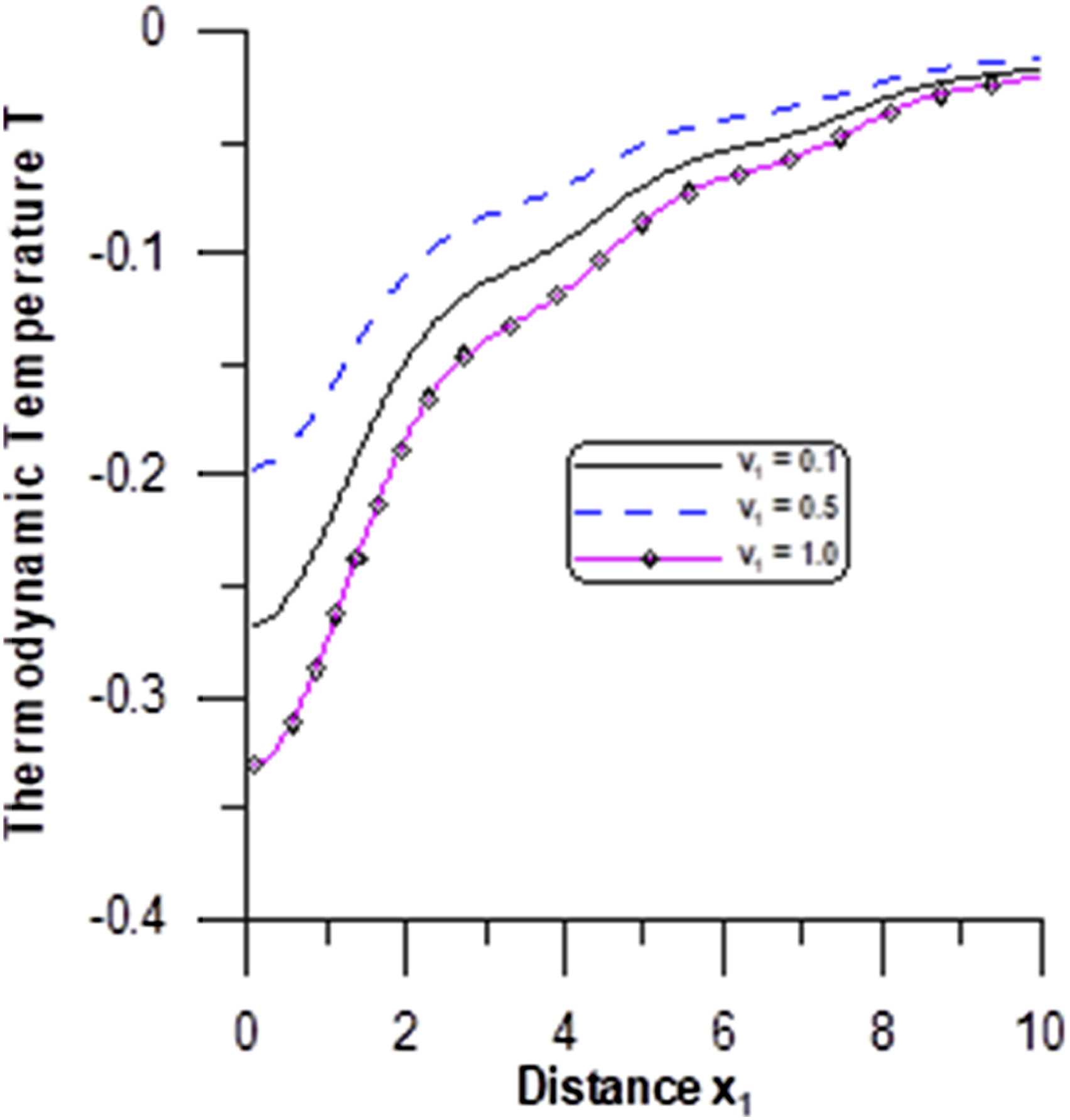
Figure 12 shows the trend of Variation of conductive temperature 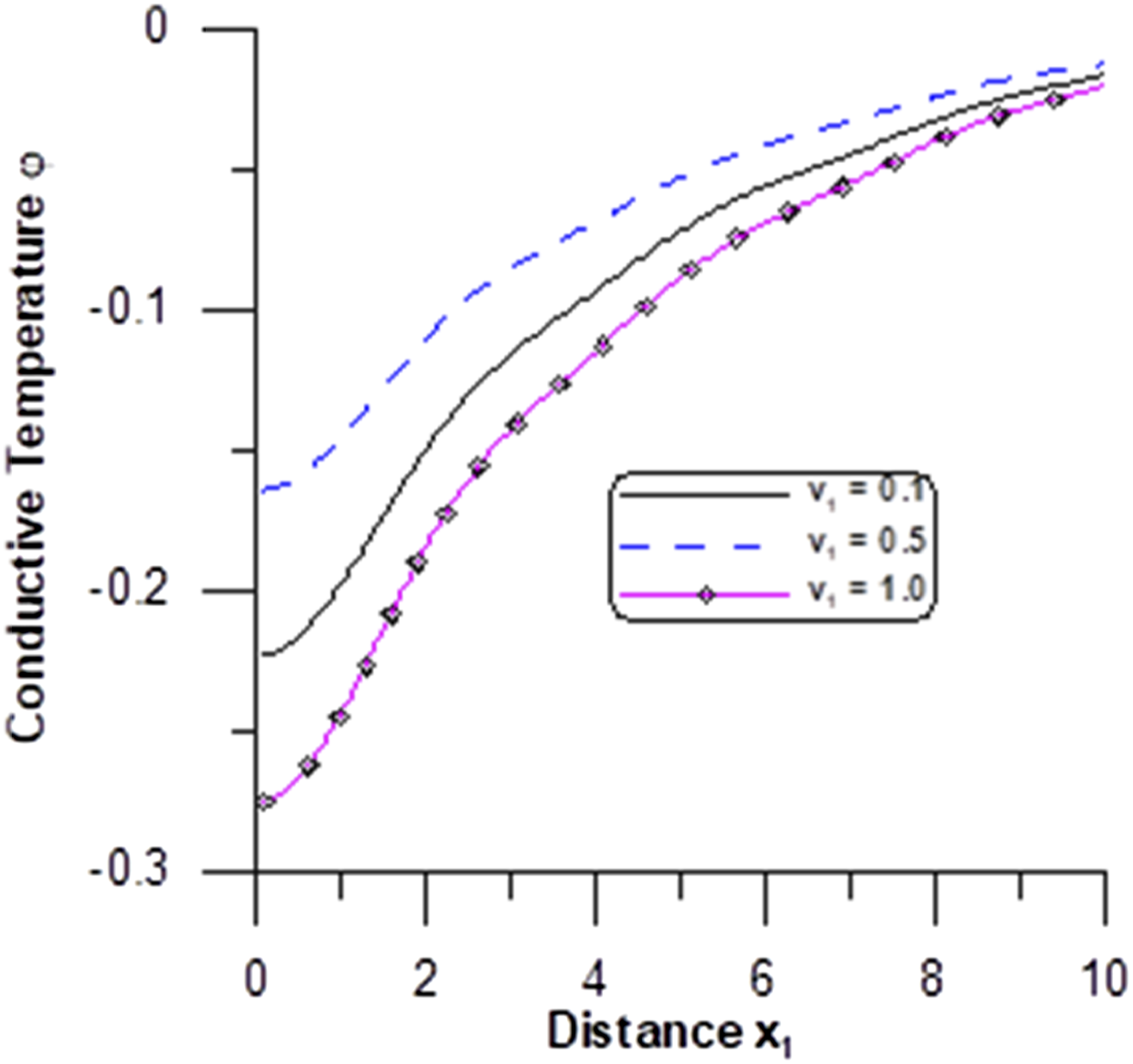
Thermal source
Hyperbolic two-temperature and viscosity
Figure 13 shows variations of Variation of normal stress 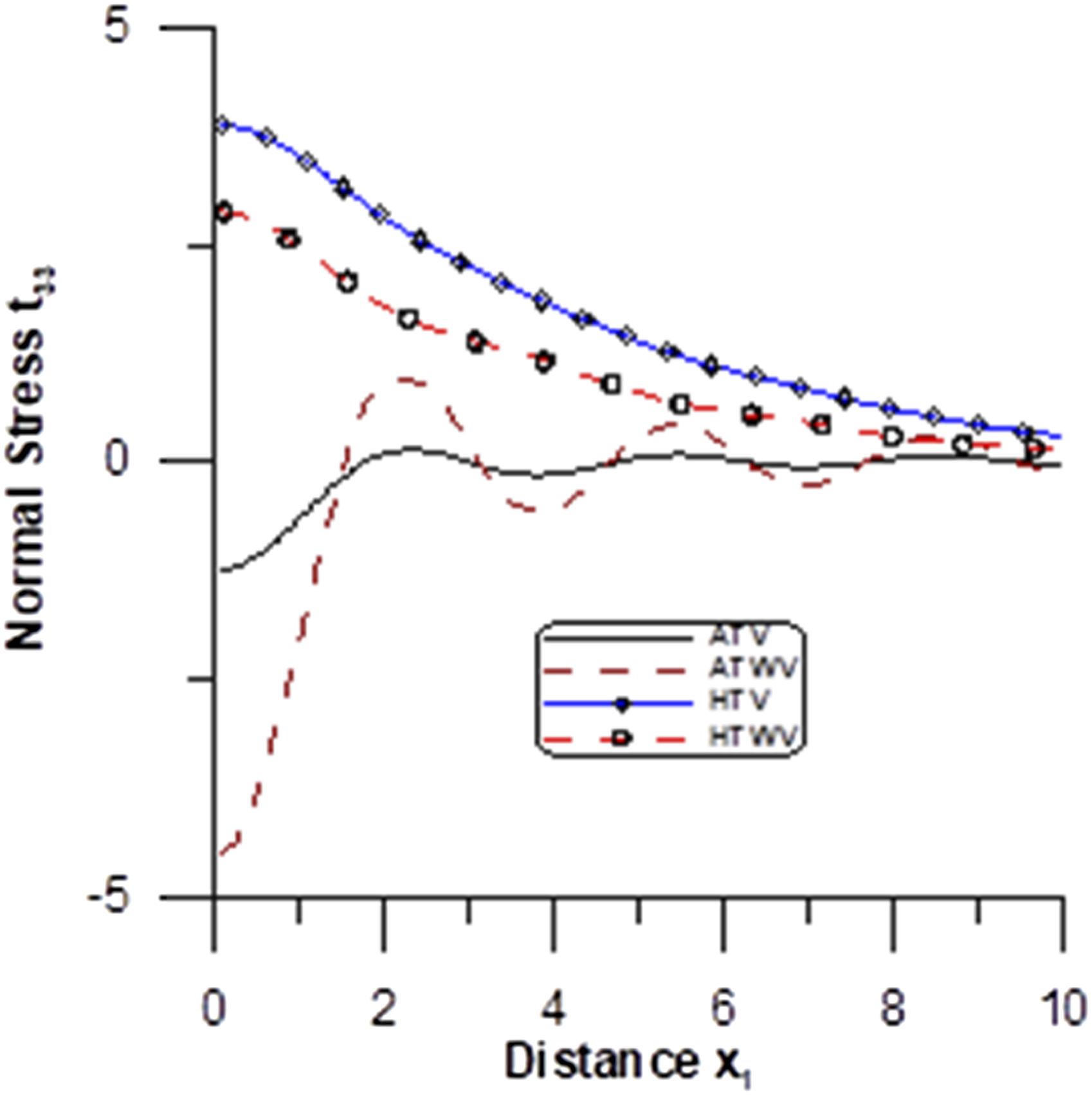
It is evident from Figure 14 that trends of Variation of tangential couple stress 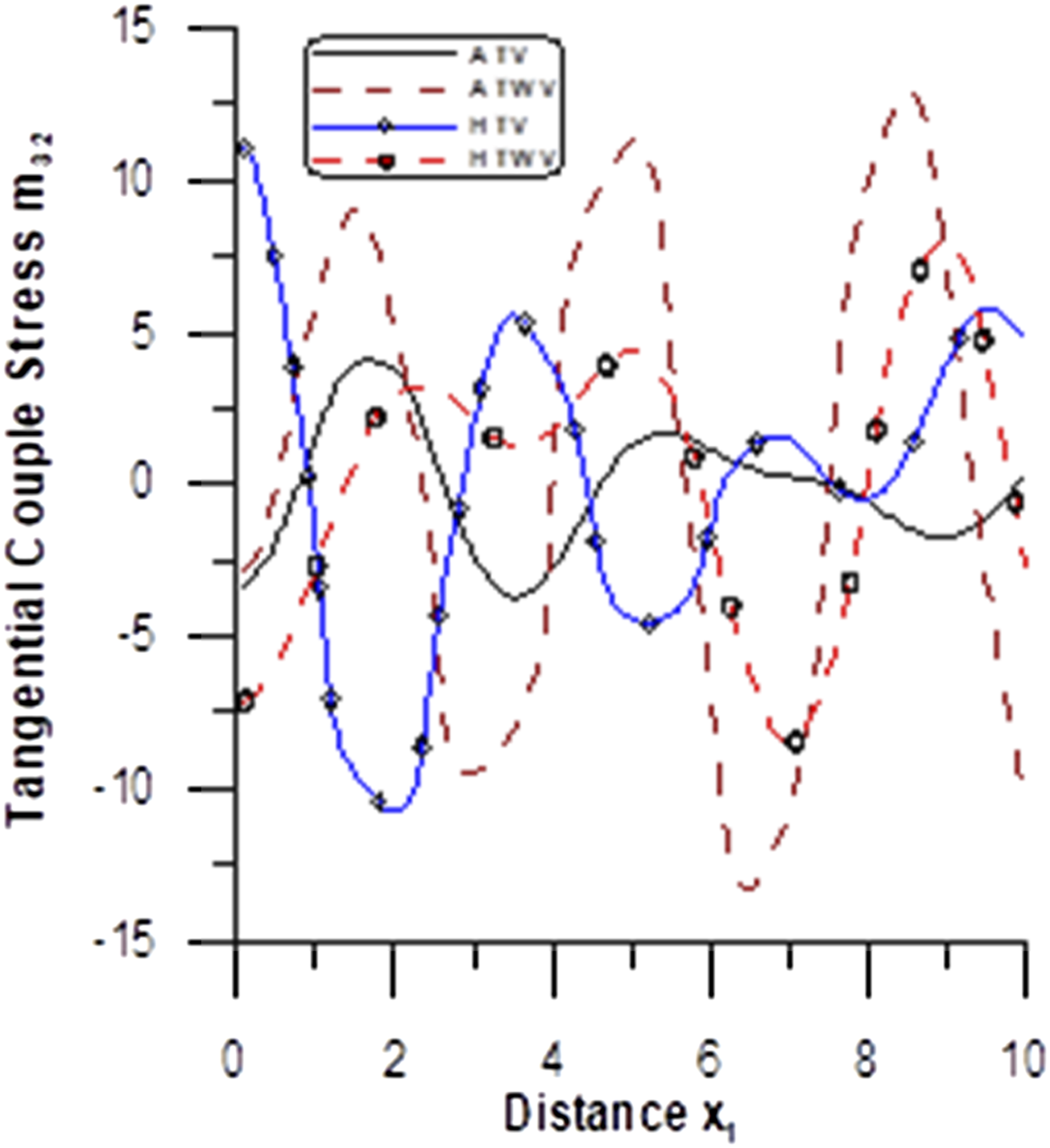
Figure 15 depicts the variation of T versus Variation of thermodynamic temperature T w.r.t. 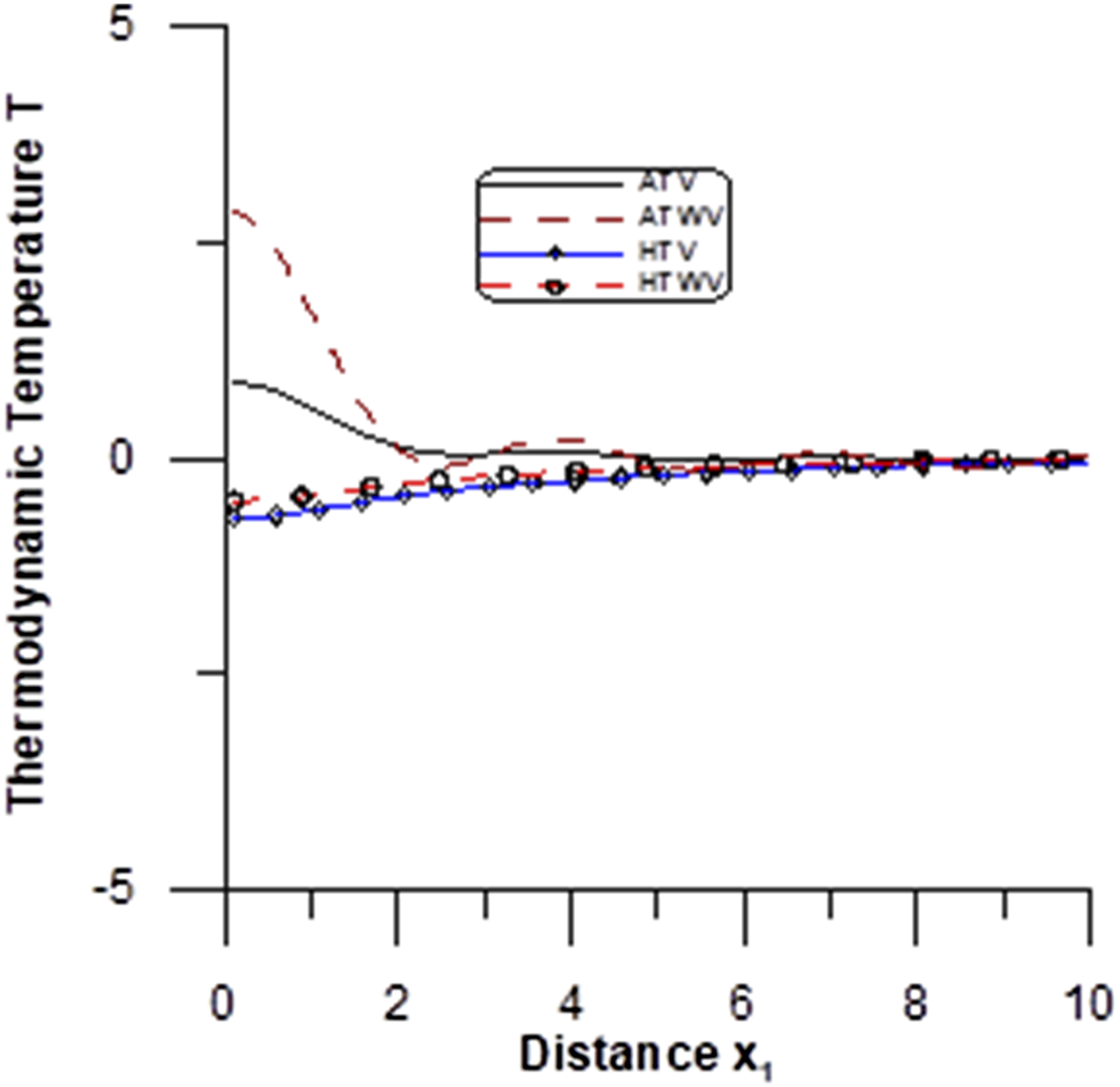
Figure 16 shows variations of Variation of conductive temperature 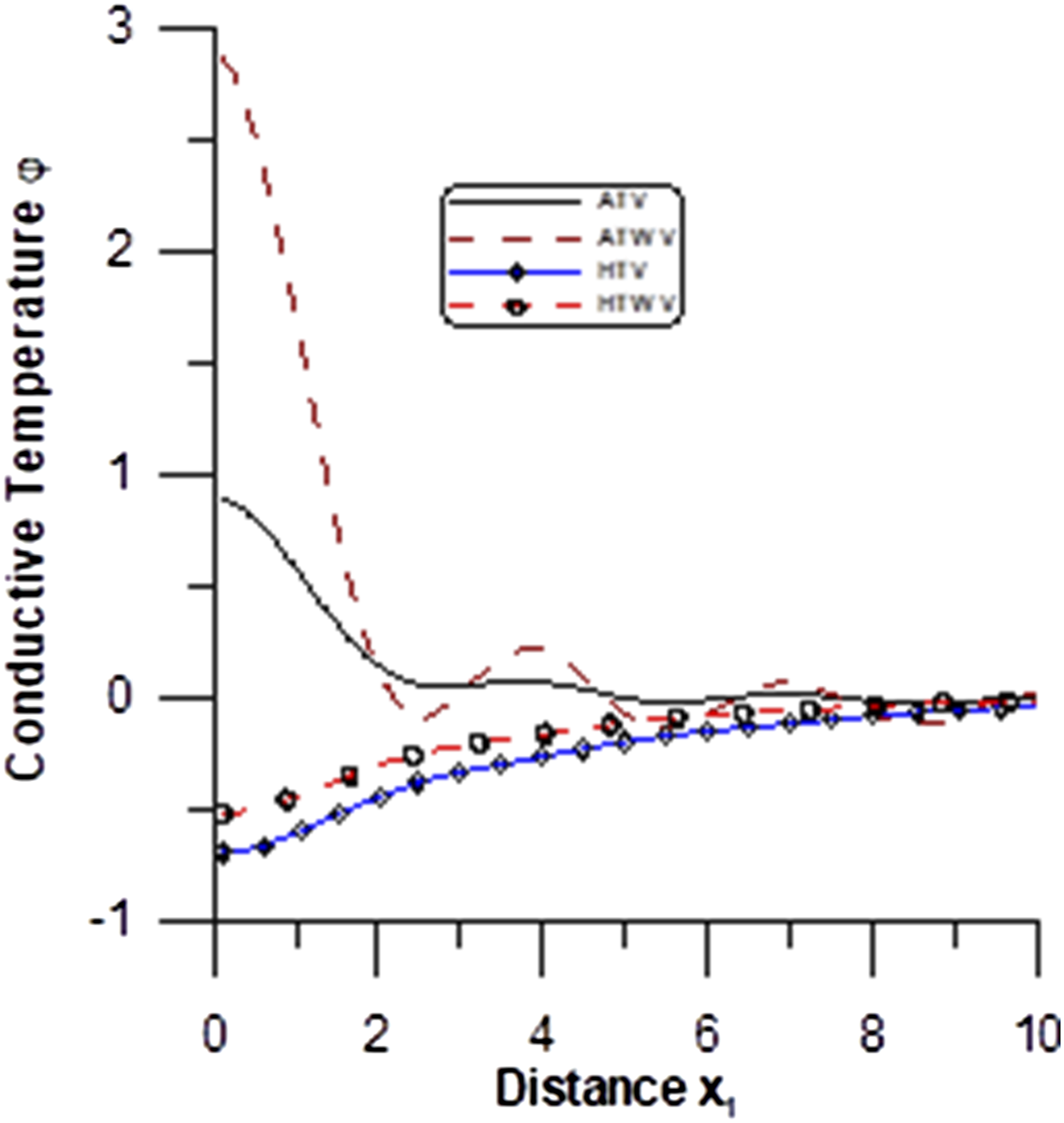
Non-local effect with viscosity
Figure 17 depicts the variations of Variation of normal stress 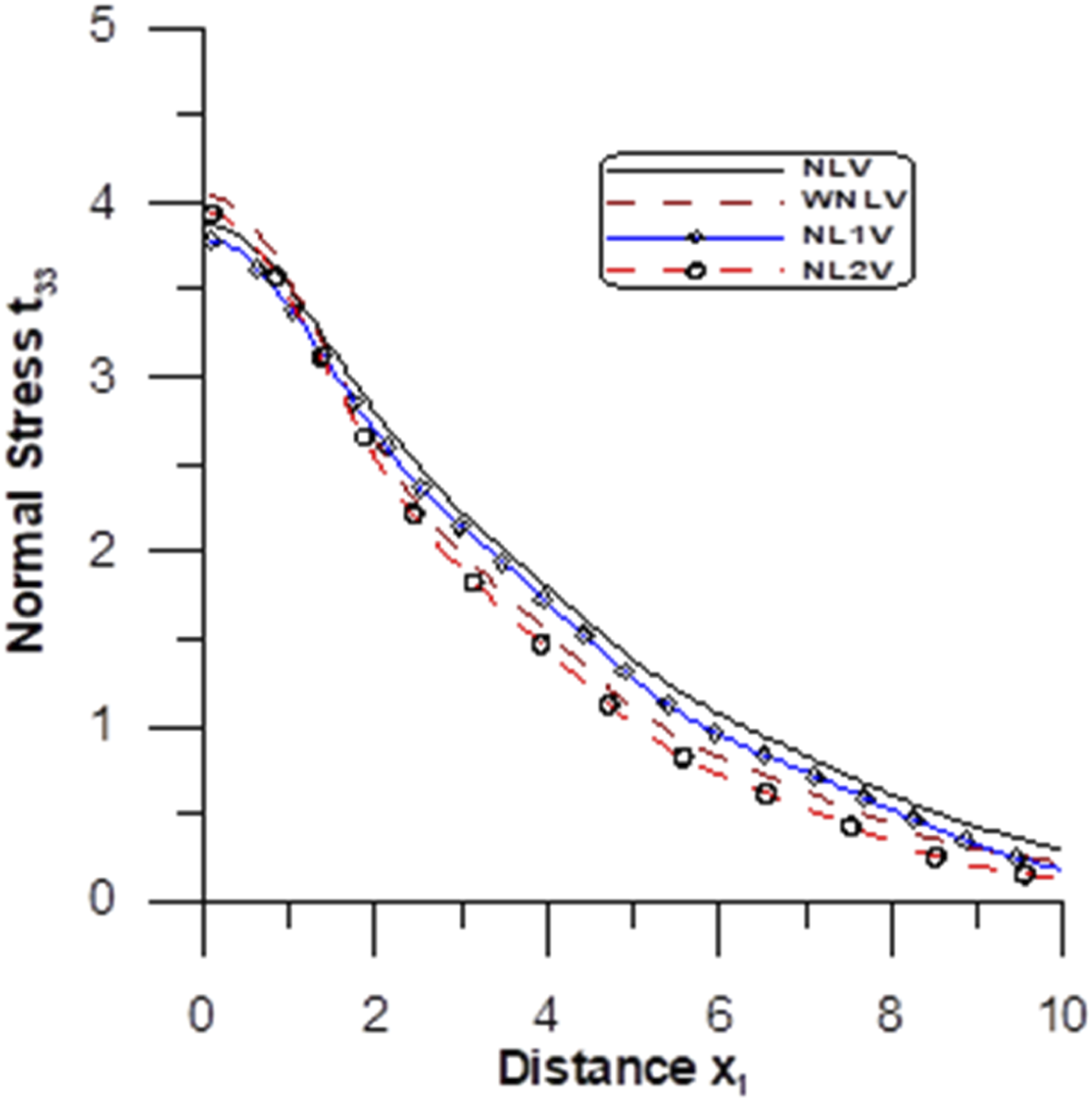
Figure 18 demonstrates the variations of Variation of tangential Couple stress 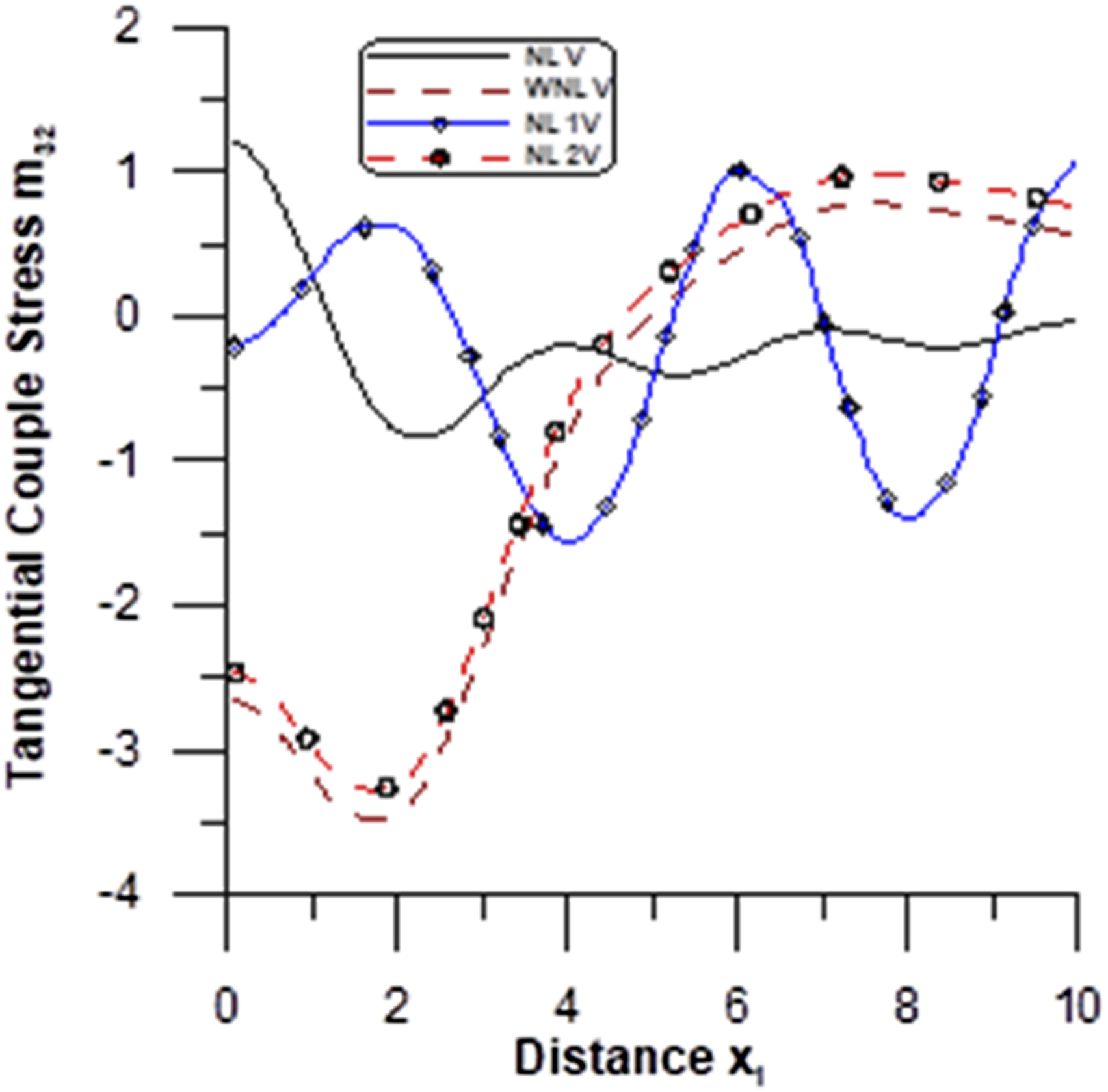
Figure 19 displays the variations of Variation of thermodynamic temperature T w.r.t. 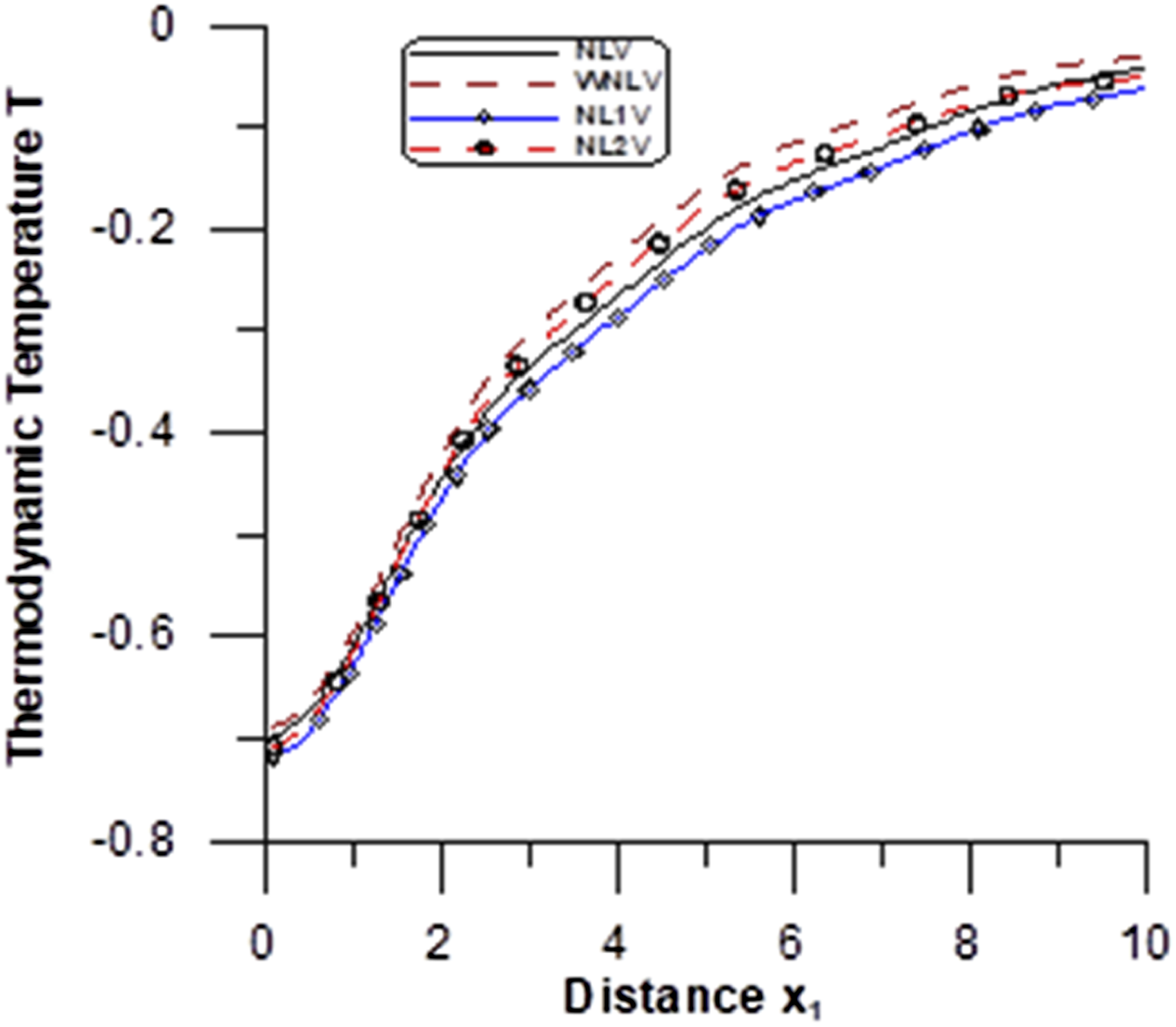
Figure 20 exhibits the plot for φ versus Variation of conductive temperature 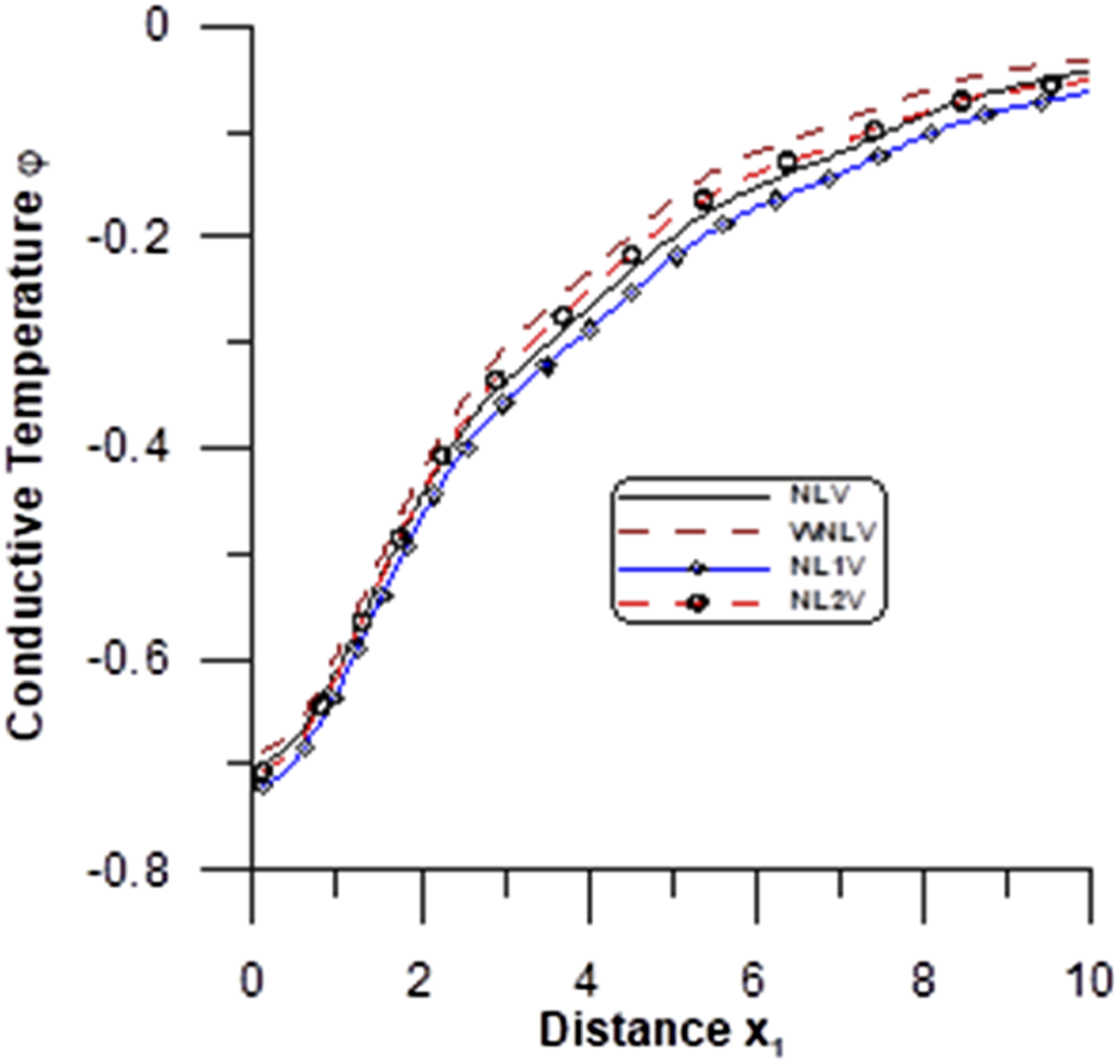
In the present study, the stability of the Moore–Gibson–Thompson (MGT) heat conduction model is ensured by selecting the parametric values such that the thermal relaxation time • Hyperbolic two-temperature parameter: • Non-local parameters: • Velocity parameter:
All numerical results presented satisfy the stability condition, ensuring that the system response remains stable and physically realistic within these parameter ranges. It is important to note that outside these specified ranges, particularly for large nonlocal parameters or small relaxation times, the stability of the solution may need to be reassessed.
Validation of results
To validate the present computational results, special limiting cases were considered. When the non-local parameters
Conclusion
In this work, we analyzed the thermomechanical behavior of a homogeneous, isotropic micropolar thermo-viscoelastic half-space subjected to normal forces and thermal sources within the framework of the Moore–Gibson–Thompson (MGT) thermoelastic theory, incorporating non-locality and hyperbolic two-temperature (HTT) effects.
The governing equations were formulated using Laplace and Fourier transforms, and the physical fields were reconstructed via numerical inversion. The influence of viscosity, non-local parameters, velocity parameters, and HTT effects was thoroughly investigated through numerical simulations and graphical representations.
The key findings of the study can be summarized as follows: • Non-local effects significantly modify the stress, temperature, and couple stress fields, leading to higher magnitudes of normal stress and oscillatory behavior in tangential couple stresses. • Hyperbolic two-temperature effects enhance the thermodynamic and conductive temperature fields while modifying stress distributions, particularly under thermal loading. • Viscosity was found to reduce the amplitude of stress oscillations and temper the growth of temperature fields, stabilizing the overall response. • Velocity parameters influence the oscillatory characteristics of stresses, demonstrating that dynamic boundary conditions can considerably affect the system behavior. • The allocation of normal force reveals that the existence of both non-local parameters results in an increasing trend for normal stress, thermodynamic temperature, and conductive temperature, while tangential couple stress exhibits an oscillating tendency over the entire interval. • In comparison to other circumstances, the thermal source’s HTT parameter amplifies the normal stress and elevates the thermodynamic and conductive temperatures. Conversely, oscillatory behavior is noted for tangential couple stress across all examined situations. • In the context of normal force, it is observed that owing to velocity parameters, normal stress, and tangential couple stress exhibit oscillatory behavior, while thermodynamic temperature and conductive temperature demonstrate a consistent increase over the entire interval. • The presence of viscosity and HTT parameters causes normal stress and tangential couple stress to exhibit a decreasing trend. Conversely, an opposing trend is observed for thermodynamic and conductive temperatures when a thermal source is introduced at the border. • The application of the normal force results in a decrease in thermodynamic and conductive temperatures near the boundary in the absence of HTT and the presence of the viscosity parameter. Nonetheless, both normal stress and tangential couple stress increase. • The existence of non-local factors results in an increased magnitude of normal stress and tangential couple stress compared to their absence, while a contrary trend is observed in the magnitudes of thermodynamic and conductive temperatures upon the application of a thermal source.
The model validation through limiting cases showed consistency with known results from classical and non-local thermoelasticity theories, confirming the correctness and robustness of the proposed approach. This study contributes to the deeper understanding of coupled thermal and mechanical behavior in micropolar and non-local viscoelastic materials, which is essential for applications in seismology, geomechanics, earthquake engineering, MEMS design, and advanced composite material analysis. Future extensions could include nonlinear effects, time-dependent boundary conditions, or three-dimensional generalizations for even broader applicability.
Footnotes

Author contributions
All authors have equally participated in the preparation of the manuscript during the implementation of ideas, findings result, and writing of the manuscript.
Funding
The authors disclosed receipt of the following financial support for the research, authorship, and/or publication of this article: This work was supported by Princess Nourah bint Abdulrahman University Researchers Supporting Project number (PNURSP2025R899), Princess Nourah bint Abdulrahman University, Riyadh, Saudi Arabia.
Declaration of conflicting interests
The authors declared no potential conflicts of interest with respect to the research, authorship, and/or publication of this article.
Data Availability Statement
Current submission does not contain the pool data of the manuscript but the data used in the manuscript will be provided on request.