




Abstract
Dynamic and vibration difficulties have begun to play a major part in structural analysis as a result of the increasing complexity and slimness of bridges. Nonetheless, creating numerical models that accurately capture the true behaviour of structures remains a challenge. It can be caused by the lack of references that characterise the dynamic and vibration properties of the material. For that reason, the main goal of this work is to investigate experimental methods to characterise materials that are commonly used to build reduced scale physical models. We tested four types of materials in order to achieve this goal, as well as evaluating the major influence of reinforcement on the material’s elastic stiffness. That presents a novel approach to support engineers to suitably select scaled physical models materials. In addition to identifying the basic static properties of the studied materials, material damping and material relaxation were also characterised through the following: General logarithmic decrement method, Half-power band, modal damping and random decrement. In order to evaluate the material damping, we analysed the acceleration and displacement of cantilever specimens using a data acquisition module. As a result, the confidence level of each approach in contrast to the experimental data could be determined. Finally, the material behaviour of each material was examined in order to determine the best material for producing reduced scaled models of reinforced concrete bridges. As a result, it was easy to see that modal damping indicates higher confidence, whereas logarithmic decrement indicates lower confidence. It is also important to keep in mind that most methods for determining damping ratios are based on viscous damping. As a result, non-linear regression and modal damping were deemed the best methods for characterising vibration and dynamic responses of materials.
Keywords
Introduction
During the last few years, structures have become more complex and slimmer because of advances in construction engineering and materials science. As a result, the cost and weight of structures have been decreasing. In contrast with that, external dynamic loads caused by tropical climate change have started playing an important role in structural design and simulation. 1 In addition, several studies show that the main cause of bridge collapses was by dynamic conditions. 2 In spite of that, dynamic loads are poorly considered in several standards, such as ABNT 61183. In most cases, standards only consider the analysis of natural frequencies in order to add safety factors or quasi-static magnification.
Reduced scale research and simulation processes, on the other hand, are usually linked with those standards, with Eigen analyses indicating natural frequencies and natural damped frequencies. As a result, in addition to the general viscous damping imparted to the entire structure, the dynamic behaviour of the structure takes into account the modal form obtained by the resonant frequencies. One of the reasons of that is the fact that information about the most suitable method to determine material damping is not widely studied.
For that reason, the main goal of this work is to experimentally investigate the dynamic behaviour of reduced scale physical models materials in the elastic state. As a result, divergences between damping models and experimental data might be identified.
This research offers a unique perspective in the sector, assisting engineers in designing and selecting the best materials for lower scaled physical models of reinforced concrete bridges.
Among the most used materials for reduced scale prototypes (physical models), it is possible to find fiber glass, composite resins, plastic (3D printing), micro concrete and gypsum concrete.3–5
Nevertheless, plastic materials and 3D printing technologies are known to have high anisotropic and viscous-elastic behaviour.6,7 Therefore, those materials were ignored in this work. Future studies are still needed to be conducted in this subject in order to better understand the correlation between dynamic properties, anisotropy and additive manufacturing.
Chen 8 also claims that material behaviour is influenced by the environment, with material damping increasing underwater.
In the current study, four materials were investigated in order to characterise density, ultimate flexural strength, flexural stiffness, fluency and damping. The materials are based on composite resin, reinforced composite resin, gypsum concrete and reinforced gypsum concrete.
It is important to highlight that those materials were selected because they are the most used materials in the state of art related to reduced scale prototypes.4,5
As the scaled physical models are designed for low frequencies which must be correlated to real structures, those materials are usually designed for low and intermediate resonant frequencies. Therefore, the effect of high frequencies on material behaviour was ignored in this work.
Main types of damping models.
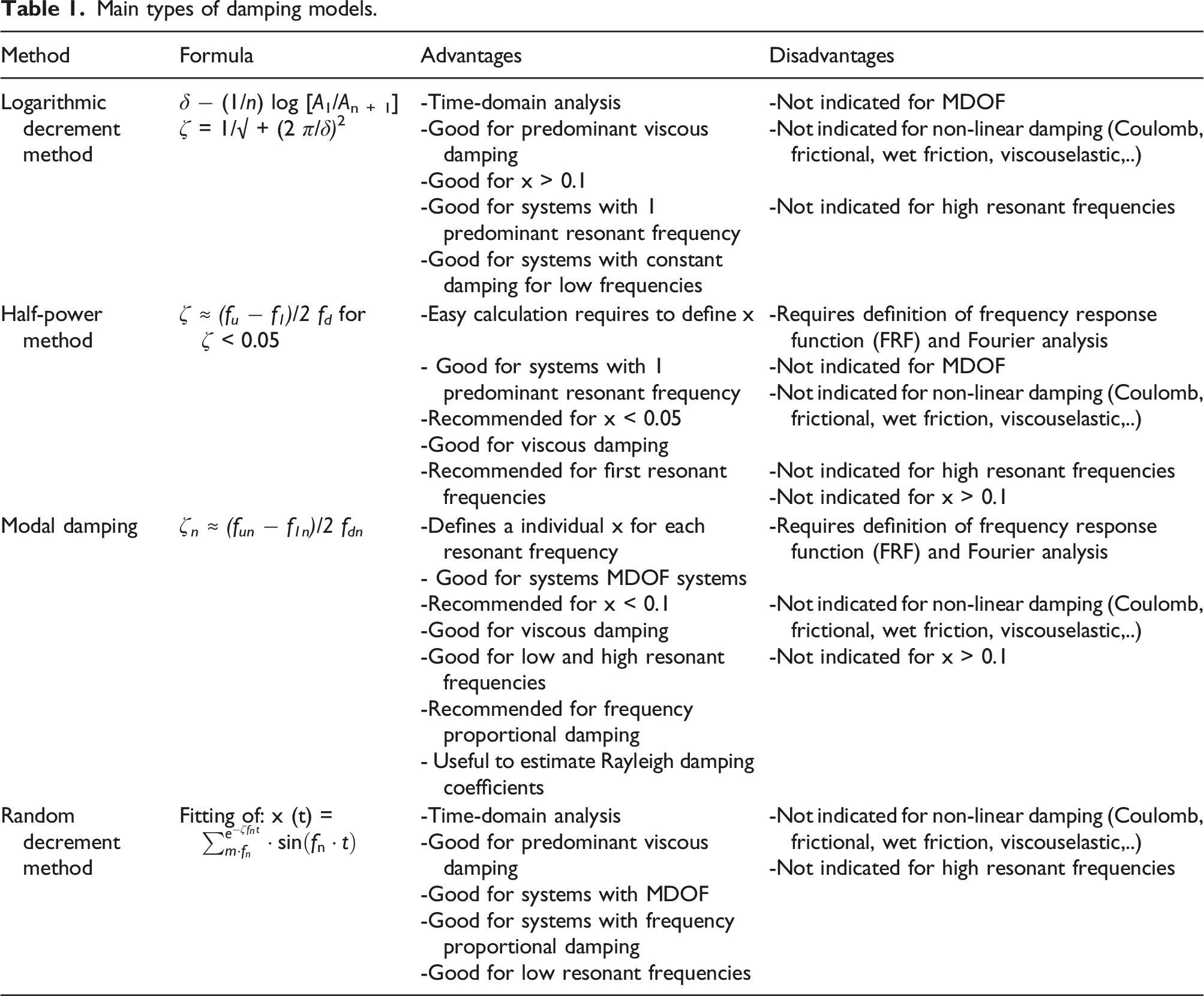
It's worth noting that all of the methods mentioned are based on viscous damping. Other nonlinear and linear damping models can be utilised to quantify material damping with advanced geometries, such as lattices. For example, Coulomb, dry frictional, cracking frictional and frictional-viscous-elastic damping provide different effects on structures from the point of view of vibration and dynamic responses. 9 The characteristic behaviour of these types of damping might even generate either new resonant frequencies or response noises. 10
The fractal vibration model for a concrete beam, on the other hand, takes into account the heterogeneity of material and shape, resulting in material damping variations in different regions of the beam.11,12
This type of behaviour is also found in complex and advanced structures, such as lattices and scaffolds. 13
Moreover, the current work focuses on comparing the materials and methods that are the most used worldwide. Therefore, further studies are still needed to be conducted in order to identify and compare the efficiency and confidence of other methods against the four methods presented in this work.
Another point that is also interesting to be considered in the analysis of reduced scale models is that the material damping is necessary when dynamic responses are required. For studies which are majorly static and quasi-static, material damping might be ignored. 14 Therefore, other materials, such as 3D printed plastics, are also used for fast evaluation of reduced scale models.
In the end, the analysis of the general inaccuracy of each model caused by the simulation revealed the most appropriate way for defining material damping.
Material and methods
Formulation for the four types of materials analysed in this work.
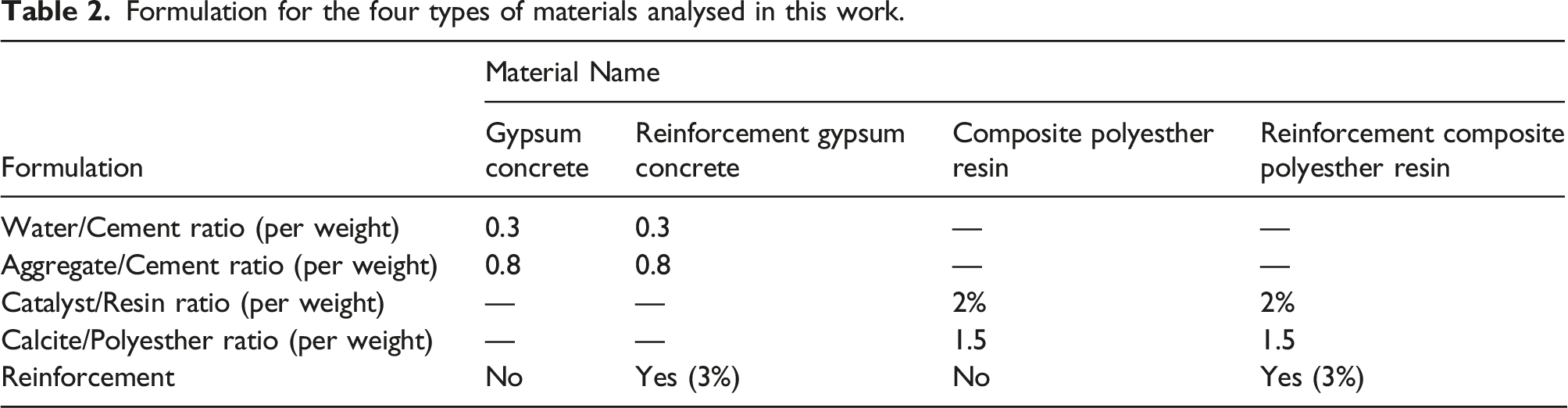
In this table, the formulation of the four materials is presented, while four samples of each material were tested in each experiment. The basic dimensions of all specimens were 200 × 50 × 10 mm, and the fabrication method was based on RTV (Room temperature vulcanisation) moulding, as presented in Figure 1. Fabrication of mould and specimen dimensions.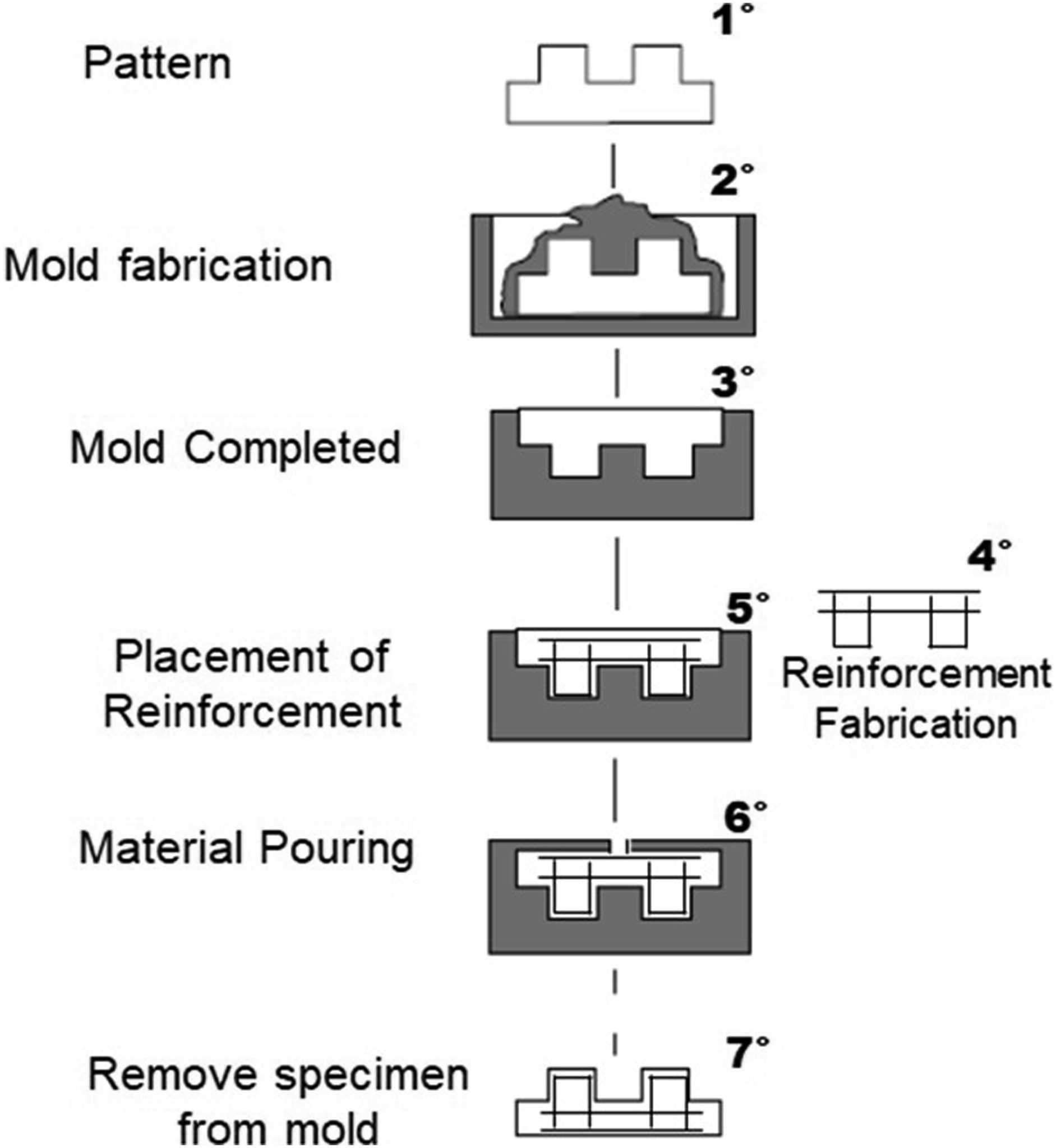
In this method, the following steps are considered: (1) fabrication of pattern (3D printing), (2) mould fabrication, (3) reinforcement fabrication, (4) placement of reinforcement, (5) material pouring and (6) the removal of specimen from mould.
In order to analyse flexural strength and elasticity modulus, we used ASTM C78 standard and the universal test machine Instron Series 23. The displacement resolution of machine was 0.01 mm, while the speed was 500 mm/min. In addition, strain-gauges were applied in order to identify material strain, Figure 2. Schematic of flexural test and strain gauges.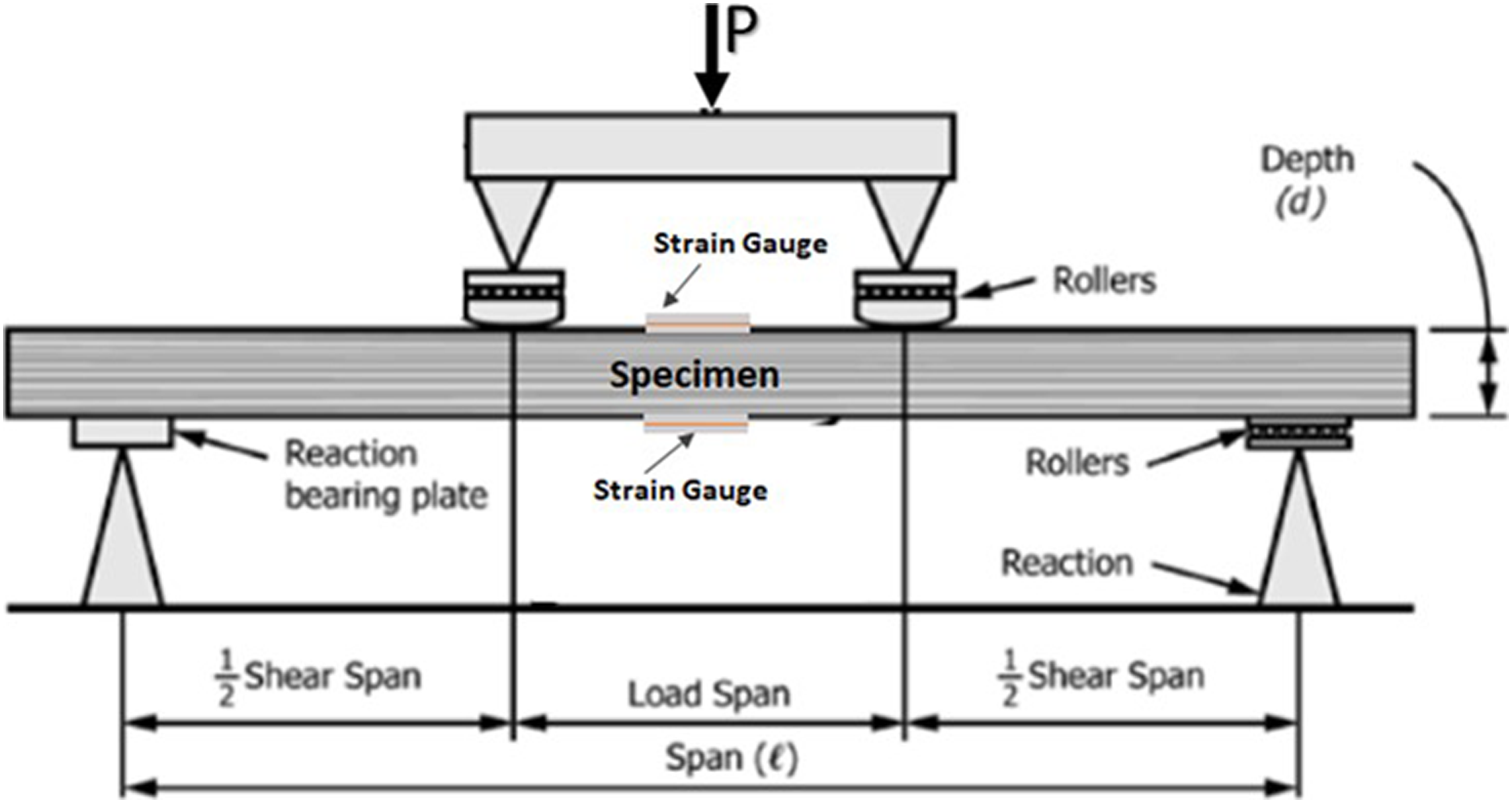
For density, we applied standard ISO 1920-5 2018, where the precision of scale was 0.001 g and the volume meter was 0.001 dm³.
The fluency and damping tests were characterised by a cantilever system, as presented in Figure 3. In this case, the specimen was fixed and anchored in a concrete block wall. This concrete block was also anchored in a concrete floor. Schematic of fluency and damping test.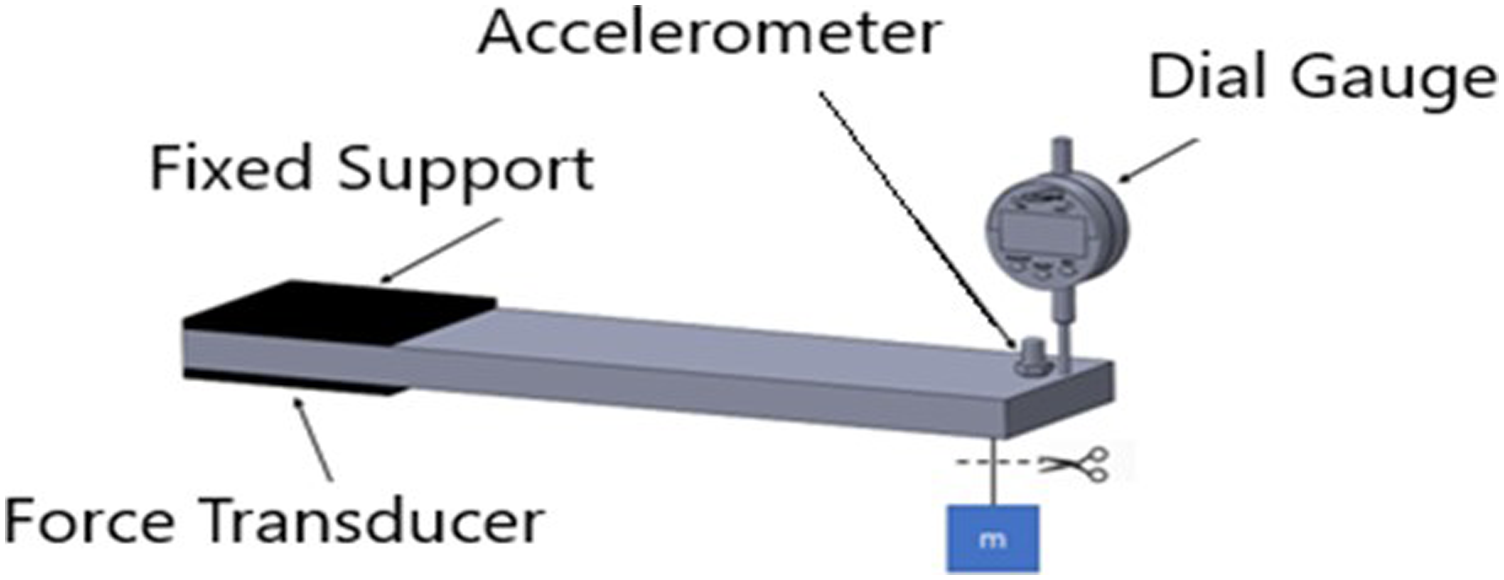
In order to see the effect of foundation on the specimen, we preliminarily evaluated the vibration of foundation as a function of the cantilever load. This test implies on no relevant vibrations. The initial deflection was measured by 0.005 mm resolution dial gauge while the force was acquired by force transducer (composed by pressure sensors and electronic transducer with filtered amplification). In this case, force and acceleration were independently acquired by two channels where an anti-aliasing filter was installed between sensors and data acquisition system.
The acceleration was acquired by a capacitive Freescale accelerometer 14 , whose sensitivity is 800 mV/g. For data acquisition, we used National instrument NI-6009, which has a 14 bits analogue-digital resolution and sampling/s equal to 48kS/s. It is important to note that, despite this hardware is low cost in comparison with piezo sensors, it is suitable to measure low frequencies in multi-axial directions. It is also possible to be seen in the autocorrelation analysis.
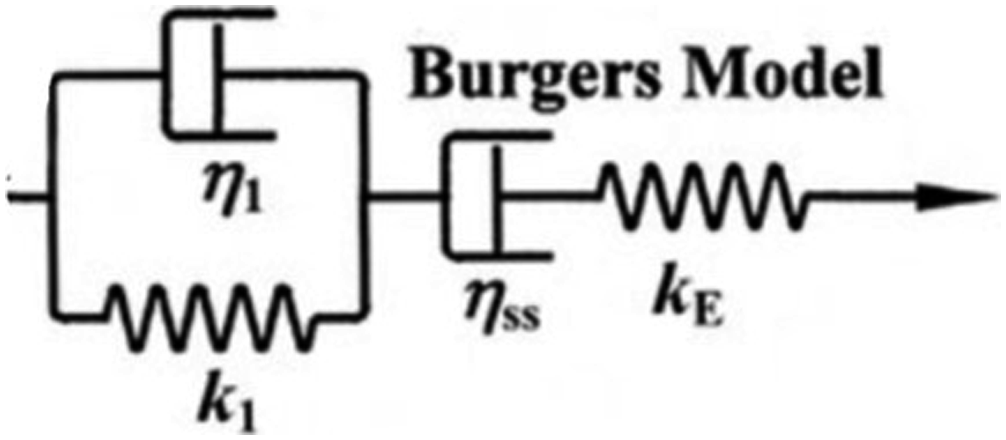
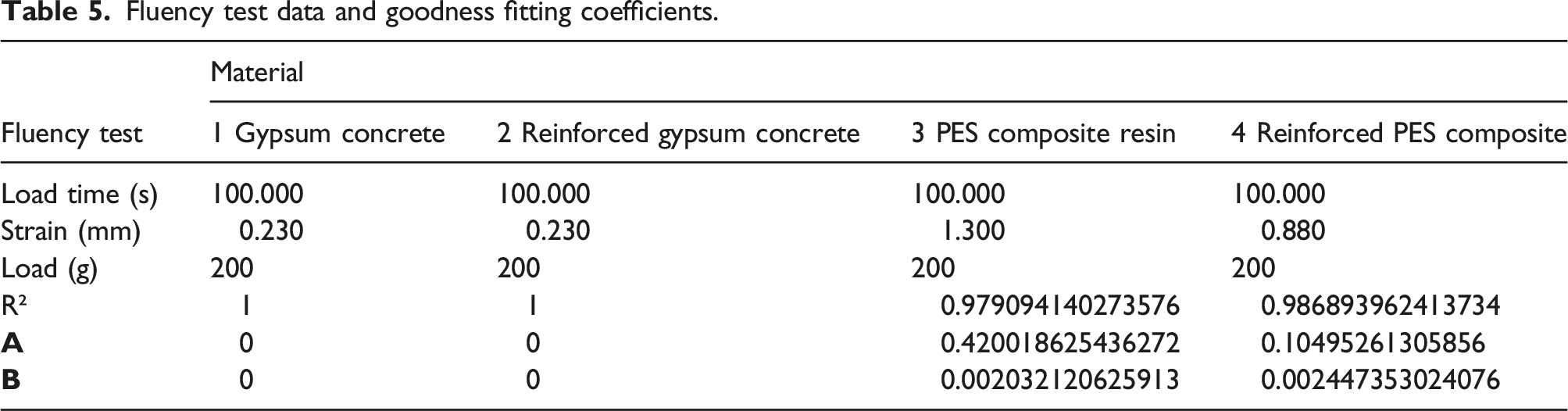
For fluency test, the cantilever specimens were submitted to constant load and monitored for 10 min, according to ASTM D 2990. Therefore, it was possible to identify the permanent and non-permanent coefficients of generalised Maxwell–Kelvin–Voigt viscous-elastic model (Burger Model) by nonlinear goodness fitting equation (1). In order to identify all permanent and non-permanent coefficients of this model, each material (cantilever) was submitted to two constant loads and monitored for 10 min. The schematic model is also presented in Figure 4. Schematic model of viscous-elastic burger model.
In contrast, damping test adopts step relaxation transient load in order to analyse decay of force, displacement and acceleration. Therefore, it was possible to identify the four damping models coefficients and their error: General logarithmic decrement method, Half-power band, modal damping and random decrement.
For half-power band and modal damping, we identified frequency response function of Accelerance in order to analyse the damping correspondent to each resonance frequency. For that, we obtained the FFT of force and acceleration in order to find Frequency Response Function (FRF) of Accelerance function (A(ω)/F(ω)), as presented in Figure 5. Schematic of half-power band (a) and logarithmic decrement (b) methods for identification of global and modal damping.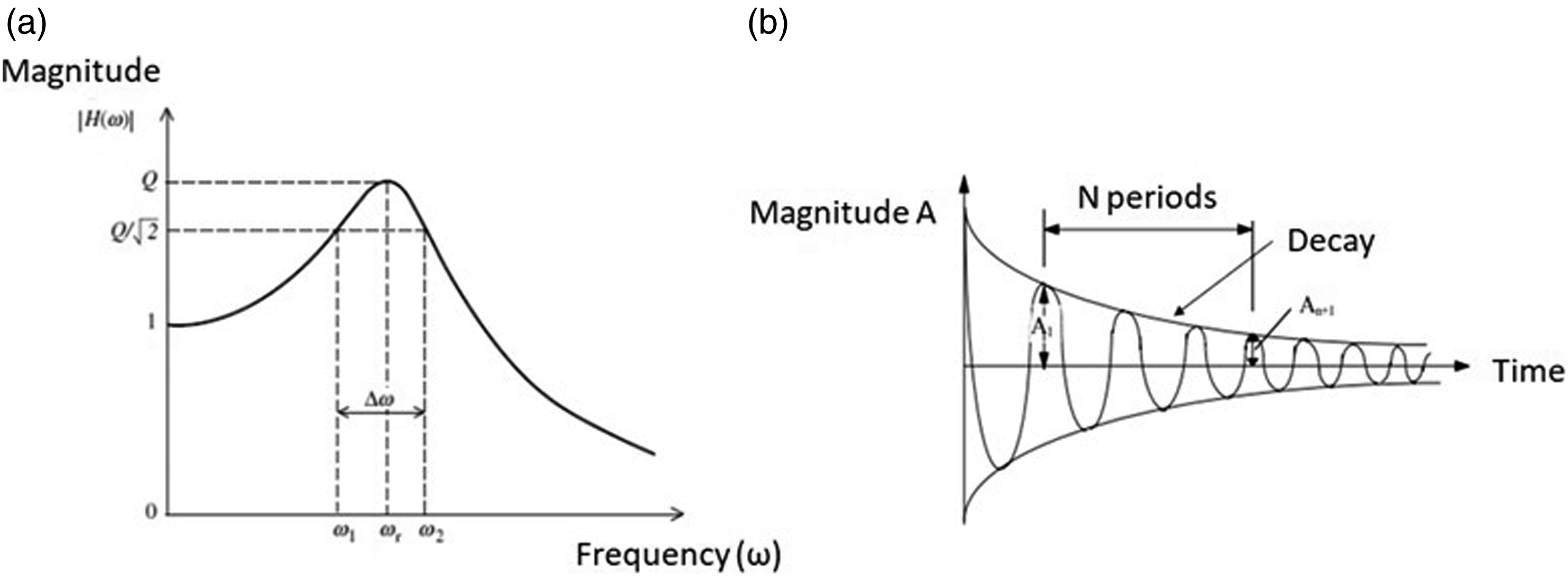
On the other hand, logarithmic decrement, random decrement and non-linear goodness fitting were performed in the time domain. Logarithmic decrement was acquired by the average decrement of the first 3 oscillation peaks. With regards to random decrement, we considered 3 frequencies and 3 decrements as variables of frequency-damping model. In this case, the nonlinear goodness fitting method was used to identify the frequencies and decrements of this model. The statistical analyses were performed in Minitab while nonlinear regressions and model investigations were performed in MATLAB.
Results and discussions
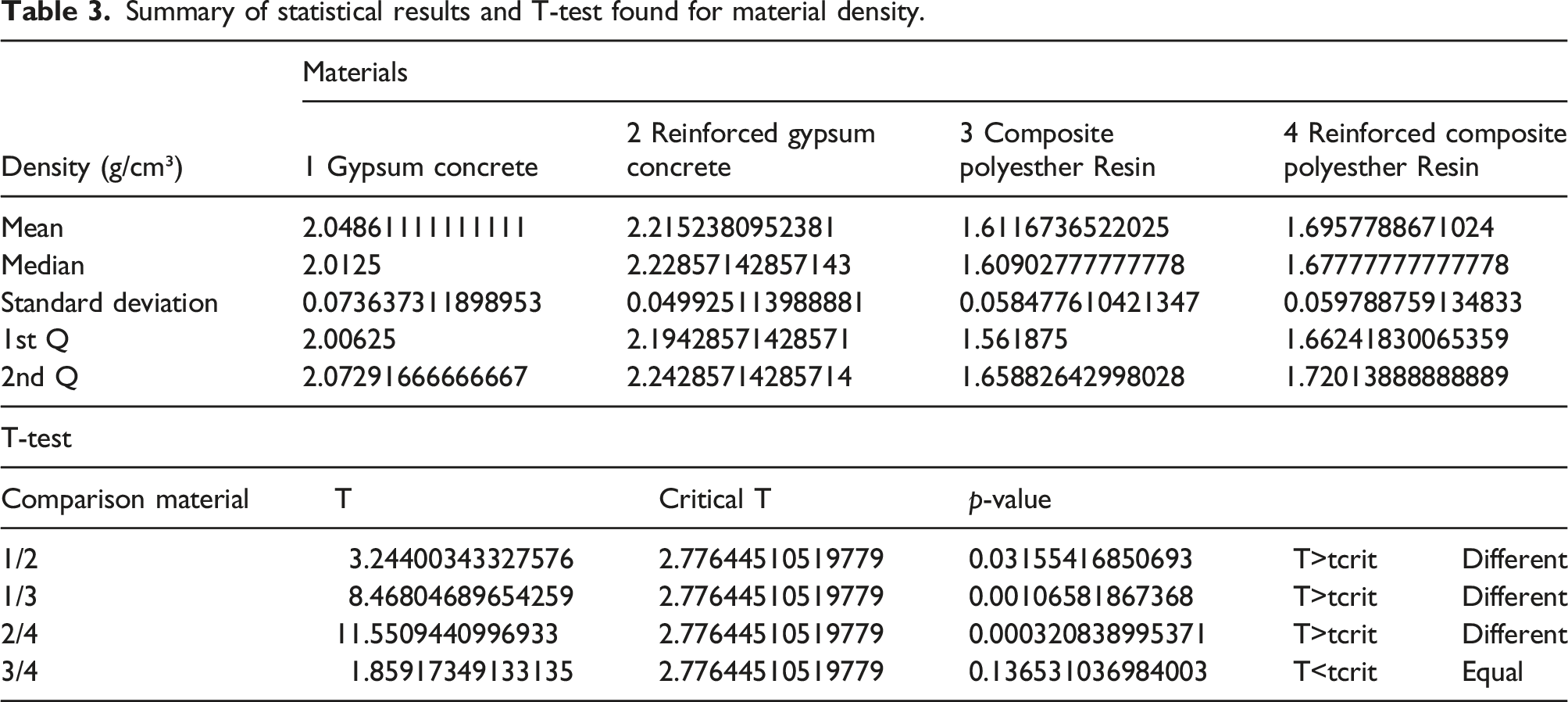
Summary of statistical results and T-test found for material density.
Statistical results of flexural modulus, yield stress and T-test.
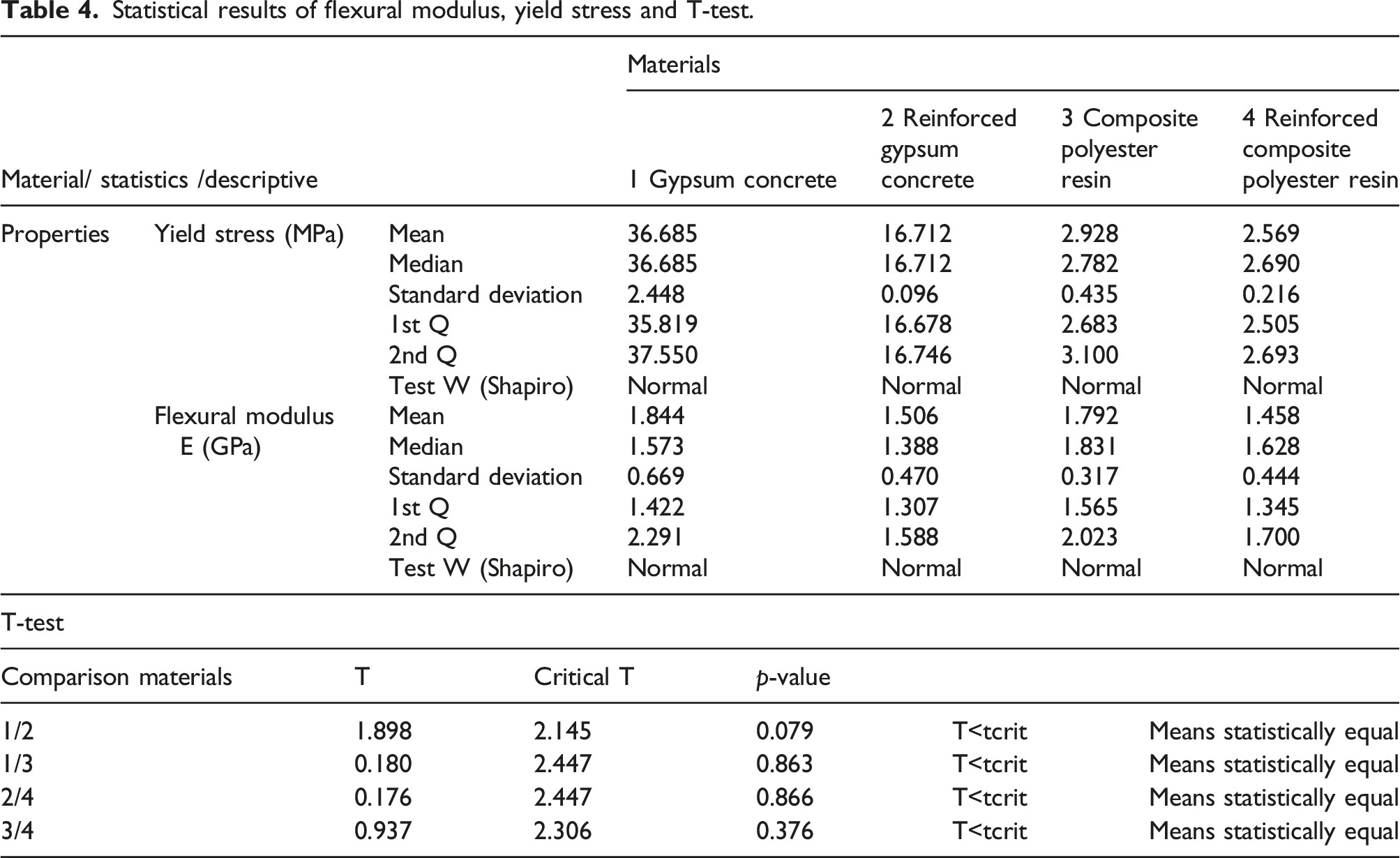
In the flexural test, shown in Figure 6, we can evidence that the mechanical behaviour of gypsum concrete is more brittle than composite resin, even though the elasticity modulus of all studied materials varied from 1.5 to 1.85 GPa. It might indicate similarity between materials for vibration analysis, whereas natural frequencies are mainly controlled by mass and stiffness. Stress–strain diagrams comparing mechanical behaviour of gypsum concrete and composites resin.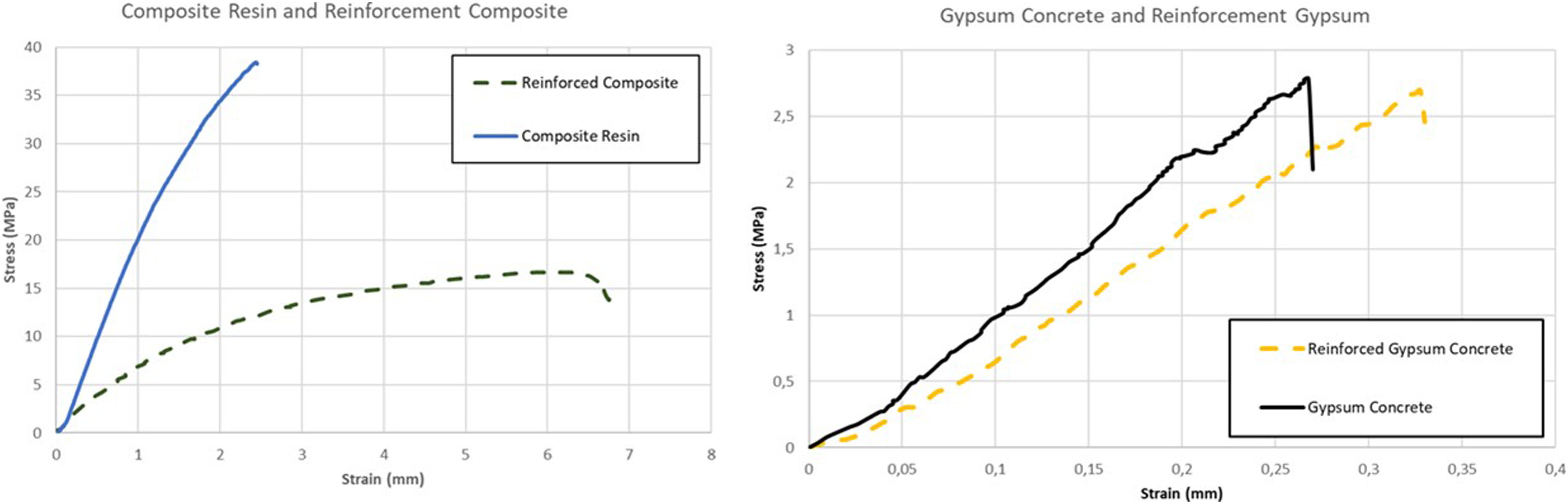
Considering that deformation as a function of time directly affects the dynamic behaviour of structures, we analysed the fluency of the materials by the relaxation method and non-linear fitting of material Maxwell–Kelvin–Voigt model. Each sample was tested with two different loads along the time, as presented in the displacement–time diagram of Figure 7. Displacement–time diagram for the analysis of material fluency according to burger model.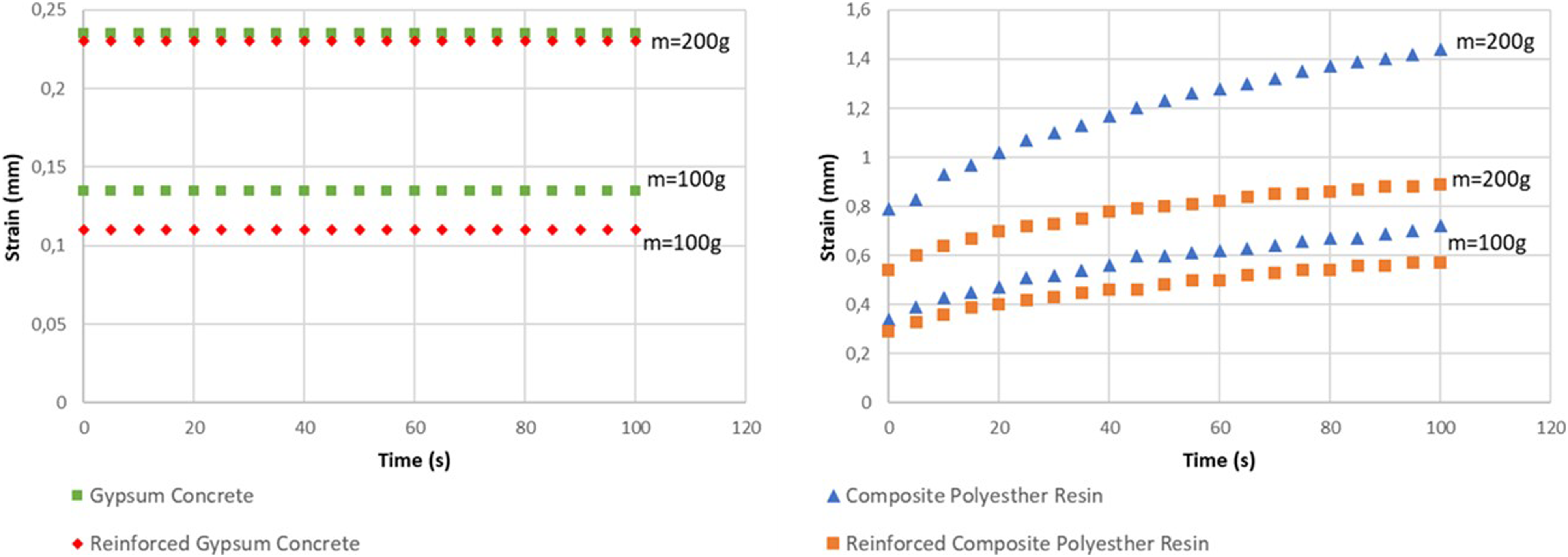
Fluency test data and goodness fitting coefficients.
With regards to material damping, we analysed the data of cantilever under step relaxation load. Using this data, we identified the damping ratio and decay according to four damping models: General logarithmic decrement method, Half-power band, modal damping and random decrement.
Results of damping considering general logarithmic decay method.
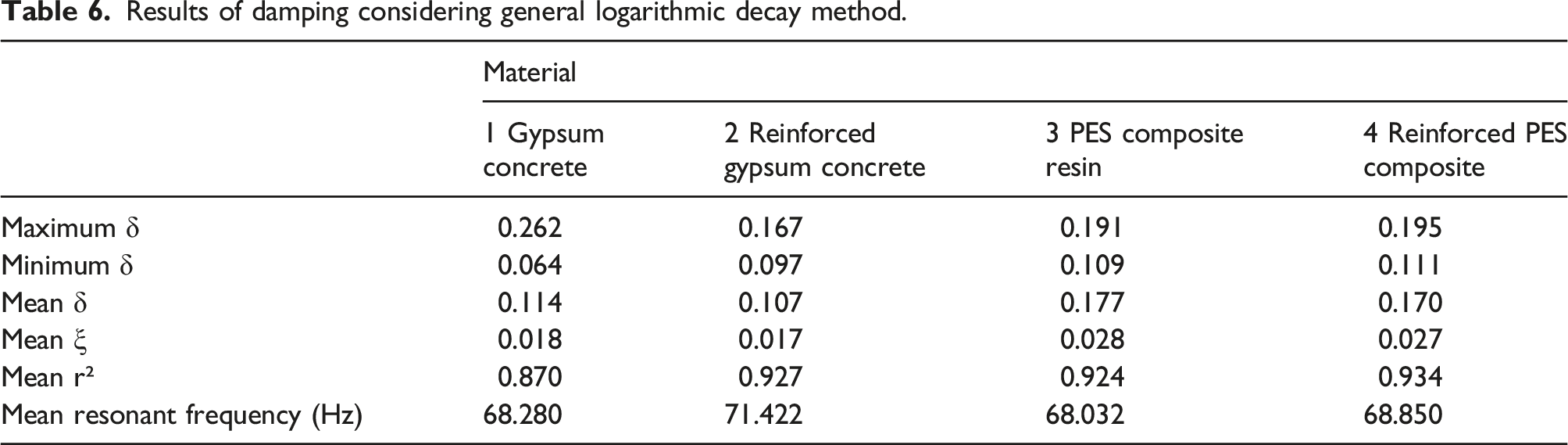
Using the half power band method, it was possible to analyse the average damping of the most significant frequency. In other words, this method is designed to systems that only have one predominant resonant frequency.
Results of damping considering half-power method.
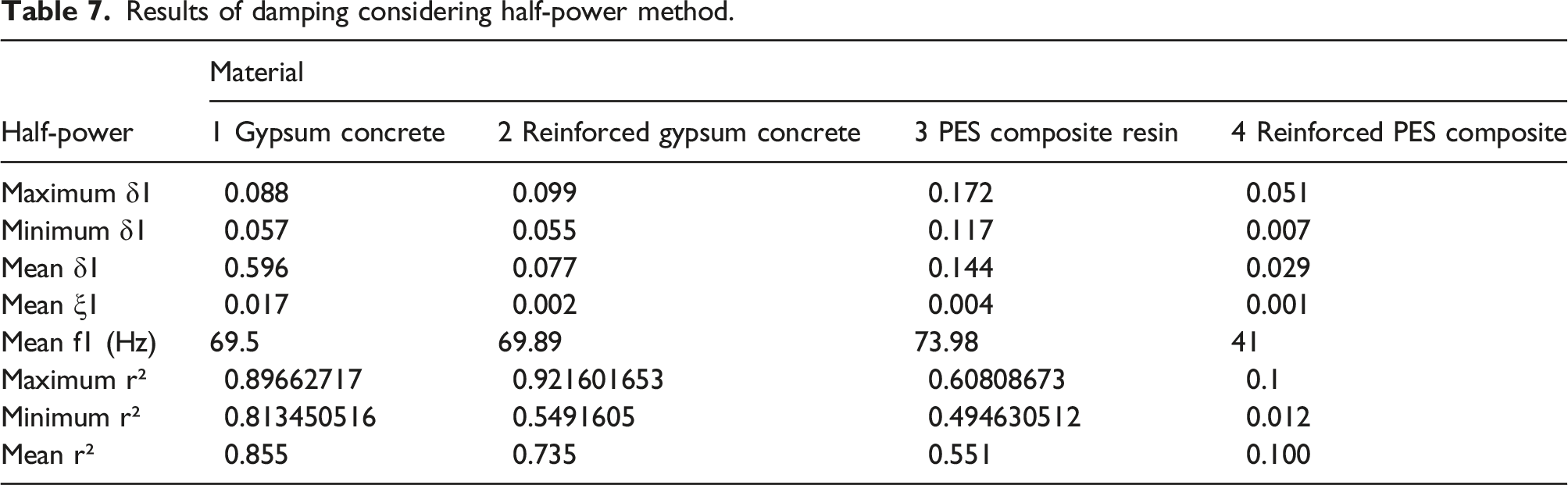
Nevertheless, it was also possible to identify that the values of damping ratios fluctuate around 0.0551 and 0.0993 for gypsum-based materials, while PES composites fluctuate from 0.0071 to 0.1718.
Results of damping considering modal damping by half-power method.
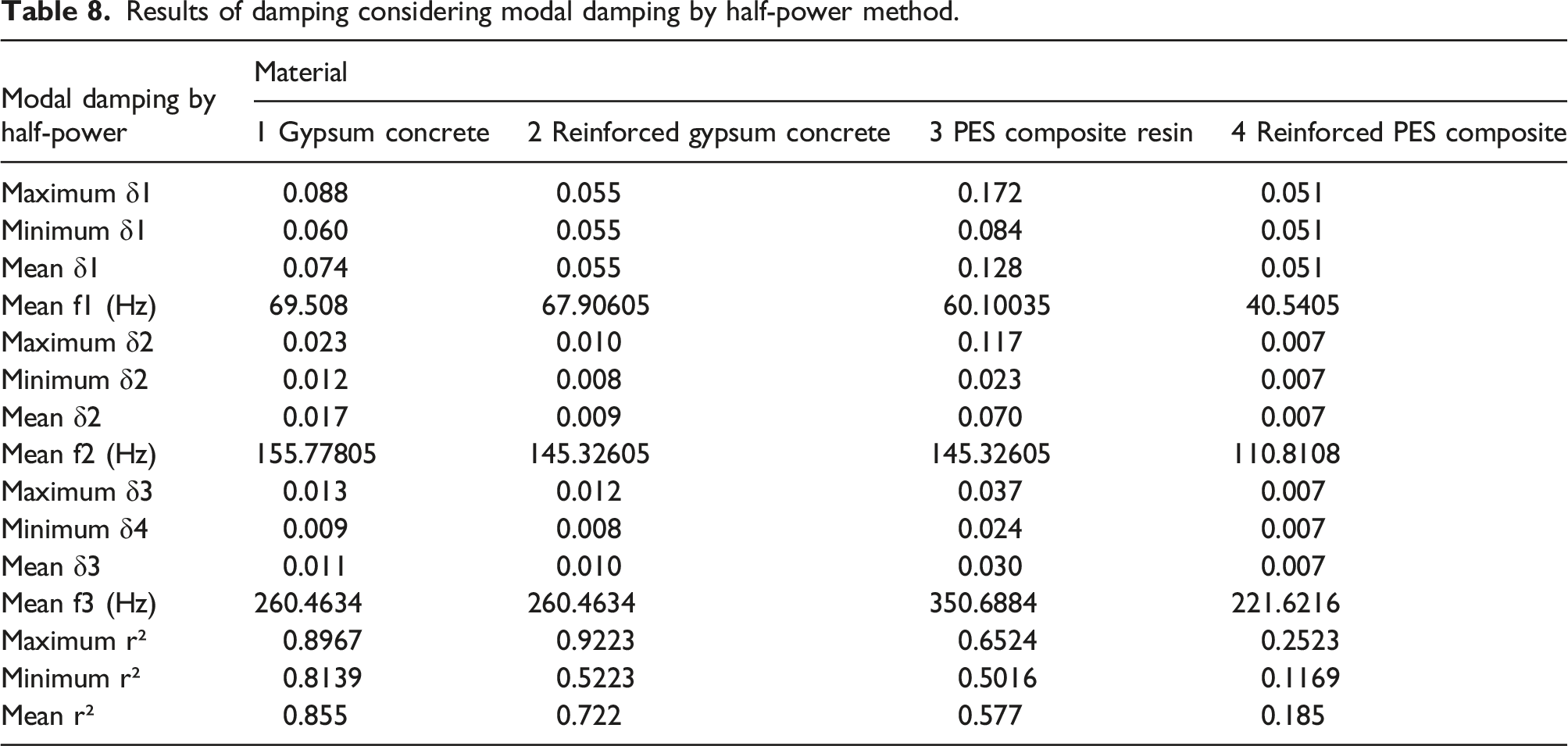
In contrast, higher frequencies caused damping ratio variation from 0.0019 to 0.0109. It is possible to see that this method implies on r2 up to 0.85 (gypsum concrete), indicating low confidence, even though it is more confident than half power band method.
Results of damping considering random logarithmic decay method.
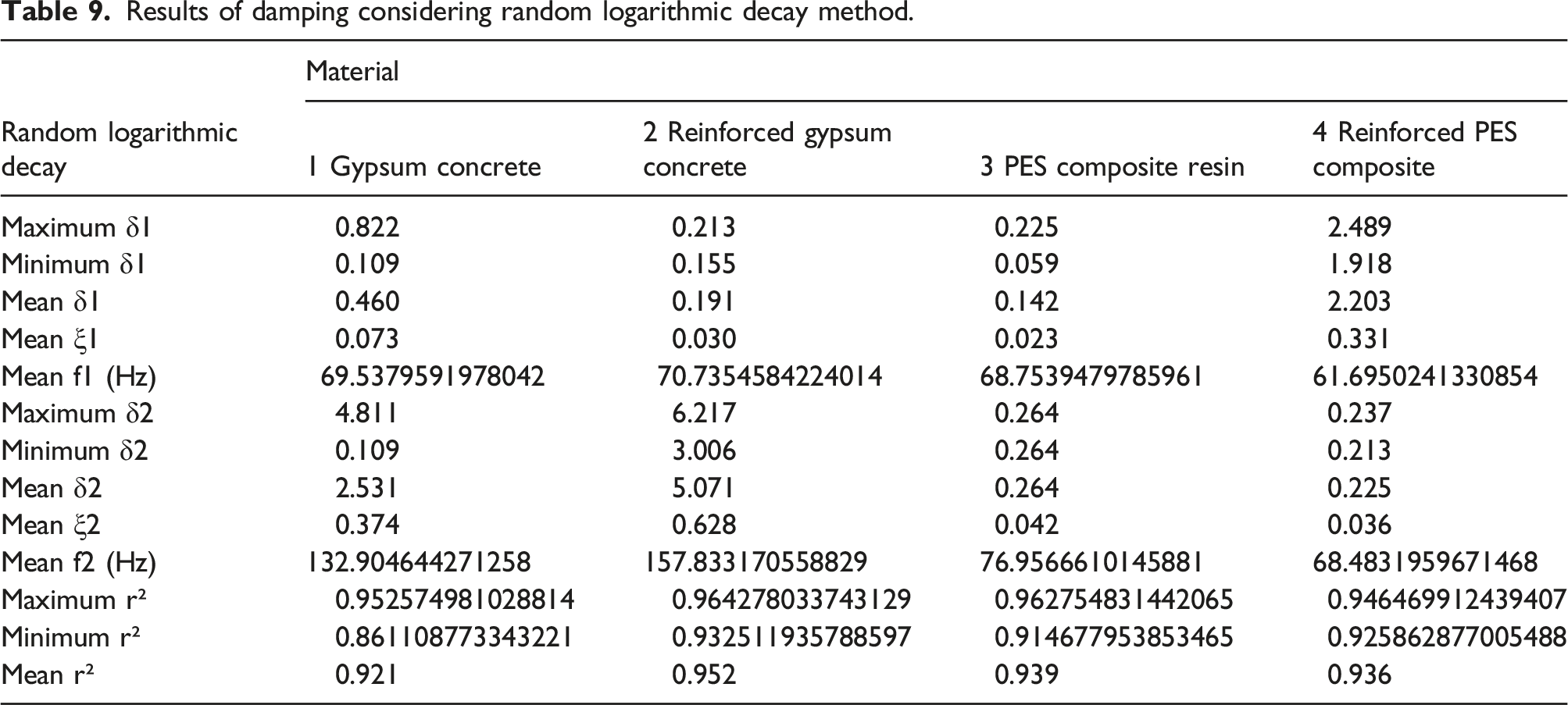
This method also implies on r2 around 0.96 for all studied materials, apart from reinforced composite resin. As a consequence, it indicates that the reinforced composite resin damping might not be viscous. Therefore, frictional coefficients might cause distortions in small displacements. Moreover, this subject needs to be detailed in future studies.
With regards to Figure 8, a comparison between methods, materials, decay and confidence ratio is presented. It is possible to see that half power band method presented the lowest confidence level among the studied methods. Similarly, gypsum concrete was shown to have the highest divergence and standard deviation among the studied materials. We can also highlight that composite resin also presented high fluency, which make the use of such material unsuitable to build reduced scale models of reinforced concrete bridges. Chart comparing several damping methods.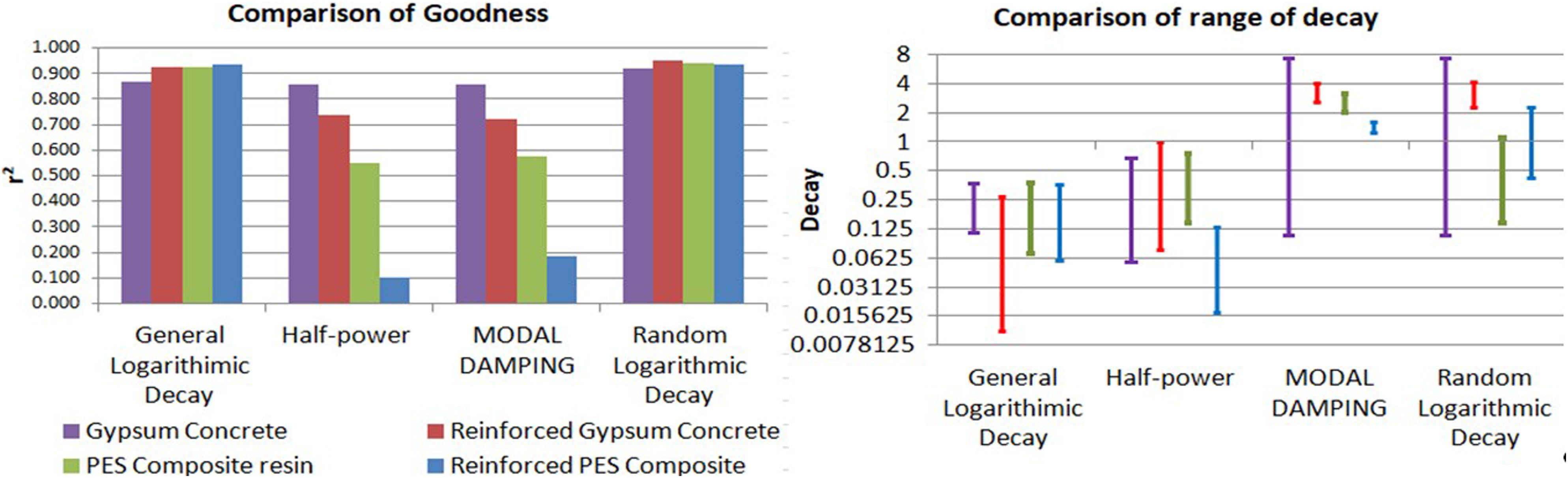
It was also evidenced that random decrement presented the highest coefficient of determination (r2) among the studied methods.
Considering that the divergence between methods used to determine the damping ratio is high, further studies are needed to better understand the application of each method in accordance with materials, structures and excitation methods.
It is also important to note that the material damping is a function of temperature, environment conditions, geometry, cracking ratio and material fluency. Nonetheless, this work kept those parameters constant in order to establish the comparison among type of material and methods to determine material damping.
Therefore, further studies that aim to detail the correlation between the damping material and other variables that affects damping material still need to be conducted in the future.
Pugh diagram comparing application of materials for reduced scale physical models.
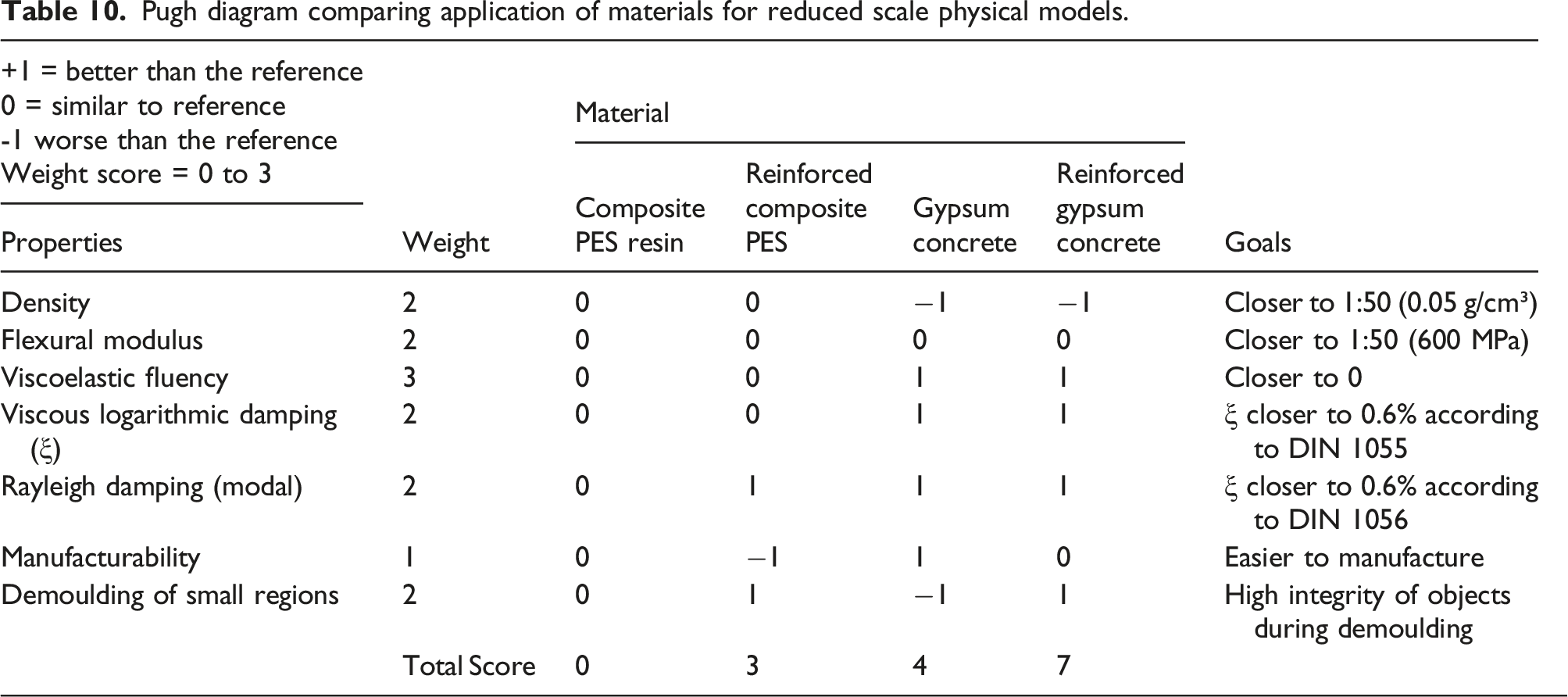
Note that materials based on composite resin imply on high viscous-elastic behaviour, which affects dynamic behaviour of material and structure.
This sort of material is very interesting for static loads applied for reduced scale models, whereas they are easy to fabricate in addition to having good homogeneity, strength and elastic modulus that are excellent for 1:10 to 1:50 reduction scales.
On the other hand, gypsum concrete materials have shown the behaviour that is the most likely to real scale concrete materials, considering 1:50 scale factor. Although the Young’s modulus and strength are similar to PES composite resin, the damping ratios are significantly lower. The viscous-elastic behaviour of this kind of material also tends to zero.
It is interesting to see that non-reinforced gypsum concrete is easier to fabricate because the reinforced copper is more difficult to produce and place into mould. In contrast, those materials are fragile and small geometries tend to break easily during demoulding process. For that reason, the reinforced gypsum concrete has been shown to be the most suitable material in this work.
Conclusions
The key dynamic properties of materials that are commonly applied to reduced scale models were compared in this study. Furthermore, the damping ratio was calculated and assessed using four distinct ways, revealing the applicability and reliability of each approach in depicting material damping.
Even though stiffness and density were comparable to materials made of gypsum concrete, structures made of PES composite resin had a strong viscous-elastic effect and fluency. As a consequence, composites based on plastic resins have been shown to be unsuitable for the construction of reduced scale models.
Half-band and modal damping presented the lowest coefficient of determination (r2) among the studied methods. The material damping ratio was found to be 10 times lower than the standardized global damping (0.1–5%), indicating that further studies are still needed in the topic in order to better understand the implications caused by the divergence between standards, real scale materials/structures and reduced scale materials/structures.
Footnotes
Declaration of conflicting interests
The author(s) declared no potential conflicts of interest with respect to the research, authorship, and/or publication of this article.
Funding
The author(s) received no financial support for the research, authorship, and/or publication of this article.
