




Abstract
Tractor noise is critical occupational hazard which is the major cause of hearing impairment among Indian agricultural farm workers. The study aimed to show the effect of age and driving exposure on hearing impairment of drivers. Ninety healthy male subjects of similar age, height, and weight were selected and divided into four groups, i.e. 21–30, 31–40, 41–50, and 51–60 years. The audiometric testing was conducted of both the ears at 10 different frequencies, i.e. 0.125, 0.25, 0.5, 1, 1.5, 2, 3, 4, 6, and 8 kHz. The hearing threshold levels of office workers at audiometric test frequencies did not exceed 25 dB(A) to cause hearing handicap. However, it exceeded 25 dB(A) for tractor drivers and was higher for higher age group tractor drivers. Whereas, it did not exceeded 25 dB(A) at the audiometric test frequencies for the office workers except at 51–60 years of age group. Also, with the increase in age group and increase of driving experience, the mean hearing threshold levels of tractor drivers increase. It was concluded that the occupational hazards of tractor driving significantly increased the hearing threshold levels and the risk is even higher for the tractor drivers with ≥15 years of driving experience. Also, the mean hearing threshold levels for tractor drivers increase with increase in driving experience.
Introduction
Noise is one of the critical occupational health hazards in industry and has become serious environment pollution in the daily life of worker in every sector including manufacturing, construction, transportation, agriculture, and military, as well as the general public in the society. The high levels of noise hinder communication between the operators depending upon the level, quality, and exposure duration of noise and it also have physical, physiological, and psychological effects on the operators. Noise causes irritation, annoyance, and hearing loss. There has been a great concern about the magnitude of noise exposure, particularly in agricultural machinery operators in the developed as well as developing countries. Also, high intensity noise for long duration not only affects the ear permanently but also the overall health of the worker. High blood pressure, asthma, atherosclerosis, ulcers, neurosis, and nervous breakdowns are some of the results of such exposure. Furthermore, noises from different sources on farm can have emotional arousing creating psychological stresses that can have adverse effects on work performance.
The occupational health problems of agricultural tractor drivers had not received much attention in developing countries like India. Long duration of noise exposure and age could be the major risk for the hearing loss in tractor drivers. Till date no epidemiologic study has been conducted to estimate the prevalence, incidence, and risk factors associated with noise-induced hearing loss (NIHL) in Indian agricultural tractor drivers. Some information on the incidence of NIHL and risk factors associated with noise on agricultural tractors is very essential in the prevention or delaying of its effect on the tractor drivers. Also, the World Health Organization program for the prevention of deafness and hearing impairment is especially targeted at developing countries where there is a lack of accurate population-based data on the prevalence and causes of deafness and hearing impairment, NIHL inclusive. Epidemiologic data regarding hearing loss in Indian agricultural tractor drivers are scarce and not available.
The hearing impairment or hearing loss was usually denoted by a change for the worse in auditory structure or auditory function, outside the range of normal hearing. 1 A person was considered functionally deaf with 85–90 dB(A) hearing loss.
Bäumer et al. 2 found that there was very high risk of traffic accidents in the age groups between 16 and 25 years as compared to senior age. According to Prince et al. 3 an average hearing threshold level (HTL) of greater than 25 dB(A) for both ears at selected frequencies is usually denoted as hearing handicap.
Several studies indicated that exposure to high noise level led to higher HTLs of drivers.4–6 Majumder et al. 7 concluded that hearing damage of professional drivers was expected to occur sooner at 3 and 4 kHz frequencies than losses at lower frequencies by estimating an average excess risk. Prince et al. 3 defined excess risk as “the difference between percentage that exceeded the fence in an occupational noise exposed population and the percentage that exceeded it in an unexposed population.”
Some studies also indicated that age of the operator as well as working duration also influences the hearing capabilities of the individuals.8–15 The average noise level of Indian tractor was higher than the recommended safe limits of ISO, OSHA, and NIOSH prescribed standards for 8 h workday.16,17
Studies also suggested that average noise level exposed to the tractor operator was above the recommended limit for tractors at the driver as well as at the bystander ear for no load and loaded conditions of tractor without cabin and with open cabin at different forward speeds.18–22
Berg et al. 23 carried out study to describe and evaluate patterns of hearing loss and asymmetry by gender, agricultural exposure, and gunfire exposure on 392 subjects (aged 29–33 years). The result indicated that at frequencies >2000 Hz, men showed more hearing loss, with greater asymmetry and a different asymmetry pattern than women. Also, there was increasing asymmetry trend with increasing levels of hearing loss for men. The findings are more consistent with physiological differences as the primary cause of asymmetric hearing loss, with greater susceptibility to NIHL in the left ear of men. Also, Williams et al. 24 carried out study to understand the extent of exposure to hazardous noise on 51 subjects (male = 37 and female = 14) and trial and test the ability of an on-farm noise audit report to improve awareness and preventative action toward farm-based noise hazards. The finding revealed that average noise exposure was greater than the recommended Australian Standard. It was also concluded that on-farm noise audit reports are an effective feedback to increase awareness and improve hearing health.
From the past studies it was revealed that tractors emit higher noise level than the recommended ranges. Most of the studies were conducted to measure and evaluate noise levels of automobiles and tractors inside and outside the cabin. However, only few studies were conducted to assess audiometric profile of tractor operators and its impact on hearing. Also, these noise levels increase with the number of operating years due to lack of repair and maintenance by the owner or operator. Few studies also revealed that high noise of tractor at operator ear level is the major cause of hearing loss and occupational health problems to the operator. The noise levels on Indian tractors were in the range of 90–98 dB(A) which exceeded the recommended safe limits of OSHA and NIOSH prescribed standards. Therefore, the objective of this paper was to study the effect of age and duration of driving on hearing status of Indian agricultural tractor operators.
Materials and methods
Selection of study population
In this study, 90 healthy subjects (60 tractor drivers and 30 office workers) with no previous history of exposure to intense noise were randomly selected. The subjects were selected from the villages near Bhopal district of Madhya Pradesh in India. The subjects were divided into four groups as per age and as per their driving experience. As per age, the subjects—both tractor drivers as well as office workers—were divided into four groups, i.e. 21–30, 31–40, 41–50, and 51–60 years. As per the driving experience, the tractor drivers were divided into four groups, i.e. <10, 11–20, 21–30, and >31 years. The office workers selected in the study acted as a control. The subjects were familiarized with the experimental protocol before the experimental data were collected.
Audiometric measurements
The audiometric testing was done by the audiologist at the Department of ENT, Peoples College of Medical Sciences and Research Centre, Bhopal in India. The college has well-established facility to conduct the audiometric testing inside a closed chamber where there was no environmental noise. Before the start of audiometric test, each subject was asked to relax for half an hour. The audiometric testing consists of air conduction, pure tone, hearing threshold measurement at 10 different frequencies of 0.125, 0.25, 0.5, 1, 1.5, 2, 3, 4, 6, and 8 kHz. Both the ears, i.e. right ear and left ear were tested individually.
The equipment used for measuring HTL was a portable audiometer—ALPS Advance Digital Audiometer AD2100 (Figure 1), which provided pure tones of selected frequencies at calibrated sound pressure levels. The pure tones of different frequencies and intensities were heard by the right ear through earphones inside the acoustic chamber and the data were recorded (Figure 2). The test was started from 0 dB(A) for all the tested frequencies. As the intensity was increased or decreased, the subject was asked to indicate when he could hear the tone by pressing the indicator bulb switch or when it ceased to be audible by releasing the indicator bulb switch. The lowest sound intensity that could barely be heard by the subject for each tested frequency was determined and reported as HTL for that frequency. The threshold levels at 10 selected frequencies (0.125–8 kHz) were plotted as an audiogram to show graphically the hearing loss for the selected frequencies. The same procedure was also repeated for the left ear of the subjects.
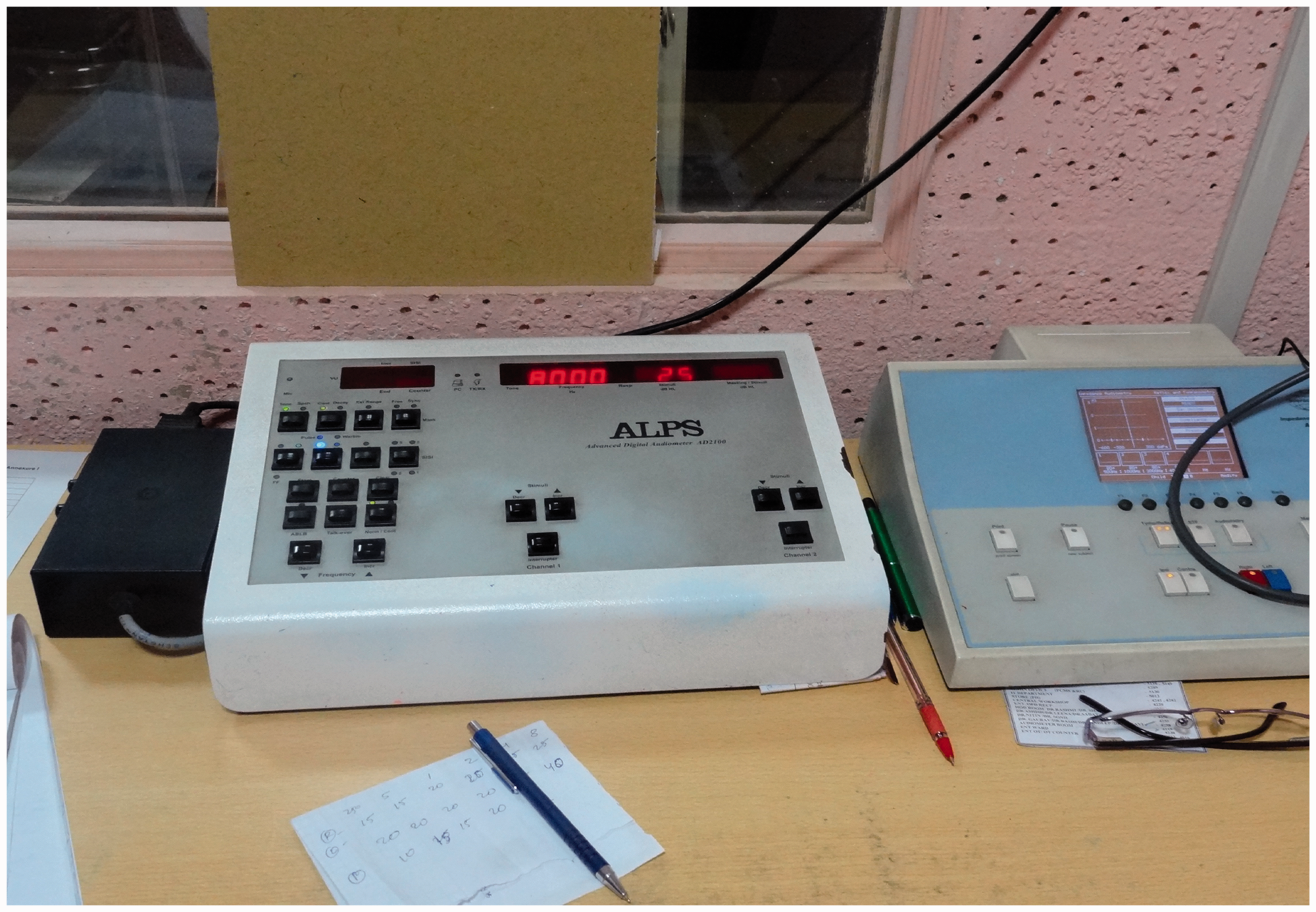
Audiometer used in the study.
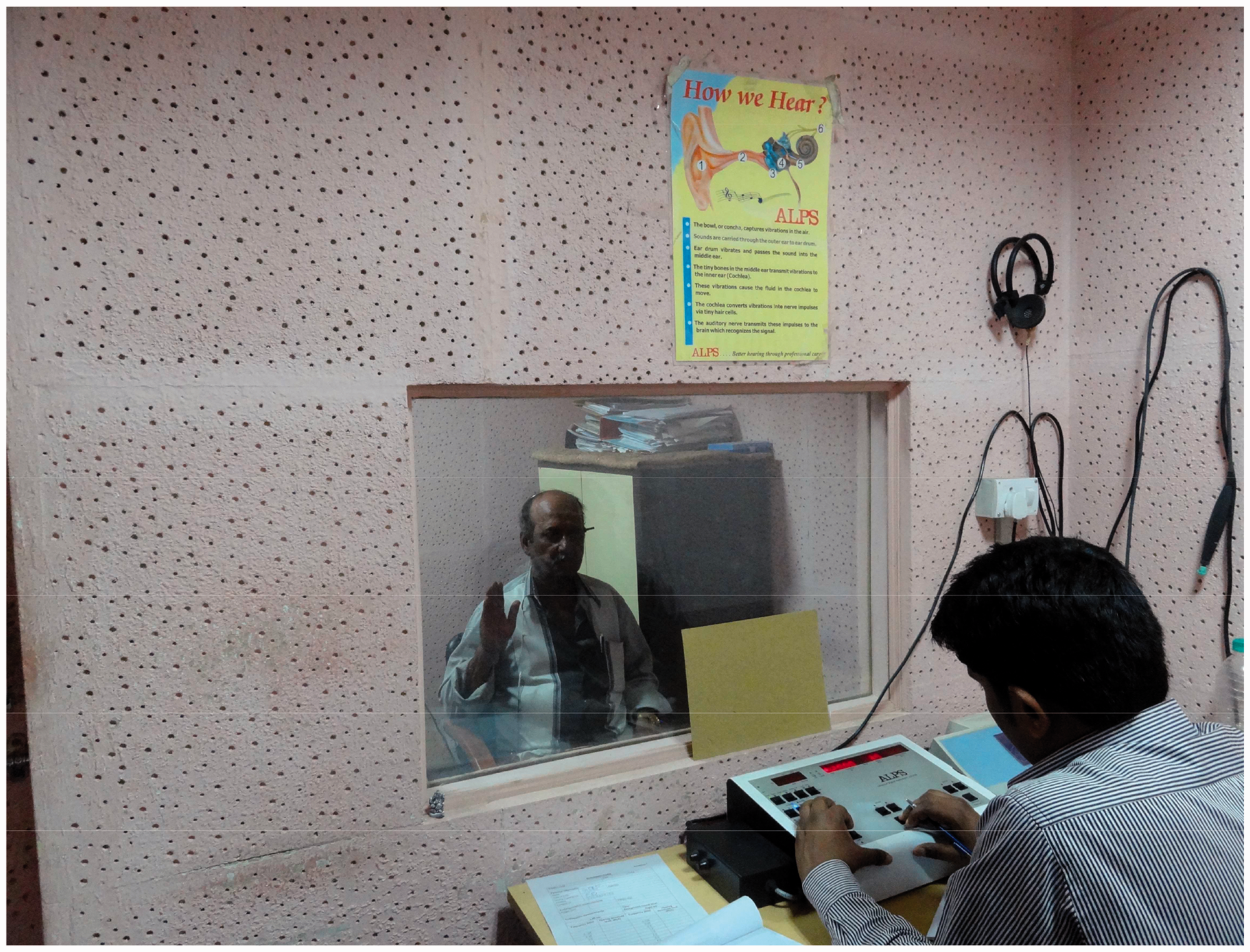
Subject inside acoustic chamber for audiometry.
Results and discussion
Physical profile of the subjects
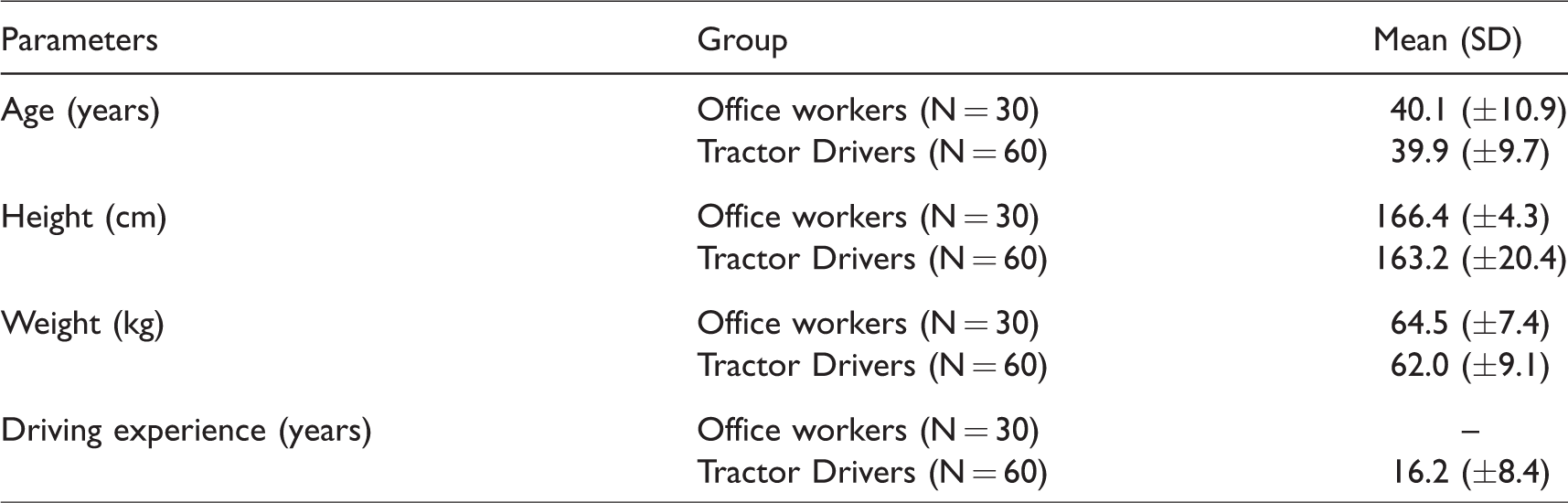
The mean age of the selected subjects was 40.1 and 39.9 years for office workers and tractor drivers (Table 1). The average height and weight of the selected subjects were 166.4 cm and 64.5 kg for office workers and 163.2 cm and 62 kg for tractor drivers, respectively. The mean driving experience was 16.2 (±8.4) years for the selected tractor drivers. The data indicated that there was no significant difference in age, stature, and weight of two groups of selected subjects.
Age, height, weight, and driving experience of the selected subjects.
Age-wise auditory threshold profile
The variation of mean HTLs (dB(A)) of tractor drivers for left and right ears of the four groups of subjects at 10 different audiometric frequencies (kHz) is shown in Figures 3 and 4, respectively. It was observed that mean HTLs for tractor drivers increase with increase in age group. The mean HTLs for tractor drivers exceeded 25 dB(A) at 3, 4, 6, and 8 kHz for 21–30 years; at 0.125, 0.25, 3, 4, 6, and 8 kHz for 31–40 years; at 2, 3, 4, 6, and 8 kHz for 41–50 years; and at 0.125, 0.25, 2, 3, 4, 6, and 8 for 51–60 years, respectively, to cause hearing handicap of both the ears.
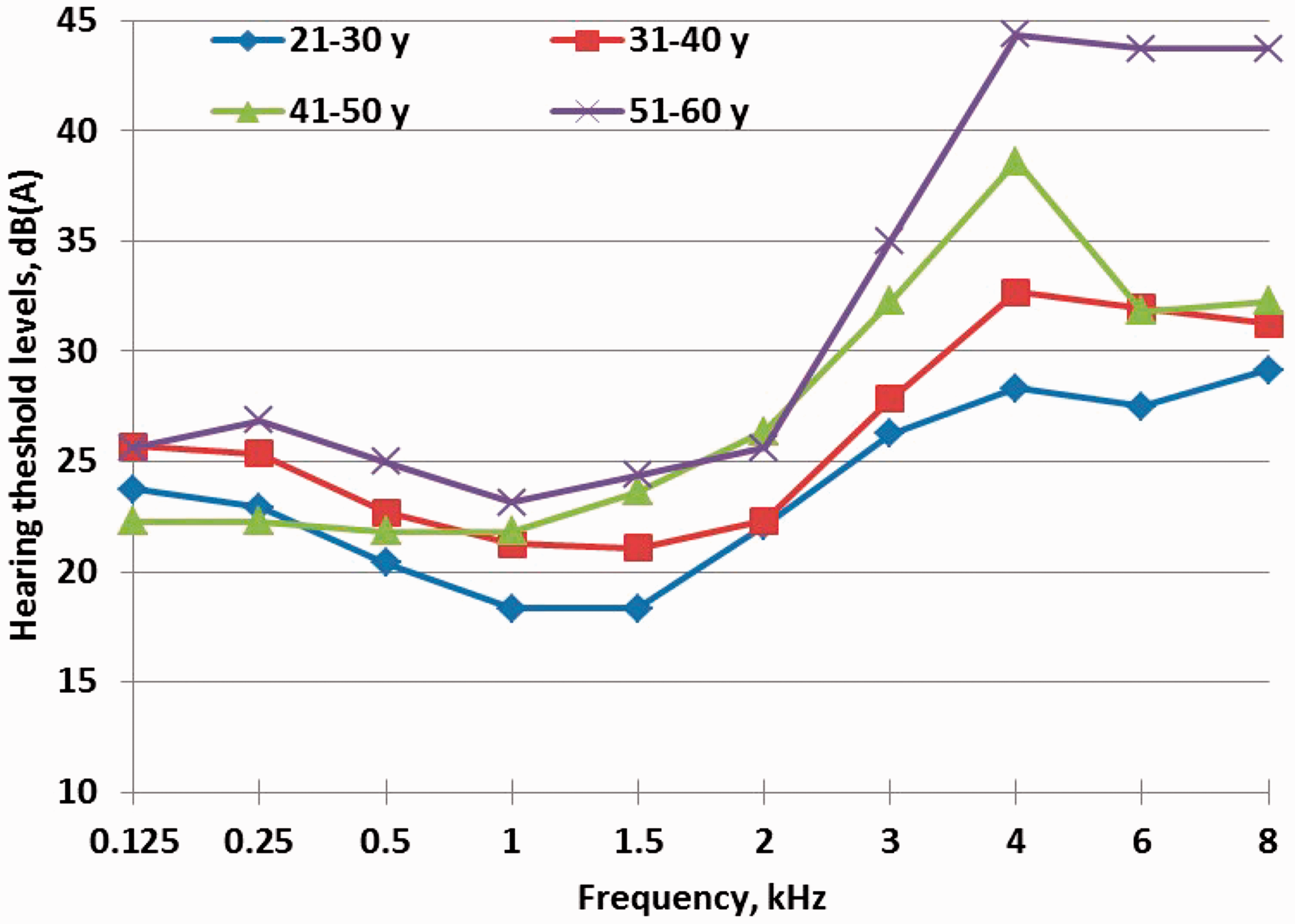
Age-wise HTLs of left ear of the tractor driver.
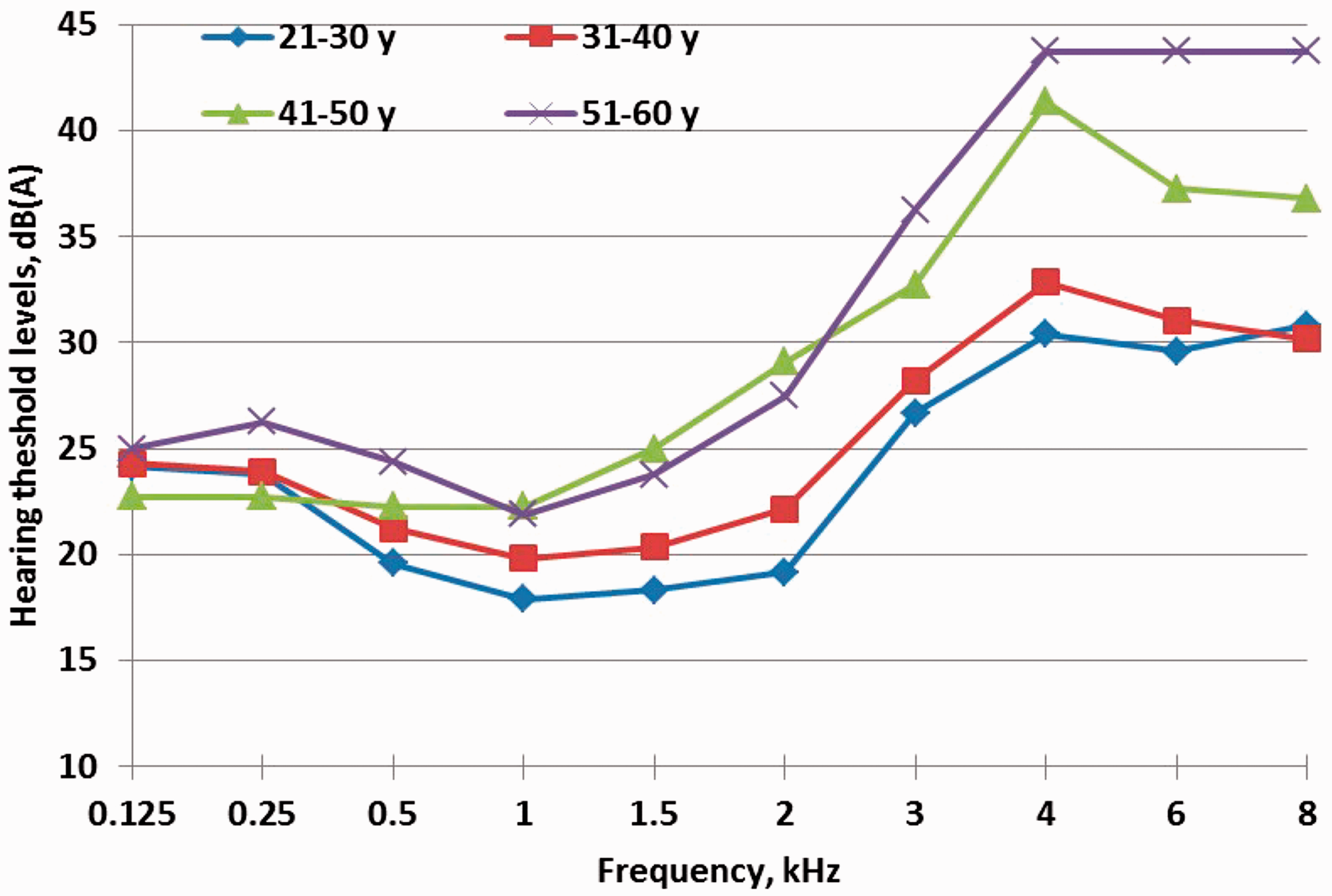
Age-wise HTLs of right ear of the tractor driver.
Figures 5 and 6 show the mean HTL of office workers in the four age groups for left and right ear, respectively. The average HTLs did not exceed 25 dB(A) at the audiometric test frequencies for the office workers of age group 21–30, 31–40, and 41–50 years for both the ears. Whereas it exceeded 25 dB(A) at 6 and 8 kHz for office workers of 51–60 years of age group for right ear. This indicated that operation of tractors significantly affected the HTLs of drivers as compared to office workers within the four age groups. The finding was consistent with the conclusions of other investigators.
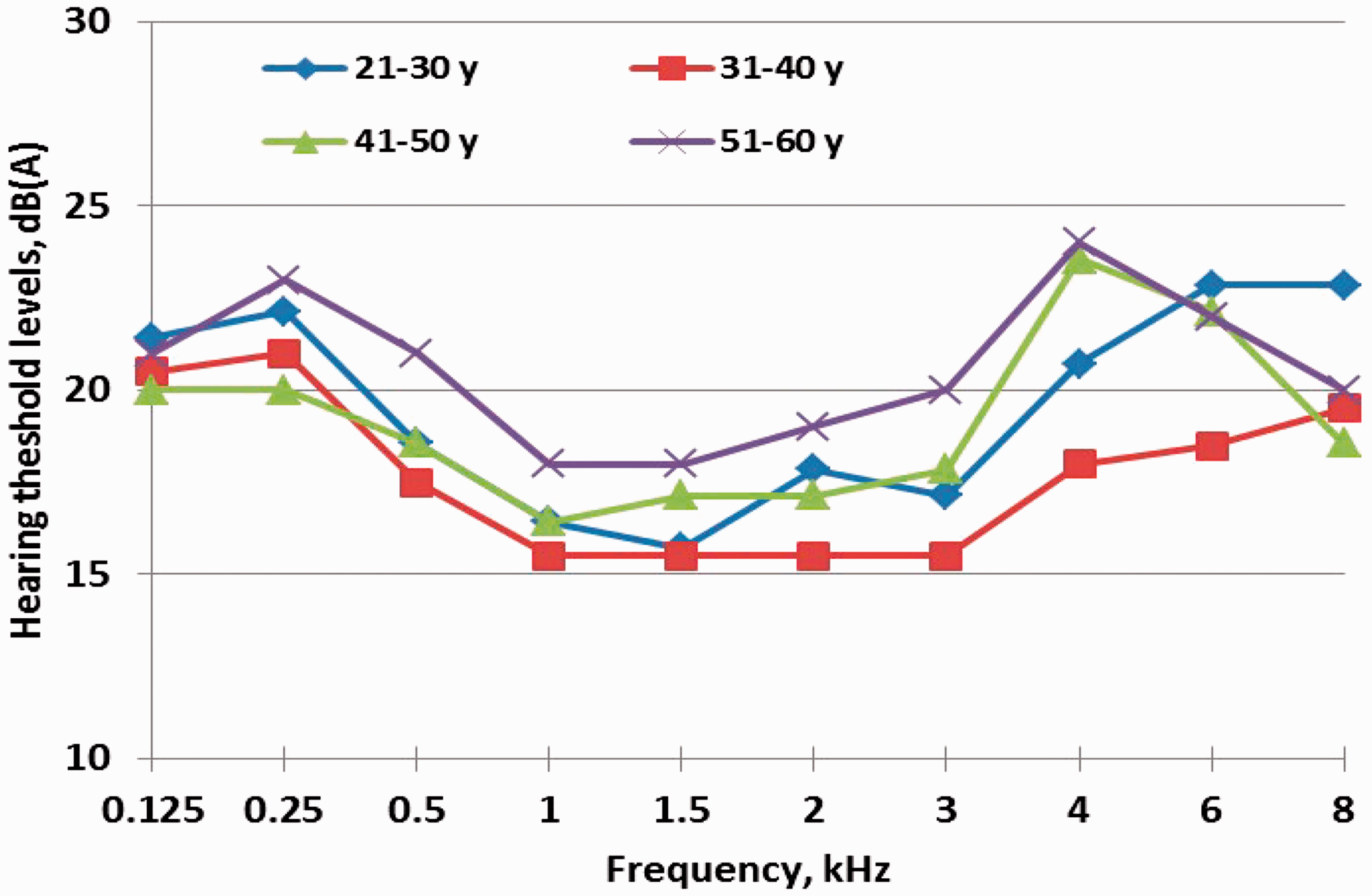
Age-wise HTLs of left ear of the office workers.
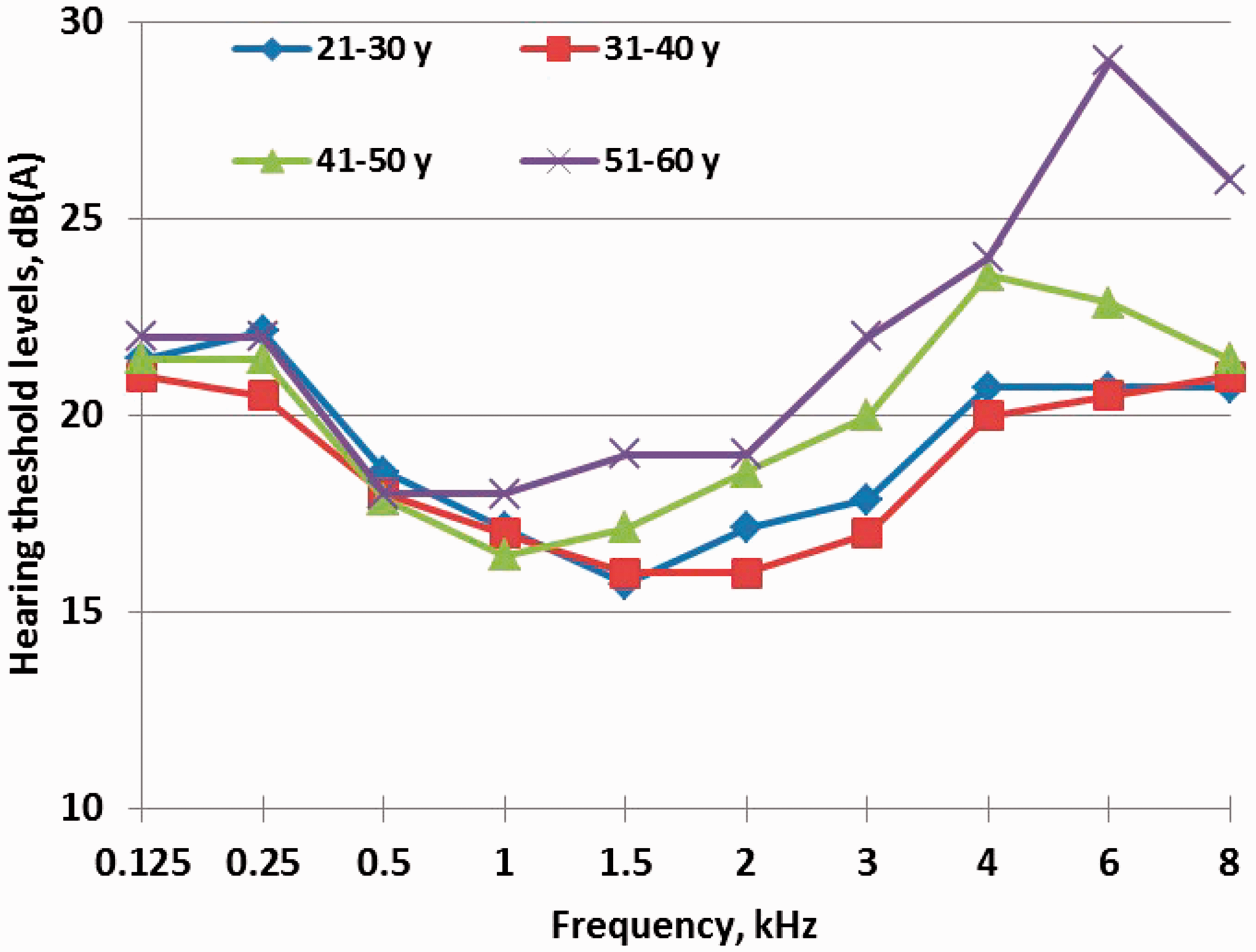
Age-wise HTLs of right ear of the office workers.
Driving experience wise auditory threshold profile
Figures 7 and 8 show the mean HTL of tractor drivers for left and right ear in the driving experience of four groups, respectively. It was observed that mean HTLs for tractor drivers increase with increase in driving experience. The mean HTLs for left ear of tractor drivers exceeded 25 dB(A) at 6 kHz for <10 years; at 3, 4, 6, and 8 kHz for 11–20 years; at all 10 frequencies (0.125–8 kHz) for 21–30 years and >31 years of driving experience, respectively.
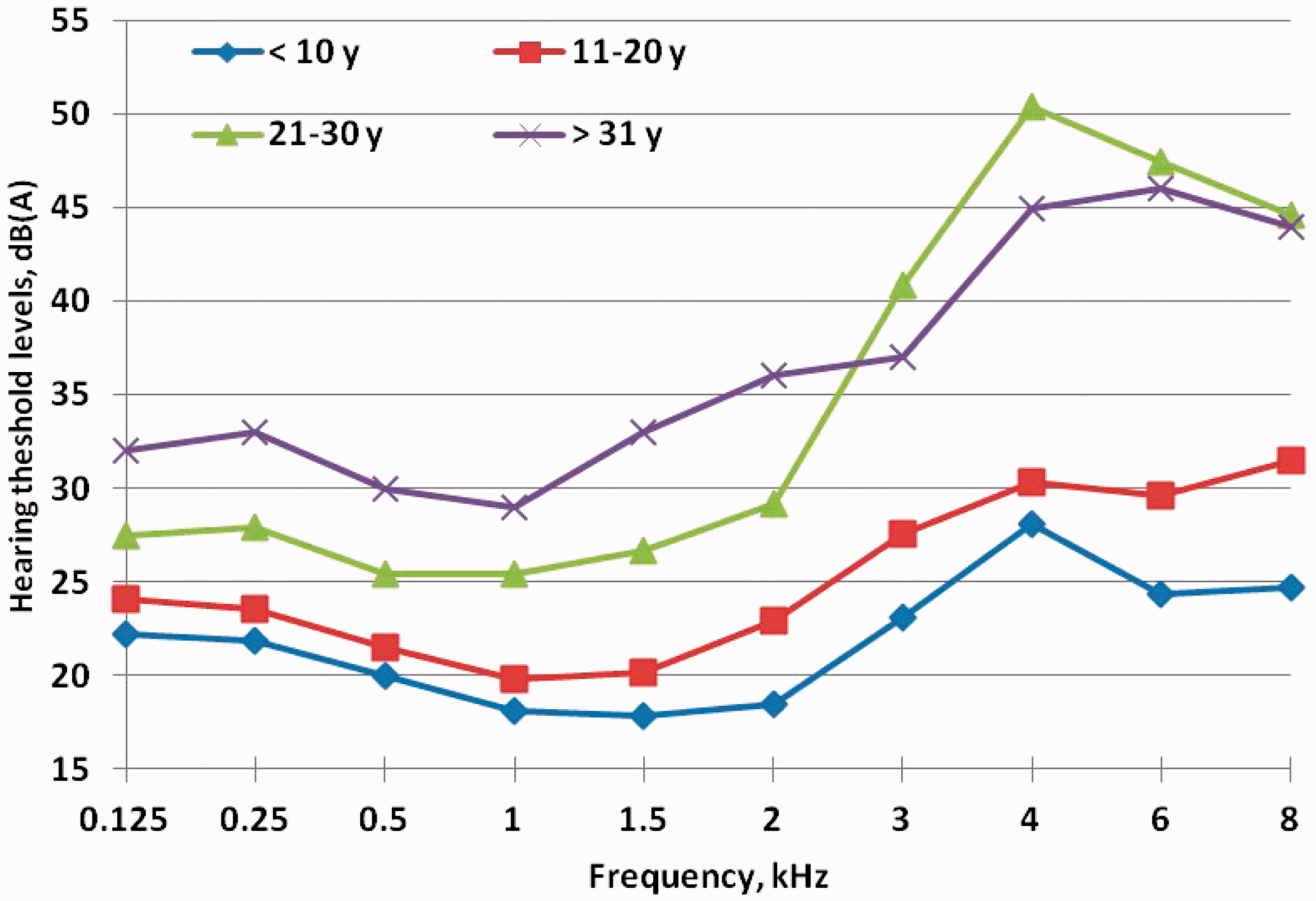
Driving experience wise HTLs of left ear of tractor drivers.
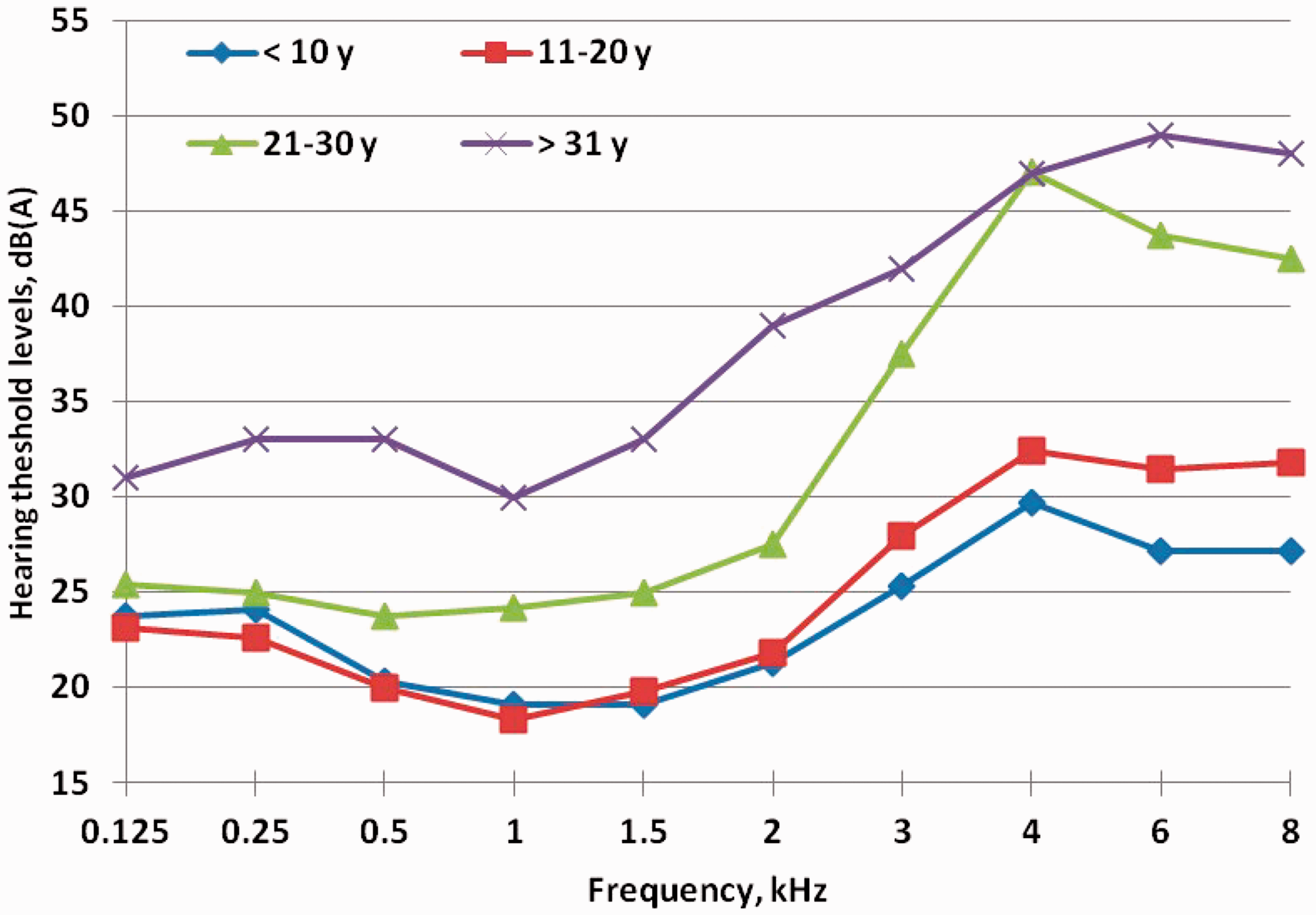
Driving experience wise HTLs of right ear of tractor drivers.
However, the mean HTLs for right ear of tractor drivers exceeded 25 dB(A) at 3, 4, 6, and 8 kHz for <10 years and 11–20 years; at 0.125, 2, 3, 4, 6, and 8 kHz for 21–30 years; and at all 10 frequencies (0.125–8 kHz) for >31 years of driving experience, respectively. This clearly indicated that due to longer duration of operating tractors significantly affected the HTLs. Therefore, it may be concluded that the audiometric status of the tractor drivers gets worse with increases in number of operating years. This may be due to their long-term exposure to noisy environment throughout the day while working in agricultural fields for number of years.
Conclusions
The mean hearing threshold values at different audiometric frequencies (0.125–8 kHz) for the left and right ears are higher for higher age group tractor drivers having more driving experience. This shows that with the increase in age group and increase of driving experience, the mean HTLs of tractor drivers increase. Also, the mean hearing threshold values exceed 25 dB(A) for both the ears for 51–60 years age group of tractor drivers whereas it did not exceed 25 dB(A) for office workers except for frequencies 6 and 8 kHz for the right ear of 51–60 years age group. The mean hearing threshold values exceeded 25 dB(A) for tractor drivers with more than 31 years of driving experience at all frequencies for both the eras. However, it did not exceed 25 dB(A) for tractor drivers with less than 20 years of driving experience at frequencies less than 2 kHz.
Footnotes
Acknowledgements
The authors are grateful to the Director, Central Institute of Agricultural Engineering and Dean, Peoples College of Medical Sciences and Research Centre, Bhopal for their immense support and providing facilities to conduct this study. The authors also wish to thank the staffs of the Department of ENT, Peoples College, Bhopal and all the subjects who took part in the study.
Declaration of conflicting interests
The author(s) declared no potential conflicts of interest with respect to the research, authorship, and/or publication of this article.
Funding
The author(s) received no financial support for the research, authorship, and/or publication of this article.