




Abstract
Prior research offers little guidance on how competence-based brand factors can help transmitting positive word of mouth (PWOM). Building upon signaling theory, we propose that a brand’s efforts into innovativeness reinforce the message that “we have the competence to deliver what promised,” which in turn generates PWOM. We collected longitudinal survey data using two measurement waves with a 4 week interval among respondents from an online customer panel. The results indicate that brand innovativeness has an indirect positive relationship with PWOM, mediated by perceived brand expertise. We also find that altruism positively moderates the relationship between perceived brand expertise and PWOM. The theoretical contributions and managerial implications are also discussed.
Keywords
Introduction
Consumers casually discuss brands at least 90 times per week (Hubspot, 2019). Likewise, recent industry reports also show that 93% of consumers believe in their peers’ recommendations (Kantar, 2020). In response to this important phenomenon, brands have put more effort into activities that can help generate positive word of mouth (PWOM). According to a recent study from CNBC, 58% of small business owners have prioritized WOM as a powerful instrument in communicating with their target customers (Juang, 2017). Interestingly, over 80% of furniture retailers have named WOM their best marketing approach (Forbes, 2017).
PWOM refers to the ways customers talking favorably about a brand and recommending it to others (Nguyen et al., 2021; Popp & Woratschek, 2017). In line with practitioners’ interest, marketing academics have agreed on PWOM as one of the most effective marketing metrics influencing customers’ choice and buying decision (Chang & Lee, 2020; Kietzmann & Canhoto, 2013; O’Cass & Carlson, 2012). Thus, understanding what drives PWOM has become an increasingly topical area of research, especially in service sectors. Indeed, as service offerings are intangible and heterogeneous in quality, PWOM takes an essential role in addressing these issues by reducing perceived purchase risk and signaling brand quality (Markovic et al., 2018; Mishra et al., 2016; O’Cass & Carlson, 2012; Taheri et al., 2021). A closer examination of the extant literature on drivers of PWOM reveals two dominant research streams: customer- and brand-related antecedents of PWOM. The first research stream has focused on the PWOM’s implications of customer commitment (Brown et al., 2005; Harrison-Walker, 2001; Ryu & Park, 2020), customer loyalty (Markovic et al., 2018), customer affection (Choi & Choi, 2014), customer perceived value (Taheri et al., 2021), customer satisfaction, and trust (de Matos & Rossi, 2008; Mishra et al., 2016).
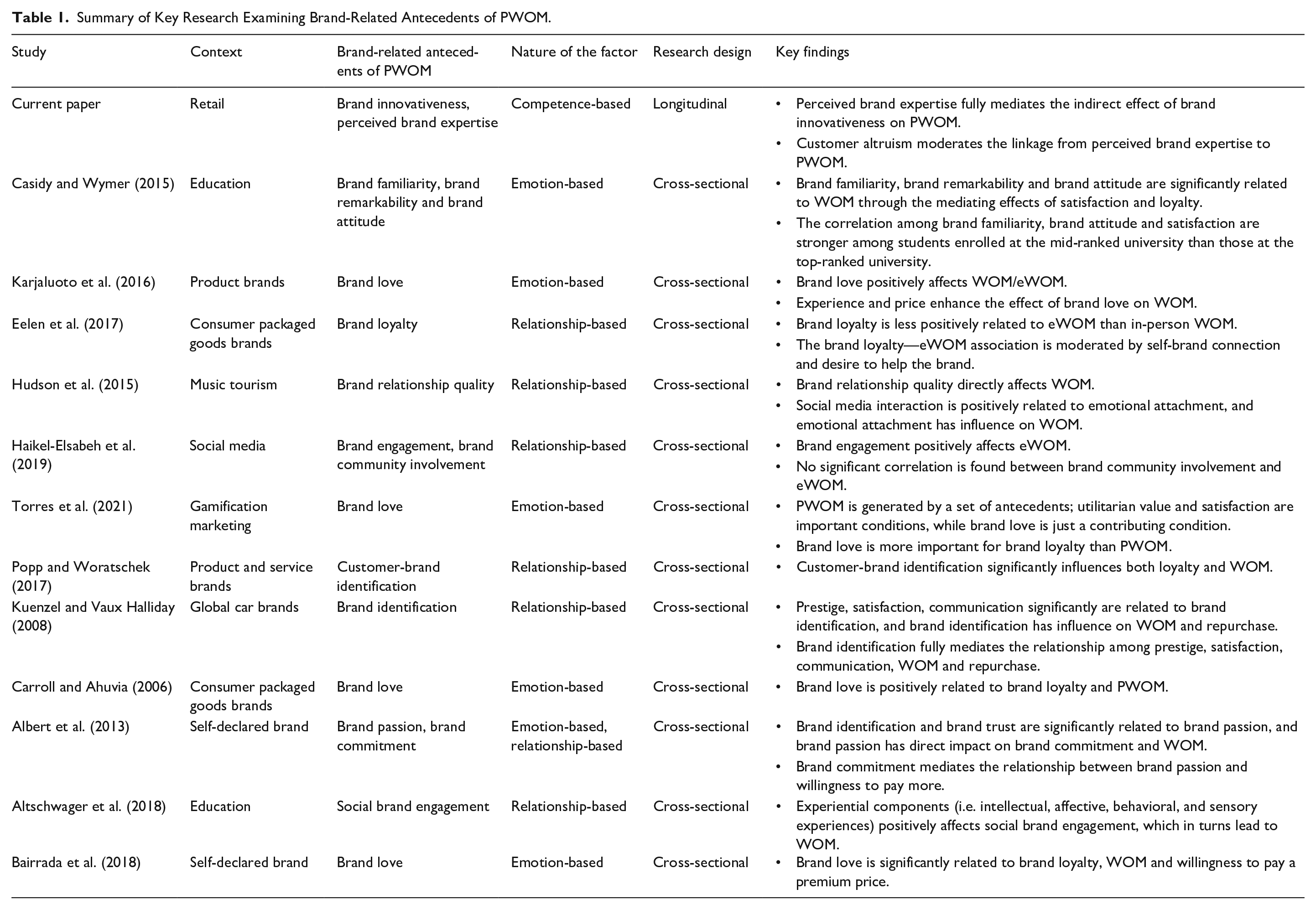
On the other hand, the second research stream has advocated the important roles of brand factors in driving PWOM (Alexandrov et al., 2013; An et al., 2019). We position the current study in this research stream and provide a summary of prior studies that highlight brand-related drivers of PWOM. As shown in Table 1, spreading PWOM is a complex activity, and our current understanding of this phenomenon with respect to branding activities is still limited. Indeed, the extant literature on the brand-related drivers of PWOM has focused much on customer emotional responses to branding activities and their relationship building with the brands. Emotion-based brand drivers of PWOM include brand love (Bairrada et al., 2018; Carroll & Ahuvia, 2006; Karjaluoto et al., 2016; Torres et al., 2021), brand passion (Albert et al., 2013), brand familiarity (Casidy & Wymer, 2015), while relationship-based drivers consist of brand loyalty (Eelen et al., 2017), brand relationship quality (Hudson et al., 2015), brand engagement (Altschwager et al., 2018; Haikel-Elsabeh et al., 2019), brand community involvement (Haikel-Elsabeh et al., 2019), customer-brand identification (Kuenzel & Vaux Halliday, 2008; Popp & Woratschek, 2017), and brand commitment (Albert et al., 2013). Little attention, however, has paid to the role of potential competence-based brand factors such as brand innovativeness and perceived brand expertise in spreading PWOM in services sector, especially retailing context.
Summary of Key Research Examining Brand-Related Antecedents of PWOM.
To address the above research gap, we consider the signaling theory (Spence, 1974), which offers a useful framework to explain the linkage between brand innovativeness and customer response to branding activities such as PWOM. Signaling theory postulates that there exists information gap between firms and customers in that a variety of information (e.g. experience properties of products that can be evaluated during consumption) is less apparent to customers (Spence, 1974). Thus, firms send different types of signals to customers whose inference and interpretation about these signals influence their evaluations of firms’ products and services. For example, signaling theory helps explain how customers’ perceptions of product quality can be influenced by various signals (e.g. price, brand reputation, endorsements) that firms are committed to (Connelly et al., 2011). Consistent with signaling theory, we argue that customers construe a brand’s efforts in innovativeness as signals of its’ competence to fulfill what it has promised. Brand innovativeness refers to “the extent to which consumers perceive brands as being able to provide new and useful solutions to their needs” (Eisingerich & Rubera, 2010, p. 66). Perceived brand expertise is defined as the ability of a brand to continuously deliver what has been promised (Erdem & Swait, 2004). The logic underlying our proposition is that by investing in innovativeness efforts, brands deliver to customers the message that “we have the competence to deliver what has been promised,” which signals customers to construe these brands as performing better than others. Prior research has also shown that perceived brand expertise can be earned and nurtured through innovativeness initiatives (Brexendorf & Keller, 2017). Thus, we argue that a brand’s efforts into innovativeness provide an increasing customer confidence in the brand’s ability to deliver what has been promised, which in turn increases customers’ willingness to actively promote the brand. Taken together, brand innovativeness enhances perceived brand expertise, which in turn facilitates PWOM.
Moreover, there also remains a paucity of evidence on the boundary conditions in the specific processes of how brand innovativeness translates to greater PWOM. In this regard, we explore in the current study the contingent role of altruism, which refers to the desire of customers to help other people when they share their opinion about a brand (Alexandrov et al., 2013). Customers share their experience with a brand or recommending it to others because they want to support these customers make better decisions during their purchase journey. Thus, altruism might potentially act as a moderator in the process spreading PWOM.
Taken together, in the current study we premise on signaling theory (Spence, 1974) and present a conceptual model of PWOM in the context of retailing as shown in Figure 1. In particular, we attempt to examine (1) the implication of brand innovativeness in spreading PWOM and the underlying mechanism of this transmitting process; (2) and the moderating role of customer altruism on the effects of perceived brand expertise on the PWOM. Our research contributes to the literature of PWOM and branding in several ways. First, we extend the brand-related drivers of PWOM by demonstrating a unique mechanism for explaining the conversion of brand innovativeness into PWOM. We show how customers’ perceptions of brand expertise play a key role in accounting for the effects of brand innovativeness on PWOM. Second, we introduce altruism as a novel contingency for the effects of perceived brand expertise on PWOM, demonstrating synergies between customers’ perceptions of a brand competence to fulfill what it has promised and the genuine desire of customers to help other customers making better purchase decisions. Our findings also offer important practical knowledge for retailers to direct their investments in brand innovativeness as an important signal that helps enhance perceived brand expertise as well as the synergistic effect that the presence of altruistic customers combined with perceived brand expertise have for harnessing PWOM.
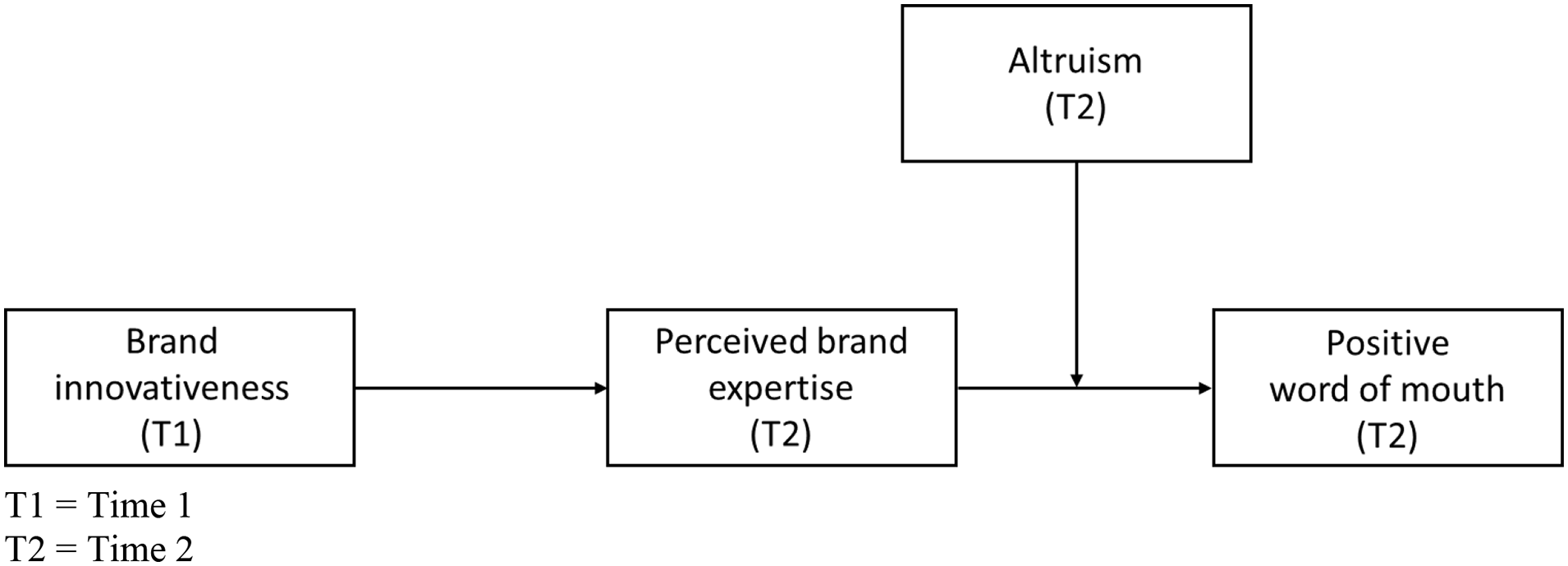
Conceptual model.
Hypothesis development
Brand innovativeness, perceived brand expertise, and PWOM
The presence of information asymmetry in the marketplace stresses the role of brand attributes as signals for expected utility and a firm’s capability to deliver what it has promised (Kunz et al., 2011; Spence, 1974; Stock, 2011). We thus expect that perceived brand expertise emerges when customers encounter a brand’s efforts in innovativeness. This expectation is premised on signaling theory that brand innovativeness acts as a signal upon which customers infer and form their perceptions of brand expertise. For instance, Golder and Tellis (1993) note that innovative brands are perceived more favorable than non-innovative brands in term of expertise. Similarly, Brexendorf and Keller (2017) report that to customers, brands provide expertise that is earned, cultivated, and nurtured via perceived brand innovativeness. Being ranked among the most innovative brands in the retailing industry (Forbes, 2018), a brand like Amazon is a typical example demonstrating the association between brand innovativeness and perceived brand expertise. For instance, Amazon One is a fast, convenient, contactless identity service that puts the power in customers’ hands giving them the freedom to pay, enter, and identify with nothing but their palm. Amazon One simplifies customers’ everyday interactions across physical stores such as Amazon Go, Whole Foods Market, Amazon Books, Amazon 4-star, Amazon Fresh, and Amazon Pop Up. Thus, customers perceive Amazon as a competent brand that can consistently deliver its promises of improving the customer shopping experience in stores and making customers’ lives better.
In addition, we also expect that customers will engage in greater PWOM when they perceive that the brand is highly competent. Indeed, customers are more likely to share useful and unique information about the brand because this sharing makes “the sharer(s) seem smart and helpful” (Berger, 2014, p. 590). Thus, this is not surprising that highly competent brands such as Apple, Amazon, Tesla, and the like are more likely to be discussed. For example, in 2019, Tesla received 200,000 preorders for the Cybertruck in a month. This success is not about making money but how to win supporters for this exciting and innovative product. Tesla’s efforts in this innovativeness are about “getting attention and proving that Tesla is one of the world’s most innovative companies” (Furr & Dyer, 2020, p. 3). As such by investing in innovativeness initiatives, brands can signal their expertise to drive PWOM. Taken all together, we propose the following hypothesis: H1. Brand innovativeness has an indirect positive relationship with PWOM, mediated by perceived brand expertise.
The moderating role of customer altruism
Customers sometimes love to share to help other customers make better purchase decisions (Hennig-Thurau et al., 2004). They also share things that help brands they like (Berger, 2014). Prior studies note that this altruistic motivation facilitates a customer’s engagement in PWOM (An et al., 2019; Cheema & Kaikati, 2010; Hennig-Thurau et al., 2004; Jeong & Jang, 2011; Liu et al., 2020). Altruism
1
is defined as the genuine desire of customers to help other people when they share their opinion about a brand (Alexandrov et al., 2013). Because altruistic customers tend to be more committed to expending effort in concern for helping others, altruistic customers will value brands that consistently deliver what they have promised more than non-altruistic customers. As such, we argue that the effects of perceived brand expertise on PWOM may not be uniform across all customers. This means that altruistic customers are more likely to recommend the competent brands to other customers to help them with their buying decisions and to return a favor to the brands they like. Taken together, we argue that the effects of perceived brand expertise on PWOM depends on customers’ altruism. Thus, we hypothesize: H2. Customer altruism positively moderates the relationship between perceived brand expertise and PWOM.
Research method
Sample and data collection
We collected longitudinal survey data using two measurement waves (see Figure 1) with a 4 week interval among respondents from an online customer panel. The first wave started in June 2021 and ended in July 2021, contacting 1,287 customers to obtain a sample of 923 (a response rate of approximately 72%). The second wave started in August 2021 and ended in September 2021. Six hundred ninety-four of the first-wave respondents completed the second wave with a response rate of approximately 75%. G*Power was utilized to perform a priori and post-hoc power assessments to estimate the sample size (Faul et al., 2009). Using the minimal values suggested by Cohen (1988) (a minimum R2 value of .10, a statistical power of 80%, four latent variables, and 12 observed variables), the a priori G* Power calculation recommended sample size of 200. Therefore, the sample size of 694 in our study was well above this recommended minimum sample size.
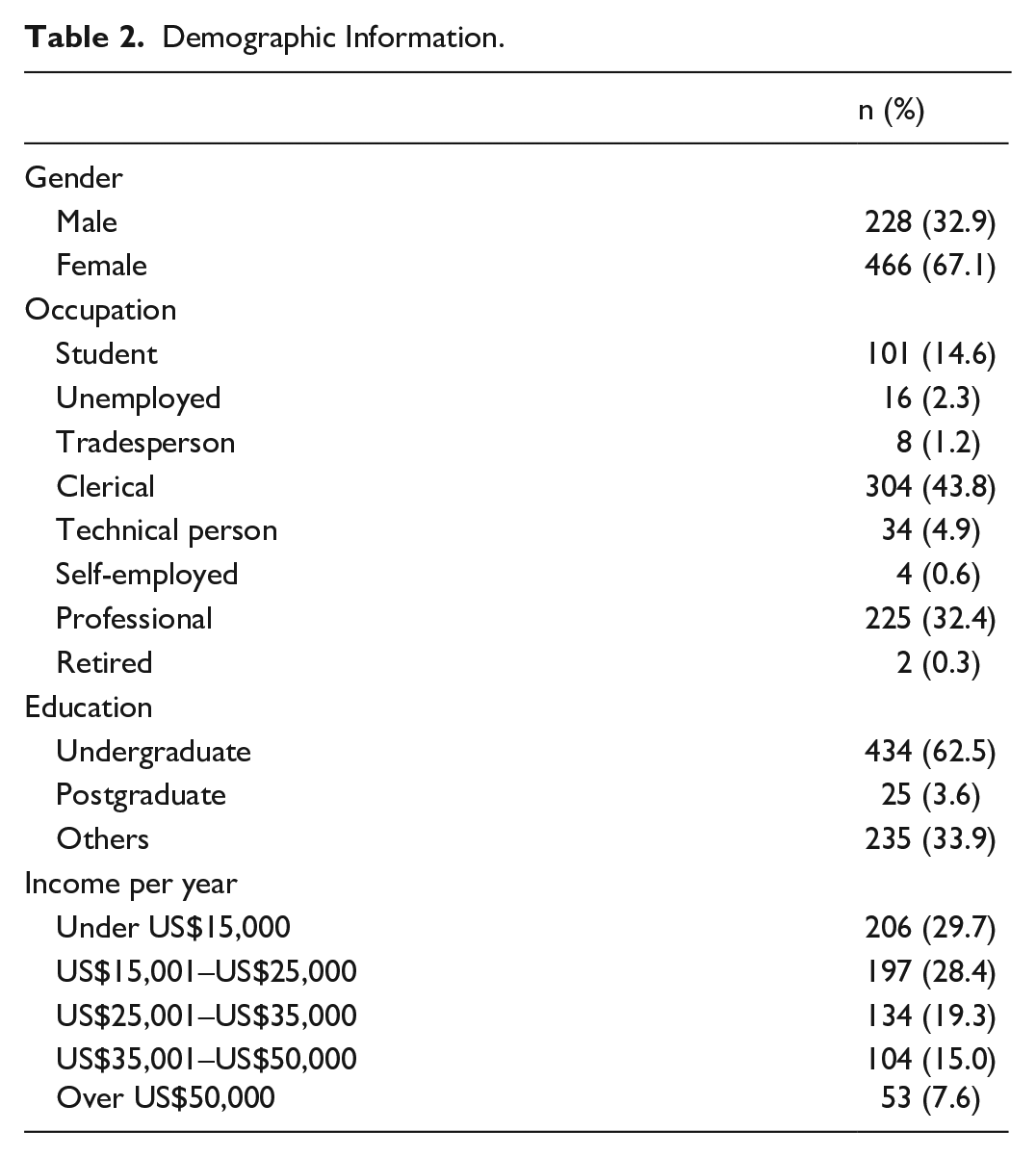
Table 2 shows the demographic information of the respondents. In terms of gender, females accounted for the majority of the respondents (67.1%). In terms of occupation, most of the respondents were clerical (43.8%), followed by professional (32.4%) and students (14.6%). The majority of the respondents (66.1%) had undergraduate and postgraduate degrees. In terms of income, 29.7% of respondents had an annual income of less than US$15,000, 28.4% between US$15,001 and US$25,000, 19.3% between US$25,001 and US$35,000, 15% between US$35,001 and US$50,000, and 7.6% higher than US$50,000.
Demographic Information.
Measurement instrument and evaluation
As shown in Table 3, brand innovativeness was measured by three questions adapted from Eisingerich and Rubera (2010). In relation to perceived brand expertise, we adapted the two-item scale of Erdem and Swait (2004). The measures of Alexandrov et al. (2013) were adapted for altruism and positive word of mouth. The composite reliability (CR) values of the focal constructs ranged between 0.86 and 0.93 and were above the recommended value of 0.70 (Kline, 2016), suggesting high reliability of the measurement scales. The average variance extracted (AVE) of the focal constructs (ranged between 0.65 and 0.82) were all higher than 0.50, reflecting an appropriate degree of convergent validity of the measurement model. Finally, a high level of reliability of the measurement model is further demonstrated when outer loadings of the scale items (ranged between 0.73 and 0.92) were above 0.70.
Scale Evaluation.
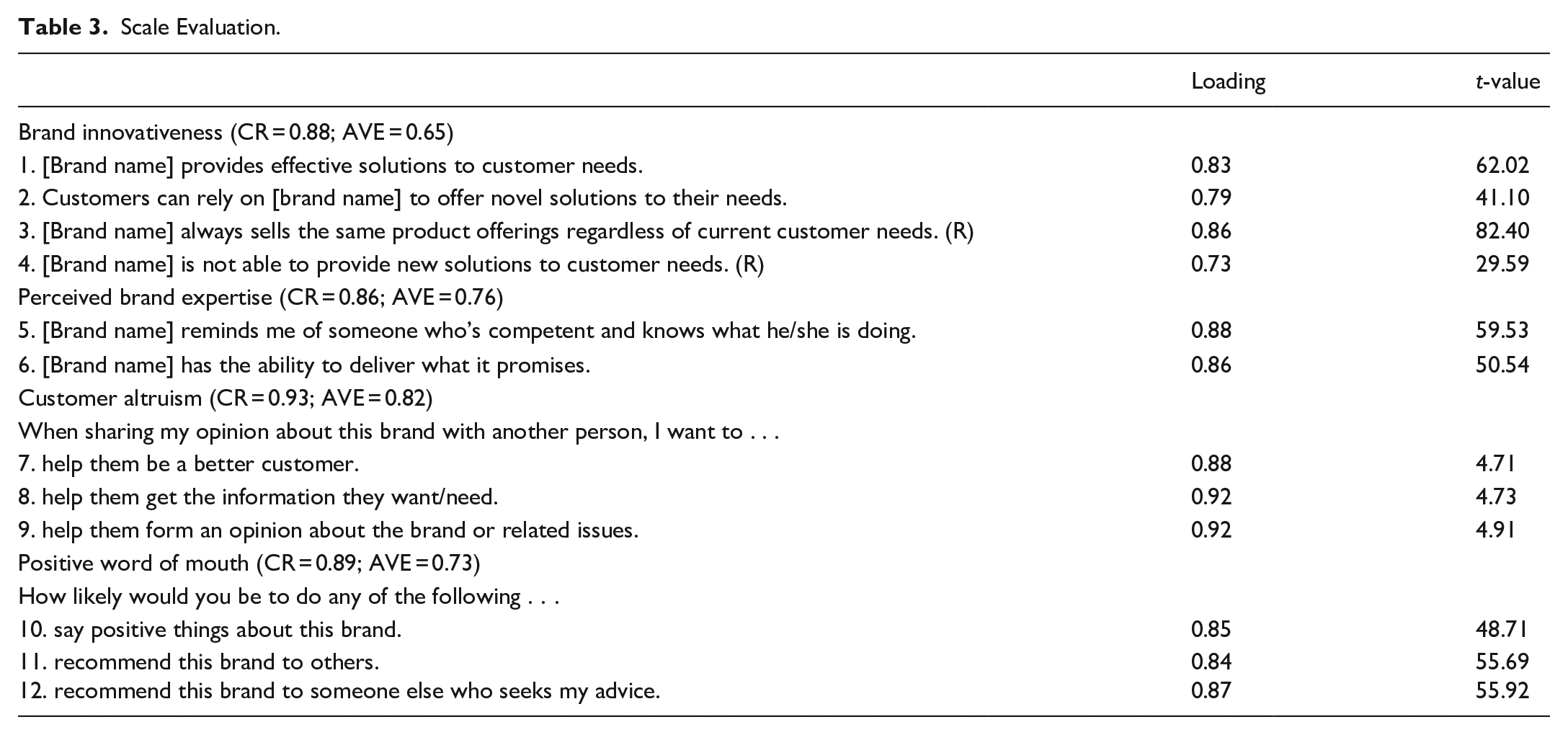
Table 4 shows the discriminant validity analysis of the measurements. We found that the square roots of AVE values of the main constructs (ranged between 0.80 and 0.91) were consistently higher than all of the absolute values of correlations of pairs of these constructs (ranged between 0.05 and 0.50). These results indicate a satisfactory discriminant validity of the measurements (Fornell & Larcker, 1981). Moreover, we adopted a more rigorous Heterotrait–Monotrait (HTMT) test to examine discriminant validity (Henseler et al., 2015). As the bootstrapped HTMT values ranged between 0.06 and 0.66, which were significantly less than the cut-off value of 0.85 (Henseler et al., 2015), more robust evidence for discriminant validity of the measurements was found in this study.
Discriminant Validity Analysis.
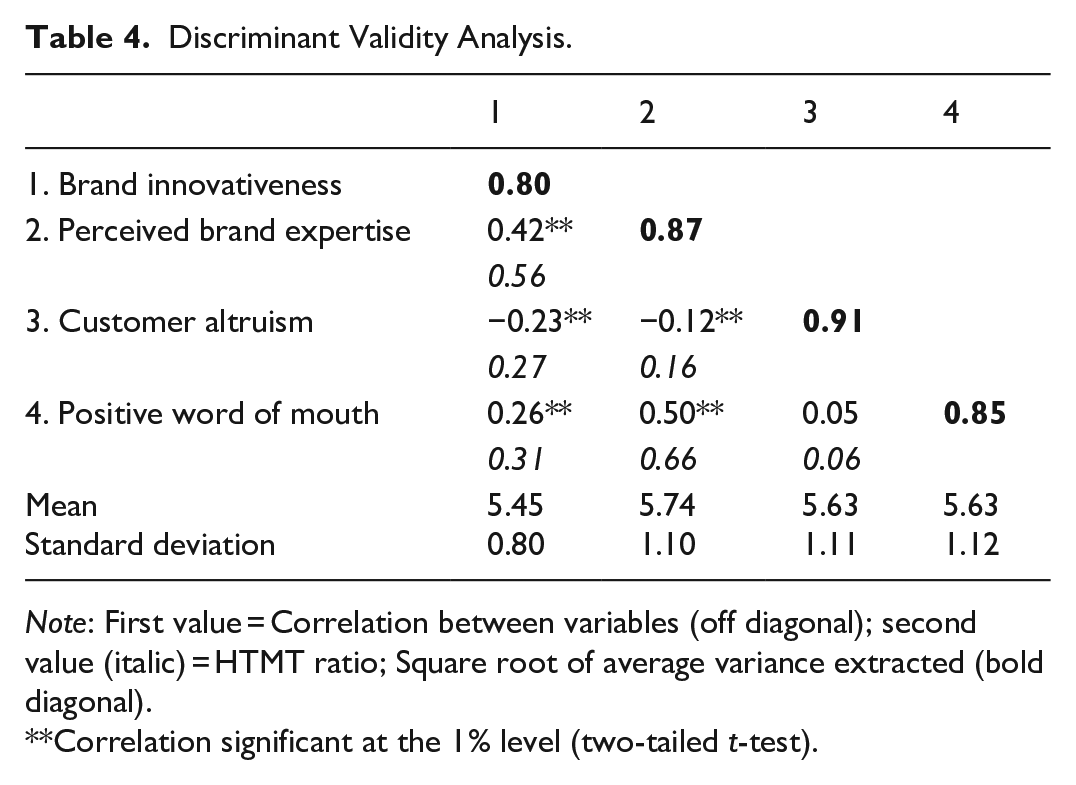
Note: First value = Correlation between variables (off diagonal); second value (italic) = HTMT ratio; Square root of average variance extracted (bold diagonal).
Correlation significant at the 1% level (two-tailed t-test).
Common method bias and multicollinearity issues
Although we collected data in two stages, we still had to address the problem of common method bias because our data collected was based on self-report and key informant approaches (Podsakoff, 2003). First, we performed the Harman single factor test and found that no single factor accounted for most of the variance (the first factor accounted for 31.15% of the 66.56% explained variance), suggesting that common method bias was negligible. Second, we used the marker variable technique (Lindell & Whitney, 2001), a more stringent test, given that the Harman single factor test may have both low sensitivity and low specificity (i.e. it is likely to yield both false negatives and false positives) in detecting common method bias (Baumgartner et al., 2021). We included a marker-variable variable (i.e. “I am satisfied with my life in general”). When the effects of rM were partialled, the mean change in the correlations of the main constructs (rU − rA) was 0.02, highlighting that common method bias was not a serious issue in our study. Finally, to test for potential multicollinearity issues, we examined the inner variance inflation factor (VIF) values of the endogenous variables (O’Brien, 2007) and found that the maximum value of these values was only 1.51, which was significantly below the criterion of 10. This result indicates no multicollinearity in our study.
Results
To test the proposed model and its hypotheses, we ran three hierarchical models in PLS-SEM. Model 1 shows the direct effect of brand innovativeness (BINO) on positive word of mouth (PWOM). Model 2 was Model 1 after adding perceived brand expertise (BE) as the mediator in this direct effect. Model 3 was an augmentation of Model 2 with altruism that acts as the moderator of the relationship between BE and PWOM. Table 5 demonstrates the indices used to determine the predictive strength of the individual paths in these models (i.e. β coefficients, t-values) and the adjusted R2 values for endogenous variables (i.e. BE and PWOM). These indices were computed using 5,000 bootstrapping runs in PLS-SEM. Except for PWOM in Model 1 with a slightly small adjusted R2 value of .09, all the remaining adjusted R2 values (ranging from .18 to .34) were above 0.10, which is the advised threshold for the variance of an endogenous variable to be acceptable (Falk & Miller, 1992). Furthermore, the proposed model had a standardized root mean squared residual of 0.05, less than the 0.08 threshold recommended by Hu and Bentler (1999), indicating that the proposed model adequately fits the data. This was confirmed by the Normed Fit Index (NFI), which had a value of 0.92, above the cut-off value of 0.90 (Lohmöller, 1989). In addition, the root mean squared residual covariance matrix of the outer model residuals (RMS_theta) value was 0.11, less than the recommended value of 0.12 (Henseler et al., 2015), indicating a good model fit.
Hypothesis Testing Results.
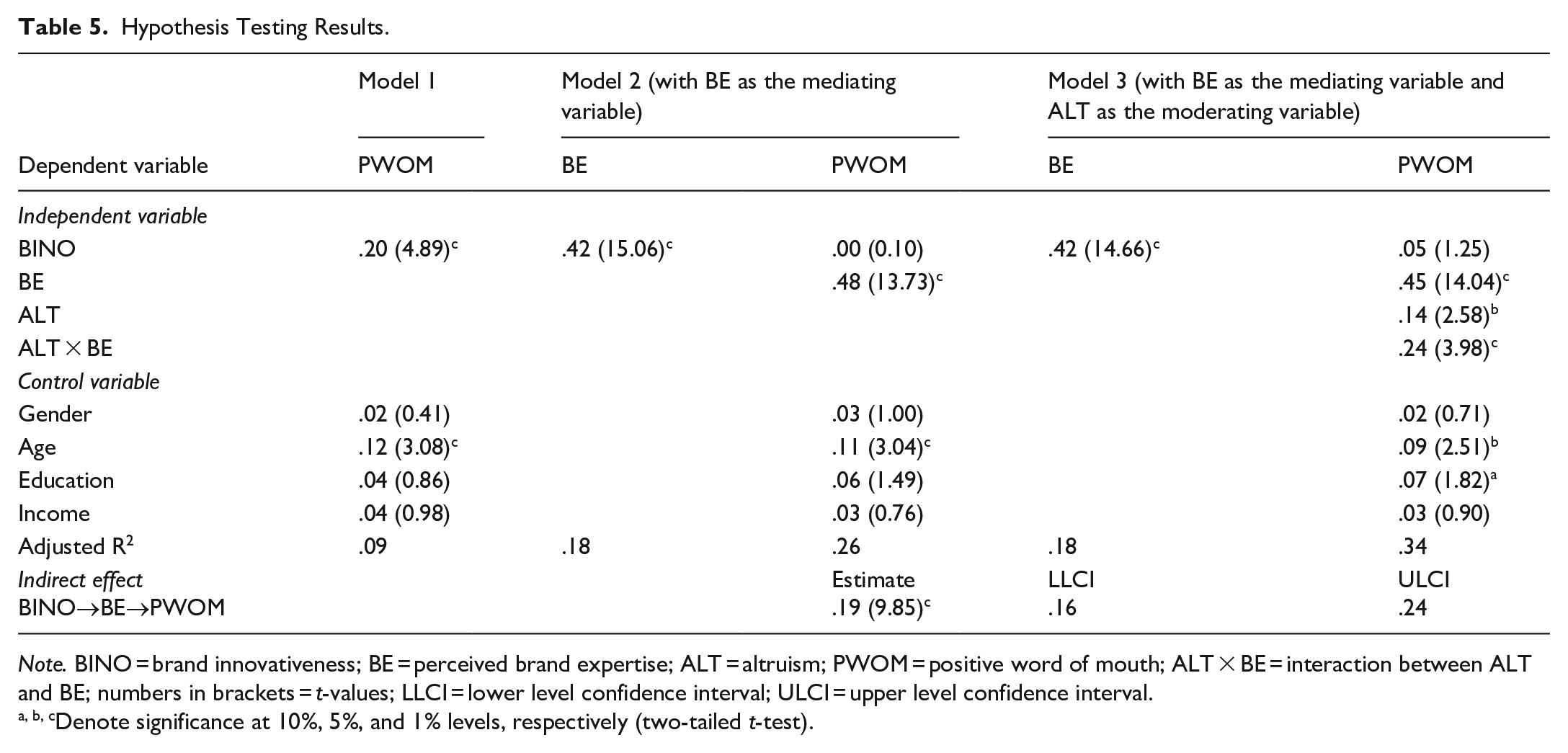
Note. BINO = brand innovativeness; BE = perceived brand expertise; ALT = altruism; PWOM = positive word of mouth; ALT × BE = interaction between ALT and BE; numbers in brackets = t-values; LLCI = lower level confidence interval; ULCI = upper level confidence interval.
Denote significance at 10%, 5%, and 1% levels, respectively (two-tailed t-test).
H1 conjectures that BE mediates the relationship between BINO and PWOM. Our data analysis shows that BINO has a positive effect on BE (model 1: β = .42, t-value = 15.06; model 3: β = .42, t-value = 14.66) and BE, in turn, has a positive impact on PWOM (model 1: β = .48, t-value = 13.73; model 3: β = .45, t-value = 14.04). In addition, when BE was added as the mediator in the BINO-PWOM path, the effect of BINO on PWOM turned from significant (model 1: β = .20, t-value = 4.89) to insignificant (model 2: β = .00, t-value = 0.10; model 3: β = .05, t-value = 1.25). These results indicate that BE plays a fully mediating role in the relationship between BINO and PWOM, supporting H1. To further test H1 about the mediating effect of BE in the relationship between BINO on PWOM, we calculated the indirect effect of BINO on PWOM via BE. This effect was positive and significant (β = .19, t-value = 9.85; 95% CI = [0.16, 0.24]). Thus, H1 was confirmed. To test H2 regarding the moderating role of ALT in the effect of BE on PWOM, we created an interaction term ALT × BE after mean-centering ALT and BE to avoid multicollinearity issues (Aiken et al., 1991). As the effect of the interaction term on PWOM was positive and significant (model 3: β = .24, t-value = 3.98), H2 was supported.
To further illustrate the interaction between ALT and BE in promoting PWOM, the effect of BE on PWOM was plotted for low (−1 standard deviation), medium (mean), and high (+1 standard deviation) levels of ALT. Figure 2 demonstrates that the effect of BE on PWOM is more significant for respondents with a higher level of ALT than those with medium and lower levels of ALT, supporting H2.
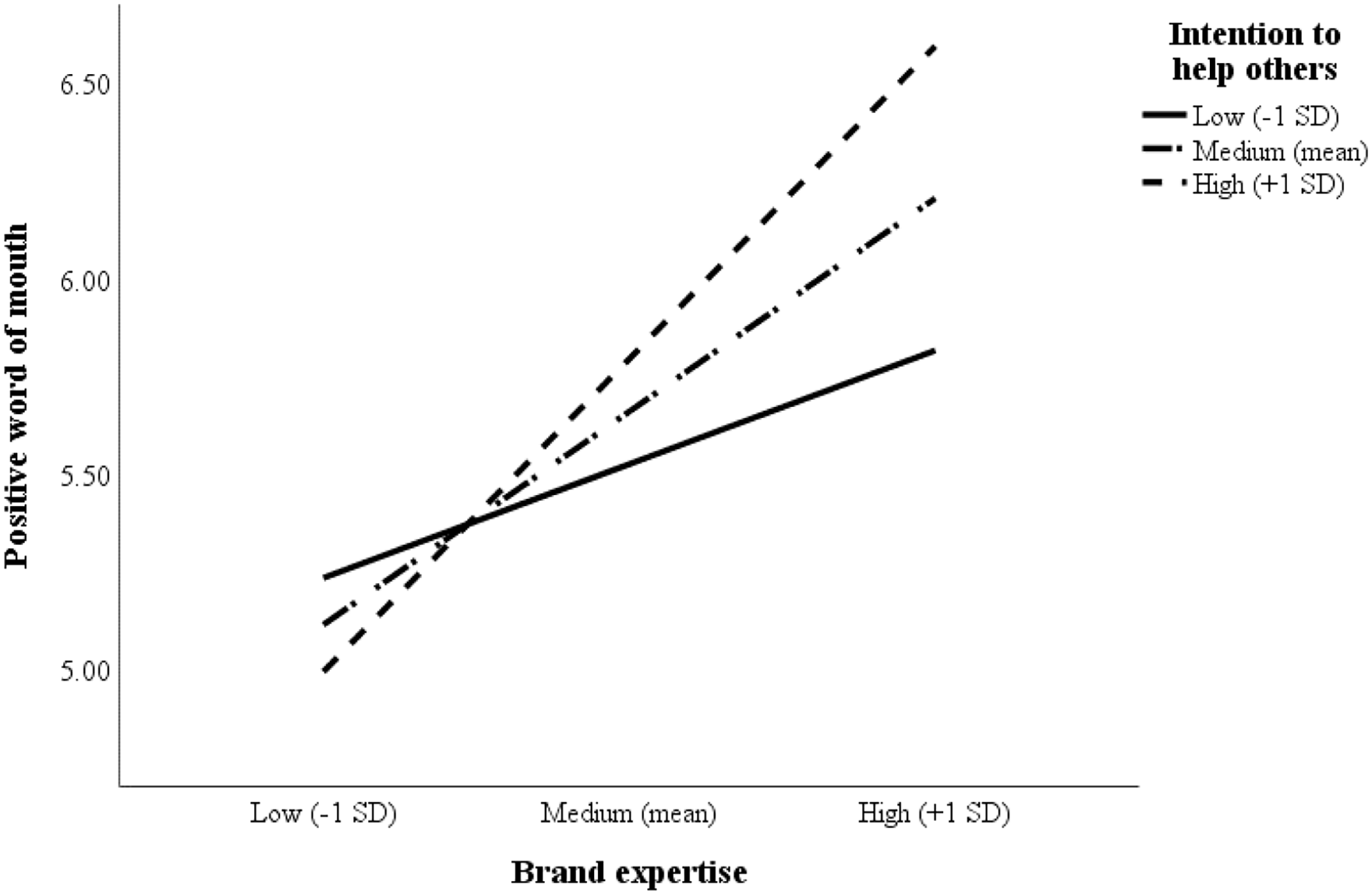
Interaction effect of brand expertise with customer altruism on positive word of mouth.
To further examine the moderated mediation effect in the proposed model, we used the PROCESS macro v4.0 model 14 (Hayes, 2018) to calculate the indirect effects of the independent variable (i.e. BINO) on the dependent variable (i.e. PWOM) at low (−1 SD), mean, and high (+1 SD) levels of the moderator (i.e. ALT) using 5,000 bootstrapping runs. Table 6 shows that the conditional indirect effect of BINO on PWOM via BE at low (−1 SD), mean, and high (+1 SD) levels of ALT levels were significant, given the confidence intervals did not contain zero. Moreover, the conditional indirect effect of BINO on PWOM via BE increased (from 0.12 to 0.40) when ALT increased (from −1 SD to +1 SD), indicating that ALT significantly moderates the mediating effect of BE on the BINO-PWOM path. Therefore, our proposed model and its moderated mediation effect were supported.
Conditional Indirect Effect of BINO on PWOM via BE.
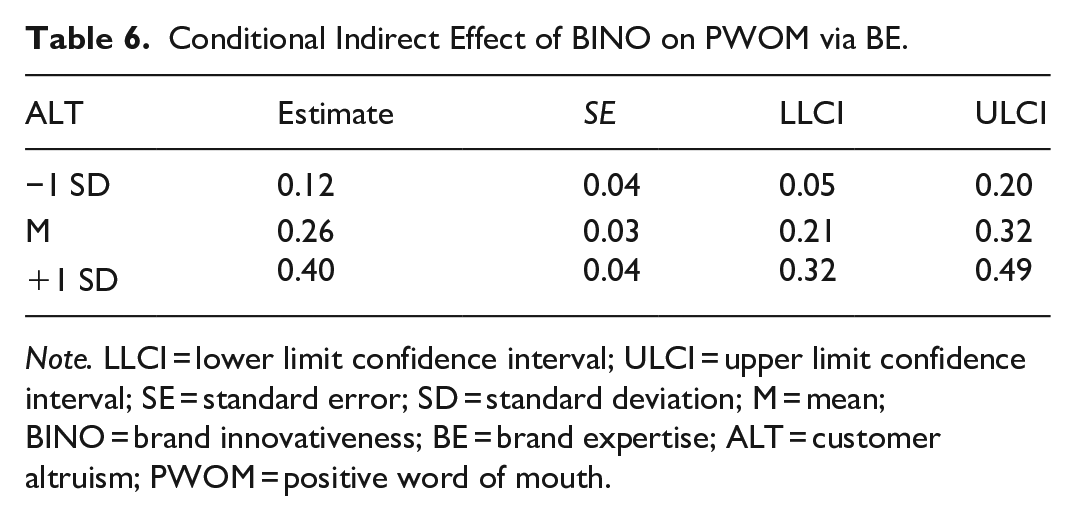
Note. LLCI = lower limit confidence interval; ULCI = upper limit confidence interval; SE = standard error; SD = standard deviation; M = mean; BINO = brand innovativeness; BE = brand expertise; ALT = customer altruism; PWOM = positive word of mouth.
Discussion and implications
The extant literature has examined the effects of brand innovativeness on different customers’ responses such as perceived quality, purchase intention, willingness to pay, brand attitude, brand loyalty, and brand credibility (Brexendorf & Keller, 2017; Hubert et al., 2017; Shams et al., 2020). However, little is known about the essential role that competence-based brand factors such as brand innovativeness and perceived brand expertise might play in fostering PWOM in services sector. The current study examines a brand-related model of PWOM in the context of retailing. Based on the signaling theory, we propose that brand innovativeness could enrich PWOM through the mediating role of perceived brand expertise as well as the moderating role of altruism.
The results show that perceived brand expertise fully mediates the impact of brand innovativeness on PWOM. By offering new and effective solutions, retailing brands can better deliver what they have promised, leading to stronger reasons for customers to talk favorably about them. According to signaling theory, brand innovativeness acts as a signal for perceived expertise, which in turn leads to PWOM. These results further support the idea of Stock (2011) and Kim et al. (2021), who also considered brand innovativeness as a signal customers perceive from a brand. The indirect effect of brand innovativeness on PWOM in the current study corroborates earlier findings about the essential role of brand innovativeness in generating positive brand performance such as brand loyalty, brand satisfaction, brand love, and brand commitment (Bairrada et al., 2018; Eisingerich & Rubera, 2010; Lin et al., 2019; Nysveen et al., 2018). Our findings also extend prior studies by Chang and Lee (2020) and O’Cass and Carlson (2012) who found that service innovation and website-service innovativeness (product/service-level) positively contributes to WOM. Moreover, through the full mediating effect, we emphasize the importance of perceived expertise, resulted from brand innovativeness efforts, in fostering PWOM. Even though customers do not have all the essential information required for their judgment, innovative brands can still enhance perceptions of expertise over non-innovative competitors.
In addition, the current study confirms that customer altruism plays a moderating role in the linkage from perceived brand expertise to PWOM. It means that the more customers care about others, the greater is their desire to help others make better buying decisions. Thus, customers are willing to share their favorable opinion about the competent brands. This result seems to be consistent with prior studies that found the relationship between altruism and PWOM (Cheema & Kaikati, 2010; Hennig-Thurau et al., 2004; Jeong & Jang, 2011; Liu et al., 2020; Yap et al., 2013).
Theoretical and managerial implications
The findings from this research have several important theoretical implications. First, the literature is silent on the role of brand innovativeness after the purchase has been made. While the extant literature has examined the indirect effects of brand innovativeness on customers’ responses (e.g. brand loyalty, perceived value, brand satisfaction) via several mediators such as customers’ perceived quality, brand experience, and brand personality (Coelho et al., 2020; Kim et al., 2021; Lin et al., 2019; Nysveen et al., 2018), little is known about an important but neglected issue—the implication of brand innovativeness in spreading PWOM and its underlying mechanisms. We contribute to this scare literature by demonstrating that brand innovativeness can increase perceived expertise, which in turn results in PWOM. This is significant because exploring a simple direct association between an antecedent and PWOM provides a limited view (Brown et al., 2005) and several studies have also postulated the importance of examining mediating mechanisms when exploring the antecedents of PWOM (An et al., 2019). Furthermore, while past research has claimed the relations between brand innovativeness and perceived brand expertise (Brexendorf & Keller, 2017) as well as between perceived brand expertise and PWOM (An et al., 2019), to the best of our knowledge, there is little evidence supporting the interrelationship among brand innovativeness, perceived brand expertise and PWOM. In response, we enable a deeper understanding of why and how brand innovativeness can trigger PWOM through the mediating role of perceived brand expertise.
Moreover, we also test the boundary condition of customer altruism in the linkage from perceived brand expertise to PWOM. While previous research has only investigated the direct influence of altruism on PWOM (Cheema & Kaikati, 2010; Hennig-Thurau et al., 2004), our research appears to be one of the first studies that explore this moderating effect. Thus, our study advances the extant literature by showing that an assessment of the relationship between perceived brand expertise and PWOM needs to account for the genuine desire of customers to help other customers making better purchase decisions and to return a favor to the brands they like. Taken together, these findings have significant implications for the understanding of the mechanisms by which brand innovativeness can trigger PWOM.
Our study provides practitioners with several managerial implications. First, we show that service brands should focus on innovativeness initiatives to signal their competence. By investing in different new and effective solutions, a service brand makes customers feel that it can fulfill the promise, which drive customers to engage in PWOM transmission. For instance, retailers can invest in artificial intelligence chatbots as an innovative solution to improve their ability to make the customer experience more impactful and enhance customer satisfaction. By combining customer’s requests with other available information (e.g. customer’s past purchase, customer’s demographic), artificial intelligence chatbots can identify customer’s intent and help solving customer’s problems. Second, we recommend that customer altruism alters the impact of perceived brand expertise on PWOM. Our findings highlight ways of managing the transmission of PWOM more effectively across different customer groups (altruistic vs. non-altruistic). We encourage brand managers to pay attention to altruistic customers, who are more effective in transmitting PWOM.
Limitations and future research
Our study has three important limitations that provide further research opportunities. The first limitation is that our findings can be generalized within the retailing context. Future study may replicate our conceptual model in alternative service settings. Second, although the current study employs a longitudinal design, the findings is limited with respect to the internal validity. Future research would benefit from using experimental designs to enhance the internal validity of the innovativeness-expertise-PWOM linkage. Lastly, while we recommend service brands consider altruism—an important customers’ personality trait, when identifying customers, who are more likely to engage in PWOM transmission. However, it might be difficult for marketers to evaluate the altruism value of consumers. Thus, further studies that combine customer altruism with other factors (e.g. gender, religion) should be undertaken to help marketers effectively identify their target customers.
Footnotes
Declaration of conflicting interests
The author(s) declared no potential conflicts of interest with respect to the research, authorship, and/or publication of this article.
Funding
The author(s) disclosed receipt of the following financial support for the research, authorship, and/or publication of this article: This research was funded by the University of Economics Ho Chi Minh City (UEH), Vietnam.
