



Abstract
A growing number of studies have shown that the indoor residential environment is associated with respiratory and allergic diseases in children. This study aimed to investigate the prevalence of respiratory and allergic diseases among children in China and its correlation with using air handling equipment, based on the cross-sectional survey results of the China Children Homes Health Project in 2010 and 2019. The binary logistic regression model was used to explore the association between asthma, rhinitis, eczema and pneumonia and the use of air handling equipment in children. The prevalence of children’s respiratory and allergic diseases has decreased, and the usage rate of portable air purifiers and split air conditioners has increased in 2019 compared to 2010. The results showed that using a fresh air system with filters was negatively correlated with children’s pneumonia (adjusted odds ratio (aOR): 0.767, 95% confidence interval (95% CI): 0.704–0.835). The use of portable air purifiers was positively correlated with most diseases’ symptoms in two undertaken surveys. In 2019, the positive correlation between using split air conditioners and asthma-related symptoms decreased compared with 2010, while it was positively correlated with rhinitis, eczema and pneumonia. To avoid children’s allergic diseases and reduce respiratory symptoms, parents should choose appropriate air handling equipment.
Introduction
Over the past few decades, there has been a concerning upward trend in the global prevalence of allergic diseases, especially in low- and middle-income countries.1,2 Respiratory and allergic diseases not only seriously affect the quality of life for preschool children but also bring a huge economic burden on families and the countries, even lasting until adulthood.1,3,4
Recent studies have identified a variety of factors that could affect the prevalence of respiratory and allergic diseases in children.5–11 Exposure to air pollution, both indoors and outdoors, has been found to increase the risk of those diseases.12–18 Early and lifetime exposures to dampness indicators is also linked to higher rates of respiratory and allergic diseases in children.19–22 Similarly, the use of artificial synthetic materials in home decoration during pregnancy and early childhood has been associated with an increased risk of such diseases. 23 Parental smoking and early exposure to furry pets have also been identified as risk factors.24–27 Conversely, certain actions can aid in preventing respiratory and allergic diseases in children, such as exclusive breastfeeding for more than 6 months, opening the windows in children’s bedrooms during winter and airing bed quilts in sunshine.20,28,29
To improve children’s respiratory and allergic health, it is important to create a good indoor environment. The use of air handling equipment such as portable air purifiers, fresh air systems with filters, split air conditioners and humidifiers is believed to be an effective way to create a suitable thermal and healthy indoor environment. A previous study in Nanjing found that using a humidifier is positively correlated with the prevalence of children’s rhinitis and using split air conditioners is positively correlated with the prevalence of children’s pneumonia. 11 Moreover, filling a humidifier with tap water may generate a large number of particles with mineral substances originally inside water, which can have adverse health effects, indicating the cause of inversely health effect of humidifiers. 30 In addition, a study in Northeast Texas found an increment trend of allergic symptoms in homes with air-conditioning system, especially for rhinitis. 31 A study in northern China also found that some devices used in homes including air humidifier and air cleaner can increase occurrence of asthma and allergic rhinitis in parents of children. 32 On the other hand, studies have also demonstrated the positive effects of air handling equipment on children’s respiratory health. The use of air conditioner in homes was found to have reduced the exposure of outdoor traffic pollutants via low ventilation rates and improved the health effects of traffic amongst preschool children. 33 Studies have found that using air conditioner was a protective factor for wheeze. 34 In Detroit, an area with a high incidence of asthma, the use of high-efficiency filters instead of ordinary filters was found to reduce the health burden of children related to asthma. 35 A double-blind experiment in homes of 26 children with asthma in Incheon, South Korea, found that the use of air filters could significantly reduce indoor PM2.5 concentration levels. 36 Therefore, the use of air filters can be used as an intervention strategy for indoor air quality control in families with asthmatic children. In recent years, China had vigorously controlled environmental pollution, and Chinese residents also continued to deepen their understanding of factors affecting children’s health. Nowadays, the status of children’s diseases and their influencing factors may be different than before.
The purpose of this study is to investigate the impact of using air handling equipment on Children’s health. The rapid development of economy and concern about the health effects of particulate matter have led to great changes in families using air handling equipment in recent decades. Based on a two-phase nationwide questionnaires study from CCHH (China Children Homes Health) in 2010 and 2019, we studied how the use of air handling equipment could affect the health of children in the context of rapidly improving living standards and home environments. Our findings may have important implications for safeguarding children’s health in the face of changing household environments.
Method and process
Study population
In 2010, the China Children Homes Health Project (CCHH) was launched. Two cross-sectional questionnaire surveys were conducted in 2010 and 2019. 37 This study selected the same seven cities investigated by these two surveys for analysis, including Nanjing, Shanghai, Changsha, Chongqing, Wuhan, Taiyuan and Urumqi. In these two surveys, kindergartens in these cities were randomly selected. Ultimately, 38,983 children’s questionnaires were collected in 2010 and 45,891 children’s questionnaires were collected in 2019. Amongst the seven cities, Nanjing, Shanghai, Changsha, Chongqing and Wuhan are in the hot summer and cold winter regions of China. They have typical climatic characteristics of hot and humid summer and cold and humid winter. Split air conditioners are mostly used to meet the demand for cooling in summer and heating in winter. However, Taiyuan is in the cold region and Urumqi is in the severely cold region of China. Split air conditioners are rarely used in these cities.
Ethics
Our study was approved by Fudan University in Shanghai (the Medical Research Ethics Committee of School of Public Health). Before the investigation, parents or guardians of the children who participated in the questionnaires signed a written informed consent. According to the written informed consent, all information collected from the questionnaire would be only used for scientific purposes, and any published research results would not include any information about the children and families surveyed.
Questionnaire
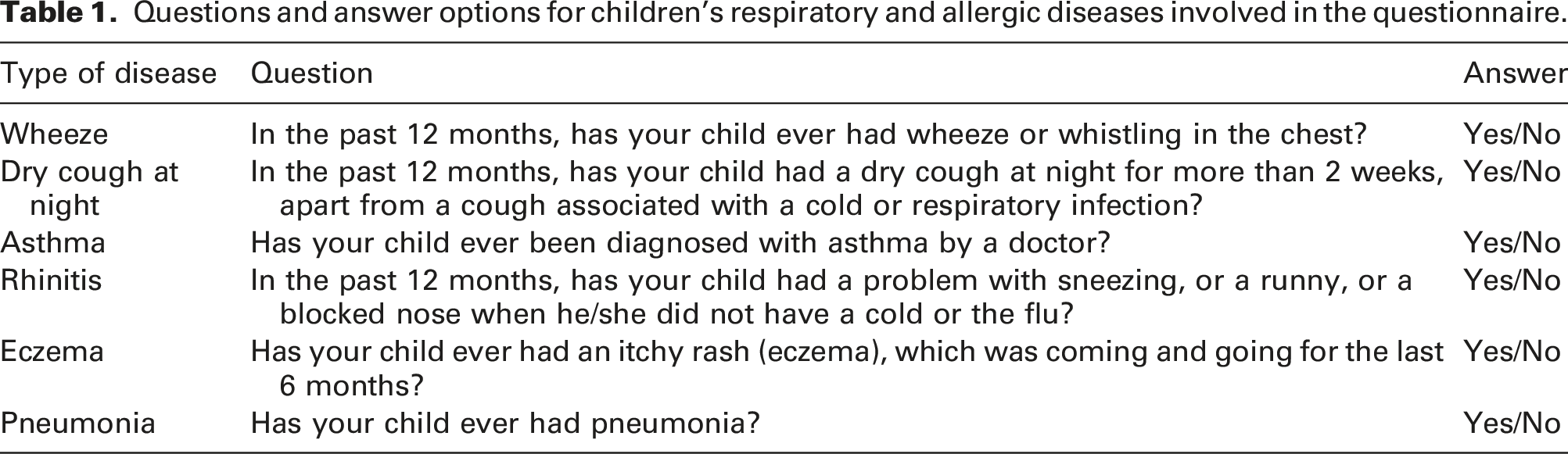
This study analyzed two questionnaires in 2010 and 2019. Regarding the questionnaires used in Phase I and Phase II, they were based on the ISAAC (International Study of Asthma and Allergies in Childhood) questionnaire, which has been validated by studies in Swede, Bulgaria, Singapore and USA.38–41 Questions relevant to Chinese residential environments were added to the questionnaire. 42 Although the 2019 questionnaire was modified from the 2010 questionnaire, the overall survey content was similar. The two questionnaires included six parts: basic information, children’s feeding and family members’ information, health information of children and family members, children’s living environment, living habits and eating habits.
Questions and answer options for children’s respiratory and allergic diseases involved in the questionnaire.
Statistical analysis
All statistical analyses were performed with SPSS.26. The analysis results were based on valid data on the relevant factors. The chi-square test was used to explore the differences in the utilization rate of air handling equipment and the prevalence of respiratory and allergic diseases in children stratified by demographic information or residential factors. The correlation between the use of air handling equipment and children’s respiratory tract and allergic diseases was analyzed by binary logistic regression, and confounding factors were introduced for correction. p-values <0.05 were accepted as significantly relevant.
Result
Descriptive analysis
Birth conditions of children and basic family information in two surveys.
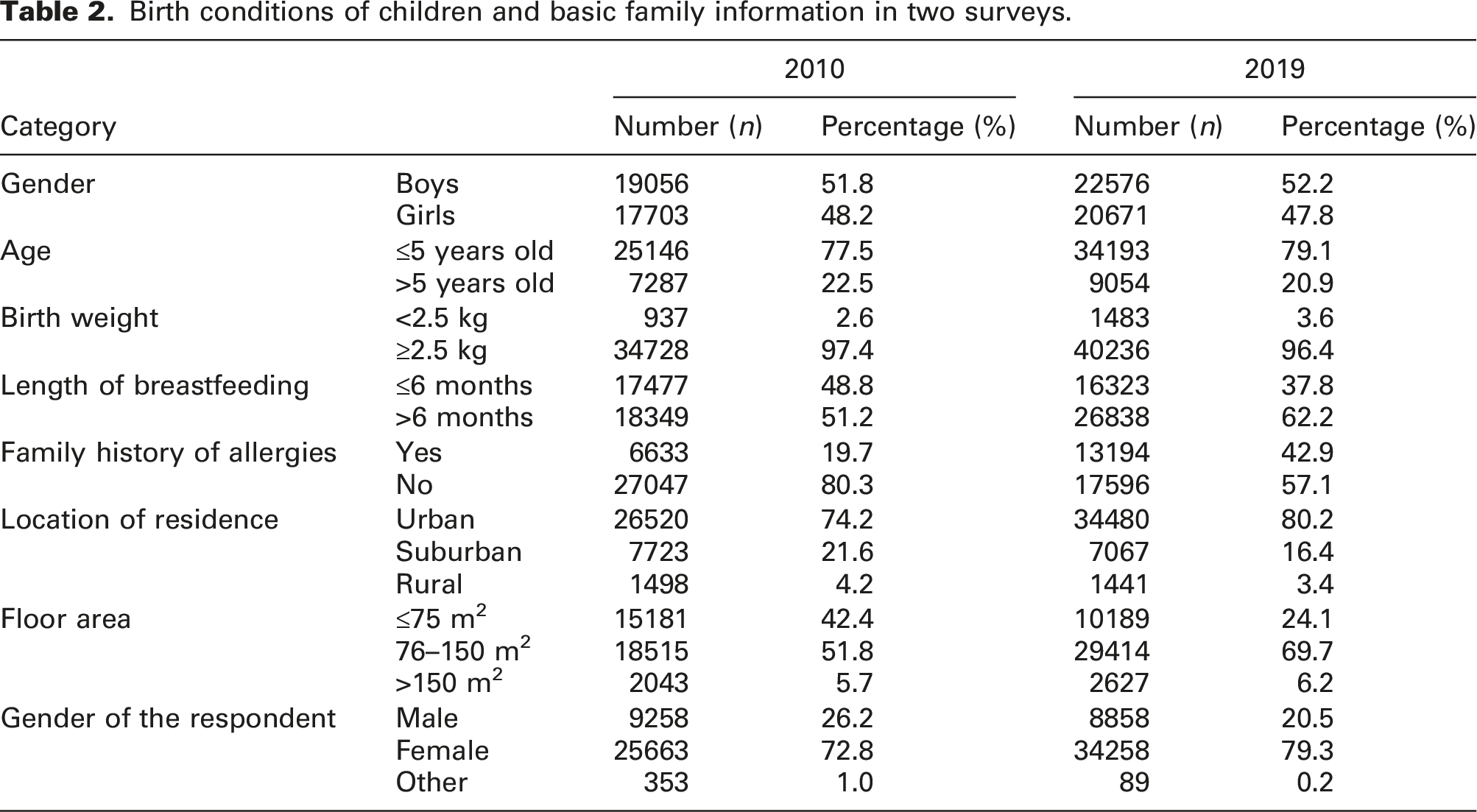
Factors affecting children’s health include birth weight, duration of breastfeeding, family history of allergies, family location and so on. Table 2 also shows the birth conditions and basic family information of children surveyed in 2010 and 2019. According to a new survey in 2019, the proportion of children with high birth weight (96.4%) was remarkably higher, and the proportion of children whose breastfeeding duration was over 6 months (62.2%) accounted for the majority. The proportion of children with a family allergy history (42.9%) was slightly lower than that of children without an allergy history (57.1%). In addition, compared with the survey in 2010, the proportion of children with high birth weight has barely changed in the past 10 years. Compared with 10 years ago, the proportion of children breastfeeding more than 6 months has increased, which shows parents’ preference to breastfeeding for their children. The proportion of children with a family history of allergies is significantly higher than it was 10 years ago, and the proportion of urban families surveyed is also slightly higher. Compared with 2010, the proportion of houses larger than 75 m2 was increased significantly in 2019. A significantly higher percentage of respondents were female than male in both surveys, and the percentage of respondents who were female was slightly higher in 2019 than in 2010.
Prevalence of respiratory diseases and allergic diseases in children
Comparison of the prevalence of respiratory and allergic diseases in children stratified by residence location in two surveys (%).
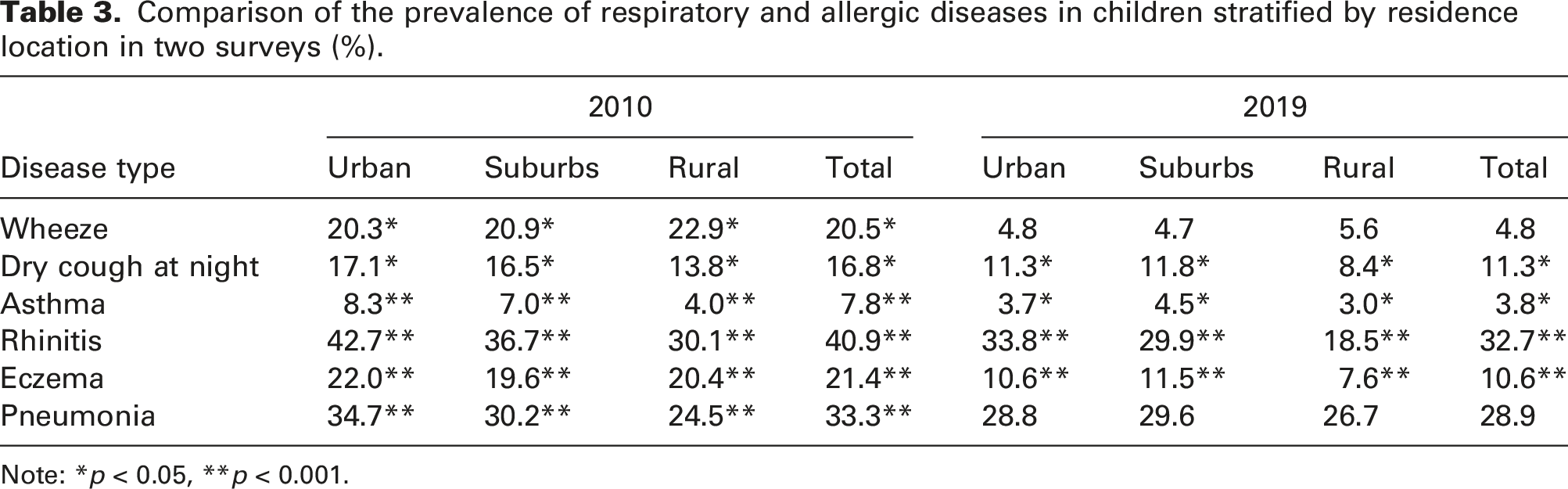
Note: *p < 0.05, **p < 0.001.
Prevalence of respiratory and allergic diseases in children stratified by gender and family allergy history in 2019 (%).
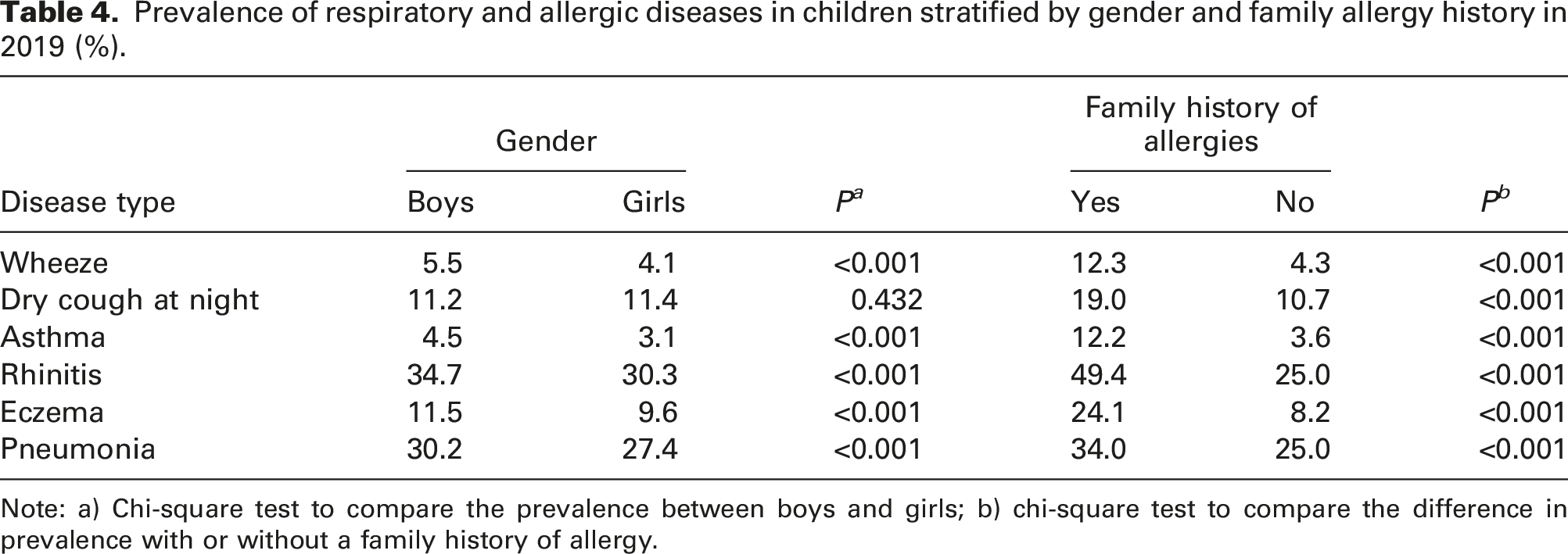
Note: a) Chi-square test to compare the prevalence between boys and girls; b) chi-square test to compare the difference in prevalence with or without a family history of allergy.
Due to the different climate conditions, economic level, health and medical level and air equipment utilization rate, the prevalence rate of children’s respiratory tract and allergic diseases is also different in different cities. As shown in Figure 1, compared with 2010, there was a decline in the prevalence of children’s respiratory diseases and allergic diseases in different cities in 2019, except for dry cough at night in Urumqi and pneumonia in Nanjing and Wuhan. Compared to 2010, the prevalence of asthma, eczema, dry cough at night and rhinitis in Changsha and Chongqing, and rhinitis and pneumonia in Urumqi was significantly reduced in 2019. Amongst the seven cities, Taiyuan in northern China had a low prevalence of children’s respiratory diseases and allergic diseases found in the two surveys. Moreover, the prevalence of children’s respiratory diseases and allergic diseases in Urumqi, which is located in the severely cold region, was higher than that in Taiyuan in 2010. For southern Chinese cities, the prevalence of children’s respiratory diseases and allergic diseases in Shanghai was generally higher. Prevalence of respiratory diseases and allergic diseases in children in different cities (%).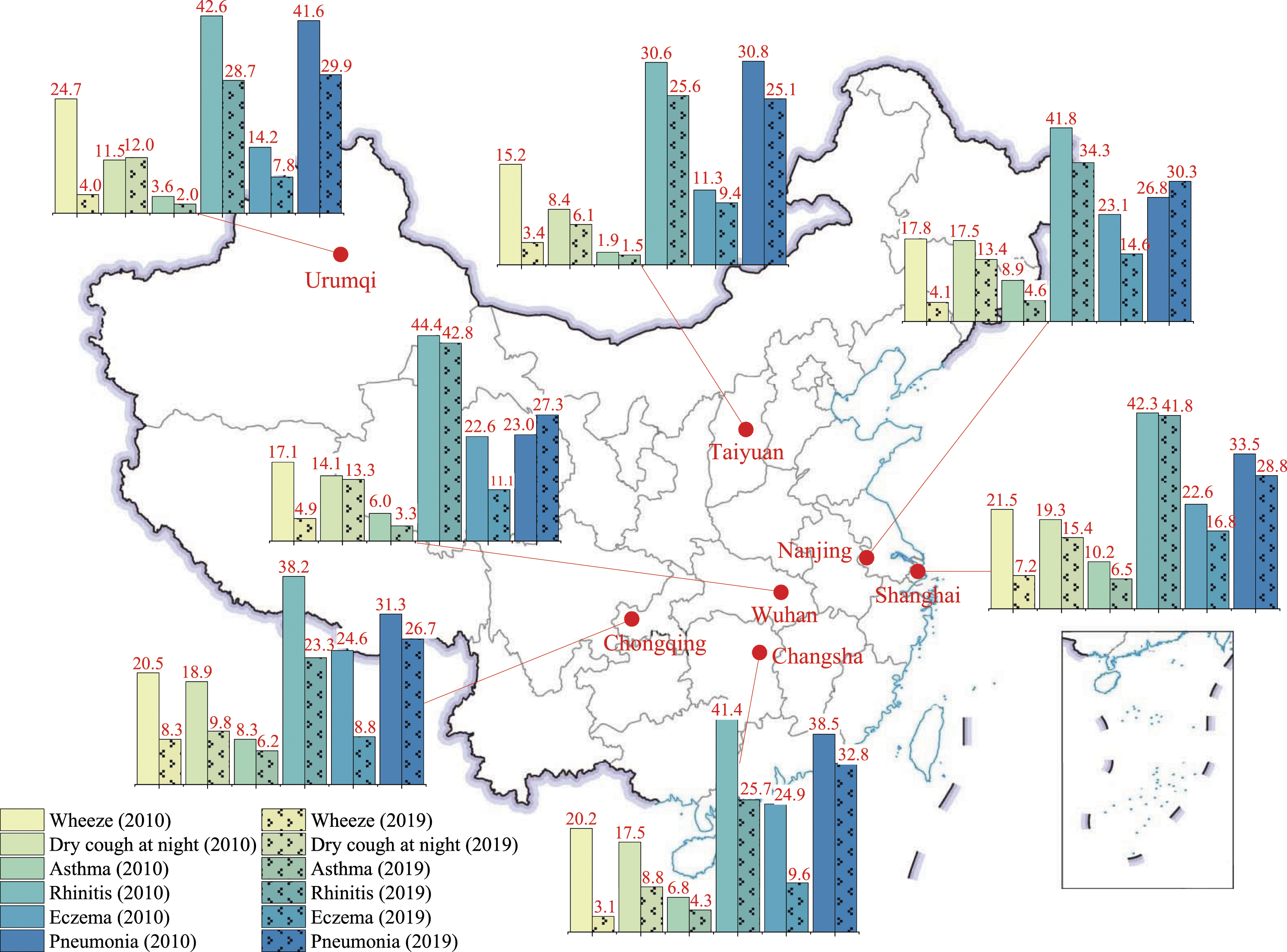
Utilization rate analysis of air handling equipment
Utilization rate of air handling equipment stratified by residence location in two surveys (%).
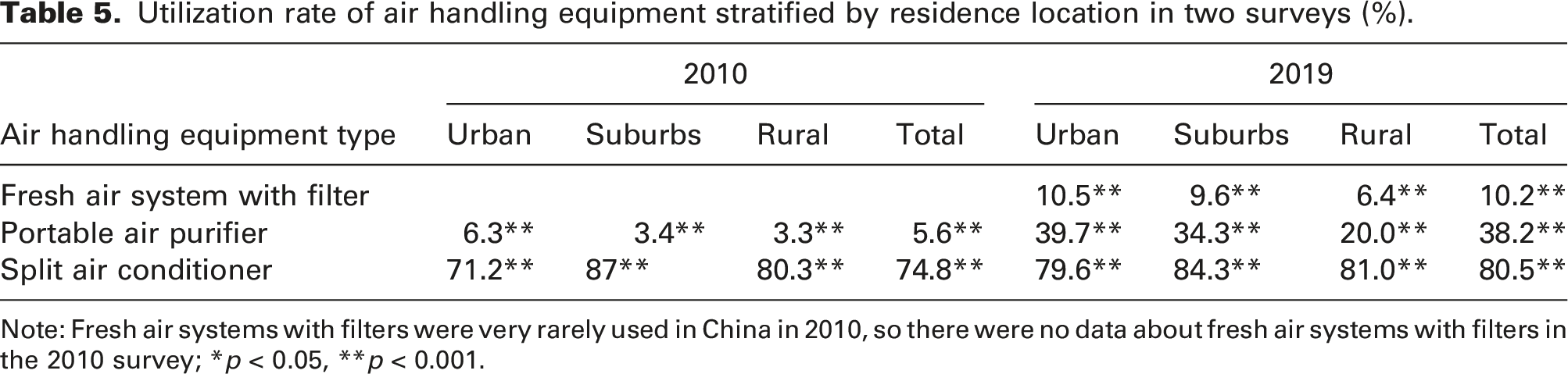
Note: Fresh air systems with filters were very rarely used in China in 2010, so there were no data about fresh air systems with filters in the 2010 survey; *p < 0.05, **p < 0.001.
Percentage of fresh air systems with filters, portable air purifiers and split air conditioners in different frequencies of use stratified by building construction time and floor area in 2019 (%).
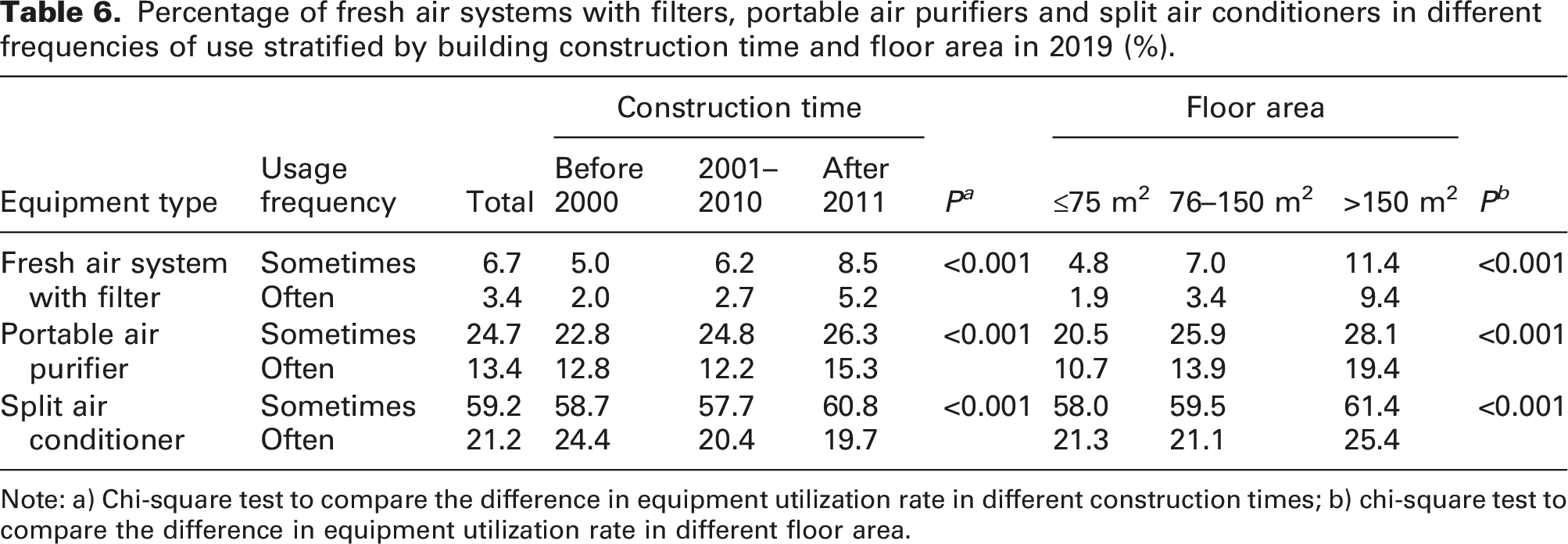
Note: a) Chi-square test to compare the difference in equipment utilization rate in different construction times; b) chi-square test to compare the difference in equipment utilization rate in different floor area.
Percentage of odour perception stratified by the respondents’ gender in 2010 and 2019 (%).
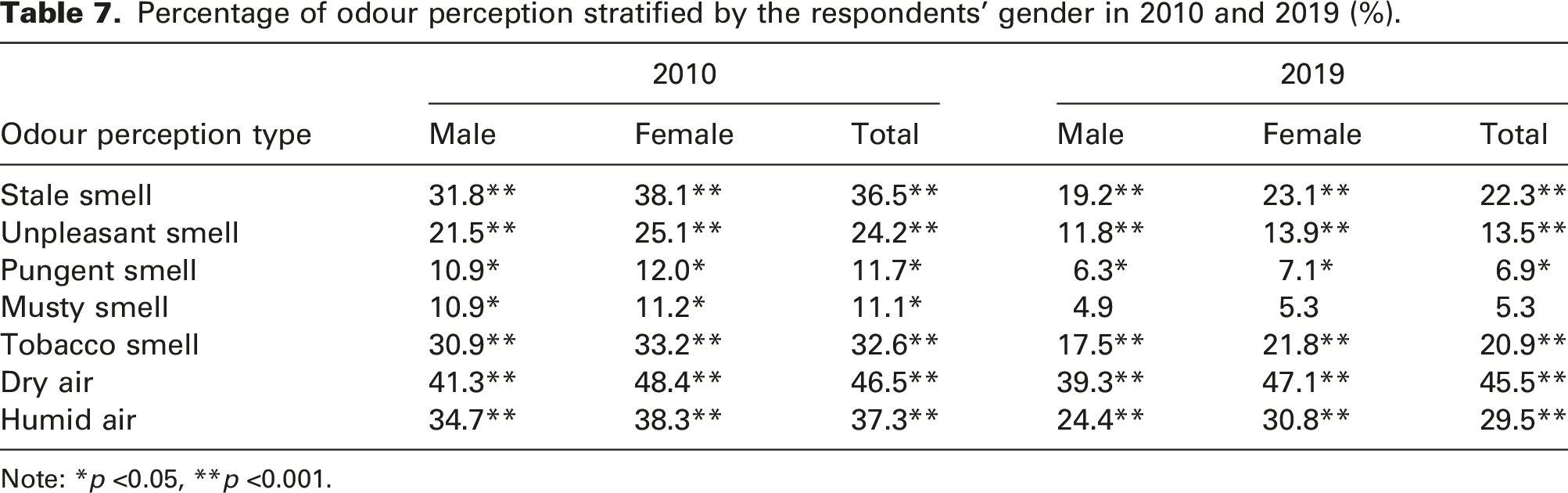
Note: *p <0.05, **p <0.001.
Figure 2 shows the proportions of parents’ perceptions of indoor odours with and without air handling equipment in 2019. To avoid the effects of smoke exposure, the perception of tobacco smell was divided into two groups, including without family member smoking (marked as tobacco smell*) and with family member smoking (marked as tobacco smell**) in the previous 12 months. The proportion of unpleasant odours (p < 0.05), pungent odours (p < 0.001), musty odours (p < 0.001) and tobacco odours (p < 0.001) in households using fresh air systems with filters is higher than that in households not using it. The proportion of households using a portable air purifier to smell staleness (p < 0.001) and pungency (p < 0.05) as well as perceived dryness (p < 0.001) and humidity (p < 0.001) is higher than in households without a portable air purifier. The proportion of households using split air conditioners that could smell all the odours and perceived humid air is higher than those households without split air conditioners, and the perception of humid air is the most obvious. The proportions of parents’ perception of indoor odours with and without (a) fresh air systems with filters, (b) portable air purifiers and (c) split air conditioners in 2019 (tobacco smell* represents the group with no one smoking at home, and tobacco smell** represents the group with someone smoking at home).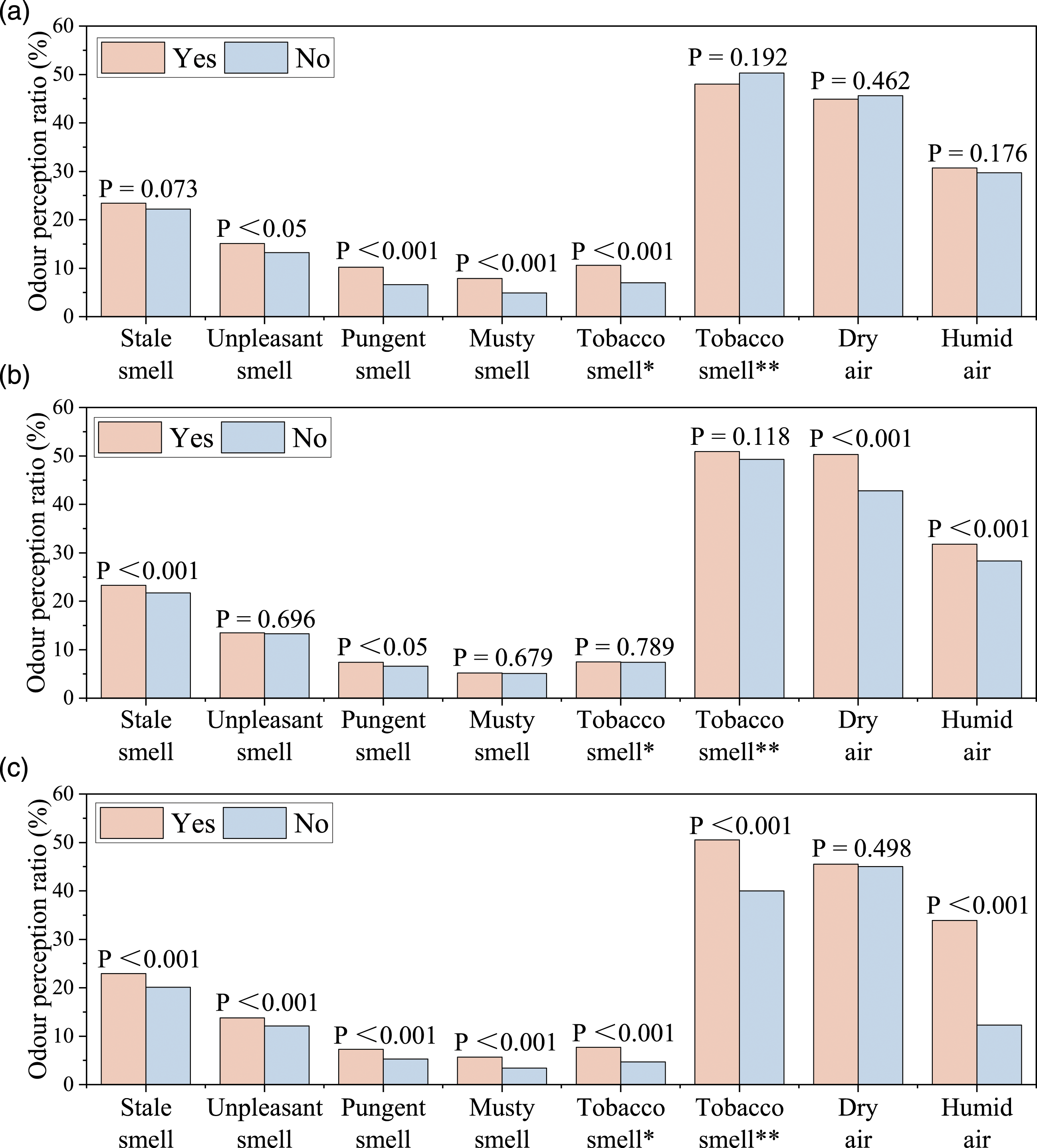
Association between the use of air handling equipment and children’s health
Utilization rate of air handling equipment based on family history of allergies in 2019 (%).
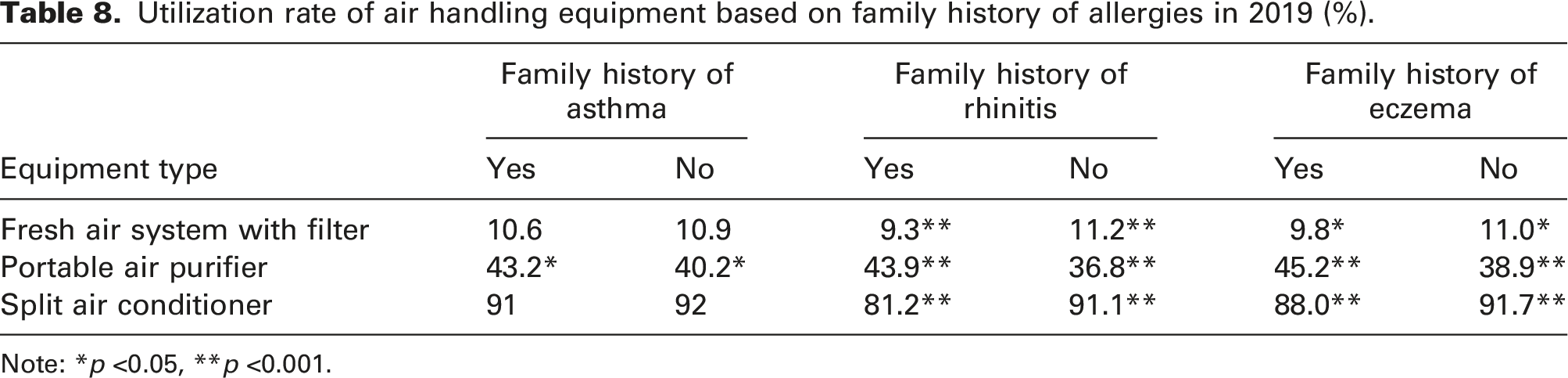
Note: *p <0.05, **p <0.001.
Incidence and prevalence of children with or without air handling equipment in 2019 (%).
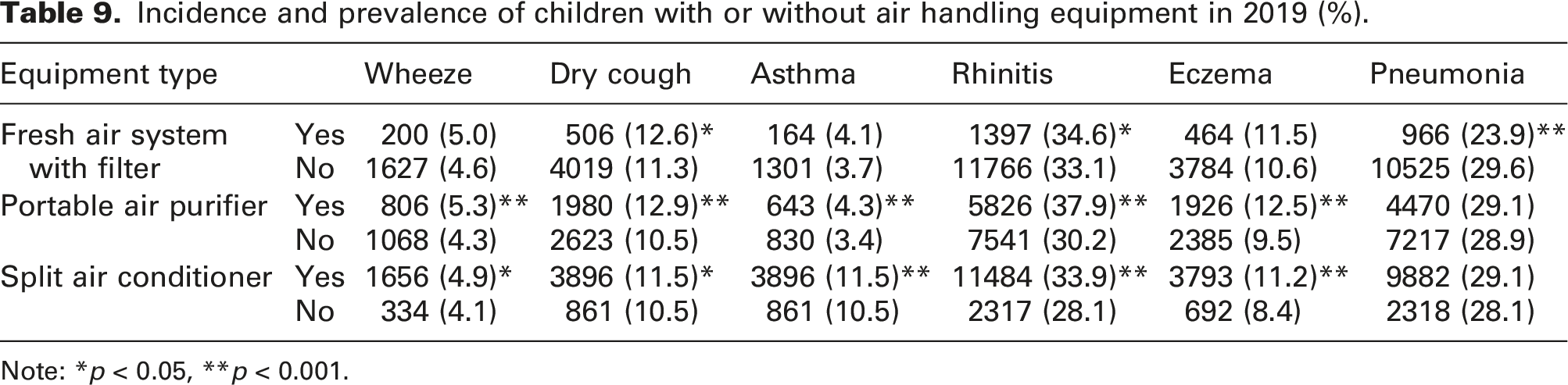
Note: *p < 0.05, **p < 0.001.
Binary logistic regression analysis was performed on the relationship between the use of fresh air systems with filters, portable air purifiers and split air conditioners on children’s respiratory and allergic diseases. Figure 3 shows the adjusted odds ratio and 95% confidence interval adjusted for age, gender and family allergy history. In addition, fresh air systems with filters were rarely used in China in 2010, so only the relationship between the use of fresh air systems with filters and children’s health in 2019 was shown. The impact of fresh air systems with filters, portable air purifiers and split air conditioners on children’s respiratory diseases. Data were adjusted by the age, gender and family allergy history of children.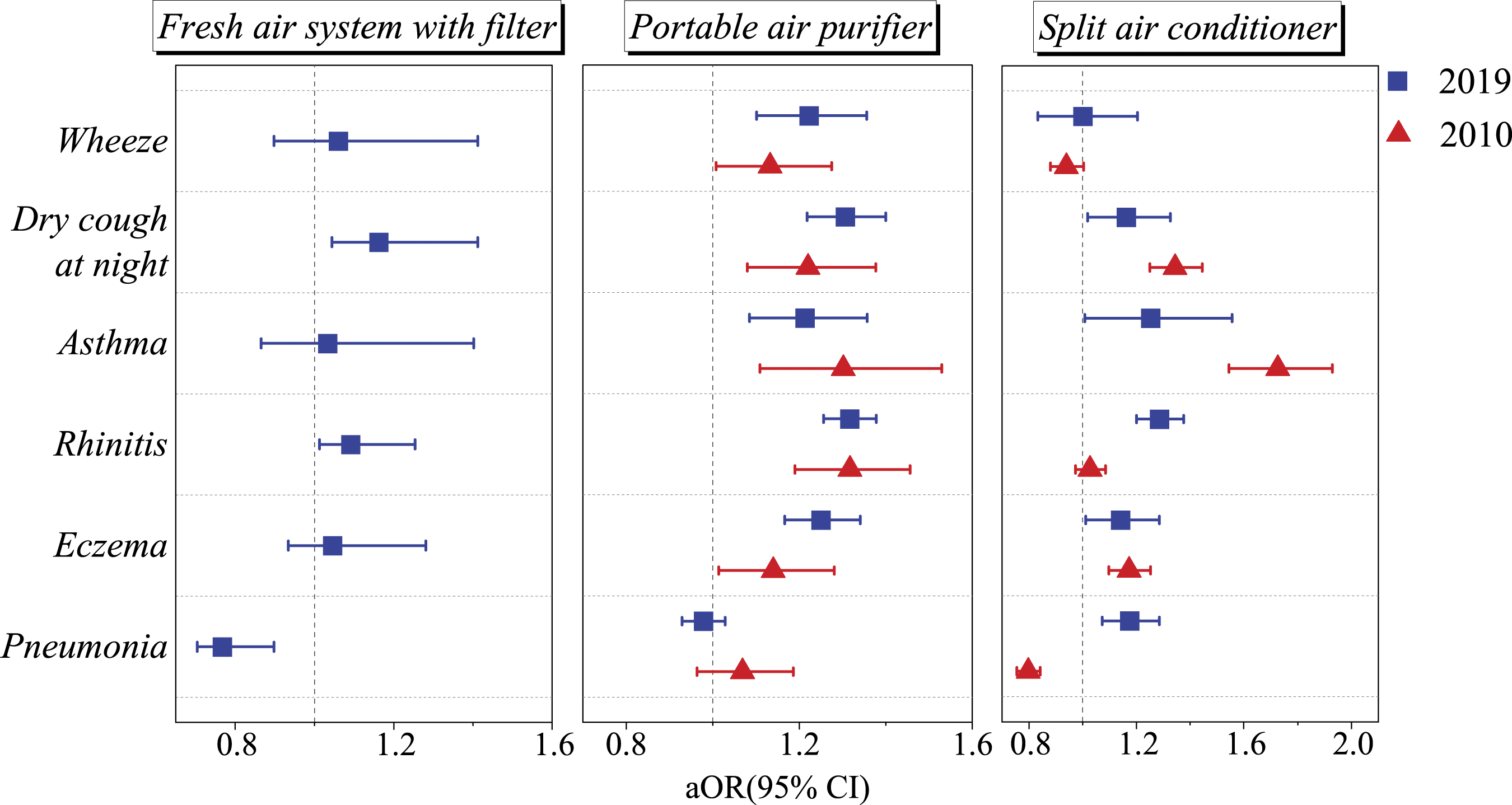
The results showed that the use of fresh air systems with filters in residential areas was positively correlated with rhinitis and dry cough at night, and negatively correlated with pneumonia. The use of portable air purifiers in 2019 was positively correlated with wheeze, dry cough at night, asthma, rhinitis and eczema, while the use of portable air purifiers in 2010 was positively correlated with wheeze, dry cough at night, asthma, rhinitis and eczema. The use of split air conditioners in 2019 was positively correlated with a dry cough at night, asthma, rhinitis, eczema and pneumonia. In 2010, using split air conditioners was positively correlated with dry cough at night, asthma and eczema, and negatively correlated with pneumonia.
The impact of fresh air systems with filters, portable air purifiers and split air conditioners on children’s respiratory diseases.
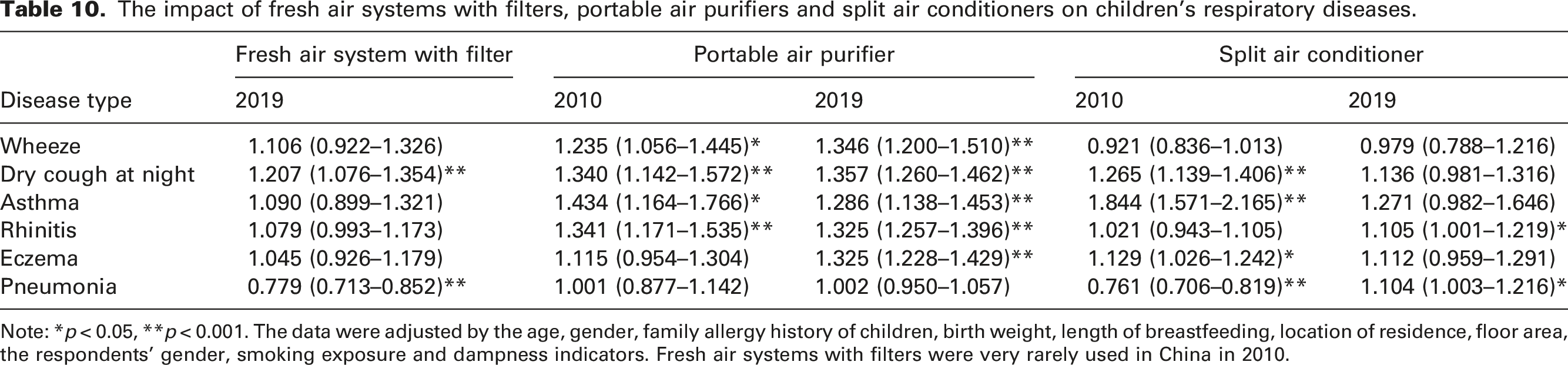
Note: *p < 0.05, **p < 0.001. The data were adjusted by the age, gender, family allergy history of children, birth weight, length of breastfeeding, location of residence, floor area, the respondents’ gender, smoking exposure and dampness indicators. Fresh air systems with filters were very rarely used in China in 2010.
Discussion
Compared with the 2010 survey, the prevalence of children’s respiratory diseases in the 2019 survey was decreased (shown in Table 3 and Figure 1), especially in urban areas, consistent with some other studies.43,44 Boys and children with a family history of allergies have a higher prevalence. The prevalence of children’s respiratory diseases and allergic diseases in Shanghai is generally higher. According to previous studies, this may be related to the high level of economic development in Shanghai.8,37,45 The improvement of outdoor air environmental conditions may be one of the reasons for the reduction of the prevalence of respiratory and allergic diseases in children. 46 Since the outbreak of severe smog in 2013, China has taken a series of measures to control air pollution,47,48 and China’s air quality has been greatly improved. 49 In addition, the decrease in the prevalence of most childhood diseases indicates the development of medical conditions and the increasing attention of families to children’s health.50–53
We found that the utilization rate of portable air purifiers and split air conditioners was increased significantly in 2019 compared with 2010 (shown in Table 5). The floor area of the house can indirectly indicate the economic situation of the family. The utilization rates of the air handling equipment in large houses are higher than those in small houses. On the one hand, China’s household economic situation has increased in recent years. On the other hand, it shows that with the improvement of family's economic situation, higher demand for much better indoor environmental quality has been prevalent in China.
The analysis shows that parents’ perception rates of unpleasant indoor smell and excessively dry or humid indoor air in 2019 are lower than those in 2010, indicating that the indoor air quality had subjectively improved. However, being able to perceive odour still represents the possibility of insufficient ventilation in the room. As shown in Figure 2, households using air handling equipment may be more likely to perceive unpleasant smells and dry and humid air in the room. In addition, as shown in Table 9, families using fresh air systems with filters, portable air purifiers and split air conditioners have a higher rate of children suffering from illness.
We found that the use of fresh air systems with filters is positively correlated with children’s dry cough at night and rhinitis. On the one hand, it indicates that the use of fresh air systems with filters may lead to an increase in the prevalence of children with a dry cough at night and rhinitis. On the other hand, it indicates that families with children suffering from dry cough at night and rhinitis may actively buy fresh air systems with filters. As an emerging household air purification product, fresh air systems with filters can effectively deliver fresh air from outdoors to dilute indoor carbon dioxide and dilute and replace chemical gases generated by indoor furniture decoration, but not all pollution sources can be eliminated or reduced. 54 In addition, the fresh air system with filters may bring outdoor allergens such as plant pollen into the room, and increase the risk of suffering from allergic diseases amongst children, especially allergic rhinitis. 55 In addition, the use of fresh air systems with filters is negatively correlated with children’s pneumonia. This may be because the use of fresh air systems with filters could reduce the prevalence of pneumonia in children and is a protective factor for childhood pneumonia. As shown in Table 9, compared to households without fresh air systems with filters, the prevalence of pneumonia was lower than in those households with fresh air systems with filters. It could also be that some families have children with pneumonia, so using fresh air systems with filters is avoided.
Portable air purifiers can eliminate inhalable particles in indoor air, 56 and can also disinfect, sterilize and remove peculiar smells, and further improve air quality by regulating indoor air humidity and oxygen content. Compared with 2010, the utilization rate of portable air purifiers increased significantly in 2019. The utilization rate of portable air purifiers with newer construction times and larger floor areas is higher. Additionally, as indicated in Table 8, we found that families with a history of asthma, rhinitis and eczema allergies prefer to use portable air purifiers. Perhaps they believe that using portable air purifiers is vital to reduce the probability of people in the family being sick or to alleviate the symptoms of people who are already sick. We found that the use of portable air purifiers was positively correlated with wheeze, dry cough at night, asthma, rhinitis and eczema in 2010. In addition, the use of portable air purifiers was positively correlated with wheeze, dry cough at night, asthma, rhinitis and eczema in 2019. On one hand, it may be that children had been sick leading the families to buy portable air purifiers actively. On the other hand, it may be that the use of portable air purifiers increases the risk of children getting sick annually. As shown in Table 9, there is a higher prevalence of respiratory and allergic diseases amongst children in households using purifiers. Although studies have found that an air-conditioning unit integrated with a portable air purifier and a HEPA filter can effectively improve indoor air quality and relieve the symptoms of asthma patients, 54 portable air purifiers may produce other pollutants when they quickly remove pollutants in the air through processes such as filtration, activated carbon and photocatalysis. 57 In addition, ultraviolet radiation sterilization can also cause certain damage to the human body. 58 This study did not investigate the type and the cleaning and maintenance conditions of portable air purifiers used in each residence, so more research is needed to explore the relationship between using portable air purifiers and children’s respiratory and allergic diseases.
The main function of the split air conditioner is to adjust indoor temperature and humidity to meet the thermal comfort requirements of indoor personnel. However, considering the demand for energy saving, doors and windows are often closed during the use of split air conditioners. Insufficient fresh air due to using split air conditioners may be the reason to perceive the indoor odours (shown in Figure 2). As shown in Table 6, although the proportion of households with split air conditioners in sometimes use is significantly higher than those with split air conditioners in often use, the proportion of households with split air conditioners in often use is still significantly higher than those with fresh air systems with filters and portable air purifiers. The preferential attention to indoor comfort rather than the long-term use of split air conditioners is harmful to children’s health. We found that using split air conditioners indoors was positively correlated with dry cough at night, asthma and eczema, but the prevalence in 2019 was less than that found in 2010 (aOR2019 < aOR2010). The use of split air conditioners indoors was not significantly associated with children with rhinitis in 2010 but was positively associated in 2019. Moreover, the use of split air conditioners indoors was negatively correlated with children with pneumonia in 2010 but was positively associated in 2019. During the decade, the use of split air conditioners changed from a negative correlation to a positive correlation for children with pneumonia and the positive correlation was decreased for childhood dry cough at night, asthma and eczema but showed a positive correlation overall. The illness suffered by children may have promoted the use of split air conditioners in the family, or the use of split air conditioners in the house may have caused the illness of children. In addition to insufficient ventilation, when split air conditioners are used long-term without regular replacement or cleaning filters, the air processed by the split air conditioners may contain detrimental substances that are unfavourable to the health of children.
This study analyzed and compared the prevalence of children’s respiratory and allergic diseases and their family living environment in seven cities surveyed by the CCHH project in 2010 and 2019. The sample number data was sufficient and covered multiple climate regions in China. Although the cities surveyed did not cover all cities in China, the survey results in these cities can evaluate the prevalence of various childhood diseases and symptoms, and the comparative analysis of these two surveys can predict their development trends. Due to the large time gap between these two surveys, both the children surveyed and the air handling equipment in their homes varied. This is a cross-sectional study, not a cohort study. As such, it may not directly demonstrate the impact of air handling equipment on the health of the same individuals. However, these two large-scale cross-sectional studies potentially reveal factors that could affect children’s health. Moreover, since the indoor environment is a complex result of various influencing factors, the influence of the factors discussed in this study on children’s health needs further investigation and verification.
Conclusion
This study evaluated two cross-sectional surveys of seven cities in China in 2010 and 2019. Compared to 2010, the prevalence of children’s wheeze, dry cough at night, asthma, rhinitis, eczema and pneumonia all decreased in 2019. The reduced prevalence of these diseases in children was probably benefited by the improvement in the indoor and outdoor environments and medical conditions in China. At the same time, the increasing use of portable air purifiers and split air conditioners is related to the rapid economic development in China in recent years. We found that the use of air handling equipment was significantly associated with respiratory and allergic diseases in children. Amongst them, there is a positive relationship between the use of fresh air systems with filters and children’s dry cough at night and rhinitis, but a negative relationship with children suffering pneumonia. The use of portable air purifiers was positively correlated with children’s wheeze, dry cough at night, asthma, rhinitis and eczema in two surveys. The positive correlation between the use of split air conditioners, children’s asthma disease and eczema was decreased, but the influence of split air conditioners on children suffering from rhinitis and pneumonia changed from no correlation and a negative correlation to a positive correlation. Problems in the use of air handling equipment include insufficient indoor ventilation, equipment’s incomplete filtration of air and lack of regular cleaning and maintenance of equipment, which are likely to deteriorate indoor air quality and affect children’s health. The questionnaire of this study lacks the exploration of these problems, so further investigation is warranted to validate findings of this study.
Footnotes
Acknowledgements
The authors would like to thank Professor Xin Zhang of Shanxi University, Professor Chan Lu of Central South University, Professor Wei Yu of Chongqing University, Professor Tingting Wang of Shanghai University of Medicine and Health Sciences and Professor Ling Zhang of Wuhan University of Science and Technology for their useful suggestions.
Authors’ contribution
Declaration of conflicting interests
The author(s) declared no potential conflicts of interest with respect to the research, authorship, and/or publication of this article.
Funding
The author(s) disclosed receipt of the following financial support for the research, authorship, and/or publication of this article: This work was supported by the Natural Science Foundation of China (81861138005); the Swedish Research Council (Vetenskapsradet) project (2017-05845); and project of Special Fund for Green Building Development in Jiangsu Province (2021ZD24).
