



Abstract
Although the thermal environment of buildings with thermally complex building envelopes can be predicted, comprehensive guidelines are not available for designers to implement the thermal-environment analysis. Therefore, this study examines the application scope of advanced thermal-analysis methods from the designers’ perspective. The results of the simple model were consistent with the experimental values, with an error of approximately 0.5°C. The analytically determined convective heat-transfer-coefficient values were within 0.3–0.5°W・m2K, and the difference in the predicted values between the results of the simplified and detailed models was minor. The convective heat transfer coefficient calculated using the reference temperature defined at the dimensionless distance y+ was more accurate than that was obtained using the general energy simulation incorporating the boundary-layer theory. Although the simplified advection rate had a maximum error of approximately 150 m3/h, it was considered acceptable. The differences amongst the zones were less than 0.59°C, which is considered minor. The results obtained by using summer advection were sufficiently accurate. Furthermore, the dew-point temperature was used to evaluate the risk of dew condensation. Specifically, the results indicated that the introduction of outside air increased the risk of condensation on the floor.
Keywords
Introduction
Several thermal-environment simulation tools for buildings, such as energy simulation (ES) and computational fluid dynamics (CFD) simulation, have been developed, and various functions have been added to these tools over the years. In recent years, analysis tools have been developed for heating, ventilation and air conditioning (HVAC) system design with low computational load, 1 thereby enabling high-precision calculations. In addition, ES coupled with equipment such as radiating panels can extend the application range of these tools. 2 Although CFD simulation is computationally expensive, it can fully resolve the analysis area, and it can determine the temperature and wind-velocity distribution characteristics in space. Therefore, this tool has numerous applications, including analyzing vehicle interiors,3–6 and is widely used in the architectural field. Moreover, it is widely used in the medical field to analyze the human body.7,8
However, as CFD involves long-term calculations for buildings with complex envelopes, the overall analysis cost is prohibitively high, even when using supercomputers. A coupled analysis of ES and CFD was proposed to address this problem, which was systematically reviewed by Zhai et al.9,10 A recent study conducted a coupled CFD, daylight simulation and ES analysis with the aim of improving both thermal and visual comfort.11–14 A constant-air-volume ventilation system with local radiators in each zone was compared with a full air volume system with demand-controlled ventilation. The reduction in total energy consumption for both systems was estimated to be approximately 80%. 15 Indoor-side analysis methods considering the coupling of advection quantities between multiple zones and coupling with equipment models have also been investigated.16,17 A CO2 demand-controlled ventilation system based on ES and CFD coupling was used to study ventilation volume optimization using energy-recovery ventilators for office spaces. 17 Furthermore, a method for the coupled analysis of ES and CFD that employed equipment models in conjunction with proportional integral derivative control was developed. 18 As a representative example of a coupled analysis of a large space, the energy demand and indoor microclimate of an HVAC system, including humidity control, were determined. The air conditioning system was studied, and the energy reduction rate was calculated. 19 Furthermore, a coupled ES and CFD analysis of the flow rate at the opening determined the extent of natural ventilation. 20 However, these advanced environmental simulation techniques yield results that are not consistent with design practice.
Particularly, in a previous study, the advection flow between zones was coupled for buildings 21 ; however, the primary focus was on energy and comfort, and the results deviated from the basic design knowledge used in practice. Several coupled ES–CFD analyses for atrium spaces have been reported.22,23 However, it is difficult to compare the methods used for the analysis of the coupled advection flow between zones with the current state of research. Kato et al. 24 used the contribution ratio of indoor climate (CRI) to analyze the indoor thermal environment based on superposition without advection quantities. Additionally, a coupled ES–CRI model was developed for unsteady analysis. 25 Yamamoto et al. 26 expressed the heat input to a space as the heat loss from the wall surface and heat resulting from the increased temperature of the space. Furthermore, they developed a coupled ES–CFD analysis method and confirmed the accuracy of radiation calculations performed using ES for the unsteady analysis of radiation panels. 23 Applying these methods in design practice is difficult because they are advanced and typically incompatible with the existing design methods. In addition, although these methods are simple and help achieve the same purpose, the analysis methods for the advection between zones differ.
Togari et al. 27 constructed a block model for the advection between zones to predict the upper-temperature distribution in large spaces and confirmed that the calculated and measured values were consistent. The block model has been updated over the years, and a model coupled with heat transfer from the room-side surface has been developed. 28 Moreover, a specific method has been proposed for adaptation to atriums. 29 Although these methods have been applied to large spaces, they have not been demonstrated in residential-scale buildings; in addition, the geometry is simple and theoretical. Therefore, the optimal approach would be to use CFD to calculate advection between zones. The theoretical background can be easily understood by coupling the advection between zones. Zhang et al. 30 performed a coupled ES–CFD analysis to study the influence of window surfaces as building envelopes. The results were consistent with those obtained using thermal environmental analysis methods applied to complex thermal geometries. Furthermore, a coupled ES–CFD analysis of urban city blocks, considering the microclimate, was performed to develop a practical method. 31
The coupled ES–CFD analysis has been applied in architectural and urban environmental engineering to study the effect of heat removal by wind flow according to the building geometry in urban areas. 32 A comprehensive review revealed that studies using this method remain limited, possibly because of the highly technical nature of research. 33 The number of buildings with complex envelopes, such as the Dancing House and the Elbphilharmonie and Laeiszhalle in Hamburg, has increased.34,35 Therefore, a two-dimensional heat flow tool known as Hygrabe as well as a coupled heat transfer and CFD analysis method (hereinafter referred to as the thermal environment analysis method with thermally complex building envelopes (TEAM-TComBE)) have been developed for use in the design of such buildings.36,37 For example, the ‘Capital Gate’, a 160-m-high building in the United Arab Emirates, recognized as the world’s tallest leaning building in the Guinness World Records, has a characteristic aspect that can be thermally analyzed using TEAM-TComBE. 38 In addition, TEAM-TComBE can analyze the thermal environment of Zaha Hadid’s work, 39 which won the first prize in an international design competition for the New National Stadium that is likely to host the Olympic Games in Japan. These structures have thermally complex curved-surface geometries, and TEAM-TComBE can perform a preliminary thermal analysis of these structures at the design stage.
The thermal environment of stadiums has previously been analyzed using various methods.40,41 The coupled ES–CFD method has been used to analyze the thermal environment within a dome-shaped stadium. Recent research on creating near-future weather data 42 and studying its impact on energy consumption in urban areas reported a 24.1% reduction in annual energy consumption. Further, a coupled ES–CFD analysis of urban microclimates reveals that buoyancy affects local temperatures. 32
Therefore, TEAM-TComBE, which was developed by Yamamoto et al., 37 can have diverse range of applications, from urban ventilation to the analysis of building interiors. However, there remains a lack of fundamental knowledge for extending this coupled analysis method to design applications.
Specifically, the following research aspects remain unclear: (1) reducing the calculation load by simplifying the analysis model developed by Yamamoto et al. 37 ; (2) developing guidelines for analysis during design by clarifying the definition of the reference temperature of the convective heat transfer coefficient, h; (3) reducing the calculation load by handling advection volume between zones during the seasonal calculation based on an annual calculation; and (4) extending the application range of TEAM-TComBE according to the dew point temperature (t dew )–based condensation risk assessment. TEAM-TComBE can be used to analyze thermally complex building envelopes with a small computational load; it can maintain a specific level of accuracy once the setting conditions are clarified. However, it cannot be easily used with a graphical user interface. Therefore, only engineers with experience in environmental simulation research can use TEAM-TComBE for design purposes. The present study attempted to address this limitation.
A study on the design process using CFD 37 has shown that the universal thermal climate index has been reduced by 0.1–0.6°C. Studies have been carried out on energetic optimization-calculation range from those on passive design to those on radiant cooling; however, they do not optimize the geometry from a design perspective.43–46
This study was aimed at extending the TEAM-TComBE method reported by Yamamoto et al. 37 to develop a set of guidelines for use in the thermal design process of buildings. This study compared the results of accuracy verification and computational-load reduction to accumulate fundamental knowledge for a basic design using the TEAM-TComBE method. Subsequently, the factors considered during the design process and the allowable range of error were examined. Guidelines for usage in the design process were obtained rather than reducing the computational requirements associated with the method. However, because this study is based on accuracy verification, applied studies, such as urban ventilation, are outside its scope. Moreover, this study does not intend to explore the integration of TEAM-TComBE into the design process; instead, it provides detailed guidelines for using TEAM-TComBE in design, which would be beneficial because the number of buildings with thermally complex geometries is expected to increase. Furthermore, performing environmental simulations has been difficult for design architects. The most frequent users of environmental simulation are facility designers. Therefore, this study intends to serve as a reference and motivate the emergence of a new type of facility designer, that is, ‘environmentalists’, in addition to ‘architects’ and ‘structuralists’.
Methods
Unlike the TEAM-TComBE method used in this study, the ASHRAE standard describes a general ES modelling method. 47 However, the TEAM-TComBE method is more accurate than the conventional boundary layer theory method because y+ is used for defining the reference temperature, and a velocity scale based on shear stress is applied. Furthermore, this method includes the advection volume treatment and reference temperature for h (convective heat transfer coefficient). Therefore, this study focused on Hygrabe2D, 36 a two-dimensional heat-flow calculation tool for building envelopes. EnergyPlus and ESPr were not considered in this study.48,49 In the coupled analysis, the advection between zones was calculated using CFD. In addition, a velocity scale based on shear stress was used to define h, and the coefficient accuracy was confirmed in a forced convection field. 41 Yamamoto et al. 50 also confirmed the accuracy of natural convection fields.
The heat balance equation for the space is expressed in Equation (1). Equations (2) and (3) are used for calculating the h
wall
for which a velocity scale based on shear stress is used in the calculation of heat flow. In addition, y+ is used for defining the reference temperature, which appropriately represents the temperature of the turbulent zone. In this study, the definition of the reference temperature was considered to verify the computational load reduction and obtain the guidelines for the use of TEAM-TComBE in design practice.



Figure 1 shows the flow diagram of the coupled simulation. In STEP 1, the building envelope was calculated in eight directions using Hygrabe2D. In STEP 2, the room temperature was calculated using THERB, and the surface temperature was calculated using Hygrabe2D and employed as a boundary condition. In STEP 3, the h and advection rate between zones were coupled to THERB using CFD. In STEP 4, the room temperature was again calculated using THERB. Finally, in STEP 5, t
dew
was calculated using the temperature and relative humidity distribution obtained using CFD, and the condensation risk was evaluated. Flow diagram of the coupled process proposed by Yamamoto et al.
37
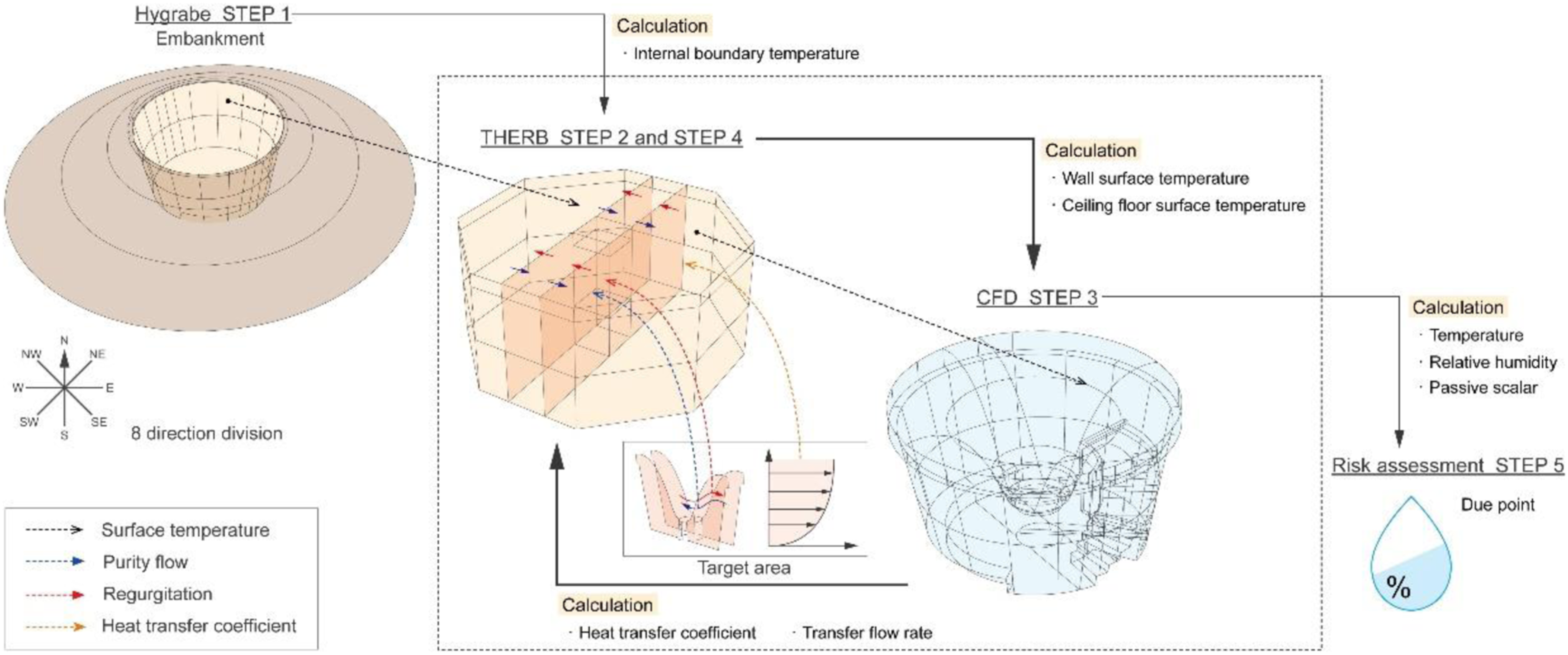
The analysis cost is considerably high if only CFD is used. In particular, the analysis cost of building envelopes with uneven surfaces, such as curved surfaces and building frame joints, is prohibitively high when only CFD is used for analysis. The cost can be substantially reduced by applying TEAM-TComBE. The two-dimensional heat flow calculation tool Hygrabe2D 36 is beneficial for reducing calculation costs. Moreover, in the coupled ES–CFD analysis, radiation calculations are performed in ES, which further reduces the CFD analysis cost. Furthermore, new possibilities could emerge if the analysis is performed by environmentalists experienced in environmental simulation.
The coupling flow in the study by Yamamoto et al.
37
is illustrated in Figure 2. The details of the convergence calculation are as follows. At time Comparison based on coupled flow of Hygrabe2D, THERB and CFD.
37

The ES calculations revealed no substantial variations in any zones, indicating that the fill was thermostatic. The following steps were used to determine the accuracy of the analysis: (1) Confirm the accuracy of measurement points (CFD analysis). (2) Confirm the thermal balance between THERB and CFD by comparing volume average temperatures. (3) Compare the volume average temperatures in each CFD zone with the room temperatures in each THERB zone.
37
In this study, a specific test case, which was a modification of the one used by Yamamoto et al., 37 was considered.
Figure 3 shows the factors considered in this study, a proposal for the environmentalists and the future vision for design utilization. The factors considered include (1) the possibility of reducing the calculation load by simplifying the analysis model, (2) presentation of the guidelines for the analysis during design by clarifying the definition of the reference temperature of h, (3) reducing the calculation load by handling the amount of advection between zones during seasonal calculations for annual calculations and (4) determining the risk of condensation based on t
dew
. (a) Factors considered in this study and (b) the future vision for environmentalist advocacy and design use.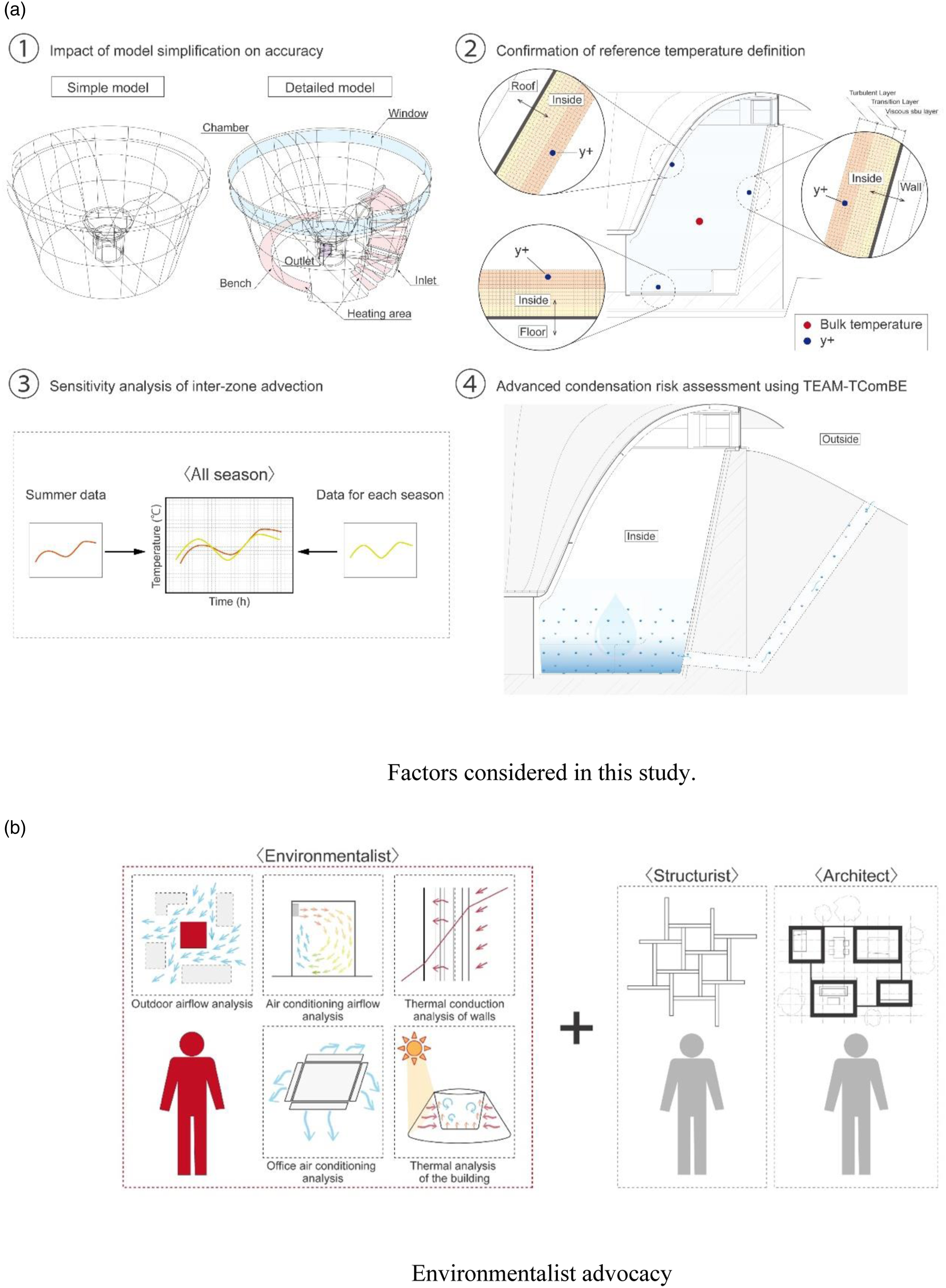
In addition, the design guidelines established in this study are expected to promote the design of environment-friendly homes. Kawashima et al.51,52 used simple simulation tools for thermal, optical and other design needs in their design approach. In contrast, our design guidelines were limited to the coupled analysis of ES and CFD (TEAM-TComBE). Because guidelines or detailed studies do not exist, the results of this study can provide guidelines for step-by-step design utilization.
Figure 4 shows the measured points, plan and cross-sectional views of the building model. The building model is a spa with an embankment in Hokkaido, Japan, similar to that in the study conducted by Yamamoto et al.
37
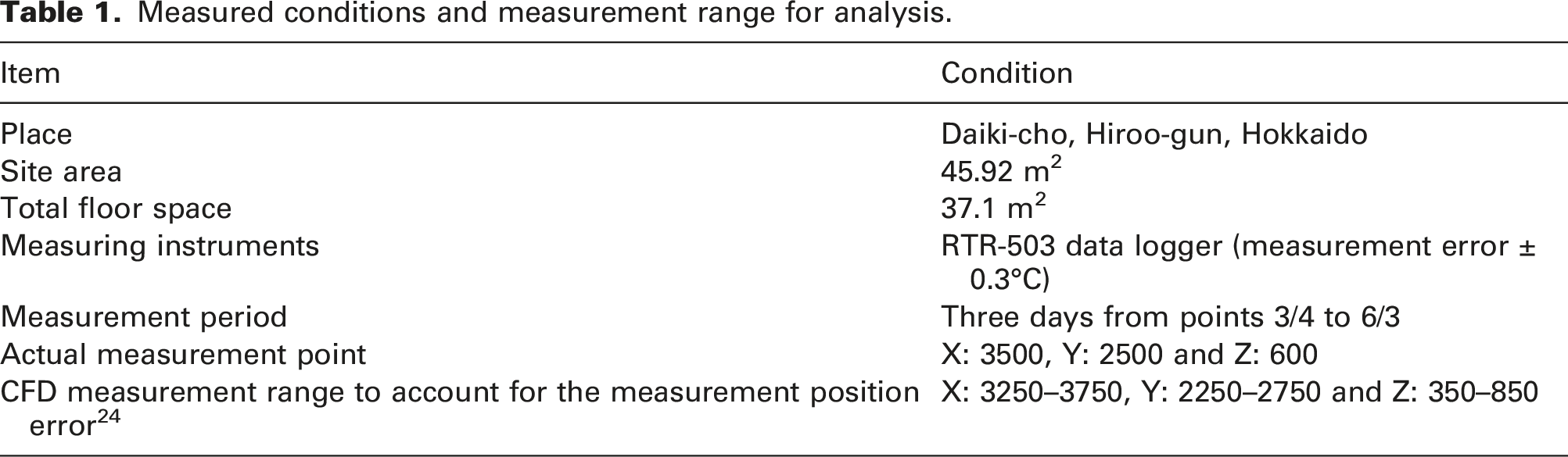
The temperatures in the five zones did not differ substantially. Table 1 presents the actual measurement conditions and measurement range for verifying the CFD accuracy. Additionally, buildings that block solar radiation were not present in the vicinity of the model building. The outside air temperature was low during the measurement period, necessitating the use of heaters.
37
In addition, the measurement points used in the study were the same as those used by Yamamoto et al.
37
We compared the present study with that of Yamamoto et al.
37
The study is considered to be effective to a certain extent in terms of generalization; however, it needs further elaboration. The assumptions of the analytical model used in the present study are the same as those of Yamamoto et al.,
37
who verified these assumptions. Therefore, the analytical conditions were confirmed to ensure a certain level of accuracy. However, issues related to mesh independence are beyond the scope of this study. The number of meshes in this study was sufficient for safety. Plan (top) and cross-section (bottom) of the measured points and building model.
37
Measured conditions and measurement range for analysis.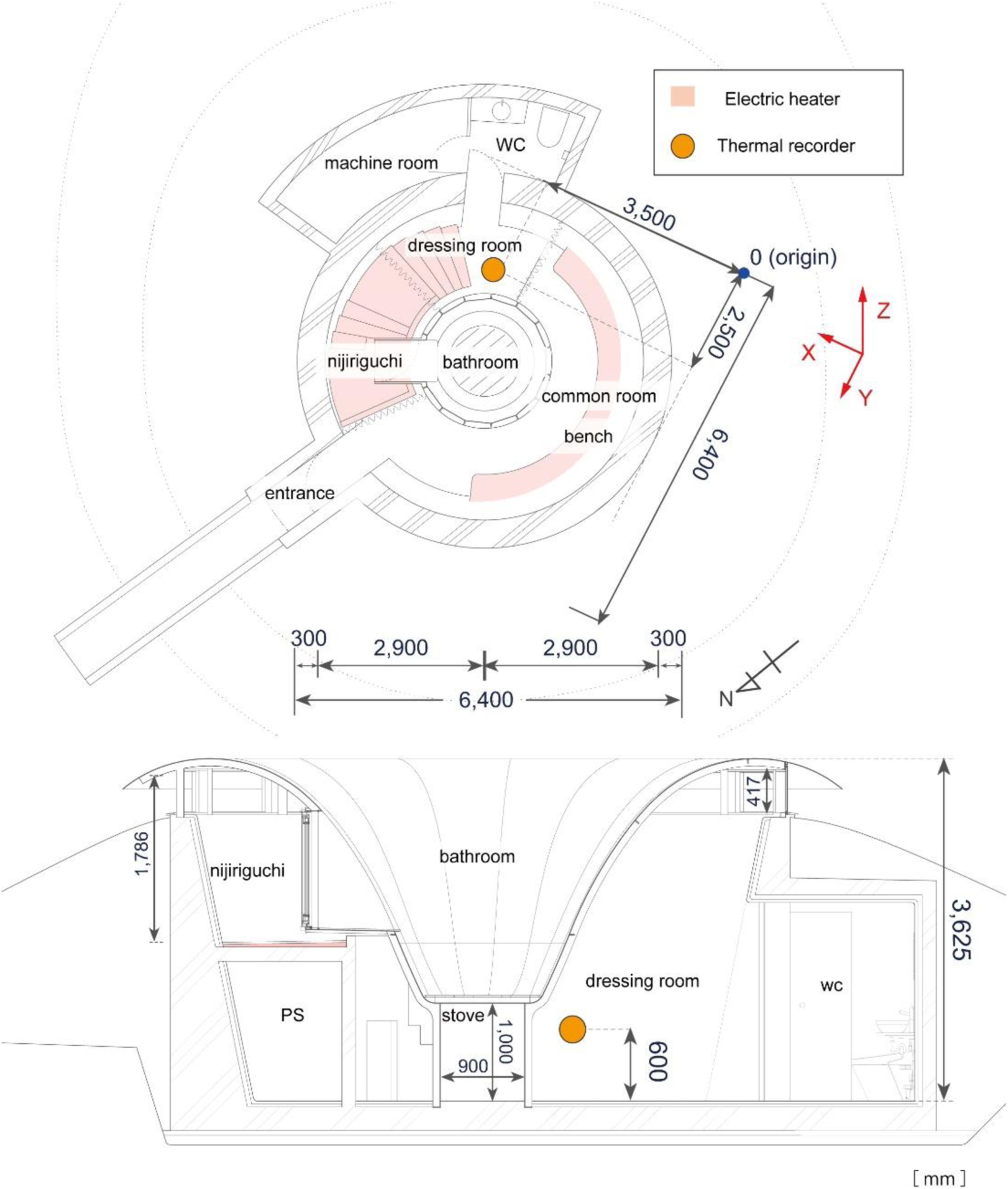
Analysis model
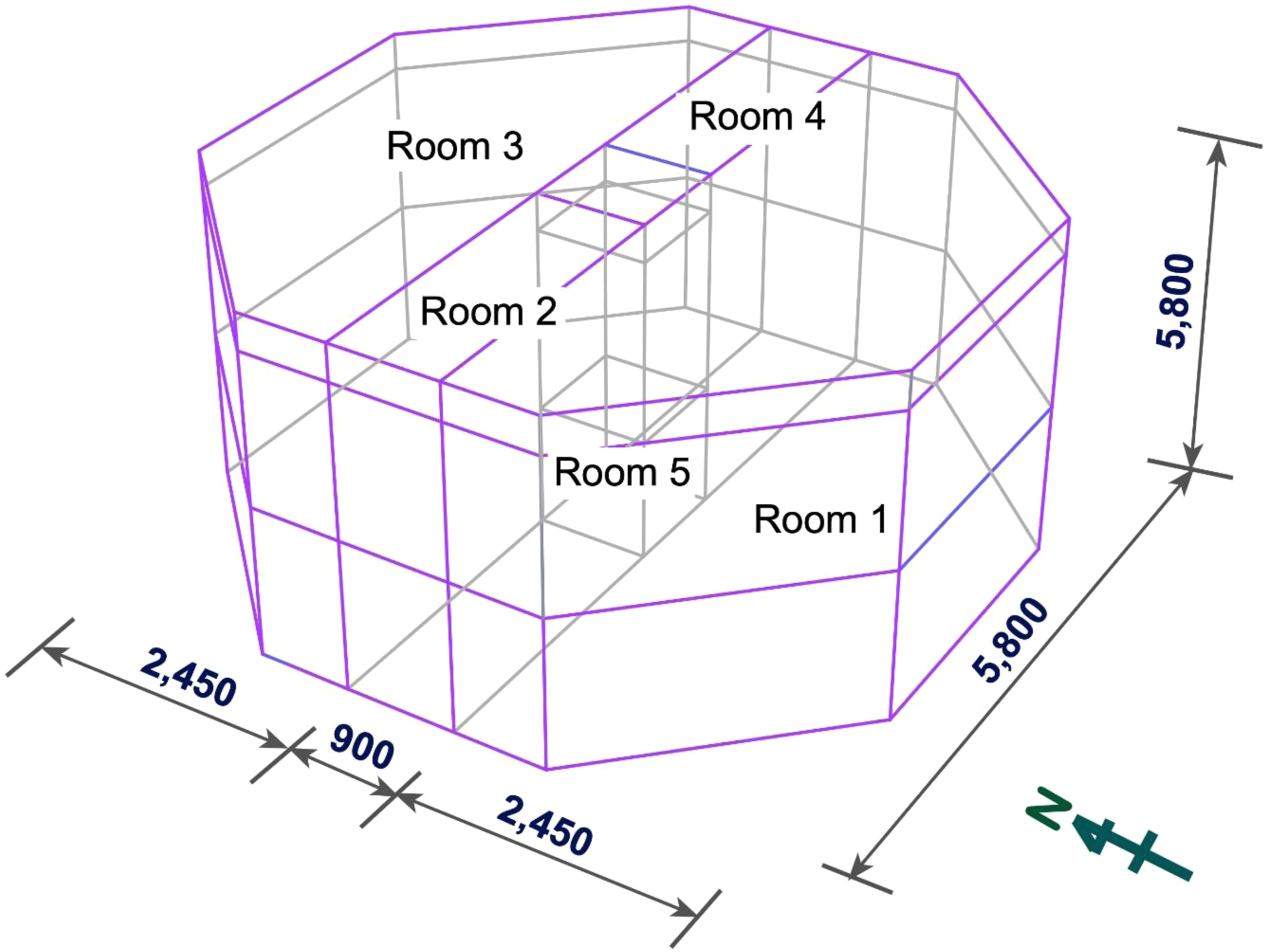
This section discusses the application of the proposed method for fill construction. The analytical model of THERB was divided into five zones with virtual walls inserted between them, as shown in Figure 5. The building envelope was analyzed using Hygrabe2D.
37
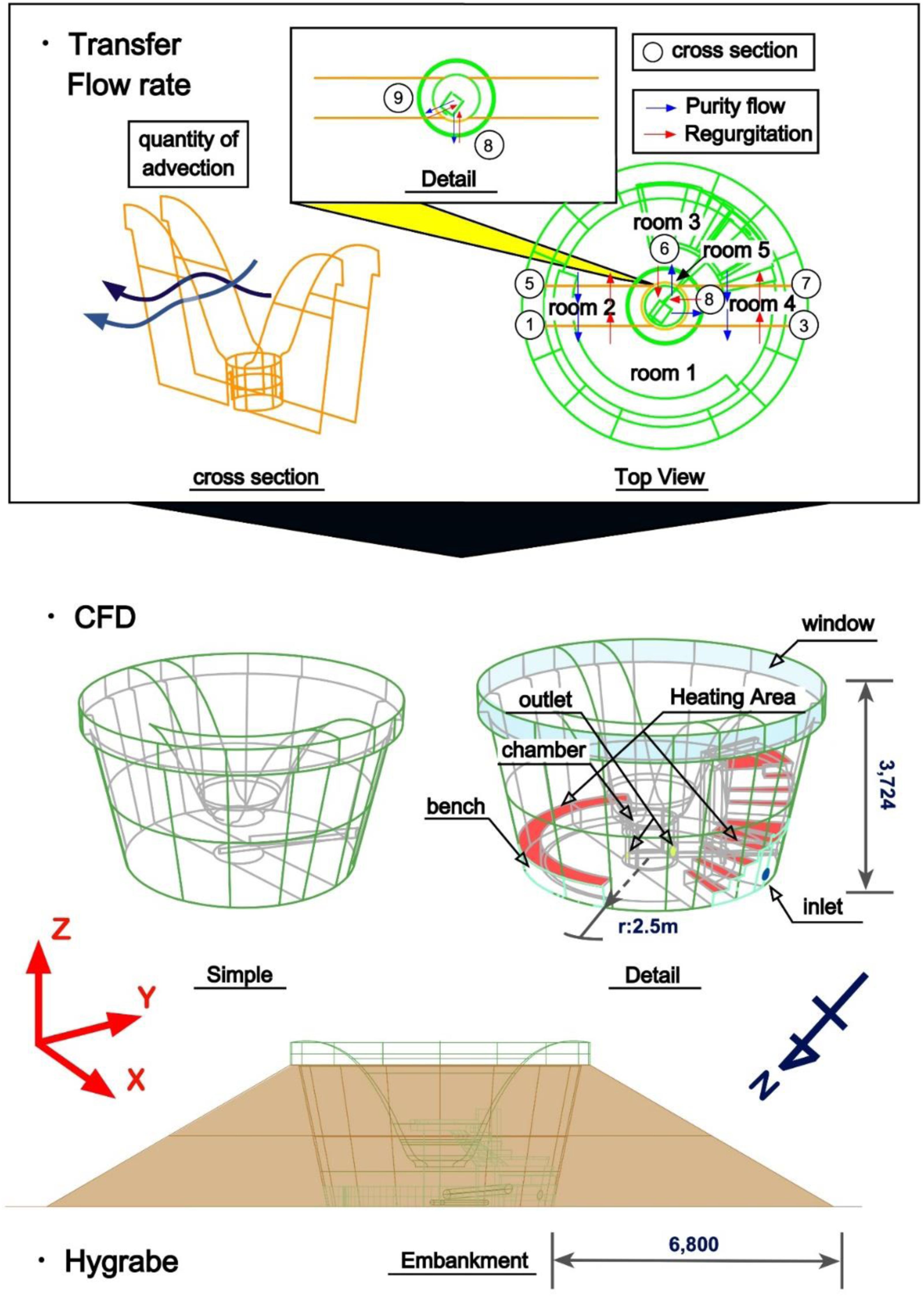
Figure 6 shows the CFD and Hygrabe analysis models and the virtual walls between zones. The detailed model includes the object to be analyzed, whereas the simple model does not contain furniture, stairs or benches. If a specific level of accuracy can be achieved using the simple model, it can serve as a benchmark for the designer. Furthermore, the detailed and simple models have slightly different spatial volumes, and the degree of analytical error is considered in each case. Moreover, simple models can be used when nonstationary analysis results are preferred over detailed modelling. The analysis load for the simple and detailed models depends on the number of meshes and computational power; however, a reduction of 2–3 h in computational load can be expected when a typical 14-core workstation is used. Notably, the reductions in the creation times of the CAD and THERB models can lead to a total reduction of at least 5–8 h in the computational load. The time estimates are not definite because they depend on the level of proficiency and machine specifications. Analysis model of THERB.
37
CFD and Hygrabe analytical model.
37

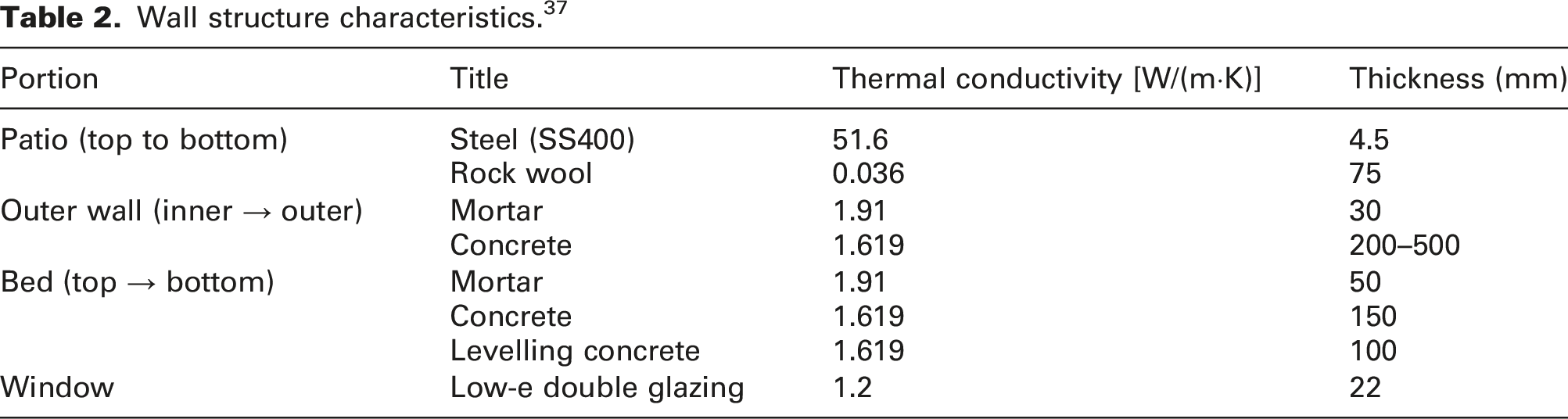
Wall structure characteristics. 37
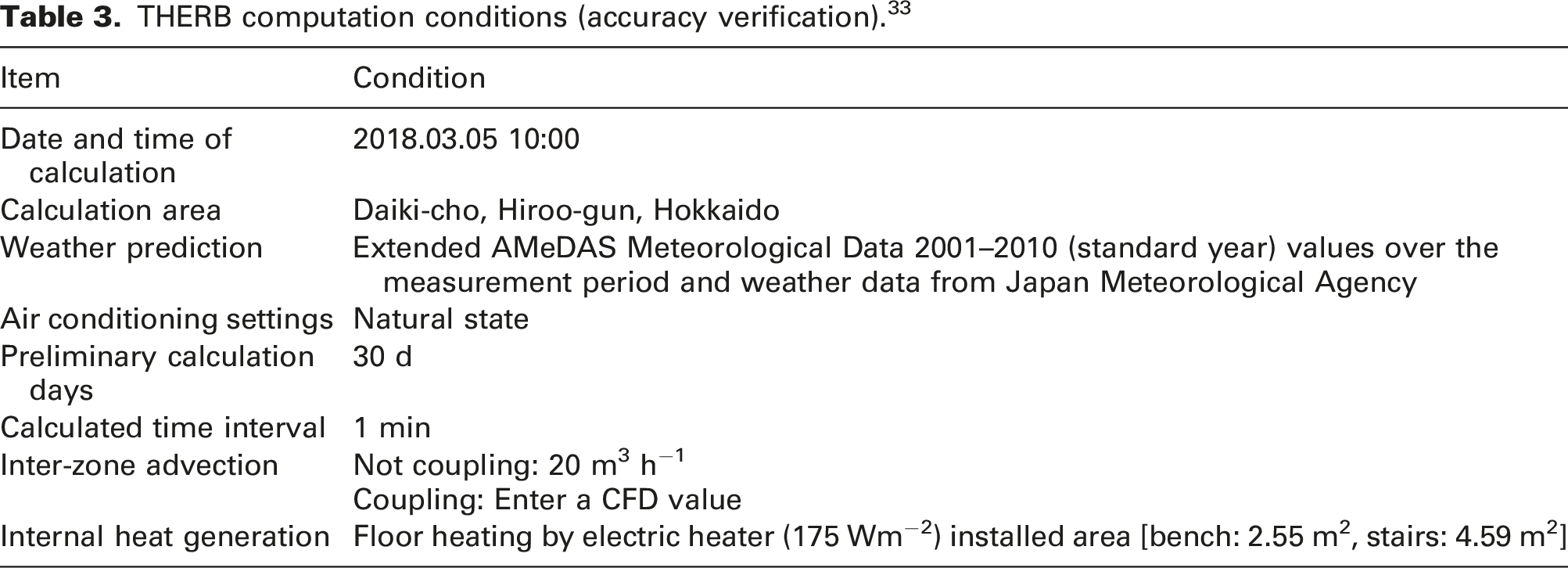
THERB computation conditions (accuracy verification). 33
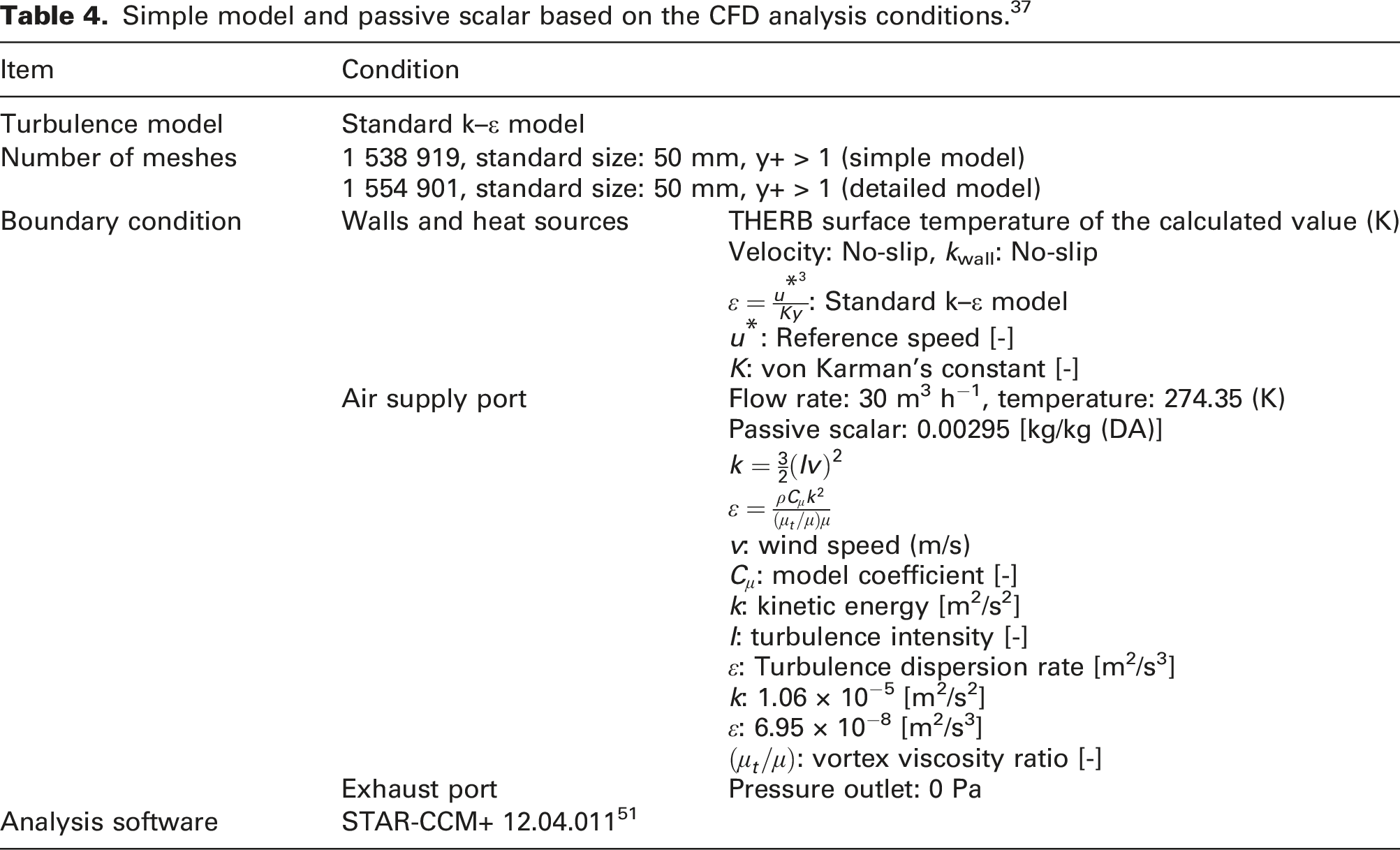
Simple model and passive scalar based on the CFD analysis conditions. 37
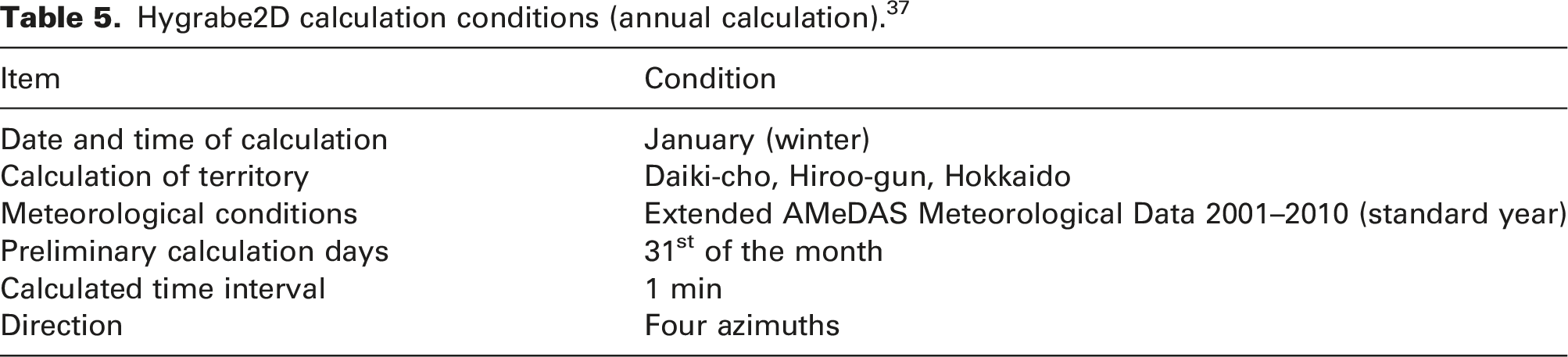
Hygrabe2D calculation conditions (annual calculation). 37
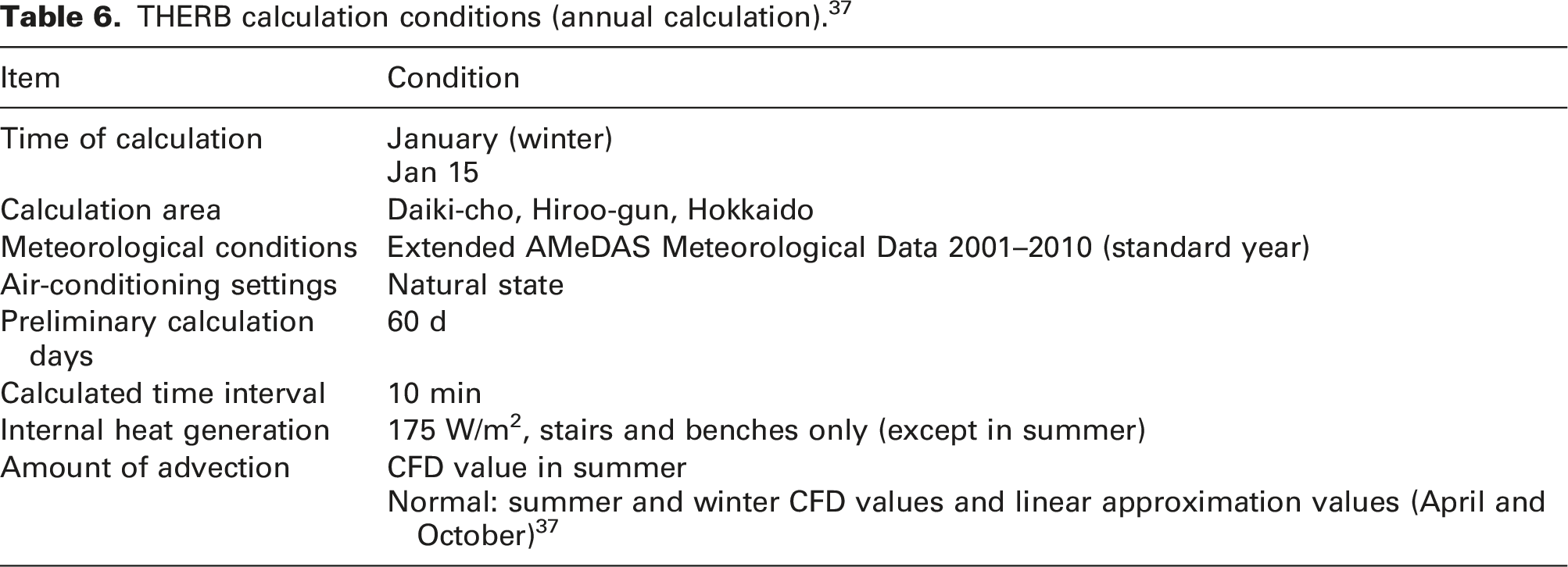
THERB calculation conditions (annual calculation). 37
Calculation results
Accuracy verification
Accuracy verification results of the second case
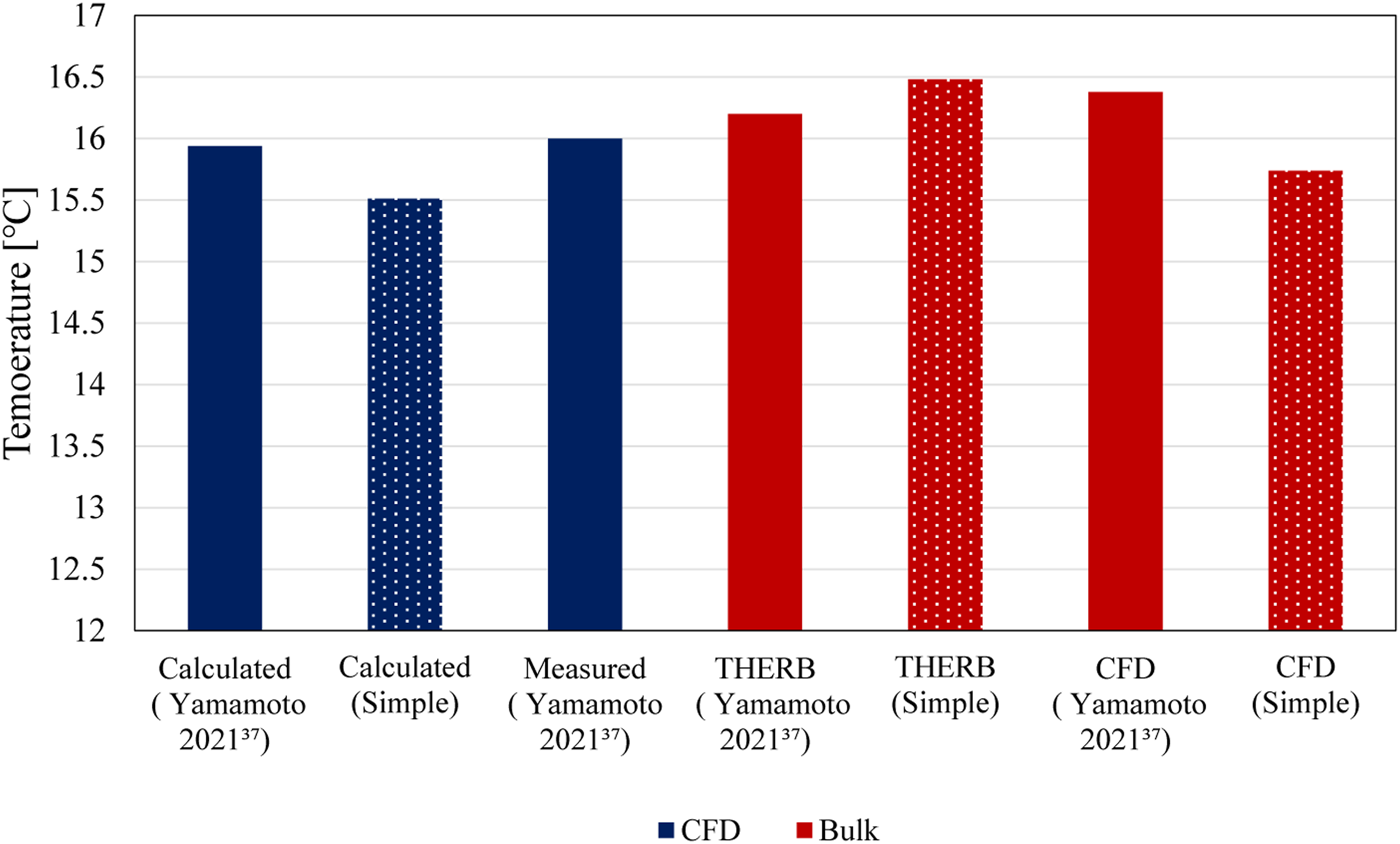
Figure 7 shows the results of the accuracy verification recorded at 10:00 a.m. on 5 March 2021. The temperature at the CFD measurement point (X: 3.25–3.75, Y: 2.25–2.75, Z: 0.35–0.85 unit [m]) was 15.51°C, and it was not tracked because of the imbalance between the volume of the space and the amount of heat supplied. Because the volumes of the simple and detailed models were larger than the volume of the wall in room 5, the amount of heat supplied was insufficient, thereby yielding a value slightly lower than the measured value. However, the error was only approximately 0.5°C, which was relatively small. In contrast, the volume average temperature obtained using THERB was 16.48°C, which was high. Although the thermal balance between THERB and CFD was not achieved because of their unequal volumes, the bulk temperature obtained using THERB was not considered a problem. The results of the unsteady analysis of the simple model adequately demonstrate the safety considerations. Accuracy test results performed at 10:00 a.m. on 5 March 2021 (comparison with previous studies).
37
Comparison of building and turbulence models
Figure 8 shows the reduction in the computational load obtained by simplifying the building model. Figure 8(b) shows the surface temperature obtained using THERB based on the calculation results of h using CFD. In the simple model, the overall value of h was in the range of 0.3–0.5 W/m2K. A slight difference from the detailed model was observed because of the change in the flow field caused by the simple model. The surface temperatures in rooms 3 and 4 that were obtained using the simple model were slightly higher than those obtained using the detailed model. Further, in room 5, the rate of temperature change was slightly higher in the simple model owing to the absence of walls. Therefore, the room temperature obtained using the simple model appeared to follow the temperature of each zone. However, as shown by Yamamoto et al.,
37
the zones in room 5 were either not divided into upper and lower zones to ensure that or the effect of air entering room 5 from the outside was already accounted for. Figure 8(c) shows the calculation results of the advection volume. The simple model yielded different results for advection because the stairs, benches and rooms were not modelled. In addition, the difference in the magnitude of the advection volume was insignificant. The maximum error of the simplified advection rate was approximately 150 m3/h. These results indicate that simplifying the model does not significantly affect the natural convection field when the boundary conditions are reasonable. Therefore, this finding can be included as a useful guideline in the design process. Results of calculation load reduction via building model simplification: (a) wall-surface temperature and h values of each room, (b) room temperature in each zone and (c) advection volume between zones.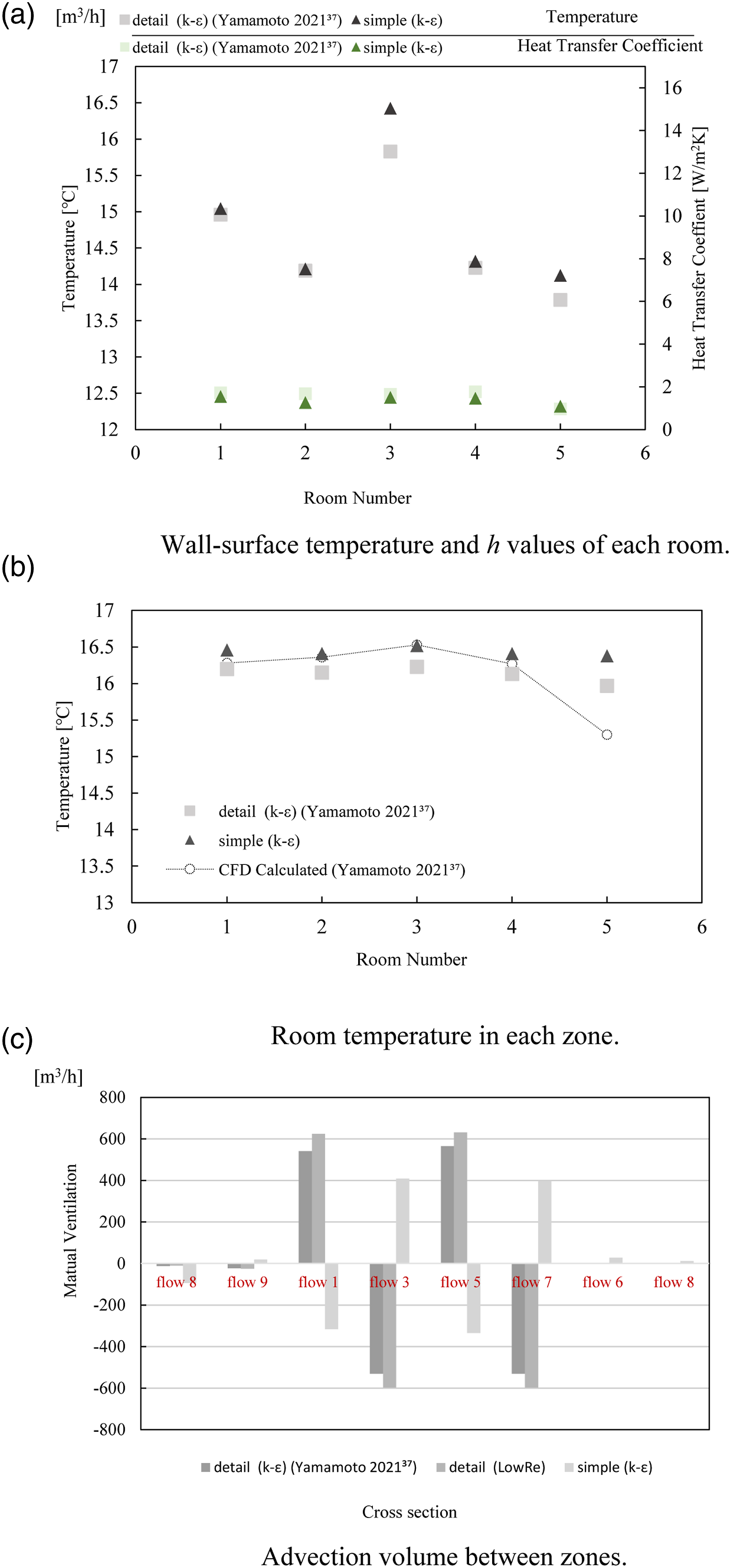
Using the space-volume average temperature as the reference temperature of the convective heat transfer coefficient
In Figure 9, the accuracy verification results and reference space temperature were compared. When the bulk temperature of the space was used as the reference temperature, the h value was obtained using Equations (5) and (6). The bulk temperature of the space referred to in the calculation of h was 16.38°C, that is, the volume average temperature. This study provides a guideline for defining the reference temperature of h, which would be helpful when using TEAM-TComBE in design, as defined by Equations (5) and (6). Comparison of the accuracy verification results with space temperature as the reference temperature: (a) comparison between h values obtained by Yamamoto et al.
37
and the bulk temperature used as the reference temperature and (b) comparison between the room temperature in each zone reported by Yamamoto et al.
37
and THERB.

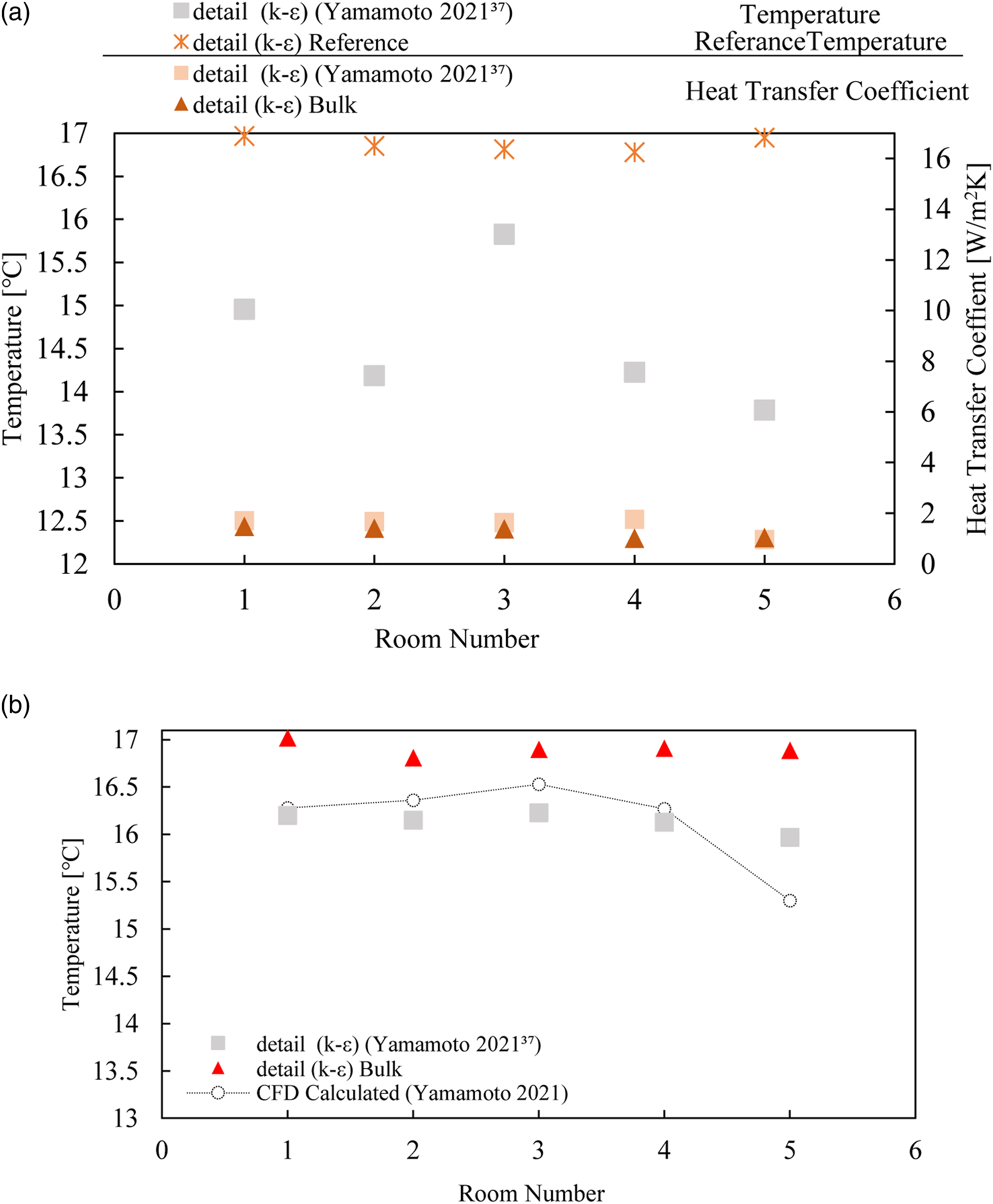
The calculated h in Figure 9(a) was lower than that was obtained by Yamamoto et al. 33 because a difference was not observed between the temperature near the wall and that in the space owing to the absence of advection by the air conditioner. Therefore, the high thermostability of the fill can be a factor.
The calculated room temperature for each zone of the THERB in Figure 9(b) was in the range of 16.81–17.02°C. Furthermore, the maximum value of h was 0.75 [W/m2K], which was low, suggesting that the temperature was high because the penetrating heat flow of the fill had negligible effect. In the natural convection field, the calculation of h using y+ to define the reference temperature was confirmed to be accurate in a laboratory with floor heating. 16 Although the accuracy was confirmed using THERB, this method has not been compared with the calculation method in terms of the bulk temperature of the space. Notably, the detailed model yields the correct values, as shown in Figures 8(b) and 9(a), and the acceptable error threshold is approximately ±0.5°C, considering the results of the simple model. A large difference in spatial temperature results was obtained using only the bulk temperature as the reference temperature, indicating that ES used in the study is more accurate than the general ES that incorporates the boundary-layer theory with the bulk temperature as the reference temperature. These data are beneficial for using ES in the design stage.
Annual room-temperature calculation
Figure 10 shows the calculation results of the advection rate between the zones. The maximum value was 500 m3/h, which is not large. During the middle period, the median value was dependent on the summer advection rate and was the same as that in winter. The maximum value during winter was 51.7 m3/h, which was extremely low because the room temperature in the natural state influenced this value. Therefore, the environmental conditions in winter are not conducive to the generation of buoyancy. Calculation results of advection volume.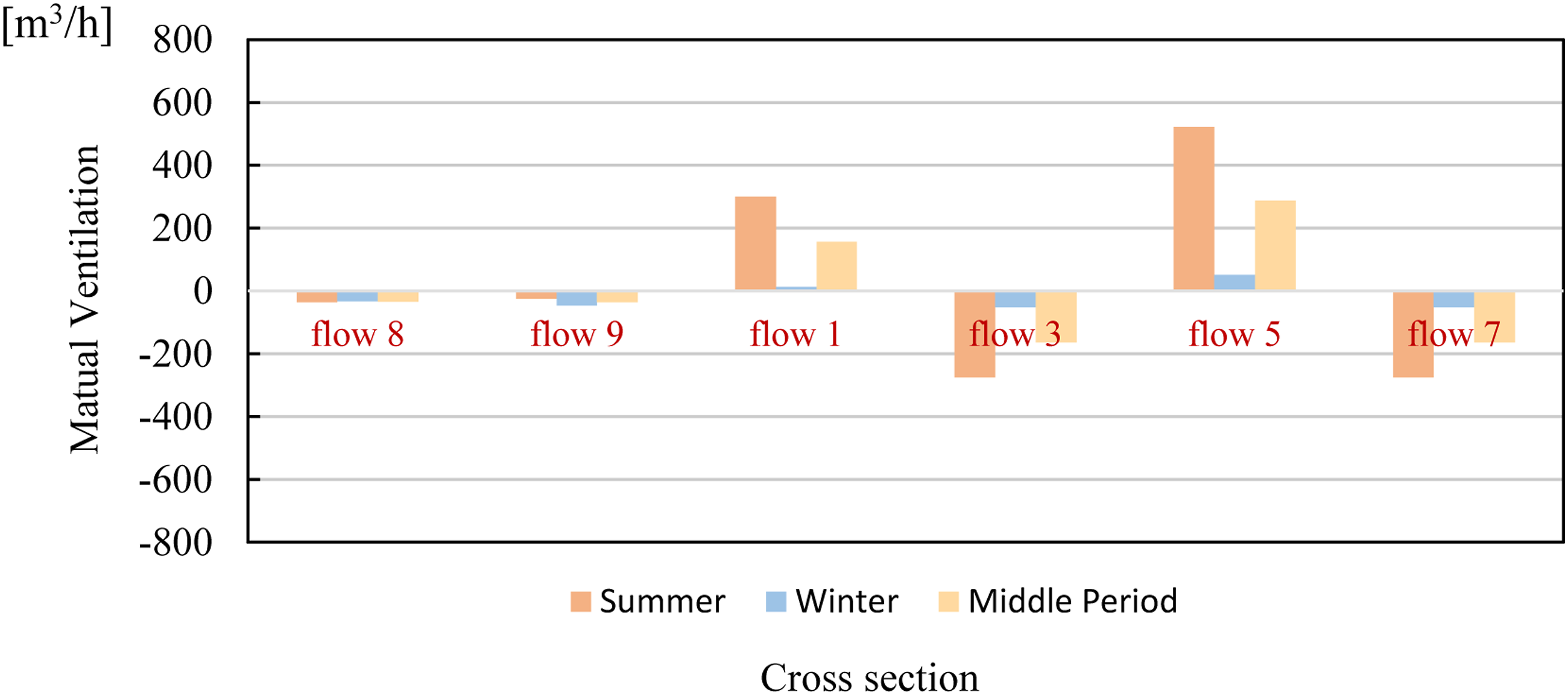
Figure 11 shows the results of the coupled analysis when summer advection was used in the intermediate months of April and October and in winter in January. The calculation results confirmed that almost no change occurred in the case where summer advection was used for the intermediate periods of April and October. However, the analysis results for the winter season indicated a maximum difference of 0.59°C at 12:00 in room 1, which was attributed to the large difference in the amount of advection between the zones. Consequently, to follow the room temperature of each zone with certainty, the calculation for each season should be performed. However, because the maximum difference is only 0.59°C, one season can be used as a representative season. This assumption yields an acceptable error for design purposes. Thus, the analysis load of CFD can be significantly reduced. Moreover, these considerations assumed that the design is safe. Comparison between the results of the coupled analysis of summer advection and the advection in each season: (a) room 1: Room-temperature change over time, (b) room 2: Room-temperature change over time, (c) room 3: Room-temperature change over time, (d) room 4: Room-temperature change over time and (e) room 5: Room-temperature change over time.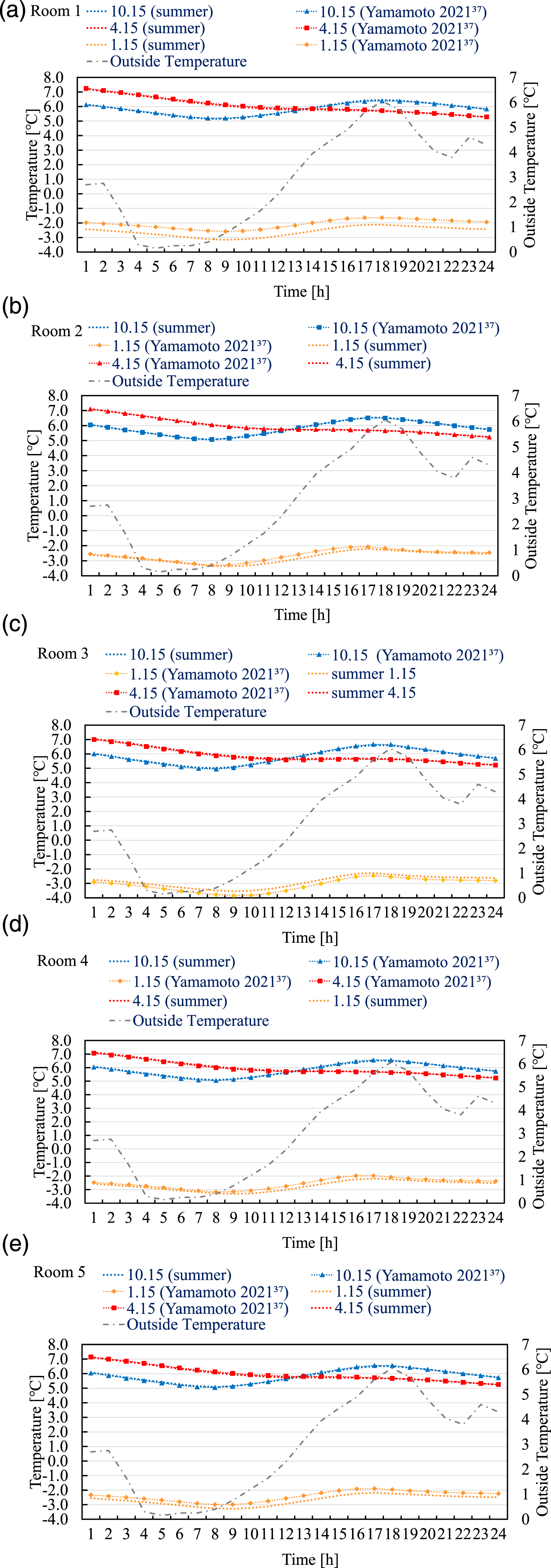
Condensation risk assessment
Hokkaido is located in a region that experiences snowfall. Therefore, condensation risk evaluation is a necessary consideration for the design guidelines. Because the condensation risk according to t
dew
has not yet been determined using the coupled ES–CFD analysis, the approach used in the study can provide data that can be used as a guideline in the design process. Details of the cross-section of the condensation risk assessment from the origin, X: 2.9 m, Y: 2.9 m and Z: 1.77 m, are represented in Figure 12. The normal direction was set as X: −0.63 m, Y: 0.867 m and Z: 0.0 m and defined by a vector connecting this point with the origin of the selected coordinate system. Furthermore, the cross-section was selected to show the humidity inflow from the outdoor air inlet. Cross-section used in the condensation risk assessment study.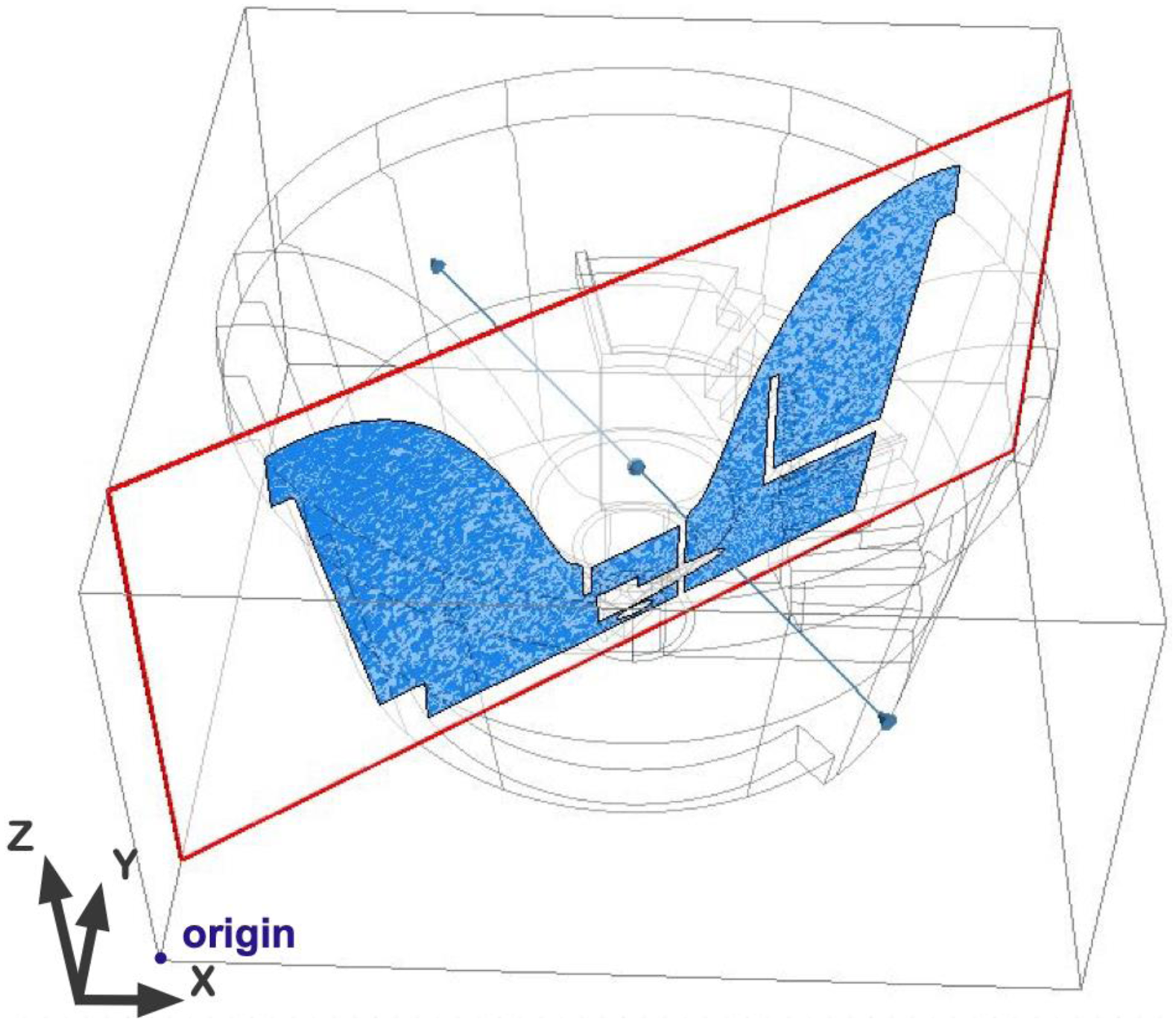
To determine t
dew
, the saturated vapour pressure was calculated using Equation (7).
Assuming that the relative humidity in the building is known, the vapour pressure is expressed using Equation (8). Further, t
dew
is expressed using Equation (9).
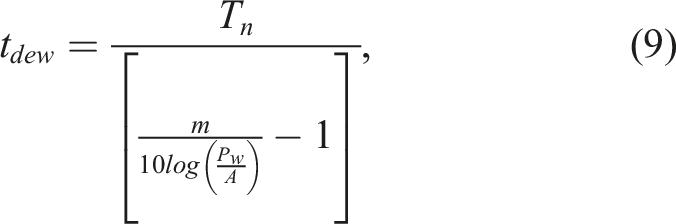
Figure 13 shows the analysis results of the CFD distribution characteristics related to t
dew
. The condensation risk assessment revealed that the risk of condensation near the floor was high because of the incorrect selection of the air conditioning system. Countermeasures could have been implemented if this condensation risk assessment had been conducted in advance. Analysis results of the CFD distribution characteristics related to t
dew
: (a) temperature distribution, (b) wind velocity distribution, (c) relative humidity distribution and (d) t
dew
distribution.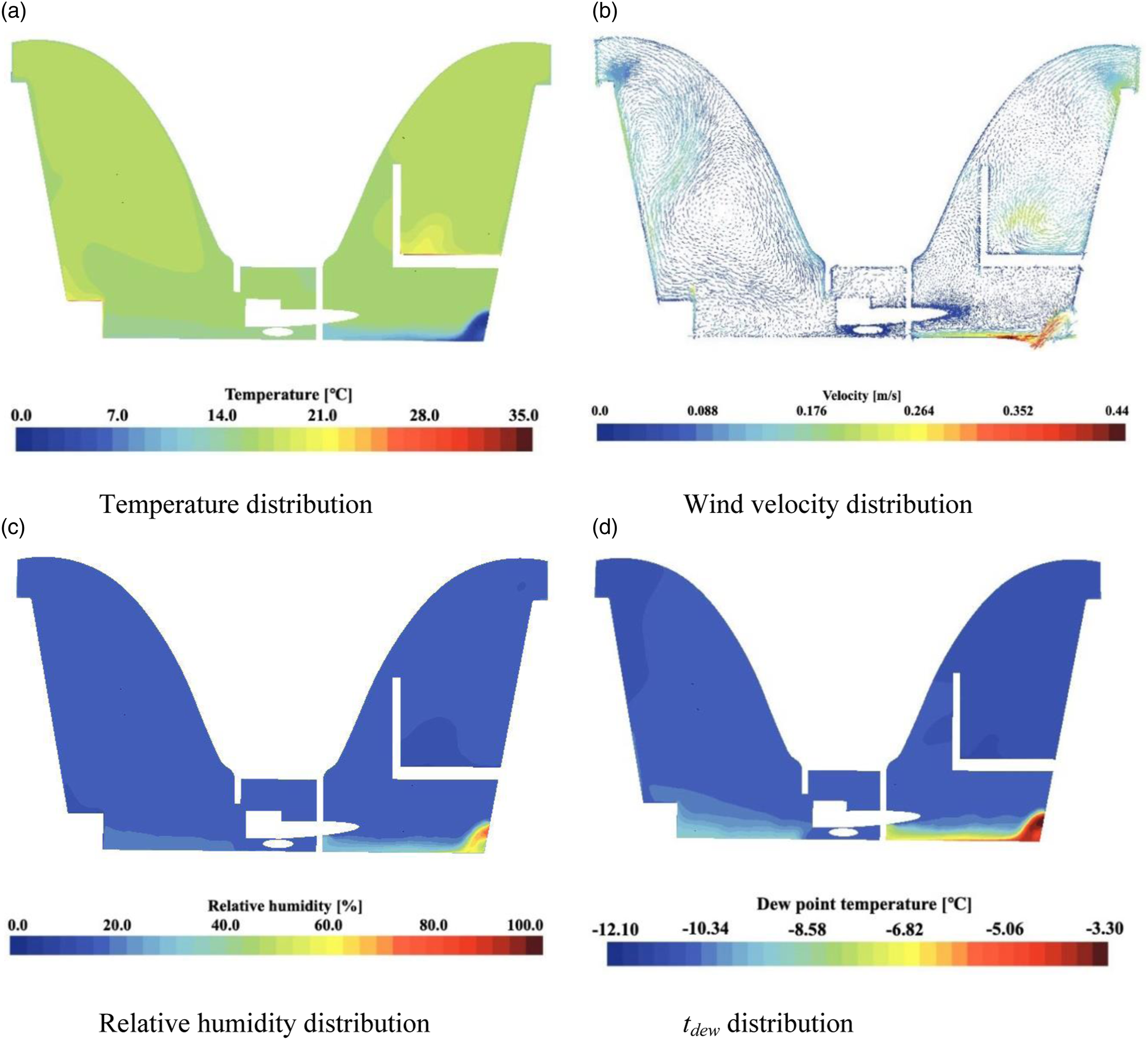
The maximum wind-velocity distribution observed in Figure 13(b) was approximately 0.44 m/s. The draught at the foot of the air conditioner is concerning. However, the temperature distribution in Figure 13(a) indicates that the temperature fell locally only near the inlet, and the results in Figures 13(c) and (d) demonstrate that the relative humidity was high only near the inlet. Moreover, the risk of condensation was high near the inlet. The risk of condensation cannot be fully evaluated based only on temperature, wind velocity and humidity. Therefore, depending on environmental conditions, evaluation by dew-point temperature is significant because of the correlation between temperature and dew-point temperature. Because the purpose of this study is to present a model case for condensation risk assessment, detailed analysis is beyond the scope of this work.
Limitations and scope for future work
In this study, various investigations were conducted to demonstrate the prospects of TEAM-TComBE. The limitations and the corresponding scope for future work are as follows: (1) This study is limited to one analytical model; therefore, it is not fully generalizable but useful within a certain range. Additionally, the governing equations should be separately obtained because the dew-point-temperature study assumes a passive scalar. However, because this study primarily aimed to present possibilities for design, this aspect was beyond the scope of this work. (2) Although previous studies have broadened possibilities, the model and analytical conditions – specifically, the forced convection fields such as air-conditioner operation – have not been studied in combination. Future development may include the adaptation of TEAM-TComBE in forced convection fields such as air conditioning. Additionally, TEAM-TComBE can be extended to complex flow fields, such as those in which radiant panels and air conditioners are used in combination. (3) The reference temperature for the convective heat transfer coefficient is defined at y+. In general-purpose CFD software, defining the reference temperature of the convective heat transfer coefficient at y+ is difficult. However, this can be implemented in advanced CFD software, and used by expert CFD engineers. Therefore, to enhance the applicability of TEAM-TComBE, the software can be upgraded to easily estimate the convective heat transfer coefficient from flow fields that vary with geometry and conditions using CFD software mainly used for design purposes. (4) TEAM-TComBE does not evaluate comfort. Therefore, for future work, we will consider using TEAM-TComBE to evaluate comfort. Furthermore, we will develop a coupled analysis model that includes calculations concerning the characteristics of installed facilities and equipment to evaluate energy efficiency. This coupled analysis model can analyze various building types: residential, office and high-rise buildings; the building is assumed to have a thermally complex shape. (5) The study requires further investigation into the advection between zones in the forced convection field due to the installation of equipment and devices. Therefore, for future work, the first step is to experimentally measure inter-zone advection and room temperature. The second step is to verify the accuracy of the inter-zonal advection and confirm that the room temperature agrees with the experimental values. This step requires measuring several parameters to ensure an appropriate representation of the experimental values. In the third step, the first and second steps are reviewed by changing the parameters of the experiment to assess generality. (6) The limits of inter-zonal advection coupling should be confirmed. Experiments will be conducted on a simple model using TEAM-TComBE, and the results will be evaluated via sensitivity analysis using various parameters (model geometry, space temperature, building envelope geometry, etc.). Depending on the experimental and analytical results, TEAM-TComBE can be extended to analyze spaces using methods other than coupled inter-zonal advection. (7) The method used in this study to indicate reference temperatures for convective heat transfer coefficients is complex, and a simpler method can be developed. Specifically, artificial intelligence (AI) can be used on a large amount of experimental data to accurately capture reference temperatures for turbulent regions, or the accuracy can be improved using a semi-experimental formula with new dimensionless distances as improved indicators for various geometries. In either case, a large amount of experimental data and machine learning by AI would be effective for implementation. Several variables should be considered because indices such as surface roughness will have a significant influence.
In general, the scope of application of TEAM-TComBE is wide and can be applied for continuous analysis, from urban environments to interior design. In particular, TEAM-TComBE is expected to be a powerful computational tool for analyzing the thermal environment of double-skinned and curved exterior skin based on the results of urban CFD analysis. However, TEAM-TComBE has not yet been coupled with urban CFD analysis. In the future, TEAM-TComBE will be applied to buildings with thermally complex geometries in urban districts. Moreover, the CFD analysis of urban districts will be upgraded to a comprehensive analysis method that would reflect the effects of airflow on the outdoor side, which would be extended to a thermal environment analysis calculation tool that adds the value of a ‘breathing’ building envelope and other techniques. Hygrabe can be modified to consider heat transfer in porous regions. Specifically, this method will be extended based on two-dimensional fluid analysis for next-generation air conditioning systems.
Conclusions
This study investigated the possibility of reducing the computational load using TEAM-TComBE for practical use. In addition, the condensation risk according to t
dew
was evaluated using CFD analysis to determine the application range of TEAM-TComBE. The following findings were obtained: • The study was conducted to ascertain the effect of the TEAM-TComBE method on the analysis of a thermal environment. Therefore, even if an insignificant influence was observed, it was considered beneficial as a new finding. First, the calculation results of h values were not severely affected unless the reference temperature was changed. The reference temperature of h should be defined at y+ for design applications. In addition, the advection between zones did not substantially affect the calculation results, even during the summer season. Therefore, the data from the summer season should be used as a reference in the design phase in terms of analysis load. • In the analysis of the thermal environment, the h value and the amount of advection between zones must be regulated. This study obtained the fundamental data for constructing these design guidelines. Further, the detailed settings often overlooked during the design process were clarified, which is the first step towards combining design practice and advanced thermal environment simulation. • In the design process, assumptions regarding annual calculations and the thermal insulation performance were made. Several conditions need to be considered for such a study, and the design is expected to be sufficient in terms of analysis accuracy.
The guidelines obtained in this study are as follows: (1) y+ should be used to define the reference temperature when calculating h. (2) Although the results depend on the space volume, simplifying the CFD model does not affect the accuracy of the unsteady analysis. (3) No significant difference was observed amongst advection values in zones, although advection coupling is representative of a single season such as summer. (4) The TEAM-TComBE method can evaluate condensation risk even in complex-shaped envelopes. Specifically, in cold regions, it is necessary to evaluate condensation risk at the design stage.
Footnotes
Declaration of conflicting interests
The author(s) declared no potential conflicts of interest with respect to the research, authorship, and/or publication of this article.
Funding
The author(s) received no financial support for the research, authorship, and/or publication of this article.
