



Abstract
Anthropogenic climate change will likely put dwellings at risk of overheating and potentially increase cooling demand in the decades ahead, leading to higher greenhouse gas (GHG) emissions due to the energy consumed for mechanical cooling. Contemporary constructions with highly insulated fabric have been found to suffer from periodic overheating in today’s climate, the occurrence of which is projected to increase in frequency as the temperature rises. This critical review investigates the factors affecting overheating risks in dwellings and passive cooling strategies to mitigate overheating impacts on occupant thermal comfort and wellbeing. The cooling efficiency of passive strategies is affected by the design, construction and operation of buildings, as well as climate and occupancy. A framework has been developed to illustrate the effect of overheating factors on the cooling efficacy of passive strategies. Findings suggest that a combination of passive strategies is required to minimise overheating risks by the 2080s. External solar shading is the most effective method for retrofitting insulated dwellings. On the other hand, cool paint is ideal for uninsulated dwellings. In addition, thermal mass and natural ventilation require occupant interaction for optimal air circulation and cooling performance.
Introduction
The scarcity of fossil fuels, stringent greenhouse gas (GHG) emission targets and anthropogenic climate change are all factors that contribute to the demand for passively cooled buildings. 1 Buildings account for 36% of global energy consumption and 40% of carbon emissions. 2 The UK residential sector accounted for nearly 68 MtCO2e of GHG emissions in 2020. 3 Peak summer temperatures in the UK could increase by 10°C by the 2080s compared to the 1990s reference climate. 4 Furthermore, the mean summer temperature will likely increase by 5.4°C and 2.8°C in southern England and northern Britain, respectively, by the 2080s. 5 Indoor overheating has already been identified in British4,6–9 and European dwellings 10 and is likely to increase as a result of global warming,11,12 which in turn will increase the cooling demand for maintaining occupant thermal comfort. Without significant abatement measures, the level of GHG emissions will continue to increase, leading to a much warmer climate. Therefore, it is vital to implement passive cooling strategies at the construction and retrofit stages to mitigate overheating risks without increasing the need for mechanical cooling in a warming climate.
Overheating refers to the occurrence of high internal temperatures which cause thermal discomfort, affecting occupants’ health and productivity. 13 Overheating risks are projected to rise due to climate change,14–16 where external peak temperatures similar to heatwave patterns will be greater and recurring. 17 During the 2003 heatwave across Europe, around 70,000 deaths 18 were reported, of which an approximate of 30,000 and 2091 were from Western Europe 19 and England, 20 respectively. Consequently, public health stakeholders in the UK 21 and Europe 22 raised their concerns and called for preventative measures to reduce heat-related deaths. Heat-related deaths are more pronounced in urban regions due to the urban heat island effect, 23 for example, London experienced higher heat-related mortality due to its building density. 24
An overview of factors affecting overheating risks in dwellings, their impacts on occupants and potential solutions are presented in Figure 1 as a starting point for the contextual discussion. Dwelling characteristics and the design, together with climate and environmental features, affect overheating risks. The impacts on occupants range from sleep deprivation and reduced productivity to even death. Various solutions to overheating are found in the literature, ranging from passive solar shading to improved thermal properties of materials by adding more insulation. Assessment methods used for overheating are based on thermal comfort criteria. An overview of factors affecting overheating, its impacts on occupants and potential solutions to the problem.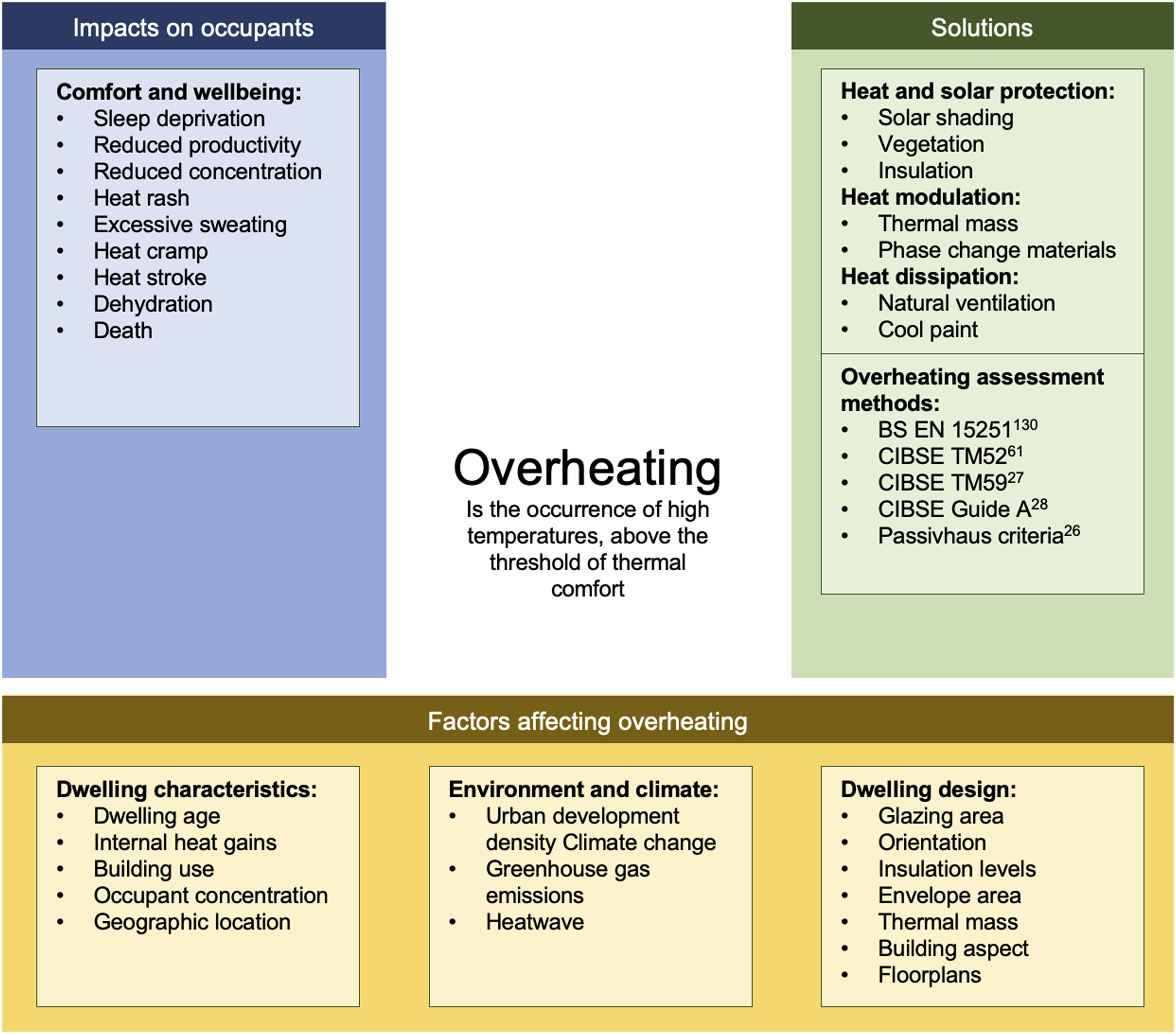
This paper provides a critical overview of previous findings to enhance comprehension of the topic and recommend future research directions.
Methodology
This section outlines the steps to acquire the relevant literature for this review, as displayed in Figure 2. A systematic literature review (SLR)
25
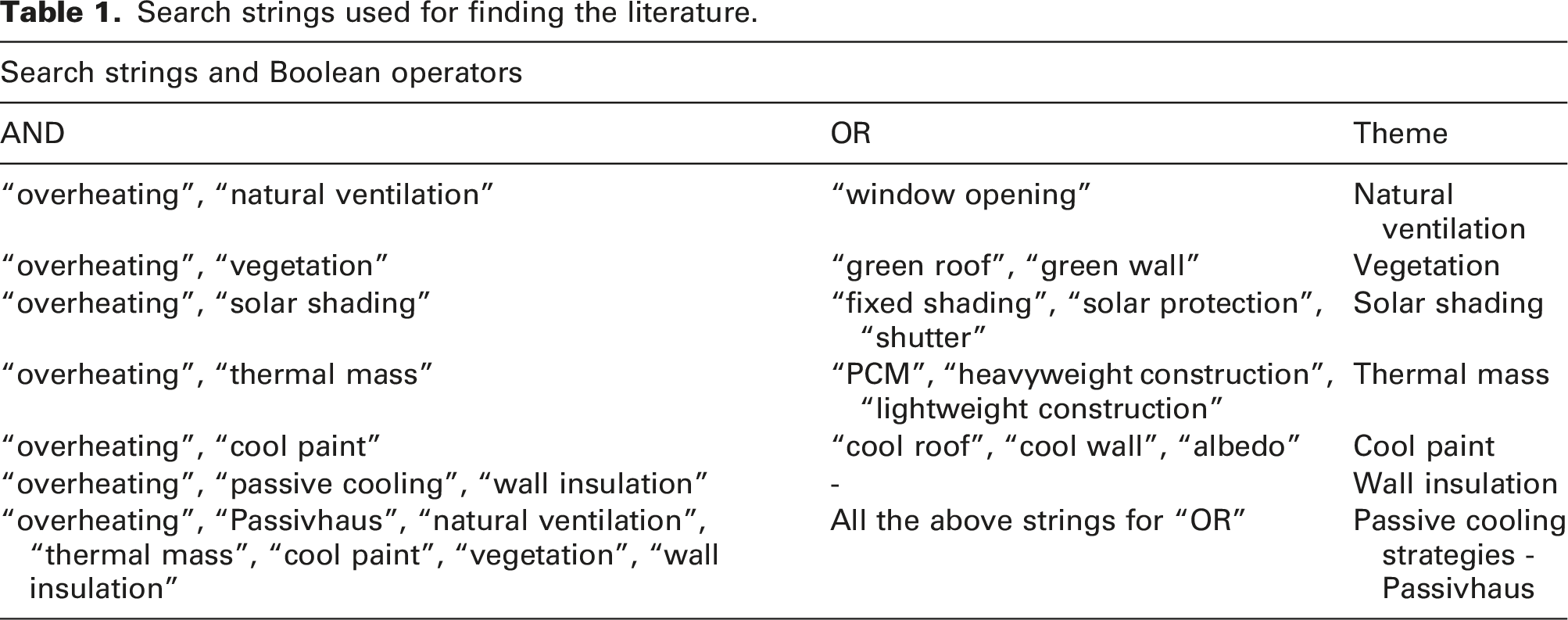
was conducted with the following research questions: ‘What necessitates adaptation of the housing stock against overheating?’, ‘What are the influencing overheating factors?’, ‘How does overheating risk vary for different dwelling constructions?’ and ‘What are the most significant passive cooling strategies to reduce overheating risks?’. Using ‘overheating in dwellings’ as a broad search keyword, themes were found from the titles of the selected papers, and descriptors were derived from the identified themes. In the search engines of ScienceDirect, Taylor & Francis, Scopus and Google Scholar, Boolean operators were employed in conjunction with the descriptors; ‘AND’ was used to combine search terms, while ‘OR’ was used to account for synonyms, as shown in Table 1. The term ‘overheating’ has been combined with all passive strategies to cover studies investigating the influence of overheating on the passive strategies’ cooling efficacy. For instance, ‘overheating’ AND ‘cool paint’ OR ‘cool roof’ OR ‘cool wall’ OR ‘albedo’ was searched to obtain papers investigating the use of cool paints against overheating risks. Different phrases were combined for more specific searches. For example, to find papers related to natural ventilation to prevent overheating in Passivhaus constructions, ‘overheating’ AND ‘Passivhaus’ AND ‘natural ventilation’ were used as the search terms. The methodology used for the literature search. Search strings used for finding the literature.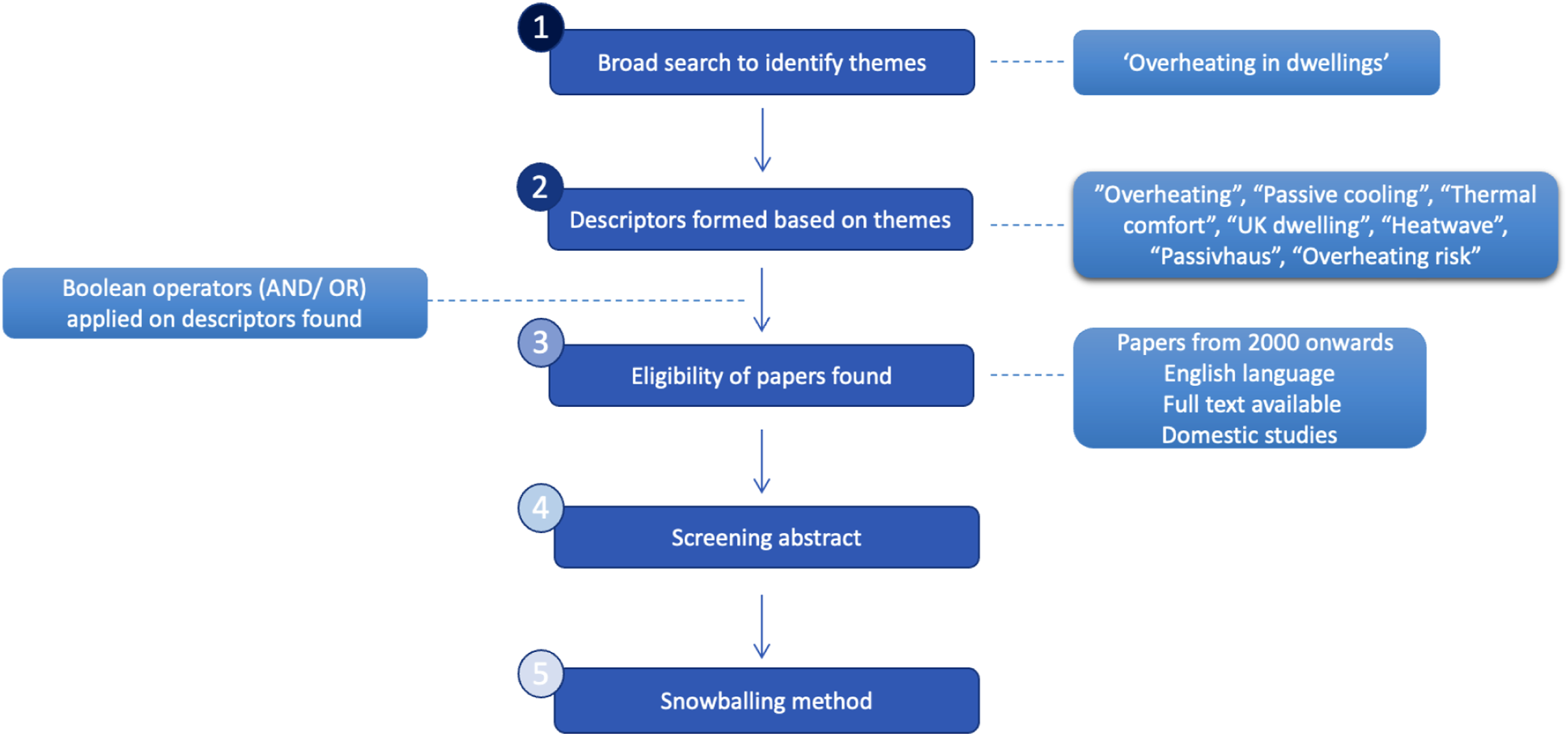
The papers received were mainly from peer-reviewed academic journals and conference papers. Papers in English text, where full text would be available, were considered. The relevance of the papers was verified in two stages: screening the abstract and reading the entire article. If a publication passed the first screening stage, the entire article would be read for further analysis. The most relevant studies were then subjected to the snowballing method; all citations in the relevant papers were inspected for consideration.
Analysis of the reviewed studies
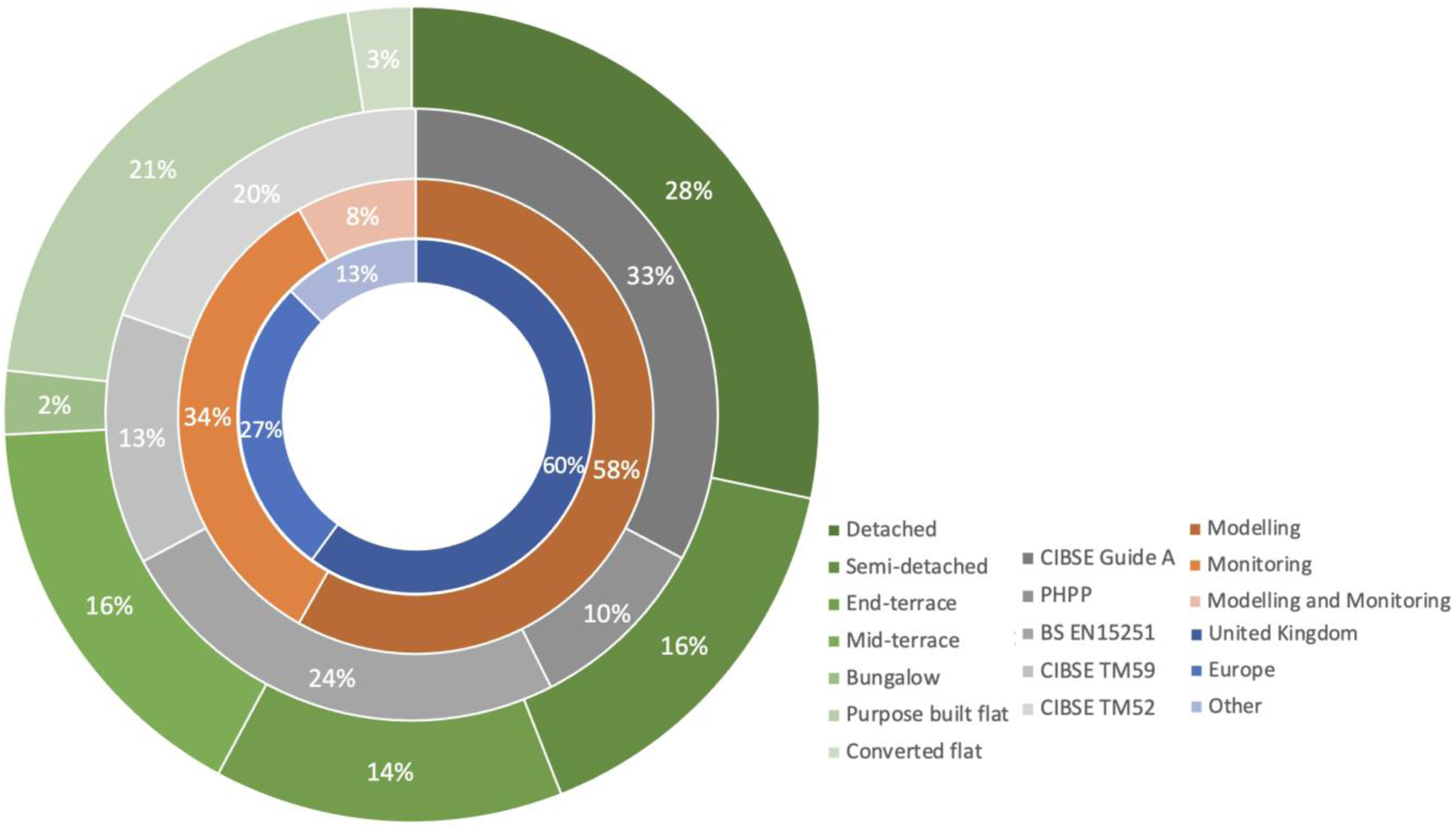
The distribution of journals and conferences is shown in Figure 3. Most of the articles selected were in building energy-oriented journals such as Energy and Buildings and Building and Environment, which accounted for 16% and 13.4% of the total studies, respectively. Figure 4 shows the methodologies, overheating criteria and contexts of the studies reviewed, as well as the percentage of dwelling types. Only 8% of the studies adopted a mixed methodology of modelling and monitoring, with modelling methodology accounting for 58% of the total studies. More than half of the studies were conducted in the UK (60%). 27% and 13% of the papers were from Europe and other countries such as the USA, Australia and Canada, respectively. The Passive House Planning Package (PHPP) overheating criteria,
26
which was the least used overheating criteria, was used in 10% of the studies, followed by the Chartered Institution of Building Services Engineers (CIBSE) Technical Memorandum 59 (TM59).
27
Chartered Institution of Building Services Engineers Guide A
28
was used in 33% of the total studies, which was the most employed overheating criteria. Detached dwellings were the most considered dwelling type, considered in 28% of the studies, followed by purpose-built flats (21%), while converted flats were the least studied dwelling type. Both mid and end-terrace dwellings were considered for calculating the dwelling type percentage for studies on ‘terraced’ dwellings. Distribution of sources covered in this review paper. Distribution of dwelling types, thermal comfort criteria, methodology and the context covered in the reviewed publications.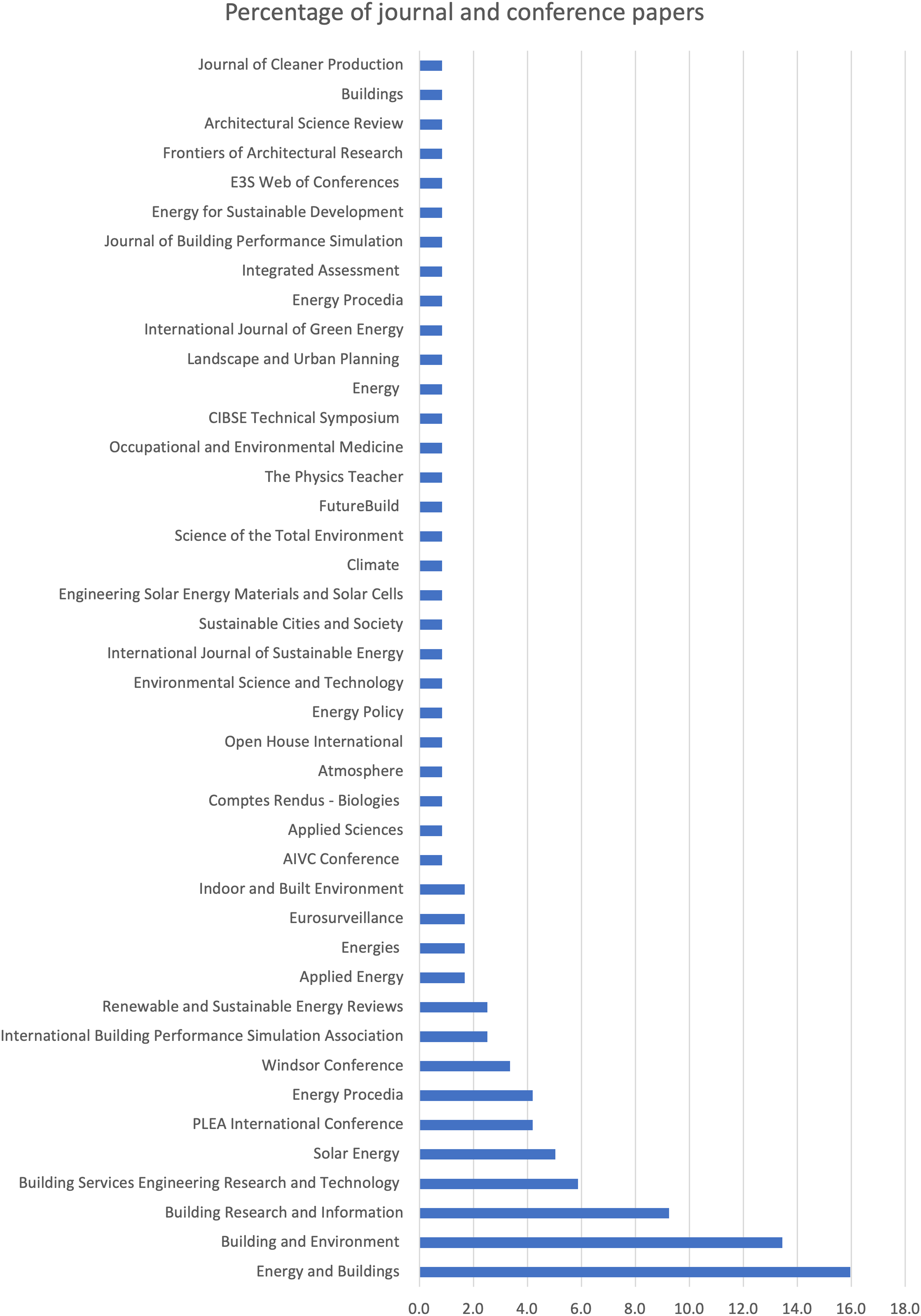
Passive cooling need and occupant preference
Solid-walled constructions account for 31% of the 27.7 million dwellings in Great Britain, 29 of which are the least sensitive to overheating due to their low insulation levels.6,7 Contemporary British building regulations emphasise on improving insulation to retain winter heat inside dwellings, which will likely increase overheating risks.30–34 The UK housing stock is the oldest in Europe 35 and accounts for 25% of total national carbon emissions. 36 By the 2050s, over 80% of current housing stock will exist, 37 possibly requiring passive cooling strategies due to regulations supporting highly insulated constructions.
Occupants must adopt passive cooling strategies to decrease the use of mechanical cooling and to abide by the UK’s carbon emission targets for 2050. 38 Avoiding mitigation strategies may result in a drive to acquire mechanical cooling systems, as happened during the 2003 heatwave. 39 According to Peacock, Jenkins and Kane, 40 people in the UK may not be as willing to use air-conditioning units as in the US, but factors such as cheap operation and capital costs may encourage them. According to the authors, if UK occupants mimic US occupants’ behaviours, 550,000 London residences would have air-conditioning units installed by 2030. This estimate is likely to increase beyond 2030 because of a warming climate.
Meinke et al.
41
investigated occupants' cooling preferences; fewer participants kept air-conditioning as their first choice once informed about the associated energy use. This finding implies that some individuals may not be aware of the causes of climate change or, more precisely, how their use of mechanical cooling may contribute to global warming. Nonetheless, this finding should be considered carefully because of the small number of occupants (
Overheating influencing factors
Occupancy
In addition to the number of occupants, occupancy factors that increase the risk of overheating include occupants’ vulnerability, building use and thermal comfort perception. The elderly are most vulnerable to overheating 43 because of their lack of mobility, which could limit the use of passive cooling measures such as natural ventilation. 44 Occupant behaviour influences overheating risks by altering the use of the adopted passive cooling measures and consequently their effectiveness.16,45–47 Morgan, Foster and Poston et al. 48 found that occupants who used programmed ventilation did not report overheating within 26 dwellings, whereas 46% of occupants did not understand or use programmatic controls, resulting in varying overheating levels amongst dwellings. Ridley, Bere and Clarke et al. 49 discovered that occupants’ lack of operational knowledge of their louvres and exterior blinds contributed to increased solar heat gains during the summer. Baborska-Narożny, Stevenson and Grudzińska 50 found a 70% variation in overheating levels across 18 monitored flats adopting different ventilation practices; the household with the lowest risk of overheating efficiently used mechanical ventilation. These findings inferred that occupants lack awareness of how systems and passive cooling measures could significantly contribute to increased overheating levels indoors. Petrou, Mavrogianni and Symonds et al. 46 showed that when the number of occupants was increased, the internal mean temperature was increased in the bedrooms but not in the living rooms. Possibly owing to the limited sample size, the findings for five and six occupants were not statistically significant.
Internal heat gains
Previous research has demonstrated that internal heat gains influence overheating levels,38,51–53 with impacts being more pronounced in living rooms.7,47 This may be more common in flats where an open floor plan is more likely to be used, especially for the kitchen, dining and living areas. Peacock, Jenkins and Kane 40 established three distinct energy usage scenarios for appliances and cooking to analyse the effect of internal heat gains on overheating risk: scenario A (5682 kWh), scenario B (5064 kWh) and scenario C (5906 kWh). The research demonstrated that scenario C had more occupied overheating hours than scenarios A and B by 0.5% and 2.5%, respectively. The study highlights the effect of internal heat gains on internal temperatures, despite modest differences in electricity consumption, as a scenario with more tenants and greater electricity consumption may reveal a greater difference.
In a study by Lomas, Kane and Firth, 7 occupants were given thermal sensors to install on their own, and only 48% of the monitored spaces had valid data. The authors claimed that the occupants’ misplacement of the thermal sensors, possibly near internal heat gain sources such as the appliances, resulted in an overestimation of internal temperature. The study showed the impact of internal heat gains on monitoring data for overheating analysis.
Dwelling construction
Different construction types may necessitate distinct passive cooling solutions to mitigate overheating risks. 54 Traditional constructions, such as solid-walled dwellings, are generally less susceptible to overheating due to their lack of insulation; nonetheless, the absence of solar shading15,45,46,50,55,56 and the presence of excessive glazing area38,57 could increase the risk of overheating. On the other hand, energy-efficient constructions are well-insulated, which could require additional cooling energy to prevent overheating. Willand, Ridley and Pears 58 estimated that an additional 15.84 kWh/day of cooling energy was required to keep the living room in a 6-star dwelling at a 3-star dwelling’s temperature; the ascending order of star ratings designates the efficiency of Australian dwellings, where a 10-star rating is the most efficient. According to Sajjadian, Lewis and Sharples, 59 the cooling load in a Passivhaus detached dwelling in London in the 2080s would be 14 times that in 2011.
Findings on overheating in Passivhaus dwellings.
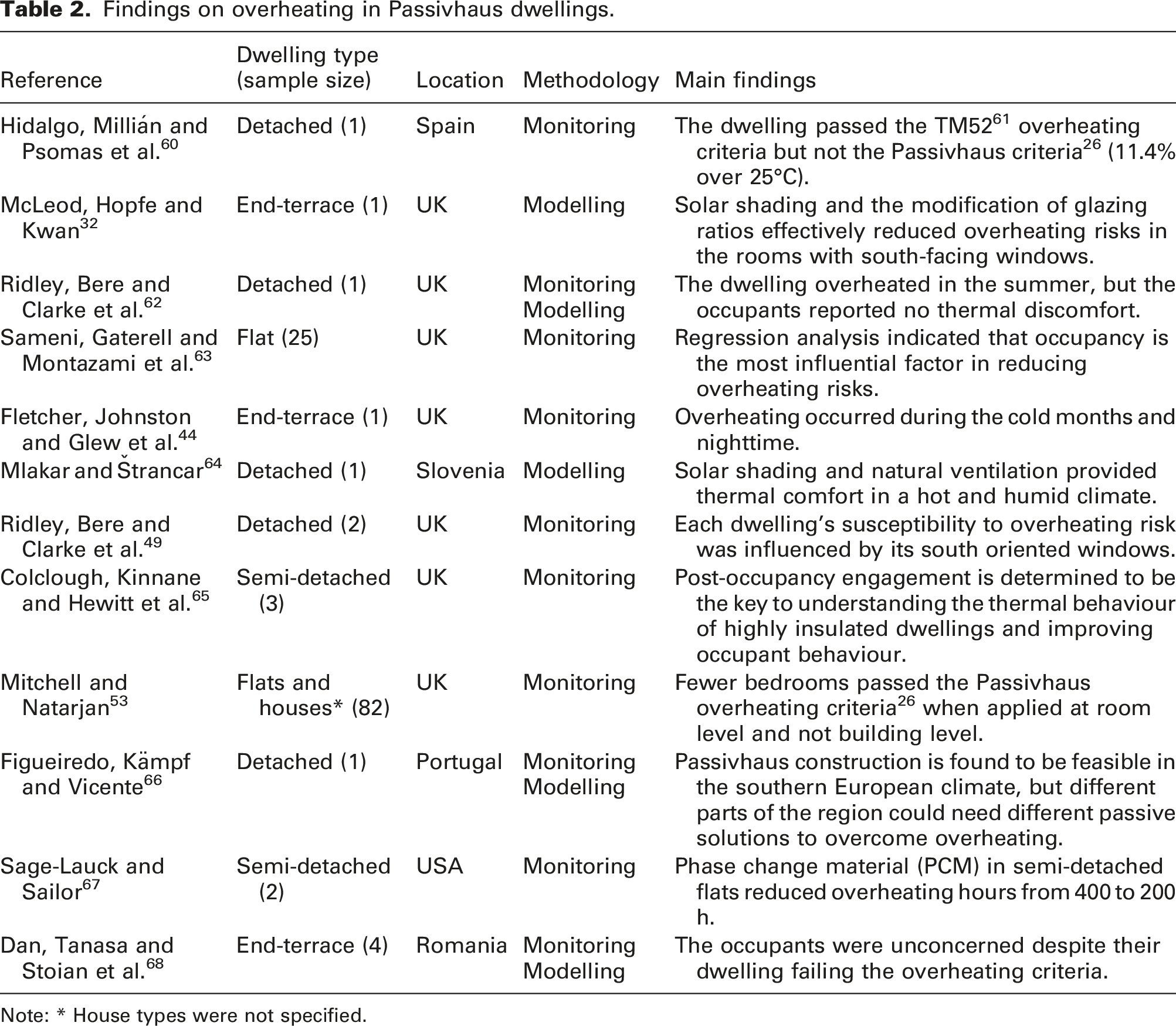
Note: * House types were not specified.
Dwelling design
Orientation
Dwelling orientation considerably impacts overheating levels due to the varying solar heat gains associated with different orientations. Gupta and Gregg 15 found that west-facing flats had more overheating hours than south-facing flats by 22%. Espinosa, Symonds and Petrou 69 found that reduced glazing on the southwest orientation reduces overheating risks significantly, meaning that the south and west windows of flats are extremely sensitive to overheating. Habitzreuter, Smith and Keeling 70 showed that south-southwest oriented rooms were prone to overheating due to a lack of shading from nearby buildings. In addition, Dengel and Swainson 31 discovered that southwest orientation posed a bigger risk of overheating in flats. Overall, the findings indicate that certain orientations make spaces more susceptible to overheating.
Layout
An open-plan kitchen and living room minimises overheating risk in flats, according to Espinosa, Symonds and Petrou, 69 and Gupta, Gregg and Bruce-Konuah. 71 Espinosa, Symonds and Petrou 69 only looked at two-bedroom flats with varying floor plans, whereas Gupta, Gregg and Bruce-Konuah 71 considered five dwellings without presenting their floorplans. The use of an alternative overheating criteria, such as TM52, 61 may have been preferable in Espinosa, Symonds and Petrou’s 69 study due to TM59’s 27 difficulty to satisfy. 72 Ji, Fitton and Swan et al. 73 discovered that bedrooms would overheat in the 2050s and 2080s, with less overheating reported in north-facing bedrooms with a fireplace below it. The finding indicates that warm air from the fireplace rose into the bedroom and accumulated, demonstrating the influence of floor plans on overheating levels.
Dwelling type
Flats are the most sensitive dwelling type to overheating risks,6,7,11,50,74,75 where the top floors are most vulnerable.38,57,70,76–78 Petrou, Mavrogianni and Symonds et al. 46 showed that converted flats had the lowest internal temperature compared to other dwelling types. On the other hand, Taylor, Symonds and Mavrogianni et al. 79 found that converted flats had the highest internal temperature. Unlike other dwelling types, converted flats have had little research on their internal conditions; thus, more research may be required to confirm their internal conditions. Many studies in the UK have shown that detached dwellings are least likely to overheat.6,7,74,80 In a Dutch context, however, Hamdy, Carlucci and Hensen et al. 11 found it to be at the highest risk of overheating, along with flats. The difference in conclusions could be due to the architectural arrangement of the dwellings investigated in Hamdy, Carlucci and Hensen et al.’s 11 study, where the detached dwelling had considerable glazing area. The semi-detached dwelling in Hamdy, Carlucci and Hensen et al.’s 11 study, reported to be the coolest, did not have as many windows on the sides as the detached dwelling.
Bedrooms and living rooms
The CIBSE has developed static 28 and adaptive 61 overheating criteria for bedrooms and living rooms. A lower static threshold criterion makes bedrooms more vulnerable to overheating than living rooms.6,7,54,81 Lomas, Kane and Firth 7 found a statistically significant relationship between the dwelling age and the temperature difference between the bedrooms and living rooms. In the energy follow-up survey, 82 30% of the living rooms in flats were overheated, compared to 12% in houses. In addition, living room temperatures were found to decrease with increasing floor area. Beizaee, Lomas and Firth 6 discovered that living room temperatures were higher than bedroom temperatures in flats and significantly higher than the internal temperature of living rooms in other dwelling types. They also determined dwelling age as an influencing factor on the temperature differences between living rooms and bedrooms. Mitchell and Natarjan 53 found that 60% of the house bedrooms met the Passivhaus overheating criteria, 26 while 83% of bedrooms in flats did. Petrou, Mavrogianni and Symonds et al. 46 showed that bedrooms were cooler than living rooms in bungalows, converted flats and purpose-built flats. Wright, Young and Natarjan 39 found that during the 2003 heatwave, bedrooms were often marginally cooler than living rooms in London due to the greater prevalence of flats in London compared to Manchester.
Passive cooling strategies
Passive cooling has been recognised as a sustainable method for reducing cooling demand through heat transfer through conduction, convection and radiation. 83 There are three major types of passive cooling strategies: solar and heat protection, heat modulation and heat dissipation. Most passive cooling research is based on the Mediterranean climate, and recent warming trends suggest that the UK climate will resemble that of the Mediterranean in the future. 4 Therefore, findings from studies of the Mediterranean climate could be a useful predictor of what may occur in the UK in the future.
Heat and solar protection
Solar and heat protection reduces solar heat gains indoors which lowers overheating risks. It is possible to install protections that prevent solar heat gains from entering the building to prevent the temperature inside from rising.
Vegetation
Plants on building surfaces provide cooling via evapotranspiration, while their soil layers provide insulation. Dry green roofs have high thermal resistance, which is beneficial for lowering winter heat losses. 84 Zinzi and Agnoli 84 investigated green roof cooling in Barcelona, Palermo and Cairo. Barcelona, which receives far more rainfall than Cairo or Palermo during the summer, had the greatest reduction in discomfort hours above 26°C. Gagliano, Detommaso and Nocera et al. 85 found that green roofs reduced cooling loads by 80% in Sicily, Italy, for the summer months (June to September). It could be that a green roof may cool a bungalow faster than a two-storey dwelling.
According to Virk, Jansz and Mavrogianni et al., 86 insulated roofs decrease green roofs’ cooling effectiveness. However, the research was conducted on a four-storey office building in London, not a dwelling. This finding would likely indicate green roofs’ cooling potential if the same investigation was conducted in the domestic sector. Castleton, Stovin and Davison et al. 87 concluded that the cooling potential of green roofs could be optimised for the UK context by applying it to poorly insulated dwellings. Vegetation can be useful at the neighbourhood level by producing a cooling effect for the microclimate. Previous studies have shown that a decrease in the ambient temperature can be achieved if vegetation is applied at the neighbourhood level.88–90 New constructions can be subjected to a vegetation requirement, which will result in a sufficient number of dwellings with vegetation per neighbourhood, providing a cooling effect at the neighbourhood level as well as cooling non-vegetated dwellings.
Wall insulation
Increasing the insulation level may increase the risk of overheating,44,58,91 which could necessitate additional passive cooling measures. Tink, Porritt and Allinson et al. 29 found that internal wall insulation increases the risk of overheating in a semi-detached dwelling in Leicestershire. The authors claim the increased risk of overheating was low for that particular dwelling, location and time. This suggests that if future climate data had been used instead of 2015 temperature data, and a mid-terrace dwelling instead of a semi-detached dwelling was investigated in a different local setting, overheating hours may have been greater. Similarly, Porrit, Cropper and Shao et al. 16 showed that the increase in overheating risk owing to internally inserted wall insulation was minimal, with the west-facing living room and east-facing bedroom having increased overheating hours. The family occupancy did not experience the increased overheating hours considering the different rooms and orientations. Mavrogianni, Taylor and Oikonomou 92 found that a dwelling with internally placed wall insulation had a slightly higher internal temperature than a dwelling with externally placed insulation. It can be deduced that internally placed wall insulation tends to slightly increase overheating risk compared to externally placed wall insulation.
Solar shading
External and internal solar shadings have different cooling potentials, with external shading being the better option in most contexts. Tillson, Oreszczyn and Palmer 93 showed that external shadings outperformed dark and light internal shadings in preventing overheating; light-coloured roller and venetian blinds reduced the proportion of overheated housing stock by 27% and 18%, respectively. Porrit, Cropper and Shao et al. 16 found that external shutters reduced degree hours over 26°C by 39% compared to internal blinds and curtains, which lowered degree hours by 20% and 15%, respectively.
Although several studies have identified solar shading as an effective passive cooling strategy for reducing overheating,13,15,16,33,75,94–97 its application in the UK may be limited due to the prevalence of outward window openings that external shadings could block. 98 In addition, solar shading reduces daylighting, which may affect occupants’ productivity and wellbeing. Habitzreuter, Smith and Keeling 70 found that external shading reduced overheating and daylighting by 74% and 30%, respectively. The effect of decreased daylighting reduces with increasing storeys, as the daylight factor increases. The average daylighting level was nearly the same for a low-rise flat without shading and a high-rise flat with shading. Baborska-Narożny, Stevenson and Grudzińska 50 found that occupants preferred sufficient daylighting over solar heat gains when choosing solar shading. The findings highlight the importance of balancing cooling reduction and daylighting in solar shading design.
Heat modulation
Heat modulation reduces internal temperatures and minimises substantial temperature fluctuations by utilising a building’s thermal mass. It differs from heat and sun protection in that it works when internal and external heat gains are present. In a warm climate, heat modulation may not be able to release stored heat and absorb additional heat, causing heat build-up.
Thermal mass
Thermal mass is the property of an indoor material to absorb and store heat over time; this lets the heat escape later and lowers cooling needs at peak times. 57 The thermal mass of heavyweight constructions is significantly greater than that of lightweight constructions. As a result of the summertime overheating of lightweight constructions,78,96 regulators should focus on increasing their thermal mass. McLeod, Hopfe and Kwan 32 discovered that the reduction of internal temperatures utilising thermal mass for the 50th percentile of climate data for the 2080s was more substantial than when using the 90th percentile data. Jimenez-Bescos 99 showed that thermal mass and night ventilation significantly reduced overheating using future climate data but not as much as using the 1970s climate data.
Phase change material
Phase change materials (PCMs) are a subcategory of thermal mass that can cool buildings passively. Their cooling performance comes from their capacity to absorb and release heat based on their phase change point, which is determined by their latent heat of fusion. The material transitions from the solid to liquid phase when heat is absorbed. When the indoor temperature decreases at night, the heat absorbed during the day is released until the PCM reaches its melting point and reverts to its solid phase. Phase change material can be incorporated into numerous building components, offering diverse potential for arrangement and composition, which can be useful for different contexts. Phase change material-enhanced wallboards are favourable due to their practicality in being incorporated into the building fabric, lower cost and overall cooling performance. 100
Auzeby, Wei and Underwood et al. 101 tested PCMs in mid-terrace dwellings in Aberdeen, Newcastle and Southampton using climate data from the 2030s, 2050s and 2080s. The adoption of PCMs reduced domestic overheating in the investigated cities; however, the well-insulated construction was in a greater need of PCMs than the poorly insulated construction. Sajjadian, Lewis and Sharples 59 used the 2020s, 2050s and 2080s climate data to assess PCM’s cooling performance in a detached Passivhaus dwelling. Auzeby, Wei and Underwood et al. 101 and Sajjadian, Lewis and Sharples 59 found that the PCM’s cooling efficiency is location and climate dependent, with the southern UK having the slightest decrease in overheating hours. They show that while PCM usage in dwellings may be beneficial until the 2050s, it cannot completely decrease overheating risks in the 2080s. As a result, when the external temperature rises, PCMs require additional passive cooling to maintain their cooling efficacy. However, Auzeby, Wei and Underwood et al. 101 only looked at July, ignoring the heating season and the rest of the summer months, which may skew any conclusions based on a single summer month. Moreover, Sajjadian, Lewis and Sharples’ 59 study was conducted in a Passivhaus dwelling, which has a different thermal environment than traditional dwellings.
The use of PCM has been investigated in other geographic regions. Fernandes and Costa 102 modelled a standard family dwelling in Portugal to examine the cooling efficacy of PCMs and showed that PCMs are least effective for southern Portugal. PCM performance varies across Mediterranean and American cities, according to Ascione, Bianco and De Masi et al. 103 and Baniassadi, Sailor and Bryan, 104 respectively, with lower performance in hotter cities. It may be inferred that different UK regions may require different PCM compositions and arrangements for optimal cooling performance.
Heat dissipation
The process of releasing excess heat from a building through heat sinks at lower temperatures is referred to as heat dissipation. The method of heat dissipation works in a manner similar to that of heat modulation in that it is effective when heat gains are present within the building for them to be dissipated via convective heat movement, that is, natural ventilation removing excess hot air.
Natural ventilation
The movement of air provided by natural ventilation enhances the transfer of heat between the interior and exterior of a building. Depending on the external temperature, it is often used in the evening to draw in fresh air from outside and push out warm air from within the dwelling. Air changes per hour (ACH) is a common way to indicate the air exchange rate between an enclosed internal space and its external environment. The amount of cooling achieved by natural ventilation is subject to variables such as the size of the windows and the ventilation strategy used.
Different strategies must be adopted to optimise the use of natural ventilation for different constructions and climates. Shikder, Mourshed and Price 105 investigated the effectiveness of natural ventilation in Birmingham, Edinburgh, London and Manchester. The authors discovered that London would require the most ACH to prevent overheating. This means more adaptation measures are needed in the south UK before the 2050s to maintain or improve thermal comfort. Weng, 106 in a follow-up study to Shikder, Mourshed and Price, 105 concluded that nighttime ventilation would be more effective than daytime ventilation in the 2080s. However, depending on the location, using natural ventilation may compromise security. Roetzel, Dietrich and Busching et al. 107 claimed that the potential of window opening to dissipate heat gains could vary depending on its opening type and size. Different results may perhaps be observed for different opening types, with varying effectiveness of nighttime ventilation.
Peacock, Jenkins and Kane 40 adopted a window opening strategy in Edinburgh and London using the 2030s climate. Bedroom windows were left open throughout the night, ignoring noise pollution and security. Other windows in the dwelling were open if occupants were at home and closed at night; all windows were closed if occupants were not present. Edinburgh had nearly no degree hours above 28°C, while London was still at risk with 9.5%–11.5% of overheating hours considering different insulation levels and climates, reduced from 12% to 19%. This might imply that when the climate warms, the difference between the internal and external temperatures will be low, resulting in fewer heat exchanges. Improving the microclimate condition could be a solution to overcome such ineffectiveness. The study also revealed that natural ventilation is more effective for non-insulated dwellings.
Cool paint
Cool walls and roofs reflect significant amounts of solar heat gain owing to their albedo value, which decreases the temperature of the microclimate and surrounding interior thermal zone. As a result of its effective cooling in residential and urban settings,89,90,108,109 cool roof solutions are becoming increasingly popular. 110 Pisello and Cotana 111 studied the performance of a cool roof on a residential building in Italy. In the summer and winter, the average operative temperature of the zone below the roof decreased daily by 2°C and 0.5°C, respectively. In July and January, peak temperatures were lowered by 4.7°C and 1.3°C, respectively. This study implies that cool roofs reduce summer cooling while causing modest winter heat losses. As the climate warms, extra passive cooling measures may be required alongside cool paint to reduce winter heat losses. The winter penalty can be minor in temperate zones, according to Gentle, Aguilar and Smith 112 and Barozzi and Pollastro. 113 Nonetheless, the winter penalty produced by cool materials is not well documented in the UK. A monitoring study by Zinzi and Fasano 114 assessed the cooling potential of an innovative white paint with high solar reflectivity made from a milk and vinegar mixture. The adjacent thermal zone’s temperature dropped significantly, proving that cool paints engineered to minimise cooling needs perform better than typical white paints on the market.
Combination of passive measures
Nighttime ventilation with daytime shading protects a solid-walled dwelling from overheating but may not prevent the increase in the internal temperature of dwellings with internal wall insulation.94,115 Using solar shading and natural ventilation for a detached house in Germany, Banihashemi, Brasche and Lang 116 obtained a significant cooling reduction. The combined use of solar shading and natural ventilation has also been of vital importance in preventing indoor temperatures from rising to critical levels in other European countries.64,68,117
Findings on the use of multiple passive cooling strategies.
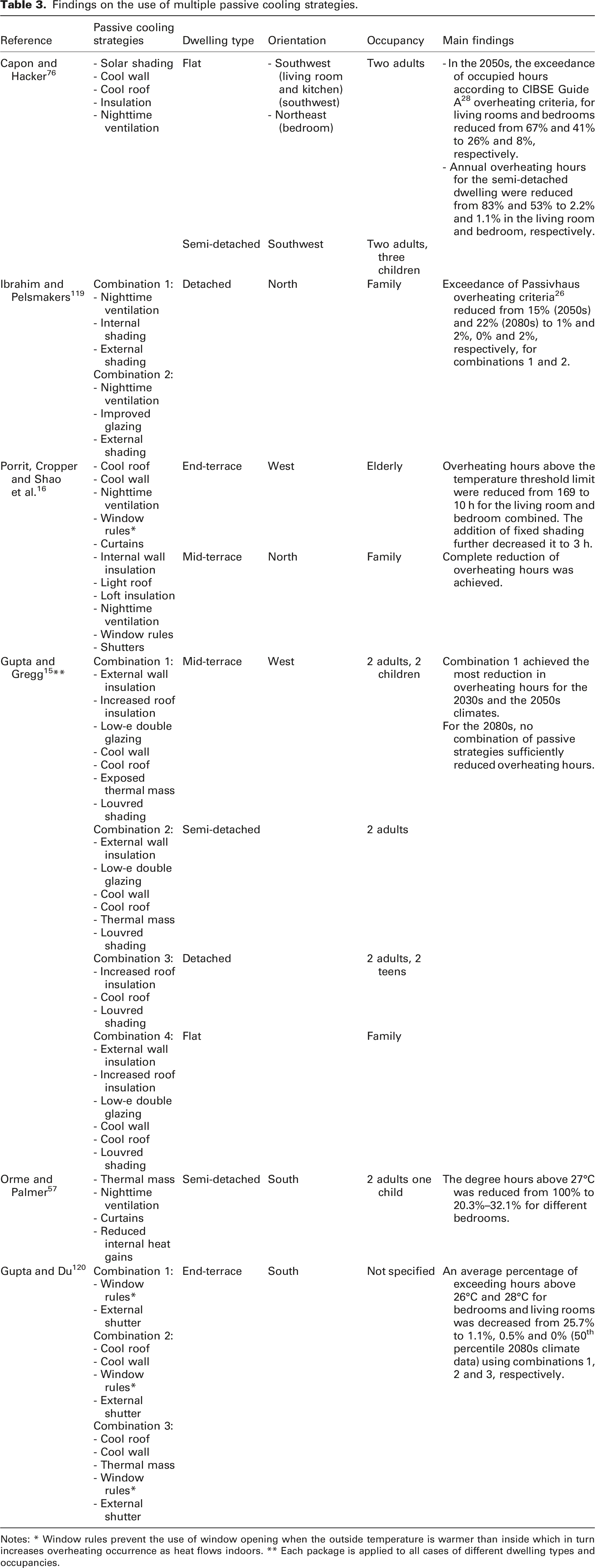
Notes: * Window rules prevent the use of window opening when the outside temperature is warmer than inside which in turn increases overheating occurrence as heat flows indoors. ** Each package is applied to all cases of different dwelling types and occupancies.
Ibrahim and Pelsmakers 119 investigated two different combinations of passive cooling strategies; it is assumed that one is more occupant-dependent than the other owing to the existence of internal shadings. Both passive combinations significantly reduced overheating hours, indicating that adopting multiple passive cooling strategies may lessen the influence of occupancy on overheating risks. Furthermore, the effect of orientation on overheating risks may also be reduced. The reduction of overheating hours was almost identical for an elderly couple living in a west oriented dwelling to a family couple living in a north oriented dwelling. 16
Combining multiple passive cooling strategies reduces overheating hours more effectively than employing a single passive strategy; however, its efficacy reduces as the climate warms. Based on the strategies suggested from the findings, it is evident that building envelope modification and limitation of heat gains are most effective in reducing overheating hours. Moreover, all the studies were conducted on traditional dwellings and not energy-efficient dwellings.
Efficacy of passive cooling strategies
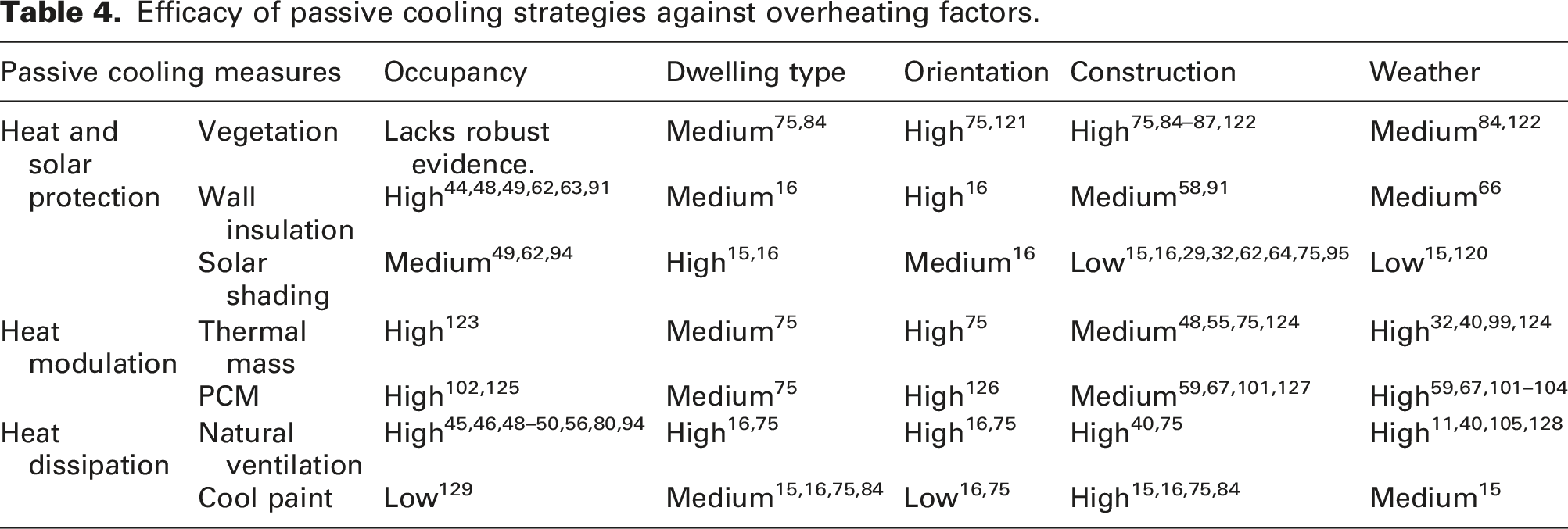
This section analyses the cooling effectiveness of passive strategies based on the influence of different overheating factors. The occupancy factor is thought to be dependent on internal heat gains, which is why it was not picked for the framework. Three scales, ‘high’, ‘medium’ and ‘low’ were used to express the cooling performance of passive strategies. For example, ‘high’ in ‘weather’ implies that the passive cooling measure’s cooling efficiency is highly influenced by the corresponding overheating factor, that is, its cooling efficiency decreases as the climate warms, and ‘low’ in ‘dwelling type’ suggests that the changes in cooling efficacy of the passive measures are slightly influenced by different built forms. While ‘medium’, represents modest influences of the overheating factors on the passive strategies.
Efficacy of passive cooling strategies against overheating factors.
Vegetation
Vegetation is climate sensitive, and adequate rainfall as well as warm temperatures, are required for optimal performance.84,122 Furthermore, its cooling effectiveness appears to vary substantially with different orientations,75,121 most likely due to shadowing from surrounding structures. Previous studies did not adequately account for the effects of occupancy on vegetation’s cooling effectiveness. Occupants may water the plants or erect shading, which may affect the vegetation’s cooling performance. More research is therefore needed on the effects of human behaviour on the cooling performance of vegetation. Zinzi and Agnoli 84 revealed that green roofs’ cooling efficacy increases with more exposed surfaces, with a higher cooling potential for uninsulated dwellings.75,84–87,122
Wall insulation
Occupant behaviour influences overheating risks in highly insulated dwellings owing to the variety of building operations, such as the use of solar shading and natural ventilation.44,48,49,62,63 Both van Hooff, Blocken and Hensen et al. 75 and Porrit, Cropper and Shao et al. 16 showed significant variation in the performance of wall insulation with respect to different orientations. Figueiredo, Kämpf and Vicente 66 concluded that Passivhaus construction is a feasible concept in the Mediterranean climate, and Hidalgo, Millián and Psomas et al. 60 found that the investigated Passivhaus dwelling passed the TM52 61 overheating criteria. Increasing insulation levels in UK dwellings can be a viable passive solution as the Mediterranean climate is now hotter than the temperate climate. Other passive strategies, like cool paint, may be needed to reduce overheating risks given greater insulation levels.
Solar shading
Despite its reliance on occupant behaviour,49,62,94 Gupta and Gregg 15 found external louvred shading to be the most effective passive strategy in the 2080s climate. Compared to terraced and detached dwellings, only flats had significant cooling variations in the cooling performance of solar shading, 75 whereas Gupta and Gregg 15 found lower cooling effectiveness for flats and mid-terrace dwellings. This could be due to higher storey flats having higher solar heat gains than other dwelling types and fewer exposed surfaces to provide solar shading for mid-terrace dwellings. Similarly, Porrit, Cropper and Shao et al. 16 found that external shutters were more effective in reducing overheating hours than fixed shading. In addition, they showed significant differences in the cooling performance of solar shading (e.g. fixed shading and external shutter) between end-terrace and mid-terrace dwellings. van Hooff, Blocken and Hensen et al. 75 used automated shading rather than fixed external shading, which could explain the similar cooling performance on the terraced and detached dwellings. In both well-insulated29,32,62,64,75,95 and traditional dwellings,15,16,29 solar shading normally provides optimal cooling performance. However, overheating hours can vary greatly for different shading orientations 16 as some are energy inefficient 70 or difficult to shade.38,51–53
Thermal mass
Heat dissipation and modulation strategies are often influenced by occupants’ use of natural ventilation and external shading. 123 Sufficient air exchange is required to improve the cooling effectiveness of thermal mass. In addition, the use of nighttime ventilation to increase the cooling efficacy of thermal mass will become less effective as the climate warms, as not enough air exchanges can occur with the outside environment because of the lower temperature difference; this will reduce thermal mass’ cooling efficacy as the external temperature increases.32,40,99,124 Moreover, previous studies have established the usefulness of thermal mass in well-insulated dwellings.32,55
Phase change material
Ineffective ventilation strategies adopted by occupants can delay the solidification of PCM, affecting its cooling efficacy. 125 The use of PCMs has been shown to be effective in well-insulated dwellings to reduce overheating risks.67,101,127 Furthermore, south and west orientations allow for optimal solidification cycles and sharp temperature fluctuations, respectively. 126 Information regarding the influence of different dwelling types on the cooling efficacy of PCM was scarce. Therefore, it is assumed that the influence of different dwelling types on the cooling efficacy of PCM would be similar to that of thermal mass due to their similar heat-modulating behaviours.
Natural ventilation
Several studies have found a significant association between occupant behaviour and using natural ventilation to decrease overheating risks.45,46,48–50,56,80,94 van Hooff, Blocken and Hensen et al. 75 found that the variation in the cooling effectiveness of natural ventilation for different orientations was modest for traditional dwellings and greater for insulated dwellings.40,75 Porrit, Cropper and Shao et al. 16 showed different cooling potentials achieved by natural ventilation for different orientations in traditional dwellings. It is worth noting that authors16,75 employed different window opening strategies. Natural ventilation should be prioritised by occupants in highly insulated dwellings, given its reported importance.
Cool paint
The cooling efficiency of a cool roof may be enhanced by occupants adjusting the indoor environment’s temperature with respect to the cool roof’s cooling impact; 129 the cooling impact may be challenging to quantify precisely by occupants to adjust the indoor environment accordingly. Unlike cool walls, cool roofs are less sensitive to overheating in different orientations. 16 Furthermore, dwellings with minimal insulation75,84 and more exposed surfaces 75 benefit the most from cool paint. However, it is worth noting that Gupta and Gregg 15 evaluated a combination of cool walls and roofs, and van Hooff, Blocken and Hensen et al. 75 did not specify whether cool roofs or walls were employed, simply that cool paint was applied to exterior surfaces. 16
Conclusions and future works
The review identified that building design, construction and household characteristics are the most important factors influencing indoor overheating. There is a greater overheating risk in certain types of dwellings, such as flats and mid-terraced houses, as well as rooms that face south or west and other orientations in between. Due to the lower temperature threshold in the static overheating criterion, bedrooms are often more likely to be identified as overheated. Living rooms are typically warmer than bedrooms in flats, most likely due to greater heat gains from cooking in open-plan flats and higher solar heat gains. On the other hand, living rooms in houses are usually located on the ground floor and receive comparatively less solar heat gains than bedrooms on the first floor. The type and age of the dwelling, as well as the number of floors and floor area, may influence the difference in the internal temperature between bedrooms and living rooms.
Solid-walled constructions are less susceptible to overheating than well-insulated contemporary constructions. Therefore, the placement of wall insulation must be carefully considered because of the likely increased risk of overheating associated with internally placed insulation, given that a sizeable share of the UK housing stock still has solid-walled constructions. However, findings suggest that the increased risk of overheating caused by internal wall insulation can be avoided in the current and possibly future climate with additional passive strategies such as external solar shading, which can offer optimal cooling efficacy in well-insulated constructions. On the other hand, cool paint has been found to be the ideal passive strategy to reduce overheating in uninsulated dwellings. However, more research would be beneficial on the occupancy influence on cool paints’ cooling efficacy.
Occupant-adopted ventilation strategies such as the frequency and duration of opening windows and air provision by mechanical ventilation significantly influence the internal temperature. Occupant characteristics can exacerbate overheating risks, for example, the elderly and infirm are particularly vulnerable to indoor overheating when there is inadequate ventilation control. Planning for efficient heat dissipation without occupant involvement by developing an intelligent ventilation system is a feasible solution to reduce the overheating risk for the elderly. Further research could consider recent advances in generative design such as generative adversarial networks to generate prototype floor layouts and optimise indoor environments using a representative internal heat gain profile for the elderly, considering various dwelling configurations and settings.
The modelling of occupants in overheating studies is challenging due to their stochastic nature and inherent uncertainties in their behaviour related to the indoor environmental performance. Further monitoring studies should be conducted to quantify the relationships between occupant characteristics and the indoor environment with a view to enhance modelling techniques. Recent developments in probabilistic and agent-based modelling can help with the realistic representation of occupants in a model. The following passive strategies can benefit from a more accurate representation of occupants in modelling studies: vegetation, since there is little research on how occupants affect vegetation’s ability to cool; and thermal mass and natural ventilation, both of which are significantly influenced by occupant behaviour. Furthermore, most overheating studies use thermal comfort models drawn from workplace settings and adaptation opportunities, which may not be representative of the circumstances found in dwellings. Therefore, the development of a domestic thermal comfort model able to account for the variations in buildings, systems and occupant characteristics can be helpful.
Passive cooling strategies need to be coupled in the 2080s to effectively limit the risk of overheating as they become less effective as the climate warms. More research is needed to fully understand the usage of various passive cooling strategies in well-insulated contemporary dwellings.
Footnotes
Authors’ contribution
All authors contributed equally in the preparation of this manuscript.
Declaration of conflicting interests
The authors declare no potential conflicts of interest with respect to the research, authorship, and/or publication of this article.
Funding
The authors received no financial support for the research, authorship, and/or publication of this article.

Appendix
The risk of overheating can be assessed using thermal comfort models. Thermal comfort criteria can be classified as static and adaptive models. Adaptive models in CIBSE TM52 consider adaptive measures taken by occupants, but static models, such as in CIBSE Guide A, do not. On the other hand Passivhaus criteria is designed specifically for the assessment of Passivhaus dwellings.
CIBSE Guide A
28
overheating criteria: • For living rooms, 1% of total hours of occupation annually above 28°C. • For bedrooms, 1% of total hours of occupation annually above 26°C. BS EN 15251
130
adaptive comfort criteria:
Thermal discomfort is linked to the difference between operative temperature Top and comfort temperature Tc, which is given by Equation (1) • •
Adaptive criteria assessment has two building categories: CAT I and CAT II. CAT I is for occupied dwellings while CAT II is for unoccupied dwellings. Both provide temperature-adaptive limits. For each dwelling type, BS EN1251 determines the likelihood of overheating. Here are the upper and lower limits
CIBSE TM52 61 :
The maximum temperature values in equations (4) and (6) are from BS EN15251. Using such a model, CIBSE TM52 presented three criteria, two of which must fail to indicate overheating in a thermal zone. The CIBSE TM52 criteria are as follows: • Exceeding number of hours (He): The total number of exceeding hours He where difference • The severity of overheating: For each day during cooling season, the weighted exceedance (We) for every degree °C above the maximum allowable • Criteria 3, upper temperature limit

CIBSE TM59 27 :
Any type of building can be accounted for with CIBSE TM52, while CIBSE TM59 has been amended to account for dwellings, specifically flats or large complexes. If one of the two criteria adopted is not met, CIBSE TM59 assumes overheating risk exists. It includes the first criterion from CIBSE TM52 and the bedroom criterion from CIBSE Guide A.
Passivhaus Trust
26
: • At the whole building level, temperatures above 25°C to not exceed more than 10% of occupied hours. • For good practice, 5% is used as the exceedance limit for occupied hours above 25°C.