



Abstract
The aim of this research was to explore the objective and subjective physical environments of residential care facilities (RCFs) by studying 34 facilities in Harbin, Changchun, Shenyang and Dalian. A study that combines questionnaires and instrumental testing. Pearson’s correlation and regression analysis were used to analyse the correlation between the measured value and the evaluation result and the impact on the results of the participants’ personal background evaluations. The results showed that the brightness intensity ranged from 100 to 450 cd/m2, illuminance 200–550 lx and sound pressure level (SPL) 40–58 dBA. In reconstructed RCFs (RCFs converted from other buildings), the odour and other factors were significantly positively correlated with the satisfaction of participants. Seasonal changes had a significant impact on the level of different physical environments, particularly in the assessment of the thermal environment. Temperatures were highest in bedrooms, reaching 27°C. The correlation between the measured value and the evaluated satisfaction was high. The education level of participants was related to their satisfaction with the overall Indoor environmental quality (IEQ). Participants in the study were satisfied with the overall IEQ of the RCFs. These results can provide data-based support and act as a reference for IEQ research on RCFs.
Keywords
Introduction
The current elderly care system worldwide has been unable to meet the increasing needs of the rapidly growing number of elderly people. 1 Furthermore, the demand to improve and optimise the quality of residential care facilities (RCFs) has also increased sharply. Therefore, improving the environmental quality is crucial for their overall improvement.2,3 As their physical conditions deteriorate, it is critical for the elderly to experience ideal indoor environmental quality (IEQ). Therefore, it is necessary to research how to improve and optimise RCFs.
According to the Standards for Design of Care Facilities for the Aged (JGJ450-2018), 4 which was implemented in October 2018, care facilities for the elderly should have an environment that promotes the health of the elderly, and healthfulness is one of the basic requirements of the new standards. The above standard stipulates requirements for the bedroom of the elderly, which are minimum sunshine time, concentrations of indoor decoration pollutants and limits for the acoustic environmental quality of the elderly care facilities construction; and specifies the location of the site environment noise limit, indoor and the allowed outdoor noise level, adjacent room air noise limit, occupants-centric start-stopping performance-based indicators such as reverberation time, and advocate the use of natural environment sound landscape to improve the comfort of the elderly living environment.
The excellent IEQ in a building has been recognised to be closely connected to the happiness of its occupants. 5 The living comfort and health of the elderly in RCFs are affected by the IEQ. 6 However, there are substantial differences between the current IEQ standards in China and some basic factors directly related to the life experience of the elderly. Feedbacks on the housing satisfaction would be a critical indicator for comprehensive measurement of the quality of the conditions that the elderly are living in.
In addition, IEQ is considered an important aspect of evaluating the performance of buildings. Indicators for the evaluation of IEQ include lighting, noise, temperature and air quality.7,8 The IEQ test is a comprehensive indicator that includes both objective and subjective factors.9,10 For example, excessive noise was not good for the health of the elderly.11,12 Older people need more lighting than younger people and a lack of light in corridors or stairs can cause them to fall. 13 Therefore, IEQ has a great impact on the inhabitants of RCFs. Improving the nursing environment may be beneficial for the quality of life of the elderly.
There are many conditions that affect these environmental factors, including national policy adjustments on converting some buildings into rebuilt RCFs. There is still a certain difference between reconstructed and non-reconstructed RCFs. The environment can also have a significant impact on the well-being and behaviours of residents. For example, small-scale family RCFs can increase people’s participation in social interactions and activities, which is beneficial to the mental health of the elderly. 14 In addition, the impact of seasons on residents also varies significantly. In summer and winter, people’s perceptions of indoor temperature are significantly related to the measured temperature, where indoor temperature could affect sleep quality. 15 Fluctuations in the same IEQ indicator may also cause fluctuations and changes in the satisfaction level of residents in different types of rooms, spatial forms or test locations. 16 Therefore, spatial attributes are also considered important and cannot be ignored in the construction of quality RCFs. In summary, the RCFs and the improvement and optimisation of IEQ thereof are associated with spatial functions such as building types, seasonal distribution, RCF scale, temperature and humidity.14,17,18 Hence, further in-depth studies are required.
Therefore, this study used the questionnaire method to find the correlation between RCFs and the satisfaction of the elderly. A quantitative evaluation of participants’ answers was then conducted to determine the significance of the statistical results on a regional co-operation IEQ framework and provide practical suggestions thereon. The investigation focused on the influence of indoor environment of RCFs on the well-being of the elderly in northern China.
Experimental method
Survey sites
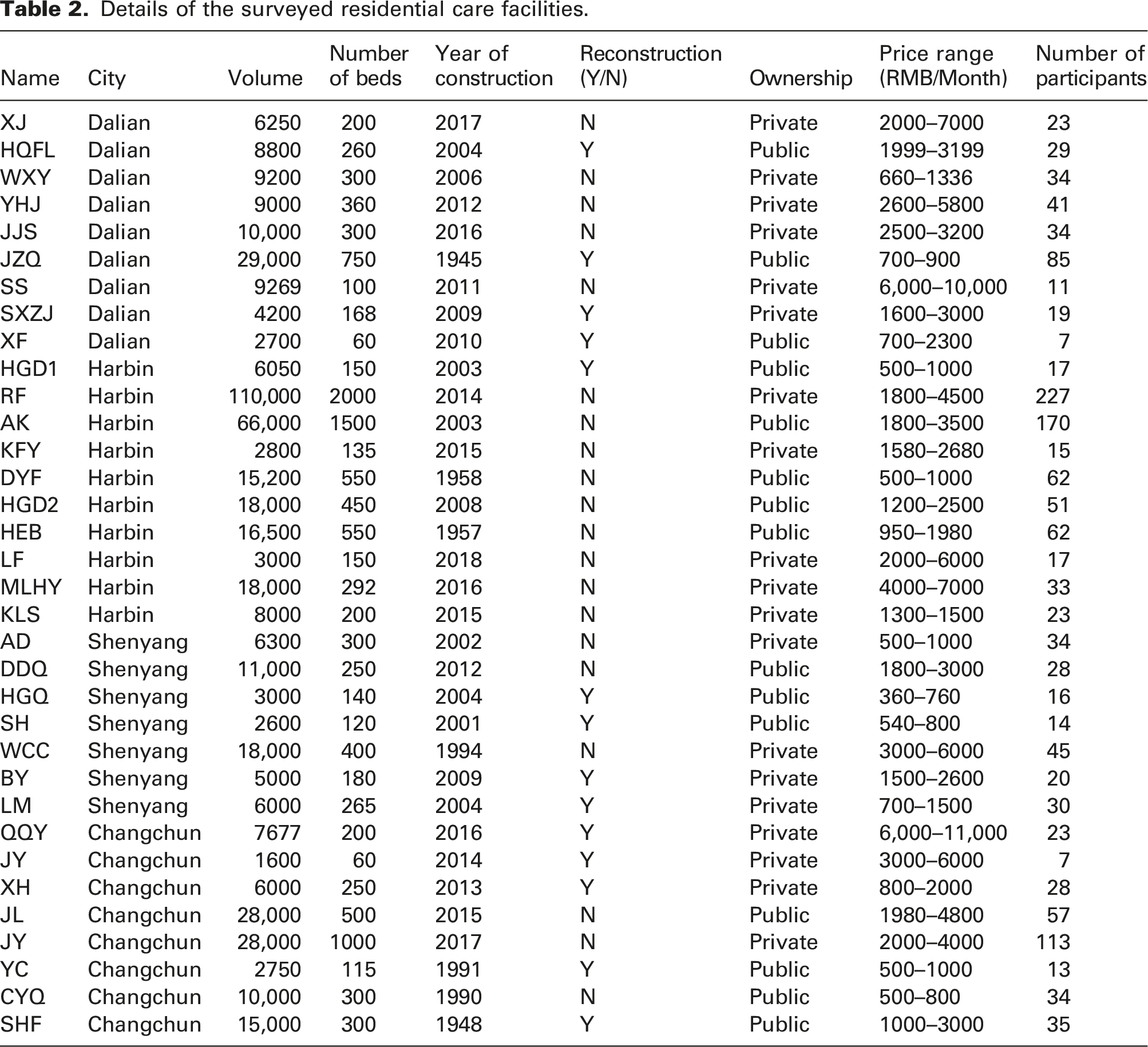
A 1-year field investigation was conducted in 4 cities, including Harbin, Changchun, Shenyang and Dalian in northeastern China. According to the provisions of China’s Code for Thermal Design of Civil Buildings (GB50176-2016), 19 the selected cities are in cold regions with long winters and cold climates. There is a high population of the elderly in the selected survey areas and economic conditions are poor. The ageing of the population presents a major problem when combined with the exodus of young people that are being observed in these regions.
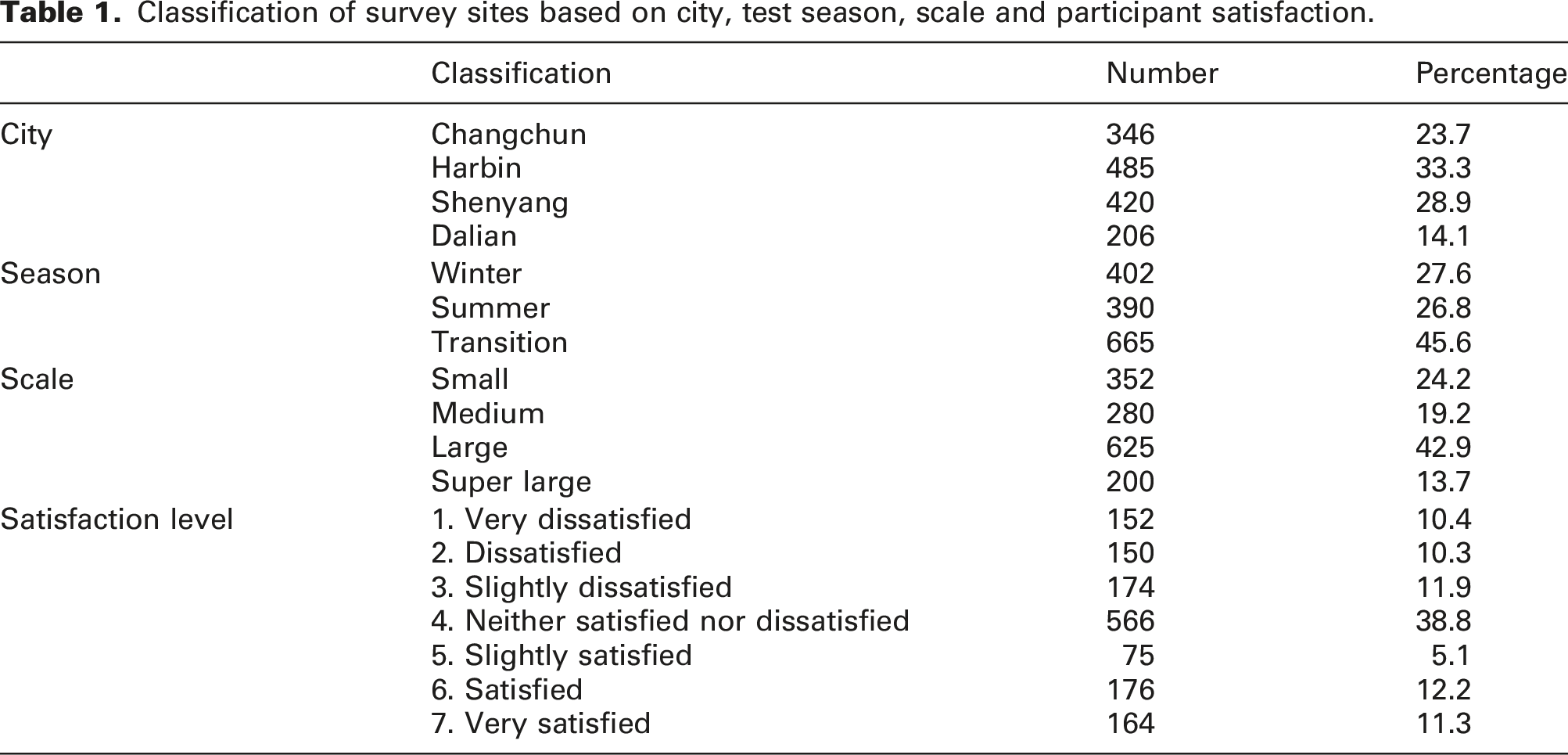
Residential care facilities can provide the elderly with multiple services including accommodation, food, activity rooms, laundry and medical care, as shown in Figure 1. Furthermore, the RCFs were classified according to the scale of each area, their building forms and the characteristics of the constructed facilities. To account for the impact of different seasons on the IEQ and the use of RCFs, the entire survey was conducted in three seasonal units. The classification results of the survey sites were based on the location of the cities, test seasons, scale of the RCF and satisfaction of the elderly, as listed in Table 1. Photographs of the survey site. Classification of survey sites based on city, test season, scale and participant satisfaction.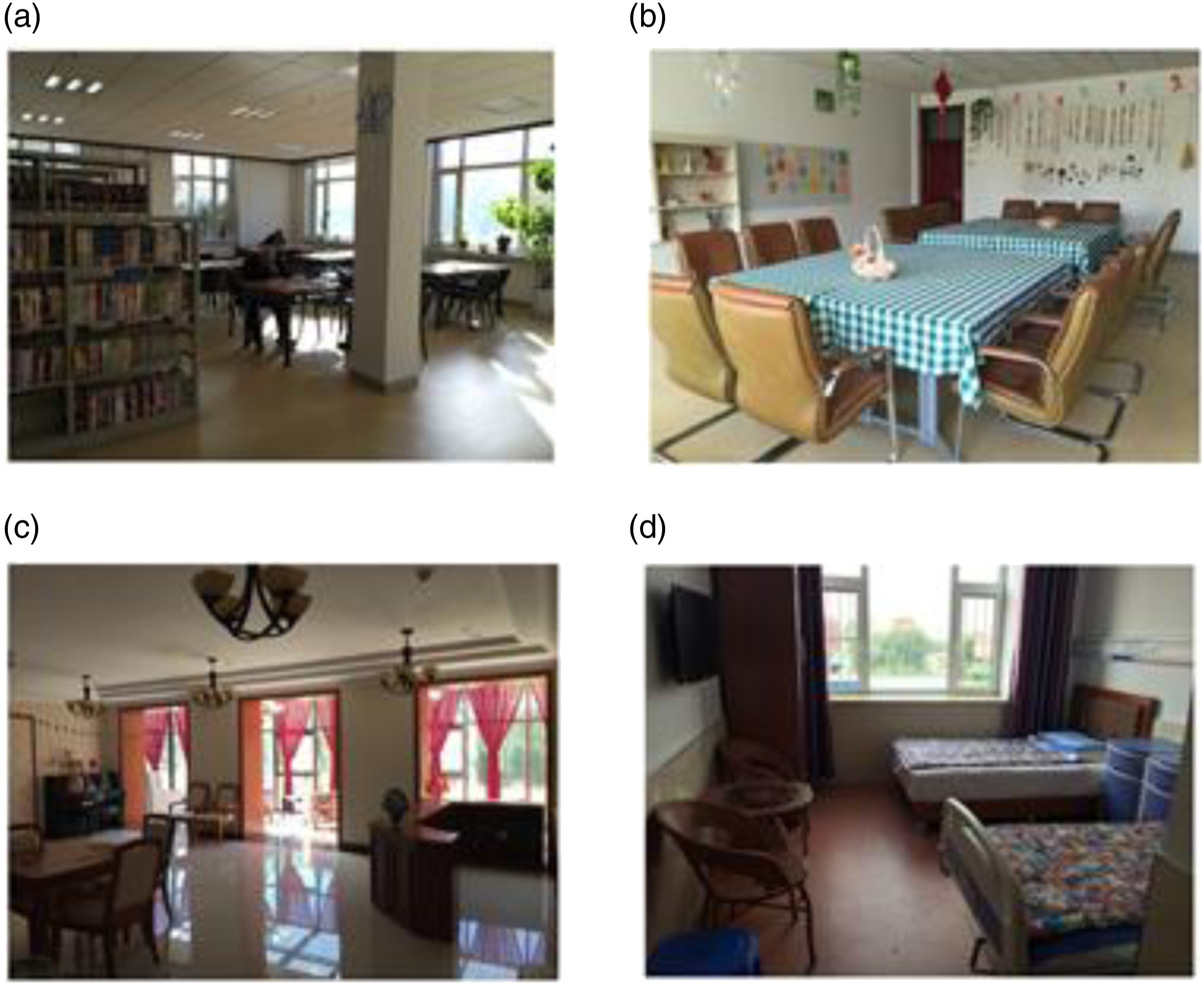
Details of the surveyed residential care facilities.
Questionnaire
Contents of the questionnaire.

This questionnaire was reviewed by an expert working group and was then tested and revised through a pilot survey before being finalised. The participants of the pilot survey were the elderly in an RCF in Harbin, and they were independent of those who participated in the final survey. During the survey, participants could stay in the survey room for at least 15 min, after which they were interviewed through a one-on-one question-and-answer method and the data were collected. The participants completed the survey within 10–15 min. 23 The final survey used the Likert and semantic differential scales.24–26 According to the actual situations in the RCFs of which they were residents, the participants chose from the terms ‘very dissatisfied’, ‘dissatisfied’, ‘slightly dissatisfied’, ‘neither satisfied nor dissatisfied’, ‘slightly satisfied’, ‘satisfied’ and ‘very satisfied’ to describe their experiences.
Additional information collected during the questionnaire survey included whether or not the building was reconstructed, the scale of the RCFs, the seasonal distribution of the survey and the location of the rooms where the survey was completed.
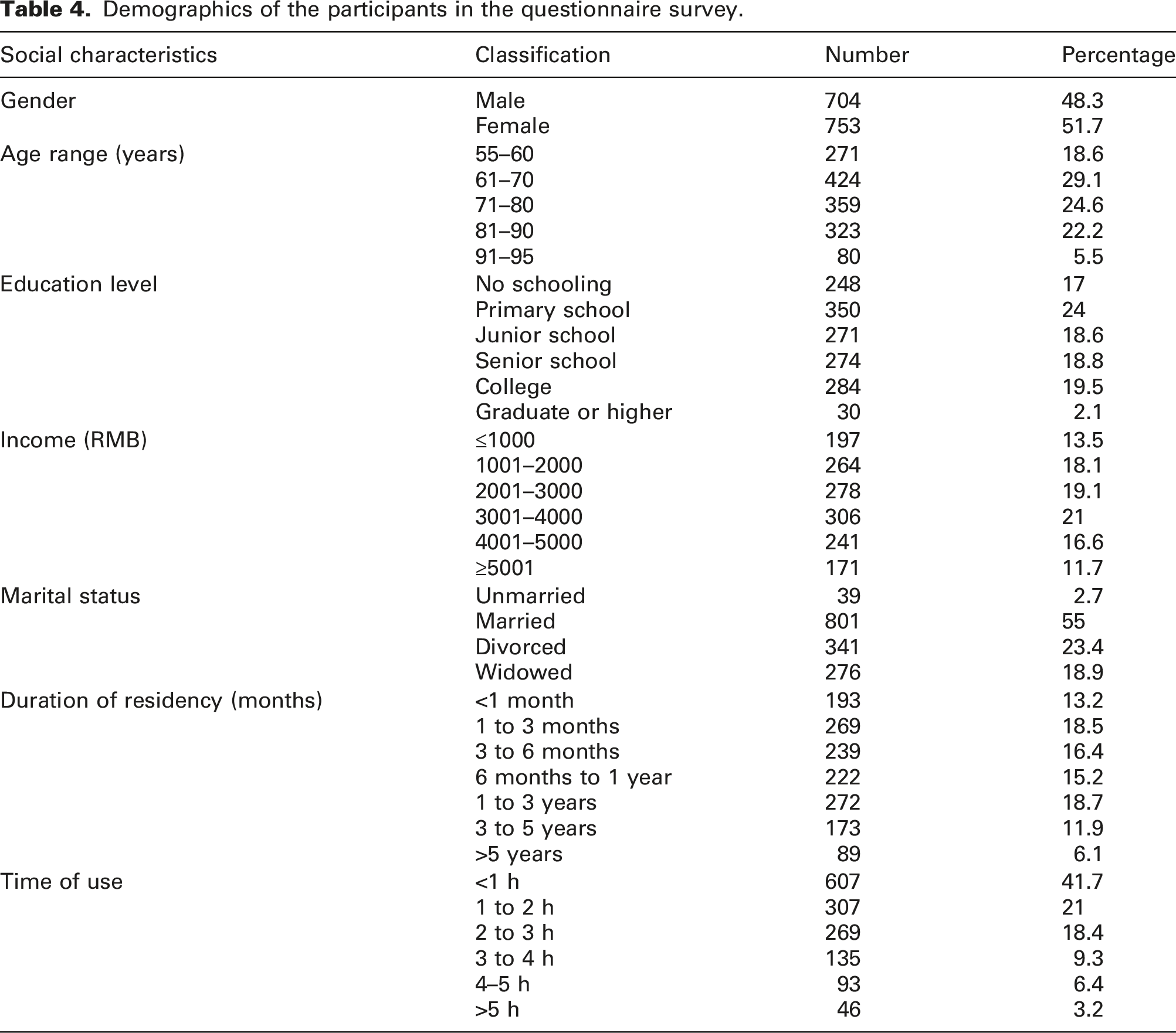
Participants
Demographics of the participants in the questionnaire survey.
Measurement of the IEQ
The physical environment evaluation consisted of two parts, a continuous test in a fixed room and an instant test at the end of the questionnaire (Figure 2). The fundamental physical IEQ factors needed for evaluation included acoustics, lighting, temperature, humidity and overall IEQ. The fundamental physical IEQ factors were measured by different kinds of instruments. The instruments used are listed in Table 5. Schematic diagram of the physical environment test process. Instruments used in the IEQ test.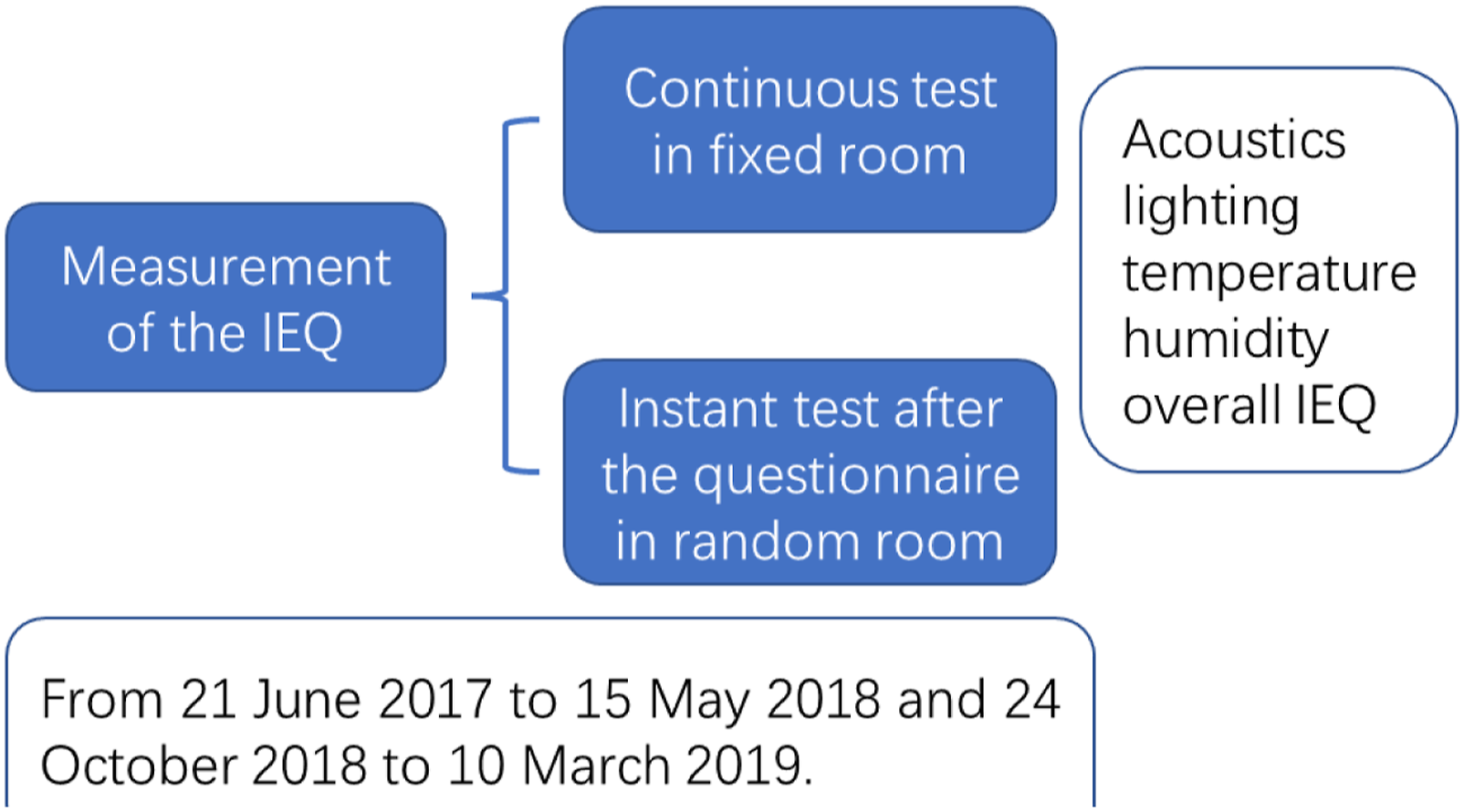
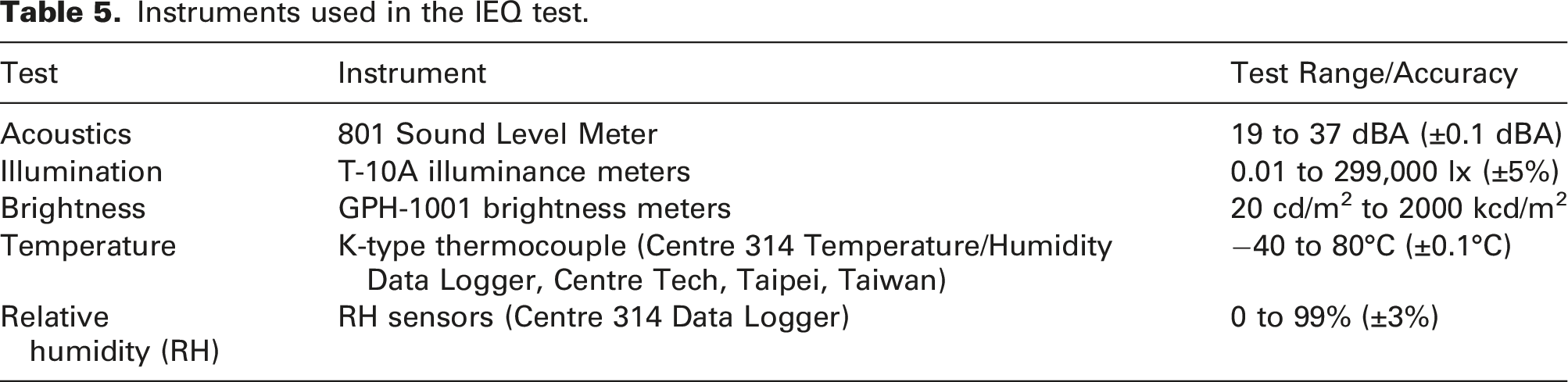
The continuous tests were conducted between 8:00 a.m. and 5:30 p.m. on weekdays from 21 June 2017 to 15 May 2018 and 24 October 2018 to 10 March 2019 in the selected fixed room. For the thermal environment, a Centre 314 Temperature/Humidity Data Logger was used, with which air temperature and relative humidity could be measured. The illumination and brightness were used as the parameter to evaluate the luminous environment, and it was measured with a T-10A illuminance meter and GPH-1001 brightness meter. The sound pressure level (SPL) was used as the parameter to evaluate the acoustic environment, and it was recorded using an 801 Sound Level Meter. In each season, each room was tested once and each test lasted for 2 days. The background noise of a fixed room was between 30 and 35 dBA. Finally, the hourly data were averaged and graphed. During the measurements, sound level meters were set at a low speed. The distance from the measurement site to the wall and other reflective surfaces was at least 0.999744 m. The distance from the measurement site to the ground was between 1.20091 and 1.49962 m. The illuminance and brightness were measured at the height of the line of sight of the survey participants. The environmental variables at the sites were continuously recorded for 20 min, after which the average value of these was calculated. The thermal environment of the temperature and humidity were measured following ISO 7726:1998. 29
After the questionnaire survey, the IEQ of the rooms that were investigated was tested. Ten repeated tests were conducted on the light environment, and the averages of the results were used. The acoustic environment was tested 3 times with 801 sound level meters, and 10 sets of readings were automatically recorded each time. The SPL readings were analysed using the A-weighted mean value. If a sudden noise occurs during the test, the IEQ test was repeated. The thermal environment was recorded using the corresponding test values in the instrument according to the location and time and the results were averaged.
Statistics and analysis
SPSS 15.0 was used to build a database of all subjective and objective measurements. Pearson’s correlation and regression analysis were used to analyse the correlation between the measured value and the evaluation result and the impact on the results of participants’ personal background evaluations.
Results
Overall IEQ ratings
This study investigated the distribution and changes of illuminance, brightness, temperature, humidity and SPL in RCFs (Figure 3(a)). The temperature distribution was found to range from 20 to 25°C and the relative humidity ranged between 37.5 and 52.5%. The brightness was distributed in the range of 100–450 cd/m2, illuminance 200–550 lx and SPL 40–58 dBA. Most of the participants interviewed were satisfied with their current physical and living environments (Figure 3(b)). Their satisfaction with IEQ factors such as lighting, the thermal and acoustic environments, IAQ and overall IEQ was high, with an average satisfaction level of 4 or higher. The only exception was that the satisfaction span for odour was relatively large. Subjective and objective results of the survey of residential care facilities (RCFs) in northeastern China: (a) RCF quality and (b) participant satisfaction.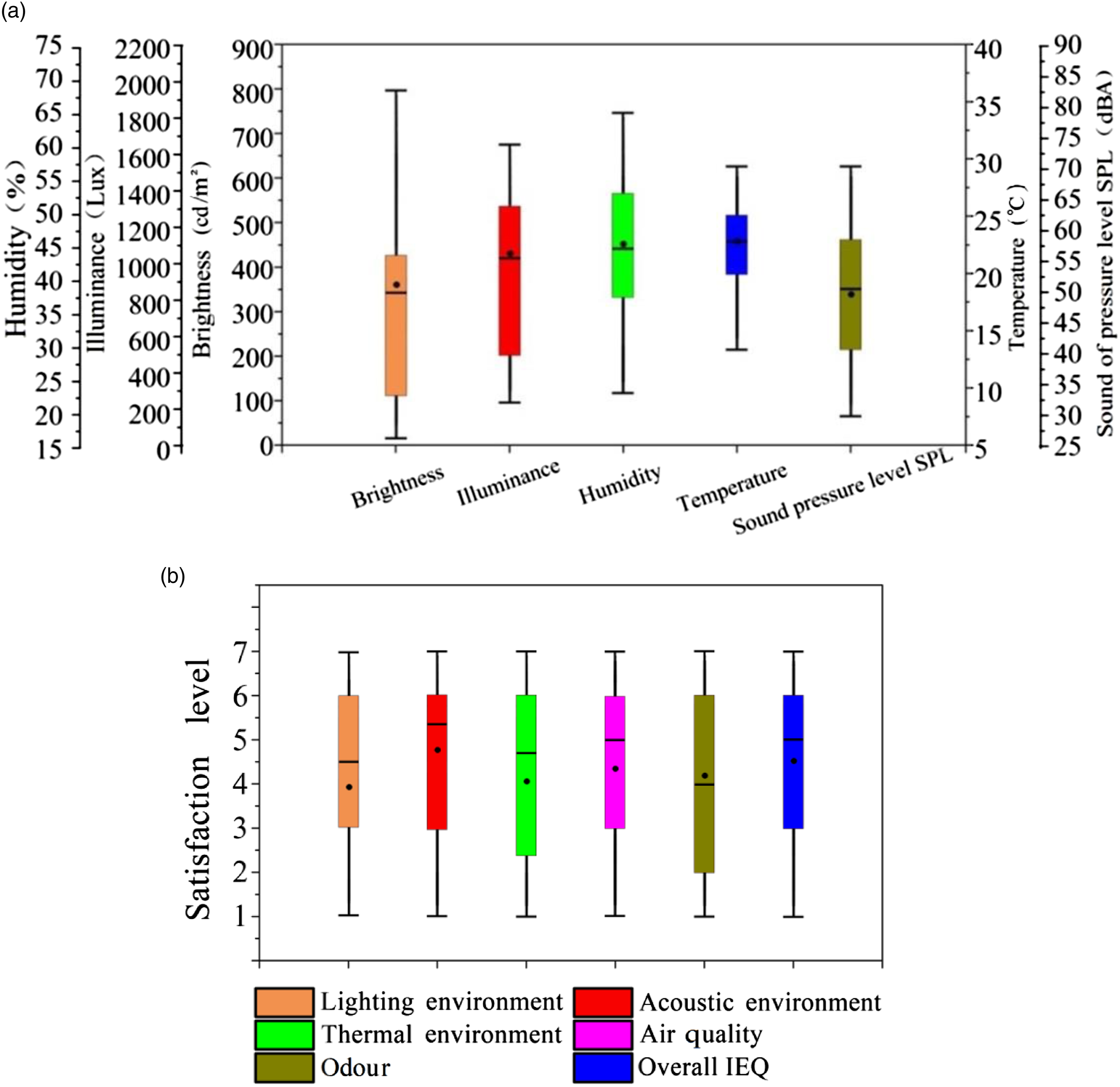
Correlation between IEQ and IEQ parameters.

***p < 0.001, **p < 0.01, *p < 0.05.
Comparisons between reconstructed and non-reconstructed buildings
The results of comparing the IEQ and participants’ satisfaction before and after RCFs’ reconstruction are shown in Figure 4(a)–(f). The measured mean SPL value in the RCFs converted from other buildings was higher than that in the non-reconstructed RCFs (p < 0.05). The measured mean illuminance and brightness values of the RCFs that were converted from other buildings were significantly lower than those in the non-reconstructed RCFs. The measured temperature was decreased by approximately 2.5°C while the humidity was decreased by approximately 8% between the reconstructed and non-reconstructed RCFs. After the reconstruction, participants’ satisfaction in terms of the acoustic, lighting and thermal environments, air quality and overall IEQ was reduced marginally. Overall, the level of satisfaction was reduced from 6 to 2.5. However, satisfaction with respect to odour was improved. Comparisons between internal environment quality and participants’ satisfaction for reconstructed RCFs and non-reconstructed RCFs. Originally, both were developed into specially designed RCFs.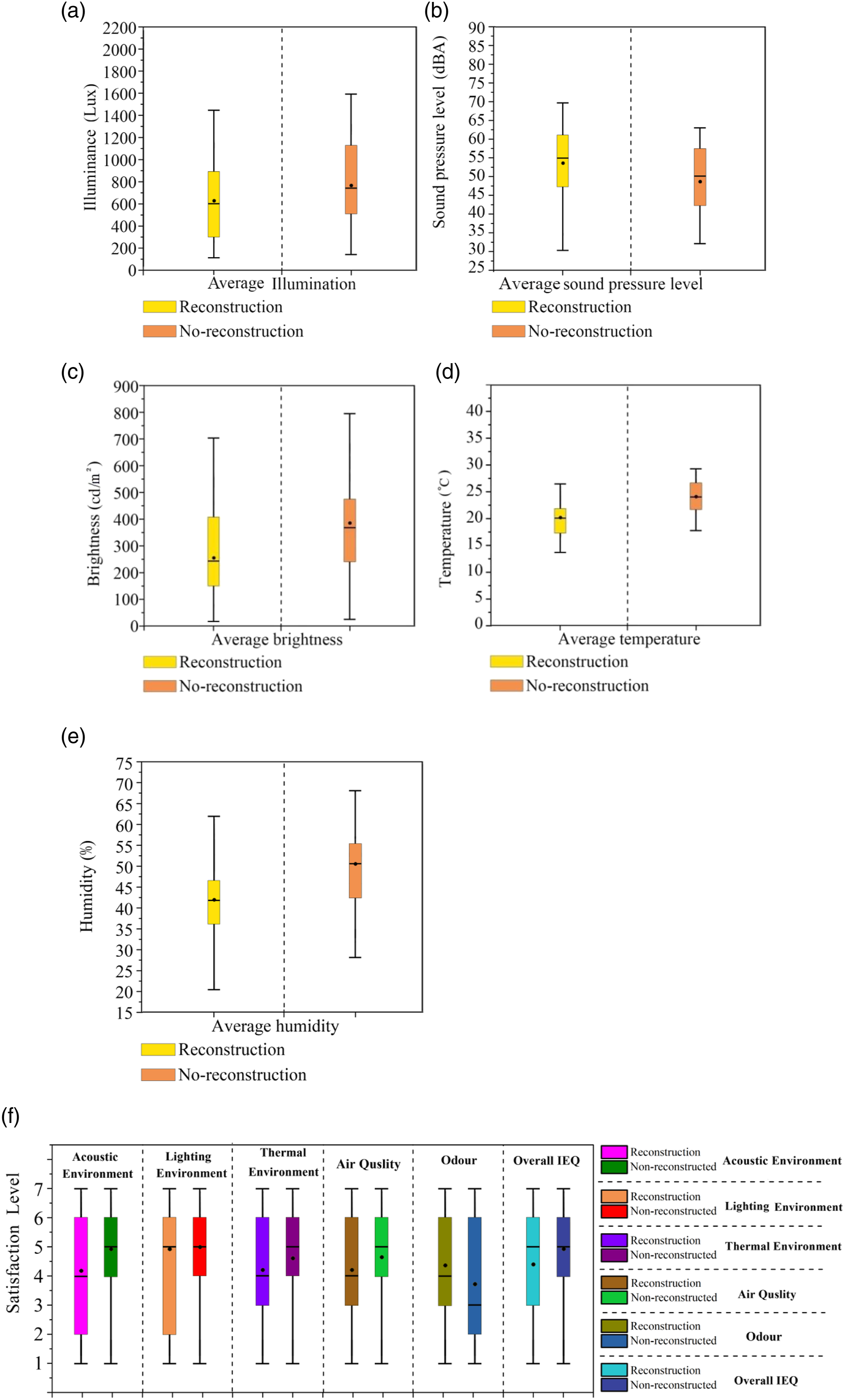
Comparisons between seasons
The effects of seasonal changes on various IEQ factors are shown in Figure 5(a)–(k). In summer, the highest and lowest temperatures reached 28°C and approximately 24°C. In contrast, the lowest and highest winter temperatures were approximately 17°C and 23.5°C, respectively. The temperature change during the transition seasons falling within the stable 21–25°C range. The SPL and sunlight in summer is higher than that in winter. The humidity in different seasons also showed a similar pattern. The maximum humidity in summer reached 55%; in winter, the value was less than 45%. Comparison between the indoor environmental quality of residential care facilities and satisfaction of residents thereof in different seasons.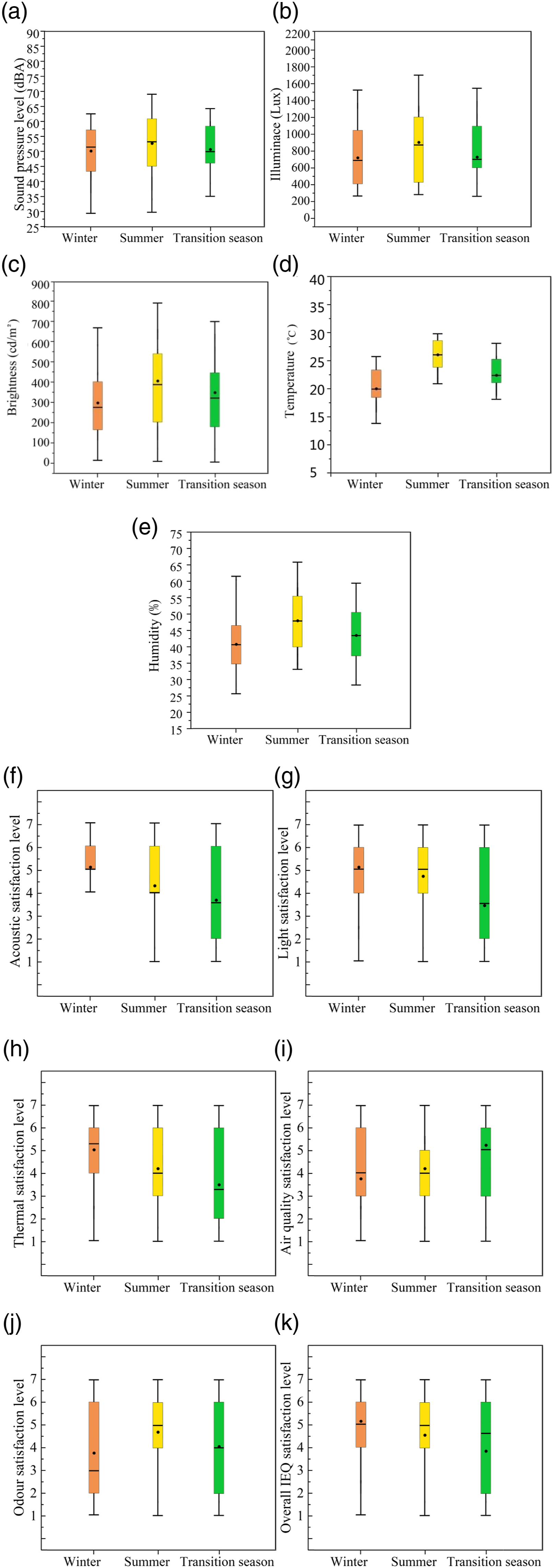
The thermal satisfaction in winter and summer is higher than in the transition season. This may be because the summer temperature in northeastern China is more suitable. In winter, the indoor temperature is more suitable due to heating, while the autumn is cold without heating, so the elderly have a high thermal satisfaction in winter and summer. In summer, more elderly are willing to go out for activities, while in winter there are more indoor activities, so the acoustic environment is different. In addition, climate, whether windows are open, outdoor traffic, outdoor environment, etc. could also affect the indoor acoustic environment. 30 In northeastern China, the winds are strong and frequent in autumn and winter, so the elderly are more satisfied with air quality than in summer; while in winter, because of heating and burning coal, the elderly’s satisfaction with smell is lower than in summer. This demonstrates how the impact of seasons on IEQ and the expression of satisfaction among the elderly are influenced by multiple factors. When renovating facilities for the elderly, there should be appropriate consideration on the seasonal changes in climate in the Northeast, and better design to provide warmth, well ventilated space and lighting for nursing homes.
Comparisons between the functions of different spaces
The comparative results of the differential influence of various spaces on the quality of the IEQ based on their functions are shown in Figure 6(a)–(k). Similar to the results for seasonal distribution, the thermal environment had a significant influence on the spatial function of a room. Notably, the temperature varied during the summer and winter. Amongst the five rooms with different functions, the temperature of the bedroom was the highest; its maximum temperature reached 27°C and its minimum temperature was approximately 23.5°C, which was similar to the temperature of other functional rooms. The SPL was the lowest in bedrooms and reading rooms and similar in the activity room, chess and card room and dining room; the maximum was approximately 60 dBA. The illuminance and brightness were higher in the bedrooms and the reading room, where the highest values of the former and latter were 1000 lx and 550 cd/m2, respectively. Generally, the functions of spaces such as bedrooms, activity rooms, restaurants, chess and card rooms and reading rooms were significantly and positively correlated with the acoustic and lighting environments (p < 0.001). The functions of spaces exhibited moderate correlations with air quality, the thermal environment and overall IEQ (p < 0.01) although there was no significant correlation with odour (p > 0.05). Comparisons of the relationships between indoor environmental quality of different rooms and related survey participant satisfaction.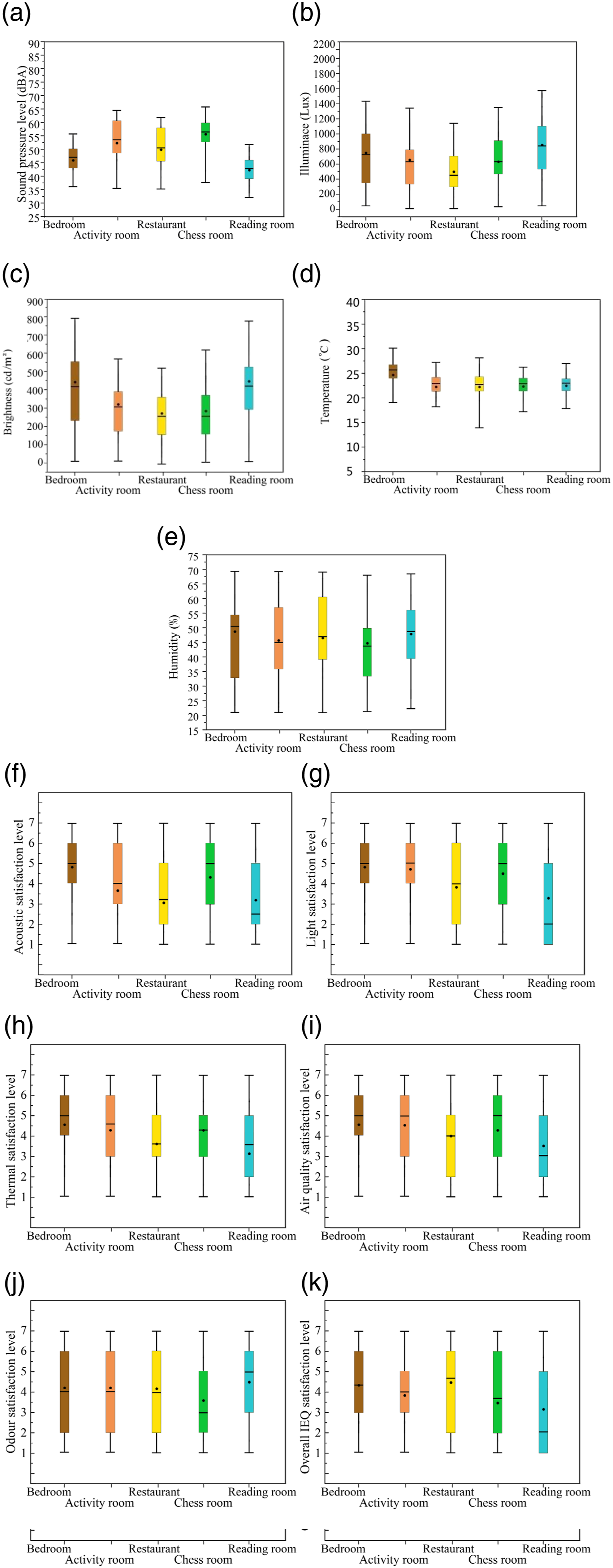
Comparison of the different scales of the facilities
The results of the six IEQ factors for RCFs at different scales were compared as shown in Figure 7(a)–(k). Figure 7 shows that RCFs at different scales were influenced by the six different physical environment factors: the acoustic, lighting, thermal environment and air quality; overall IEQ and odour in various ways. The size of RCFs is positively correlated with the SPL. The SPL became higher with the larger area of RCF. The maximum SPL of super-large-scale RCF was 65 dBA (Figure 7(a)). In terms of illuminance, as the scale of RCF was increased, a decreasing and then increasing trend was observed. The illuminance of small-scale RCF was similar to that of super-large-scale RCF (Figure 7(b)). The scale of RCFs did not exhibit any relationship with temperature, but the temperature of small-scale RCF was higher than that of the super-large-scale (Figure 7(c)). Furthermore, the scale of RCFs had no obvious relationship with brightness, but the brightness of super-large-scale RCF was higher than that of small scale (Figure 7(d)). The humidity and temperature showed similar trends. The scale of RCFs had no significant relationship with temperature, but the humidity of super-large-scale RCF was higher than that of small-scale RCF (Figure 7(e)). Comparative analyses of six indoor environment quality factors for residential care facilities at different scales: small scale: number of beds ≤150; medium scale: number of beds 151–300; large scale: number of beds 301–500; and super large scale: number of beds >500.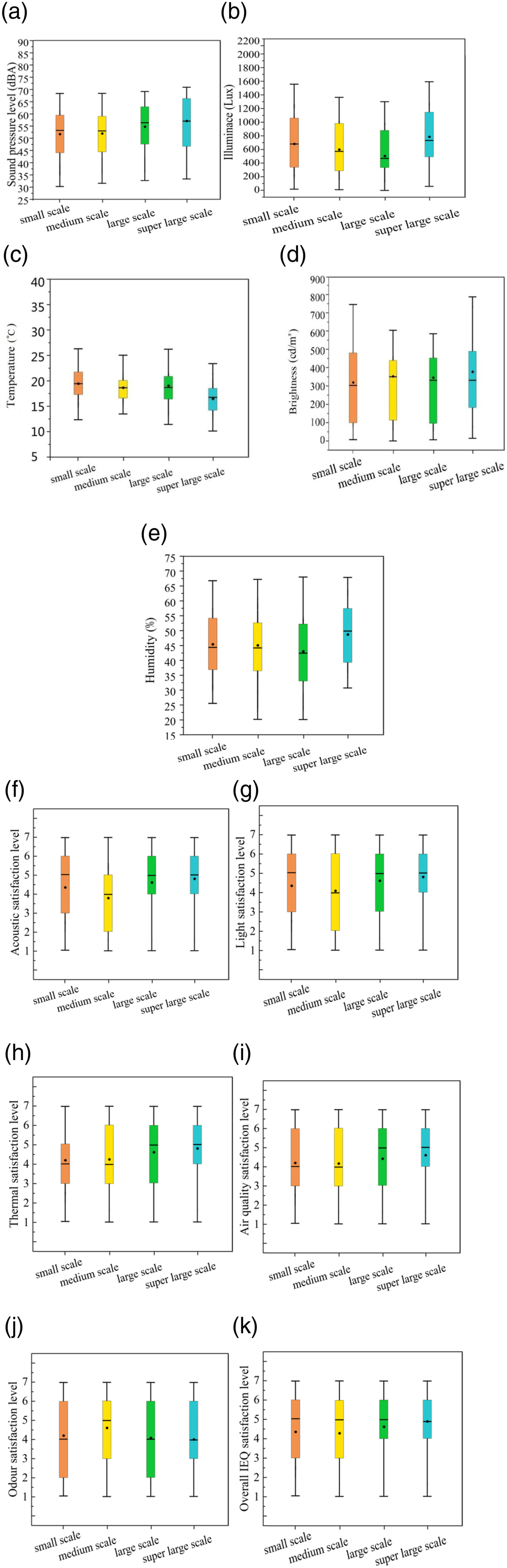
Significant analysis of the difference in the indoor environmental quality of reconstructed and non-reconstructed residential care facilities under different scales.
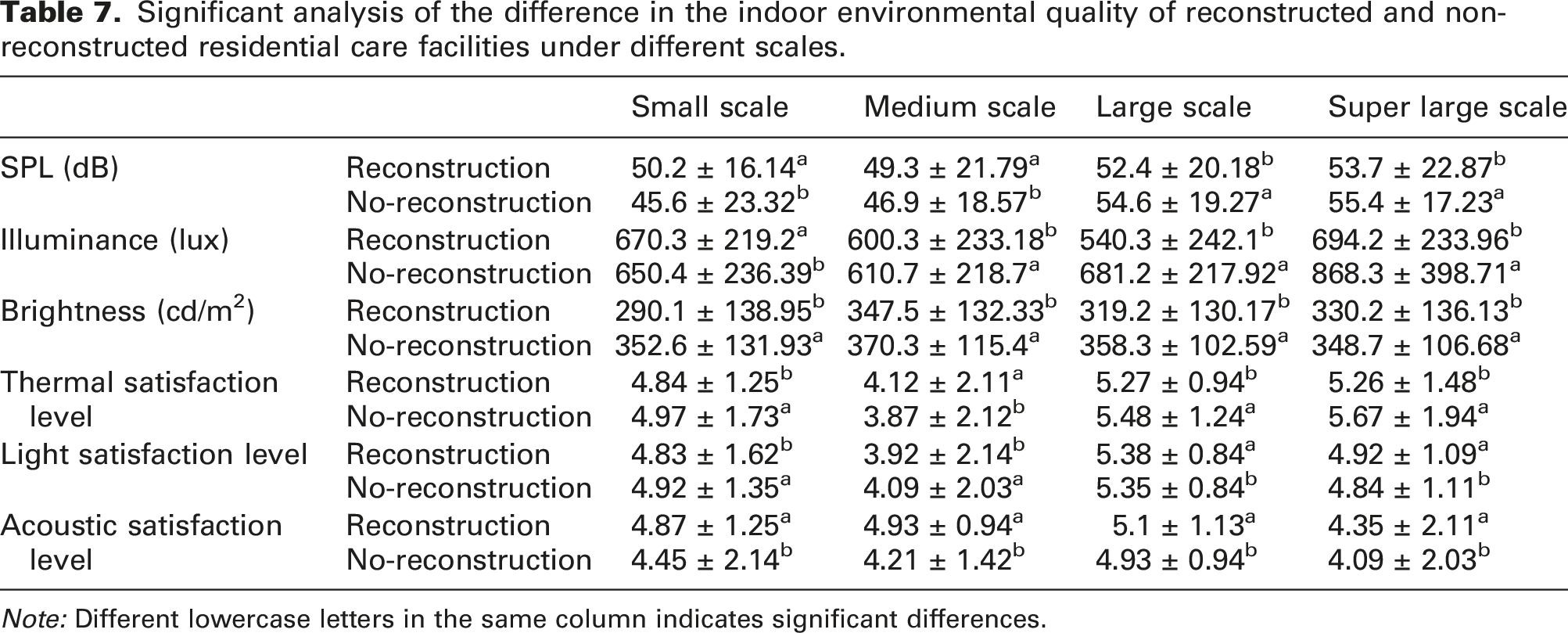
Note: Different lowercase letters in the same column indicates significant differences.
Significant analysis of the difference in the indoor environmental quality of residential care facilities of different scales in different seasons.
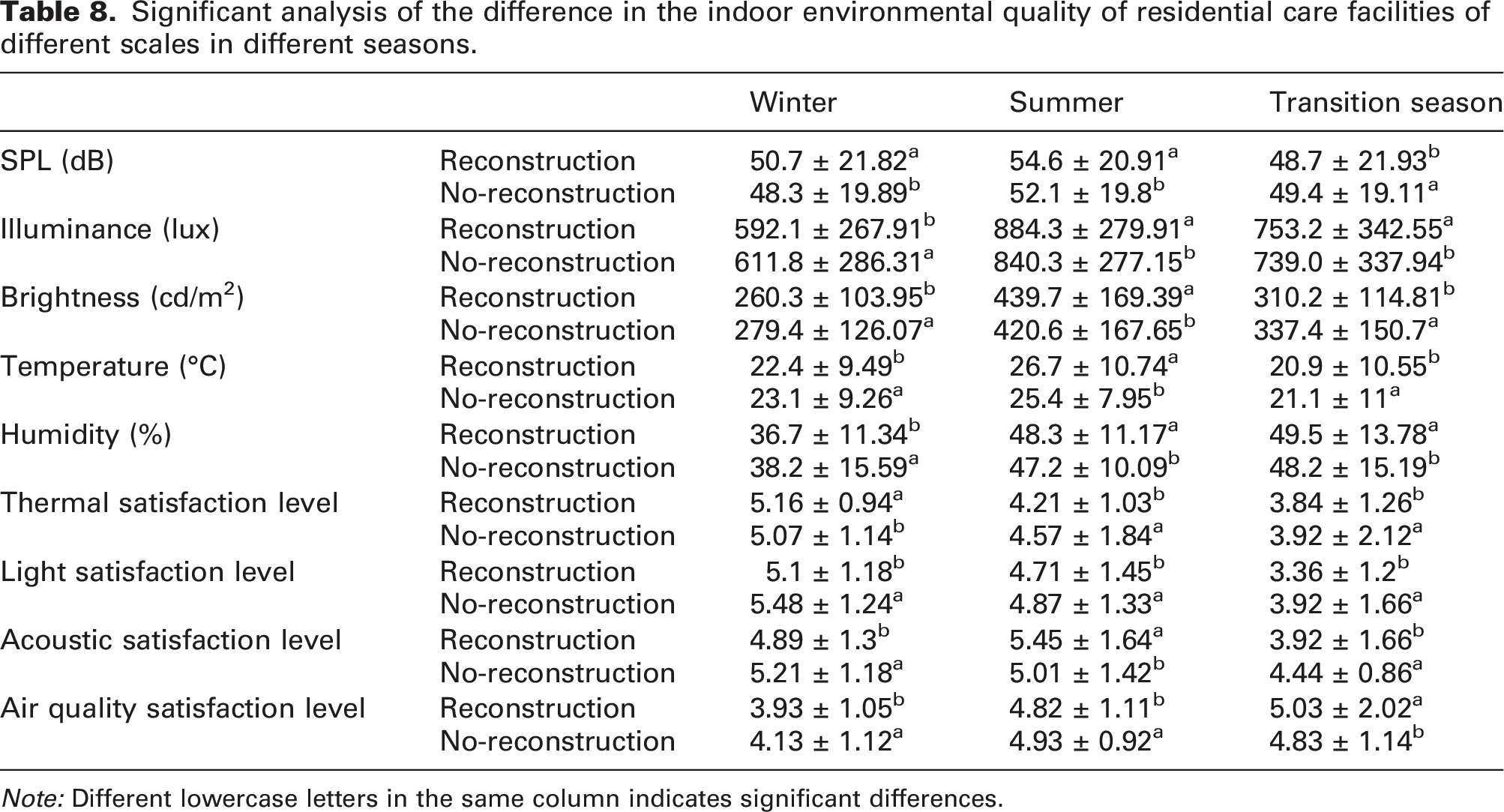
Note: Different lowercase letters in the same column indicates significant differences.
Correlation between measured values and evaluated satisfaction results
The correlation between the measured value and the evaluated satisfaction results in terms of the acoustic environment is shown in Figure 8. The figure shows that in terms of SPL, the linear regression effect of RCFs is good, with the R2 values of the measured values and the evaluated results exceeding 0.5 at 0.828 and 0.561, respectively. Therefore, the following analysis uses this linear regression to explain the relationship between measured values and evaluated results. The result of the second curve fitting was better, with its R2 value of 0.828, indicating that the fit of the measured values of the acoustic environment of the RCF was better than that of the SPL. Data fitting of results for measured values and evaluated satisfaction results for the acoustic environment.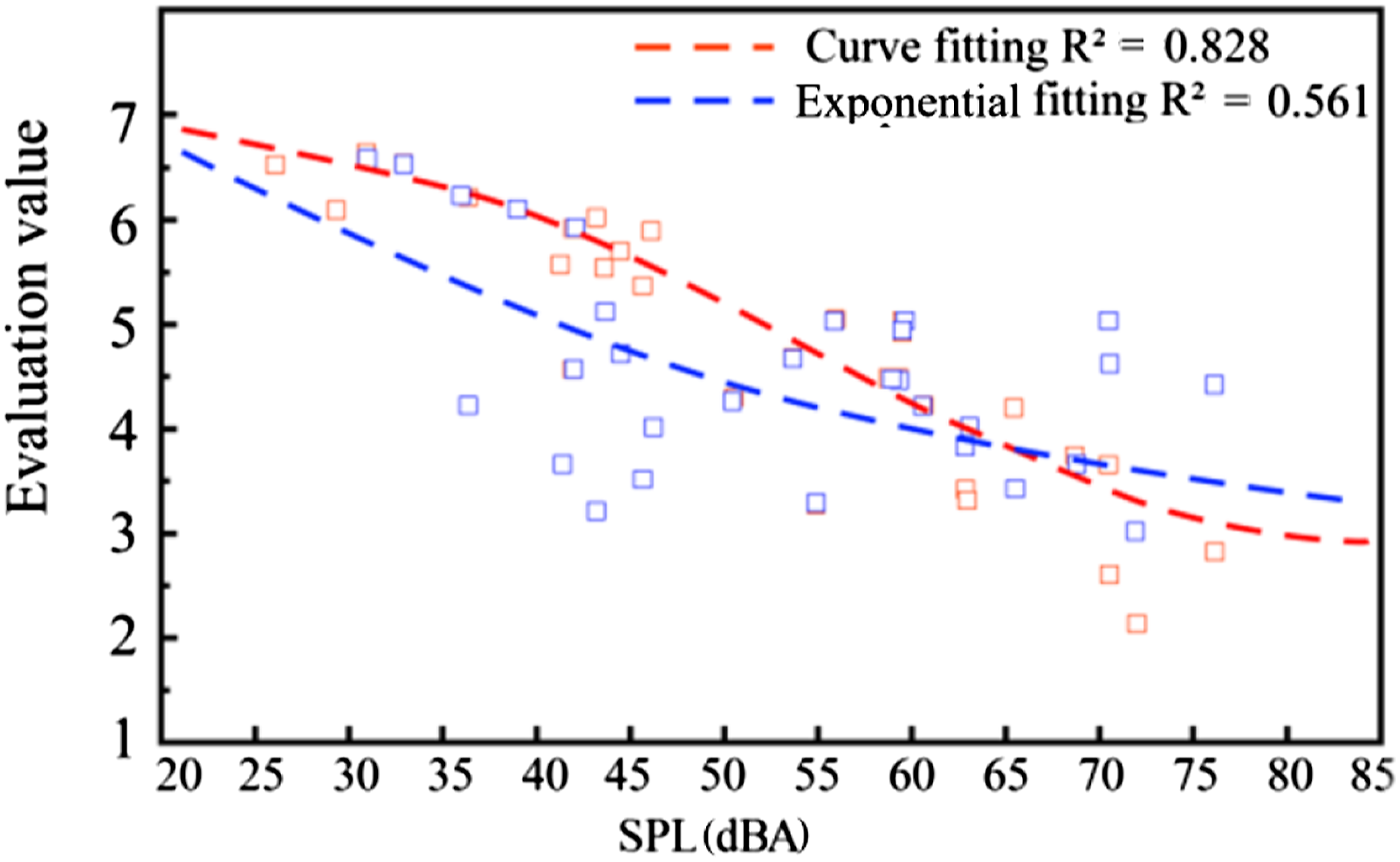
The fits between the measured values for the lighting environment and the evaluated satisfaction results for RCFs are shown in Figure 9(a) and (b). The figure shows that in terms of illuminance, the R2 were 0.794 and 0.459 for the measured values and evaluated results, respectively, and that the second curve fitting effect was poor as the R2 did not exceed 0.5. In terms of brightness, the R2 values for the measured values and the evaluated results were 0.650 and 0.561, respectively. Both curves had good fitting results as their R2 values exceeded 0.5. Amongst the average illuminance factors of the lighting environment, the second dataset provided a better fit as the corresponding R2 value was 0.794, which was very close to 0.8. However, the fit of the average illuminance factor was reduced. Results of fitting data on measured values and evaluating the satisfaction of the lighting environment in terms of (a) illuminance and (b) brightness.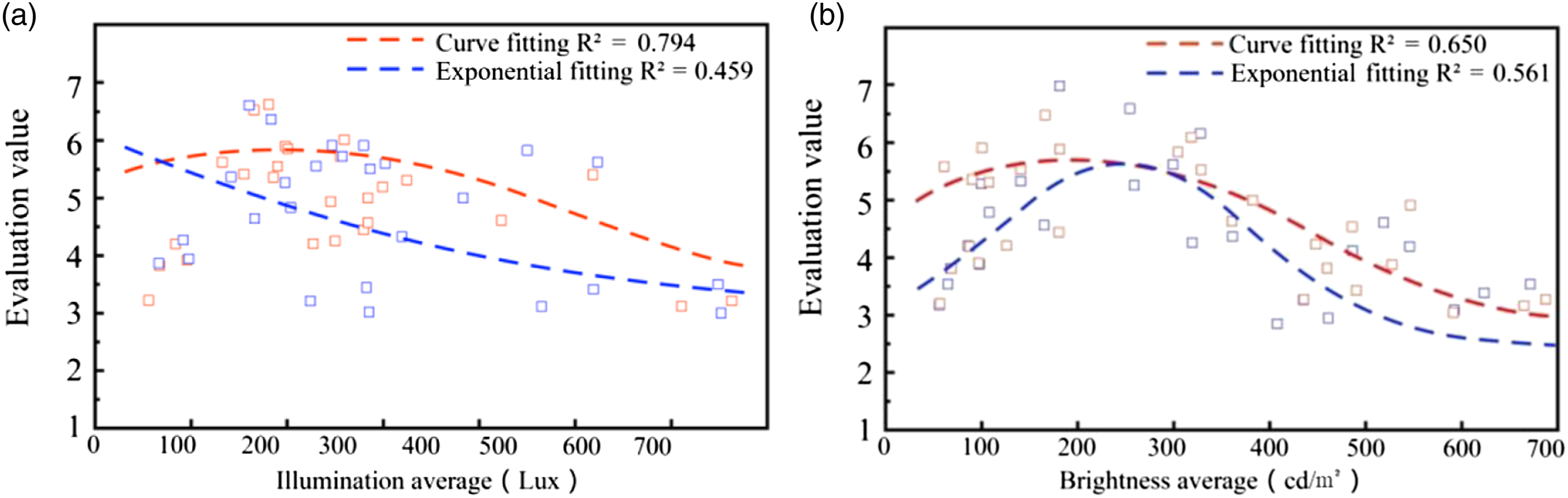
The results of the temperature data fitting the thermal environment of the RCFs were good (Figure 10). The R2 value of the first data fitting was 0.701 whereas that of the second was 0.879. The second data fitting was also accurate in terms of the humidity values in the thermal environment of the RCFs, the R2 value was 0.754. Results of fitting the data for the measured values and satisfaction of thermal environment in terms of (a) temperature and (b) humidity.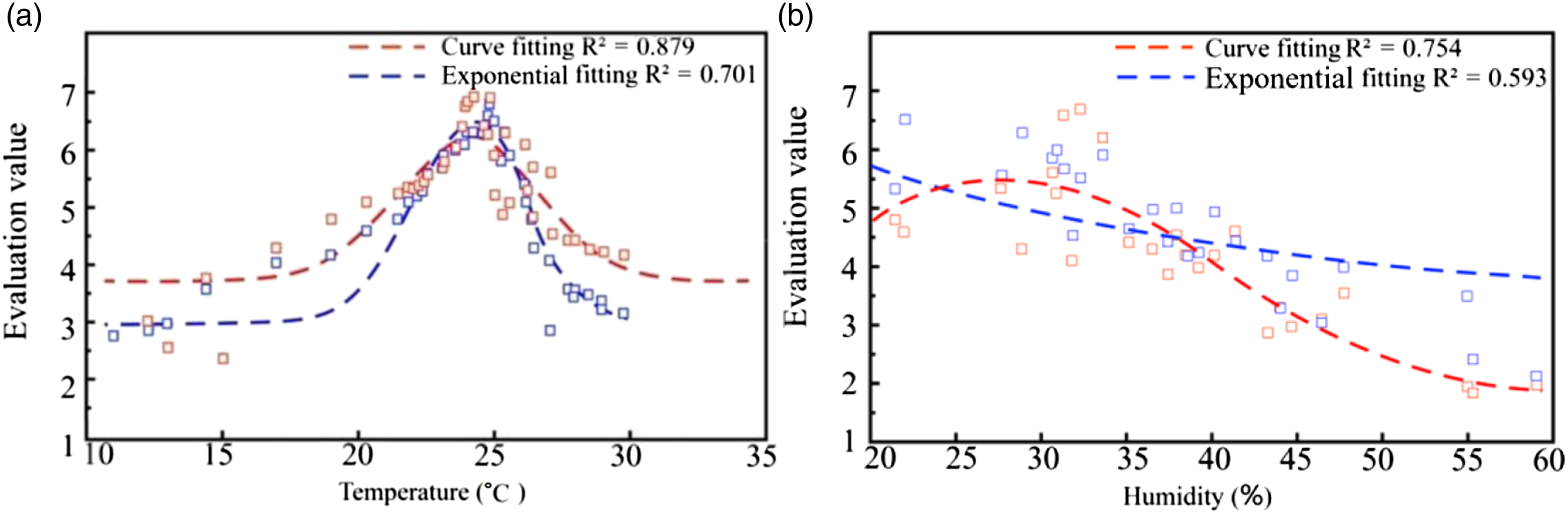
Influence of the personal backgrounds of participants on evaluation results
Results of correlation analysis between the personal background of participants surveyed and the results of evaluations of the physical environment.
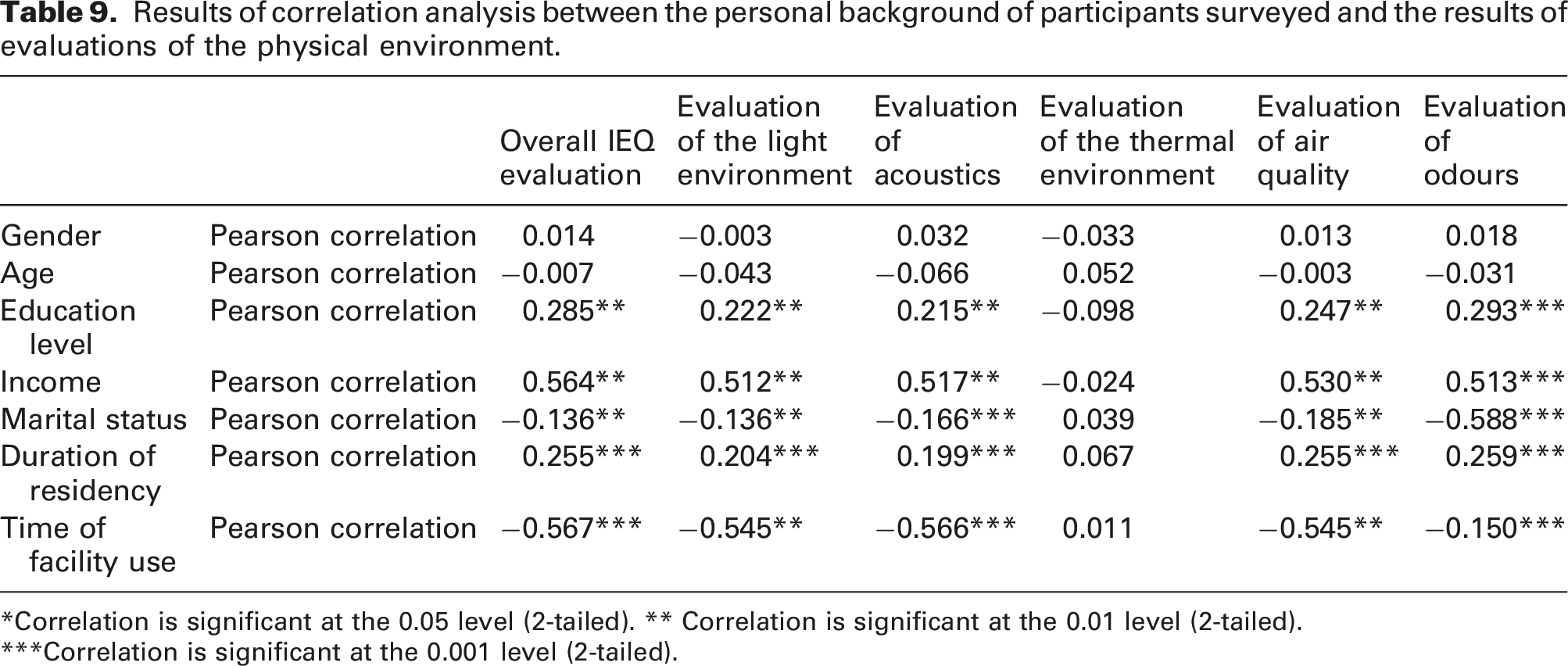
*Correlation is significant at the 0.05 level (2-tailed). ** Correlation is significant at the 0.01 level (2-tailed).
***Correlation is significant at the 0.001 level (2-tailed).
Discussion
Participant satisfaction is an important indicator for measuring the quality of a living environment. Comprehensive health and well-being can be enhanced through a combination of interventions involving all aspects of the built environment. 33 Furthermore, the IEQ, which includes the quality of lighting, acoustic and thermal environments and IAQ, is a crucial factor affecting the performance of a building.
The noise in residential environments should be less than 45 dBA, the air sound insulation should not be less than 50 dBA and impact sounds should not be greater than 75 dBA. 34 The overall illuminance of a room was approximately 50–250 lux while the comfortable illuminance value for young people was approximately 2/3 of this value; participants’ demands for light was even higher than this. 35 Compared to previous research, the RCFs investigated in this study met all general requirements. Results from previous studies on the RCFs in several different areas were slightly different from the data collected in this study. Several studies have shown that, compared to the acoustic and lighting environment, the overall satisfaction regarding the thermal environment amongst the elderly is slightly high with more influencing factors.36,37 In addition, the results of air quality and noise conditions suggest that compared to the single satisfaction level corresponding to temperature, lighting and air quality, participants have higher requirements for the interactive effects of overall comfort.38–40 These results are contrary to the results of this study. However, because satisfaction can be affected by multiple complex and variable factors, it was challenging to segregate these differences. This is because, the lives of the elderly are slower and more stable than the young people, they often spend more time indoors during the day, particularly if the weather outside was cold. Moreover, under the same ventilation conditions, the elderly are more dissatisfied with the air quality than the young. 41 Due to physiological differences, the elderly are often troubled by dry skin caused by uncomfortable indoor hot and humid environment. 42 The same is true for the elderly in the RCFs. Therefore, the demand to improve the quality of RCFs is even more urgent. Due to the differences in heating devices, the indoor environment of urban and rural residential buildings also has differences in temperature, temperature, relative humidity and air conditions, and has different effects on the health of elderly residents. 43 This is reflected in the optimisation and improvement of IEQ quality.
As the ageing population continues to increase, there is an urgent need for RCFs in northeastern China. Consequently, many non-RCFs, including facilities previously used as schools, hotels and hospitals, 44 were reconstructed into RCFs. The results showed that, compared to the original specially designed RCFs, the RCFs that were converted from other buildings could influence the overall satisfaction of the elderly participants. Yang, Gao and Li 45 evaluated the impact of post-earthquake infrastructure reconstruction on participants’ satisfaction and their conclusions were consistent with those of this study. However, this study introduced more factors while discussing the relationship between participants' satisfaction and RCFs before and after reconstruction.
Generally speaking, architectural design conditions, such as room orientation, window-to-wall ratio, ventilation mode, shading system, etc., also have a great influence on indoor environmental conditions. The RCFs selected in this study are located in northeastern China, and the architectural design conforms to China’s ‘Design Standard for Energy Efficiency of Residential Buildings in Severe Cold and Cold Zones’ (JGJ 26–2010). 46 Due to the basic needs of lighting and heating in high-latitude areas, the building orientation and window-to-wall ratio, there is a greater agreement in terms of ventilation and shading systems, 47 so whether or not to rebuild constitutes a more major difference between each other than building design conditions. Therefore, in the future reconstruction of RCFs, we must give more consideration to the noise-proof design, lighting design and heat preservation design for the rebuilt RCFs. While reducing renovation costs as much as possible, aiming at the characteristics of cold cities, to improve the satisfaction of the elderly in RCFs.
Previous research on the physiology of ageing found that as people grow older, their sensitivity to heat appeared to decline gradually. 48 Residents of the nursing home were more tolerant to temperature changes than staff or visitors, and they reported feeling more comfortable with higher temperatures than non-residents in both summer and winter. 49 Northeastern China is a high latitude region, the temperature difference between summer and winter is relatively large and the thermal insulation and heating conditions of RCFs have significant impact on residents. 50 The thermal satisfaction in winter and summer is higher than that during the transition season. In winter, the indoor temperature is more suitable due to heating, while the autumn is colder, so the elderly has a high thermal satisfaction in winter and summer. The SPL in summer is higher than that in winter, which may be due to the cold winter in the north and the closed doors and windows, so the indoors are less affected by the outdoor noise, and the snow in winter also has a certain absorption effect on the noise. In addition, the climate, whether windows are open, outdoor traffic, outdoor environment, etc. could also affect the indoor acoustic environment. 30 The environments of RCF have different impacts on the elderly’s perceptions in different seasons. Changes in the external environment in different seasons as the season changes could affect various indoor factors; such as lighting, illuminance, thermal environment and SPL. This demonstrates how the impact of seasons on IEQ and the expression of satisfaction among the elderly are influenced by multiple factors. When renovating facilities for the elderly, there should be further consideration on the seasonal changes in climate in the Northeast, and better design to provide warmth, well ventilated space and lighting for nursing homes.
Peoples’ physical or psychological states are easily affected by changes in their external environment, and the same is true for the elderly living in RCFs. 51 If their psychological needs are not met when they move between different rooms, this would cause a psychological imbalance that is closely related to their satisfaction level with the IEQ. Various types of spaces also have an influence on the elderly. 52
Bedrooms are resting places and thus higher temperatures and lower SPLs correspond to the actual needs of their users. A reading room corresponds to high brightness and low SPL because reading requires a quiet environment. The dining room had the highest humidity; this corresponds to its function. On the whole, the acoustic satisfaction and light satisfaction of restaurants and reading rooms are significantly lower than other types of rooms. This may be due to the low temperature in winter in the cold northeastern cities, so in order to keep warm, the space is relatively closed. The number of people in the restaurant and reading room is relatively large, so the elderly have poor satisfaction with the sound and the light. The odour satisfaction of the chess and card room is low. This may be due to there may be more people smoking in the chess and card room, so the odour of the chess and card room is relatively unpleasant. From the perspective of participants’ satisfaction, the ventilation and cleaning of the reading room and other rooms, there should be improvements in the lighting environment, and temperature and humidity in the nursing homes.
The scales of the RCFs were categorised based on the number of beds they contained. The participants did not show a particular attitude towards the scale of the RCF, indicating that the scale of the RCF did not have a significant influence on the satisfaction of the elderly. This may have been related to their different personalities. Some of the elderly prefer a quiet environment while others appreciate a livelier one. In addition, larger-scale RCFs normally have more activity space, and residents therein would be more comfortable after living with each other for some time. This could have affected their attitudes towards the scale of the RCFs. The acoustic satisfaction and light satisfaction of medium-scale facilities are slightly lower than those of the other four types of facilities. This may be due to the low bed density of small elderly care facilities and the professional design of large elderly care facilities. Compared to the other three scales of RCFs, the acoustic, lighting and thermal environments of large-scale RCFs were relatively moderate and had higher satisfaction levels, so large-scale RCFs may be more suitable for the elderly to live in.
Some researchers have noted that studies on auditory comfort depend on listener perceptions and evaluations of the overall acoustic environment.53–55 The values obtained when testing all available parameters were combined with participant satisfaction to determine the existence or non-existence of a potential correlation area. This analysis focused on the results of data fitting the correlations between the measured values for RCFs parameters and participants’ satisfaction. The final data fitting results were, in general, better than the initial ones. The results of the relationship between different parameters based on IEQ, different factors and participants were reasonable and would provide a reference value because of the improvement in the quality of the RCFs.
The correlation between the light environment parameters and the overall IEQ parameters is low, and the fitting degree between the data test value and the satisfaction is lower than that of the overall IEQ. On the contrary, the thermal environment parameters are correlated with the overall IEQ parameters. The data test value and satisfaction degree are higher than the overall IEQ. As they age, older people need more lighting than younger people to meet their line-of-sight needs. 56 The indoor light environment of RCFs is mainly affected by the lighting system and the daylighting system. Since the daylighting system is fixed once installed, 57 the lighting system has a large room for improvement, especially for different living spaces in RCFs, which can be carried out according to the measured values and the results of participant satisfaction. Adjust accordingly, the RCFs selected in this study are located in northeastern China, where coal-fired district heating is used in the cold and long winter, and the heating air conditioning (HAVC) system is generally used in the short hot period in summer. 58 Compared with young people, the elderly prefer a warm environment and have a lower tolerance to low temperature, so the fit between the measurement of thermal environment and satisfaction is better.
The evaluation results suggested that the age of participants and the frequency and purpose of visits could influence the results of the subjective evaluations of IEQ parameters. Furthermore, there was a significant correlation between gender and the acoustic environment.59,60 In general, the data obtained showed that the RCFs evaluated are reasonable and satisfactory for the elderly, providing strong support for further investigating the living and physical environments in RCFs in northeastern China. In general, the impacts of the lighting, acoustic and thermal environments on peoples’ living conditions are significant.
Conclusions
The residents of 34 facilities from 4 cities in northeastern China were invited to participate in this study. Analysis of the IEQ of the RCFs showed that factors including lighting conditions, the acoustic and thermal environments, air quality and overall IEQ had varying degrees of influence on the RCFs. The major conclusions of the study are as follows:
In addition to the large span of satisfaction for odour in RCFs, participants were satisfied with the IEQ factors such as lighting; the thermal and acoustic environments; IAQ; and the overall IEQ, with an average satisfaction level of 4 or higher.
Before and after the transformation of the RCF, factors apart from odour, such as the acoustic, lighting and thermal environments; air quality; and overall IEQ were significantly positively correlated with participant satisfaction.
Factors apart from odour, such as the acoustic and thermal environments; air quality; and overall IEQ had a significant positive correlation with seasonal changes. The correlation between odour and seasonal changes was not significant.
The thermal environment, like the seasonal distribution, had the greatest impact on space functions. Generally, the functions of spaces such as bedrooms, activity rooms, restaurants, chess and card rooms, and reading rooms were significantly positively correlated with the acoustic and lighting environments.
Participants had no obvious attitudes towards the scales of the RCFs, indicating that the number of beds therein had no significant effect on participants’ satisfaction. There was high consistency between each physical environmental factor and the results of participant assessment. The corresponding R2 value was approximately 0.8. The correlation between the measured value and the evaluated result had a good fitting effect in which the R2 value generally exceeded 0.5. The education level of participants was related to the overall IEQ, the lighting and acoustic environments, air quality and odour, with the last having the highest value.
These results can provide data-based support and act as a reference for IEQ research on RCFs. However, there may still be some errors in the assessments thereof, their descriptions may have been unclear, or they may just contain abnormal data. In addition, it is necessary to consider sample sizes with a greater gender and age difference in further research. Although the coverage of the data sample and the climate of samples is limited, RCFs at the same latitude or in other parts of the world may benefit from this research. In the future, a more in-depth analysis should be conducted to study the comprehensive influence of various environmental factors on physiological parameters (particularly the interactions thereof) and various physiological parameters for human comfort. Finally, the results of this study rely only on statistical significances for explanations; the issue of whether they are of practical significance needs further confirmation.
Footnotes
Author Contributions
Conceptualisation, J.M. and J.K.; methodology, J.M. and J.K.; software, J.M.; validation, J.M. and S.Z.; formal analysis, J.M. and S.Z.; investigation, J.M.; resources, J.M.; data curation, J.M. and S.Z.; writing–original draft preparation, J.M.; writing–review and editing, J.M., J.K. and S.Z.; visualisation, J.M. and J.K.; supervision, J.M. and J.K.; project administration, J.M., J.K. and S.Z.; funding acquisition, J.M. and J.K. All authors have read and agreed to the published version of the manuscript.
Declaration of conflicting interests
The author(s) declared no potential conflicts of interest with respect to the research, authorship, and/or publication of this article.
Funding
The author(s) disclosed receipt of the following financial support for the research, authorship, and/or publication of this article: This work was supported by the Youth Program of National Natural Science Foundation of China (grant number: 52208017); China Postdoctoral Science Foundation (2022M720959) and the Fundamental Research Funds for the Central Universities (grant number: HIT.HSS.202204).
Data availability statement
All data generated or used during the study appear in the submitted article.
