




Abstract
Alzheimer's disease (AD) remains a significant global health challenge, characterized by its progressive neurodegeneration and cognitive decline. The urgent need for early diagnosis and effective treatment necessitates the identification of reliable biomarkers that can illuminate the underlying pathophysiology of AD. This review provides a comprehensive overview of the latest advancements in biomarker research, focusing on their applications in diagnosis, prognosis, and therapeutic development. We delve into the multifaceted landscape of AD biomarkers, encompassing molecular, imaging, and fluid-based markers. The integration of these biomarkers, including amyloid-β and tau proteins, neuroimaging modalities, cerebrospinal fluid analysis, and genetic risk factors, offers a more nuanced understanding of AD's complex etiology. By leveraging the power of precision medicine, biomarker-driven approaches can enable personalized treatment strategies and enhance diagnostic accuracy. Moreover, this review highlights the potential of biomarker research to accelerate drug discovery and development. By identifying novel therapeutic targets and monitoring disease progression, biomarkers can facilitate the evaluation of experimental treatments and ultimately improve patient outcomes. In conclusion, this review underscores the critical role of biomarkers in advancing our comprehension of AD and driving the development of effective interventions. By providing a comprehensive overview of the current state-of-the-art, this work aims to inspire future research and contribute to the goal of conquering AD.
This is a visual representation of the abstract.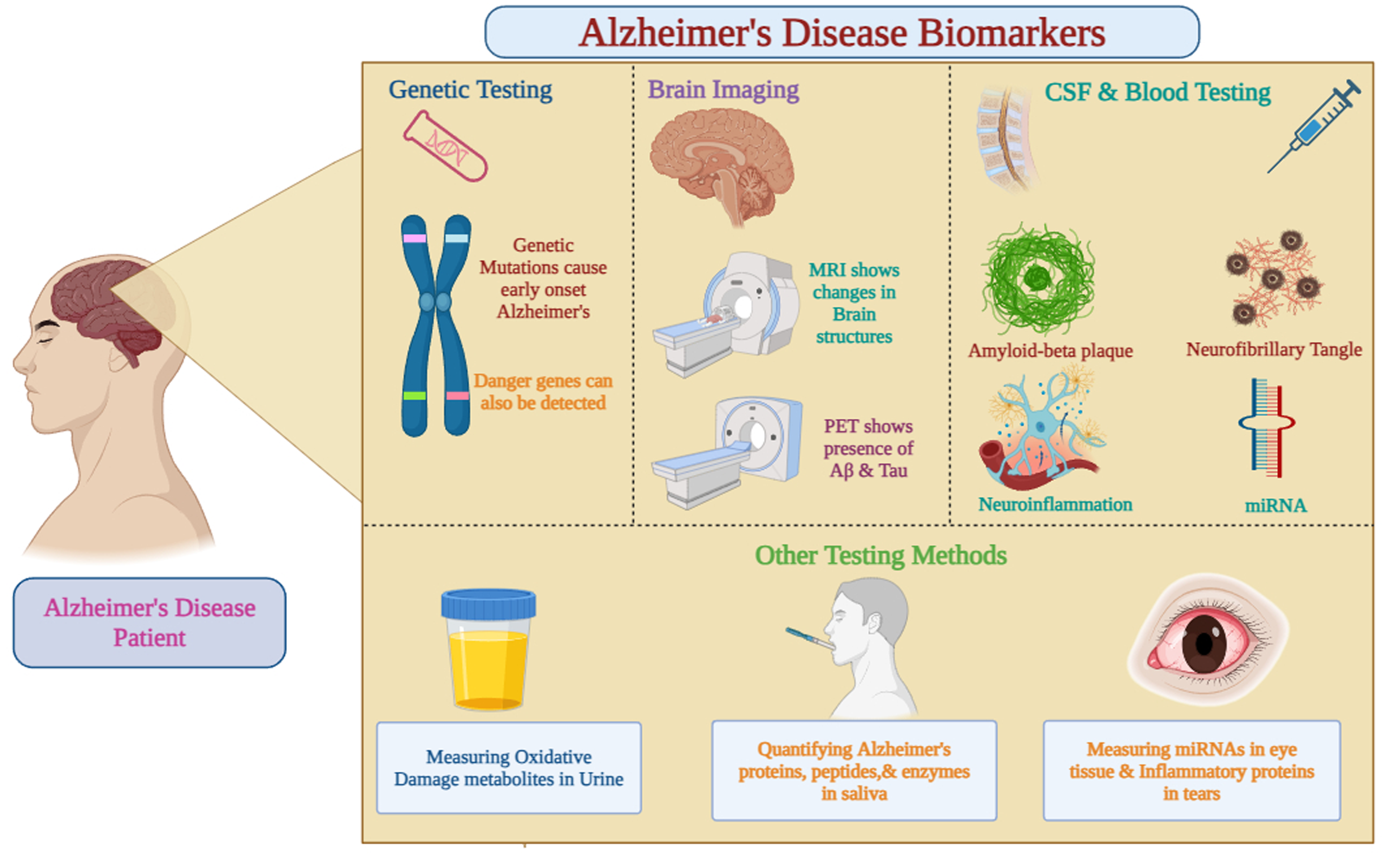
Get full access to this article
View all access options for this article.