



Abstract
The post-fire behaviour of T-shaped stiffened concrete-filled steel tubular stub columns was investigated by the heating and residual mechanical performance tests. Key parameters, such as heating duration, number of surfaces exposed to fire and the influence of the stiffening steel bars, were studied. Temperature distribution, failure modes, mid-height strain curves, and load-displacement curves were obtained and discussed. The study reveals that the number of fire-exposure surfaces significantly affects the temperature distribution of the specimen section. Both the bearing capacity and compressive stiffness decrease with the increase of fire exposure surfaces and heating time, whereas the ductility follows an inverse pattern. The transverse stiffeners can enhance the mechanical performance of these stub columns, especially for ductility.
Keywords
Introduction
Concrete-filled steel tubular (CFST) columns have been increasingly employed in practical engineering due to their superior mechanical performance, fire resistance, and economic effects (Han, 2016; Han et al., 2014). The corners of traditional square and rectangular concrete-filled steel tubular columns are prone to be exposed outside the wall, which generally results in the restriction of indoor furniture placement, thus special-shaped concrete-filled steel tubular (SCFST) columns were proposed, including T-shaped, L-shaped, cross-shaped and other cross-section types. The novel SCFST columns possess more favourable service functions, such as making the wall regular and aesthetic, enabling the flexible structural arrangement, and increasing the utilization area of interior space, which lead to broad development prospects (Liu et al., 2017; Ren et al., 2014; Yang et al., 2010). To date, SCFST columns have been applied in the Guangzhou New China Tower, the Mingsheng Plaza, et al. (Chen et al., 2000; Song, 2017; Yang et al., 2022).
The mechanical performance of SCFST columns differs significantly from conventional circular, square, and rectangular columns. First, the confinement effect provided by the outer steel tube to the inner concrete is greater at the corner of the section than that in the middle of the section, resulting in a non-uniform confinement effect of the entire SCFST column (Wang and Han, 2018; Yang et al., 2015). For SCFST columns, the confinement effect is more uneven compared to square and rectangular columns. Moreover, the seismic performance of SCFST columns is relatively poor, which can be attributed to the more probable stress concentration at the concave corner, the wide flange, and the deviation of the centroid from the cross-section.
The drawbacks mentioned above determine that the SCFST column is mainly applied to multi-story structures at low seismic intensity zones, thus the outer steel tube is thin to achieve favourable economic effects, which may result in severe local buckling of the SCFST column (Yang et al., 2012). In this regard, several solutions have been proposed in the literature, such as binding bars (Zuo et al.,2018), battlement-shaped bars (Liu et al., 2018a), tensile bar stiffeners (Wang et al., 2009; Xu et al., 2019), setting steel plate stiffeners along the horizontal direction (Liu et al., 2018b), and multi-cell combination used to strengthen the confinement on internal concrete (Tu et al., 2014). As reported by the above researchers, the bearing capacity of the stiffened column increases by 6%-53% compared with the unstiffened column, and the ductility has a greater increase, reaching 54%-650%. It is worth noting that all the aforementioned studies focus on the ambient temperature behaviour of special-shaped stiffed concrete-filled steel tubular (SSCFST) columns.
Fire disasters may occur in buildings with SSCFST structures, which can cause a lot of property losses. Up to date, due to the development of fire-fighting technology and the improvement of the fire-fighting system, most fires can be extinguished within a short period as reported by the Ministry of Emergency Management of the People’s Republic of China (2017), and the damage to the building is not so severe that it is possible to be retrofitted and reused. Especially, the post-fire restoration of CFST structures has a greater possibility due to their favourable fire resistance (Han and Huo, 2003). There has been extensive research on the post-fire performance of traditional circular and rectangular CFST columns (Han et al., 2002; Lyu et al., 2022; Rush et al., 2015; Yang et al., 2013a, 2013b), including experiments, finite element simulations and design formulas. However, these results cannot be directly applied to special-shaped columns owing to the different mechanical behaviours caused by the change of section shape. For SSCFST columns after exposure to fire, merely finite element analysis of T-shaped stiffened concrete-filled steel tubular (TSSCFST) stub columns under axial compression after exposure to uniform fire was studied by Zhang et al. (2021), proposing the calculation formula of the residual bearing capacity.
Based on the aforementioned literature review, it may be concluded that there has been no experimental research on the residual mechanical behaviour of TSSCFST stub columns after exposure to non-uniform fire, which is therefore the subject of the present study. To investigate the post-fire performance of TSSCFST columns, a total of eight specimens were tested under axial compression load after exposure to elevated temperatures. The cross-sectional temperatures, failure modes, mid-height strain curves of the outer steel tube, axial load-displacement curves, residual bearing capacity, axial compression stiffness and ductility index of the specimens were analyzed. The effects of the fire exposure surface, heating duration, and stiffened reinforcement on the post-fire mechanical performance of T-shaped CFST short columns were eventually derived.
Materials and methods
Test specimens
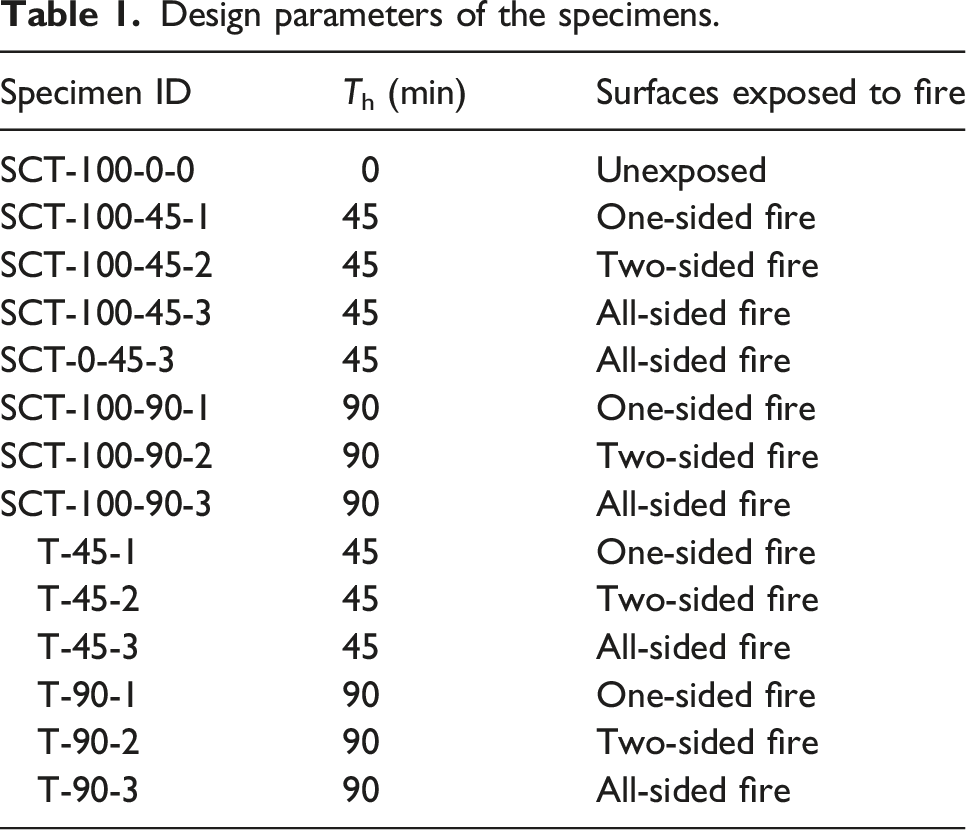
Seven TSSCFST stub columns and an unstiffened stub column were tested under axial compression after exposure to the ISO-834 (1975) standard fire, whilst six specimens with the same cross-section size were used for temperature measurement. Three key parameters were assessed in order to better understand their influences on the post-fire residual capacity of TSSCFST sections, namely: (1) number of surfaces exposed to fire, (2) the duration of heating, and (3) the presence of stiffened steel bars. All columns were cold-formed from Q235 steel plates with a thickness of 2 mm and seam welded. The tubes were filled with normal strength (nominally 30 MPa 28-days compressive strength) concrete, and end plates with a size of 220 mm × 200 mm × 10 mm were welded at both the bottom and top ends of the columns. Holes with a diameter of 20 mm were set at a distance of 100 mm to the end plate to release water steam during the heating process. The hot-rolled ribbed steel bars with a diameter of 6 mm were spaced at 100 mm intervals as stiffeners, as shown in Figure 1. The heating duration (Th) and different fire boundaries of these TSSCFST stub columns are presented in Table 1. For ease of understanding, take the specimens “SCT-100-45-1” and “T-90-2” in Table 1 for example, the letters “SCT” and “T” denote the specimens for axial compression test and temperature measurement respectively; the number “100” denotes the stiffener spacing; the number “45” and “90” denote the heating time for 45 min and 90 min respectively; the number “1” and “2” denote the number of surfaces exposed to fire. Sectional dimensions and locations of thermocouples and strain gauges in columns. (a) Schematic diagram. (b) Layout diagram of strain gauges. (c) Layout diagram of thermocouples (mm). Design parameters of the specimens.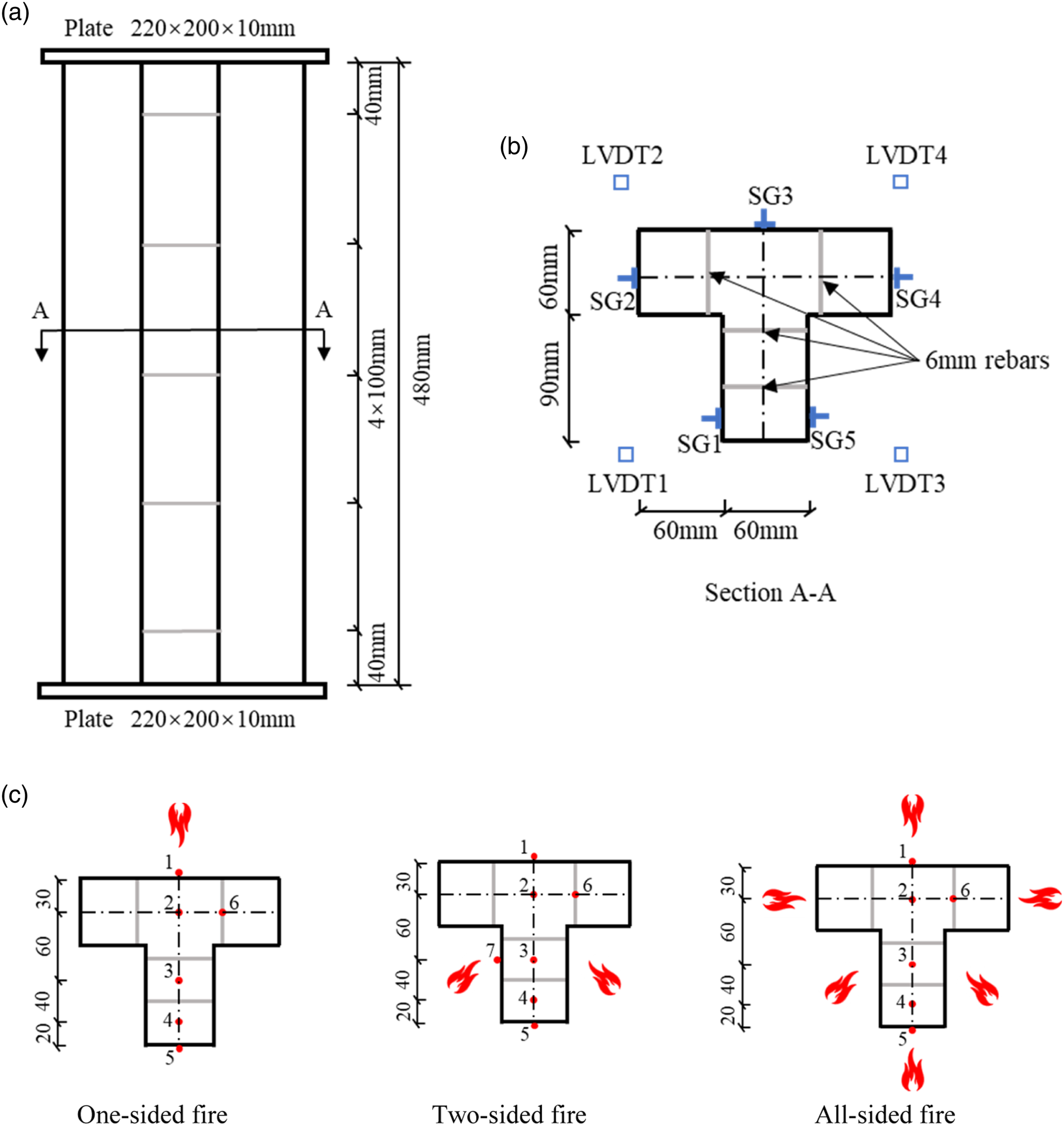
Instrumentation
The instrumentation in the columns included thermocouples, strain gauges, and linear variable displacement transducers (LVDTs). Type K thermocouples were installed at the middle height section of temperature measurement specimens, and Figure 1(c) shows the layouts of thermocouples under different fire conditions, in which 1, 5 and 7 were used for temperature measurement of steel tube, 2, 3 and 4 were used for temperature measurement of concrete, and 6 was used for temperature measurement of stiffened steel bar. Each column was instrumented with five pairs of longitudinal and transverse strain gauges in the cross-section, and the axial deformation of each column was measured using LVDTs, as shown in Figure 1(b).
Test procedure
This test consists of two stages: the heating test and the compression test. First, the specimens were heated following the ISO 834 standard fire curve including both the heating and cooling phases. After cooling to room temperature, these specimens were compressed to fail to obtain failure modes and load-displacement curves. It is worth noting that all the specimens were heated in an unload condition in the furnace, and the resulting post-fire residual strengths are generally lower (i.e. more conservative) than those derived from the specimens heated in a preload condition (Huo et al., 2011; Phan and Carino, 1998; Song et al., 2010).
Material tests
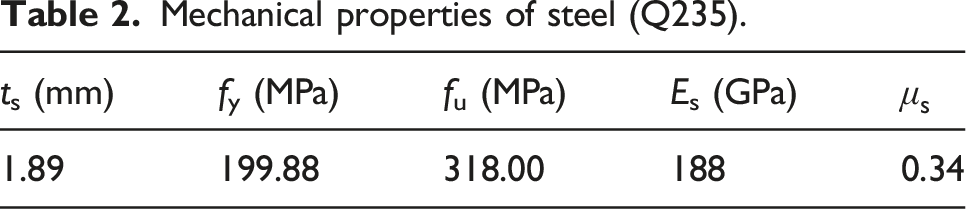
Mechanical properties of steel (Q235).
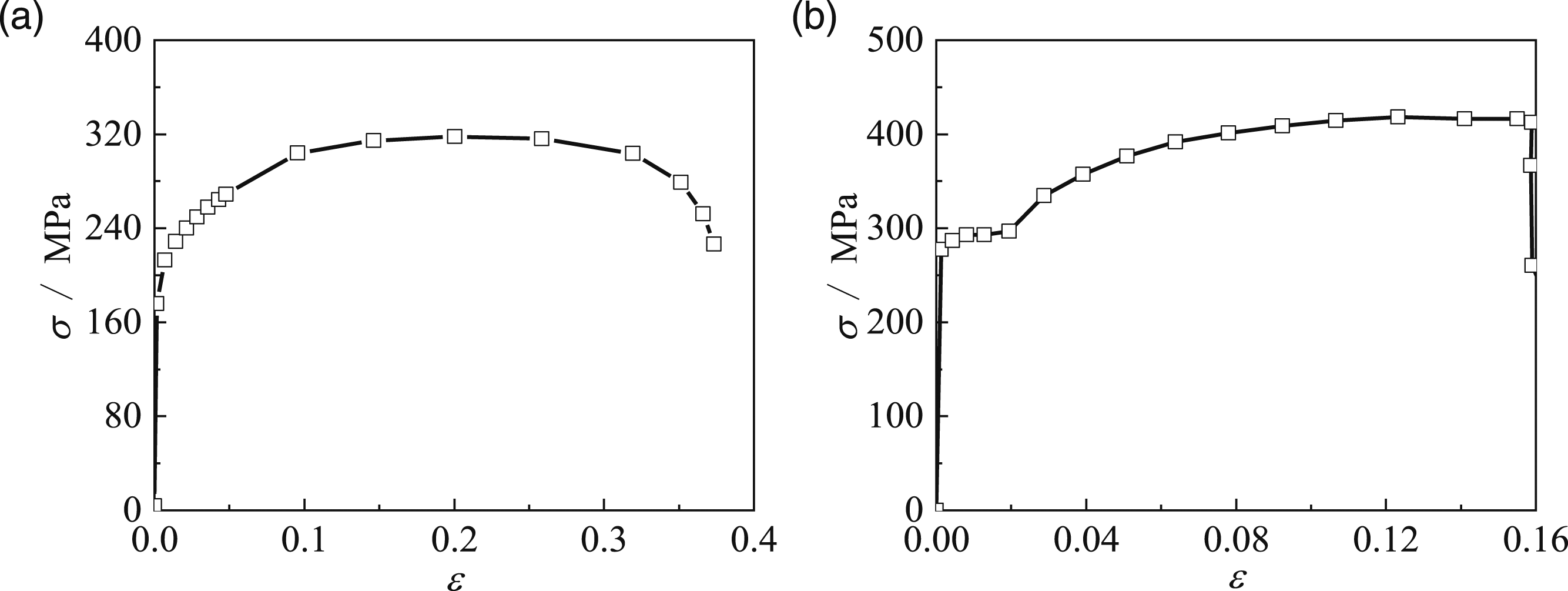
Stress-strain relationship curves of steel. (a) Stress-strain curves of steel plates. (b) Stress-strain curves of steel bar.
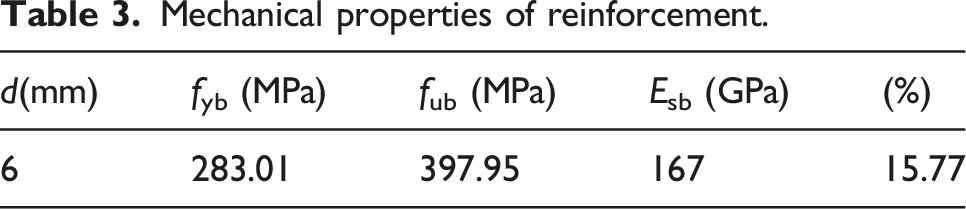
Mechanical properties of reinforcement.
The concrete compressive strength and elastic modulus were tested using 150 mm cubes and 150 mm × 150 mm × 300 mm prisms respectively following the Standard GB/T 50081-2019 (2019). The average concrete cube compressive strength was 38 MPa, and the elastic modulus was 28.1 GPa when specimen columns were tested. To test the moisture content, three standard cubes were dried to constant weight in a constant temperature environment of 105°C following the Standard ISO 12570 (2000), and the average value of the moisture content was 4.98%.
Heating and cooling process
In practical engineering, the absorbed heat may be released to the environment via the unexposed surfaces. However, the ambient temperature condition cannot be realized in the experimental furnace. In order to simulate the boundary condition of non-uniform fire, ceramic fibre blankets were attached to the unexposed column surfaces. It was confirmed that this method could simulate the unexposed surface in our previous studies (Yang et al., 2013a). For TSSCFST columns in this study, a double protection method using both ceramic fibre blankets and cement mortar was adopted, considering that the concave corners may be difficult to be well covered with ceramic fibre blankets, as shown in Figure 3. Treatment of the unexposed surface (T-45-2).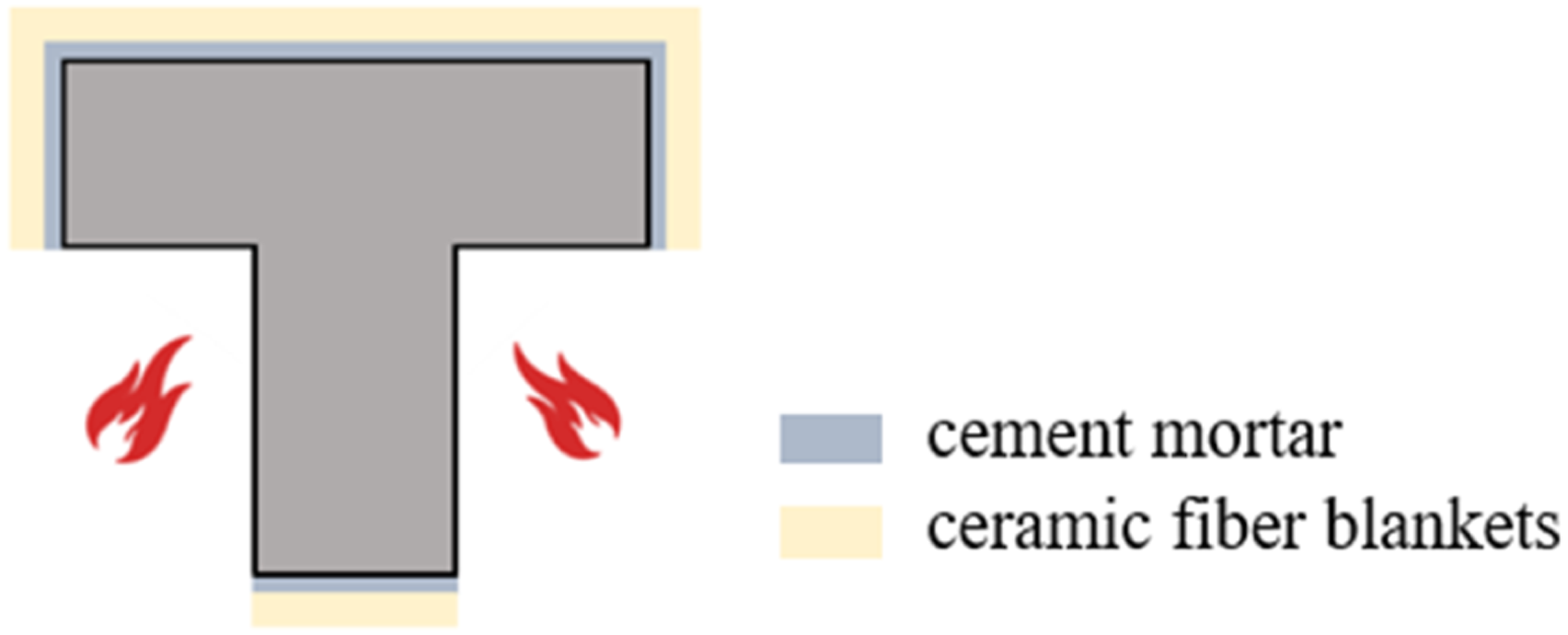
Test observations
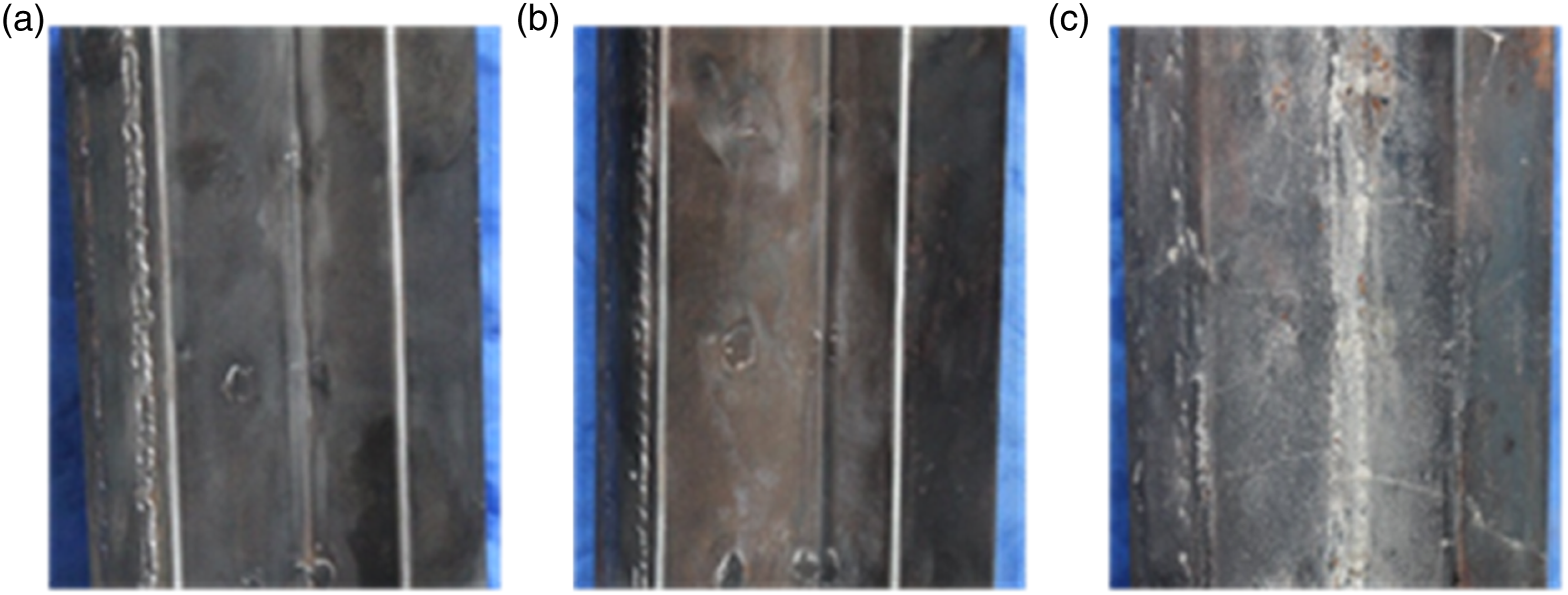
The surface colour of these specimens gradually deepened with the increase of the heating time after the heating and cooling test. The metallic lustre of fire surfaces after exposure to the ISO-834 standard fire for 45 min disappeared, and the surface colour turned into grayish black covering with a large area of the reddish brown oxide layer, as depicted in Figure 4(b). The reddish brown oxide layer changed to grey with local spalling after exposure to heating durations of 90 min, as exhibited in Figure 4(c). The unexposed surfaces only darkened in appearance colour with increasing heating time, and no oxide layer was observed (Figure 5). Appearance of the steel tube on the exposed surface. (a) Th = 0 min. (b) Th = 45 min. (c) Th = 90 min. Appearance of the steel tube on the unexposed surface. (a) Th = 0 min. (b) Th = 45 min. (c) Th = 90 min.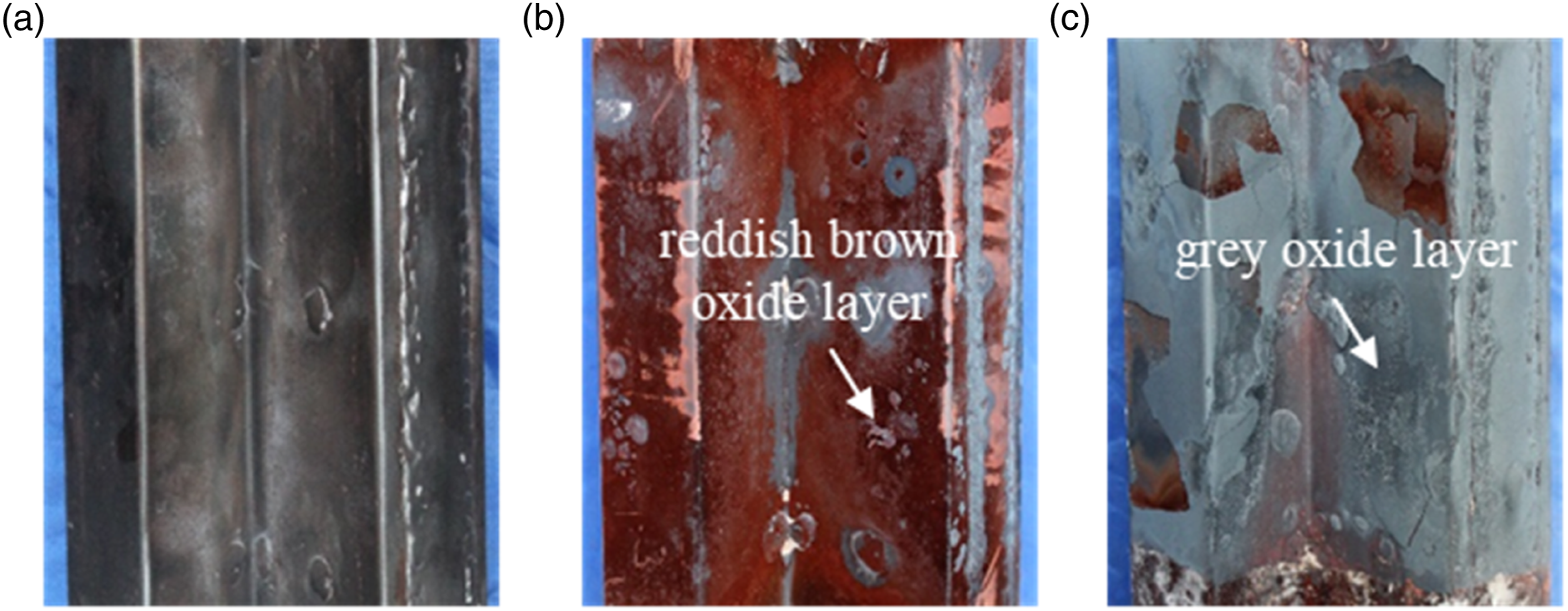
Test results
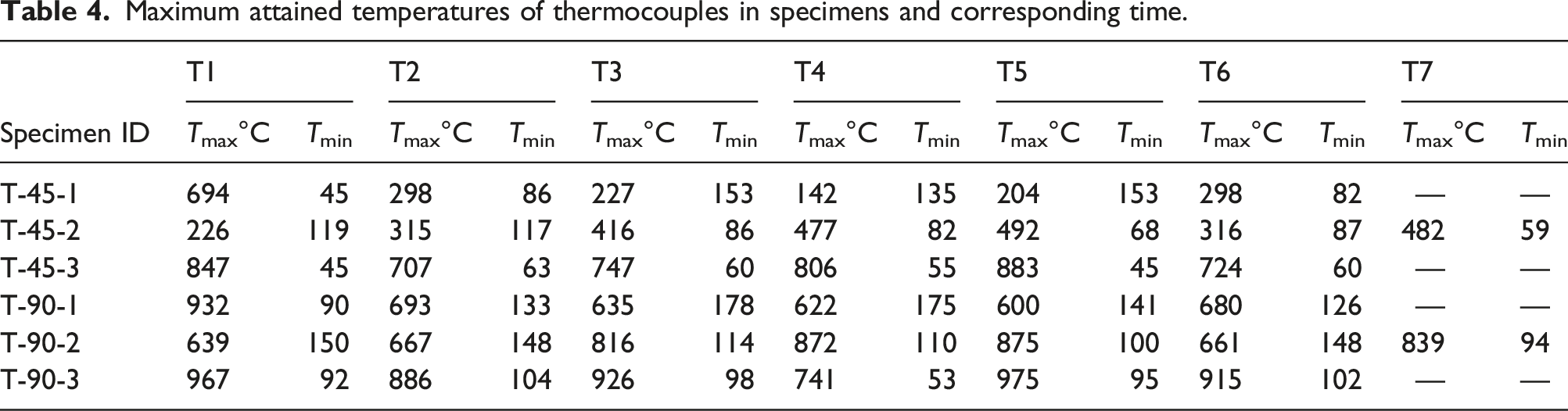
The full temperature-time curves measured from the thermocouples for the TSSCFST specimens and the average temperature curves of the furnace are shown in Figure 6. The heating and cooling processes were performed in a controlled way. It can be seen that the measured curves of the average temperature in the furnace are basically consistent with the ISO-834 standard curve. Due to the breakdown of the equipment, the heating test of specimens exposed to the non-uniform fire for 45 min was terminated prematurely during the cooling process, as shown in Figure 6(a) and (b). But the furnace temperature has dropped to 500°C and the temperature of the internal concrete has been in the decaying stage, it had little effect on the mechanical performance of the specimen. Measured temperature curves of temperature-measuring specimens. (a) T-45-1 (one-sided fire). (b) T-45-2 (two-sided fire). (c) T-45-3 (all-sided fire). (d) T-90-1 (one-sided fire). (e) T-90-2 (two-sided fire). (f) T-90-3 (all-sided fire).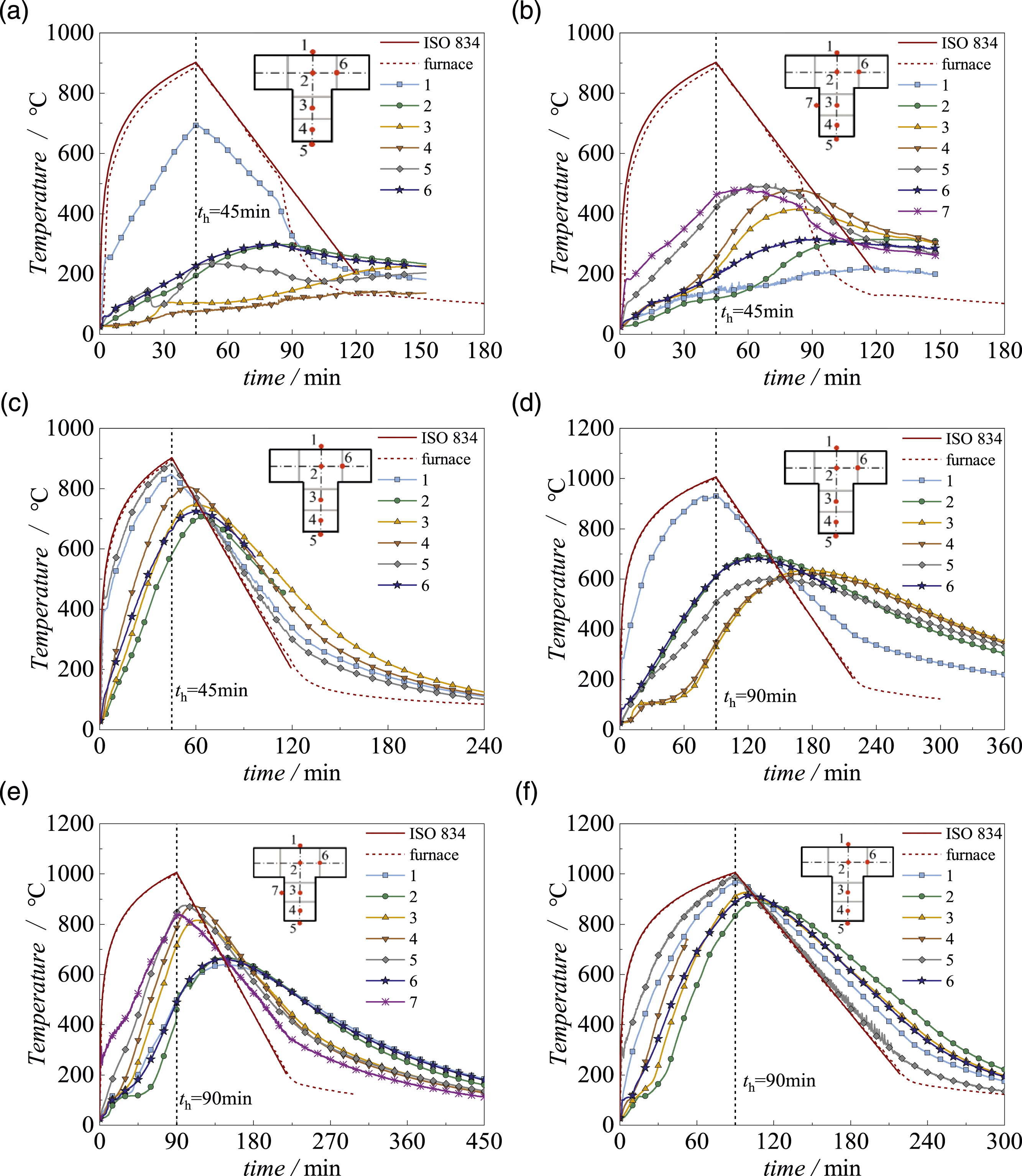
Maximum attained temperatures of thermocouples in specimens and corresponding time.
Mechanical performance tests
The multi-stage loading test was carried out on the TSSCFST stub columns to investigate the residual performance after exposure to fire. Specifically, the initial loading increment of each stage was 10% of the predicted ultimate load until the attainment of the 75% predicted ultimate load, followed by a decreased loading increment of 2.5% predicted ultimate load. Displacement control was adopted for the loading downward stage until the end of the test.
Failure modes
It is observed that all columns experienced drum-shape or shear failure. Two types of failure modes of internal concrete cores were observed: compression-shear failure and crushing failure. The compression-shear failure usually occurs in the web of the specimens, while the crushing failure mostly occurs in the flange, and the typical specimens are displayed in Figure 7. The web concrete of the specimen relatively maintains well after exposure to the one-sided fire compared with the uniform and two-sided fire, as shown in Figure 7(a)–(c). Failure mode of typical specimens. (a) Failure mode of SCT-100-45-1. (b) Failure mode of SCT-100-45-2. (c) Failure mode of SCT-100-45-3. (d) Failure mode of SCT-0-45-3.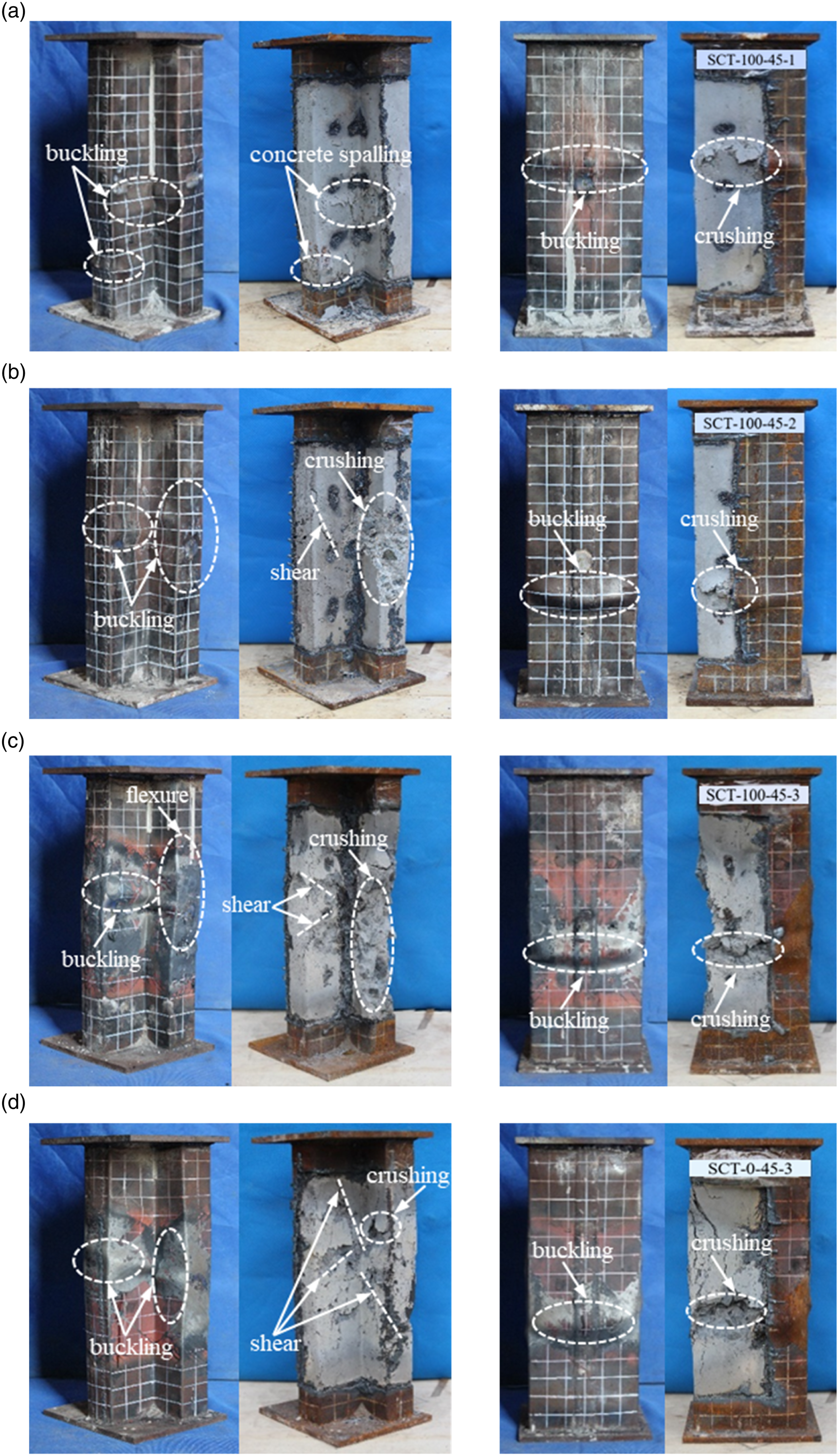
Mid-height strain curves of the outer steel tube
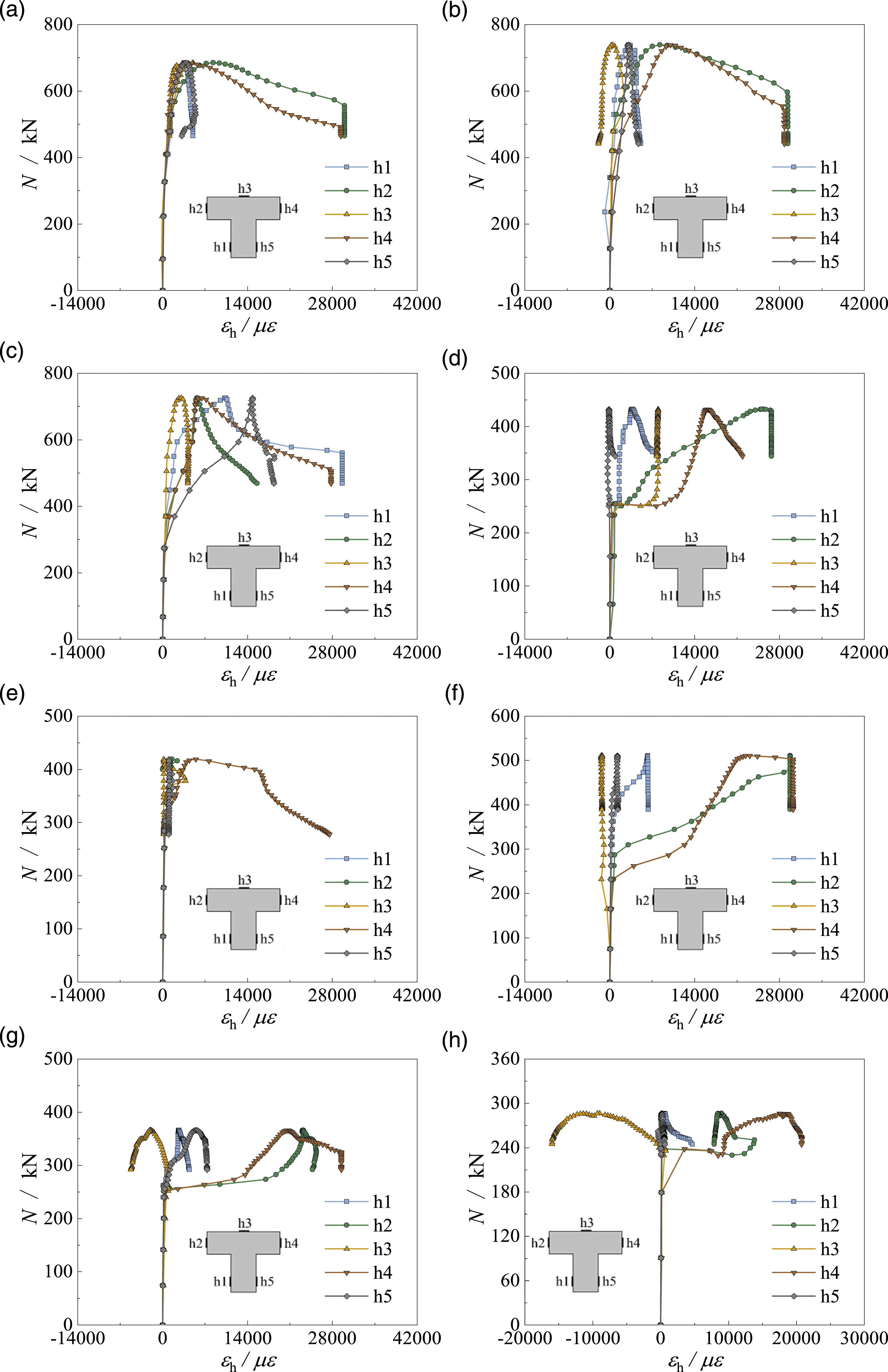
The longitudinal and transversal strain curves of the outer steel tubes at the mid-height section were displayed in Figures 8 and 9, where ‘positive’ and ‘negative’ values respectively indicate tensile and compressive strains. The longitudinal strain curves are roughly linear at the initial stage of loading but become increasingly nonlinear. The stiffener effectively delays the buckling of the steel tube on the flange, thus the longitudinal strains at different points of the stiffened column are more uniform than those in the unstiffened column, as shown in Figure 8(d) and (e). The load-middle height transversal strains of measuring points 2 and 4 exceed that of other measuring points, indicating that points 2 and 4 have a stronger confinement effect than other parts, as depicted in Figure 9. Load-longitudinal strain curves. (a) SCT-100-0-0. (b) SCT-100-45-1. (c) SCT-100-45-2. (d) SCT-100-45-3. (e) SCT-0-45-3. (f) SCT-100-90-1. (g) SCT-100-90-2. (h) SCT-100-90-3. Load-circumferential strain curves. (a) SCT-100-0-0. (b) SCT-100-45-1. (c) SCT-100-45-2. (d) SCT-100-45-3. (e) SCT-0-45-3. (f) SCT-100-90-1. (g) SCT-100-90-2. (h) SCT-100-90-3.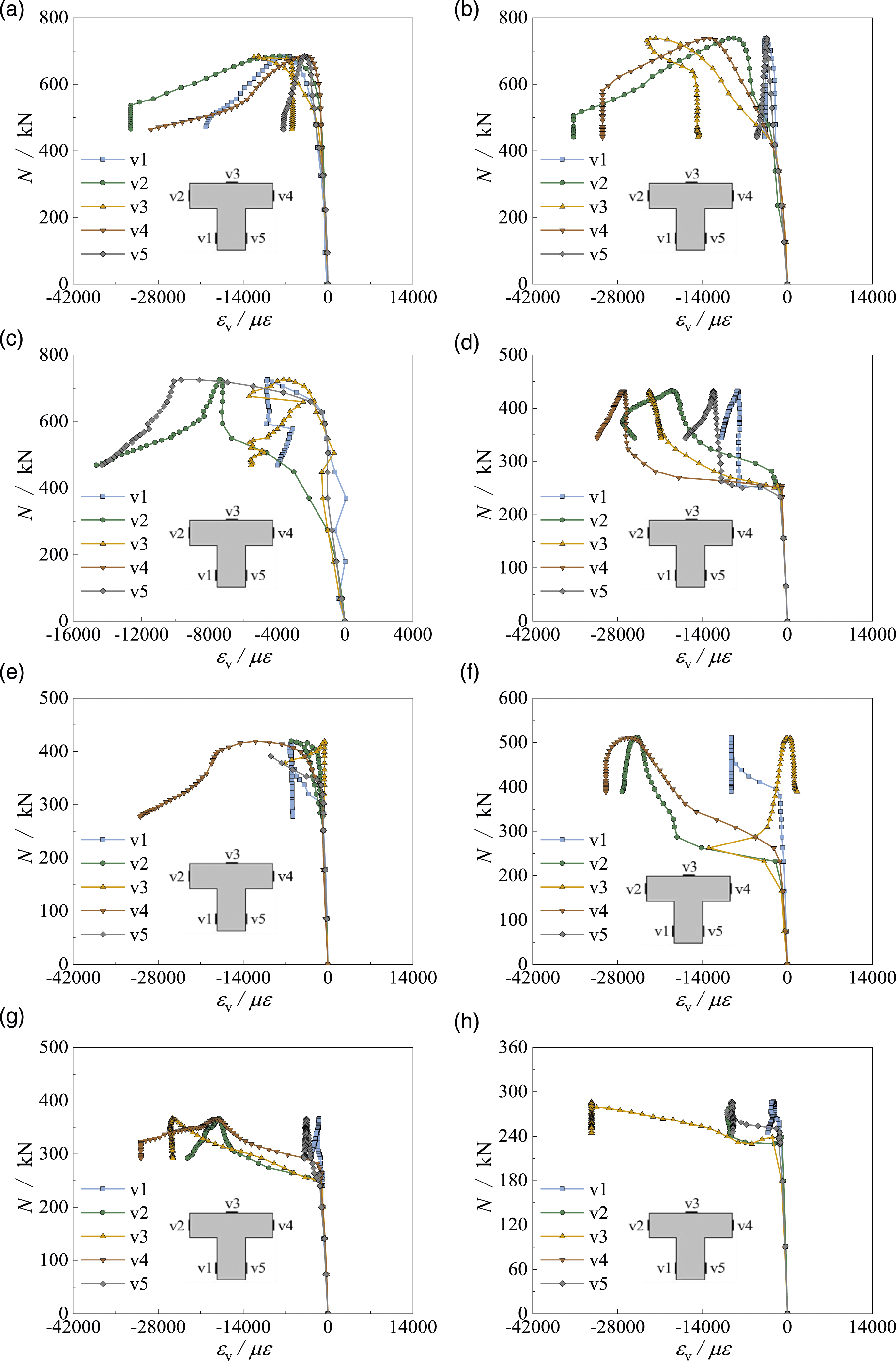
Load-displacement curves and mechanical performance analysis
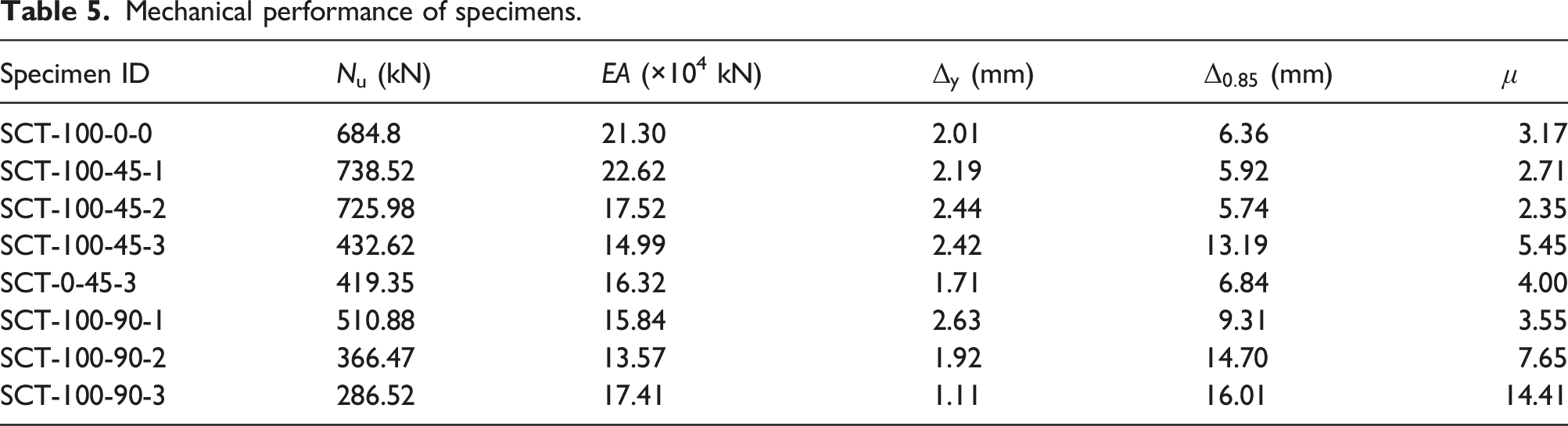
The effects of the heating durations, numbers of fire exposure surfaces, and stiffened steel bars on the mechanical performance of the TSSCFST stub column specimens are discussed in this sub-section. Figure 10 depicts the load-displacement curves measured from all specimens, where ‘positive’ values indicate compression, and the residual bearing capacity (Nu), axial compression stiffness (EA), and ductility index (μ) are presented in Table 5. Load-displacement curves. (a) One-sided fire. (b) Two-sided fire. (c) All-sided fire. (d) The stiffened specimens. Mechanical performance of specimens.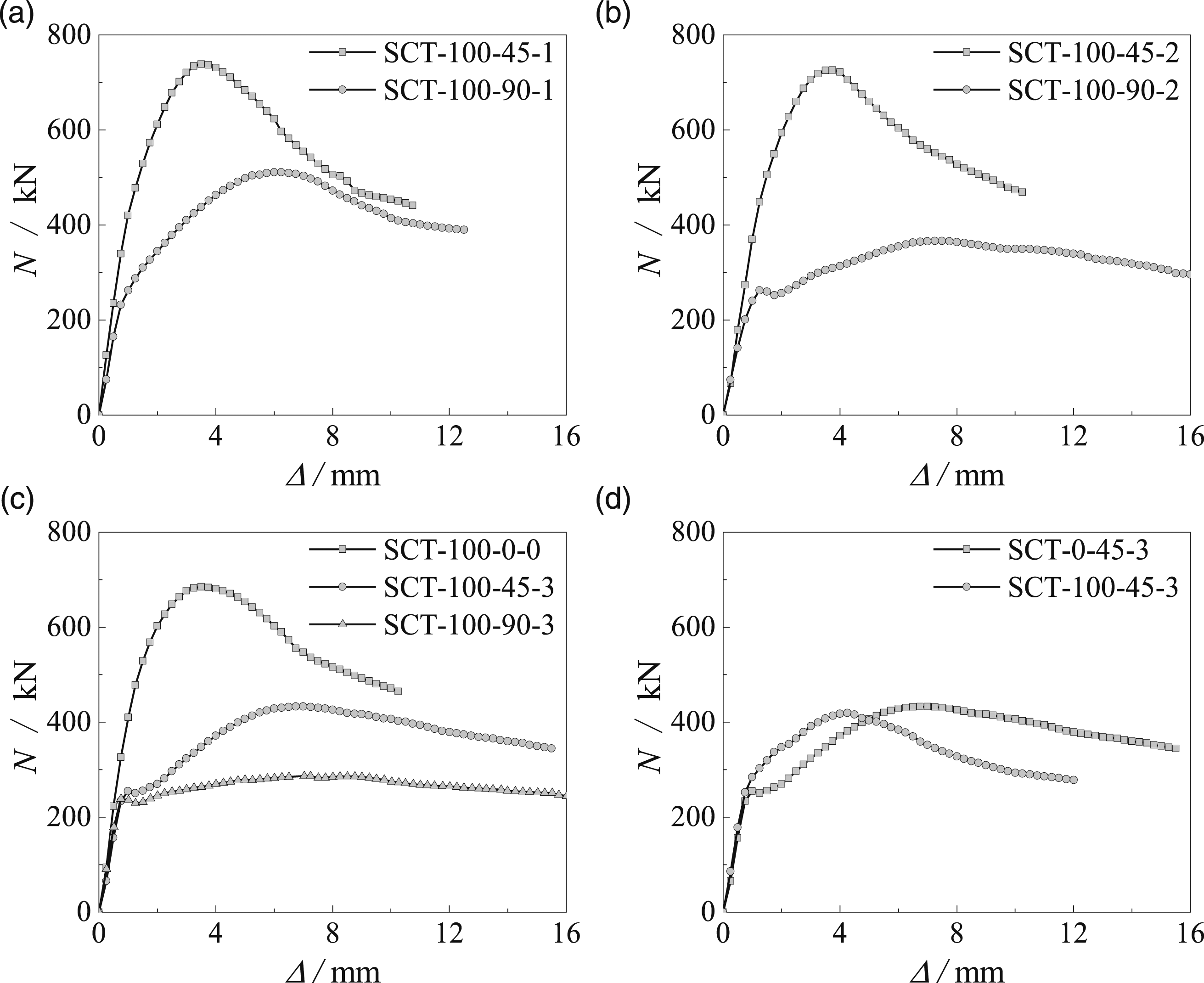
Residual bearing capacity (Nu)
The results of the comparison indicate that the residual bearing capacity of the uniform fire exposure specimens decreases with increasing heating duration, while the residual strength of the specimens after exposure to the one-sided fire and two-sided fire for 45 min increased by 7.8% and 6.0% respectively in comparison with the unexposed specimen (SCT-100-0-0). This is mainly owing to the fact that the internal concrete maximum temperatures of the non-uniform fire specimens after exposure to fire for 45 min are between 200°C and 300°C (as shown in Figure 6(b) and (c)), and the concrete strength has not yet damaged (Guo and Shi, 2011). Although there is some degree damage of the steel tube after fire exposure, the portion of fire exposure steel’s contribution to the specimen bearing capacity is limited for one-sided and two-sided fire exposure specimens, thus the bearing capacity of these specimens after exposure to non-uniform fire for 45 min has no obvious degradation. The slight increase in the residual bearing capacity may be explained by experimental errors. The uniform fire exposure has the greatest damage to the specimen, followed by the two-sided fire and the one-sided fire (e.g., specimen series with heating durations of 90 min), as shown in Figure 11. The ultimate compression strength of the stiffened specimen (SCT-100-45-3) was shown to increase by 3.1% in comparison with that of the unstiffened specimen (SCT-0-45-3). This may be attributed to the delay of the buckling of the outer steel tube resulting from the stiffened steel bar. Effect of three parameters on residual bearing capacity. (a) Heating time and fire boundaries. (b) The presence of stiffened steel bars.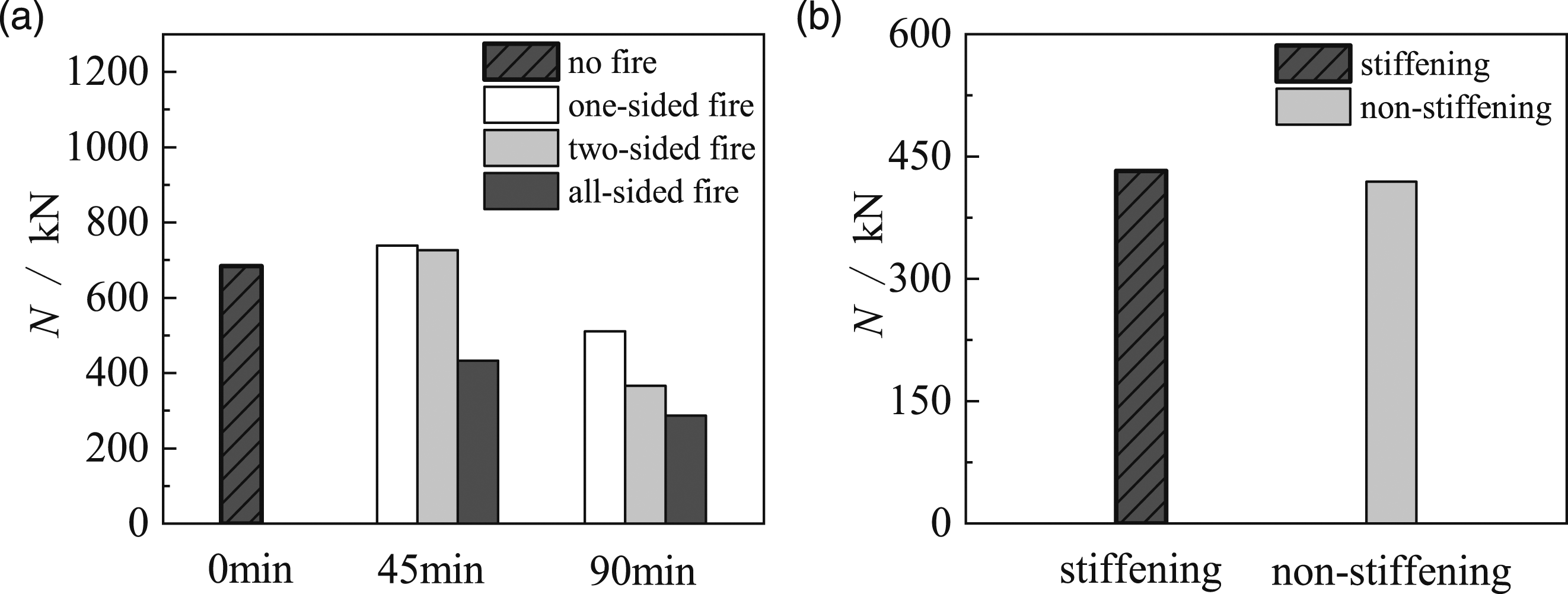
Axial compression stiffness (EA)
The axial compression stiffness of the post-fire TSSCFST stub column specimens is evaluated using EA = Esc Effect of three parameters on axial compression stiffness. (a) Heating time and fire boundaries. (b) The presence of stiffened steel bars.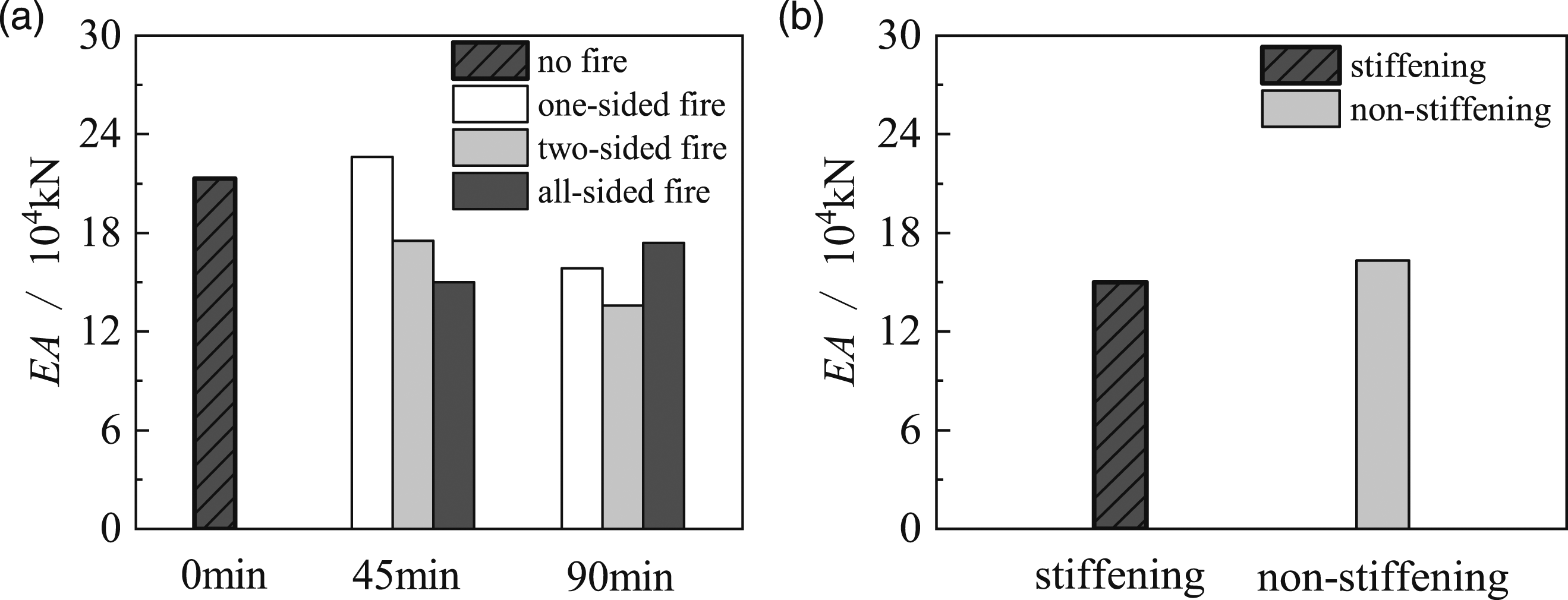
Ductility index (
)
The ductility of the post-fire TSSCFST stub columns is evaluated utilizing the ductility index Definition of ductility index. Effect of three parameters on ductility index. (a) Heating time and fire boundaries. (b) The presence of stiffened steel bars.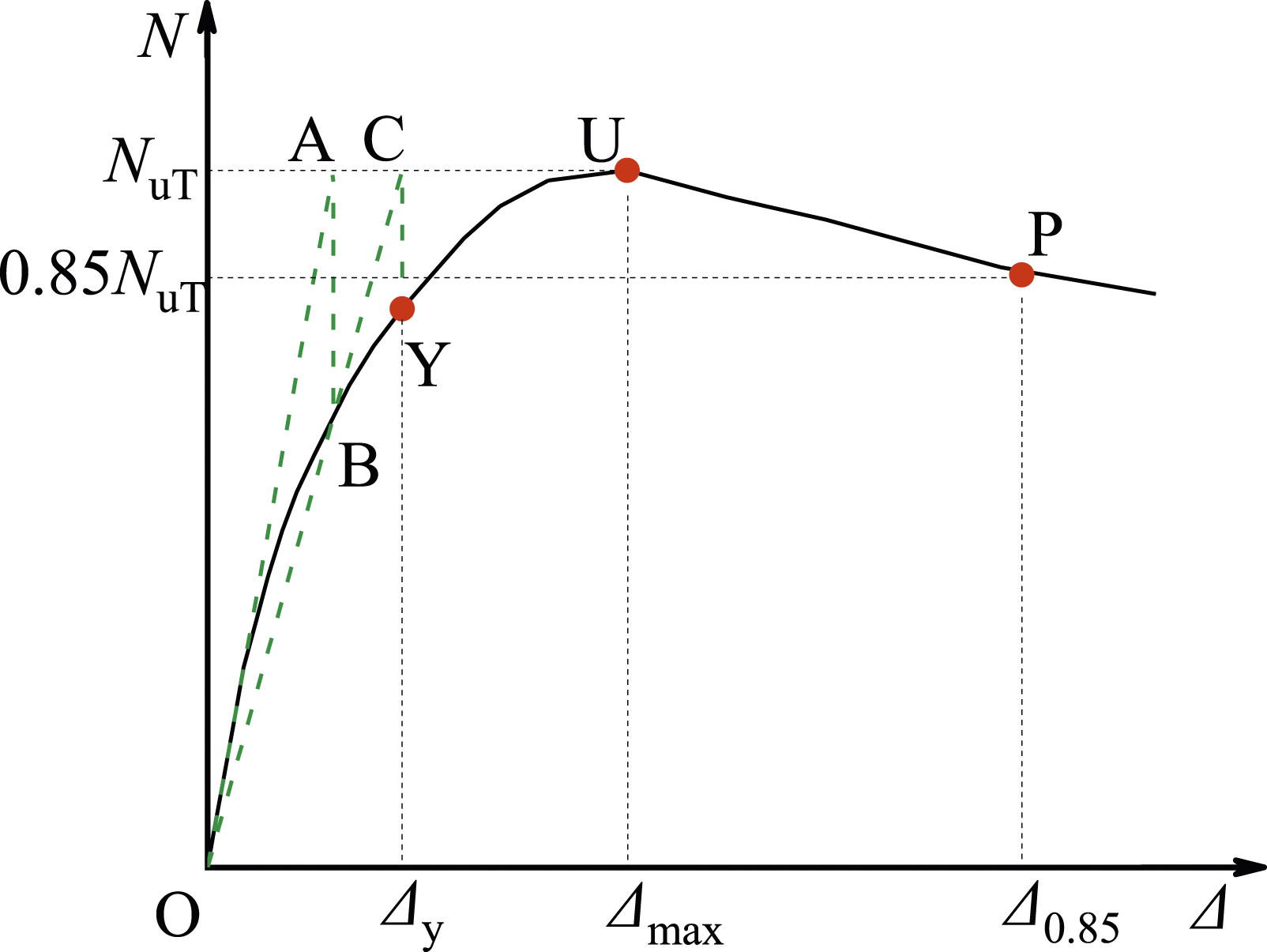
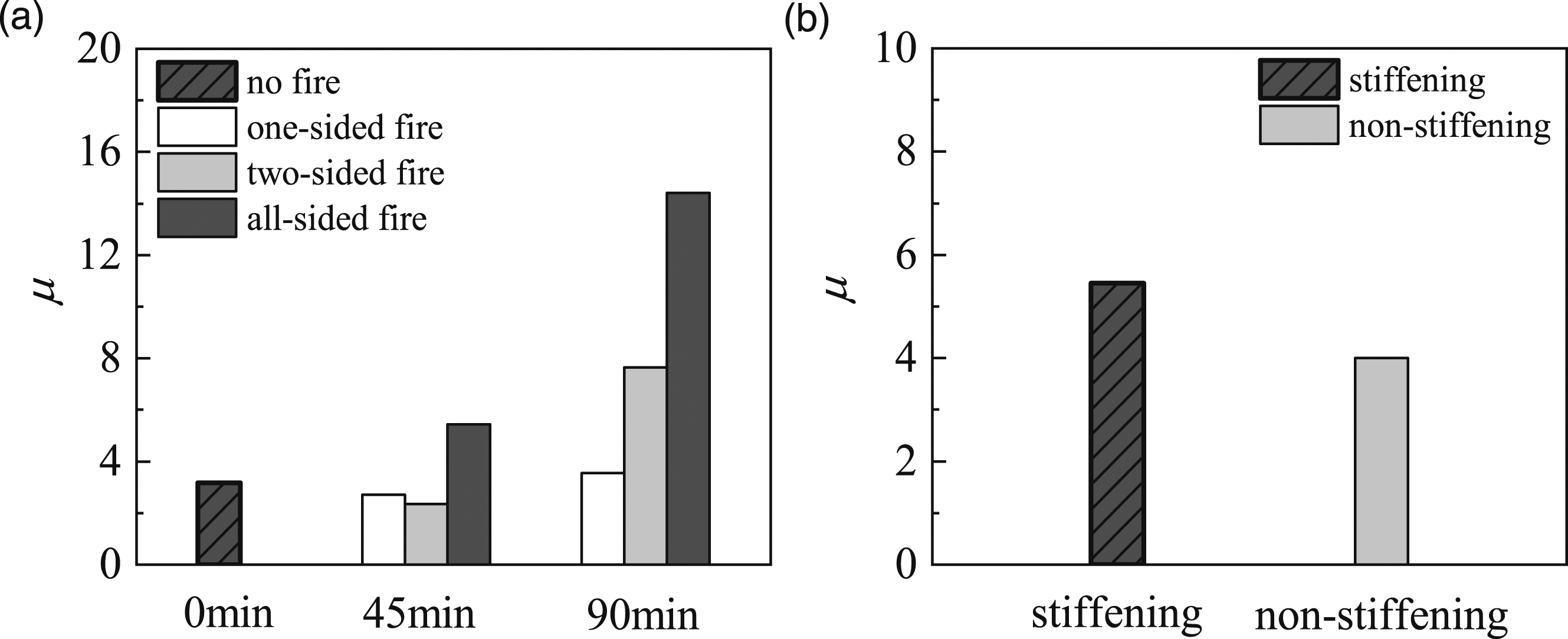
Conclusions
An experiment was conducted in this paper to study the post-fire behavior and residual compression capacity of TSSCFST stub columns with two heating durations of 45 min and 90 min, three kinds of fire boundaries, and stiffened steel bars. Based on the study, the following conclusions are obtained: (1) The TSSCFST columns fail in a waist drum or shear type. The residual bearing capacity and axial compression stiffness of the TSSCFST stub column decrease with increasing heating duration, whereas the ductility increases after fire exposure. (2) The number of fire exposure surfaces significantly influences the residual mechanical performance of TSSCFST stub columns. For specimens exposed to fire for 90 min, the residual bearing capacity increased by 27.9% and 78.3% for two-sided and one-sided fire respectively in comparison with specimens after exposure to uniform fire, while the corresponding ductility experienced a decrease of 46.9% and 75.4% respectively. (3) The transverse stiffening steel bars have a more significant effect on enhancing the ductility than the bearing capacity and axial compression stiffness, because they can effectively delay the local buckling of steel tubes and the development of cracking in concrete.
Footnotes
Declaration of Conflicting Interests
The author(s) declared no potential conflicts of interest with respect to the research, authorship, and/or publication of this article.
Funding
The author(s) disclosed receipt of the following financial support for the research, authorship, and/or publication of this article: This work was supported by the Financial support for this study was provided by the National Natural Science Foundation of China (51208246), the Postdoctoral scientific research developmental fund of Heilongjiang Province (LBH-Q21098), and the Foundation of Key Laboratory of Structures Dynamic Behavior and Control (Ministry of Education) (HITCE202007) in Harbin Institute of Technology.
