




Abstract
This article reports on the use of photo-elicitation in a mixed methods study of academics’ later careers and retirement. Interviewees, who were either in their later career stage or retired from university work, were asked during the interviews to discuss the resonance that pre-selected images had with their understanding of retirement. Despite reluctance on some participants’ part to engage with the images, the majority took the opportunity to elaborate on themes of time, purpose, trajectories, hopes, and fears, rejecting images that they considered stereotypically negative. The argument is made that photo-elicitation’s pioneers have served subsequent users of the method well by being candid about its challenges as well as its potential and by encouraging creativity and flexibility in its application rather than presenting a set way to proceed. Because research does not always go according to plan, photo-elicitation’s potential for creative and flexible use recommends it to both novice and established practitioners, possibly as a complement to other methods in mixed methods projects.
Introduction
Ideally, methodological innovators balance descriptions of their method’s merits with acknowledgement of the possibility of encountering problems. Focussing only on benefits risks frustration among subsequent adopters; conversely, highlighting only difficulties will be discouraging, leading to low take-up and consequent marginality for the innovation. Abbott (2004) has recommended that enthusiasm for a preferred method’s potential is qualified, noting that all methods are open to critique from rival methodological standpoints because debates about the relative benefits of different methods have the quality of ‘tail-chasing circles’ akin to ‘the children’s game Rock-Paper-Scissors’ (pp. 42–61) in which strengths come with vulnerabilities. This advice echoes Becker’s (1970) concern regarding the ‘very strong propensity of methodologists to preach a “right way” to do things’ (p. 4). Unbridled missionary zeal remains a problem among some methodologists (Crow, 2020). Becker’s (1986) exhortation to researchers humbly to admit ‘that you are not the paragon who always knows the Right Way and executes it flawlessly’ (p. 67) retains salience because it leads to better research practice and writing. For Becker (2008), preparedness to ‘look for trouble’ (p. xvi) rather than shying away from it is fundamental to social science, as are creativity and flexibility in responding to such trouble. His case for the adoption of visual methods, and specifically of photography (Becker, 1974), exemplifies this point.
Visual methods’ popularity suggests that advocates have struck the balance between enthusiasm and cautionary tales effectively in the development of a creative and flexible way of practising social science. Wariness of identifying ‘one right way’ (Pauwels, 2012: 259) has characterised this story at least as far back as Mills’ (2000) laconic 1948 observation made when discussing social scientists’ use of photography, ‘every cobbler thinks leather is the only thing’ (p. 111). Pink’s (2007a) statement that visual methods can generate ‘knowledge that is not accessible verbally’ is followed by guardedness: ‘Sometimes it is impossible to be sure which technologies and methods are appropriate until one has started work on a project’, one response involving ‘balancing the visual and verbal’ (pp. 361, 363, 365). Similarly, Rose (2007) quotes approvingly Becker’s appreciation of how photographs can convey ‘real, flesh and blood life’, but she notes that, without precautionary steps, some ‘readers/viewers . . . will simply be baffled by the photos rather than convinced by them or moved by them or amazed by them’ (pp. 238–250). Likewise, Harper’s remark that ‘A sensitive fieldworker is already nearly equipped to do visual sociology’ (2004: 236) will encourage aspiring researchers, but his observation that ‘this kind of research . . . is more easily described than accomplished’ (1998: 145) may dishearten. As Abbott (2004) says, ‘Creativity cannot be taught’ (p. xii). Rose’s (2007) point that visual methods work best with good quality images pertains here, requiring ‘a fairly high level of photographic skill to be really effective’ (p. 250). Put another way, ‘Not every set of visuals will “work” to trigger desired reactions’ (Pauwels, 2019: 4). Fortunately, problems beget solutions. Researchers with concerns about their ‘visual illiteracy’ (Knowles, 2000: 26), or simply limited technical competence, might employ a professional photographer on a project. Alternatively, a research team might recruit a photography student (Lassiter et al., 2004: 7), while use of archived material offers another option (Harper, 2001). Likewise, none of the several ethical challenges which visual methods raise is insurmountable (Wiles et al., 2012).
The visual method of photo-elicitation has been developed imaginatively over several decades (Dam, 2021). The photographs used as prompts may be produced by participants, researchers, or third parties and may exist prior to the study or be taken as part of the project; options have multiplied and standards have improved with advances in camera technology. The method is inclusive, being used for example with autistic children (Ellis, 2017), although asking participants to create new collections of images may require more time to devote to the task than people with busy lives have at their disposal. Harper (2004) characterises photo-elicitation as ‘a method in which researchers stimulate subjects’ interpretations using photographs as a kind of “cultural Rorschach test”’, noting that research participants’ reactions to images can be ‘humbling’ (p. 236) for researchers who discover how little they know of their interviewees’ social worlds. This is facilitated by ‘allowing the researcher to compare her or his subjective interpretation with that of the research participant’ (Pink, 2009: 93). Obtaining photographs carefully is crucial because ‘photographs are not views from nowhere; they are made from a vantage point and they are guided – if not completely controlled – by the photographers’ hands’ (Back, 2004: 134). Tellingly, Harper (2004) discovered that the photographer’s gender shaped the portrayal of agriculture contained in the archived images that he studied, since ‘for the men, the farm women’s work was largely invisible. They did not photograph women as productive parts of the farm’ (p. 233). Selectivity of a different sort occurs where research participants’ own collections are used to facilitate ‘talking with photographs’ as a way of creating ‘exciting new knowledge’ (Pink, 2007b: 86). Mason and Davies’ (2011) inclusion of this approach when investigating family resemblances proved revealing, although they caution that it could come ‘to dominate the interviews and to close down discussions as well as opening them’, as happened when participants assumed that ‘the image would speak for itself’ (p. 38), thereby denying the interviewer vital contextual information. Banks’ (2001) observation that ‘it is not merely a question of looking closely but a question of bringing knowledges to bear upon the image’ (p. 3) applies to all visual methods, including photo-elicitation
Several things favoured including photo-elicitation in a mixed methods project investigating academics’ understandings and experiences of retirement, either actual or prospective. Claims that it can be ‘applied in a variety of scholarly and professional settings, to a variety of issues’ (Pauwels, 2019: 8), that ‘its potential is nearly endless’ (Harper, 1998: 145), highlight its versatility, being usable, for example, with focus groups (Byrne and Doyle, 2004) as well as with individuals. Its capacity to ‘get beyond the obvious’ (Harper, 1987: 12), to ‘reveal the normally unrevealed dimensions of social life’ (O’Reilly, 2012: 166), is particularly attractive when studying phenomena such as ageing which are bedevilled by misleading stereotypes and by taboos surrounding the discussion of the end of life (Thompson et al., 1990: 3–4, 22). Photographs may be associated with idealised versions of phenomena (Alexander, 2013) but also have the potential for ‘demystification’ (Bryman, 2008: 518). This provides a useful corrective as familiar retirement landscapes have been disrupted by recent trends so that life after work becomes characterised by uncertainty (Phillipson et al., 2019) or fantasy (Goodwin and O’Connor, 2014). Furthermore, discussing photographs facilitates prolonged reflection. Interviewees feel pressure to answer conventional questions instantly; photo-elicitation allows comfortable silences while participants are ‘studying the photograph and thinking’ (Harper, 1987: 13). Using photo-elicitation to ‘help us learn ourselves’ can be ‘shocking’ and ‘startling’ (Harper, 1998: 147, 145), but constructively so, for participants and researchers alike. Consequently, what interviewees say can transform researchers’ interpretations of images (Pink, 2007b: 86), including researchers who are new to the method. In addition, abundant high-quality photographs available royalty- and copyright-free on websites such as Pexels https://www.pexels.com meant that diverse photographic styles could be included, thereby offering a more heterogeneous (and therefore superior) set of prompts than would have been produced had photographs taken by the researcher, with a uniform ‘eye’, been used.
The project
Including photo-elicitation in the mixed methods project exploring academics’ career endings and transition to retirement faced an early challenge. Covid-19 restrictions required revision to the research design combining documentary analysis, surveys, and focus groups. (Further information about the project and how visual methods fitted into it can be accessed at Crow (2021).) Planned use of visual images related to aspects of retirement as prompts in focus groups was changed by using them instead as part of virtual interviews conducted with 54 UK-based academics, mostly via a virtual face-to-face connection (six preferred to complete the interview by email). Of these interviewees, 34 were retired (defined as receiving most or all of their income from pensions) and 20 still working. They ranged from those in their 50s to those in their 80s. The group still working were on average a decade or so younger than the retired group, although four of the 20 still working were aged 70+ while the retired group included eight below 70, including some who had retired in their 50s. Men outnumbered women 23 to 11 in the retired group and 11 to 9 among those still working. Most participants (37) worked for or had retired from pre-1992 universities (19 institutions in total) while 17 had associations with 10 post-1992 universities. The majority of these institutions (21) were in England (30 participants); eight were in Scotland, where the higher education system is different (24 participants). Professors or people of equivalent rank dominated the sample. Interviewees were recruited by snowball sampling. Despite efforts to recruit people from all academic disciplines, only seven of the 54 interviewees came from outwith the humanities or social sciences. A further 13 people (19% of those invited) were contacted but not interviewed due to declining the invitation, non-reply, or difficulties arranging a mutually convenient time. It was envisaged that interviewees’ responses to the visual images could be analysed alongside the data generated by these participants in other parts of the interviews and by the 242 survey participants (who were a distinct group from interviewees).
Institutional ethics approval was gained before interviewees were contacted. Once interviewees had consented to participating they were sent a link to 34 photographs on the project website https://www.academic-career-ending.sps.ed.ac.uk/images/ ahead of the virtual interviews. These photographs were drawn from the Pexels website, using search categories such as ‘retirement’, and chosen for their perceived salience to themes of endings, beginnings, change, continuity, relationships, isolation, activity, movement, time, and money. These broad themes were derived from research on retirement (such as Silver’s (2018) study of discontentment with retirement which included retired academics) and ageing (such as Bytheway and Johnson’s (1998) deconstruction of stereotypical images). In addition, 10 pilot interviewees commented on an initial selection of images. Rose’s (2007) remark that in publications that use visual images, ‘readers still need some guidance on how to treat the images that they are being offered’ (p. 250) prompted consideration of how best to label the photographs being put before interviewees, as did Mills’ (2000) concern that sometimes text ‘gets in the way’ (p. 113) of what images convey. It was decided not to include the descriptive titles from the source website, nor to devise substitutes, but rather to maximise openness to interpretation by giving each image only a number and the photographer’s name to identify it. The work of 32 photographers of varying styles was drawn upon. Fourteen of the images contained words, such as the image of a demonstrator holding aloft the placard ‘Greta For President! There Is No Planet B’ (Image 11). Interviews were conducted between May and October 2020, lasting on average 50 minutes. The images were left until later in the interviews to avoid discussion of them dominating the conversations, just as Mason and Davies (2011) had ‘saved our request to look at photographs until towards the end of the interviews so that we did not narrow our participants down to reflecting only on visual aspects too quickly’ (p. 38). Although the list of questions available to be asked about photographs is potentially ‘endless’ (Plummer, 2001: 66), the task was introduced briefly. Inspired by Rosa’s (2019) concept of ‘resonance’ and his discussion of vision as a key ‘bodily relationship to the world’ (ch. II), yet mindful of the challenges of representing concepts photographically (Alexander, 2013), interviewees were invited to consider whether the images resonated with their perceptions of retirement, and why.
Results (1): negative reactions
The photo-elicitation literature helpfully presents a balanced account of practitioners’ experiences. Harper’s (2002) admission that ‘Photos do not automatically elicit useful interviews’ (p. 20) and Phoenix and Brannen’s (2014) discovery that photographs sometimes produced silence among participants warned that some interviewees might react negatively to the invitation to comment on the photographs. Several responded unambiguously that they were left unengaged. For these participants, typical responses were ‘What they did for me was to give me an overwhelming feeling that I didn’t quite fit in anywhere’ (Interviewee 24 (hereafter ‘I24’); ‘I’m a very visual person actually but they didn’t resonate with me at all really’ (I43); ‘I don’t think any of these relate to me very well’ (I45); and, most forcefully, ‘I find them all horrid!. . . None of them particularly provide catalysts for thought’ (I14). One bemused interviewee, commenting that ‘They didn’t mean anything to me at all. Nothing’, recalled wondering ‘have they sent me the wrong pictures?’ (I19). For this group, whatever retirement might look like, these images were not it. Had these responses been concentrated among the first participants rather than spread across the interviewing period, faith in photography’s potential to facilitate ‘the give and take of sociological dialogue’ (Back, 2007: 96) would have been dented. Fortunately, the initial interviewees embraced the exercise, for example, calling the images ‘surprisingly interesting’ (I1). The remark that ‘some were really arresting and made me think, and others I didn’t know why I was looking at them . . . maybe half a dozen did resonate’ (I5) combined positivity for the activity with a degree of perplexity. Two early interviews evoked less positive comments about the exercise (‘Lots of them aren’t me’ (I6) and ‘If you ask me what these images mean to me, I would not say “retirement” for any of them’ (I7)), but by then its potential with at least some participants had been established. Further endorsements, such as calling the photographs ‘amusing and fun’ (I22) and the remark ‘It’s a good set you’ve chosen’ (I51), reinforced the reassurance.
Many participants developed the theme that it was easier to specify images of retirement that did not apply than ones that did. Some reactions were to specific images, such as Figure 1 which featured balls of wool: ‘I’m not going to do any knitting, that’s definitely not on the table’ (I12); ‘Something I particularly dislike is craft. The idea of any kind of sewing or anything fills me with horror’ (I36); ‘I do not want to be a retiree that goes to pottery classes’ (I6).
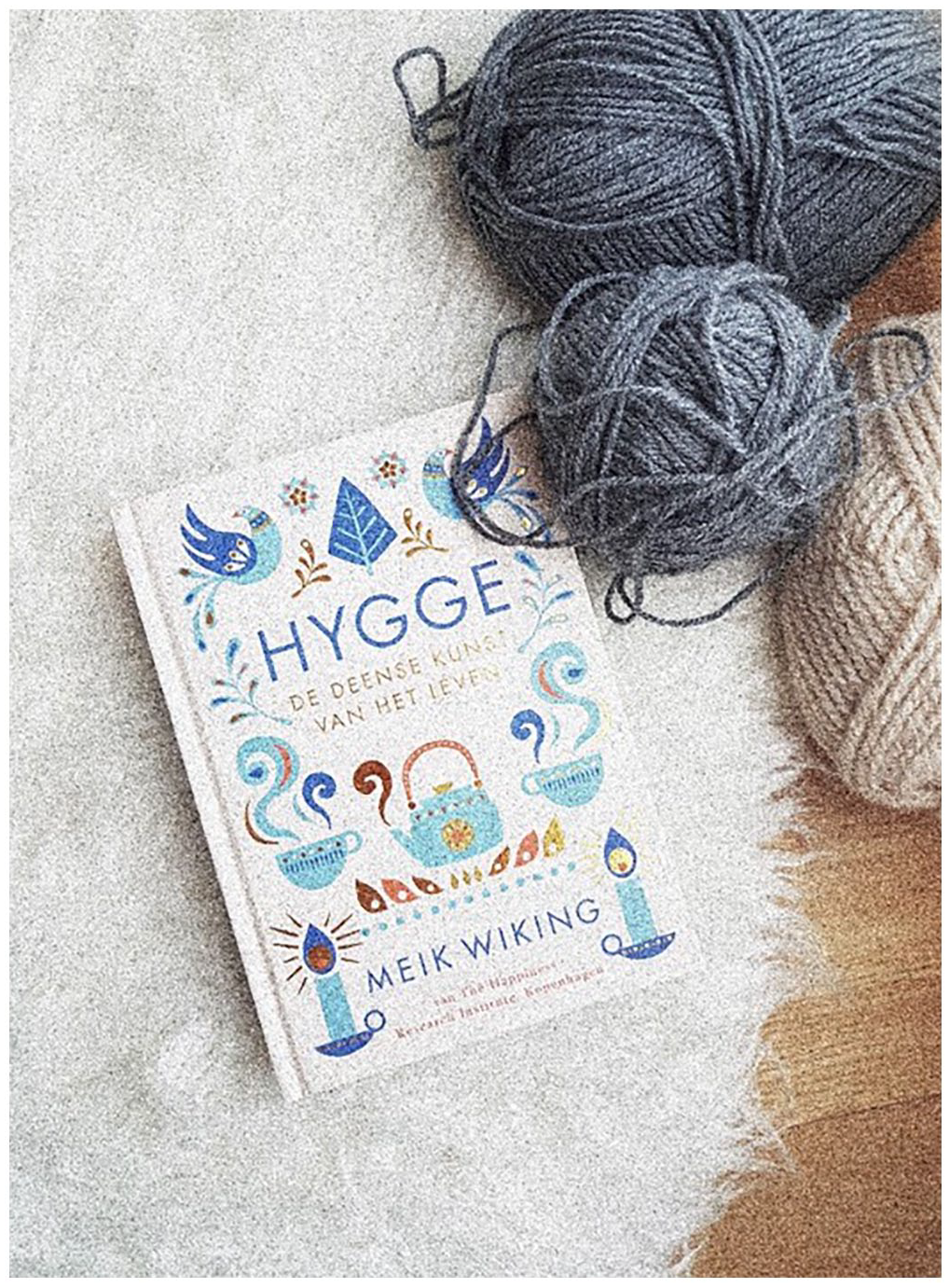
Image 15 on the project website taken by Femke Defrère.
Nevertheless, some retired interviewees told a different story about taking up or renewing hobbies: ‘I have started to knit again, which I didn’t do. I’d have probably been embarrassed to say in my fifties that I enjoyed knitting’ (I10). Regarding a different pastime, another spoke of ‘the unexpected pleasures of retirement’ (I22), while a participant whose retirement lay ahead qualified the remark ‘Hobbies, no, can’t see myself doing that’ by adding ‘you don’t know how you will react . . . until the reality comes’ (I51). The possibility of taking up such pursuits in the future was thereby left open.
Images thought to be associated with passivity or inactivity prompted widespread objections: ‘One or two certainly struck me as being negative. The one of the building site with “slow down” [Image 30], as if you’re going to get the pipe and slippers and not do anything . . . slumped in front of Coronation Street’ (I33); ‘number 4 with the old man sitting, I don’t want to be that person, I’m not anywhere near that. . . Although I describe myself as retired, I don’t see myself as somebody doing nothing’ (I30); ‘One of them I didn’t buy into was the one that had a stop sign on it [Image 1], and in one way or another a lot of the images . . . didn’t seem particularly positive . . . putting your feet up and do[ing] nothing’ (I16); ‘I want to go on doing things rather than want to sort of stop and sit in my easy chair’ (I44). Retirement was thereby associated firmly with continued activity. Image 5, of a clear diary, was another problematic expression of inactivity for several participants, both retired and yet to retire. For those looking ahead, it was not what they desired or could envisage: ‘I don’t want an empty diary’ (I6); ‘I can’t imagine having an empty diary . . . feeling worthless and time stretching ahead . . . I just never feel like that’ (I38); ‘I don’t think I’d have an empty diary’ (I48); ‘No, no, mine will be full’ (I47). Nor, for those already retired, did it match their experience: ‘That didn’t seem to reflect my life as I live it’ (I37); ‘The empty diary is the opposite to me, I thought’ (I43); ‘Never so blank’ (I23); ‘Not the empty diary, not at all, that had no appeal’ (I32). Another commented, ‘that one resonated with me and not in a good way, I don’t see an empty diary as an opportunity but as a burden’ (I31). It could evoke ‘a fear of the diary being completely empty, and you lose a sense of time’ (I35). Associating retirement with people having time on their hands was emphatically rejected.
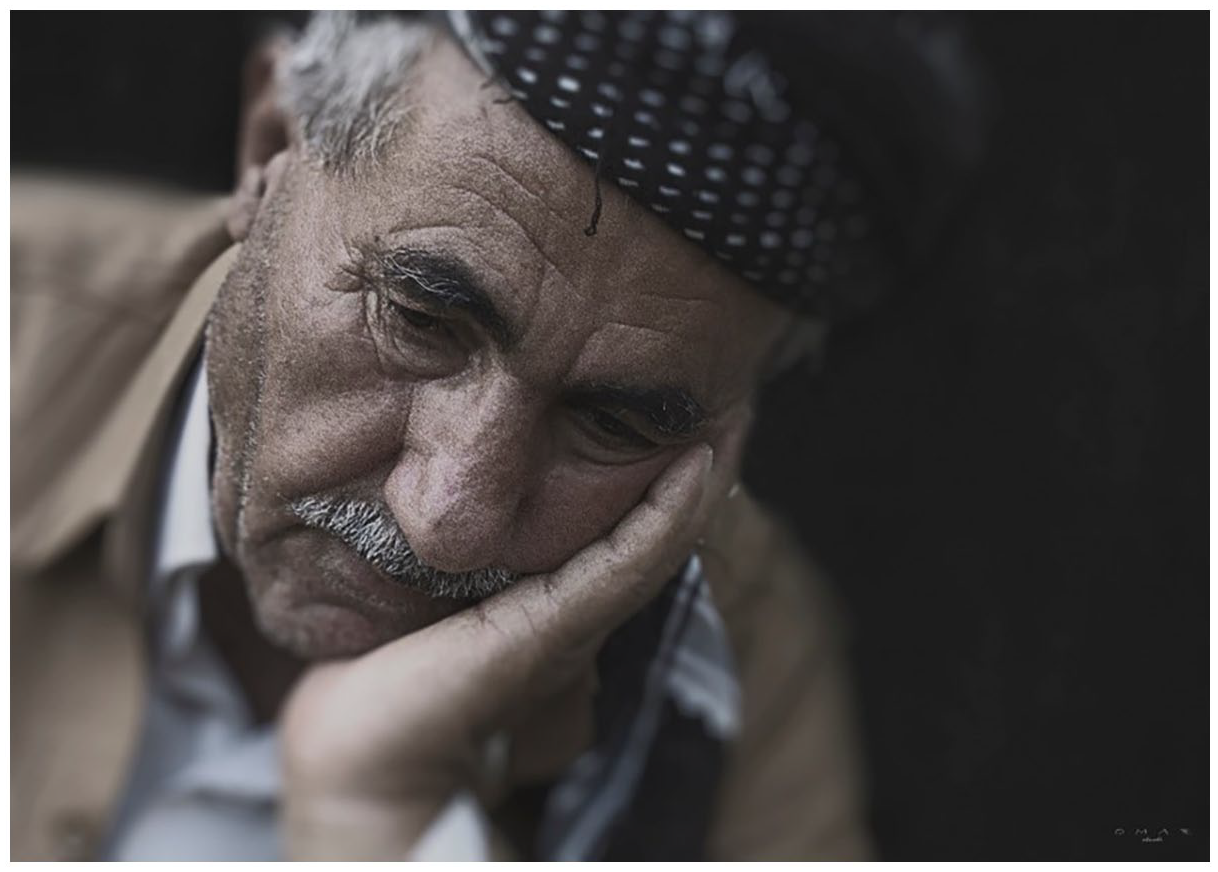
Image 4 on the project website taken by Omah Alnahi.
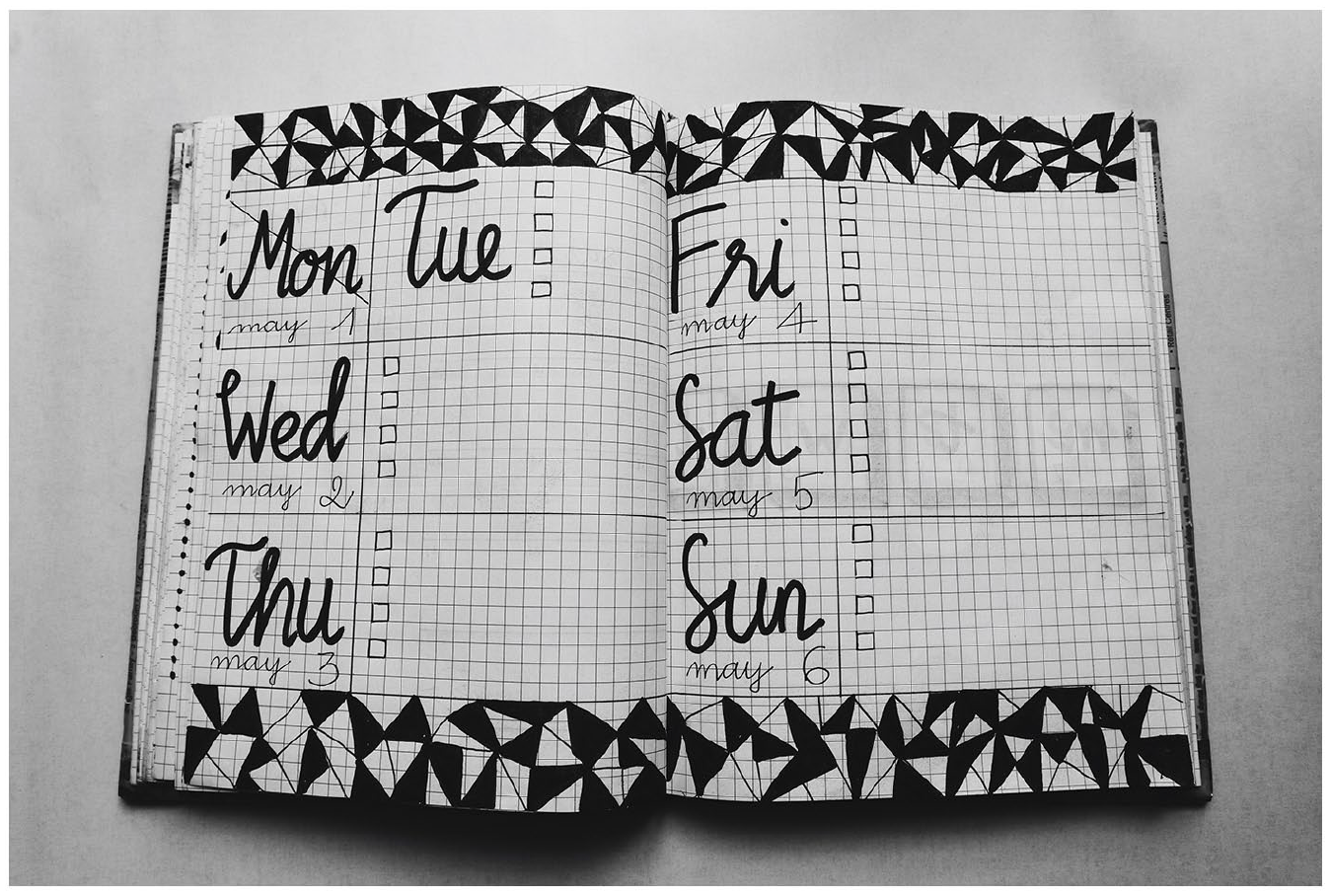
Image 5 on the project website taken by Bich Tran.
Results (2): time and purpose
There was, from another angle, recognition that steps needed to be taken to avoid time hanging heavily after retirement from a demanding job. Using time purposefully emerged strongly as a theme. The diary image prompted some deep reflection:
Number 5 did something for me. . . That was to do with . . . my sense that it was very important to structure the time of retirement. . . One of the key issues in thinking about retirement for me was that I was anxious about the notion of it as an unstructured, featureless, unvariegated space of time. . . Having been someone who always worked with a diary, with a plan of the weeks ahead term by term, I knew when it came to retirement I would need to invent a comparable structure and I put a lot of effort into doing that. (I49)
This elaborated on what the participant had said earlier in the interview about colleagues who, once retired, were at a loss regarding what to do with their time and whose lives lacked structure. Release from regular work commitments brings dangers of directionlessness that need to be forestalled, for example, by establishing new sociable routines. This interviewee had done so by building up sporting and artistic connections during a phased retirement process.
In some cases, continuing the practice of keeping a diary provided a reassuring sense of purpose. It did for the person whose working life had been governed by a diary so full that it ‘used to look absolutely shocking’:
Actually the one that spoke to me, although it’s not me, I could see it as a fear, was the empty diary. I still maintain a paper diary and I fill it in every day and that made me think, am I filling it in to convince myself I have a lot of stuff on, I’m doing things, putting in doctor’s appointments and board meetings and so on, what I’m watching on television, etc.? (I28)
Another concurred that ‘one of the things I think it’s quite important to do in retirement is to keep a diary, even if you’re just writing in things that you, you’re meeting people for coffee or lunch or whatever; the fact it’s empty looks to me like you don’t have any friends. . . That looks dreadfully negative’ (I33). In another case, acknowledgement that ‘Too much free time and too much of an empty diary can be scary’ was balanced by recognising some compensating attraction:
I don’t have an empty diary. But then, because my diary gets like that, that’s why I think [there is a pattern of] ebbs and flows for me, because my diary gets like that, then every now and then I’m rather relieved when it gets to a bit when it’s empty and I think, ‘ahhh, nothing that week’. (I40)
The value of pausing or having a breathing space was recognised: ‘I would not want a calendar that’s completely free, I want something in it, I want to see people, for instance. But, at the same time, I just want to breathe, sometimes’ (I9). Full schedules could be experienced as relentless and opportunities to escape them were therefore valued. An overfull diary represented being ‘completely swallowed up’ and needed to be counterbalanced by ‘headspace’ (I40), or time to revivify.
For others, the concern was less with how full the diary was than with who controlled the process of managing it. As one expressed it,
My feeling about diaries is that I’m the person who fills the diary. I’m not required to go to meetings, that was the worst thing about being head of department, your life is not your own at all. That’s the great thing about retirement, you have that amazing control of your diary. That’s a great feeling. (I52)
Another retired interviewee was enthusiastic about being more in control of his time than he had been when working. The diary image resonated with him:
I still have a work diary which I use. . . If several days look empty, I’m actually not at all unhappy because it means I can spend time on my hobbies or do reading, casual reading not professional reading, so I have no problem at all with days which are completely clear of any commitment. . . The fact that my diary is now pretty empty. . . I’m quite happy with that situation. (I50)
Several interviewees detected ambiguity in the images and the empty diary provided a good example of that. The image might mean purposelessness but could also mean ‘respite’ (I38). Regaining control over one’s scheduling was inferred by a working interviewee’s ambition to ‘have a diary like a normal person’, understood as one that can be filled ‘how I want, rather than it being imposed upon me’ (I12). This had been achieved by the retired participant who enjoyed ‘personal control over time with few timetables!’ (I42) and her peer who celebrated escaping from universities’ ‘highly-regimented’ (I43) regimes. Nor were attitudes necessarily fixed; the interviewee who recounted, ‘Some days I think I wish my diary was empty, but when I get to a day where it is empty I think, “what am I going to do?”’ (I46) hinted at temporal rhythms, and the rival attractions of planning and spontaneity.
Results (3): trajectories, positive and otherwise
A second broad theme to emerge related to trajectories, ambiguity about which was perceived in the images of railway tunnels, taken from the inside looking out (Image 33) and from the outside looking in (Image 34). One interviewee anticipating retirement commented, ‘light at the end of the tunnel, I like that. You could interpret that in two ways, you know, the light at the end of the tunnel is your retirement or there is one on the right, it’s sort of “Oh my God that’s sort of, that’s the end”’ (I12). Another interviewee yet to retire accentuated the positive: ‘Heading into a dark tunnel or heading towards the light. I’m an optimist and I’m a happy person so I always think of going into the light with almost anything I’m doing’ (I51). A retired interviewee disputed this, by saying, ‘I don’t know what the light is, it could be, in the words of an old joke, the light of an oncoming train’ (I3). Another found the images ‘nicely ambiguous’ with various connotations of journeys to different destinations and went on to remark, ‘I don’t regard my recent career as a tunnel in any way. It was a hard shift, I loved the work, but I just had to stop and I could see all sorts of possibilities opening out beyond’ (I31). A third captured the ambiguity, by saying, ‘There’s still plenty of light at the end, but it can seem a long way off’ (I23). One recollection prompted was ‘Light at the end of the tunnel images are definitely what I felt at the point I took early retirement’ (I42). A fifth retired participant was, more philosophically, led to think of ‘the phase of later life as an opportunity for spiritual growth and development, and that wasn’t something I had a lot of time for, when I was in full-time work’ (I36). Most comments relating to the tunnel images accentuated retirement constituting a positive new phase.
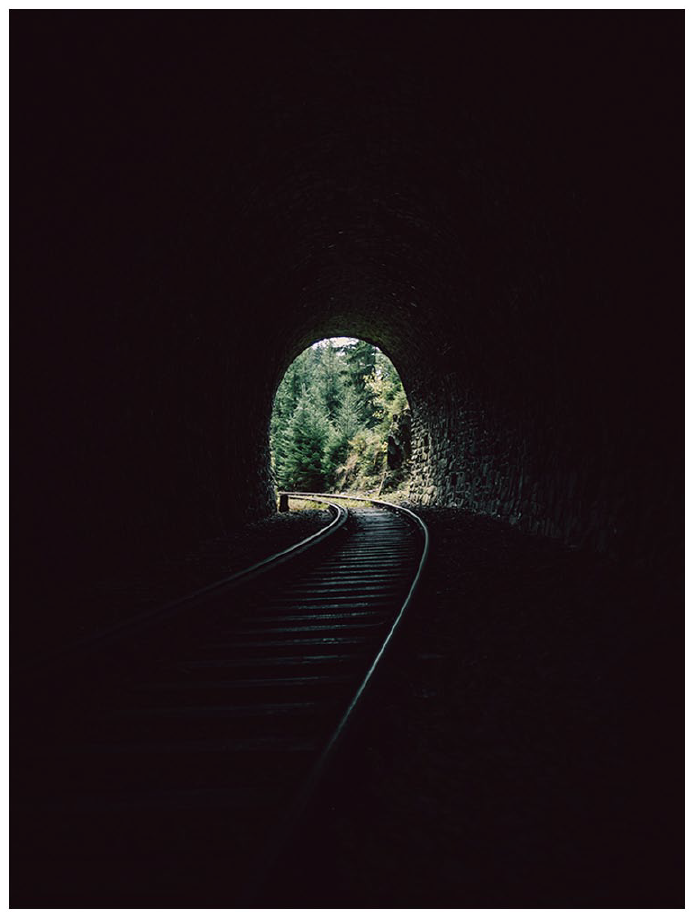
Image 33 on the project website taken by Johannes Rapprich.
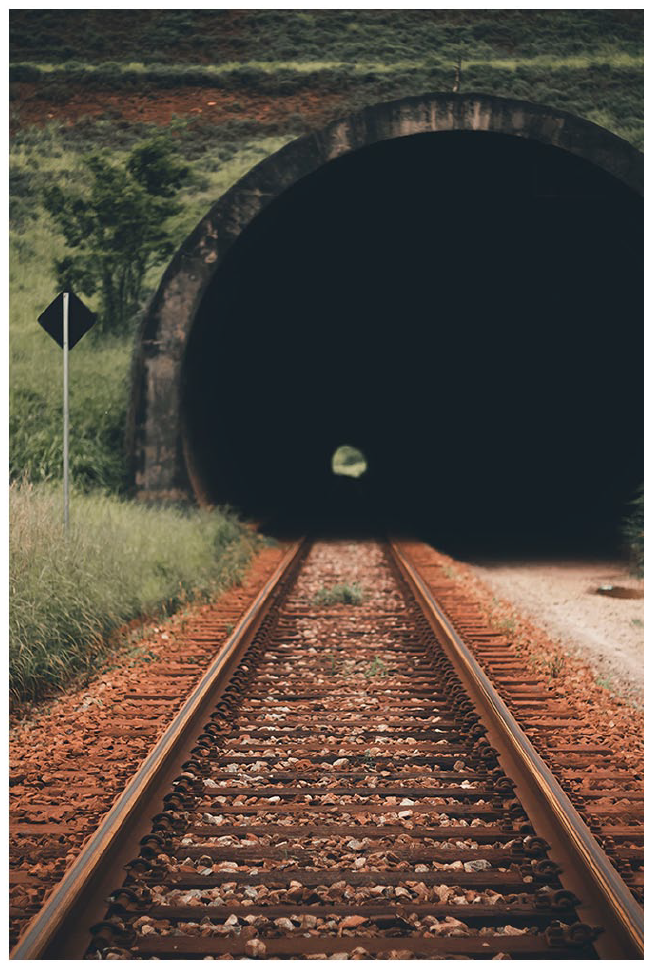
Image 34 on the project website taken by Israelzin Oliveira.
Challenging negative characterisations of retirement is central to notions of the ‘third age’. Worsley’s (2008) autobiography associates the third age with ‘new life’, arguing that most people who retire in their 60s are ‘perfectly capable of carrying on managing their lives and doing valuable work or taking up things they had always wanted to do’ (pp. 244, 264). Worsley considered fellow academics well-placed in this respect and interviewees shared this positivity. Reports of feeling ‘horror struck by some of the ones that looked like the end’ (I41) chimed with participants’ selection of ‘images that evoke optimism and opportunity, rather than the more negative ones’ (I25) and with the preference for ‘a positive view of retirement with opportunities, with new challenges. . . It wasn’t an end point . . . there’s still a positive trajectory here, that’s how I saw it’ (I16). Preference for images that ‘signal continued activity and energy’ (I2) matched the choice of those that ‘represented some sort of hope for the future. That was the thing that resonated with me. So they weren’t negative ones, they were positive ones, and they had an upbeat message’ (I50). Typically, participants chose images ‘that are about opportunity, possibility’ (I12) as the most resonant. Particular approval was given to opportunities for travel and sociability, in contrast to the negative associations of passivity and inactivity.
Accentuation of the positive was distinguished from romanticised perspectives. One retired interviewee objected to how ‘In retirement planning brochures the images are often of a couple with very good teeth and beautifully coiffed hair, and they are often on a beach or a cruise or something. . . That image doesn’t do it for me. . . Certainly not being perfect! That’s just not me’ (I31). Another, who enjoyed spending time in what he called his office/laboratory, remarked that images ‘of people sitting around having a happy time, that leaves me a bit cold’ (I21). An interviewee still working likewise criticised stereotypical ‘images that present a view of the old, or old age as a time of great excitement’ as ‘too chipper’ (I9). Others wanted less attractive aspects of the ageing process to be acknowledged in visions of retirement. One was reminded by Image 4’s solitary, pensive figure that ‘growing old is also part of retirement and that it is not always a pleasurable experience, especially as health problems for yourself and those around you seem to loom large’ (I42). Another recounted how news of peers’ illnesses instilled ‘increasing uncertainty of how long before ageing really catches up with you’ (I45), a discussion that was unusual for including explicit mention of the prospect of death. A third responded to Image 13 by saying, ‘I like the highland scene. I’ve done a lot of hillwalking in the past, but the hill behind looked a bit too steep for me nowadays’ (I32). A fourth viewed equanimously the prospect of ‘feeling like you are being put out to pasture’ (I34), but a fifth was prompted to observe that ‘health and wealth’ are preconditions for making ‘a reasonable fist of living in your nineties’ (I39), influenced by witnessing a much-admired academic struggle as a nonagenarian to deliver a presentation. This echoed two other interviewees’ stories. One was about
an exceptionally talented person with great analytical lucidity and critical powers but at a certain stage, maybe 79, her memory became weak and she said she would look at books and not remember having read them nor why she’d made the marks in them she did, and so she cut off totally after that. Physical decay can lead to people giving up. (I1)
The other concerned witnessing a public debate involving an eminent professor ‘who was obviously very hard of hearing and seemed distant in the discussion’ (I7), which prompted the interviewee to be explicit about his use of a hearing aid when participating in such fora. Worsley’s (2008) observation about the third age giving way to the fourth age via ‘a series of relinquishments’ (p. 265) was thereby endorsed.
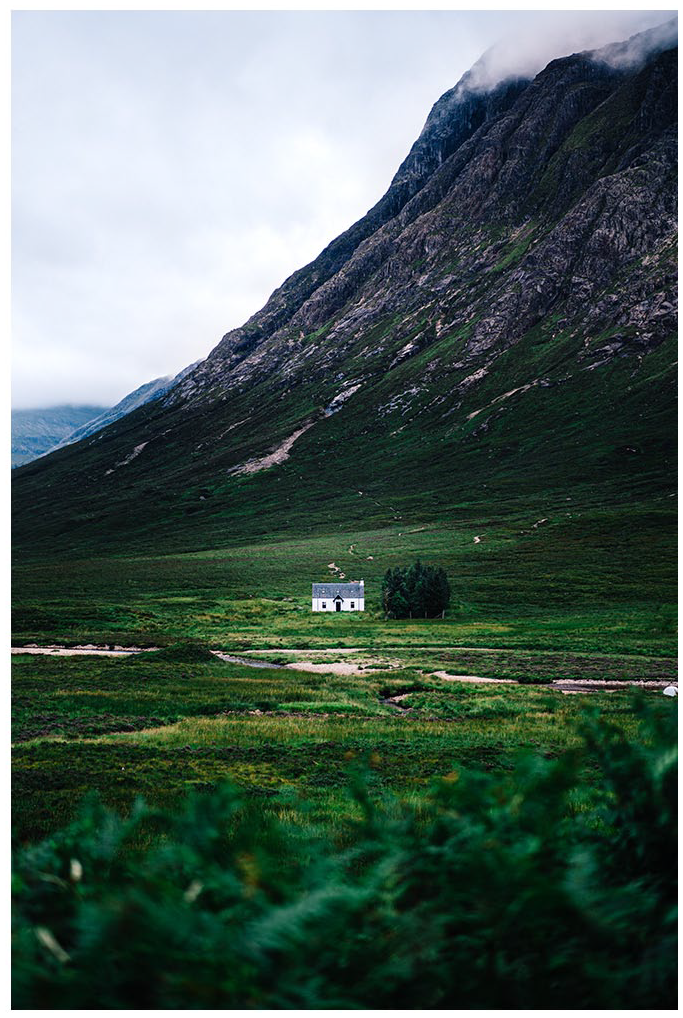
Image 13 on the project website taken by Jonas Togo.
Interviewees were also aware that anticipation of the future can be vulnerable to flights of fancy, in tension with more realistic assessments of ageing. Image 13 appealed widely, prompting one interviewee to recount her imagined rural idyll:
I had this notion that when we retired we’d go to the country and I would look after donkeys, a donkey sanctuary, and that was our initial plan and I went off and did a donkey care course as well. . . [but] as we get older we’re aware we also have to be fairly near services, so, there will come a point where I say I couldn’t get young donkeys because they live for about 40 years and I don’t have 40 years left in me to look after donkeys. (I30)
Several others expressed ambivalence about the attractiveness of the solitude offered by the cottage, conscious of drawbacks to what was referred to variously as isolation, withdrawal, or retreat from the world. The theme of retirement allowing academics to move on from demanding working lives included escaping ‘the relentless pressure to publish’ (I17) and, in response to Image 29 (‘Time for change’), enjoying the ‘opportunity to do some new things and some different things that I literally thought I hadn’t got time for in the past because I had to finish the next book’ (I49). Image 26 (‘Less is more’) prompted another interviewee to enthuse about ‘less admin., less meetings, more writing, teaching, thinking, I like that! That’s ideally what I want my retirement to be’ (I35). The bookshop (Image 19) was the most popular image, selected by over a third of interviewees who associated it with retirement providing more time for reading (or, in one case, listening to audio books). This linked to retirement offering opportunities ‘to read in more relaxed fashion’ (I2) than had been the case with work-related reading.
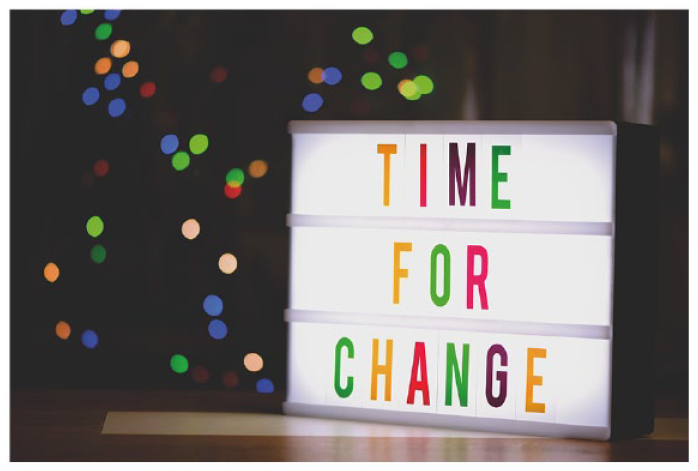
Image 29 on the project website taken by Alexas Fotos.
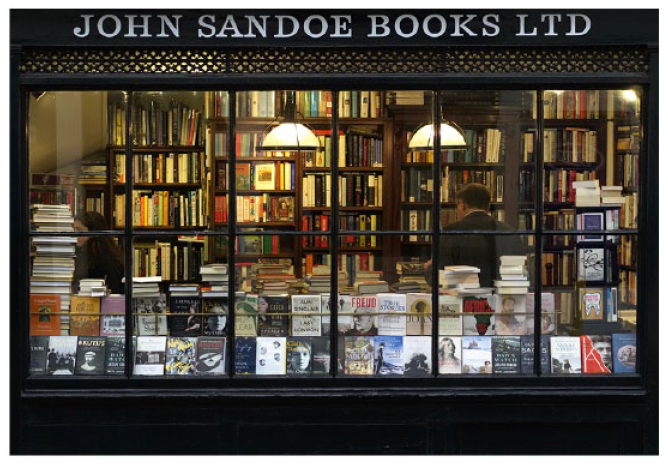
Image 19 on the project website taken by Tuur Tisseghem.
Results (4): recurrent themes and absences
The images selected most frequently for discussion were those of the bookshop (Image 19), the isolated cottage (Image 13), the empty diary (Image 5), ‘time for change’ (Image 29), and the railway tunnels (Images 33 and 34), together with two contrasting images of conviviality and detachment, a shared meal (Image 16) and a person on a boat reading a newspaper (Image 12). The former of these prompted comments about having ‘more time for leisure and to spend with friends’ (I15) and ‘lots of nice meals and eating out with friends when you can use the week as well as weekends – lunch especially is transformed from sandwiches at a desk to an enjoyable form of leisure on many occasions’ (I42). The appeal of the latter image related, it transpired, not only to ‘having time to sit and read the paper’ (I20) but also to ‘opportunities to travel’ (I49), ‘unhurried, stress-free travel. . . I still want to see new places, do new things’ (I17). Travel was mentioned in relation to further images, as was reading (notably in association with reading groups), but Image 12 turned out to be particularly evocative through its combination of the two.
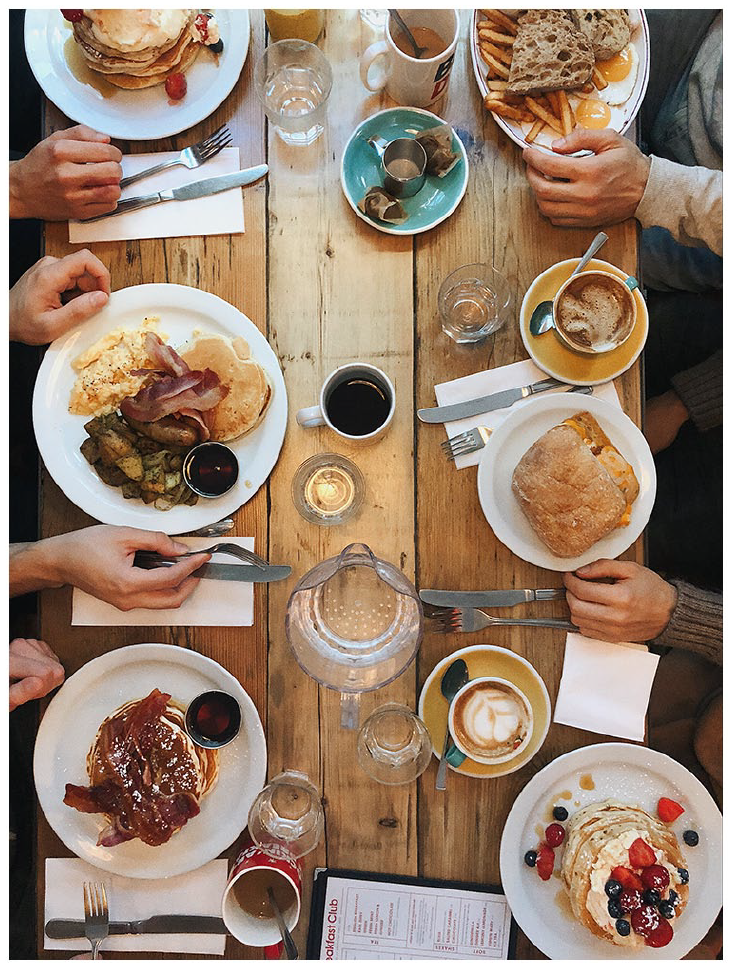
Image 16 on the project website taken by Daria Shevtsova.
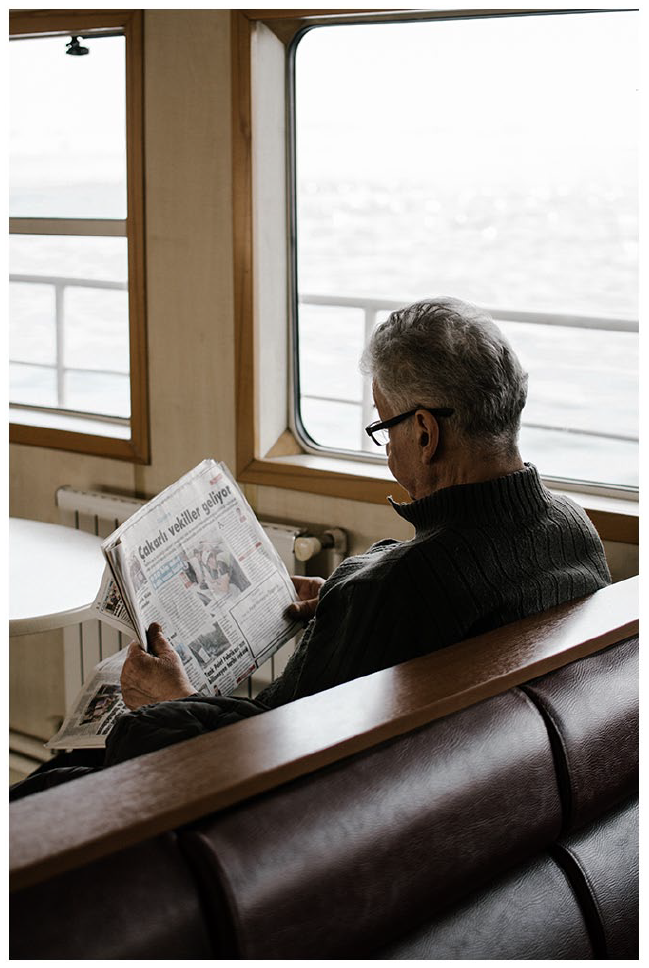
Image 12 on the project website taken by Ekrulila.
A core concern of the project related to the process whereby academics decide whether and when to retire. The image of an older person giving a lecture (Image 6) generated comments directly relevant to this. The ‘wise academic elder’ was understood as ‘the elderly scholar, the wise person who has done a lot of research, written a lot of books and had a lot of ideas . . . being honoured as a kind of accumulation’ (I34). The image also appealed
because that’s obviously a guy who knows what he’s talking about, still carrying on helping people work out the world. So it would be nice to think I could do something like that occasionally . . . to think I won’t be ignored in the field . . . because I still think I have something to contribute to people and it would be a shame for that to get lost. (I20)
Related fears of losing respect were voiced by the participant who said, ‘I don’t want retirement to be a time of infantilization. . . With us academics, that’s why sometimes there is a lure of staying on, because we are on the whole taken seriously in our jobs’ (I9). The image thus proved revealing about academic identities enduring, as in the case of the interviewee who remarked, ‘I can’t see myself ever stopping working as I get so much pleasure and fulfilment from it and it also satisfies my need to feel useful/helpful to others’ (I15). Further participants related to the image, attracted by the idea of ‘occasional invited talks’ (I2), ‘giving a lecture’ (I36), and attending conferences. That said, one person who mentioned this image did so to reject it, aligning with the finding from the wider project that some academics make a clean break from all aspects of the job upon retirement.
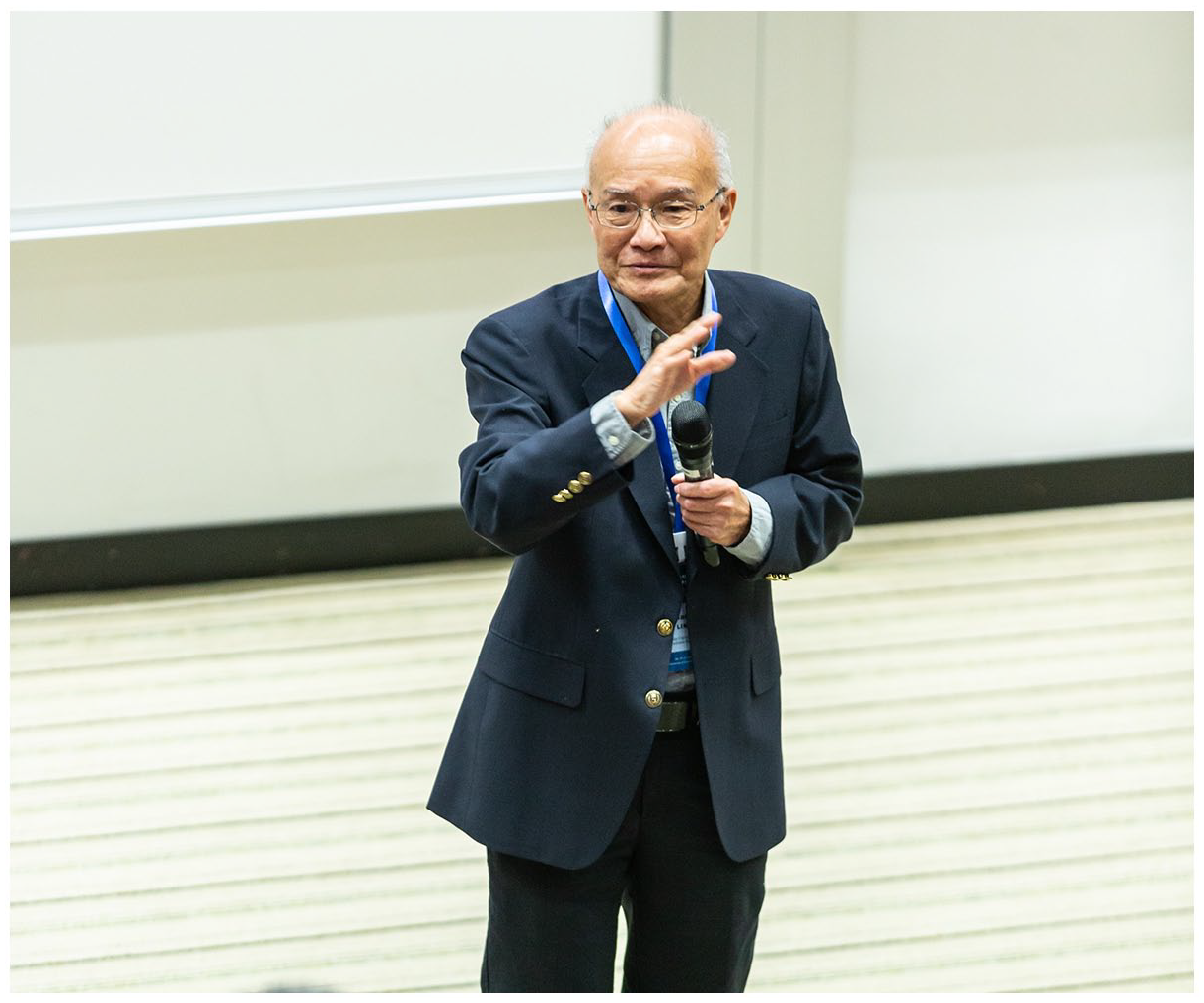
Image 6 on the project website taken by ICSA.
In contrast to the images that led to extensive discussion, some were virtually ignored. Images 18, 30, 31, and 32 of road signs stimulated little response, which was also the case for images of a speeding train, an escalator, and a car interior (respectively Images 9, 14, and 22), even though the themes of travel and journeys were discussed quite extensively in relation to Images 12, 33, and 34. This may indicate the ease of a theme being discussed in relation to images of it that most struck a chord with the interviewees. As one participant remarked, ‘I have no idea why I should be looking at a fast-moving train’ (I45). There were several further references to how not all images ‘clicked’ (I32) with the participants, that some did not ‘resonate at a personal level’ (I33). Others emphatically did resonate, described as ‘appealing’, ‘attractive’, ‘interesting’, even ‘arresting’, or were simply liked, as in the explanation, ‘I’m just saying the ones I like’ (I13). The same explanation may account for the fact that the empty diary proved much more evocative of time than the watch and clock photographs (Images 27 and 28) which prompted very little discussion. It had been hoped that the photograph of the old cassette tape (Image 23) might stimulate remarks about the broad theme of technological innovation and resonate with the experiences of generational change relating to this but it was passed over by almost everyone; one respondent asked, ‘Is that supposed to be me dictating my memoirs?’ (I45). More surprising was the limited response to the image of money (Image 25). Very little was said beyond the interviewee who opined, ‘Money is important to having a secure and enjoyable retirement and I feel fortunate to have good occupational pensions and enough money to live well’ (I42) and the interviewee whose experience of the COVID-19 lockdown was that one can ‘get by without having to spend hugely’ (I12). The project’s survey data indicated that retired academics are comfortable financially and while survey participants and interviewees comprised distinct samples, the conclusion that money was not uppermost in interviewees’ minds offers a plausible explanation for little being said about it. Similarly, the topic’s unremarkableness may lie behind volunteering being mentioned by only two interviewees when discussing the photographs, despite the majority of retired survey participants being active volunteers.
Conclusion
The case for visual methods is not that they outperform other research methods in every respect; rather, the more modest claim is that they have the potential to illuminate issues which other methods struggle to capture. Their failure, for whatever reason, in this particular study to add much of any substance to the discussion of money or volunteering in the lives of retired academics was more than compensated by their capacity to reveal aspects of time and purpose that would otherwise have remained opaque, if not hidden altogether had visual methods been excluded from the mixed methods research design. Nothing in the literature reviewed for this project indicated that diaries would be such a touchstone, for example, and comments made regarding the tension between planning and spontaneity when discussing the images had a vivid quality to them lacking in comparable material from other parts of the interviews or the surveys, conveying the ambivalence that some participants felt keenly. The openness of the question asked of interviewees about the photographs helped in this respect, since the mention of ‘resonance’ prompted consideration of things that resound with aspects of people’s identity and their relationship to the world that may be hard to express (Rosa, 2019), things that Mason and Davies (2011) describe as ‘less tangible’ (p. 38). Photo-elicitation using historical images has worked well in evoking memories (Harper, 2001: 24). This study indicates that it also brings an edge to the study of anticipated futures, including futures containing the prospect of, but also efforts to avoid, ‘disrupted biographies’ (Tulle, 2008: ch.5). Research into the ageing process is enhanced by ‘confessional moments’ (Lawrence-Lightfoot, 2009: 3) in which trajectories are described in ways that include the revelation of secret hopes and fears. The material generated in this project may be considered to include such ‘confessional moments’ that did not arise in other parts of the interviews or in the surveys, for example, in relation to the diary image. It is possible, nevertheless, that the bias Bennett (2014) detected towards ‘an overly positive outlook’ among participants because of their preference for presenting ‘a happy and successful self’ (pp. 3–5) in her photo-elicitation study of belonging may also apply to this study.
The project confirms that the adoption of visual methods in research involves experimentation and ‘learning by doing’ (Devine and Heath, 2009: 10). The greater productiveness of the empty diary image compared to the images of the watch and clock was one such learning experience. Put another way, ‘the visual dimension . . . cannot be described or taught as systematically as can survey research or statistical analysis’ (Harper, 2004: 231). Textbook advice that research participants vary in their readiness to engage with visual material provided insufficient preparation for the extent of negative responses to the exercise that were encountered. It is now clear that it would have been prudent regarding the invitation to say whether any of the images resonated with the interviewees’ perspectives on retirement to add a more explicit statement that there are no right or wrong responses, especially as their knowledge of the research process can make academics cautious interviewees, wary of offering up unguarded opinions that they know will be analysed with a fine-toothed comb (Wiles et al., 2006). Other parts of the interviews with academics still working revealed them also to be particularly loath to discuss their retirement plans for fear of such discussions inadvertently bringing about a premature end to their careers. Furthermore, with hindsight brought by the survey findings about the frequency with which retired academics engaged in volunteering, the range of images used should have included a direct prompt to this topic. The fact that nobody declared themselves either in favour or against ‘Greta for President!’ indicates that images with particular points of reference were responded to with a degree of imagination rather than literally. However, experience of general non-response to the image of the cassette tape suggests that it was too oblique as a prompt to thoughts about technological change; clearly it meant less to interviewees than it did to the researcher. For other images, the converse was true, as in the case of the Image 12, which several interviewees interpreted as being primarily about travel and which required flexibility about follow-up questions posed. Much hinges on the choice of images used and the detailed wording of the invitation to discuss them in order to realise the potential of photographs to ‘jolt subjects into a new awareness of their social existence’ (Harper, 2002: 21) and ‘break the frame’ (Dam, 2021) of views that are familiar and unremarkable to interviewees.
These experiences support three key contentions made by Pauwels (2019) that selected images will ideally have ‘the right “projective” potential’, that is, ‘open-ended, not too specific or detailed, yet relating broadly to the issue at hand’; that ‘researchers can never fully anticipate what the visuals will trigger with their respondents’; and that researchers should develop ‘a flexible attitude toward unpredictable turns’ (pp. 2–4). Re-describing the activity in a different way when confronted by unexpected instances of reluctance to engage with the images provided a means to access comments in at least some of these cases, such as interviewee 45 whose initial expressions of doubt about the exercise were followed by a discussion of the usually taboo subject of death. Offering the opportunity to send thoughts about the images via email after the interview was another creative solution, allowing interviewees to reflect further about the photographs at their leisure. Whether the optimum number of images was used is difficult to determine; conceivably 34 was too many for some participants, though it seems unlikely that even twice that number would have drawn a different response from those experiencing little resonance; to achieve meaningful responses to images, interviewees need to be doing more than ‘flicking through’ (Becker, 1974; Dam, 2021) them. Phoenix and Brannen’s (2014) experience of only two-thirds of their respondents delivering on the request to provide their own photographs suggests that participant-generated images would have been no more successful than the researcher-generated images strategy, and quite possibly less so, given that this would have involved a greater time commitment on the part of interviewees. The success or otherwise that the original plan to use the images in focus groups might have had is another imponderable, although interviewees’ broad engagement and diversity of responses imply they would have been, as Byrne and Doyle (2004) found, ‘very productive in terms of the quality of discussion’ (p. 174). It had been planned to use the images as ice-breakers at the start of the focus groups, but they were better-placed later on in interviews, where points of connection with interviewees’ previous comments could be utilised in follow-up questions. The fact that 46 of the 54 interviewees are quoted in this article, on average twice each, attests to photo-elicitation’s capacity to engage most participants (but not all). Its flexibility is a particular asset for researchers, who not only can learn from it but in the process further develop the field. A debt is owed to Becker (1974) and his successors for the convincing way that they have made the case for trying something new.
Footnotes
Acknowledgements
Thanks are due to the editors and the journal’s anonymous referees for helpful comments on an earlier draft of this paper. Thanks go also to the photographers who made their work freely available via the Pexels website.
Funding
The author(s) disclosed receipt of the following financial support for the research, authorship, and/or publication of this article: This work was supported by the Leverhulme Trust under grant RF-2019-623.