



Abstract
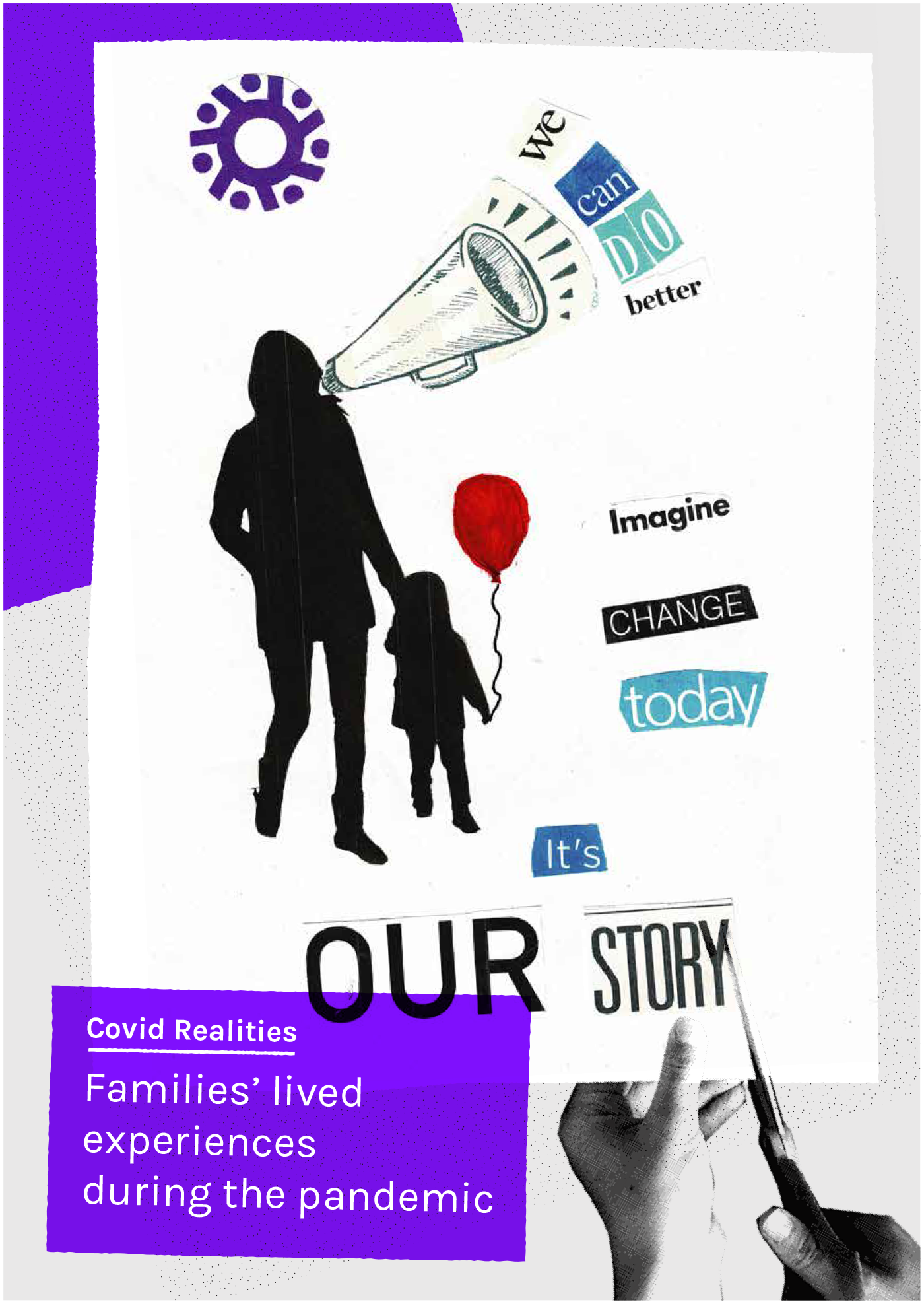
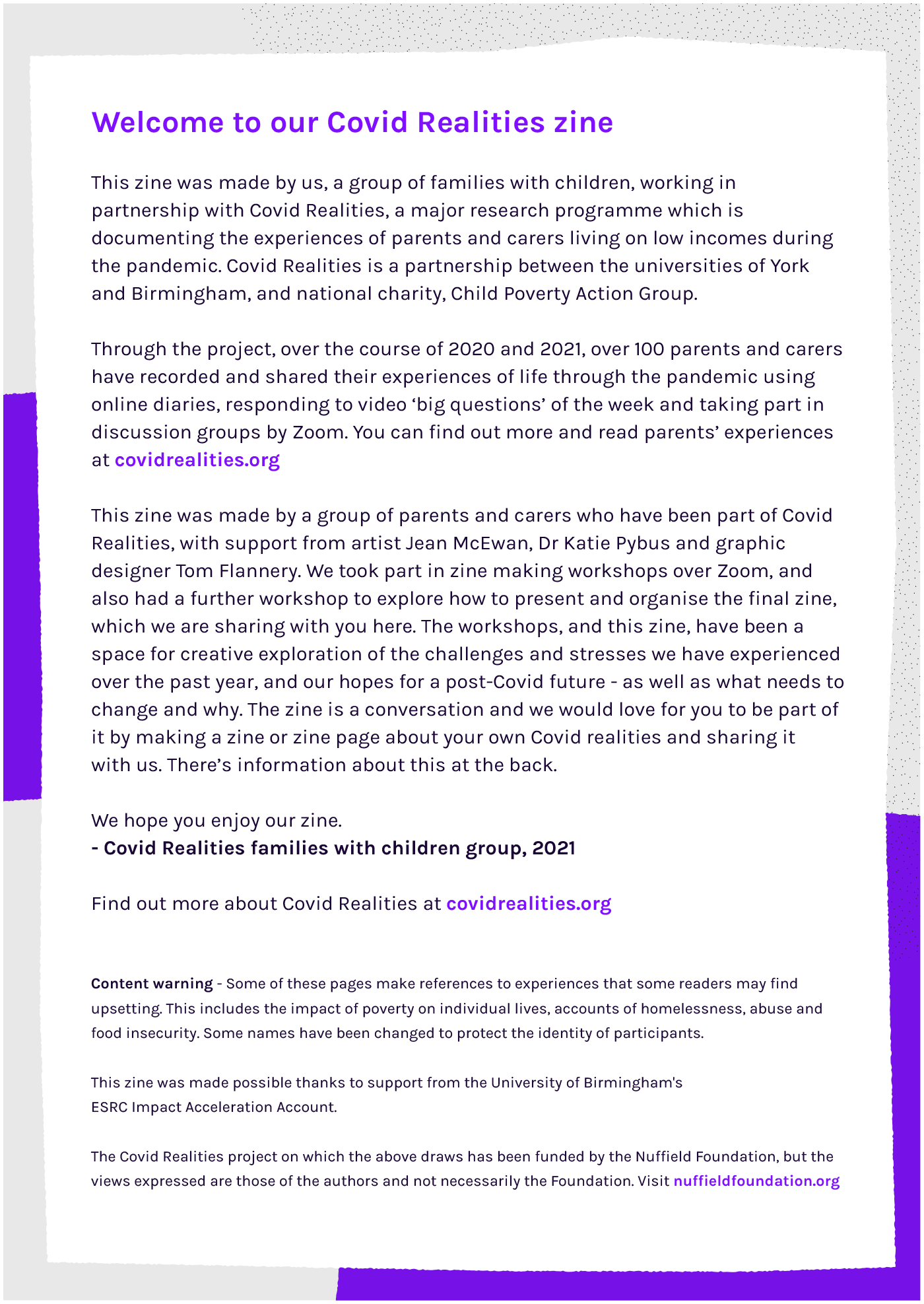
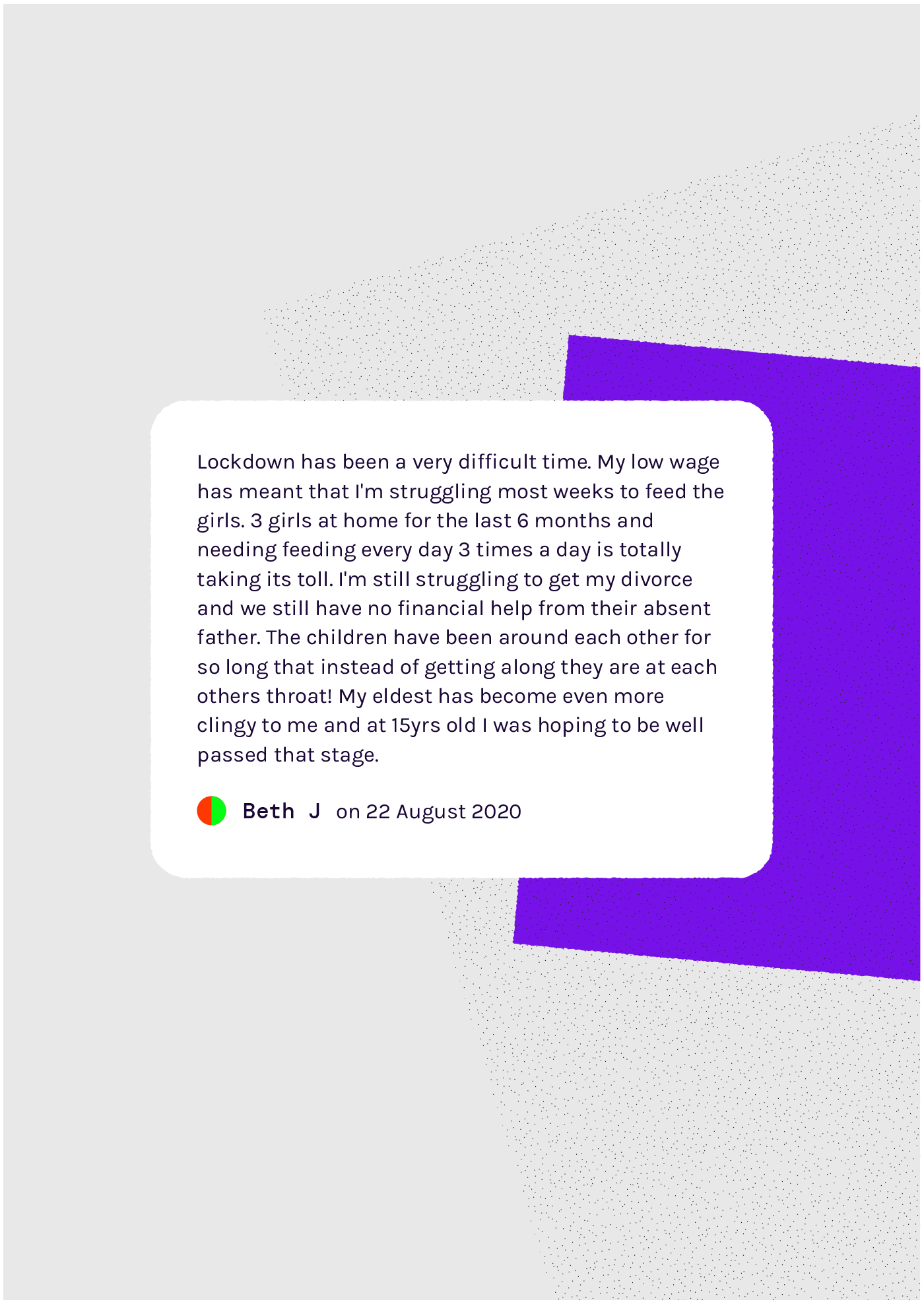
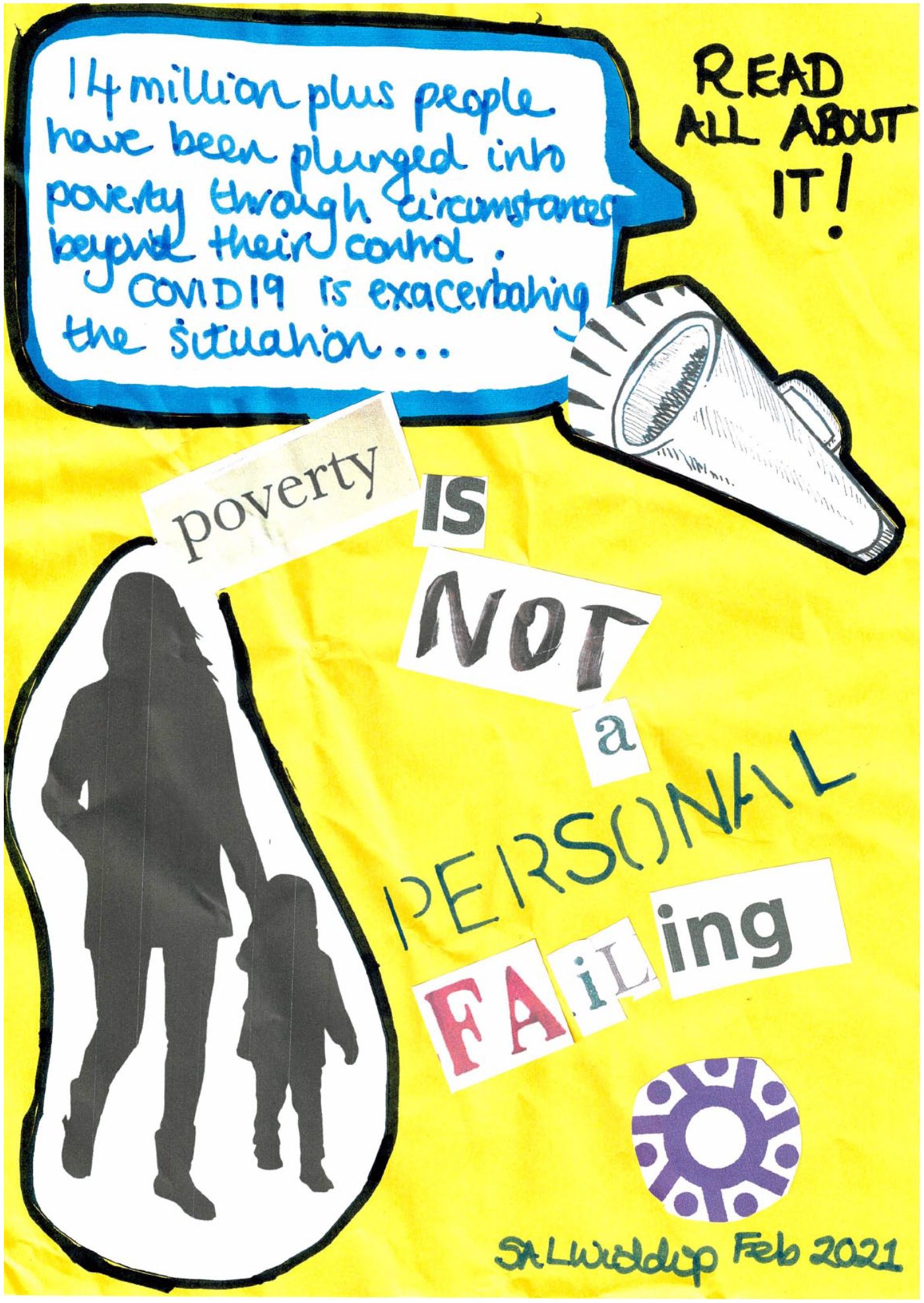
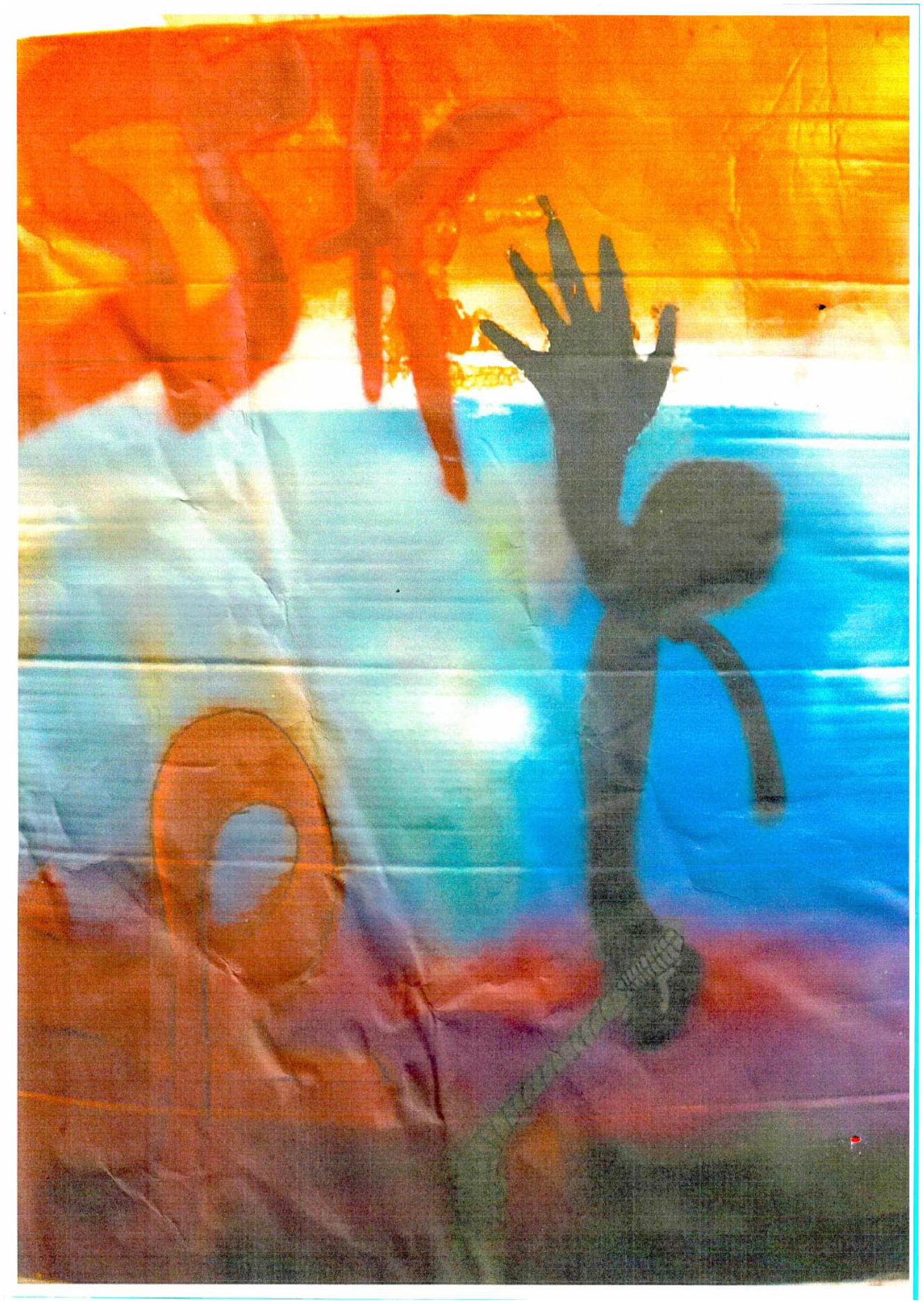
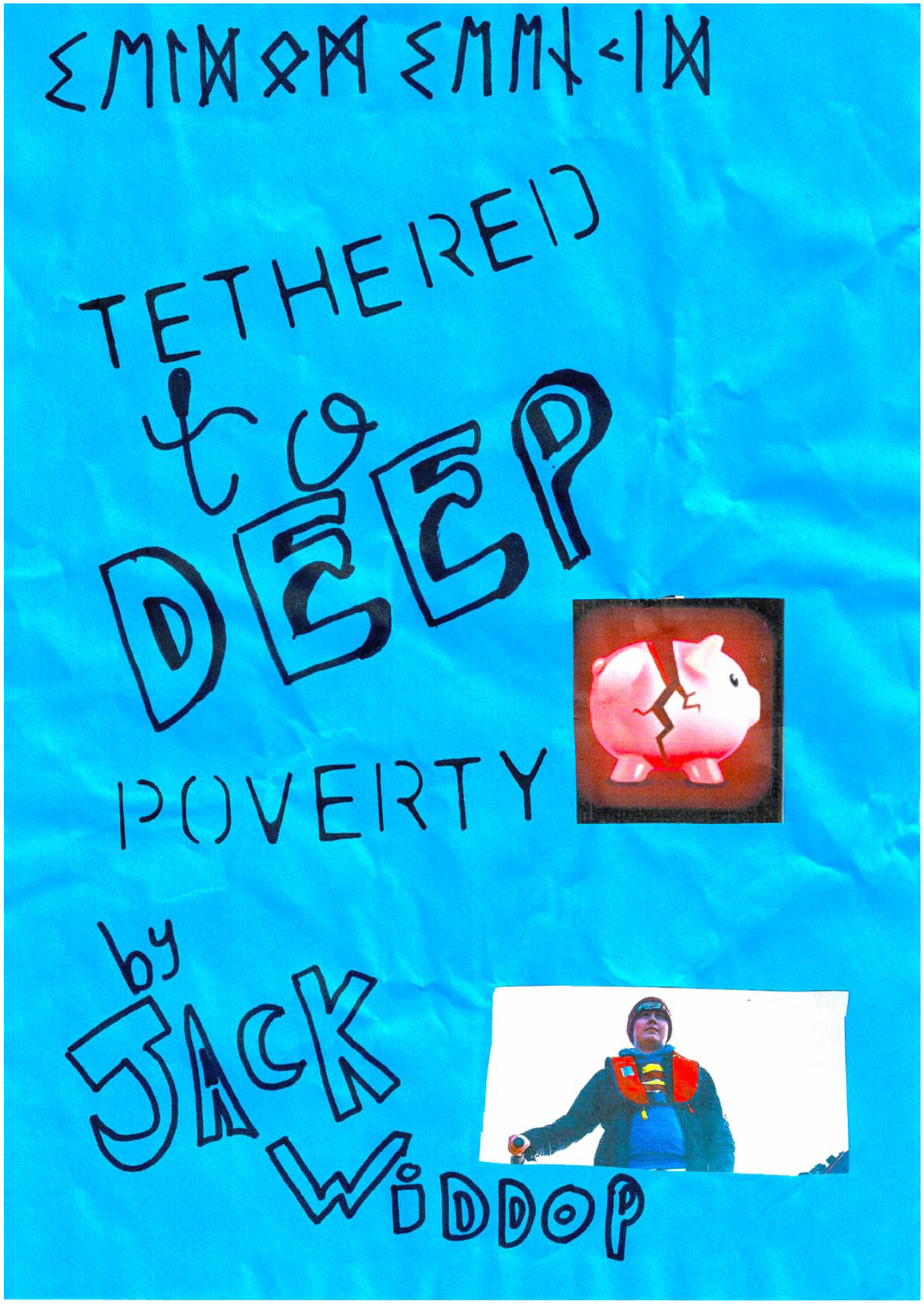
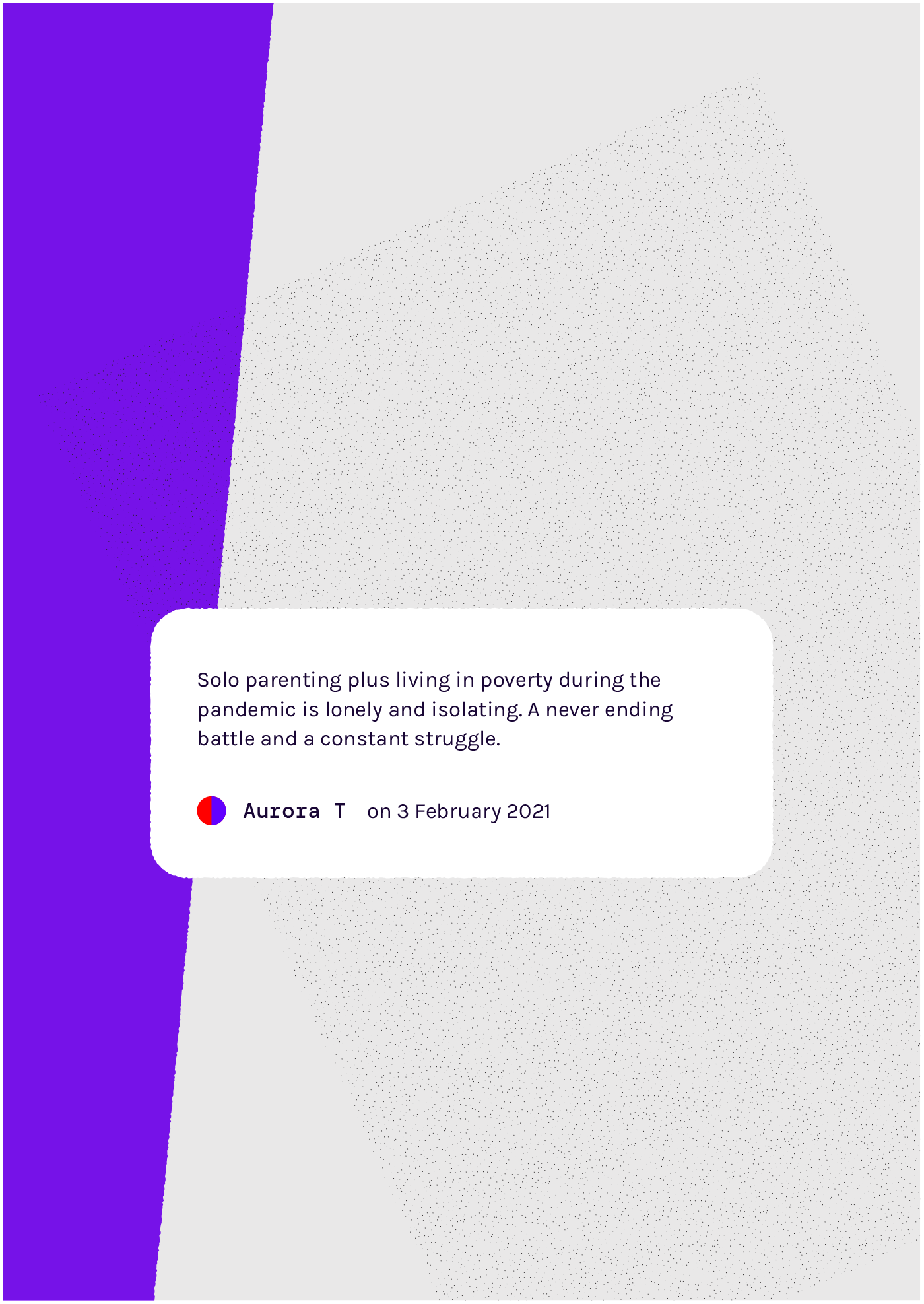
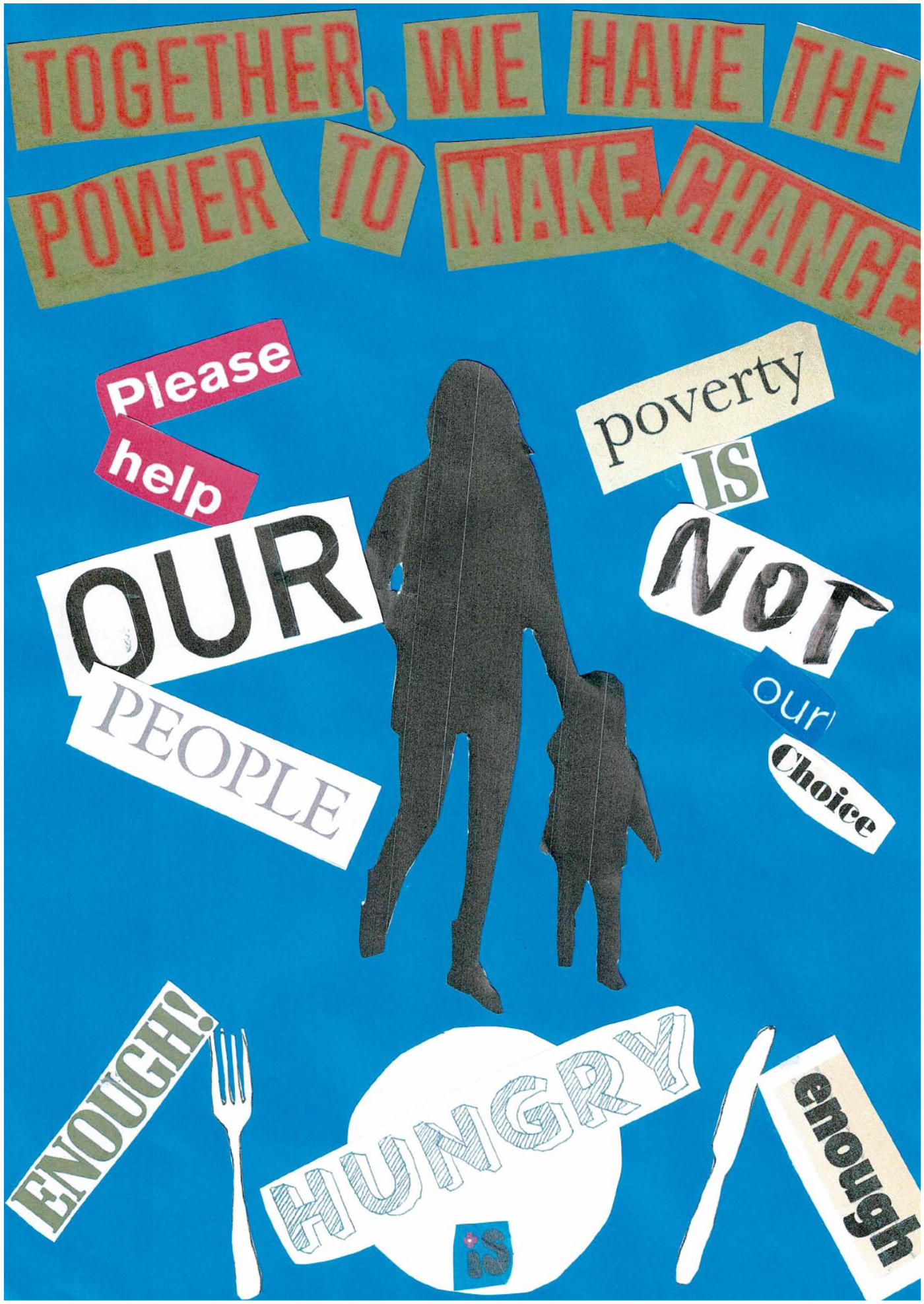
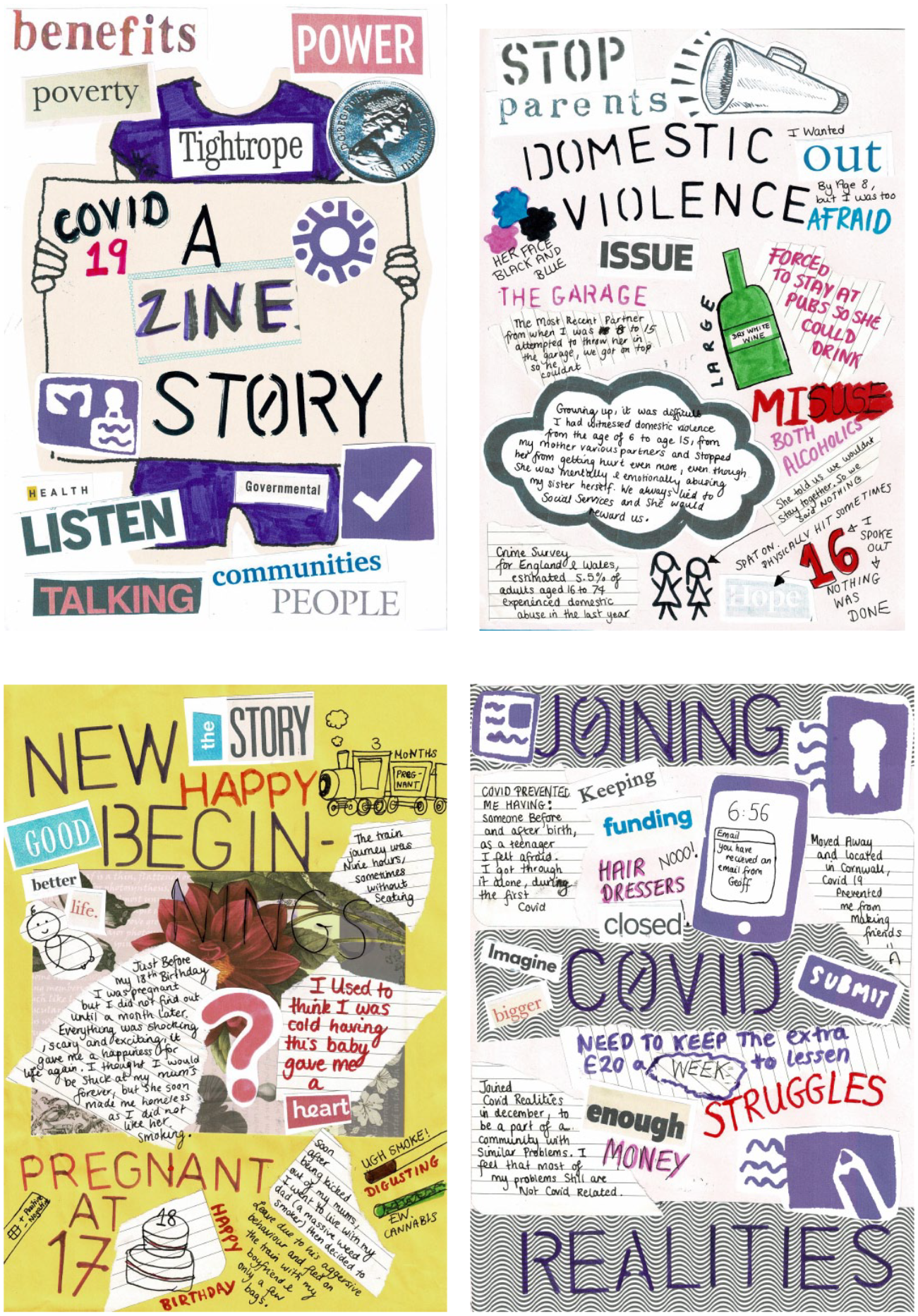
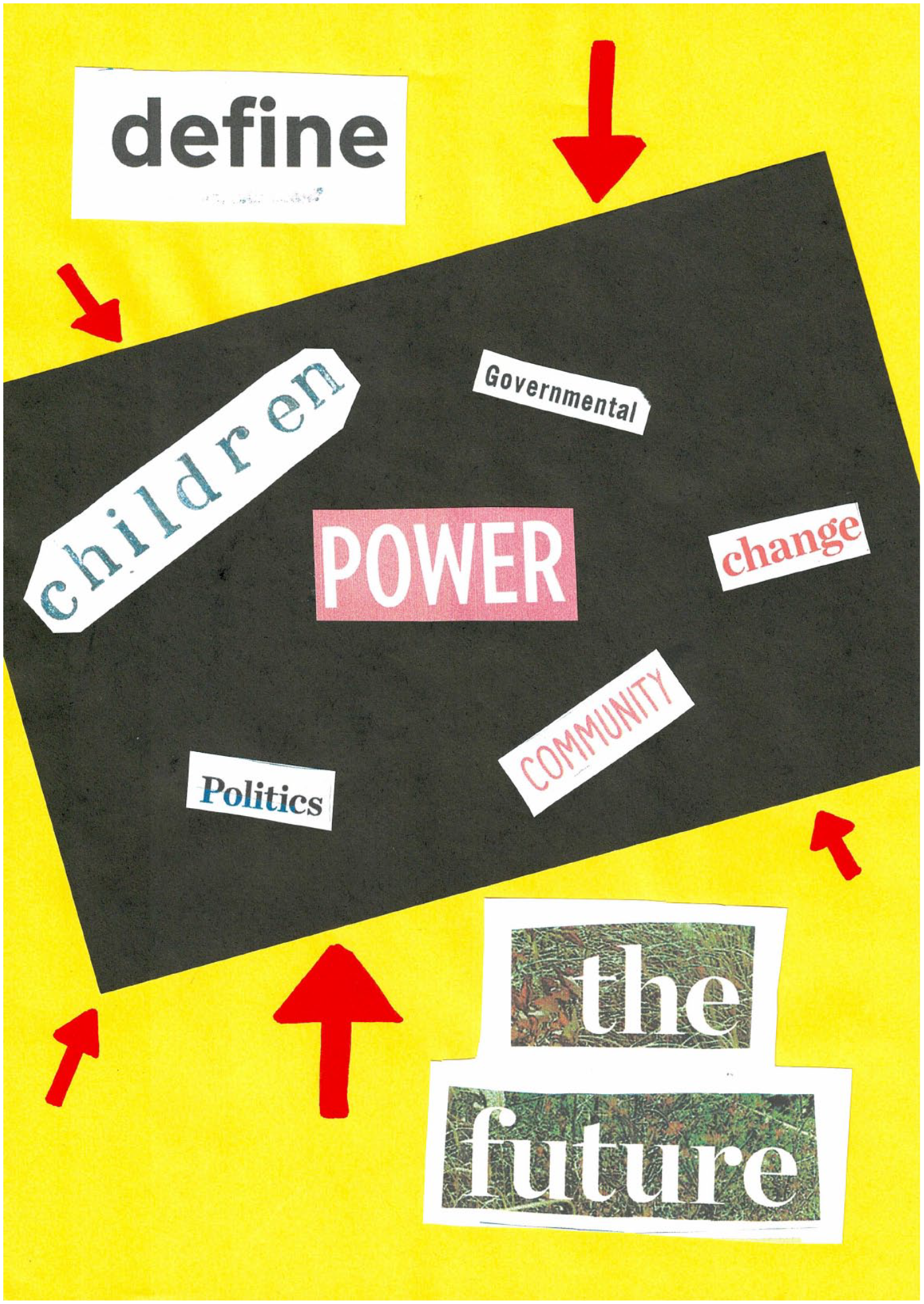
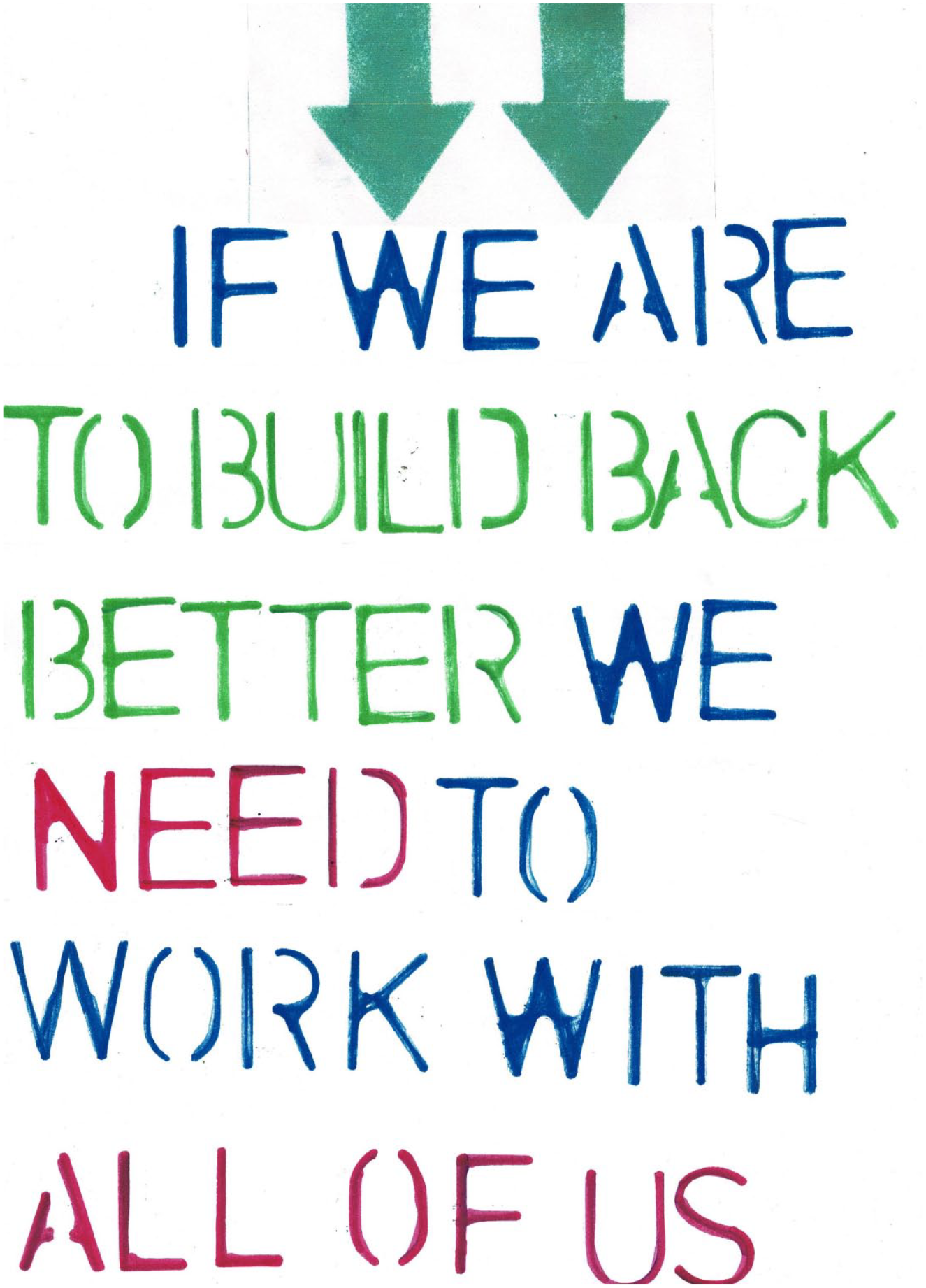
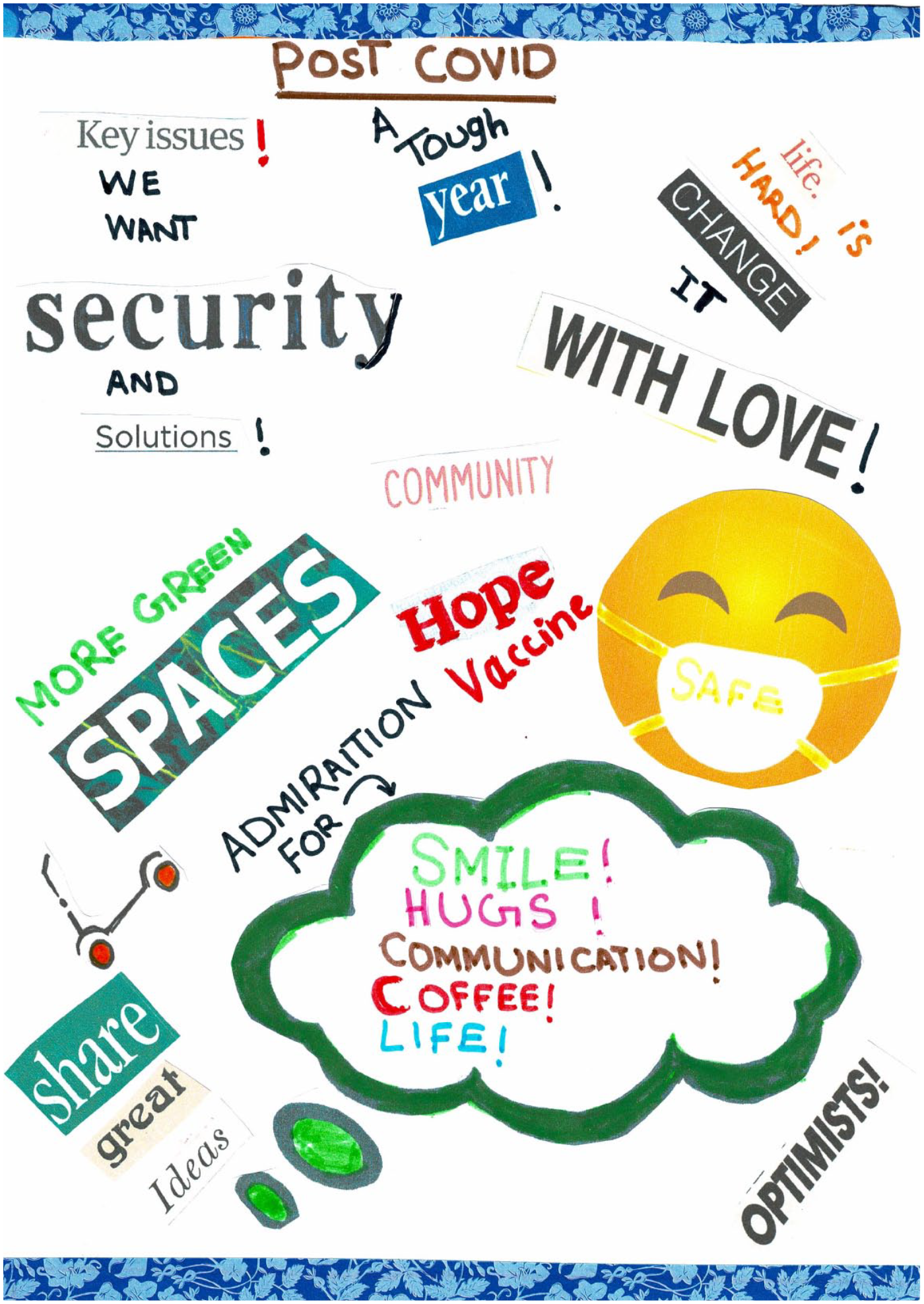
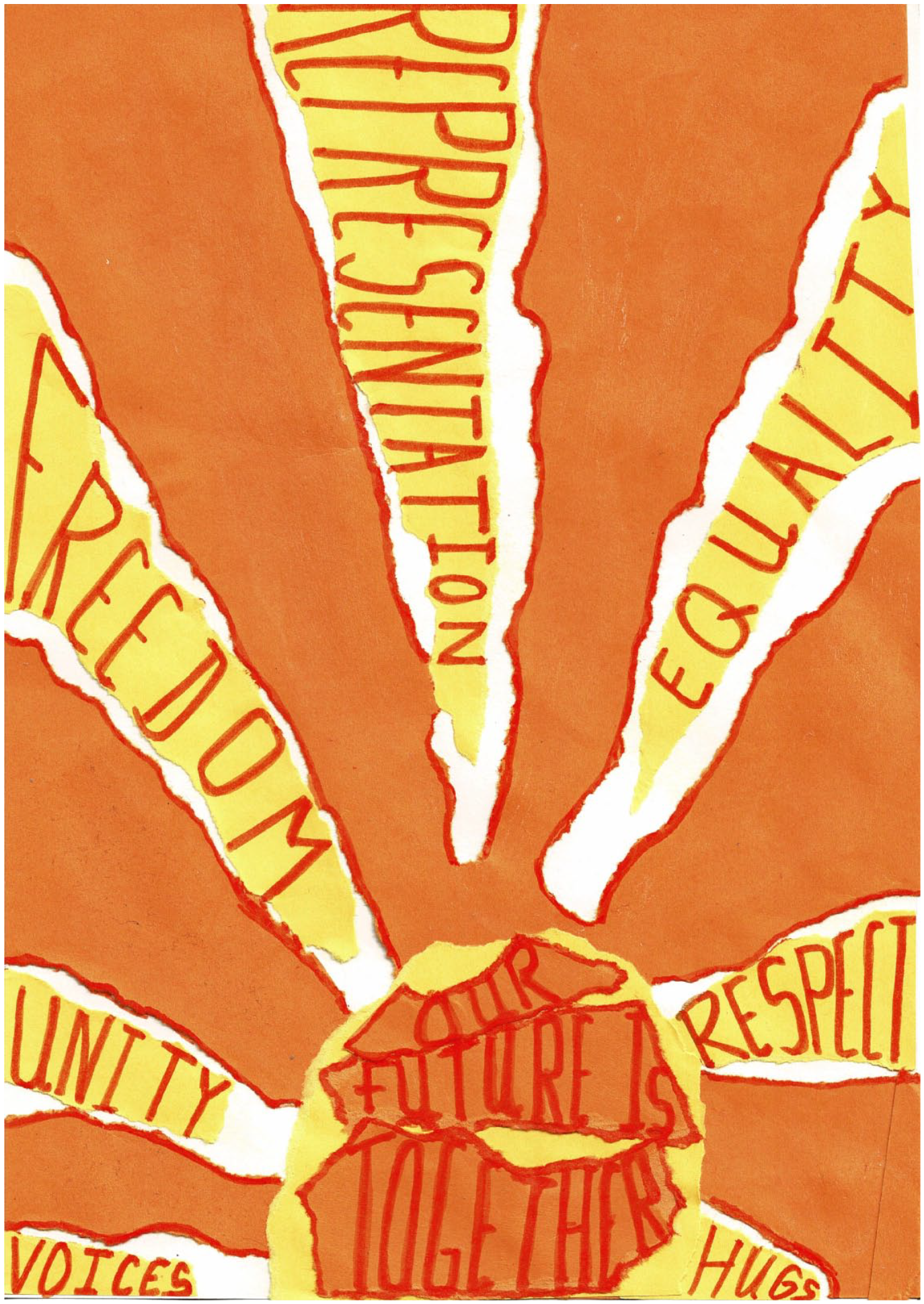
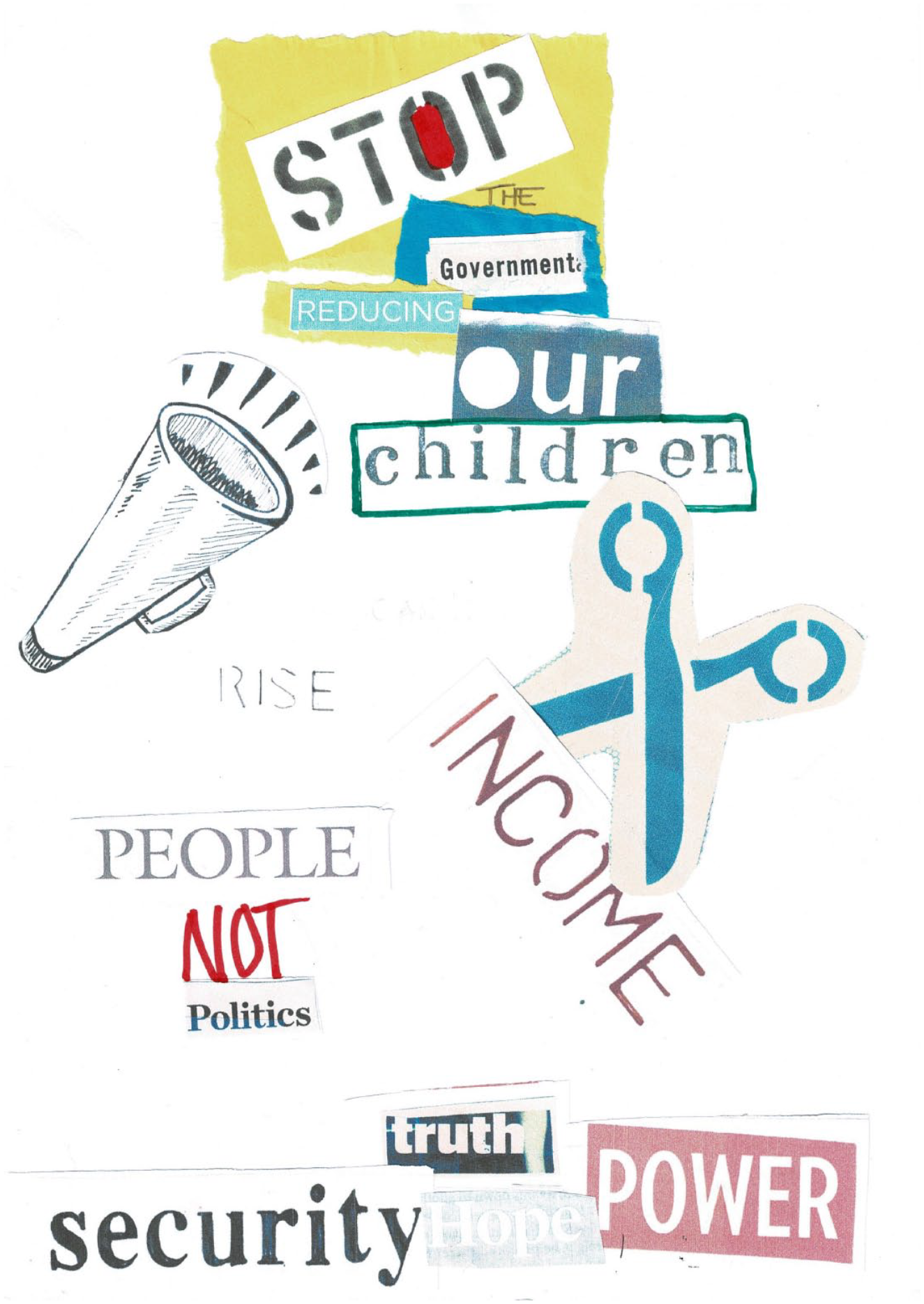
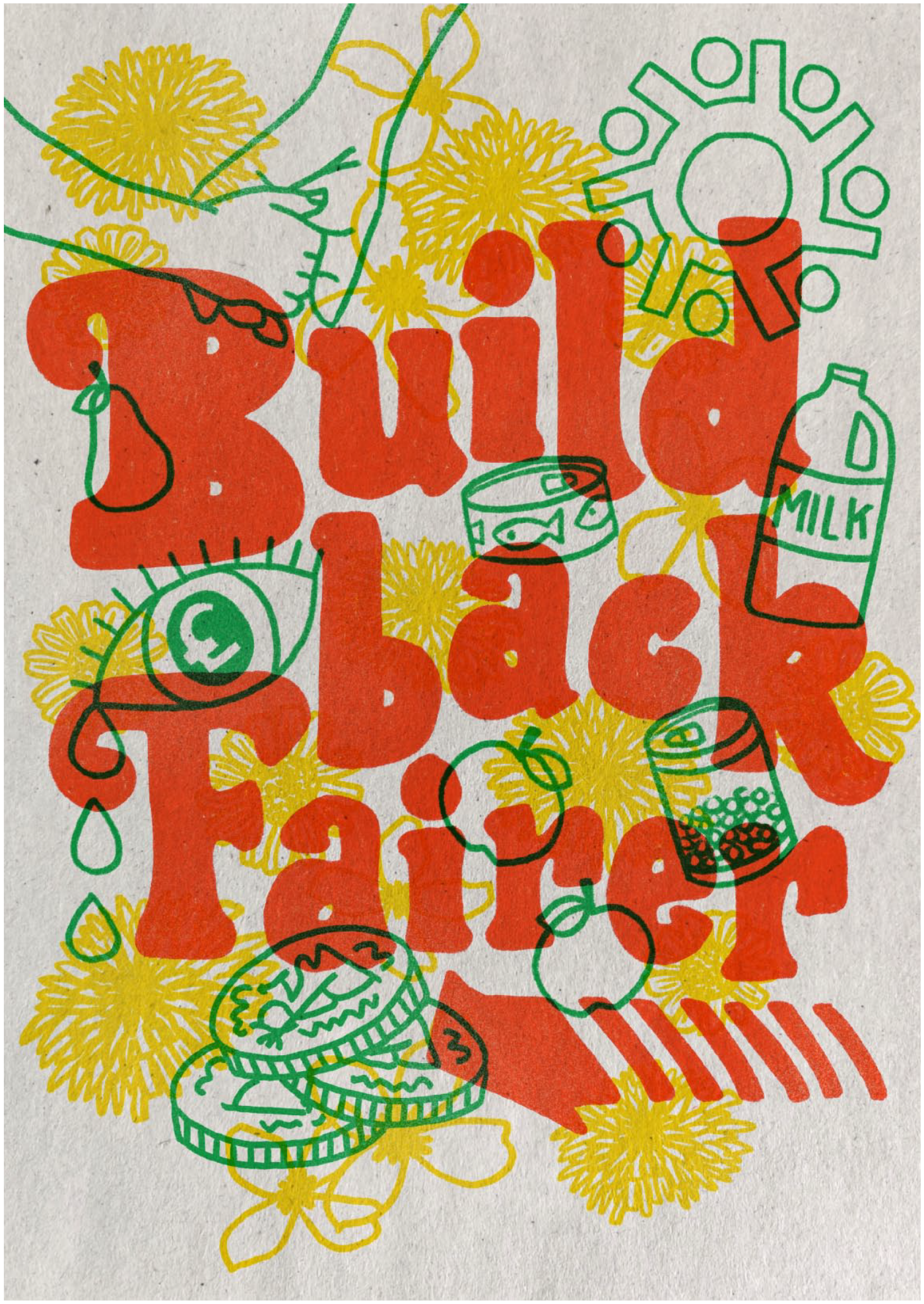
Parents and carers taking part in the Covid Realities research programme came together to create a zine about their experiences during the pandemic, as well as focusing on what needs to change in the future and why. The zine was developed and designed collaboratively by participants and artist Jean McEwan, and supported by the research team, at a series of three virtual zine-making workshops during February and March 2021. The aim of the zine is to directly represent the voices of parents and carers, therefore giving power and expression to those with firsthand experience of living on a low income, who are frequently marginalised in broader policy-making conversations. Making zine pages together in small groups with the chance for conversation and discussion during the workshops also provided a source of social support for contributors. This is especially pertinent in the pandemic context, where it has been harder for people to find social spaces to connect.
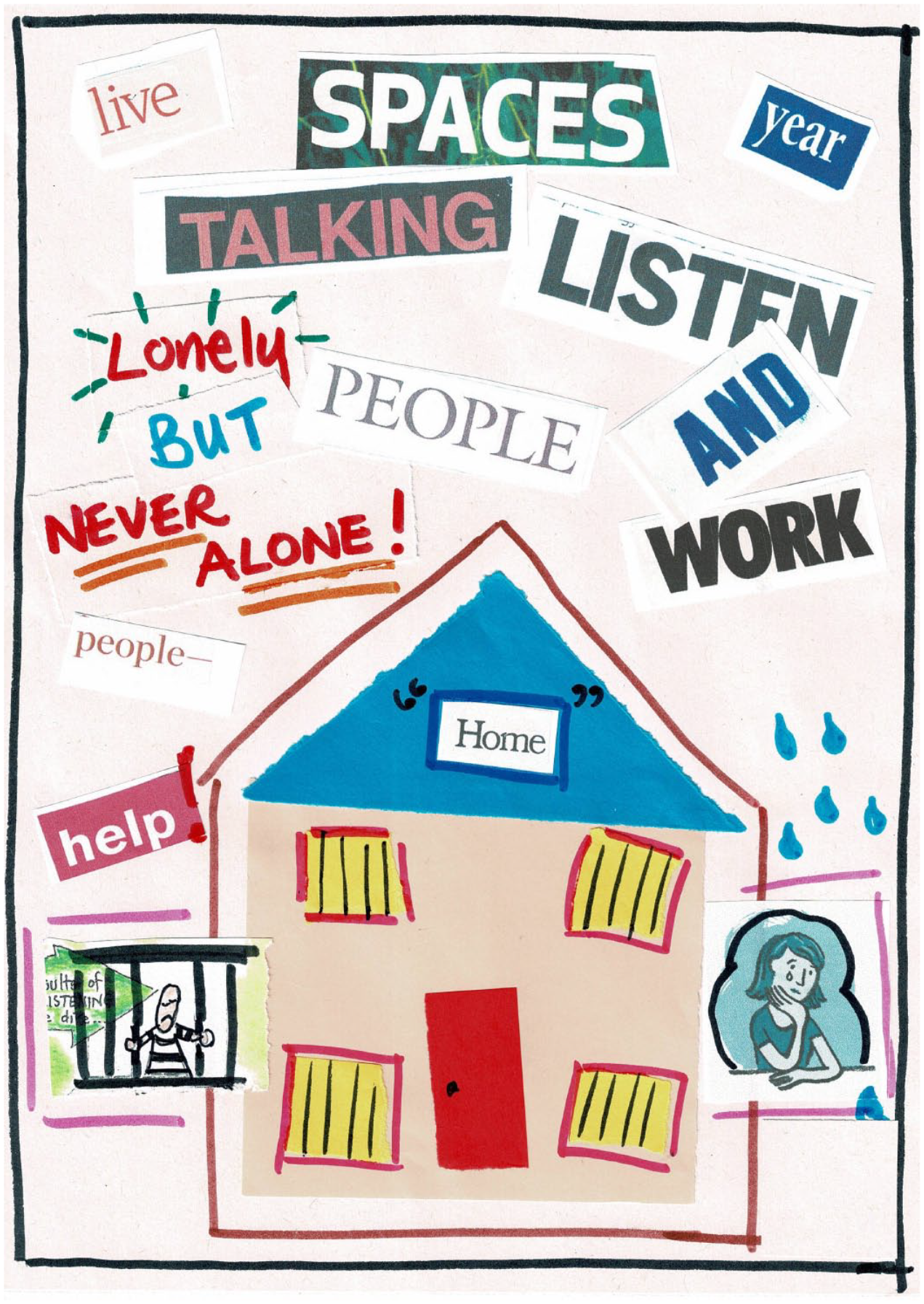
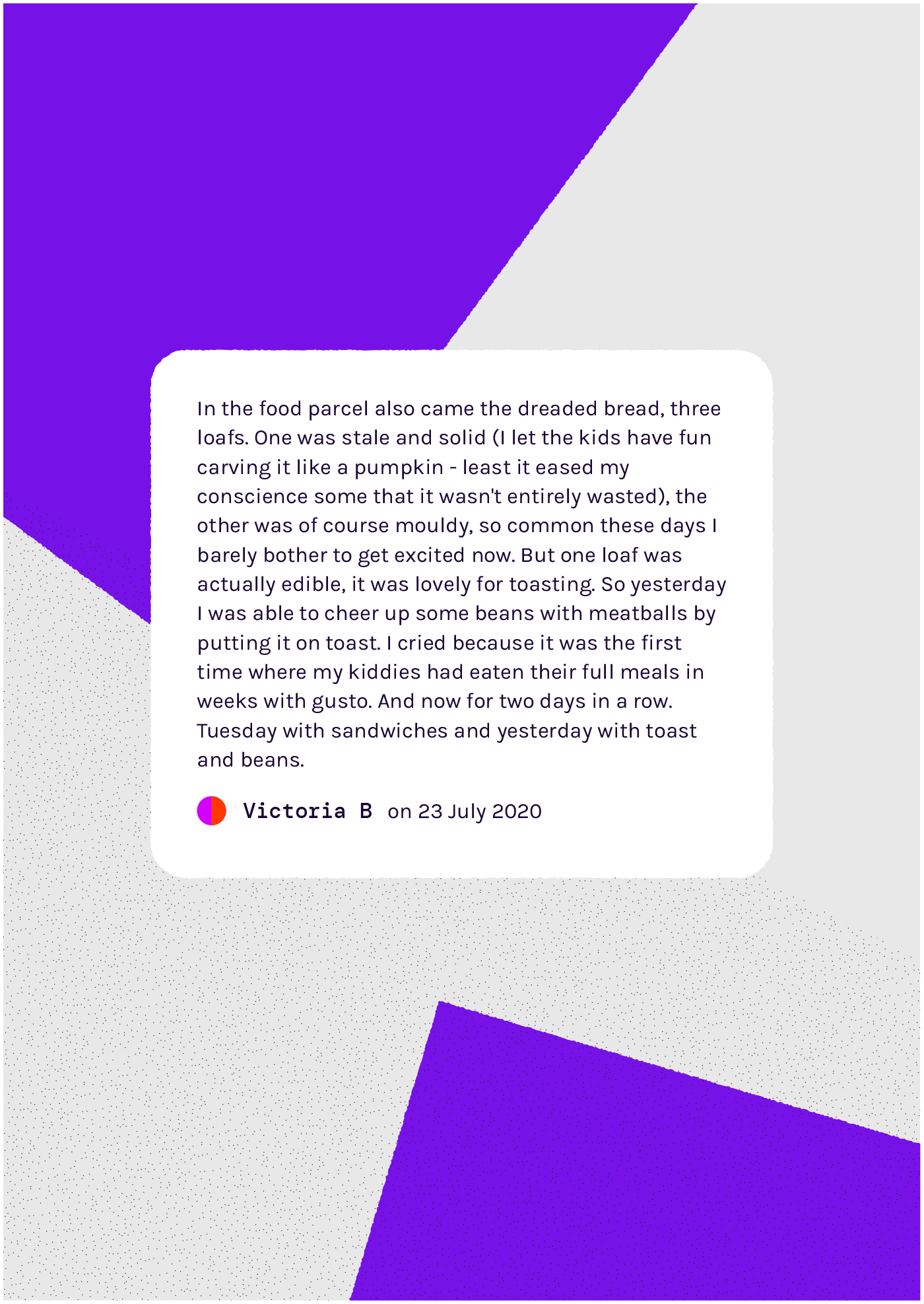
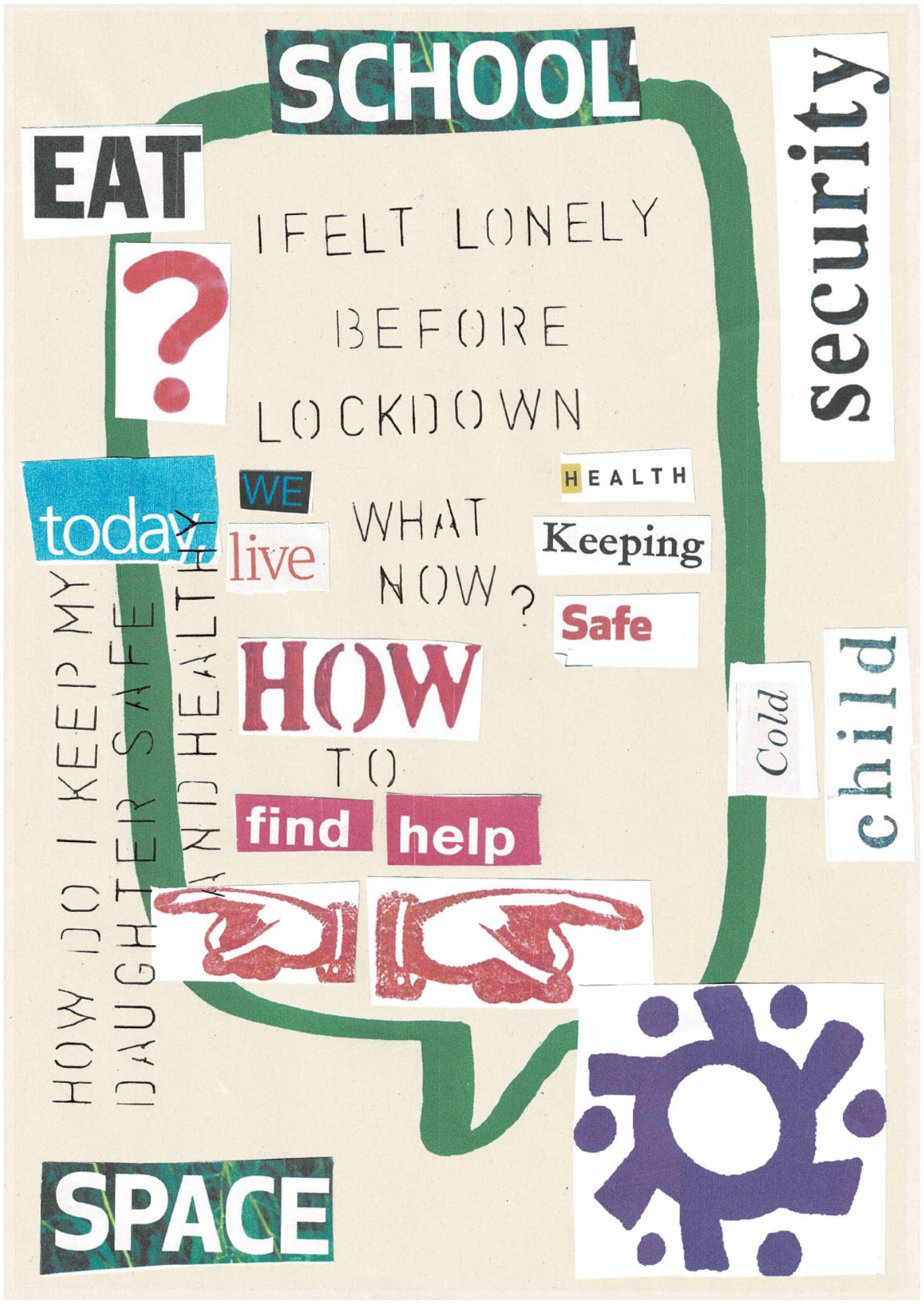
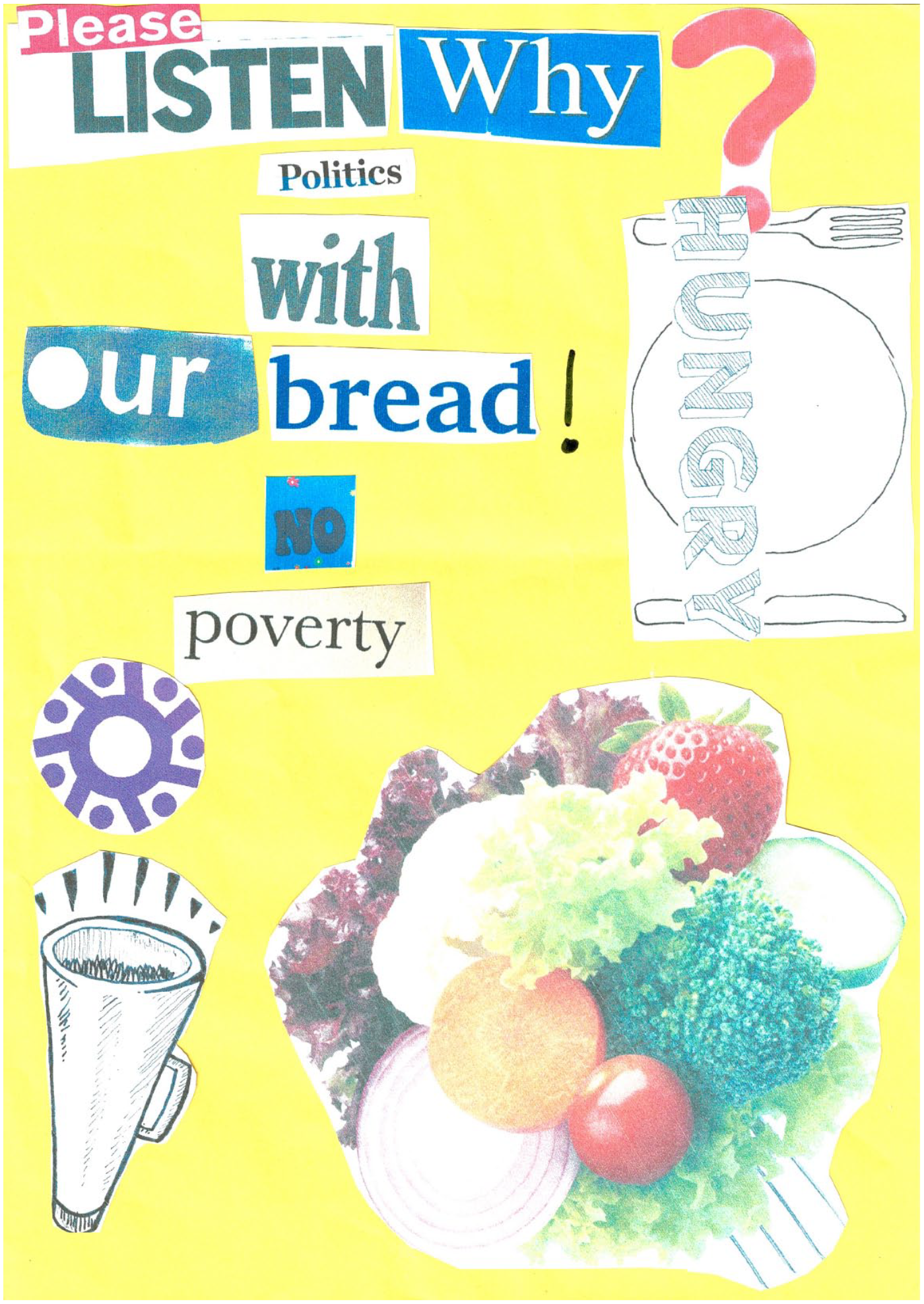
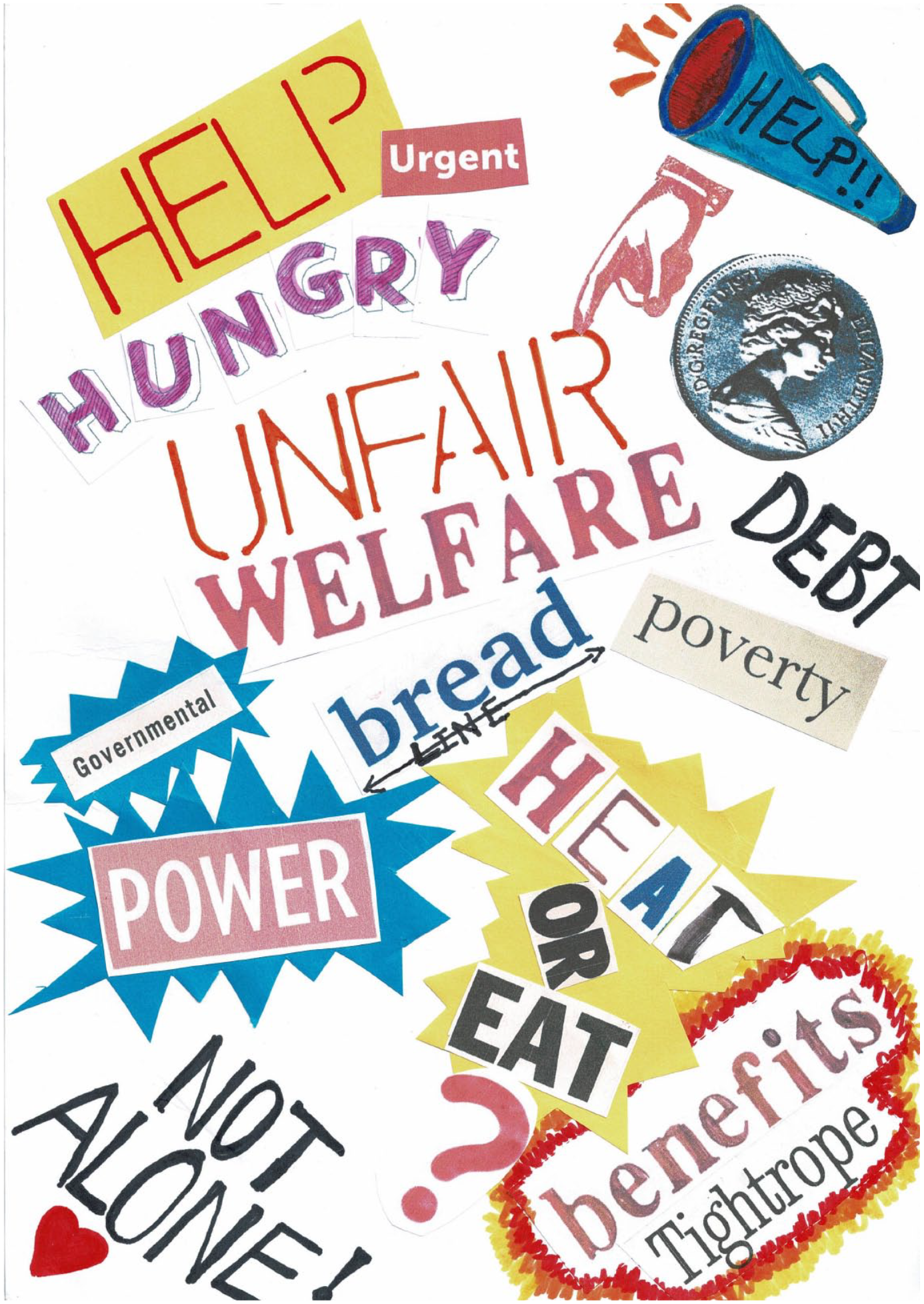
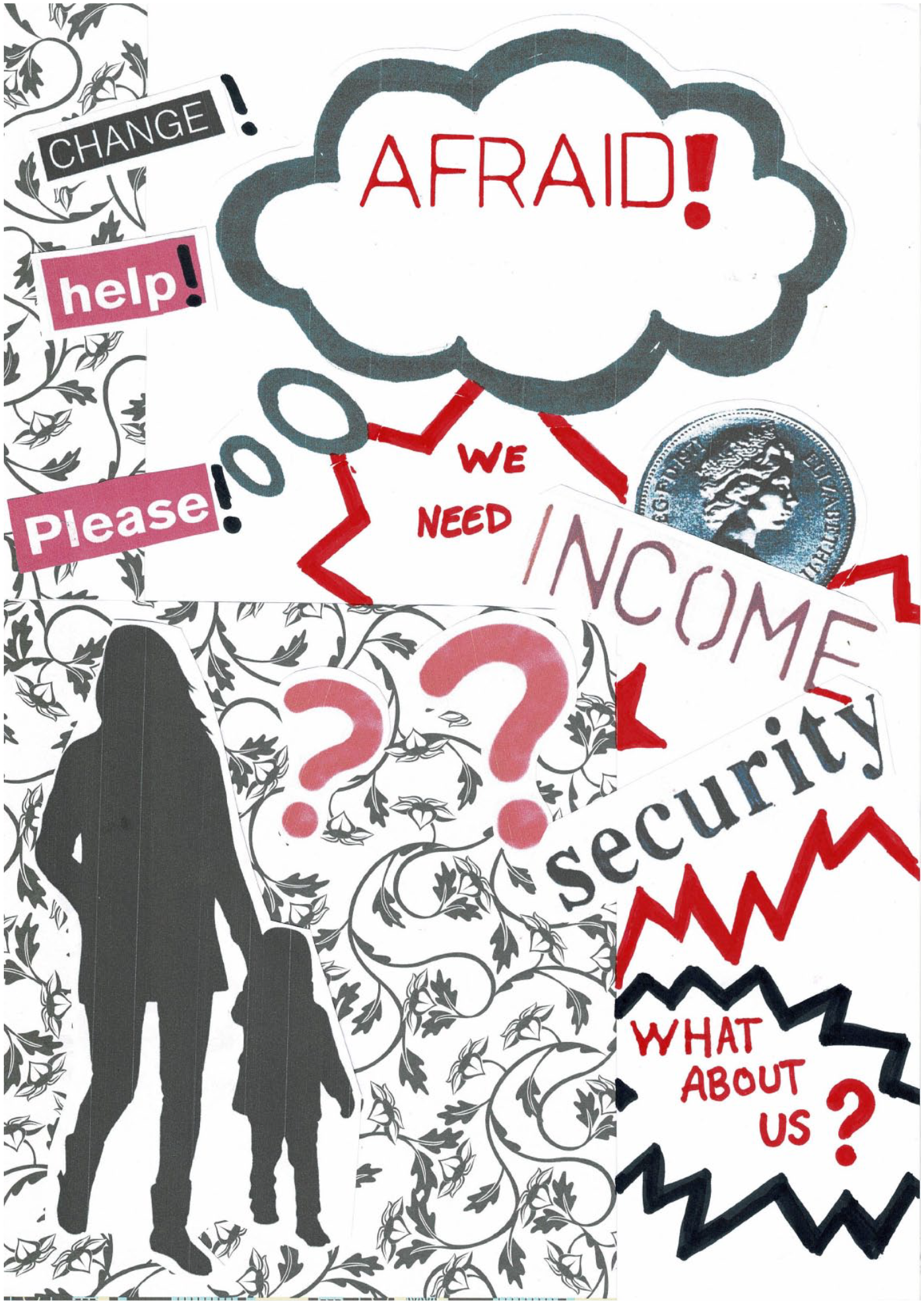
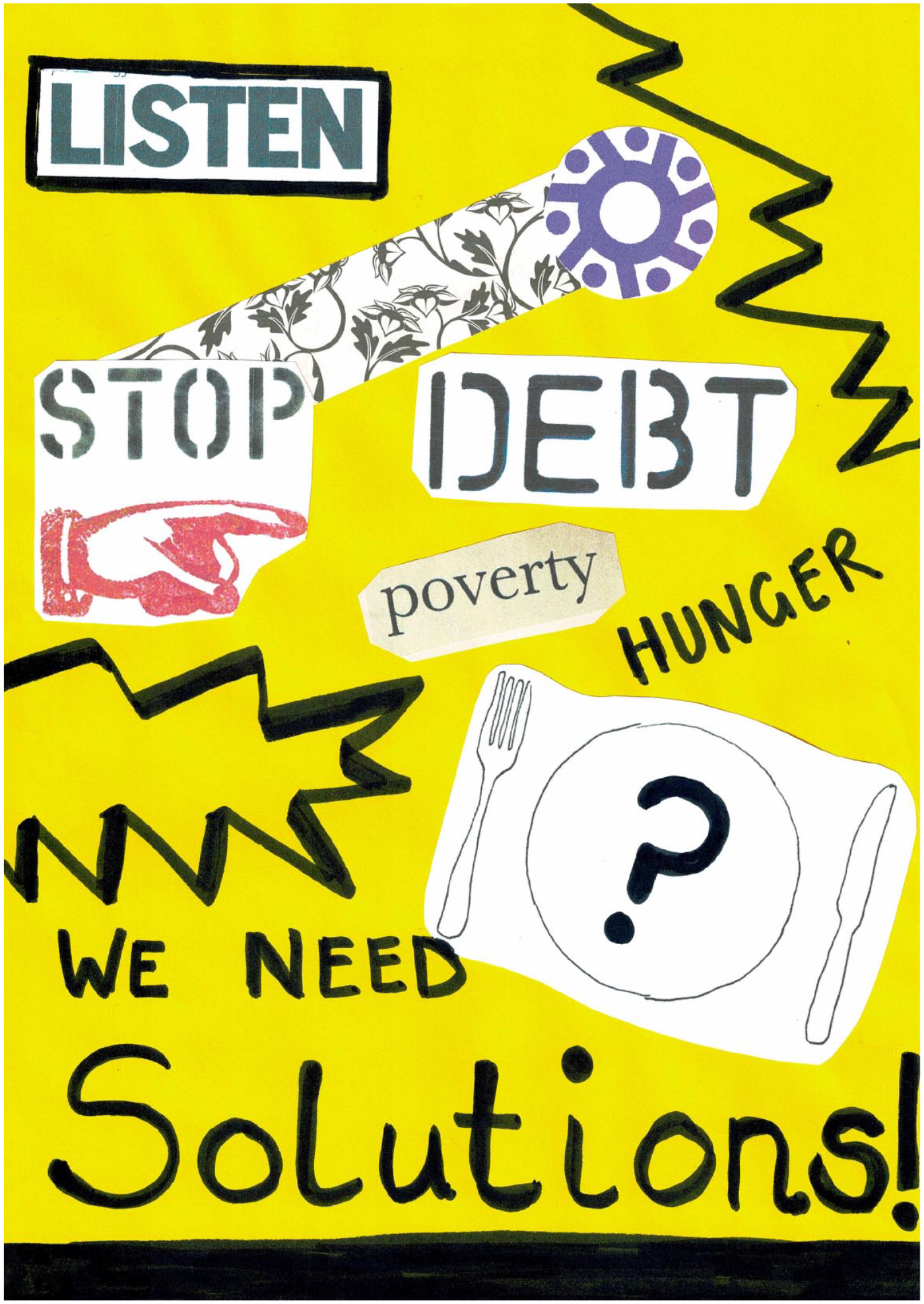
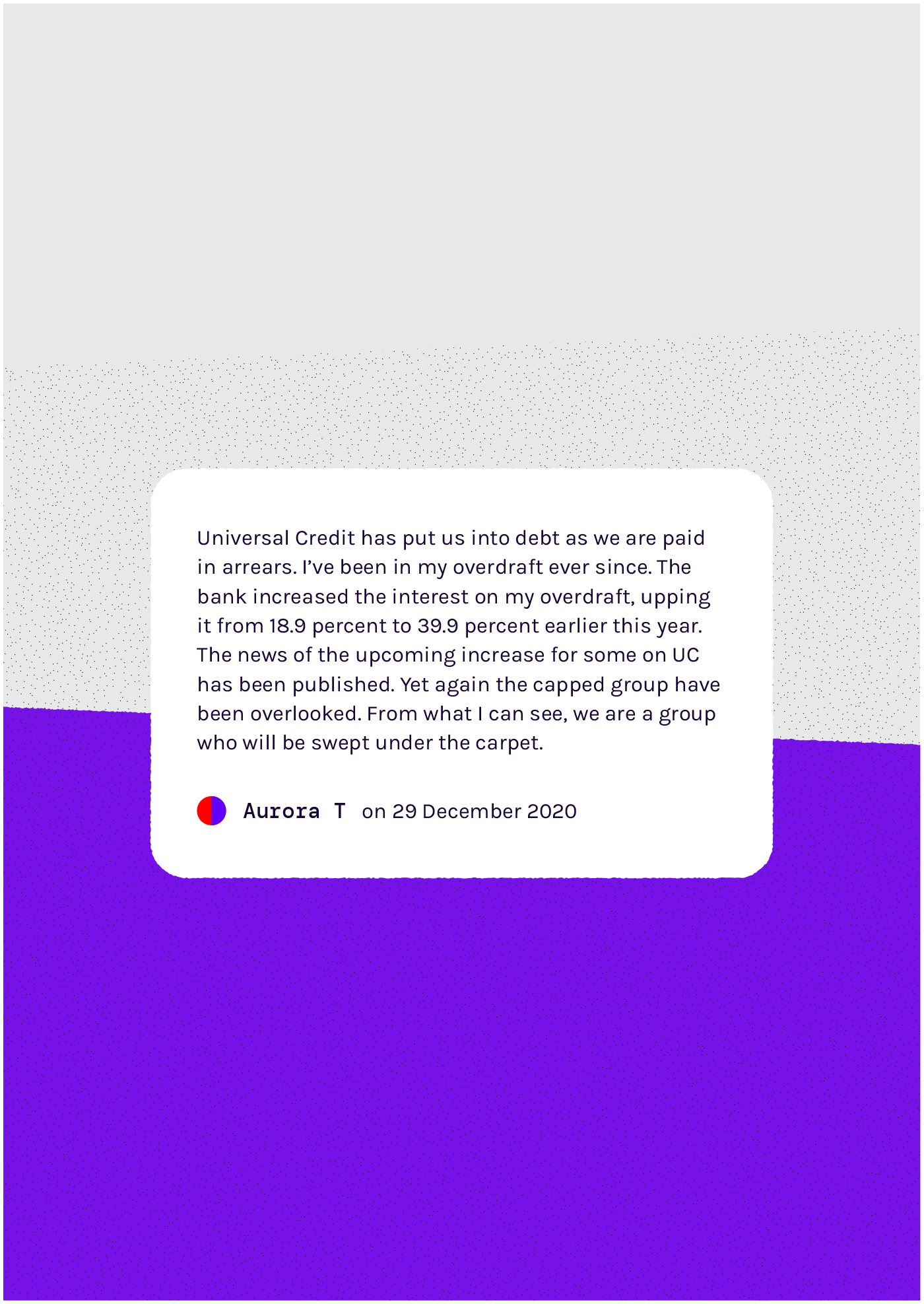
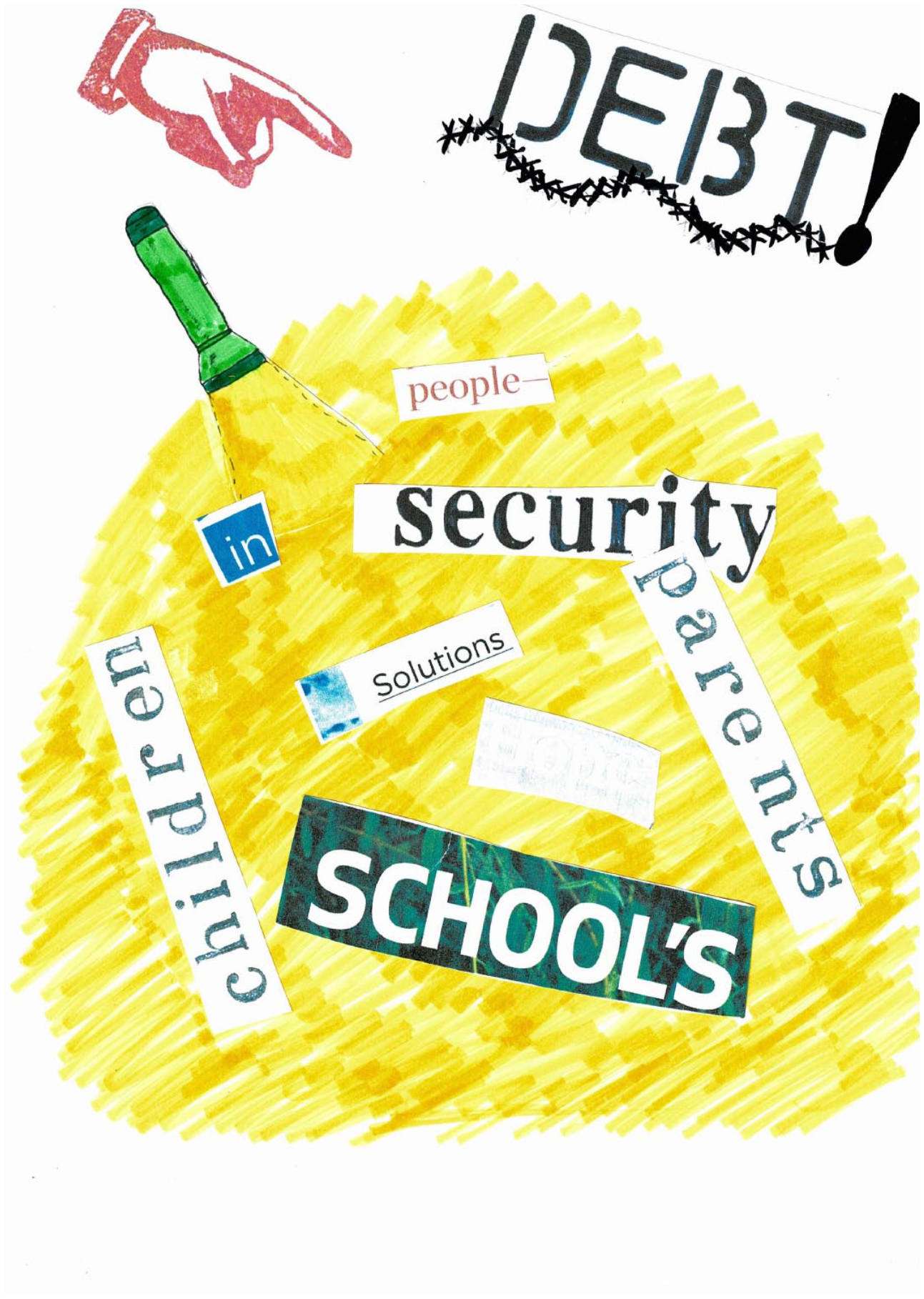
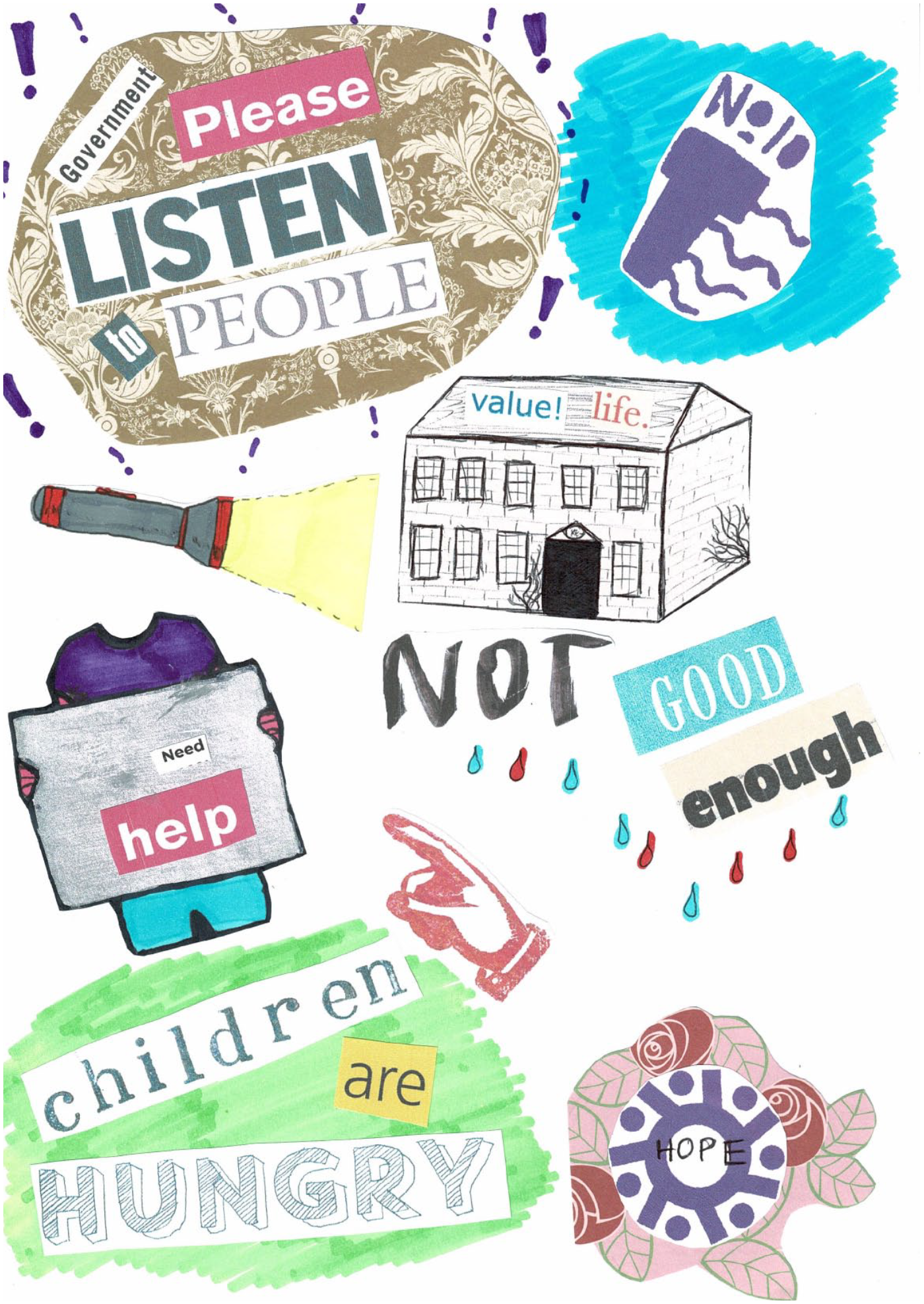
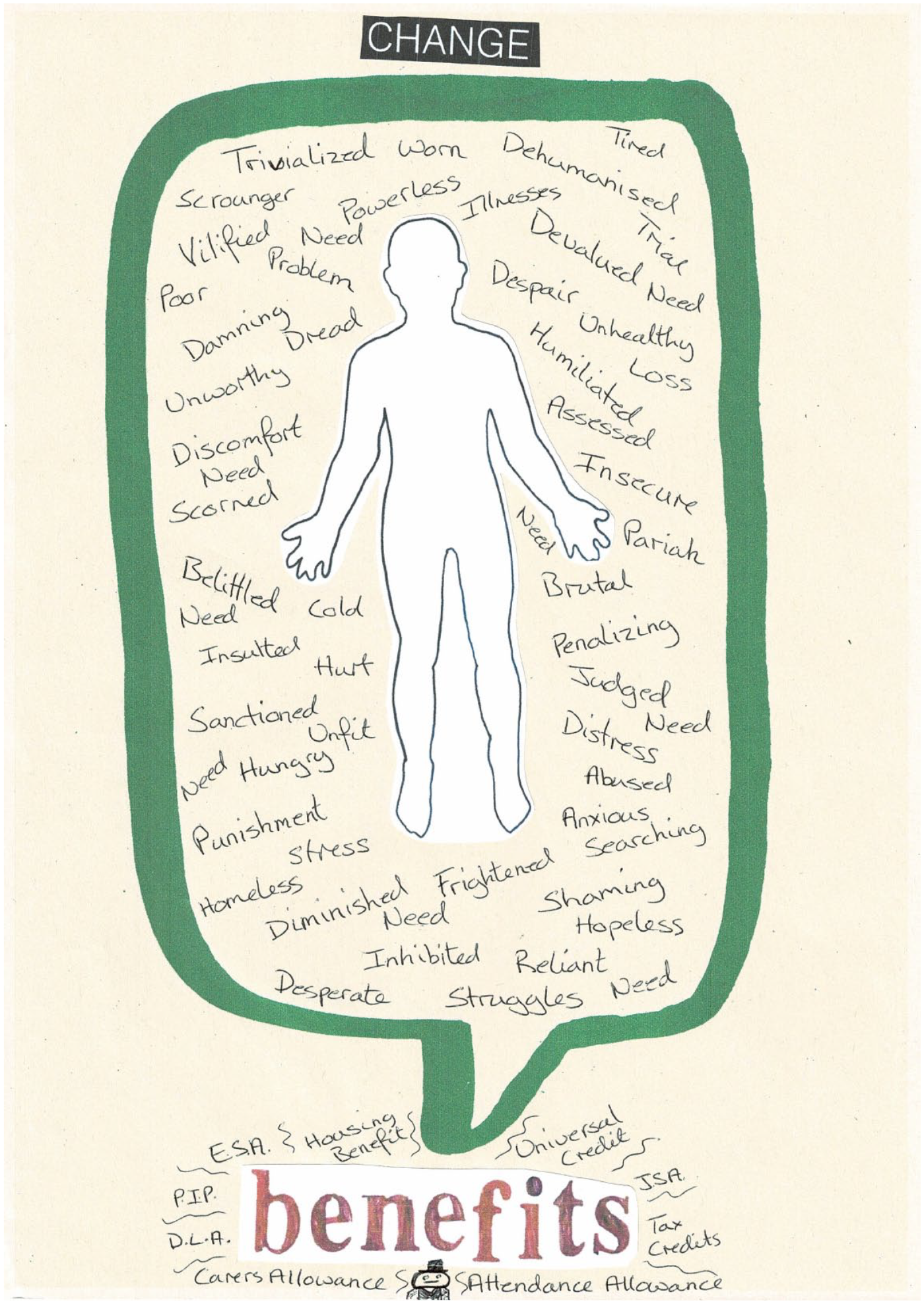
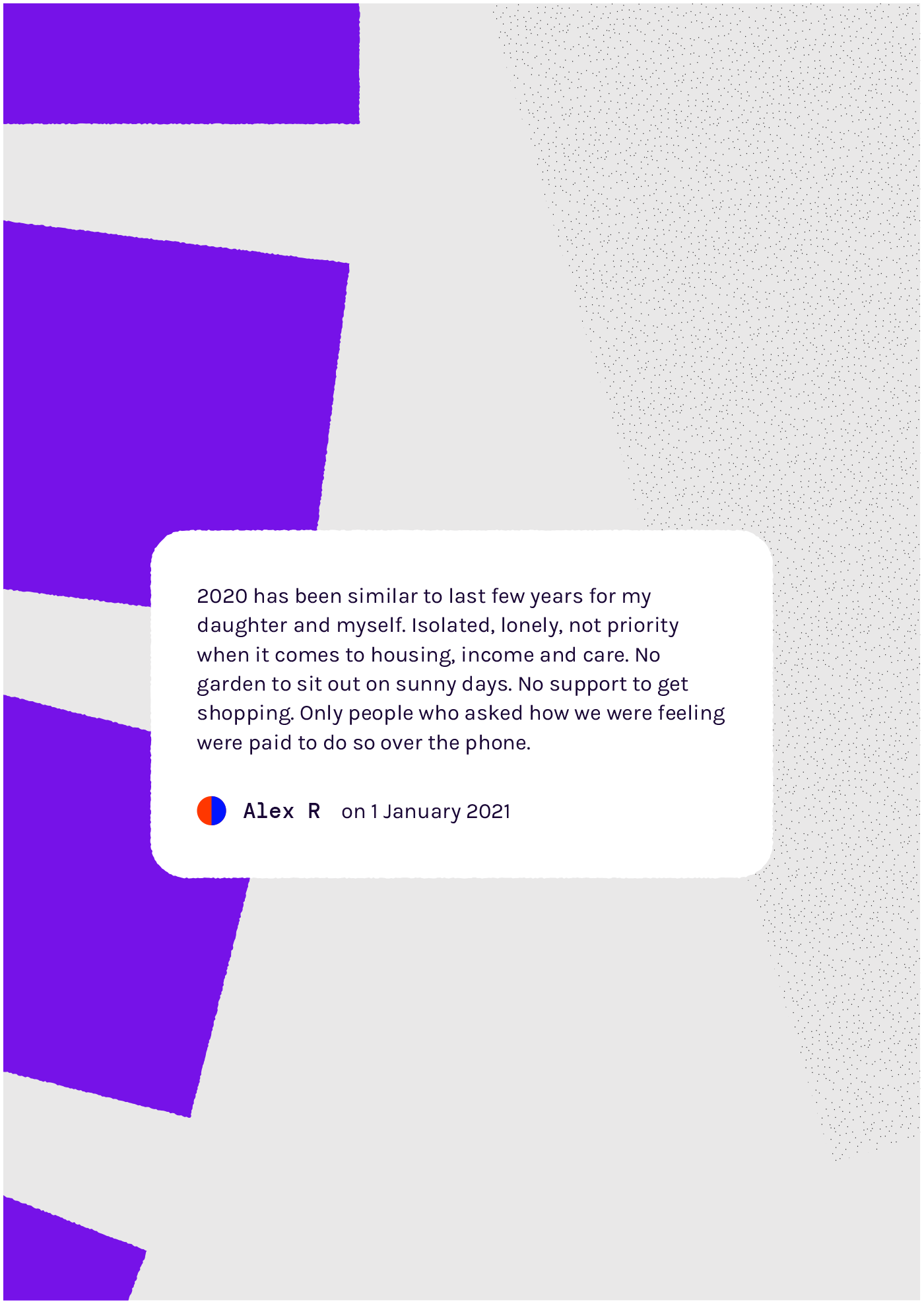
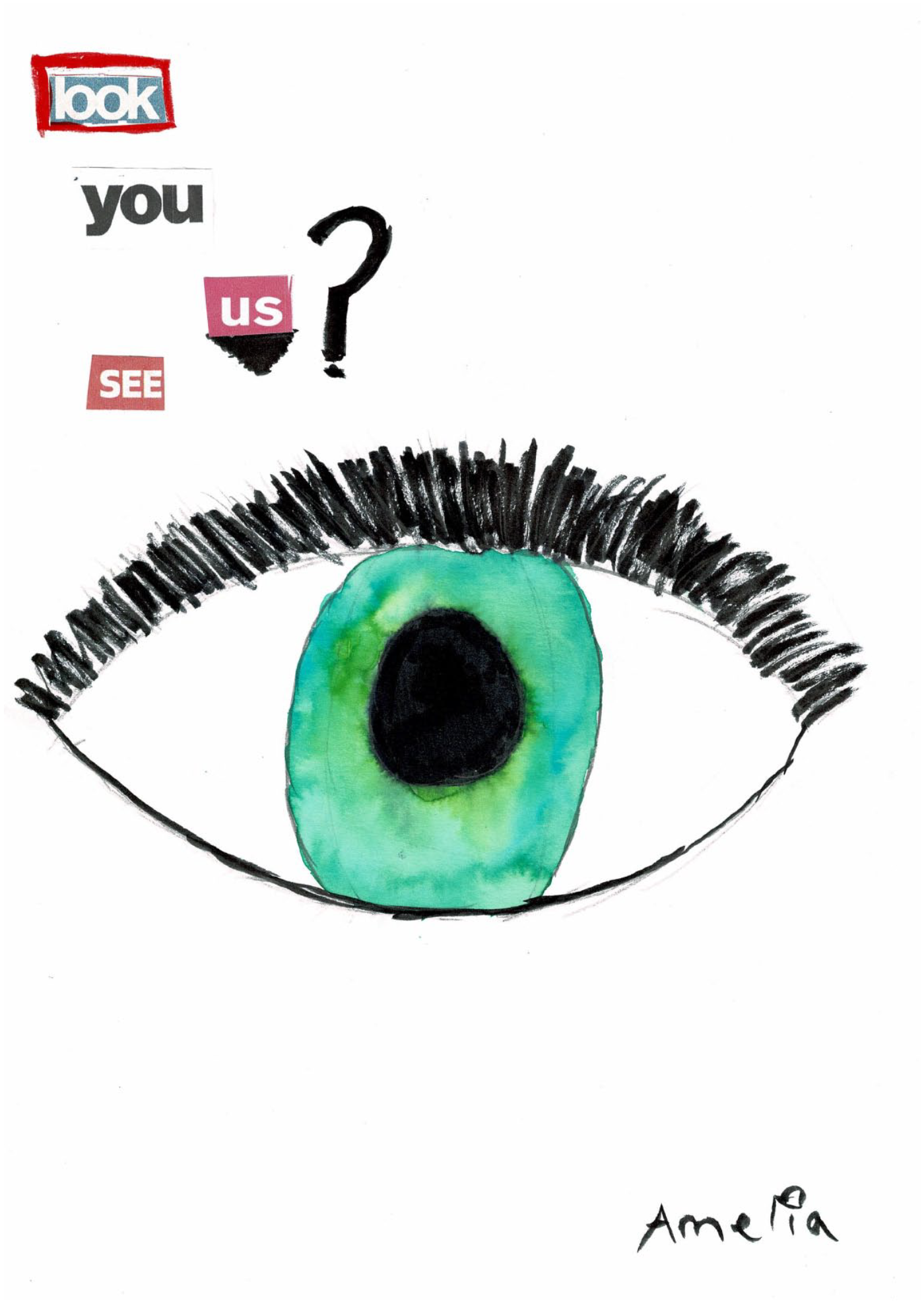
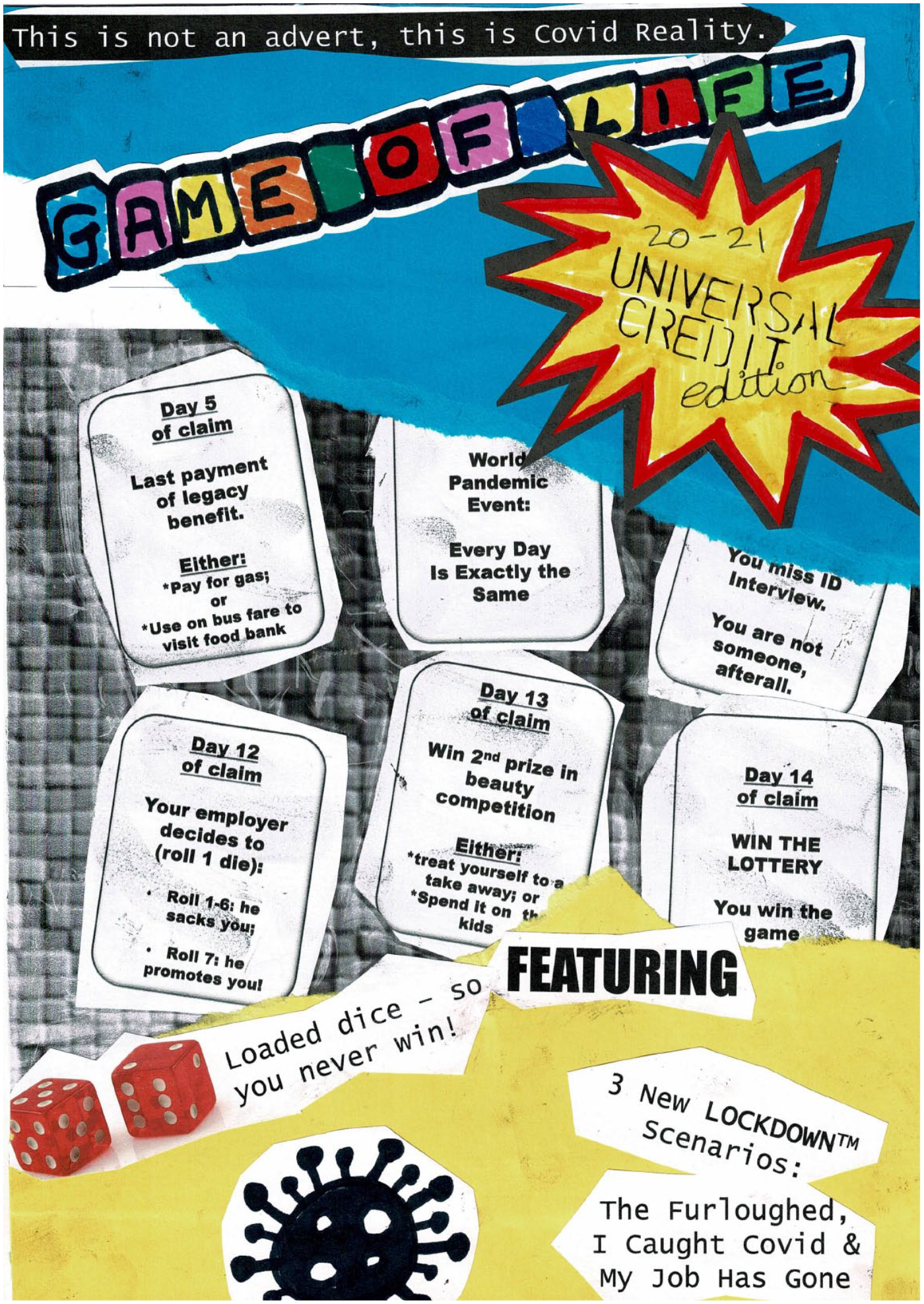
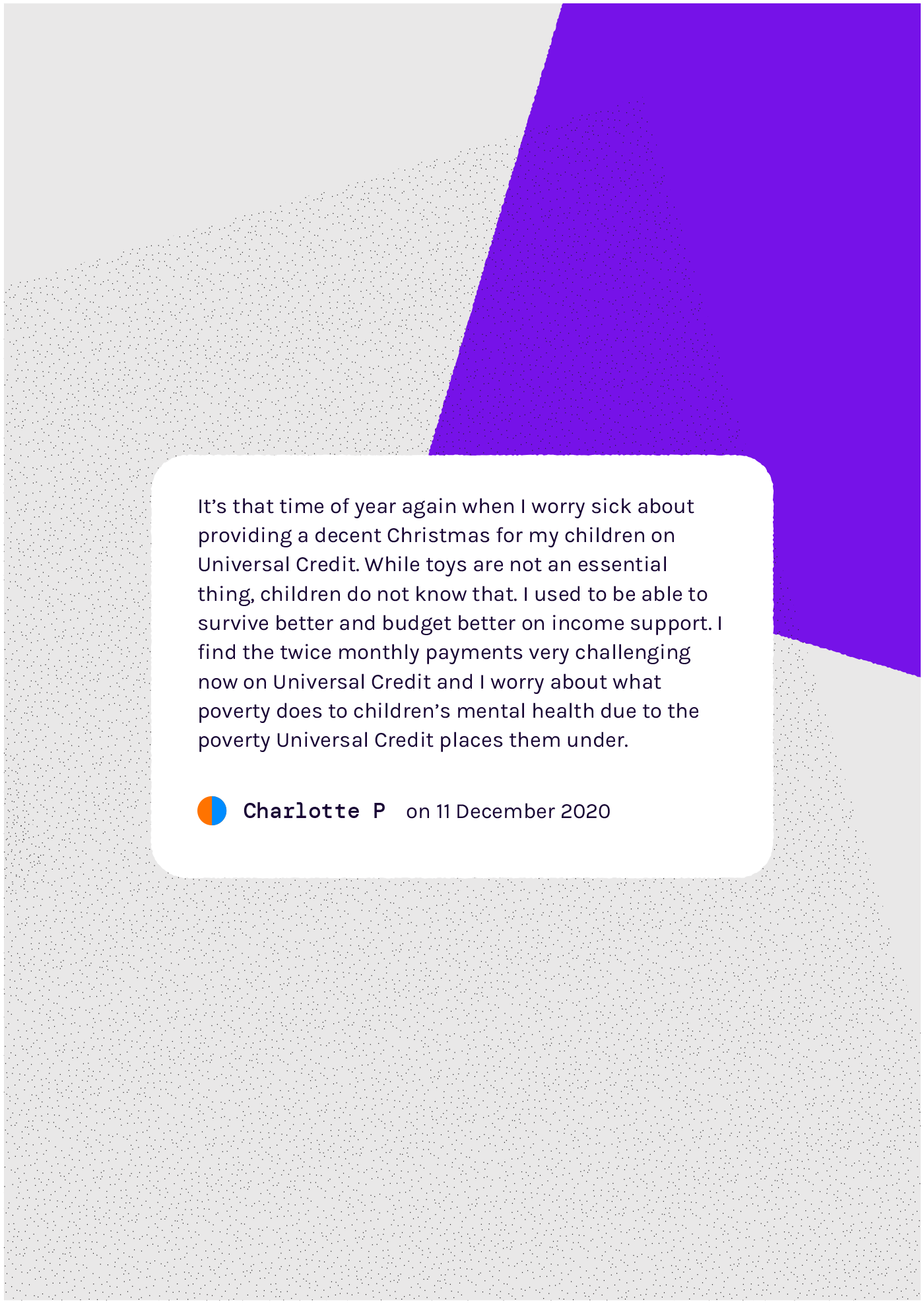
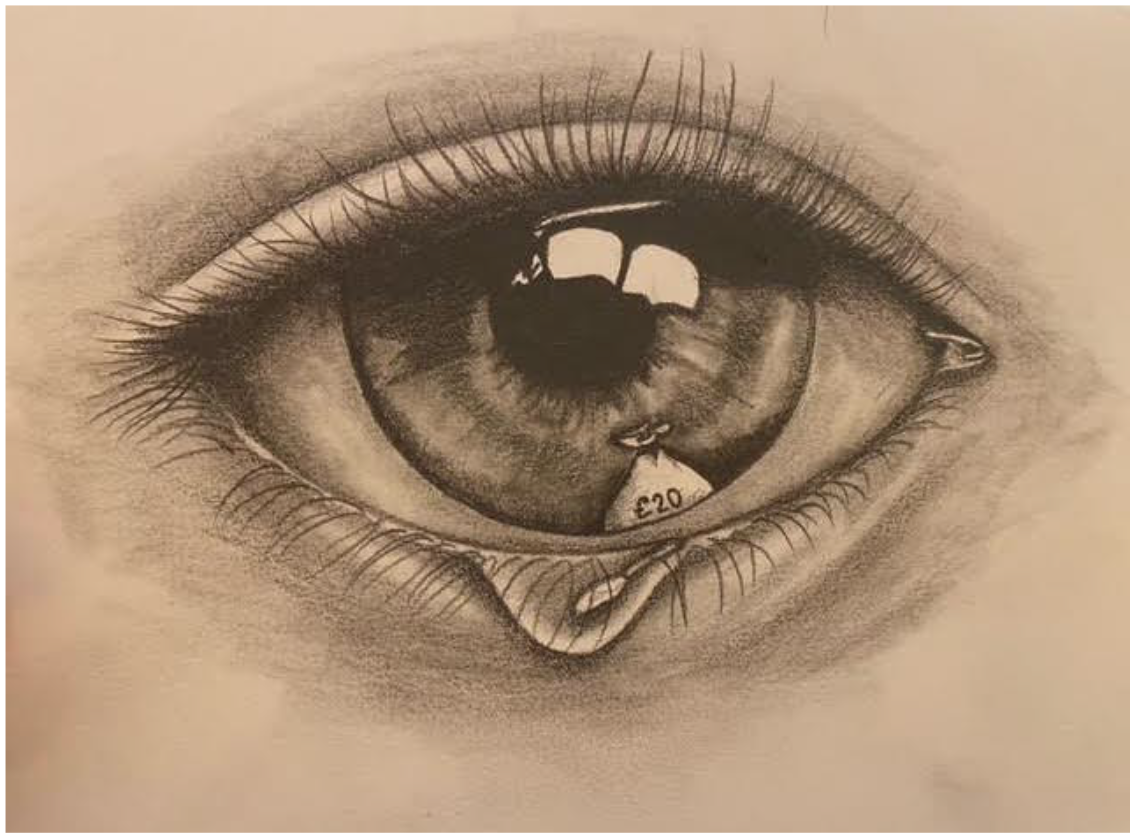
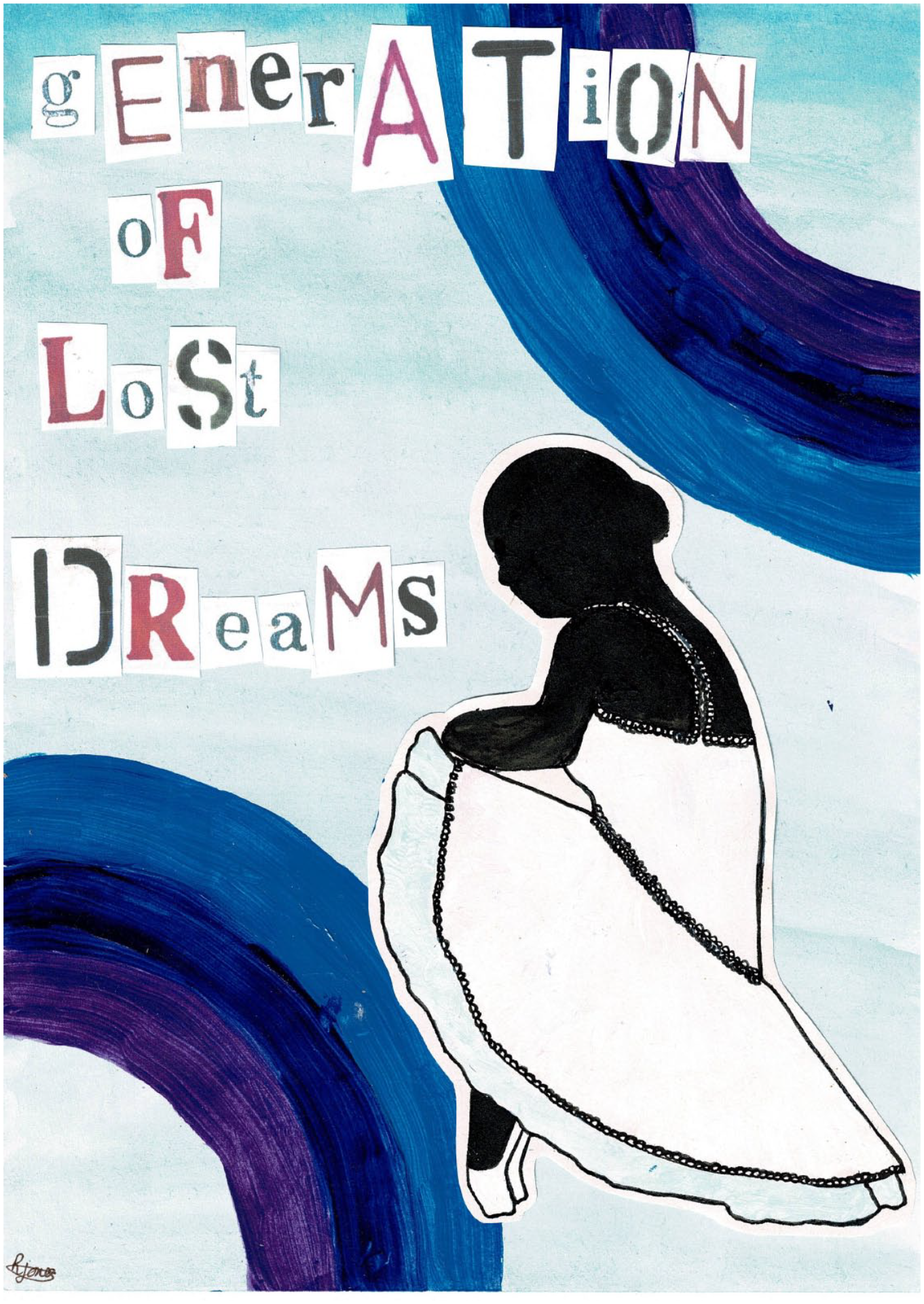
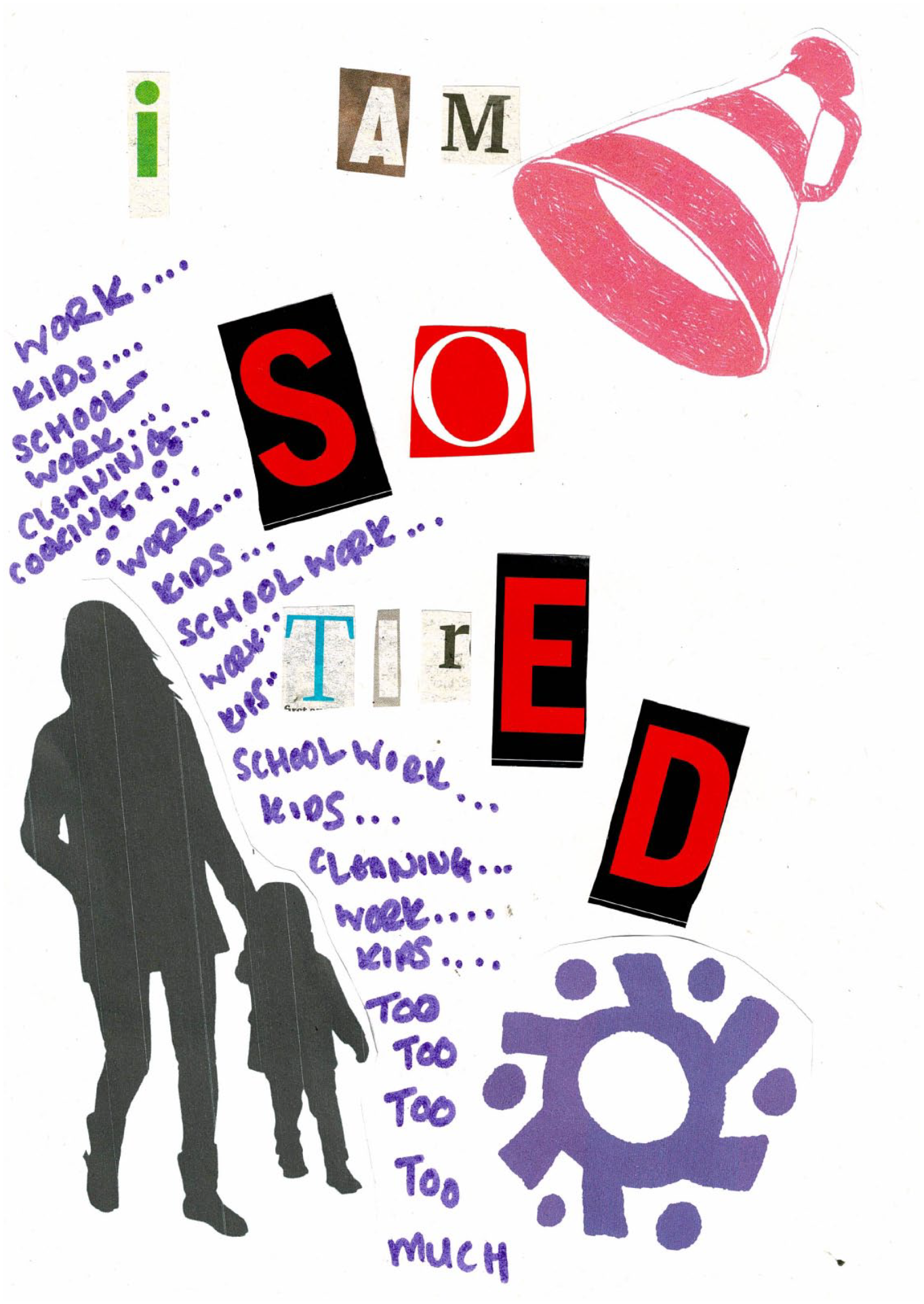
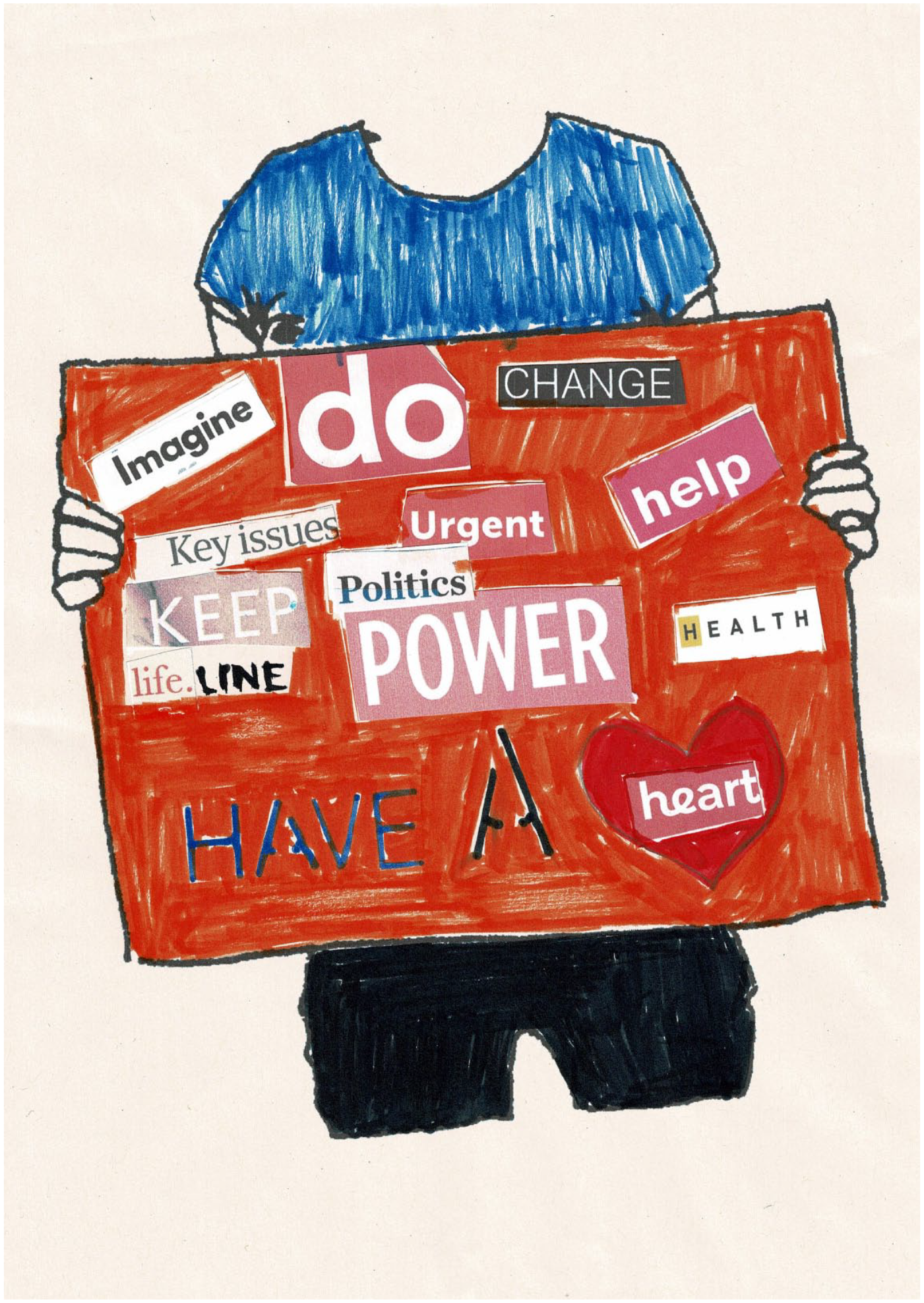
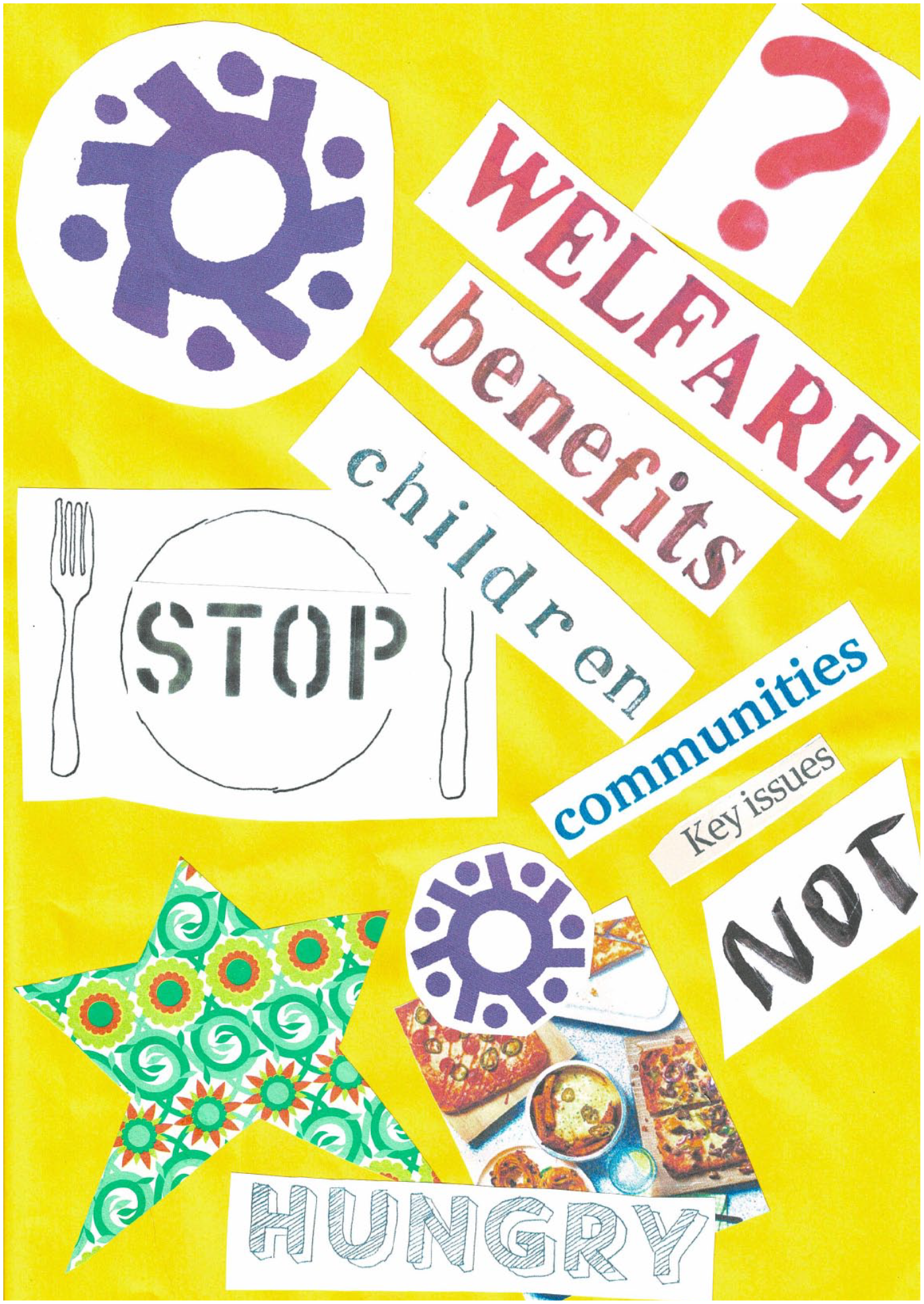
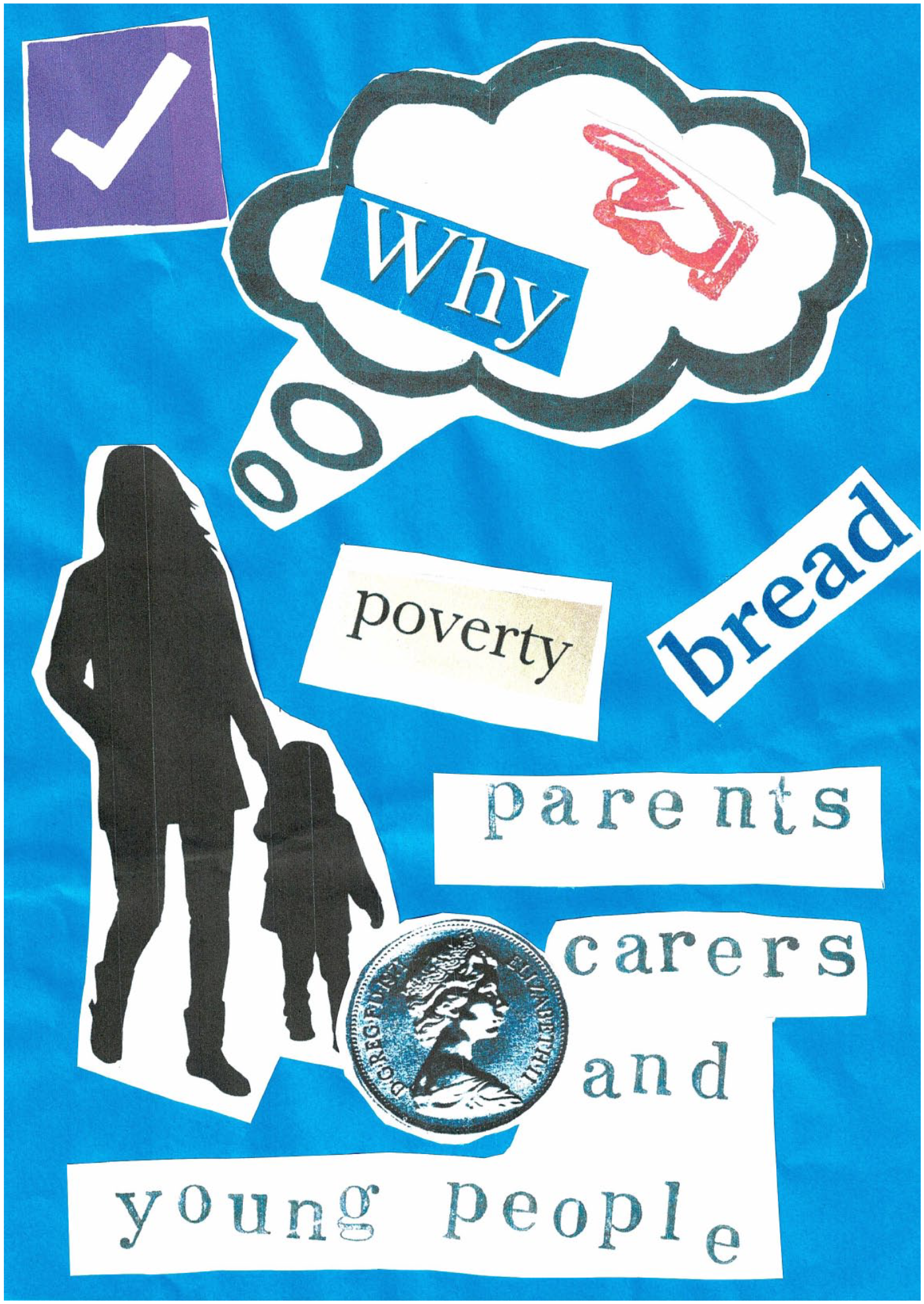
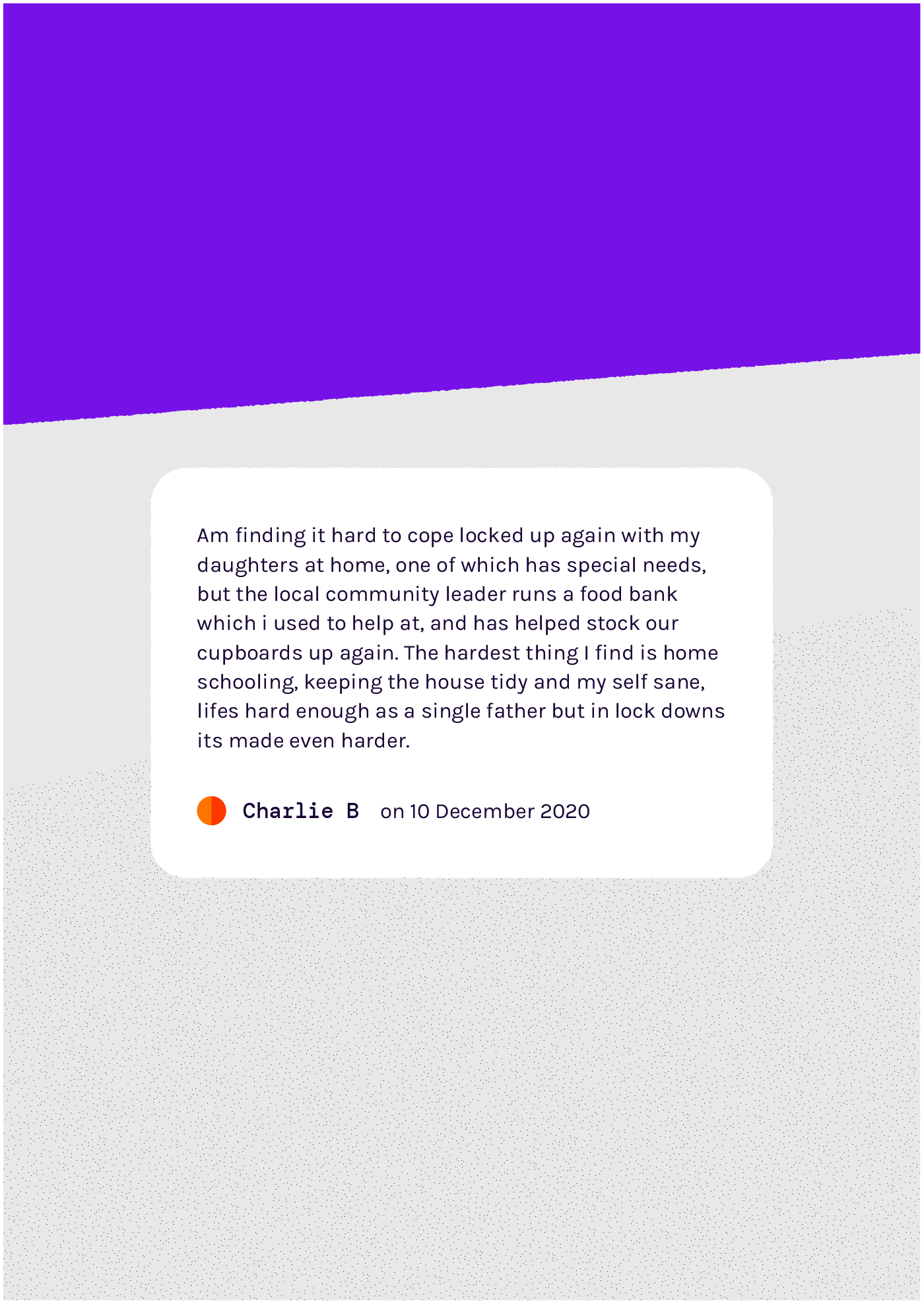
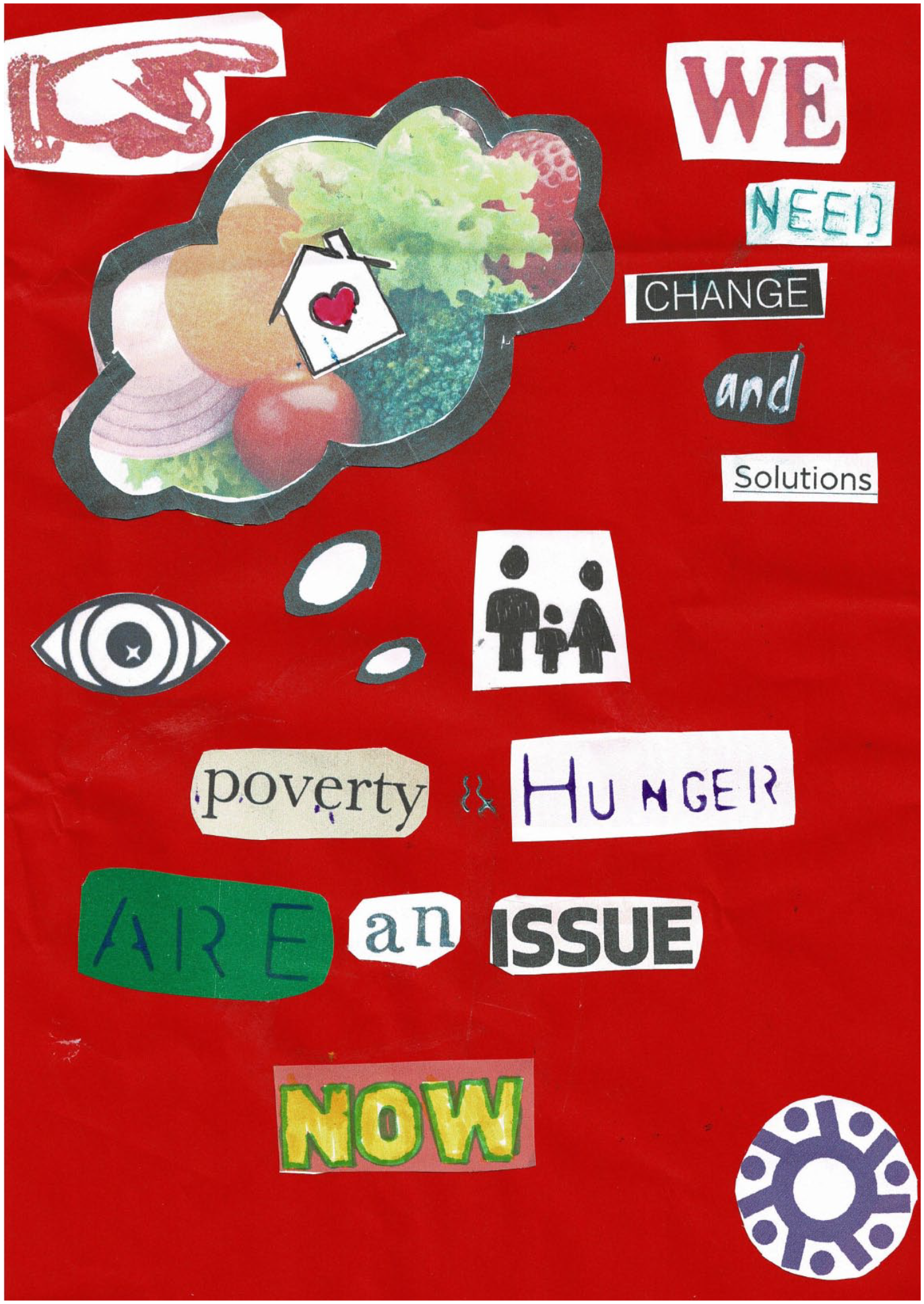
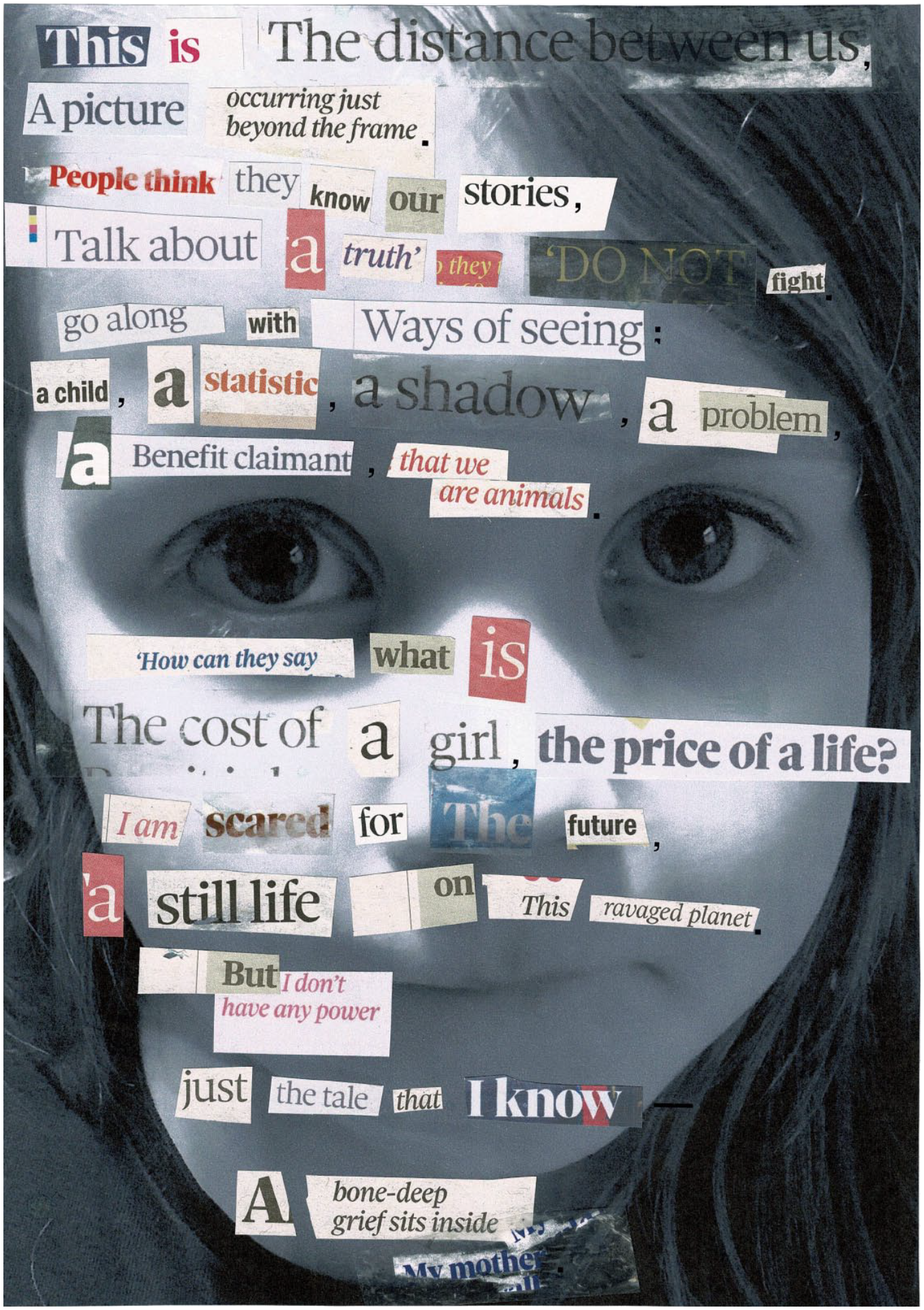
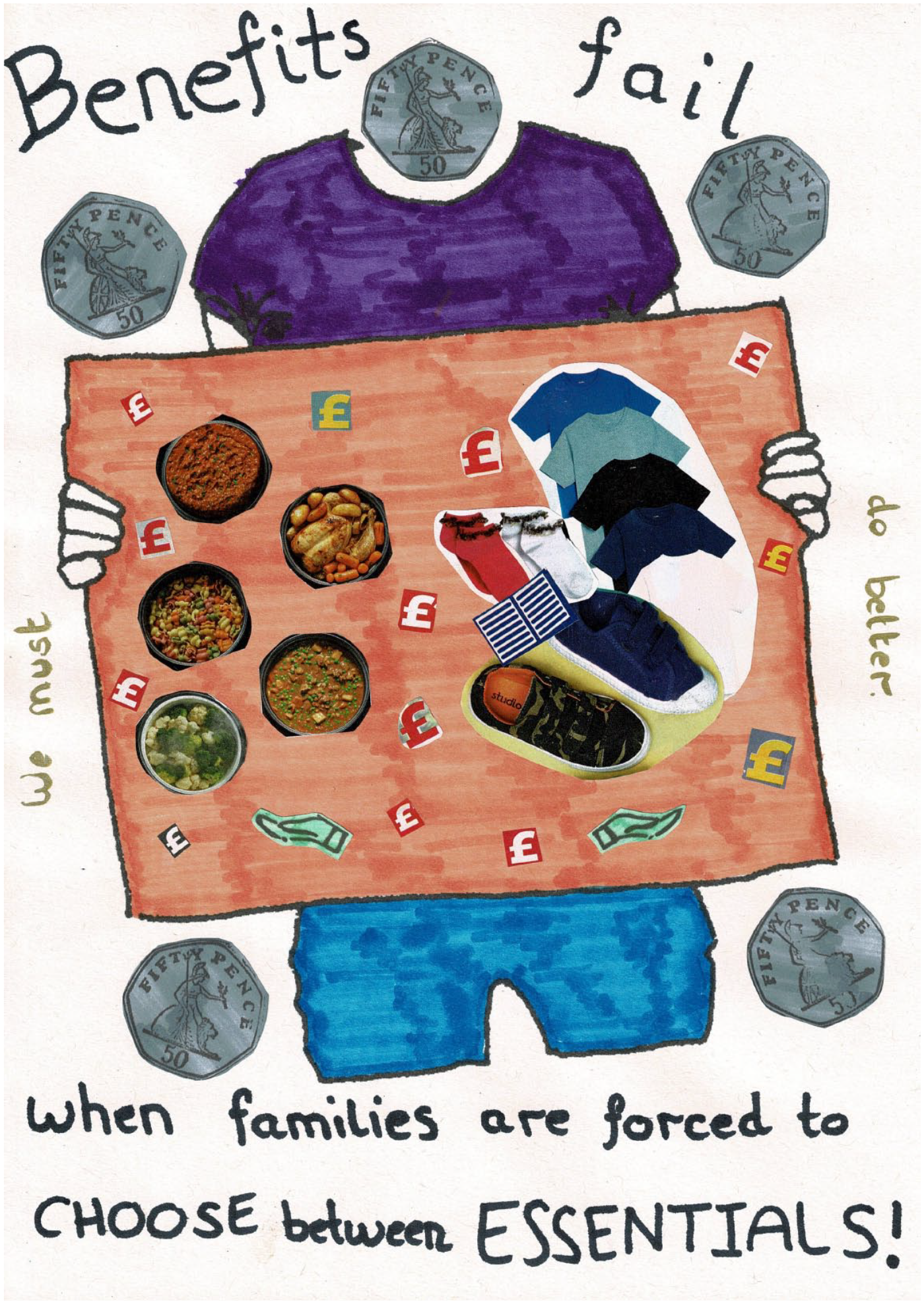
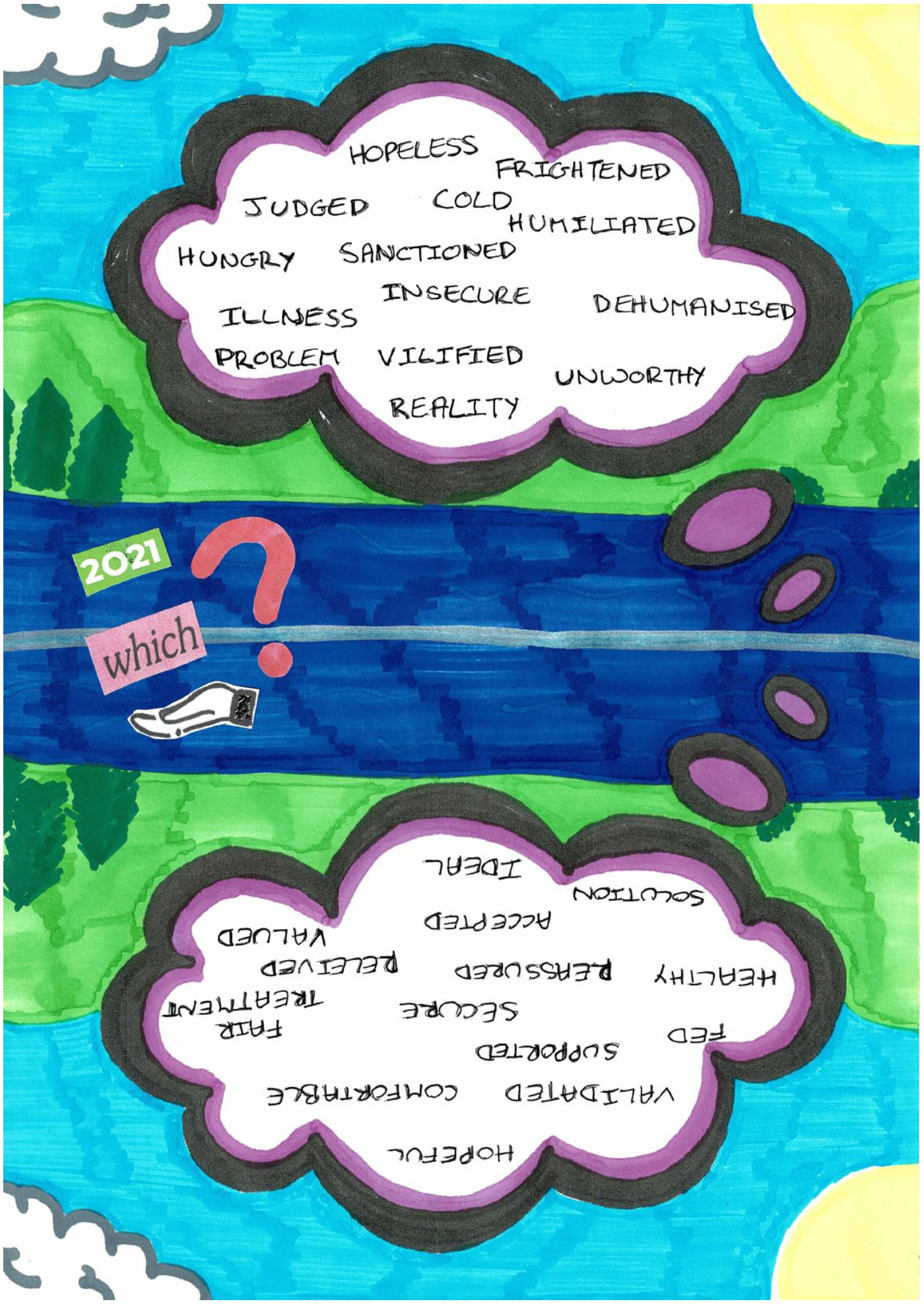
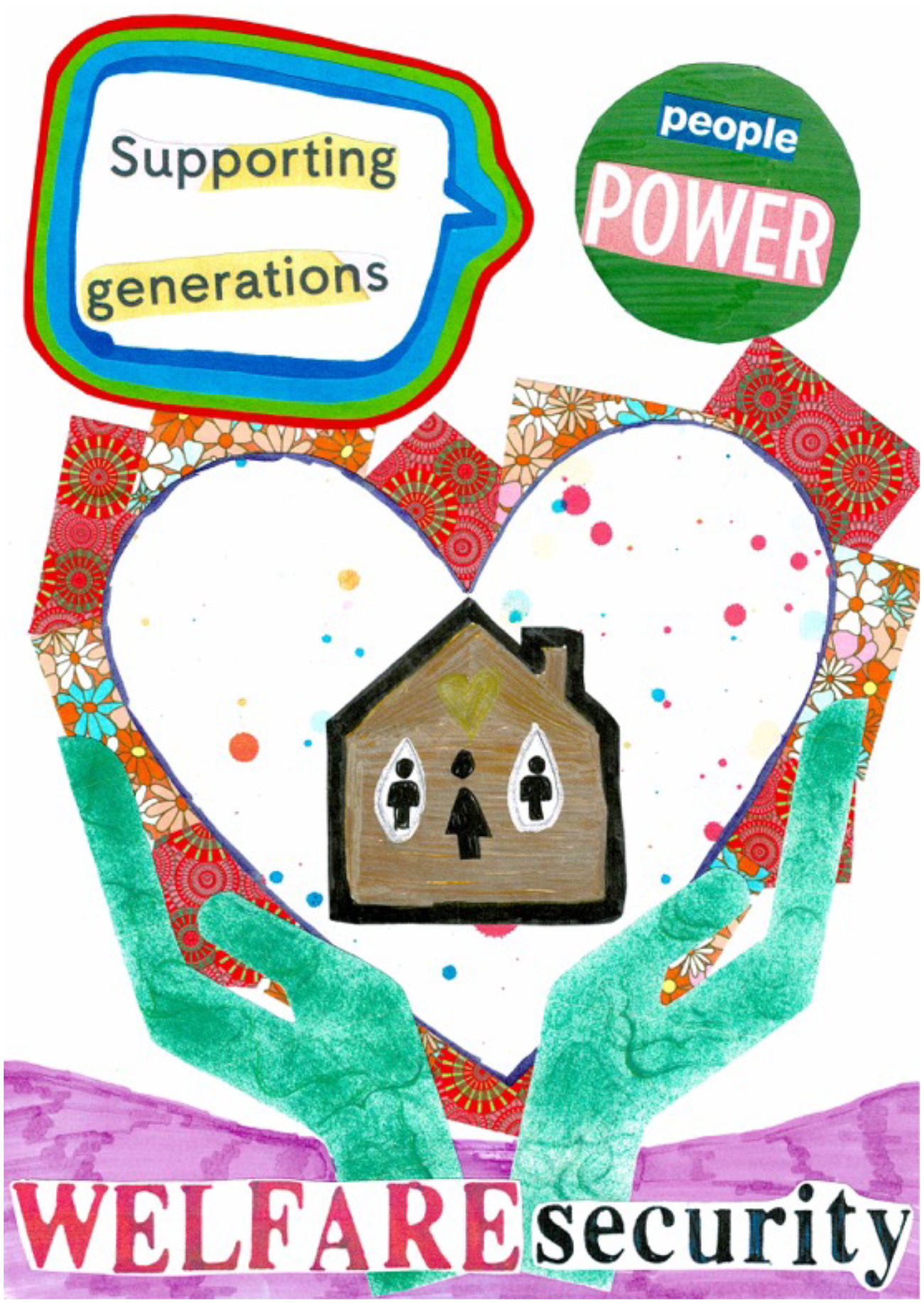
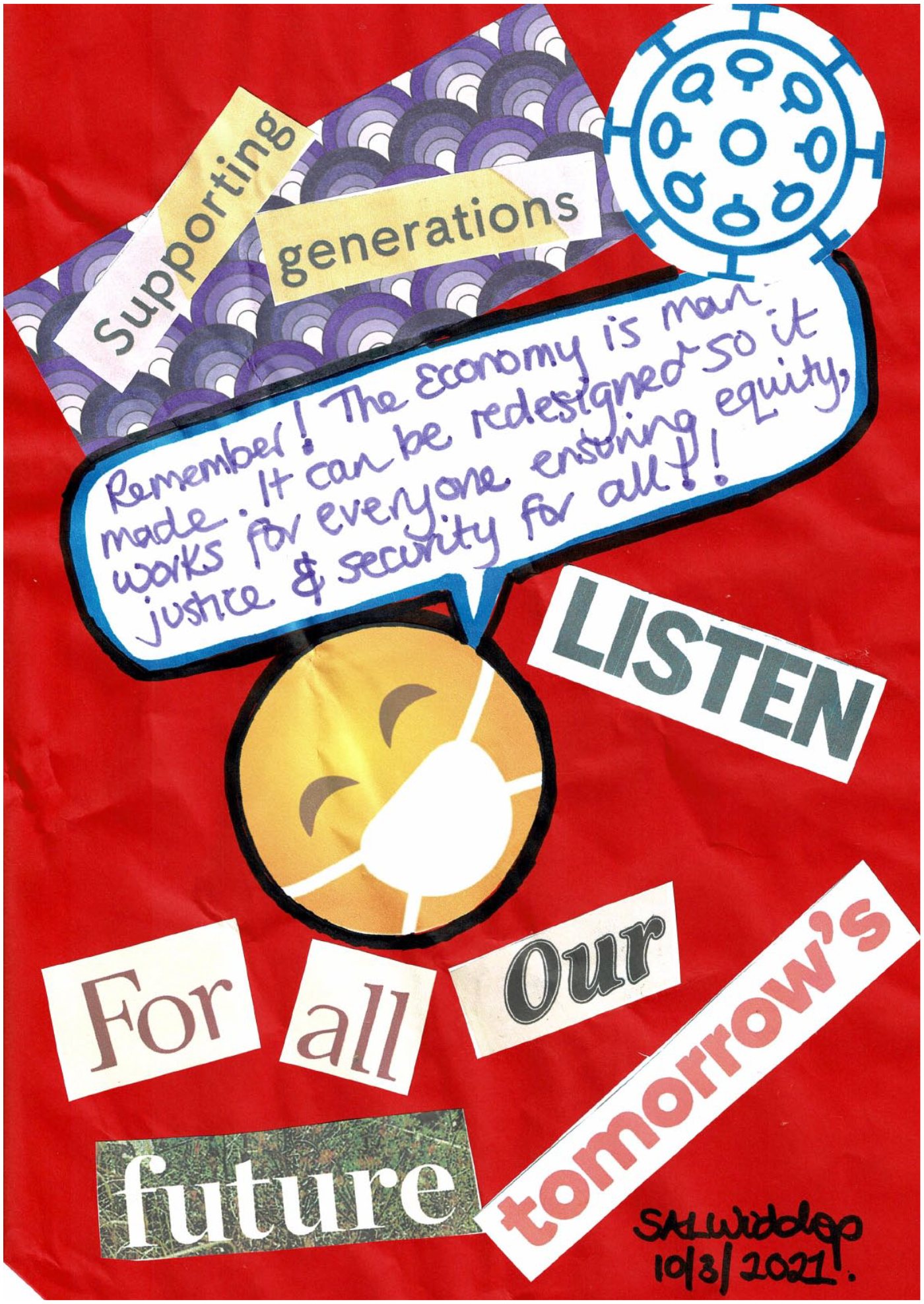
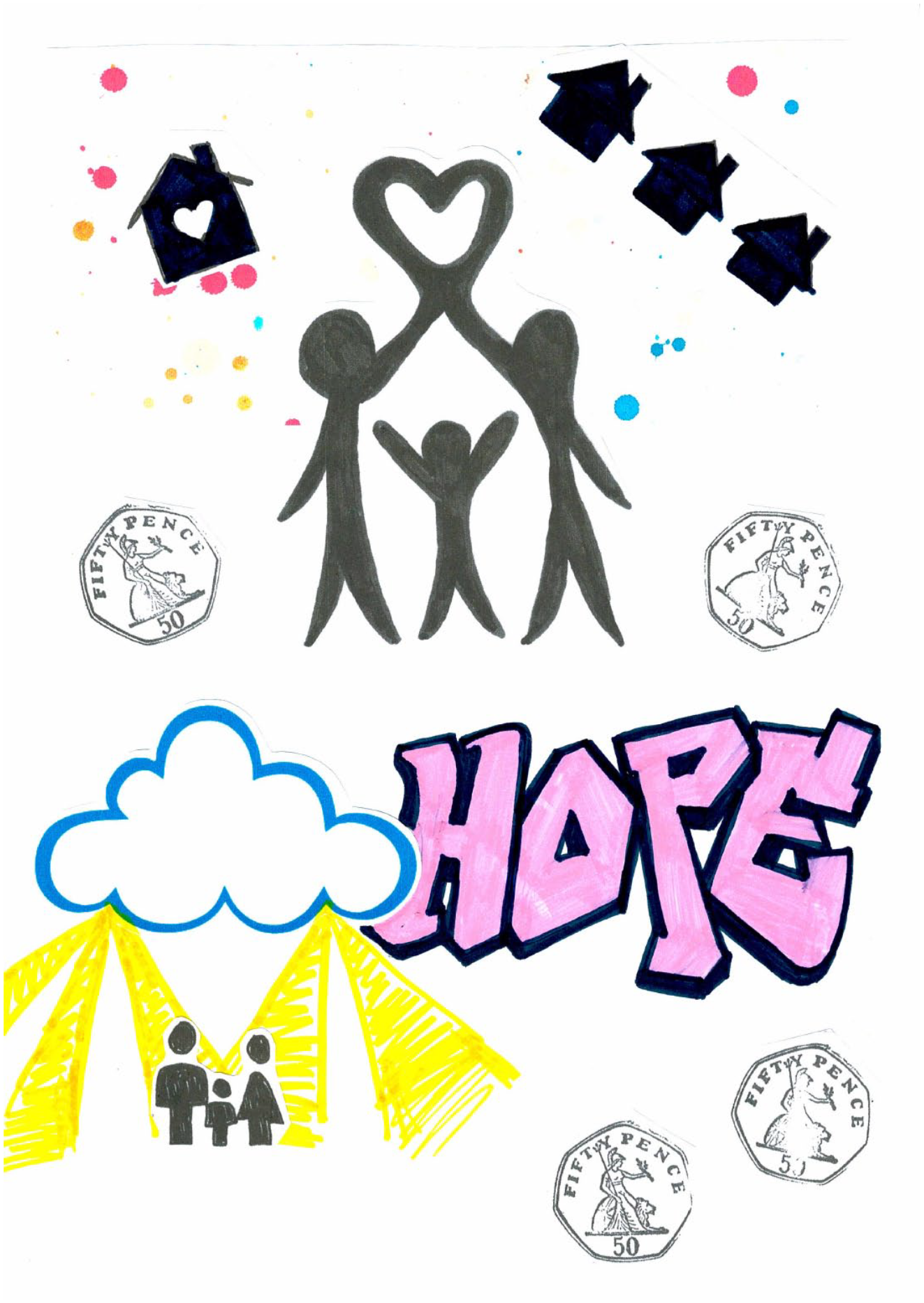
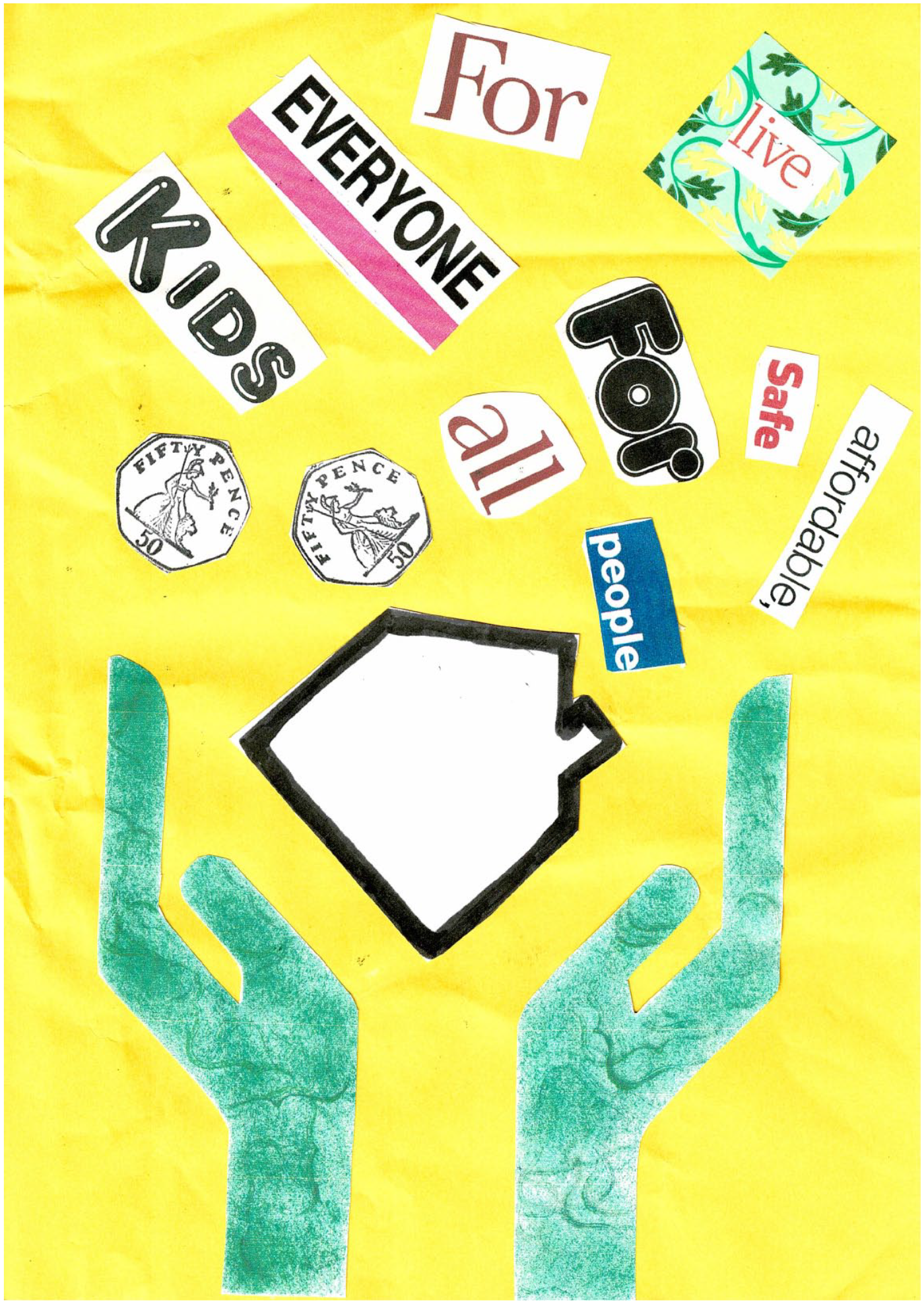
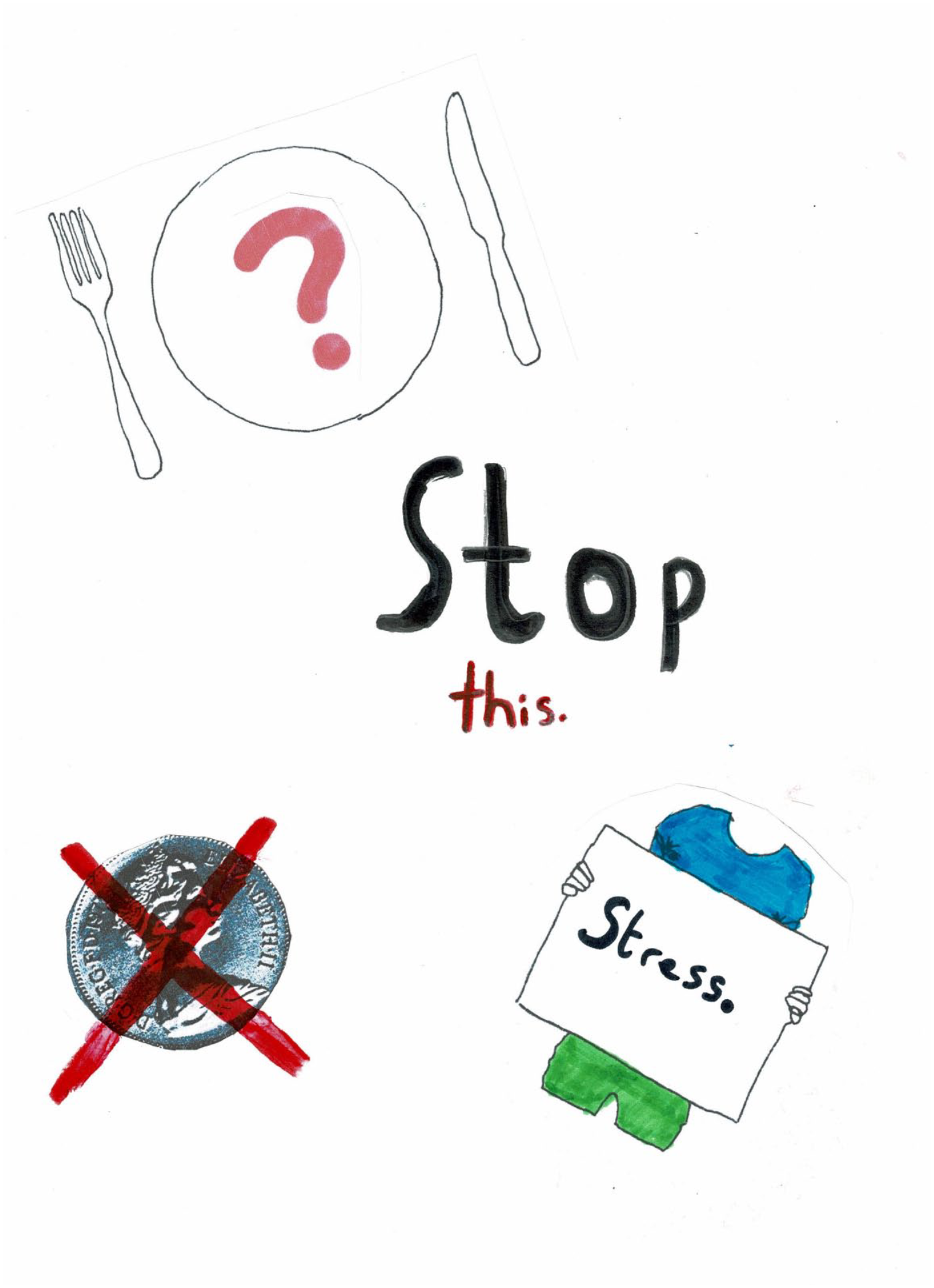
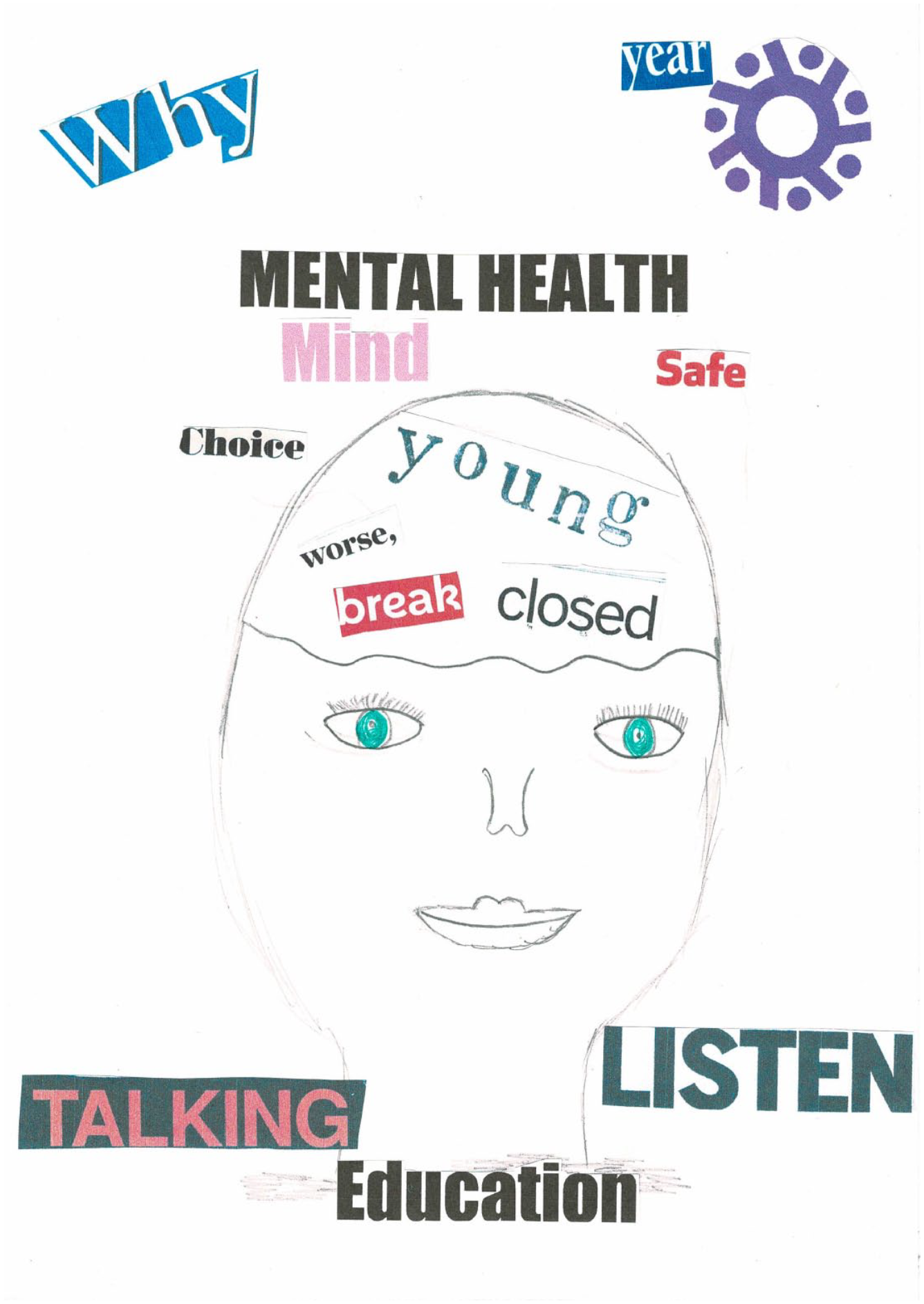
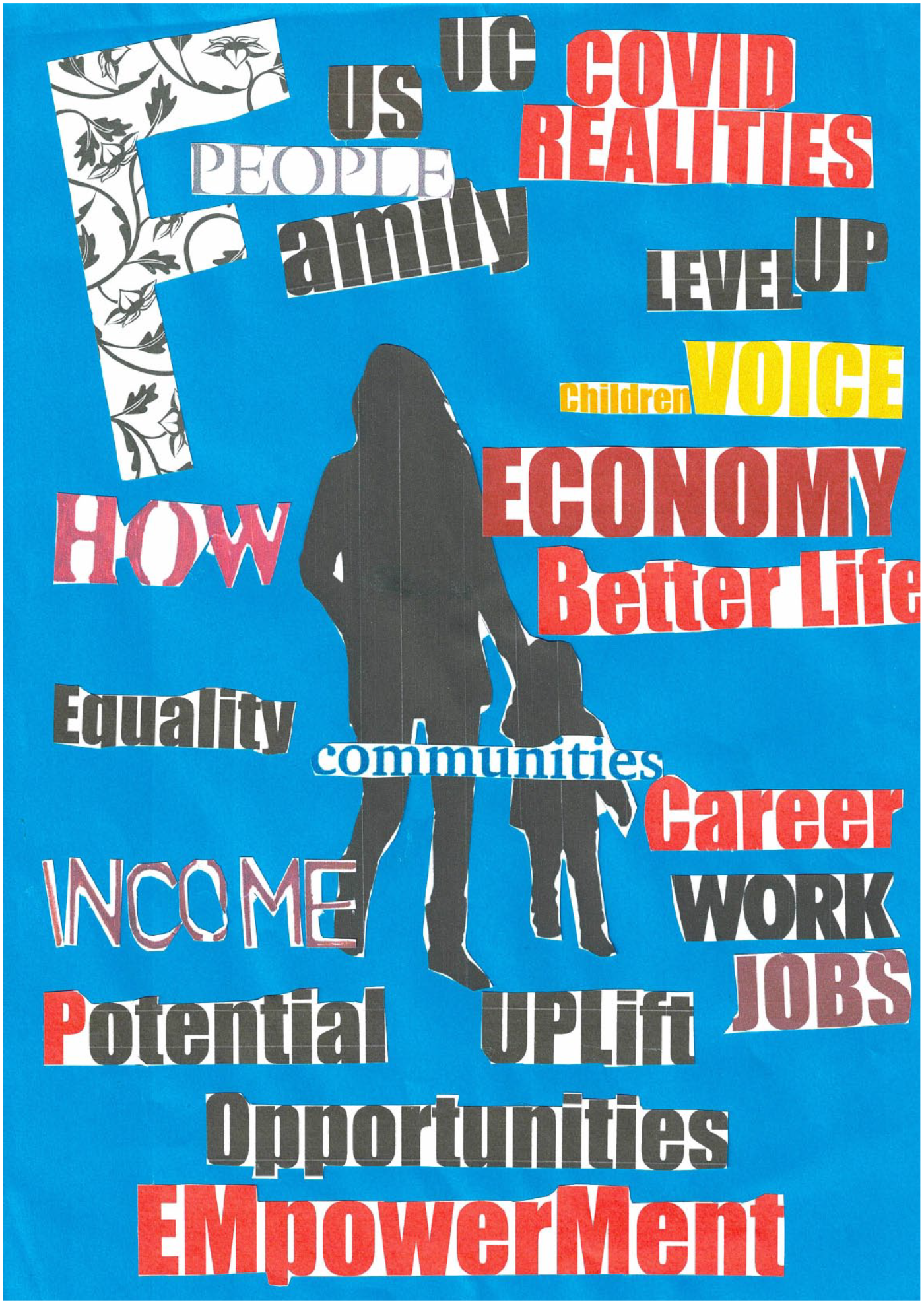
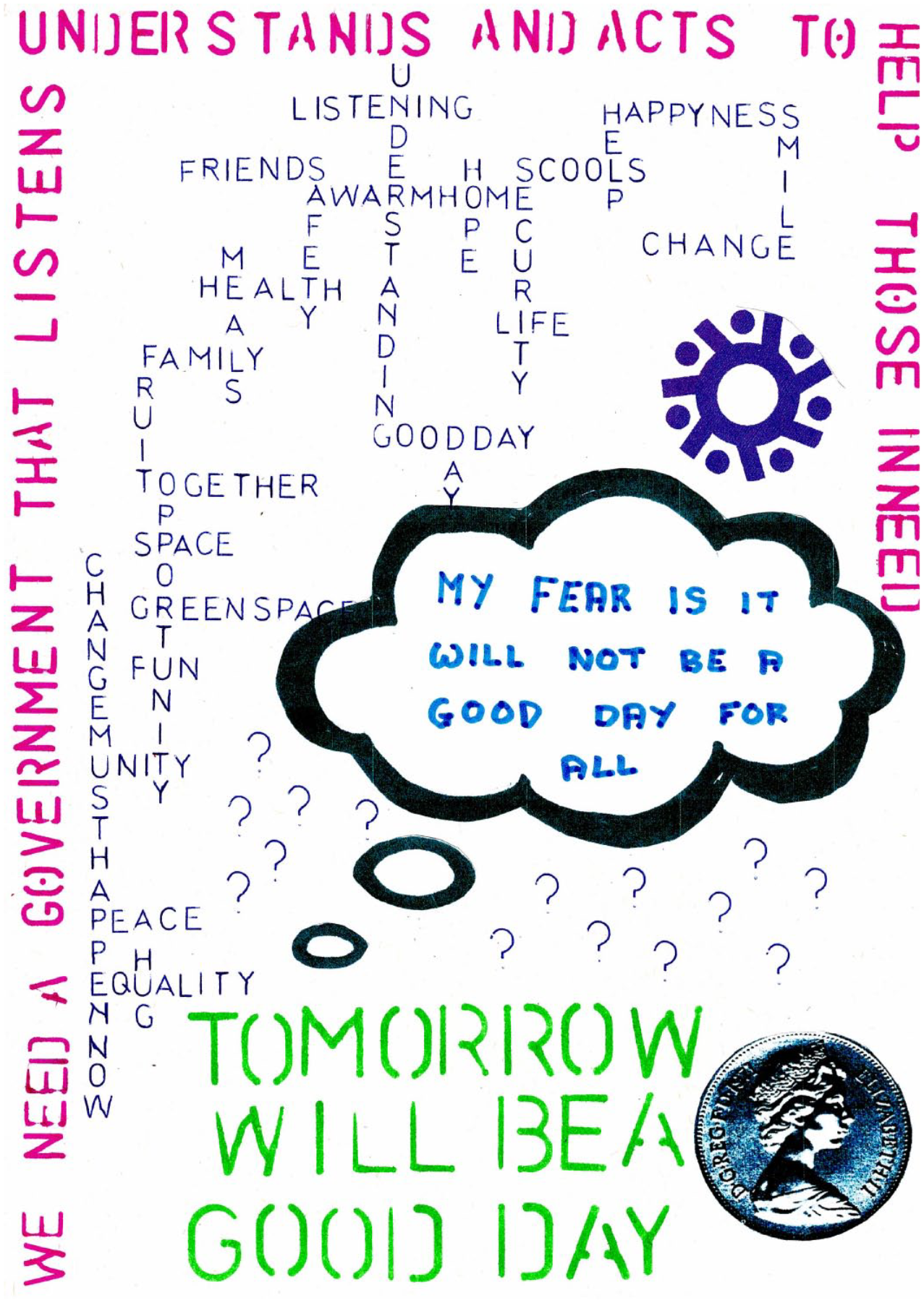
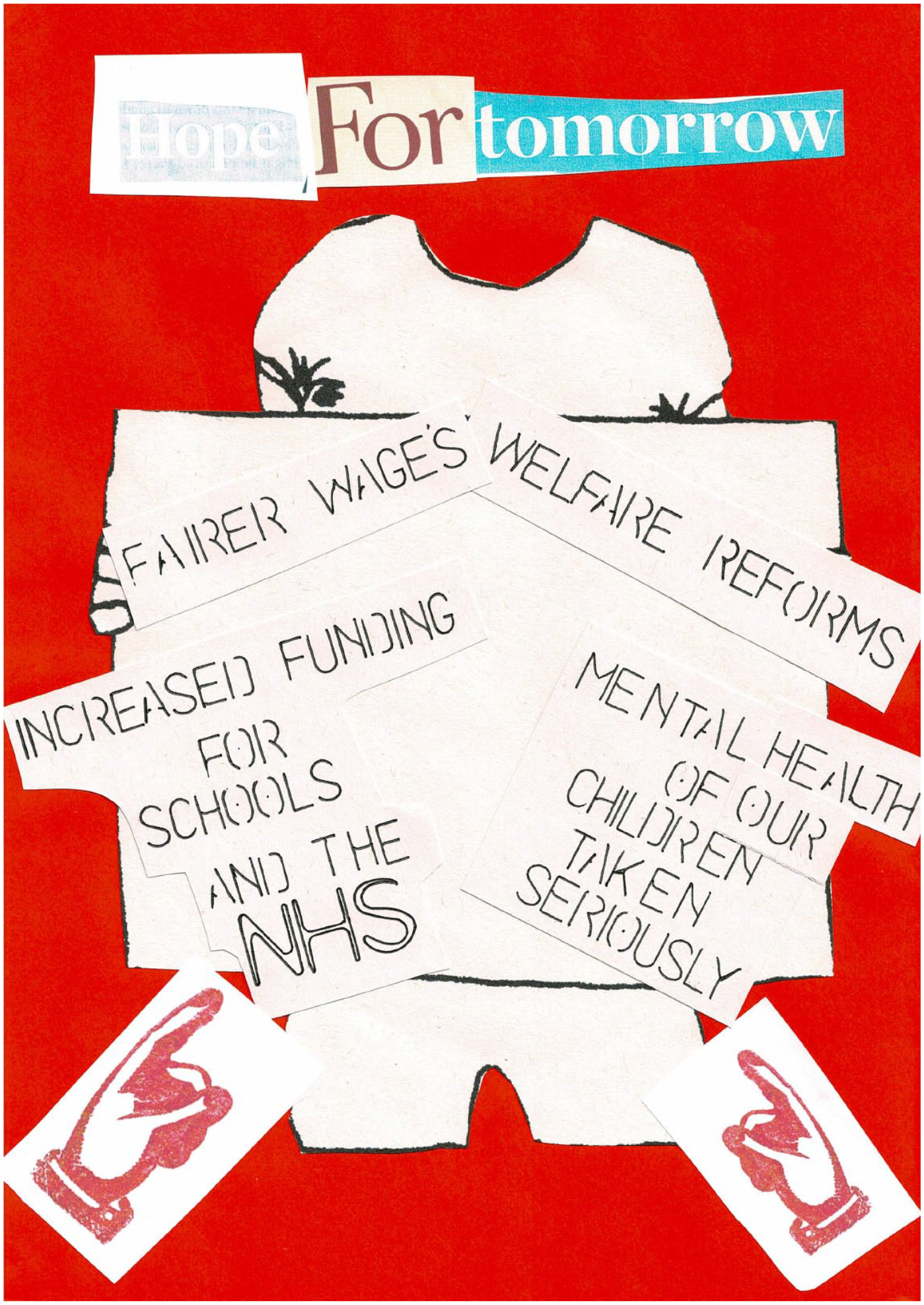
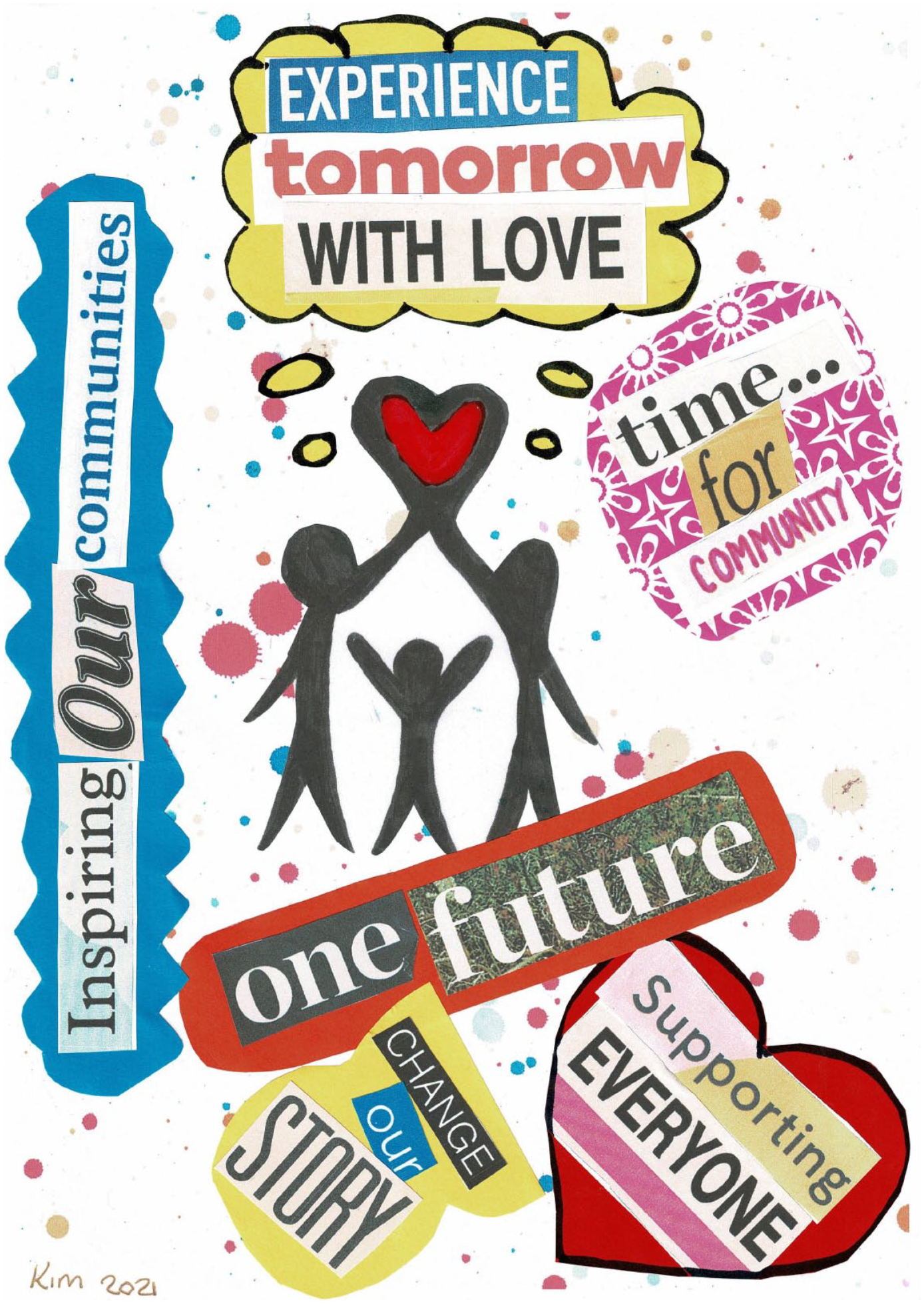
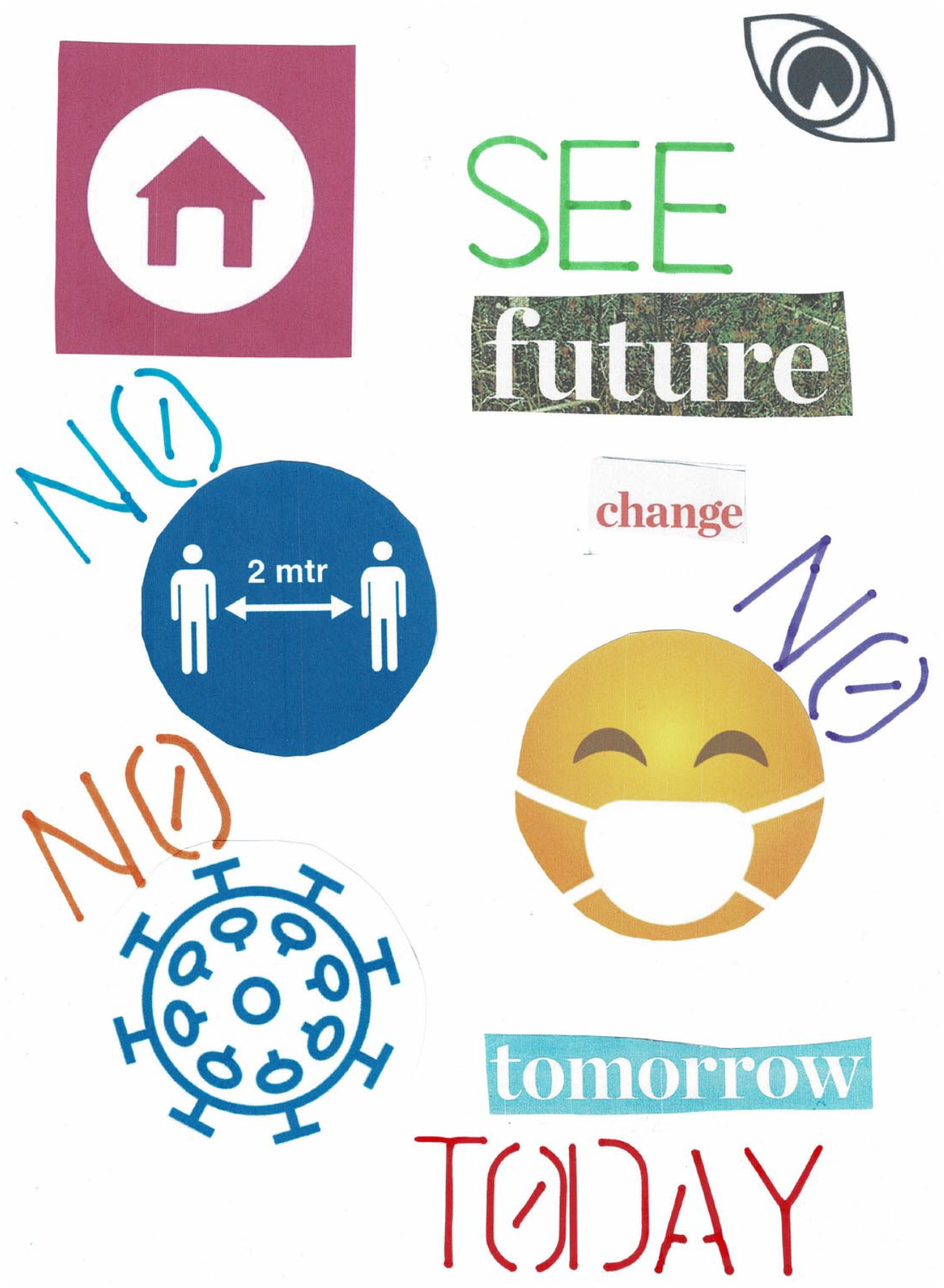
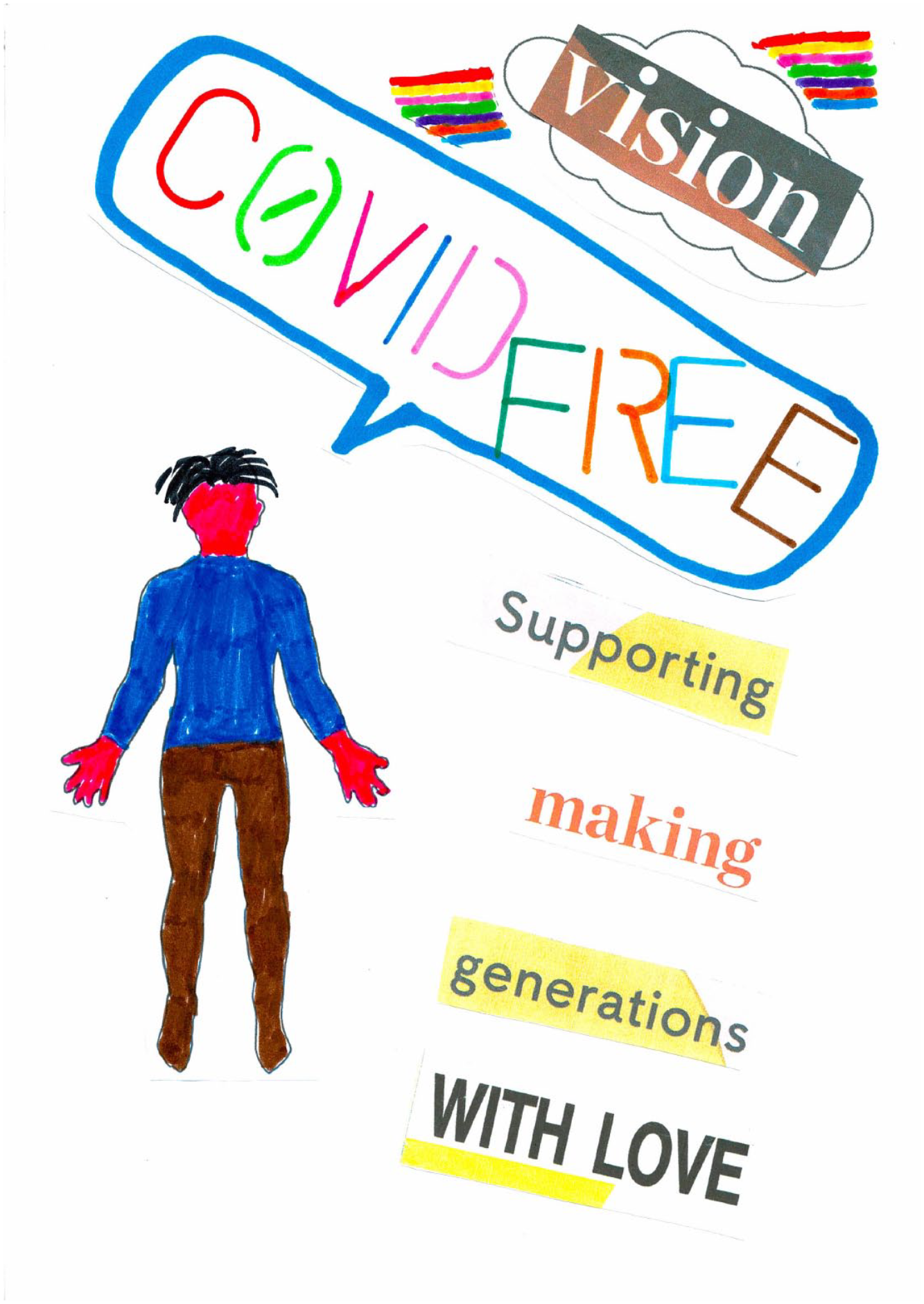
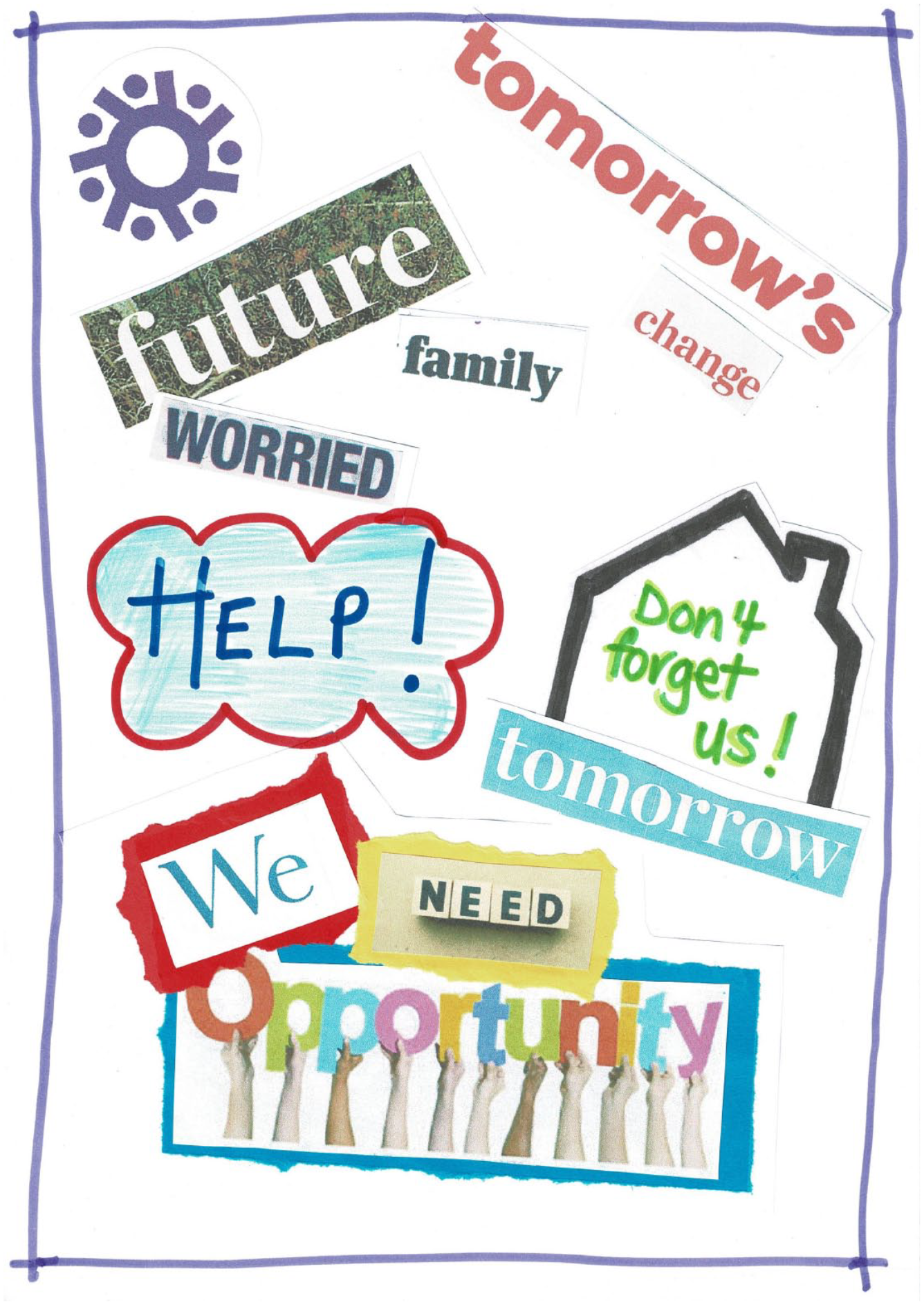
Who developed the piece and for what purpose?
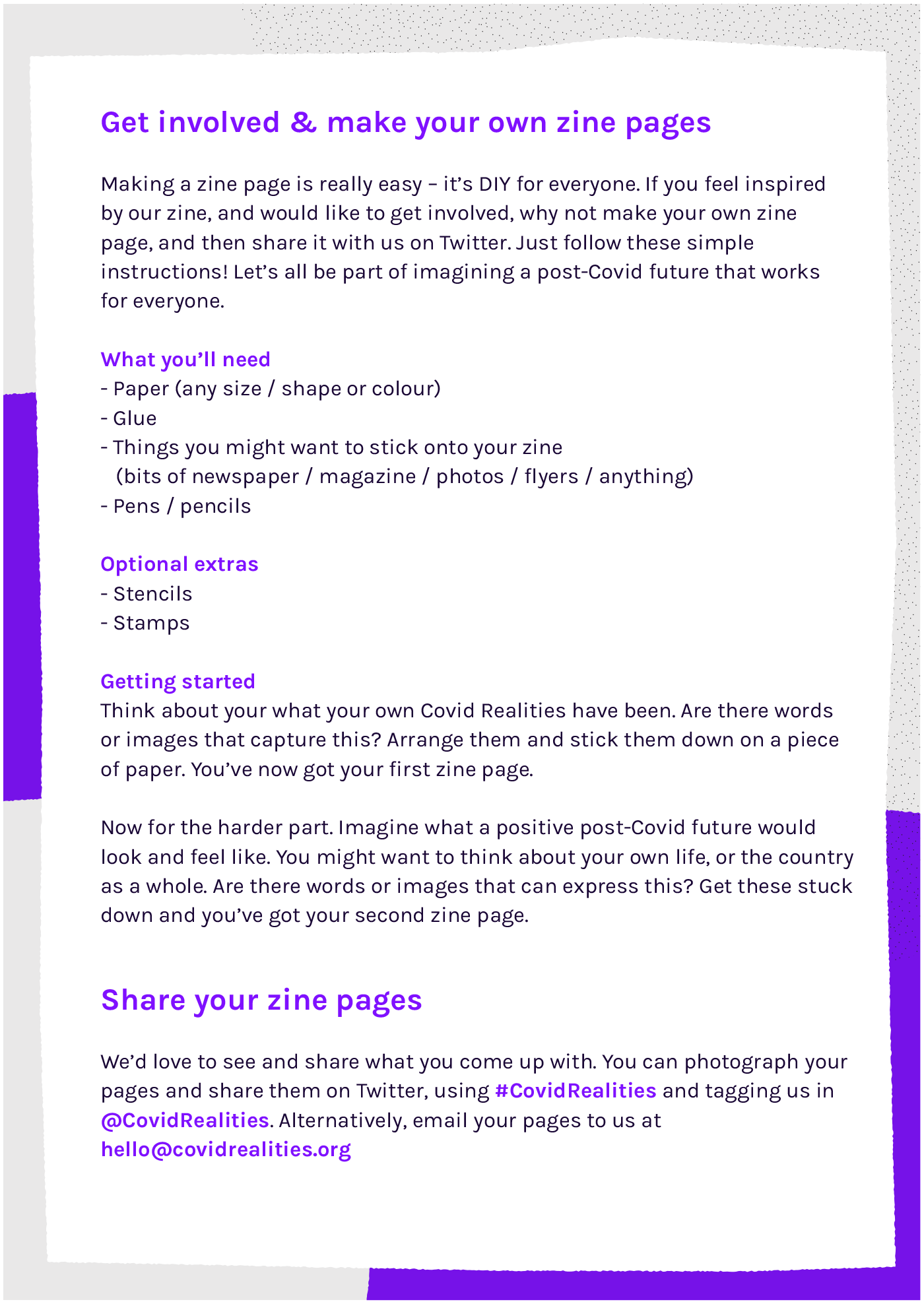
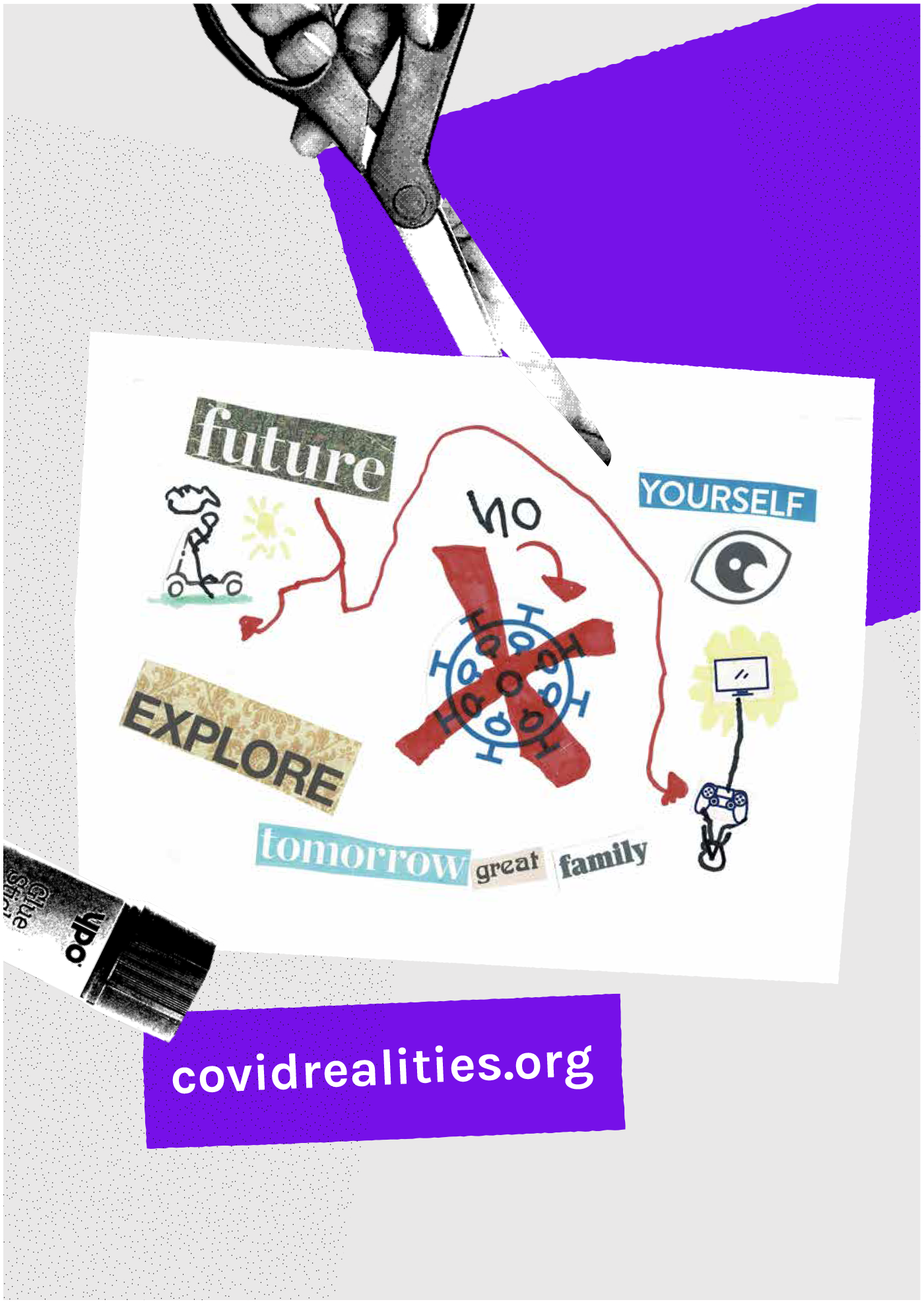
The zine was developed as a way for parents and carers living on a low income to document their experiences of what life has been like during the Covid-19 pandemic, as well as communicating what needs to change in the future, and why. Zines, shortened from ‘fanzine’, ‘are independent, not-for-profit publications that contain articles, anecdotes and artwork covering a variety of topics’ (Kempson, 2015: 1081). Zine-making relies on a do-it-yourself tradition, and often results in a booklet or publication which is self-published. Zines can be used as an effective pedagogical tool for awareness, education, empowerment, and transformation (Desyllas and Sinclair, 2013). By providing an alternative form of self-expression and through co-production during the making and dissemination process, zines have historically acted as a voice for marginalised individuals and groups, as well as a method of advocating for social change (Valli, 2021). As such, they represent an effective and empowering way to share key messages from social research; in this case, lived experiences of life on a low income for parents and carers during a global crisis.
Significantly, the motivation to create the zine came from parents themselves who were contributing in the Covid Realities research programme (more details below). In virtual discussion groups, parents spoke of their idea to create something together, drawing on arts based methods, and out of these conversations, the idea to create a zine was generated. Contributors created individual pieces of artwork which were brought together to form the overall zine, working in partnership with artist Jean McEwan and Covid Realities researchers. The creation of individual zine pages was facilitated in two zine-making workshops, which provided a space to make the zine pages together, and to talk as we made them; facilitating discussion and peer support as well as the zine-making itself. Creasap (2014) explains that ‘whether an individual or collective effort, making zines is a collaborative process’ (p. 156). Following the collaborative development of a dissemination strategy at a third zine-making workshop, plans were made to distribute both print and electronic versions of the zine in a range of public spaces, for example, cafes, advice centres and to public, policy-making, and media audiences.
About the research
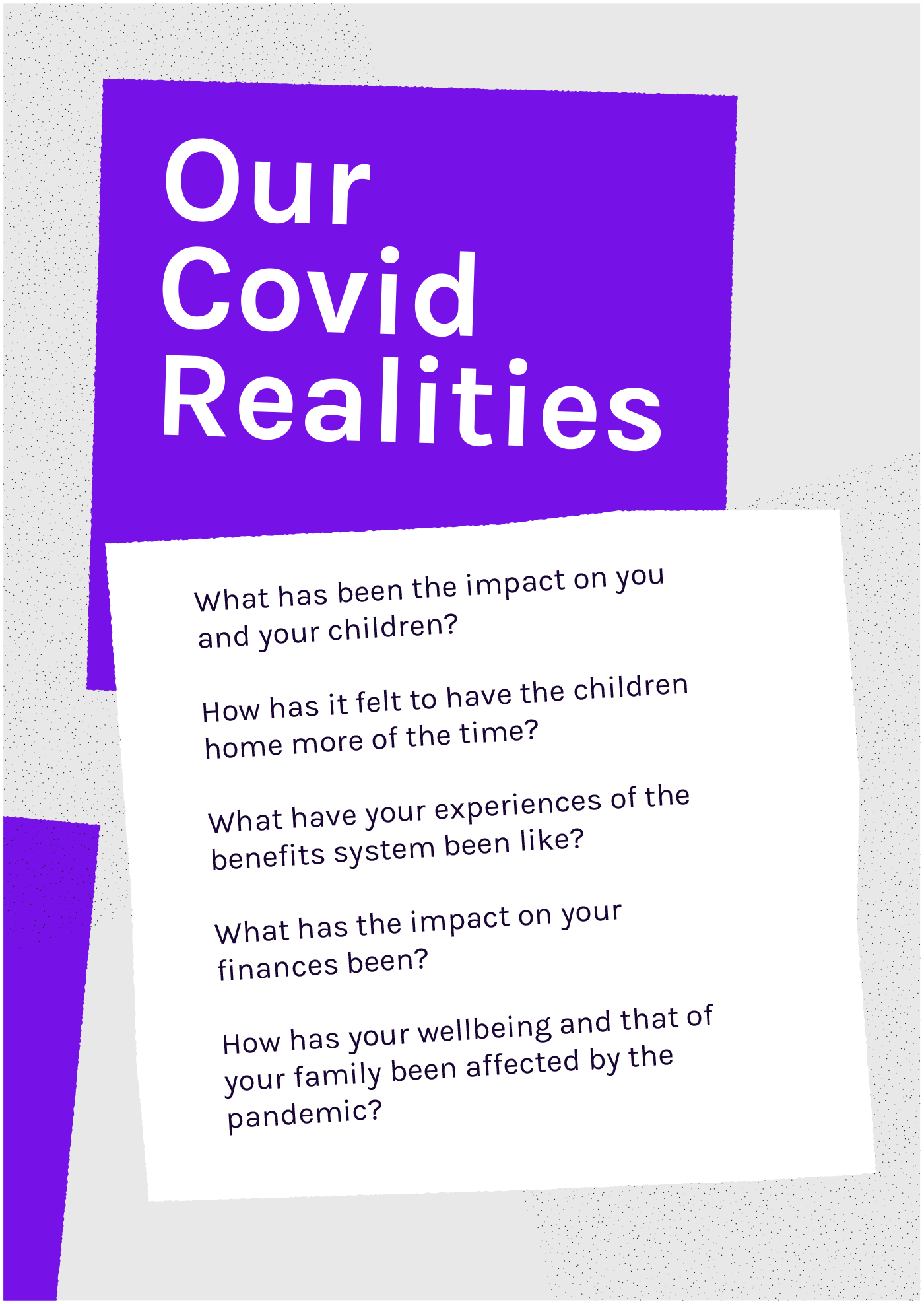
Covid Realities is a major research programme funded by The Nuffield Foundation, documenting the everyday experiences of families with children living on a low income during the pandemic across the United Kingdom. It is a collaboration between parents and carers themselves, researchers across two universities, and the Child Poverty Action Group. We have worked directly with parents and carers to understand the impact the pandemic has had on their day-to-day lives. Parents were able to log onto a safe, online space, where they completed diary entries through text, audio or images; responded to ‘Big Questions of the Week’ – a weekly video elicited question; and could also take part in monthly ‘Big Ideas’ virtual discussion groups. Their experiences have been shared on the Covid Realities website, creating a rich and timely archive of lives lived through the pandemic.
How and why the zine was developed
The zine was developed as an alternative, creative, and inclusive way for parents and carers to document their experiences, and speak about changes needed in the future. Interest in the project was generated through information provided at Covid Realities virtual discussion ‘Big Ideas’ groups and by email, through which individuals could sign up to a series of zine-making workshops. Three workshops were held virtually between February and March 2021 over Zoom.
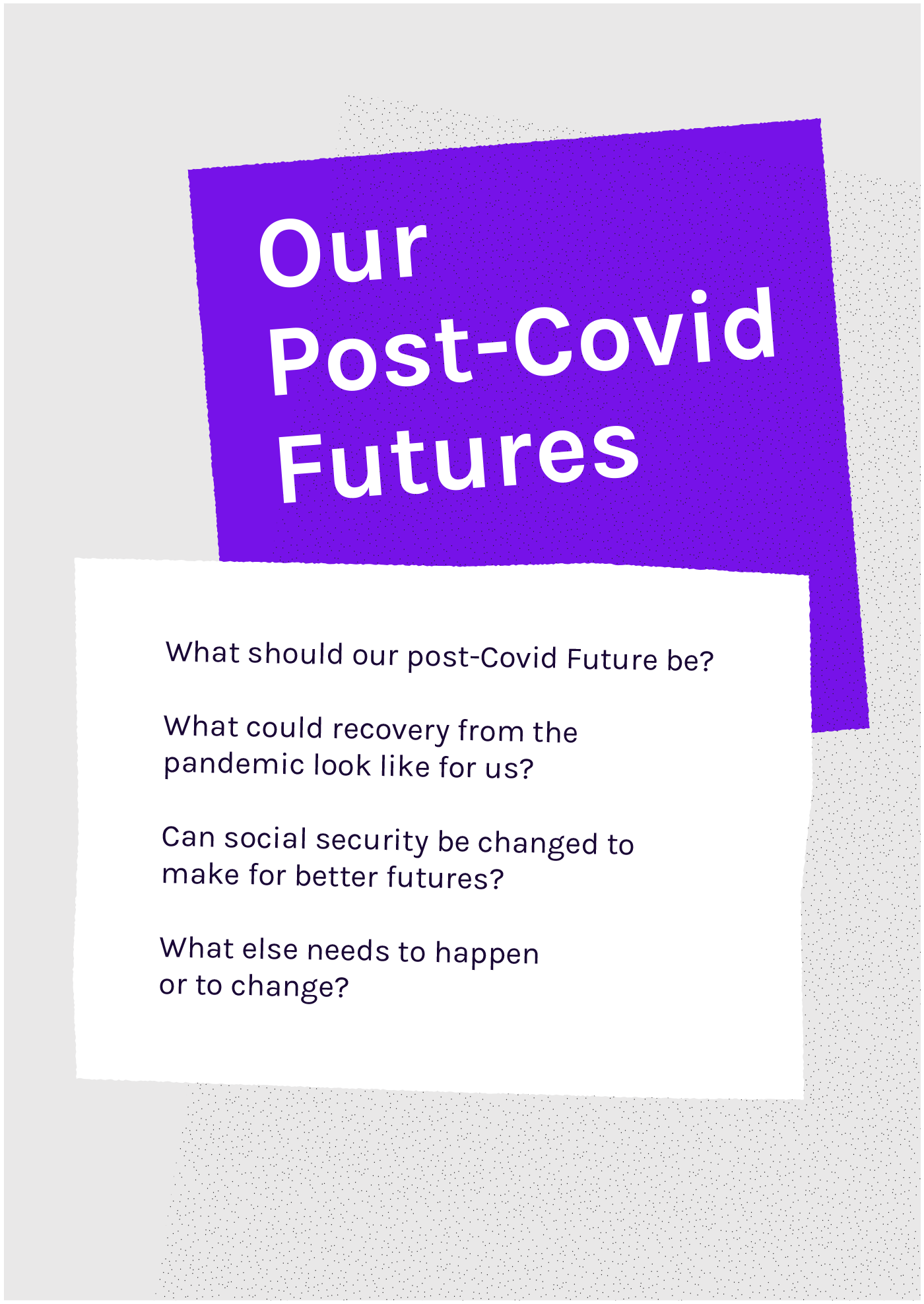
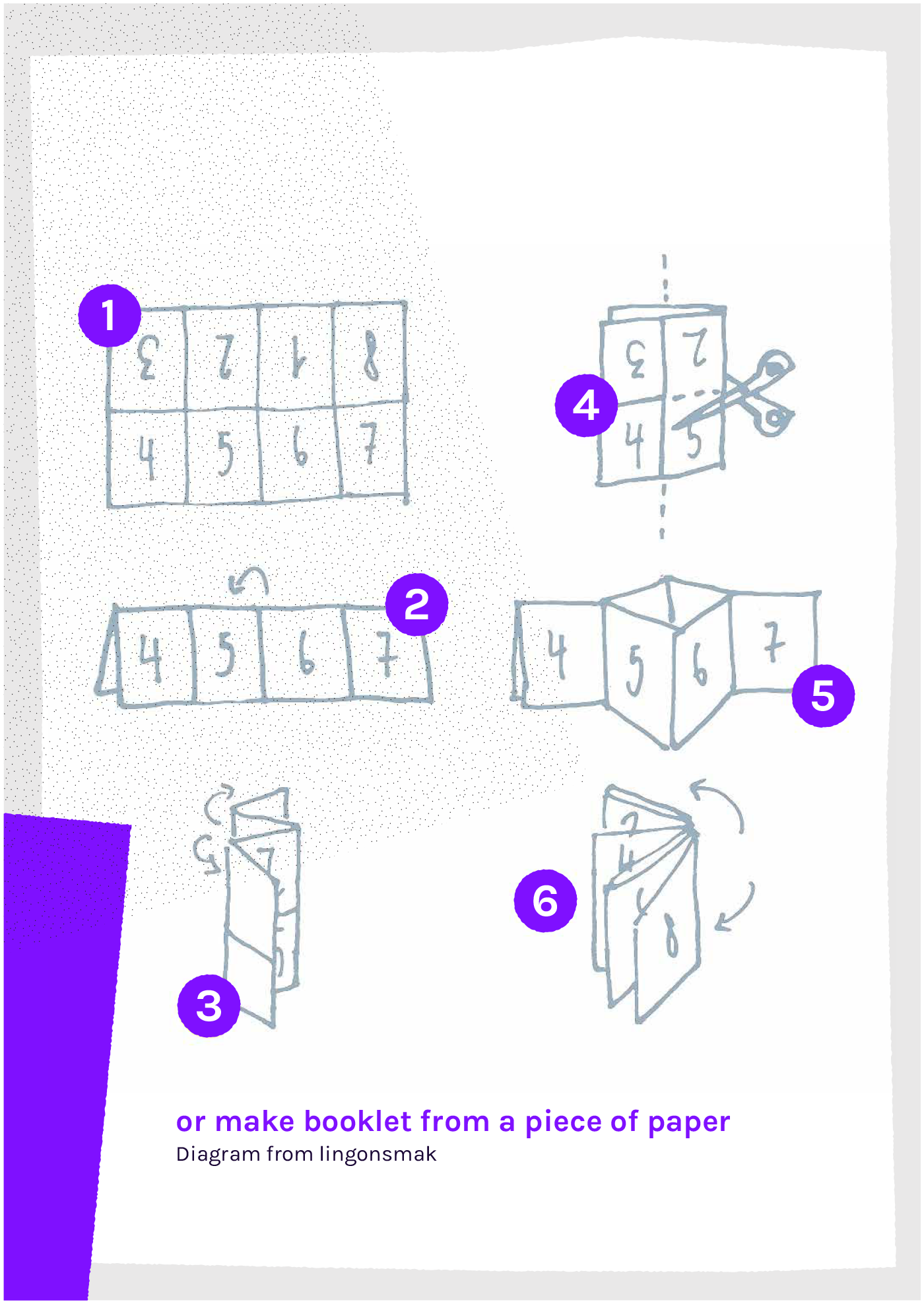
Before the first two workshops, those who registered were sent a pack by post containing a selection of materials, stencils and other equipment for making collages, along with resources, information and practical tips on zine-making. This meant that participants had everything needed to get going on zine-making, and that there was a fusion of the physical receipt of something tangible through the post that they could work with; with the virtual mechanism for coming together through Zoom. The initial workshop focused on the zine-making process, with the group making zine pages that explored current experiences of the pandemic. Suggested themes were offered but care was taken here and in providing the art materials that people felt able to express themselves outside of these parameters. After the first workshop, participants were asked for ideas for different materials and these were included in the zine-making pack for the second workshop. At this second workshop, contributors were asked to think about the future post-Covid, and what needs to change, and why.
Contributors sent back their individual pages by prepaid post or online and these were collated into a draft zine. This was shared with contributors in advance of the final workshop, which focused on the design and style of the zine, which was agreed collectively with participants through small group work over Zoom, to ensure all individuals were able to contribute. Suggestions were incorporated in the subsequent draft and circulated to contributors. All submitted artwork was included in the final zine, including those of children and young people of the parents and carers involved.
Ethical considerations
All those taking part in the zine-making workshops were provided with an accessible information sheet beforehand, which made clear that any zine pages produced were owned by the person making the zine page, and outlining that the person was in control of if and how their images could be shared. Contributors were explicitly given the option not to share any images associated with the workshops and the information sheet made clear that this decision would not impact on whether or not the person could participate in the zine-making workshops.
Separate permissions were sought from participants to share their zine pages (a) as part of the overall zine itself through the Covid Realities website, (b) on social media platforms, and (c) in presentations or events for the public, policy makers, and politicians. Contributors were also offered the option to associate either their real name or an alias with their zine page, while making clear that using their real name could lead to recognition once the zine was shared in public. Forms were returned by post and a web version was also provided for those uploading their zine page through the Covid Realities website. All contributors to the zine gave permission for their images to be shared across each of these platforms.
As Groot and Abma (2021) have noted, in contributing to arts based participatory methods, participants ‘must often cross a threshold to overcome shame or pain, in order to make their experiences visible, and bring them out in the open’ (p. 7). As researchers, we were therefore led by a feminist ethics of care (see Holland et al., 2014; Tronto, 1994) prior to, during, and following zine workshops. In keeping with the participatory approach of Covid Realities, participants had full control over the outputs created as part of the workshop, whether these were shared and in the design of the final zine itself. A dissemination strategy was developed collectively with contributors. This, alongside a consensus on the proposed audience for the zine was agreed in the final zine-making workshop through a series of small group discussions. Participants were additionally provided with a £20 voucher for each workshop attendance in recognition of their time, in line with an approach based on an ethics of reciprocity (Huisman, 2008). Participants were also supported with receiving mobile phone credit, as needed, in order to be able to take part in online activities such as the Zoom discussion groups.
How does the piece achieve its intended purpose?
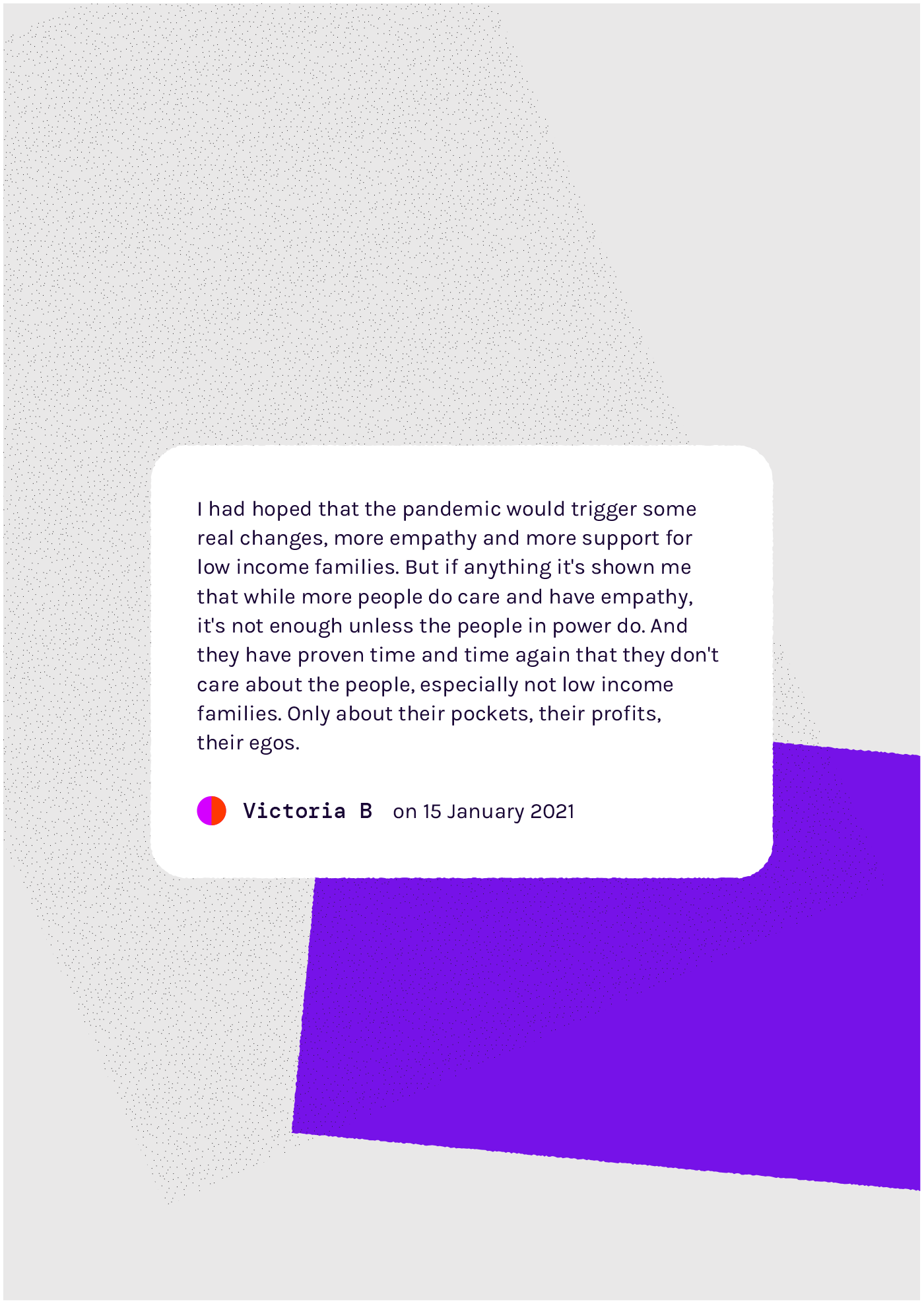
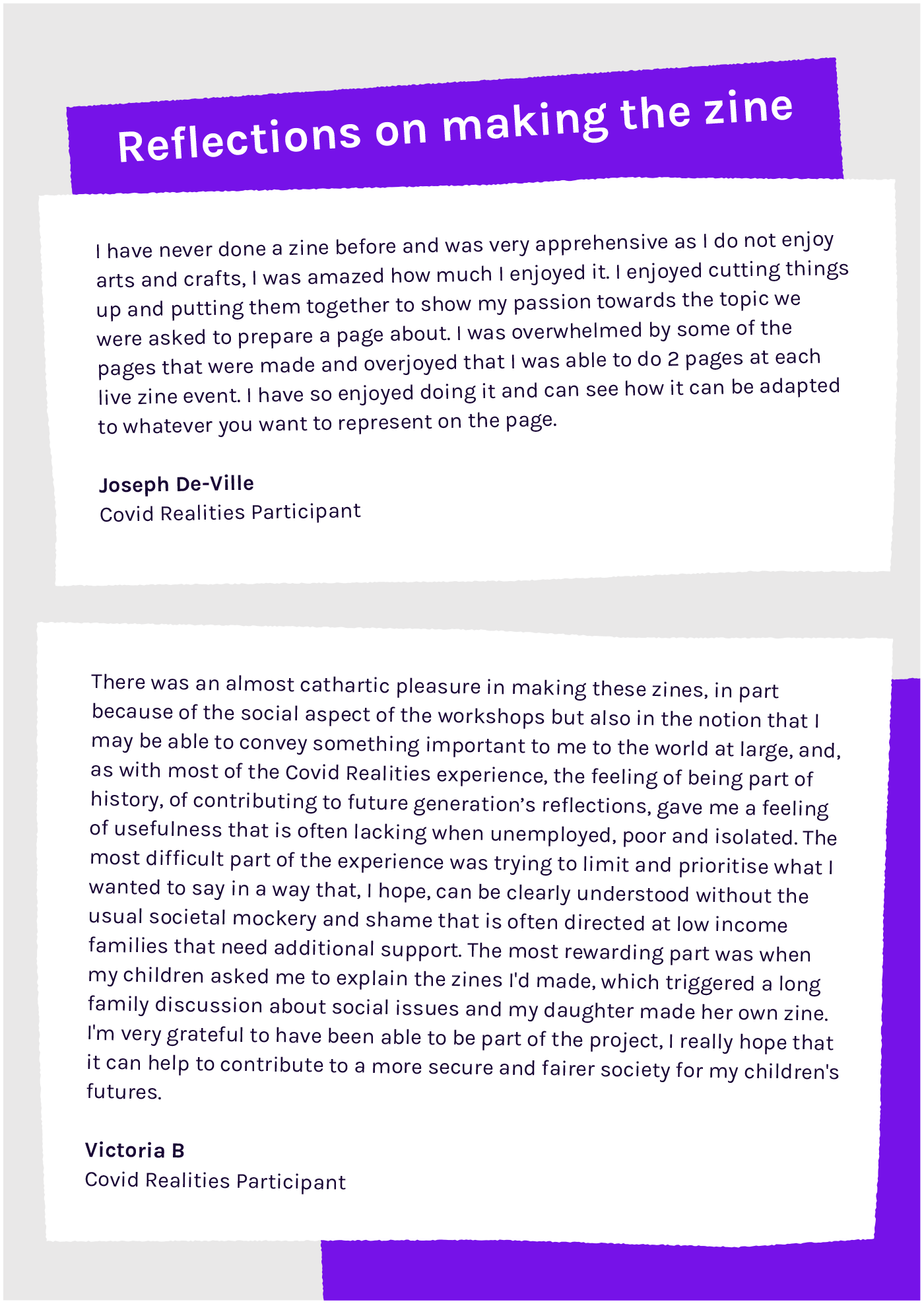
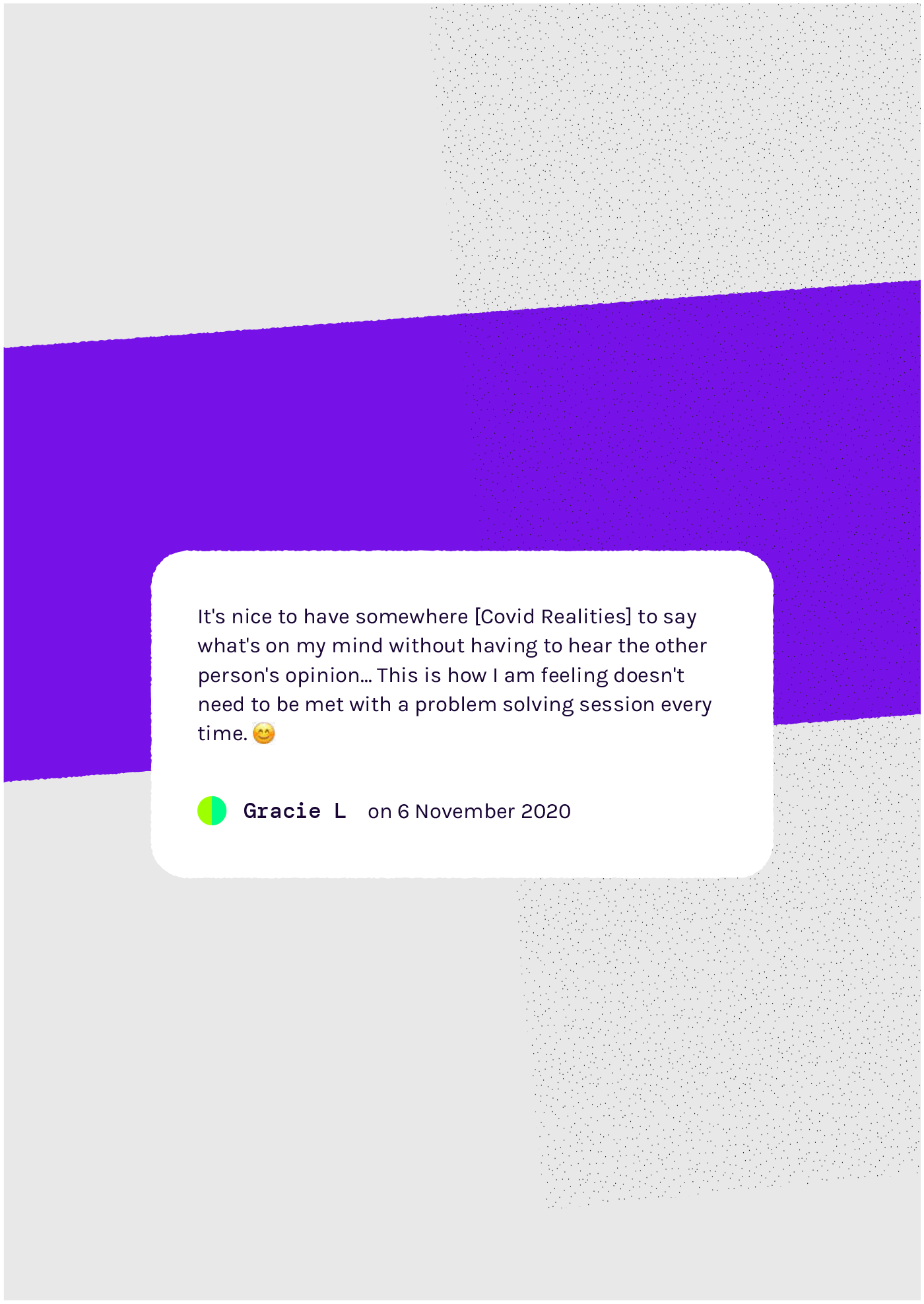
While the zine itself represents the final output, the creative process of developing the zine was also an important part of the final piece. Contributors reported that in coming together collectively to make zine pages they were able to find a space for artistic expression that had been missing in the midst of busy lives made more difficult with additional caring and other responsibilities as a result of the pandemic. Participant Victoria B said,
There was an almost cathartic pleasure in making these zines, in part because of the social aspect of the workshops but also in the notion that I may be able to convey something important to me to the world at large, and, as with most of the Covid Realities experience, the feeling of being part of history, of contributing to future generation’s reflections, gave me a feeling of usefulness that is often lacking when unemployed, poor and isolated. The most difficult part of the experience was trying to limit and prioritise what I wanted to say in a way that, I hope, can be clearly understood without the usual societal mockery and shame that is often directed at low income families that need additional support. The most rewarding part was when my children asked me to explain the zines I’d made, which triggered a long family discussion about social issues and my daughter made her own zine. I’m very grateful to have been able to be part of the project, I really hope that it can help to contribute to a more secure and fairer society for my children’s futures.
At times, there was discomfort among some participants, who reported not having done anything creative before, or who felt that their contributions were not ‘good enough’. For example, Joseph, a Covid Realities participant, said,
I have never done a zine before and was very apprehensive as I do not enjoy arts and crafts, I was amazed how much I enjoyed it. I enjoyed cutting things up and putting them together to show my passion towards the topic we were asked to prepare a page about. I was overwhelmed by some of the pages that were made and overjoyed that I was able to do 2 pages at each live zine event. I have so enjoyed doing it and can see how it can be adapted to whatever you want to represent on the page.
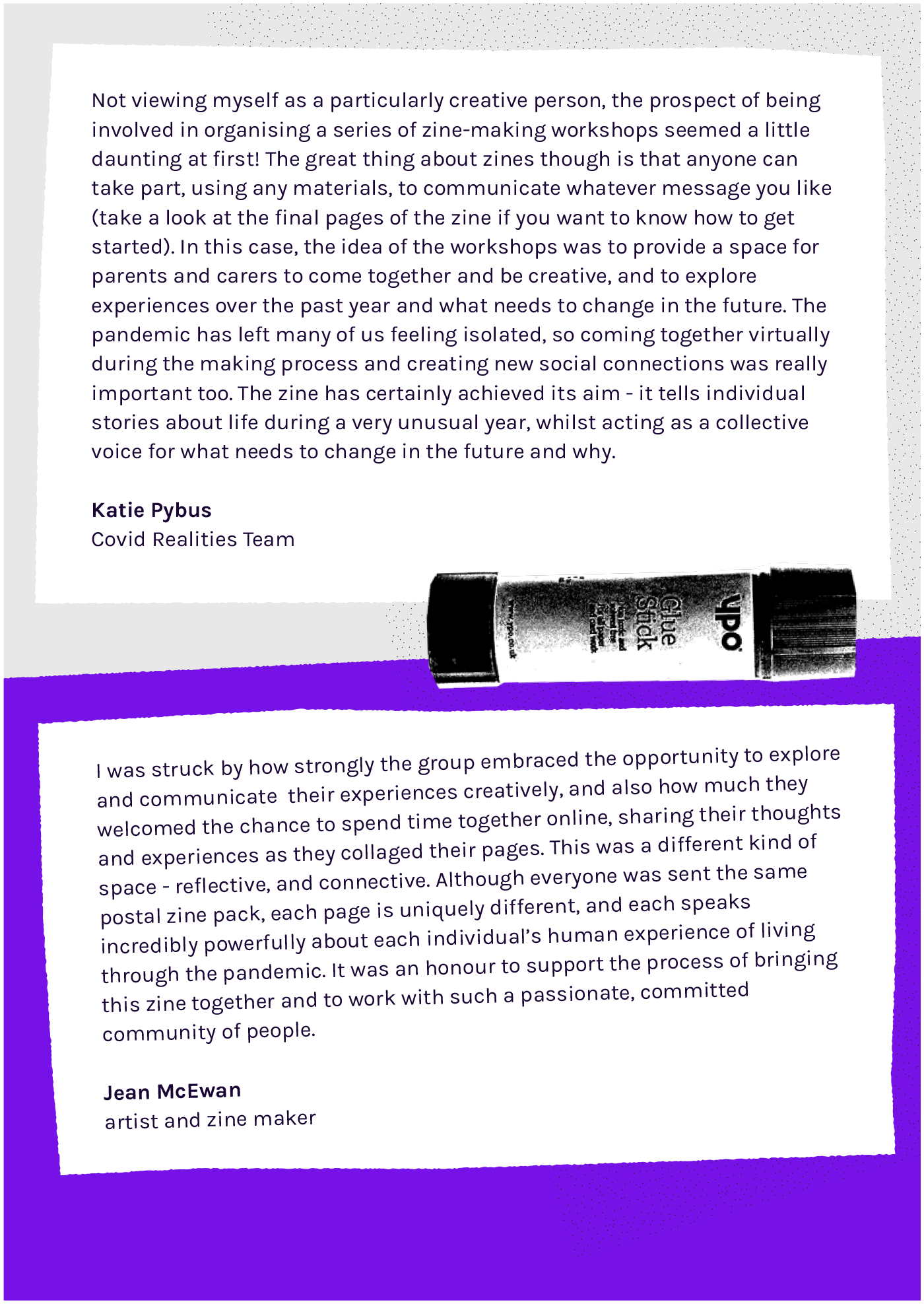
Care was therefore taken through the facilitation process to emphasise the value of the process of making, and to emphasise that everything made was of value, and not being judged against any aesthetic requirements to look a certain way. Making zine pages together in small groups with the chance for conversation and discussion during the workshops also provided a source of social support for contributors. This is especially pertinent in the pandemic context, where it has been harder for people to find social spaces to connect. As Katie, one of the researchers on Covid Realities stated,
The pandemic has left many of us feeling isolated, so coming together virtually during the making process and creating new social connections was really important too. The zine has certainly achieved its aim – it tells individual stories about life during a very unusual year, whilst acting as a collective voice for what needs to change in the future and why.
The zine showcases individual creative contributions while also demonstrating the collective vision of those who participated. It directly represents the voices of parents and carers from a range of different backgrounds without any third-party interpretation or interference, therefore giving power and expression to those with firsthand experience of living on a low income, who are frequently marginalised in broader policy-making conversations about poverty and the social security system. In March 2021, images from the zine were used at an event for parliamentarians to highlight the experiences of parents and carers living on a low income during the pandemic, and to communicate what needs to change in the future.
The workshops, and the resultant zine, have therefore been a space for creative exploration of the challenges and stresses during the pandemic, and hopes for a post-Covid future – as well as what needs to change, and why. By foregrounding direct experience and expertise, the zine generates deeper and alternative forms of understanding about life on a low income, while also providing a way to challenge existing narratives surrounding poverty, and to advocate for social change.
Footnotes
Authors’ Note
Accreditation of participants/artists/producers of the creative output:
Jean McEwan – Artist and facilitator
Sydnie Corley – Input into design of materials and workshop format.
Author contributors
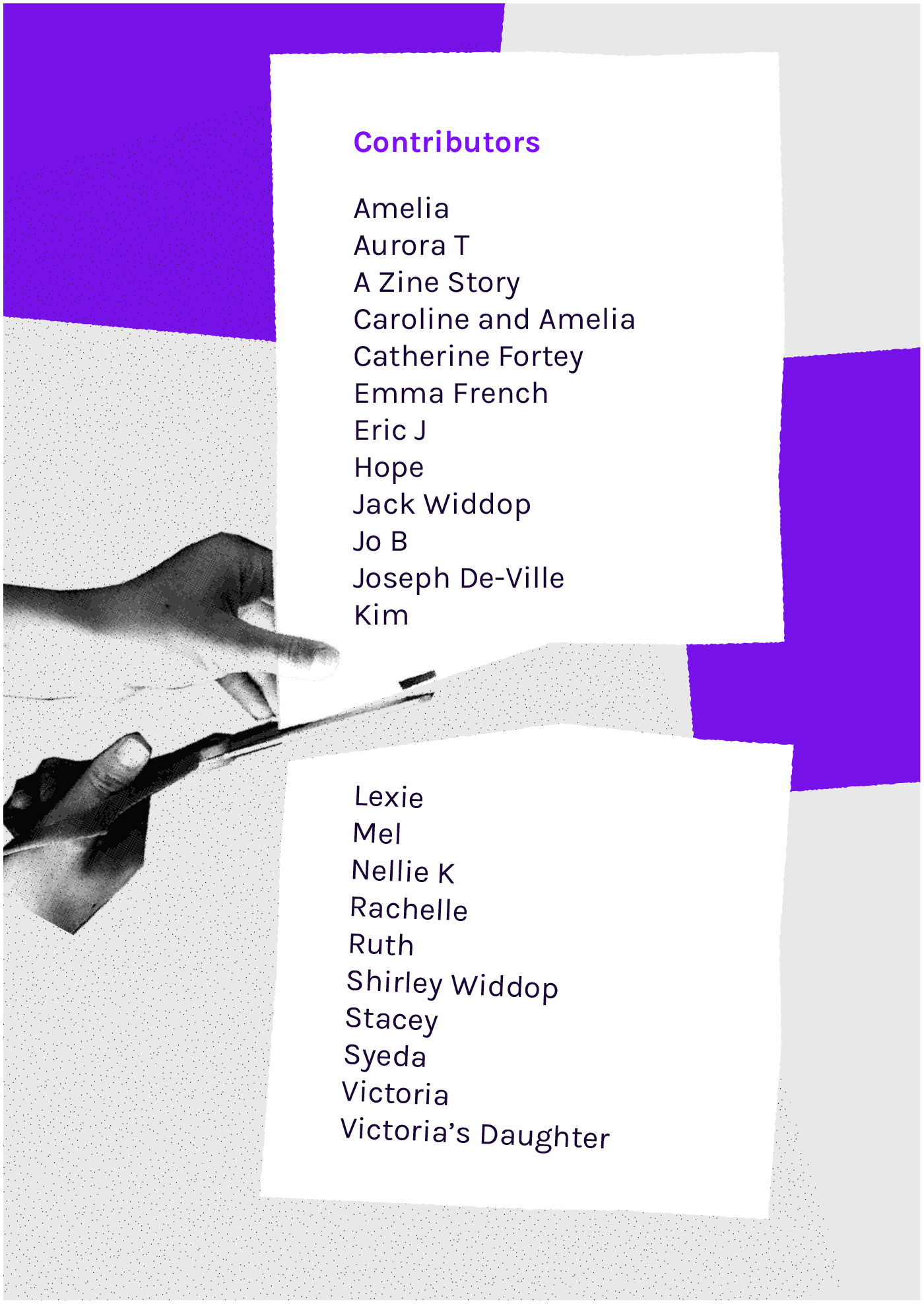
Emma, Hope, Lexie, Mel, Eric J, Victoria, Victoria’s daughter, Syeda, Caroline and Amelia, Nellie K, Stacey, Rachelle, Joseph De-Ville, A Zine Story, Jack Widdop, Shirley Widdop, Ruth, Stacey, Aurora T, Kim, Jo B and Catherine Fortey.
Funding
The author(s) disclosed receipt of the following financial support for the research, authorship and/or publication of this article: The Nuffield Foundation is an independent charitable trust with a mission to advance social well-being. It funds research that informs social policy, primarily in Education, Welfare, and Justice. It also funds student programmes that provide opportunities for young people to develop skills in quantitative and scientific methods. The Nuffield Foundation is the founder and co-funder of the Nuffield Council on Bioethics and the Ada Lovelace Institute. The Foundation has funded this project, but the views expressed are those of the authors and not necessarily the Foundation. Visit  . Funding for the zine-making workshops and dissemination was also provided by the Economic and Social Research Council Impact Acceleration Account at the University of Birmingham. The views expressed are those of the authors and not necessarily those of the funder.