



Abstract


Heart and Vascular Center
Dartmouth-Hitchcock Medical Center
Lebanon, NH
Tell us about your current vascular medicine practice
I am fortunate to practice cardiovascular medicine, with a focus on vascular medicine, at Dartmouth-Hitchcock Medical Center in Upper Valley, NH. Three years ago, Dr. Mark Creager, the Director of the Heart and Vascular Center, and one of the most famous and accomplished individuals in the field of vascular medicine, entrusted me to build the vascular medicine program from the ground up. This has been an incredibly difficult task in my young career, but the rewards from building this practice have been innumerable. Through word of mouth, many meetings with other practitioners, and advertisements, our vascular medicine practice has flourished. Our referrals come from within our health system and from other medical systems in New England that do not have an established vascular medicine program.
One of reasons that I love our field is the variety of diseases and patient presentations that we see on a regular basis. In one clinic day, I will commonly see patients with peripheral atherosclerotic disease, venous thromboembolism, lymphedema and/or lipedema, spontaneous coronary artery dissection, fibromuscular dysplasia, aneurysmal disease, and vasculitis. Working alongside the same clinic space as my vascular surgery colleagues, we are able to provide multidisciplinary vascular care that is necessary for high-risk patients. In fact, multidisciplinary care for the vascular patient is of utmost importance, and I regularly discuss complex cases with colleagues in cardiology, vascular surgery, hematology, rheumatology, neurology, and radiology.
On the inpatient side, I lead the Pulmonary Embolism Response Team, a multidisciplinary collaboration with interventional cardiology and interventional radiology. We work closely with vascular surgery to medically manage patients with polyvascular disease, type B aortic dissection, acute limb ischemia – just to name a few conditions. With the development of the vascular medicine practice, our inpatient consult volumes have grown exponentially – from one consult a week to multiple consults per day. Witnessing and being part of this growth has been extremely rewarding.
What was your pathway to vascular medicine?
I was interested in cardiology before learning about vascular medicine. As part of my internal medicine training at Mayo Clinic, I participated in the vascular medicine elective – this was, and continues to be, one of the highest rated rotations in all of internal medicine residency. I quickly fell in love with the field, in large part due to the excellent teaching that I received every day of my rotation. I consequently completed a vascular medicine fellowship at Mayo Clinic and then cardiovascular medicine fellowship at Dartmouth-Hitchcock.
Who has been an influence on your career?
I am thankful to have had so many amazing mentors and role models throughout my young career; it is truly difficult to name them all. I remember my first research meeting with Dr. Rob McBane – his curiosity and excitement for research still amaze me to this day. During my fellowship, Drs. Roger Shepherd, Paul Wennberg, and Ana Casanegra challenged me daily to think critically and become the best vascular medicine physician that I can be. At Dartmouth-Hitchcock, Dr. Mark Creager has been a huge influence, in both the clinical and research realms, and has helped me develop into a cardiovascular medicine physician that I am today. Finally, Dr. Heather Gornik has been a tremendous mentor as I have become more involved with the Vascular Medicine Journal, initially as part of the Next Generation Editorial Board, and now as Assistant Editor; this program has helped me become a better reviewer and writer.
How have you been involved in SVM?
I joined SVM during my vascular medicine fellowship in 2016. Through the Society, I have been able to make connections with leaders in the field and meet colleagues in same stage of my career. The mentorship opportunities through SVM are limitless. Currently, I am the chair of the Marking and Communications Committee and work closely with leadership of SVM, and also the Vascular Medicine Journal, to develop marking and communications strategy for the Society. Most importantly, the SVM Vascular Scientific Sessions is surely the highlight of the year, learning about cutting-edge research in vascular medicine, seeing friends from all across the country, and making new connections. The annual SVM meeting is a must for anyone interested in vascular medicine!
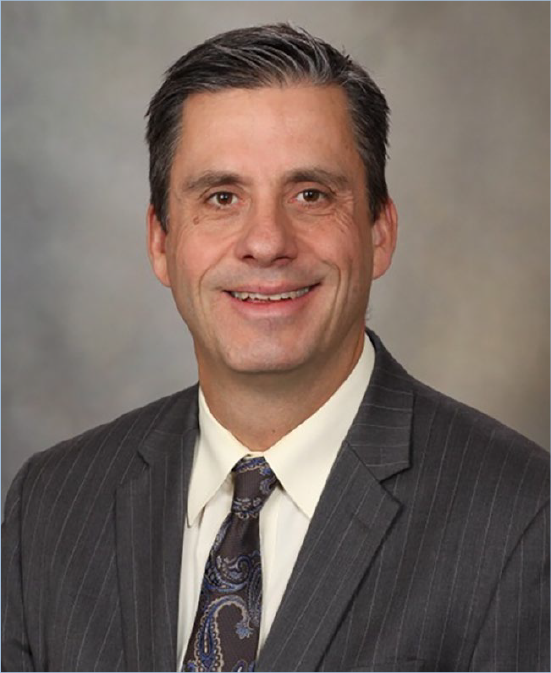
Cardiovascular Medicine
Mayo Clinic, Rochester, MN
Tell us about your current vascular medicine practice
A wonderful and somewhat surprising change in clinical practice over my career has been the evolution of the vascular medicine specialist’s role. When I first started this practice in 1996, most consult requests included evaluation of patients with peripheral artery disease, aneurysms, carotid disease, and vascular wounds. In the hospital setting, consult requests would largely center around these diseases, interspersed with infrequent cases of vasculitis or other atypical vasculopathies. A frequent request was literally, “I am not sure what this is, maybe its vascular.” Venous thromboembolism was dispersed between our specialty, hematology, and pulmonary medicine at Mayo Clinic. The hospital consult service was relatively quiet with many “no hitter” days. In 1997, Dr. John Heit incepted our Thrombophilia Clinic, a multidisciplinary clinic devoted to the evaluation and treatment of thrombotic disorders. This coincided with the introduction of low molecular weight heparin into outpatient clinical practice. Since then, my practice has largely evolved into a specialty of thrombosis and anticoagulation. The Thrombophilia Clinic quickly became the largest volume clinic in our Vascular Center, and our hospital consult service volumes have exploded.
What was your pathway to vascular medicine?
I fell in love with cardiology late in my internal medicine training such that I missed the deadline for cardiology fellowship application. Amidst the frantic scramble for organizing next steps, I met Drs. James Chesebro and Whyte Owen who graciously agreed to provide me 2 years of funded research in biochemistry of hemostasis and thrombosis, which was immensely formative for me. Thereafter, I completed my cardiology training which included time on the vascular medicine hospital service. I was fortunate to be assigned to Dr. John Joyce for much of this experience and recall being astounded at his clinical acumen. Not only was he encyclopedic in vascular medicine, he was extremely well versed in all of medicine, such that colleagues would call him for advice in all areas of medicine. I remember overhearing his phone conversations, “Thank you but you know that is not my area. . .” after which he would proceed to lay out a careful evaluation and treatment plan for the clinician on the other end of the phone. I remember thinking that I would give anything to be like that someday.
Who has been an influence in your career?
Several years ago at a Christmas party, Dr. Leslie Cooper made a profound comment that I continue to reflect upon. In essence he said, “If you and I were practicing in any small clinic across the country, we would be no more than average. Yet, our current position has been forged by strength and labor of giants. This reality provides us a tremendous vista, which is not of our own making and for which we can take no credit.” There are countless “giants” in our midst, current and past. My reality is in Rochester, MN, where I have lived and worked since 1988. I have been taught by wonderful clinicians and researchers already named above. Drs. Thom Rooke and Roger Shepherd are master clinicians here, and I seek them out for advice daily. Dr. John Heit taught me to love venous thromboembolism. Dr. Waldemar Wysokinski continues to teach me thoughtful approaches to antithrombotic management.
How have you been involved with SVM?
Involvement with SVM has been a wonderful opportunity to meet members across the country and world who share the love of vascular diseases. I had the joy of participating as a member of Board of Trustees, and as an Associate Editor for our journal. Participating at these levels allows one not only to meet more people but to get to know them at a deeper level.
How do you foresee recruiting the next generation of vascular medicine specialists?
To encourage interest in our field, we have to be early and aggressive ambassadors. We need to seek out students at the earliest stage of their education before they are committed in other directions. If we wait until individuals are in their cardiovascular fellowship, the opportunity for recruitment has passed. Engaging internal medicine residents has been fruitful through a 1-month elective rotation in vascular medicine. Enthusiastic faculty coupled with a truly amazing clinical case mix has generated one of the most popular internal medicine electives at our institution. Engagement should begin as early as medical school. Currently, the Cardiovascular Pathophysiology course for our second-year medical students is underway. Energetic presentations from the podium and small group case discussions have spawned interest in this specialty.
Expanding the audience may also be fruitful. Given the overlap between thrombophilia and hemophilia, hematology trainee interest should be considered. Indeed, our latest hire was a hematologist who completed 1 year of vascular medicine training. Beyond clinical excellence, he brings a unique vantage point to our group dynamic. There is growing enthusiasm for vascular medicine training among hospitalists, perhaps due to the depth and breadth of hospitalized patients with fascinating vascular diseases. The Society has wisely decided to embrace this group with a side symposium at our next annual meeting. There is also a growing enthusiasm among interventional radiologists for expanding their knowledge in clinical vascular medicine. By expanding our audience, we may discover many providers who share a love for these diseases and our field. Through collaboration and cross training, this may create an important opportunity that can only strengthen our society. We have seen the field change tremendously over a short career. If we embrace these changes, pursue collaboration and unique participation, we will be able participate in molding of the next generation.