




Abstract
Ageism is a significant global problem which has been exacerbated by the Covid-19 pandemic. This article addresses an important gap in the literature by analysing 3241 age discrimination Employment Tribunal judgments over a 5-year period, which coincided with the Covid-19 pandemic. Using a qualitative case by case analysis and quantitative content analysis the article examines recent judgments from England and Wales to highlight their extent, nature, and outcomes. Despite reports of heightened ageism and age stereotyping and the use of ageist policies to control the Covid-19 pandemic, this research reveals no corresponding increase in successful age discrimination judgments. This research identifies new emerging trends, including an increase in judgments striking out claims for lack of active pursuit from 2021 to 2023, alongside a rise in judgments striking out claims for being out of time and also judgments for redundancy-related claims. The study emphasises the inadequacy of relying solely on individual enforcement to combat age discrimination, confirming previous findings of enforcement gaps, especially for younger workers. Furthermore, the study provides insights into the prevalence of age stereotypes, the inadequacies of the legal framework for addressing stereotypical assumptions and the risks associated with retirement discussions. Ageist stereotypes, such as linking age with job performance and retirement pressure, were prevalent throughout the study period, showing no significant changes throughout the pandemic. Overall, this research provides important insights into age discrimination judgments during Covid-19, emphasising the urgency of comprehensive strategies to address ageism effectively in the workplace.
Introduction
Ageism has been a significant problem for decades (Levy and Macdonald, 2016). The World Health Organisation (WHO) has warned that ageism remains “prevalent, ubiquitous, and insidious…” (WHO, 2021b: I X) and has highlighted that “globally, 1 in 2 people are ageist against older people” (WHO, 2021b: 3). Ageism is a negative response to individuals based on a generalised or stereotypical assumptions about age (Abrams, 2010) and in many countries across the world there are negative associations with age (Löckenhoff et al., 2009; WHO, 2021b). Ageism is not just a problem for older workers, however, as studies indicate that younger workers are also affected (Fowler and Gasiorek, 2024; Riach and Rich, 2010). The term ‘Ageism’ was first coined by Butler back in 1969 who highlighted that it is “a form of bigotry we now tend to overlook: age discrimination or ageism, prejudice by one age group toward other age groups” (Butler, 1969: 243). Rather than progress being made in reducing ageism over the years, the Covid-19 pandemic exacerbated ageism, particularly towards older workers and intensified intergenerational tensions (Fraser et al., 2020; Monahan et al., 2020; Levy et al., 2022). Age was used as a risk factor for Covid-19, with older adults framed as a vulnerable group. Data indicated that older adults were hospitalised more frequently and had a higher death rate due to Covid-19. According to Levy and MacDonald (2016), “this data, combined with pre-existing ageism, fuelled social discourse that misrepresented all older adults as vulnerable and sickly” (Levy and MacDonald, 2016: 747). Older adults were blamed both for the protective measures (e.g., lockdowns, social distancing) addressing their vulnerability and for the economic downturn caused by the pandemic (Sutter et al., 2022). Furthermore, research findings on X/Twitter pointed to an increase in negativity and hate speech toward older adults during the pandemic (Ng et al., 2022; Skipper and Rose, 2021), which reinforced the stereotypical view of older adults as incompetent and a burden (Levy and MacDonald, 2016).
Ageism may result in age discrimination within the employment context where an ageist belief or age stereotype is used as a proxy for decisions (Loretto et al., 2000; Taylor and Walker, 1998). Research shows that age discrimination is a common problem during an individual’s working life. Age discrimination may manifest in all stages of employment beginning with an individual’s attempt to enter the workforce and development (Solem, 2016; Taylor and Urwin, 2001; Urwin, 2006), to retention and exit (Furunes et al., 2008; Sullivan and Duplaga, 1997). In practice individuals might be subject to a wide spectrum of ageist behaviour ranging from microaggression and unconscious bias to overt acts (Reynolds, 2020).
With advances in medical science and improvements in living conditions, individuals are healthier and living longer. Between 2015 and 2050, the proportion of the world’s population over 60 years will nearly double from 12% to 22% (WHO, 2022). Furthermore, the unemployment rate rose sharply during the Covid-19 pandemic. Beginning in early 2021, it began a recovery however since 2022 unemployment rates generally have been on the rise (ONS, 2021). Increases in economic inactivity in the first year of the pandemic were largely among those aged 16 to 24 years. Following the pandemic, increases were largely among those aged 50 to 64 years (ONS, 2021). The increase in the latest period is largely among those inactive as a result of “looking after family and home, long-term sick, or temporarily sick.” (ONS, 2021). The combination of an ageing workforce and declining employment rates has a detrimental impact on the economy. Age discrimination legislation has an important role in ensuring individuals can work for longer without being forced out of their job and career because of ageist beliefs. Ageism in the workplace not only affects the wider society, but also has harmful effects on an individual’s wellbeing as it is a risk factor leading to depression, anxiety and increased stress (Chang et al., 2020; Kang and Kim, 2022; Lamont et al., 2015). As Lady Hale highlighted in the case of Seldon v Clarkson Wright and Jakes [2012] UWSC 16, para 15, there are benefits to both “individuals and to the wider society if people continue to work for as long as they can.”
In the UK, the Equality Act 2010 protects individuals in the workplace against direct and indirect age discrimination, 1 victimisation 2 and harassment on grounds of age. 3 The UK government considers that the legislation offers “strong protection” against age discrimination (Woman and Equalities Committee, 2018) however there has been very little shift in attitudes in the workplace. It has been highlighted by The House of Commons Women and Equalities Committee inquiry on Older People and Employment (2018: 13) that “Ageism remains a significant problem within British society and is affecting the ability of people to continue working into later life, despite longstanding laws against age discrimination.”
Previous studies on age discrimination have conducted a qualitative and quantitative analysis of age discrimination judgments in different contexts (Blackham, 2021, 2022; Irving, 2012). Irving analysed cases from 1 October 2006 to 1 April 2010. 4 Blackham’s more recent studies analysed cases from February 2017 to 17 April 2020 (Blackham, 2021) and her recent comprehensive study has synthesised qualitative, quantitative, doctrinal, and comparative research methods on UK, Canada and Australian cases (Blackham, 2022). Her analysis in her comparative study also focused on cases during the period February 2017 to 1 April 2020 making important recommendations for reform. Notably, she advocates for shifting away from individual enforcement methods towards a series of proactive measures that prioritise age to address societal ambivalence in fostering solidarity among generations. This includes a positive duty on employers to develop their own solutions to equality issues, enhanced collective enforcement, and bolstering the role of statutory agencies.
This article addresses a crucial gap in the literature by analysing age discrimination judgments during the Covid-19 pandemic, a period marked by heightened ageist attitudes. By investigating these cases the research explores how these attitudes may translate into legal practice. Additionally, it examines whether the findings differ from Blackham’s due to the changed circumstances of the global pandemic. Insights and trends from cases during this time are important as they coincide with an exacerbation of ageism (Fraser et al., 2020), government restrictions impacting work arrangements and declining labour participation rates. Data on all age discrimination Employment Tribunal (ET) judgments in England and Wales from 1st January 2019 to 31st December 2023 were analysed through qualitative and quantitative case-by-case and content analysis.
The study fills important gaps in the literature in two primary ways. Firstly, it provides an in-depth examination of recent judgments illustrating their extent, nature, and outcome. The findings underscore the persistence of consistently low successful age discrimination judgments, aligning with Blackham’s pre-pandemic research and highlighting the limitations of relying solely on individual enforcement to tackle age discrimination. Additionally, emerging trends include an increase in redundancy-related judgments and cases struck out for being out of time and not actively pursued. Secondly, the research offers insights into the continuing prevalence of age stereotypes, the legal parameters of direct age discrimination which continue to endorse age stereotypes, and the risks associated with retirement discussions in the workplace. It emphasises the importance of employers conducting discussions about training and development across all age groups. Overall, this research informs organisations, academic scholars, legal practitioners, and workers on strategies to address ageism, offering valuable lessons for managing age discrimination in future crises and beyond.
In doing so this article is structured as follows. First, it outlines the mixed methodology adopted. Second, it briefly discusses the background, highlighting the persistent problem of ageism compounded by Covid-19 and also the difficulties individuals face in enforcing their rights. Third, it sets out the results of the study, providing an insight into the profile of judgments and highlighting any trends across the period of study. Fourth, drawing further on these findings with a focus on age stereotypes, the article considers the nature of workplace stereotyping apparent within this sample.
Methodology
This research has analysed 3241 judgments obtained from the open- access online ET database. 5 This represents all age discrimination judgments in England and Wales between 1st January 2019 and 31st December 2023. 6 This period was selected to specifically capture the impact of the Covid-19 pandemic on such cases. The use of the ET judgment database is crucial to illustrate how heightened ageist attitudes and age stereotypes during this period may manifest in practice within the workplace, thereby informing efforts to combat ageism both during crises like pandemics and beyond.
Duplicate judgments, those judgments where there was no mention of age discrimination and judgments where the age claim was not decided were discounted from the sample. There were a number of cases with multiple decisions (notably where the ET determined a preliminary issue such as whether the Claimant was in time for bringing a claim and also reconsideration of previous decisions). For this research only the final decision on the ‘age’ claim was recorded. This refined the sample to 2792 judgments, broken down by year as follows: 2019: 778 cases; 2020: 772 cases; 2021: 457 cases; 2022: 417 cases; 2023: 370. The EAT, Court of Appeal and Supreme Court decisions relating to direct age discrimination were also analysed from the same period to place the ET judgments in context and to record the final decision of the ET claim.
A mixed methodology was used, combining qualitative case-by-case examination and quantitative content analysis. The qualitative approach enabled a detailed exploration of ET judgments, a method widely utilised in analysing legislation and court judgments (Leonard, 1987; Lockwood, 2008; Lockwood et al., 2011; Bengtsson, 2019). Access to the ET online database since February 2017 streamlined the retrieval of age discrimination judgments (Bengtsson, 2020), significantly enhancing scholarly and practitioner analysis of case law and thereby advancing equality law. Quantitative content analysis was also utilised to comprehensively study the breadth of cases over the study period (Schuser and Miller, 1984). This methodological tool identifies statistical patterns and differences across cases, crucial for discrimination law research where very few cases are appealed to the higher courts (Blackham, 2021). By combining both methodologies, this study provides complementary insights that deepen the understanding of age discrimination case law (Hall and Wright, 2008). A quantitative content analysis can identify surface patterns, which can be explored more deeply through qualitative case by case analysis aimed at providing a detailed understanding suited to evaluation of legal principles. This mixed methodology is pivotal as it not only highlights trends in age discrimination judgments but also informs organisations, practitioners, academics, and workers about ET decision-making processes. Moreover, it advances the understanding of legislation and workers’ rights, identifies areas where employers can address ageism, and contributes to ongoing efforts to promote equality in employment practices.
All Judgments were analysed sequentially and in chronological order (with the oldest judgment first). The judgments were all coded manually and entered into an Excel spreadsheet. The codes were derived using themes from the judgments, and the existing literature. 7
Limitations
Whilst ET judgments are often referred to as “the tip of the iceberg” (Macnicol, 2005: 257) because most employment issues do not translate to claims to the ET (Pollert and Charlwood, 2009), they provide crucial insights into the profile of age discrimination judgments and how the law is applied in practice. Additionally, while some ET judgments may lack comprehensive detail, they are still “often rich in detail about individual cases” (Lockwood, 2008: 320). There is also the possibility of a delay in uploading judgments, albeit the aim is to upload judgments to the public register within 10 working days of promulgation (HM Courts and Tribunals Service, 2022). Given the study has been conducted over a 5 year period, this helps mitigate against risk of delay in judgments being uploaded. Therefore, despite these limitations, analysing ET judgments remains a critical approach for understanding and addressing age discrimination in the workplace, guiding recommendations for improvement.
Background
Ageism
The WHO 2021 report on ageism defines older persons as those 50 years and older and much of the literature in this area focuses on older individuals. However, it is important to recognise that ageism is on a continuum, and it exists towards persons of all ages. Studies reveal that younger persons may be the subject of age stereotypes (Bratt et al., 2018; Chasteen et al., 2021; Francioli and North, 2021) and stereotypes include being considered unreliable, lazy and inexperienced (Zebrowitz and Montepare, 2000). With regards to older persons, significant empirical evidence exists demonstrating the existence of age stereotypes (Hummert et al., 1994; Loretto and White, 2006). A common stereotype is that physical and mental abilities decrease with age (Cuddy and Fiske, 2002; Metcalf and Meadows, 2006). Older persons are also assumed to lack the ability to absorb new ideas and are less motivated (Doering et al., 1983), are less likely to adapt to technology (Lyon and Pollard, 1997) and are resistant to train or change (Bayl-Smith and Griffin, 2017; Redman and Snape, 2002). Another common stereotype is that older workers will retire in the near future or turnover fast, resulting in shorter job tenure (Posthuma and Campion, 2009).
The Covid-19 pandemic exacerbated ageism towards older workers (Abrams, 2010; Ayalon, 2020; Previtali et al., 2020). The pandemic accentuated “the exclusion of and prejudice against older adults” (Fraser et al., 2020: 693), framing it as an older person’s problem. Government actions worldwide aimed at mitigating the spread of the virus were, in part, to shield older adults from Covid-19 (Derrer-Merk et al., 2022). Media portrayals of older workers during the pandemic reinforced the link between age and reduced ability, an already widespread negative stereotype. Older people were depicted as vulnerable and at risk (Cohn-Schwartz and Ayalon, 2021). Social media played a pivotal role in heightening ageism, with one study reporting that almost one-quarter of analysed tweets contained ageist or potentially offensive content toward older adults (Jimenez-Sotomayor et al., 2020). The pandemic also strained intergenerational relations, strengthening younger people’s negative stereotypes of need and dependency among older adults (Ayalon et al., 2020).
While the risk of developing severe illness or dying from Covid-19 increases with age (Richardson et al., 2020), this association led to the implementation of policies that were based on ageist attitudes and promoted age discrimination (Ehni and Wahl, 2020). In the UK, older adults were treated as a homogeneous group needing protection, with government policies reinforcing their vulnerability and thereby “sustaining ageism” (Previtali et al., 2020: 508). A recent study by Derrer-Merk et al. (2022) found that age stereotypes influenced policymaking in both the UK and Colombia, exacerbating the stereotype of linking age with vulnerability. For example, between March and June 2020, all people aged 70 and over in the UK were strongly advised to stay at home. However, from July 2020, a new non-age-related shielding policy was implemented. Although policies were aimed at protecting older adults, they inadvertently compromised emotional well-being, reduced social connectivity, and increased feelings of isolation (Previtali et al., 2020). For younger people, it created an “illusion that they were not affected” and had no role to play in reducing the spread of the virus (Previtali et al., 2020: 508). Furthermore, ageist attitudes during the pandemic led to the devaluation of older people’s lives (Ehni and Wahl, 2020). Notably the UK’s unlawful 8 policy of discharging older individuals from hospitals into care homes despite limited testing. This policy prioritised the needs of younger patients, resulting in widespread infections and thousands of deaths among care home residents.
In an effort to tackle widespread ageist views and break down age stereotypes, international organisations have employed ageism reduction strategies. Initiatives and campaigns have been devised across the world aimed at educating individuals about ageism (WHO, 2021b). For example, the United Nations have established an International Day of Older Persons and is celebrated every year on 1st October. Other organisations have employed online and classroom-based initiatives including a mix of role play, simulation and virtual reality to educate individuals on ageism (Burnes et al., 2019; WHO, 2021b). Anti ageist campaigns have also been employed across the world (see e.g. Okun and Ayalon, 2022), however there is a lack of evidence demonstrating their effectiveness. The WHO has recently issued a Global Report on Ageism which is a significant step in setting out a framework to tackle ageism within the employment context and beyond (WHO, 2021b). It discusses three strategies: strengthening policy and law, educational interventions to reduce ageism, and intergenerational contact interventions to foster interactions. Therefore, if ageism is to be effectively tackled in the workplace, the legal framework is just one part of the solution. Improved educative tools are required on a worldwide scale and as Blackham (2022) highlights, a solidarity approach promoted through intergenerational interaction is also needed in order to break down age stereotypes.
The legal framework
Against the background of ageism and ageism reduction strategies, it is also important to highlight the crucial role the legal framework has in tackling ageist views. In order to do this the law must set clear parameters and “underpin and encourage cultural change” (Blackham, 2022: 330). As highlighted above, the Equality Act 2010 prohibits direct and indirect discrimination, victimisation and harassment on grounds of age 9 and these prohibitions extend to employment, including recruitment, the establishment of employment terms, promotions, training and dismissal. 10 Age is broadly defined as a person belonging to a particular age group and an age group may include a person of a particular age or a range of ages. 11 It is, however, the definition of direct age discrimination which has proved most controversial and distinguishes age as an equality ground from other forms of direct discrimination under the Equality Act 2010. Within the definition, direct age discrimination may be justified where the employer can point to a legitimate aim and the means of achieving that legitimate aim are proportionate. 12 Indirect age discrimination may also be justified on this basis. 13 This ability to justify direct age discrimination under the Equality Act 2010 is therefore unique as it does not apply to the other protected characteristics.
For Hepple (2014: 39), the definition of direct age discrimination provides a “mechanism for balancing competing interests.” Competing interests include an employer’s workforce planning needs and government social policy. More recent studies reveal that this definition has resulted in inconsistent judgments (Bengtsson, 2020) and recommendations for reform to this area. Blackham has argued for a more “rigorous and consistent application of the proportionality test” (2019: 32) and more recently described the ability to justify direct discrimination as leaving the law in a “derelict state” (2022: 330).
Blackham has also argued that rather than rely solely on the individual enforcement method there should be “increased funding for statutory agencies, and the case for positive duties to advance age equality” (2022: 330). For Fredman, positive duties recognises that discrimination is systemic, and it is a “fundamental tool to fight against structural discrimination” (Fredman, 2021: 8). It therefore shifts the focus of thinking from individual acts of discrimination to structural causes of behaviour (Blackham, 2022). In the UK positive duties are limited to public entities and those performing public functions. The Public Sector Equality Duty (PSED), enacted under section 149 of the Equality Act 2010, mandates that public authorities must have due regard to objectives under section 149. These objectives include eliminating discrimination, harassment, victimisation, and other prohibited conduct under the Equality Act 2010. Additionally, they are required to advance equality of opportunity between persons with protected characteristics and those without, as well as to foster positive relationships between these groups. To ensure accountability and facilitate compliance with these duties, the Equality Act 2010 (Specific Duties) Regulations 2011 stipulate that public authorities must publish their equality objectives at least every 4 years. Furthermore, they must provide information demonstrating their adherence to the public sector equality duty. There is a call for positive duties to apply to both the public and private sectors, recognizing the latter’s potential role in addressing inequality, particularly as the primary employer in the UK (Blackham, 2022; Fredman, 2021). Moreover, there are suggestions not only to extend positive duties but also to modify them, with proposals which include statutory agencies playing a pivotal role in ensuring compliance with positive duties, especially in cases where self-regulation falls short (Blackham, 2022).
Enforcement method
Barriers also exist for individuals in enforcing their employment rights when they have been subjected to age discrimination at work. A variety of reasons have been identified which contribute to complainants’ limited access to justice (see Aston, 2000; Blackham, 2022; Dickens et al., 1985; DTI, 2004; Leonard, 1987). The ET system in England and Wales was set up to be a quick, user friendly, inexpensive and accessible (Donovan Commission, 1968). However, the ET system has been described as increasingly technical (Dickens et al., 1985), affecting litigants in person who feel they did not argue their case well. It has also been concluded that complainants find adhering to time limits and procedures difficult in discrimination claims (Leonard, 1987). For Lewis and Clark (1993) the discretion of ETs is too constrained by complex legal rules and procedurally they are too formal.
For Blackham (2022 and 2021), significant enforcement gaps are identified, particularly regarding the stringent time limits for bringing age discrimination claims. Section 123 (1) of the Equality Act 2010 specifies that proceedings must commence within 3 months from the date of the alleged discriminatory act, or within another period deemed just and equitable by the ET. In cases of discriminatory conduct spanning a period of time, the time limit begins from the end of that period. 14 Section 149B of the Equality Act 2010 acknowledges that time spent in Acas early conciliation may extend this time limit. Time constraint exacerbate the emotional strain of filing a discrimination claim, especially for individuals from affected groups who may already face additional disadvantages and have significant time commitments, such as caring responsibilities (Blackham, 2021). Furthermore, the Law Commission report on hearing structures (2020) highlights that the general consensus amongst consultees was that the 3-month time limit was unrealistic in most cases. The most common justification for this is that Claimants wish to resolve the complaint through the employer’s internal grievance procedure beforehand, which often takes more than 3 months.
An additional difficulty for Claimants in enforcing their rights is the backlog of cases in the ET system. A backlog of cases inevitably leads to a longer period for the claim to be heard by the ET and could deter individuals from bringing a claim or lead to individuals not pursuing their claim and giving up. Since the abolition of the fee system in England and Wales 15 there was a rise in ET claims and the system struggled to keep up with demand. The Covid-19 pandemic exacerbated this backlog and prolonged the waiting times for hearings. The ET President stressed that the increasing backlog of cases poses “huge challenges to the ability of the employment tribunal to deliver justice within a reasonable time” (National ET User Group, 2020). Between April and June 2020, the number of claims disposed of dropped to an 11-year low of just over 6400 and simultaneously, there was an 18% increase in claims (Tribunal Statistics Quarterly, 2020a, 2020b). The UK government did recognise the strain on the ET system and introduced some measures to redress this (including temporary courts to boost capacity and funding to advice charities and law centres). Changes were also made to the ET procedure to speed up claims which included use of virtual hearings. However, this did not go far enough to facilitate access to justice. Data for December 2022 showed 50,518 outstanding cases compared to 47,041 in December 2021, with the backlog rising steadily each month (HMCTS Management Information, 2021-2022). However, more recent data shows a reduction in the backlog to 37,924 in September 2023 (HMCTS Management Information, 2023). These delays add a further barrier for claims where employees may be deterred from bringing a claim or pursuing their claim as a result.
The heightened ageist views, together with the controversy surrounding the definition of direct age discrimination and the challenges in the enforcement method, further intensified by the impact of Covid-19, render this a particularly challenging area. This context underscores the significance of a collaborative global effort to combat ageism and breakdown age-related stereotypes. Gaining insights from ET judgments amidst the Covid-19 pandemic, and extracting lessons from those cases, not only furthers our knowledge and understanding of case law trends and the interpretation and application of the law during this period but also sheds light on the implications for addressing ageism.
Main research findings
The profile of ET judgments
Outcome of claims
There were 128 judgments indicating successful claims (5% of the overall sample) and 577 judgments indicating unsuccessful claims (20% of the overall sample) over the course of 5 years as illustrated in Graph 1 below. This indicates that the great majority of claims did not result in a successful judgment. Despite the exacerbation of ageism during the Covid-19 period (Abrams, 2010; Ayalon, 2020; Previtali et al., 2020), which might have led to expectations of more successful judgments, this number remained low. The consistently low number of successful age discrimination claims aligns with previous pre-pandemic research from the UK, covering not only age claims but other equality grounds as well (Blackham, 2022; Irving, 2012; McCrudden et al., 1991). This trend is also consistent with findings from other jurisdictions, notably Australia (Blackham, 2020). Outcome of claims.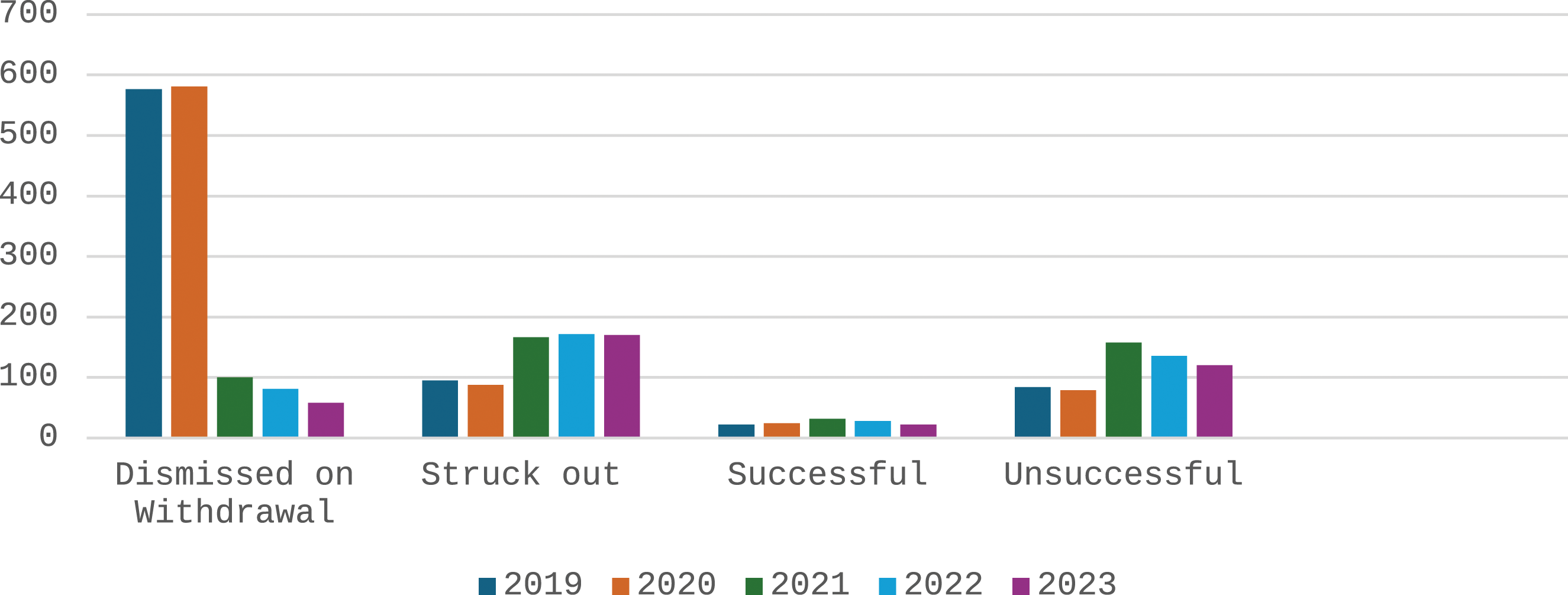
A qualitative analysis of the unsuccessful cases uncovered that Claimants very often did not pass the first hurdle of establishing discrimination before the burden of proof could shift to the Respondent. This remained consistent over the 5 years. When the burden of proof did shift, the outcome was influenced by how the ET perceived the credibility of the parties. In the small number of successful claims, the ET preferred the Claimant’s evidence to that of the Respondents. For example, in the case of Mr D Edmondson v Premier Christian Communications Ltd: 2207250/2020 the ET acknowledged that it found the Claimant to be an “honest and straightforward witness” (paragraph 25) and where his version of events differed to the Respondents witnesses, the ET explained that it preferred the evidence of the Claimant. In that case the Claimant was made redundant and the selection for redundancy was held to be an act of direct age discrimination. The ET found the Respondent’s witnesses’ reasons for the selection, particularly criticisms of the Claimant’s work attitude, unconvincing.
The findings also reveal a notable shift in the trend of judgments indicating that claims have been withdrawn, with significant fewer instances in recent years. While judgments dismissed on withdrawal accounted for 50% of the sample over 5 years, the numbers were particularly high in 2019 and 2020, with 74% and 75% of judgments, respectively. The reasons for these withdrawals were often unclear, as judgments typically only noted that the claim was ‘dismissed on withdrawal.’ Some judgments may have resulted from settlements, while others may have been due to claimants abandoning their claims. In comparison, Blackham’s previous research covering the 2017 to 2019 years (Blackham, 2021) indicated that 66% of age discrimination claims were withdrawn or not pursued. There may be a correlation between claims which have good prospects of success (therefore more likely to succeed) and those resolved through withdrawal, suggesting parties settle cases before they proceed to a hearing. However, this does not explain the data from 2021, 2022 and 2023. Despite literature indicating heightened ageism worsened by Covid-19, statistics show a decrease in claims withdrawn and a persistently low success rate.
The number of cases struck out was relatively high, increasing in the years 2021, 2022, and 2023 (representing 25% of the total sample). These were cases which were considered by the ET on their merits. In the recent years, the instances of judgments which indicted the age discrimination claim was being struck out were higher compared to 2019 and 2020. Reasons recorded in the judgments predominantly included: claims not actively pursued by the Claimant, claims deemed to have no reasonable prospect of success, failure by the Claimant to pay a deposit, claims lodged outside of the relevant time limit, and non-compliance with an ET order.
Upon closer analysis of why claims were struck out, there was a notable increase in claims not actively pursued in 2021 and again in 2022 as illustrated by Graph 2 below. Whilst lower in 2023 they are still higher than the 2019 number. While the judgments do not definitively attribute reasons for why claims were not actively pursued during this period, this does bring to the surface concerns about chronic delays in processing and adjudicating claims in the ET. These delays, likely exacerbated by the challenges posed by Covid-19, may discourage individuals from pursuing their rights, potentially contributing to the observed trends. Breakdown of claims struck out.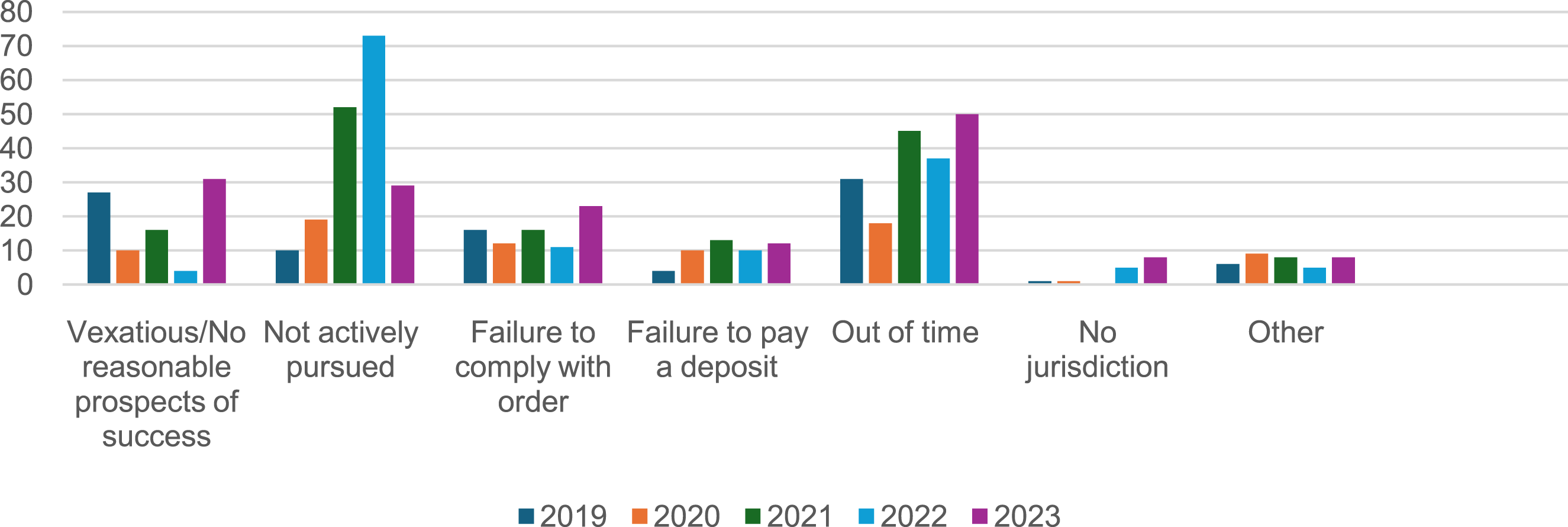
Graph 2 also shows an increase in judgments where claims were struck out for being submitted out of time in the last 3 years. Time limits are intended to ensure the quality of evidence, as witnesses’ memories may fade, staff may leave, and documentary evidence may be lost (Law Commission, 2020: 22). This prevents Respondents from being prejudiced by outdated claims. The ET has discretion to hear claims outside of the time limit if it deems it just and equitable. However, the burden of proof lies with the Claimant to explain the delay. Reasons cited within the case sample included awaiting outcomes from internal procedures, caring responsibilities, and mental health issues. Although the Covid-19 pandemic was occasionally mentioned as a reason for delay, specific medical evidence was often lacking. In Miss A Mire v Chopstix Ltd: 1601515/2020, the Claimant cited mental health issues arising after the limitation date. Although the ET accepted and understood that the pandemic was a stressful time for the Claimant, the age discrimination claim was struck out as the Claimant did not have supporting medical evidence. Similarly in Mrs K Soyemi v Monster Energy Europe Ltd: 3313746/2022, although the delay was only 5 days and the Claimant made representations that they had mental health issues and Long Covid, the ET held that there was nothing which prevented the Claimant bringing the claim in time.
This study did not identify clear trends explaining the increased number of judgments in this category in recent years. In employment law, a delay of four and a half months is considered substantial, as highlighted in Mr A Anglickan v Amazon UK Services Ltd ET Case Number: 2205691/2018. However, delays persist within the ET system, with Claimants waiting an average of 335 days for single claims and 388 days for multiple claims to be heard (HMCTS, 2022).
Despite acknowledging that the Covid-19 pandemic has introduced challenges, increased complexities, and heightened demands within the system, the ET has maintained a strict application of the time limit rule. The delays within the system have been recognised by the ET, as illustrated in Sommerville v Medical Practitioners Tribunal Service and Nursing and Midwifery Council ET Case Number: 2413617/2018, citing amplified complexities and demands exacerbated by the Covid-19 pandemic. This qualitative analysis of judgments highlights that the burden rests on aggrieved Claimants to research their rights thoroughly and ensure adherence to legal provisions. The ETs have emphasised that Claimants can “google their rights” (Miss S Ahmed v Explore Learning Ltd, ET Case Number: 3305137/2020 & 3300121/2021, paragraph 9), particularly in cases involving time limits. Despite the global pandemic presenting challenges, Claimants were considered to have a “reasonable opportunity to research their legal rights” (Miss A Mire v Chopstix Ltd: 1601515/2020, paragraph 48). It has been noted that time limits are “well publicised” and “not disguised or difficult to establish” (Mr N Stubbs v The Alpine Club and White Mountain Chalets Ltd, ET Case Number 2303297/2021, paragraph 18).
The increase in judgments being struck out for being out of time in times of a global pandemic which brought additional challenges to both the ET and Claimants adds weight to the Law Commission recommendation to increase the time limit from 3 months to 6 months (Law Commission, 2020: 23) and Blackham’s recent written evidence to Parliament, (Blackham, 2022). The short deadline of 3 months less 1 day imposes a significant burden on Claimants (Blackham, 2021). Navigating employment law and the ET system, including completing the ET1 claim form and ensuring compliance with all legal requirements, is complex (Law Commission, 2020). The Bar Council has described the impact of Acas early conciliation on time limits as “simply too complex to be understood by the lay person” (Law Commission, 2020: 30). Large-scale employers often have an advantage over litigants in person, who may struggle to manage these complexities (Aston, 2000). Extending the deadline to 6 months could help alleviate some of this pressure. Nonetheless, it remains essential for litigants in person to comprehend and navigate these time limits effectively.
Nature of claims
Where it was possible to discern from the judgments, the nature of the claims was recorded. In instances where there were multiple claims within one judgment, all were recorded. Most judgments related to dismissal or retirement, totalling 171 cases, and 75 related to redundancy over the 5-year period. This is a trend consistent with previous research findings highlighting numerous dismissal cases (Blackham, 2021). However, there has been a notable increase in judgments which related to redundancy during the years 2021 and 2022, as shown in Graph 3. This emerging trend suggests a new pattern influenced by the economic repercussions of the Covid-19 pandemic and reflected in the rise in redundancies as reported by the House of Commons Library (2022). Covid-19 was often referred to in the Judgments in the context of why the Respondent had made redundancies. In the case of C Gregory v Petro Trace Ltd: 3304188/2022, for example, there was a “downturn in business due to the Covid pandemic” (paragraph 50) which led to the Claimant being “singled out” (paragraph 117) and dismissed because of his age. Similarly, in the case of Mr D Edmondson v Premier Christian Communications Ltd: 2207250/2020 where the Covid-19 pandemic had a “dampening effect” (paragraph 41) on sales, the Claimant had been selected for redundancy due to his age. In that case the ET placed reliance on the mismatch between the Claimant’s redundancy score and the facts which underpinned those scores. Due to the Claimant’s age, the employer had disregarded and failed to properly consider the Claimant’s length of service, work performance, and aptitude. The employer had ignored the important fact that the Claimant had an excellent employment record and significantly outperformed the three other sales executives, generating at least twice as many sales. It was on this basis that the ET held that the employer applied an unjustified ageist stereotype that conflicted with the objective facts and the Claimant was successful in their claim for age discrimination. Type of complaint.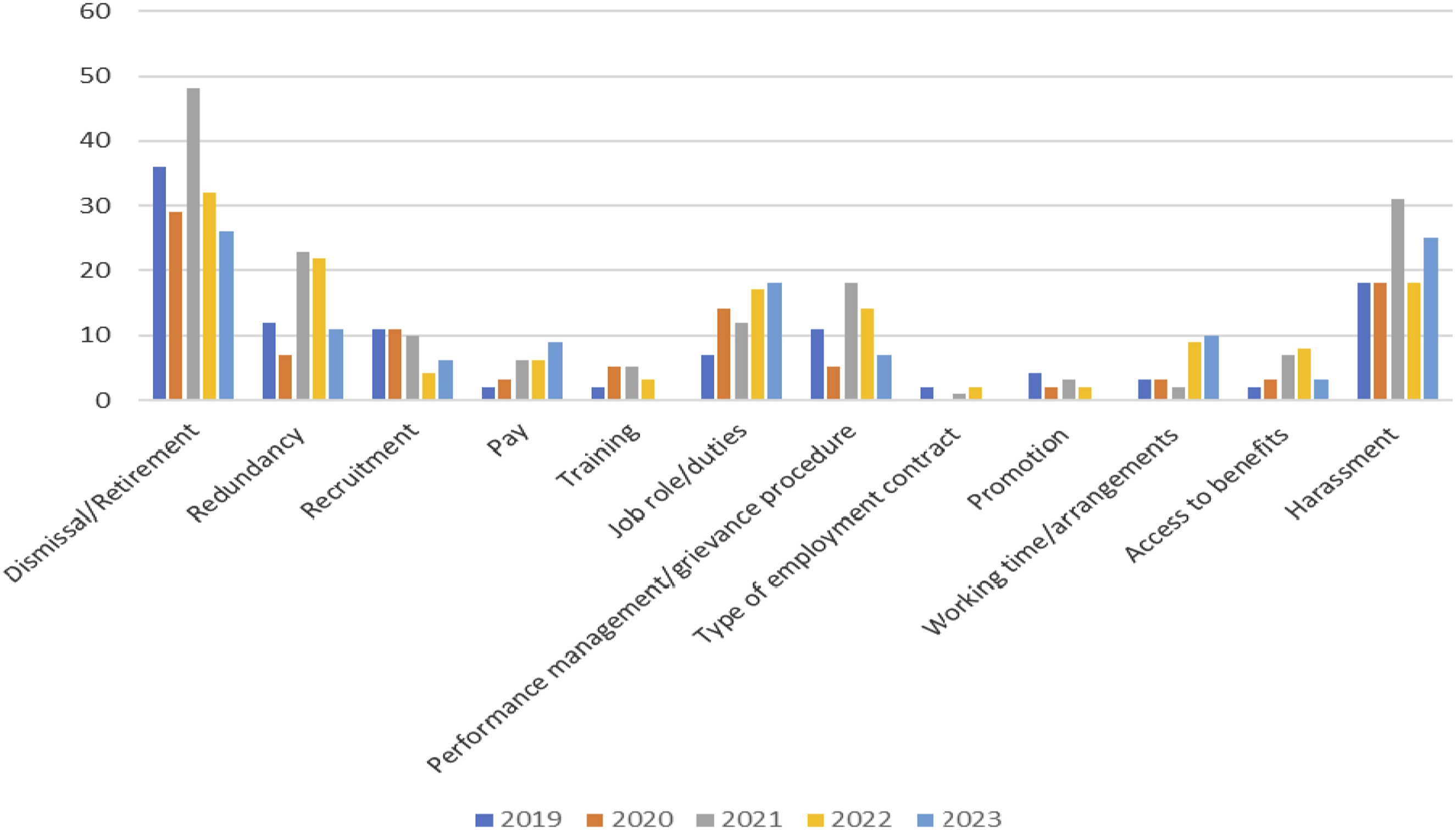
The next most common claim within the judgment sample related to harassment with 110, increasing in the 2021 year. The results show that judgments involving a claim arising from the beginning of the employment relationship at the recruitment stage were relatively low at 42. Other judgments relate to actions and treatment during employment which were broken down into the following categories: pay (26), training (15), job role and duties 16 (68), claims relating to performance management and grievance (21), type of employment contract (5), promotion (11), working time/arrangements (27) and access to benefits (23).
Age profile of claimants
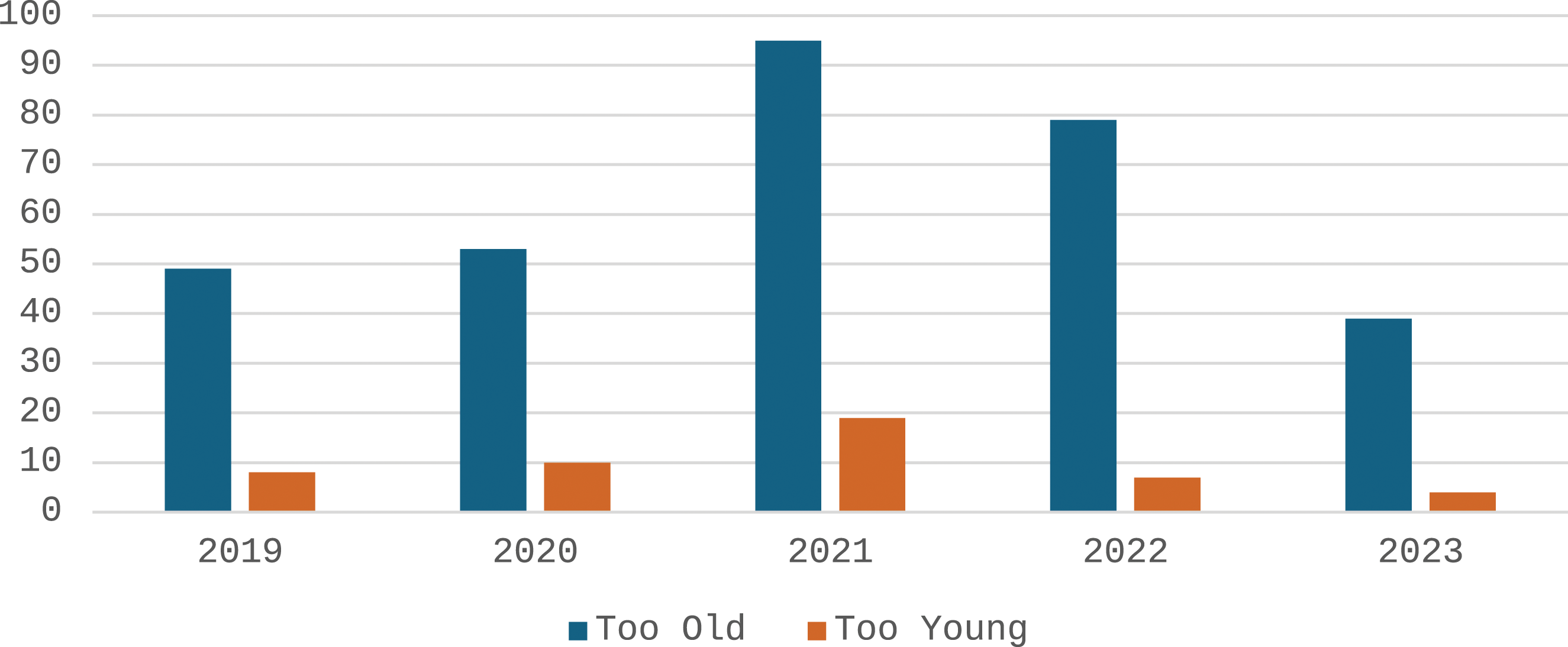
Although the Claimant’s age was mentioned in only 294 cases, it remains a pivotal factor in the case. Over the 5-year period, the average age of Claimants was 53.39, with ages ranging from 16 to 79. These results demonstrate the broad age diversity within the sample, highlighting the legislation’s importance in covering all age groups. The ET database contained 363 cases across the 5 years where it was clearly identified whether the issue was discrimination due to being considered too old or too young. Of these, 87% (315 individuals) claimed discrimination for being perceived as too old, while 13% (48 individuals) claimed discrimination for being perceived as too young, as shown in the figure below. Consistently each year, the largest category was those considered ‘too old’ rather than ‘too young,’ aligning with previous research (Blackham, 2022; Irving, 2012), which suggests that individuals claiming discrimination based on being ‘too old’ are more likely to pursue a claim. Alternatively, it may suggest that this category are more likely to experience age discrimination. The majority of judgments were for individuals in their 50s, indicating a prevalent age group in age discrimination cases. While there was a slight decrease in the average age of Claimants observed in 2020, these findings are consistent with prior research suggesting no significant change in the average age profile of Claimants (Blackham, 2022; Taylor and Walker, 1998).

Gender of the claimants
In terms of gender identification, this study relied on the Claimant’s title and the pronouns used in the judgments. Cases where the Claimant’s title or pronouns were ambiguous were not counted in this aspect of the analysis. For cases involving multiple Claimants, each individual’s gender was documented. Previous research has shown that women are more likely to experience discrimination based on age compared to men (Duncan and Loretto, 2004; Women and Equalities Committee, 2018). Despite being disproportionately affected by age discrimination, women are less inclined to bring claims to the ET.
This study found that overall, more males received judgments compared to females, with 1883 males and 1297 females across the 5 year period. The gender gap narrowed in 2021 and 2022 however males still received more judgments in each year. While the pandemic has disproportionately affected women in some countries, particularly those in sectors like the hospitality industry (Flor et al., 2022), the situation in the UK has differed. Health Data Research UK (2022) reports a greater increase in unemployment among men compared to women, attributed to women’s higher representation in protected public sector roles. Given this context, one might expect more males to receive judgments during the Covid-19 period Graph 5. Gender profile.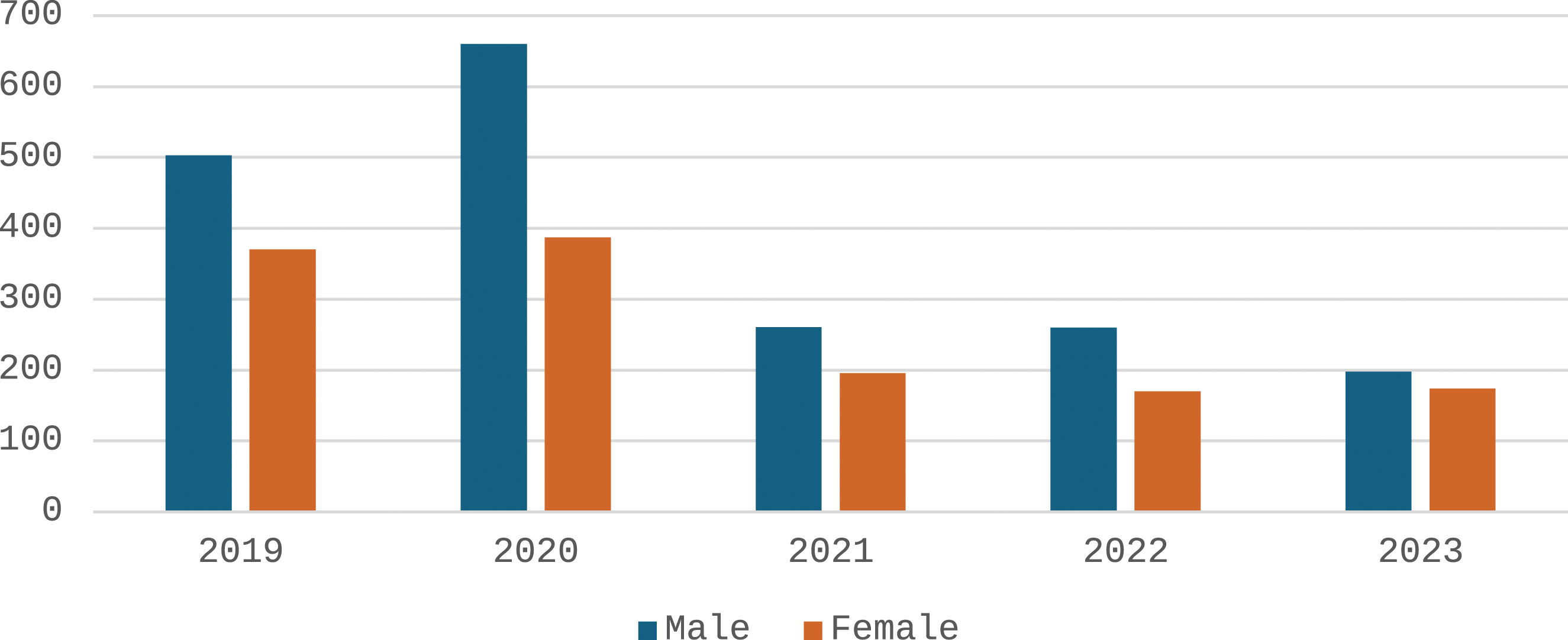
After filtering the data to focus on successful claims, the statistics reveal a more equal distribution between male and female Claimants over the years. While the gender gap narrowed in 2021 and there was a slight increase in females receiving judgments in 2022, the trend reversed with more males receiving judgment in the most recent year Graph 6. Gender profile in successful claims.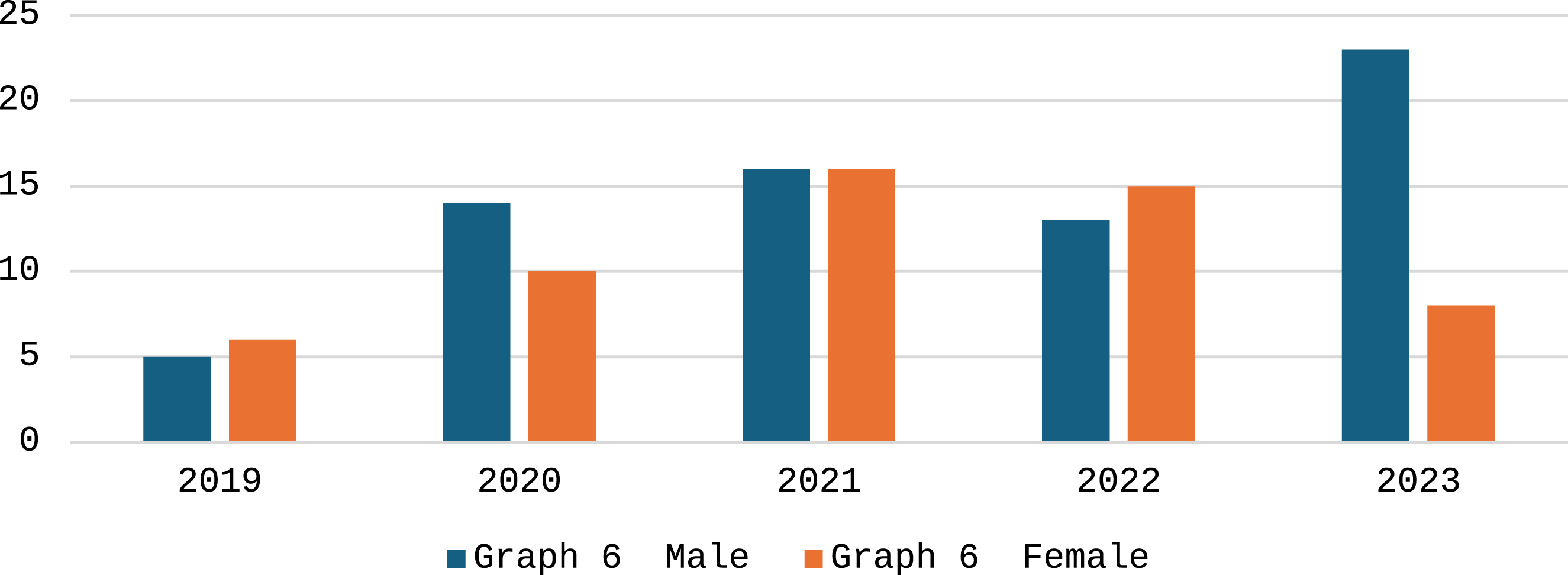
Representation
Data relating to representation was recorded in 1351 Judgments and over half of the Claimants were litigants in person (59%).
17
It was found that 24% of Claimants were legally represented, 11% had another form of representation (which included a family member, friend, union representative) and the remaining Claimants did not attend. The figure for legal representation is lower than that reported previously in a survey of ET applications, which reported that 41% of Claimants were represented (Department for Business, Energy and Business Strategy, 2018) and also lower than that reported by the ET (Tribunal Statistics Quarterly, 2020a, 2020b). The proportion of Claimants legally represented in 2021/22 was 67% Graph 7.
18
Claimant representation.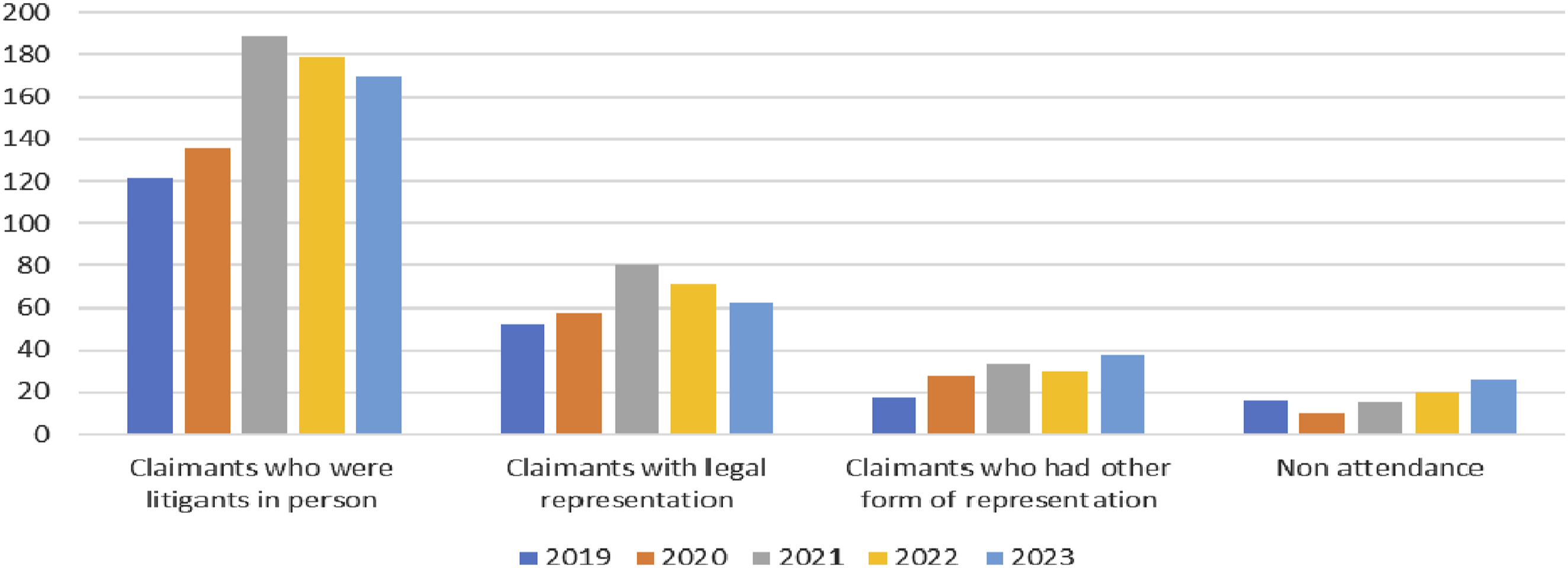
When comparing these statistics to judgments which indicated that an age discrimination claim was successful (as shown in Graph 8 below), the Claimant was legally represented in 49% of the sample, litigants in person in 40% and had other forms of representation in the remaining 11%. These findings demonstrate that age discrimination cases with legal representation are marginally more likely to be successful. This finding is consistent with previous research of Sinclair et al., 2000 into unfair dismissal claims and also Irving’s research into age discrimination claims (2012). However, this is in contrast to the findings of the DTI (2004) which found no direct link between representation and Claimant success in race claims. The increase in recorded litigants in person and legally represented claimants in the 2021, 2022 and 2023 is likely because the ‘dismissed on withdrawal’ category tended not to record the representation of the parties, and this category outcome was at its highest in the 2019 and 2020 yearsGraph 8. Claimant representation in successful claims.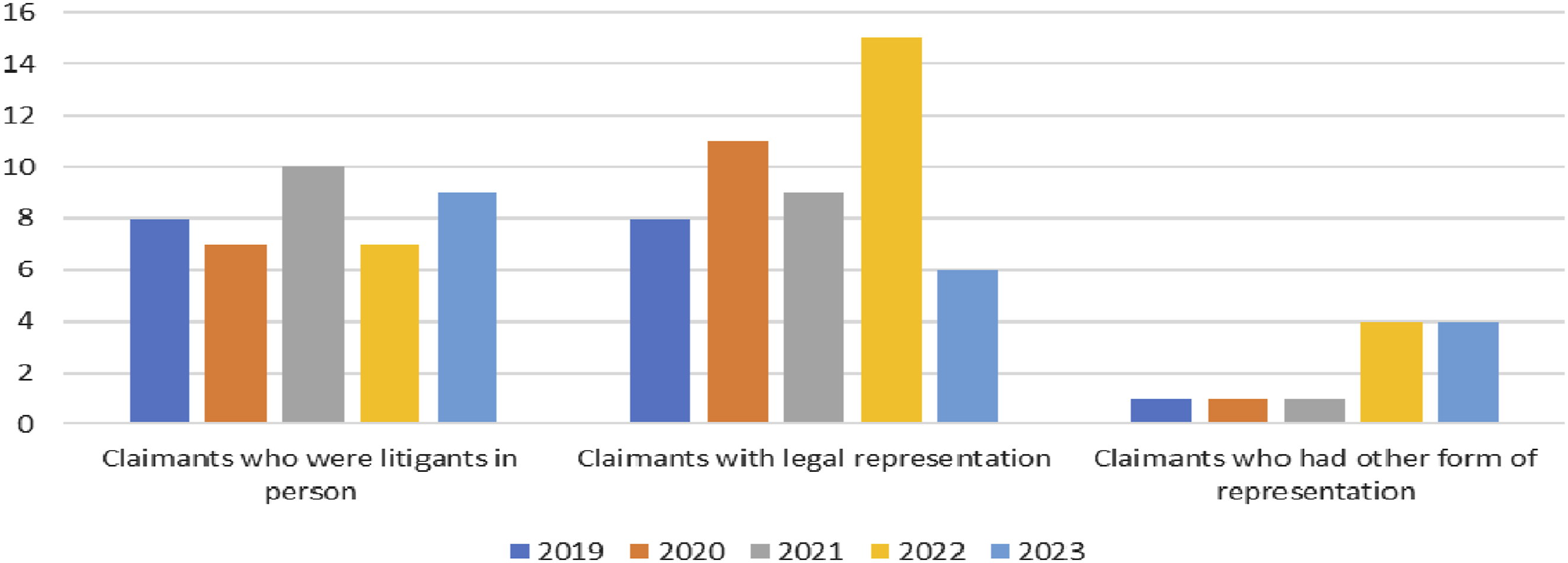
Age stereotypes within the profile of claims
Age stereotypes and considered ‘too old’
An analysis of the cases reveals the circumstances in which age stereotyping manifested in the employment context, particularly within ageist comments. Although studies suggest that the Covid-19 pandemic has exacerbated ageism, this study did not reveal any trends in the nature of stereotypes over the years or in the prevalence of stereotypes within the sample. Stereotyping however was prevalent across the period of study and often featured in cases where individuals were considered “too old” to perform the role and there was an assumed link between age and ability, supporting the literature in this area which suggests that this is the most prevalent stereotype (Taylor and Walker, 1998). In the case of C Gregory v Petro Trace Ltd: 3304188/2022 where the Covid-19 pandemic caused a downturn in the Respondent’s business, there was a link between age and productivity in the decision to dismiss the Claimant. He was referred to as “absolutely useless” (paragraph 60) and in the same context referred to as “not a young person” and “a pensioner” (paragraph 60). A link was also assumed between the Claimant’s age and his financial position and productivity where the Respondent commented that “He is quite expensive and not productive…. [the claimant] is far over 60 years old and I am sure he doesn’t have a shortage with money” (paragraph 58). Similarly, in the case of Mr D Edmondson v Premier Christian Communications Ltd: 2207250/2020 the Respondent could not see the Claimant’s ability to perform his role due to “an unjustified ageist stereotype which conflicted with the objective facts” (paragraph 107). The ET held that the Respondent saw the Claimant as an “old person” who as a consequence would not fit within the business.
The stereotype linking age with productivity was also apparent in cases where individuals were often felt under pressure to retire and assumed to be “too old” by their employers to perform their job. The study unearthed several claims where employers discussed retirement with an employee, but those conversations led to a successful claim for age discrimination. In the case of Khan v Roadrunners 2302696/2017 there was mention of the Claimant’s age and retirement in one meeting which led the conclusion that the dismissal was because of the Claimant’s age. This was against the background of ageist comments notably the Claimant being told that he was “part of the furniture” and “too old to work there.” In other cases which involved retirement discussions the age discrimination was more subtle however and manifested in pressurised conversations for individuals to retire. Notably in Bartell v Rend-Tech 2500350/2020 the Respondent was held to have believed that because of the Claimant’s age he was less able to perform his work as a renderer. The purpose of the meeting to discuss retirement was connected to his age and the Respondent’s perception that he was no longer able to work effectively because of the physical demands of the job.
It is evident, however, that using the words “retire” or “retirement” in discussions are not in themselves discriminatory and the retirement discussion may not necessarily be underpinned by ageist views (see e.g. Wainwright v Kelly and others ET case number 3203158/2019 and 3200192/2020; Mr A Angeli v The Orthopaedic Footwear Company Ltd and Mr S Robinson 2201663/2018). Having such conversations may assist employers with succession planning. The key point is ensuring that those conversations are consultative, and no pressure is placed on the individual to retire and that comments are not made which presume a link between age with ability to perform the job role. Whilst Acas guidance exists for age discrimination and some basic, general advice exists on what may constitute retirement discrimination (Acas Guidance, 2019), what we can learn from these cases is that there is a lack of understanding on the part of both employer and employee as to what conversations can take place which are not discriminatory. Further guidance on retirement conversations including what employers should and should not say would be beneficial and training for managers on this issue. Employers need to appreciate not just how exactly they can communicate with their workforce so as to ensure this is supportive yet not discriminatory and also have the confidence to have such conversations when needed.
Other stereotypes which were apparent were that older workers are resistant to change and unable to adapt to new technology. In Mr P Hodgkiss v Travis Perkins Trading Company Ltd: 2411659/2018 the Claimant gave evidence that “the pace of life in the branches had moved on” and the employer did not think he would be able to keep up. In another case the Claimant was frequently told that she was too old to perform the role and it was assumed because of her age that she could not train in order to adopt the new process. It was commented by the Respondent that “Computers are for young people – not you” (Mrs A Dooley v Mr Lee Williams and others: 3200819/2018). More recently in the case of Mr A Martin v British Car Auctions Ltd: 2407168/2021 the Claimant was dismissed from his role as he was assumed to not be able to move the business “forward in the new world” (paragraph 87(a)). The Respondent had criticised the Claimant for his “old processes” (paragraph 87(a)).
There were cases which demonstrated a link between age and an assumed overreaction to a workplace issue or situation. In the case of Mrs C Sawyers v East Suffolk and North Essex NHS Foundation Trust: 3201531/2020 the Claimant, aged 33, raised a grievance in relation to allegations of age and race discrimination. The ET held that the Respondent’s attitude that the Claimant was overreacting was due to the Claimant’s age and the fact that she was in a more junior and younger position by reference to an older and more senior member of staff. In the case of Ms D Thomas v Bibimoney Global Ltd: 2204661/2022 the Claimant raised issues in relation to funding and financial concerns of the business, however the director responded, not taking these concerns seriously but instead with a comment that the Claimant must be menopausal. The ET held that a comment was age discriminatory, revealing a stereotypical link between the Claimant’s age and menopause, assuming that she was overreacting with the issues raised.
Age stereotyping and the application of the proportionality test
The study shows that it may be difficult for parties to determine whether a retirement policy is discriminatory. In the UK, the default retirement age of 65, which allowed employers to force retirement at that age, was abolished in 2011. 19 Employers can now only set a retirement age or retire an individual if they can justify it as a proportionate means of achieving a legitimate aim. 20 The EHRC’s guidance emphasises that employers should avoid making assumptions about a person’s capability based on age. It also highlights that in most cases it might be difficult for employers to objectively justify a retirement age (EHRC, 2019). However, determining whether a retirement policy or the decision to retire an individual at a particular age is discriminatory is challenging, as the parameters of direct age discrimination are unclear and what constitutes legitimate aims for both direct and indirect age discrimination is often based on stereotypes.
In the case of Mr S Tilley and others v Egyptair Airlines Company ET case number 2207205/2018 and 2201502/2019 the Respondent was successful in relying on the legitimate aims of encouraging intergenerational equality and dignity for retiring employees. The dignity argument relies on the stereotypical assumption that older workers contribute less by a certain age, and it is more dignified to retire that person than dismiss. The Respondent argued that it needed a balance of age and experience to benefit everyone. It relied on the stereotypical assumption that new and younger members of staff would be more of a technological age and be more proficient in the technological side of things. It was relevant in this case that the Respondent did not have sophisticated performance management measures. 21 The ET was not taken to any performance management policy, and it had no evidence of anyone in this workplace being performance managed. The retirement policy was held to be a proportionate means of achieving the Respondent’s aims. The acceptance of the dignity aim and intergenerational equality aim in this case, and indeed the continued acceptance of these two aims in the case law, reinforces age stereotypes.
Furthermore, the judgments of Professor P Ewart v The Chancellor, Master and Scholars of the University: 3324911/2017 and Professor John Pitcher v Chancellor, Masters and Scholars of the University of Oxford and Saint John the Baptist College in the University of Oxford: 3323858/2016 exemplify the difficulties faced by employers in understanding the extent of their potential legal liability and for workers in understanding their rights. In both cases the Claimants were compulsorily retired at the age of 67 from their professorial posts and the facts are very similar. In the former case the Claimant was successful in their claim for age discrimination, but the Claimant in the latter was unsuccessful. The ET in both cases accepted that the employer had legitimate aims, which were promoting inter-generational fairness, facilitating succession planning and promoting equality and diversity. However, each ET reached a different conclusion on proportionality based on a slight difference in facts. In the case of Ewart case the ET considered that it was “highly discriminatory” (paragraph 260) to dismiss for a protected characteristic and the evidence was that the retirement age only increased vacancies by 2–4%. The retirement was therefore not justified on the facts. In contrast, in Pitcher, the ET held that the employer’s retirement age was justified. On the issue of whether the age was a proportionate means of achieving a legitimate aim the ET noted that only a small proportion of posts were recruited each year. The age of 67 was determined following extensive consultation, impact assessment, and input from staff, unions, and other groups within the university. Additionally, mitigating factors for the claimant included the receipt of a pension and continued access to university facilities. It was also relevant that the retirement age was regularly assessed and reviewed to ensure it achieved its legitimate aims.
On appeal the EAT acknowledged that it can be frustrating for employers in assessing the legality of their retirement policies, however neither ET erred in its approach to proportionality (EA-2019-000638-RN and EA-2020-000128-RN). The EAT stated in paragraph 183 that: “the nature of the assessment that has to be undertaken by tribunals when determining the question of objective justification is such that it is possible for different ETs to reach different conclusions when considering the same measure adopted by the same employer in respect of the same aims.”
These judgments demonstrate that ETs can reach opposing decisions regarding a retirement age within the same profession and with similar facts, yet both decisions can be legally correct. This highlights the impractical nature of the current legal framework, making it extremely difficult for employers to predict the legality of their retirement policies. This unpredictability results in potential legal risks and added uncertainty in managing retirement procedures. Additionally, the judgments reflect the challenges workers face in understanding and asserting their rights.
It was also apparent from this study that some new age claims arising from Covid-19 and furlough emerged, which were often linked to concerns regarding health and safety and the working arrangements. In the case of Farley v Sunderland City Council: 2502170/2020 the Claimant’s case was that those in the age group of over 60 were more vulnerable because they are more susceptible to suffer from the symptoms of Covid-19. It was unclear from the facts, however, the Claimant’s specific vulnerability he was referring to. The ET “…could see no difference between the vulnerability of persons over 60 when compared to those who are under 60. The claimant had not shown that there was any disadvantage caused to persons over the age of 60” (paragraph 30).
By contrast, in the case of Mr N Dawson v Evans Cycles Limited: 2205647/2020 vulnerability was linked with age. The respondent had concerns for the Claimant’s health and safety, and he was required to not come into work. For the Claimant, however, it was important to him to feel part of a team and not working left him feeling isolated, particularly as he was the only person in his team to be sent home. The Claimant also expressed concerns that this would have on his job security and future employment prospects. The ET highlighted that the employer had to make a quick decision in dangerous times. Whilst acknowledging that this was a difficult case to decide, the ET held that the Respondent’s actions were justified. The health and safety aim was legitimate and the stay-at-home order to those over 60 was proportionate. It was relevant that the Claimant continued to receive full pay and it was temporary albeit there was no return-to-work date.
Age stereotypes and considered “too young”
Although not as common, some age stereotypes were apparent against younger workers in the sample and often took the form of overt appalling comments. The stereotypes linked age with maturity. In a number of cases, there were overt ageist comments including “throwing tantrums,” “you are not a child,” “Part of being an adult is taking responsibility,” “Are you really so immature and professionally naïve?,” “You have behaved like a spoilt and malicious child” (Ms K Leighton v VR Music Ltd (In liquidation) and Ms R Lowe: 2301546/2018. In Mr C Graham v MHD Builders Ltd and Gareth Hyne: 2502923/2019 this age stereotype was also evident in the comment that the Claimant “had a lot of maturing to do” and in Mr J Rawnsley v Queniborough Aluminium Services Ltd: 2603656/2019 where the Claimant was referred to as a “jumped up know it all spoilt child.” In the case of Kisitu v Inclusive Care Support: 3200241/2018 the employer made the following comment to the Claimant “you are a little kid in fact a boy, I am the adult so shut your fucking mouth, I have the power to get you fired so keep your mouth quiet little boy.” The ageist comment here therefore amplified the power imbalance in the employment relationship and the unstable position workers can find themselves.
Conclusions
This research has found that despite widespread literature indicating heightened age stereotypes and ageism during the Covid-19 pandemic, there has been no corresponding increase in successful age discrimination judgments, which have remained consistently low. Whilst recognising that not all instances of ageism necessarily translate into age discrimination this highlights the inadequacy of relying solely on individual enforcement to address ageism. Building on Blackham’s 2022 study, which highlighted minimal success in age discrimination claims from 2017 to 2019, this research offers a focused analysis within the unique pandemic context. The pandemic exacerbated challenges such as increased backlog in the ET system, heightened ageism, and amplified job losses.
Moreover, this study confirms previous research identifying gaps in the enforcement of age discrimination laws, particularly for younger workers (Blackham, 2022; Irving, 2012). The majority of age discrimination judgments reviewed in this study involved individuals in their 50s, primarily concerning dismissal. Throughout the Covid-19 pandemic, the average age of Claimants was consistently in the 50s, with many feeling discriminated against due to being perceived as ‘too old.’ While earlier research underscored significant enforcement gaps for older women, this study reveals a narrowing of this gender gap. Although men continue to receive more judgments in each year, the narrowing of this gap indicates a potential shift. This trend may suggest an increasing willingness among women to pursue age discrimination claims.
The recent increase in judgments striking out claims for being out of time and not actively pursued carries significant implications. While the reasons behind the lack of active pursuit remain unclear, the backlog of ET cases demands urgent attention, potentially dissuading Claimants from pursuing their claims. The pandemic exacerbated this backlog, underscoring the need to not only address the backlog but also for the ET system to be prepared for handling cases during future global crises. This research identifies potential barriers within the ET system that hinder individuals from seeking justice for age discrimination. Addressing these issues however requires further research to understand why Claimants are not actively pursuing their claims. This research should focus on identifying and mitigating barriers such as procedural complexities, delays, and resource limitations, ensuring that age discrimination laws are both accessible and effectively enforced. Regarding claims struck out for being out of time, existing studies highlight the burdensome nature of the current short deadline of 3 months less 1 day for age discrimination claims (Blackham, 2021; Law Commission, 2020), making it difficult for Claimants to file their claims within the prescribed period. While the qualitative analysis did not establish a direct link to the Covid-19 pandemic as a reason for Claimants not bringing their claim in time, occasional mentions suggest it could be a factor. The increasing number of judgments which indicated that claims were struck out for exceeding the time limit highlights that this is a growing barrier to justice for Claimants. This finding lends additional support to the recommendation for extending the time limit to 6 months.
The study also demonstrates the prevalence of age stereotypes in ET claims. Age stereotyping frequently manifested through ageist comments, with no significant trends observed in the nature or prevalence of these stereotypes over the years. For younger workers, ageist remarks often linked age with immaturity, while for older workers, there was frequently an assumed correlation between age and job performance, as well as an alleged tendency to overreact and pressure to retire. Although Acas encourages employers to hold constructive and regular workplace discussions with all employees to identify training needs that benefit both the employees and the organisation (Acas, 2019), and the EHRC advises against making assumptions about workers’ developmental or training needs based on age, employers should not assume that older workers will resist training in new areas (EHRC, 2019). Employers should discuss the needs and aspirations of older workers just as they would with other employees. While the case law demonstrates that explicitly using the word “retirement” in conversations is not necessarily unlawful, additional guidance that focuses on providing a framework and best practice for conducting effective and respectful discussions about training and development needs (moving away from discussions centred on retirement inquiries) with employees of all ages would be advantageous.
In addition the persistent acceptance of legitimate aims that perpetuate age stereotypes, such as the dignity aim, continue to present challenges for employers to understand their legal liability and tackle ageism. Given the entrenched nature of these stereotypes in workplaces and the escalating issue of ageism, relying solely on employer awareness is inadequate. Furthermore, challenging these stereotypes, by both ETs and employers, remains challenging due to unclear parameters of the definition of direct age discrimination within the Equality Act 2010 and the acceptance of stereotypical assumptions as legitimate aims for both indirect and direct discrimination. Therefore, reform is imperative.
The study’s findings highlight the necessity for legal reform, adding support to Blackham’s (2022) recommendations. Specifically, there is a pressing need for a comprehensive review to reassess the justification of direct age discrimination, including a critical examination of legitimate aims rooted in stereotypes such as dignity. Moreover, akin to the Public Sector Equality Duty, there should be a positive duty imposed on employers to proactively develop inclusive workplace strategies that value age diversity. O’Cinneide (1995) emphasises the significance of the symbolic and educative impact of positive duties. They therefore have transformative potential to shape and change organisation culture and practices. However, in terms of how positive duties may look in practice, as noted by Blackham (2022), they must be flexible enough to be effectively integrated into organisational processes, acknowledging practical constraints for very small organisations, particularly concerning data management and reporting which may risk identifying individuals. Introducing a positive duty for employers would not only enhance transparency but challenge entrenched age stereotypes. Legal reform represents one important facet of combating ageism. Addressing this global challenge demands urgent attention and concerted efforts from employers, researchers, and policymakers alike.
Footnotes
Declaration of conflicting interests
The author(s) declared no potential conflicts of interest with respect to the research, authorship, and/or publication of this article.
Funding
The author(s) received no financial support for the research, authorship, and/or publication of this article.
