



Abstract
Historically, telemedicine research is predominantly published in discipline-specific telemedicine journals. However, in recent times the number of publications on telemedicine in clinical journals has increased. Acceptance of telemedicine research by clinical journals indicates a maturing of the telemedicine field. This bibliometric study reviewed telemedicine-related literature published in clinical journals from 2008 to 2018. A search was conducted in PubMed using two types of clinical outlets. (1) Top 20 journals with highest Impact Factor in the field of Medicine. (2) Top five journals with highest Impact Factor in most common Medical Specialty Areas. Analysis showed that there is a steady growth of literature relating to research and non-research publications appearing in clinical journals. Top five journals in the field of Medicine – BMJ, JAMA, Cochrane database, Medical Journal of Australia and Lancet have published 64% (n = 270) of telemedicine-related articles for the study period. Disease areas associated with telemedicine publications are consistent with global disease priorities. The review demonstrated that the most significant increase in telemedicine research published in clinical journals was focused on patient care.
Introduction
The use of information and communications technology (ICT) to deliver clinical services at a distance, i.e. telemedicine has become an accepted medium for the provision of health service over the past few decades. The objective of telemedicine is to provide better access to care.1,2 In 1995, Wootton predicted that ‘telemedicine is here to stay and is likely to play an increasing role in the future health care’. 3 In that publication, Wootton emphasised the importance of evidence to facilitate the integration of telemedicine into routine practice.
Evidence is indeed increasing over time. Over the past few decades, numerous research projects have examined the clinical effectiveness, economic benefits and stakeholder perceptions of telemedicine.4–7 A study published in 2014 found that nearly 18,000 research papers had been published since 1970 in the field of telemedicine. 8 Journal publication is one of the most common vehicles for the dissemination of research findings. Usually, telemedicine research begins with concept-development and proof-of-concept, then progresses to feasibility and effectiveness, and can be continued towards implementation and cost-utility analysis. 9 This pattern mirrors the maturity model of information systems and constitutes the consecutive steps of the development of evidence to support the use of telemedicine.
It is generally accepted that evidence influences professional practice and it is an important element for routine adoption in mainstream practices.10,11 High-impact academic journals are considered to be one of the main sources for accessing robust evidence. Telemedicine is no exception in this regard as publishing research in high-impact journals can influence policy and practice.
Over the last few decades, several telemedicine-specific academic journals have established themselves as leading research outlets. Few examples are the Journal of Telemedicine and Telecare, Telemedicine and e-Health and Journal of Medical Internet Research. While the majority of telemedicine research is published in these telemedicine-specialised outlets, an increasing amount of research relating to telemedicine is now being found in clinical journals. The readership of telemedicine-focused journals is mainly a specific interest audience. However, publishing telemedicine studies in clinical journals exposes the broad clinical community to telemedicine and its relevance to practice. The growing acceptance of telemedicine studies in clinical journals hints at the growing importance of telemedicine to the clinical fields and disciplines.
A bibliometric study examining the evolution of publications relating to telemedicine has found that over time, the focus of telemedicine has shifted from technical to clinical. 8 The increasing number of telemedicine studies published in clinical journals demonstrates that the telemedicine field is maturing and has greater acceptance and influence in healthcare service delivery. 12
Telemedicine-related research may be increasing in clinical journals. However, this is to-date anecdotal. No study has evaluated both evidence and trends relating to telemedicine publications in clinical journals. This bibliometric review aims to appraise the evidence relating to telemedicine published in mainstream clinical journals.
Methods
Search strategy and search terms
The Web of Science and journal Impact Factor (IF) were used to identify the most relevant clinical journals for review. Journal Citation Reports at Clarivate Analytics in 2018 were applied to filter the journals with top citations. Two types of journals categories that encapsulated a broad range of clinical journals were selected. The results were:
Top 20 journals with the highest IF in the field of Medicine. Top five journals with the highest IF in each selected Medical Specialty Areas. Medical Specialties Areas included oncology, endocrinology, cardiology, paediatrics, infectious diseases, gastroenterology, obstetrics and gynaecology, urology, orthopaedics, dermatology, geriatrics, critical care, emergency medicine and primary care.
A search was then conducted for telemedicine-related papers published in the identified journals for the period of 2008–2018. The search was conducted only in PubMed as all selected journals are indexed in PubMed. Search terms included terms relevant to telemedicine and the journal name. Below is a search term used for New England Journal of Medicine.
‘telemedicine’[MeSH Terms] OR telemedicine[TW] OR telehealth[TW] OR telecare[TW] OR ‘remote consultation’[MeSH Terms] OR videoconference[TW] OR ‘video conference’[TW] OR ‘video conferencing’[TW] OR ‘videoconferencing’[TW] OR mHealth[TW] OR (Mobile[All Fields] AND (‘health’[MeSH Terms] OR ‘health’[All Fields])) OR telemonitoring[All Fields] OR (remote[All Fields] AND monitoring[All Fields])) AND ‘N Engl J Med’[Journal].
Inclusion/exclusion criteria
Only English language telemedicine publications were included. Studies reporting the use of telephone-based services (such as hotlines or call centres) were excluded. We also excluded study protocols and publications focused on biographies, planned works or where there was no author information provided.
Search process
Two researchers independently conducted the search of telemedicine-related publications in each selected clinical journal. Then two reviewers preformed the title and abstract search. Selected papers were read in entirety by two reviewers to ensure compliance with the selection criteria. Cross validation was carried out by comparing ratings of compliance with the selection criteria, and criteria for relevance.
Data extraction
The data extraction method was developed by the team according to the following criteria and operationalised as a form, which was used to extract information from the studies. Information was extracted on:
Type of publication (research or non-research). Type of research design (for research: ex. RCT, qualitative). Type of publication (for non-research articles: ex. News, Letter to Editor). Main focus of the publication (for non-research articles). Country of origin of the publication. Health condition/disease involved. Type of telemedicine intervention.
The form was used by two researchers independently to extract information relating to the focus of the publications and the content. A third reviewer served as an auditor to ensure the accuracy of the use of the data extraction form. Discrepancies were resolved by discussion.
Analysis
Descriptive data analysis and results were tabulated based on the fields of interest. To produce a visual description of the literature reviewed a word cloud was generated using Worditout (available at www.worditout.com). Title and abstract of the papers were entered into the website and the word cloud was generated using the programme default settings. In a word cloud, the size of each word is determined by the frequency of occurring in the text and represents the relative importance of the concept that the word conveys.
To objectively illustrate the main research concepts and themes in the included papers, we used Leximancer (Brisbane, Australia), lexical analysis software that uses Bayesian reasoning to detect key concepts and reveal their relationships. Through co-occurrence analysis, Leximancer identifies frequently occurring terms and creates a map of concepts that reflect themes within the text. The maps depict the main concepts of the input text (i.e. title and abstract of the papers) and their relative importance as well as the links between the concepts. 13
Results
The results of the database search in top 20 journals in the field of general medicine are reported in Table 1.
Outcomes of the database search in journals in the field of MEDICINE.
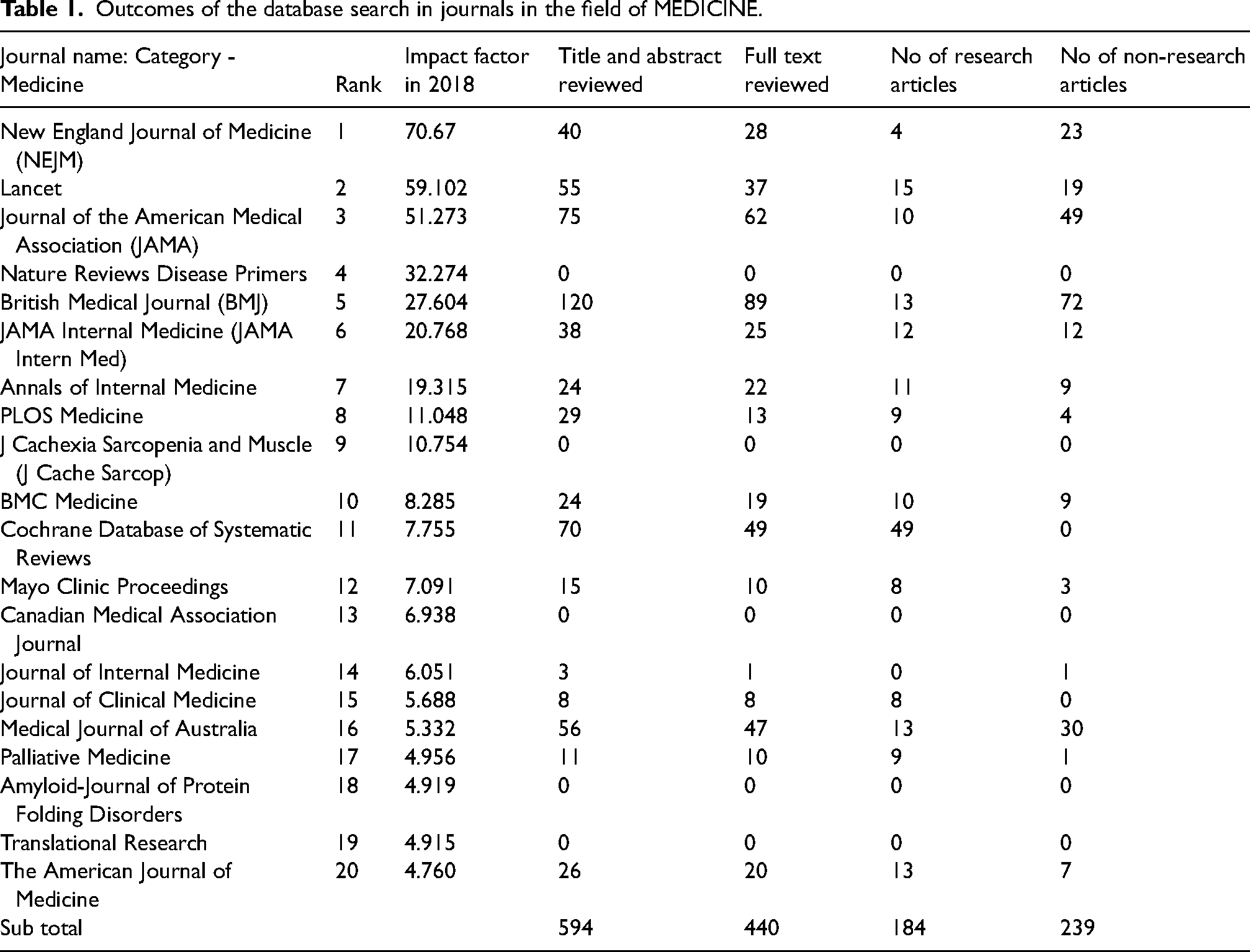
The electronic search of the top 20 clinical journals resulted in 594 articles from title and abstract search. The full text of 440 articles was assessed. One hundred and eighty-four (n = 184) research and 239 non-research articles related to telemedicine were retrieved.
The largest number of publications were in BMJ (n = 85; 20%). Top five journals in the field of Medicine were BMJ, JAMA, Cochrane database, Medical Journal of Australia and Lancet; and they have published 64% (n = 270) of all publications relating to telemedicine for the period between 2010 and 2018. Cochrane Database of Systematic Reviews published the largest number of original research articles (n = 49; 27%) followed by Lancet (n = 15; 8%). The largest number of non-research publications were in BMJ (n = 72; 30%). The top five journals that published non-research articles on telemedicine were BMJ, JAMA, MJA, NEJM and Lancet. The total number of publications was 193 (80%). Interestingly, 5 of the 20 journals studies have not published either original research or non-original research related to telemedicine for the selected period. Those journals were Nature Reviews Disease Primers, Translational Research, Journal of Cachexia Sarcopenia and Muscle, Canadian Medical Association Journal and Amyloid-Journal of Protein Folding Disorders. Journal of Internal Medicine had only one non-research article related to telemedicine. The top five countries that publication authors were affiliated with: the USA (n = 73; 40%), the UK (n = 41; 22%) and Australia (n = 26; 14%), the Netherlands (n = 7; 4%) and Germany (n = 6; 3%).
In the following section, the research papers in the top 20 journals in the field of general medicine will be further described.
Original research articles
As Figure 1 shows, there has been a steady growth in the number of research articles published in the clinical journals over time.
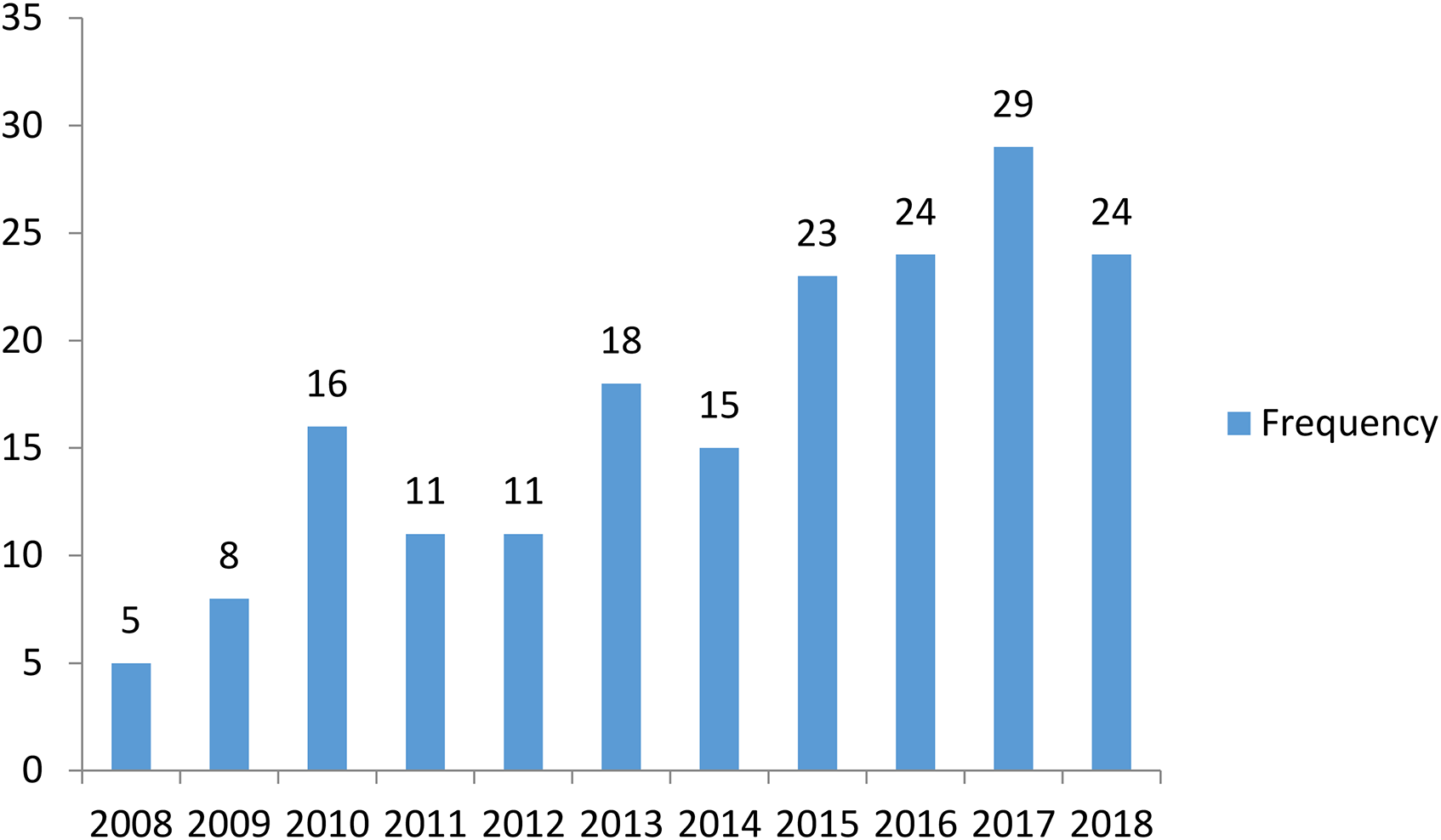
Trends in research articles on telemedicine.
Out of 184 research articles, the majority of publications (n = 88; 47.8%) were review articles: 64 systematic reviews and 24 evidence reviews. Review articles were followed by randomised controlled trials (RCTs) (n = 53; 28.8%) and cross-sectional studies (n = 23; 12.5%). Most of the RCTs’ (n = 25; 47.2%), observational studies (n = 12; 52.2%) and evidence reviews (n = 14; 58.3%) were conducted in the USA, while the majority of systematic reviews were conducted in the UK (n = 26; 40.6%). The majority of original research articles (n = 100; 54.3%) were published later from 2015 to 2018.
Table 2 shows the health aspects that research papers have focused on.
Health conditions reported in research relating to telemedicine.
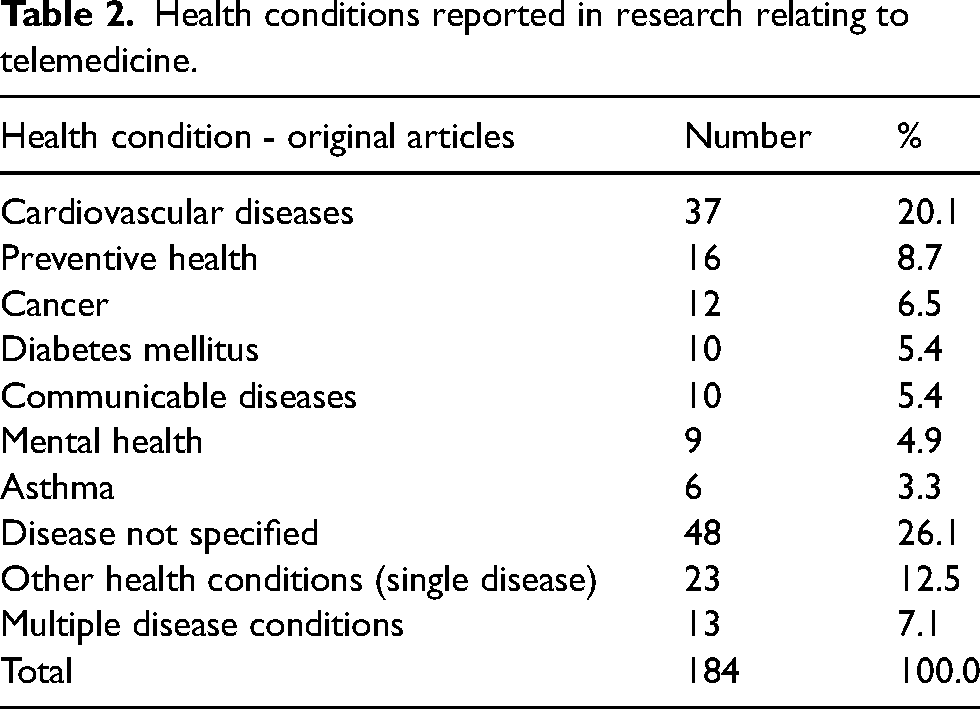
The most common single health condition was cardiovascular disease with 37 papers (20.1%), followed by preventive health with 16 articles (8.7%) and cancer with 12 (6.5%) articles. Other health conditions included diabetes, communicable diseases, mental health and asthma. The significant number of studies (n = 48; 26.1) were conducted without specifying the health condition.
The aspects of telemedicine techniques used by the original papers have been shown in Table 3.
Telemedicine intervention used in research papers.
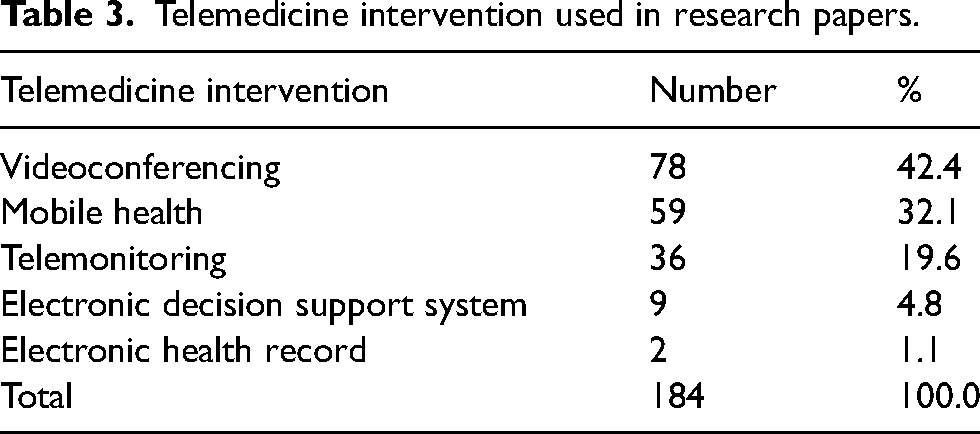
The majority of research published in clinical journals used videoconferencing (n = 78; 42.4%), mHealth (n = 59; 32.1%) and telemonitoring (n = 36; 19.6%) as their telemedicine intervention. Few studies have discussed regarding electronic decision support systems and electronic health records.
The word cloud of the abstracts of the 184 original papers is provided in Figure 2. This figure shows the top 100 terms with the highest frequency in the abstracts of the papers, ranging from 604 (the term ‘care’ with highest frequency) to 68 (the terms ‘reminders’ with lowest frequency among the top ten terms). The term ‘patients’ was also quite pronounced, possibly indicating a shift from a technical focus of telemedicine to a more patient-centric focus.
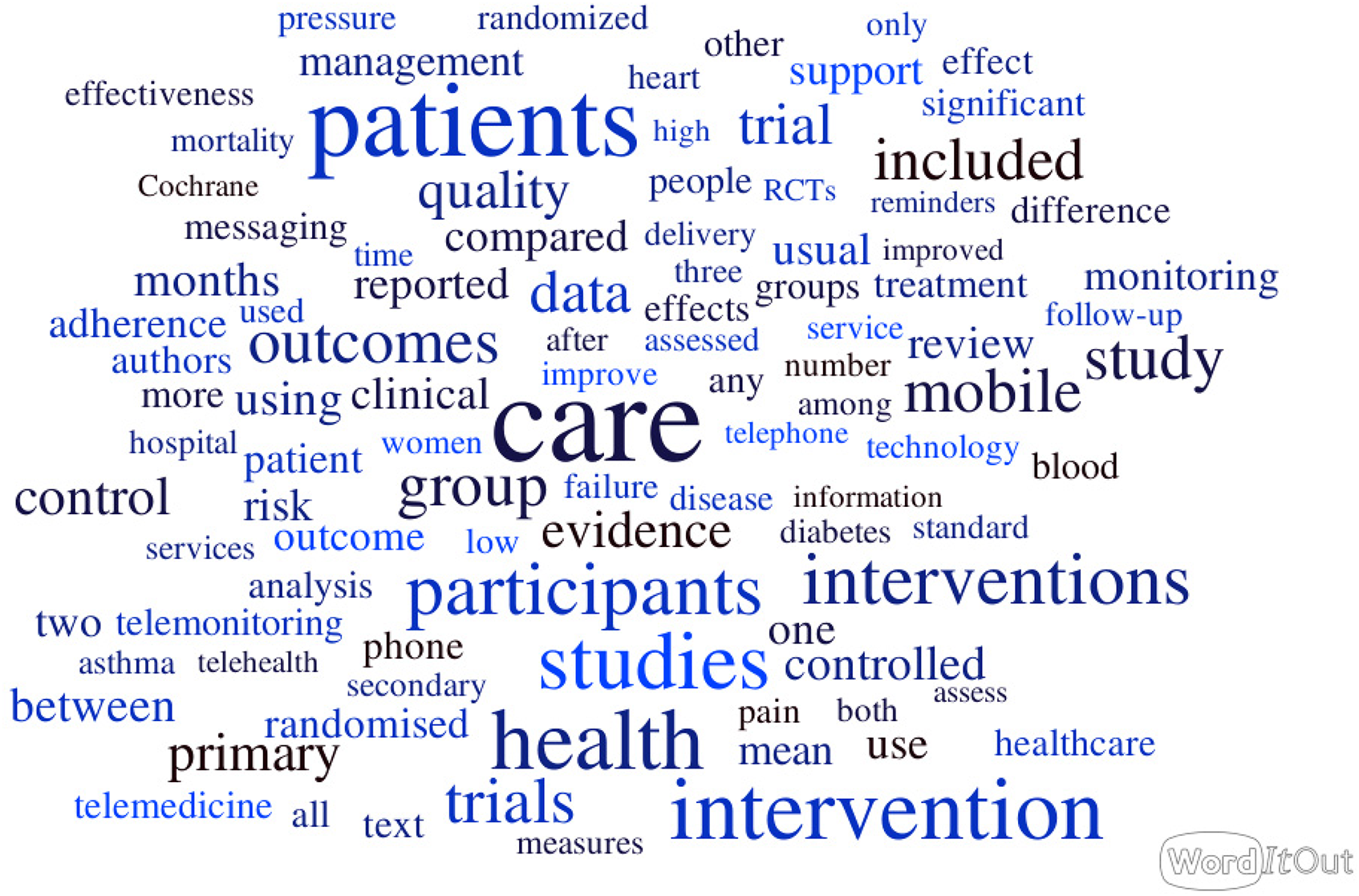
Word cloud of the title/abstract of the 184 research papers.
In the following section, we describe the non-research articles published in the top 20 journals in the field of general medicine.
Non-research articles
Figure 3 provides the publication trends relating to non-research articles in telemedicine published in clinical journals. The general trend indicates a steady increase in the volume of publications.
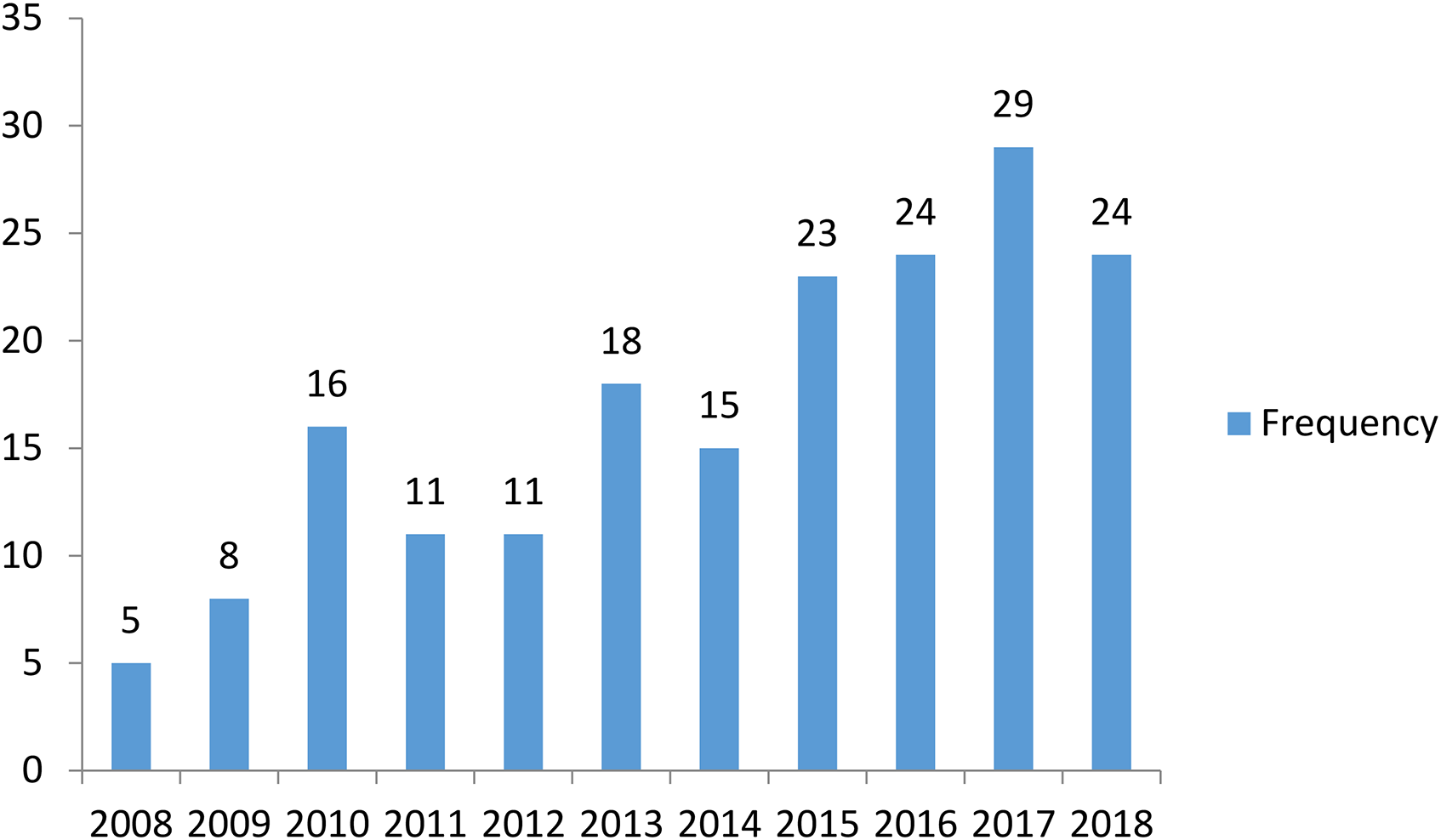
Trends in non-research publications.
The majority of non-research articles were published in the USA (n = 107; 44.8%), UK (n = 65; 27.2%) and Australia (n = 38; 15.9%). The majority (n = 141; 59%) were published during 2014–2018 period.
Table 4 shows the types of non-research articles published in general medicine journals.
Type of publication reported non-research articles.
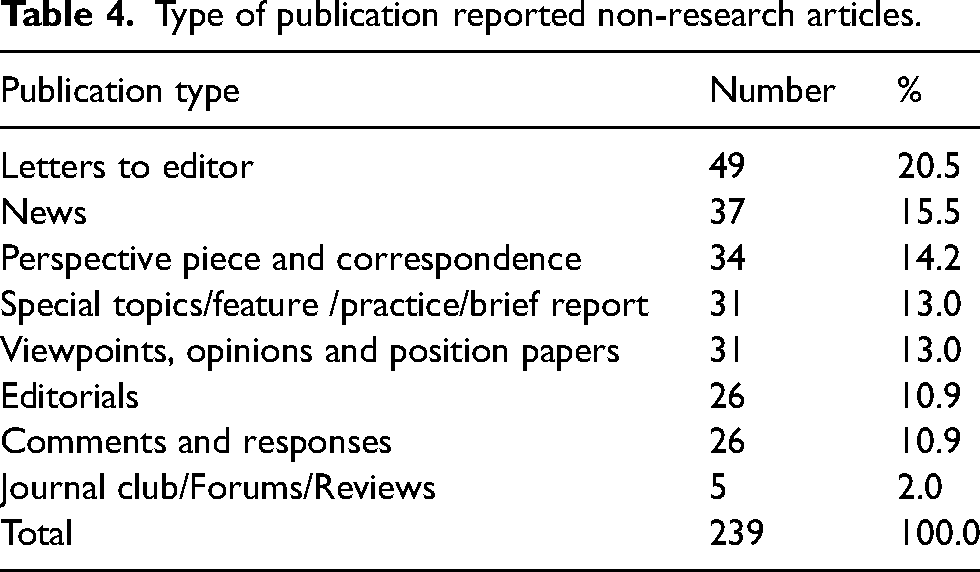
Letters to the editor represented most of the non-research articles (n = −49; 20.5%), followed by news (n = 37; 15.5%), and perspective pieces and correspondence (n = 34; 14.2%).
Table 5 shows the main topic areas covered in the non-research articles.
The focus of non-research articles in the top 20 health-related journals.
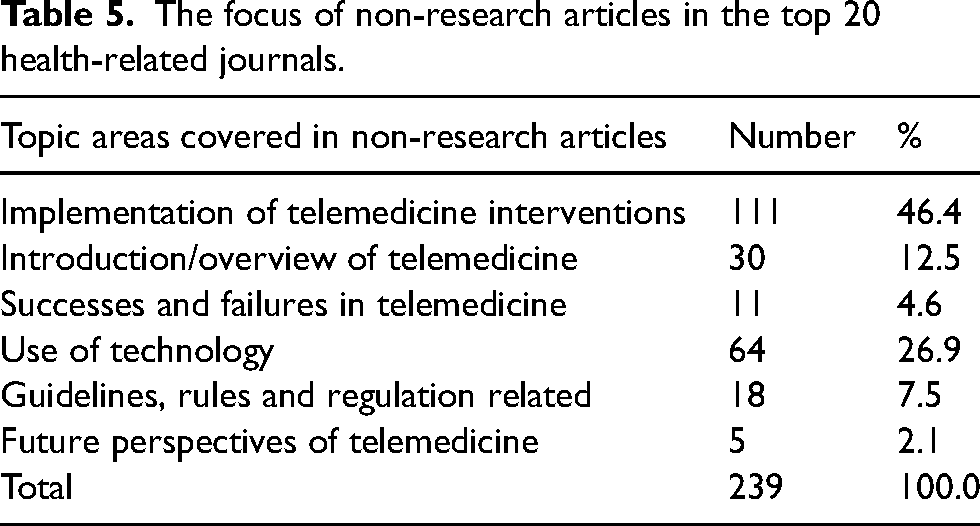
The non-research articles were primarily focused on describing the implementation of specific telemedicine interventions (n = 111; 46.4%). Thirty articles (12.5%) have provided an overview of telemedicine/telehealth. The use of technology was the focus of 64 (27%) whereas stories relating to successes and failures in telemedicine interventions occurred in 11 (5%) of articles.
Table 6 focuses on the health condition described in the non-research articles
Health conditions reported in non-research articles.
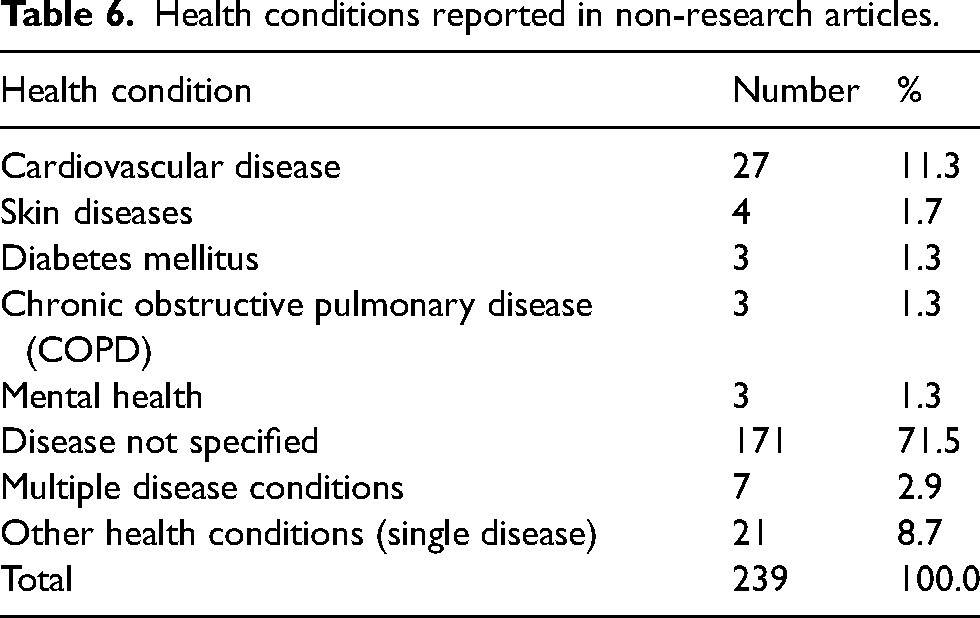
Most of the non-research articles (n = 171; 72%) did not focus on a specific disease condition with the exception of cardiovascular disease (n = 27, 11%).
Table 7 describes the telemedicine modality reported in the non-research articles
Telemedicine intervention described in the non-research articles.
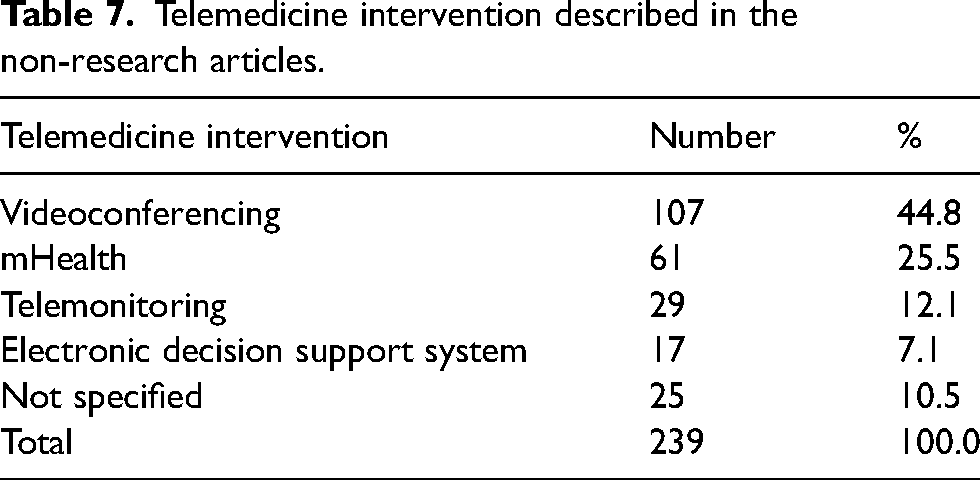
Video-consultation was the most common telemedicine intervention (n = 107; 45%) described in non-research articles followed by mobile health (n = 61; 26%) and telemonitoring (n = 29; 12%).
To illustrate the changes in the main topics under study over time, concept mapping of the title/abstract of the relevant papers was conducted. Figure 4 shows the output of this analysis. The most dominant theme in the papers of 2008–2013 is Mobile, which reflects the emergence of mobile technology and its application in telemedicine research. In contrast, during 2014–2018 the most dominant theme is ‘intervention’, which highlights the attention of the researchers to the evaluation of telemedicine programmes.
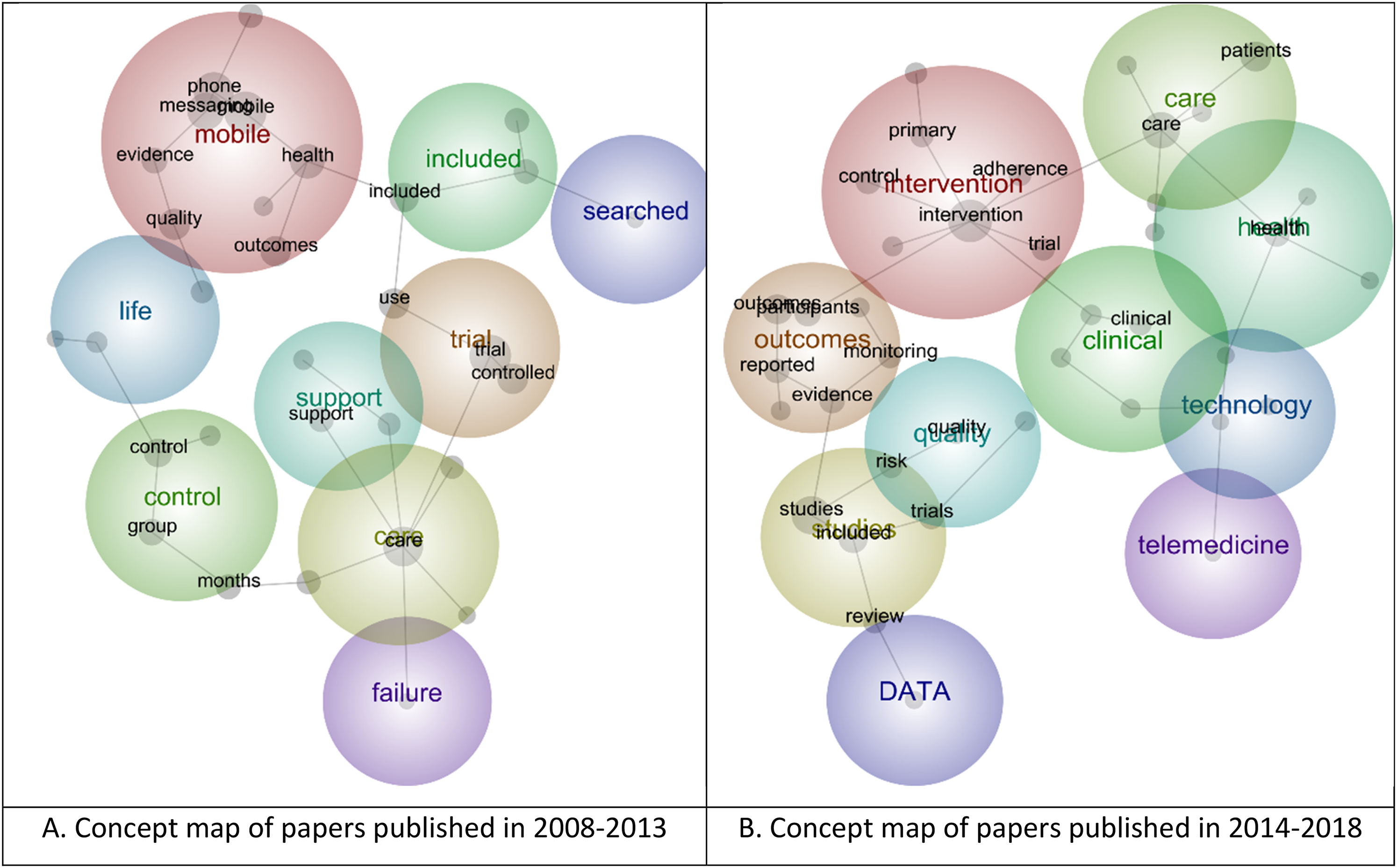
Concept mapping of the title/abstract of the paper in two epochs: 2008–2013, and 2014–2018.
Top medical specialty journals
Publications relating to telemedicine in top 5 journals of fourteen most relevant specialties are presented in the Table 8. Publications are categorised as research and non-research articles.
Telemedicine-related articles in medical speciality journals.
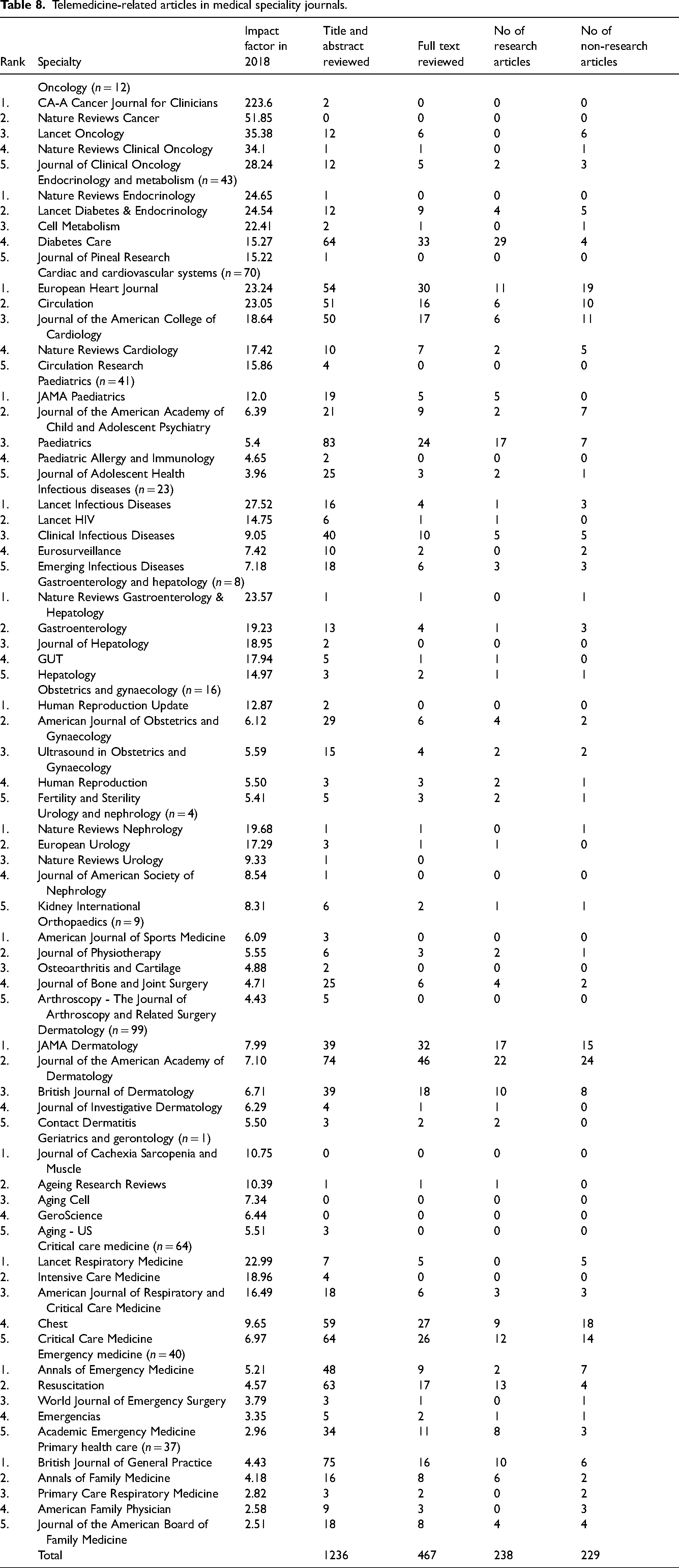
The number of research (n = 238; 51%) and non-research (n = 229; 49%) articles were quite similar. The majority of the articles (n = 255; 55%) were published between 2015 and 2018 period. Most of these articles originated from the USA (n = 301; 65%), followed by UK (n = 36; 8%), Australia (n = 20, 4%) and Germany (n = 16; 3%).
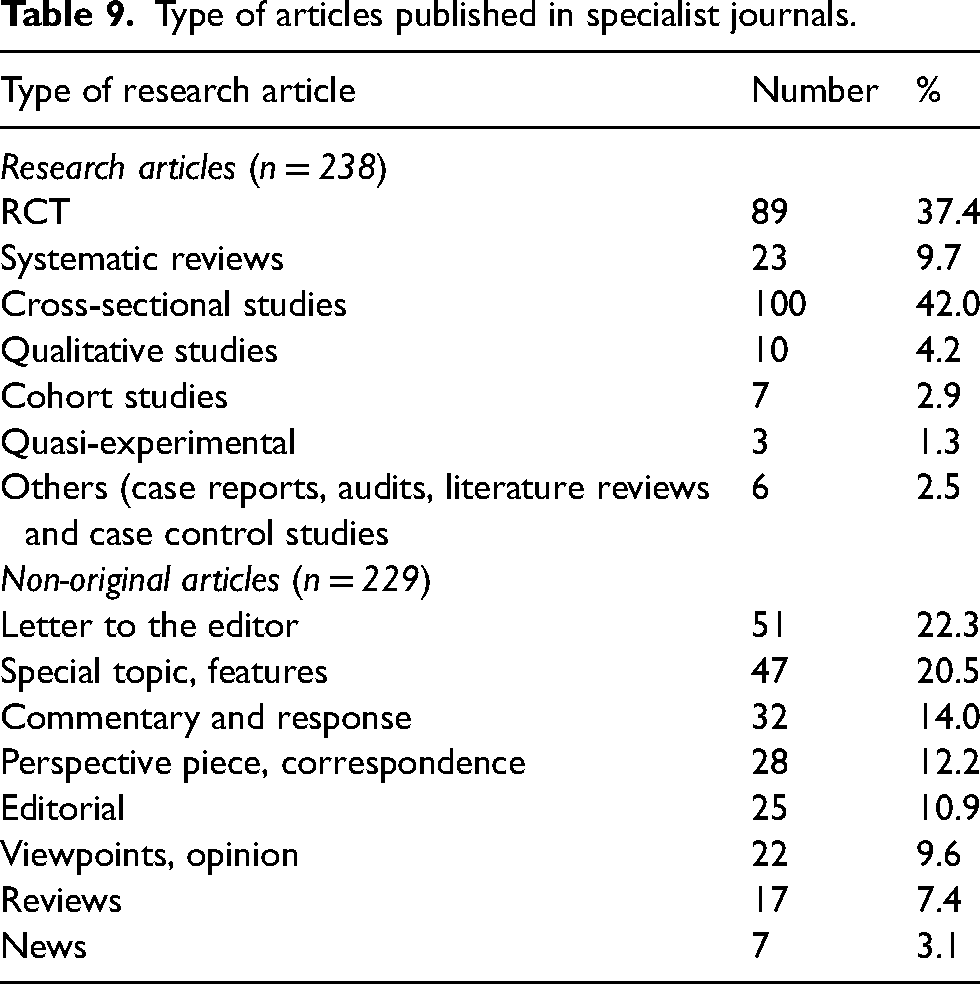
Types of articles published in these 14 specialties are given in Table 9.
Type of articles published in specialist journals.
Main telemedicine topic areas covered in the articles published in medical specialist journals are presented in Table 10.
Main telemedicine topic areas.
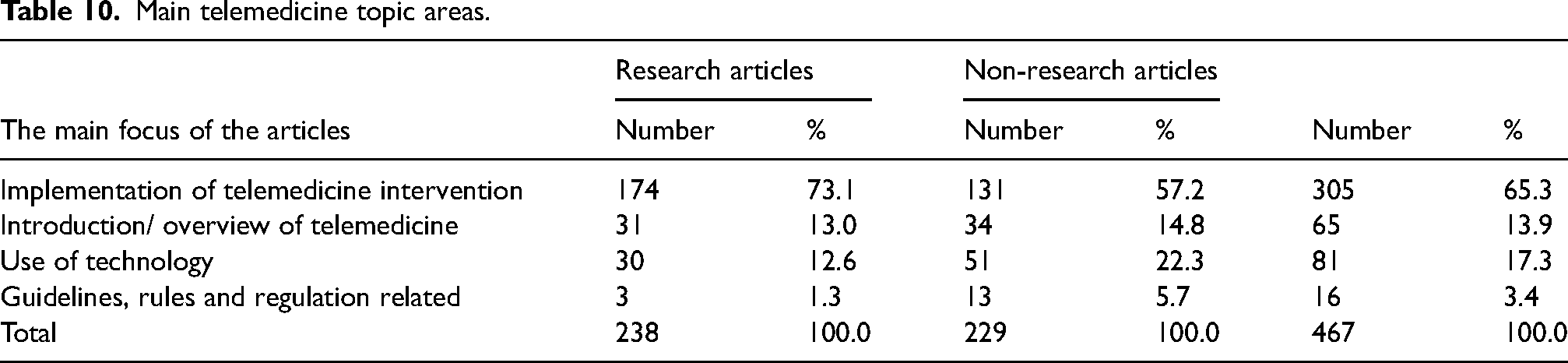
Most of the research and non-research articles were focused on the implementation of telemedicine interventions. General perception on telemedicine, use of technology and rules and regulations were most common among non-research articles.
Table 11 shows the telemedicine interventions described in the articles.
Telemedicine modality described in articles in specialist medical journals.
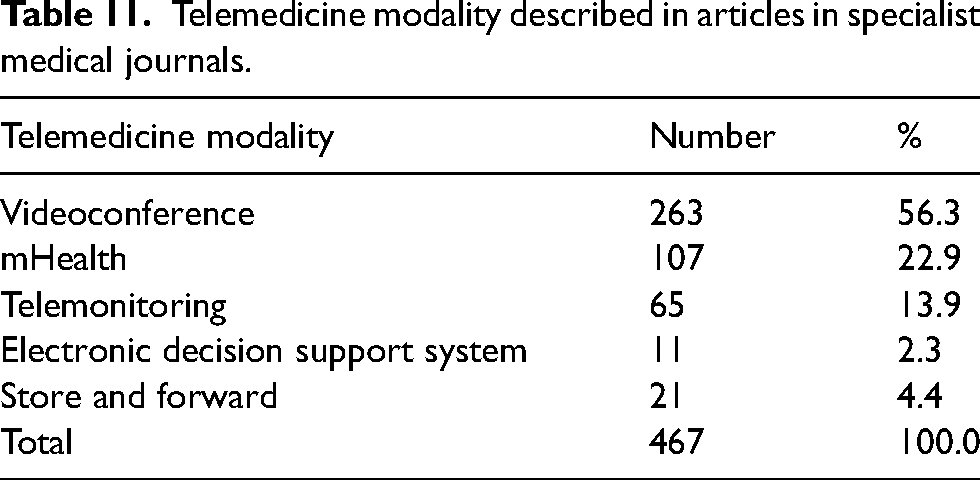
Video-consultation was the most common telemedicine intervention used in the papers published in medical specialist journals. Main specialties were; dermatology (n = 56; 21%), critical care (n = 53; 20%) and emergency medicine (n = 30; 11%). mHealth was also used in dermatology (n = 22; 21%), followed by endocrinology (n = 17; 16%), primary care (n = 13; 12%) and paediatrics (n = 13; 12%). Telemonitoring was heavily used in cardiology (n = 45; 69%). Electronic decision support systems were used for supporting oncology patients (n = 4; 36%).
Table 12 shows the diseases involved in the telemedicine articles published in specialist medical journals. Skin diseases were the most common (n = 95; 20%) followed by diabetes (n = 34; 7%) and cardiovascular diseases (n = 31; 7%)
Discussion
The present study shows that there has been a steady increase in the number of publications on telemedicine in the high IF clinical journals in recent years. However, the majority of such publications are non-research articles where topical issues relating to telemedicine were discussed in sections such as Letters to Editor, News and Perspectives. The number of research articles appearing in clinical journals remains relatively low, but is showing an increase over time. Also, clinical journals seem to give preference to publish RCTs.
The top five countries responsible for telemedicine work published in clinical journals are consistent with the findings of earlier bibliometric analyses in which the USA, the UK, Australia and Germany were responsible for the largest number of papers. 12
In terms of disease conditions, cardiovascular, diabetes, respiratory illness and aged care were the most prevalent. Both research and non-research articles focus on the above-mentioned diseases. The most common and emerging forms of telemedicine included video-consultations, mobile Health and telemonitoring have been the focus of both research and non-research articles. Topics such as guidelines for using telemedicine, reimbursement and legislation issues have been the main focus of articles published relating to non-research. These are reflected in news, perspectives and letter to editors in these journals.
While research relating to telemedicine is increasing in clinical journals, the proportion is small when compared with the number of papers published in telemedicine-focused journals. From 2010 to 2018, there have been 2554 papers published only in two main telemedicine journals – namely Telemedicine and e-Health (1563) and Journal of Telemedicine and Telecare (991).
We are seeing a shift in the focus of telemedicine-related papers from a purely technical/systems’ focus to a more patient/service orientated perspective. This may be a sign that telemedicine adoption is increasing in the health industry and thus the focus is becoming more patient-centric.
The concept mapping of all selected abstracts showed a change between two epochs. During 2008–2013, a special attention has been paid to mobile technology, and in particular, to text messaging, which can be explained by the proliferation of mobile phones. In contrast, during 2014–2018, the most dominant theme of the research in the included papers has been the evaluation of telemedicine. This is represented by a number of themes including ‘intervention’, ‘outcome’ and ‘quality’. This shows a shift in the topic of research from technology in earlier years to the quality of care in more recent years. These findings are consistent with the results of a previous bibliometric study on telemedicine literature. 8
Videoconferencing has been the dominant modality for telemedicine in clinical journals, followed by mHealth. This finding is supported by the results of other studies that highlight the role of VC for remote consultation of patients. 14 Furthermore, considering the rapid growth of mobile phone ownership and penetration rate of cellular internet globally, 15 it is not surprising to see mHealth the second most discussed modality of telemedicine. The relatively low number of papers concerning the use of decision support systems might be due to the terminology for describing such systems in the literature. Such systems in many countries are regarded as a sub-domain of medical informatics, rather than telemedicine.
While the accumulation of robust evidence is important, such evidence must also be available to clinicians and policy makers. High-impact journals may be a good vehicle in this regard. Telemedicine evidence published in reputable clinical journals may help draw attention to this emerging field and assist with the widespread adoption in our health sector.
Attention much also paid to developing the workforce having required knowledge, skills and competencies. Integration of telemedicine-related education and training in medical and health curricula should be considered as an urgent need. 16
However, as yet, there are very few high-quality and large-scale RCTs which demonstrate the effectiveness of telemedicine. Current RCTs are marked by flaws in study design and a relatively short duration of intervention, which reduces the likelihood of publication in high-impact medical journals. The majority of telemedicine studies focused on access improvement, cost savings relating to travel and perceptions of stakeholders. Redundancy of such questions may be another reason why high-impact journals have been reluctant to publish studies in this field.
Limitations
This study purposely focused on the top clinical journals with the highest IF. This method may have excluded some relevant clinical journals in the review. For example, clinical journals focusing on health areas such as diabetes and stroke have published a significant amount of evidence. These journals do not feature in the top clinical outlets.
Conclusions
Telemedicine articles are being more commonly published in clinical journals, which is a sign of maturity and growing interest to clinicians and health service managers. High-level journals are the ideal vehicle to promote telemedicine as it provides the discipline exposure to practitioners. The results of this study indicate the best strategy to increase telemedicine publication rates in high-impact clinical journals is to focus research efforts on well-designed robust RCTs. We can suggest the continued need for high-quality quantitative and qualitative research studies on the topic to demonstrate clinical and cost-effectiveness, user experience (clinician and patient) and factors which influence sustainability.
Footnotes
Authors contributions
SE and NA designed the study. JH led the search design. BS and MB completed the first round of the literature search. All authors took part in the secondary review of the data. FF conducted the data illustration using word-clouds. AS led the data interpretation. SE drafted the first version of the manuscript. All authors assisted in revising subsequent versions of the paper to finalise the paper.
Declaration of conflicting interests
The author(s) declared no potential conflicts of interest with respect to the research, authorship, and/or publication of this article.
Funding
The author(s) received no financial support for the research, authorship and/or publication of this article.
