




Abstract
This study examines the influence of social media on regional destination brand identity, addressing post-COVID-19 challenges for regional destinations through the Adaptive Control of Thought-Rational (ACT-R) theory framework. We conducted two studies: a qualitative analysis of 2325 social media user-generated content posts using Leximancer, and a quantitative survey of 1239 potential tourists using structural equation modelling (SEM) with AMOS. The qualitative study identified distinctive brand associations for the regional tourism destination, which informed Study 2. The quantitative study demonstrated that electronic word of mouth (eWOM) on social media has a positive influence on perceptions of regional tourism destination brand identity, affecting tourists’ intentions to visit and recommend that destination. This study highlights the role of social media in reinforcing regional destination brand distinctiveness, emphasising the importance of information consumption and information sharing on social media by tourists. Further, it addresses a literature gap on regional tourism brand identity formation. It offers practical insights for brand managers and practitioners seeking to establish strong regional tourism brands through social media.
Keywords
Introduction
In challenging times, destination marketing organisations (DMOs) increasingly prioritise branding strategies to differentiate their destinations in the marketplace (Bergman et al., 2020; García et al., 2012; Ravichandran, 2024). Destination brand identity (DBI) is the cohesive blend of a destination's physical attributes and experiential meanings that conveys its unique essence to stakeholders, enabling clear differentiation from competing destinations (Bose et al., 2022; Qu et al., 2011; Yen et al., 2020). A strong DBI is crucial for attracting tourists, as it conveys the core values and offerings a destination wants to communicate (Bregoli, 2013; Wong and Teoh, 2015). While national and city-level destinations appear adept at leveraging branding, regional destinations often lag behind (Paulino et al., 2021; The Place Brand Observer, 2021). Prentice and Hsiao (2021, 1) noted “the imbalance of economic well-being between capital cities and regional areas in many parts of the world,” highlighting the need to boost regional tourism, which is vital to a country's economy. Developing a clear and distinctive brand identity is the foundation of effective regional destination branding (Ravichandran, 2024). It involves articulating the unique combination of tangible (e.g., landscape, built heritage) and intangible (e.g., culture, traditions) assets that differentiate a region from competitors (Bose et al., 2022). Several critical factors, including effective governance, stakeholder collaboration, and the uniqueness of attractions, influence the success of regional tourism destination branding initiatives (Lestari et al., 2022).
Within this context, wine regions represent a particularly valuable type of regional destination, as they have emerged globally as popular tourist attractions and significant contributors to regional economies (Hindjou and Dixit, 2025; Wine Traveller, 2021). For instance, in Australia, the government's $50 million support package dedicated to exports and regional wine highlights the growing economic significance of wine tourism (Wine Australia, 2019). Wine regions exemplify how regional destinations can develop distinctive identities by emphasizing the experiential aspects of tourism rather than focusing solely on production metrics (Hindjou and Dixit, 2025). Bonn et al. (2018) specifically highlighted the necessity of addressing social media dynamics in wine tourism research, emphasizing that responsiveness to market trends via digital platforms is integral to successful destination branding. Bruwer and Joy (2017) suggest that the attractiveness of wine regions is driven more by the holistic visitor experience, encompassing digital interactions through websites, online communities, and particularly social media, rather than merely the scale of wine production. Furthermore, Wu et al. (2024: 2602) posit that social media platforms “provide a venue for tourists to share their reviews, experiences and perspectives” and that “This information is valuable for potential tourists seeking insights”. This indicates future research should further verify if these insights remain relevant given the rapidly evolving digital environment.
Among various wine regions, the Swan Valley Wine Region (SVWR), the oldest wine region in Western Australia, was specifically selected as a representative case study. SVWR is particularly suited for examining DBI formation due to its unique combination of historical significance, direct accessibility from a major metropolitan area (Perth), and the substantial economic contribution of approximately $350 million annually (Wine Australia, 2019). Additionally, SVWR's branding challenges, such as inconsistent promotional campaigns and fragmented stakeholder communications, provide a fertile context for exploring the complexities and strategies required to develop a coherent and attractive regional brand identity. Compared to other prominent Australian wine regions, such as Margaret River and the Barossa Valley, SVWR offers distinct practical insights due to its proximity to a major urban centre, highlighting issues related to urban influence, local community dynamics, and direct competition in a highly accessible tourism market (Swan, 2024).
Regional destinations often face unique branding challenges due to their geographic dispersion and diverse local businesses (Bregoli, 2013; Perkins et al., 2020). Developing a coherent DBI in these regions is complex due to varied stakeholder interests and community identities (Cox and Wray, 2011; Ravichandran, 2024; Wheeler et al., 2011). Consequently, successful regional DBI formation relies heavily on collaborative approaches to ensure consistency and community buy-in, although achieving such synergy remains a significant challenge (Perkins et al., 2020).
Post-COVID-19, regional destinations face intensified branding challenges, as prolonged and/or intermittent absence of visitors has weakened destination brand identities. The Australian Regional Tourism (ART) Federal Budget Submission for 2021/22 underlines that COVID-19 significantly diminished visitation and revenues from both domestic and international tourists, emphasising the critical need to rebuild robust DBIs as travel restrictions ease (ART, 2022). Understanding the factors that drive tourist visitation and the specific DBI attributes that influence travel decisions is therefore pivotal for future branding strategies (Cai, 2002; Pereira et al., 2022).
To foster brand loyalty, destinations must align their brand promises closely with tourist expectations (Lim and Weaver, 2014; Pike, 2009). Yet, clearly defining regional DBI remains complicated due to the diversity of stakeholders and the range of tangible and intangible destination attributes involved (Wheeler et al., 2011).
Moreover, the rise of social media has profoundly altered how destination information is disseminated, greatly impacting DBI formation (Dedeoğlu et al., 2020; Hays et al., 2013; Liu et al., 2024; McCreary et al., 2020; Paniagua and Huertas, 2018; Saraniemi and Komppula, 2019; Wu et al., 2024). User-generated content (UGC), including electronic word-of-mouth (eWOM) and online reviews, significantly influences destination awareness and image, essential components of DBI (Dedeoğlu et al., 2020; Fortezza and Pencarelli, 2018; Liu et al., 2024; Moro and Rita, 2018; Quoquab et al., 2021; Tsaur et al., 2016; Wang et al., 2021). Saraniemi and Komppula (2019) argue that DBI evolves significantly through online social interactions, while Bigne et al. (2019) suggest that UGC can substantially enhance a destination's perceived attractiveness. Despite its importance, existing literature indicates a limited understanding of social media's role in shaping the connections between individuals and regional destinations (Chi et al., 2020; Jamshidi et al., 2023). Therefore, examining how Internet-based content affects DBI formation remains critical for advancing tourism research and practice.
Despite growing recognition of UGC in shaping destination image, limited empirical research has directly examined how eWOM, both actual and self-reported, contributes to the formation of regional DBI, especially in post-COVID contexts where regional destinations must rapidly rebuild brand equity. This study addresses this gap by examining how digital narratives impact tourists’ perceptions of a regional wine destination's brand. Furthermore, while existing research has explored eWOM in general tourism contexts (Aprilia and Kusumawati, 2021; Sundram et al., 2022), this study specifically examines the relationship between actual behaviour (real UGC analysis) and self-reported behaviour through surveys. It highlights the importance of UGC as a form of eWOM in shaping a regional destination's identity. Online discussions and reviews about a regional destination have a significant impact on its identity, particularly for prospective tourists seeking eWOM. Accordingly, this study aims to investigate how electronic word-of-mouth (eWOM), in the form of social media user-generated content and self-reported tourist behaviour, influences the formation of destination brand identity for regional destinations. The over-arching research question is: What role does social media play in the formation of regional destination brand identity? To answer this question, the study focuses on the Swan Valley Wine Region in Western Australia to understand the dynamics between social media generated eWOM, tourist perceptions, and DBI development. This research emphasises how eWOM influences tourists’ perceptions, attitudes, and behavioural intentions toward regional destinations. It contributes to academic understanding by revealing how eWOM affects the formation of regional DBI and its impact on tourists’ intentions to visit or recommend the destination.
Theoretical background and hypotheses development
Adaptive control of thought-rational theory
Adaptive Control of Thought-Rational (ACT-R) is a cognitive theory that models human behaviour by simulating how people organise knowledge and generate intelligent actions (Anderson, 1996; Anderson et al., 2004). According to ACT-R theory, memory is structured as a network where information pieces, called nodes, are connected by links representing the strength of their association. These nodes and links are crucial for forming associations that influence behaviour (Anderson, 1996; Cai, 2002; San Martín et al., 2019). Notably, in the context of destination branding, understanding how tourists form associations with destinations is vital. This includes how they develop attitudes, perceptions, and behaviours towards a destination. Therefore, identifying and enhancing key destination brand associations is crucial for DMOs, and the ACT-R theory appears to be suitable in providing a lens through which this phenomenon can be better understood.
By applying the ACT-R theory lens, it is posited that a regional tourism destination is one node in a tourist's memory, with attributes such as perceived quality and image linked to it. These connections help in recalling the destination during decision-making (Solomon et al., 2019), as memory associations shape the attributes a tourist perceives. For instance, external stimuli, such as online reviews, can activate memory nodes related to the DBI of a region (Cai, 2002; San Martín et al., 2019). According to ACT-R theory, exposure to information, such as online reviews, leads to the compilation of knowledge for an individual (Anderson et al., 2004). Thus, external inputs, such as e-marketing campaigns, help maintain activation within the individual's memory network, which is referred to, consciously or subliminally, by the travel decision-making tourist. ACT-R theory thus provides a valuable perspective for exploring the connection between attitudes, perceptions and behaviours, in the context of regional destination brands, such as those at the core of this study. Consequently, ACT-R theory provides a suitable foundation for the proposed relationships of interest as discussed below.
eWOM-seeking and destination brand identity
The growing significance of social media content has positively impacted destination brand awareness, destination choice, and perceived digital image (Bigne et al., 2019; Dedeoğlu et al., 2020; Fortezza and Pencarelli, 2018; Moro and Rita, 2018; Nath et al., 2019). Kim et al. (2017, 687) noted that “social media is an important source of tourism information.” This indicates a change in how tourists search for, find, read, and process information about tourism suppliers and destinations. Molinillo et al. (2018) found that online information sources positively affect a destination's cognitive and affective images, influencing the intention to visit. They explain that “interacting with multimedia-enhanced websites and social media allows consumers to ‘experience’ destinations without actually visiting the physical location and leads to the formation of the destination image” (Molinillo et al., 2018: 117). This finding is supported by Bigne et al. (2019), who also observed that positive reviews enhance the digital image of a destination and increase visit intentions.
Consumers who read tourist reviews are more likely to value the information, shaping their perceptions and image of the destination (Nath et al., 2019), which in turn fosters the desire for a similar experience (Dedeoğlu et al., 2020). Wang and Li (2019: 1090) suggested that “when travellers use travel review websites, they want to use the eWOM posted to help them make travel decisions.” Tapanainen et al. (2021) highlighted the well-known influence of eWOM as a marketing tool, noting its ability to reduce search efforts and mitigate planning risks (Reitsamer and Brunner-Sperdin, 2021). Nath et al. (2019: 1469) noted “eWOM has become an important aspect of tourism product evaluation and tourists’ travel decision processes.” Despite this, Al-Htibat and Garanti (2019) highlighted a lack of empirical research on the impact of electronic communication on tourist behaviour. Therefore, understanding how destination information from social media affects consumer perceptions of DBI is crucial.
Destination brand identity
DBI is defined as “the unique traits associated with a destination that enable stakeholders or tourists to easily distinguish a target brand from other brands” (Yen et al., 2020: 1311). Additionally, Bose et al. (2022) suggest that a region's unique identity contributes to its tourism potential. According to Saraniemi and Komppula (2019), a destination brand is more than just an isolated observation or symbol; it is defined by its identity, which is shaped over time by various stakeholders. Further, DBI includes both tangible and intangible elements (Qu et al., 2011) and reflects the essence or internal aspects of the destination brand (Saraniemi, 2011). However, the core aspects of DBI can differ significantly, resulting in inconsistencies in the literature regarding the factors that best represent a destination's identity. Consequently, generalizing a destination's identity is inevitable owing to its complex nature (Qu et al., 2011). Research on regional destination identity and tourism has demonstrated that destinations construct and reinforce their identity by offering unique cultural and experiential attributes or by leveraging existing brand equity to differentiate themselves in competitive markets (Bose et al., 2022). Theoretically, strong place attachment shapes tourists’ perceived image of the destination, enhancing its appeal and reputation among both visitors and investors (Bose et al., 2017). Saraniemi (2009) emphasized that local culture, the environment, and stakeholders are central to DBI. da Silveira et al. (2013) suggested that environmental conditions play a significant role in shaping brand identity. Kavaratzis and Hatch (2021) argued that the culture, identity, and image of a place are interconnected. Yen et al. (2020) and San Martín et al. (2019) found that destination image, awareness, and perceived quality are key components of DBI and are positively related to tourist satisfaction and loyalty. Similarly, Boo et al. (2009) identified these factors as influential in determining DBI, which affects destination brand value and ultimately impacts tourists’ brand loyalty.
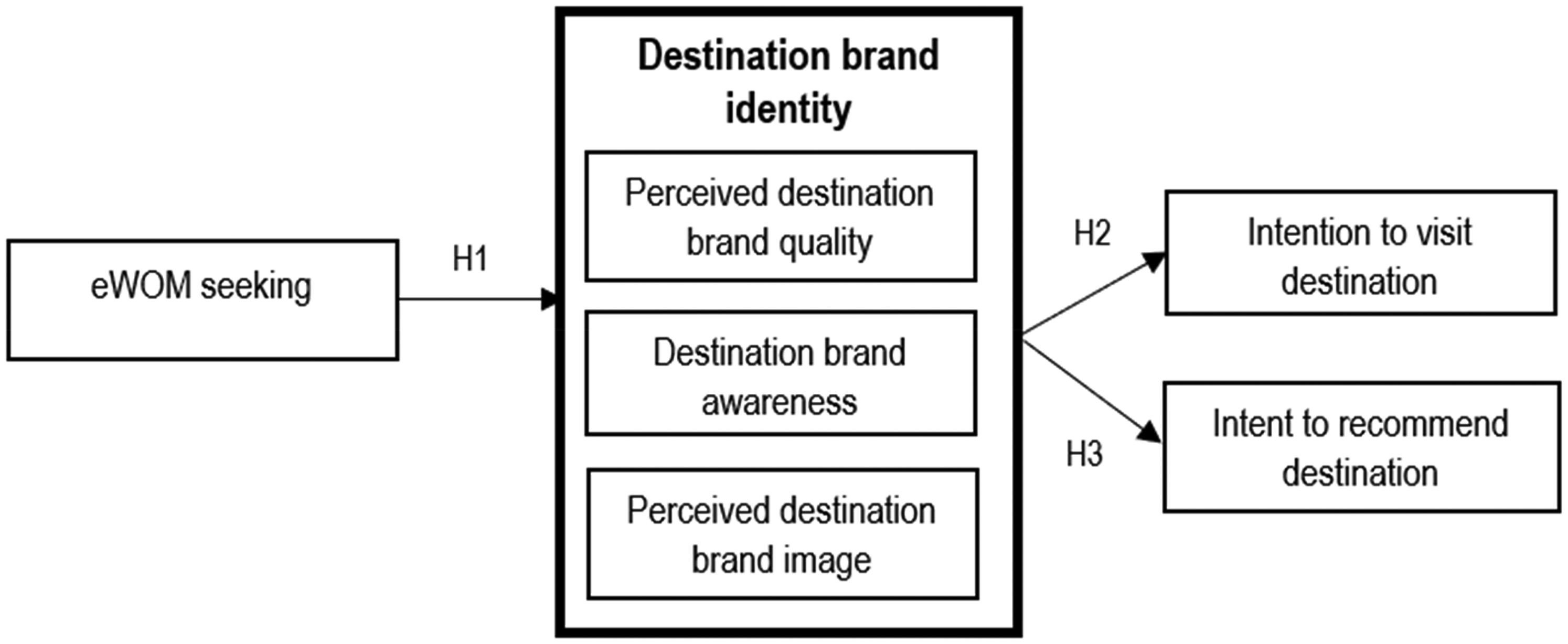
We hypothesise that the views, insights, and recommendations shared via eWOM on social media shape prospective tourists’ perceptions of DBI.
Perceived destination quality
Perceived destination quality refers to a consumer's judgment of a destination's overall excellence or superiority (Zeithaml, 1988) and influences future behaviours and attitudes (Moon and Han, 2018). Tourists who perceive a destination as high-quality are more likely to exhibit positive behaviours such as loyalty, repeat visits, and recommendations to others (Tsaur et al., 2016; Yen et al., 2020). This construct is viewed as a combination of nature (Buhalis, 2000) and service quality. Tosun et al. (2015) described it as comprising two dimensions: destination service quality and destination natural quality. Destination service quality relates to tourists’ evaluation of the performance of services at the destination, while destination natural quality encompasses not only the natural attractiveness but also cultural aspects and the location itself (Tosun et al., 2015). Dedeoğlu (2019) found that image, which positively influences perceptions of destination-service quality, and that both destination-service quality and destination natural quality affect tourists’ intention to recommend the destination. The concept of destination quality is widely recognized as multidimensional, encompassing attributes such as infrastructure, resources, and the natural environment (Assaf and Tsionas, 2015; Gartner and Konecnik-Ruzzier, 2010; Tsaur et al., 2016). Whether destination quality is considered unidimensional or multidimensional, it generally reflects tourists’ perceptions of a destination's ability to meet their expectations and is crucial to their perception of the destination's overall brand identity (Boo et al., 2009; San Martín et al., 2019; Tsaur et al., 2016; Yen et al., 2020).
Destination image
An important aspect of DBI is image, which distinguishes specific tourist destinations from others. A destination image is the collective sum of associations and information related to a destination, encompassing various components and personal perceptions (Murphy et al., 2000). It is considered a complex, multifaceted construct (Kim, 2018; Stepchenkova and Morrison, 2006) and is often described through three dimensions: cognitive, affective, and conative (Kim, 2018; Michael et al., 2018). The cognitive dimension pertains to tourists’ perceptions of a destination's attributes and features, the affective dimension relates to their feelings about the destination, and the conative dimension involves actions taken by tourists based on their cognitive and affective images (Kim, 2018). Perpiña et al. (2017: 7) found that “cognitive attributes measuring destination image perception generally coincide with the cognitive attributes that assess risk perception.” This implies that positive eWOM about attributes such as scenic beauty or favourable weather can alleviate concerns and encourage potential visitors, as seen with destinations like the SVWR.
Destination image has consistently been shown to impact tourists’ decision-making (Afshardoost and Eshaghi, 2020; Loi et al., 2017; Molinillo et al., 2018; Prayag et al., 2017). Furthermore, according to Bose et al. (2022, 514), “Regional identity enhances the image and reputation of the destination among tourists and investors”. It plays a crucial role in influencing behaviours such as revisitation and recommendations, and it also moderates many online consumer-brand relationships (Dedeoğlu et al., 2020; Kim et al., 2017).
Destination brand awareness
In tourism, brand awareness refers to a prospective tourist's ability to recognise or recall a destination during their decision-making process. According to San Martín et al. (2019), brand awareness reflects tourists’ familiarity with a destination and its presence in their minds when considering travel options. It allows a destination to stand out among competing brands (Kladou and Kehagias, 2014; Sürücü et al., 2019). Dedeoğlu et al. (2020) found that social media sharing positively affects destination brand awareness, which in turn enhances tourists’ evaluations of both the quality of services and the natural attributes of a destination.
This study proposes that DBI is a multidimensional construct comprising destination brand awareness, perceived destination brand image, and perceived destination brand quality. These dimensions significantly influence prospective tourists’ behavioural intentions. Therefore, the following hypotheses are proposed:
Building on recent findings by Dedeoğlu et al. (2020), this study explores whether destination information from social media, in the form of eWOM influences the perceived DBI of SVWR. It also examines how this perception affects potential tourists’ intentions to visit and recommend the region. The research framework proposed is illustrated in Figure 1.
Process for data collection and analysis.
Methodology
The study's context: the Swan Valley Wine Region in Western Australia
The Swan Valley Wine Region (SVWR), the oldest wine region in Western Australia (WA), offers numerous benefits to its residents, businesses, and the broader community. With over two million visitors annually and contributing $350 million to the WA economy each year (Wine Australia, n.d.), SVWR was chosen as an ideal setting for this study.
Located approximately 25 min east of Perth, within the City of Swan's local government district, SVWR is set in the rural countryside where agriculture is crucial to the region's economic, social, and cultural fabric. As a regional area, SVWR features numerous wineries, market gardens, breweries, distilleries, cheesemakers, and other tourist ventures. It is distinguished as a regional tourist destination by its unique culture and structure and is internationally recognized for its winemaking, being the only Australian wine region accessible directly from Perth.
Despite being marketed as an idyllic tourist destination (City of Green, 2018; Swan, 2019), the region currently lacks a coherent, unified DBI. This issue is compounded by inconsistent brand messages across state-, region-, and business-sponsored promotional campaigns. For instance, the 2018 campaign “Swan Valley Speaks for Itself,” funded by the City of Swan, highlighted that the region's attractions are impressive enough to speak for themselves (Green, 2018). By contrast, the 2019 campaign, “Entwined in the Swan Valley,” introduced unclear messaging that failed to build on the previous year's efforts, resulting in market confusion. The 2020 marketing shift focused on positioning the Swan Valley within the “Destination Perth” framework due to COVID-19, emphasizing a Perth-centric approach rather than a distinct regional identity (City of Swan Tourism Marketing Addendum, 2019–2020).
The Swan Valley faces significant competition from other wine regions, such as the Margaret River Wine Region in WA and the Barossa Valley on Australia's east coast, as well as from international wine regions popular with connoisseurs. The SVWR distinguishes itself from the Margaret River Wine Region and Barossa Valley through unique characteristics that influence its destination brand identity. Margaret River is internationally recognized for its premium wines, coastal attractions, and high-end gourmet tourism, positioning itself toward an affluent and international market (Wine, 2019). In contrast, Barossa Valley emphasizes heritage, traditional winemaking, and gastronomic experiences linked closely to its historic European immigrant roots, appealing predominantly to visitors seeking authenticity and heritage (Barossa, n.d.). SVWR, on the other hand, leverages its proximity to Perth, urban accessibility, and a broader range of tourism activities, including festivals, casual dining, and short-term visits (Swan, 2024). This urban proximity and diversified appeal enable SVWR to attract a diverse demographic profile, including day visitors and family-oriented tourists, creating distinct branding opportunities compared to its competitors. Considering this competitive landscape, empirical evidence is essential for reassessing the region's current destination branding.
Study 1 – Data collection and sample
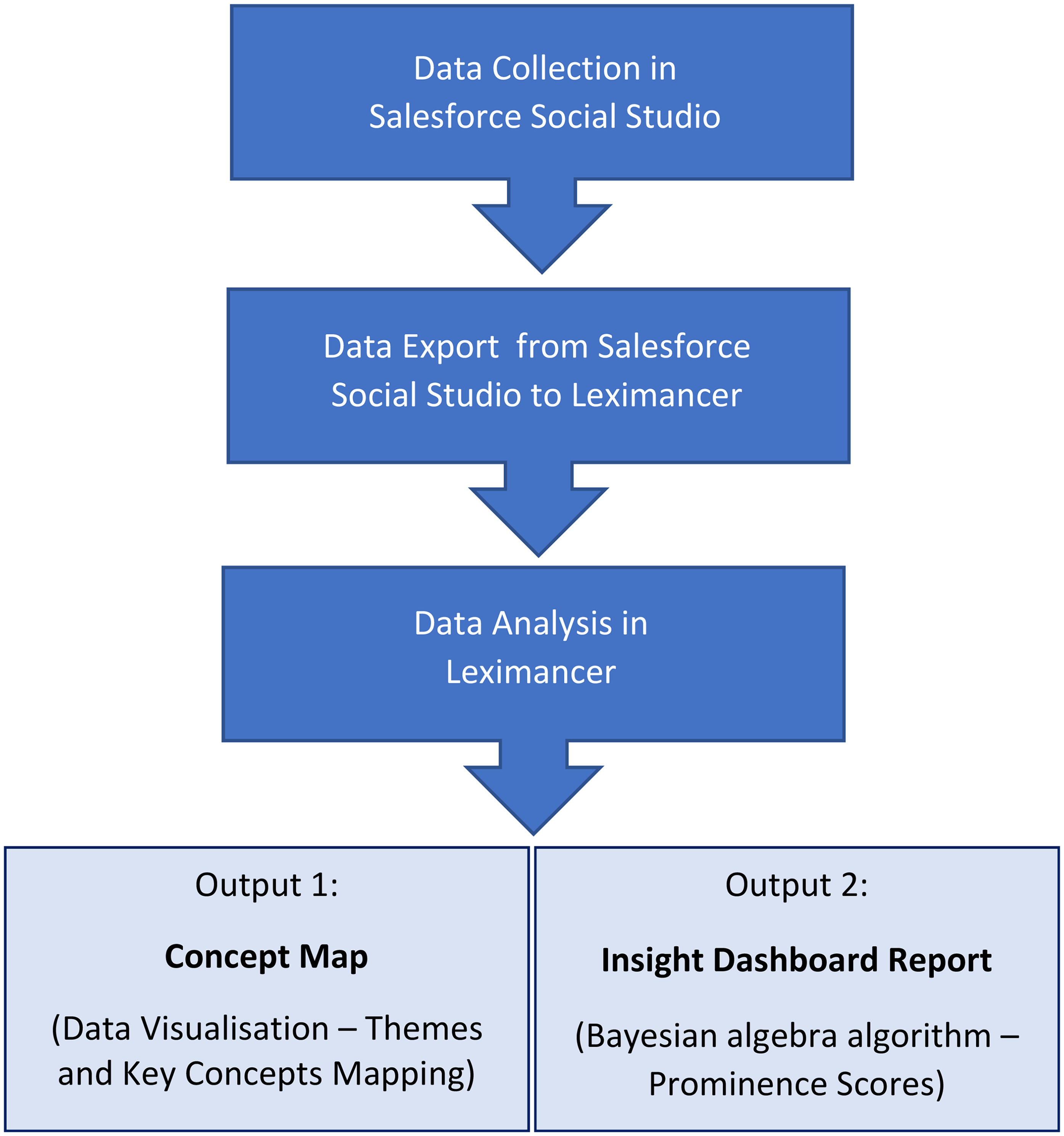
Social media activity for SVWR and its competitors, the Barossa Valley and Margaret River, was monitored using the Salesforce Social Studio platform. Salesforce Social Studio has been used for data collection in many published research studies across various disciplines and topics, including: Twitter (now referred to as ‘X’) content analysis of the Australian bushfires disaster 2019–2020 by Willson et al. (2021), Social media users’ responses to an international sport crisis by Morgan and Wilk (2021), Assessing the state of #digitalentrepreneurship by Wilk et al. (2021), Updating of the social media users’ crisis response framework by Wilk et al. (2025), Exploring online brand destination advocacy by Wilk et al. (2024), Marketing suburban tourism destinations on social media by Vorobjovas-Pinta and Wilk (2022) and in assessing social media users’ responses to supply chain issues by Wilk et al. (2023). As noted by Morgan and Wilk (2021), this platform continues to be one of the industry's key social listening and monitoring platforms. On this basis, it has been deemed suitable for data collection here, as published research studies are required to present managerial implications for industry practitioners; therefore, using platforms such as Salesforce Social Studio resonates with practitioners and validates contemporary research approaches, given that the program is known and used by the industry. Therefore, data were sourced through the Salesforce Social Studio platform and extracted as an MS Excel file, which was then uploaded into Leximancer for further analysis. The data extraction and analysis process is presented in Figure 2.
Research framework.
Consistent with prior research (Damiano et al., 2023; Meek et al., 2021; Morgan and Wilk, 2021; Wilk et al., 2023), we tracked hashtags specific to each region (#swanvalleywineregion, #barossavalley, #margaretriverwine) over three months. The three-month period provided a ‘snapshot-in-time’ lens through which we were able to assess the state of online, social media narrative about the regional tourism destination brand of focus at that particular point in time, without it being related to a specific event or crisis. Similar approaches had been followed by previously published studies, including social media activity about digital entrepreneurship by Wilk et al. (2021) and assessment of online brand advocacy in social media content by Wilk et al. (2019). This ensured that no specific activity, event or crisis would influence the social media content collected for this study, as the objective was to assess the real, unprompted and uninfluenced social media narratives about the regional tourism destination brand to identify relevant brand associations, which informed Study 2. This yielded 906 posts related to SVWR, 594 to Margaret River, and 825 to the Barossa Valley. The data were anonymized during collection before being exported as a .csv file for analysis in Leximancer, as shown in Figure 2.
Study 1 – Data analysis
The UGC from social media was analyzed to assess brand associations and sentiments towards SVWR compared to its competitors. Due to the large volume of qualitative data, we used the artificial intelligence program, Leximancer (Leximancer, 2024), known for its effectiveness in text mining and concept seeding (Meek et al., 2021; Morgan and Wilk, 2021; Wilk et al., 2019, 2023).
Leximancer applies a Bayesian algebra-based algorithm for thematic analysis, visualising data through concept maps and presenting quantitative insights via Prominence Scores (PS). A PS of 1 indicates unique and significant concepts, while a PS of 3 is used for concept pairs (Wilk et al., 2019). This tool provides an unbiased analysis of UGC, highlighting key themes and brand perceptions among tourists.
As the data were social media content, Leximancer standard settings had to be adjusted for the analyses within this study. The Stop Word List was updated in order to ensure all evidence words were included in the analyses. As observed by Goh and Wilk (2024: 1012), “words such as good, great, and never (and many others), are typically excluded by Leximancer and are typically listed in the Stop Word List, which needs to be adjusted manually”. This advice was followed in our research. Leximancer also defaults to assessing 2-sentence blocks of text to identify key concepts and cluster their associations into themes (Leximancer, 2024). As our research assessed social media data, which is typically very fragmented, and the sentences are very short (e.g., LOL. would be considered a sentence but would not provide much lexical meaning), the 2-sentence blocks setting was increased to 4-sentence blocks. This approach had been followed in many previously published research studies, including by Wilk et al. (2021).
Leximancer employs machine-learning algorithms to drive its analysis, using an iterative process that begins with the seeding of word definitions (Leximancer, 2024). This is based on assessing the frequency and co-occurrence of words within the dataset. Through this process, themes emerge from contextually related concepts, which are then visually displayed in a concept map. Such a map typically illustrates themes, key concepts, and the relationships between them. This visual-first, concept map-based lexical analysis supported this study in addressing the research questions.
However, additional analysis, such as the use of tags, was necessary to gain deeper insights into the data. Tags representing criteria or variables from the dataset allowed for a more nuanced exploration of lexical differences. Notably, previous studies (e.g., Wilk et al., 2018, 2019, 2021) have also employed tagging to further interrogate patterns within the data.
Study 2 - Data collection and sample
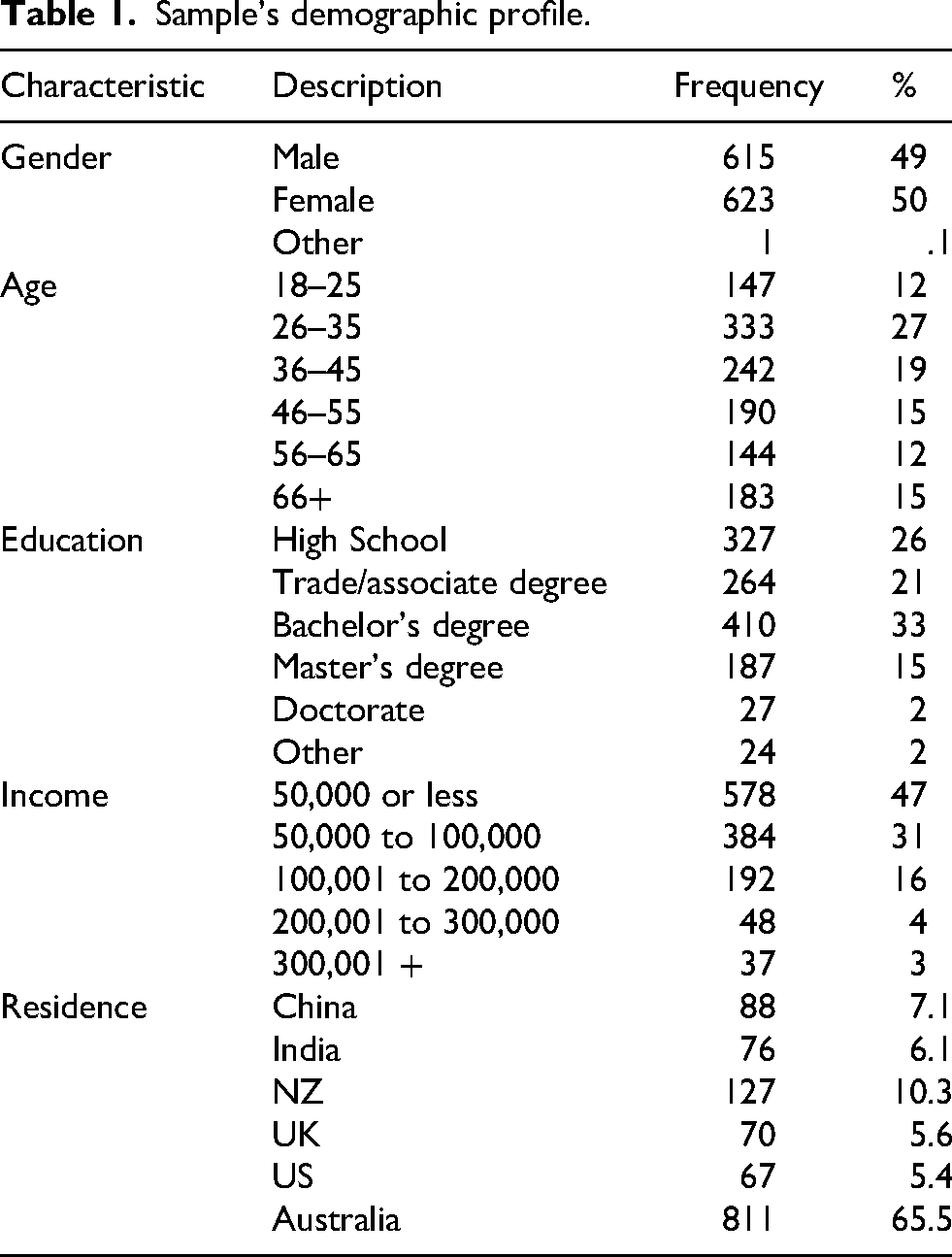
To validate the research model, we designed a survey targeting potential tourists to SVWR. A research panel distributed the questionnaires to ensure representative sampling. The survey included items related to the constructs of interest, with responses rated on a five-point Likert scale from strongly disagree to strongly agree. A pre-test with 150 participants enabled instrument refinements. We collected 1239 valid responses, achieving balanced representation across demographic characteristics, except for the country of origin, which predominantly included local Australian tourists. Table 1 shows the sample demographics.
Sample's demographic profile.
Study 2 - Measures
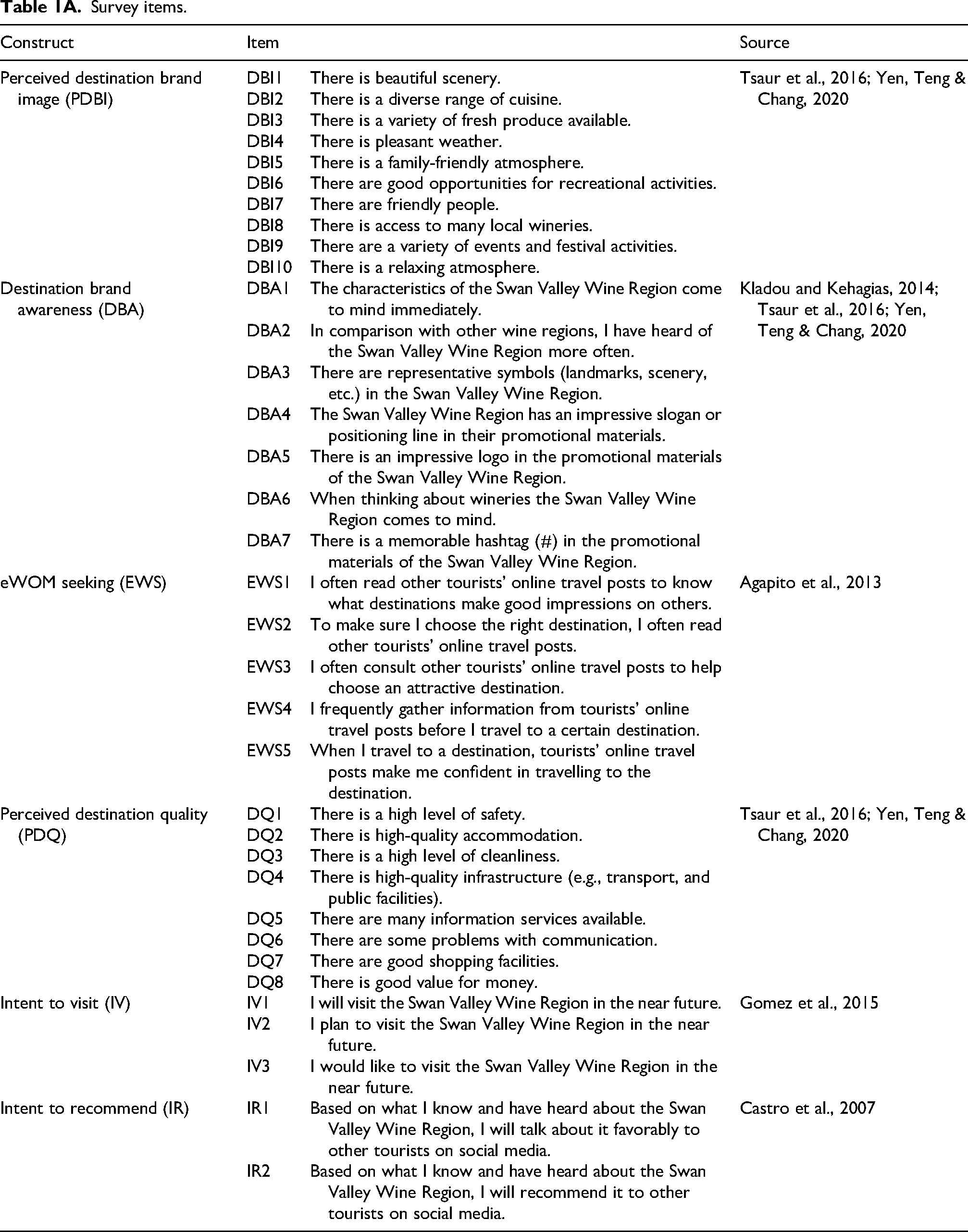
Prior research suggests that removing attributes from scales that are not relevant to a specific destination is acceptable (Tan and Wu, 2016). Consequently, the measures for each construct were adapted from previous studies to fit the context of this study. For instance, attributes such as proximity to the beach or cityscape were deemed irrelevant to SVWR, whereas elements like landscape, shops, accommodation, and wineries are central to its brand identity. The survey was administered to three distinct, non-overlapping groups of respondents: 1. Local Western Australian tourists, 2. National Australian tourists from other states, and 3. International tourists. Respondents answered questions related to SVWR, including their perceptions of the region's image (e.g., whether SVWR offers a diverse range of cuisine), perceived quality (e.g., whether high-quality accommodation is available), awareness (e.g., whether SVWR is recognized as a famous winemaking region in Australia), intention to visit (e.g., whether they plan to visit SVWR in the near future), intention to recommend (e.g., whether they would speak favourably about SVWR on social media), and eWOM-seeking behaviour (e.g., whether they frequently read other tourists’ online travel posts to find popular destinations). For the DBI multidimensional scale, ten items related to perceived destination image and eight items related to perceived destination quality were selected from Yen et al. (2020), previously used by Tsaur et al. (2016). Seven items measuring destination awareness were adapted from Tsaur et al. (2016) and Kladou and Kehagias (2014). The intention to visit construct was assessed using three items from Gómez et al. (2015), while intention to recommend was measured with two items from Castro et al. (2007). The five items for eWOM-seeking behaviour were adapted from a scale designed by Agapito et al. (2013). An overview of the constructs, items, and their sources is provided in the Appendix.
Data analysis and results
Study 1 - Results
Social media activity related to SVWR was predominantly driven by X, YouTube, Facebook, forums, and blogs from Australia, the UK, the US, and Canada. Posts about the Margaret River Wine Region primarily came from YouTube and blogs. By contrast, no specific platform stood out for the Barossa Valley. Notably, the Margaret River Wine Region received social media attention from Japan, while SVWR and the Barossa Valley did not. The Barossa Valley's social media activity included posts from the US, Korea, and Spain. However, Korea and Spain did not contribute to the social media activity for the Margaret River Wine Region or SVWR. Common hashtags in the social media posts included: (perth) wine, (gourmetescape) justanotherdayinwa, (westernaustra) australis, (margaretriver) masterchefau, and (wineanddine) cheese, which highlighted unique aspects of each regional destination.
Prominent themes from social media posts about SVWR were:
Overall, social media analysis indicates that SVWR is noted for its proximity to the city, food and wine offerings, and scenic beauty. Discussions about the Margaret River Wine Region highlight family-friendly aspects, beaches, and holidays. The Barossa Valley is associated with red wine, Shiraz, South Australia, and Adelaide. All three regions are commonly discussed in terms of “wine” on social media (Figure 3).
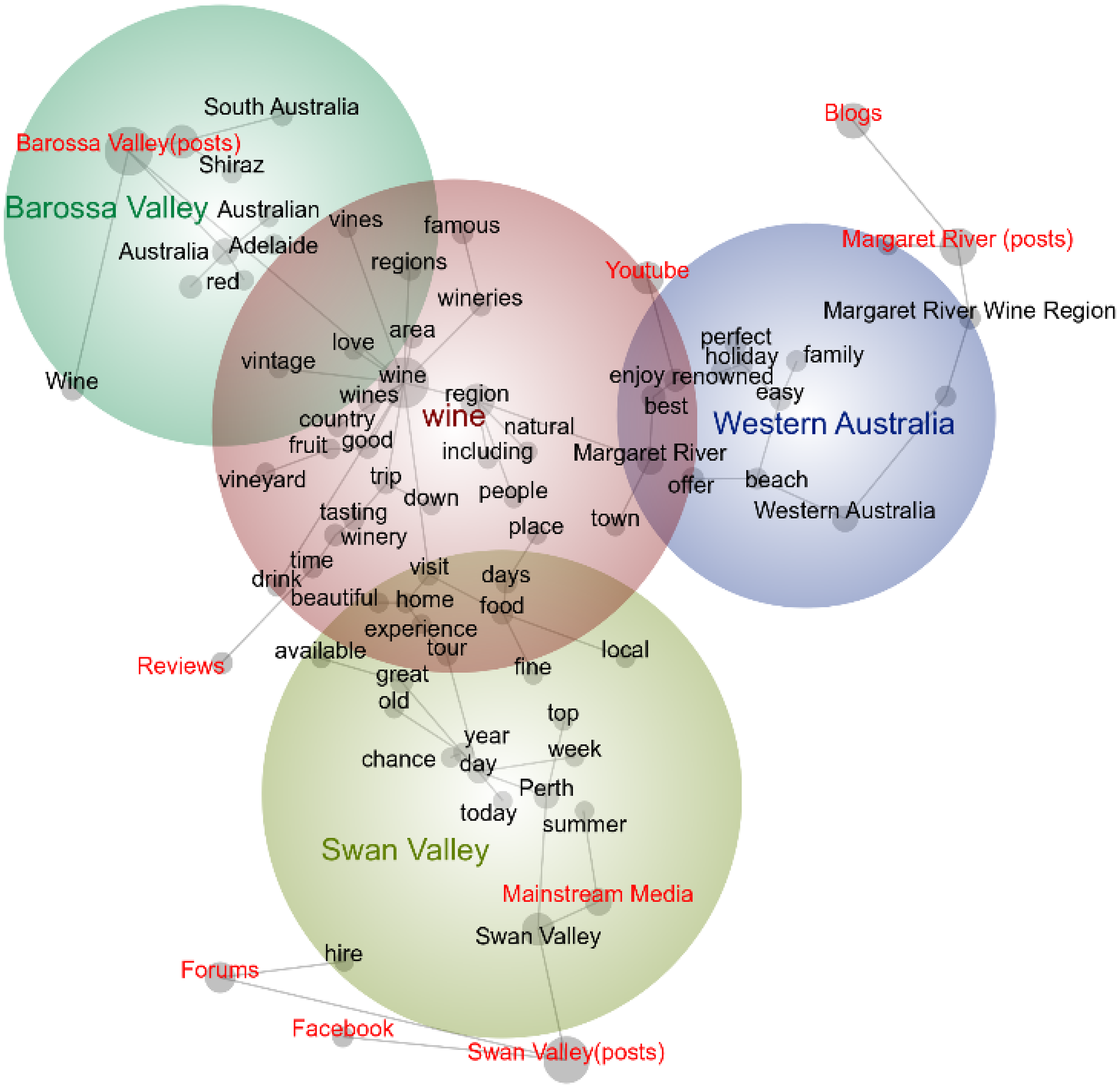
Comparison of social media UGC about the Swan Valley Wine Region regional destination brand with its competitors: MARGARET River and Barossa Valley Wine Region.
Study 2 - Exploratory factor analysis
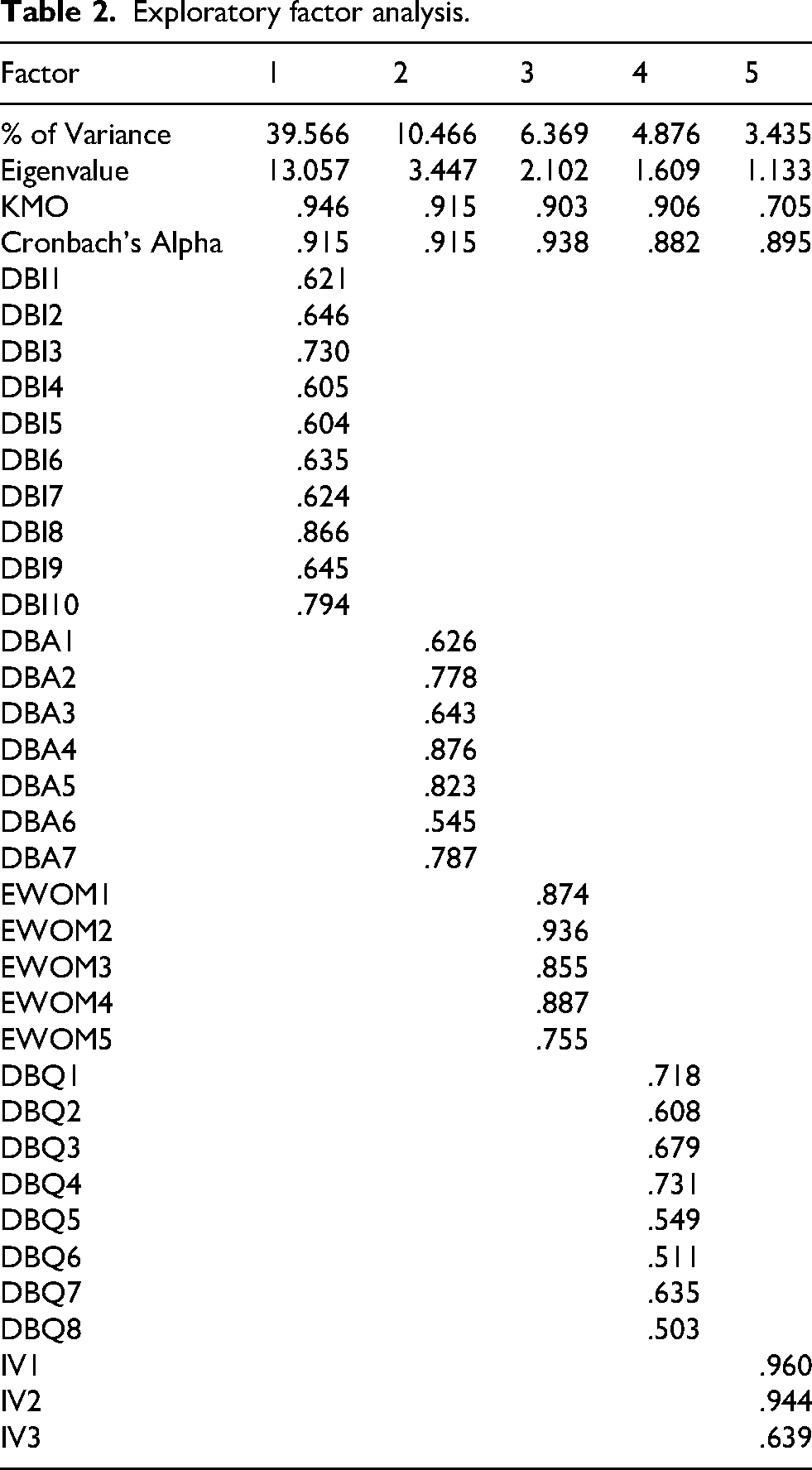
An exploratory factor analysis was performed to explore the dimensionality of the constructs. Maximum likelihood extraction with oblique rotation (Promax) was used, based on eigenvalues greater than one (Gaskin, 2012; Nunnally, 1978). Factors with low loadings (below 0.04), high cross-loadings (above 0.40), and low communalities (below 0.30) were excluded through several iterations (Hair et al., 2012). This iterative process and the rationale that removing items improves construct reliability yielded optimal results. Table 2 presents the analysis details.
Exploratory factor analysis.
Study 2 - Measurement model evaluation
To evaluate the reliability and validity of the measurement model, we conducted confirmatory factor analysis (CFA) using AMOS (version 26) as described by Gaskin (2012). The analysis identified a five-factor model, including latent variables such as eWOM-seeking behaviour and intention to visit. DBI emerged as a second-order latent construct comprising perceived destination quality, awareness, and image. Fit indices indicated that the model fit the data well, as follows: χ 2 = 2804.197; df = 491; p = .000, CMIN = 5.711, GFI = .868, CFI = .913, TLI = .907, RMSEA = .062, and PCLOSE = .000 (Hu and Bentler, 1999).
Convergent and discriminant validity were assessed by examining the measurement model's output. Results showed that covariances were below the acceptable threshold of 0.8, item loadings exceeded 0.60, and composite reliability values exceeded 0.70, indicating good convergent validity (Allen et al., 2010; Gaskin, 2012; Hair et al., 2012).
The average variance extracted (AVE), which measures the variance in items explained by the latent construct (Table 3), exceeded the recommended minimum of 0.5. Furthermore, the square root of each AVE was greater than its correlation with other factors, confirming discriminant validity (Fornell and Larcker, 1981; Gaskin, 2012; Hu and Bentler, 1999).
Average variance extracted.
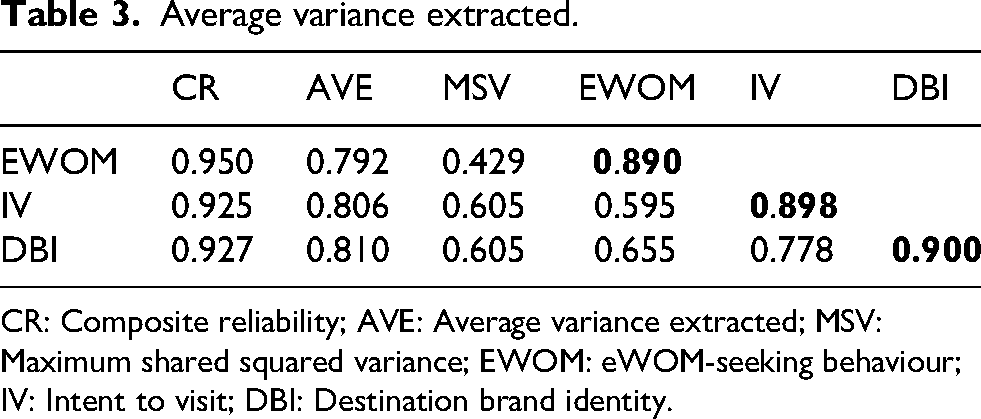
CR: Composite reliability; AVE: Average variance extracted; MSV: Maximum shared squared variance; EWOM: eWOM-seeking behaviour; IV: Intent to visit; DBI: Destination brand identity.
To assess common method bias, we conducted a single-factor test (Malhotra et al., 2006; Meek et al., 2019). CFA on a model where all items were represented by a single factor showed poor fit, suggesting that common method bias is unlikely (Malhotra et al., 2006; Meek et al., 2019).
Study 2 - Structural model estimation
After confirming the measurement model fit, we constructed a structural model using AMOS (version 26). This model includes DBI as a second-order latent independent variable, eWOM-seeking as an independent variable, and intention to visit and recommend as dependent observed variables. Structural equation modelling was used to test all hypothesised paths. The fit statistics indicated that the model fit the data well, with the following results: χ² = 2688.621, df = 555, p = .000, CMIN/DF = 4.844, CFI = .927, GFI = .873, TLI = 9.21, RMSEA = .056, and PCLOSE = .000. To ensure the robustness of the analysis, we conducted additional diagnostics. DBI was specified as a second-order latent construct composed of three first-order latent variables: perceived destination quality, destination image, and destination brand awareness. This hierarchical structure was validated through confirmatory factor analysis (CFA), which supported the multidimensionality and theoretical validity of the DBI construct. Inter-construct correlations remained below 0.85, confirming the absence of multicollinearity and supporting discriminant validity (Allen et al., 2010; Gaskin, 2012; Hair et al., 2012). Modification indices were reviewed, but no model re-specifications were made to preserve theoretical consistency. These steps enhance the reliability and explanatory power of the structural model.
Study 2 - Hypothesized relationships
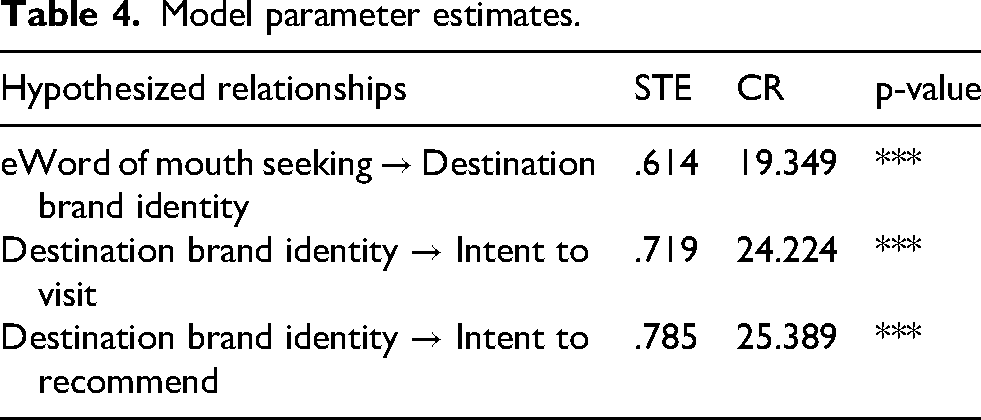
The estimated path coefficients of the structural model were analyzed to test the hypotheses. Table 4 displays the standardized path coefficients (STE), t-values (CR), and p-values for the latent variables. Results show that eWOM-seeking significantly influences DBI (β = .61, p = .000), supporting H1. This finding is consistent with previous research highlighting the role of UGC in shaping brand identity (Dedeoğlu et al., 2020; Fortezza and Pencarelli, 2018; Moro and Rita, 2018). The path between DBI and the intention to visit was very strong (β = .72, p = .000), and the path between DBI and the intention to recommend was also very strong (β = .79, p = .000), supporting both H2 and H3. These findings align with research suggesting that both perceived quality (Dedeoğlu, 2019; Tsaur et al., 2016; Yen et al., 2020) and perceived image (Dedeoğlu et al., 2020; Kim et al., 2017) significantly impact a tourist's intention to visit or recommend a destination. The inclusion of destination brand awareness as a key component of DBI underscores the strength of these relationships.
Model parameter estimates.
Discussion
Through the lens of ACT-R theory, this study operationalized a regional destination as any area outside major cities, characterized by its unique culture and structure (Tourism Australia, 2022). Research on regional destinations has recently emerged (Ageeva and Foroudi, 2019; Trunfio and Della Lucia, 2019; Villamediana-Pedrosa et al., 2020), however, exploration into the formation of regional destination identity through online communication is limited, particularly regarding the relationship between eWOM-seeking and regional DBI.
Our findings reveal that prospective tourists’ eWOM-seeking on social media strongly predicts their perception of DBI. This, in turn, positively influences their intention to visit and recommend the destination. eWOM-seeking serves as an indicator of tourist intent by shaping their view of regional destination quality, image, and awareness. González-Rodríguez et al. (2022) observed that enhanced eWOM credibility reduces perceived risk and increases the usefulness of information, thereby encouraging visitation. Chopra et al. (2022) found that the quality and quantity of eWOM are key factors influencing travel-related behaviours, including both giving and seeking eWOM. Thus, the process of seeking eWOM and the information it provides are crucial in connecting prospective tourists to a destination. eWOM-seeking influences tourists’ perceptions of a regional brand's identity, which can either align with or differ from their understanding of the destination, ultimately affecting their intent to visit and recommend it. The underlying mechanism of eWOM's impact on destination brand identity lies in its ability to shape consumer perceptions, influence expectations, and build trust. EWOM provides travellers with valuable insights into a destination's qualities, experiences, and reputation, ultimately influencing their decision-making and perceptions of the destination's brand. For example, eWOM, especially positive reviews, can significantly impact how travellers perceive a destination (Meek et al., 2021). These reviews provide real-world experiences and insights that can be more persuasive than traditional marketing materials. By sharing information about specific aspects of a destination (e.g., attractions, accommodation, cuisine), eWOM helps travellers form expectations about what they can expect from their trip. Meeting or exceeding these expectations can lead to a positive brand image, while falling short can negatively impact perception. Therefore, this study addresses gaps Chi et al. (2020) identified regarding the influence of visitor appraisals on DBI evaluations.
From the ACT-R theory lens (Anderson, 1996), the concept of spreading activation is relevant here. According to ACT-R, the formation of DBI and associated behavioural intentions is reinforced by information nodes and their interconnections. Information encountered through eWOM-seeking, along with past or concurrent exposure to advertising, influences these connections in the regional DBI context. This process occurs within the consumer's black box, affecting the development of associations, perceptions, and attitudes that guide behaviour (Solomon et al., 2019).
The link between eWOM-seeking and the intent to recommend a regional destination (eWOM giving) is crucial for regional destinations such as the Swan Valley Wine Region. Although recent studies highlight the impact of online brand advocates on consumer behaviour (Wilk et al., 2021), this study demonstrates that prospective tourists who have never visited a regional destination may still intend to recommend it by giving positive eWOM, provided they first seek eWOM and develop a positive perception of the DBI. This study highlights the complex nature of consumer behaviour and behavioural intentions within the regional destination tourism context.
Practical implications
The impacts of COVID-19, such as travel restrictions and border closures, severely affected regional destinations, which often lack the appeal and marketing reach of major cities. As travel restrictions were lifted, the focus shifted to building a strong DBI, which is essential for motivating tourists to visit (Bregoli, 2013; Wong and Teoh, 2015). However, regional destinations often struggle with branding and marketing compared to country and city destinations (Paulino et al., 2021; The Place Brand Observer, 2021). This study demonstrates that social media UGC is rich with brand associations related to regional destinations. Thematic analysis shows that social media users significantly influence a regional brand's identity, aiding in its positioning against competitors. Furthermore, prospective tourists are not only potential visitors who bring revenue through their visits; they also play a role in shaping and promoting DBI through online recommendations (eWOM). By engaging with other tourists’ eWOM, prospective visitors form their perceptions of the DBI and its offerings. This study highlights the importance of eWOM in building regional destination identity, providing valuable insights for tourism practitioners, and contributing significantly to the literature.
For regional destinations, acknowledging the influence of prospective tourists in developing and sharing DBI online is crucial. Establishing an online brand community (OBC) could be beneficial, allowing tourists, DMOs, and other stakeholders to connect and share insights (Meek et al., 2019; Zhou et al., 2020). Although Tourism Australia has made efforts in this direction, creating an engaged and effective OBC requires ongoing effort and commitment (Tourism Australia, 2022). An OBC can foster co-creative relationships between tourists and destination brands, influencing online engagement and visits (Fernandes and Moreira, 2019). These online initiatives facilitate the dissemination of brand messages, aiding in brand positioning and equity building (Castañeda-García et al., 2020; Kavaratzis and Hatch, 2021; Meek et al., 2019).
Understanding these nuanced brand differences among competing regions provides strategic insights for the SVWR's DMO. Highlighting the SVWR's distinct positioning, such as its accessibility, festival culture, and diversified offerings, can reinforce its unique brand identity, attract specific target markets, and enhance visitor loyalty. Strategic promotional campaigns can thus be tailored to leverage these distinct features, providing practical guidance for future marketing initiatives and effective differentiation from regions like Margaret River and Barossa Valley.
Theoretical implications
This study enhances our understanding of prospective tourists’ behaviour, particularly in seeking online eWOM through UGC during destination-related decision-making. It supports the view that eWOM is valuable in tourism (Verma et al., 2021) and extends research on regional destination-related eWOM behaviours. By addressing calls for further research on the connection between tourists and destinations in the social media context (Jamshidi et al., 2023), this study explores how social media information from tourists impacts the development of regional DBI, a topic that has been largely underexplored (Chi et al., 2020). It demonstrates that eWOM-seeking influences the intention to visit a regional destination by shaping prospective tourists’ perceptions of a regional DBI. Additionally, to the best of our knowledge, this study is the first to apply the ACT-R theory (Anderson, 1996; Anderson et al., 2004) to examine DBI in a regional context. According to ACT-R, prospective tourists process eWOM into knowledge, emotional connections, and behavioural intent. The associations between information and emotion in a tourist's mind ultimately affect their behaviour (Anderson, 1996; Cai, 2002; San Martín et al., 2019). The information gathered through eWOM contributes to knowledge formation, providing new insights into tourist-brand associations and the formation of tourists’ attitudes, feelings, perceptions, and behaviours.
Future research should consider applying ACT-R theory alongside the consumer's black box framework to further understand the complex relationship between eWOM-seeking and DBI. Insights into factors like brand awareness and advertising exposure could be valuable. Furthermore, the sample distribution, predominantly composed of local Australian tourists (65.5%), with international tourists representing only 34.5%, poses limitations to the generalizability of findings, particularly in explaining international tourists’ decision-making behaviours. Future research should aim to include a more balanced or larger proportion of international respondents to provide broader insights into international tourist behaviours.
Recent research by Wilk et al. (2021) on Online Destination Brand Advocacy, a concept that has recently gained attention, could be expanded by investigating its relationship with eWOM-seeking and DBI. Such studies could reveal how online destination brand advocates influence DBI and actual visits. Additionally, exploring regional DBI through social identity theory, focusing on the alignment between a destination's identity and a tourist's self-identity shaped by online interactions (Rather et al., 2020), would further our understanding of tourist-destination brand relationships. This approach could advance knowledge on identity alignment between destinations and tourists in the online context.
Footnotes
Acknowledgments
We would like to acknowledge Edith Cowan University and the Swan Valley Wine Makers Association for their collaboration and funding of this study through the Industry Engagement Grant Scheme 2019.

Ethical considerations
Ethics approval was granted by the Edith Cowan University's Human Research Ethics Committee in line with the Australian National Statement on Ethical Conduct in Human Research.
Consent to participate
Participants provided their consent to participate in the study. Additionally, only publicly available social media content accessible through the social media listening platform – Salesforce Social Studio – was used in this study.
Consent for publication
Survey participants provided their consent to participate in the study and were informed that the study's findings will be published in academic journals.
Funding
This study was funded by Edith Cowan University Industry Engagement Grant Scheme 2019.
Declaration of conflicting interest
The authors declare no potential conflicts of interest with respect to the research, authorship, and/or publication of this article.
Data availability
Data will not be shared as such data sharing was not part of this study and no ethics approval for such was sought prior to the study.
Appendix
Survey items.
| Construct | Item | Source | |
|---|---|---|---|
| Perceived destination brand image (PDBI) | DBI1 | There is beautiful scenery. | Tsaur et al., 2016; Yen, Teng & Chang, 2020 |
| DBI2 | There is a diverse range of cuisine. | ||
| DBI3 | There is a variety of fresh produce available. | ||
| DBI4 | There is pleasant weather. | ||
| DBI5 | There is a family-friendly atmosphere. | ||
| DBI6 | There are good opportunities for recreational activities. | ||
| DBI7 | There are friendly people. | ||
| DBI8 | There is access to many local wineries. | ||
| DBI9 | There are a variety of events and festival activities. | ||
| DBI10 | There is a relaxing atmosphere. | ||
| Destination brand awareness (DBA) | DBA1 | The characteristics of the Swan Valley Wine Region come to mind immediately. | Kladou and Kehagias, 2014; Tsaur et al., 2016; Yen, Teng & Chang, 2020 |
| DBA2 | In comparison with other wine regions, I have heard of the Swan Valley Wine Region more often. | ||
| DBA3 | There are representative symbols (landmarks, scenery, etc.) in the Swan Valley Wine Region. | ||
| DBA4 | The Swan Valley Wine Region has an impressive slogan or positioning line in their promotional materials. | ||
| DBA5 | There is an impressive logo in the promotional materials of the Swan Valley Wine Region. | ||
| DBA6 | When thinking about wineries the Swan Valley Wine Region comes to mind. | ||
| DBA7 | There is a memorable hashtag (#) in the promotional materials of the Swan Valley Wine Region. | ||
| eWOM seeking (EWS) | EWS1 | I often read other tourists’ online travel posts to know what destinations make good impressions on others. | Agapito et al., 2013 |
| EWS2 | To make sure I choose the right destination, I often read other tourists’ online travel posts. | ||
| EWS3 | I often consult other tourists’ online travel posts to help choose an attractive destination. | ||
| EWS4 | I frequently gather information from tourists’ online travel posts before I travel to a certain destination. | ||
| EWS5 | When I travel to a destination, tourists’ online travel posts make me confident in travelling to the destination. | ||
| Perceived destination quality (PDQ) | DQ1 | There is a high level of safety. | Tsaur et al., 2016; Yen, Teng & Chang, 2020 |
| DQ2 | There is high-quality accommodation. | ||
| DQ3 | There is a high level of cleanliness. | ||
| DQ4 | There is high-quality infrastructure (e.g., transport, and public facilities). | ||
| DQ5 | There are many information services available. | ||
| DQ6 | There are some problems with communication. | ||
| DQ7 | There are good shopping facilities. | ||
| DQ8 | There is good value for money. | ||
| Intent to visit (IV) | IV1 | I will visit the Swan Valley Wine Region in the near future. | Gomez et al., 2015 |
| IV2 | I plan to visit the Swan Valley Wine Region in the near future. | ||
| IV3 | I would like to visit the Swan Valley Wine Region in the near future. | ||
| Intent to recommend (IR) | IR1 | Based on what I know and have heard about the Swan Valley Wine Region, I will talk about it favorably to other tourists on social media. | Castro et al., 2007 |
| IR2 | Based on what I know and have heard about the Swan Valley Wine Region, I will recommend it to other tourists on social media. | ||