



Abstract
While accessible tourism has gained traction, memorable tourism experience (MTE) research has largely overlooked how people with disabilities construct and interpret meaningful travel. This study addresses that gap through autophotography and photo elicitation with 57 people with disabilities to show that MTE dimensions are shaped by uneven, embodied processes influenced by inclusion, exclusion, and stigma. We reframe MTE by centring agency, affect, and identity and identify five mechanisms central to their memorability: autonomy, identity exploration, creative expression, personal achievement, and experiential learning. These led to outcomes tied to people with disabilities’ self-esteem, self-awareness, self-affirmation, self-efficacy, and self-growth. We provide recommendations for tourism marketing, helping destinations design and communicate experiences that resonate emotionally and meaningfully with people with disabilities.
Introduction
People with disabilities comprise approximately 1.3 billion individuals or 16% of the global population (WHO, 2023). Despite this number, they encounter structural and social barriers, ranging from inaccessible infrastructure to exclusionary service practices. Exclusion persists despite growing calls for inclusive tourism (e.g. Herman et al., 2023; Lu et al., 2024a), highlighting a disconnect between global policy agendas and the lived experiences of people with disability. While they often face barriers and challenges, current literature argues that travel can offer them profound benefits, including enhanced well-being, social inclusion, and autonomy (e.g. Awan et al., 2022). This has made research on accessible tourism a popular topic in the past decade (Qiao et al., 2022).
Despite the growing attention to accessible tourism, few studies critically explore how people with disabilities interpret, assign meaning to, and emotionally process their travel experiences. Much of the existing literature remains focused on structural barriers, functional limitations, and service provision, often adopting a deficit-based perspective that risks reinforcing the marginal position of tourists with disabilities (Darcy et al., 2020; Park & Kim, 2024). They pay insufficient attention to the personal, affective, and symbolic dimensions of travel for people with disabilities, which are central to identity construction, agency, and social participation (Ali et al., 2023; Gillovic et al., 2024). Without greater attention to how people with disabilities remember and make sense of their travel encounters, scholarship risks presenting an incomplete account of what makes tourism meaningful or transformative for this group.
Against this backdrop, memorable tourism experience (MTE) provides a compelling yet underutilised framework for analysing the subjective meaning-making processes in tourism. Defined as tourism experiences that are positively remembered and emotionally impactful, MTEs are typically conceptualised through seven dimensions: hedonism, refreshment, local culture, meaningfulness, knowledge, involvement, and novelty (Hosany et al., 2022; Kim et al., 2012). While these dimensions have been widely applied across various tourism contexts, they have been predominantly developed from studies involving able, general tourist populations (e.g. Cifci, 2022). Although recent research has begun to incorporate the perspectives of people with disabilities in travel experiences, it remains scant and limited in both depth and scope. Existing work often focuses on general psychological outcomes, such as satisfaction or well-being, without unpacking the specific mechanisms through which memorability is constructed (e.g. Tao et al., 2025). Such studies also tend to focus on narrow aspects of the travel experience (e.g. accessibility) or constrained travel settings, failing to capture the affective, symbolic, and agentic dimensions of people with disabilities’ tourism encounters (e.g. Tao et al., 2024).
Similarly, a critical limitation of current MTE literature is its overreliance on quantitative methodologies. Extant literature reveals a strong preference for survey-based research, which tends to flatten rich, subjective experiences into reductive categories (Bai et al., 2023; Kim et al., 2024). This methodological preference limits theoretical development and perpetuates the exclusion of marginalised groups whose experiences may not align with normative frameworks. The absence of qualitative inquiry further hinders our understanding of how travellers construct emotional and autobiographical tourism memories, particularly among those facing systemic exclusion (Brenner and DeLamater, 2016; Kim et al., 2019).
To address these gaps, this study centres on the experiences of people with disabilities to determine how they conceptualise MTE using visual qualitative methods. We adopt autophotography and photo elicitation, a self-directed visual method in which participants take photographs representing their experiences, perspectives, and emotions (Glaw et al., 2017). Unlike traditional interview or survey techniques, these visual methods capture the sensory, affective, and narrative dimensions of travel that traditional survey instruments overlook while empowering participants by granting them creative control over the image-making process and enabling the capture of insights that are often difficult to articulate through words alone (Noland, 2006). This method is particularly suited to exploring the profoundly personal and embodied dimensions of MTE among people with disabilities, as it accommodates diverse communication preferences and foregrounds participant agency. Grounded in this visual approach, the study asks: How do people with disabilities conceptualise MTEs? In doing so, this article expands the scope of MTE theory using a more inclusive approach to understand the lived realities of people with disabilities, whose voices have been historically marginalised. Significantly, this study enriches the theoretical understanding of what makes a tourism experience memorable and advances the call for more inclusive and justice-oriented tourism scholarship.
Literature review
Accessible tourism and travel experiences for people with disabilities
Existing literature consistently highlights the persistent barriers that limit people with disabilities’ access to meaningful tourism experiences. Devile and Kastenholz (2018) identify a range of constraints faced by visually impaired travellers, including poorly designed services, limited provider awareness, and negative social attitudes. Despite a strong interest in travel, Qiao et al. (2023) show that the absence of barrier-free environments and insufficient multisensory design hinders their participation. Mobility-impaired travellers, including wheelchair users and crutch users, face severe limitations due to inaccessible architecture, lack of appropriate equipment, and minimal spatial accommodations, particularly in lodging and transportation (e.g. Özcan et al., 2021). Similarly, Figueiredo et al. (2012) document how travellers with intellectual impairments experience barriers related to inaccessible information and negative social perceptions, reinforcing exclusion and diminishing their capacity for independent decision-making.
Conversely, emerging studies have also recognised the positive experiences of people with disabilities during travel. Despite relying on others for assistance and accessible design for mobility, they pursue tourism for leisure, self-expression, and exploration. Perangin-Angin et al. (2023) observe that mobility-impaired travellers derive value from shared social experiences and personal achievements, mainly when supported by accessible infrastructure and travel companions. Small et al. (2012) also demonstrate how tactile, auditory, and olfactory cues enrich visually impaired travellers’ multisensory experiences. Similarly, Qiao et al. (2023) find that they actively engage in challenging, educational, and emotionally resonant activities, such as music events or temple visits, using self-sensory and external compensatory strategies. In this vein, current literature suggests that when access is facilitated and attitudes are inclusive, tourism can become a space for enjoyment, empowerment, and identity affirmation across diverse disability segments.
Despite these nuanced insights, much of this research positions people with disabilities primarily as passive recipients of accessible design, with tourism framed as a compensatory measure rather than a domain of agency, identity, and leisure. Particularly in studies conducted in developing contexts, there is a tendency to focus on physical infrastructure while neglecting how people with disabilities emotionally engage with spaces and make meaning from their experiences (e.g. Reindrawati et al., 2022; Saran et al., 2020). Although accessible amenities are increasingly documented, few studies explore how people with disabilities construct feelings of joy, connection, vulnerability, or empowerment in tourism contexts (Kelly, 2023; Zhang et al., 2022). This tendency to emphasise physical and logistical barriers overlooks how people with disabilities actively interpret, shape, and assign meaning to their travel experiences, limiting the field's understanding of tourism as a right to self-expression, discovery, and fulfilment.
Moreover, while accessible tourism research has begun to acknowledge the emotional and psychological dimensions of travel for people with disabilities, these insights remain peripheral within the broader tourism literature, which has traditionally prioritised structural and logistical barriers. Emerging studies, however, signal a shift towards recognising the subjective richness of people with disabilities’ travel experiences. Gillovic et al. (2021) reveal that for individuals with intellectual impairments, tourism can function as a psychosocial resource, reinforcing self-efficacy, relational belonging, and a sense of normalcy. Tao et al. (2025) similarly identify that travellers with physical disabilities derive emotionally resonant experiences by navigating unfamiliar or exclusionary environments, often transforming challenges into moments of personal growth and connection. These findings suggest that travel for people with disabilities is not merely about access but about meaning-making in often ambivalent or contradictory contexts. Yet, despite these advances, accessible tourism research has yet to systematically engage with psychological tourism theories that centre memory, affect, and the construction of significance.
Memorable tourism experiences
While accessible tourism research has increasingly acknowledged that travel involves more than overcoming physical barriers, highlighting emotional, psychological, and identity-related dimensions (e.g. Gillovic et al., 2021; Tao et al., 2025), MTE offers a powerful and underutilised lens for deepening our understanding of how people with disabilities assign meaning and value to their travel experiences. Developed by Kim et al. (2010), MTE comprises seven core dimensions: novelty, hedonism, local culture, involvement, refreshment, knowledge, and meaningfulness, which capture different aspects of the travel experience. According to Kim et al. (2012), novelty refers to the newness or unexpectedness of an encounter, while hedonism is associated with pleasure and sensory enjoyment, often heightened through immersive or multisensory engagement. Local culture emphasises meaningful contact with a destination's traditions and communities, and involvement pertains to personal engagement in tourism activities. Refreshment refers to psychological renewal or escape, whereas knowledge relates to acquiring new information. Meaningfulness captures the personal value or significance attached to the experience.
MTE has been applied and extended in various contexts. This includes dark (e.g. Hosseini et al., 2024) and wellness tourism (e.g. Dahanyake et al., 2025) as well as travel experiences of specific demographics, such as senior travellers (e.g. Huang et al., 2022) and LGBTQIA+ tourists (Alguero-Boronat et al., 2024). However, limited studies have investigated the MTE of people with disabilities (e.g. Tao et al., 2025). This suggests that people with disabilities have been largely excluded from MTE's theoretical discourse. This absence reflects a broader exclusion of disability from tourism scholarship and practice (Lu et al., 2024b), which continues to be shaped by normative assumptions about able-bodied, neurotypical, and culturally dominant ways of experiencing and remembering travel. Thus, there is a need to expand accessible tourism and MTE research and to reframe tourism as a rich site of emotional intensity, identity negotiation, and memory-making, moving the field beyond access as utility to access as deeply felt and enduring experience.
As scholars have begun to critique (e.g. Kim et al., 2024), MTE's original dimensions often reflect normative assumptions and limited inclusivity of travel experiences. For instance, hedonism and involvement are typically conceptualised around physical activity and sensory stimulation (e.g. Tiwari et al., 2022), marginalising those whose enjoyment or engagement may be shaped by chronic illness, mobility limitations, or neurodivergence. Likewise, novelty is frequently assumed to be voluntarily sought and positively received (e.g. Skavronskaya, 2020, 2024), overlooking how novelty for people with disabilities may emerge from navigating inaccessible or disorienting environments. Dimensions such as local culture and knowledge often presume immersive and welcoming interactions (e.g. Rasoolimanesh et al., 2022; Zare, 2019), without accounting for how stigma, attitudinal barriers, or inadequate infrastructure may mediate or inhibit such experiences. Even seemingly universal dimensions like refreshment and meaningfulness (e.g. Idriani et al., 2021; Jonas et al., 2020) risk essentialising emotional outcomes without recognising how people with disabilities may experience compromised rest, recovery, or existential insight under conditions of marginalisation. Considering these conceptual limitations, there is a need to reconceptualise MTE by centring the lived experiences of people with disabilities, thereby advancing a more inclusive and critically reflexive understanding of how MTEs are emotionally and cognitively constructed in non-normative, often exclusionary, yet potentially transformative travel contexts.
Methodology
This research is grounded in an interpretivist paradigm, which acknowledges that knowledge is co-produced through the interactions between researchers and participants and shaped by the specific social, cultural, and embodied contexts in which those experiences occur. The research team comprises a mix of people with disabilities, neurodivergent individuals, diversity, equity, and inclusion allies, with longstanding commitments to disability justice and critical social inquiry. Our identities shaped every stage of this study, from the choice of participatory visual methods to the emphasis on self-representation and agency. We understand tourism experiences, particularly among people with disabilities, as deeply relational, emotional, and situated within broader structures of inequality and exclusion. Our aim was not to impose universal categories of ‘memorable travel’, but to explore how meaning is created, felt, and remembered from the perspectives of those often pushed to the margins of tourism scholarship and practice. We sought to decentre our authority by recognising our privilege as researchers and designing a process allowing participants to guide the narratives, define what was meaningful, and express themselves on their terms.
We employed visual qualitative methods, specifically autophotography and photo elicitation, to facilitate an inclusive and emotionally resonant exploration of travel experiences. These approaches were particularly suited for participants who may face challenges articulating their experiences through conventional verbal interviews, whether due to language barriers, cognitive impairments, or the affective intensity of specific memories (Cox and Benson, 2017). By incorporating visual tools, the study empowered participants to become co-creators of knowledge, giving them greater agency over how their experiences were documented and interpreted.
In the case of autophotography, participants were invited to take photographs using their smartphones or personal devices that represented their thoughts, emotions, or memories related to travel. (Aguilar et al., 2025) Aside from the guiding prompt, they were given minimal instruction: ‘Capture images that reflect your ideal travel experience or a moment that felt meaningful to you’. This open-ended format allowed participants to interpret the task creatively and to document personally significant symbols, places, or interactions. These participant-generated images then served as visual prompts during follow-up interviews, anchoring the discussion in concrete, self-selected representations. This method encouraged reflexivity and narrative depth and enabled participants to convey meaning through sensory and spatial cues often missed in textual descriptions (Aldridge, 2007; Bitman, 2022). Rather than relying on externally curated or professionally taken photos, the study prioritised participant-generated content in both visual methods to ensure authenticity and emotional resonance (Raby et al., 2018; Zhang and Hennebry-Leung, 2023).
Photo elicitation, meanwhile, was used as a complementary technique during semi-structured interviews. We introduced a curated set of photographs depicting a range of tourism settings, such as resorts, transport hubs, tourist attractions, and communal spaces (Aguilar et al., 2025). We asked participants to respond to the images. Questions such as ‘Does this remind you of an experience you have had?’ or ‘What emotions or thoughts come to mind when you see this scene?’ were used to stimulate deeper reflection and emotional engagement. This method helped participants articulate otherwise abstract or complex ideas, especially when discussing expectations, frustrations, or aspirations related to accessibility and belonging in tourism (Nguyen et al., 2022). Together, these approaches fostered a multi-sensory, participant-centred mode of inquiry that uncovered how people with disabilities experience and construct meaning through tourism.
Data were collected between August 2024 and February 2025. Fifty-seven people with disabilities residing in Metro Manila, Philippines, who will travel domestically or internationally in the next month, were purposively sampled. Of the 57, 27 had physical disabilities, while there were 15 with sensory and 15 with cognitive impairments. Their age ranged from 21 to 83 years, while there were 29 who identified as female and 28 as male. Each interview lasted between 70 and 85 min.
All interviews were conducted in person, with ethical procedures strictly followed. Prior to data collection, ethical approval for the study was obtained from the college ethical review committee. The approval process included a review of the study's visual methods collection, consent protocols, and data management. Written informed consent was obtained, and we ensured participant confidentiality throughout the process. Participants were fully informed about the study's objectives, the use of visual methods, and the voluntary nature of their participation. They provided consent for interviews and the use of personal photographs, with the option to withdraw at any point. Necessary permissions and copyright clearances were also obtained from participants for all photographs submitted, including those provided in this article, ensuring legal and ethical compliance (Cleland and MacLeod, 2021). Pseudonyms were assigned to all data to ensure anonymity, and interviews were conducted with sensitivity to physical or emotional fatigue.
Following Braun and Clarke's (2006) six-phase approach, we employed thematic analysis to examine the travel narratives and visual outputs of people with disabilities systematically. This method was well-suited for identifying recurring patterns of meaning within the qualitative data while allowing flexibility to explore explicit statements and underlying emotional and symbolic dimensions. After audio-recording and transcribing all interviews verbatim, with prior informed consent, the lead researcher conducted multiple close readings to gain a deep familiarity with the material. Initial impressions focused on how participants articulated feelings of belonging, independence, and constraint about their tourism experiences. We used NVivo to organise descriptive labels for significant excerpts during the open coding phase. For example, reflections on navigating a theme park independently were coded as mobility empowerment. At the same time, expressions of joy over staff recognition or peer inclusion were tagged as social belonging or emotional visibility. These codes were later clustered through axial coding into broader conceptual themes that captured the affective, symbolic, and material aspects of memorable tourism for people with disabilities.
We followed Lincoln and Guba's (1985) strategies to enhance trustworthiness and qualitative rigour. First, investigator triangulation was conducted. We independently coded a subset of transcripts, and a joint review process was used to reconcile differing interpretations. This collaborative approach reduced individual bias and increased analytical consistency. Second, we maintained a detailed audit trail documenting key coding and theme development decisions, contributing to transparency and dependability. Third, we practised reflexivity, with the lead researcher regularly recording analytic memos to reflect on positionality, potential assumptions, and the evolving relationship with the data. Lastly, the study emphasised thick description, preserving participants’ voices through rich, contextualised excerpts that grounded each theme in lived experience. These strengthened the credibility, dependability, confirmability, and transferability of the thematic analysis and ensured that the findings authentically represented the diverse perspectives of people with disabilities.
Findings and discussions
Autonomy towards self-esteem
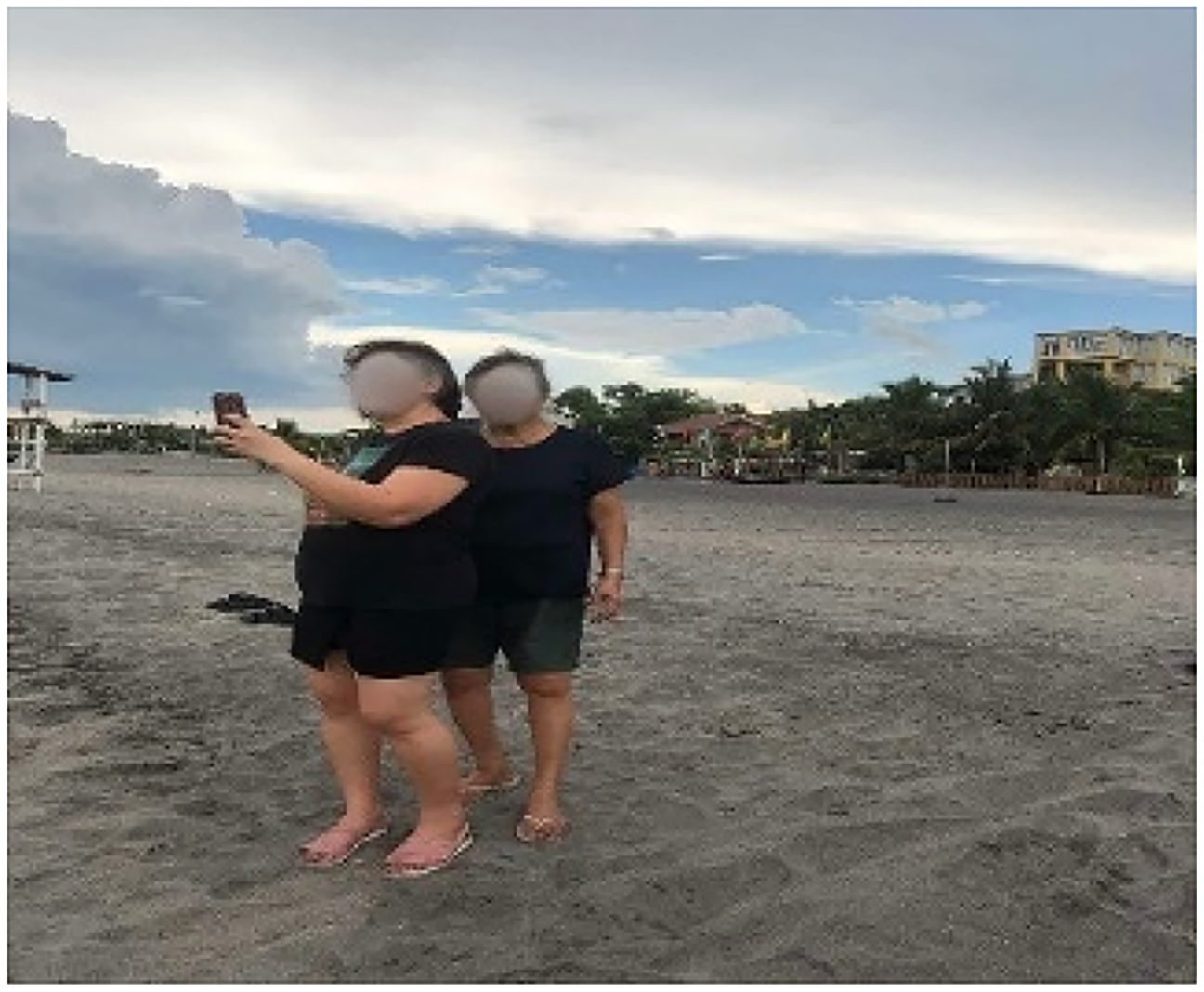
Findings reveal that autonomy, such as the ability to move freely, make independent choices, and self-direct one's journey, was a foundational mechanism in how people with disabilities constructed MTE. Participants’ narratives and photographs consistently framed autonomy as a significant and emotionally resonant act, rather than a given. Through their stories, autonomy was linked not just to logistical independence but to a sense of dignity, control, and pride. For example, P14 (Female, 21) submitted a photo of their family standing on the shoreline, describing it as ‘a place I chose to visit with my family without needing assistance’. Their photographs symbolised a scenic moment, reflecting the participants’ agency in shaping a shared experience without external intervention (Figure 1).
P43 showing the wonder of the seascape.
Similarly, P5's (Male, 43) photograph, taken from a beachfront hut in Boracay, foregrounded solitude and self-regulated rest. ‘Being here helps me forget the pain; I feel more in control’, they explained, reinforcing how self-selected space and pace allowed emotional clarity and physical comfort. Their photographs illustrate that for people with disabilities, small acts, like walking unaided, pausing independently, or simply choosing where to go, become acts of autonomy that are not taken for granted but experienced as moments of personal affirmation.
As a mechanism, autonomy actively contributed to the formation of self-esteem. Participants actively narrated how being able to travel on their terms affirmed their sense of capability and worth. They emphasised that the freedom to make independent decisions throughout their journey elevated their confidence and reshaped how they saw themselves. P35 (Male, 60) reflected, ‘Travelling helps me exercise my legs’, linking mobility to physical strength and psychological assurance. Similarly, P55 (Male, 33) stated, ‘Travelling independently makes me feel more confident’, highlighting that choosing and acting without help was a memory worthy of preservation. In contrast to traditional MTE studies that often portray pleasure and refreshment as outcomes of destination quality or service design, these findings position them as active, hard-earned emotional states grounded in disability.
Our findings reframe the original MTE dimensions of hedonism and refreshment, which have traditionally been understood as passive emotional outcomes, including pleasure, relaxation, or escapism, triggered by external stimuli (e.g. Kim et al., 2012; Zhou et al., 2022). In contrast, hedonism and refreshment are travel outcomes but emotionally resonant achievements made possible through self-directed autonomy for people with disabilities. Rather than depending on external assistance or infrastructure (e.g. Özcan et al., 2021), participants described experiences like walking unaided, setting their own pace, or independently deciding when to rest as central to their emotional renewal (Tao et al., 2025). This positions autonomy not merely as a condition for participation but as an active generator of emotional value, complicating traditional notions that prioritise support mechanisms over individual agency.
As an implication for tourism marketing, our findings suggest a necessary shift in how accessible tourism is communicated and positioned. While traditional marketing emphasises inclusive infrastructure and support, this study reveals that for people with disabilities, memorable experiences, particularly those associated with hedonism and refreshment, are deeply tied to autonomy and self-determination. This extends the autonomy-satisfaction link identified by Kurt et al. (2021) and reframes autonomy as not merely enabling access but actively generating emotional value. Although past studies (e.g. Gillovic et al., 2021; Qiao et al., 2023) acknowledge emotional benefits for tourists with disabilities, they overlook how these are shaped through self-directed agency. As such, tourism marketers should move beyond narratives of care to emphasise opportunities for independent exploration, choice, and control. Framing destinations as spaces where autonomy is not only possible but celebrated can foster deeper psychological engagement, differentiate brand identity, and more effectively connect with the values and aspirations of people with disabilities.
Identity exploration towards self-awareness
Findings also unveil that identity exploration through cultural immersion was a critical mechanism through which people with disabilities constructed MTE. Contrary to equating local culture as entertainment or novelty, participants framed these moments as identity-affirming encounters that prompted reflection on their place in the world. Participants’ photographs and reflections provide vivid evidence of how identity was negotiated in these encounters. P4 shared a photograph of locals preparing food during a town festival. He recounted, ‘They invited me to join. Even though I usually do not cook because of my disability, this experience made me feel like I belonged’. The image represents a festive moment and a visual testimony of social recognition. For him, inclusion in a culturally meaningful ritual transformed him from an outsider to a guest, challenging the social boundaries that typically render people with disabilities as peripheral. Being welcomed was psychologically restorative, reinforcing his place in a broader social narrative (Figure 2).
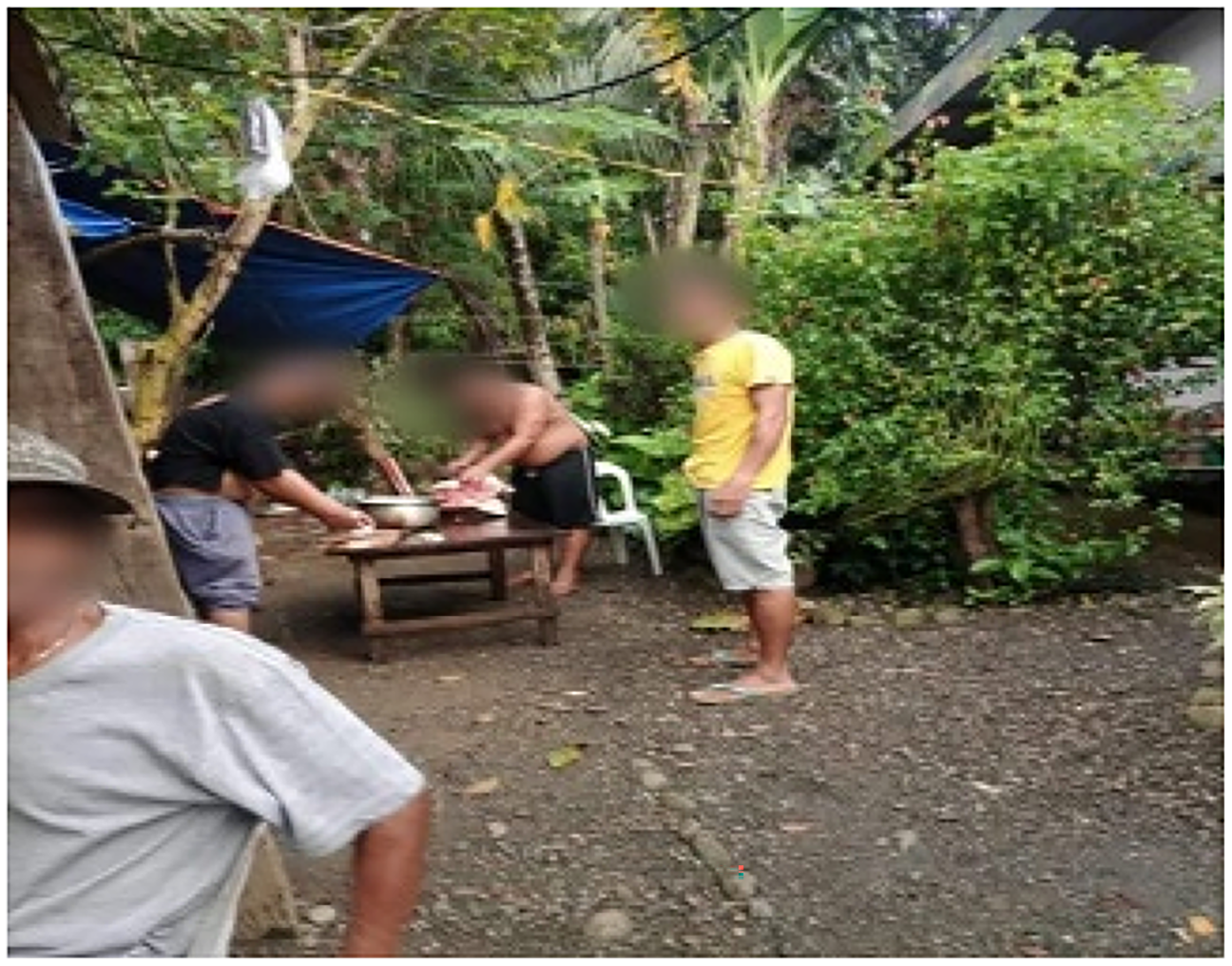
P4 capturing their cooking experience with locals.
Similarly, P18 (Female, 48) showed an image participating in a festival with dancers and recalled, ‘I couldn’t talk properly because of my disability, and during that time dancing with them felt like I was able to tell my story and understand who I was more’. This moment, captured and reanimated through visual discussion, reframed the participant not as a passive tourist but as a co-performer in a communal celebration. His narrative disrupts conventional representations of cultural tourism, often depicting tourists as detached spectators consuming culture from a distance. Instead, people with disabilities experienced culture as an arena of active participation, where memory, movement, and meaning coalesced into transformative self-understanding.
This mechanism of identity exploration led to self-awareness by encouraging participants to reflect on who they were and how they related to others. Through participation, recognition, and inclusion, cultural spaces became sites of emotional transformation, allowing participants to reimagine who they were beyond the limiting disability frames. The identity exploration mechanism led to self-awareness, as individuals gained clarity about their values, identities, and social roles through direct engagement with diverse cultural practices. As P8 (Male, 65) observed, ‘Travelling allows me to see different things in my surroundings’, signalling how unfamiliar cultural environments stimulated introspection.
Likewise, P19 (Male, 61) reflected, ‘Despite a few accidents, I never gave it up because travelling relieves my stress’, suggesting that resilience was an important identity component and strengthened in cultural contexts. Through these reflections, participants did not escape their identities; they confronted and refined them. Travel thus became a medium for reintegrating suppressed or overlooked aspects of self, made possible by being seen, welcomed, and valued within new communities.
These findings redefine MTE's local culture dimension by shifting it from a focus on aesthetic appreciation, authenticity, or novelty (e.g. de Freitas Coelho et al., 2018; Hosany et al., 2022) to a deeper experience of relational belonging and identity affirmation. For people with disabilities who often face exclusion from everyday social life, engagement with local culture was not simply about observing difference but about feeling emotionally recognised and socially included. Unlike traditional MTE interpretations that emphasise cultural consumption as an individualistic or sensory act, our participants described cultural encounters, such as being invited into local rituals or festivities, not as peripheral experiences but as pivotal moments of self-affirmation. This contrasts with infrastructure-focused studies in developing contexts (e.g. Reindrawati et al., 2022; Saran et al., 2020), which underplay the emotional and identity-related meanings that emerge through inclusion. By reconceptualising cultural contact as a reciprocal, socially embedded exchange, this study challenges Bianchi's (2016) view of tourism as a ‘time-out’ from self, instead positioning it as a site of active identity reconstruction.
As an implication for tourism marketing, these insights call for a shift from promoting cultural tourism as a series of consumable attractions to positioning it as a platform for meaningful social connection. While studies (e.g. Kelly, 2023; Zhang et al., 2022) focus on the role of accessible amenities in facilitating participation, they overlook how emotionally significant it is for people with disabilities to be seen, welcomed, and valued within cultural contexts. This highlights the importance of marketing strategies that emphasise not just access but inclusion, depicting people with disabilities not only as recipients of hospitality but as contributors to cultural exchange. Campaigns should foreground opportunities for authentic interpersonal connection, mutual recognition, and shared experiences, which are far more impactful than passive observation. By framing local culture as a space of belonging and identity validation, tourism brands can foster stronger emotional engagement and build more inclusive narratives that resonate with the lived realities and aspirations of people with disabilities (Tao et al., 2025).
Creative expression towards self-affirmation
Creative expression was also a key mechanism through which people with disabilities experienced MTE. Compared to conventional understanding of meaningfulness, participants described how engaging in or encountering artistic environments, through music, visual cues, or aesthetic symbolism, enabled them to reconnect with their identities, articulate their passions, and assert visibility in ways often constrained by everyday social stigma. Participant-generated photographs provided powerful illustrations of this process. P27 (Female, 32) submitted an autophotograph of a chalkboard adorned with colourful calligraphy, which she had contributed while resting in a small café. To others, it may have appeared as a simple decoration, but to her, the image evoked her previous identity as a teacher. She explained that the ornate lettering and chalk colours she had made symbolised her past vocation and ‘brought back a sense of pride’. This moment of aesthetic recognition served as a meaningful affirmation of her value. In this case, creative expression was a medium for memory, identity recovery, and emotional visibility (Figure 3).

P27 showing their calligraphy art.
Similarly, P20 (Male, 45) submitted a photograph of a modest karaoke stage and recounted singing publicly during a group trip. He reflected, ‘Travelling to places that let me express my passion in singing and dancing brings me joy and meaning. It felt like I could finally be seen’. This moment was a leisure activity and a rare public performance of self. Such examples highlight how creative expression allowed participants to claim emotional space and legitimacy within tourism experiences that might otherwise exclude or silence them.
These findings demonstrate that creative expression during travel enhances self-affirmation by offering participants the means to reclaim agency, assert personal narratives, and feel valued in aesthetic and performative spaces. P25 (Male, 52) described travel as ‘a reward for yourself, that wanderlust you give yourself’, underscoring how creative encounters were interpreted as deeply personal and validating.
Similarly, during P29's (Female, 38) photo elicitation interview, she emphasised that participating in creative spaces helped her feel that her passions were recognised. These narratives shift creative engagement from a peripheral enhancement to a core process through which people with disabilities construct emotionally affirming, self-validating memories. These acts of creativity formed deliberate moments of self-affirmation, or emotional validations of self-worth, identity, and recognition. For people with disabilities, the ability to create, perform, or interpret aesthetic experiences was closely tied to travel's emotional and psychological memorability.
These findings critically reframe meaningfulness in MTE by challenging its dominant cognitive orientation. While literature often conceptualises meaningful experiences as outcomes of moral reflection, introspection, or alignment with personal values (e.g. Kim et al., 2012; Saleem and Umar, 2023), our study demonstrates that, for people with disabilities, meaningfulness is more often created through embodied, creative, and relational acts. Similarly, Wan et al. (2023) maintain a cognitively reflective model of meaning-making that implicitly centres neurotypical modes of processing. In contrast, participants in our study described activities such as singing, photography, or interacting with symbolic spaces not as reflective afterthoughts but as immediate, expressive practices through which they experienced joy, recognition, and identity validation. This reframing shifts the emphasis from solitary, rational contemplation to affective, performative, and socially embedded experiences, highlighting a more inclusive and diverse understanding of how meaning is constructed in tourism.
Thus, these insights underscore the importance of designing and promoting experiences that enable creative participation and emotional expression in tourism marketing, rather than relying solely on narratives of moral enrichment or personal growth. While prior approaches often frame meaningful travel as a journey of internal discovery, our findings show that for people with disabilities, meaning emerges through visible acts of agency and interaction with the environment. This extends the work of Qiao et al. (2023) by positioning creativity not as supplementary but as central to how tourists with disabilities derive emotional and symbolic value from travel. Marketing strategies should therefore highlight opportunities for expressive engagement, such as interactive art, music, storytelling, or participatory cultural activities, that validate identity and foster inclusion. By framing meaningfulness as a dynamic, creative, and relational process, tourism brands can craft more inclusive messages that resonate with diverse embodied experiences and expand the emotional reach of their offerings (Zhang et al., 2022).
Personal achievement towards self-efficacy
Findings likewise suggest that personal achievement was a key mechanism through which people with disabilities created MTEs. Unlike traditional notions of accomplishment rooted in grand gestures or peak experiences, participants described achievement as emerging from ordinary acts accomplished under extraordinary constraints. These include navigating unfamiliar terrain, walking unassisted, or participating in group activities despite discomfort. P8 showed Image 4. The image, taken after completing their first solo hike after amputation, marked a moment of quiet victory. ‘I did not think I could, but I managed to finish the path’, he shared, reflecting physical exertion and emotional endurance (Figure 4).
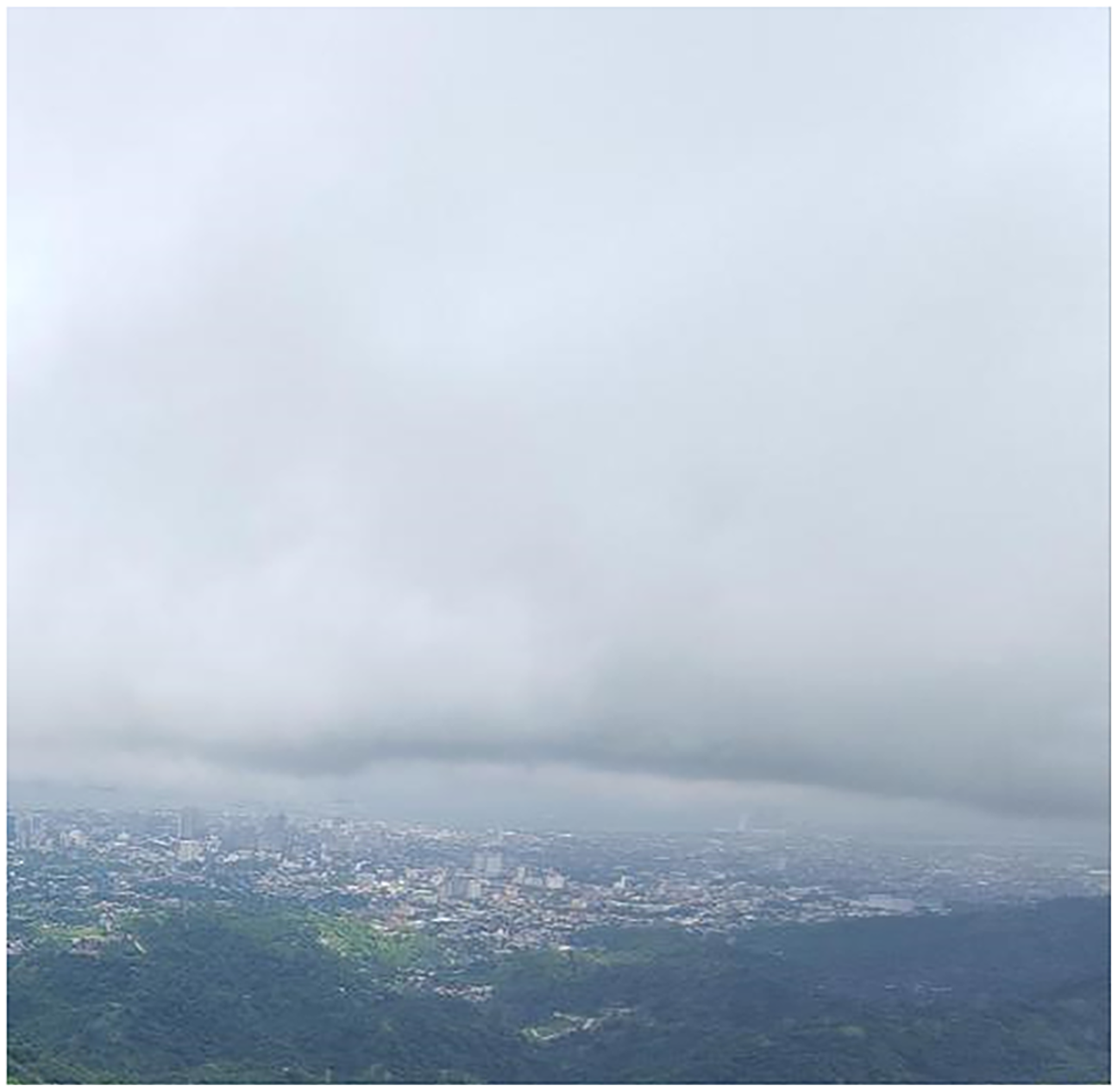
P8's photo at the peak of a nature park.
Similarly, P6 (Female, 54) submitted a photo from a walking tour in a hillside town, showing herself gripping a mobility aid while navigating uneven ground. ‘It was painful, but I did it’, she recalled. ‘Even with my disability, I travel. It is an achievement for me’. These photographs capture moments when participants asserted their presence and resilience against bodily, social, and environmental constraints.
These acts of personal achievement directly contributed to participants’ sense of self-efficacy. Participants mentioned that this strengthened belief in their capacity to act independently, overcome challenges, and exercise agency within environments that often marginalise or overlook people with disabilities. They described how even modest goals, such as completing a tour or initiating social interaction, reinforced their confidence and belief in competence. P5 (Male, 43) noted that feeling accepted during a trip to ‘even with my polio’ affirmed his belief in his social and emotional capabilities.
Likewise, P38 (Female, 23) shared during the photo elicitation interview, ‘When I feel welcome in a place, even with my disability, that is the experience I want to repeat’, linking emotional comfort and social inclusion to a broader sense of personal agency. These narratives illustrate that personal achievement during travel was not merely functional but transformational, reshaping how participants saw themselves and what they believed they could accomplish.
These findings reframe the MTE dimension of involvement by shifting it from a passive state of attentiveness or emotional engagement (e.g. Cifci, 2021; Ng and Ho, 2018) to an active process of self-assertion, resilience, and psychological resistance. For people with disabilities, involvement is not merely about participating in activities but about confronting physical, social, and emotional barriers through deliberate acts of presence, such as walking unaided, engaging in group settings, or navigating unfamiliar spaces. Unlike models that emphasise facilitation through external support (e.g. Özcan et al., 2021), our study highlights how involvement becomes memorable through internal processes of agency and persistence. These moments function not as deviations from the norm but as powerful affirmations of identity, reclaiming visibility in contexts where exclusion is often embedded (Devile et al., 2024; Perangin-Angin et al., 2023). Building on Gillovic et al. (2021), we position involvement as an embodied, self-efficacious practice that constructs meaning and memorability through overcoming marginalisation. As such, this reframing calls tourism marketers to a shift from showcasing ease and entertainment to celebrating narratives of empowerment and self-determination. Marketing strategies should highlight opportunities that allow people with disabilities to assert control, take initiative, and engage meaningfully with their surroundings, emphasising travel not as passive consumption but as a site of personal achievement and transformative engagement (Perangin-Angin et al., 2023).
Experiential learning towards self-growth
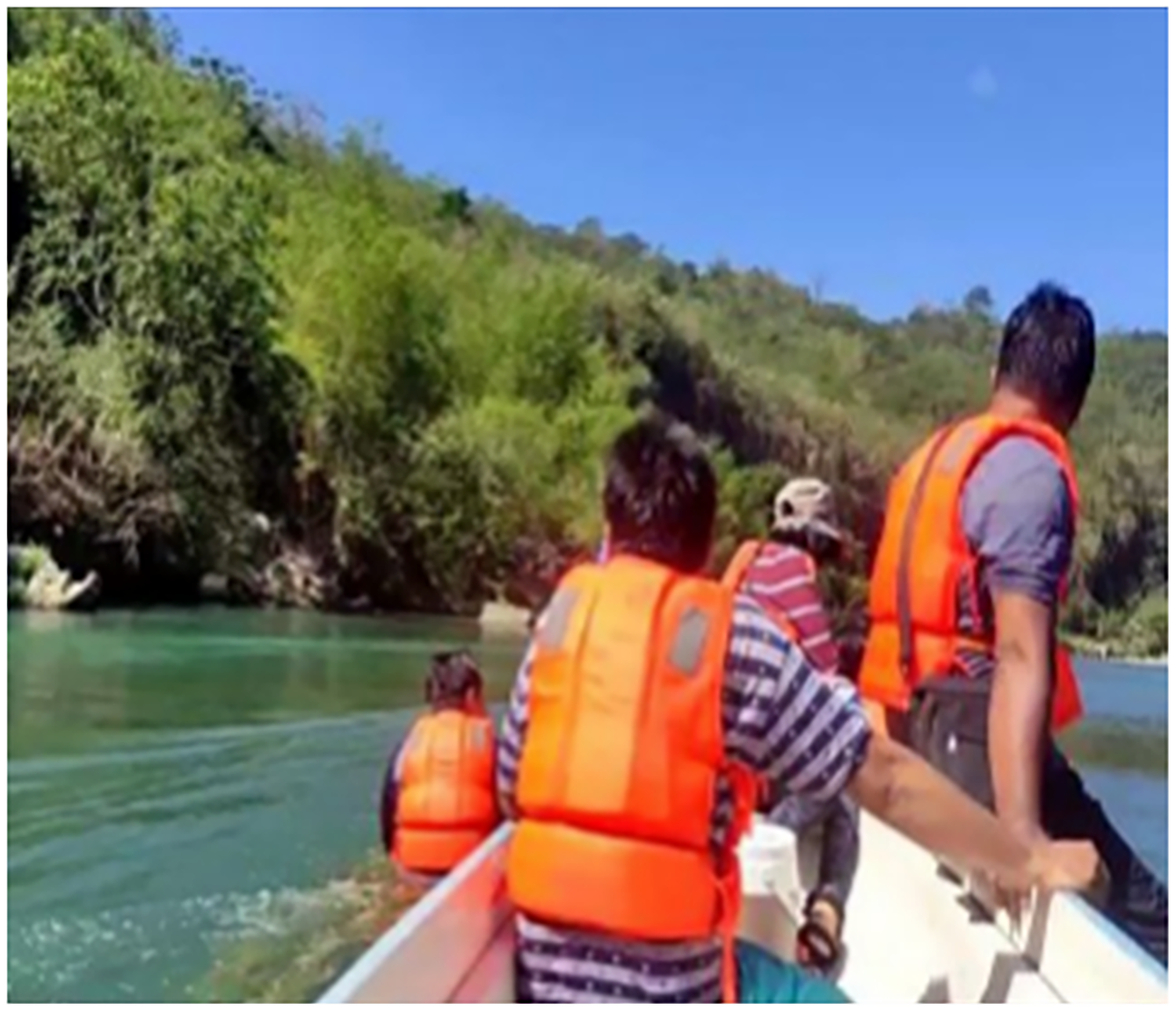
Lastly, this study identified experiential learning as a pivotal mechanism that shaped people with disabilities’ MTE through deeply sensory, immersive, embodied, and affective encounters. Participants gained new insights about the world through firsthand encounters with unfamiliar environments, traditions, and people. P43 (Male, 27) captured an image during a boat ride in Palawan, where a local guide shared stories about the island's history. ‘I cannot see clearly, but I can listen and feel … the sounds of the ocean and birds, and the rocking of the boat made me experience the destination's history as shared by the tour guides’, he explained. The photograph showed a peaceful seascape, framed by the boat's edge and the participant's attentive posture, signifying a moment where learning occurred through sensory immersion and human connection (Figure 5).
P14 taking a photo of her family.
Similarly, P49 (Female, 35) submitted a photograph walking across a muddy field, reflecting, ‘I had never felt mud splashing on my body before. It stuck to my skin, and I understood what it means to work and move through that land for the first time it made me feel part of it’. As a person with disability, they framed this moment not around physical exhilaration but around the unexpected intimacy of the terrain. This encounter was made memorable precisely because their body, often shielded from such exposure, became the learning site. The mud was not just a texture but a medium of connection, immersing them in agricultural life's sensory and emotional reality.
For people with disabilities, experiential learning led to self-growth, as participants described how travel broadened their perspectives and redefined what they believed was possible for themselves. P40 (Male, 27) shared, ‘Every time I travel somewhere new, I feel like I’m growing. I see more, feel more, and understand more’, highlighting in the photo elicitation interview how learning through exposure to new environments cultivates personal development and emotional expansion. P13 (Female, 66) also reflected, ‘Travel helps me clear my mind and see the world differently. It gives me a sense of renewal’, directly linking acquiring new knowledge to emotional and intellectual rejuvenation. Similarly, P21 (Female, 79) stated, ‘When I travel, I don’t feel limited … I forget my limitations as a person with disability, and just enjoy learning about the place’, illustrating how immersive learning helped her temporarily transcend everyday constraints and experience a more empowered sense of self. These reflections underscore experiential learning as a source of knowledge and a transformative mechanism that fosters emotional healing, renewed identity, and a forward-looking view of the self.
These narratives redefine novelty and knowledge, not as separate or even opposing dimensions, where increased familiarity is thought to diminish the emotional impact of new experiences (e.g. Skavronskaya et al., 2020, 2024). In contrast, our findings suggest that knowledge acquisition, particularly through embodied, relational, and unanticipated encounters, not only coexists with but amplifies the emotional resonance of novelty (Wang et al., 2019). This reframes novelty not as a fleeting thrill and knowledge not as a dispassionate process, but rather as intertwined, affect-laden mechanisms that shape how people with disabilities experience and remember travel. Experiential learning emerged as a transformative act through which participants reconstructed self-perception, navigated social environments, and reimagined their place in the world. For tourism marketing, this reframing highlights the need for marketers to design and promote experiences that allow for unexpected learning, emotional insight, and relational discovery. Framing travel as a journey of affective growth through discovery can more effectively engage people with disabilities and other travellers seeking meaningful, identity-affirming experiences (Ali et al., 2023).
Conclusions
Theoretical contributions
We build upon and extend foundational MTE research (e.g. Kim et al., 2010) by shifting the analytical focus from static dimensions to the underlying processes and outcomes that enable memorability for people with disabilities. Our findings reveal five core mechanisms: autonomy, identity exploration, creative expression, personal achievement, and experiential learning, which operate as interpretive lenses through which people with disabilities navigate and make sense of the traditional MTE dimensions (Figure 6). We demonstrate that for people with disabilities, memorable tourism is not merely a matter of affective intensity or cognitive engagement, but a fundamentally uneven and embodied process shaped by systemic exclusions, physical barriers, and social stigma. These mechanisms illustrate that agency, affect, and identity reshape the meaning and memorability of tourism experiences. This challenges the normative foundations of existing MTE theory (e.g. Hosany et al., 2022; Kim et al., 2012), which tend to universalise memorability based on able-bodied, neurotypical assumptions of MTE dimensions.
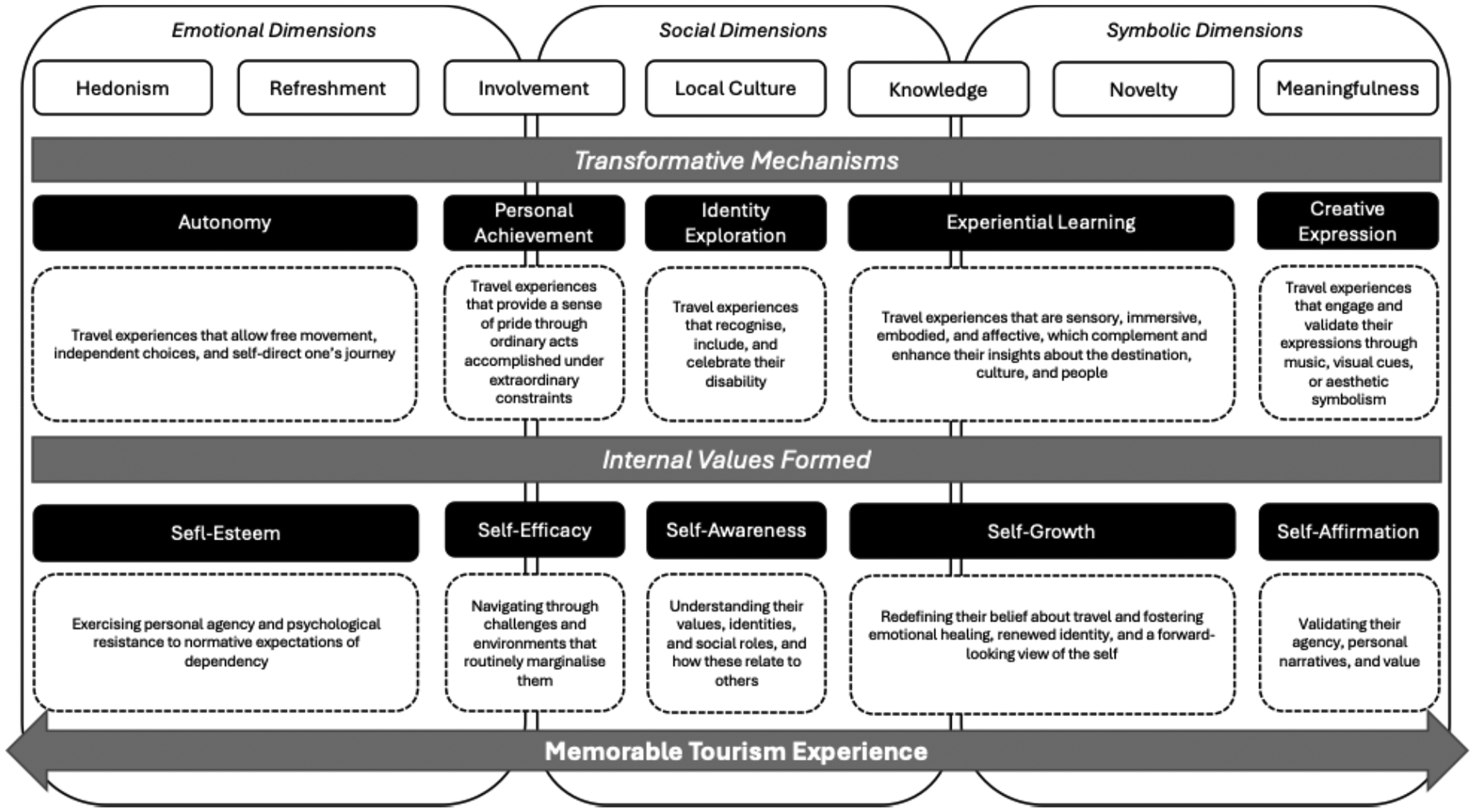
Memorable tourism experience framework for people with disabilities.
Moreover, we argue that these transformative mechanisms produced outcomes related to internal value formation experienced by people with disabilities, including self-esteem, self-awareness, self-affirmation, self-efficacy, and self-growth. This finding critically extends existing MTE literature, which predominantly focuses on behavioural outcomes such as revisit intention and destination loyalty (Hossany et al., 2022; Kim et al., 2024), and builds upon accessible tourism research, often framed on structural barriers, functional limitations, and service provision (Lu et al., 2024a; Park and Kim, 2024; Qiao et al., 2022). Our study highlights how MTE functions as a site of identity reconstruction and social affirmation, especially for individuals navigating systemic and embodied exclusions. These findings underscore the need to reposition MTE theory within a broader psychosocial and relational framework that accounts not only for what is memorable but also why it matters in the lives of structurally marginalised travellers. As such, our study advances tourism theory by framing memorability not as a static psychological outcome but as an act of agency and resistance, through which people with disabilities reclaim visibility, assert personhood, and challenge normative assumptions of tourism experiences.
Practical implications
Building on our findings, it is imperative to view MTE as a foundation for designing emotionally resonant and empowering experiences for people with disabilities. Destination managers must expand adaptive offerings beyond accessible infrastructure to include cultural and creative engagements to foster autonomy, emotional engagement, and self-expression for people with disabilities. They can partner with local artists and facilitators to develop and promote inclusive workshops in art, music, and storytelling, spaces where people with disabilities can participate as creative contributors (Tapfuma et al., 2024).
Travel agencies and tour operators must move away from homogenous representations of people with disabilities as a single market segment (McKercher and Darcy, 2018) and instead develop customisable travel packages that reflect a spectrum of mobility and cognitive needs. Giving people with disabilities the autonomy to design their own itineraries ensures their experiences are built around individual preferences, supporting the autonomy and personal significance that underpin memorability. Marketing strategies should therefore showcase opportunities for independence, self-navigation, and expressive engagement, aligning product offerings with the values and lived experiences of people with disabilities.
Destination marketing campaigns should be co-designed with people with disabilities to ensure authentic representation and relevance (e.g. Södergren and Vallström, 2023). Cross-sector collaboration between them and governments, tourism operators, destination managers, disability organisations, and disability organisations could develop campaigns showcasing diverse travellers with disabilities, highlighting emotionally resonant experiences, and positioning accessibility as a core value of destination identity. By aligning policy, branding, and storytelling, these partnerships can shift public perception, expand market reach, and embed inclusion into the emotional core of tourism marketing strategies.
Limitations and future research
While this study offers important theoretical and methodological advancements, several limitations should be acknowledged. First, the study was grounded in a qualitative, exploratory design to uncover depth and nuance rather than statistical generalisability. The experiences of the 57 participants, though diverse in background and disability type, reflect a specific social and cultural context. As such, the findings should not be interpreted as representative of all people with disabilities, but as contextually situated insights that illustrate the complexity and richness of MTEs from the perspectives of a marginalised group. Building on the strengths of this study, future research should consider expanding the scope to include more intersectionally diverse subgroups of people with disabilities and social identities. Comparative studies across different geographic, cultural, and infrastructural contexts would also be valuable in exploring how accessibility, recognition, and inclusion are locally negotiated. Similarly, while autophotography and photo elicitation generated rich emotional and symbolic data, using self-reported, retrospective accounts may have introduced recall accuracy or interpretation limitations. Similarly, access to these visual methods requires digital literacy and confidence in self-expression that may not be equally available across all disability types. We suggest the more adaptive, multimodal approaches in future research.
Footnotes
Acknowledgement
We sincerely thank the participants who contributed and enriched this study by asserting their voices through their powerful images and perspectives on their lived experiences. We also extend our gratitude to Asst Prof Margie Roma for her valuable insights on the initial stages of this study.

Ethics approval and informed consent statement
Ethics clearance was obtained from the National University College of Tourism and Hospitality Management Ethics Review Committee. All participants provided informed consent, permission, and copyright clearances to their photographs before participating in the study.
Funding
The authors received no financial support for the research, authorship, and/or publication of this article.
Declaration of conflicting interests
The authors declared no potential conflicts of interest with respect to the research, authorship, and/or publication of this article.
Data availability statement
Participant consent data is not available. The participants of this study did not give written consent for their data to be shared publicly, except for the ones shared in the article, so, due to the sensitive nature of the research, supporting data is not available.