




Abstract
The purpose of this study is to examine travelers’ actual behavior with regard to an online travel purchase by extending the Unified Theory of Acceptance and Use of Technology (UTAUT2) with two new variables, i.e. perceived privacy and perceived security. The study implements a quantitative research design and developed an e-questionnaire. Data was collected from 485 travelers via online platform (Amazon M-Turk). To empirically validate the proposed model and test the inter-relationships between the variables, we performed the SEM analysis on the data. The study findings reveal that facilitating conditions, habit and purchase intention act as significant predictors of travelers’ actual behavior toward online travel purchase. The result also shows that perceived privacy does not impact travelers’ purchase intention while, experience positively moderates the relationship between purchase intention and actual purchase. This study chooses an under explored area and examines the influence of perceived security and perceived privacy in the context of online travel purchase. Further, this study is the leading scholarly work which examines the moderating role of experience between travelers’ purchase intention and actual purchase in tourism context.
Keywords
Introduction
Information Technology (IT) today, helps to serve as an effective online retailing platform for travel aggregators. Travelers can easily purchase travel products online through travel agencies, or directly on a service provider's website (Mclean et al., 2020; Sadiq et al., 2021). Travel agencies such as, Expedia, Booking.com, and Tripadvisor serve as travel aggregators that offer travel related online products and services (e.g. holiday packages, accommodations, and ticket bookings) to prospective travelers (Rezgo, 2019). It has been reported that 65% contribution to the global tourism sales in 2020 was through the online mode; it is likely to grow even further, and is expected to reach to 72% by 2025 (Statista, 2021).
However, in spite of the surge of online travel purchase around the world, travelers are becoming increasingly concerned about their online transactions and data protection (Adil et al., 2020, Harris et al., 2016). One cannot deny the fact that online transactions do have its own set of challenges, including data privacy and security (Kumar, 2016, Morosan, 2015). Therefore, several travelers still refrain from transacting online or sharing their financial and personal information during business transactions.
The concept of ‘data security’ refers to the ability of system to keep the data safe and protected (Tawalbeh and Saldamli, 2021), provide accurate information and reliable measurement (Wilkowska and Ziefle, 2011), while data privacy refers to the management of consumer information with anonymity, without any risk of unauthorized access (Morosan and DeFranco, 2015) and free from permanent surveillance (Wilkowska and Ziefle, 2011). To date, data breaches and cyber-attacks, especially on high-profile companies and institutions have been a common phenomenon (see, Verizon Enterprise Solutions, 2017, 2018), which effectively shows that ‘no locale, no industry or organization is bulletproof when it comes to the compromise of data’ (Laberis, 2016; Verizon Enterprise Solutions, 2016: 3). Thus, we argue that due to its fragmentation, size, and heterogeneity, the travel and hospitality industry at large, is possibly an attractive segment for malicious activities (e.g. malware, phishing, e-skimming). As an example, let's consider Coffey’s (2020) study, wherein the author reported that anyone, who has made an online booking with a major travel aggregator (e.g. Booking.com or Expedia) since 2013 is potentially at risk. Similarly, Balapour et al. (2020) talking about Starbucks, stated that the company in 2015, did admit that hackers had gained access to customer accounts through their mobile apps, which resulted in multiple mobile users removing the Starbucks app from their devices due to security reasons. However, there seems to be limited knowledge and evidence on privacy and security concerns with online travel purchase, which possibly may be interpreted as a gap (Amaro and Duarte, 2015, Talwar et al., 2020). This argument could be further reinforced with seminal studies conducted by Cui et al. (2018), Mohseni et al. (2018), and Gupta et al. (2018), who called for investigating the impact of perceived security and privacy in online travel purchase settings, while encouraging future researchers to address the same. In response to this call, this study looks to examine the impact of both perceived security and privacy on the travelers’ purchase intention in the context of online travel purchase.
Researchers in the past have broadly used theories, such as the Theory of Planned Behavior (TPB) and Technology Acceptance Model (TAM), to examine travelers’ attitude and their intentions toward online travel purchase (Duarte and Amaro, 2018; Khare et al., 2020; Sadiq et al., 2021; Talwar et al., 2020). This, we believe, limits our contextual understanding of the phenomenon. Further, it may also be noted that although, prior studies have affirmed both a significant and a positive relationship between consumers’ intention and online booking, yet, this does not necessarily convert into actual behavior, which in turn, results into an intention-behavior gap (Agag and El-Masry, 2016a). In fact, scholars (e.g. Agag and El-Masry, 2016a; Amaro and Duarte, 2015; Talwar et al., 2020) have also highlighted the need for more empirical studies to better explain the long existing intention-behavior gap.
Mohseni et al. (2018) noted that that travelers from developed nations have become accustomed to buying travel products online; while in developing nations, the number of travelers making purchases online remains modest, despite a significant rise in internet access. Therefore, much of previous literature on online travel purchase has been focused on western nations (for example, Kim et al., 2017; Rodríguez-Torrico et al., 2020; Ruiz-Mafe et al., 2016), resulting thereby in a lack of research in the context of emerging economies, specifically India. Statista (2022) reports that in 2020, around 78% of Indians had purchased a travel product online through an online travel agency. A plausible explanation for this may be attributed to the rise of the ‘digitization movement’ in India, driven primarily by tier two and tier three cities, where the internet has penetrated to almost 50% of the households, as of 2019. Moreover, ever since the Covid-19 pandemic broke out in 2019–20, Indians have shown greater preference for booking online. Hence, we chose India as our study context.
This study positions perceived security and perceived privacy, as an integral component of UTAUT2 model in terms of technology adoption especially when travelers’ have intentions towards online travel purchase. Our literature search resulted in 27 studies with the selected key terms (i.e. perceived security, perceived privacy, online travel purchase, UTAUT, and tourism). However, we picked up only those studies that have employed UTAUT2 in tourism domain and published in peer-reviewed journals. The criterion helped us to get 9 empirical studies (Table 1), that we have reviewed on UTAUT2 in the tourism domain. While most identified studies employed trust as an additional construct, few studies have focused on perceived security and perceived privacy in the online travel purchase context. For example, studies (Gupta et al., 2018; Herrero and San-Martin, 2017; Morosan and Defranco, 2016) considered perceived security and perceived privacy as a summative construct that links the associated risk with online aggregators to travelers’ purchase decision. However, some studies posit perceived security and perceived privacy as a driver to travelers perceived trust To the best of our knowledge, no study theoretically or empirically integrates UTAUT 2 with perceived security and perceived privacy. Therefore, this study highlights travelers perceived security and perceived privacy as a possible construct to investigate the travelers actual purchase behavior in the online travel purchase context.
Studies on UTAUT2, perceived security and privacy in tourism domain.
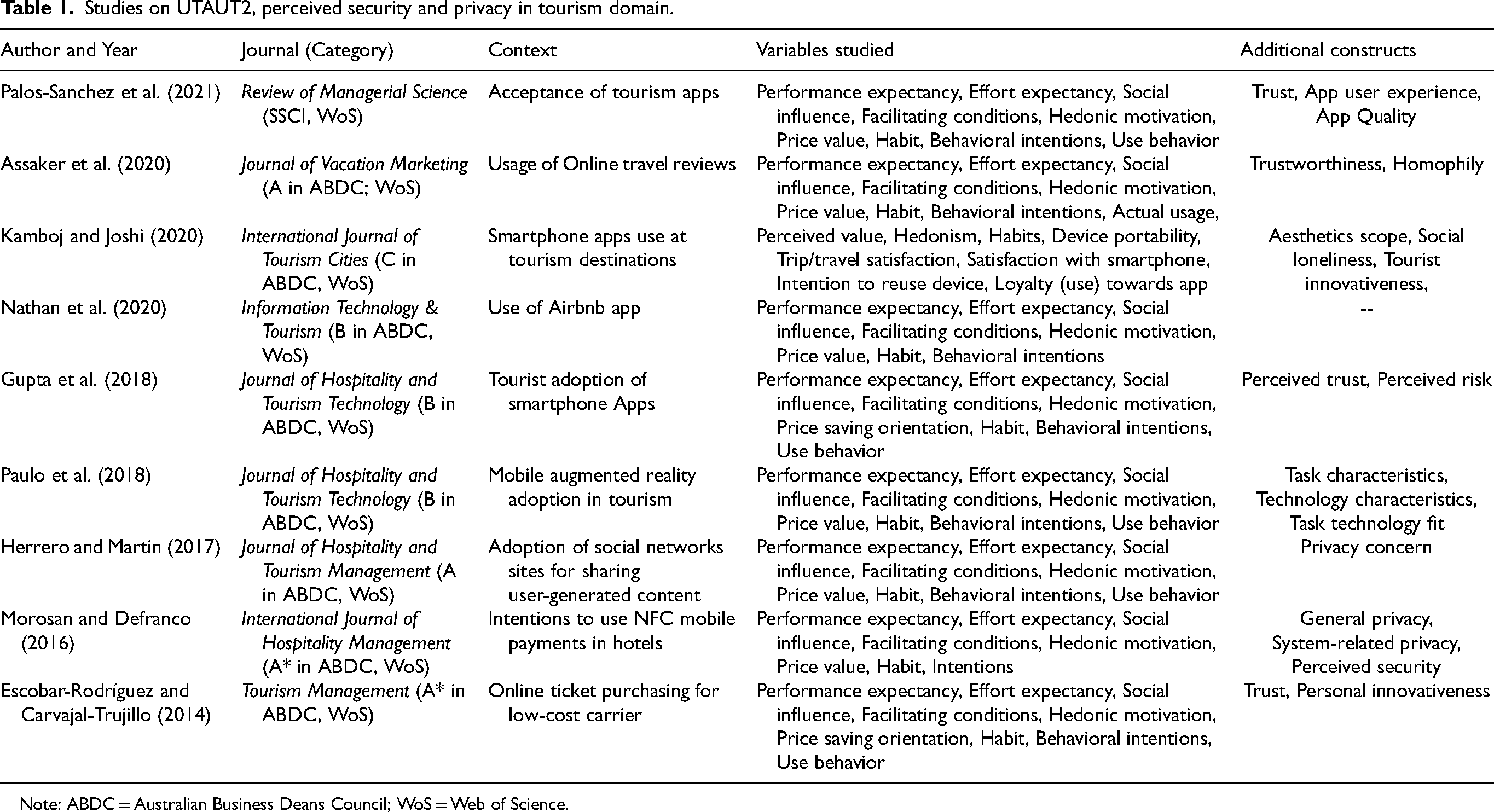
Note: ABDC = Australian Business Deans Council; WoS = Web of Science.
As mentioned earlier, this study examines the travelers’ purchase intention and their actual purchase of online travel products. We argue that understanding the same, would not only provide a greater insight into their online purchase behavior, but also reduce the gap between their purchase intention vis a vis their actual behavior. We further note that the role of experience as a moderator between purchase intention and actual behavior may essentially reduce the much-debated gap (Gupta et al., 2018), which surprisingly has not yet been considered in the context of online travel. Hence, taking into account the backdrop of the study's context, we propose three research questions:
RQ1) What factors determine travelers’ intention to purchase travel online? RQ2) How do perceived security and privacy influence the travelers’ intention toward online travel purchase? RQ3) Does travelers’ previous experience moderates the relationship between their purchase intention and actual behavior? better understand the phenomenon related to travelers’ perceived privacy and perceived security toward purchasing travel-related products online extend the basic UTAUT2 framework with additional constructs in the context of online travel purchase determine whether travelers’ experience does moderate the relationship between travelers’ purchase intention and actual purchase decisions.
To answer these research questions, we used the UTAUT2 model to assess travelers’ online travel purchase intention. Notably, we chose to use the UTAUT2 model due to the following reasons: first, this model is novel in its approach, and has especially been conceptualized to both analyze and predict technology acceptance in a consumer setting. Second, this model comprises of key explanatory constructs that have been used in previous theoretical frameworks encompassing technology acceptance (Venkatesh et al., 2012), and thereby, offers an integrative approach to study consumer intention and his actual behavior. Third, it has proven to be a successful model for examining technology adoption under varied contexts (Jahanshahi et al., 2020; Tarhini et al., 2019). Lastly, this possibly being among the first to study Indian travelers’ intention and behavior, aims to present an understanding of the subject, incorporating two additional constructs (i.e. perceived security and privacy) within UTAUT2's framework. By adding these additional constructs to the model, we believe that it would not only improve the model's predictive capabilities, but also provide a deeper insight into the travelers’ perceptions of security and privacy. Holistically, this study aims to:
Theoretical background
Unified theory of acceptance and use of technology (UTAUT2)
The UTAUT2 theoretical framework is an expanded form of the original UTAUT framework (Venkatesh et al., 2003). The basic model was mainly considered for organizational settings, whereas the extended version is primarily proposed to understand consumers’ intention and actual behavior towards technology adoption (Venkatesh et al., 2012). The UTAUT2 model specifically introduces three major aspects in comparison to its previous version. It includes (a) revision of the four key constructs (i.e. performance expectancy, effort expectancy, social influence, and facilitating conditions) covered in UTAUT to consumer contexts. (b) using prior research, three additional linkages (price value, habit, and hedonic motivation) were proposed on individuals’ adoption and actual use of technologies; and (c) reformulating existing relationships and introducing new variables into the original UTAUT framework in order to validate their influence.
In fact, according to UTAUT2, all seven key constructs of the model are theorized to determine consumer's intention (Venkatesh et al., 2012). However, facilitating conditions, habit, and intention go on to determine the actual usage (Venkatesh et al., 2012). UTAUT2 is thereby the most recent addition to technology adoption literature, and the model has been validated in varied contexts; for instance, transportation technology (Jahanshahi et al., 2020), online shopping (Tarhini et al., 2019), smartphone adoption (Ameen and Willis, 2019), social network sites (Herrero and Martin, 2017) and the tourism industry (Sharma et al., 2021). However, the results of previous studies on the influence of some of the key constructs of this model have been heterogeneous. For instance, social influence (Sadiq et al., 2021), effort expectancy and facilitating conditions (Alalwan et al., 2018); by and large, they have all been found to positively influence purchase intention, while contrary results have been found in Gupta and Dogra (2017) and Gupta et al. (2018). Hence, more empirical studies are needed to define the UTAUT2 model more accurately
Hypotheses development
Performance expectancy
Performance expectancy (PE) has been defined as ‘the degree to which using a technology will provide benefits to consumers in performing certain activities’ (Venkatesh et al., 2012: 159). In our study, PE represents the extent to which a traveler considers the usage of technology as valuable in attaining benefits (e.g. time saving, one click booking, easy payment etc.) during trip planning. Nevertheless, it is important to note in here that the usefulness could vary from one traveler to another; and everyone may perceive the utility of online travel purchase differently. Scholars in the past have noted a significant relationship amongst PE and behavioral intention in several contexts; for instance, m-payment (Oliveira et al., 2016), e-services (Lu and Nguyen, 2016), online shopping (Lian and Yen, 2014), e-library services (Awwad, 2015), and online travel purchase (Gupta et al., 2018). Travelers, who have a favorable perception of the utility and advantages of purchasing travel products online, are more intended to accept it. Therefore, we hypothesize:
H1. Performance expectancy has a significant and positive influence on travelers’ Purchase Intention towards online travel purchase.
Effort expectancy
Effort expectancy (EE) has been defined as ‘the degree of ease associated with consumers’ use of technology’ (Venkatesh et al., 2012: 159). In our study, EE may be interpreted as the degree of a traveler's assumption of the ease of purchasing via the internet. Extant studies have reported that travelers’ actual purchase of travel products online may be enhanced with effective services that are simple to operate and understand (Kim et al., 2010). Thus, individuals’ perceived usefulness about online travel purchase is likely to have a favorable influence on its acceptance. The relationship amongst EE and behavioral intention has thereby been positively recognized by many researchers, albeit in different settings, such as e-Library (Awwad, 2015), m-banking (Shareef et al., 2018), e-retailing (Lian and Yen, 2014), online health (Dwivedi et al., 2016), and air ticket purchase (Escobar-Rodriguez and Carvajal-Trujillo, 2014). Thus, to validate this relationship in the context of purchasing travel products online, we hypothesize:
H2. Effort expectancy has a significant and positive influence on travelers’ purchase intention towards online travel purchase.
Social influence
Venkatesh et al. (2012: 159) defined social influence (SI) as the ‘degree to which a person believes that other individuals who are important in his/her life think that he/she should purchase online.’ Due to rapid internet penetration, online shopping in any segment has become a necessity for social adaptation. Therefore, travelers do tend to get influenced by their friends, family, and colleagues, when they actually decide to purchase travel products online. Gupta et al. (2018) and Sadiq et al. (2021) observed that travelers’ decision of using mobile apps for travel bookings is significantly influenced by SI. However, on the contrary, Gupta and Dogra (2017) found non-significant relationship between SI and travelers’ intent to use mapping apps. Thus, to validate this relationship, within the given context, we hypothesize:
H3. Social influence has a significant and positive influence on travelers’ purchase intention towards online travel purchase.
Price value
Price Value (PV) denotes the monetary cost that users may incur as an outcome of technology usage (Venkatesh et al., 2012). The initial and continuing costs associated with the usage of IT do seem to have a positive effect on an individual's choice to purchase online. To operationalize PV, online platforms across different segments, including tourism and hospitality, have introduced premium pricing strategies, whereby they look to deliver value by offering discounts and cashback to their users. Previous research on travelers’ online purchase behavior considered PV as the economic rewards that travelers would receive from online purchase by using IT (Assaker et al., 2020; Gupta et al., 2018). We posit that purchasing travel online allows travelers to bargain a ‘better deal’. Therefore, we propose:
H4. Price value has a significant and positive influence on travelers’ purchase intention towards online travel purchase.
Hedonic motivation
Hedonic motivation (HM) signifies a ‘user's intrinsic motivation or delight from utilizing the system’ (Venkatesh et al., 2012: 161). In the context of tourism & hospitality, travelers would have positive orientation towards the use of technology only if they feel that online purchase would offer them a certain level of delight (Venkatesh et al., 2012). Service providers would eventually look to improve their website designs and functionality, once they realize that travelers would use technology not just to make online purchases, but also are interested in enjoying the whole experience of online purchase. It is important to note herein that users’ who perceive technology usage as fun, entertainment, playfulness, and enjoyment are more productive, and require less effort to adopt. Extant literature (Albayrak et al., 2019; Ameen and Willis, 2019; Gupta et al., 2018) in varied contexts validated the relationship between HM and individuals’ intention. Thus, in an attempt to validate this relationship in the given context, we hypothesize:
H5. Hedonic motivation has a significant and positive influence on travelers’ purchase intention towards online travel purchase.
Facilitating conditions
Facilitating conditions (FC) may be defined as ‘the extent to an individual's consideration about the availability of proper knowledge and assistance to continue the use of technology’ (Venkatesh et al., 2012: 159). In our study, FC related to time, resources, and knowledge available to travelers, while purchasing travel products online, which in fact, is analogous to the concept of perceived behavioral control, under the Theory of Planned Behavior (TPB). Kang et al. (2015) argued that individuals’ perceptions of FC do reflect ambient conditions that either restrict or stimulate their acceptance of technology. Other researchers (e.g. Gupta et al., 2018; Jahanshahi et al., 2020; Sharma et al., 2021) empirically tested the association between FC and behavioral intention under different contexts (e.g. tourism apps’ acceptance) (Palos-Sanchez et al., 2021), internet banking (Alalwan et al., 2018), online travel review (Assaker et al., 2020), m-banking (Baptista and Oliveira, 2017), and online air ticket purchase (Escobar-Rodriguez and Carvajal-Trujillo, 2014). However, extant literature (Assaker et al., 2020; Gupta and Dogra, 2017) by and large has shown contradictory results of FC on travelers’ intention or actual usage of technology. For instance, Assaker et al. (2020) observed the positive relationship between FC and actual usage in tourism context. However, on the contrary, Gupta et al. (2018) found non-significant relationship between FC and travelers’ behavior to adopt travel apps. Based on the discussion above, we hypothesize:
H6. Facilitating conditions has a significant and positive influence on travelers’ purchase intention to purchase travel online.
H7. Facilitating conditions has a significant and positive influence on travelers’ actual online travel purchase.
Habit
Habit (Hb) has been defined as ‘the extent to which people tend to perform behavior automatically’ due to the previous experience (Venkatesh et al., 2012: 161). Interestingly, Venkatesh et al. (2012) also posited that Hb and experience are two distinct concepts because ‘habits reflect skills gained through experience, but experiences alone do not form habits’ (Gunasinghe et al., 2020). Therefore, predicting user's technology adoption, Davis and Venkatesh (2004) argued that ‘habit’ has often been overlooked. Other scholars such as, Gupta and Dogra (2017), Assaker et al., (2020), Escobar-Rodriguez and Carvajal-Trujillo (2014) have confirmed the impact of Hb on actual usage of technology in the tourism context. Further, Khalifa and Liu (2007) argued that it's the studying habit that makes more sense, as it reflects consumers’ impulsive act rather than the purchase intention, which is a sensible act. Thus, to further validate this relationship under the given context, we hypothesize:
H8. Habit has a significant and positive influence on travelers’ actual online travel purchase.
Perceived privacy
Perceived privacy (PP) is another significant construct that drives consumers to avoid any involvement in online purchase, as individuals are more concerned about their private information being acquired, processed, and potentially utilized for unauthorized purpose (Nusair et al., 2017). Therefore, risks like data leak or unauthorized access to personal information is reasonably the most pressing concern for consumers when it comes to online purchase. Travel aggregators nowadays require personal information from their customers, as a consequence of their numerous interactions and transactions. Consequently, the travelers’ privacy concerns may increase, and therefore, the ones who are concerned about their personal information would possibly try to avoid purchasing travel products online. Scholars in the past have shown considerable interest in understanding consumers’ privacy concern in varied contexts, such as, m-banking (Merhi et al., 2019), adoption of social networks sites (Herrero and Martin, 2017), online banking (Alalwan et al., 2018) and adoption of NFC-based technology in hotels (Morosan and DeFranco, 2016). Based on the discussion, we posit:
H9. Perceived privacy has a significant and negative influence on travelers’ purchase intention towards online travel purchase.
Perceived security
Yenisey et al. (2005) defined perceived security (PS) as the amount of trust and security that consumers perceive while conducting online business. Security failure is often considered as a key barrier to consumers sharing personal information of financial transactions over the internet (Merhi et al., 2019). Extant literature highlighted that consumers’ perceived security does influence their subsequent intent to adopt technology (Nusair et al., 2017). In fact, Morosan and DeFranco (2016) studied perceived security as an additional construct, and concluded that hotel guests seemed to be more willing to adopt NFC-based technology if was perceived as secure. Similarly, Ozturk et al. (2021) reported that perceived security was significantly associated with individuals’ intention to use mobile event application. In our study, we integrate perceived security into the UTAUT2 model to examine travelers’ security concerns while purchasing travel-related products online. We posit thereby:
H10. Perceived security has a significant and positive influence on travelers’ purchase intention towards online travel purchase.
Purchase intention
Purchase intention (PI) indicates the tendency that a consumer intends or is willing to purchase a specific product or service in the future (Huang et al., 2011). PI has been thoroughly studied in Marketing literature, and has been proven to be the most effective determinant of actual usage. Herein, it may also be noted that previous studies have used UTAUT2 in varied fields, such as internet banking (Alalwan et al., 2018), smart phone adoption (Baishya and Samalia, 2020) and air ticket purchase (Escobar-Rodriguez and Carvajal-Trujillo, 2014) and found a significant association amongst PI and actual usage. Thus, we hypothesize:
H11. Purchase intention has a significant and positive influence on travelers’ actual online travel purchase.
Moderating influence of experience
Consumers’ decisions are heavily influenced by their past experience, since it impacts their perception, attitude and action (Pappas et al., 2014). In the context of purchasing travel products online, travelers who are unfamiliar with the usage of internet and technology at large, do require time to learn and explore, and apply to their online travel activities. On the contrary, travelers who are experienced are more likely to realize its benefits instantly, and thereby easily adopt technology for their online purchase purposes. In the e-commerce context, scholars such as, Liébana-Cabanillas et al. (2016), Mohseni et al. (2018), and Leong et al. (2018) observed that users who had purchased online were likely to repeat their behavior. Hence, it seems rational to study past experience as a moderator on the travelers’ actual behavior. Based on this understanding, gathered from the discussion above, we hypothesize:
H12. Experience moderates the association between travelers’ purchase intention and actual purchase.
Further, in the backdrop of the discussion above, we proposed a research model (see Figure 1).
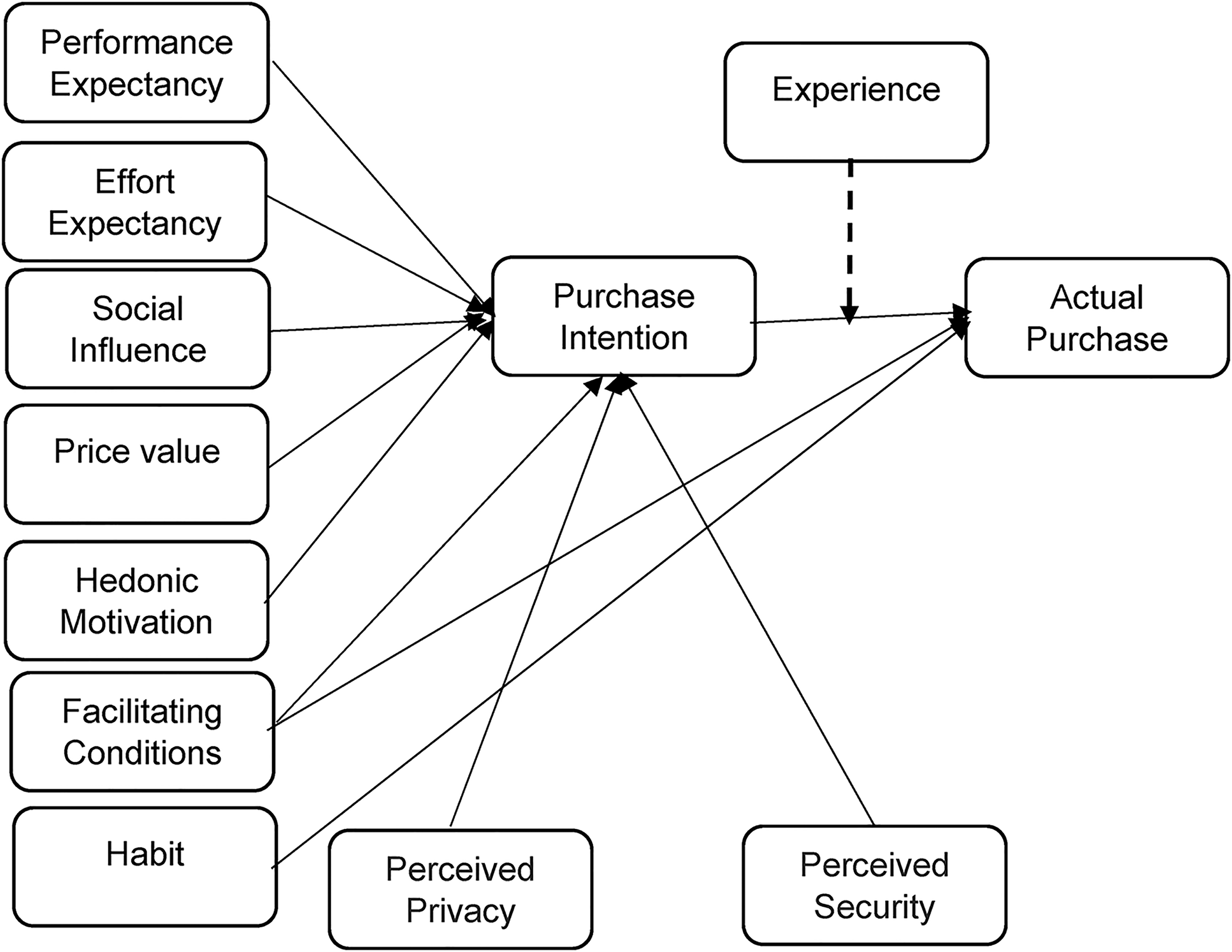
Conceptual model.
Methods
Measures
We used pre-validated scales for the variables considered under the current study. For the layout, structure, content, and ease of understanding, three subject experts were emailed and asked for their valuable comments on the research instrument. The feedback was generally positive, with only a few minor comments regarding wording and punctuation. Consequently, the instrument was revised, and as an extra precaution, it was pre-tested on 12 travelers.
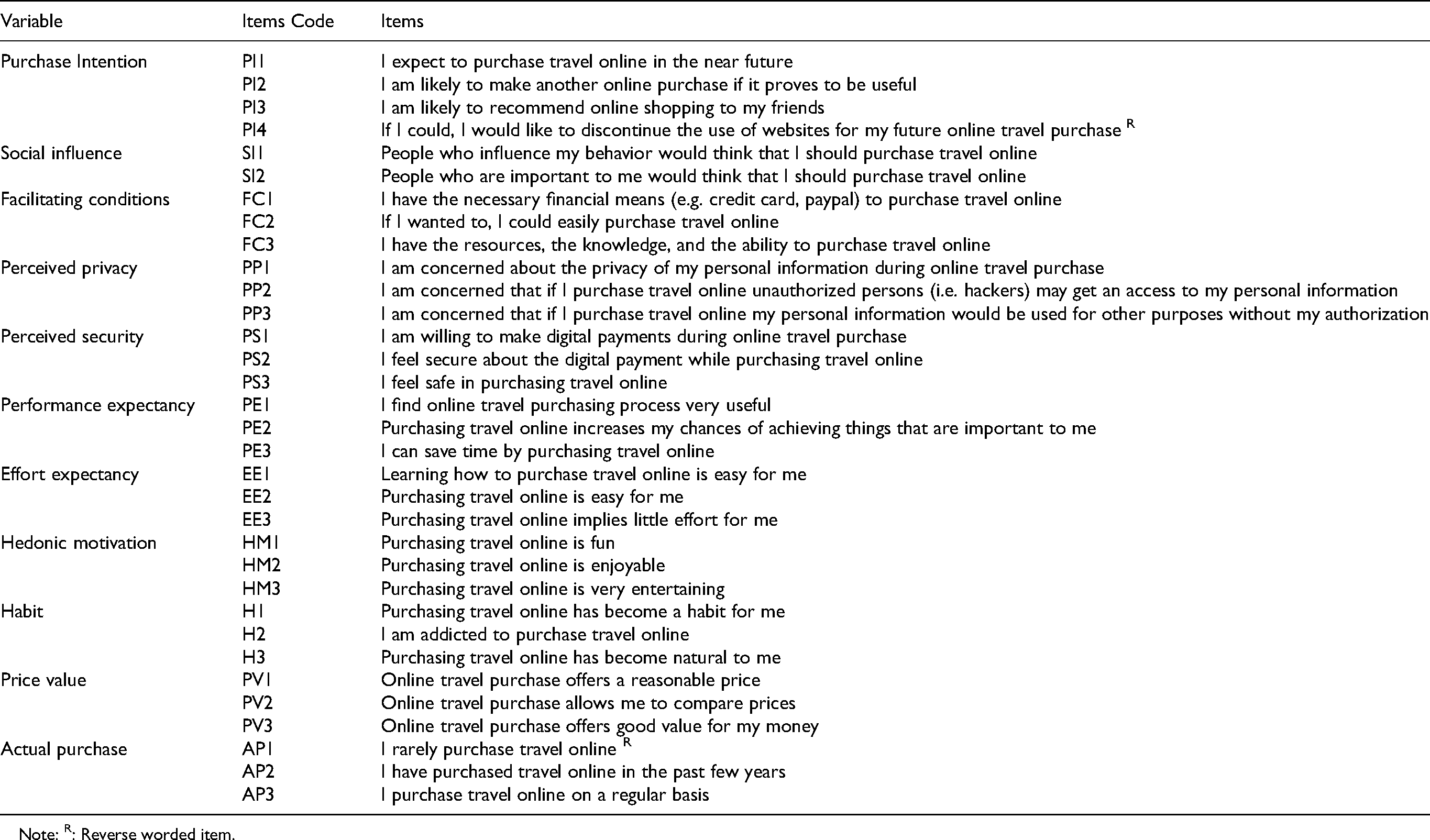
We categorized the questionnaire to be used into two: the first part comprises questions about the respondent's demographics details (i.e. age, gender, education, and experience), while the second part includes items for variables considered under the proposed model. We drew the items from relevant extant literature. For example, we adopted a 4-item scale from Kim et al. (2008) and Sadiq et al. (2021) to measure ‘purchase intention’. Again, we replicated the 2-item scale of social influence from Sadiq et al. (2021). The facilitating conditions, perceived privacy and security were measured by 3 items each adapted from Sharma et al. (2021), Kim et al. (2008), and Escobar-Rodríguez and Carvajal-Trujillo (2014), respectively. Furthermore, we measured the travelers’ performance and effort expectancy, using the 3-item scale adopted from Venkatesh et al. (2012) and Escobar-Rodríguez and Carvajal-Trujillo (2014). Similarly, habit and price value were measured by 3-item scale replicated from Baptista and Oliveira (2015), Venkatesh et al. (2012), and Choe and Kim (2019), respectively. Lastly, we measured ‘actual purchase’ using a 3-item scale (Jimenez- Parra et al., 2014; Wee et al., 2014). Notably, we used the 5-point Likert scale that varied from ‘strongly disagree’ (1) to ‘strongly-agree’ (5) to measure each item (see Appendix).
Data collection and respondents
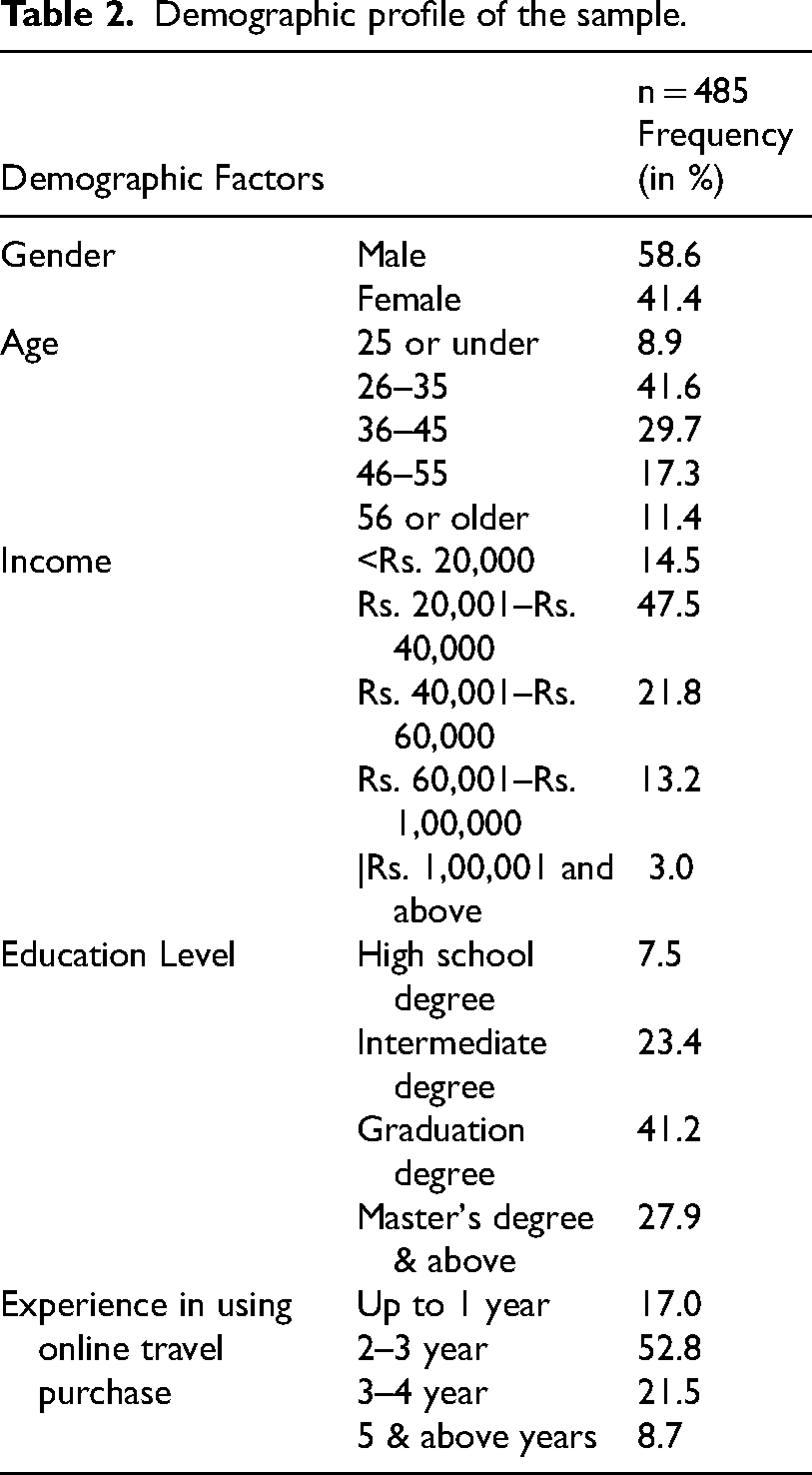
This study being quantitative in its approach, we adopted an e-survey method for data collection. We collected the responses from June 2021 by using an online platform Mturk. Notably, Mturk is a well-known crowdsourcing platform for obtaining fast and accurate research data (Matherly, 2019; Sadiq et al., 2020). Further, to ensure data quality, we adopted the criteria proposed by Peer et al. (2014) and Sadiq et al. (2022), i.e.— only those respondents were eligible to participate in the e-survey— (a) who had submitted more than 50 surveys, (b) had a response rate of 98 percent or above, (c) must be a major (i.e. 18 years or above in age) and (d) must be of Indian descent. The final data obtained from 485 respondents was greater than the recommended sample size for multivariate analysis (i.e. 10 *33 item = 330 respondents) (Hair et al., 2019; Kline, 2015). Additionally, the descriptive analysis revealed that most of the respondents were men (57.2%), while women represented 42.8% of the overall sample. Most of the respondents belonged to the age group of 26 to 35, while in terms of income, most had an income range from Rs. 20,001–Rs. 40,000 (about 47.5%). The most frequent education level among respondents (41.2%) was that of graduation, while the majority of respondents (52.8%) had two to three years of experience in using online travel purchase (see Table 2).
Demographic profile of the sample.
Analytical method
To empirically validate the conceptual model and the hypothesized relations amongst the research constructs, we employed Anderson and Gerbing’s (1988) ‘two-step technique’ of ‘structural equation modeling’ (SEM) using Adanco software. Next, pursuant to the recommendations of Hair et al. (2014) and Sadiq et al. (2021), we conducted a preliminary analysis to look for outliers and missing data, before processing with statistical analysis of the data; following which, we conducted a data normality test, along with a common method bias test
Results
Construct reliability and validity
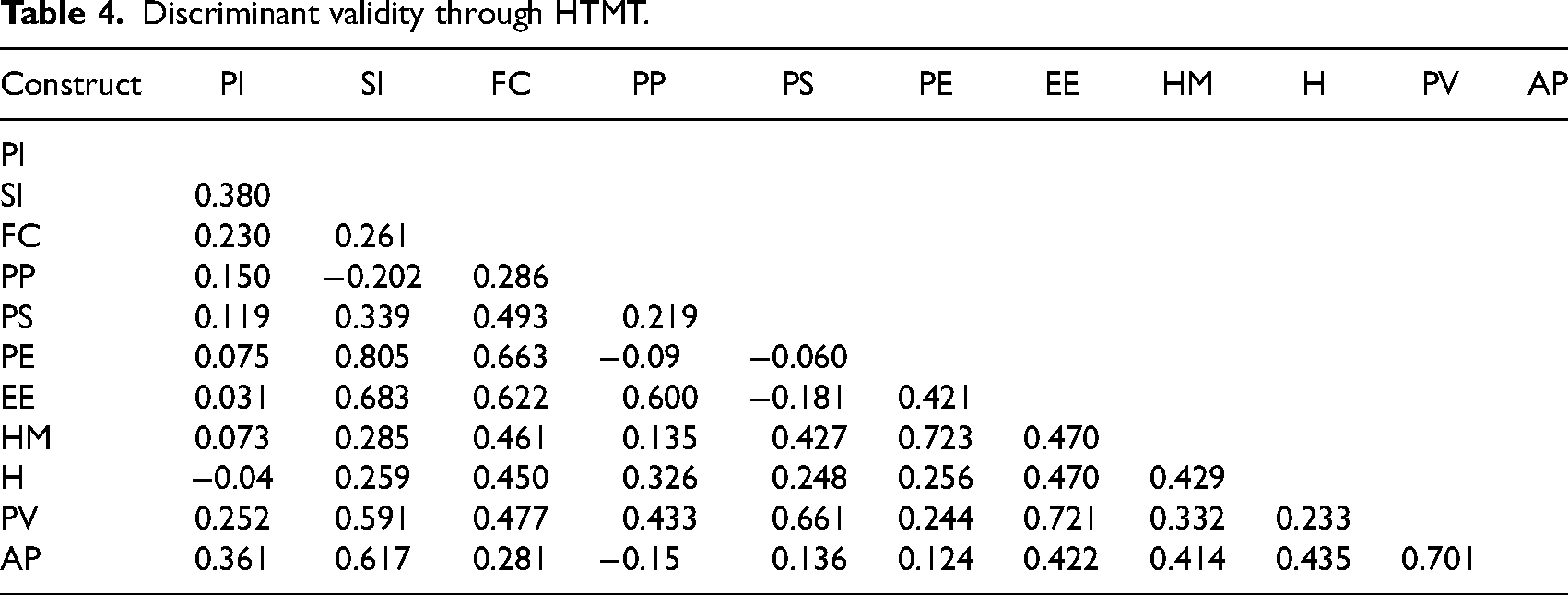
Outer loadings, Joreskog's rho (ρ), average variance extracted (AVE) (Adil, 2021; Sadiq and Adil, 2021), and Mcdonald's omega (ω) (Nasir et al., 2021a; 2021b) for each construct were examined to measure both construct reliability and validity. The extracted omega and Joreskog's rho values for all the constructs were determined to be more than the recommended limit of 0.70 (Hayes and Coutts, 2020) (see Table 3). The AVE for all the constructs was calculated to test the construct validity, and was found to be higher than the suggested value of 0.50 (Hair et al., 2016). AP had the maximum AVE value of 0.66 with the minimum AVE value of 0.54 for facilitating conditions. Furthermore, the discriminant validity of constructs was tested through HTMT, whereby the values were found to be less than the proposed value of 0.90 (Henseler et al., 2016) (see Table 4).
Descriptive statistics and convergent validity.
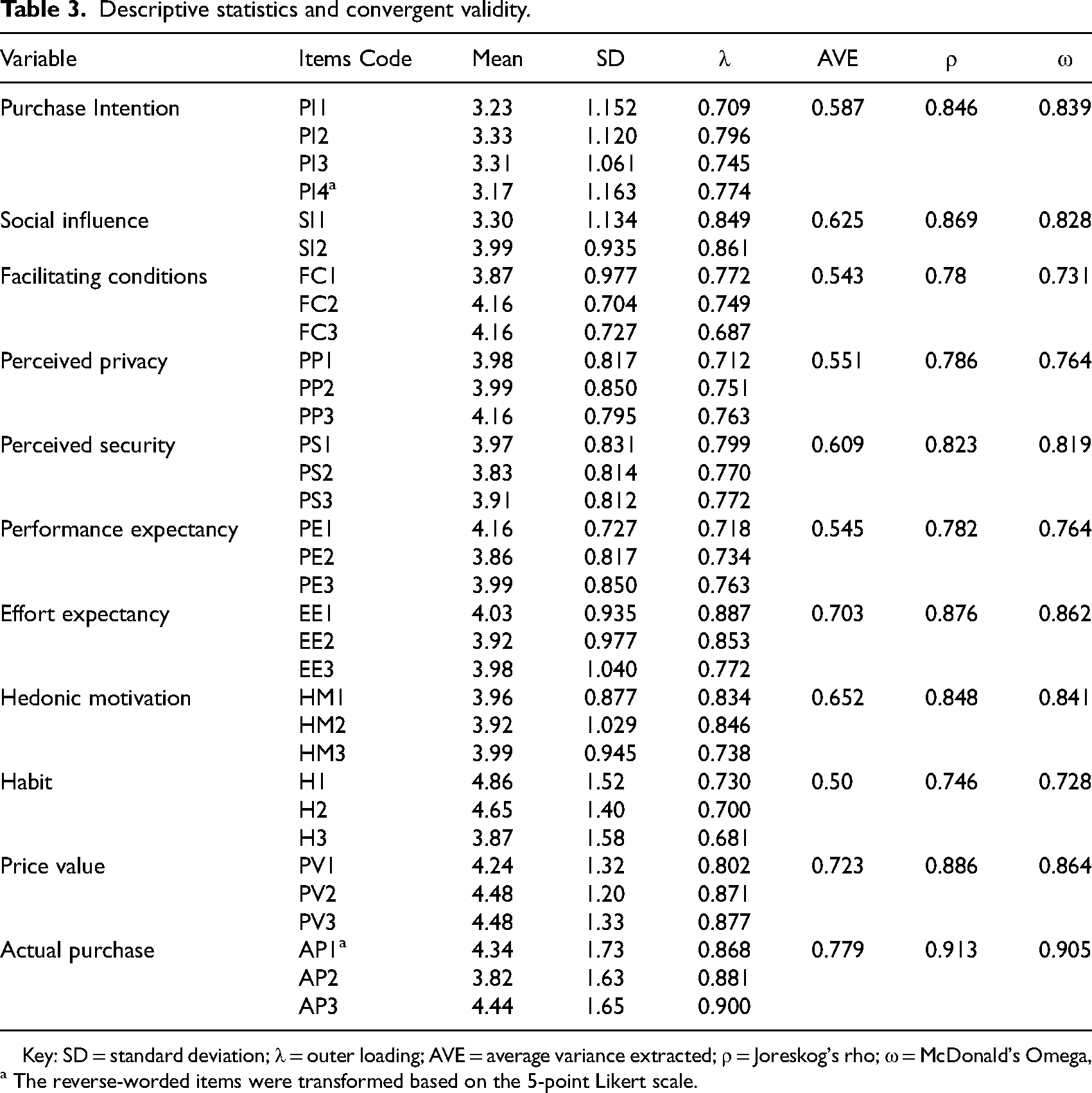
Key: SD = standard deviation; λ = outer loading; AVE = average variance extracted; ρ = Joreskog's rho; ω = McDonald's Omega, a The reverse-worded items were transformed based on the 5-point Likert scale.
Discriminant validity through HTMT.
Common method bias
Following the first check, we tested the constructs for common method bias in SPSS by executing Harman's single factor test (Sadiq et al., 2021). There was about 31.219 percent of variation in the initial components, which effectively was less than the suggested value of 50% (Podsakoff et al., 2003). This proves that the data set of online travel purchase was indeed devoid from any common method bias. We re-confirmed the CMB issue through marker variable technique; herein too, the results highlighted that our study was free from any CMB issues.
Structural model
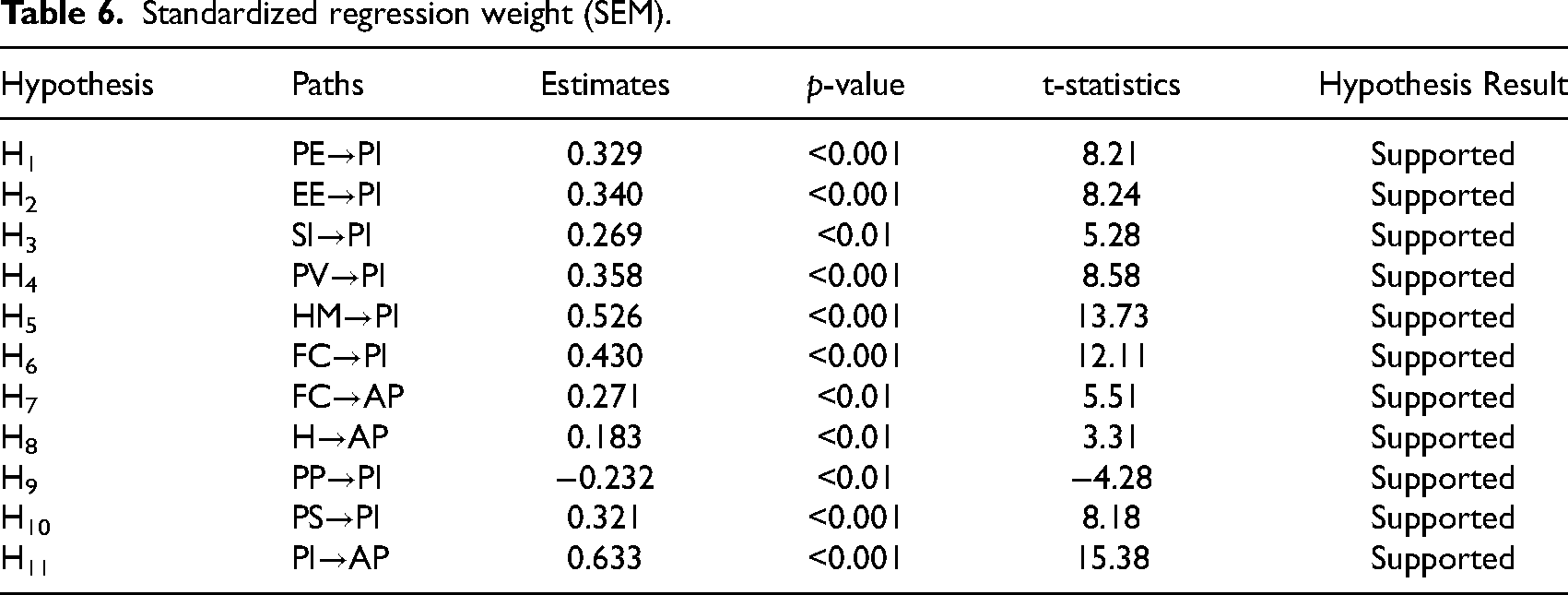
The structural model enabled us to conceptually build relations to reflect the proposed hypotheses and statistically test them (Adil et al., 2020). We confirm the fitness of the model through ‘standardized root mean square residual’ (SRMR); ‘unweighted least squares discrepancy’ (dULS) and ‘geodesic discrepancy’ (dG). Herein, it may be noted that the values obtained for each measure must be lower than the values in HI99 (Henseler, 2017). Thus, as per recommendation of Henseler (2017), the fit indices in structural model were found to be satisfactory (SRMR = 0.082, dULS = 1.247, dG = 0.356) (see Table 5). Further, the findings revealed that both PE (H1: ß = 0.32, p < 0.01) and EE (H2: ß = 0.34, p < 0.01) positively influence travelers’ PI towards online travel purchase. Similarly, the coefficient values of other factors that lead to PI include SI (H3: ß = 0.26, p < 0.001), PV (H4: ß = 0.35, p < 0.01), HM (H5: ß = 0.52, p < 0.05), FC (H6: ß = 0.43, p < 0.001), and PS (H10: ß = 0.32, p < 0.01); thus, even they were found to be positively significant. Interestingly, the coefficient value of PP seemed to have a negative and significant impact on PI (H9: ß = − .23, p < 0.05). Further, FC (H7: ß = 0.27, p < 0.05), H (H8: ß = 0.18, p < 0.01), and PI (H11: ß = 0.63, p < 0.001) had positively and significantly influenced travelers’ actual purchase (see Table 6). There was a partial indirect effect shown on the path FC→ PI→ AP in the model (see Table 7). Therefore, the mediation effect was considered as being significant, especially since the p-value in mediated relationship was noted to be lower than the recommended value of 0.05. Therefore, all hypotheses considered under the current study were supported.
Model fit values.

Standardized regression weight (SEM).
Direct and indirect effect.

Moderation analysis
This study adapted the SPSS process model 1 to examine the moderating influence of experience between the link ‘purchase intention’ and ‘actual online travel purchase’. The results herein, confirm that experience positively did moderate the association between the travelers’ purchase intention and actual online travel purchase (Table 8). Figure 2 shows the diagrammatic representation of the moderation result.
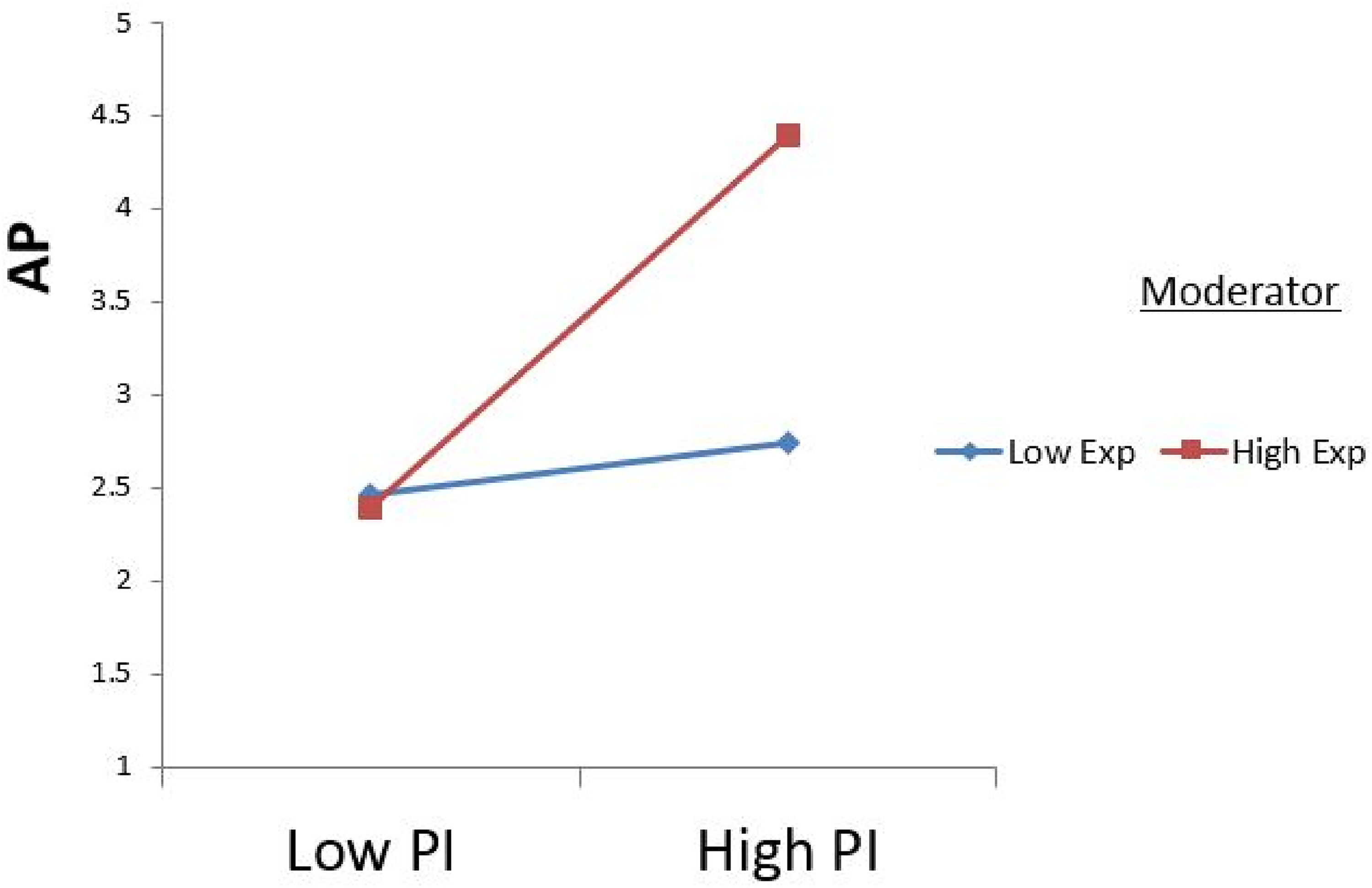
Moderating effect of experience on purchase intention and actual purchase link.
Results of moderation analysis.

Discussion
We examined consumers’ purchase intentions and actual purchase decisions in an online travel purchase context, and validated the same with an extended UTAUT2 model that incorporates two additional constructs. In order to validate the conceptual model, we proposed and empirically tested twelve hypotheses.
The first and second hypotheses proposed that performance and effort expectancy have a significant impact on travelers’ intention towards online travel purchase. Findings revealed that both performance expectancy (H1) and effort expectancy (H2) did significantly influence purchase intention during online travel purchase, as they related to the usefulness and ease of use of the technology. These findings concur with Sharma et al. (2021) that travelers are more likely to make an online purchase if the benefits resulting from such purchase are more and easier to use. However, our findings differ with Gupta et al. (2018) study, as they stated that effort expectancy did not have any significant impact on consumers’ PI. The plausible explanation for H1 and H2 could be that travelers are more likely to use online platforms if they are easy to use and simple to navigate; however, they seem more inclined to derive maximum gains from using the platform than the cost (Assaker et al., 2020). Our third hypothesis argues that social influence has a significant impact on the travelers’ intention towards online travel purchase. Based on the findings, we conclude that people, who are close and important to an individual, tend to influence travelers’ purchase intention. However, this finding differs from some earlier studies (Escobar-Rodriguez and Carvajal-Trujillo, 2014; Sharma et al., 2021), which investigated the use of technology through UTAUT2. Since online technology is highly prevalent in developing countries (Mohseni et al., 2018) such as India, this finding may be linked to the fact that Indian travelers are still influenced by aspects associated with social factors when deciding to make an online purchase. For instance, a recent study by Dogra et al. (2022) noted that Indian travelers believe that using an online travel booking service evokes their social acceptability and promotes their positive image within the social group.
IT and Marketing literature revealed that price value was indeed a major predictor of purchase intention (e.g. Baptista and Oliveira, 2015; Gupta et al., 2018). Therefore, we, through H4 proposed that price value has a significant impact on the travelers’ purchase intention. This finding concurs with prior studies (e.g. Antunes and Amaro, 2016; Gupta et al., 2018), that showed a significant and positive association among price value and online travel booking. Largely, this finding demonstrates that the relationship between price value and purchase intention can be attributed to the fact that travelers are more likely to purchase travel products online, only if the utility associated with such systems are perceived to be higher than the monetary cost.
The associations of hedonic motivation and facilitating conditions (H5, H6 and H7) with travelers’ purchase intention and actual purchase imply that travelers, who perceive that purchasing online could offer them with additional intrinsic utilities (e.g. enjoyment, convenience, pleasure) tend to adapt technology. Our findings indicated a significant relationship between hedonic motivation, facilitating conditions, and purchase intention. The positive relationship between hedonic motivation and purchase intention concurs with Herrero and Martin (2017) study. Similarly, extant literature also supported that facilitating conditions significantly influence the consumers’ intention (Alalwan et al., 2018). However, in this regard, our findings differ, especially from studies of Gupta et al. (2018), where hedonic motivation and facilitating conditions seemed to have no impact on travelers’ behavioral intentions to adopt technology. Largely, our results imply that travelers are actually highly motivated to purchase travel products online, when they become accustomed, and have sufficient knowledge and support to effectuate the online purchase. One possible reason for such motivation could be the travelers’ perceived level of enjoyment from using online travel services. Further, H7 finds empirical support in this study, which shows that facilitating conditions significantly and positively do influence the travelers’ actual purchase of travel products online. As a result, travelers are more concerned about the facilities, resources, and skills needed to complete an online travel purchase. Further, it may be argued that the relationship between facilitating condition and actual purchase behavior is possibly due to the fact that there are essential facilities (e.g. an internet connection, devices, and secured websites) that enable travelers to have a seamless, safe, and easy experience while making their travel purchase online. The results concur with the findings of Alalwan et al. (2018), Gupta and Dogra (2017), and Assaker et al. (2020), which indicated that facilitating conditions was the key predictor of actual behavior. As shown in Table 5, habit was also found to be the significant factor predicting the travelers’ actual purchase towards online travel purchases. This means that the extent of purchasing travel products online reaches the highest level among those travelers’ who have already formulated habitual behavior toward such purchases. This result is in line with the results of Assaker et al. (2020) and Venkatesh et al. (2012).
Furthermore, our results also support the significance of two additional constructs (i.e. perceived privacy and perceived security) in the online travel purchase context. H9 stated that perceived privacy has a negative impact on travelers’ purchase intention. This result corresponds to the limited body of research on travelers’ perceived privacy, illustrating that, that perceived privacy is an important aspect considered by travelers in formulating their intention to purchase travel online. In addition, the negative relationship between perceived privacy and purchase intention revealed that travelers are less likely to purchase travel products online, if they believe that they are at risk of losing personal information. While, perceived security has both a significant and positive effect on travelers’ purchase intention (H10). While, perceived security has both a significant and positive effect on travelers’ purchase intention (H10), this finding indicates that travelers’ positive perceptions of online security with travel aggregators are more likely to impact positive behavior. This suggests that if travelers are adequately protected from security threats (Sadiq et al., 2019), they will use online booking systems. It even seems logical because online travel purchases often include financial transactions; therefore, travelers, particularly those from India will be more concerned about security (Adil et al., 2020) because they are more accustomed to performing financial activities face to face. As expected, both perceived privacy and security were identified as critical factors for purchasing travel products online, owing to the distinct risks of data leakage and unsecured financial transactions. Thus, improving the digital infrastructure and use of secured technology are essential for ensuring the standard levels of privacy and security in the tourism context. With these two variables in place, travelers may be confident engaging in travel purchases online, even with travel aggregators, who offer data protection and privacy to individuals through their most stringent and secure systems. To elaborate the link between travelers’ purchase intention and actual online travel purchase, we had proposed H11. The result herein proves to be significant, implying thereby that the intention to purchase online is crucial for effectuating an actual purchase.
Through this study, we offered insights in understanding how travelers’ previous experience with online travel purchase does go on to influence their intention to repeat their online purchases. We specifically investigated the travelers’ prior experience as a moderator on the association of purchase intention with actual purchase (H12), and found it to be significant. This finding coincides with Leong et al. (2018) study. Furthermore, this finding (H12) implies that high degree of travelers’ experience, does increase the travelers’ intention of purchasing travel products online, which eventually results in a gradual increase in their actual online purchases.
Theoretical implications
The major theoretical contribution of our study rests in proposing and testing an extended version of UTAUT2 in the context of online travel purchase. We hypothesized the travelers’ intention and actual usage of online travel purchase by proposing a conceptual model. We found that all the constructs, apart from perceived privacy did have a significant effect on purchase intention, which in turn, have a significant influence on the travelers’ actual purchase. This study therefore enriches extant literature by providing a unique understanding into the dynamics of the travelers’ actual online purchase. Importantly, we also included both perceived security and privacy; and thereby, we contribute to extant literature as the role of these two constructs has not been tested earlier, specifically in the online travel purchase context. However, we do acknowledge the fact that researchers in the past did recognize the need to study the importance of these constructs (Gupta et al., 2018; Khare et al., 2020; Mohseni et al., 2018). Besides this, even the moderating effect of users’ experience on the association amongst purchase intention and actual purchase was not examined earlier in the context of travel purchase online. Therefore, we believe that we have indeed made a noteworthy contribution to the field of tourism literature, particularly online purchase, by expanding the existing compendium of knowledge.
Managerial implications
This study offers some important implications that would be helpful to practitioners, policy-makers, managers, and other stakeholders. First, our findings highlight the significant association between the constructs of the UTAUT2 model and travelers’ purchase intention. Therefore, online travel aggregators should formulate marketing strategies to attract travelers to purchase directly from an online platform. They should design their platform (websites/mobile app) keeping in mind the travelers’ hedonic and utilitarian benefits, so that the travelers actually perceive online purchasing as easy, convenient, and enjoyable.
Second, we highlight that social influence does have a significant relationship with the travelers’ purchase intention; and therefore, one strategy for travel aggregators should be to establish a positive reputation among referents, so that they can actively suggest a direct online purchase medium to others.
Third, given that ‘habit’ is an influential factor of the travelers’ purchase intention of online travel purchase, travel aggregators therefore, should design their communication messages to encourage travelers to use online technology regularly for travel purposes. They should also promote various usage contexts of online travel purchases on the internet or in conventional media to develop the ‘habit’ among travelers. Also, personalized services, incentives, and discounts should be offered, to make the travelers’ visit their digital platform more often to avail services.
Fourth, the travel aggregators should be particular about the security and privacy concerns of the travelers. To enhance actual online travel purchase experiences, policymakers and marketers need to consider factors like perceived privacy, perceived security, and memorable experiences. Travel aggregators’ message/advertising should clearly communicate their strong privacy policies, kind of data gathered, and the intended use of the data. In the similar vein, a clear disclosure of information gathering policies (such as, ‘How do we handle traveler's data?’) should also be made to ensure that data consumption transparency is maintained. Additionally, marketers must obtain travelers’ consent before sharing their personal data with third parties in order to ensure the security of travelers’ data. Moreover, marketers must maintain the security of their digital platforms through cutting-edge security technologies and rigorous security procedures. Furthermore, they also need to engage with travelers more, as that would boost the travelers’ confidence. Additionally, the travel aggregators should offer a safe purchasing environment and protection system, such as authentication, encryption, and other protection measures, to prevent any unauthorized access.
Finally, our findings do confirm that online purchase intention does have a significant and positive influence on actual purchase behavior. Thus, managers should strive to strengthen the travelers’ intention toward online purchases, because the travelers’ positive intention would lead them towards the actual usage of online travel services.
Our findings also offer implications for marketers; for instance, not only should they focus on direct sales, but they should also monitor the experience of travelers, who purchase travel products online through comments and feedbacks received on the aggregator's website. Marketers could use these positive feedbacks, especially credible and independent ones, as effective promotional tools.
Limitations and future research directions
Although this study provides meaningful theoretical and managerial implications, yet it suffers from three limitations. First, the survey was carried out on respondents from India; hence, the findings may not be generalizable to other nations, as consumers’ perceptions, values and behavior may vary. However, researchers may consider using Hofstede's ‘cultural dimensions’ to examine cross-cultural preferences from multiple perspectives (Hofstede, 1980). Hofstede's six-dimensions model (i.e. power distance, individualism, masculinity, uncertainty avoidance, long term orientation and indulgence) allows international comparison between cultures, by combining national scores (from 1 for the lowest to 100 for the highest) (Hofstede, Hofstede and Minkov, 2010). Hence, comparing Indian culture to other cultures around the world will allow researchers to gain a better understanding of how a society's culture influences individuals’ values, and in turn, shapes their behavior. Also, nations scoring at par with India in Hofstede's ‘cultural dimensions’ may benefit from this research by replicating the findings of the study in their own context. Second, the consideration of a broad definition of online travel purchase is another limitation that future researchers could possibly overcome by considering different purchasing categories of travel products, instead of considering online travel as a single category. Finally, the device used (i.e. personal computers/ mobile phones) to make the online travel purchase has also not been taken into consideration in our study. Future studies could thereby examine the impact of ‘devices’ on travelers’ actual online purchase intention and behavior. Additionally, future researchers could also enrich existing literature on tourists’ behavior by applying key theories, such as the Expectation Confirmation Theory (ECT) (Oliver, 1980) and the Information System Continuance model (IS) (Bhattacherjee, 2001). Research on human—computer interaction indicates that even when consumers are well-trained before using a technology, they learn significantly during actual use of the technology. The ECT-IS model assumes that consumers’ intention to continue using online technology is influenced by their satisfaction with online technology, their level of confirmation, and their expectations following acceptance. Therefore, future researchers can utilize ECT-IS framework to understand travelers’ post adoption behavior toward online travel purchase.
Footnotes
Declaration of conflicting interests
The author(s) declared no potential conflicts of interest with respect to the research, authorship, and/or publication of this article.
Funding
The author(s) received no financial support for the research, authorship, and/or publication of this article

Appendix Measures
| Variable | Items Code | Items |
|---|---|---|
| Purchase Intention | PI1 | I expect to purchase travel online in the near future |
| PI2 | I am likely to make another online purchase if it proves to be useful | |
| PI3 | I am likely to recommend online shopping to my friends | |
| PI4 | If I could, I would like to discontinue the use of websites for my future online travel purchase R | |
| Social influence | SI1 | People who influence my behavior would think that I should purchase travel online |
| SI2 | People who are important to me would think that I should purchase travel online | |
| Facilitating conditions | FC1 | I have the necessary financial means (e.g. credit card, paypal) to purchase travel online |
| FC2 | If I wanted to, I could easily purchase travel online | |
| FC3 | I have the resources, the knowledge, and the ability to purchase travel online | |
| Perceived privacy | PP1 | I am concerned about the privacy of my personal information during online travel purchase |
| PP2 | I am concerned that if I purchase travel online unauthorized persons (i.e. hackers) may get an access to my personal information | |
| PP3 | I am concerned that if I purchase travel online my personal information would be used for other purposes without my authorization | |
| Perceived security | PS1 | I am willing to make digital payments during online travel purchase |
| PS2 | I feel secure about the digital payment while purchasing travel online | |
| PS3 | I feel safe in purchasing travel online | |
| Performance expectancy | PE1 | I find online travel purchasing process very useful |
| PE2 | Purchasing travel online increases my chances of achieving things that are important to me | |
| PE3 | I can save time by purchasing travel online | |
| Effort expectancy | EE1 | Learning how to purchase travel online is easy for me |
| EE2 | Purchasing travel online is easy for me | |
| EE3 | Purchasing travel online implies little effort for me | |
| Hedonic motivation | HM1 | Purchasing travel online is fun |
| HM2 | Purchasing travel online is enjoyable | |
| HM3 | Purchasing travel online is very entertaining | |
| Habit | H1 | Purchasing travel online has become a habit for me |
| H2 | I am addicted to purchase travel online | |
| H3 | Purchasing travel online has become natural to me | |
| Price value | PV1 | Online travel purchase offers a reasonable price |
| PV2 | Online travel purchase allows me to compare prices | |
| PV3 | Online travel purchase offers good value for my money | |
| Actual purchase | AP1 | I rarely purchase travel online R |
| AP2 | I have purchased travel online in the past few years | |
| AP3 | I purchase travel online on a regular basis |
Note: R: Reverse worded item.